The Number That Feels Wrong
You open the total loss offer and your stomach drops. The insurer says your car is worth thousands less than similar vehicles you just saw listed online. That gap feels shady, but it usually comes down to how insurers calculate actual cash value, or ACV, after a total loss.

Why Asking Prices Can Throw You Off
The first thing to know is that online listings usually show asking prices, not what buyers actually paid. A dealer can list a car at an ambitious number, then cut the price later. Unless your policy includes replacement coverage, insurers usually do not owe you the advertised price of another car on the market.

What Insurers Usually Pay After A Total Loss
With a standard auto policy, the payout for a totaled car is usually based on the vehicle’s actual cash value at the time of the loss. The National Association of Insurance Commissioners says ACV is replacement cost minus depreciation. In other words, the payment is based on what your specific car was worth right before the crash, theft, flood, or fire.

Actual Cash Value Drives Everything
ACV is the term that matters most here. It is not the original sticker price, your remaining loan balance, or the price of the nicest version of your car for sale nearby. It is a depreciation-based estimate of what your vehicle was worth on the date of the loss, based on age, mileage, condition, trim, and equipment.

Online Listings Are Only Part Of The Story
Listings can be useful, but they do not tell the whole story. A car listed online may have lower mileage, a better trim, cleaner cosmetics, or dealer repairs already built into the price. That is one big reason your search results can look a lot higher than the insurer’s offer.

How Comparable Vehicle Searches Work
Insurers often use third-party valuation systems to find comparable vehicles, usually called comps. These reports try to match year, make, model, trim, mileage, options, and local market data. Then they adjust the numbers to account for differences between your car and the comparable vehicles they found.

Who Usually Creates These Reports
One name that comes up a lot is CCC Intelligent Solutions, which provides valuation reports used by many insurers. Mitchell, now part of Enlyte, also offers valuation products for claims. These companies use dealer inventory, transaction data, vehicle configuration details, and condition adjustments to estimate ACV.

The Offer Is Based On Your Car, Not The Best One Online
This is where a lot of frustration comes from. If your car had worn tires, a cracked windshield, high mileage, or old cosmetic damage, the valuation may reduce the number for those issues. Meanwhile, the cars you found online may be freshly detailed dealer-ready examples with repairs and warranties built into the sticker price.

Condition Adjustments Can Change The Number Fast
Condition is one of the most argued-over parts of a total loss valuation. Some reports include deductions for prior damage, paint problems, interior wear, or mechanical issues. If those deductions are wrong or overstated, the settlement offer can end up a lot lower than it should be.

Mileage Carries A Lot Of Weight
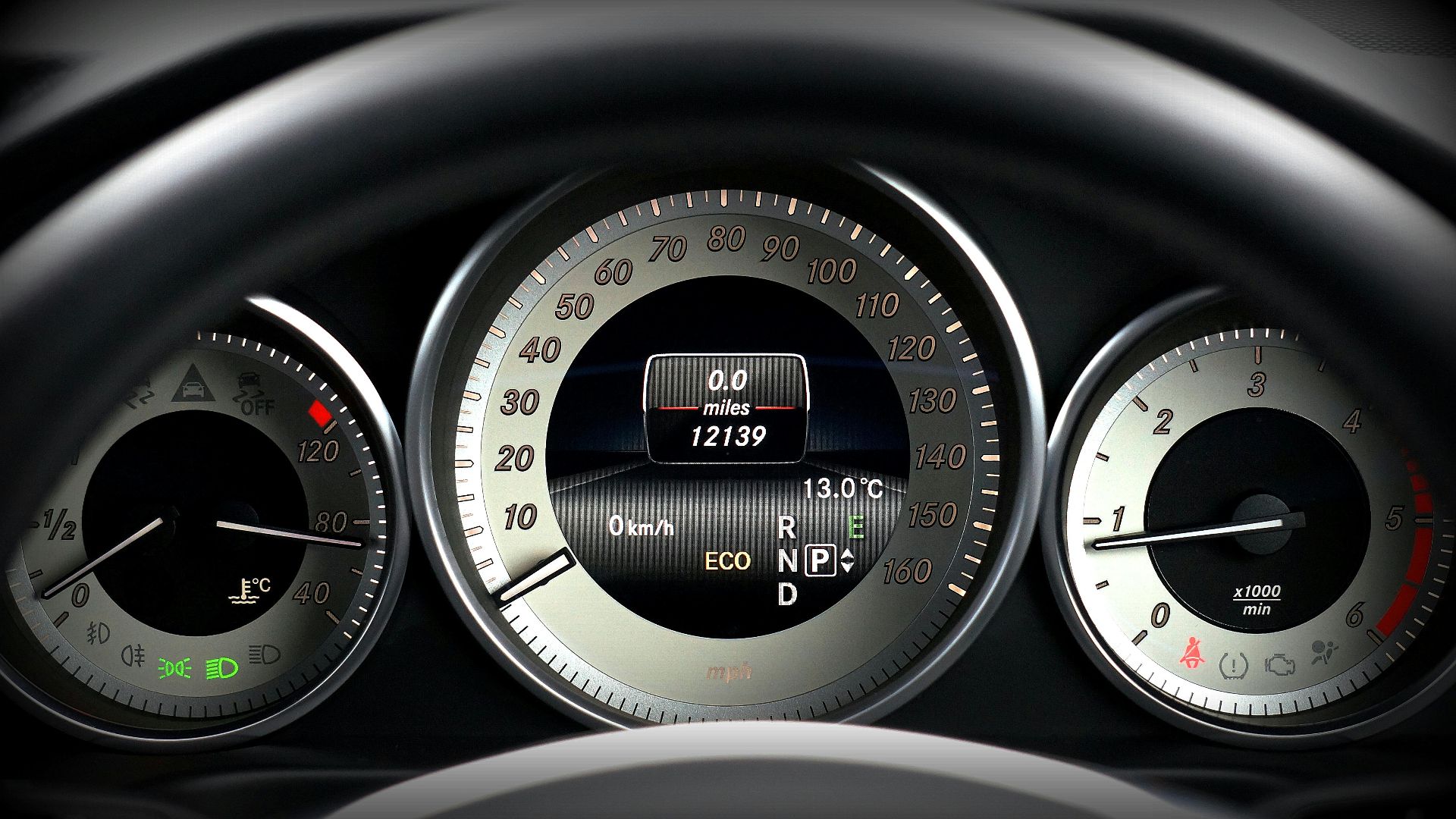
Mileage can have a major effect on ACV because it directly affects depreciation. A comparable vehicle with 40,000 fewer miles is not really comparable without a serious adjustment. If the insurer used cars with much lower mileage and then adjusted downward, that may make sense, but the reverse can also point to a mistake.
Trim And Options Matter More Than People Think
A base model and a higher trim can look almost identical in a quick search. But options like leather seats, driver-assistance features, upgraded wheels, premium audio, towing equipment, and all-wheel drive can make a real difference in value. If the valuation report missed factory options, your offer may be too low.

Local Market Matters
Most state insurance departments say comparable vehicles should come from the local market when possible. Prices can swing a lot by region because of weather, demand, and the kinds of vehicles people buy there. A compact SUV in Denver or Seattle may not be priced the same way as that same SUV in Miami or rural Texas.

Dealer Listings Include Extras You May Not Be Owed
That shiny listing online may include dealer overhead, reconditioning, advertising costs, and profit. The California Department of Insurance notes that dealer retail prices can differ from ACV for exactly those reasons. Put simply, your insurer is usually valuing the car itself, not everything a dealer wraps around the sale.

Taxes And Fees Are A Separate Issue
Even if the ACV number is disappointing, taxes and certain fees may still be added depending on your state’s rules. Some states require sales tax, title fees, and registration-related costs in total loss settlements. Check your state insurance department’s guidance because those extras can make a noticeable difference in the final payment.

Your Loan Balance Does Not Set The Value
This is another rough surprise for a lot of drivers. If you owe more than the car’s ACV, the insurer still usually pays ACV, not what is left on your loan. Gap insurance exists for this exact situation. Without it, you can end up paying off a car you no longer have.

Lease Payoffs Work Differently
If the car is leased, the payment usually goes first to the leasing company because it owns the vehicle. Then the lease contract and the insurance claim determine what happens next. That can leave drivers with little or nothing back, even when the accident was not their fault.
State Rules Matter More Than Most People Realize
Total loss valuation is not controlled by one national rulebook. State laws and regulations can affect what data insurers may use, how they must explain deductions, and what taxes or fees must be included. That is why your own state insurance department is often the best place to start.

Valuation Practices Have Faced Scrutiny Before
Questions about total loss reports are nothing new. Regulators in several states have looked closely at whether valuation methods, condition adjustments, and projected sale adjustments are fair and clearly explained. That is one reason many insurance departments tell consumers to ask for the full valuation report and review it carefully.

Ask For The Full Valuation Report Right Away
If the offer looks low, ask for the complete valuation report, not just the payout number. You want to see the comparable vehicles, mileage, options list, condition notes, and every adjustment that pushed the value down. That report gives you something solid to challenge instead of just a bad feeling.

Check The Basics First
Start with simple factual mistakes. Make sure the VIN, model year, trim level, drivetrain, engine, cab style, bed length, and factory packages are correct. A small error on paper can quietly knock hundreds or even thousands off the value.

Look Hard At The Comparable Vehicles
Then go through the comps one by one. Are they really the same trim, body style, and drivetrain, and are they actually in your local market? If a supposed comparable is far away, has different equipment, or was already sold, that can help you challenge the report.

Push Back On Weak Condition Deductions
If the report says your car had prior damage, heavy wear, or mechanical issues, ask what evidence supports those deductions. Photos from before the loss, service records, and inspection reports can help. A lot of these disputes come down to whether the condition adjustments were backed up and properly documented.

Bring Your Own Comparable Evidence
Online listings still have value if you use them the right way. Look for vehicles with the same year, make, model, trim, mileage range, and key options in your local market. Save screenshots or PDFs right away because listings disappear fast, and the closer the match, the stronger your argument.

Do Not Overlook Service And Upgrade Records
Receipts can help, but mostly for the right kinds of issues. Recent tires, a new battery, major mechanical work, and proof of factory options can support corrections to condition or equipment. Custom upgrades are harder to claim because many insurers count them only if the policy specifically covers aftermarket equipment.

A Calm Reconsideration Letter Can Help
Once you have the report and your evidence, respond in writing. Point out each mistake, attach proof, and ask for a revised valuation. Keep the tone clear and factual because a short, well-supported challenge usually works better than a broad complaint that similar cars cost more online.

If The Dispute Goes Nowhere, Escalate It
Ask to speak with the adjuster’s supervisor or the total loss unit. If you still think the valuation breaks state rules or ignores obvious evidence, contact your state insurance department and file a complaint. Regulators usually will not decide the value for you, but they can push the insurer to explain and follow the rules.

Your Policy May Offer Another Option
Some auto policies include an appraisal clause for disputes over value. In that process, you and the insurer each hire an appraiser, and sometimes an umpire helps settle the difference. It can take time and money, but if the gap is big enough, it may be worth a look.

The Bottom Line On A Low Offer
Your insurer usually is not comparing your totaled car to the best-looking dealer listing on your phone. It is trying to estimate actual cash value on the date of loss using comparable vehicles, depreciation, mileage, condition, equipment, and local market data. The good news is that a low offer is not always the final word. Careful fact-checking of the valuation report is often the fastest way to push for a better result.