When Pickup Trucks Became Stars Of The Small Screen
During the 1980s and 1990s, television had a special way of turning everyday vehicles into cultural icons. Pickup trucks, in particular, weren’t just transportation—they were symbols of independence, grit, and identity. These trucks helped define characters, establish settings, and make stories feel authentic. Long before social media or streaming, viewers formed emotional connections with these machines week after week. Looking back now, these pickups capture the spirit of their eras just as clearly as the shows themselves.
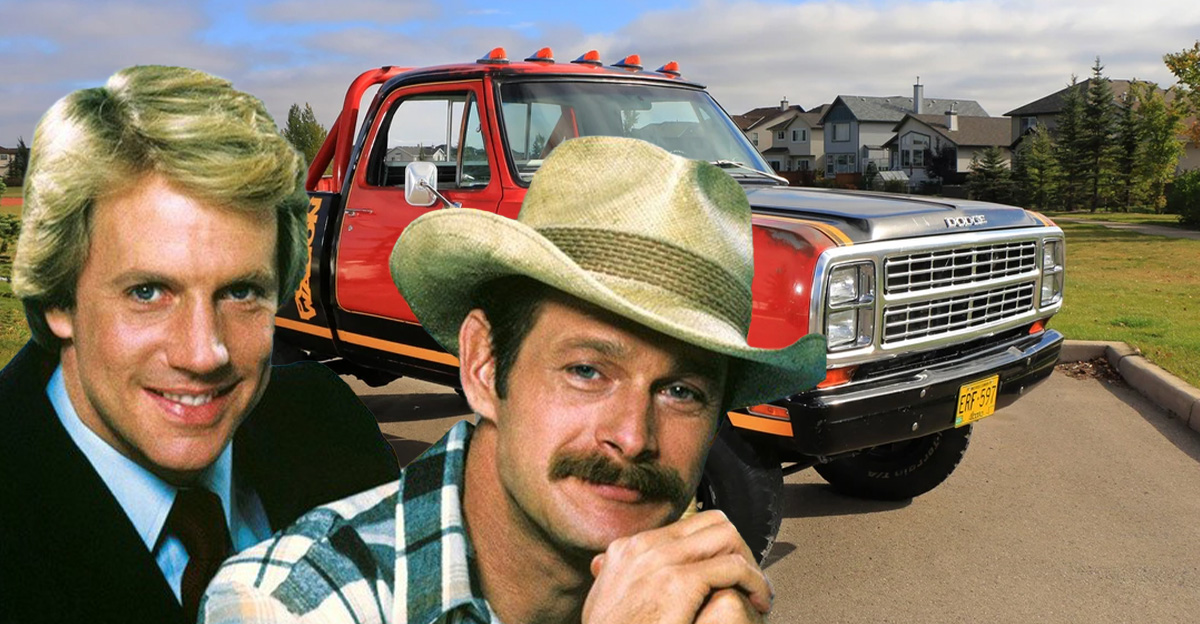
GMC Sierra Grande – The Fall Guy
Colt Seavers’ GMC Sierra Grande wasn’t just a truck—it was a statement. Lifted sky-high with bold red paint and silver accents, it looked ready to leap off cliffs at a moment’s notice. Perfectly matched to Lee Majors’ fearless stuntman persona, the Sierra Grande became a rolling symbol of 1980s excess, confidence, and unapologetic American muscle that audiences still remember fondly.
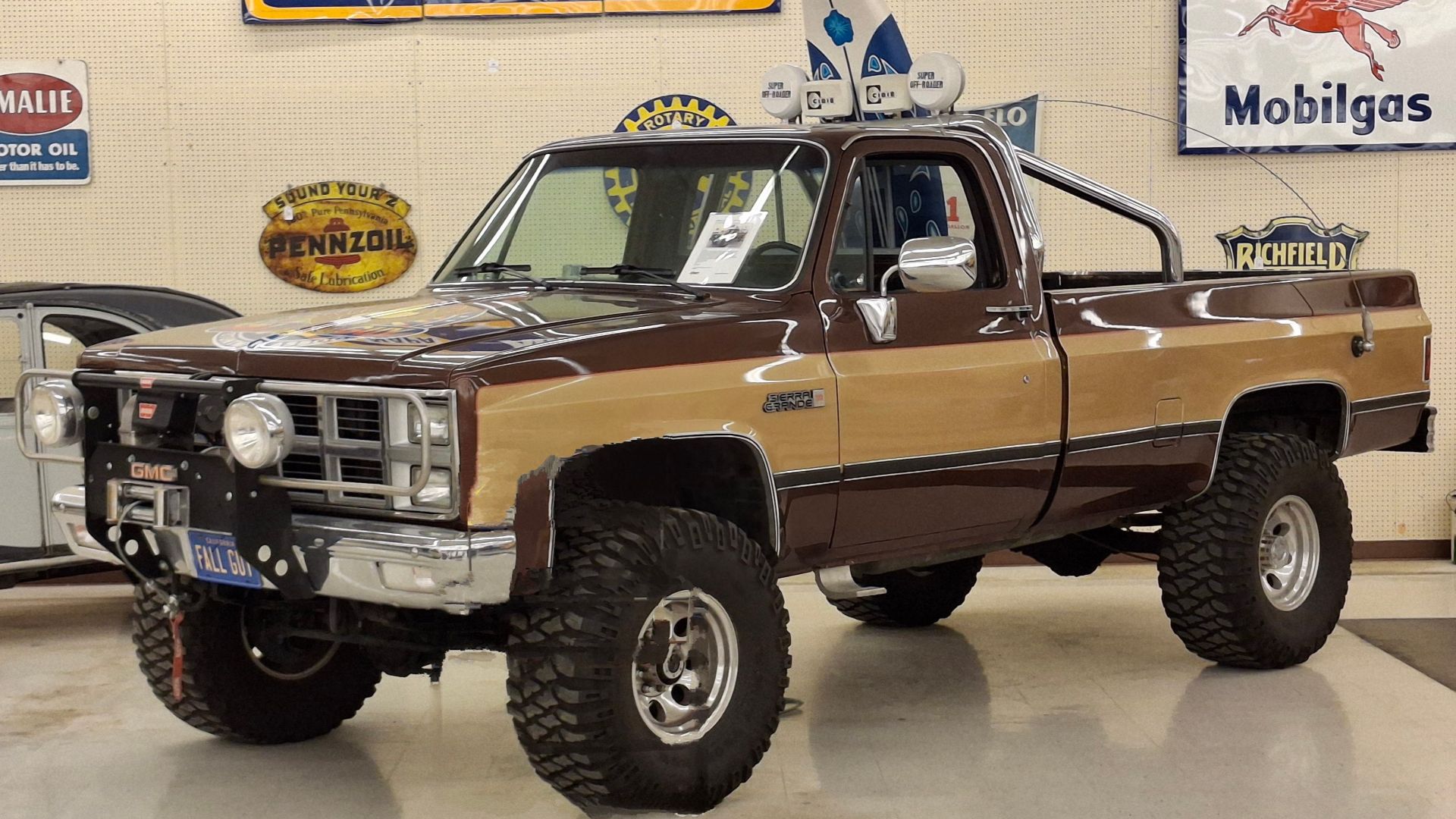
Dodge Power Wagon – Simon & Simon
The Dodge Power Wagon in Simon & Simon felt refreshingly real. It wasn’t flashy or pristine, but it looked like a truck that earned every scratch and dent. That authenticity made it the perfect companion for Rick Simon’s rugged private investigator lifestyle, grounding the show in realism while quietly reinforcing the truck’s reputation for durability and dependability.
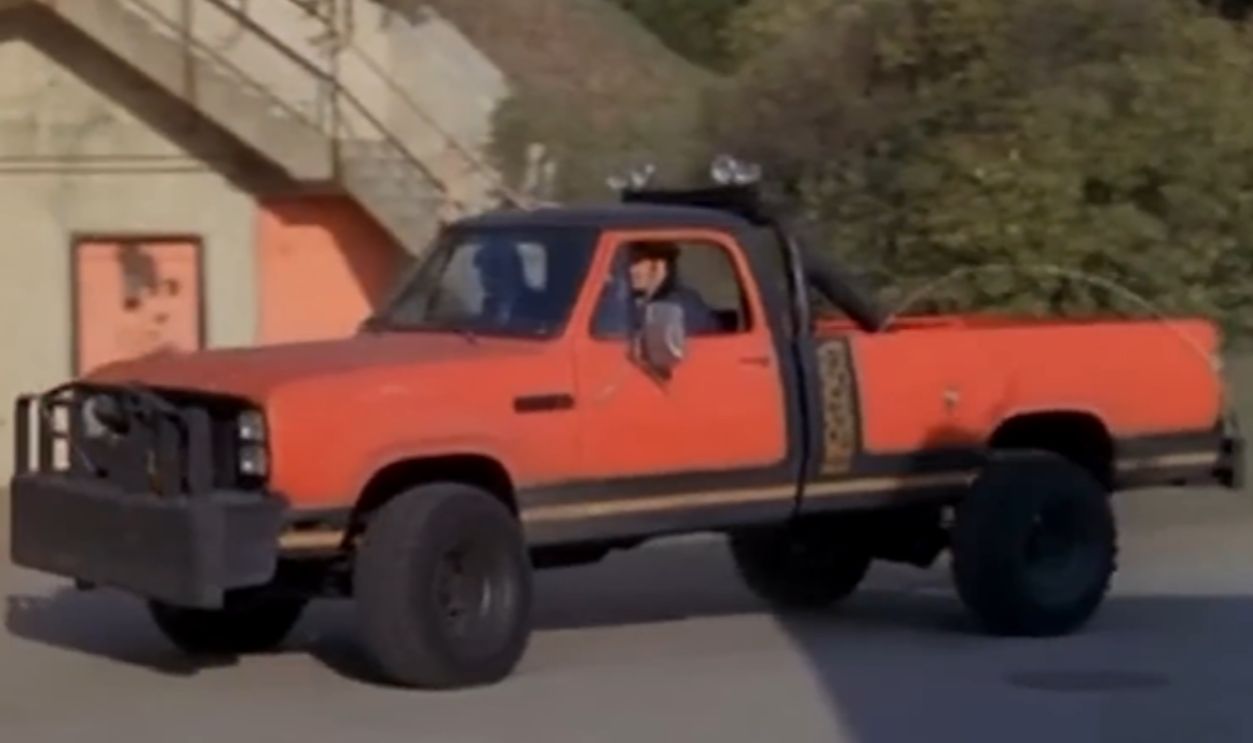 Screenshot from Simon & Simon, CBS (1981–1989)
Ford F-Series – Dallas
In the oil-soaked world of Dallas, Ford F-Series pickups symbolized Texas tradition and working wealth. While luxury cars represented excess, these trucks reflected ranch life, land ownership, and hands-on power. They helped balance the show’s glitz with a reminder that everything revolved around property, work, and the Texas way of life.
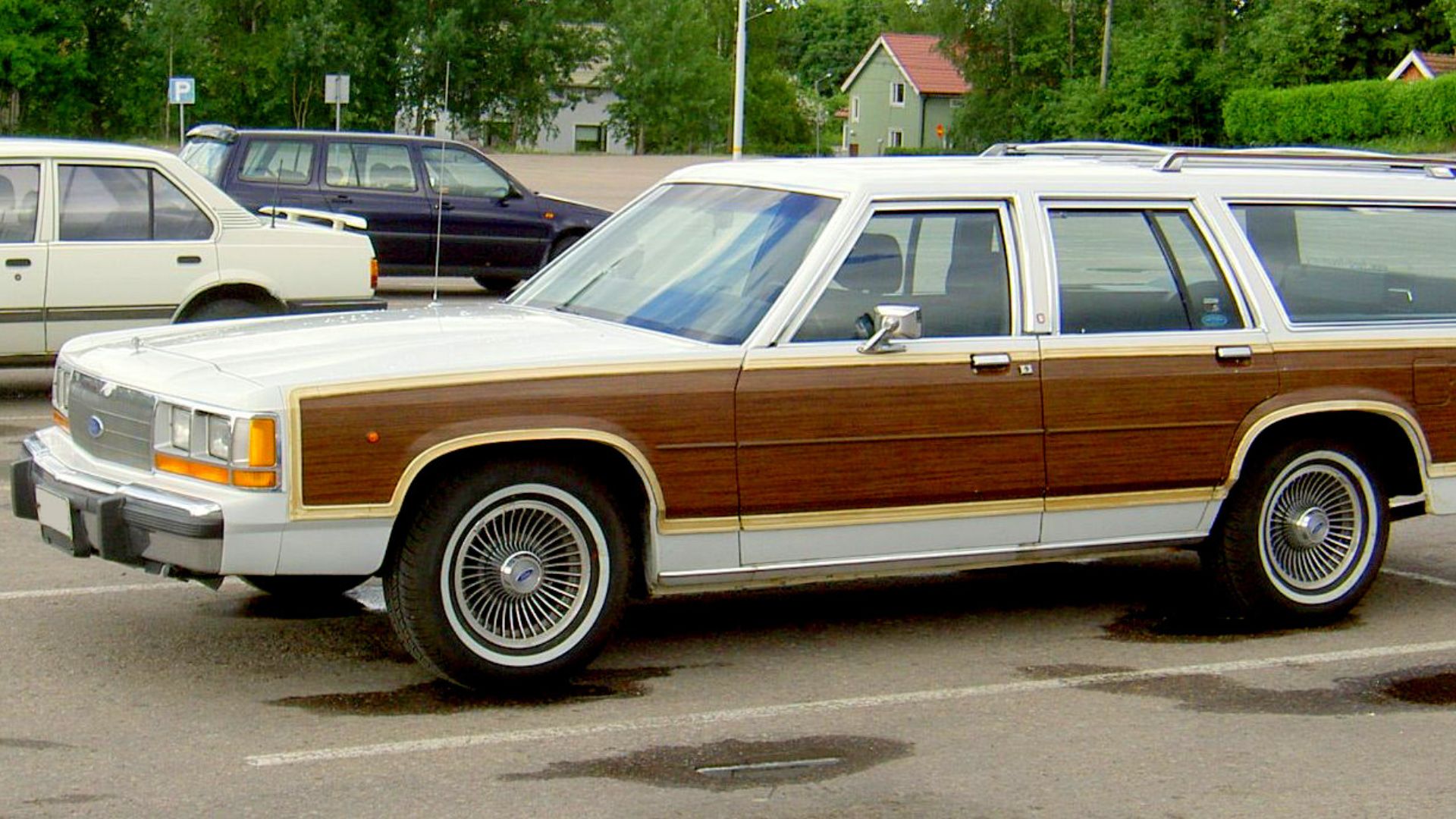
Chevrolet C/K – Walker, Texas Ranger
Chuck Norris’ Walker didn’t need a flashy ride—he needed something trustworthy. The Chevrolet C/K pickup fit that role perfectly. Simple, tough, and always ready, it mirrored Walker’s straight-laced sense of justice and quiet strength. The truck’s presence reinforced the show’s rural roots and commitment to traditional values.
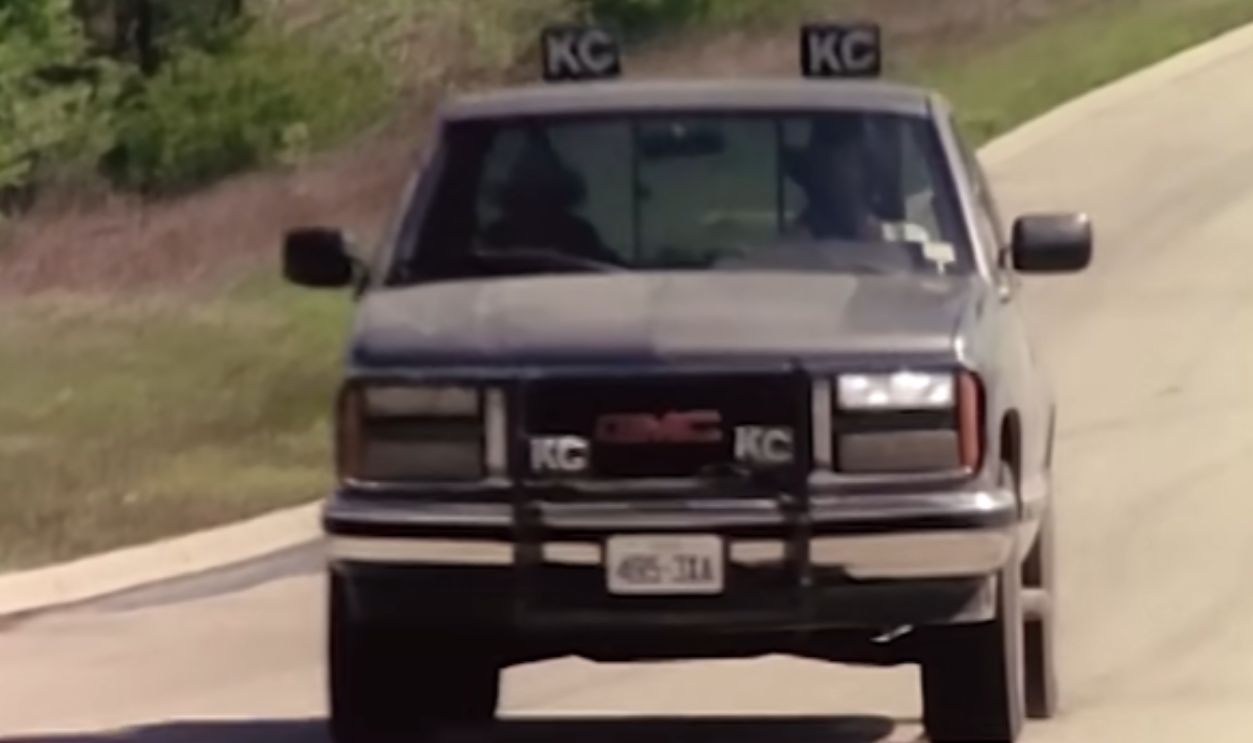 Screenshot from Walker, Texas Ranger, CBS (1993–2001)
Jeep Gladiator – MacGyver
MacGyver’s Jeep Gladiator pickup felt like an extension of his problem-solving mindset. Compact but capable, it was the kind of vehicle that could go anywhere and adapt to anything. Just like its driver, the Gladiator relied on clever engineering rather than brute force, making it a subtle but fitting choice for the inventive hero.
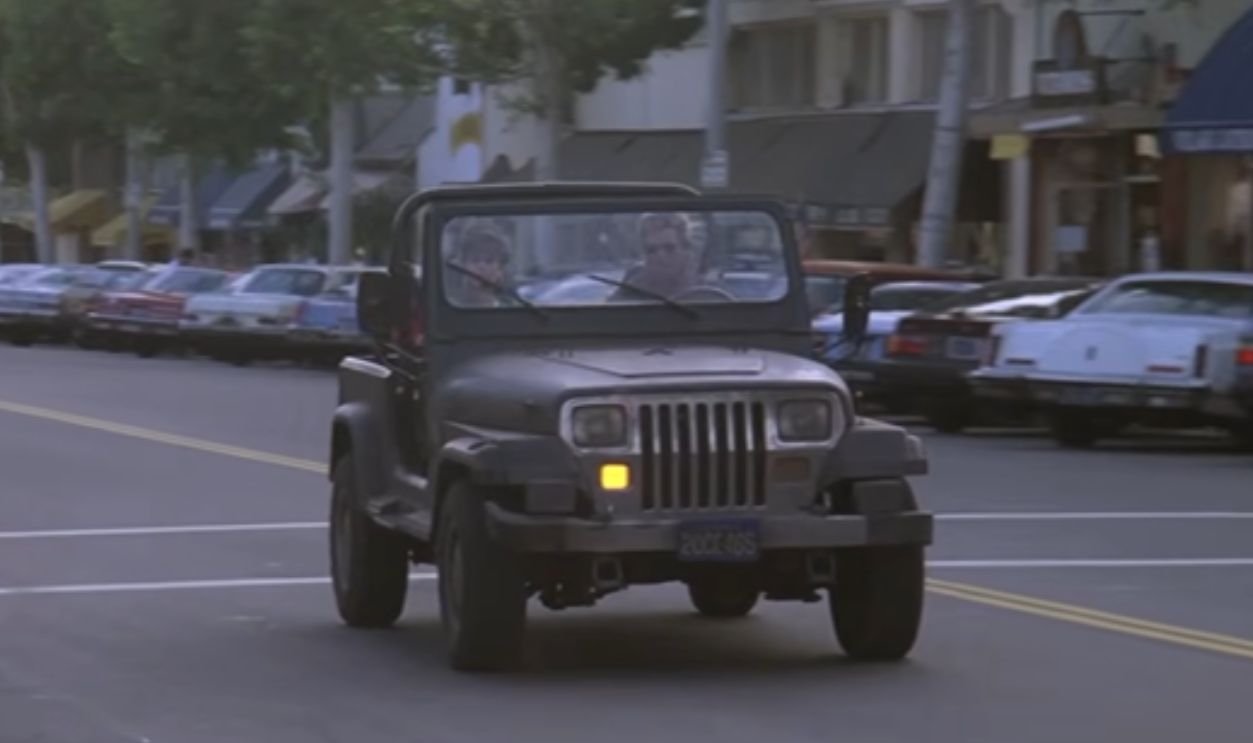 Screenshot from MacGyver, ABC (1985–1992)
Chevrolet K10 – Airwolf
While the helicopter stole the spotlight, the Chevy K10 pickups in Airwolf played an important supporting role. These square-body trucks fit the show’s military atmosphere perfectly, offering toughness and reliability on the ground. They helped sell the realism of covert missions and reinforced the serious tone of Cold War-era television.
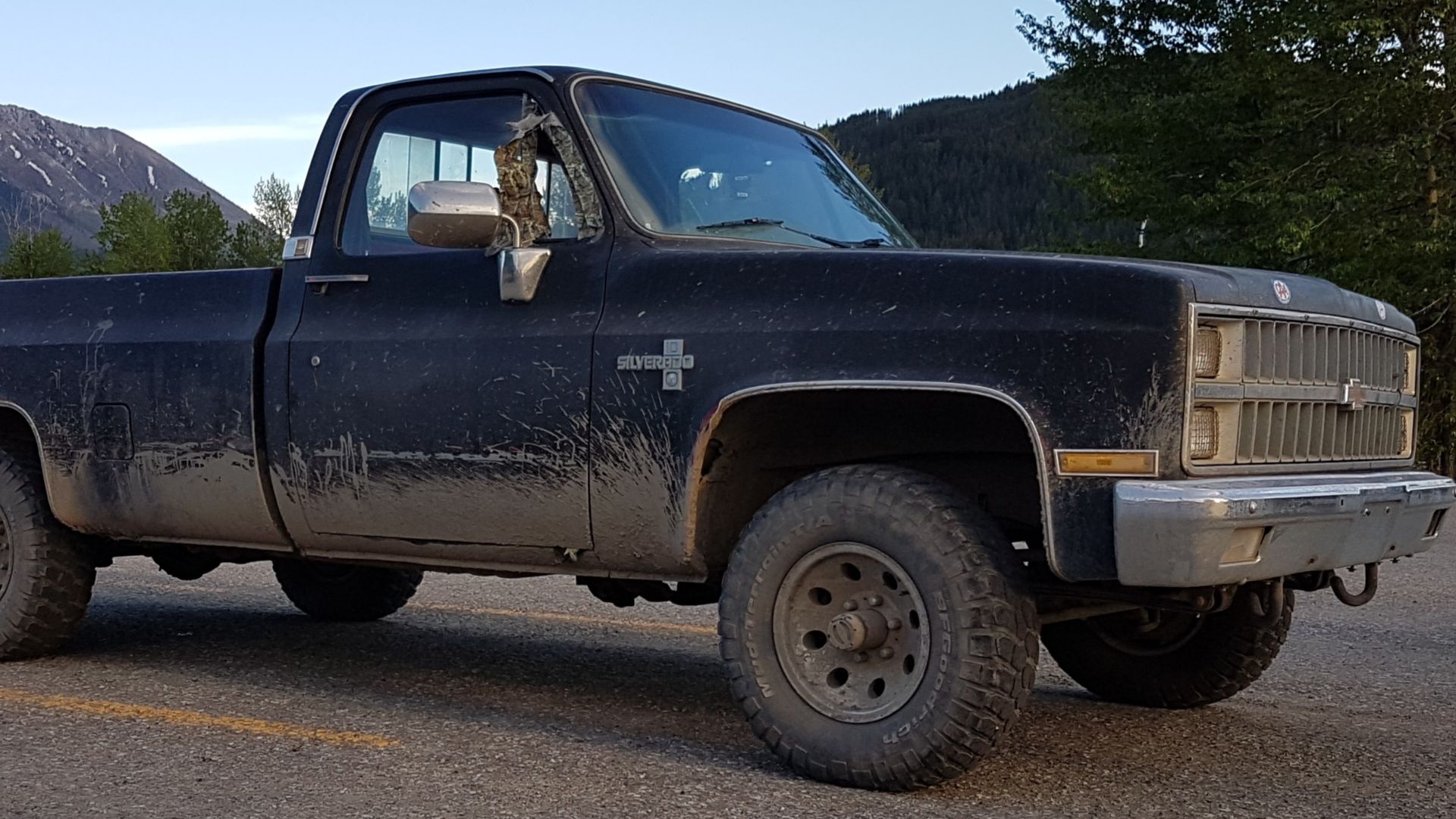 dave_7 from Canada, Wikimedia Commons
Dodge D-Series – T.J. Hooker
The Dodge D-Series pickups seen in T.J. Hooker embodied no-frills practicality. Often appearing in gritty urban environments, they matched the show’s street-level policing style. These trucks didn’t distract from the action—they blended into it, reinforcing the everyday reality of law enforcement during the early 1980s.
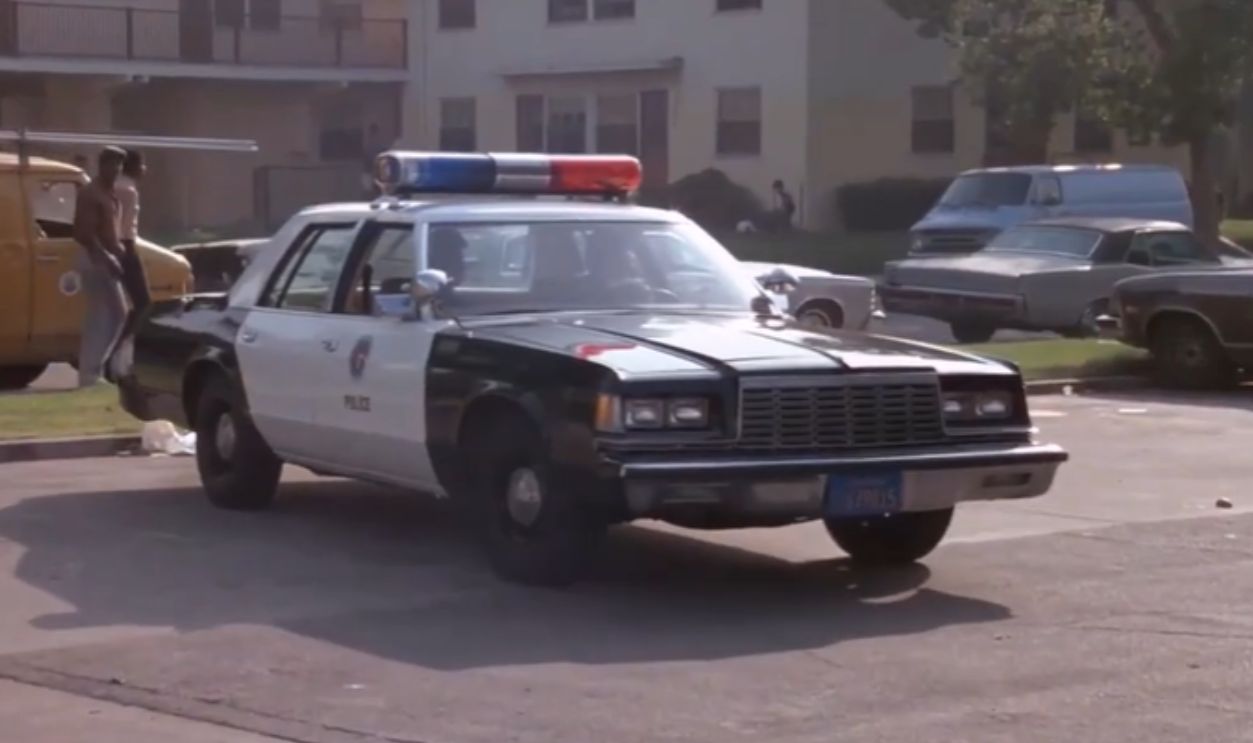 Screenshot from T.J. Hooker, ABC (1982–1986)
Ford F-150 – The X-Files
Although government sedans dominate memories of The X-Files, Ford F-150 pickups were everywhere. Frequently driven by locals, sheriffs, and workers, they added realism to the show’s rural mysteries. Their familiar presence helped ground supernatural stories in believable, everyday American settings.
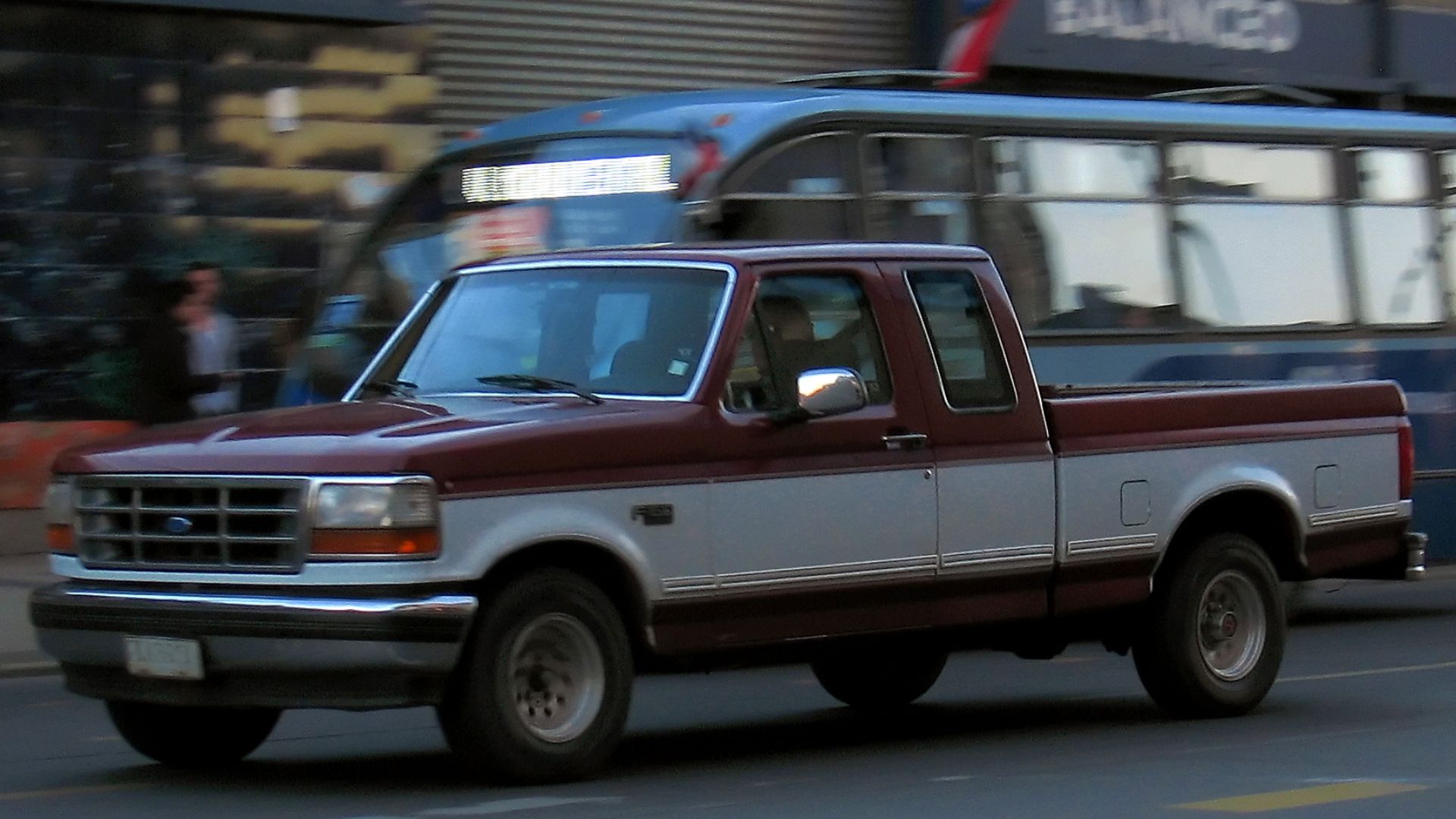 order_242 from Chile, Wikimedia Commons
Chevrolet Silverado – Beverly Hills, 90210
As Beverly Hills, 90210 evolved, pickups like the Chevrolet Silverado became symbols of relaxed California cool. These trucks suggested surfboards, beach drives, and casual freedom, offering a contrast to the show’s luxury cars. They reflected how pickups were becoming lifestyle vehicles, not just tools.
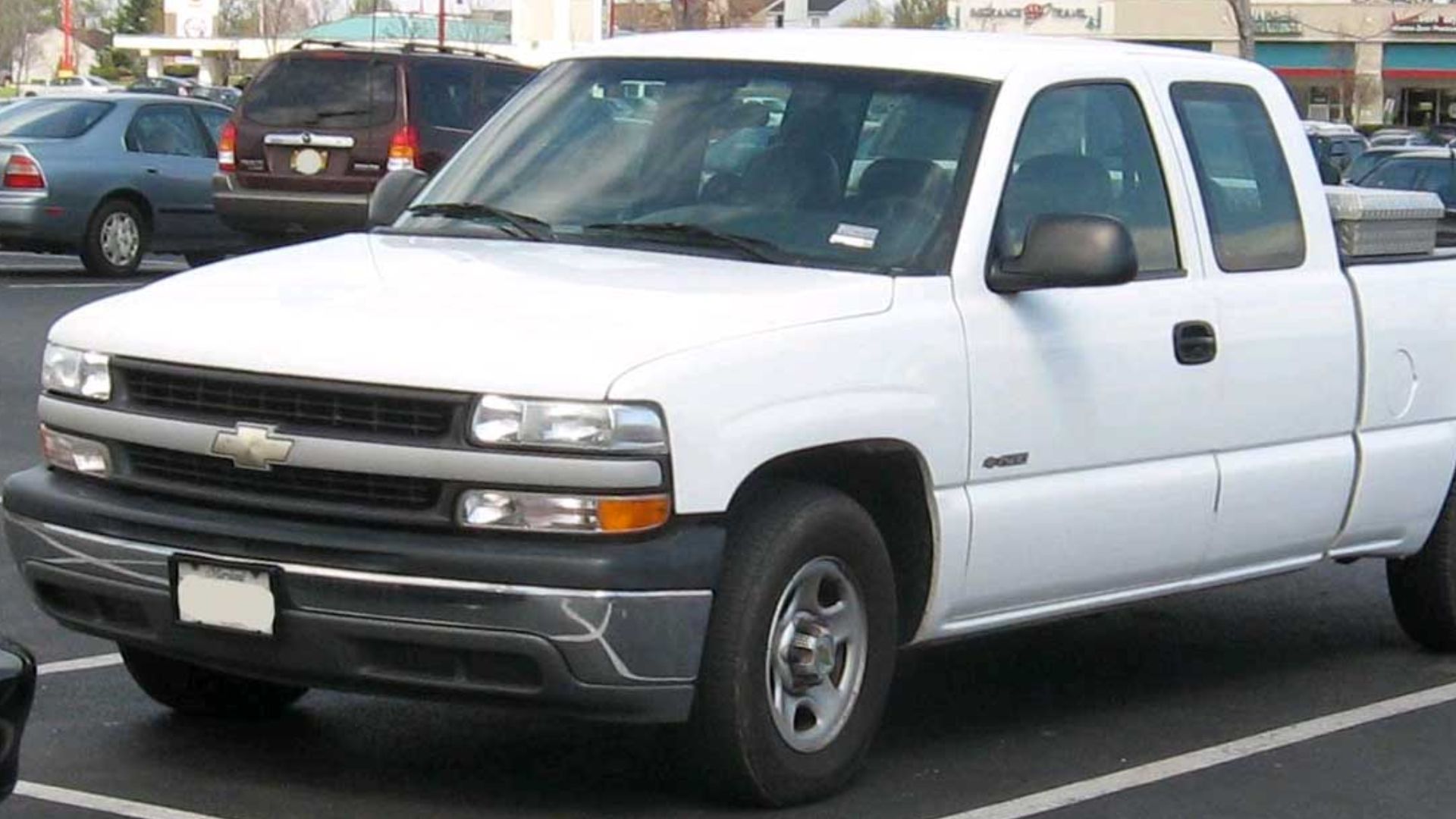
Toyota Pickup – Knight Rider (Guest Appearances)
Even in a show dominated by a talking supercar, Toyota pickups quietly made their mark. Appearing in the background of Knight Rider, they represented reliability and practicality. Their presence hinted at the growing acceptance of Japanese trucks during the 1980s, even alongside futuristic American icons.
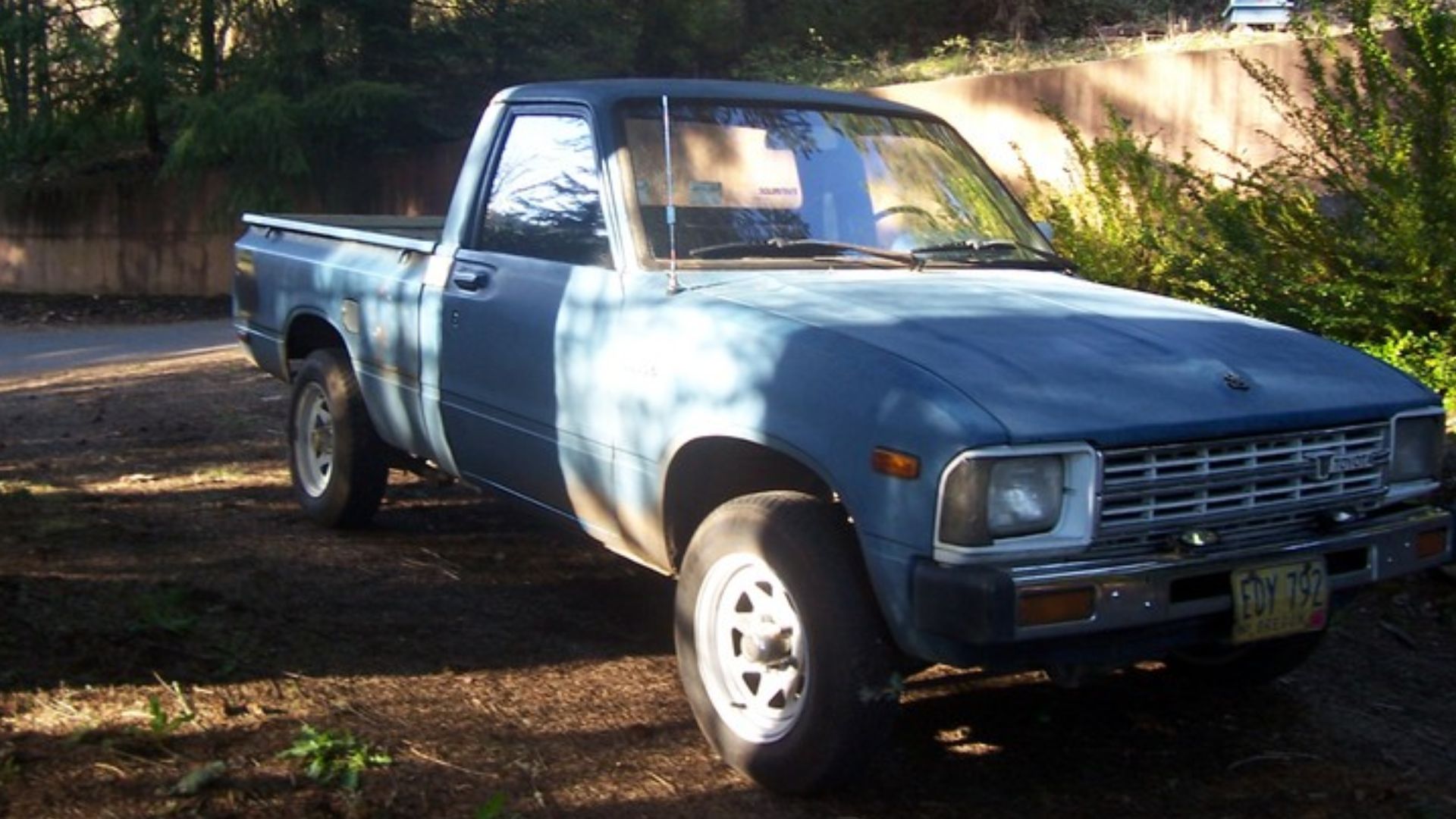 BetacommandBot, Wikimedia Commons
Ford Ranger – The A-Team (Supporting Vehicles)
The A-Team’s famous van took center stage, but Ford Rangers filled the background with believable realism. These compact pickups reflected the era’s shift toward smaller, more versatile trucks. Whether driven by civilians or adversaries, Rangers helped flesh out the show’s fast-paced, action-heavy world.
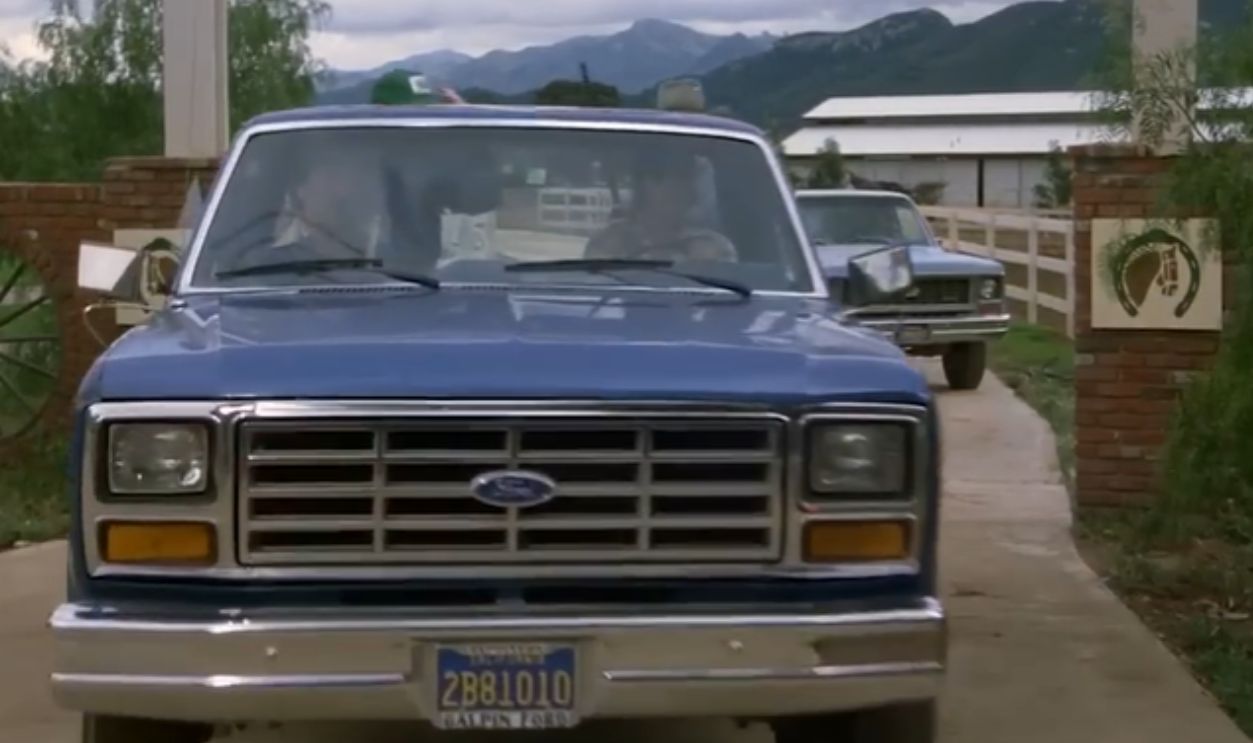 Screenshot from The A-Team, NBC (1983–1987)
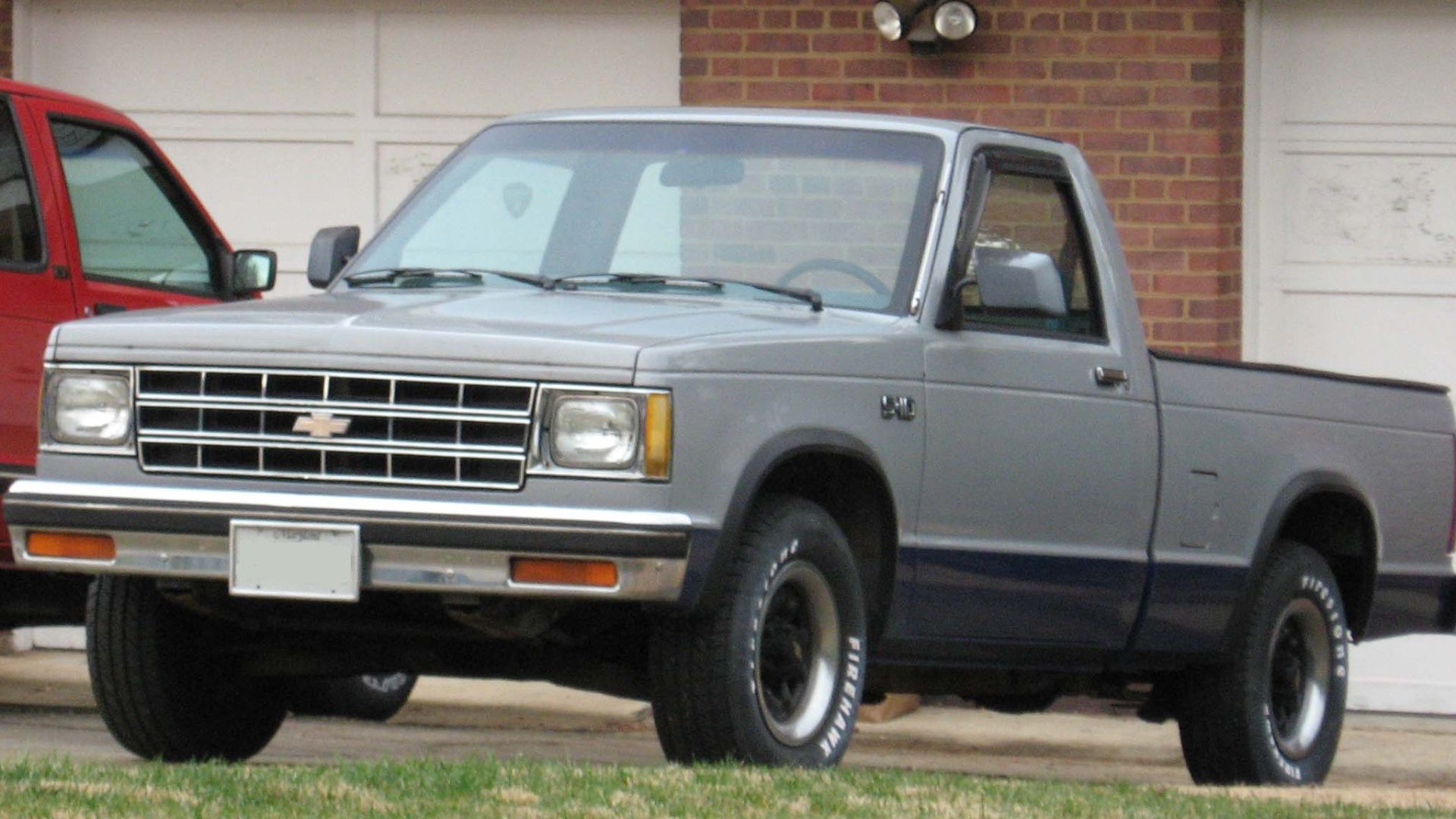
Chevrolet S-10 – Miami Vice
The Chevrolet S-10 fit seamlessly into Miami Vice’s sun-drenched, urban aesthetic. Compact and stylish, it matched the show’s modern tone and neon-soaked streets. The S-10 represented a new kind of pickup—one that looked just as good cruising city roads as hauling cargo.
Dodge Ram – Roseanne
In Roseanne, Dodge Ram pickups symbolized honest, blue-collar living. These trucks weren’t glamorous, but they felt real—just like the Conner family. Their presence reinforced the show’s focus on everyday struggles, hard work, and resilience in middle-class American households.
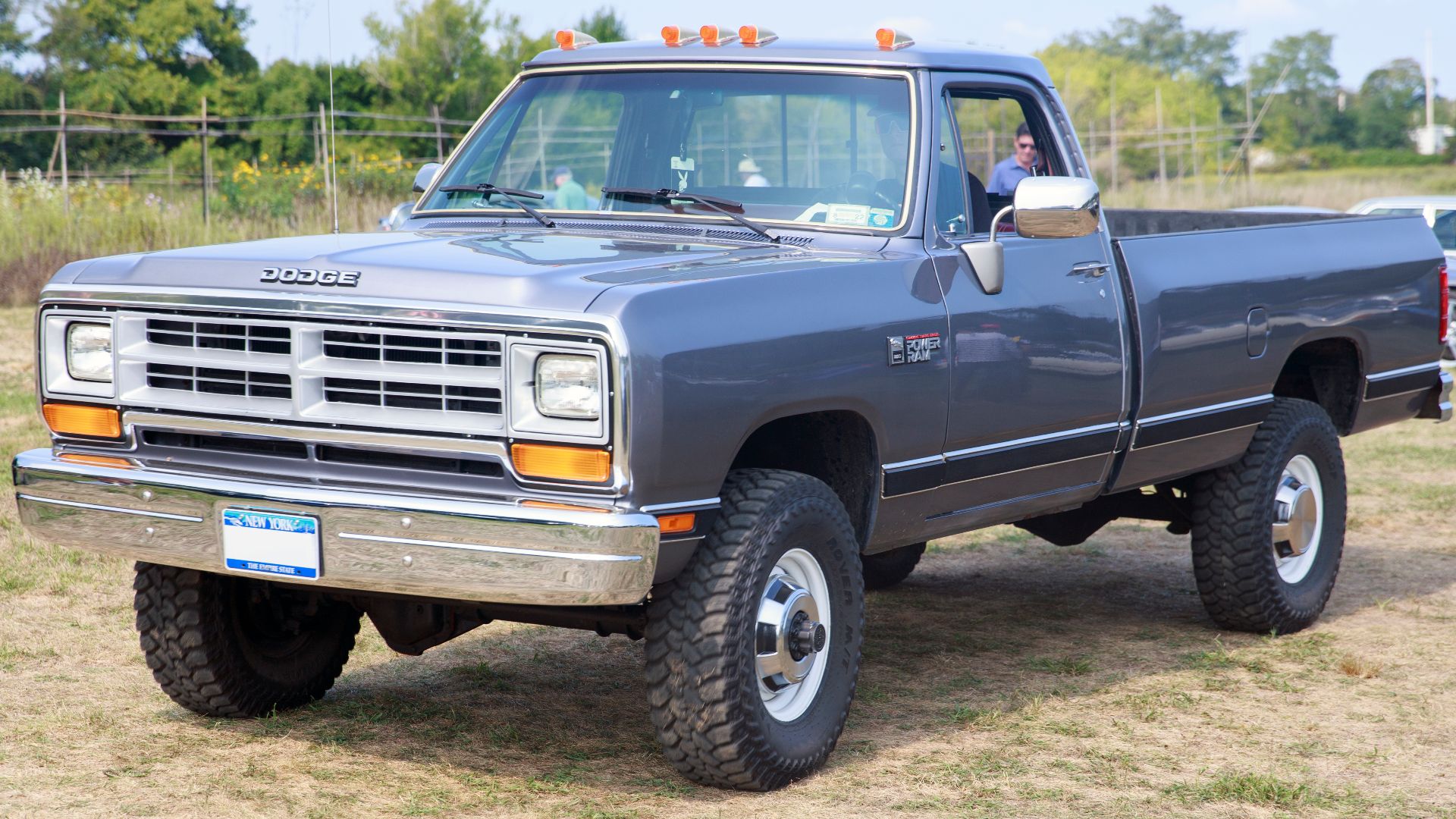 Mr.choppers, Wikimedia Commons
Ford Bronco Pickup Conversions – The Dukes Of Hazzard
Beyond the General Lee, modified Ford Bronco pickup conversions added to The Dukes of Hazzard’s automotive chaos. These custom rigs fit the rural Southern setting perfectly, offering rugged utility and visual variety. They helped create a world where vehicles were central to the show’s identity.
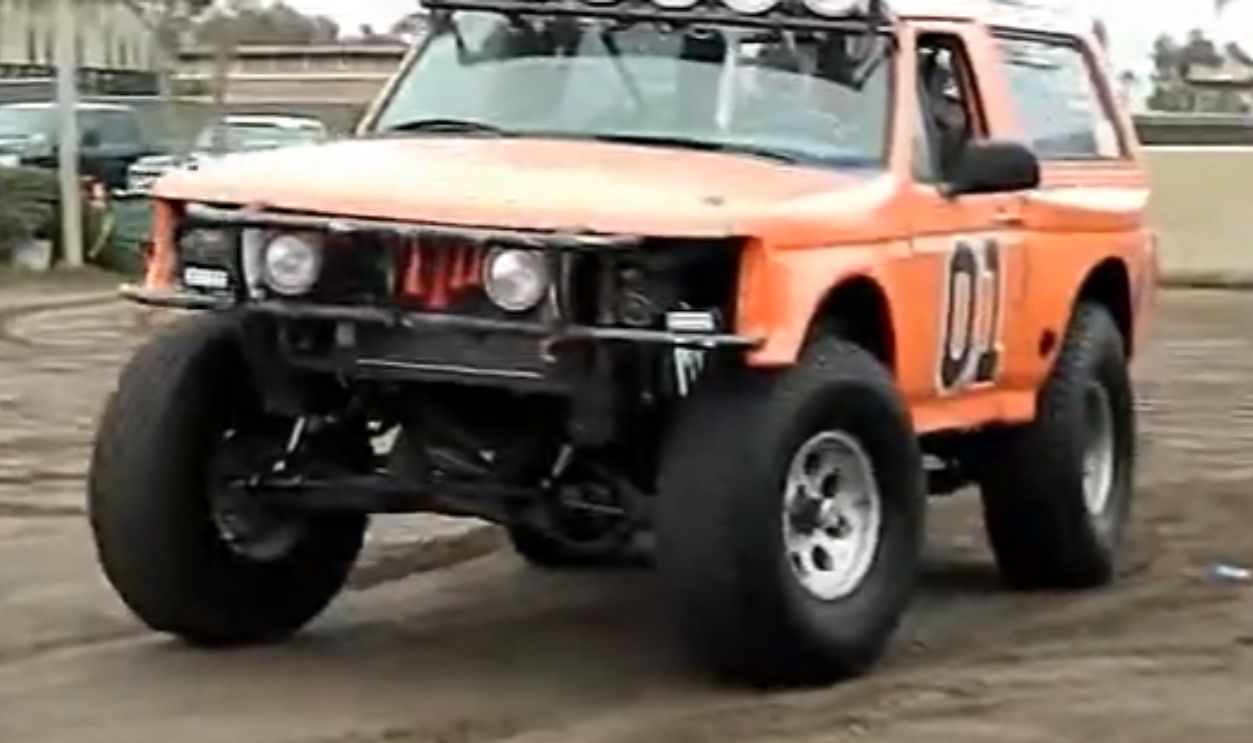 Screenshot from The Dukes of Hazzard, CBS (1979–1985)
Nissan Hardbody – Baywatch
Nissan Hardbody pickups appeared along the beaches of Baywatch, reflecting their durability and growing popularity in the early 1990s. Their clean lines and reliability suited coastal rescue work, subtly reinforcing the idea that pickups could be both tough and stylish in active, outdoor environments.
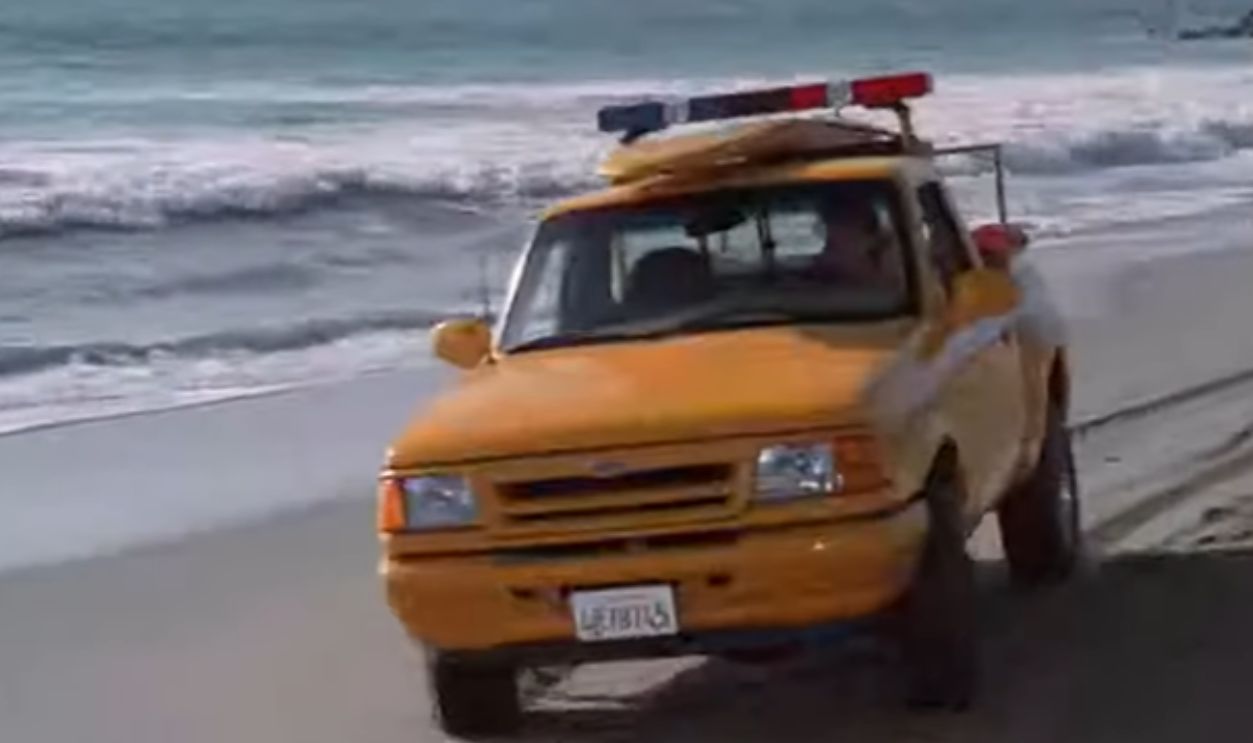 Screenshot from Baywatch, NBC (1989–2001)
Chevrolet C1500 – Home Improvement
Tim “The Tool Man” Taylor’s world often featured Chevrolet C1500 pickups. These trucks aligned perfectly with the show’s DIY spirit and suburban masculinity. They symbolized American craftsmanship, weekend projects, and the pride of building something with your own hands.
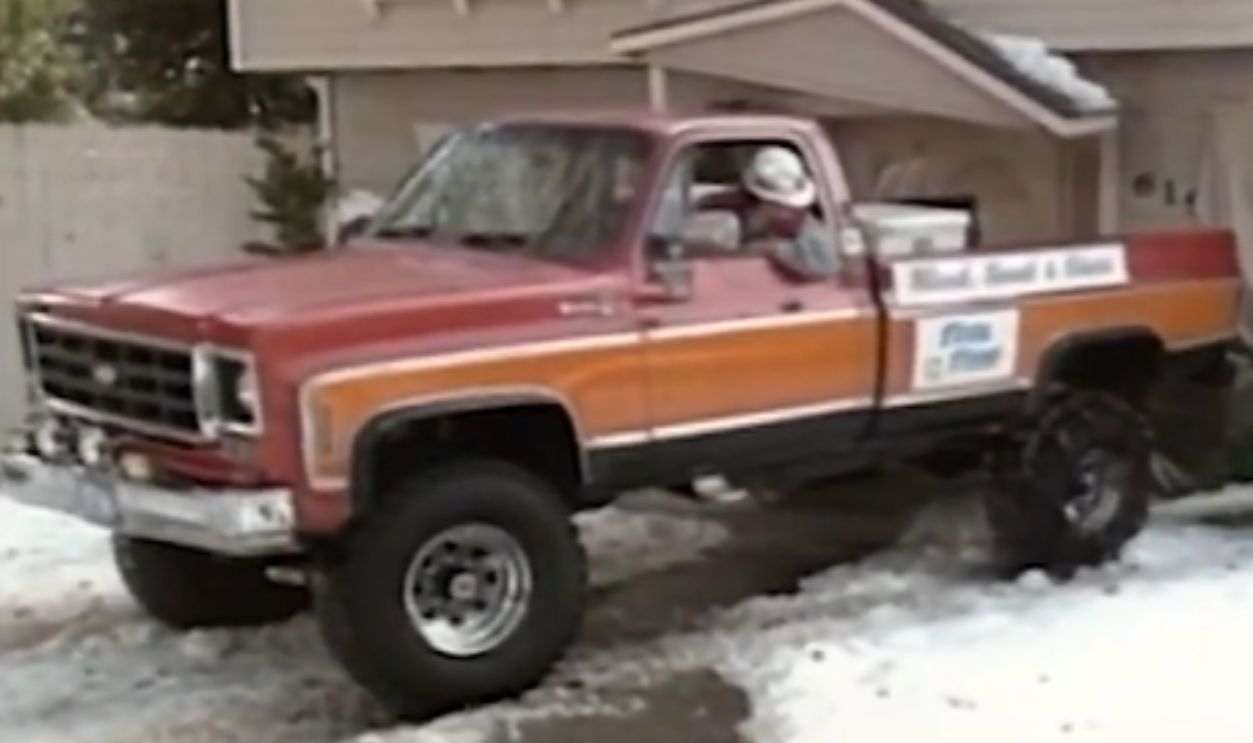 Screenshot from Home Improvement, ABC (1991–1999)
Ford F-250 – Northern Exposure
In the remote setting of Northern Exposure, Ford F-250 pickups felt essential. Heavy-duty and capable, they looked right at home navigating harsh Alaskan terrain. Their presence added authenticity and reinforced the isolation, resilience, and self-reliance that defined the show’s unique atmosphere.
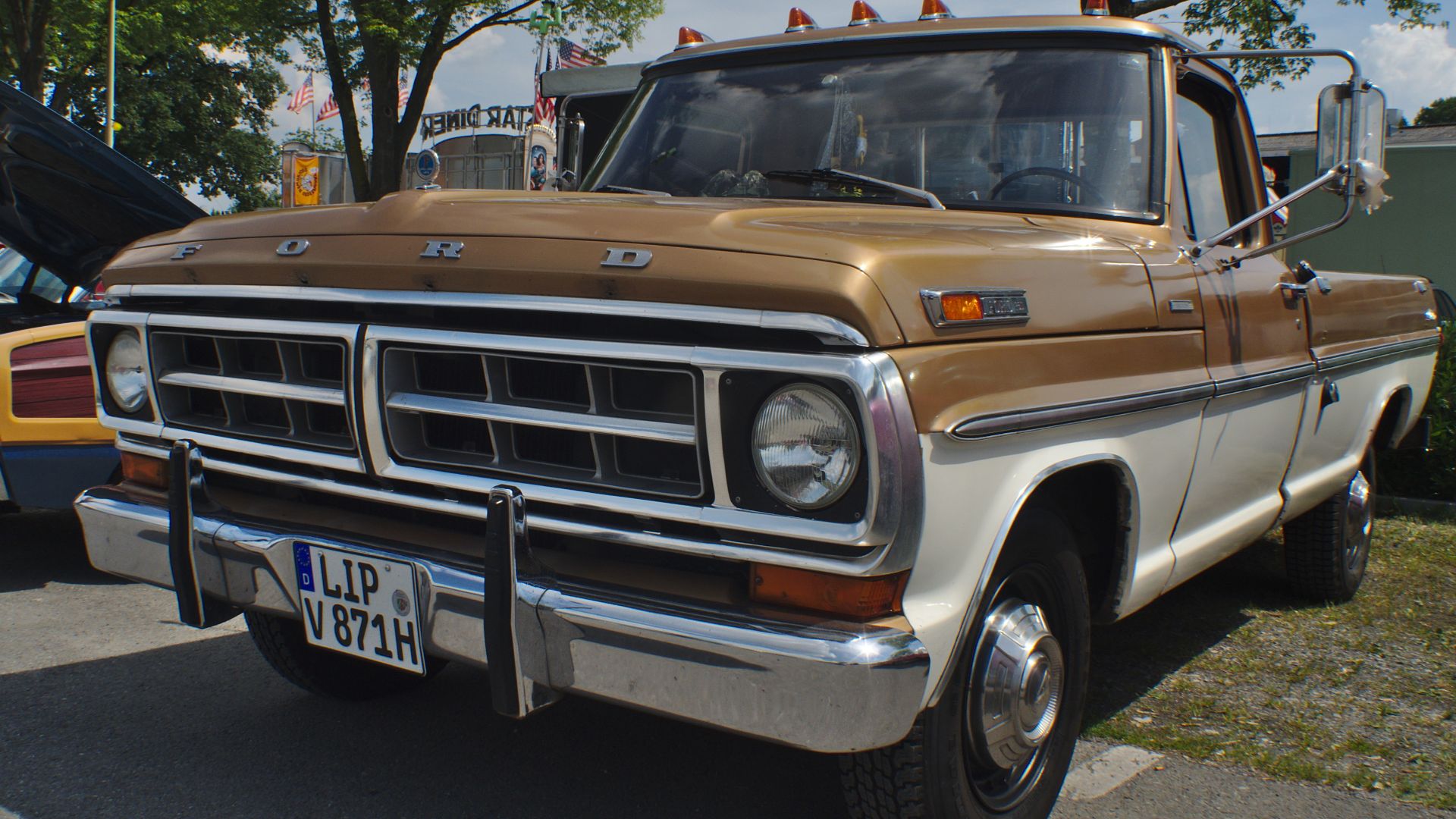 Thomas Vogt from Paderborn, Deutschland, Wikimedia Commons
Toyota Hilux – Magnum, P.I. (Later Seasons)
While Magnum’s Ferrari gets most of the attention, Toyota Hilux pickups quietly appeared throughout the series. Their reputation for reliability made them perfect for island life. These trucks reflected practicality and global durability, offering a realistic counterbalance to Magnum’s flashy sports car.
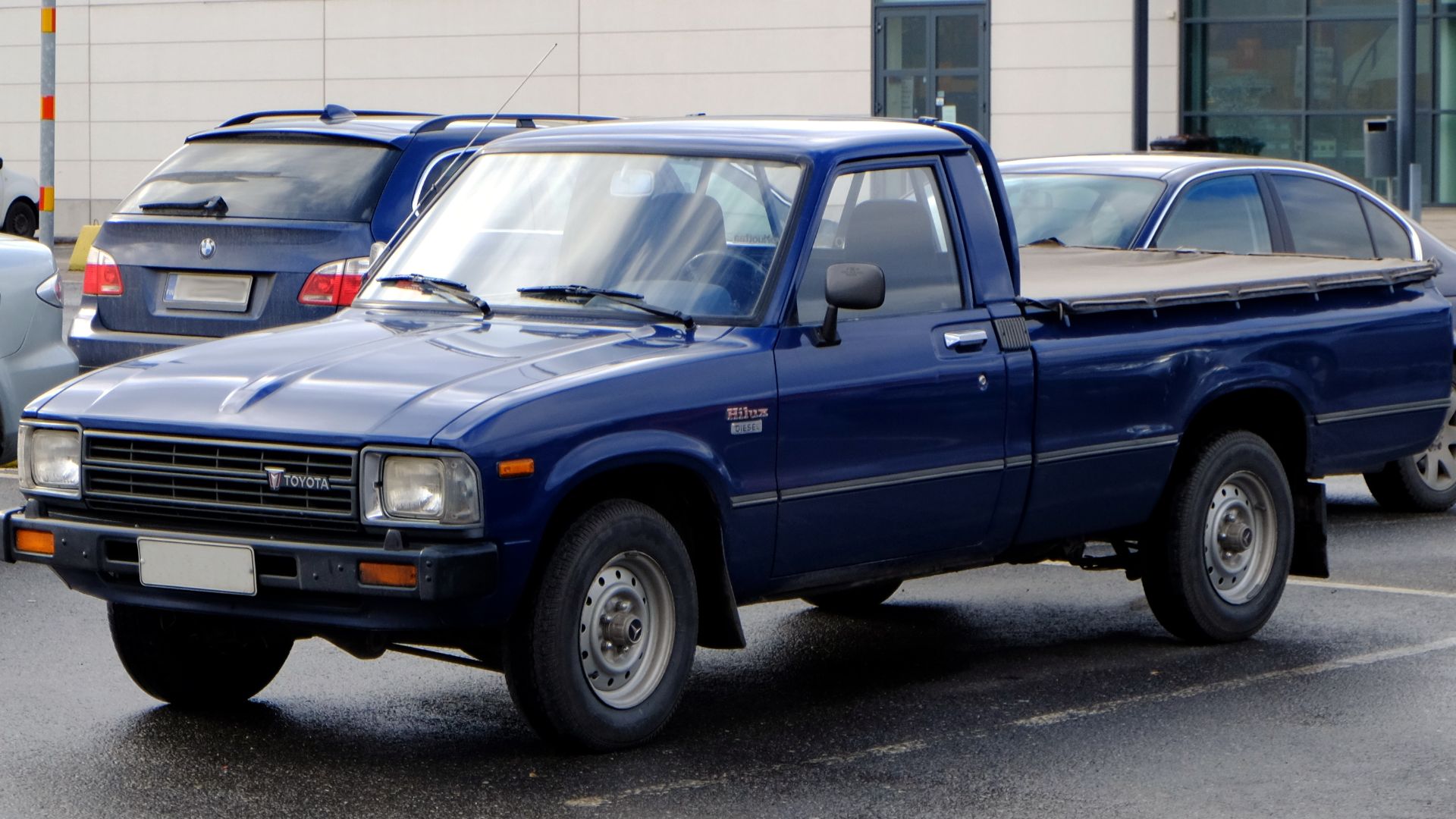 Tommi Nummelin, Wikimedia Commons
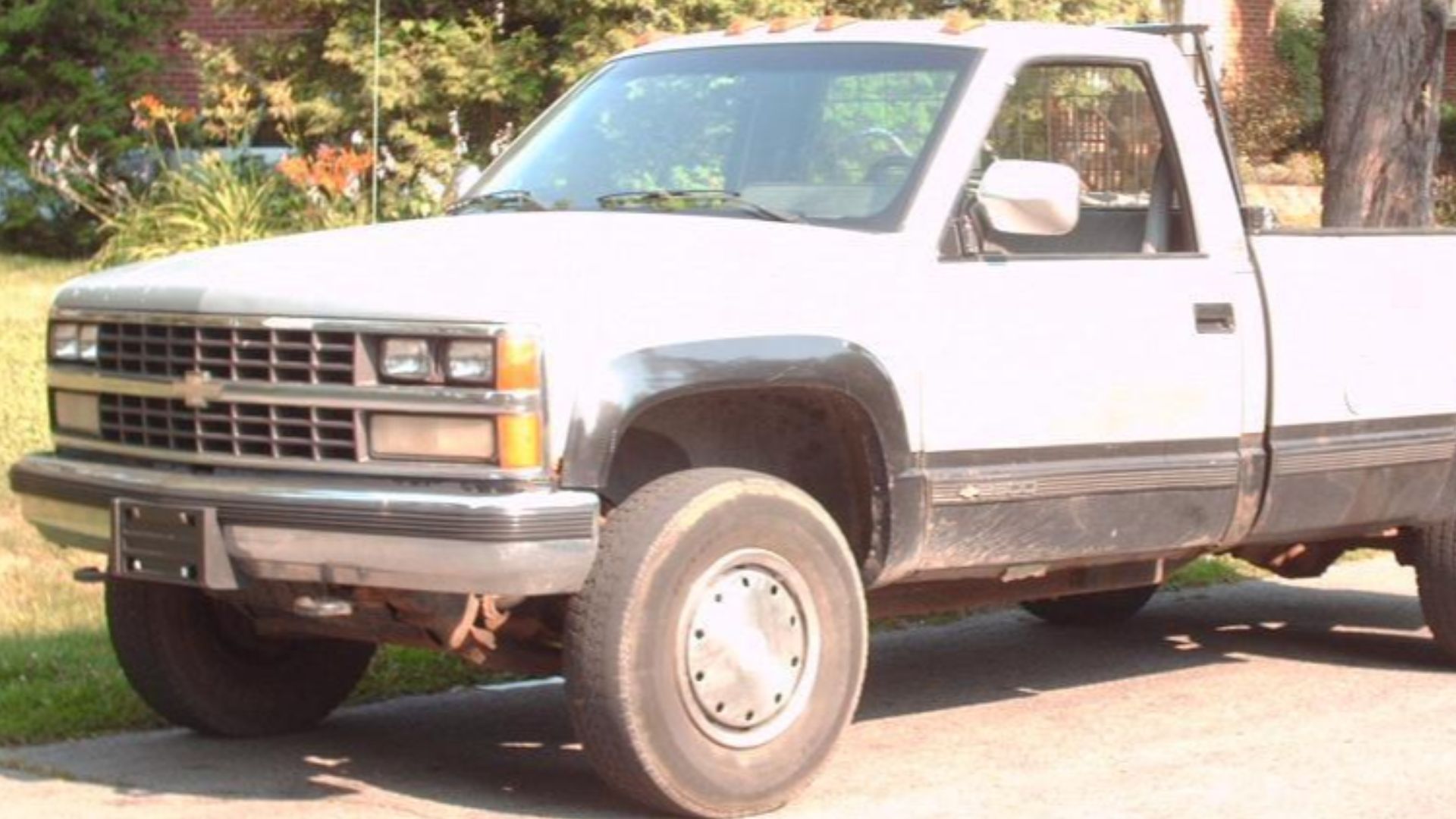
Chevrolet K2500 – The Commish
The Chevrolet K2500 in The Commish represented dependable authority. Heavy-duty and practical, it fit the needs of a small-town police chief navigating real-world challenges. The truck reinforced the show’s grounded tone and focus on community-based law enforcement.
Dodge Dakota – Saved By The Bell
The Dodge Dakota’s appearances in Saved By The Bell reflected the early 1990s shift toward pickups as personal vehicles. Smaller and sportier, it appealed to younger drivers and hinted at changing attitudes, where trucks were no longer just for work but also for fun.
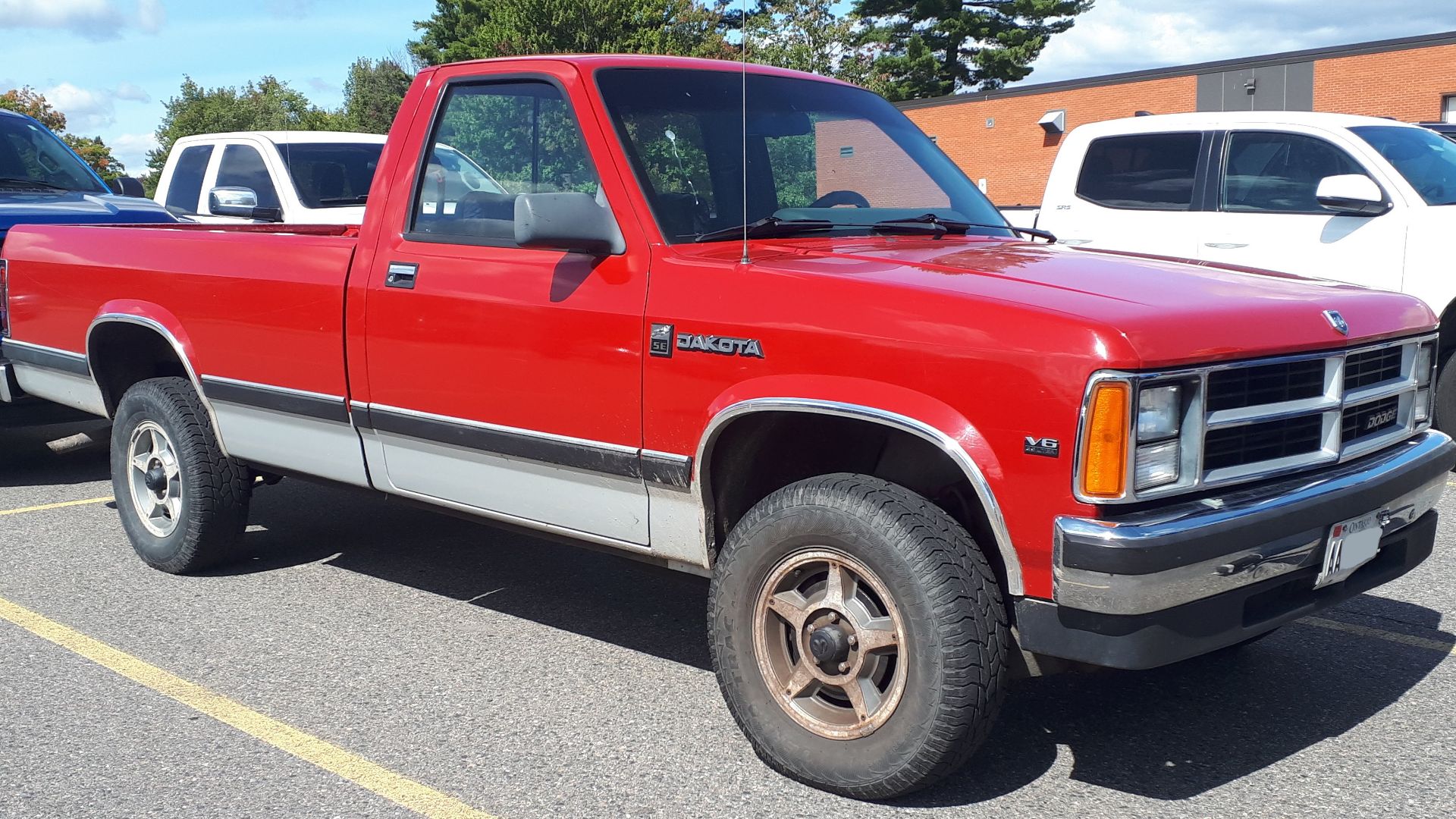 SsmIntrigue, Wikimedia Commons
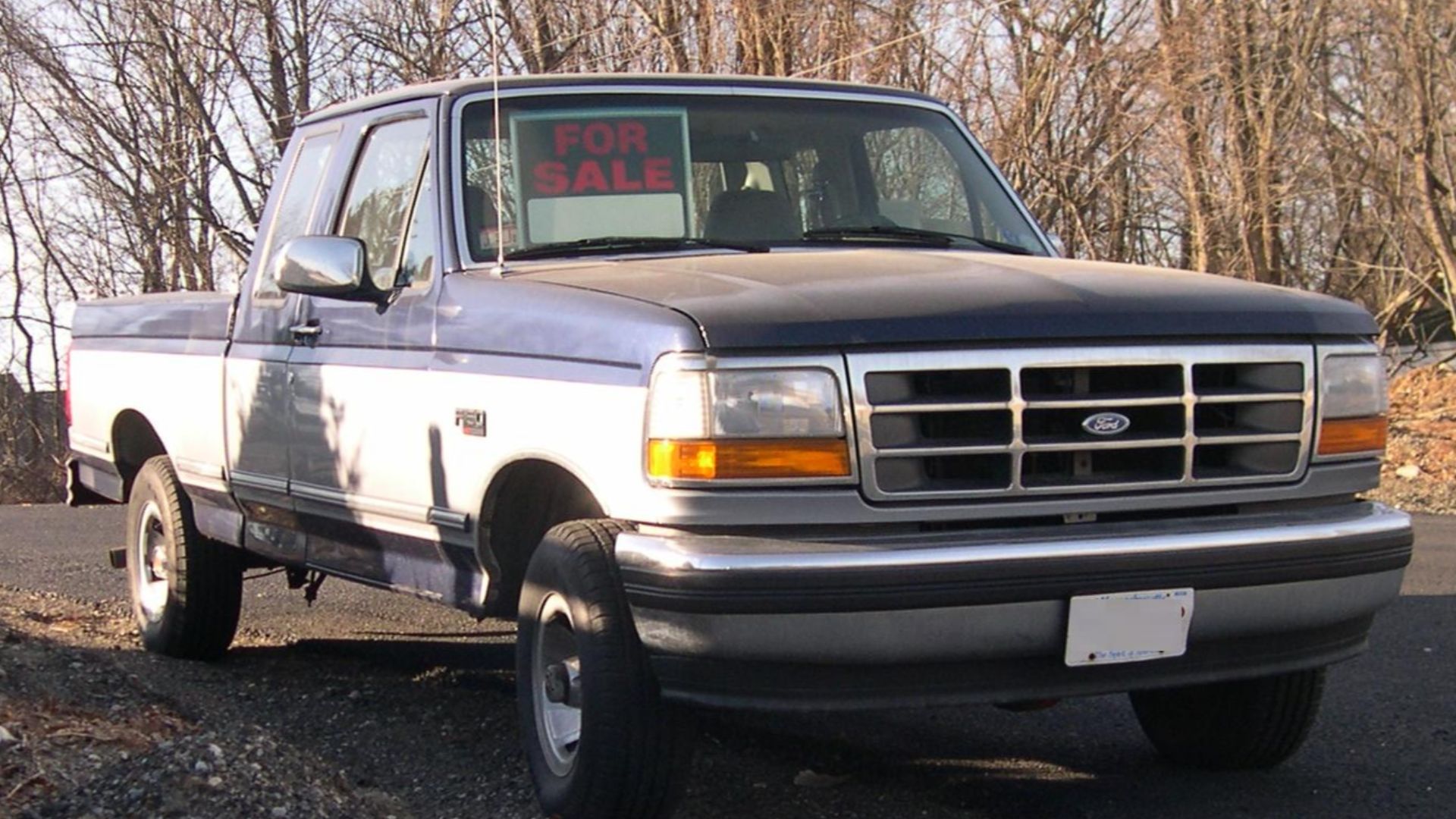
Ford F-150 – ER
Even in a fast-paced medical drama like ER, the Ford F-150 played a supporting role. Used for logistics and city services, it highlighted the truck’s versatility. Its frequent appearances underscored how deeply pickups were woven into everyday American life.
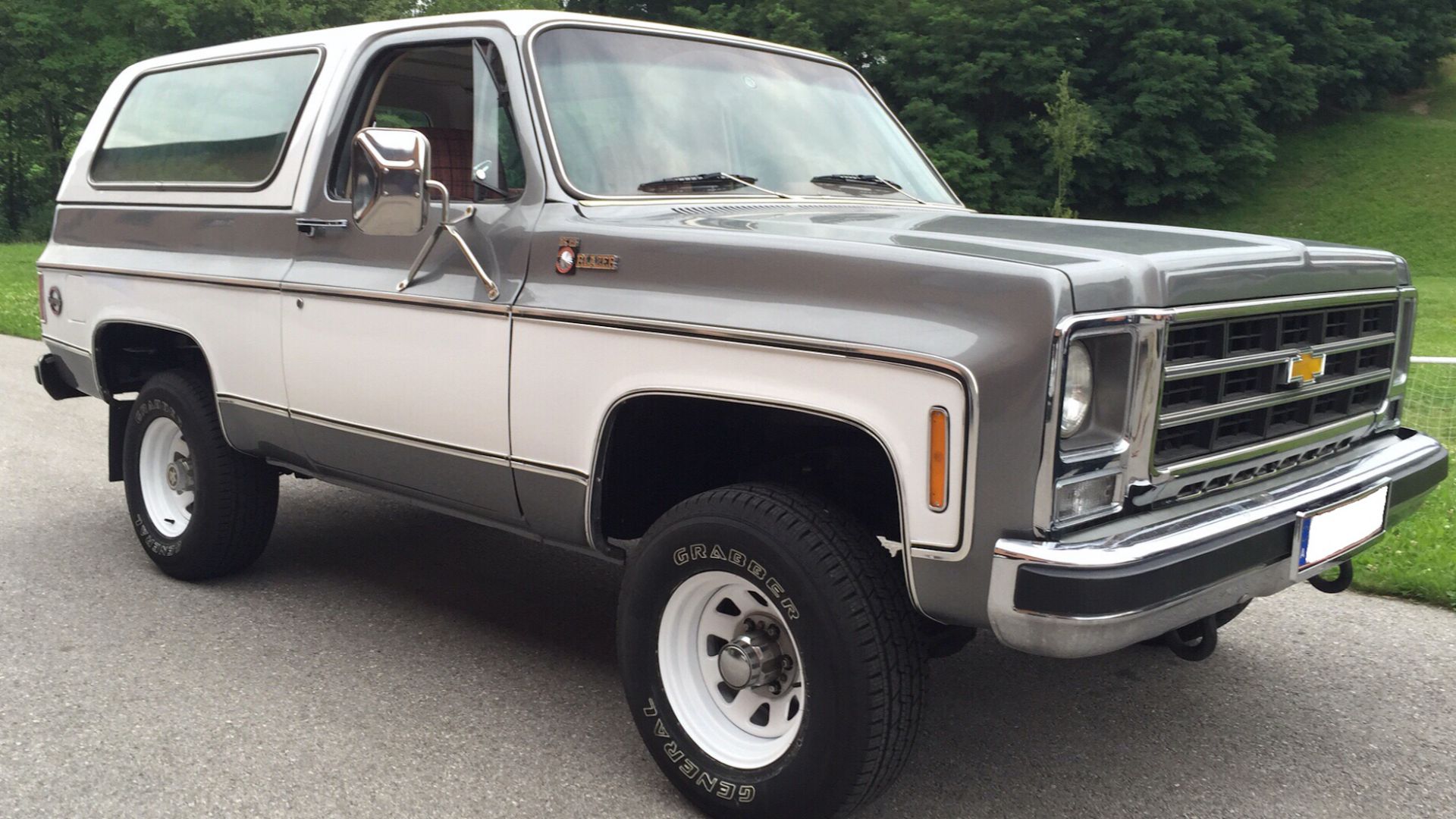
Chevrolet K5 Pickup Conversions – The Incredible Hulk
Bruce Banner’s wandering journey often intersected with rugged Chevy-based pickup conversions. These trucks symbolized constant motion, survival, and solitude. Their utilitarian nature mirrored Banner’s transient existence, quietly reinforcing the emotional tone of the series.
GMC Sonoma – Party Of Five
The GMC Sonoma fit naturally into Party of Five’s grounded, emotional storytelling. Compact and practical, it reflected the realities of young adults balancing responsibility and independence. The truck added subtle authenticity without distracting from the show’s character-driven focus.
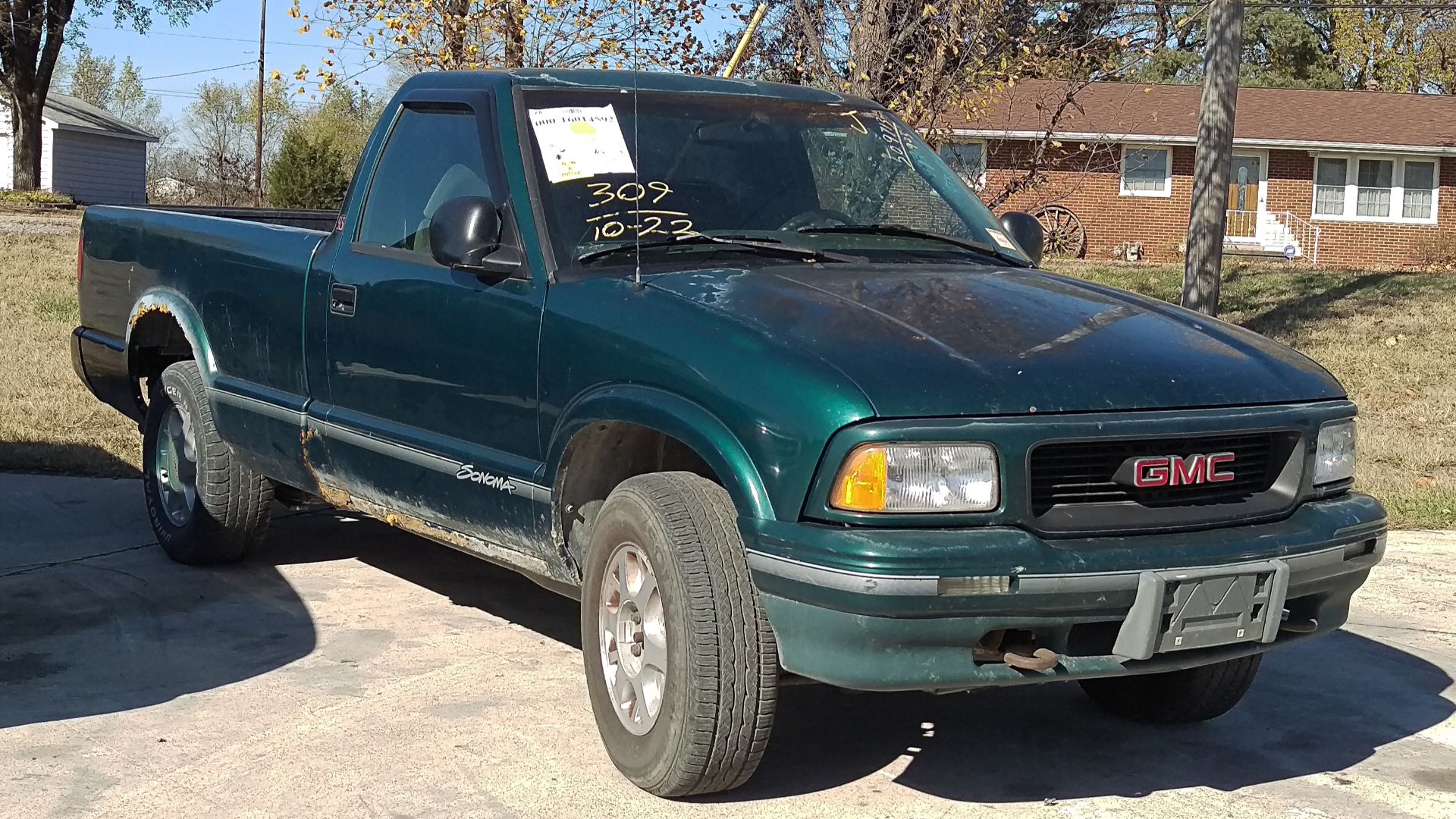 Ryan Hildebrand, Wikimedia Commons
Dodge Ram 2500 – Walker, Texas Ranger (Later Seasons)
Later seasons of Walker, Texas Ranger introduced heavier-duty Dodge Ram 2500 trucks. These more imposing pickups amplified Walker’s already formidable presence. Bigger, tougher, and more aggressive, they mirrored the show’s increasingly intense action and larger-than-life heroics.
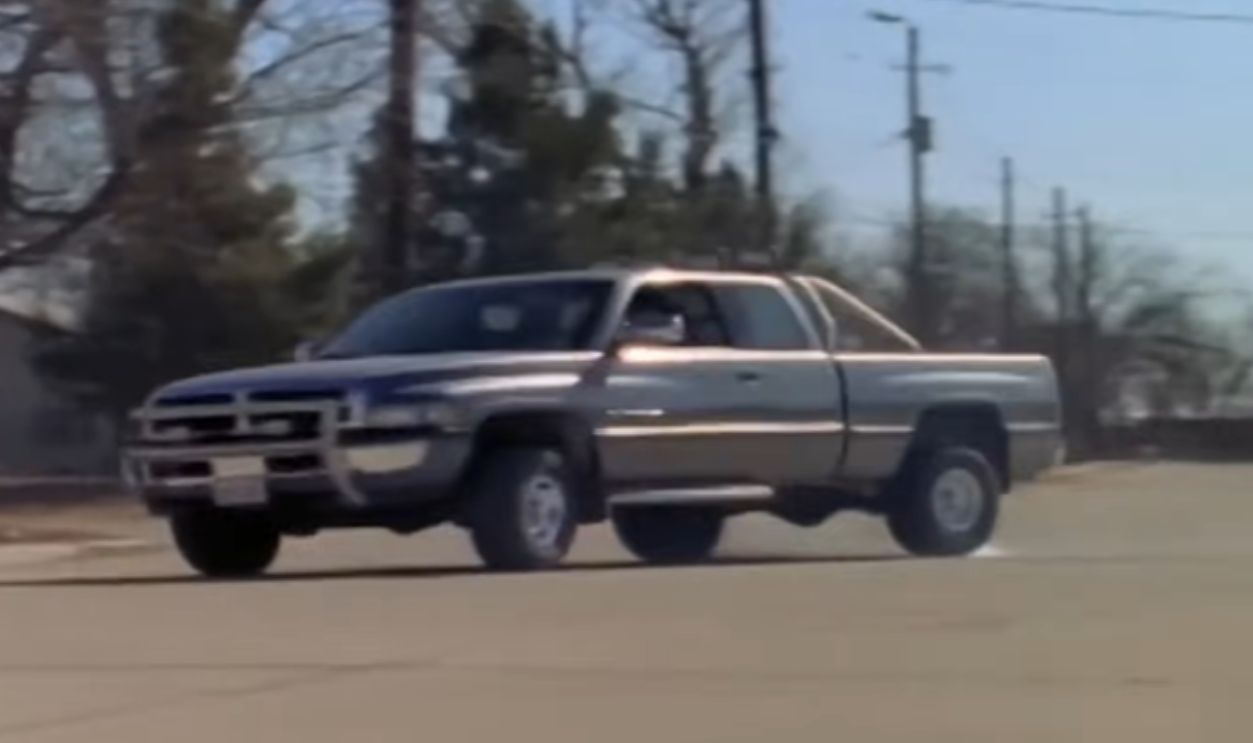 Screenshot from Walker, Texas Ranger, CBS (1993–2001)
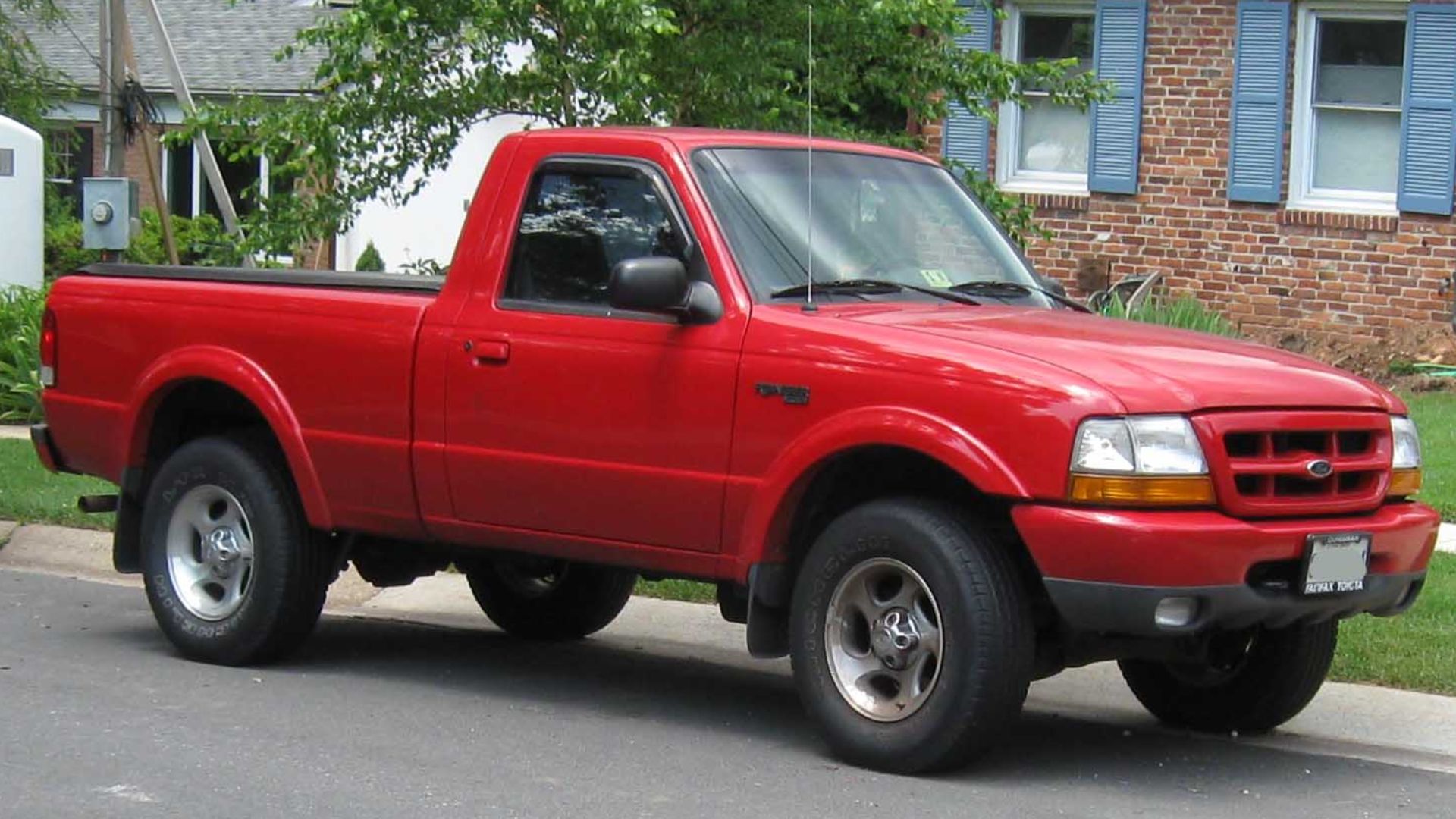
Ford Ranger – Step By Step
In Step By Step, the Ford Ranger represented approachable, family-friendly practicality. It fit the suburban setting perfectly, reflecting the 1990s image of the pickup as a versatile household vehicle. The Ranger felt relatable, dependable, and unmistakably of its time.
Why These TV Pickup Trucks Still Matter Today
Pickup trucks from 1980s and 1990s television weren’t just background props—they were visual storytelling tools. They helped define characters, reinforce settings, and shape how audiences connected with each show. Today, these trucks spark nostalgia and remind us of a time when vehicles felt personal and purposeful. Long after the final episodes aired, these iconic pickups continue to roll through pop culture memory, still carrying the spirit of television’s most memorable eras.
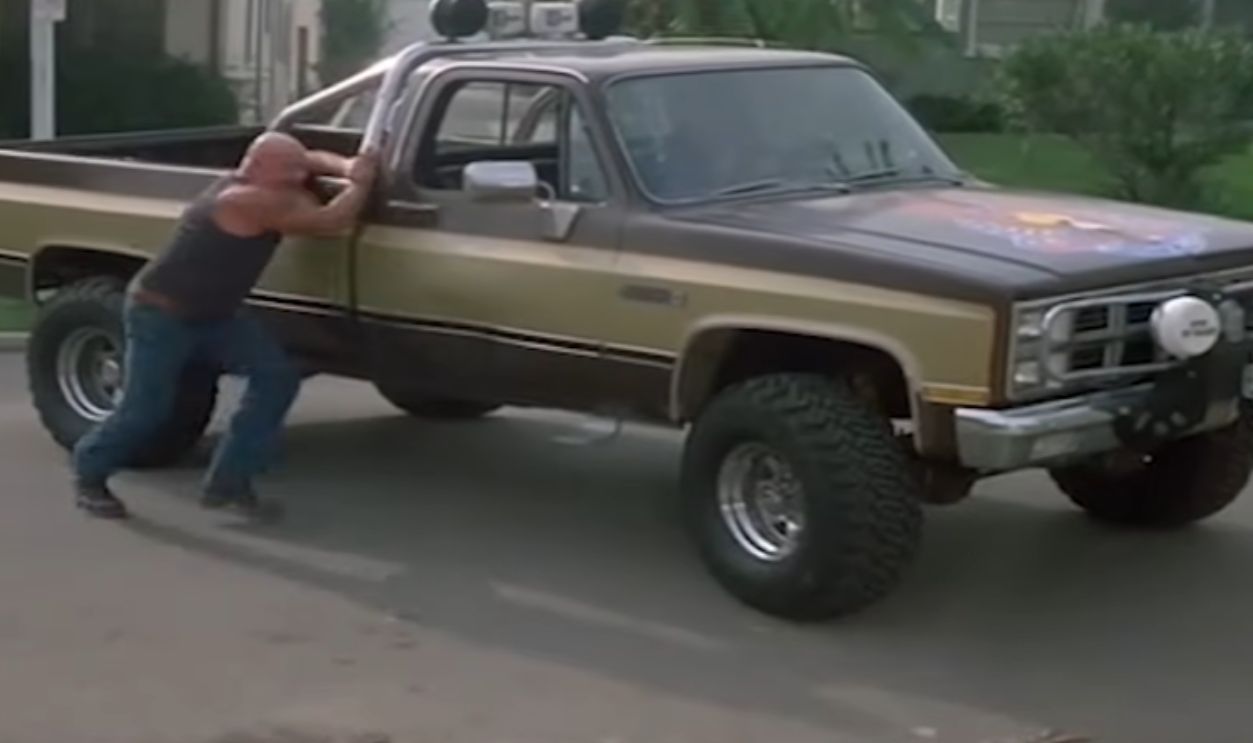 Screenshot from The Fall Guy, ABC (1981–1986)
You May Also Like:
Chevrolet’s SS Wagon Was The Most Unlikely Muscle Car Of The 1970s
Remember How Everyone's Parents Drove In Ways That Are Fully Illegal Today?
High-Powered Muscle Cars That Will Get You Respect From Real Enthusiasts