A Star Is Born: America’s First Fiberglass Dream
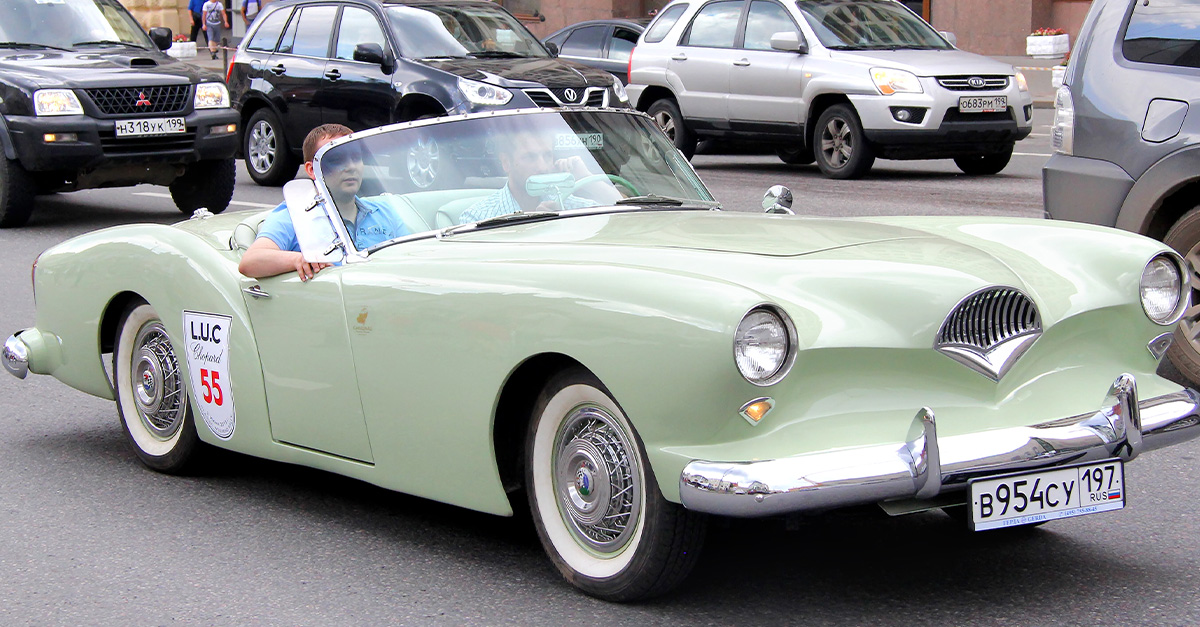
In the early 1950s, the American car scene was bursting with optimism, chrome, and tailfins. Everyone wanted a sports car to call their own. Into this gleaming landscape burst the Kaiser Darrin—an unusual roadster with curves for days, a face like no other, and doors that slid into the fenders like a magic trick. It was bold. It was beautiful. And it was destined to burn brightly—if only briefly.
Meet The Minds Behind The Magic
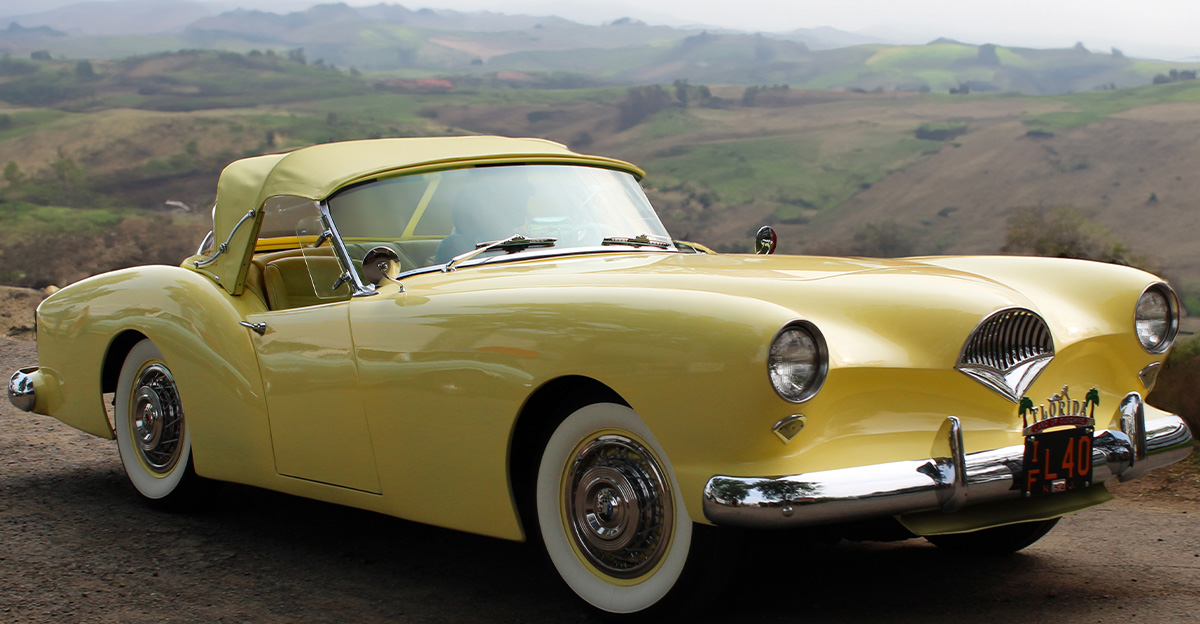
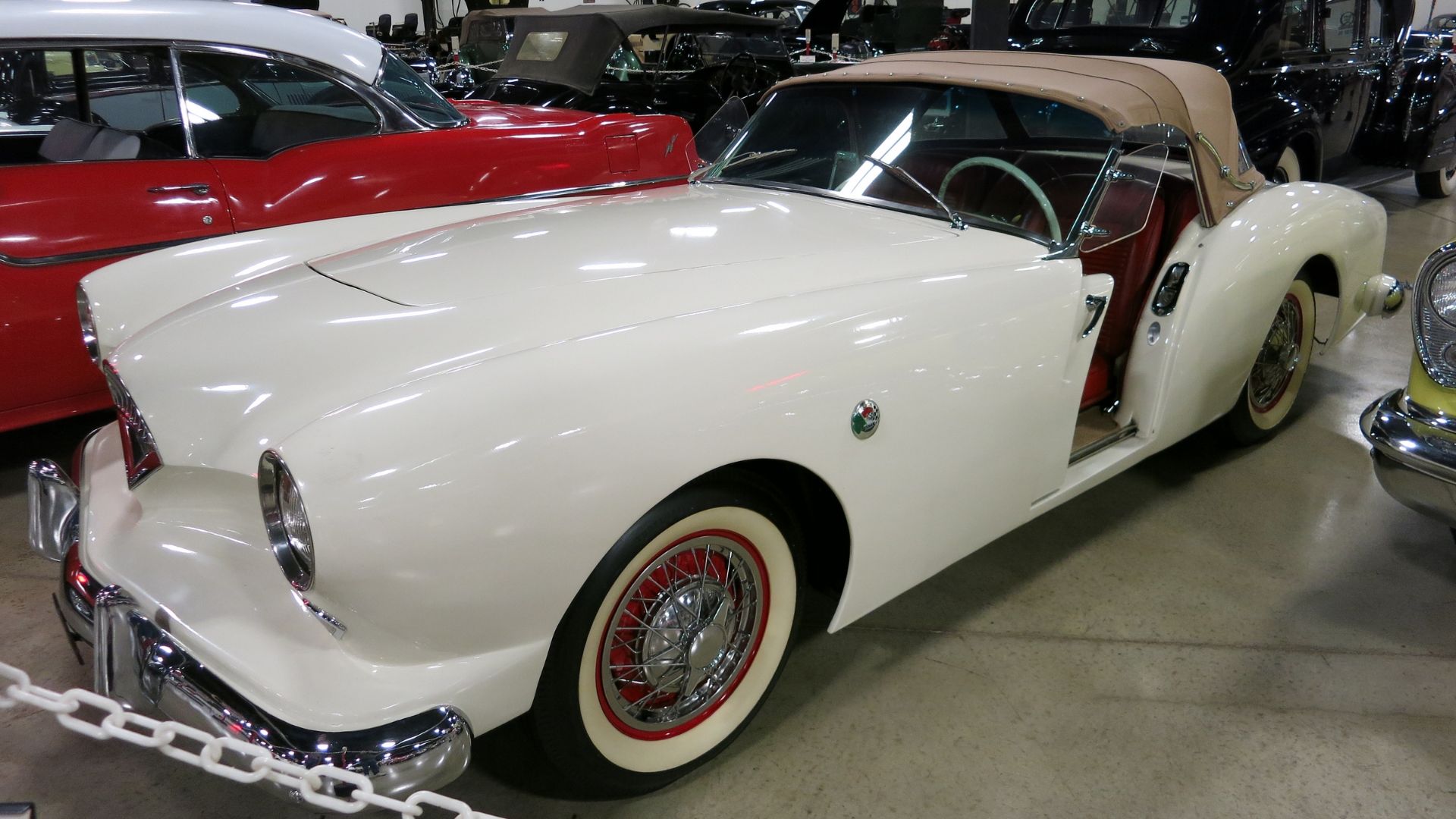
The Kaiser Darrin was the brainchild of two visionaries: industrialist Henry J. Kaiser and famed designer Howard “Dutch” Darrin. Kaiser had the ambition (and the money), while Darrin supplied the flair. Together, they sought to create a sports car that would challenge the Europeans and prove America could build something just as glamorous.
 Michael Barera, Wikimedia Commons
The Birth Of A Fiberglass Pioneer
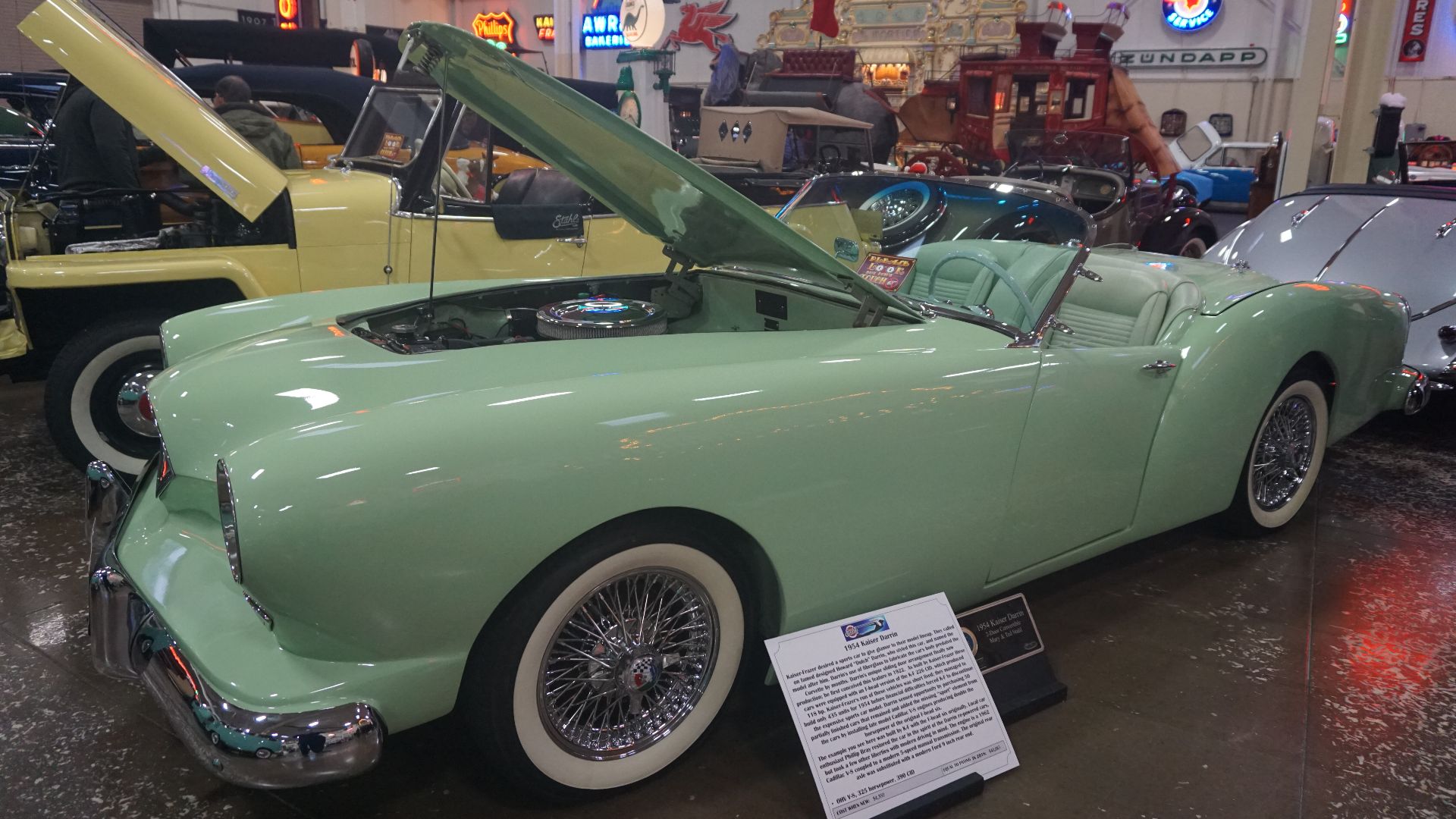
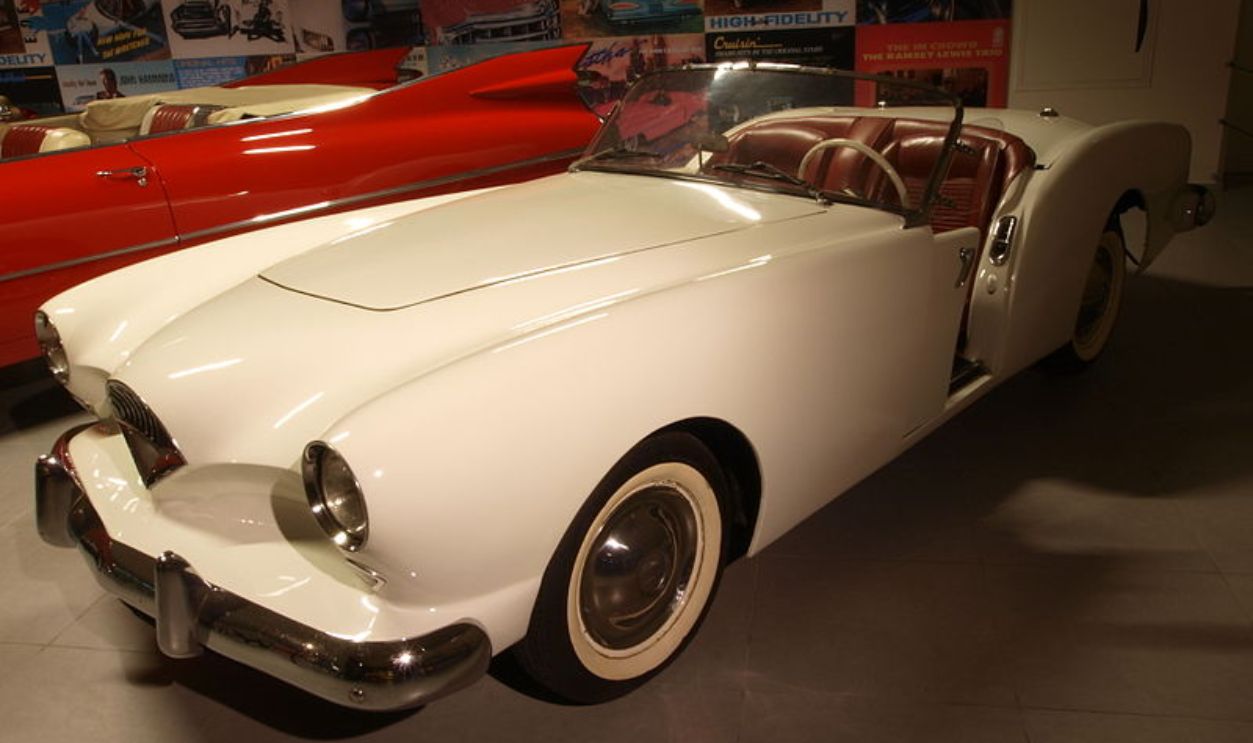
While Chevrolet’s Corvette often scores the headlines as America’s first fiberglass production car, the Kaiser Darrin actually beat it to market. Its body was made almost entirely of fiberglass—a lightweight, futuristic material that designers adored because it let them sculpt shapes steel simply couldn’t. The Darrin’s swooping fenders and long snout were only possible because of this new-age material.
 Alf van Beem, CC0, Wikimedia Commons
A Nose Like No Other
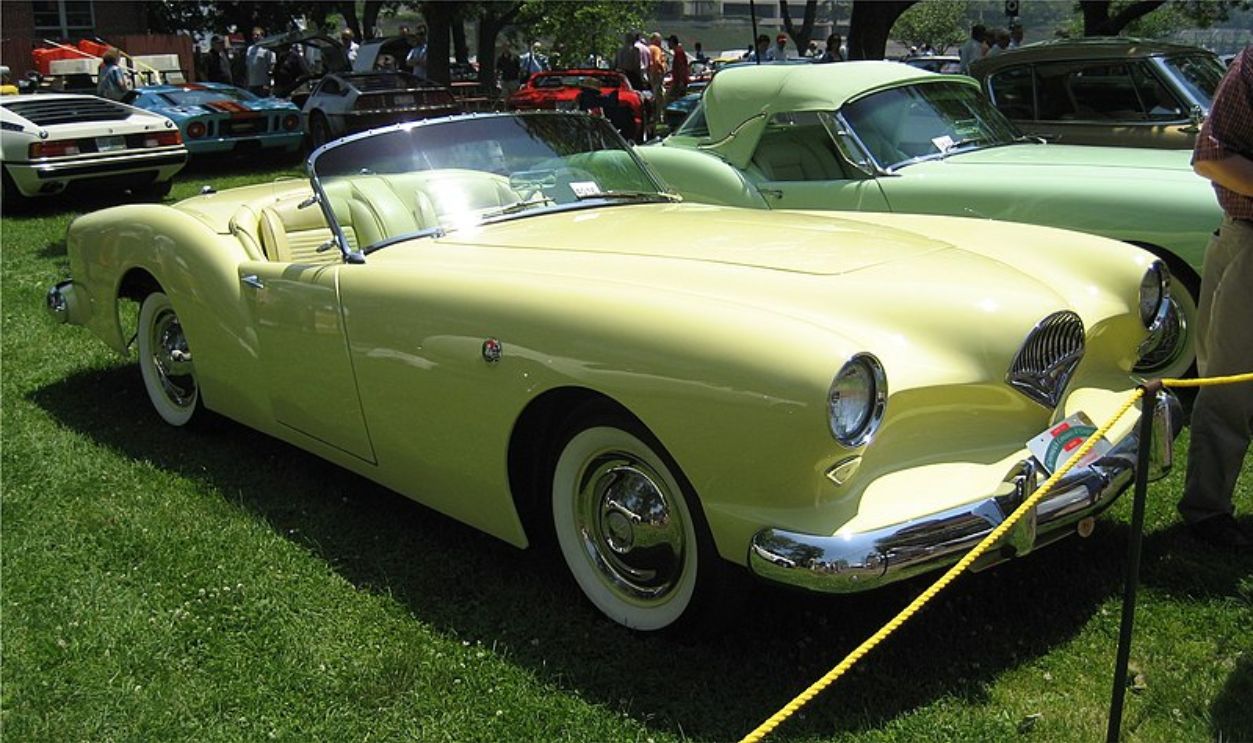
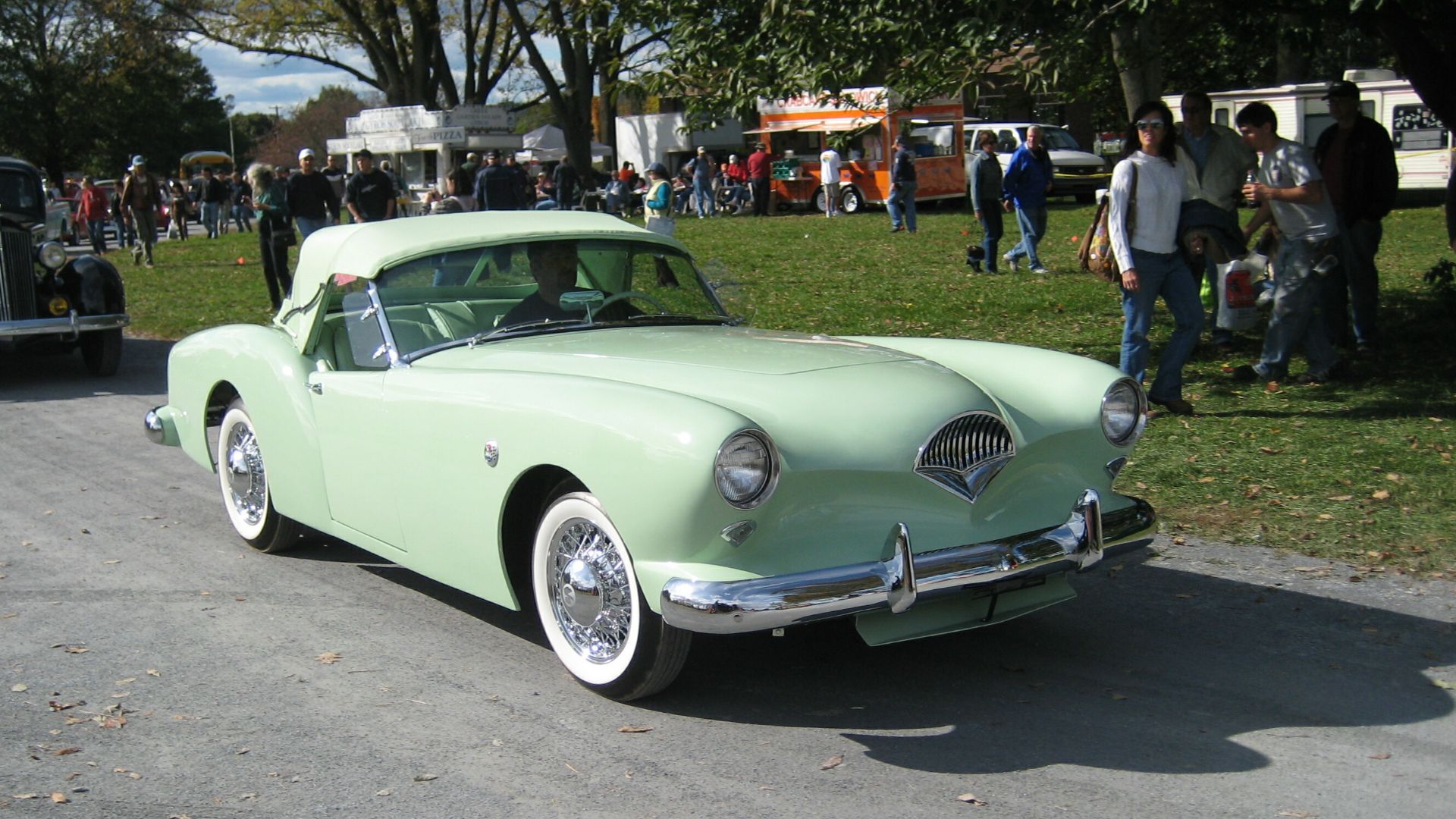
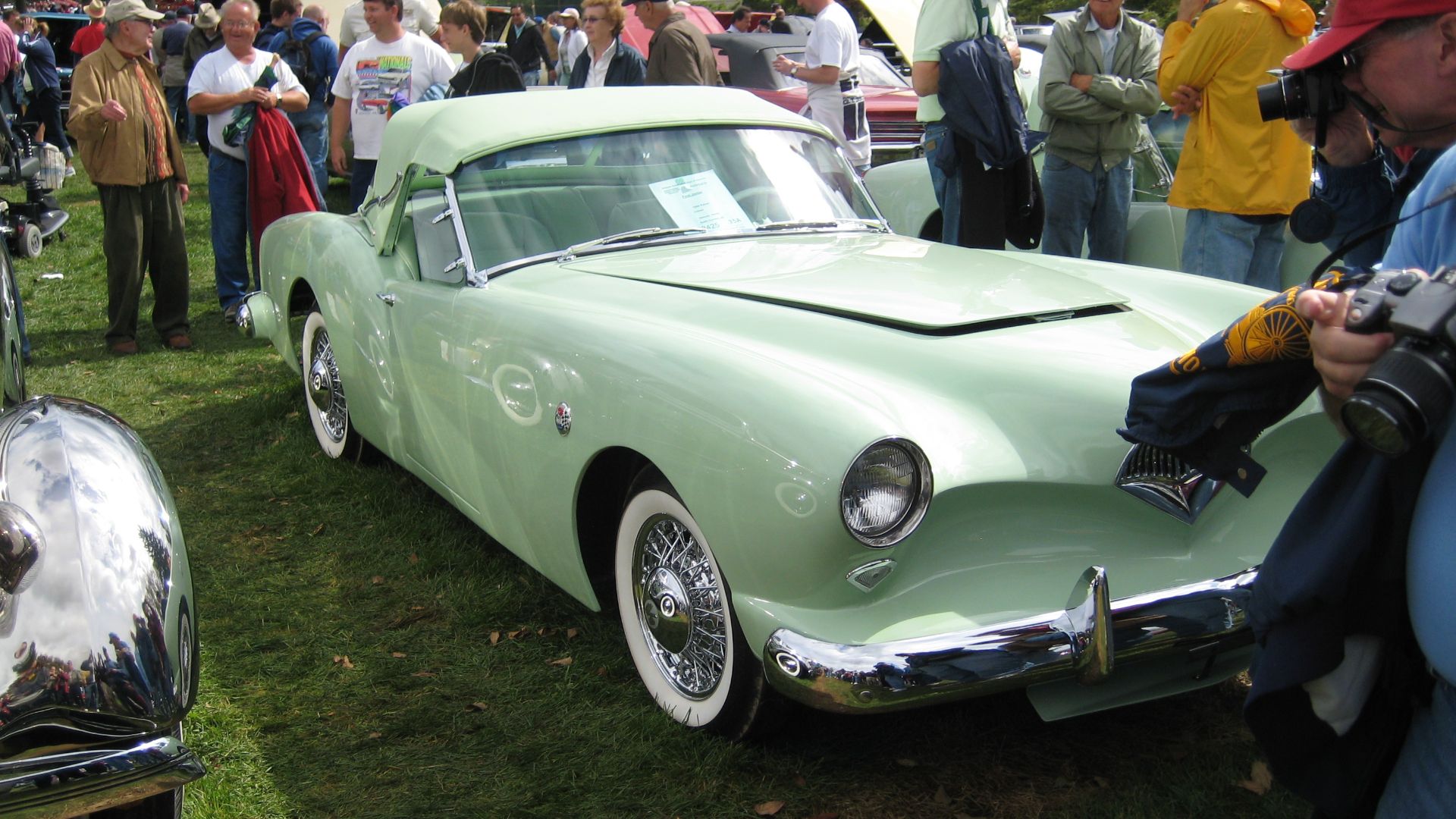
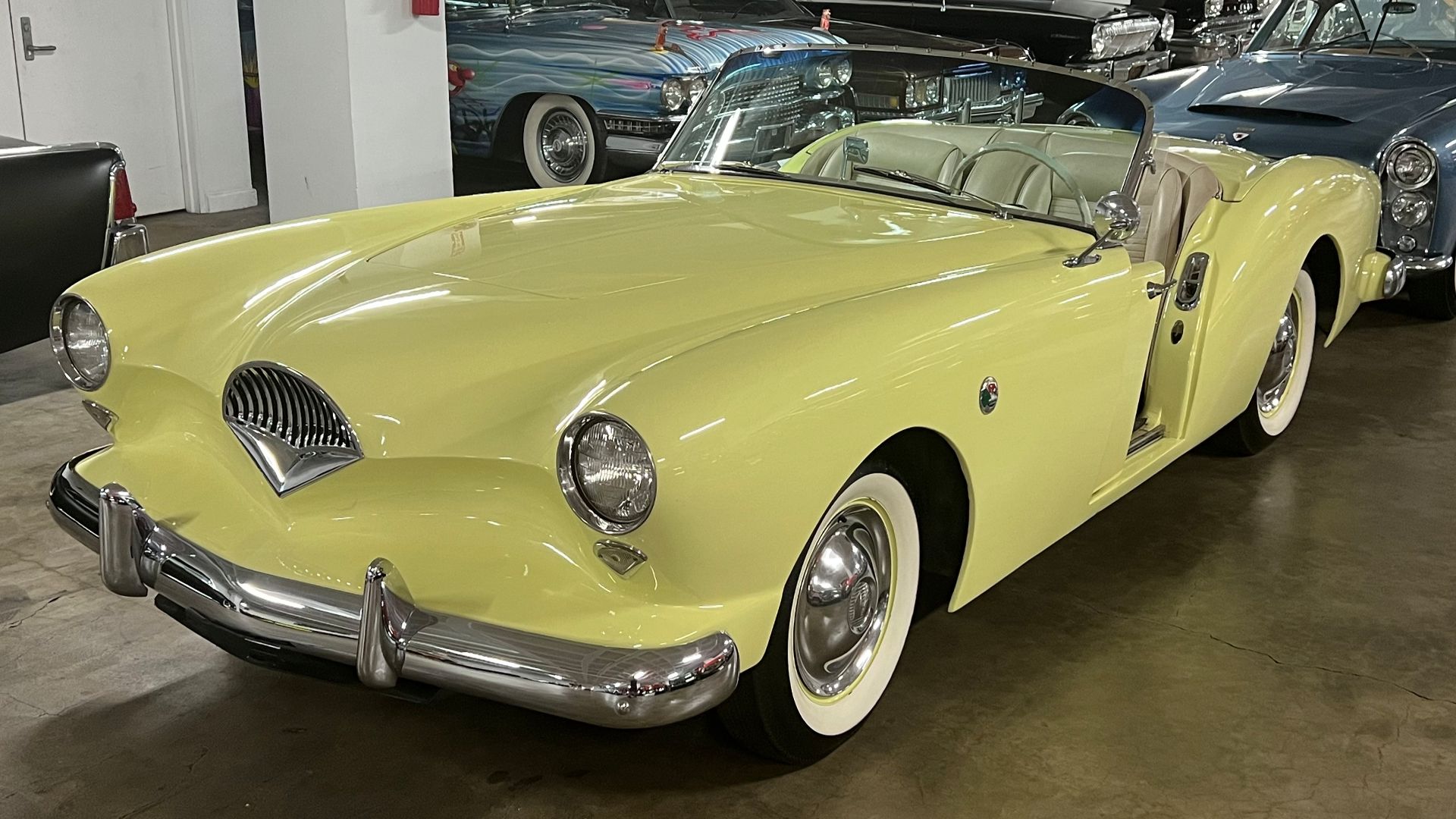
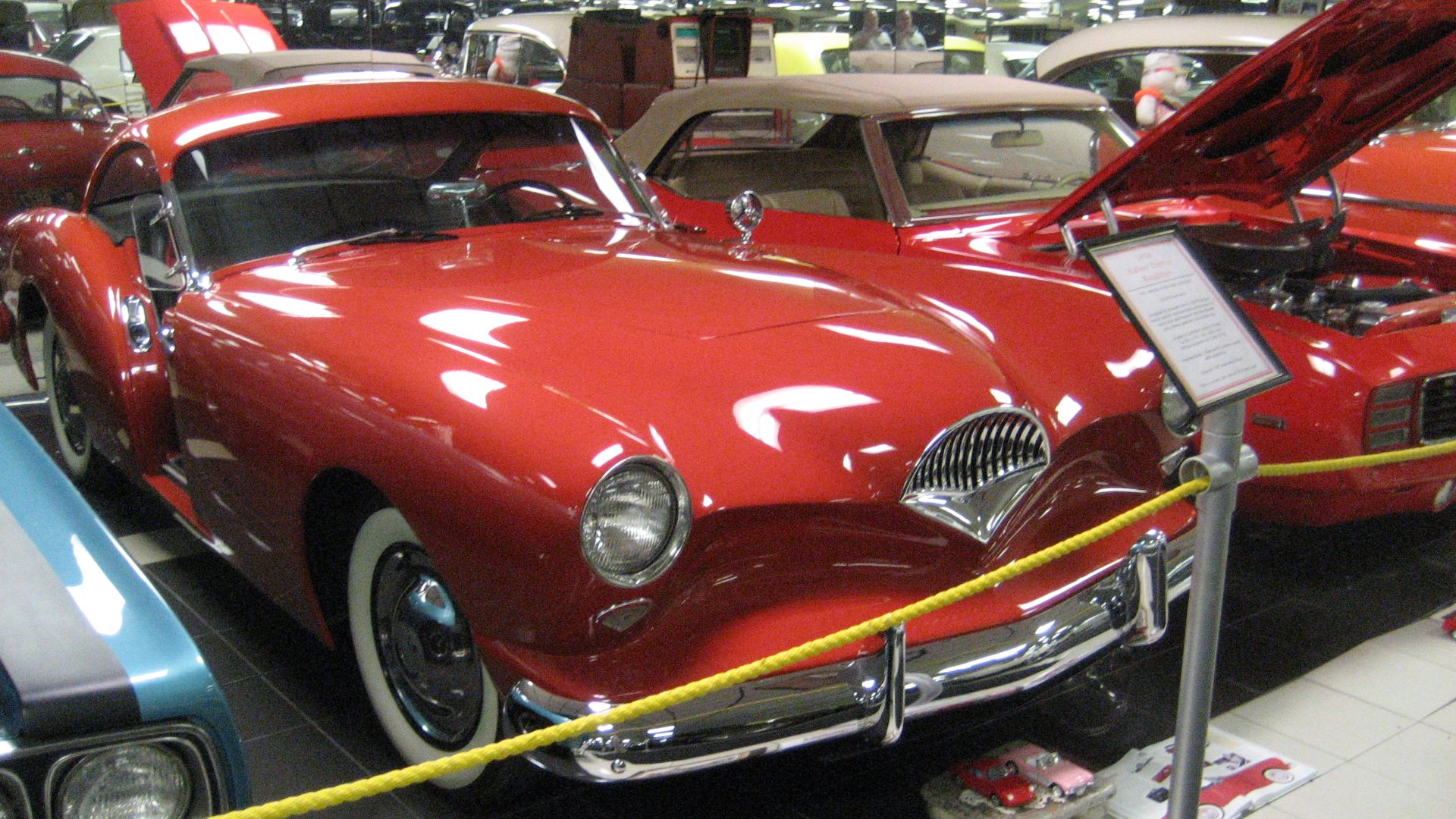
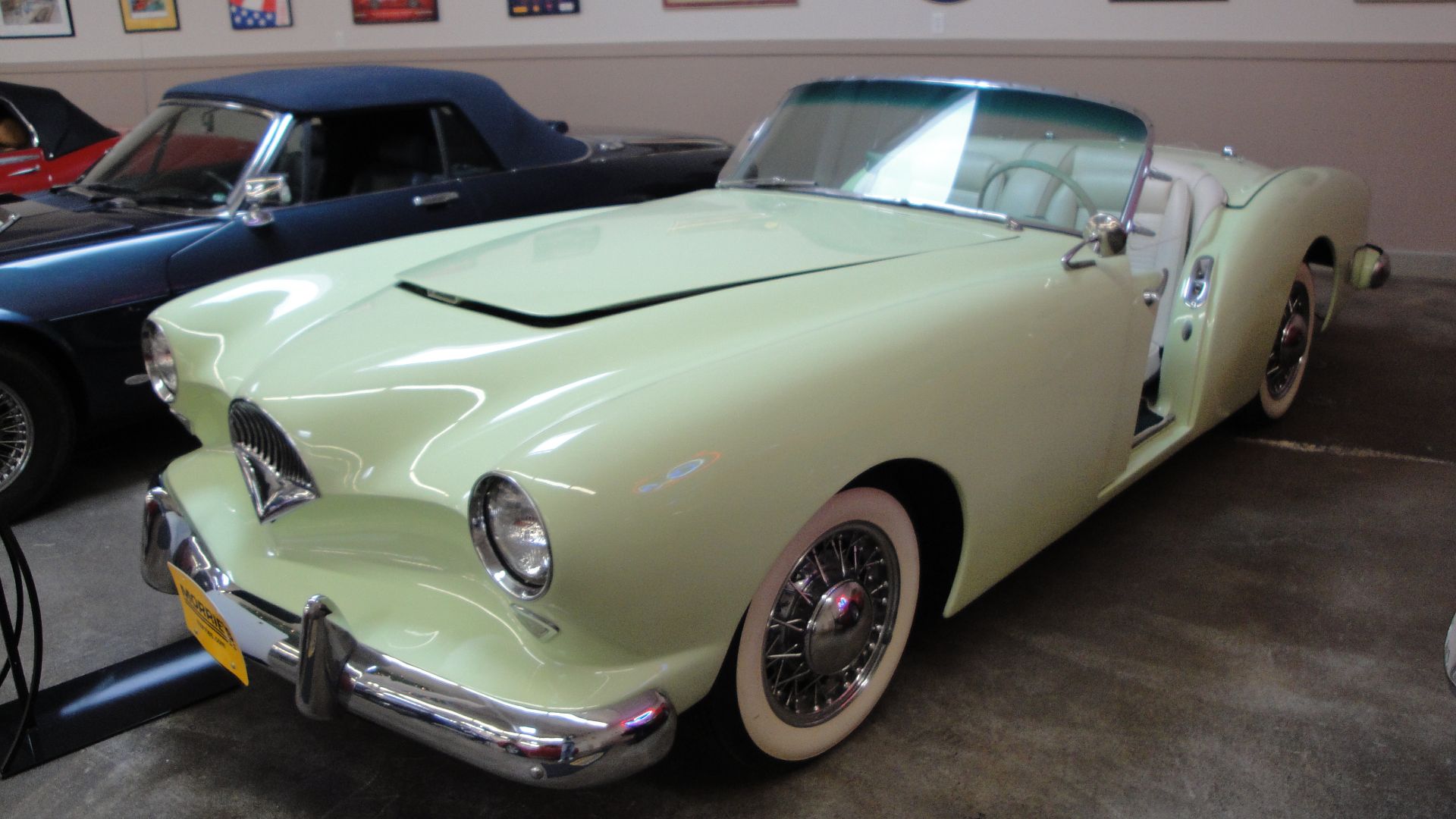
Take one look at a Kaiser Darrin and you’ll never confuse it with anything else. Its “pursed-lips” grille, sometimes called a “Darrin Dip,” looks like the car is puckering up for a kiss. Critics were split, but fans loved the boldness. Whether adorable or odd, it made a lasting impression.
The Legendary Sliding Doors
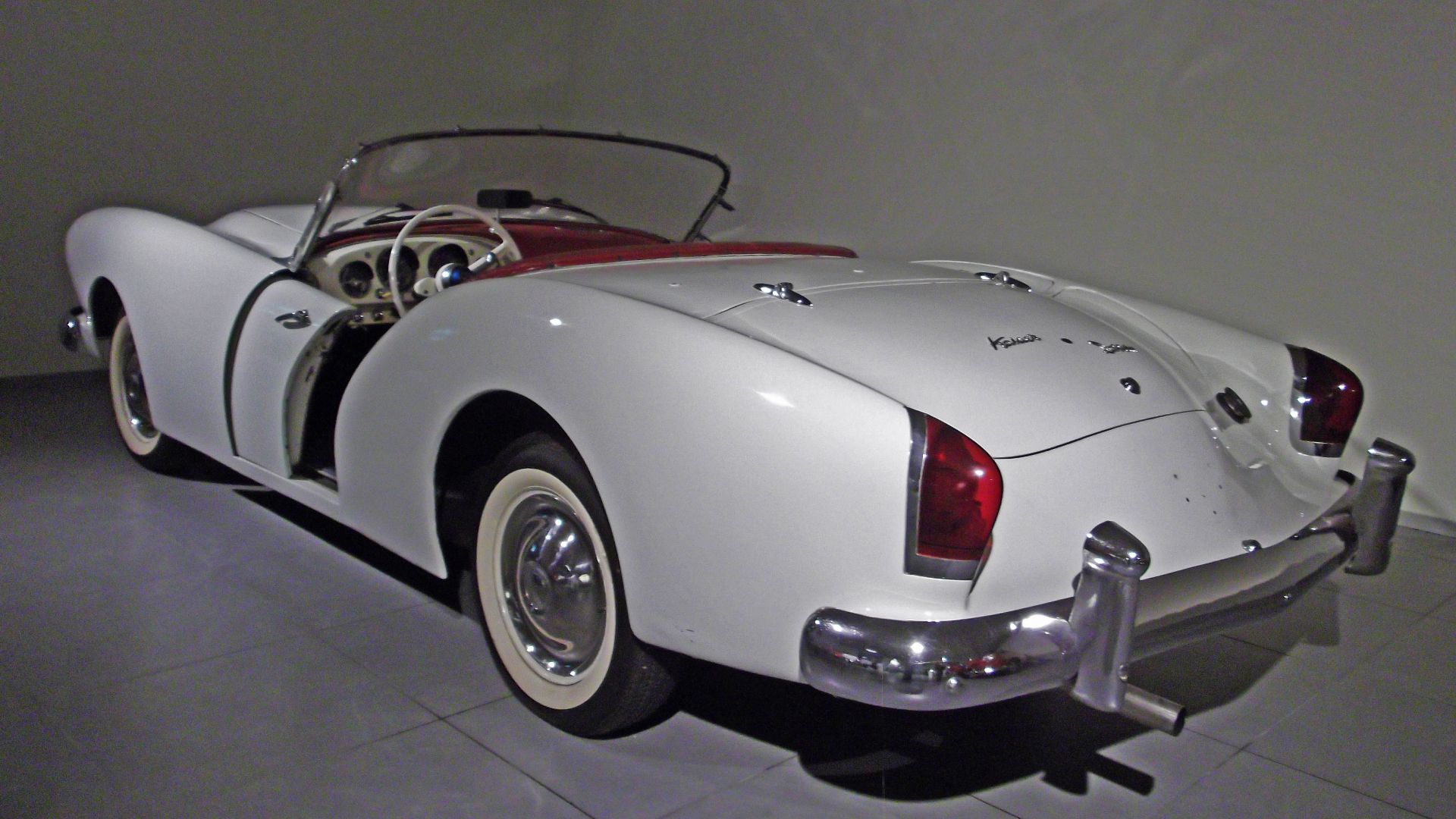
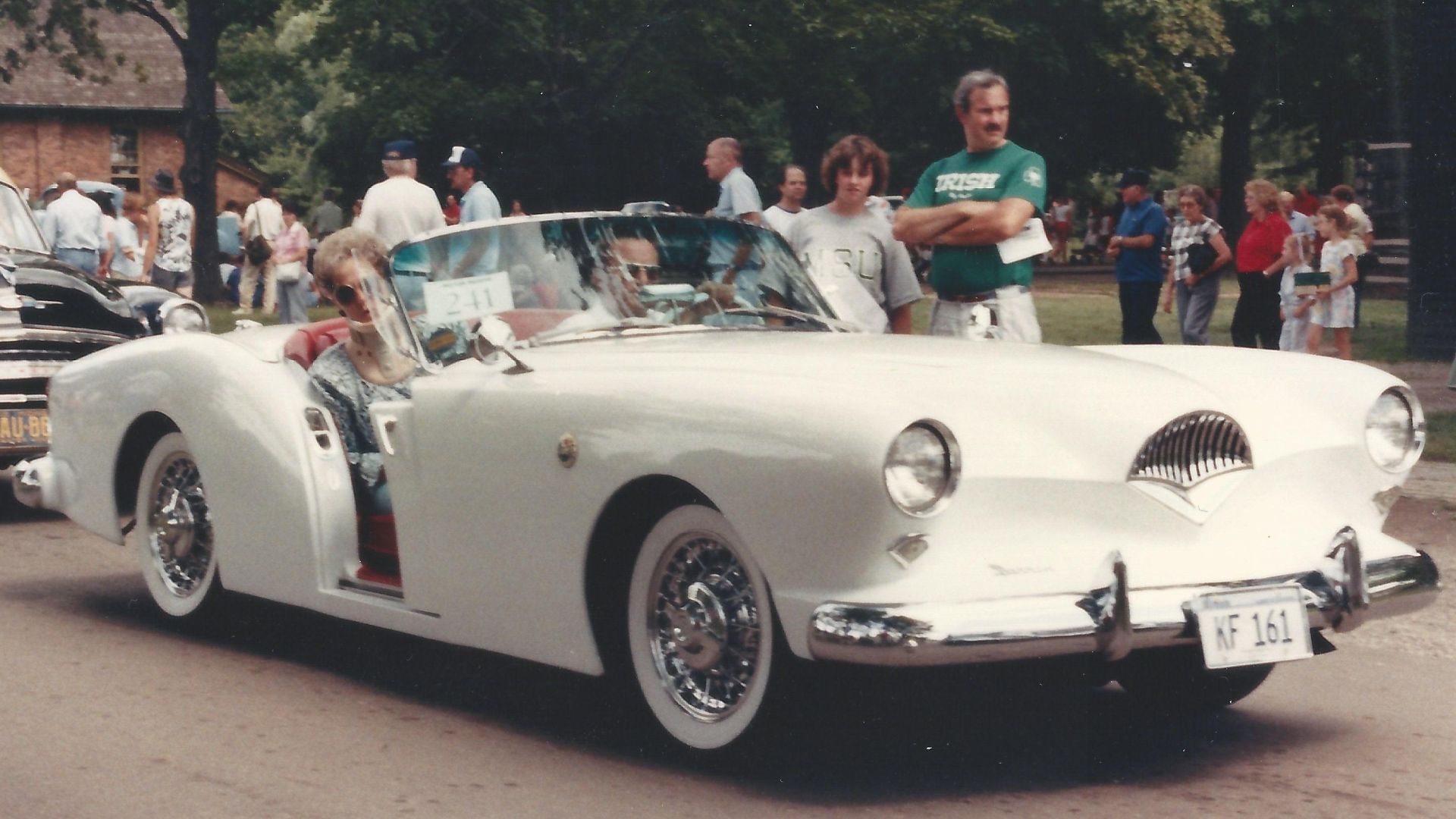
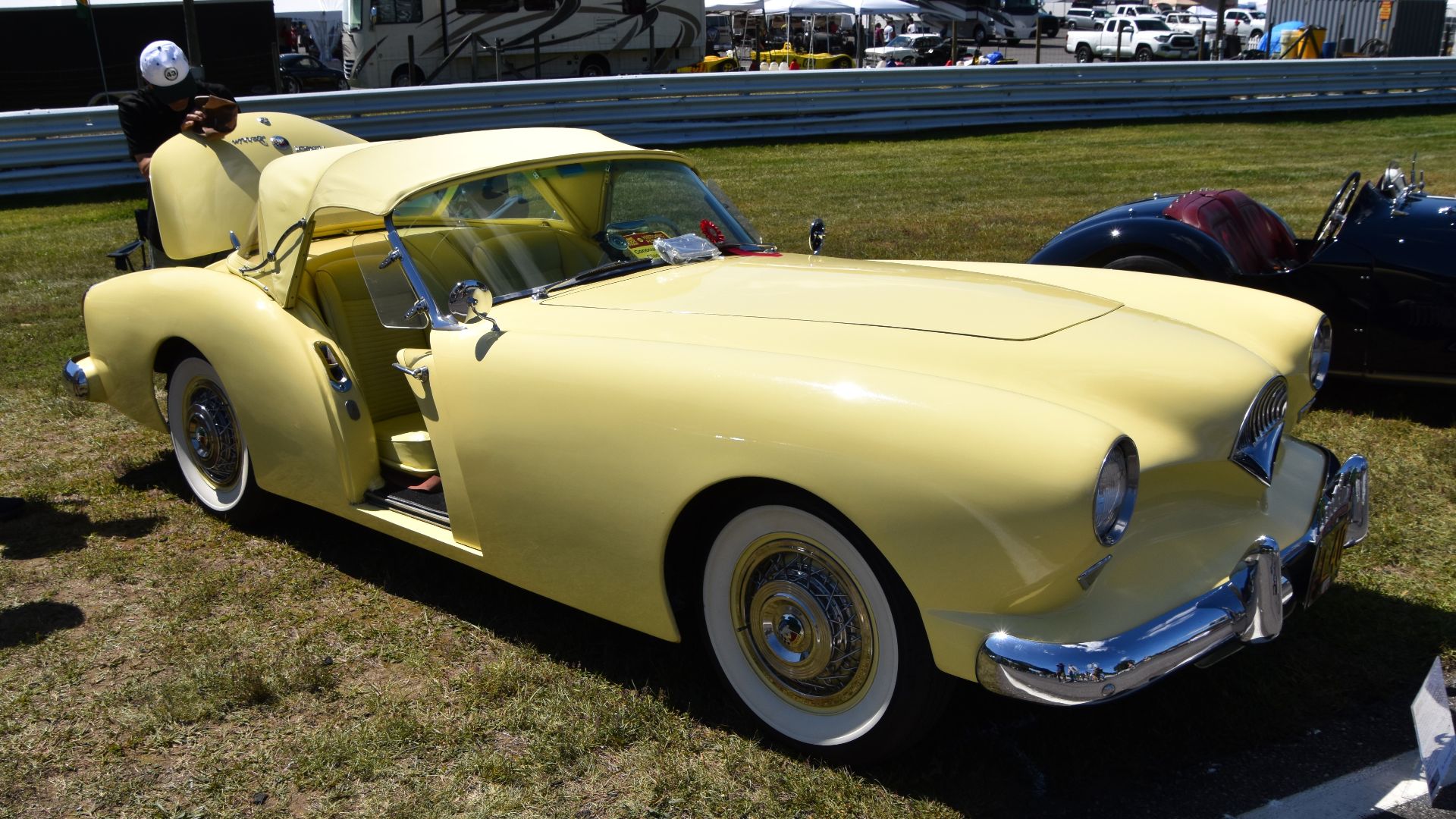
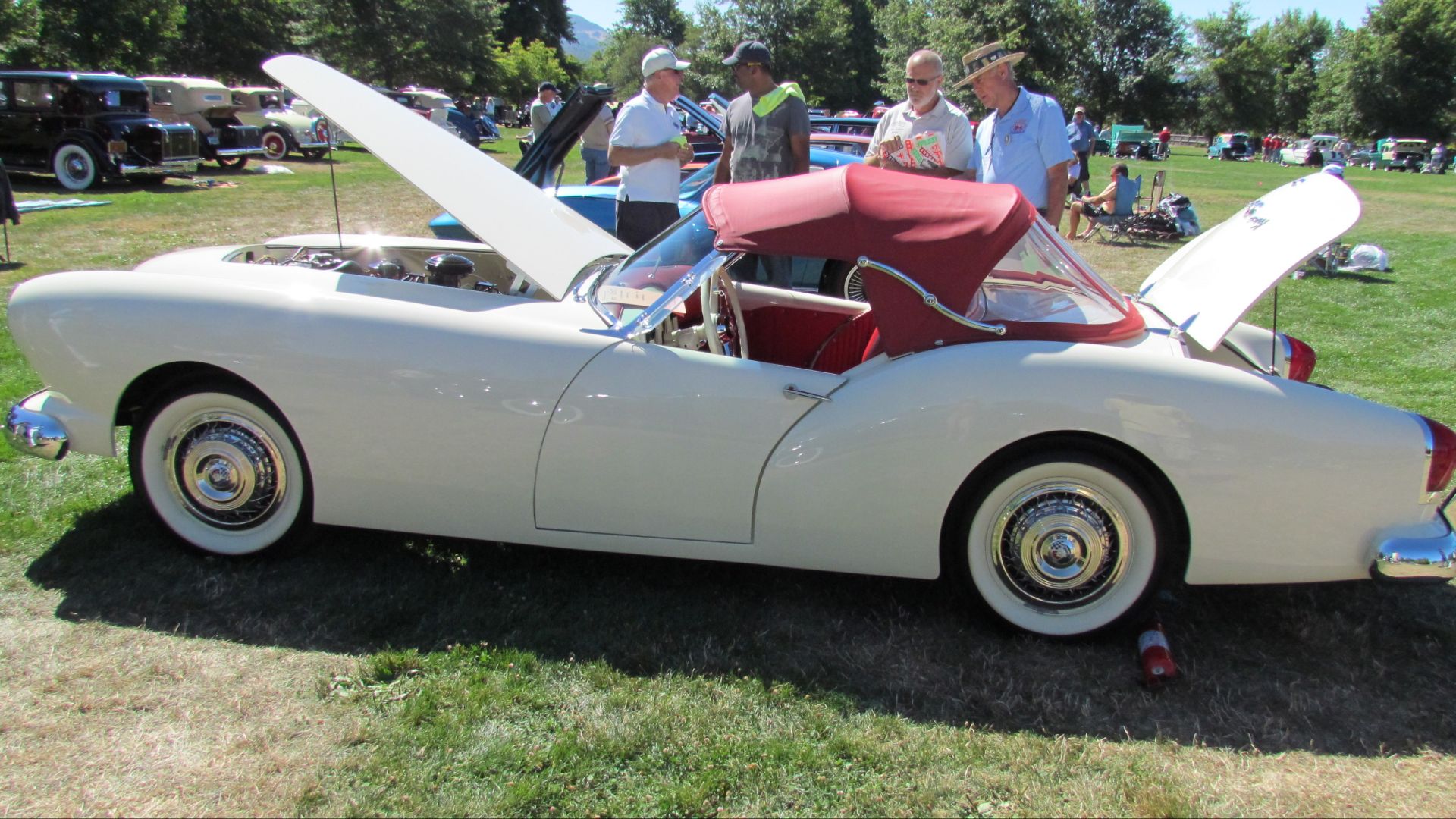
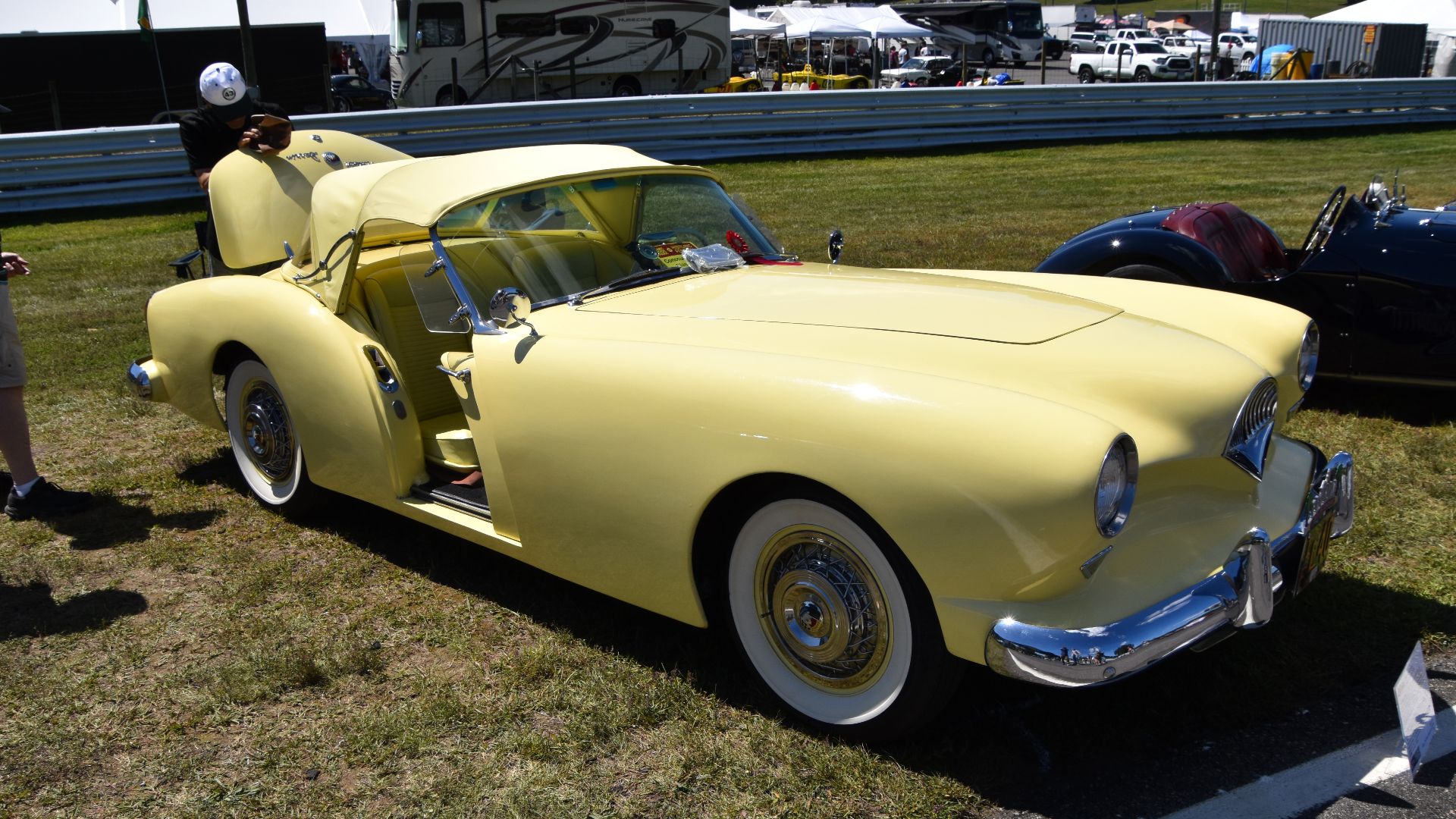
Of all the Darrin’s quirks, none was more famous than its sliding doors. Instead of swinging outward like normal doors—or upward like gullwings—the Darrin’s doors slid forward into the front fenders. The effect was part spaceship, part fashion statement. They were practical in tight spaces, unforgettable in conversation, and a mechanical marvel for the time.
 Dennis Elzinga, Wikimedia Commons
Built For Style, Not Speed
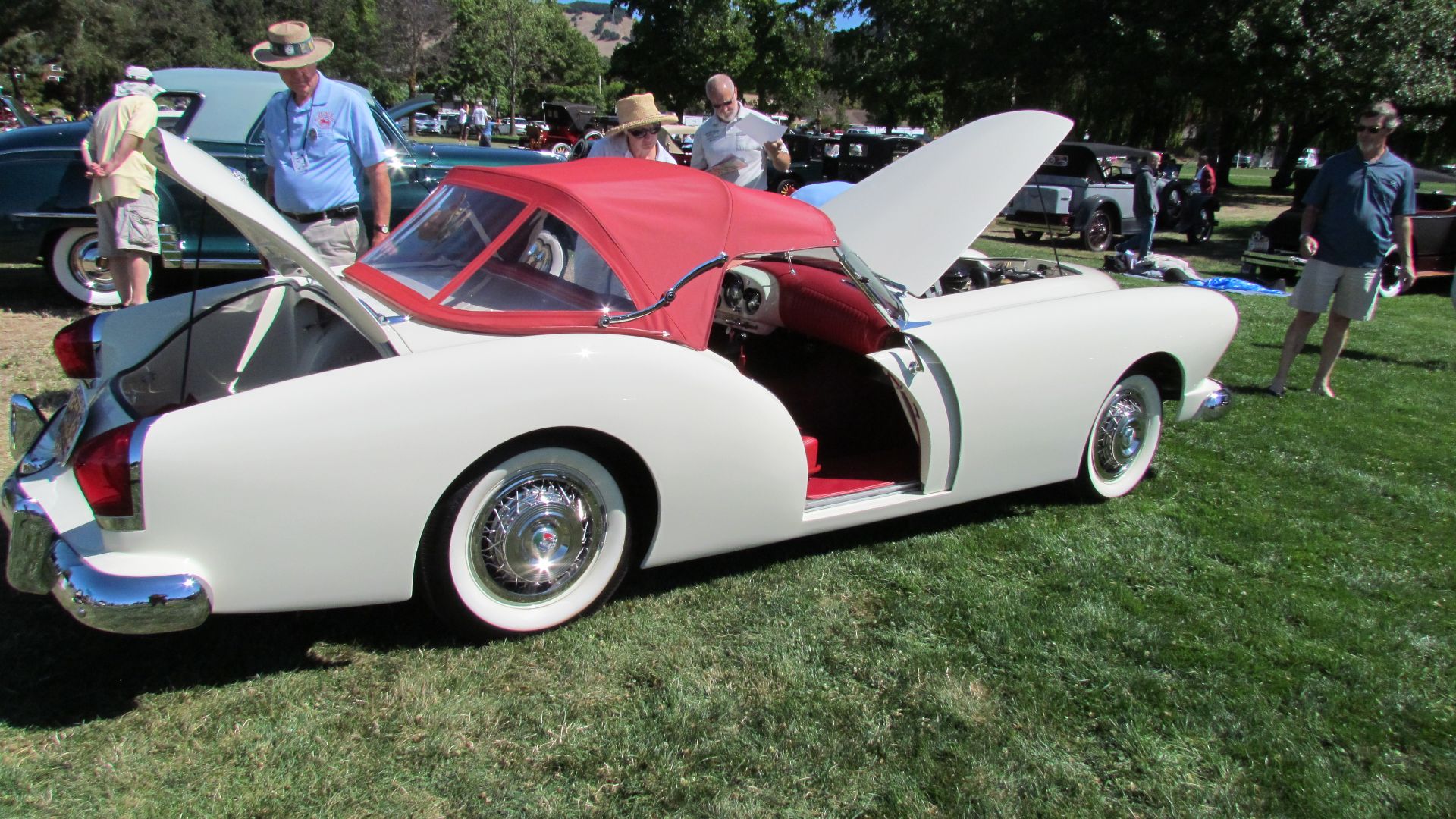
For all its dramatic styling, the Darrin was never a powerhouse. Under that long, elegant hood was a humble Willys F-head 161 cubic-inch inline-six. Good for around 90 horsepower, it was… adequate. Sort of. The Darrin’s performance was more “Sunday cruise” than “Le Mans contender,” but with looks like that, many buyers didn’t mind.
 David Berry from Rohnert Park CA, USA, Wikimedia Commons
A Sports Car For The Sunshiny Life
The Darrin was designed for pleasure, not performance. Lightweight, front-engine, rear-wheel drive, and open to the breeze, it was perfect for California highways and blissfully impractical for everything else. This was a car for top-down smiles, not quarter-mile times.
The Partnership That Set The Stage
Howard Darrin had designed cars for Hollywood royalty, so he wasn’t shy about making something sensuous and eye-catching. But he also wasn’t shy about arguing with Henry Kaiser. Darrin demanded the car be built, even when Kaiser hesitated. Eventually, Kaiser relented—and the car that bore Darrin’s name went into limited production.
 JOHN LLOYD from Concrete, Washington, United States, Wikimedia Commons
A Starry Debut At The 1953 New York Auto Show
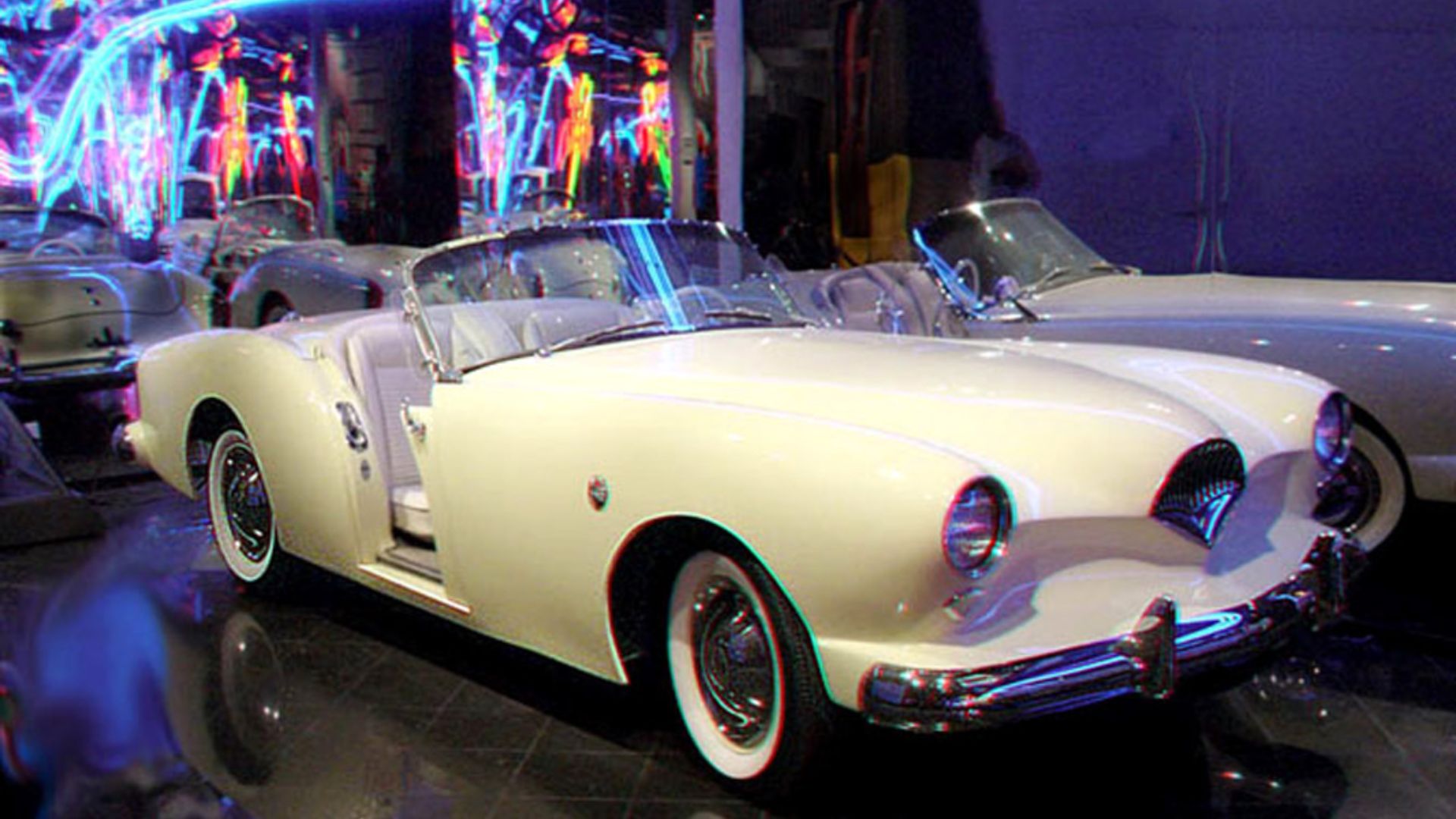
The Darrin made its public debut at the 1953 New York Auto Show, and audiences went wild. It was like nothing they’d ever seen. The press praised its lines, marveled at its doors, and immediately compared it to high-style European roadsters. For a moment, it seemed the Darrin might actually become America’s next big thing.
Production Begins—Slowly
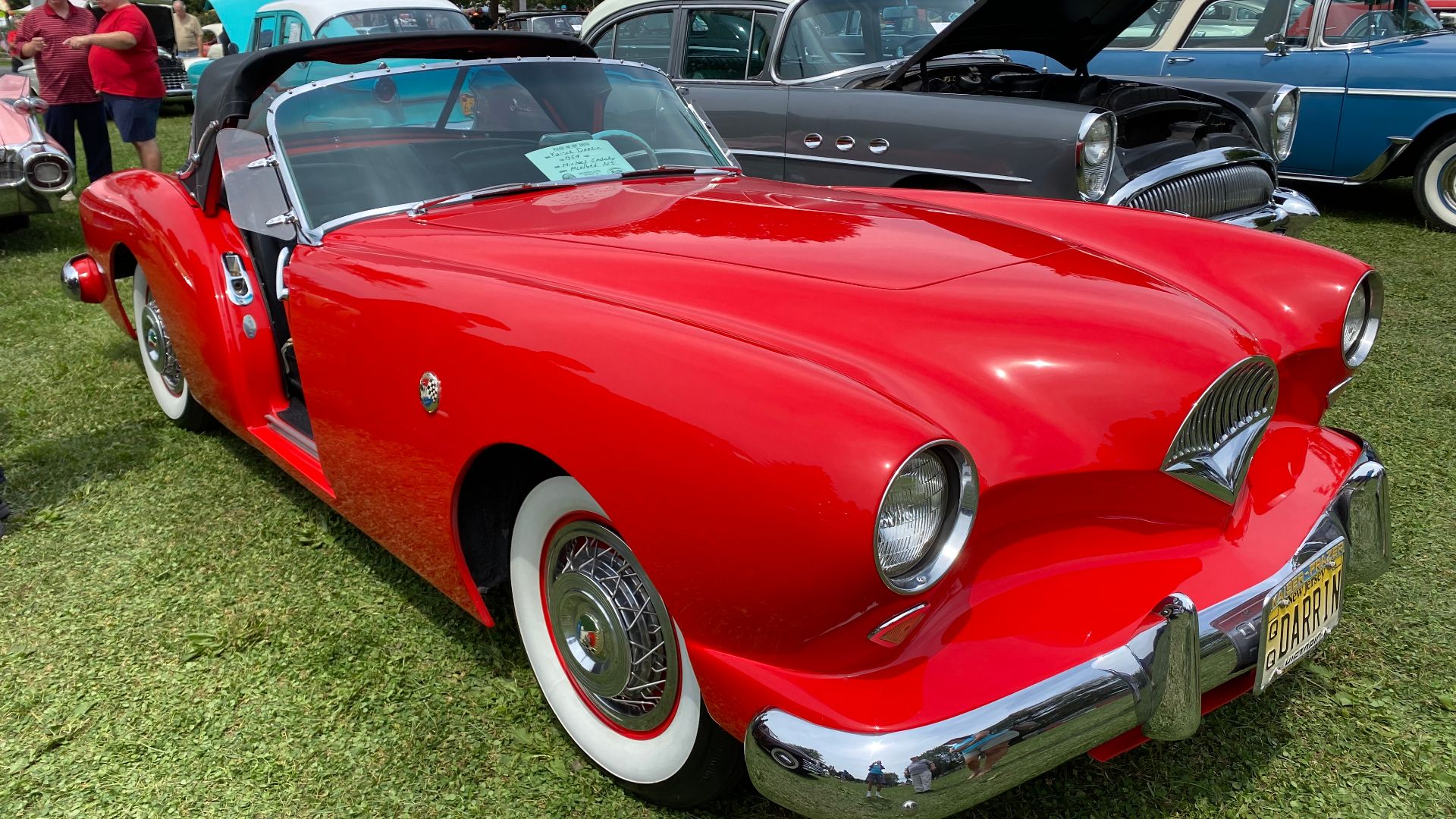
Though the debut was a hit, building the Darrin proved trickier. Fiberglass was still new, and Kaiser wasn’t exactly a large-scale automaker. Production delays piled up, and only a small batch of cars trickled out. In fact, only 435 Kaiser Darrins would ever be built.
 CZmarlin — Christopher Ziemnowicz, Wikimedia Commons
Pricey For The Privilege
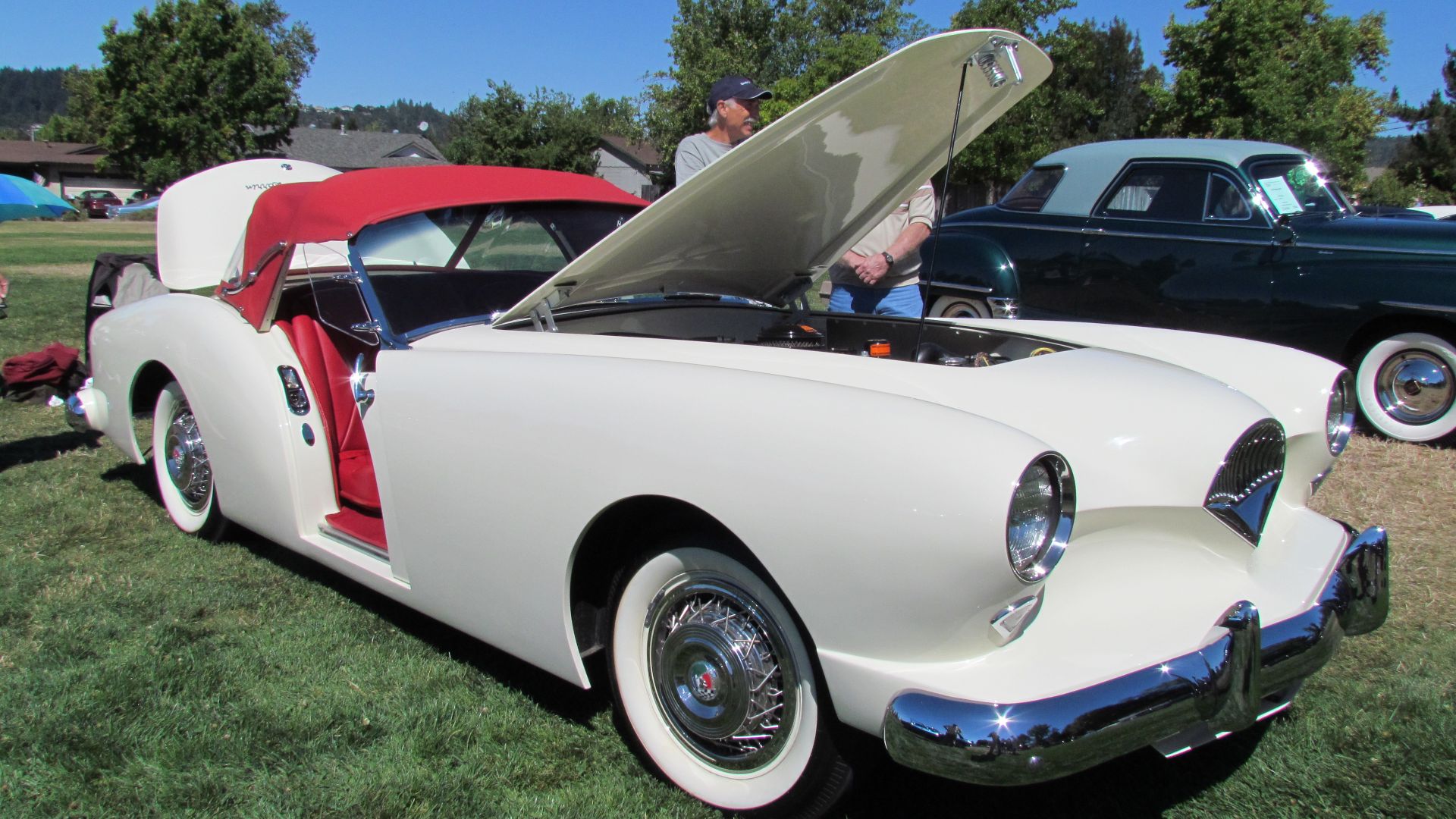
At $3,668, the Darrin was pricier than the Corvette and substantially more expensive than many European competitors. Buyers were dazzled, but the high price tag limited the car’s accessibility. The Darrin wasn’t just niche—it was niche and expensive.
 David Berry from Rohnert Park CA, USA, Wikimedia Commons
Weather Woes And Teething Troubles
The Darrin’s early issues included leaky doors, fussy tops, and occasional sagging in the fiberglass body. The sliding doors looked great but didn’t always seal properly against rain. In sunny climates, this was a minor annoyance. Elsewhere… not so much.
 Usernet123u, Wikimedia Commons
The Market Turns Frosty
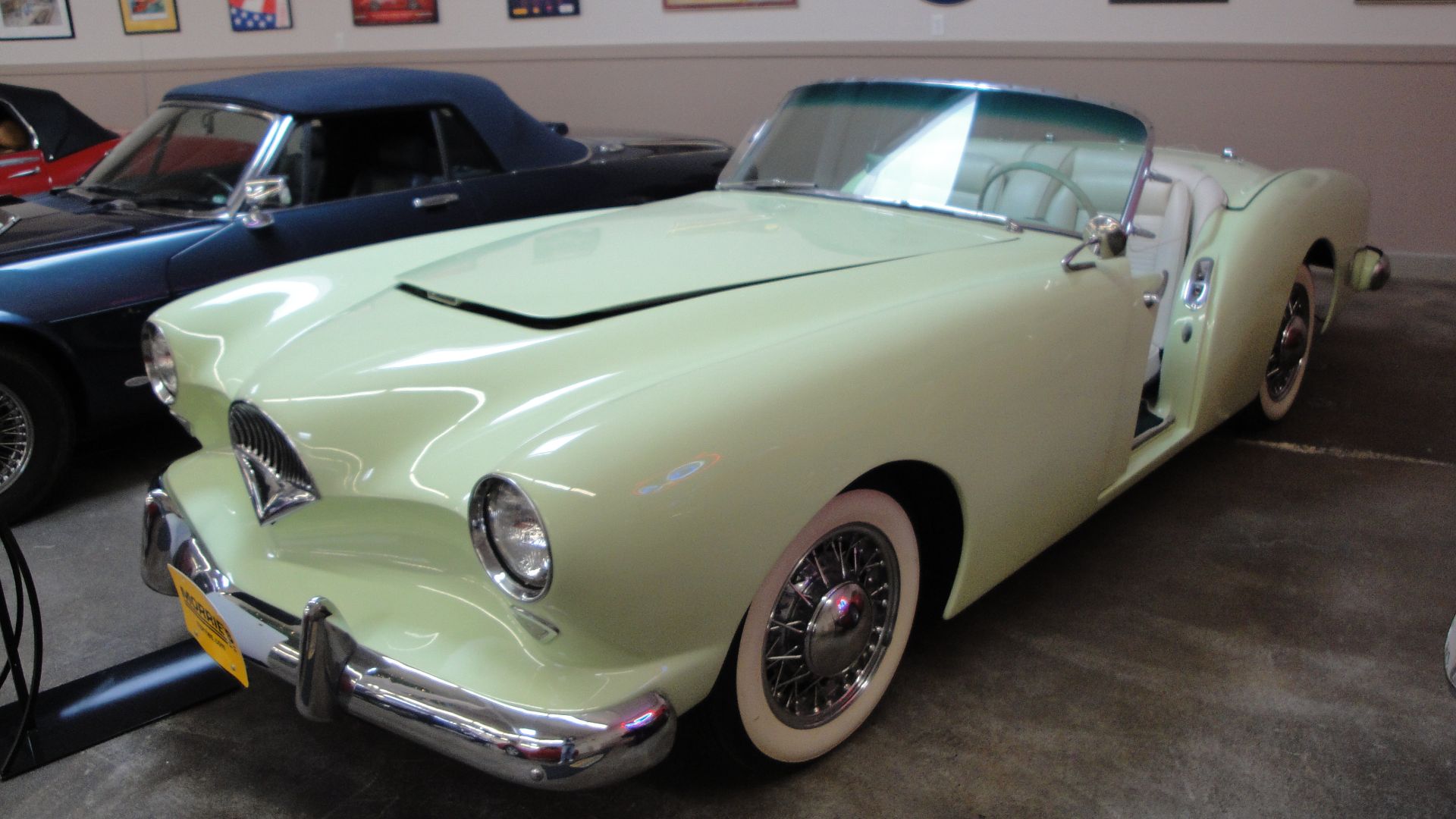
As production began in earnest, Kaiser Motors hit financial trouble. The brand was already struggling, and the Darrin—glamorous as it was—couldn’t save the company. By late 1953, the writing was on the wall.
 Greg Gjerdingen from Willmar, USA, Wikimedia Commons
1954: The Wrong Time To Launch A Dream
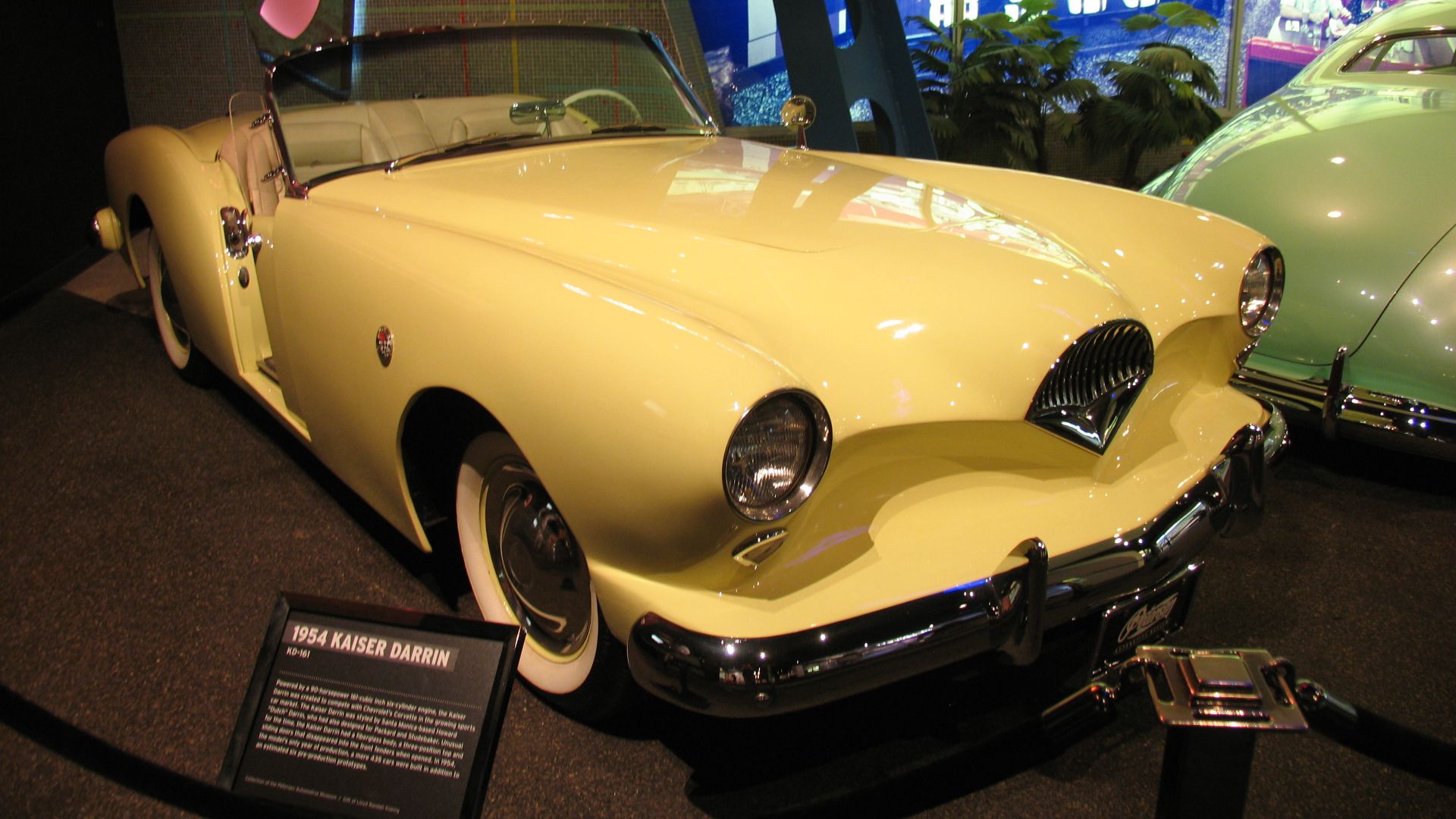
The Darrin officially went on sale for the 1954 model year. Unfortunately, 1954 was also the year Kaiser Motors shuttered its U.S. operations. Suddenly, the company’s flashy halo car became an orphan almost overnight.
 ilikewaffles11, Wikimedia Commons
Dealers Left With Dusty Roadsters
When Kaiser ceased domestic auto production, dozens of brand-new Darrins were left sitting on dealer lots. The cars were gorgeous—but buyers had little confidence in the defunct brand. Many Darrins lingered unsold for years.
 Charles from Port Chester, New York, Wikimedia Commons
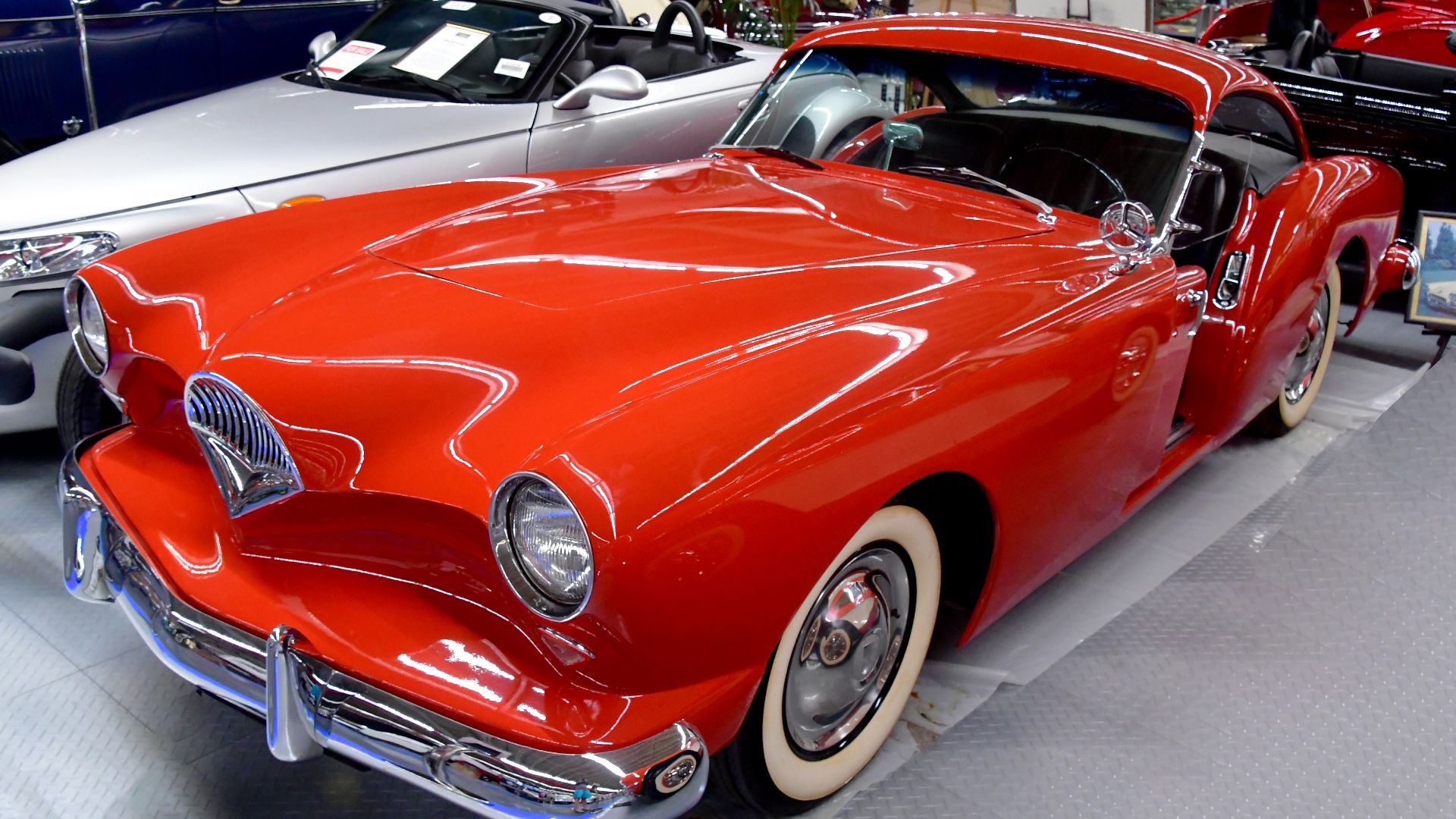
Dutch Darrin Refuses To Give Up
Howard Darrin was too proud to let his creation fade away. So he purchased a batch of unsold Darrins from Kaiser dealers and decided to give them a performance makeover. Cue the hot-rod spirit.
 Eric Friedebach, Wikimedia Commons
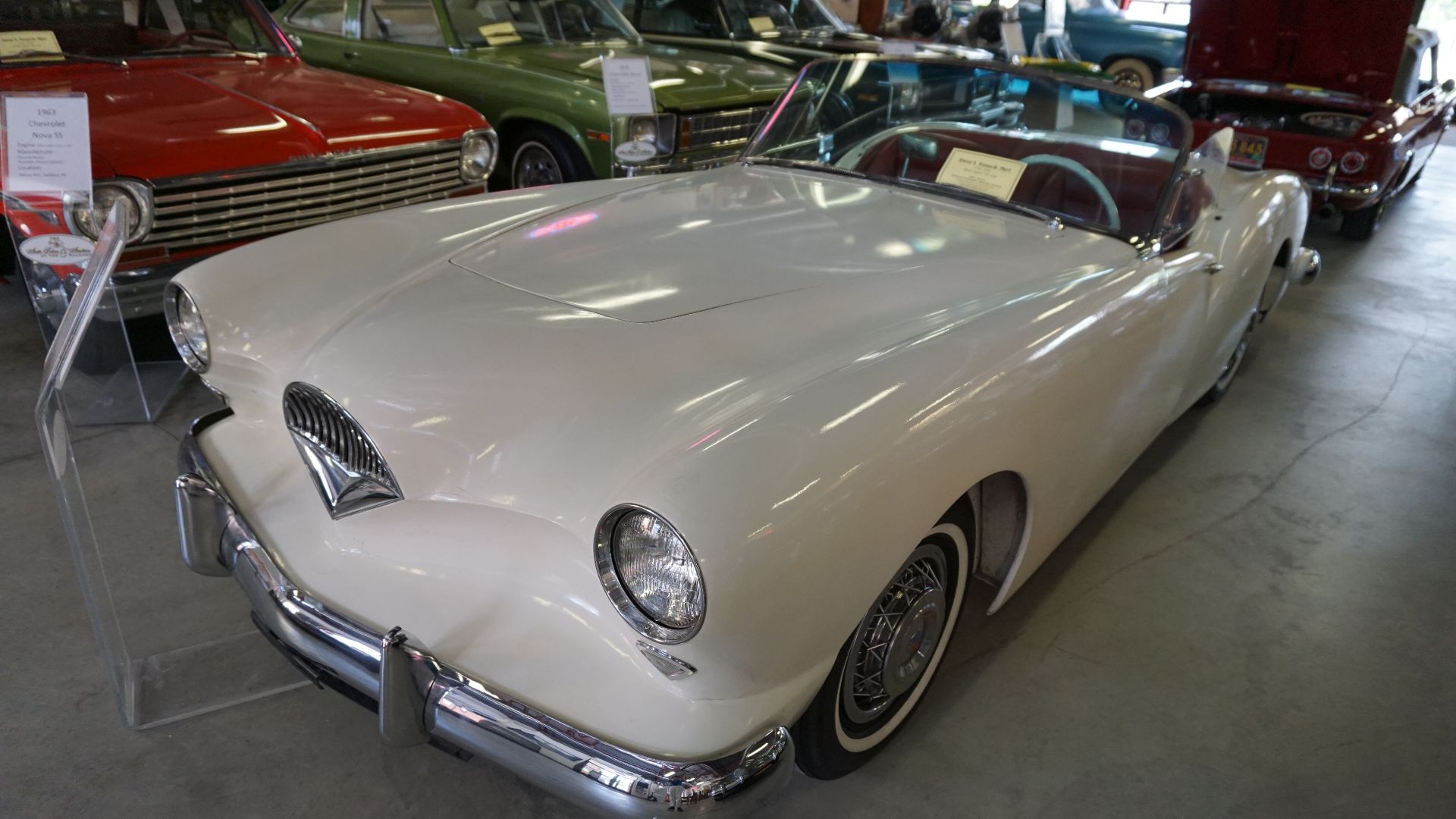
Enter The V8: A Whole New Animal
Darrin replaced the stock six-cylinder with a Cadillac OHV V8, giving the roadster the power it always deserved. These modified cars were monsters—dramatically faster, dramatically louder, and dramatically more in line with the car’s exotic looks.
 Michael Barera, Wikimedia Commons
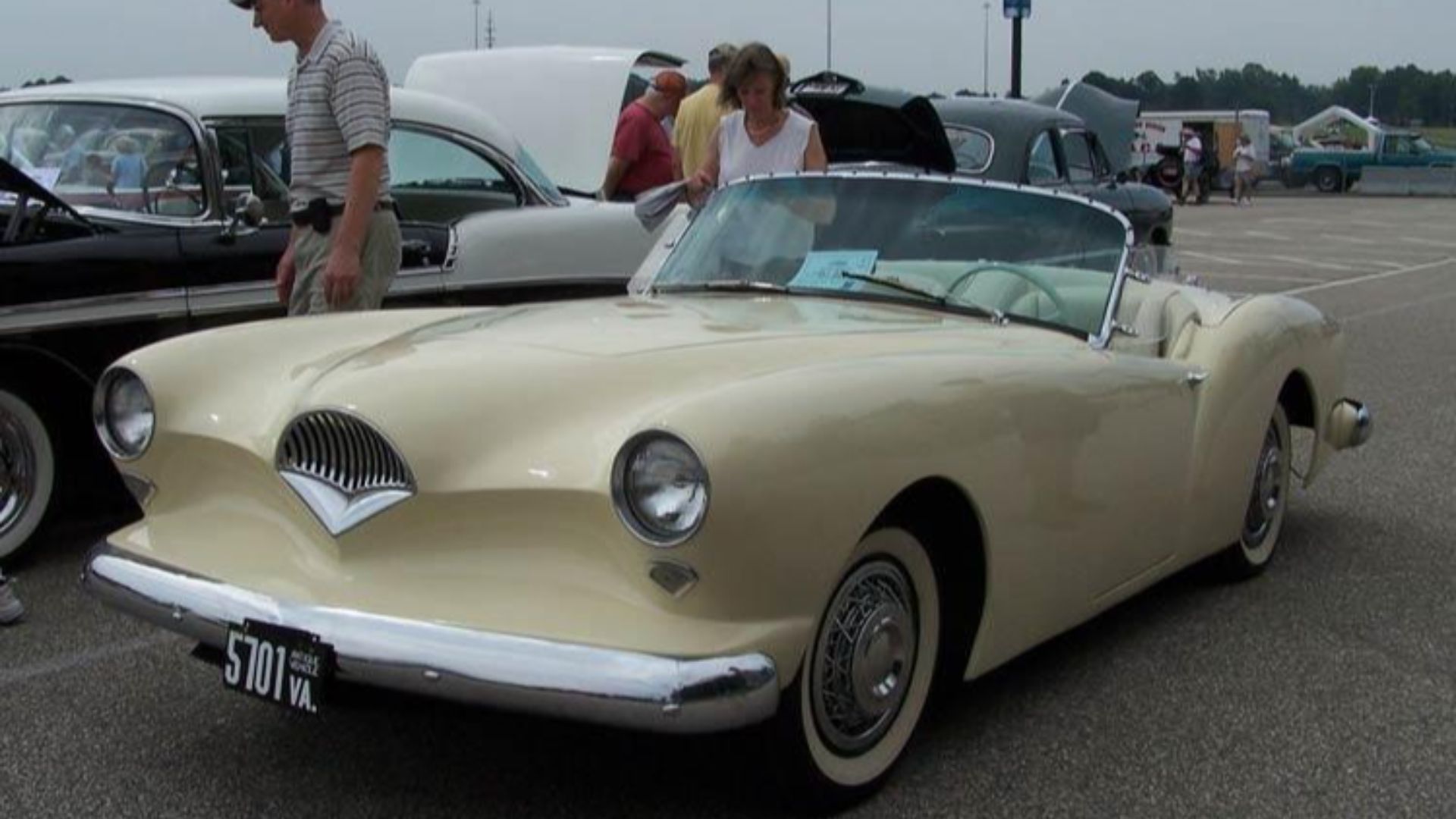
The “Super Darrins” Gain Cult Status
Darrin’s V8 conversions were few in number, but they transformed the car’s reputation. Suddenly this elegant cruiser could keep up with Europe’s finest. These rare hot-rodded Darrins later became prized collector items.
 Richmond AACA, Wikimedia Commons
A Short Production Run With A Long Shadow
Though the Darrin’s production run was brief, its impact lingered. It proved fiberglass could be practical, that American roadsters could be stylish, and that designers like Darrin were capable of world-class innovation.
 JOHN LLOYD from Concrete, Washington, United States, Wikimedia Commons
Why The Kaiser Darrin Failed
Ultimately, the Darrin didn’t fail because it wasn’t beautiful. It failed because Kaiser Motors lacked the finances, scale, and stability to support such an ambitious project. Production delays, an underpowered engine, and a high price didn’t help—but the company’s collapse sealed its fate.
 TaurusEmerald, Wikimedia Commons
A Forgotten Icon Rediscovered
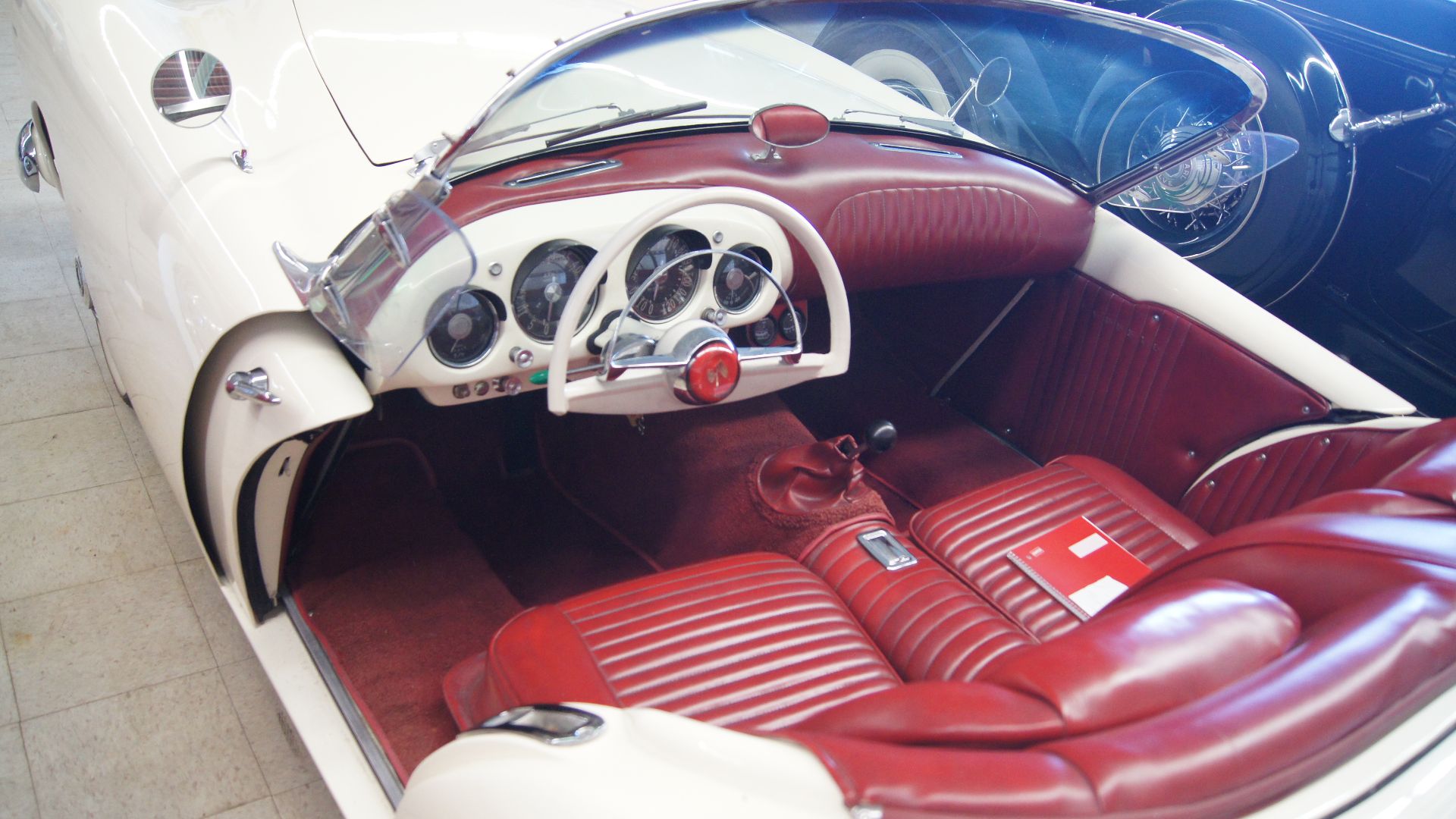
For decades, the Darrin slipped into obscurity. But as the classic car world grew more appreciative of oddballs and limited-production gems, the Darrin finally got its due. Collectors love its rarity, its bold styling, and of course, those unforgettable sliding doors.
 Greg Gjerdingen from Willmar, USA, Wikimedia Commons
Values Rise With Nostalgia
In recent years, well-preserved Darrins have commanded strong prices at auctions. Their combination of rarity, beauty, and historical novelty makes them irresistible to enthusiasts who want something different in their garage.
 David Berry from Rohnert Park CA, USA, Wikimedia Commons
The Car Enthusiast’s Secret Favorite
Ask any deep-cut car nerd to name a quirky American roadster, and the Kaiser Darrin will almost certainly come up. It’s become a kind of secret handshake—one of those “if you know, you know” legends of automotive history.
 Infrogmation of New Orleans, Wikimedia Commons
A Time Capsule Of ’50s Optimism
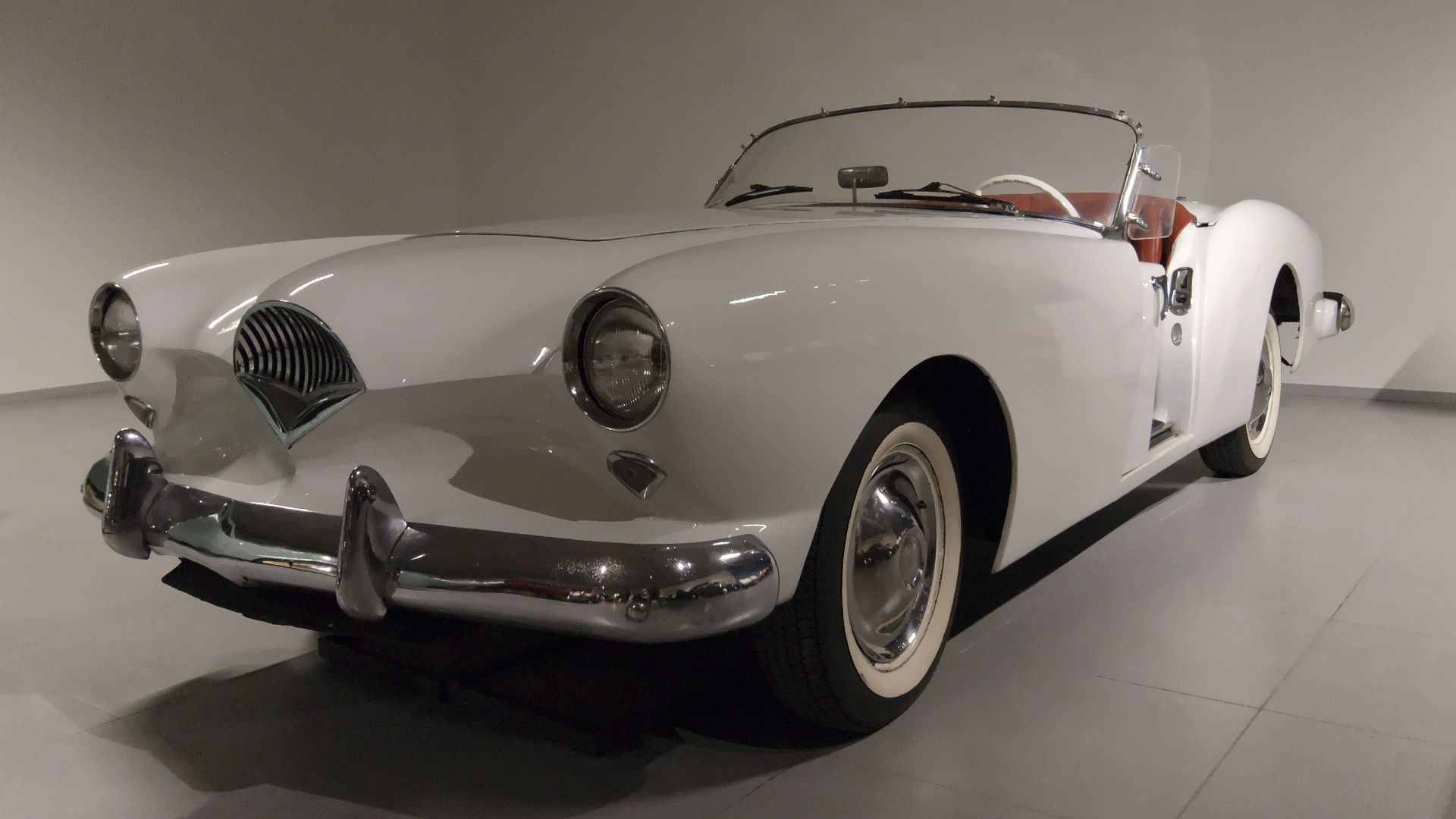
The Darrin represents an era when American automakers were willing to experiment. Sliding doors? Sure! Fiberglass body? Why not! Dramatic styling? Absolutely. It was a car born from optimism, style, and a little bit of stubbornness.
 Rob Oo from NL, Wikimedia Commons
What The Darrin Means Today
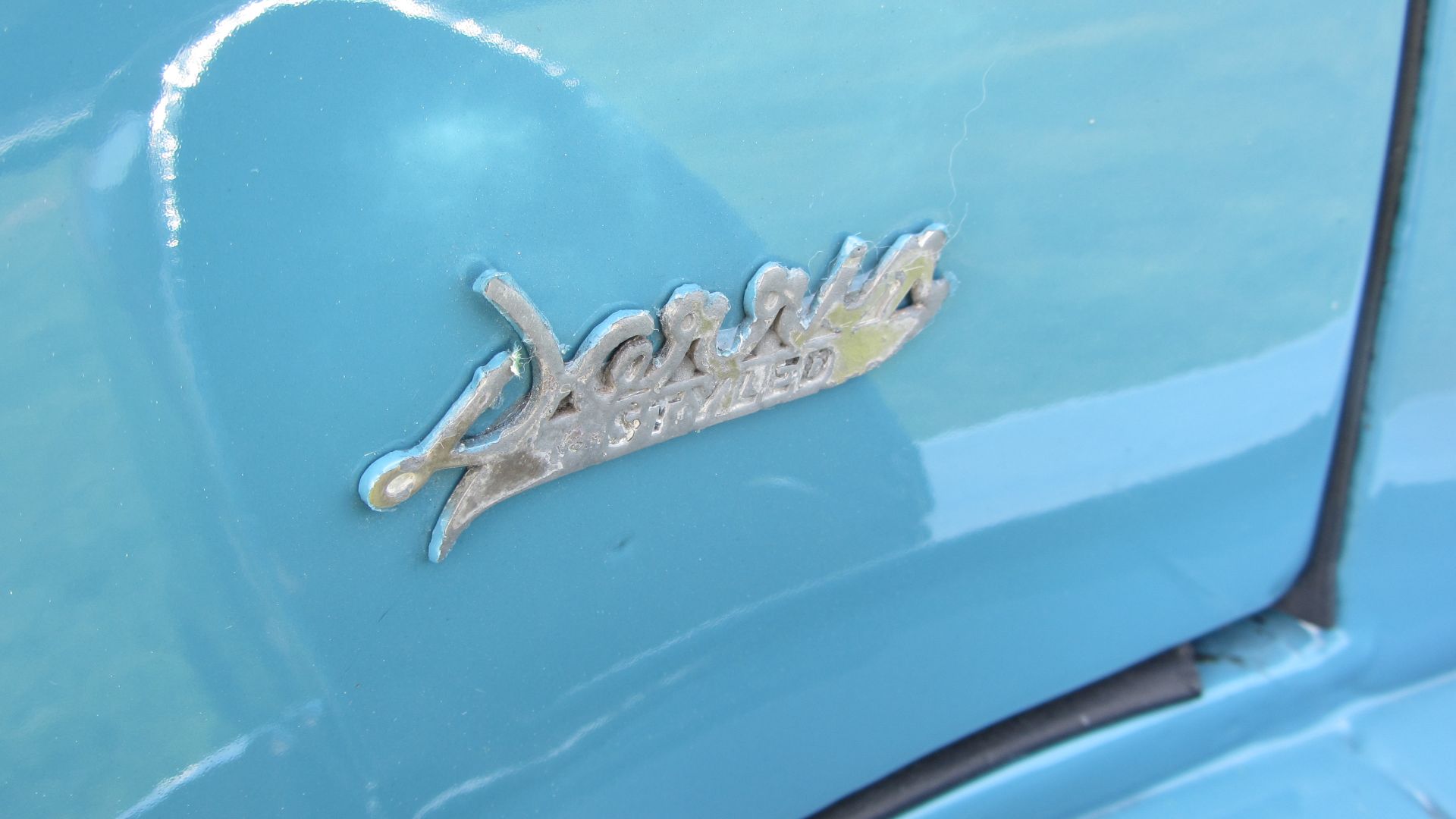
Today, the Darrin is more than a collector’s item—it’s a reminder that the automotive world thrives on passion and risk-taking. It may not have reshaped the market, but it left a mark all the same.
 JOHN LLOYD from Concrete, Washington, United States, Wikimedia Commons
The Legacy Of A Lovely Oddball
The Kaiser Darrin may never have been a mainstream hit, but it stands as one of the most distinctive American roadsters ever made. With its sliding doors, striking silhouette, and Hollywood flair, it remains a testament to the boldness of its creators—and a beloved oddball in automotive history.
 Charles from Port Chester, New York, Wikimedia Commons
The Roadster That Still Makes Us Smile
In the end, the Kaiser Darrin didn’t need a long production run to be unforgettable. All it needed was one look, one slide of those magical doors, and one moment in the spotlight. Even today, more than 70 years later, car lovers can’t help but grin when they see one glide past. For a brief moment in the 1950s, America dreamed big—and the Kaiser Darrin was proof that sometimes, the wildest ideas make the most lasting impressions.
 Greg Gjerdingen from Willmar, USA, Wikimedia Commons
You May Also Like:
The Car That Each American President Drove Says A Lot About Them
Habits That Quickly Destroy Your Car's Resale Value