When Adrenaline Meets Authority
You’re driving along, focused on getting where you need to go, when suddenly an EMS vehicle darts into your lane without much warning. Your heart jumps, your grip tightens on the wheel, and before your brain has time to catch up, you’re already reacting. You roll down the window and shout something you probably wouldn’t repeat in polite company. Days later, just when the moment feels long gone, a ticket arrives in your mailbox. Now you’re staring at that piece of paper wondering whether you were treated unfairly and whether you have any chance of fighting it. The short answer is yes, you can fight it—but whether you should is a much more complicated question.

The Split-Second Chaos Of Emergency Driving
Emergency driving exists in a completely different world from everyday commuting. EMS drivers are trained to prioritize speed and response time because seconds can mean the difference between life and death. Their maneuvers are often aggressive, abrupt, and unpredictable, especially to drivers who don’t see or hear them until the last second. From your perspective behind the wheel, it may feel like the EMS driver acted recklessly or without consideration. From their perspective, they’re navigating obstacles as fast as possible while trying not to slow down. That clash of realities is where most of these incidents begin.

Why Emergency Vehicles Get Special Treatment
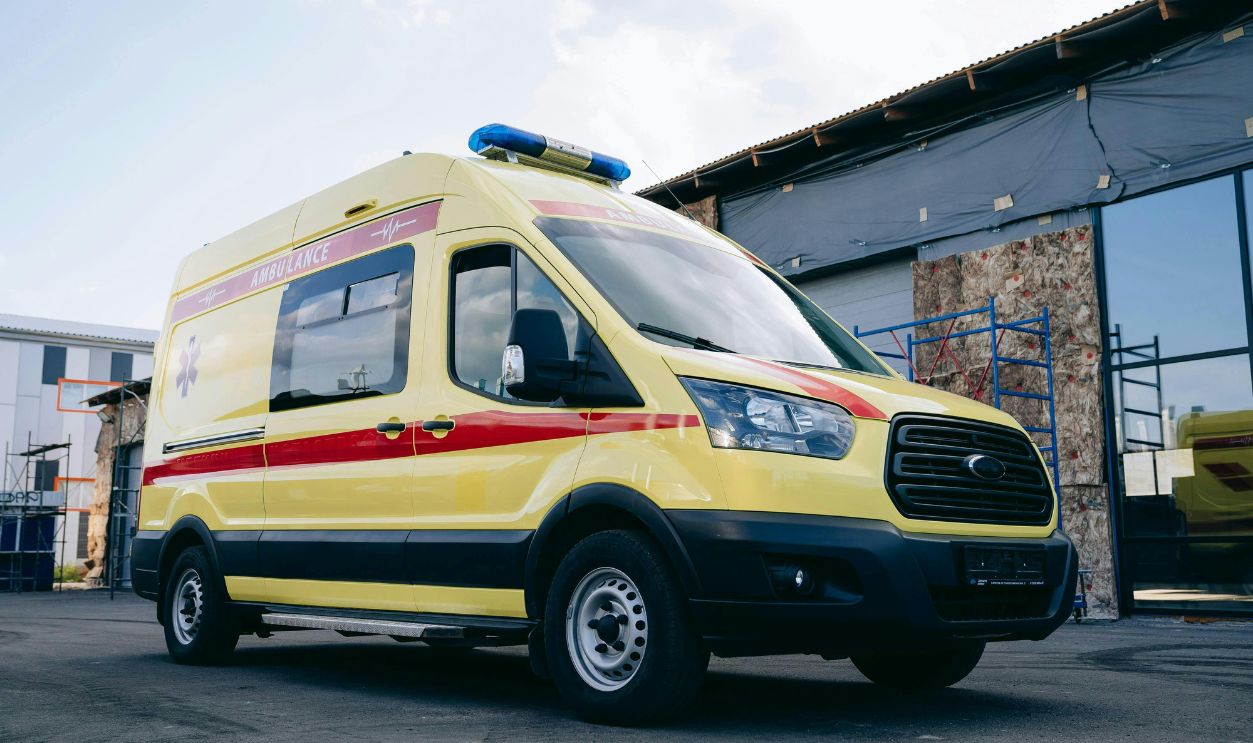
The law gives emergency vehicles broad authority to bend standard traffic rules when responding to an active call. In many states, that includes permission to exceed speed limits, run red lights, make otherwise illegal turns, and weave through traffic in ways that would normally earn an instant citation. However, this authority is not unlimited. Emergency drivers are still legally required to operate with what the law calls “due regard” for public safety, meaning they can’t drive with total disregard for everyone else on the road.
Did The EMS Vehicle Actually Break The Law?
Just because an EMS vehicle cut you off doesn’t automatically mean it violated the law. If the vehicle had its lights or sirens activated, courts usually assume the driver was justified in making sudden or aggressive maneuvers. Judges tend to give emergency responders the benefit of the doubt, especially when there is no crash or injury involved. That said, if the EMS vehicle did not have its lights or sirens on, or if its behavior went beyond what could reasonably be considered necessary, the situation becomes more legally complicated.

Your Reaction Matters More Than You Think
While the EMS vehicle’s behavior may have triggered the incident, your response plays a huge role in how the situation is judged later. Yelling out the window can feel harmless in the moment, but legally it can be interpreted as aggressive behavior, disorderly conduct, or even interference with emergency operations depending on what was said and how it was perceived. Once your reaction enters the picture, the focus often shifts away from what the EMS driver did and onto how you handled the situation.

What Exactly Is The Ticket For?
Before you decide whether to fight the ticket, you need to understand exactly what you’re being charged with. Tickets related to incidents involving emergency vehicles are often written for failure to yield, improper lane usage, aggressive driving, or verbal harassment of an emergency worker. The specific charge matters because some violations are easier to challenge than others, and some carry far greater long-term consequences than a simple fine.

The Mailbox Ticket Surprise Explained
Receiving a ticket in the mail instead of being pulled over at the scene can feel especially unfair, but it is legal in many jurisdictions. Officers may choose not to stop a driver if doing so would interfere with an emergency response or escalate the situation. These citations are often based on dash camera footage, body camera recordings, eyewitness reports, or license plate identification rather than an in-person traffic stop.

Can You Fight A Ticket Without Being Pulled Over?
Being cited by mail does not limit your right to contest the ticket. You still have the same legal options as if you had been pulled over on the spot. In some cases, mailed tickets even give drivers more time to prepare their defense. However, because these cases rely heavily on recorded evidence, you’ll need more than just your personal recollection to make a strong argument.

The “Due Regard” Defense Explained
One of the most common arguments used when contesting tickets involving emergency vehicles is that the responder failed to exercise due regard for public safety. This defense focuses on whether the EMS driver’s actions were reasonable given the circumstances. If the vehicle was speeding excessively through heavy traffic without warning or making sudden lane changes without lights or sirens, that argument may carry weight. Proving it, however, requires solid evidence.

Evidence: Your Best Friend Or Worst Enemy
Evidence is the single most important factor in whether fighting the ticket is worthwhile. Dash cam footage, traffic camera video, witness statements, and time-stamped photos can all help establish what actually happened. Without evidence, the case often boils down to your word against that of an emergency responder, and that is rarely a favorable position for a civilian driver.
What If You Were Technically In The Wrong?
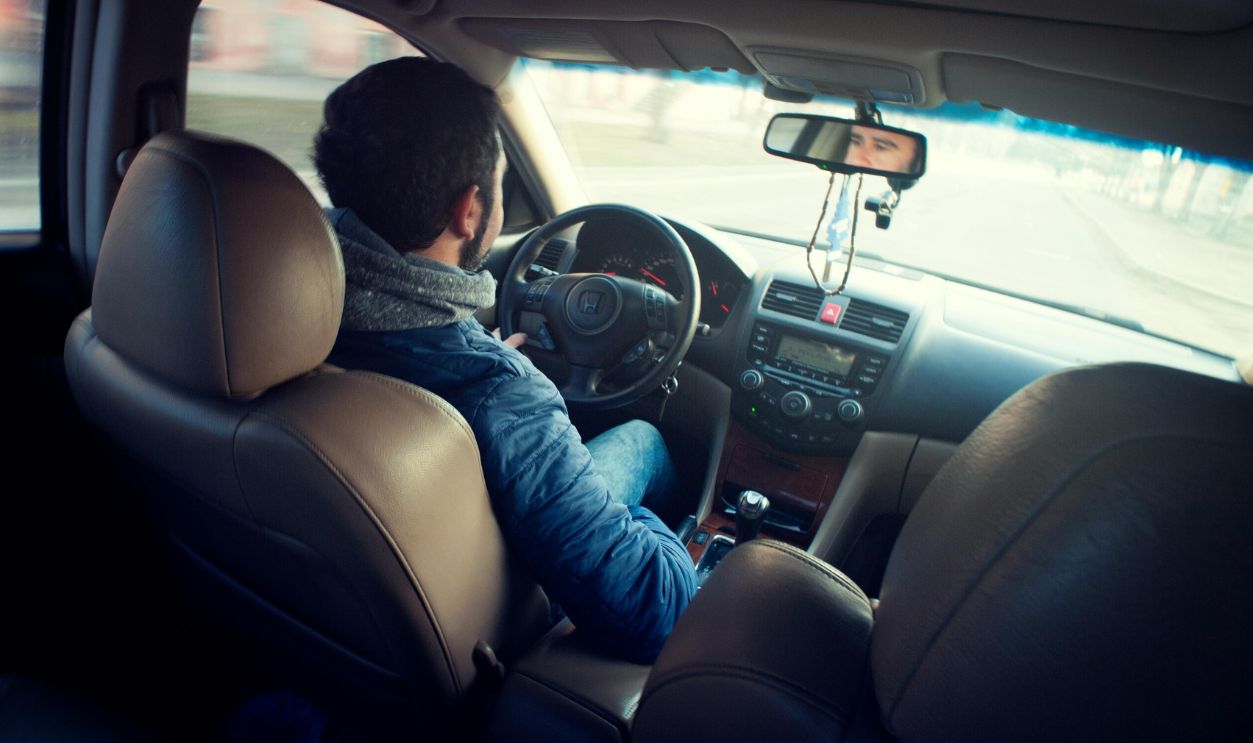
Even if you failed to yield or reacted emotionally, that doesn’t always mean the situation is hopeless. Judges sometimes reduce fines or penalties when drivers have clean records, no prior history of aggressive behavior, and no resulting harm. In those cases, the goal may not be dismissal, but mitigation.

The Free Speech Angle (And Its Limits)
Many drivers assume yelling is protected by free speech, but that protection has limits. Speech that interferes with emergency operations, distracts responders, or is perceived as threatening can still lead to legal consequences. Courts generally draw a clear line between expressing frustration and engaging in conduct that compromises safety.

Why Judges Tend To Side With EMS
Judges are typically reluctant to second-guess emergency responders who are doing their jobs under extreme pressure. EMS drivers are viewed as acting in good faith unless there is compelling evidence to the contrary. To overcome that presumption, your argument must focus on safety and legality rather than emotion or fairness.
 LightField Studios, Shutterstock
When Fighting The Ticket Makes Sense
Fighting the ticket can make sense if the EMS vehicle did not have lights or sirens activated, if the citation contains factual errors, or if you have strong video evidence supporting your version of events. It may also be worth contesting if the ticket carries points, threatens your license, or could significantly raise your insurance rates.

When Fighting The Ticket Is A Bad Idea
On the other hand, challenging the ticket may not be worth the effort if you clearly failed to yield, escalated the situation verbally, or lack any evidence to support your claim. In some cases, paying the fine and moving on is the most practical choice.

Hiring A Traffic Attorney: Worth It Or Not?
Hiring a traffic attorney can be expensive, but it may be justified if the ticket affects your driving privileges, insurance costs, or employment. Attorneys understand how local courts handle these cases and can often negotiate reduced penalties. Many offer free consultations, which can help you decide whether professional representation is worthwhile.

What Happens If You Lose In Court?
If you contest the ticket and lose, you may still be responsible for the original fine, additional court fees, and any points associated with the violation. Some jurisdictions even impose higher costs for unsuccessful challenges. That risk should be part of your decision-making process.

Insurance Implications You Might Not Expect
Even a single citation can affect your insurance premiums. Insurance companies evaluate risk, not intent, and a ticket involving aggressive behavior or failure to yield can stay on your record for years. Those long-term costs often outweigh the original fine.

Lessons From Drivers Who’ve Been There
Drivers who have fought similar tickets often report the same lesson: staying calm and respectful works far better than venting frustration. Courts respond more favorably to preparation, evidence, and accountability than anger. Emotion rarely wins cases.

How To Handle Emergency Vehicles In The Future
The safest approach when encountering an emergency vehicle is to yield early, make predictable movements, and avoid engaging emotionally. Even if the maneuver feels abrupt or unfair, disengaging protects both your safety and your legal standing. Letting it go in the moment often prevents far bigger problems later.

Road Rage And Regret Go Hand In Hand
Yelling might feel satisfying for a few seconds, but tickets, fines, and court dates tend to linger much longer. Many drivers who receive citations like this wish they had simply taken a breath and moved on. Regret is a common passenger after road rage.

Can An Apology Help After The Fact?
In some cases, expressing remorse can help. Judges and hearing officers are more receptive to drivers who acknowledge stress and poor judgment than those who double down on blame. A sincere apology can sometimes reduce penalties, even if it doesn’t erase the ticket entirely.

What This Ticket Is Really About
Ultimately, this situation isn’t just about yelling or being cut off. It’s about safety, responsibility, and how the law balances emergency response with public accountability. Emergency drivers are given leeway, but that leeway isn’t absolute. Your challenge is proving when it crossed the line.

Final Verdict: Can You Fight It?
Yes, you can fight the ticket, but success depends on the facts, the evidence, and the potential consequences. If you can show that the EMS vehicle acted without due regard for safety, you may have a legitimate case. If not, the odds are usually stacked against you.

Pick Your Battles, Not Your Fights
Being cut off by an EMS vehicle is stressful, and reacting emotionally is human. But once that reaction turns into a citation, calm judgment becomes far more important than righteous anger. Before deciding to fight, consider the evidence, the risks, and the long-term impact. Sometimes the smartest move—on the road and in court—is knowing when to yield.

You May Also Like:
You Were Automatically Cool If You Drove One Of These 90s Cars
Gen X Hates Electric Cars. These Are The EVs That Will Finally Win Them Over
Before selling your used car, try modern tech upgrades that can make it feel like new.