My Self-Driving Car Froze In Front Of An Ambulance—Now I Got A Ticket
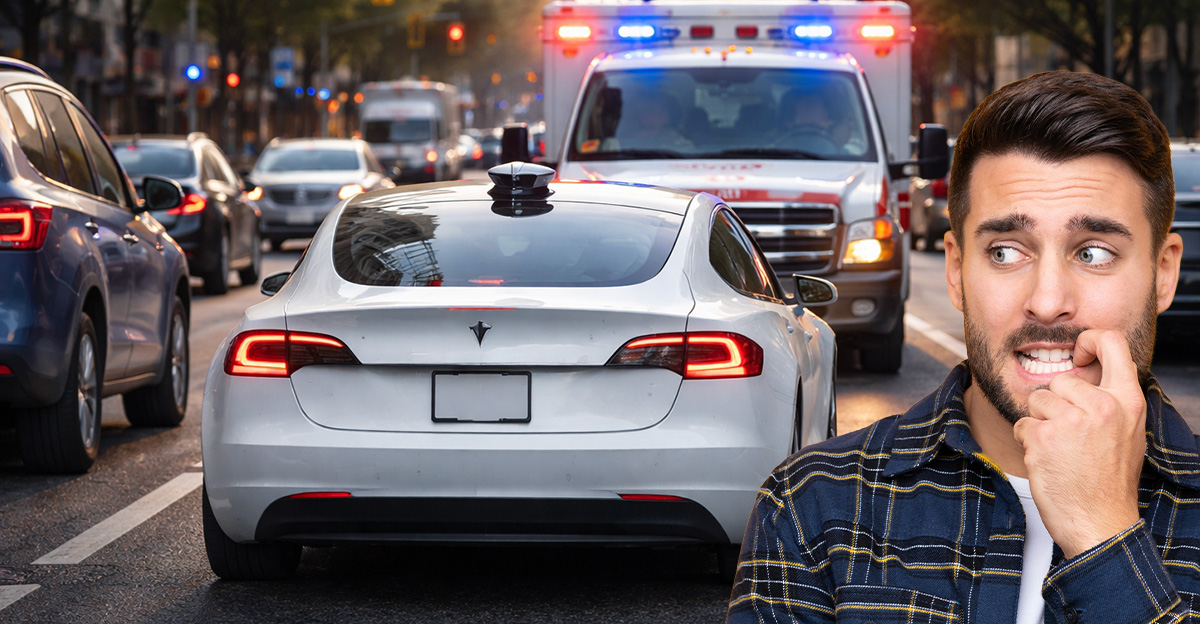
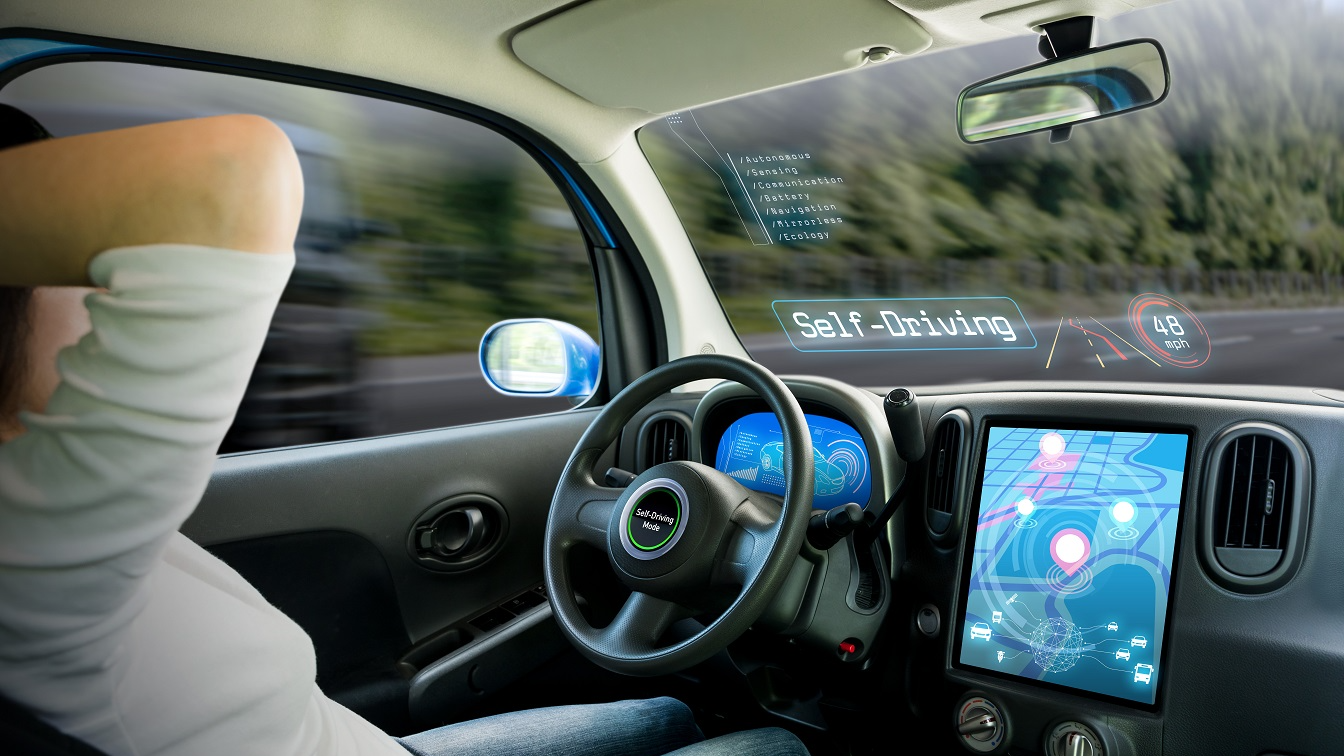
Self-driving cars are supposed to make life easier. You hop in, let the computer handle the boring stuff, and enjoy the ride while the car quietly manages traffic. But sometimes technology does something… weird. Imagine your autonomous car suddenly stopping in the middle of the road and refusing to move—just as an ambulance with sirens blazing is trying to get through. A police officer hands you a ticket for blocking an emergency vehicle, and suddenly you’re wondering: Wait… was that really my fault? If a self-driving car makes a mistake, who actually pays the price? Let’s unpack how situations like this usually play out.
The Dream Of Letting The Car Do The Work
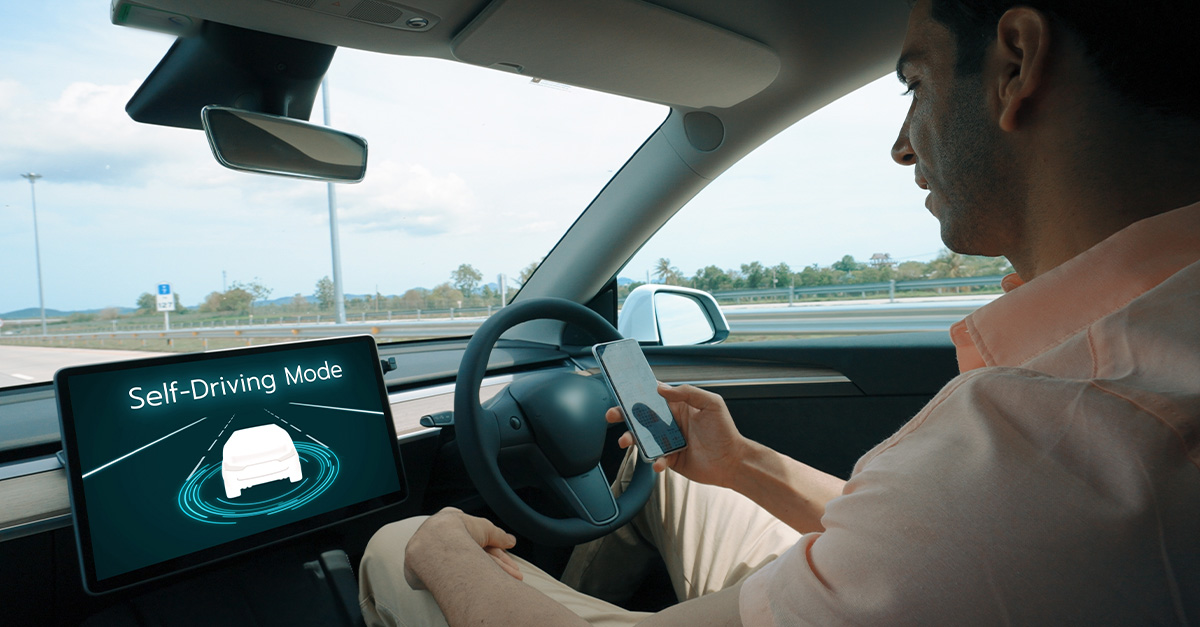
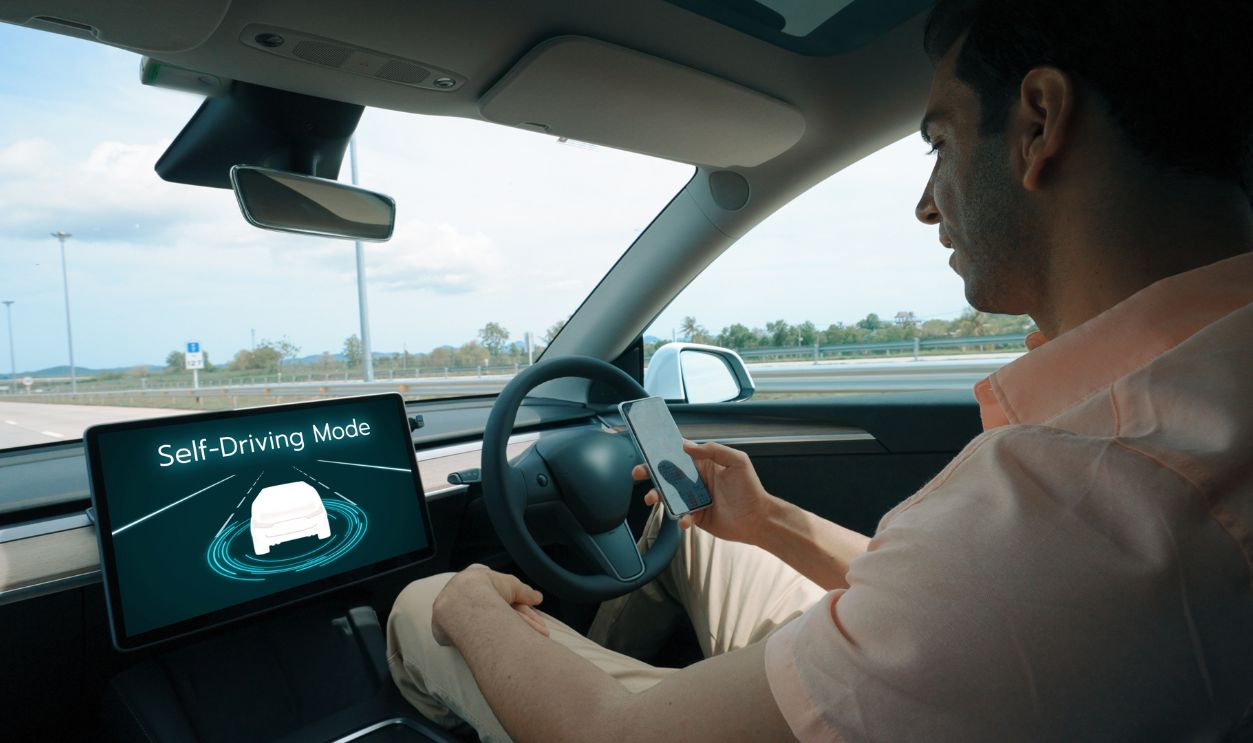
The promise of self-driving cars is simple: fewer accidents, less stress, and a future where computers handle the complicated parts of driving. Automakers and tech companies have spent billions developing systems that can steer, brake, and navigate traffic with minimal human input. And in many everyday situations, they work surprisingly well.
 Summit Art Creations, Shutterstock
But The Real World Is Messy
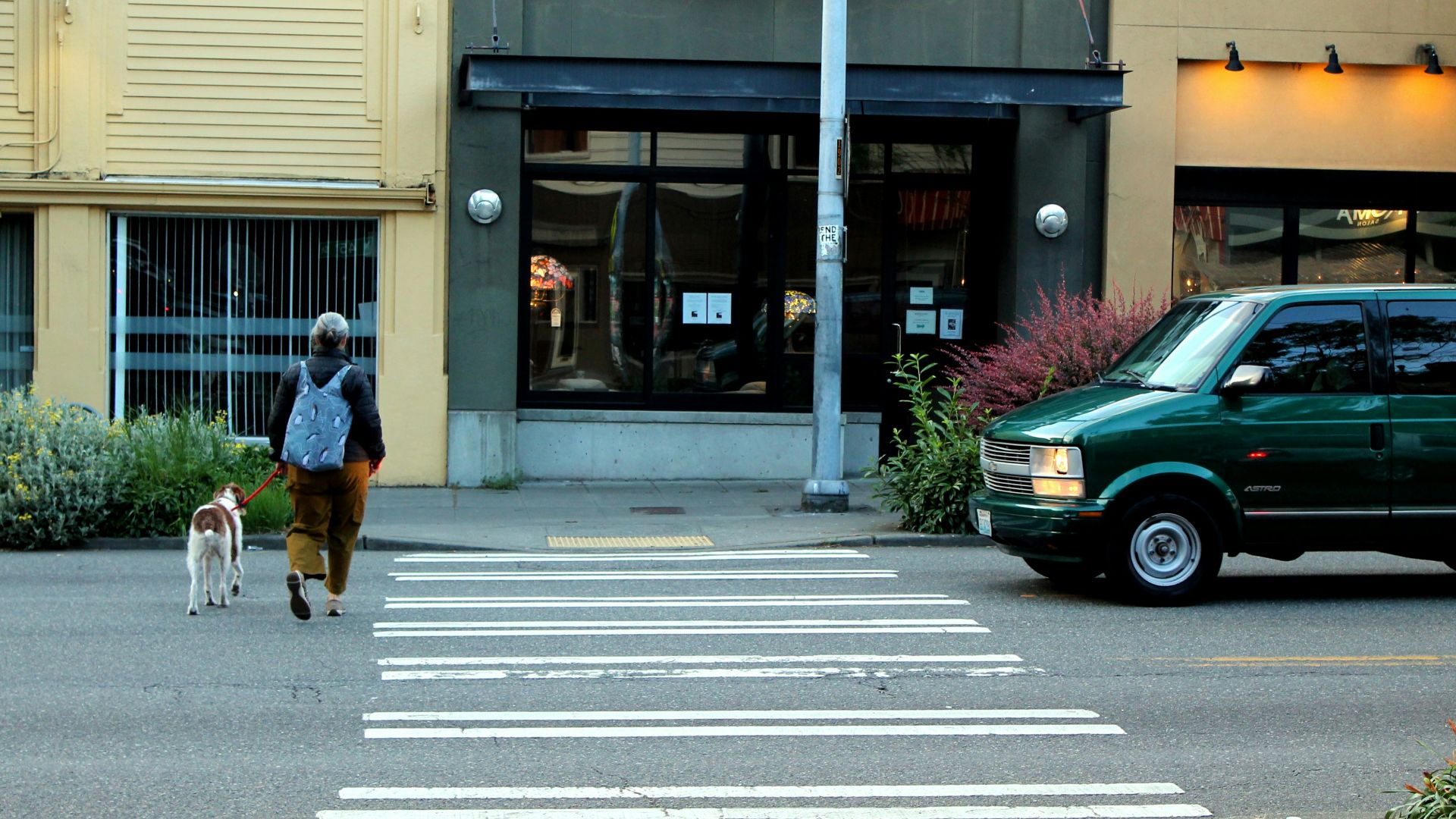
The problem is that driving isn’t predictable. Humans constantly interpret subtle signals—like a driver waving you through, a pedestrian hesitating at a crosswalk, or the sound of a siren approaching from somewhere behind you. Autonomous systems rely on sensors and software, and sometimes those tools struggle when the situation gets complicated.
Why A Self-Driving Car Might Just… Stop
When a self-driving system gets confused, it often defaults to the safest possible move: stopping. If the car detects something it can’t interpret, loses sensor clarity, or encounters a situation outside its programming, it may freeze in place rather than risk doing the wrong thing. From the car’s perspective, that’s playing it safe. From everyone else’s perspective, it can cause chaos.
Emergency Vehicles Add Another Layer Of Complexity
Emergency vehicles are especially tricky for autonomous systems. Sirens, flashing lights, unpredictable speeds, and unusual maneuvers can confuse sensors. Human drivers instinctively know to pull over and clear the lane, but software has to identify and interpret all of those signals correctly first. Sometimes it doesn’t.

The Awkward Moment When The Car Won’t Move
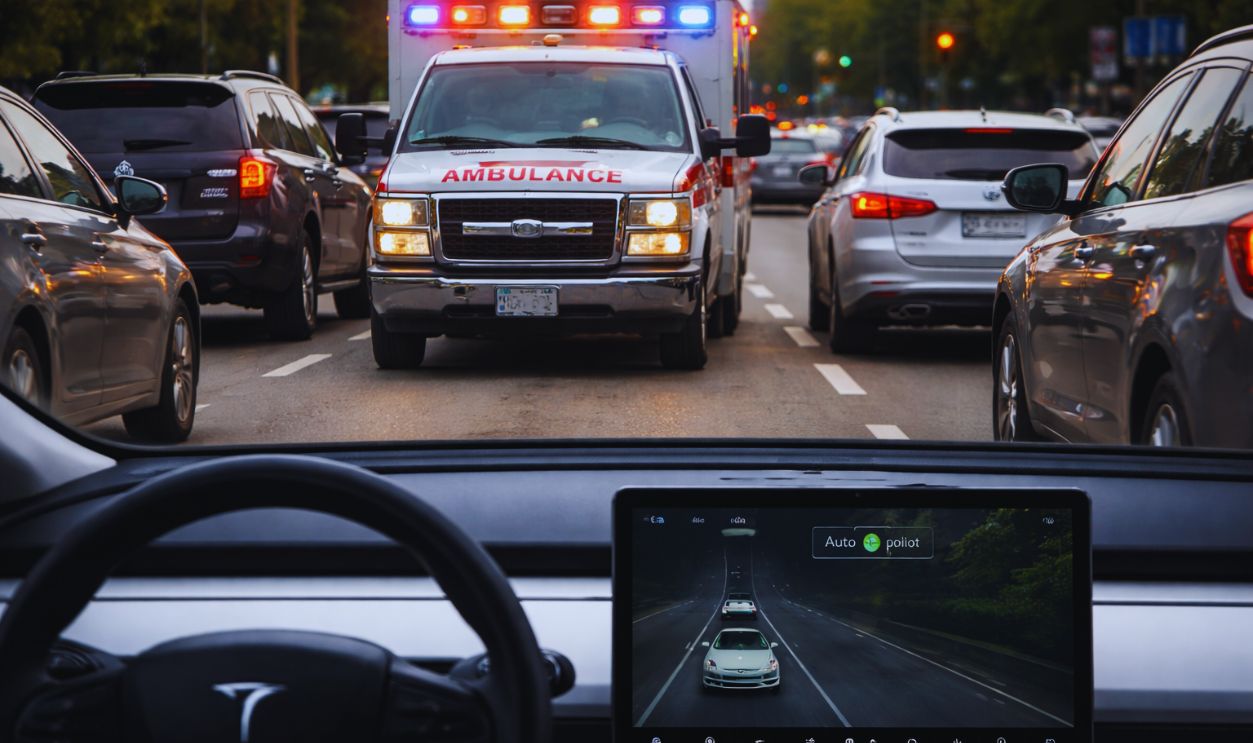
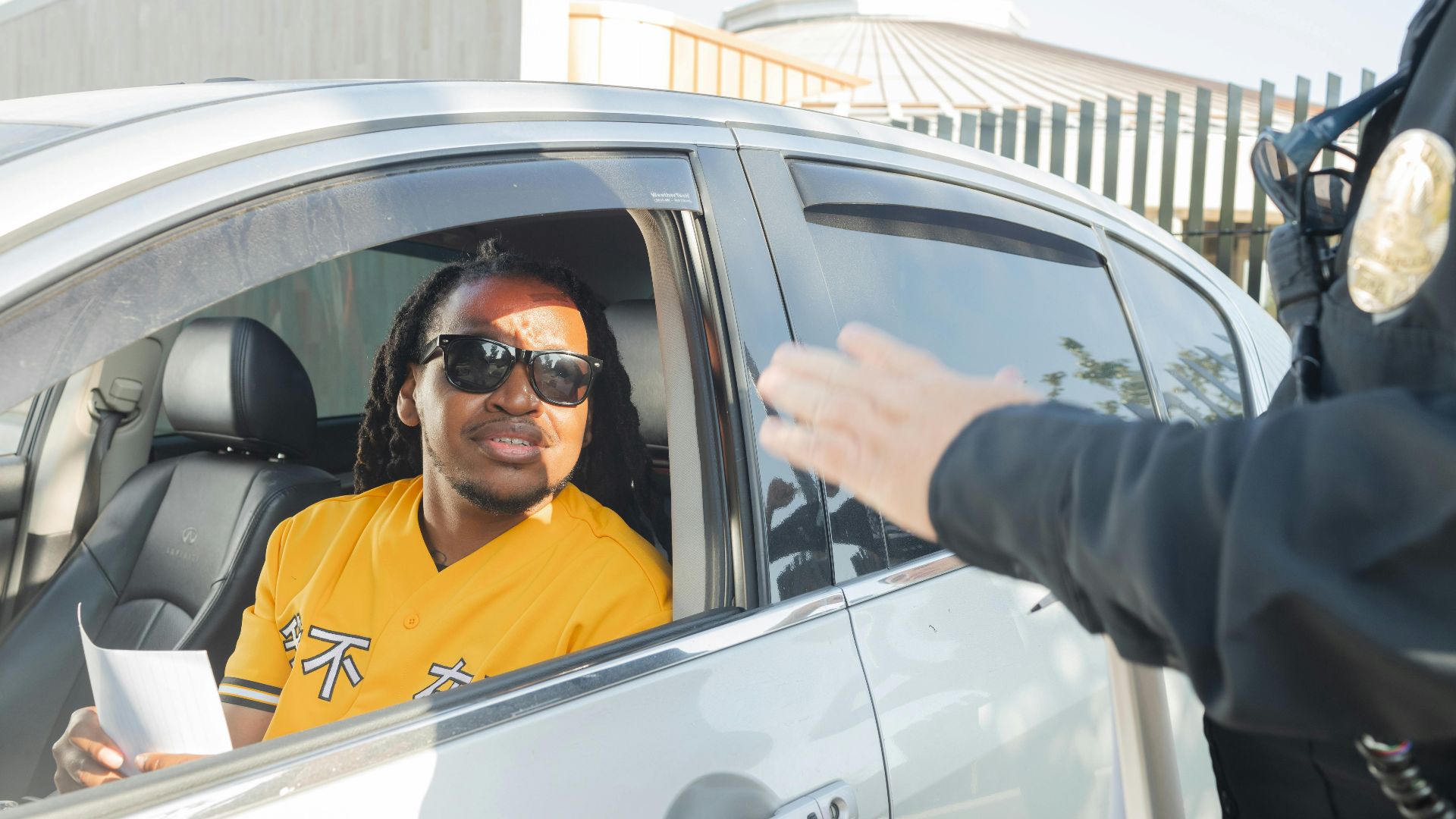
Picture the scene: the ambulance is approaching, traffic is trying to get out of the way, and your car just sits there like a stubborn robot refusing to cooperate. Maybe you’re tapping the screen, maybe you’re trying to override the system, maybe you’re wondering why the car suddenly forgot how roads work. Meanwhile, a police officer watching the situation sees one thing: a car blocking an ambulance.
The Officer Isn’t Thinking About Your Software
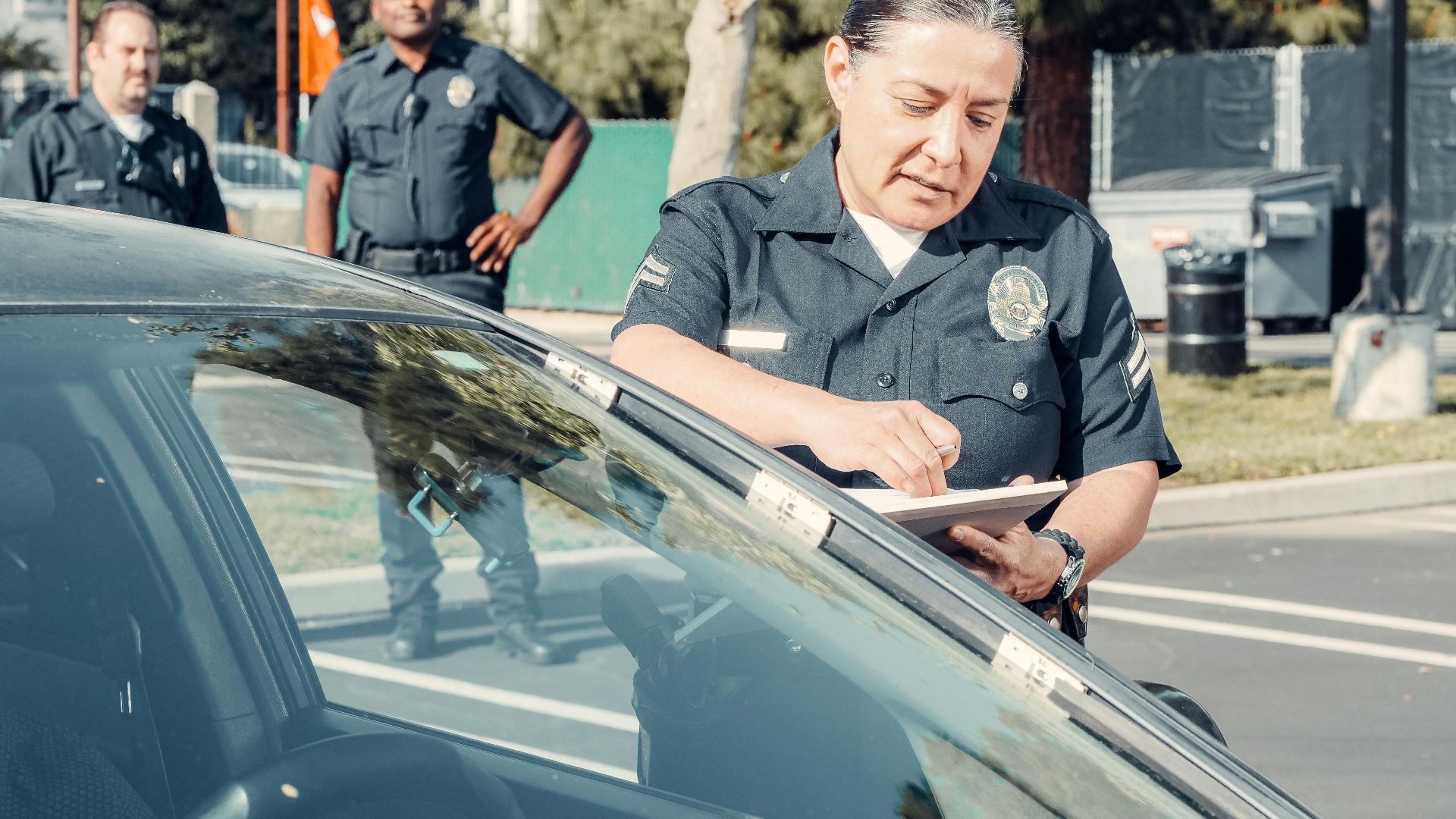
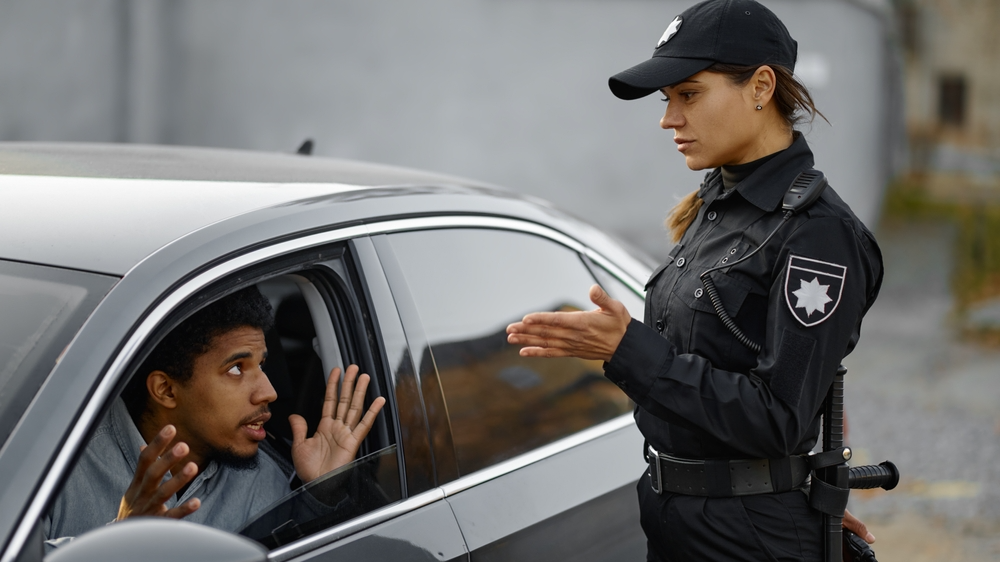
From the officer’s perspective, the situation is pretty straightforward. A vehicle failed to move for an emergency responder. That’s typically a traffic violation in most places, and officers are trained to deal with the immediate problem first. The question of whether software caused the issue usually comes later.
So Who Counts As The Driver?
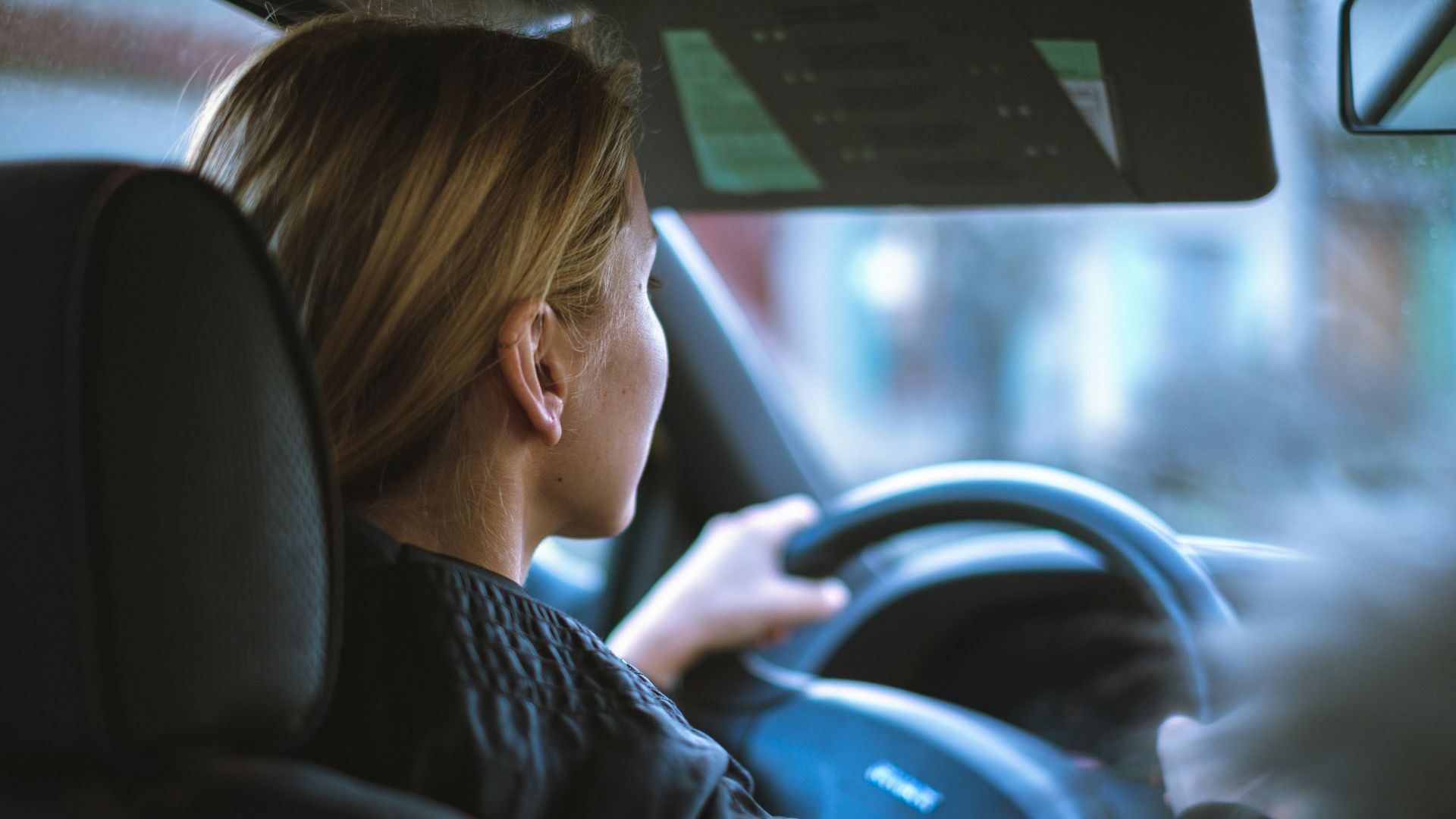
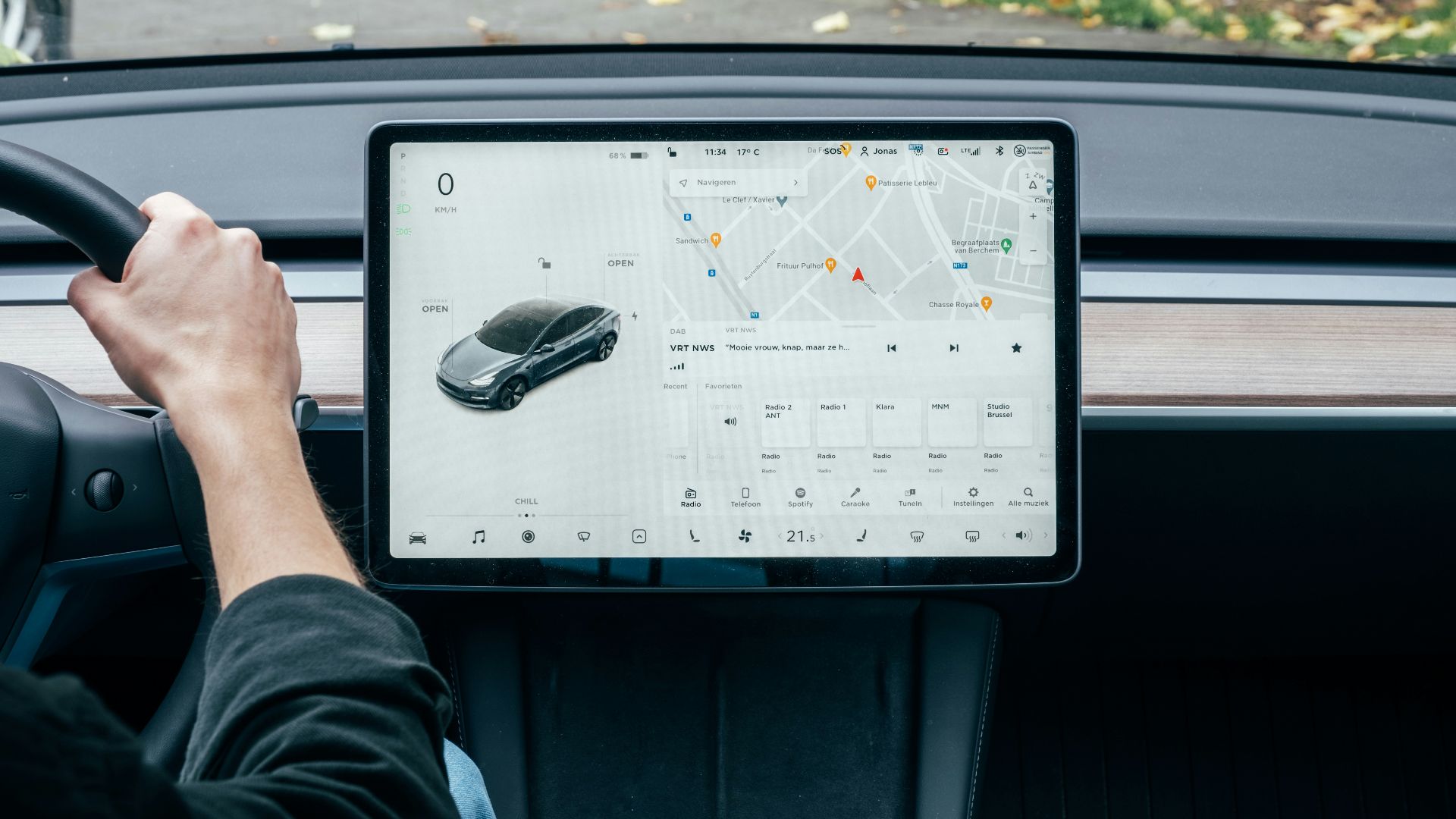
Here’s where things get interesting. In most places today, even if your car has autonomous features, you are still considered the driver. The law generally assumes you’re supervising the system and ready to take control if something goes wrong. In other words, the computer might be driving—but legally, you’re still responsible.
Most “Self-Driving” Cars Aren’t Fully Autonomous
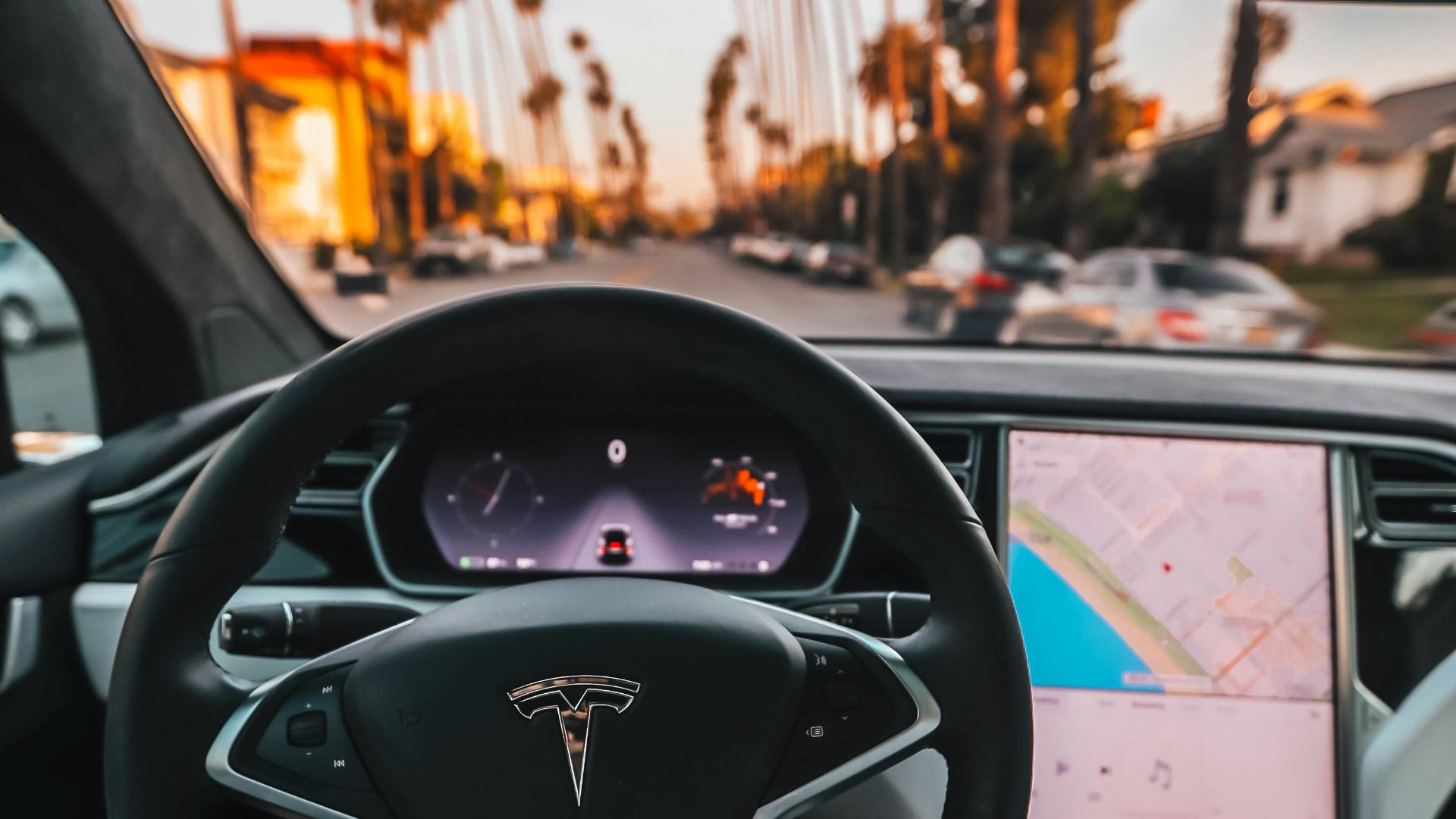
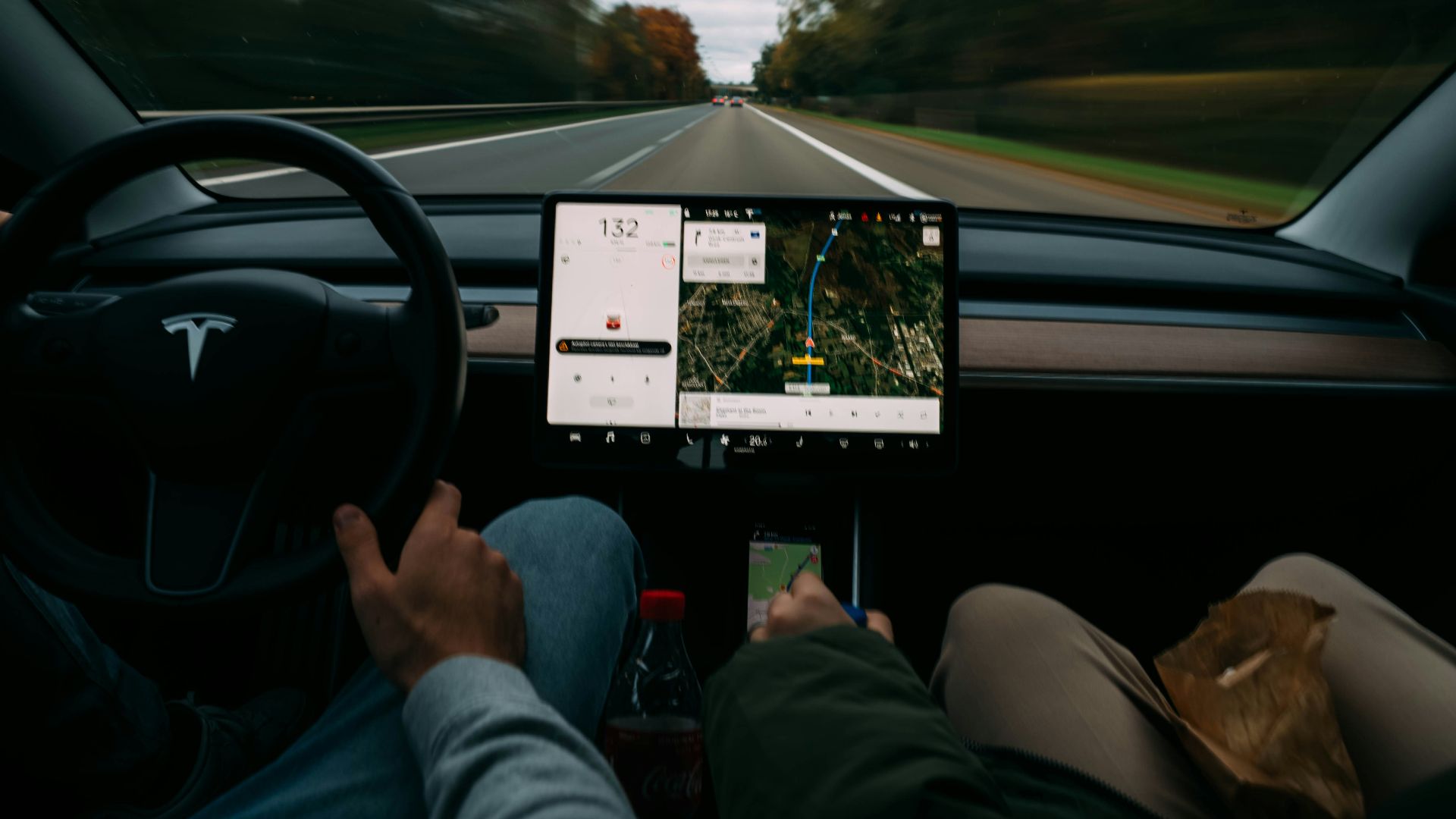
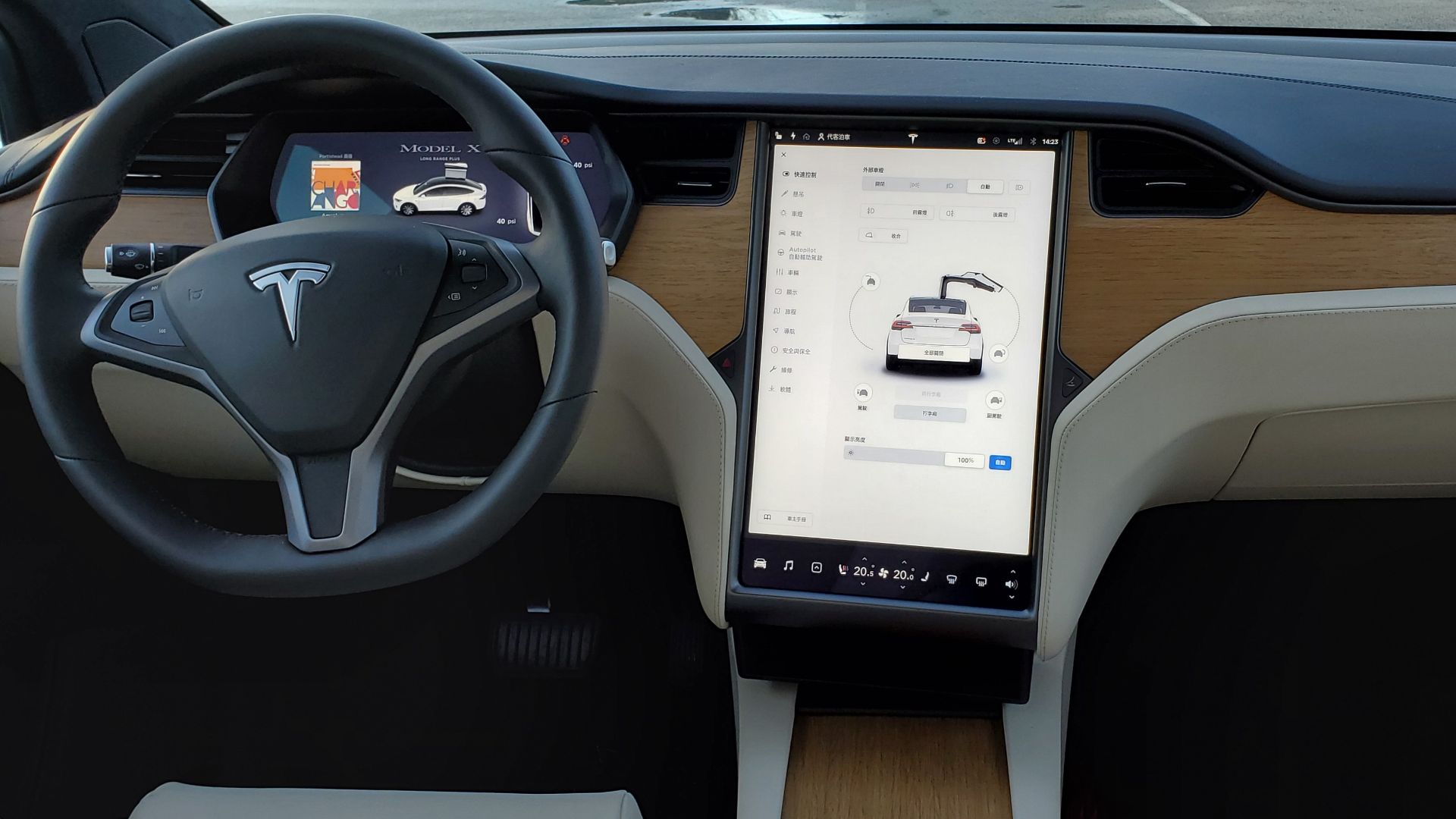
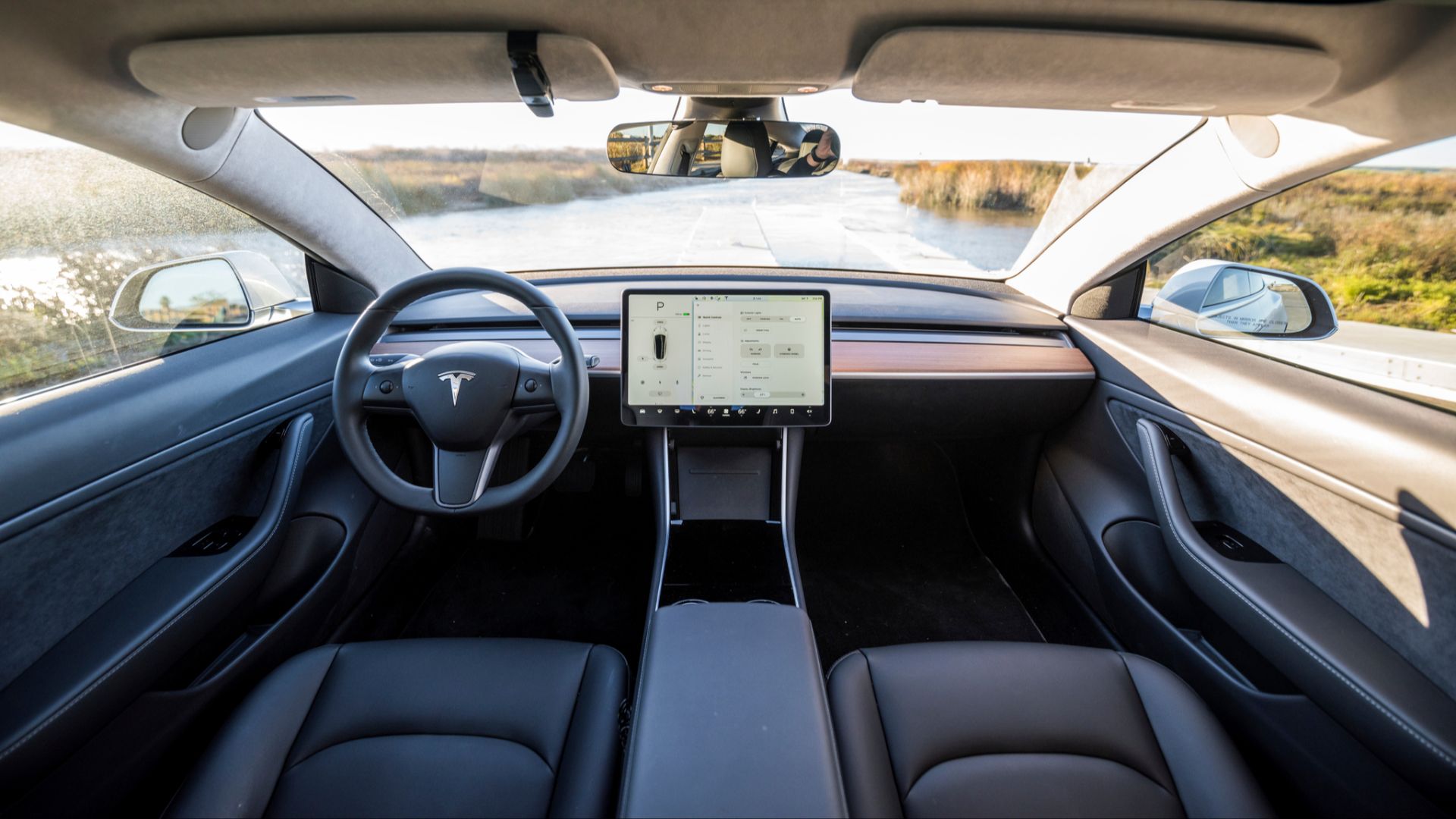
Despite the marketing, most vehicles on the road today aren’t truly self-driving. Systems like Tesla Autopilot, GM Super Cruise, and Ford BlueCruise are considered advanced driver-assistance features. They can handle a lot of tasks, but they still expect a human to be paying attention. That expectation is key when it comes to liability.
Why That Matters For Your Ticket
If the car stopped in the road and you had the ability to take over but didn’t, authorities may argue that you should have intervened. From a legal standpoint, the system is helping you drive—not replacing you entirely. That makes the situation look more like a driver error than a software glitch.
Fully Driverless Cars Are A Different Story
Some companies operate fully autonomous vehicles without a human driver—mostly in controlled pilot programs. In those cases, responsibility may shift toward the company running the vehicle. But those situations are still relatively rare and tightly regulated.
Tickets Aren’t Always The End Of The Story
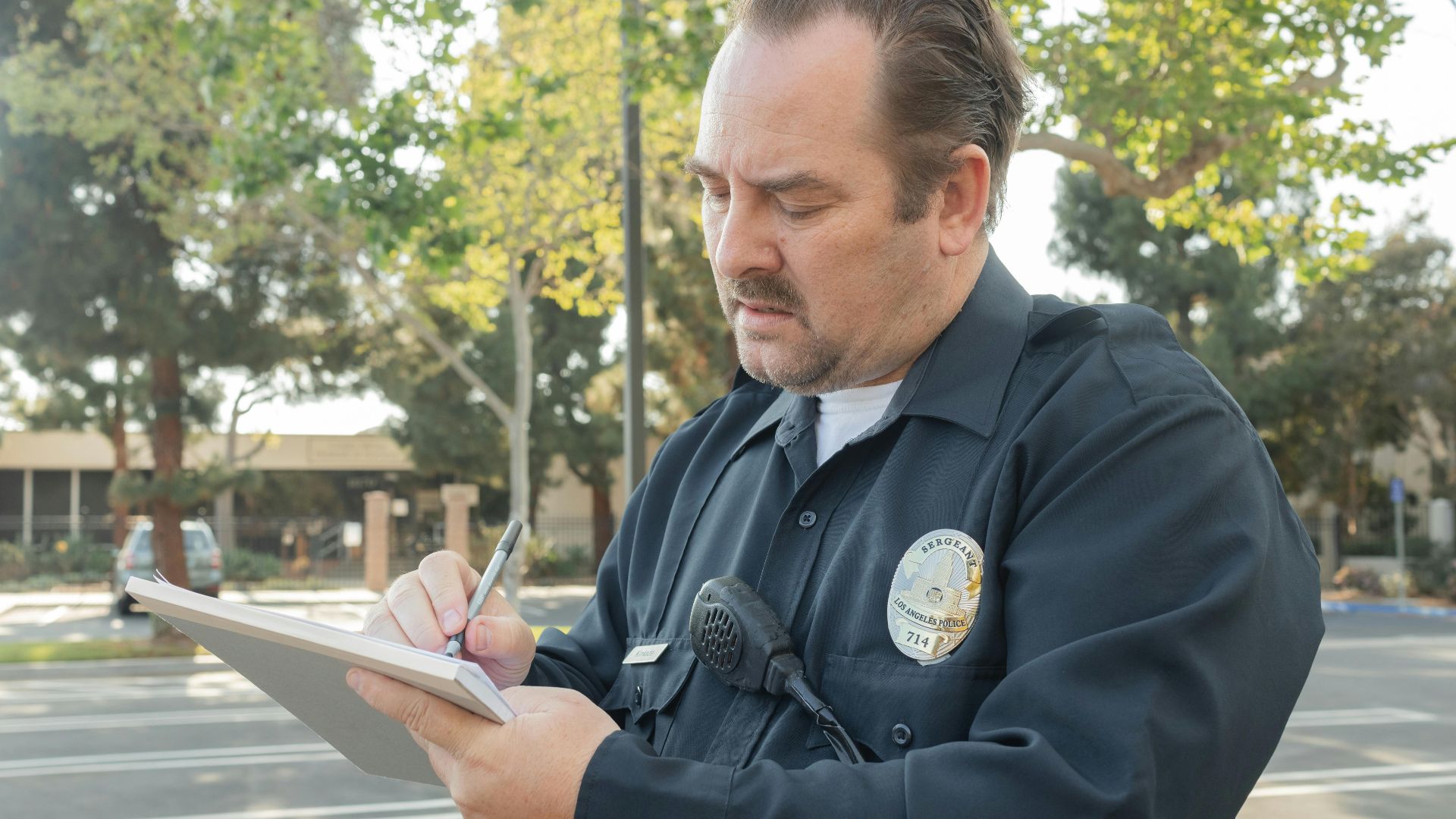
Getting a ticket doesn’t automatically mean you’re stuck paying it. Traffic violations can often be contested, especially if you believe there were unusual circumstances involved. And an autonomous system malfunction might qualify as one.
Your Car Might Have Recorded Everything
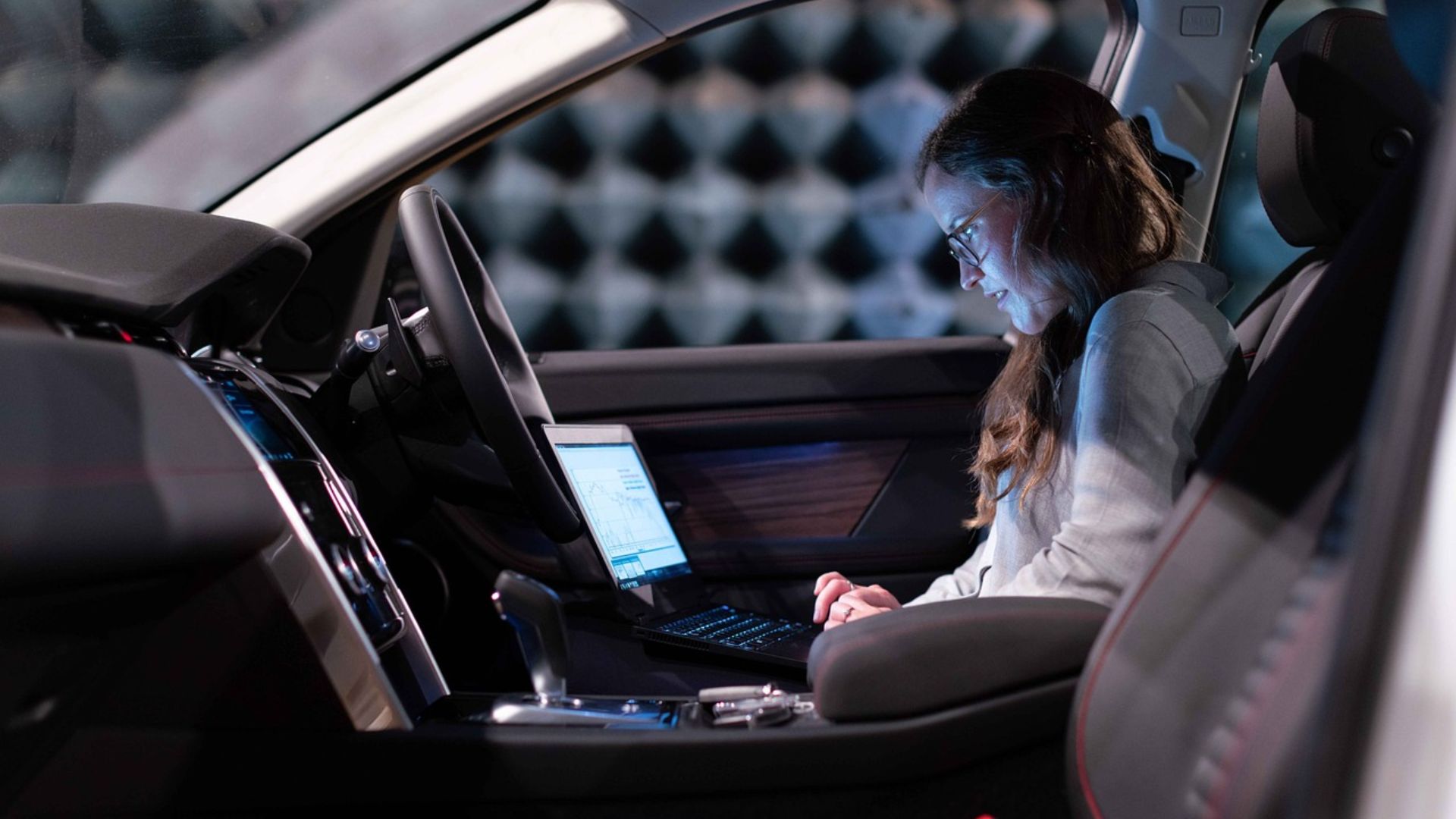
Modern vehicles collect an incredible amount of data. Autonomous systems track sensor input, vehicle movement, driver interaction, and system alerts. If something strange happened, there’s a good chance the car logged it. That information can sometimes help explain what went wrong.
Automakers Are Very Interested In These Incidents
Companies developing autonomous technology pay close attention to unusual events. If your car behaved unexpectedly, the manufacturer may want to analyze the data to see whether the system made a mistake. After all, incidents like this can reveal flaws in the software.
Insurance Companies Are Still Figuring This Out
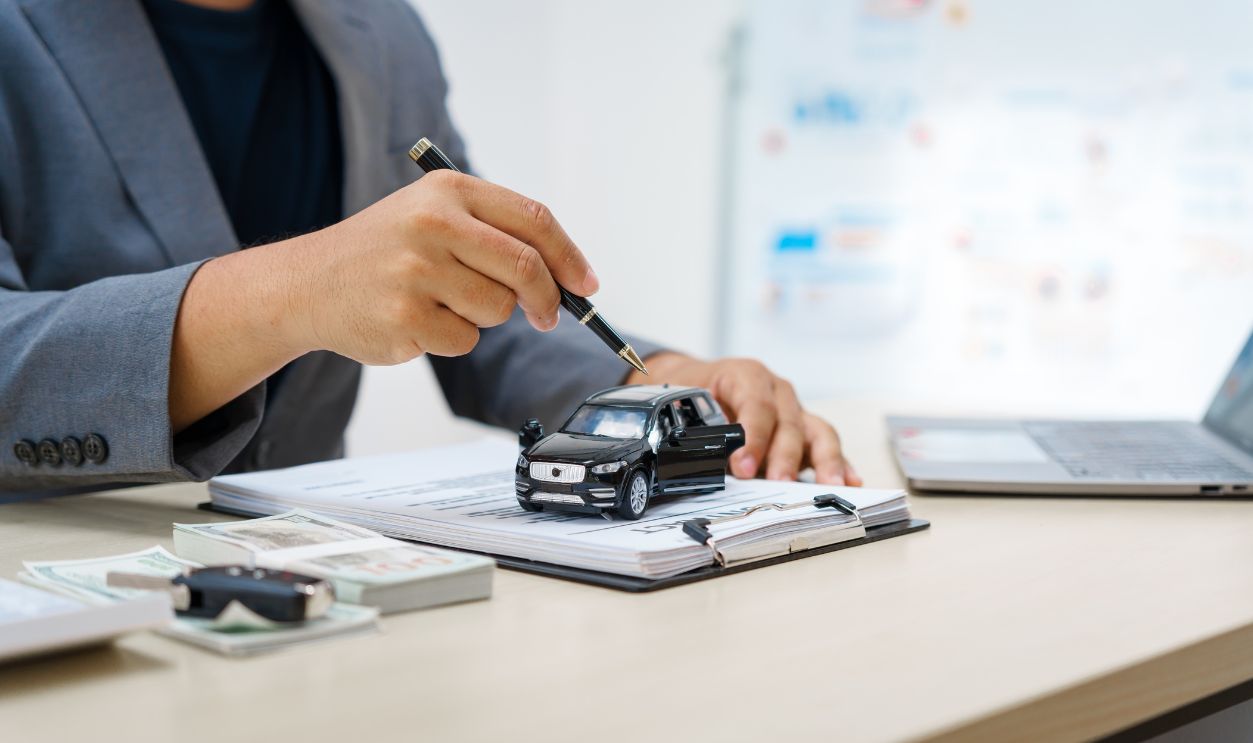
Insurance providers are navigating the same gray area as regulators. Was this a driver mistake? A software issue? A technical malfunction? Depending on the details, your insurance company might help challenge the ticket or investigate whether another party shares responsibility.
The Law Is Still Playing Catch-Up
Traffic laws were written long before anyone imagined cars driving themselves. As autonomous technology evolves, lawmakers are scrambling to update regulations that were designed for human drivers. That means many legal questions are still being sorted out in real time.

Where You Live Matters
Rules about autonomous vehicles vary widely depending on the region. Some places allow extensive testing of driverless cars, while others require a human driver to remain in control at all times. Those differences can affect how responsibility is assigned.
Courts Often Focus On One Question
If a ticket ends up in court, the key issue may be simple: Could you reasonably control the vehicle? If the judge believes you had the ability to override the system and move the car, the responsibility may fall on you.

But What If The System Locked You Out?
On the other hand, if the software malfunctioned or prevented manual control, that could shift the situation. Evidence showing that the car ignored your attempts to intervene could strengthen your argument. This is where vehicle data becomes especially important.
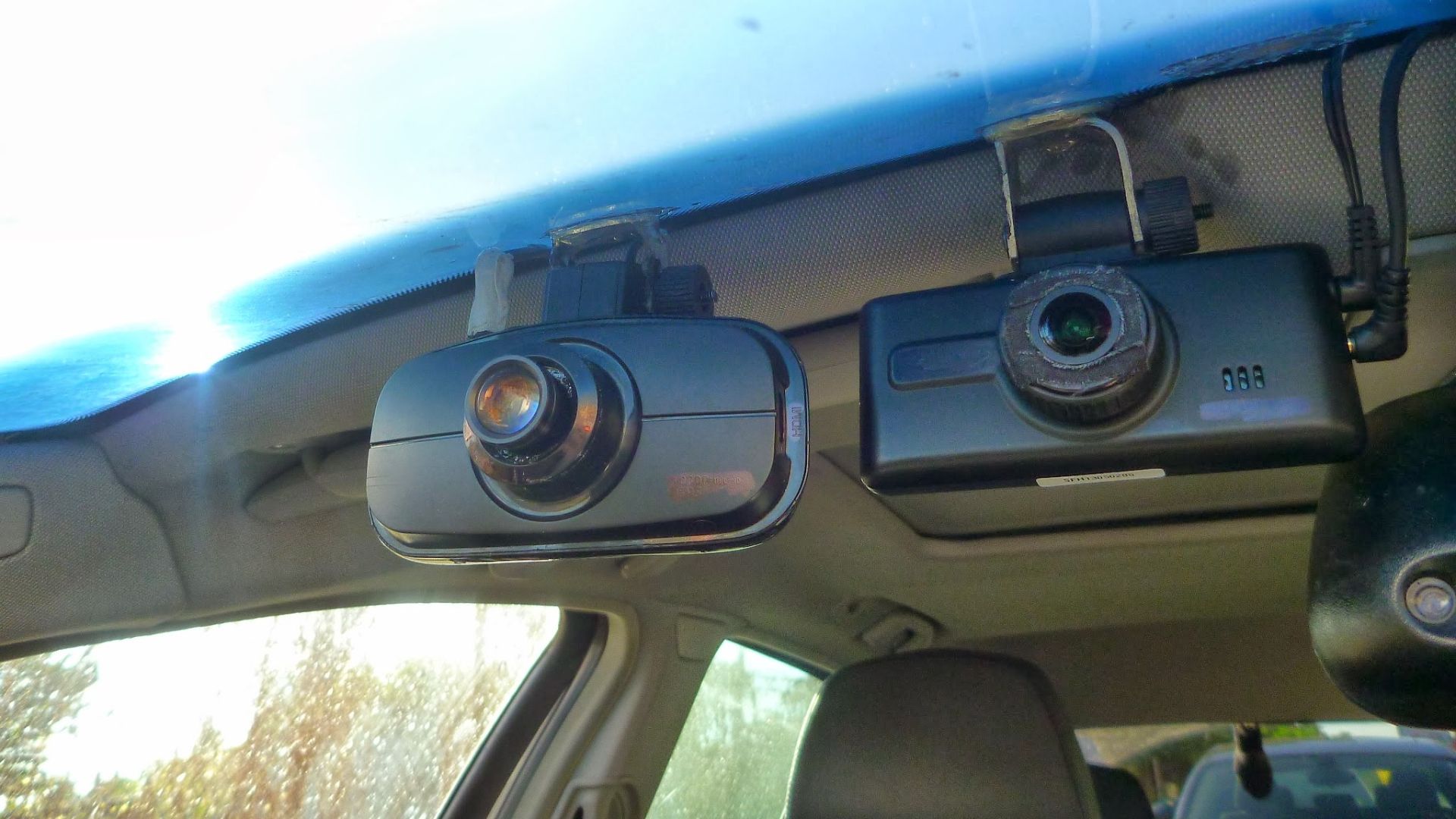
Video Footage Can Tell The Story
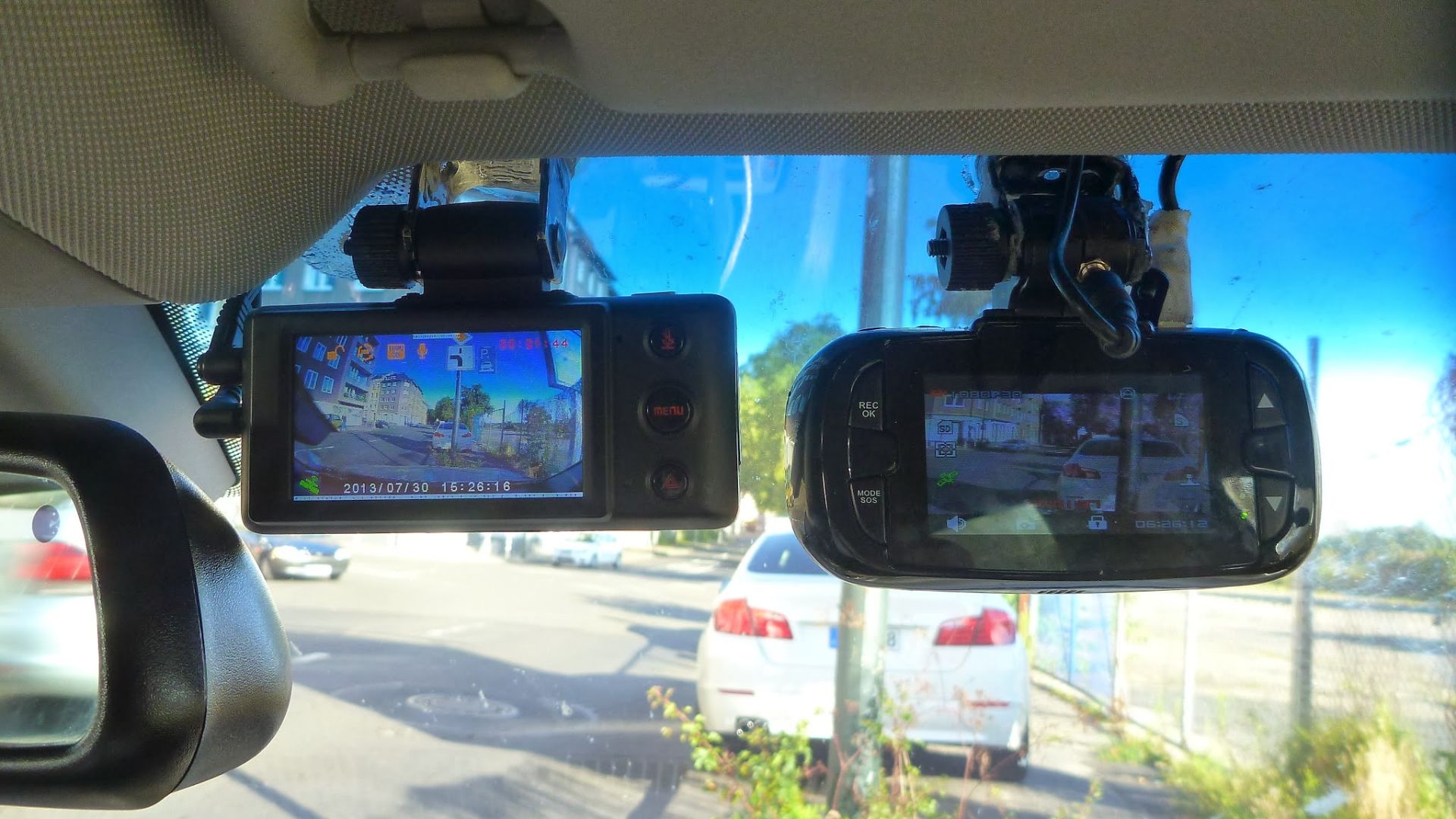
Dashcams, nearby security cameras, or even body cameras worn by officers might capture what happened. Video evidence can provide valuable context—especially if it shows the vehicle behaving unpredictably.
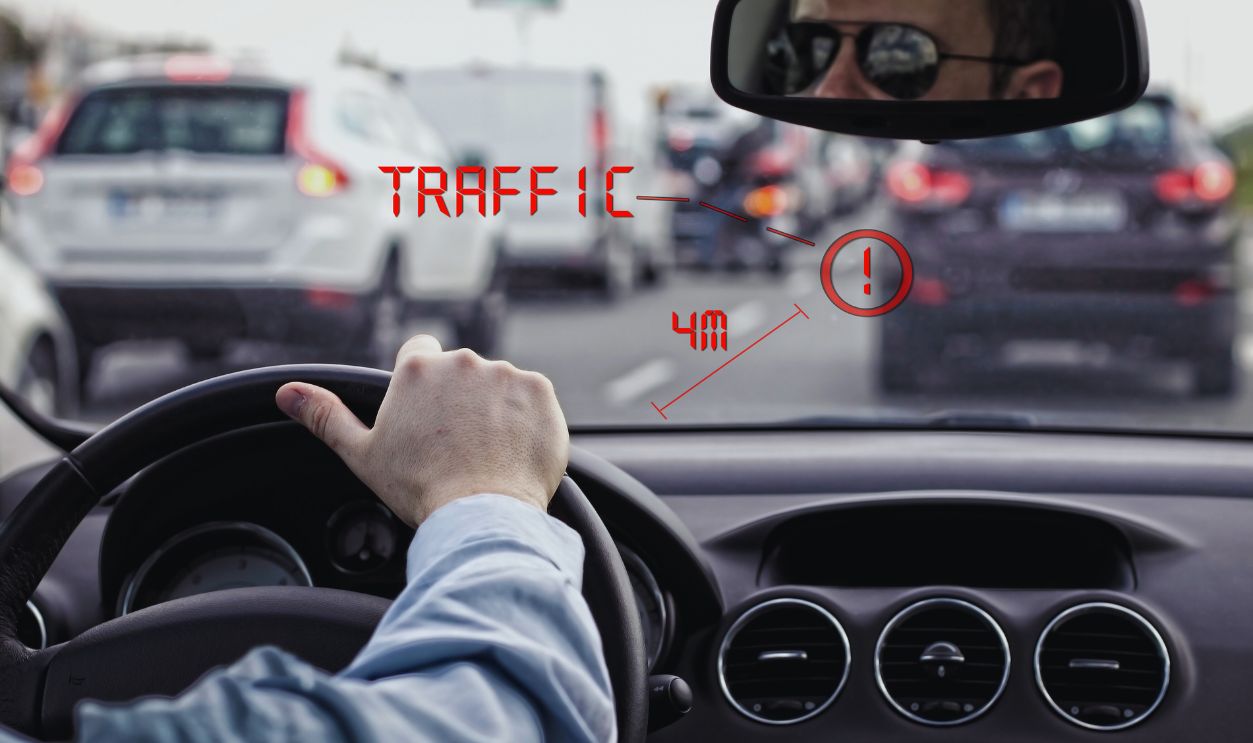
Warning Alerts Matter Too
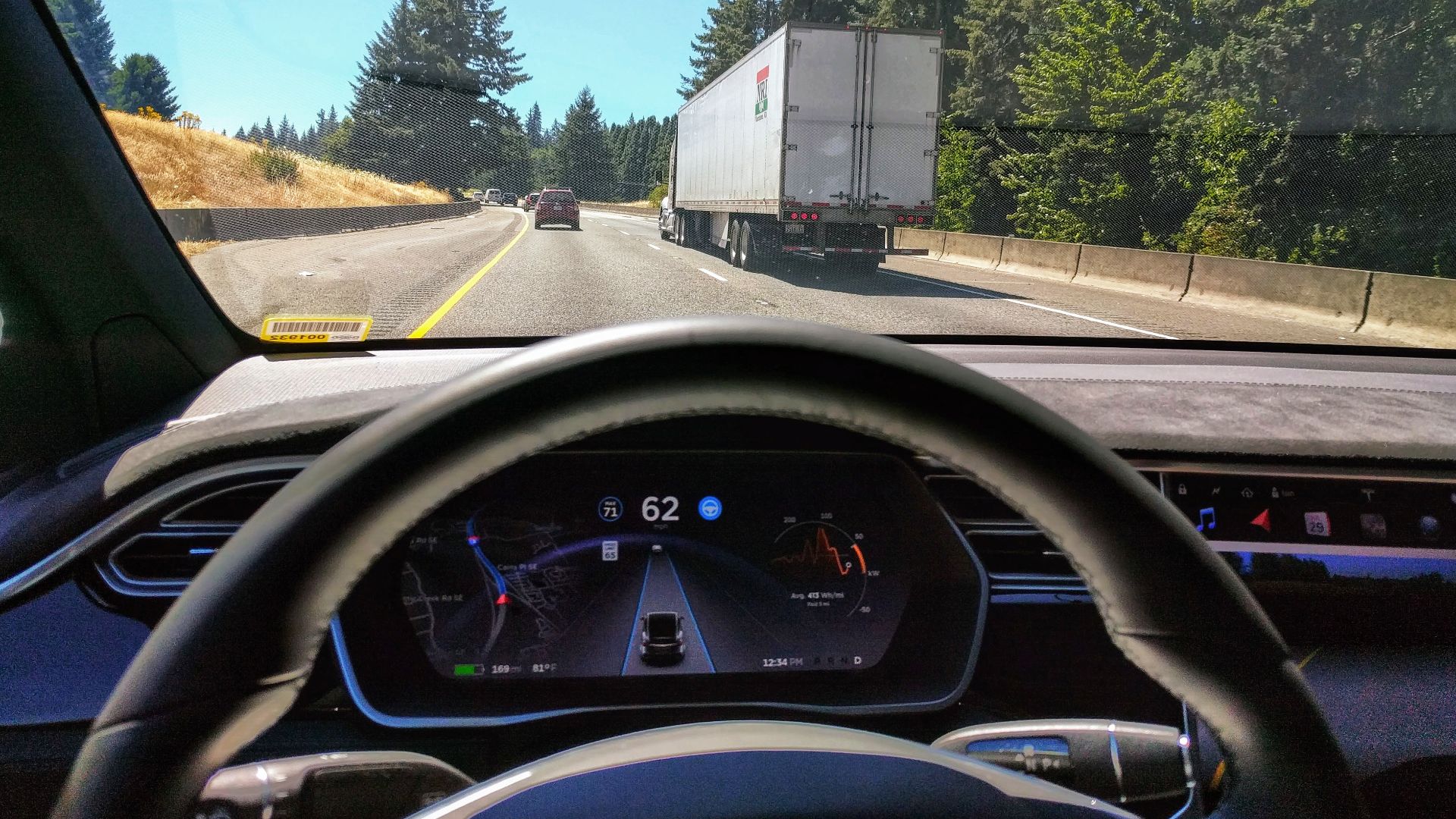
Many autonomous systems warn drivers when they need to take control. If your car displayed alerts asking you to intervene before the ambulance arrived, that could influence how authorities view the situation. Ignoring those warnings might weaken your case.
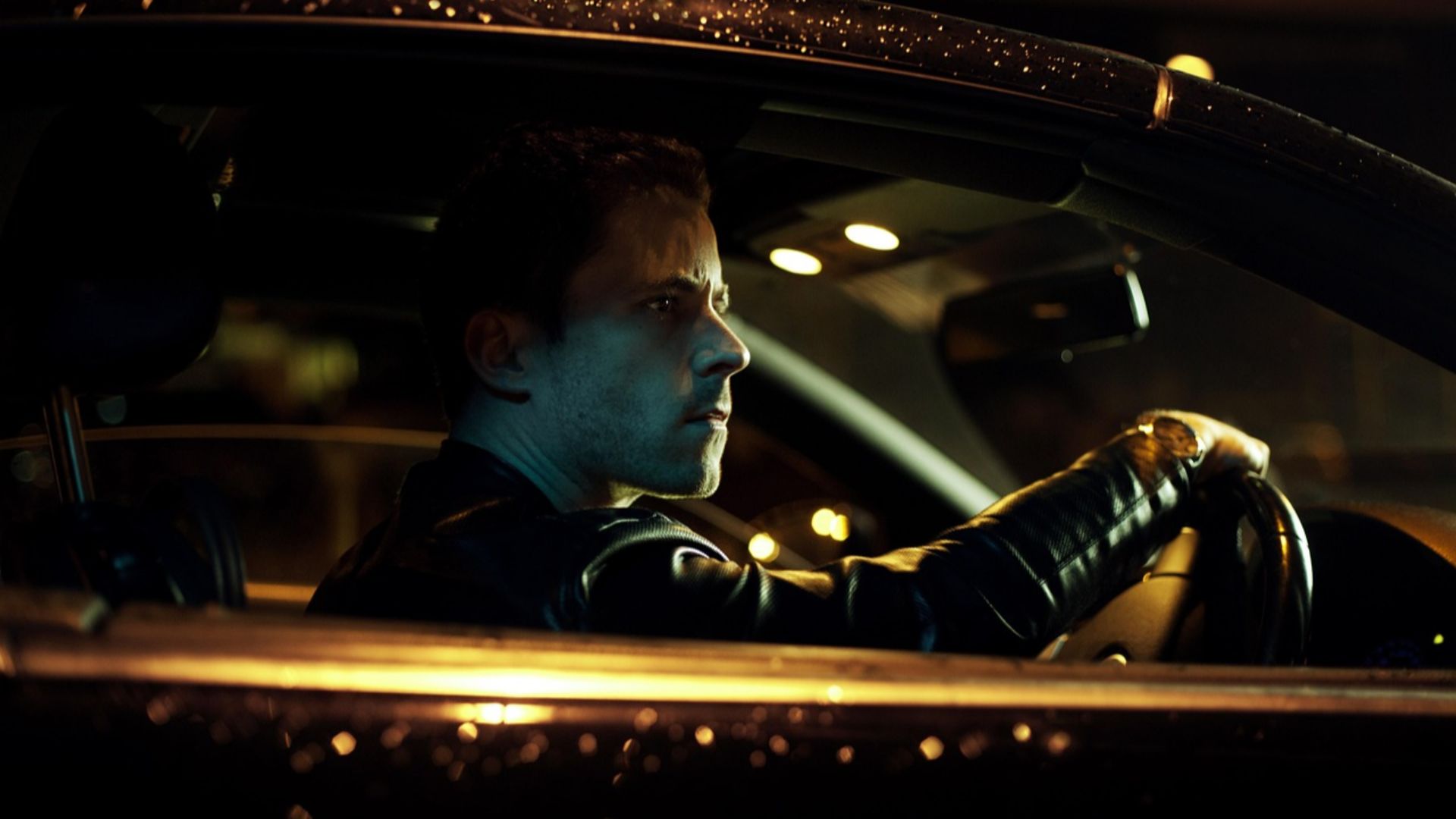
The Human Still Has A Role
Even with cutting-edge automation, experts repeatedly emphasize that drivers must stay engaged. Autonomous features reduce workload, but they don’t eliminate responsibility—at least not yet. For now, humans are still part of the system.
Technology Is Improving Every Year
Incidents involving emergency vehicles are actually useful for developers. Each strange situation helps engineers improve how autonomous systems interpret flashing lights, sirens, and unpredictable traffic behavior. Think of it as part of the technology’s learning curve.
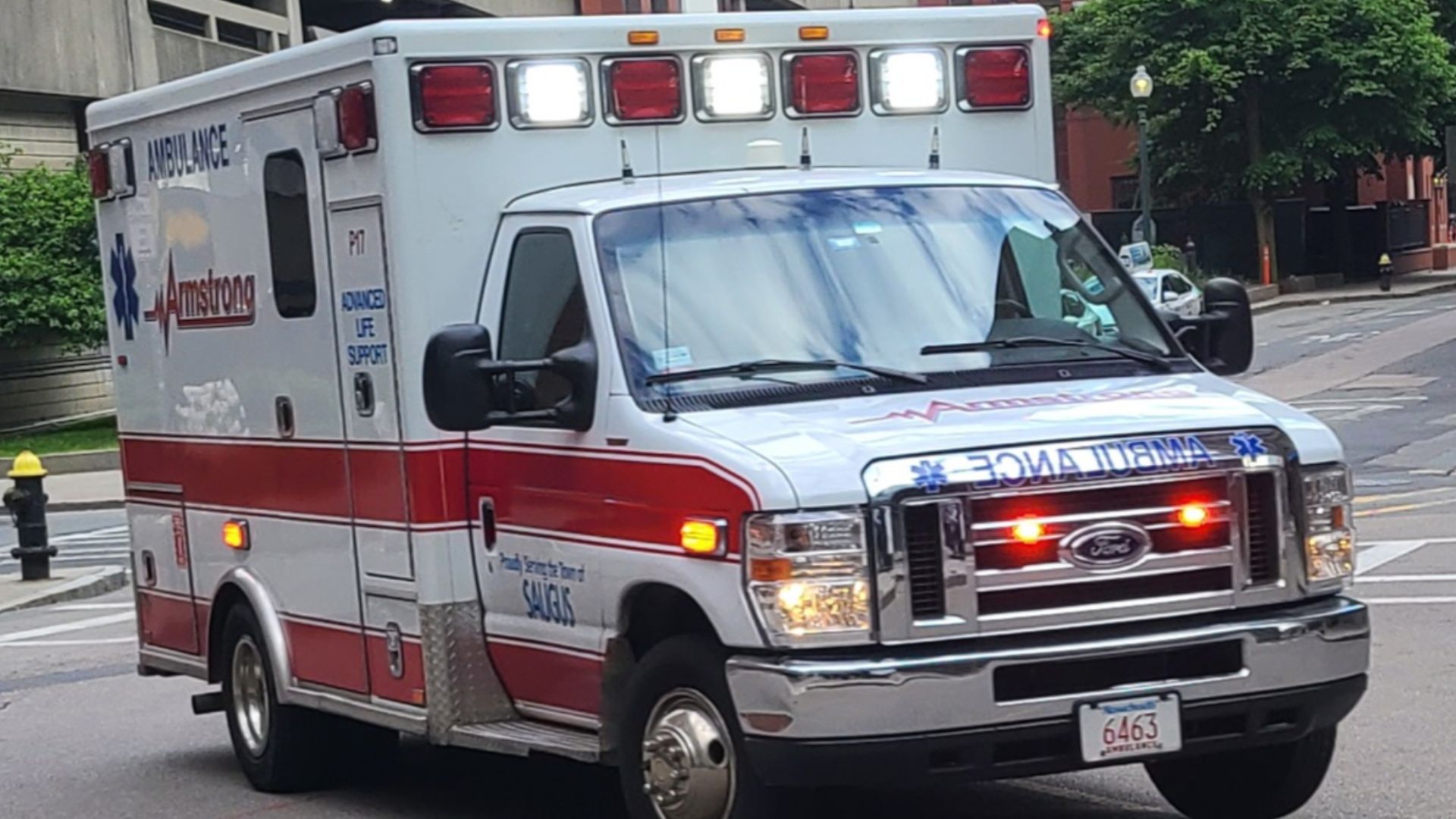
Cities Are Already Dealing With Similar Situations
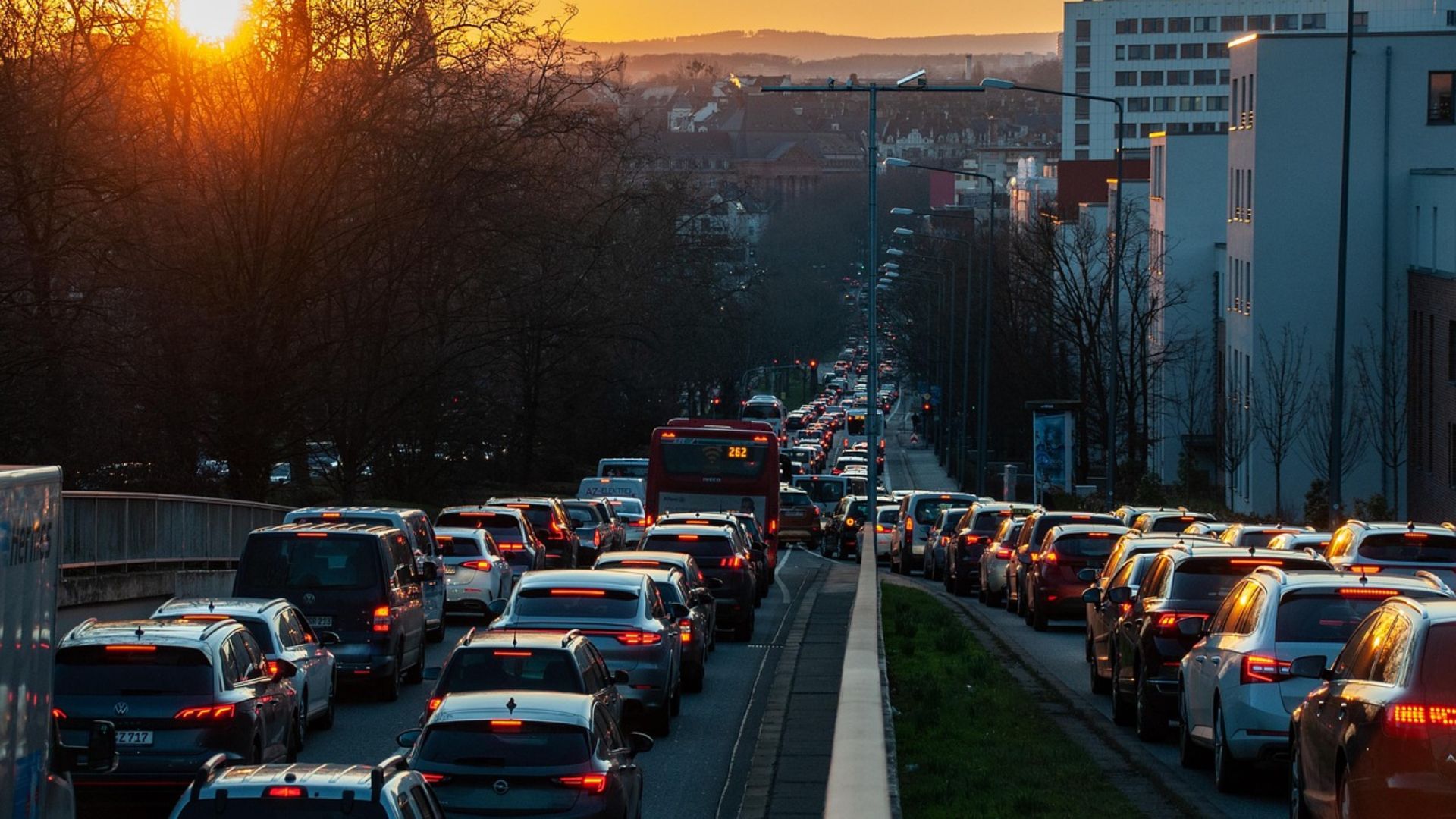
There have been several reports of autonomous vehicles stopping in odd places, confusing emergency responders, or blocking traffic. These stories highlight how new technology sometimes struggles with the messy unpredictability of real-world roads.
Regulators Are Watching Closely
Transportation authorities investigate incidents involving autonomous systems carefully. If a pattern of similar problems emerges, regulators may require software fixes—or even temporarily halt certain autonomous services.
Software Updates May Eventually Fix The Problem
One of the advantages of modern vehicles is that many issues can be corrected through software updates. If the problem was a known bug, the manufacturer might release an update that prevents it from happening again. Of course, that doesn’t necessarily erase your ticket.
When It Might Be Worth Fighting The Ticket
If the fine is significant or the violation affects your driving record, it might be worth contesting the ticket. A traffic lawyer familiar with autonomous vehicle cases can help review the data and determine whether you have a strong argument.

The Bigger Question: Who’s Really Driving?
As vehicles become more autonomous, the line between driver and passenger will continue to blur. Eventually, responsibility may shift more toward manufacturers and software developers. But right now, the law still treats the human behind the wheel as the ultimate decision-maker.
 Ian Maddox , Wikimedia Commons
So Do You Have To Pay?
Unfortunately, the answer is: it depends. In many cases, drivers are still legally responsible for their vehicles—even when autonomous features are active. That means you might end up paying the ticket. But if you can show the system malfunctioned or prevented you from taking control, you may have a case to challenge it. As self-driving technology becomes more common, situations like this will shape the laws of the future—and determine whether we can finally blame the robot when things go wrong.