Your Friend Thinks He's Lewis Hamilton Behind The Wheel. What Next?
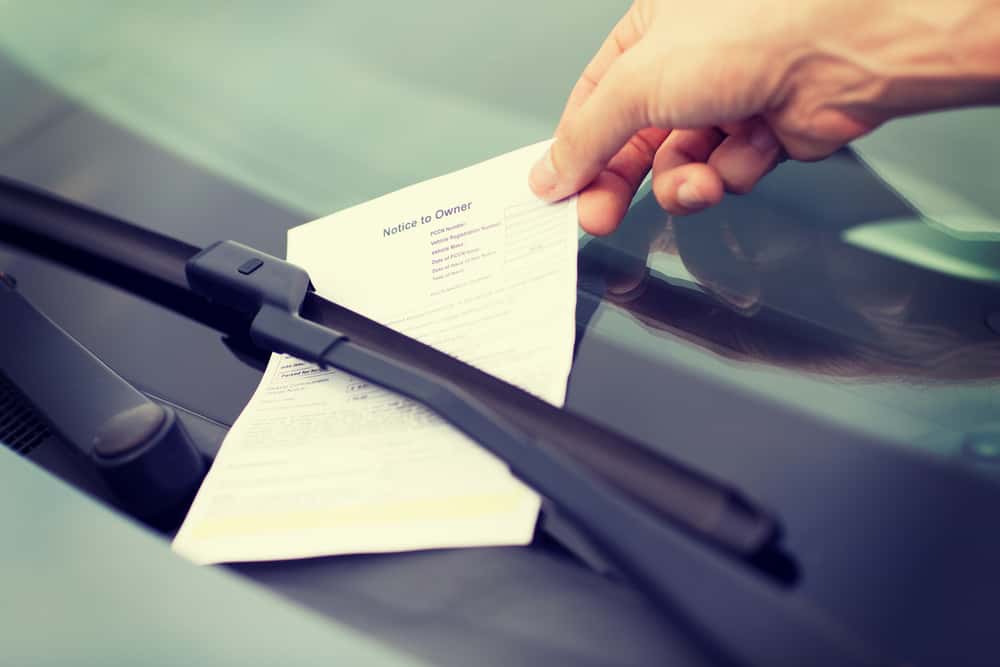
You lend your car to a friend without thinking twice. A quick errand, a short trip, no big deal. Then a few weeks later, an envelope shows up in your mailbox—and suddenly there’s a speeding ticket tied to your car. Your stomach drops. Are you supposed to pay this? Can it mess with your license or insurance? The answer isn’t always straightforward, but in most cases, you’re not automatically on the hook. Here’s how to figure out what to do next.

First Things First: Don’t Panic
Seeing a ticket with your car’s license plate on it can be stressful, but take a moment before jumping to conclusions. A lot of people assume responsibility right away and rush to pay the fine, even when they don’t have to. The details matter here, and a calm, careful approach can save you money and frustration.
Who Usually Gets Stuck With A Speeding Ticket?
In most situations, speeding tickets follow the driver, not the owner of the car. Traffic laws are generally based on who was behind the wheel at the time, not whose name is on the registration. If your friend was driving, they’re typically the one legally responsible.

When The Driver Was Pulled Over By Police
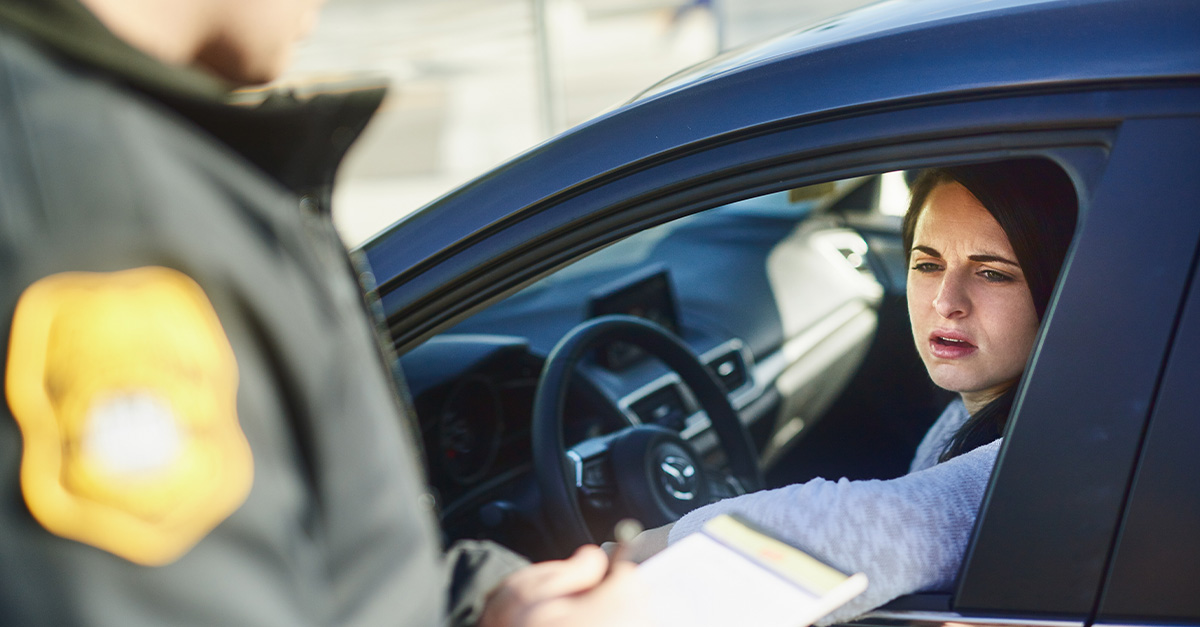
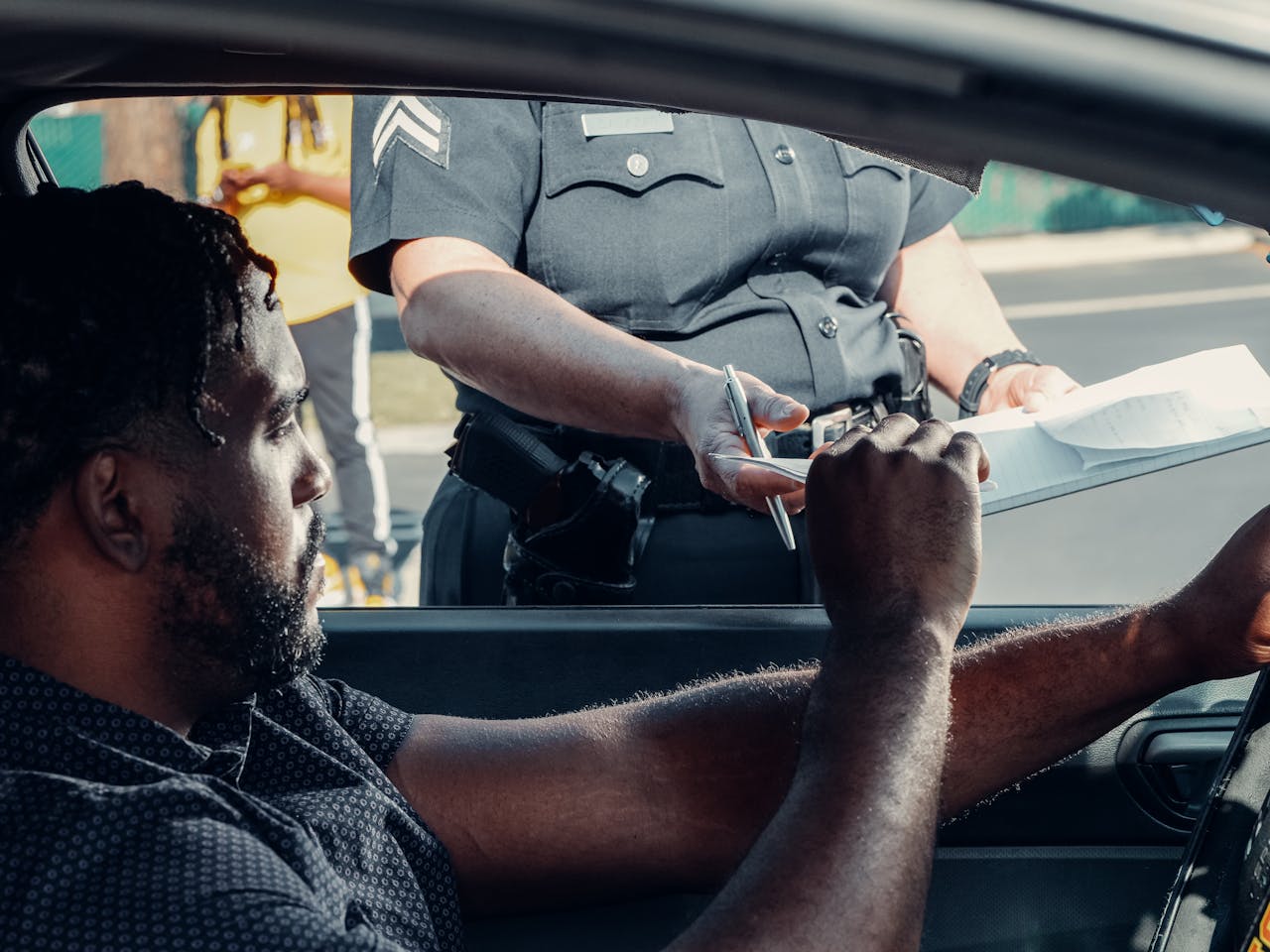
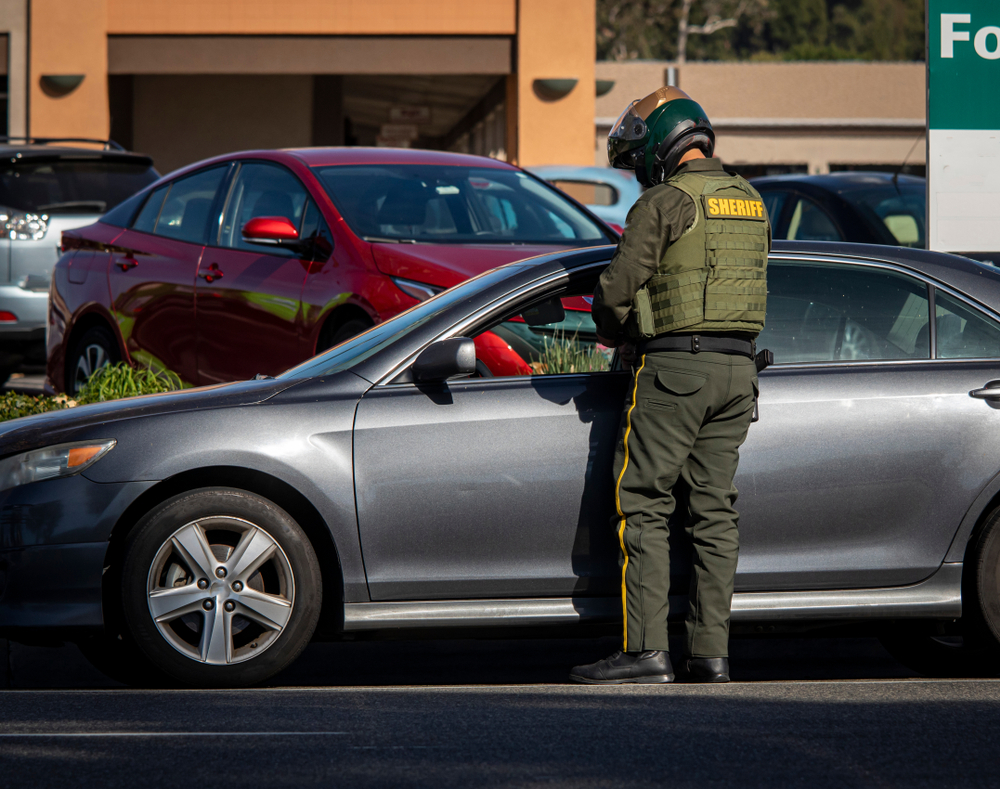
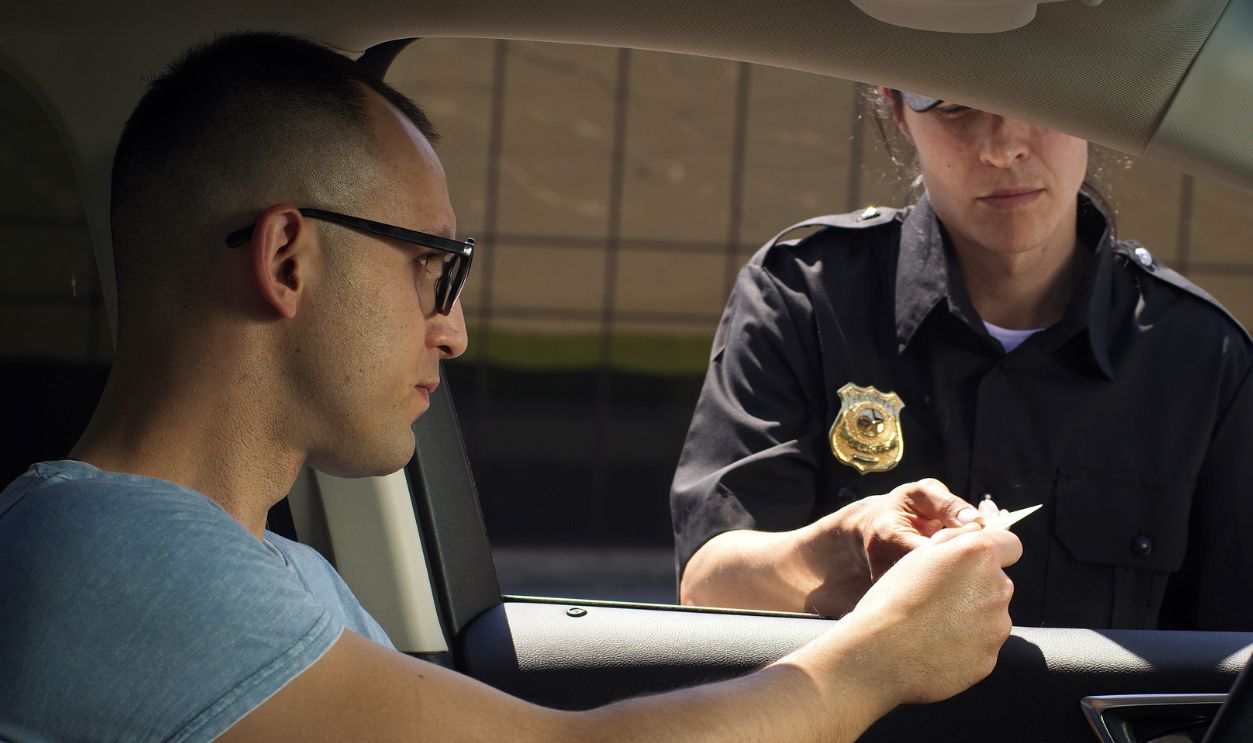
If your friend was stopped by an officer and handed a ticket, this is the easiest scenario. The officer checks the driver’s license and writes the citation in that person’s name. Even if the car belongs to you, the ticket doesn’t. In this case, you’re almost certainly not responsible.
Why Camera Tickets Change Everything
Things get more complicated when speed cameras or red-light cameras are involved. These systems don’t know who was driving—they only know which car was involved. That’s why the ticket usually gets mailed to the registered owner, which might be you.

Speed Camera Laws Aren’t The Same Everywhere
Every state (and sometimes each city) handles camera tickets differently. Some places assume the car owner is responsible unless they name the driver. Others treat these tickets as minor civil violations that don’t affect your driving record. A few states don’t allow speed cameras at all. Local rules make a huge difference.

Read The Ticket Like It Matters—Because It Does
Before paying anything, read the ticket carefully. Look for instructions about what to do if you weren’t the driver. Many tickets include a section explaining how to submit an affidavit or form stating someone else was driving your car at the time.
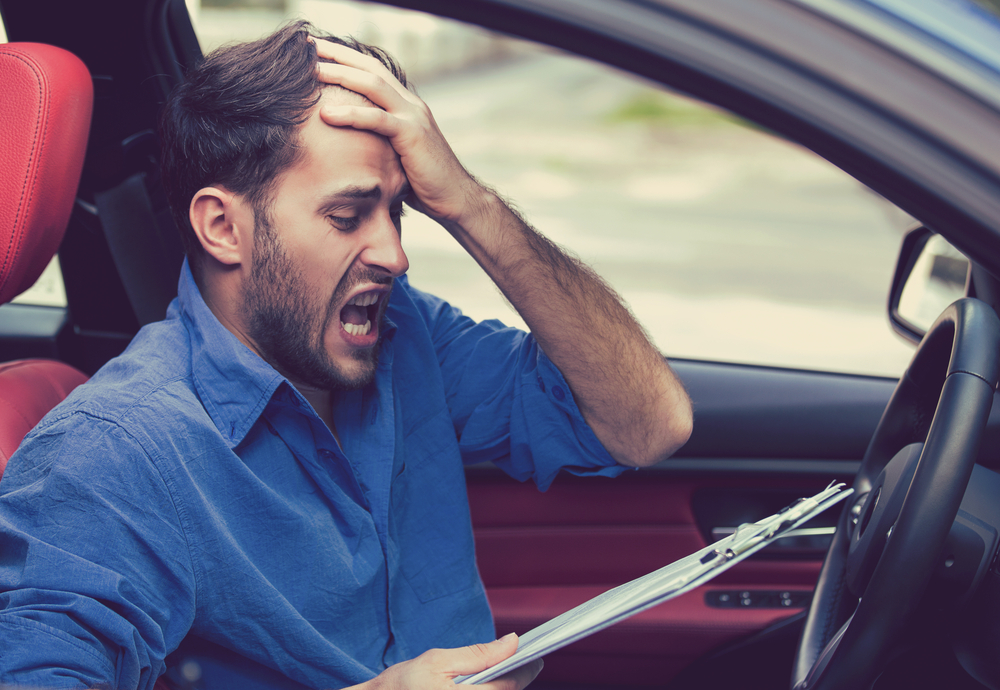
Transferring The Ticket To Your Friend
In many areas, you can officially transfer responsibility to your friend. This usually involves filling out a form and providing their name, address, and possibly their driver’s license number. Once submitted, the ticket is reissued in their name instead of yours.
 F Armstrong Photography, Shutterstock
When Your Friend Admits They Were Driving
If your friend owns up to it right away, that’s helpful—but it’s not enough by itself. You still have to follow the legal steps outlined on the ticket. Traffic authorities don’t accept “my friend said they’d handle it” as a formal response.
Is It Easier To Just Pay The Ticket?
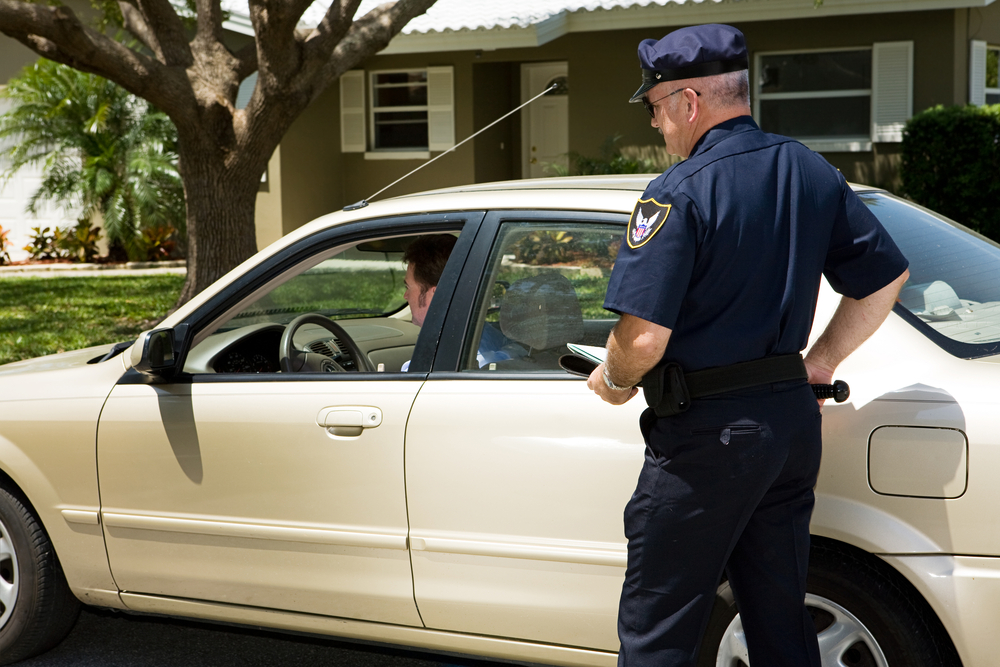
Sometimes paying the fine feels like the simplest option, especially if the ticket amount is low. But be careful. In some cases, paying is treated as accepting responsibility. Depending on where you live, that could potentially affect your record or insurance.

Could This Affect Your License Or Insurance?
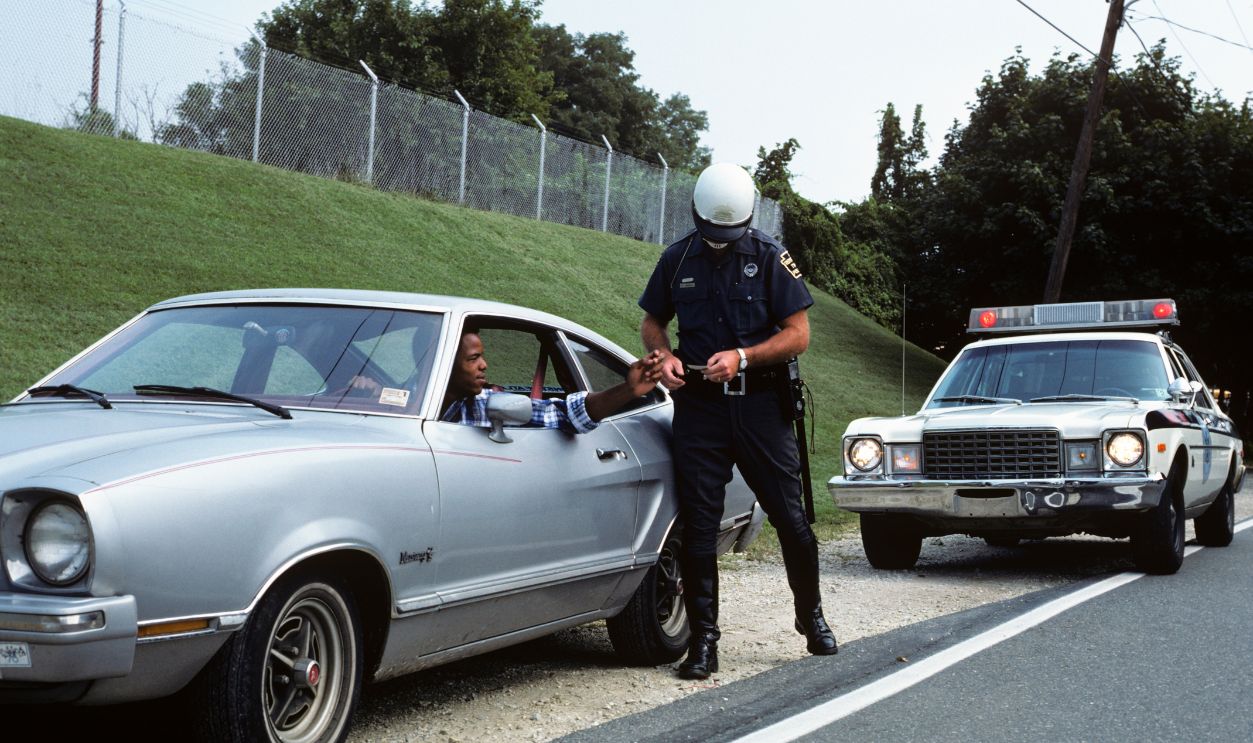
Many camera-issued tickets don’t add points to your license. However, some do. And even if points aren’t involved, repeated violations connected to your name could raise concerns with your insurance company. It’s always worth confirming before paying.
 H. Armstrong Roberts/ClassicStock, Getty images
Insurance Companies Pay Attention
Insurance usually follows the driver, not the car—but that’s not always the end of the story. If a ticket ends up officially tied to you, it could still show up during policy reviews. One ticket likely won’t cause major issues, but patterns can matter.

What If Your Friend Won’t Pay Or Cooperate?
This is where things can get uncomfortable. If your friend refuses to pay or dodges responsibility, you may still need to deal with the ticket to avoid penalties. Ignoring it can lead to late fees, registration problems, or collections—even if you weren’t driving.

Can You Fight The Ticket Instead?
Yes, you usually have the right to contest a ticket. Common arguments include unclear signage, faulty cameras, or incorrect vehicle identification. Contesting takes time and effort, but for expensive tickets, it may be worth it.
 Frame Stock Footage, Shutterstock
Ignoring The Ticket Is The Worst Option
Doing nothing rarely ends well. Unpaid tickets often lead to additional fines or legal trouble. Even if you’re confident you weren’t at fault, you still need to respond in some way—either by transferring responsibility, contesting, or paying.
What If The Car Was Used Without Permission?
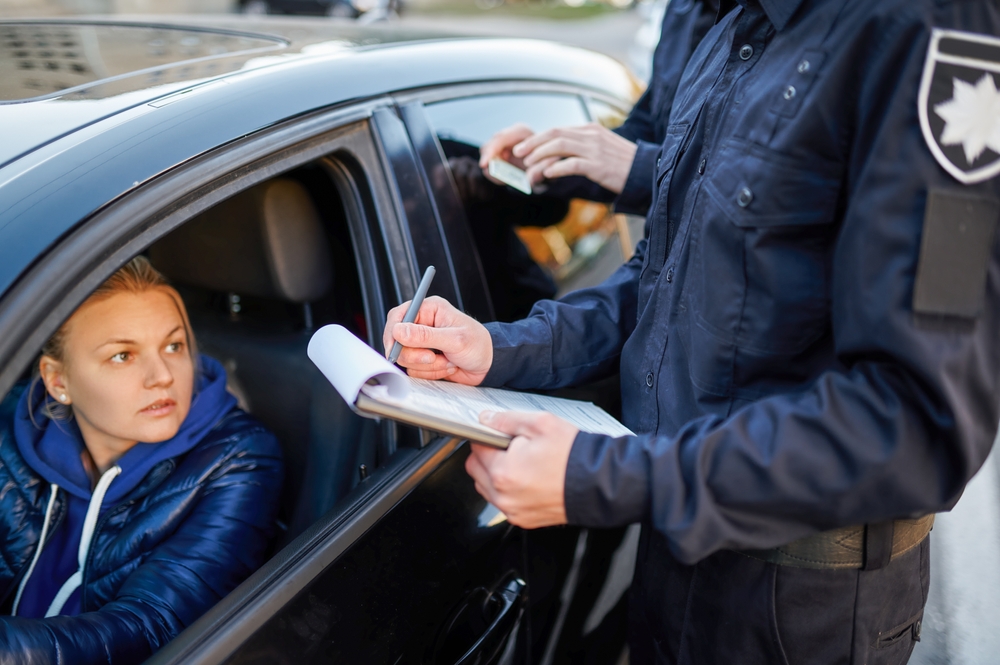
If your friend took the car without your consent, that’s a different situation altogether. You may need to file a report or provide documentation showing the car was used without permission. This is rare, but it does happen.

Lending Your Car Always Comes With Risk
Even when you trust someone completely, lending your car means accepting a certain level of risk. Most of the time, things go smoothly. But tickets, accidents, and insurance headaches are always possibilities.

Set Expectations Before Lending Your Car
A quick conversation beforehand can prevent problems later. Make it clear that any tickets or fines are their responsibility. While this won’t override the law, it sets clear expectations and helps avoid awkward disputes.

Remember That Insurance Follows The Car
If your friend gets into an accident while driving your car, your insurance is usually the first line of coverage. That’s another reason to be selective about who you lend your vehicle to—and how often.

Written Agreements Can Actually Help
It may feel formal, but even a simple text message stating that the borrower agrees to cover any tickets can be useful. It’s not a magic legal shield, but it can help if reimbursement becomes an issue later.

When Talking To A Lawyer Makes Sense
If the ticket is expensive, involves points, or could affect your job, a traffic attorney might be worth calling. Many offer quick consultations and can tell you whether transferring or contesting the ticket makes sense.

Missed The Deadline? Act Fast
If you realized too late that the deadline passed, don’t give up. Contact the issuing authority immediately. Many places allow late responses if you act quickly and explain the situation.

Why Parking Tickets Are Different
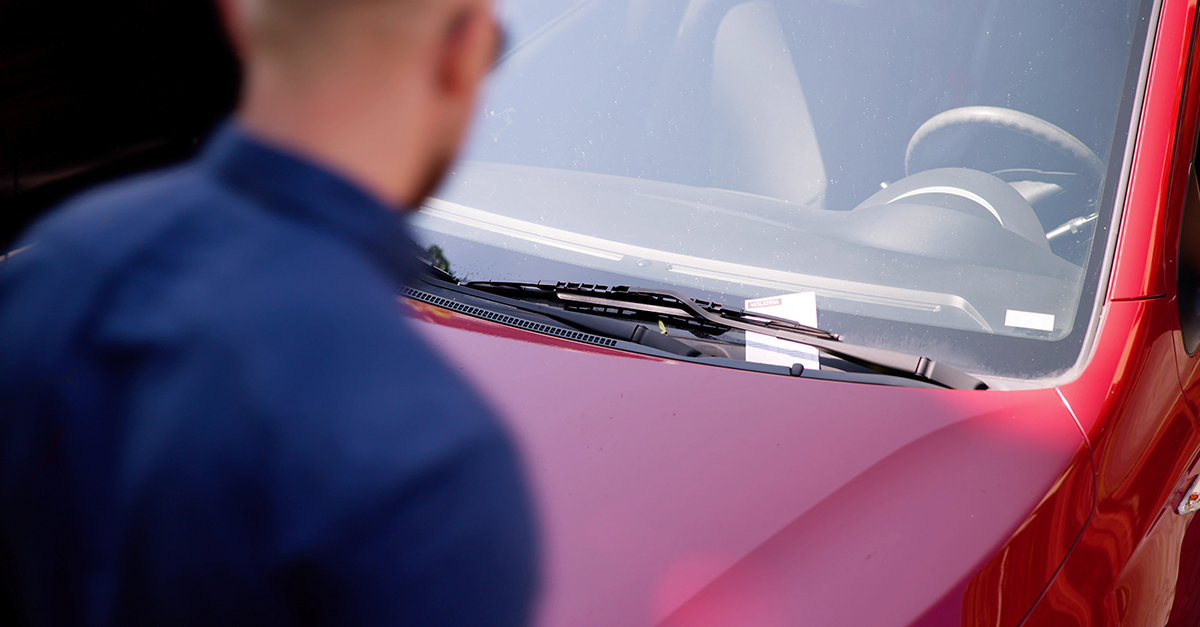
Parking tickets almost always follow the car, not the driver. Speeding tickets usually don’t. Mixing these up is a common mistake and leads many car owners to assume responsibility when they don’t have to.
Why This Happens More Often Now
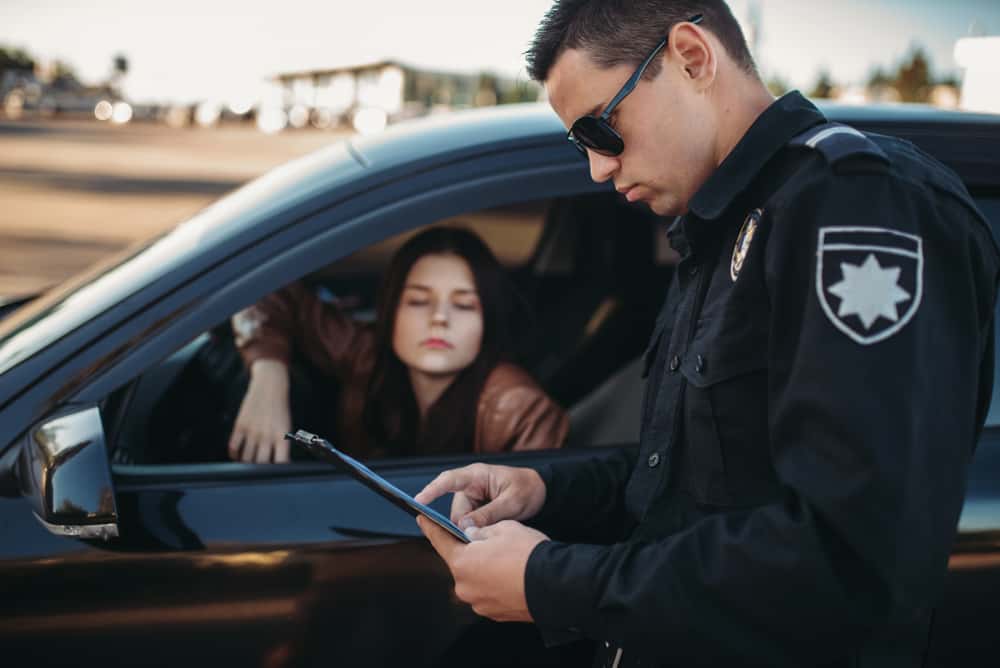
With more speed and red-light cameras popping up, more car owners are getting tickets for violations they didn’t personally commit. Knowing how the system works ahead of time can save a lot of stress.
A Simple Game Plan Going Forward
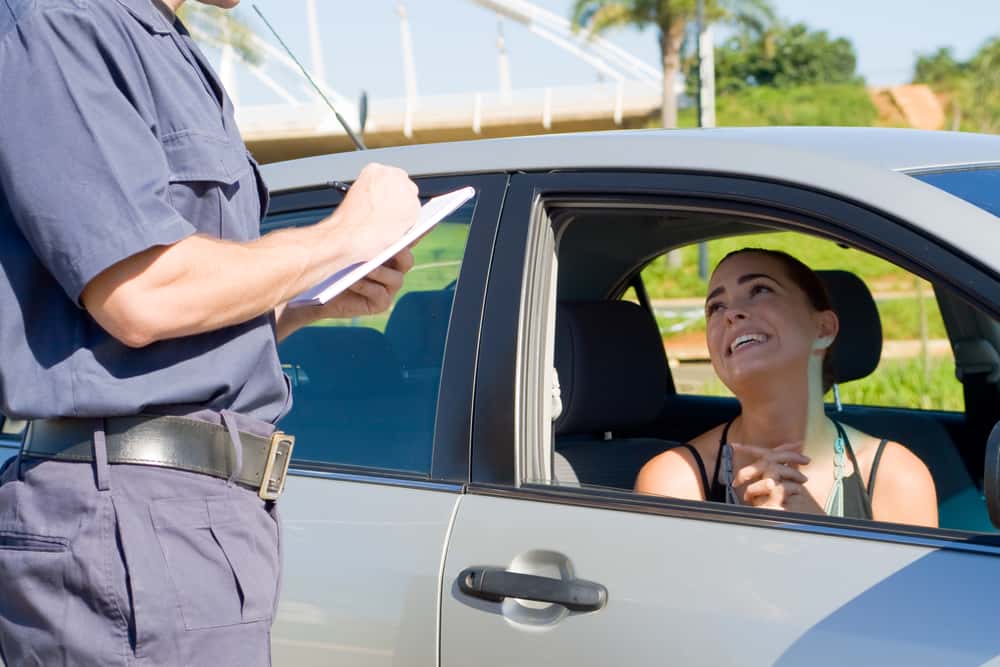
Figure out what type of ticket it is. Read the fine print. Check your local laws. Decide whether to transfer, contest, or pay. Communicate clearly with your friend. And don’t ignore deadlines.
A Frustrating Situation—But A Useful Lesson
As annoying as this experience can be, it’s also a reminder of the responsibilities that come with owning a car. It’s a good reason to set boundaries and think twice before handing over the keys.

Are You Actually Responsible?
Most of the time, no—you’re not responsible for a speeding ticket your friend got while driving your car. But if the ticket comes to you, it’s your responsibility to handle it properly. Pay attention to the details, act quickly, and you’ll usually be able to resolve the situation without long-term consequences.

You May Also Like:
Classic Muscle Cars That Should Come Back To Replace What's On Today's Roads
Everyone Said These 80s Cars Were Dated, But Now They're Worth A Fortune