When A Police Car Ignores Your Bus Stop Sign: Now What?
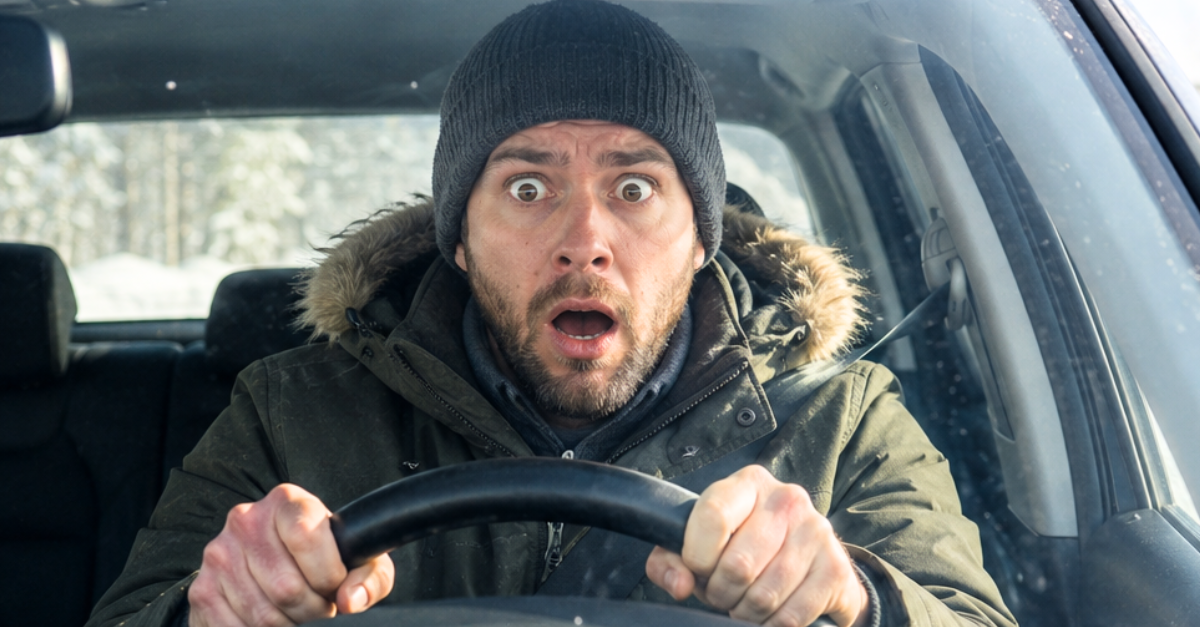
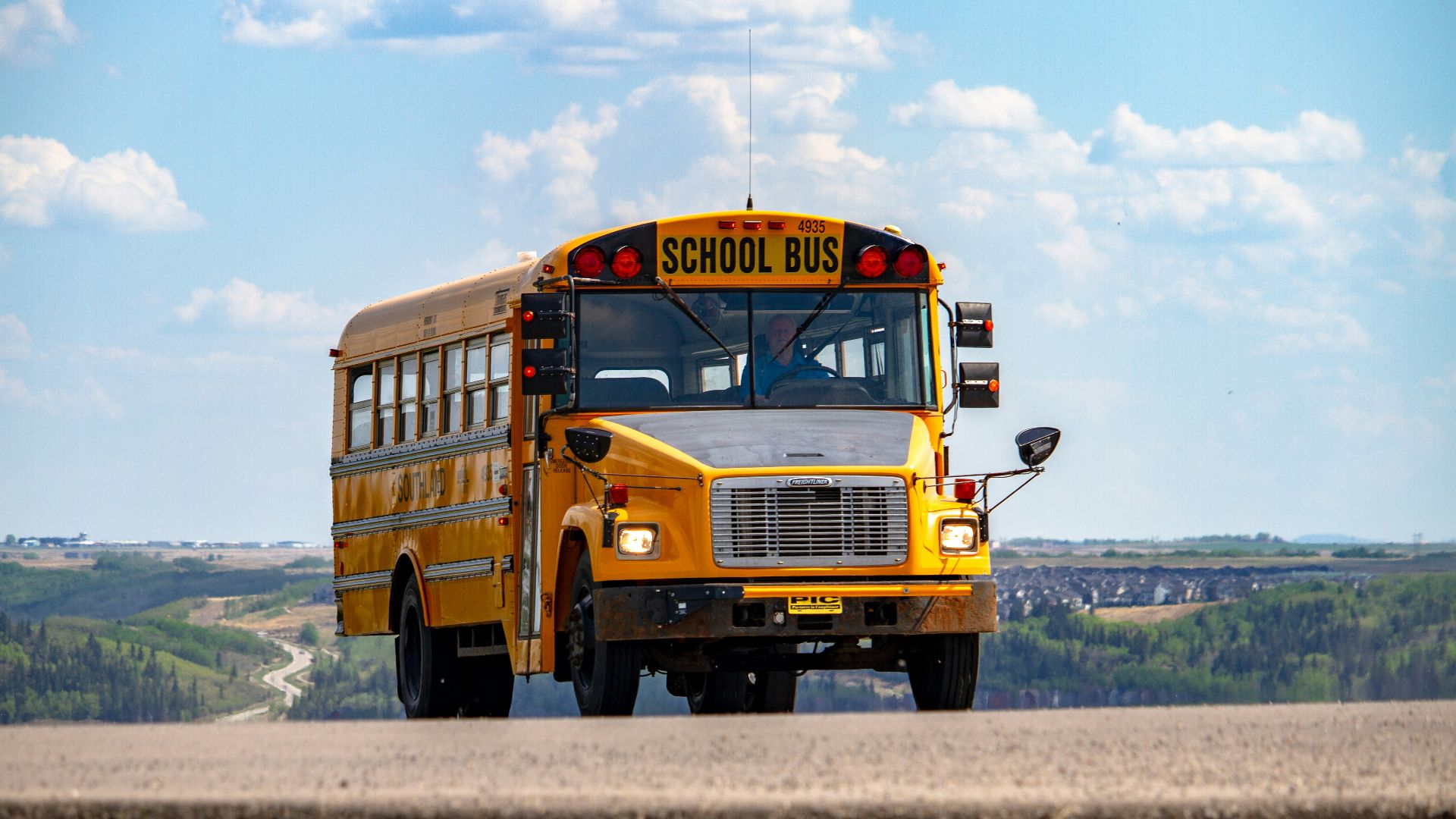
You’re doing your job, lights flashing, STOP arm extended, kids either climbing aboard or stepping off—and then whoosh. A police car cruises right past you. No siren. No lights. Just business as usual. Your jaw drops. You’re left thinking: Did that really just happen? If you drive a school bus and a police vehicle overtakes you while your STOP sign is out, you’re not just annoyed—you’re responsible for student safety. So what now? Let’s break it down.
First, Take A Breath
Before you do anything else, pause. It’s frustrating—especially when the very people tasked with enforcing traffic laws appear to ignore them. But your first priority is the students on and around your bus. Make sure everyone is safely on board or clear of the roadway before you even think about reporting anything.

Remember Why The STOP Sign Matters
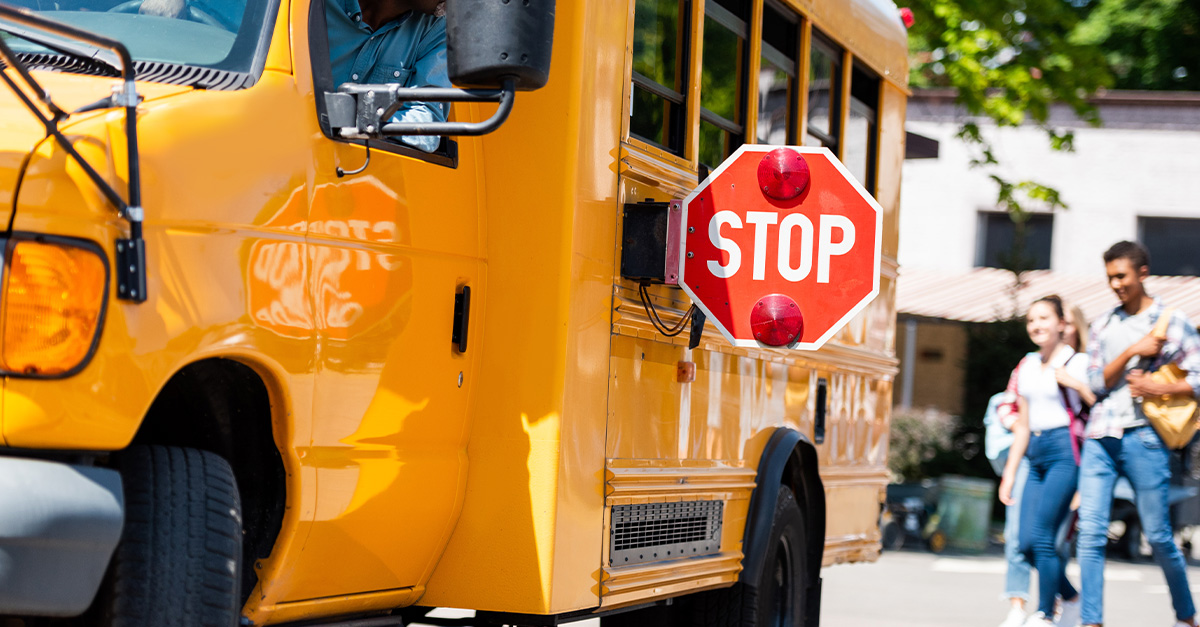
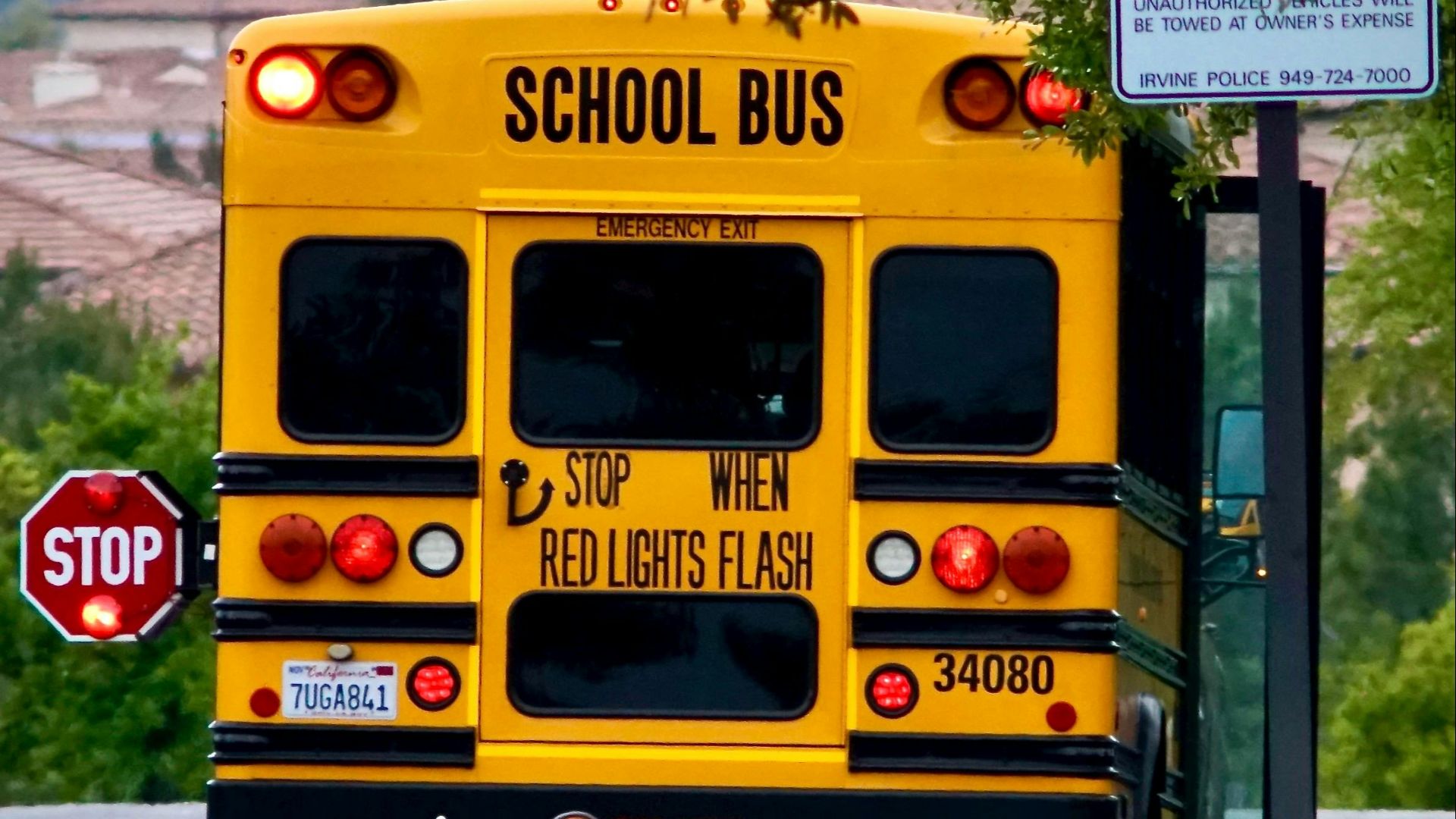
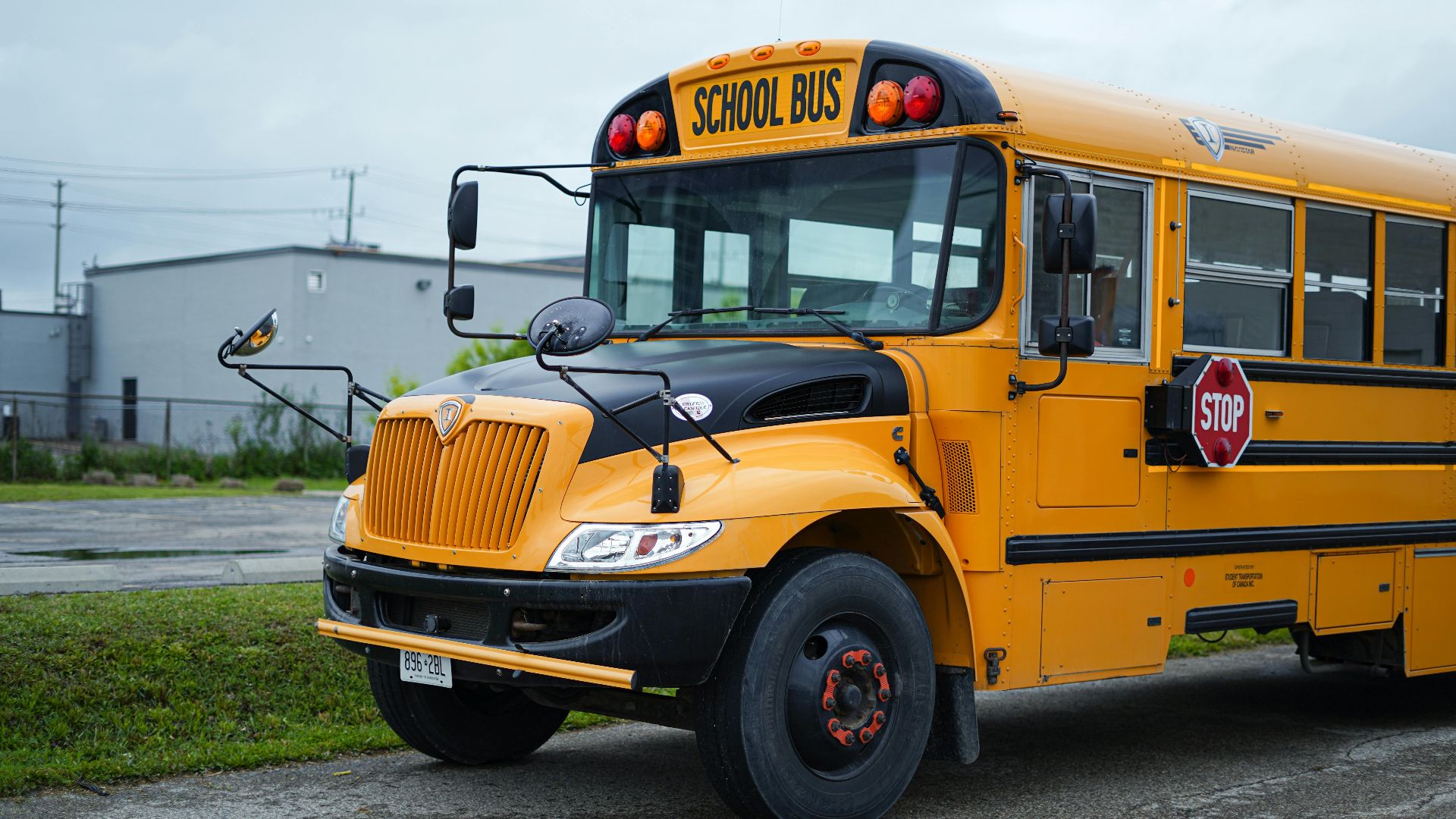
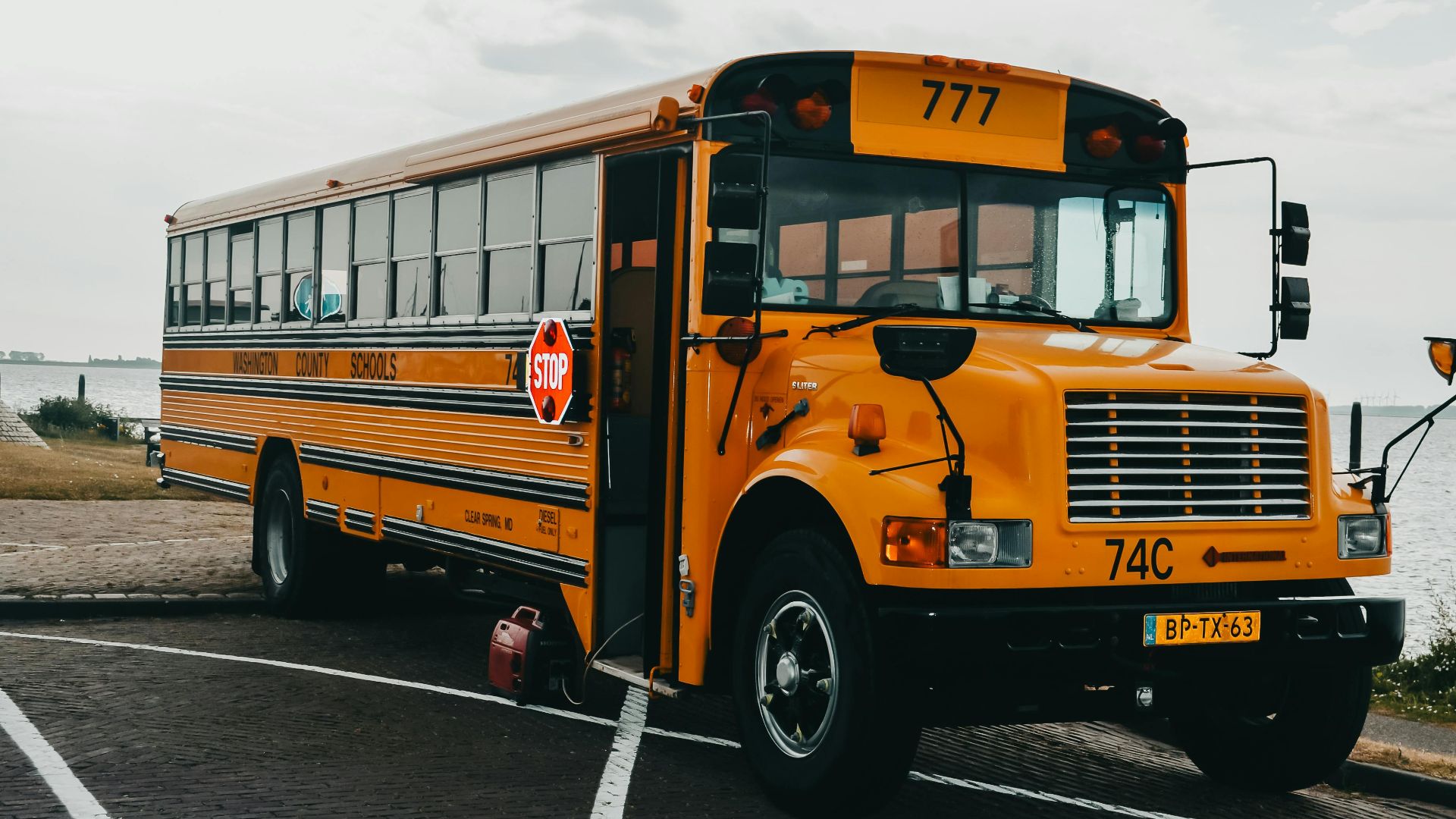
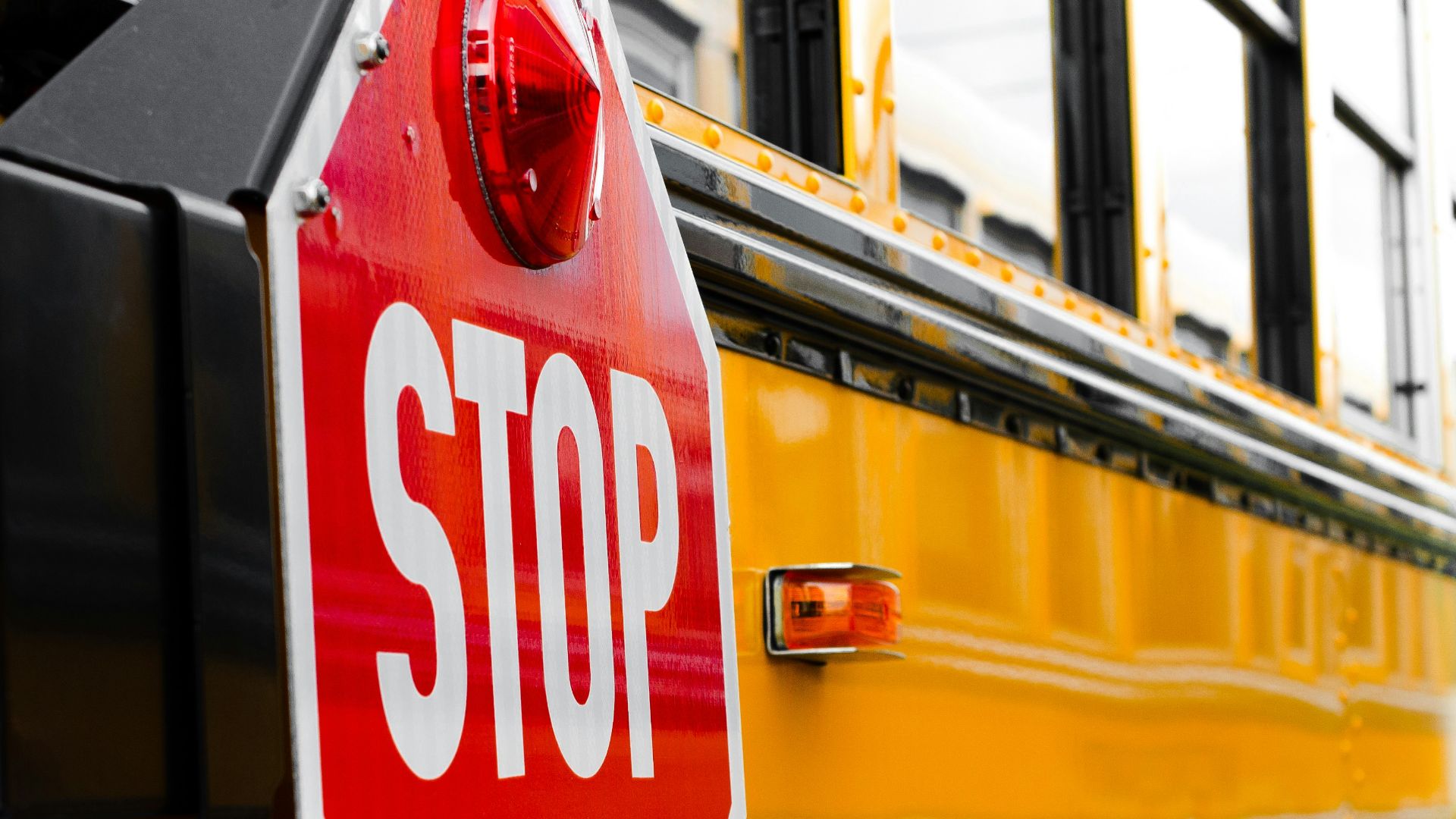
Your extended STOP arm isn’t a suggestion—it’s a legal command. In every U.S. state, drivers are required to stop when a school bus displays its red lights and stop sign (with very limited exceptions, such as divided highways in some states). The law exists because children can be unpredictable, and visibility around a bus is limited.
Are Police Officers Ever Exempt?
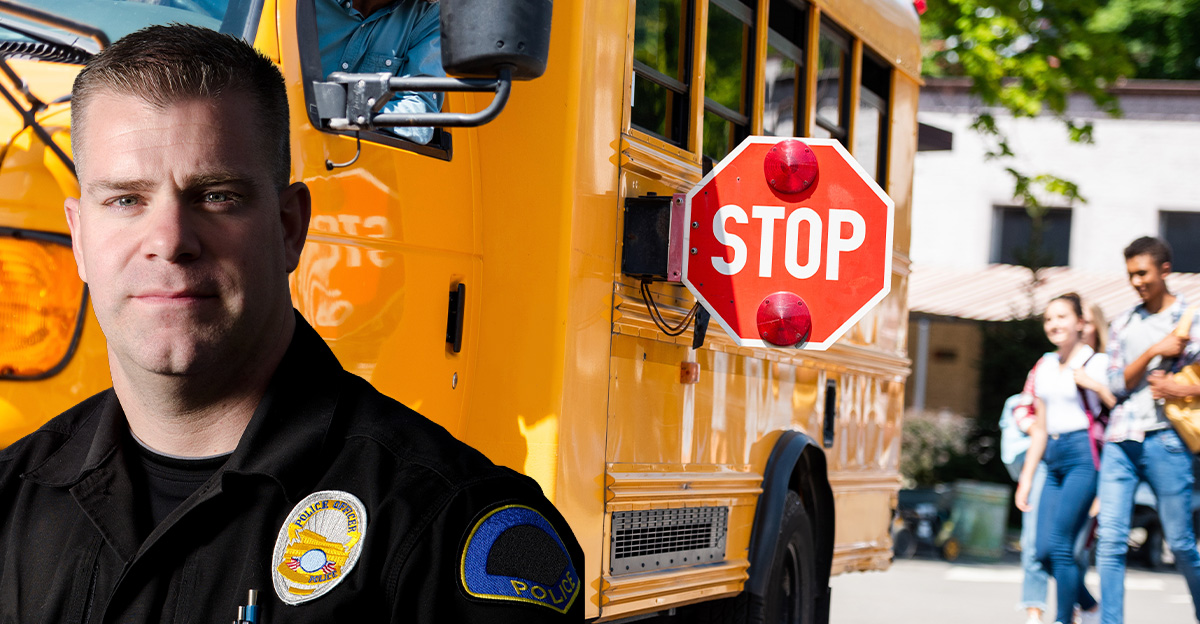
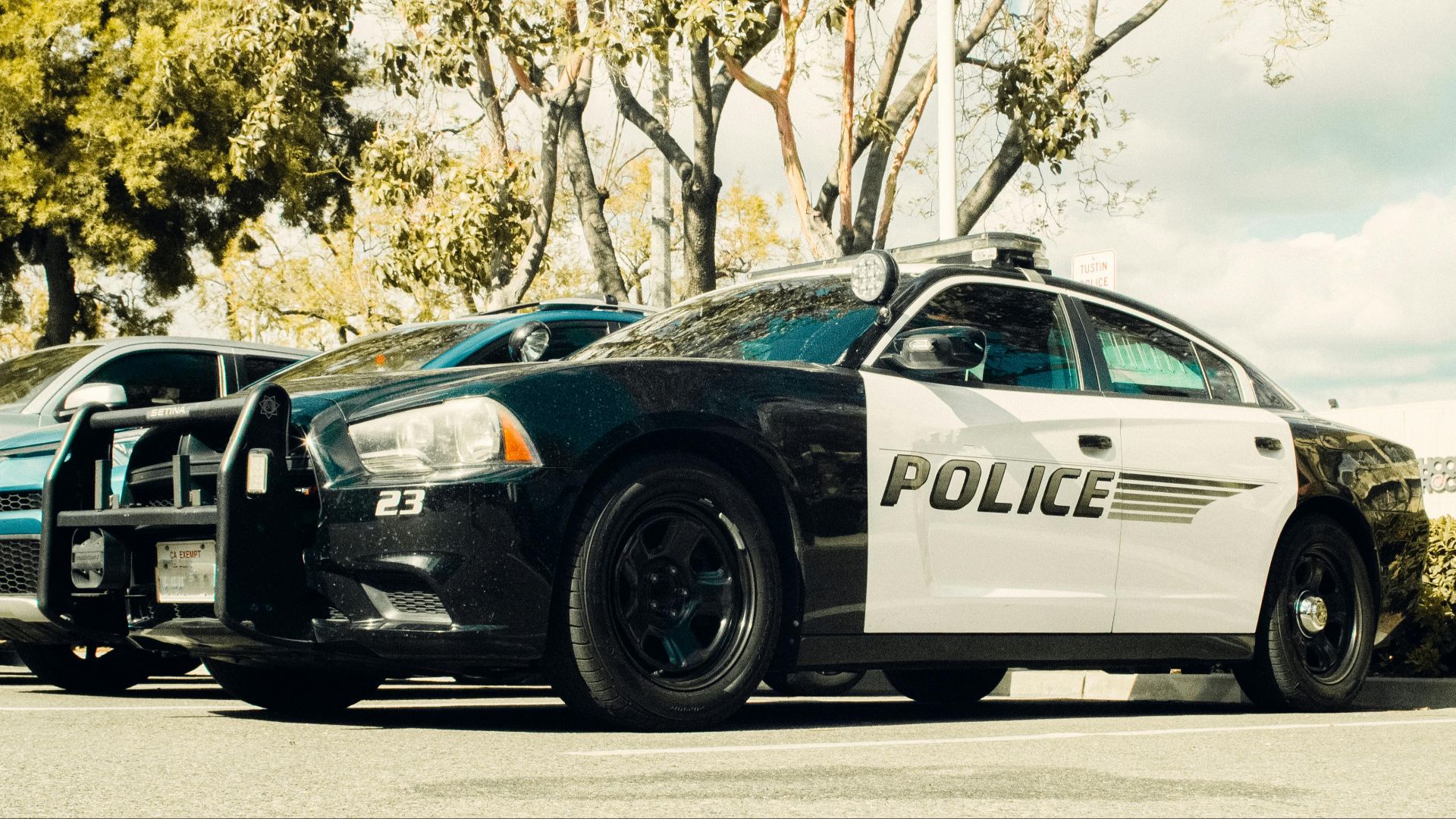
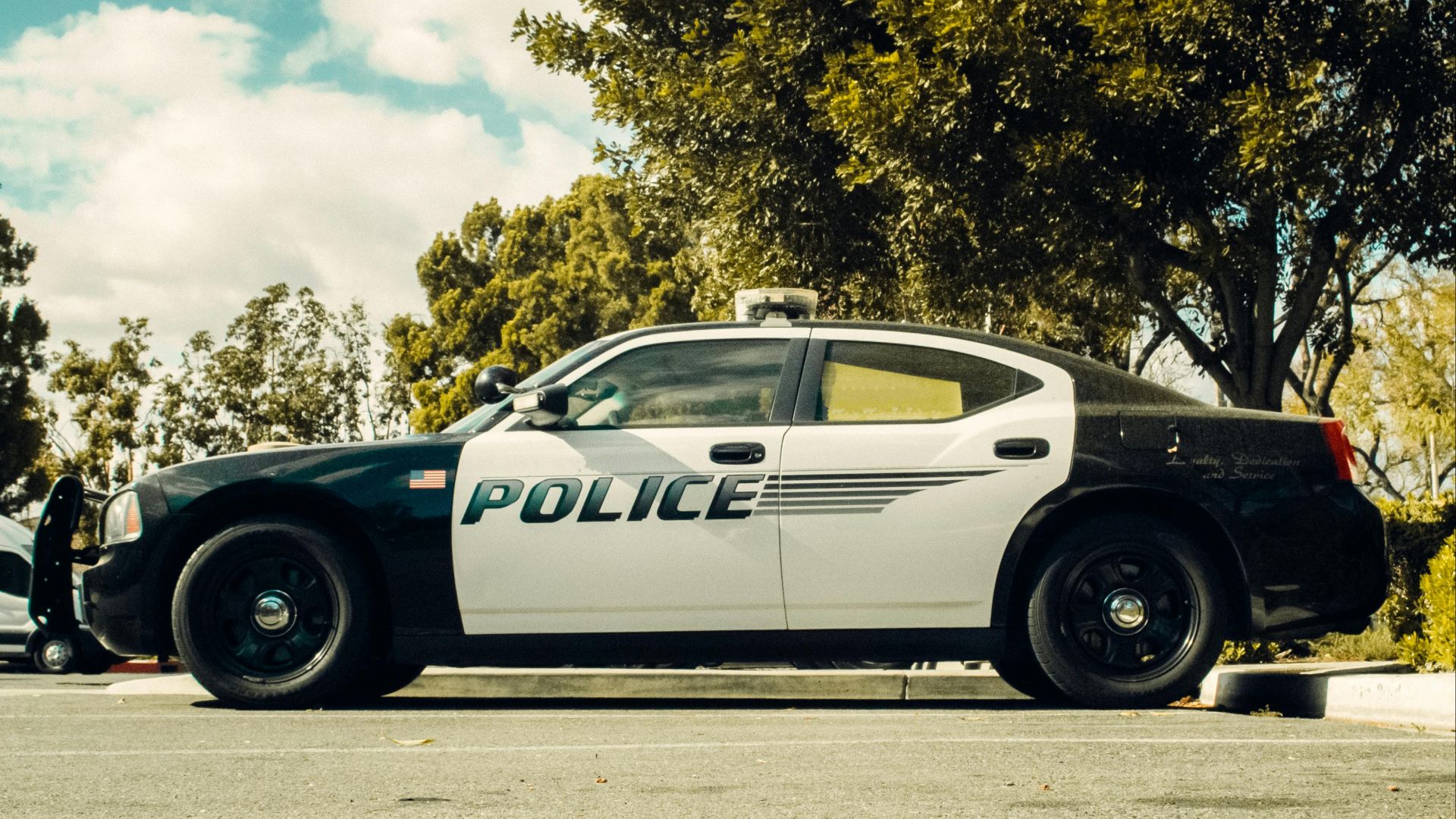
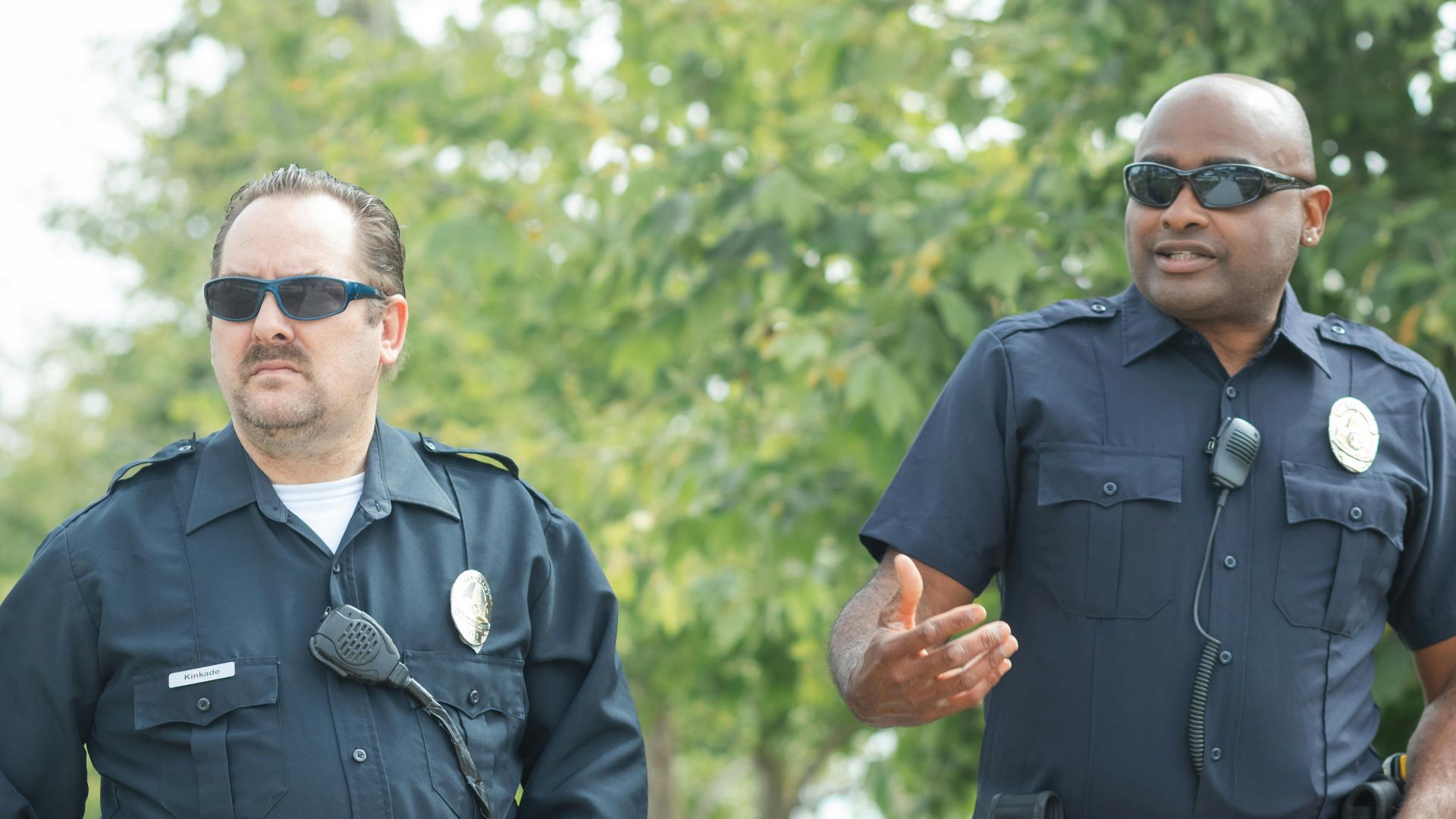
Here’s where it gets tricky. Law enforcement officers can legally bypass certain traffic laws—but typically only when responding to an emergency and using both lights and sirens. Policies vary by state and department, but generally speaking, no lights and no siren usually means no exemption from stopping.
Confirm What You Saw
Memory can get fuzzy in a heated moment. Ask yourself: Were the red lights fully activated? Was the STOP arm fully extended? Was the police vehicle clearly marked? Did you hear a siren you might have missed initially? Make sure you’re confident about what happened before moving forward.
Safety First, Always
If the officer’s actions created a dangerous situation, document that mentally. Did a student step off the bus? Were children crossing? Did you have to signal them back? The more clearly you can describe the safety risk, the stronger your report will be.

Write Down The Details Immediately
As soon as you’re safely able, jot down everything you remember. Time of day. Location (street names or landmarks). Patrol car number. License plate if visible. Direction of travel. Even small details—like weather conditions—can help paint a complete picture.

Check Your Bus Cameras
Most modern school buses are equipped with interior and exterior cameras. If yours has them, make a note of the exact time of the incident so the footage can be easily located. Video evidence can remove any doubt and keeps the situation objective.
Notify Your Transportation Supervisor
Your first call shouldn’t be to the police department—it should be to your employer. Report the incident to your transportation supervisor or dispatch office according to your district’s protocol. They may already have a formal reporting process in place.

Follow District Reporting Procedures
School districts often have specific forms for traffic violations involving buses. Complete any required documentation thoroughly and promptly. The goal isn’t to cause drama—it’s to maintain safety standards and accountability.

Let Administration Take The Lead
After you report it internally, your district administration will typically handle communication with the police department. This keeps the process professional and avoids unnecessary conflict between individual drivers and officers.

If Necessary, Contact The Police Department
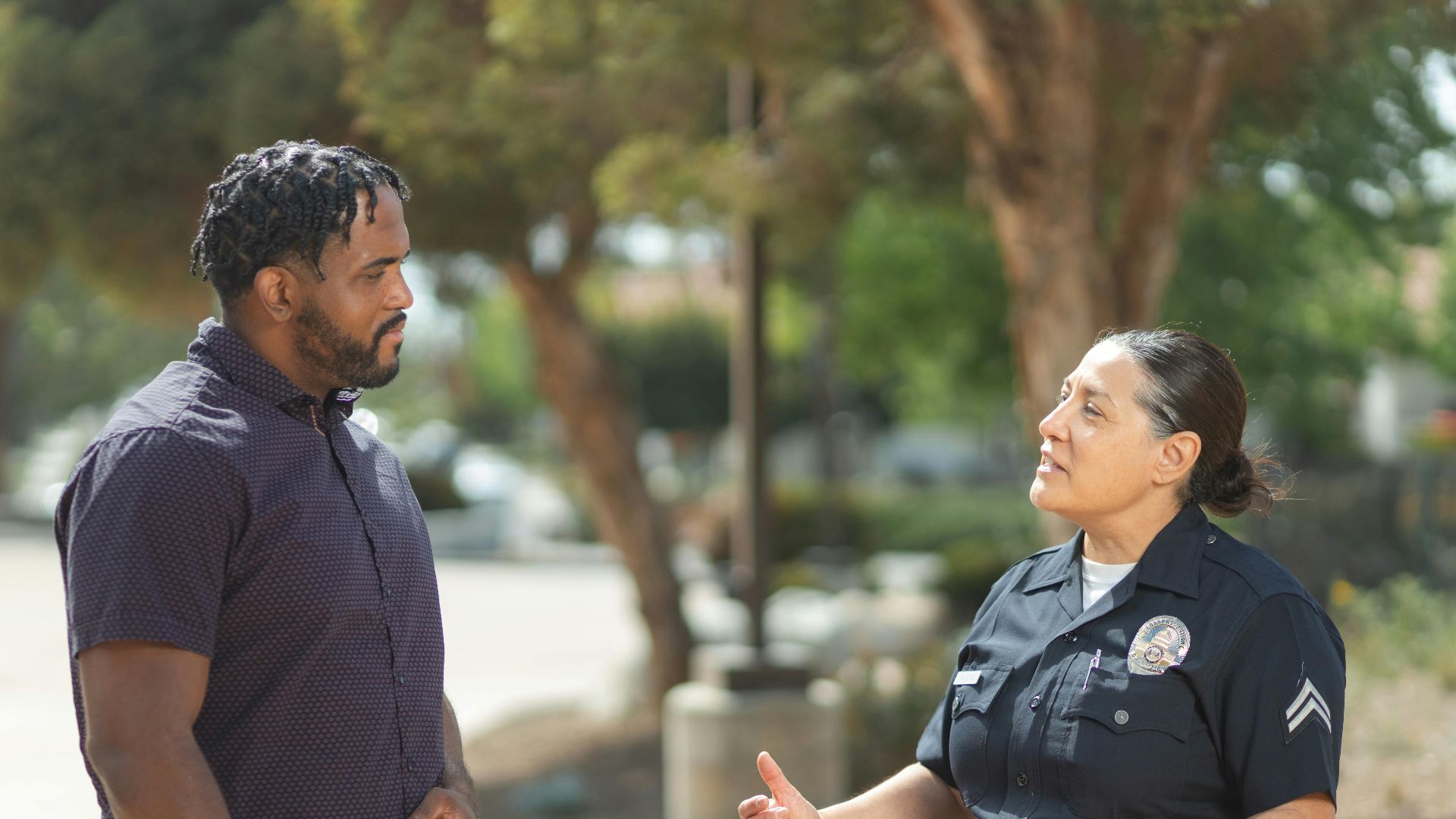
If your district instructs you to—or if you’re an independent contractor—you can contact the police department’s non-emergency number. Ask to speak with a supervisor. Calmly explain that you’re reporting a safety concern involving one of their vehicles.

Keep It Professional, Not Personal
Avoid accusatory language. Stick to the facts: “At approximately 3:42 PM on Maple Street, a marked patrol car passed my bus while the red lights were flashing and the STOP arm was extended.” Facts carry weight. Emotion muddies the water.

Understand Department Policies
Many departments have strict pursuit and emergency-response policies. If the officer wasn’t responding to a call—and wasn’t using emergency equipment—it’s possible they violated internal policy as well as traffic law. Supervisors take that seriously.
Don’t Confront The Officer On The Road
It might be tempting to wave them down or call them out in the moment. Don’t. Your responsibility is the safety of your students. Confrontations on the roadway can escalate quickly and distract you from your primary duty.
Know The Legal Standard In Your State
While most states require drivers—including police—to stop for a bus with red lights activated, specifics can vary. Some states allow passing on divided highways. Familiarize yourself with your state’s school bus laws so you’re informed if questions arise.

Protect Yourself With Documentation
If, down the line, questions arise about the incident, your detailed notes and timely report protect you. Documentation shows that you acted responsibly and in good faith to address a safety concern.

Remember Your Duty Of Care
As a school bus driver, you carry a significant duty of care. Reporting unsafe behavior—even by law enforcement—is part of that responsibility. You’re advocating for the kids in your charge.

What If It Was An Emergency?
There’s always the possibility the officer was responding to an urgent situation and made a judgment call. If that’s the case, supervisors will determine whether it was justified. Your job isn’t to investigate—it’s to report.
Union Or HR Support
If you feel uncomfortable or face pushback after reporting the incident, contact your union representative (if applicable) or HR department. You should never be penalized for raising a legitimate safety concern.

The Bigger Picture: Student Safety
Every year, children are injured or killed because drivers ignore school bus stop signals. Consistent enforcement—across the board—is what keeps those numbers down. The badge doesn’t make a vehicle less dangerous to a child crossing the street.
Stay Focused On Your Role
It’s easy to get frustrated, especially if you feel there’s a double standard. But your professionalism is your superpower. Continue following procedures, activating signals properly, and ensuring safe loading and unloading.
Avoid Social Media Venting
Posting about the incident online might feel satisfying in the moment, but it can complicate matters and even violate district policy. Keep the discussion within official channels.

Encourage A Culture Of Accountability
If your district has safety meetings, bring up the topic generally (without naming individuals). A reminder that all vehicles must stop—including emergency vehicles unless actively responding—can reinforce expectations.

When In Doubt, Report It
If you’re unsure whether the situation warrants reporting, err on the side of safety. You’re not filing a complaint out of spite—you’re documenting a potential hazard.

You’re Not Overreacting
It can feel intimidating to question a police officer’s actions. But protecting children isn’t overreacting. It’s your job. Most departments respect that and will treat your report professionally.

What Resolution Might Look Like
You may never hear the outcome due to personnel privacy rules. That’s normal. Trust that once reported, the matter will be reviewed internally and handled appropriately.

Safety Has No Exceptions
Seeing a police car pass your bus while the STOP sign is out can shake your confidence. But the path forward is clear: ensure student safety, document what happened, report it through the proper channels, and let supervisors handle the rest. The rules around a school bus exist for one reason—protecting kids. And that responsibility belongs to everyone on the road, badge or not.
You May Also Like:
New Car Models Baby Boomers Can’t Stand