
A Forgotten Name In British Automotive History
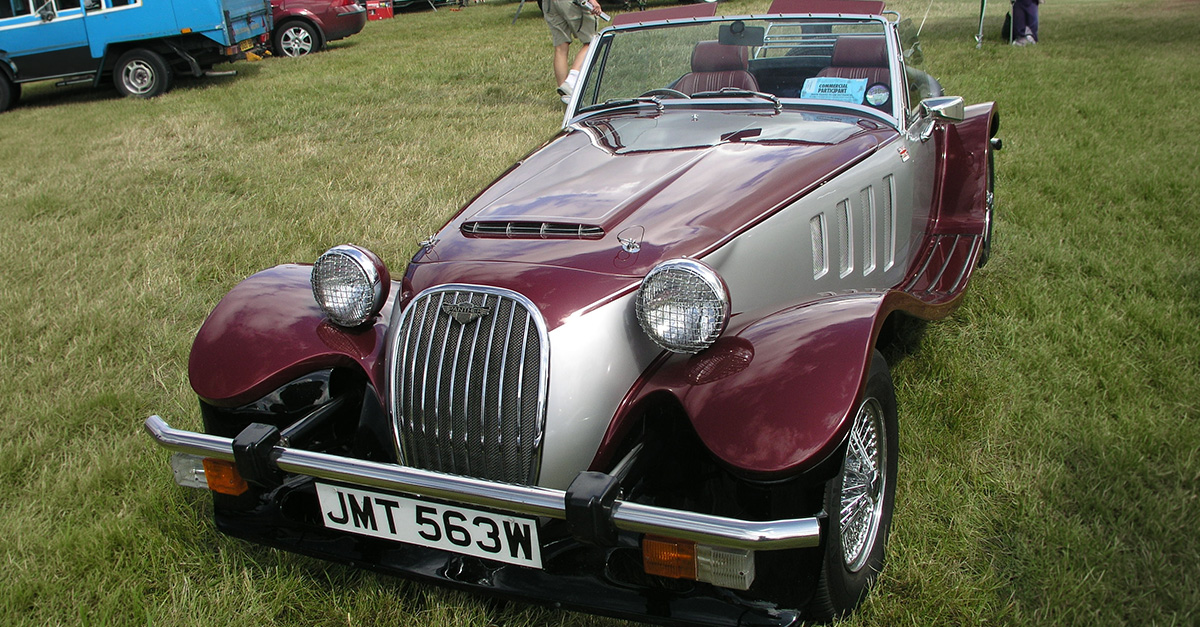
When people talk about famous British car brands, names like Jaguar, Aston Martin, and Rolls-Royce usually lead the conversation. But tucked away in automotive history is a much stranger story—one about a company that built some of the most outrageous cars Britain had ever seen. That company was Panther Westwinds. In the 1970s, Panther tried to make a name for itself by blending vintage looks with modern performance. For a few years, its bold cars grabbed attention. Then, almost as quickly as it arrived, the brand disappeared.
The Man With The Big Idea
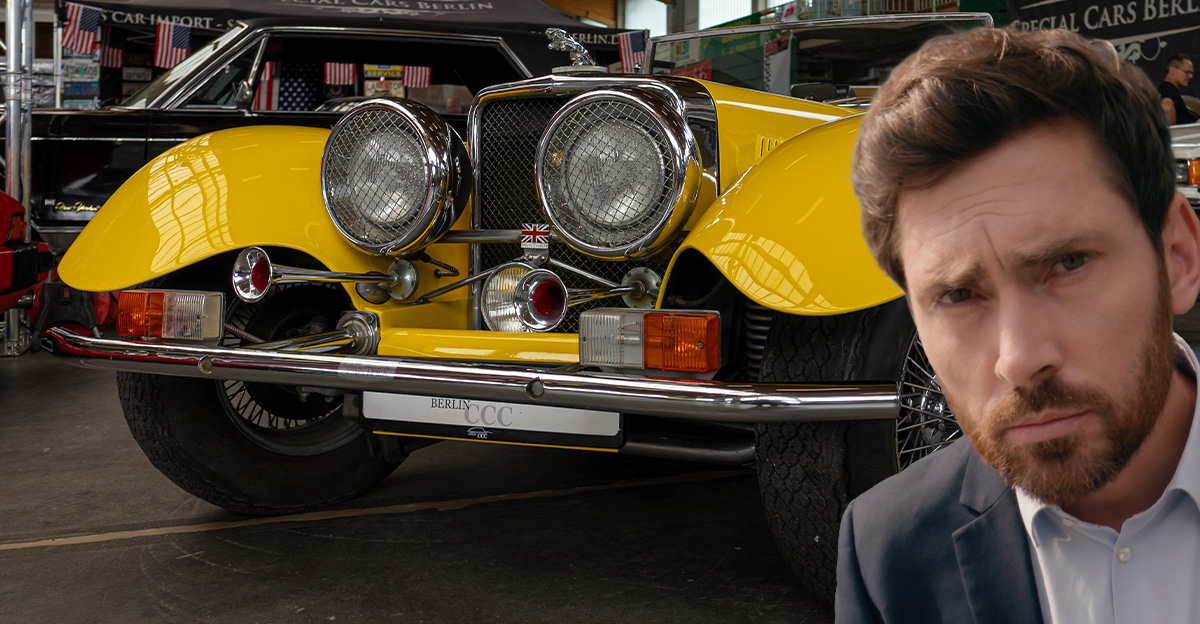
Panther Westwinds was founded by Robert Jankel, a stylish and ambitious British entrepreneur. Jankel wasn’t a trained automotive engineer. Instead, he was a businessman with a strong sense for luxury and design. He believed there was space in the market for cars that looked like they belonged in the golden age of motoring but drove like modern machines. His idea was straightforward: build exclusive cars for wealthy buyers who wanted something unique.
Starting A Boutique Car Company
Jankel started Panther Westwinds in 1971 in Surrey, England. The company was never meant to compete with large automakers. Instead, Panther would build cars in very small numbers, focusing on craftsmanship and customization rather than mass production. Each car was largely assembled by hand, allowing buyers to request special finishes and details. That level of personalization helped Panther stand out from more traditional luxury car brands.
A Love Letter To Classic Cars
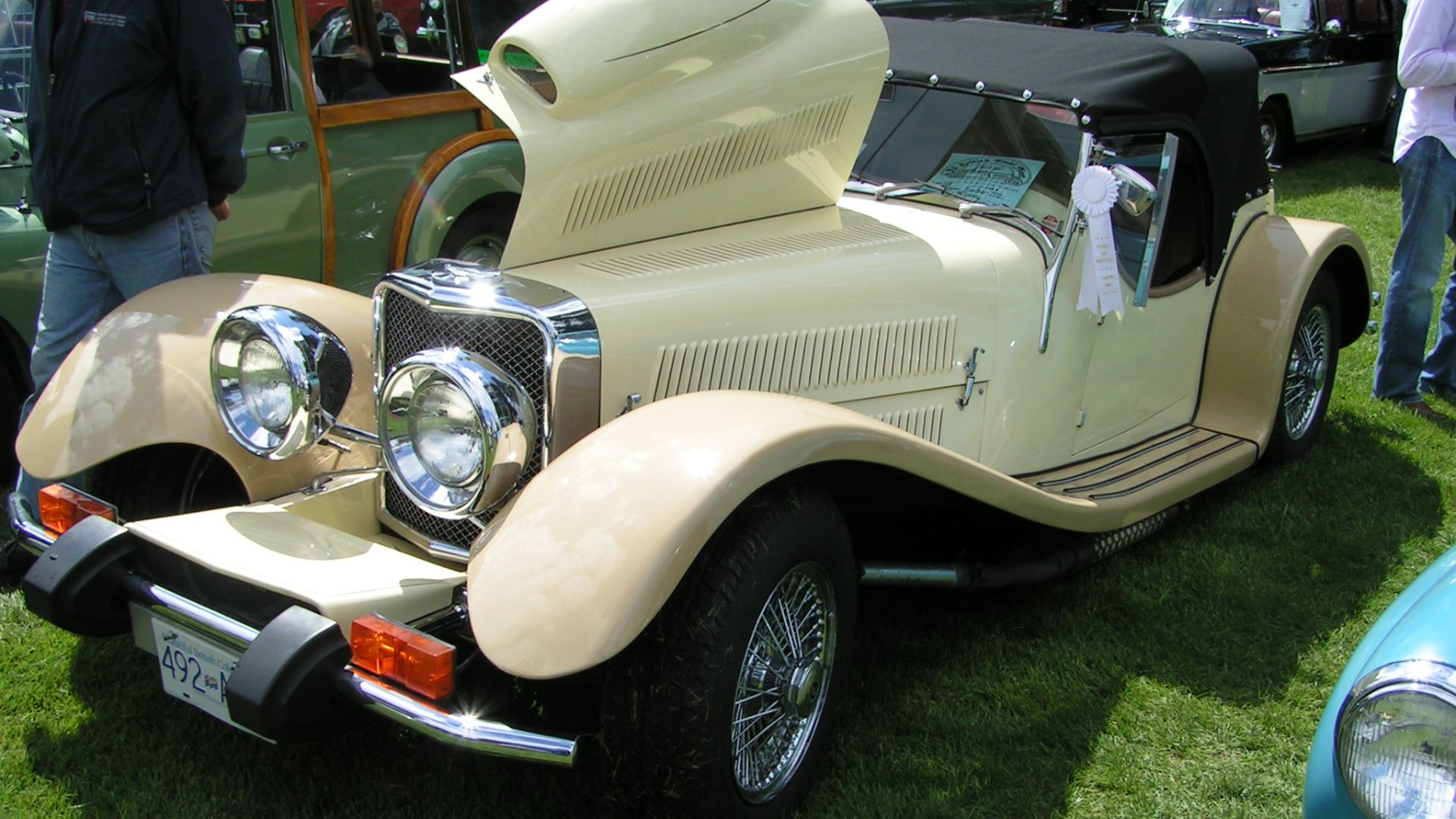
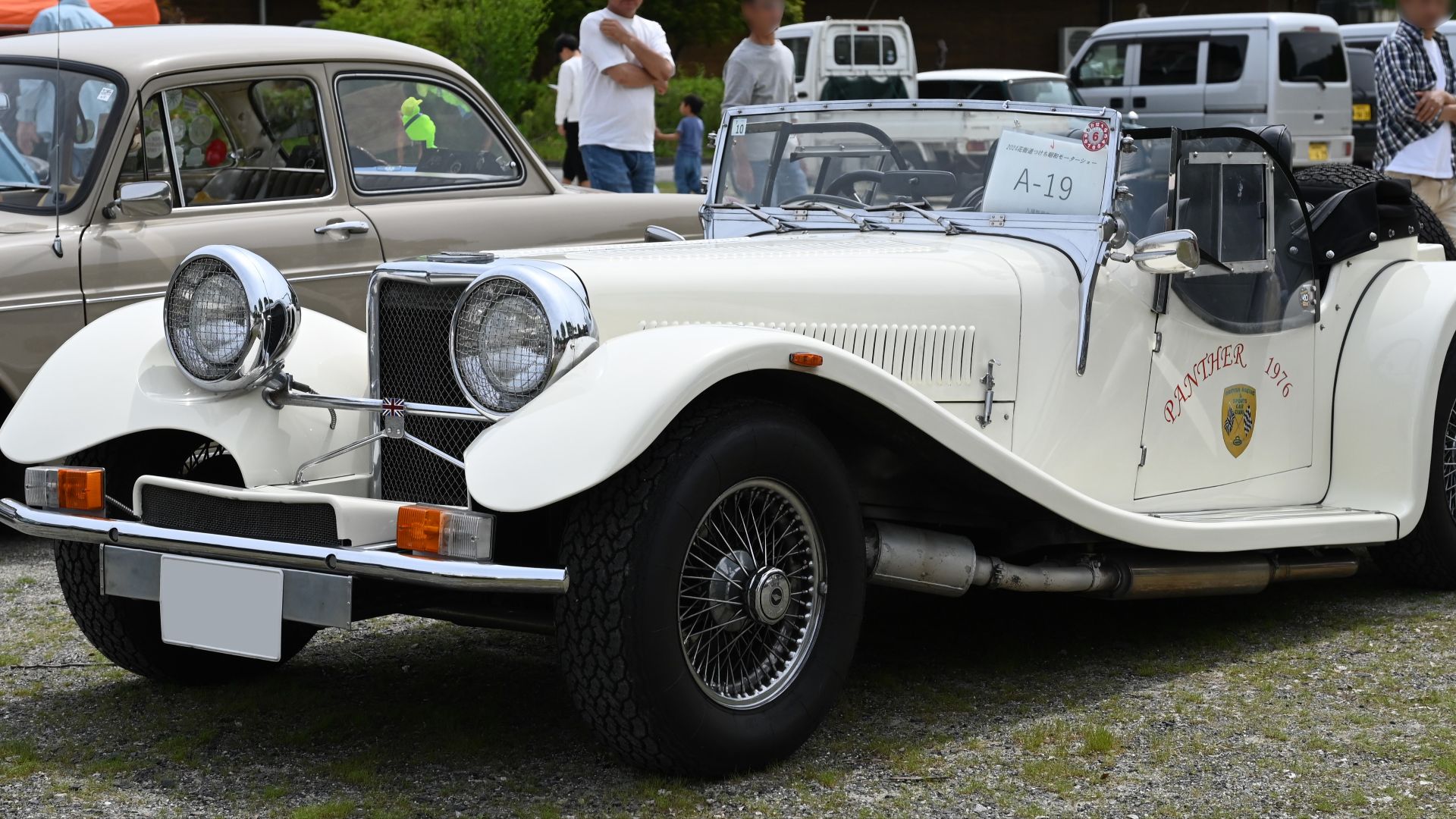
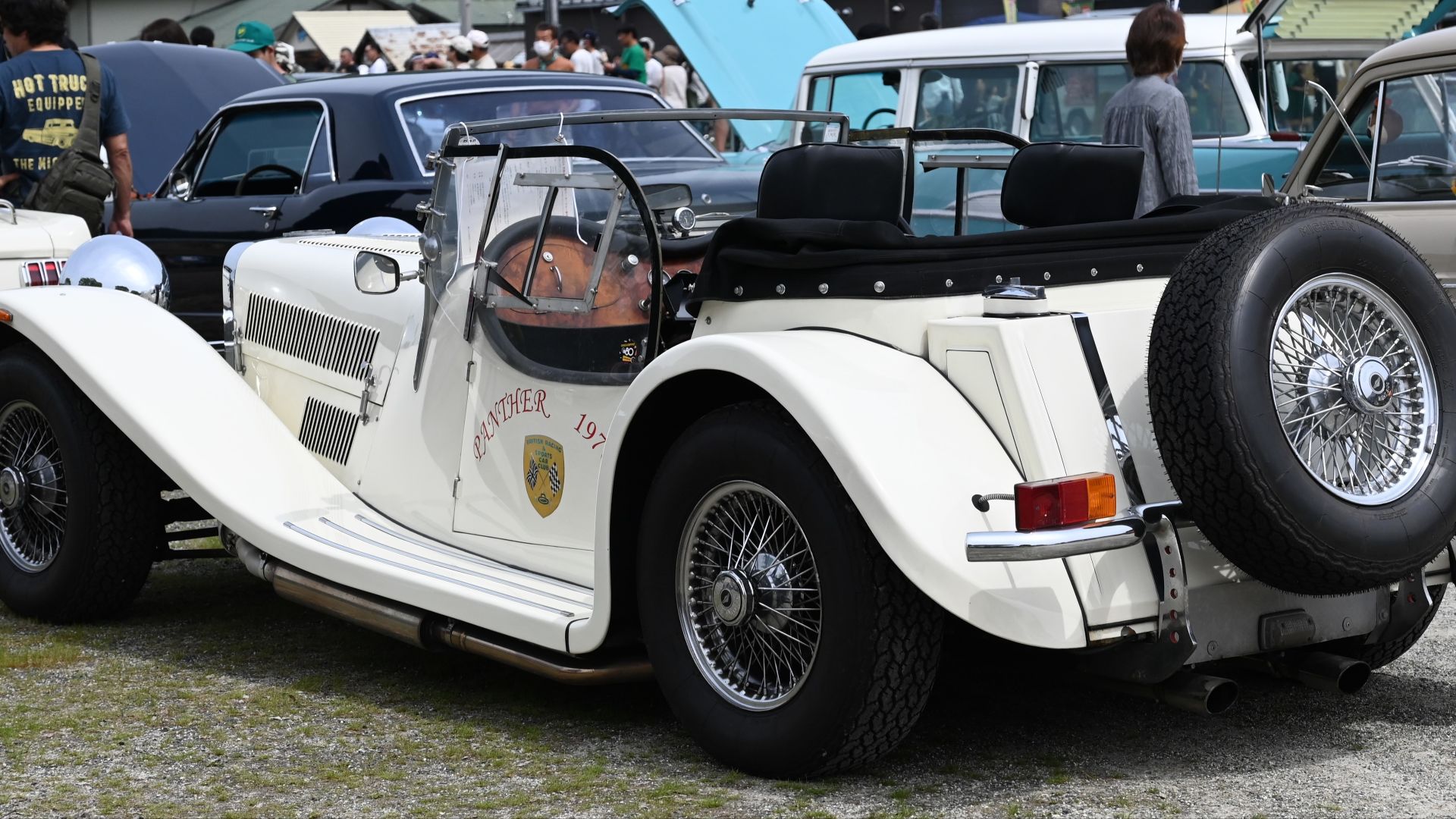
Panther’s styling was heavily inspired by luxury cars from the 1930s. Long hoods, flowing fenders, and exposed spare wheels became common design elements. At first glance, many Panthers looked like pre-war machines. But beneath those vintage shapes were modern mechanical parts and engines sourced from established manufacturers. It was a clever mix of old-world style and modern reliability.
The Panther J72 Arrives
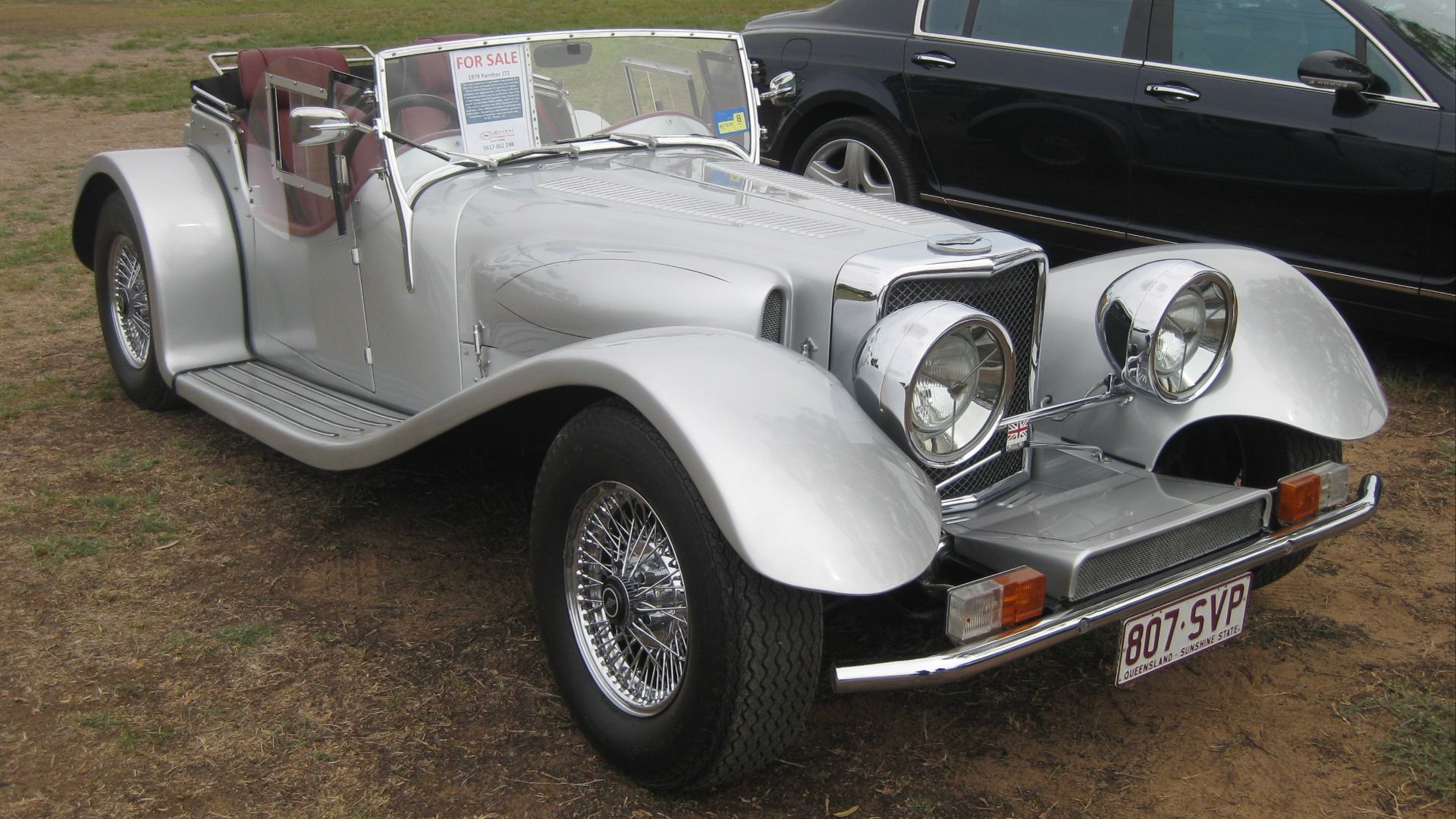
One of Panther’s earliest models was the J72, introduced shortly after the company launched. The car looked like a glamorous roadster from the 1930s, with sweeping curves and lots of chrome. But it wasn’t just about appearance. Under the hood, buyers could choose Jaguar engines, including the smooth inline-six or the powerful V12. The result was a car that combined vintage style with genuine performance.
Luxury Everywhere You Look
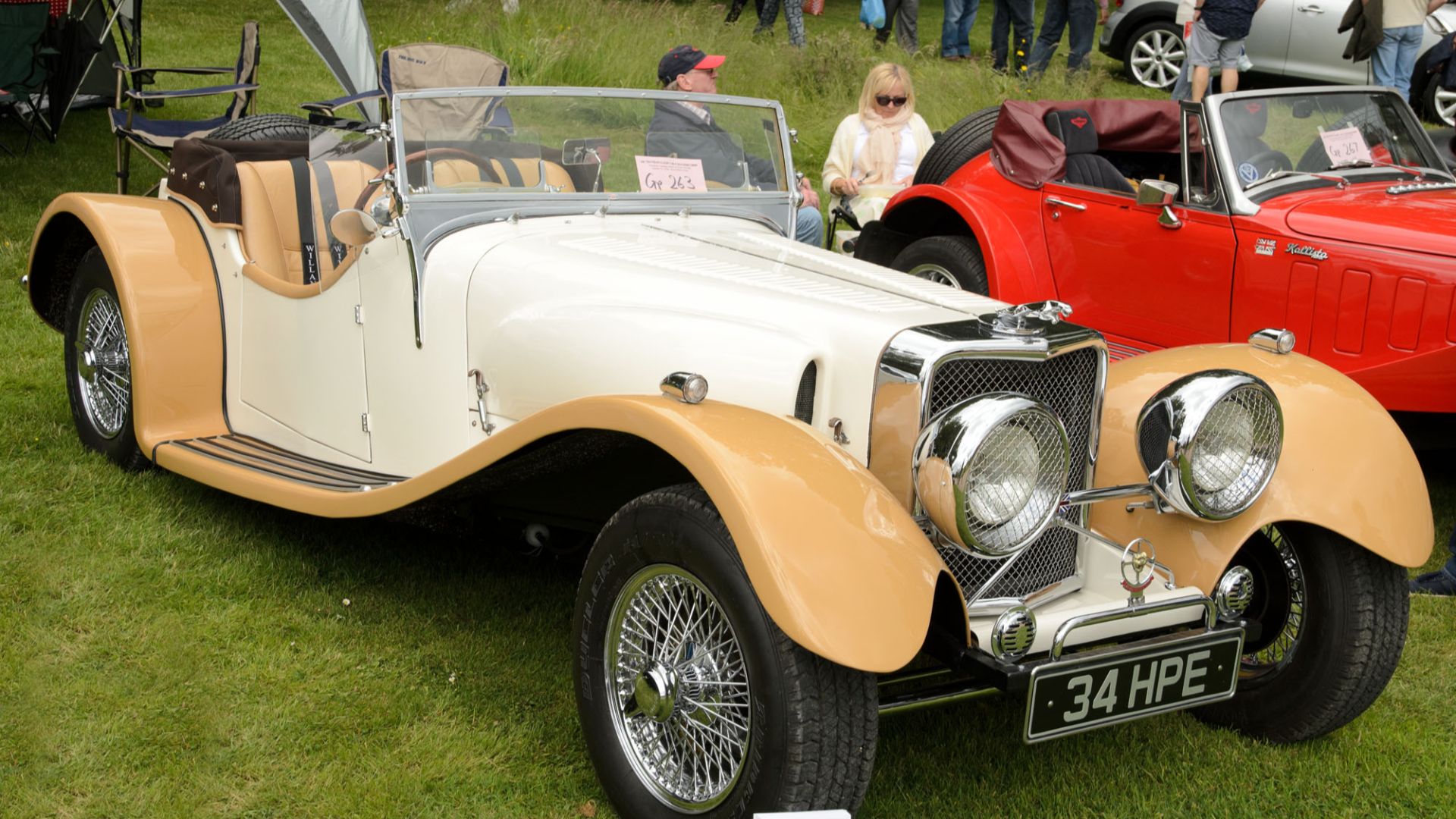
Inside a Panther, luxury was impossible to miss. The interiors featured soft leather seats, polished wood trim, and thick carpeting throughout the cabin. Even small details were carefully designed to feel special. Buyers could request custom colors, materials, and finishes. That meant each car leaving the Panther factory had its own personality, which made ownership feel even more exclusive.
Designed For A Very Exclusive Crowd
Panther cars were built for wealthy customers who wanted something different from the usual luxury car. Rolls-Royce and Mercedes offered prestige, but Panther offered drama. Owning one meant driving something few others had—and something that attracted plenty of attention wherever it went.
The Bold Panther De Ville
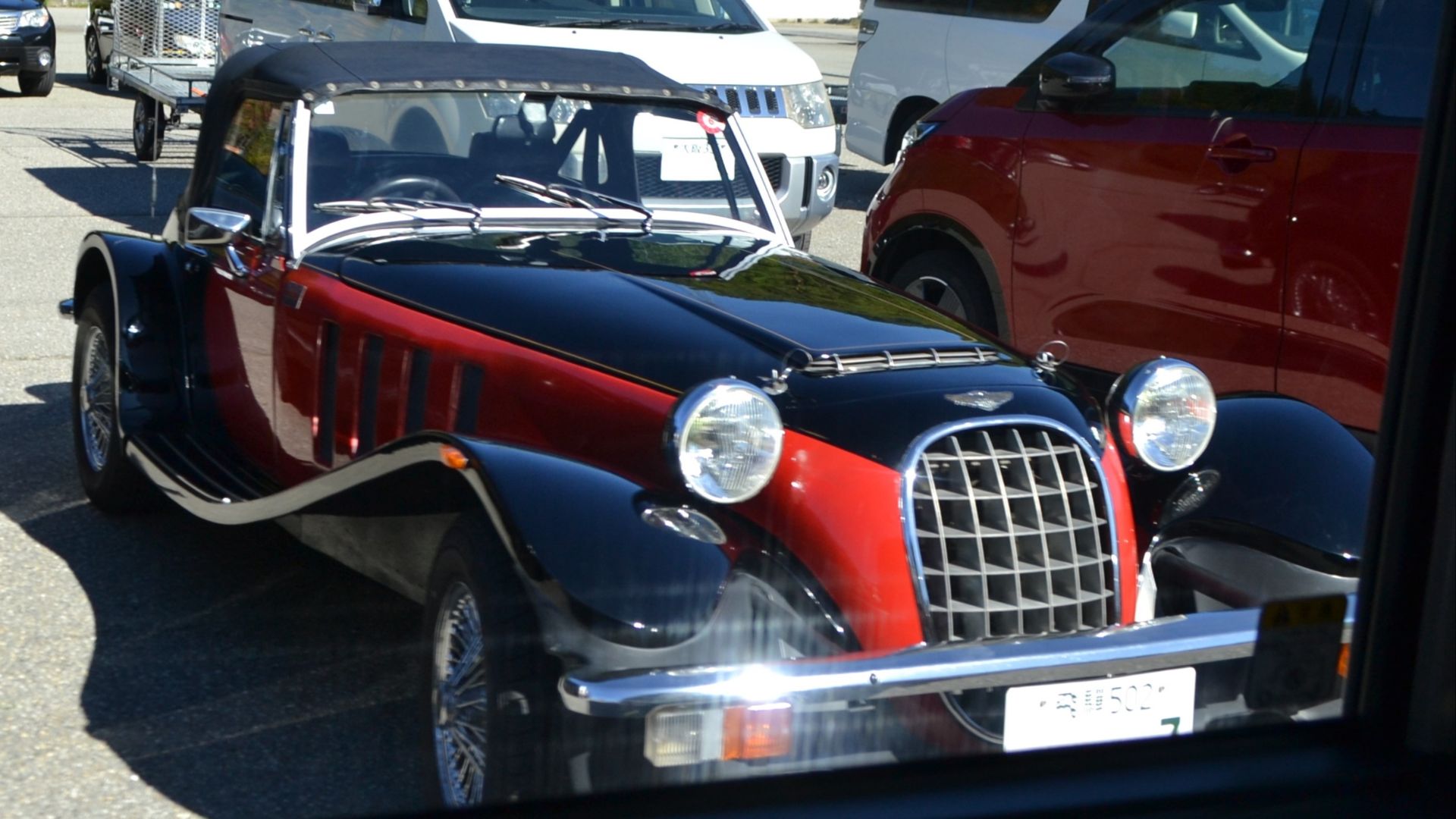
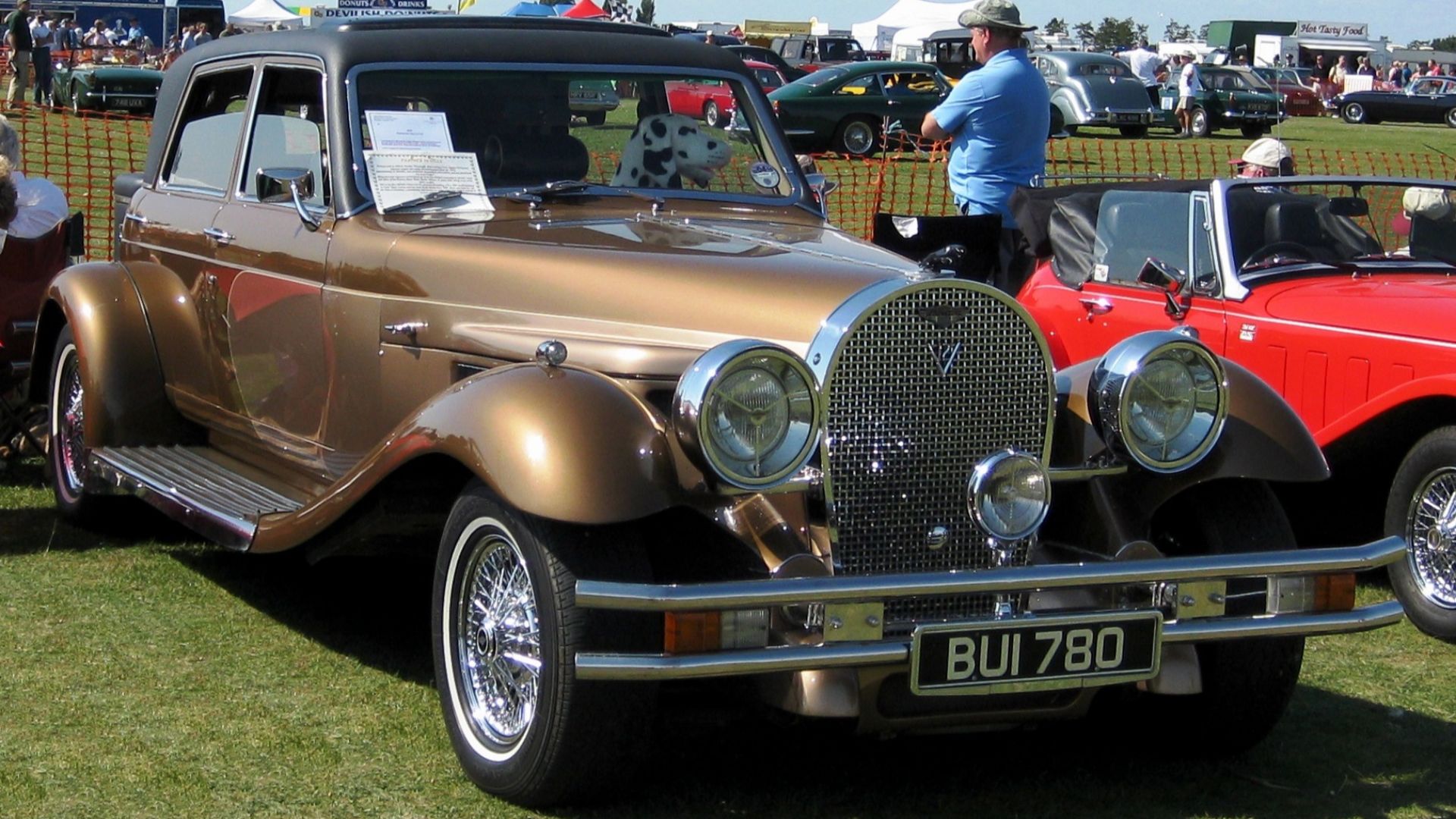
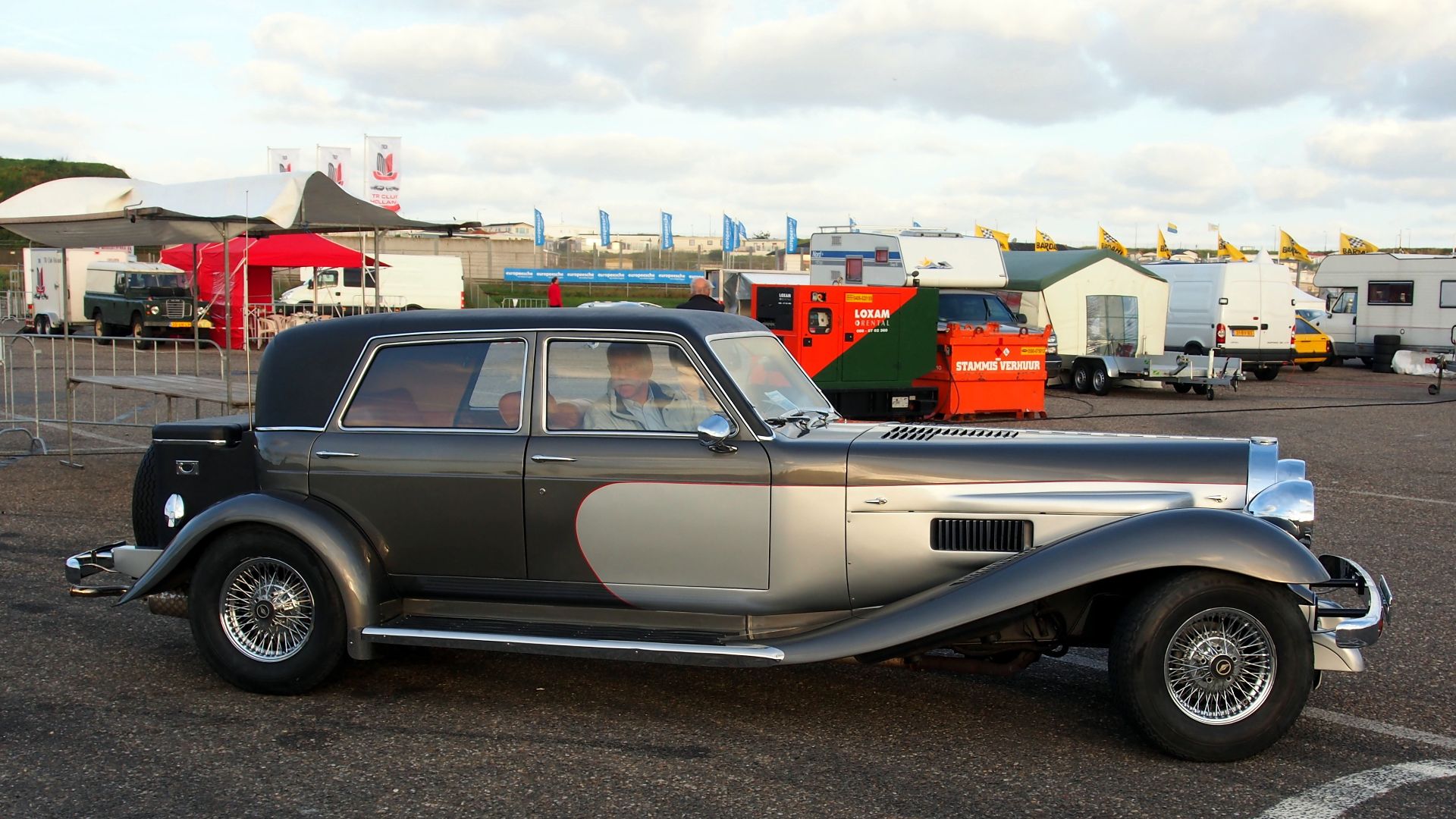
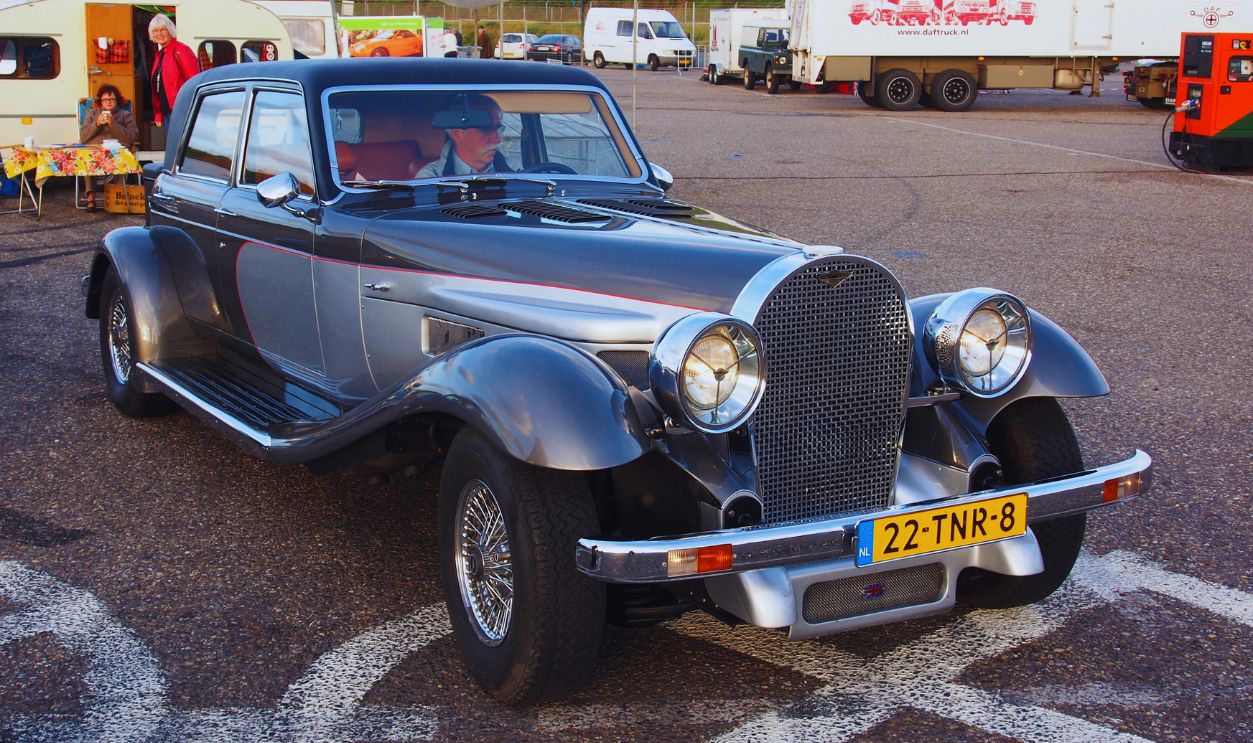
If the J72 was dramatic, the Panther De Ville was even more extravagant. Introduced in the mid-1970s, the De Ville looked like a luxury car from a classic movie. It featured a tall chrome grille, massive fenders, and a long, commanding body. Under the vintage styling sat a Jaguar V12 engine that delivered smooth and powerful performance.
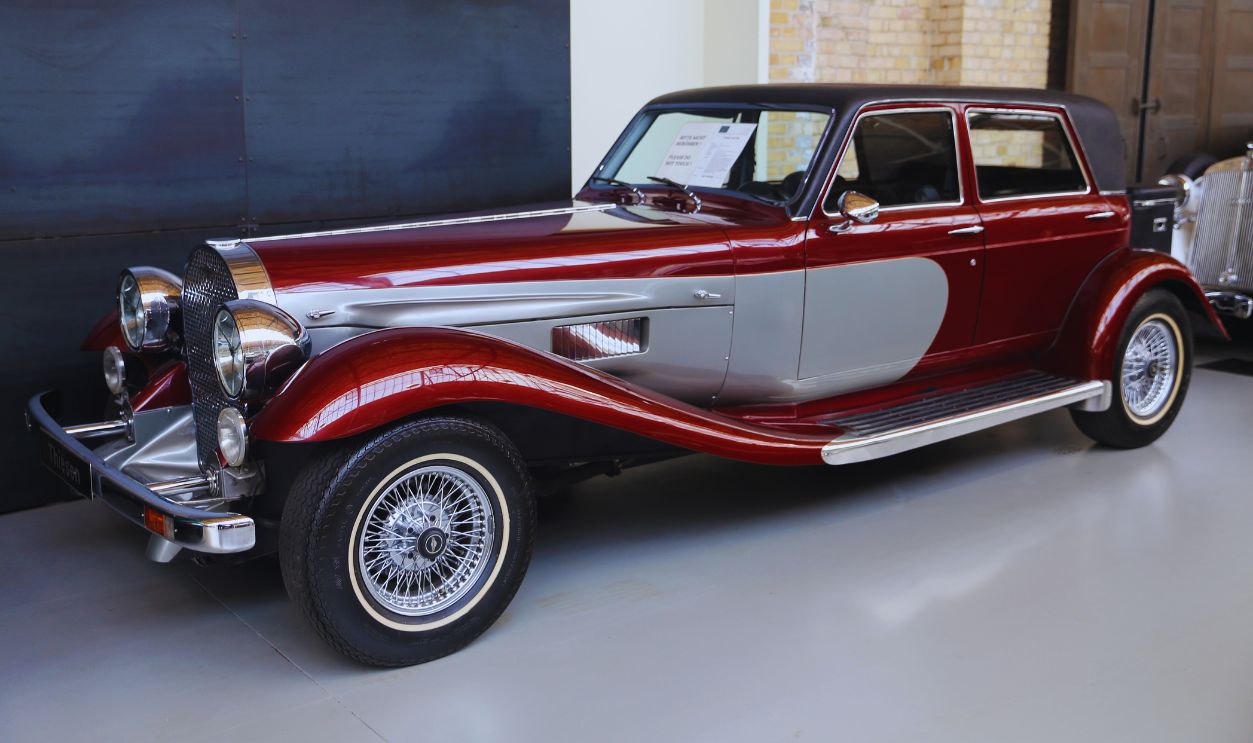 Mr.choppers, Wikimedia Commons
Built With No Expense Spared
The De Ville was designed to be Panther’s ultimate luxury car. The interior used rich leather upholstery, elaborate wood panels, and carefully crafted details. Some buyers even ordered special touches such as gold-plated trim or personalized interior layouts. Panther was willing to go to great lengths to satisfy its customers.
Celebrity Attention
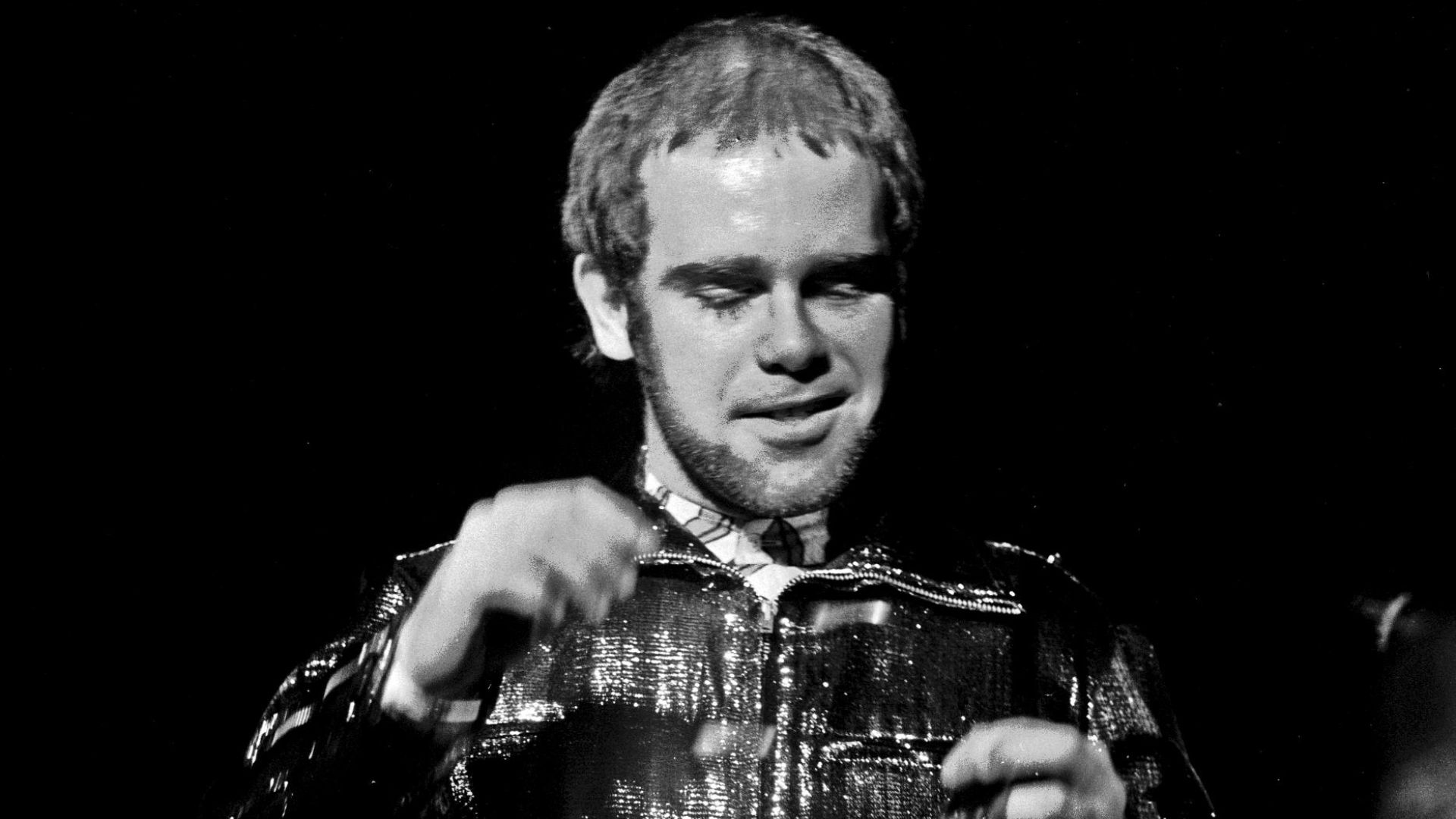
Cars as dramatic as the De Ville naturally caught the attention of celebrities. One of the most famous owners was singer Elton John, who bought a white example in the 1970s. The car matched his flamboyant personality perfectly and helped bring even more attention to the Panther brand.
 Heinrich Klaffs, Wikimedia Commons
Extremely Limited Production
While Panther cars looked impressive, building them was a slow process. Because each vehicle was largely hand-built, production numbers stayed extremely small. Sometimes only a few dozen cars were produced in a year. That rarity made Panthers desirable, but it also made running the company financially challenging.
 Alf van Beem, Wikimedia Commons
Big Dreams For A Small Company
As Panther gained attention, Robert Jankel began thinking about expanding the company’s lineup. He didn’t want Panther to remain a tiny boutique manufacturer forever. Instead, he began exploring new projects that might help the company reach a broader market.
The Unusual Panther Rio
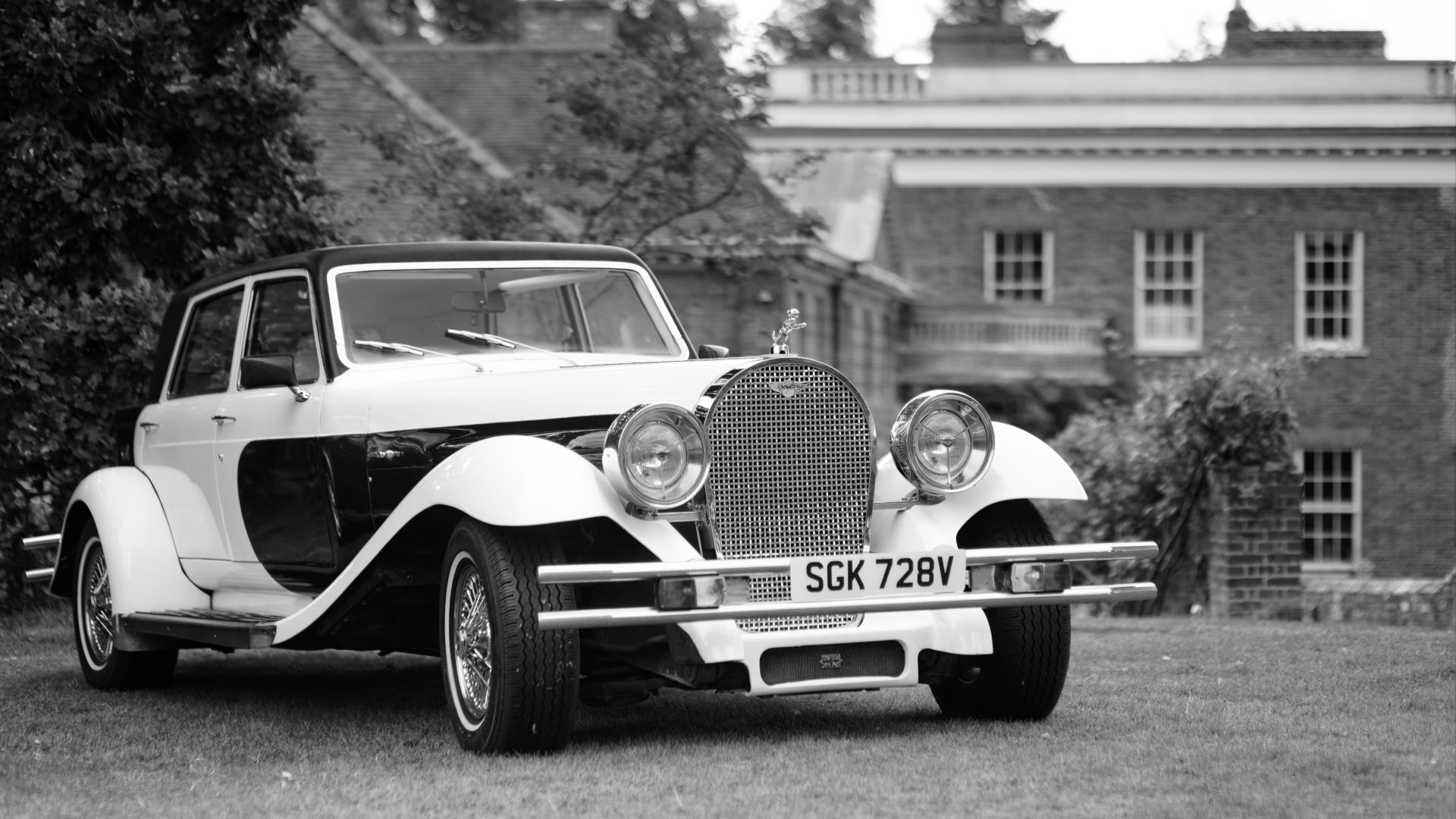
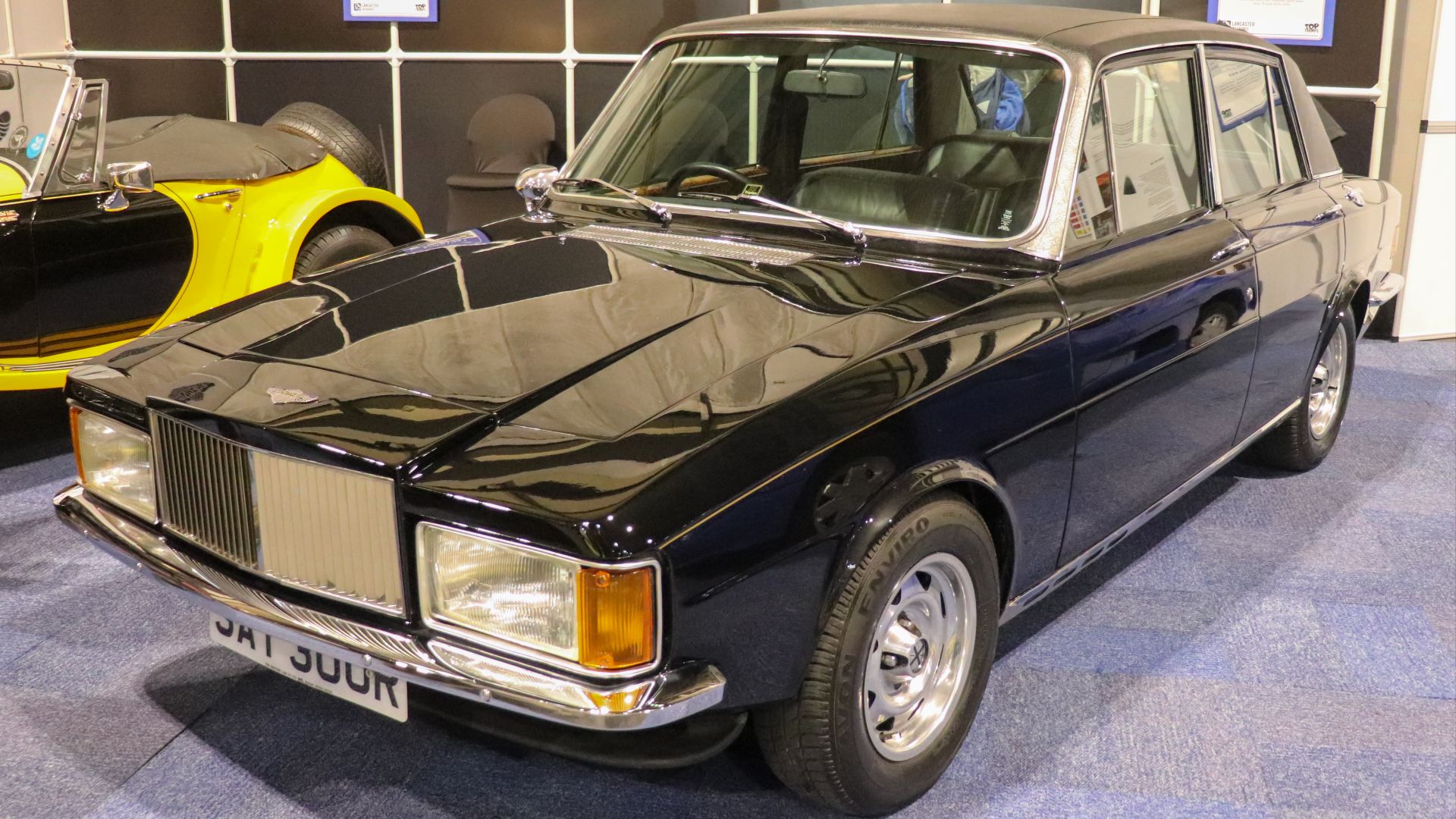
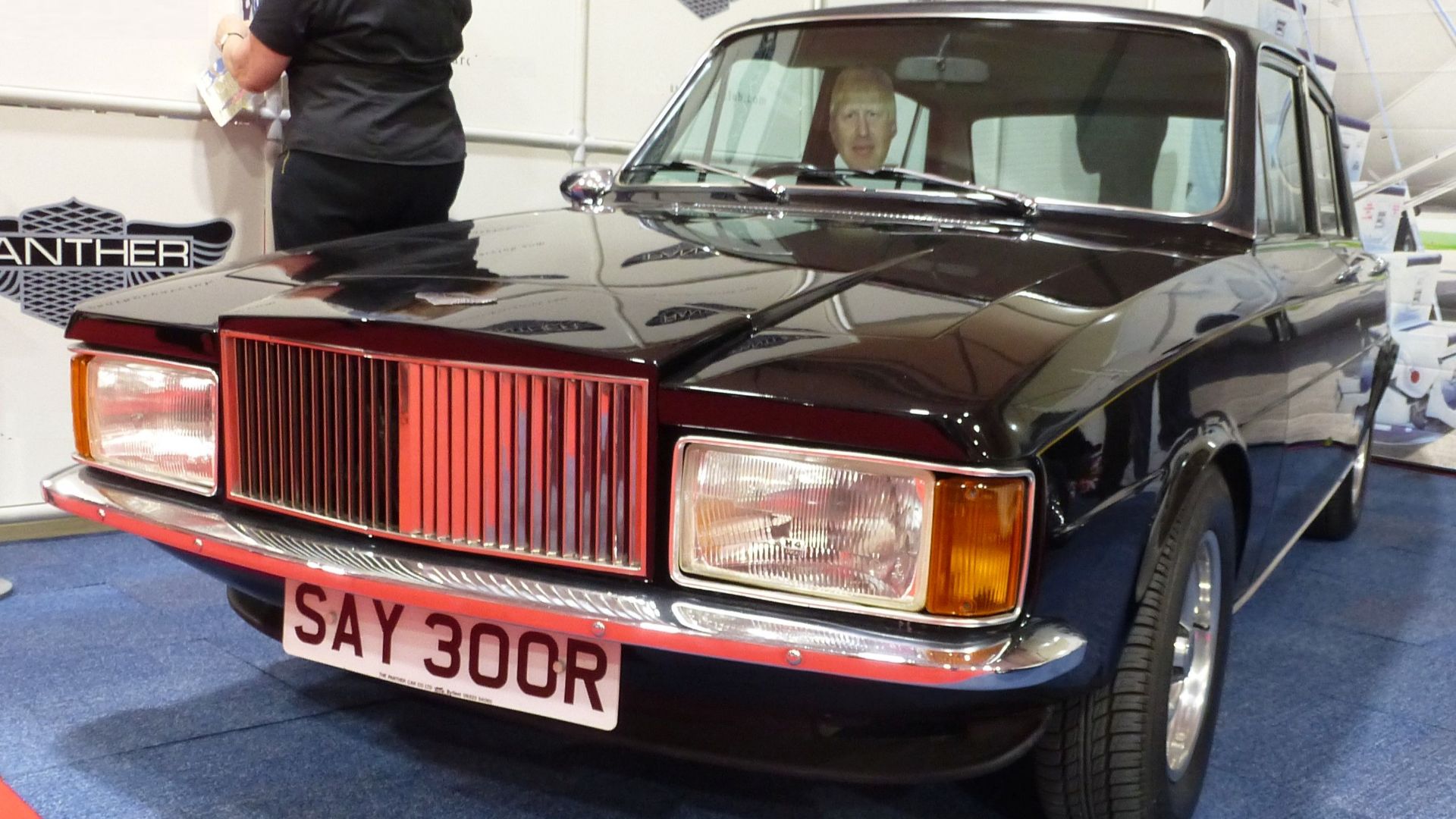
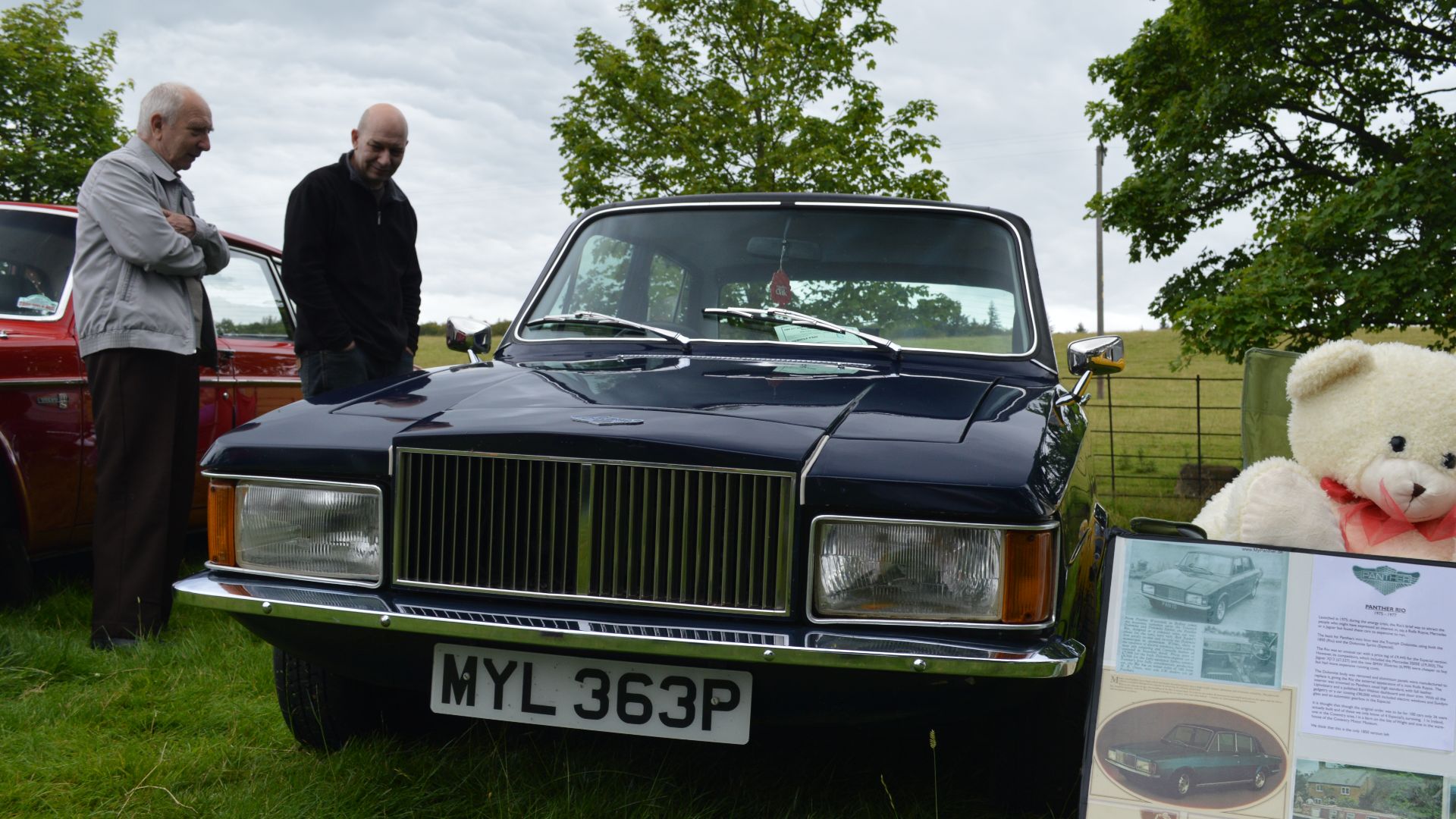
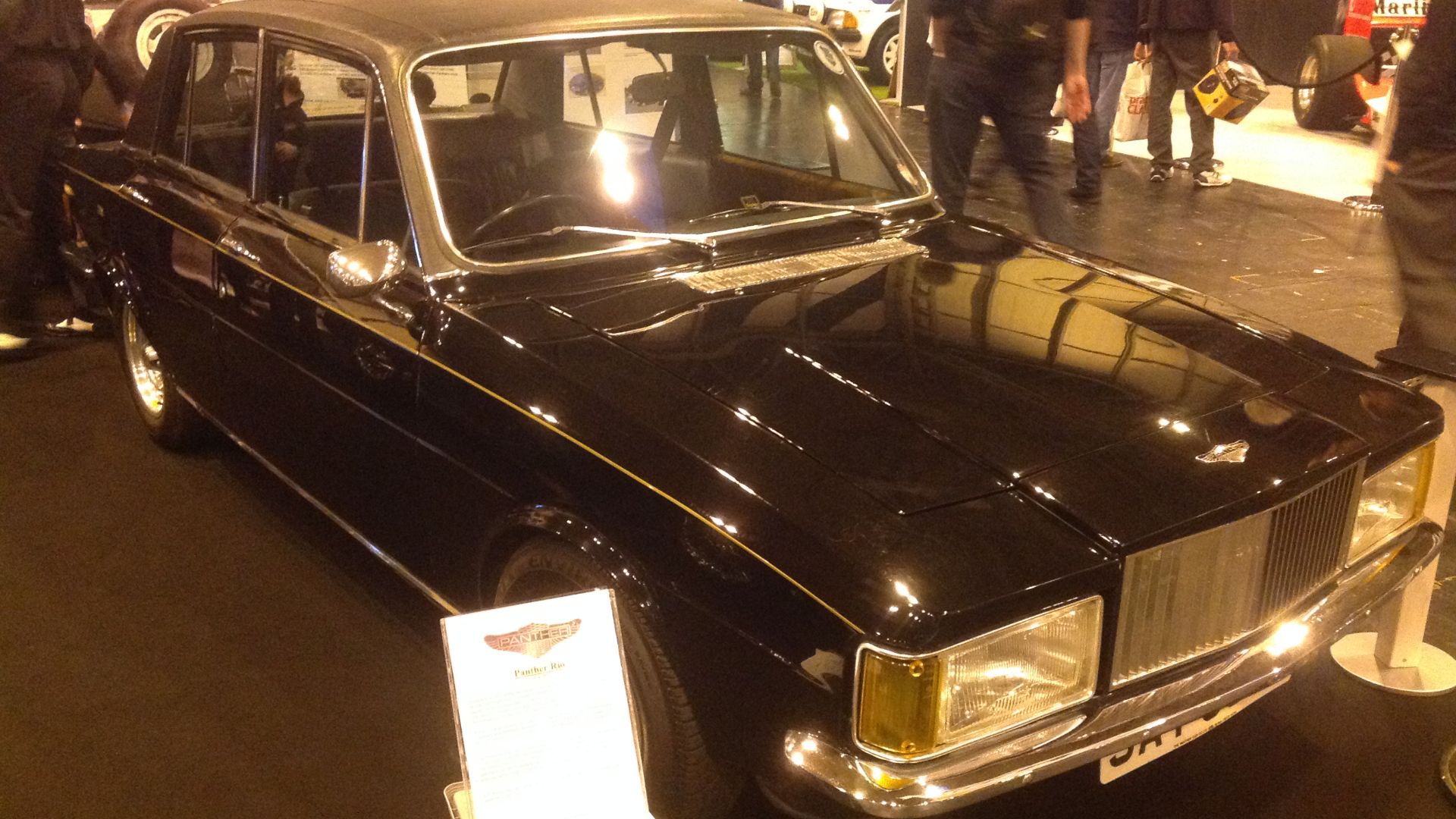
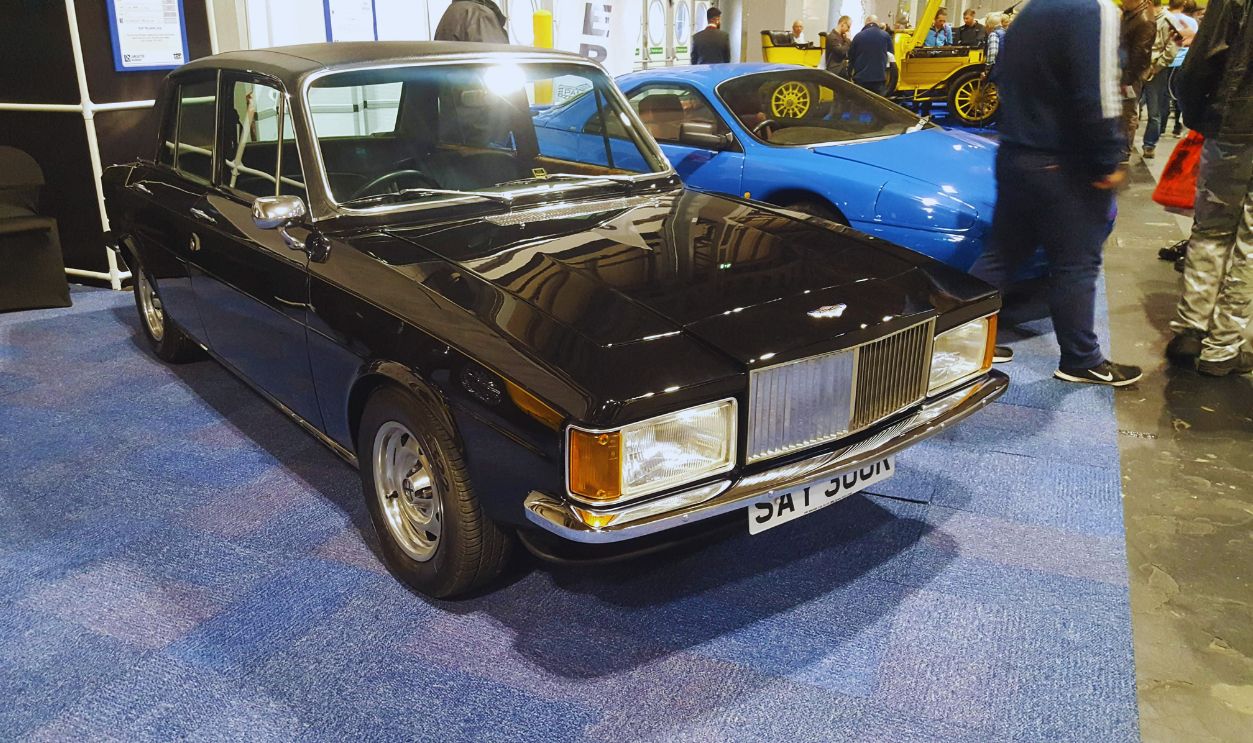
One of Panther’s more unusual ideas became the Panther Rio. Introduced in 1975 during the global fuel crisis, the Rio was meant to be a smaller luxury car with better fuel economy. Rather than design a new car entirely, Panther used the Triumph Dolomite as its starting point.
Turning A Compact Car Into A Luxury Machine
Panther redesigned parts of the Dolomite’s exterior and gave it a much more luxurious interior. Leather upholstery, refined trim, and subtle styling tweaks were meant to make the Rio feel like a compact luxury sedan. On paper, it seemed like a clever idea.
The Problem With The Rio
In reality, buyers quickly realized the Rio was still basically a Triumph Dolomite underneath. That made its extremely high price difficult to justify. Many potential buyers simply weren’t interested in paying luxury-car money for a modified compact car.
 Draco2008 from UK, Wikimedia Commons
A Costly Mistake
The Rio quickly proved to be a commercial failure. Only a small number were sold, and the project cost Panther valuable resources. For a small company already operating on tight finances, it became a serious setback.
The Wild Panther Six
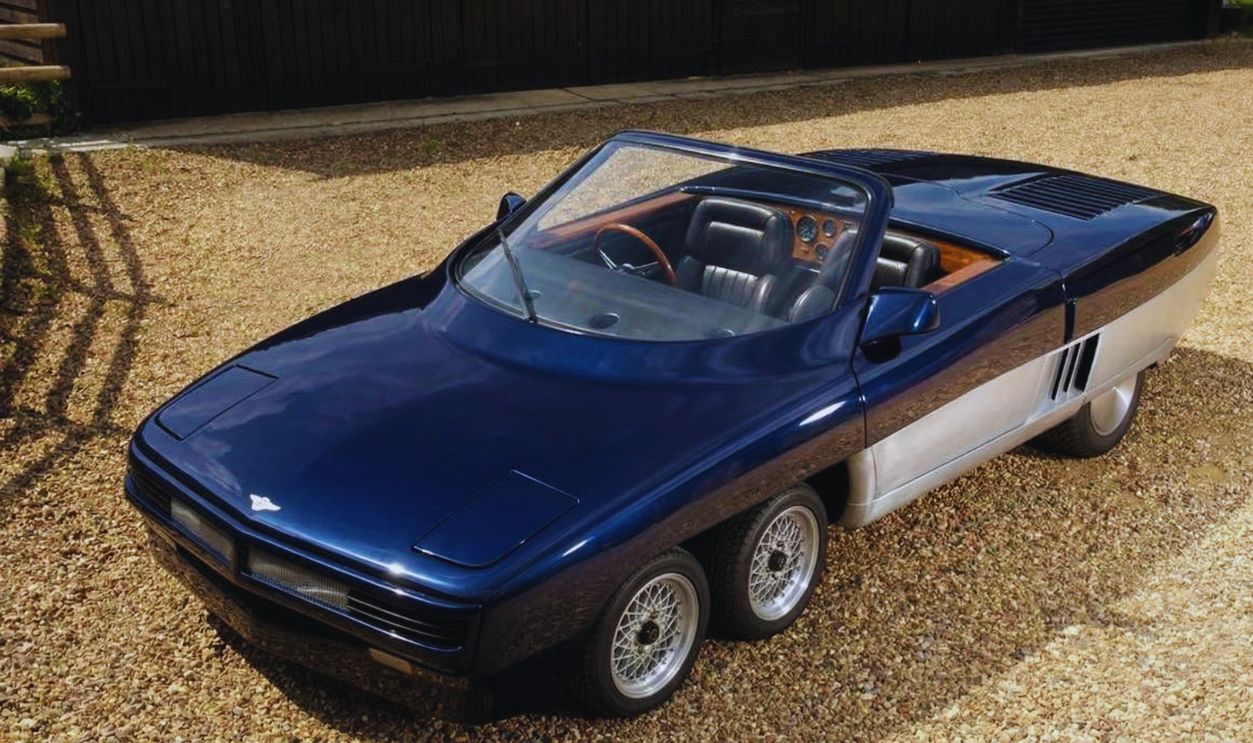
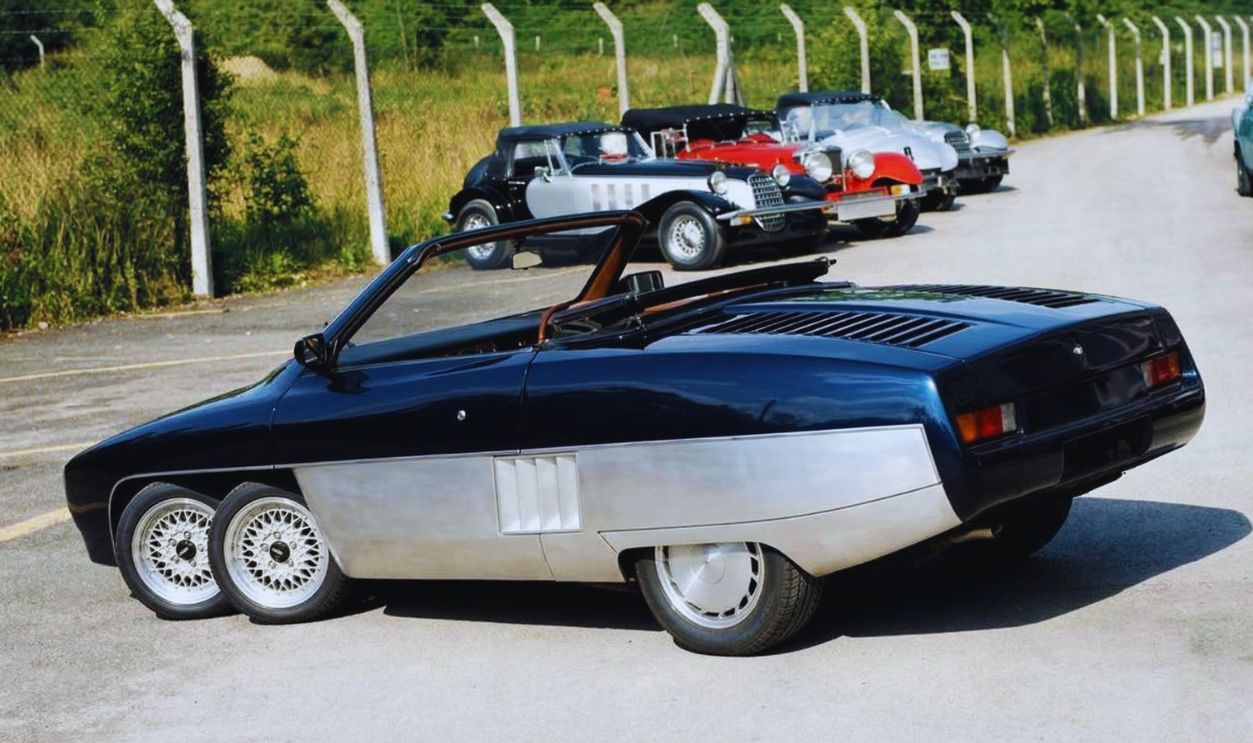
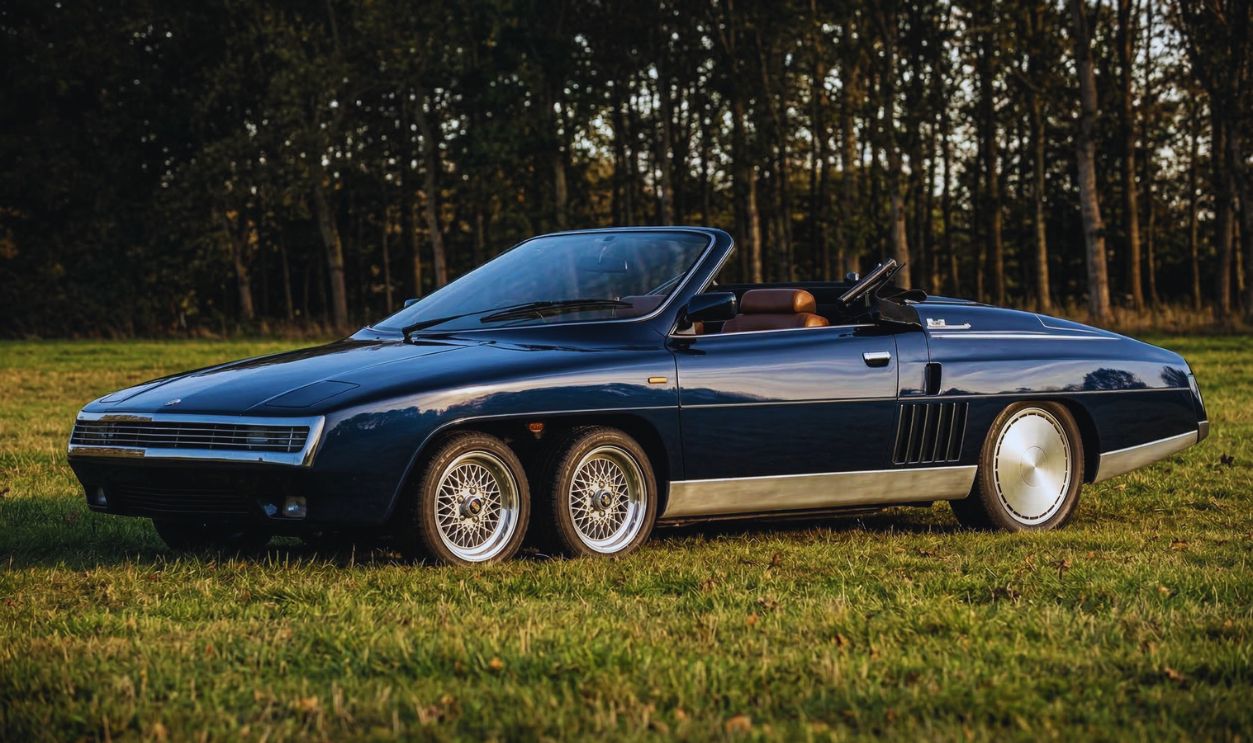
While the Rio aimed for practicality, Panther’s next concept was the complete opposite. In 1977, the company unveiled the Panther Six—a futuristic supercar with six wheels. Four smaller wheels sat at the front, while two larger wheels powered the rear.
Supercar-Level Power
The Panther Six wasn’t just unusual—it was incredibly powerful. It used a Cadillac V8 engine fitted with twin turbochargers that reportedly produced around 600 horsepower. Panther even claimed the car could exceed 200 mph, an astonishing figure for the time.
Packed With Advanced Technology
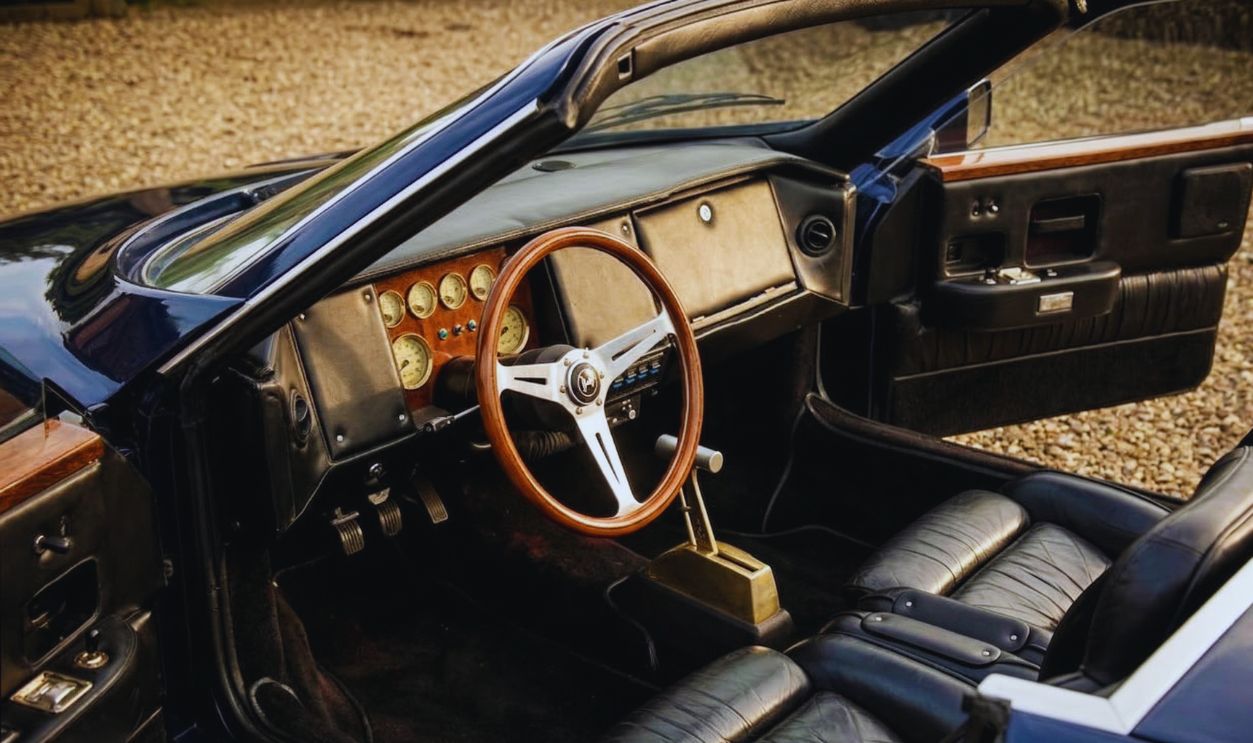
The Six also included technology that seemed far ahead of its era. It featured digital dashboard displays and even a rear-view camera system. Those ideas wouldn’t become common in production cars until many years later.
A Dream That Was Too Expensive
As impressive as the Panther Six looked, it never became a production car. Developing such a complex vehicle required enormous investment. Panther simply didn’t have the resources to bring it to market.
Financial Pressure Mounts
By the late 1970s, Panther Westwinds was struggling financially. Building luxury cars by hand in tiny numbers wasn’t generating enough income. Expensive projects like the Rio and the Six had also drained valuable funds.
 Kieran White from Manchester, England, Wikimedia Commons
A New Owner Steps In
In 1980, Panther Westwinds was sold to a South Korean company called Youngnam Trading. The new owners hoped fresh investment could stabilize the company and help it expand production.
Introducing The Panther Lima
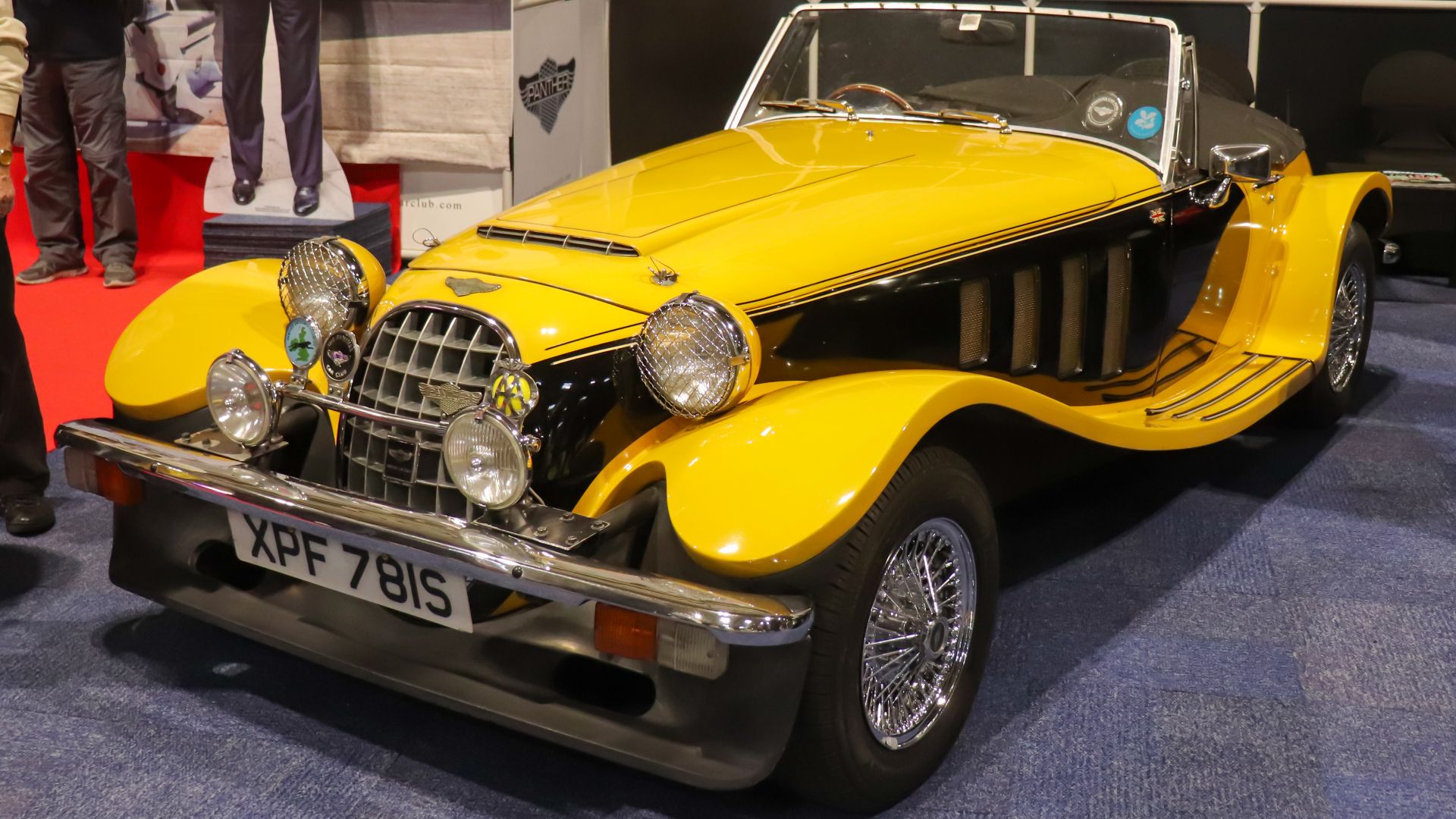
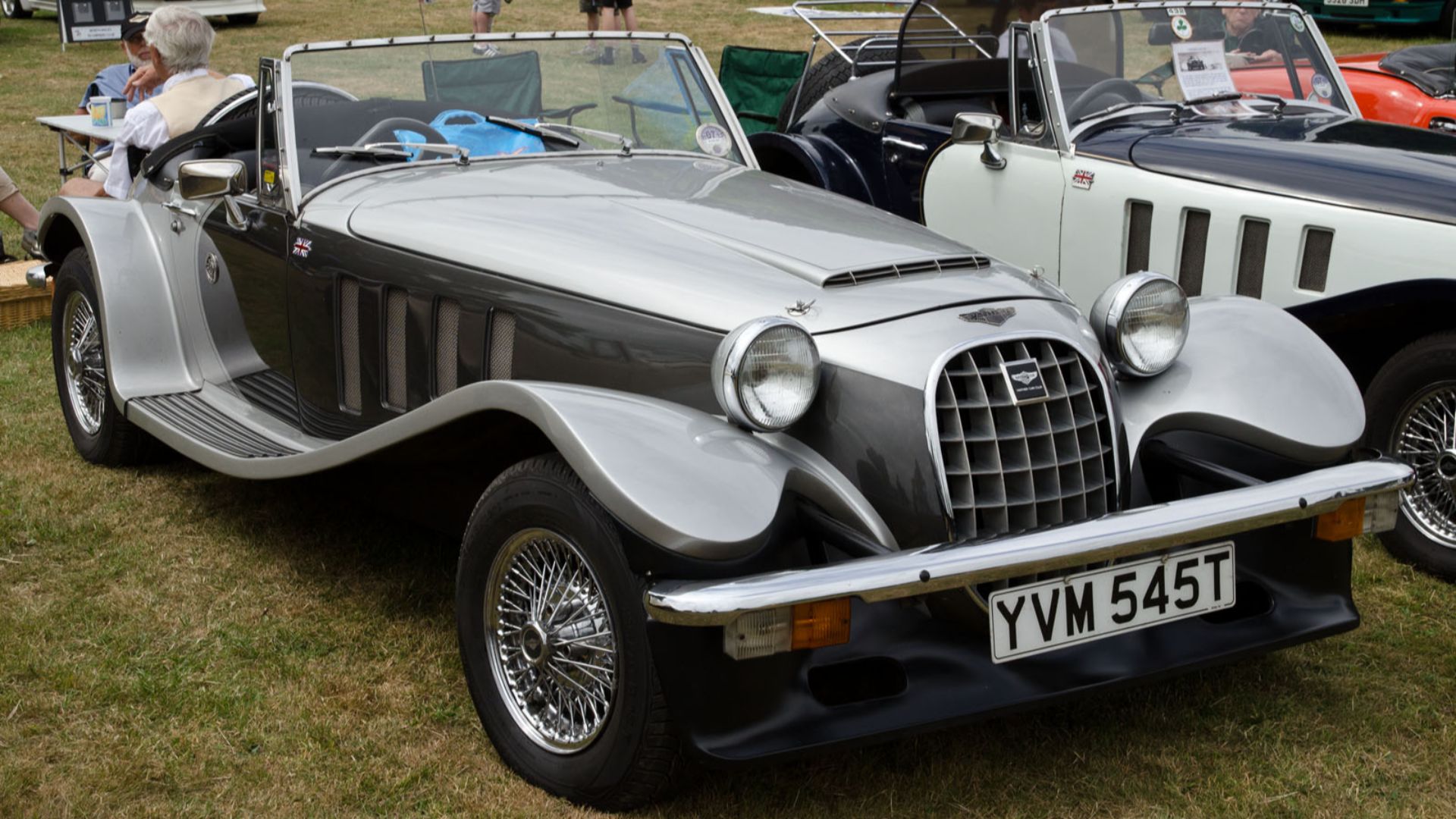
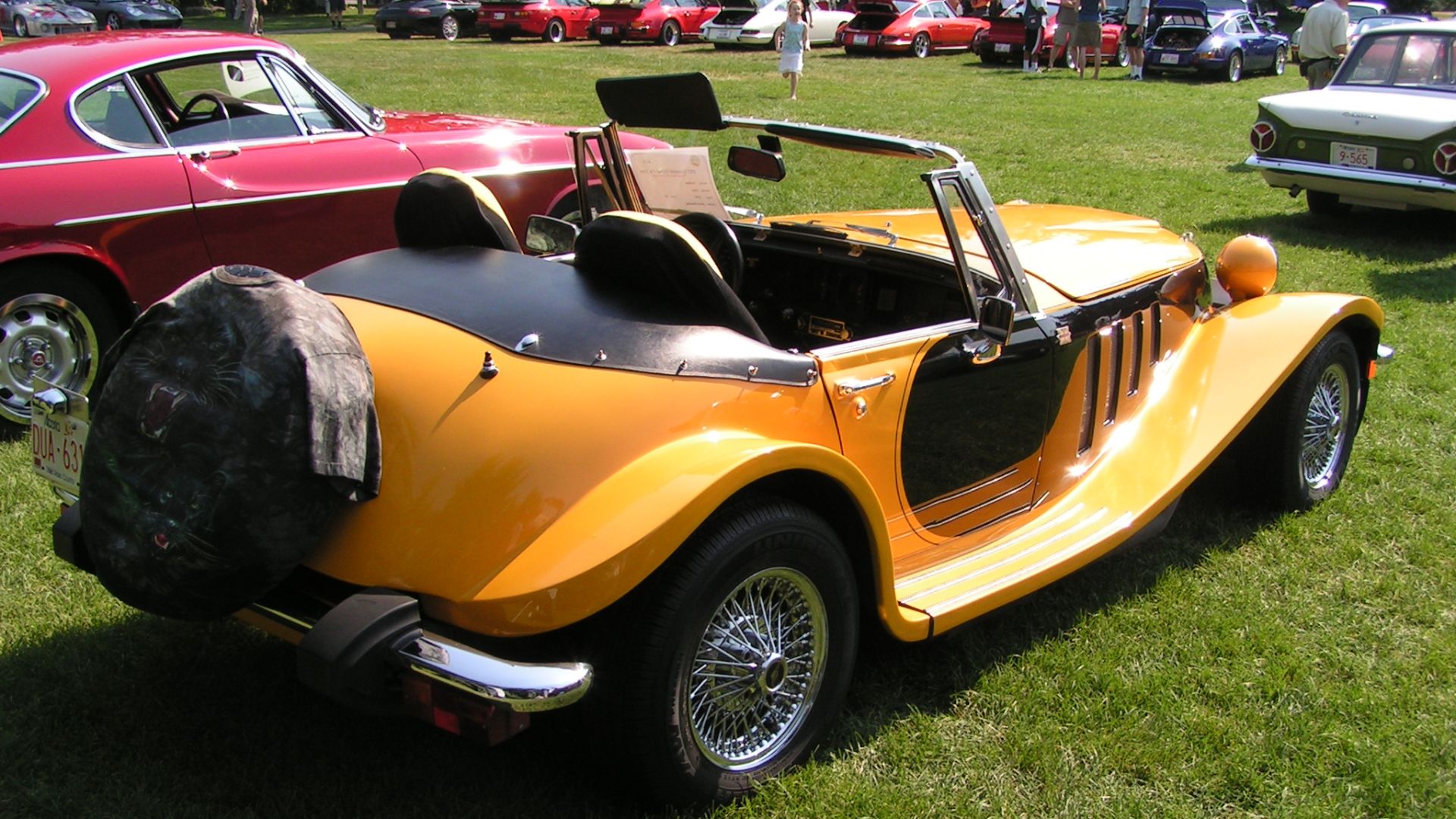
Under new ownership, Panther introduced the Lima. This small roadster kept the brand’s retro styling but was simpler and cheaper to build. It used Ford mechanical parts, which made production easier.
A More Sensible Panther
Compared with earlier Panther models, the Lima was far more practical. It still carried classic styling, but it was designed to be easier to produce and maintain. Even so, sales remained relatively small.
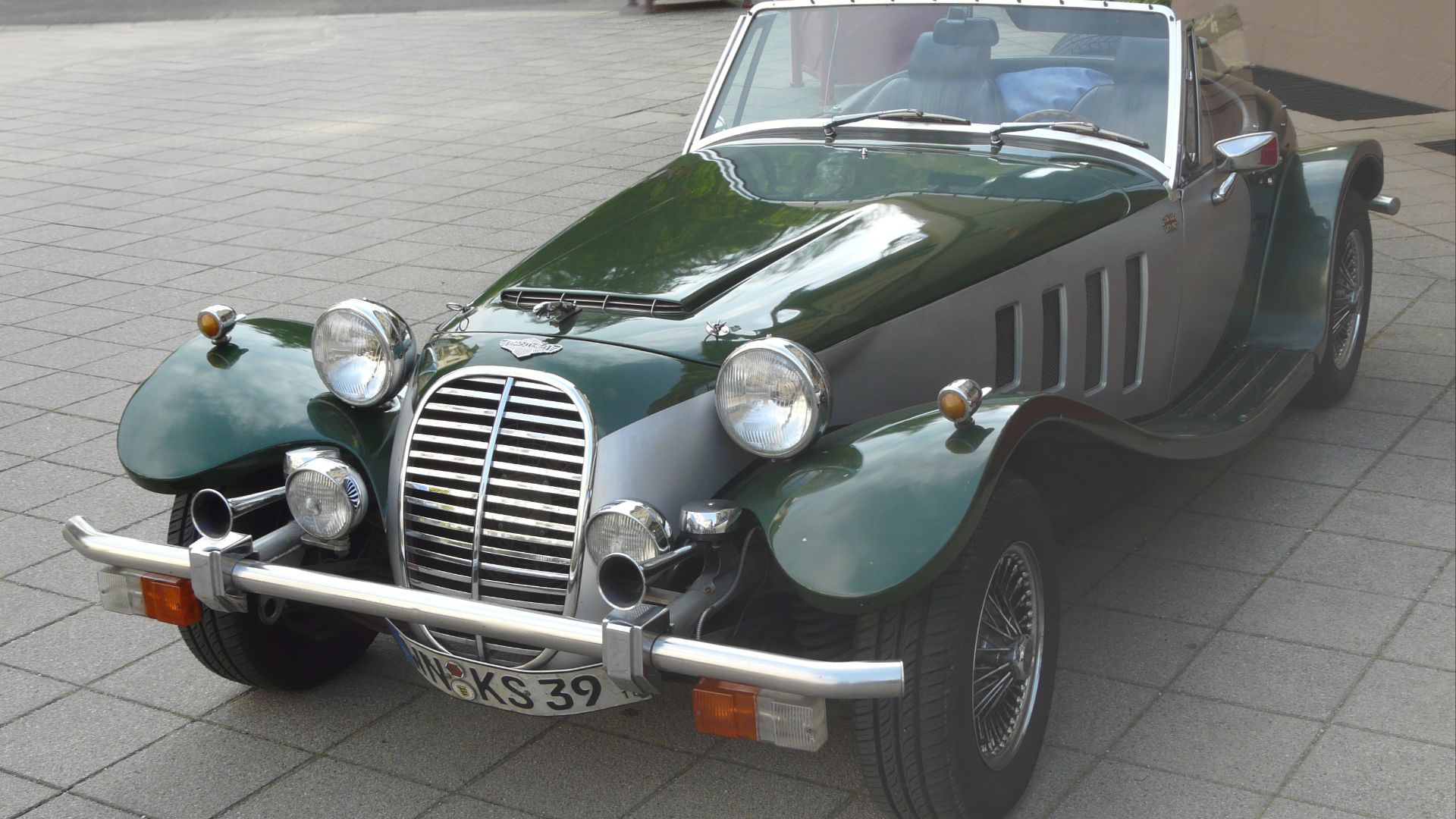 Photograph: Frank C. Müller, Baden-Baden, Wikimedia Commons
The End Of The Road
Despite attempts to revive the brand, Panther Westwinds never fully recovered. Production slowed significantly during the early 1980s, and the company eventually faded away as an independent automaker.
Robert Jankel Moves On
Robert Jankel later returned to the automotive world with a new venture focused on custom vehicles. His company produced luxury limousines, specialty vehicles, and cars designed for film productions.
 dave_7 from Lethbridge, Canada, Wikimedia Commons
Why Panther Still Fascinates Enthusiasts
Although Panther existed only briefly, the company produced some truly memorable cars. Its creations ranged from retro luxury machines to futuristic six-wheeled supercars. Few small manufacturers dared to experiment so boldly.
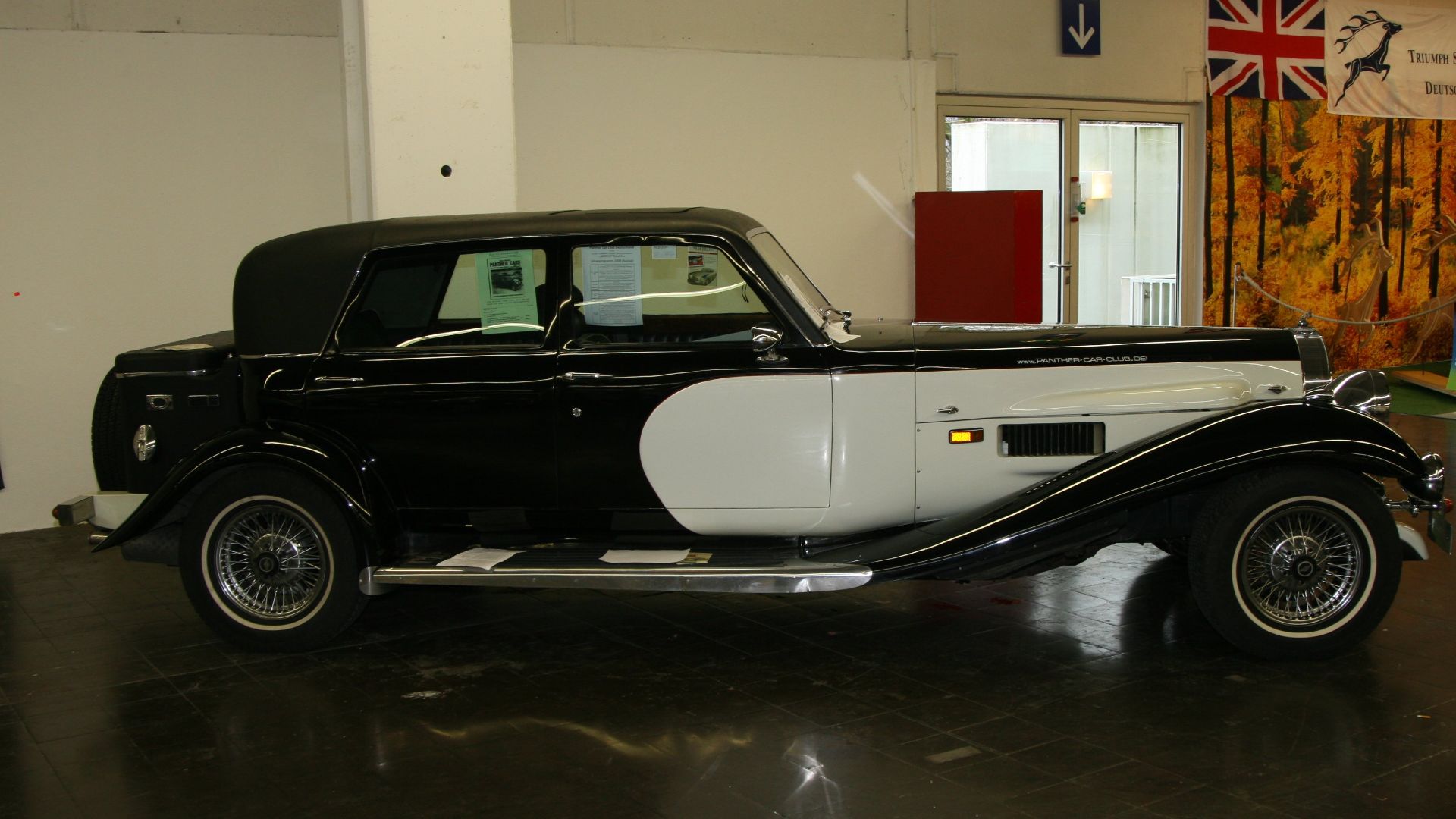 Thomas Vogt from Paderborn, Deutschland, Wikimedia Commons
A Wild Chapter In British Automotive History
The story of Panther Westwinds shows what can happen when ambition meets creativity. Robert Jankel’s company didn’t last long, but it produced some of the most unusual luxury cars ever built in Britain—and that alone keeps its story alive.
 Alf van Beem, Wikimedia Commons
You May Also Like:
The Fiat 131 Abarth Was The Rally Legend No One Saw Coming



.jpg%20)
