The Cars Critics Warn You About
Automotive experts keep yelling “don’t buy this,” but the sales numbers say people aren’t listening. These cars keep thriving no matter how loud the criticism gets. Whatever the reason, these models prove critics don’t always shape real—world buying habits.
Dodge Journey
Experts roasted the Journey for years—outdated platform, sluggish engines, and old tech. But it sold shockingly well because it was cheap, spacious, and always heavily discounted. Families didn’t care about reviews; they cared about getting a three-row SUV for the price of a compact.
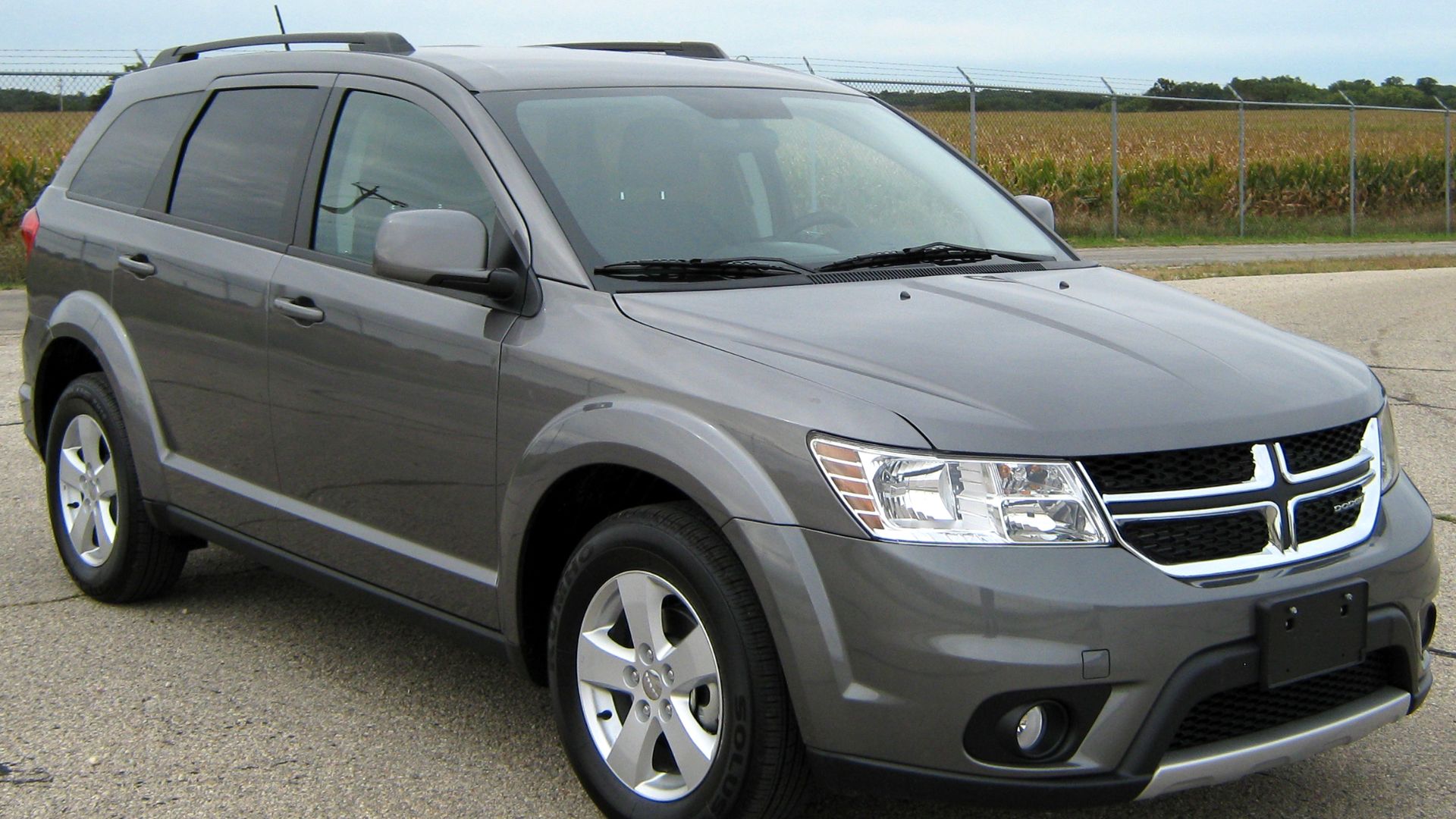 U.S. National Highway Traffic Safety Administration, Wikimedia Commons
Jeep Wrangler
Critics complain about the Wrangler’s stiff ride, loud cabin, and terrible fuel economy. Drivers? They love the open—air feel, off—road capability, and head—turning style. It’s pure personality on wheels. For fans, comfort is optional—but adventure is mandatory.
 Dinkun Chen, Wikimedia Commons
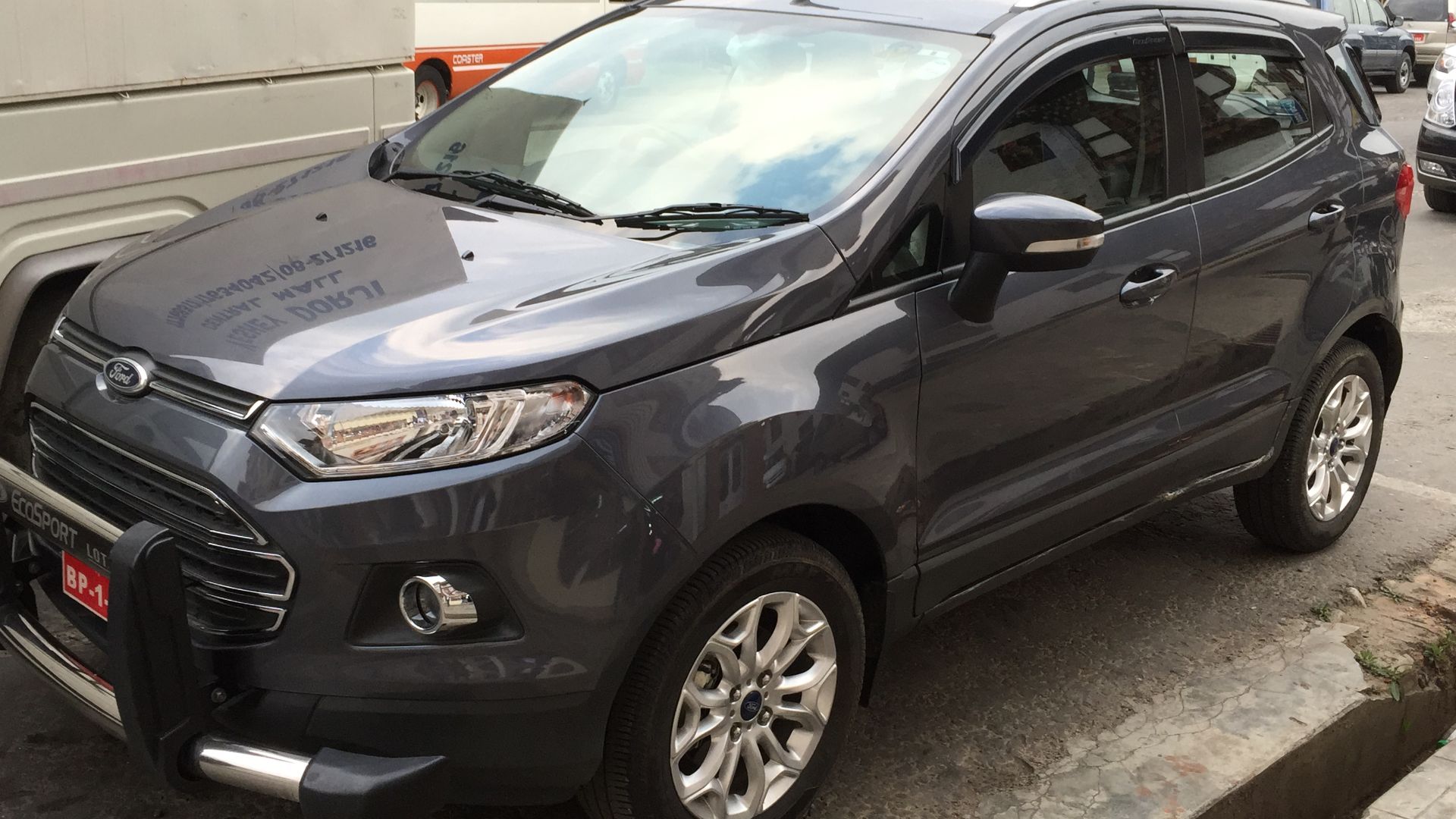
Ford EcoSport
Reviewers knocked its weak engine, cramped interior, and odd sideways—opening rear door. But buyers appreciated its high seating position, tiny footprint, and affordable entry point into the SUV world. It sold well simply by being available exactly when the market wanted “small and tall.”
Mitsubishi Outlander Sport
Experts call it one of the most outdated SUVs still on sale: dull handling, noisy engine, basic tech. Yet its low price, long warranty, and simple, no—frills personality keep it selling. For budget shoppers, predictable beats polished.
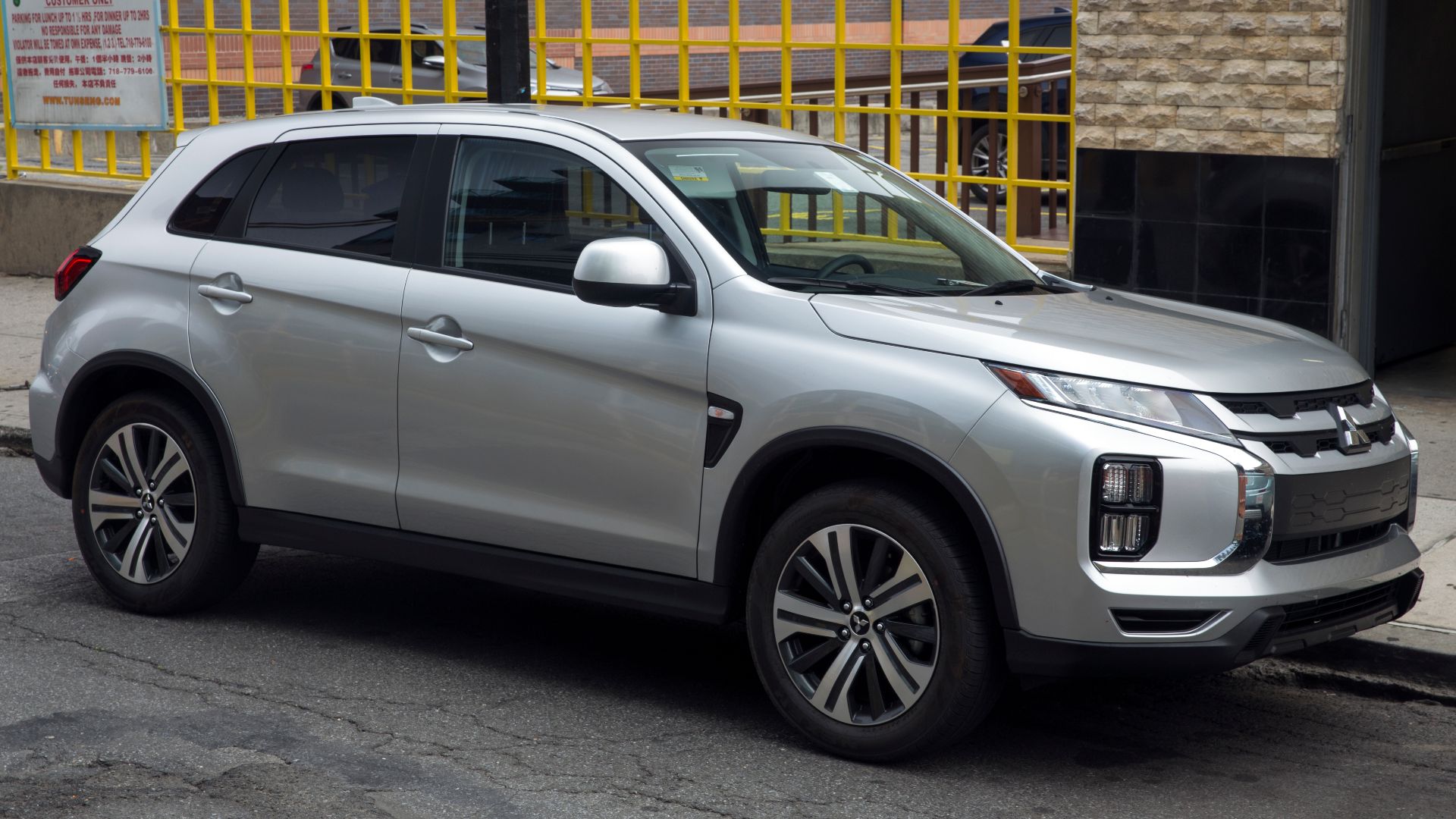 Mr.choppers, Wikimedia Commons
Jeep Compass
Journalists criticize the Compass for inconsistent quality, underpowered engines, and middling value. Still, drivers love its size, styling, and the appeal of owning a “real Jeep” without Wrangler prices. Image wins—even when reviews don’t.
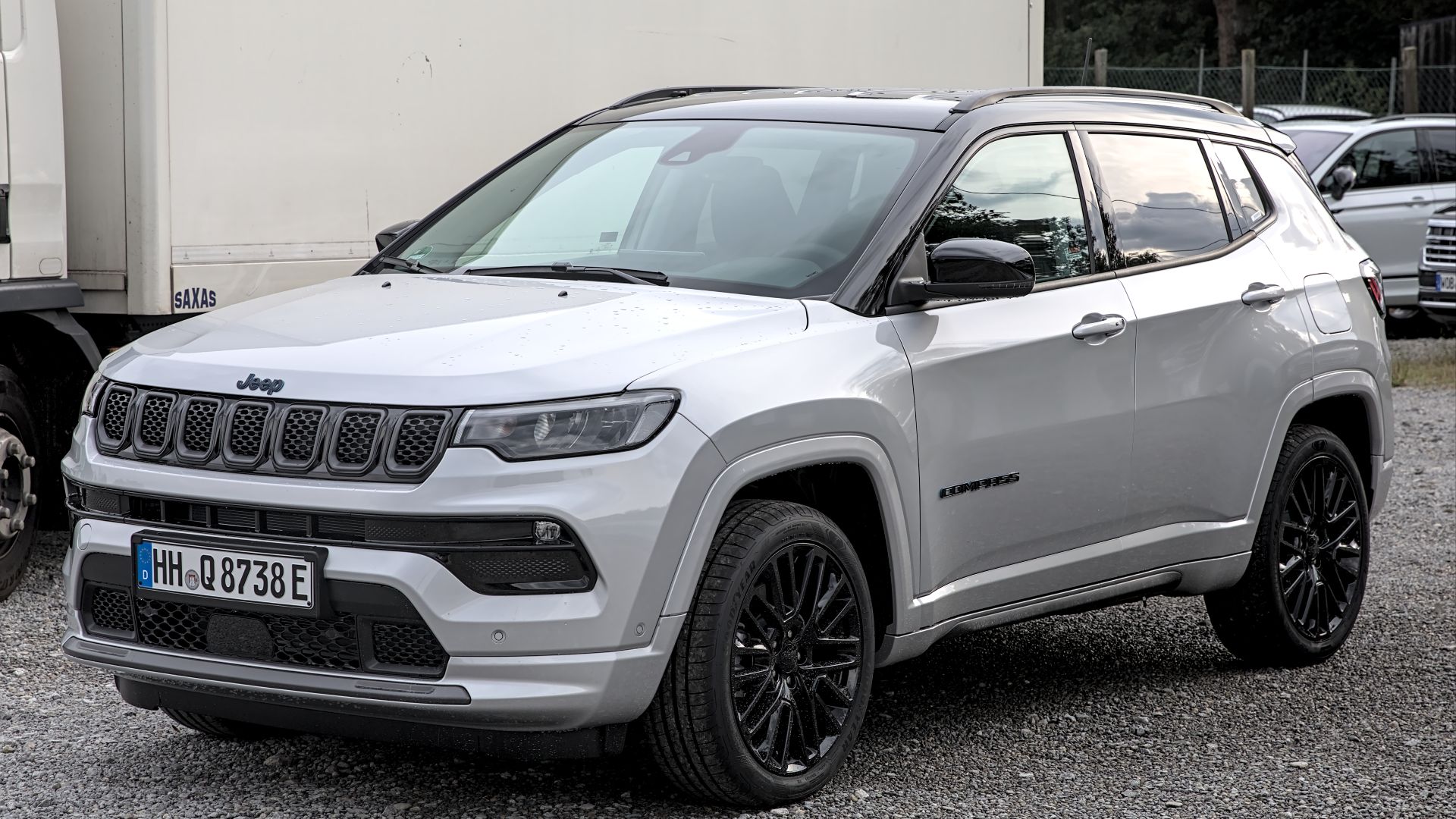 Alexander Migl, Wikimedia Commons
Buick Encore
Critics slam the Encore for lackluster power and aging design. But owners adore its quiet cabin, upright seating, and city—friendly size. It delivers a mini—luxury vibe at a price that feels approachable, making it a repeat winner with everyday buyers.
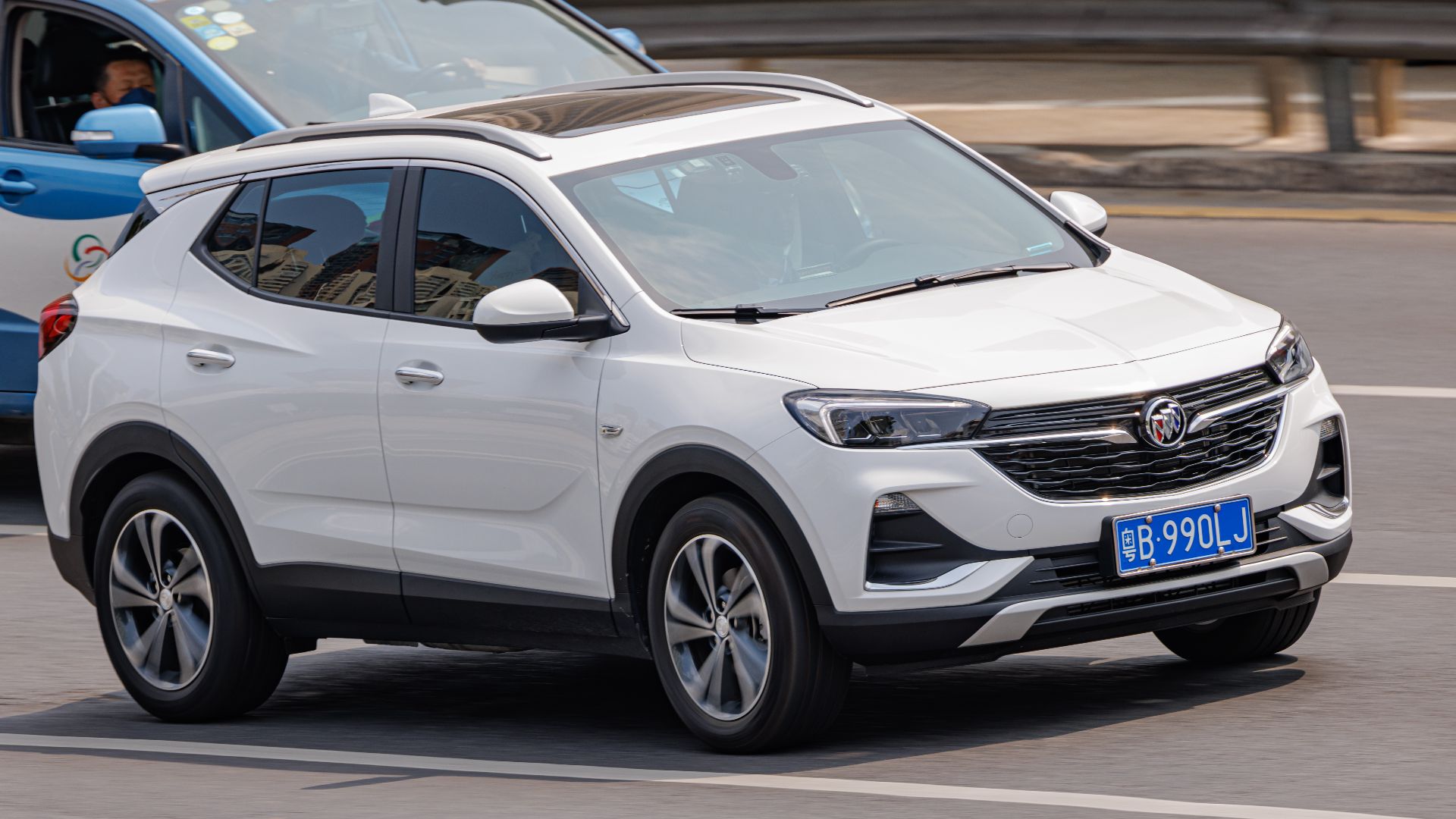 Dinkun Chen, Wikimedia Commons
Nissan Rogue (pre—2021)
Reviewers constantly panned older Rogues for weak acceleration and forgettable driving dynamics. But shoppers loved the comfort, cargo space, and aggressive discounts. It was the definition of “not exciting, but exactly what people need.”
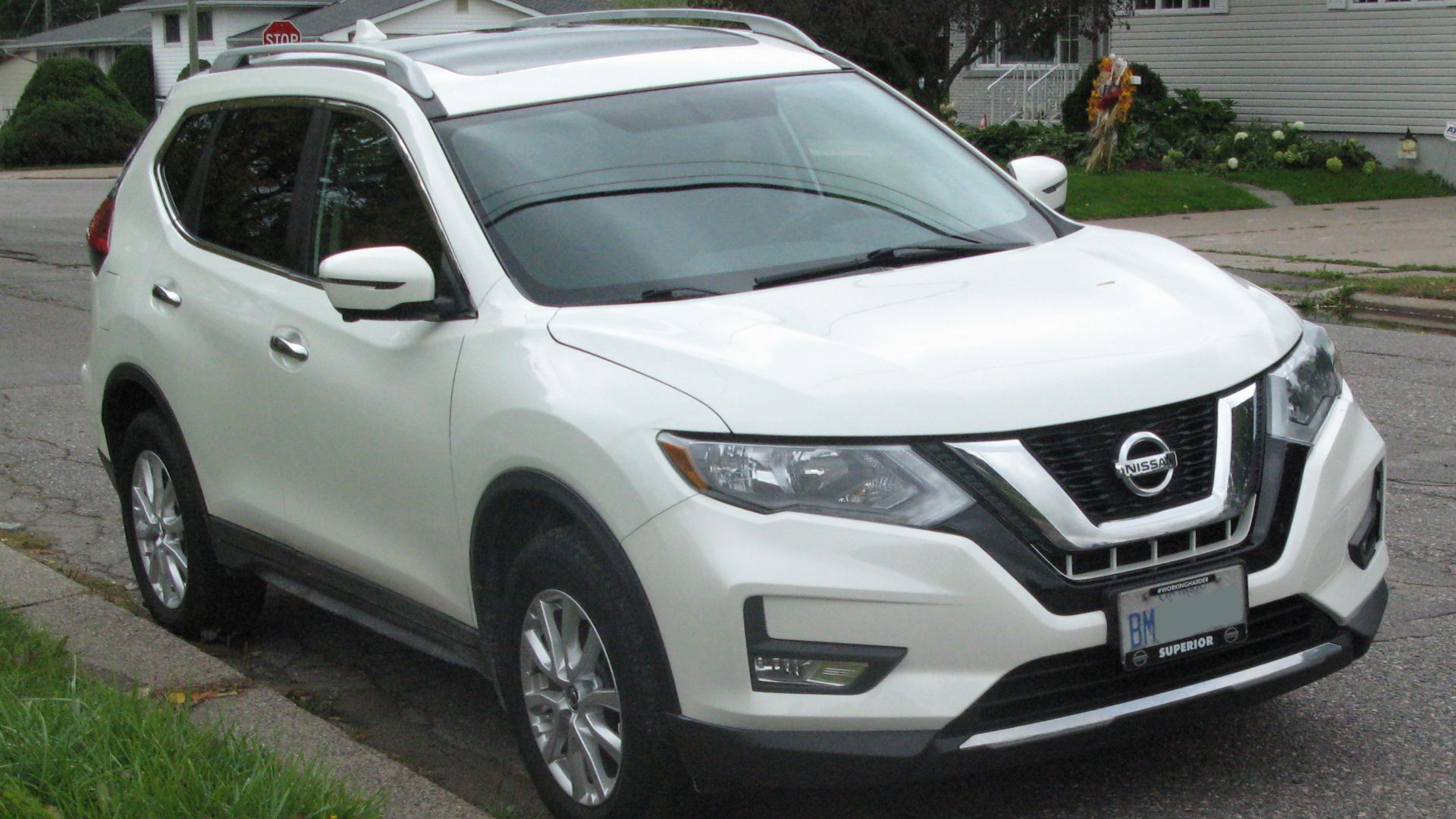 SsmIntrigue, Wikimedia Commons
Nissan Sentra (pre—2020)
Experts dismissed it as bland and outdated, with a weak powertrain and uninspired interior. Drivers kept buying it because it was cheap, reliable, fuel—efficient, and easy to own. For first—time buyers and commuters, practicality beats personality.
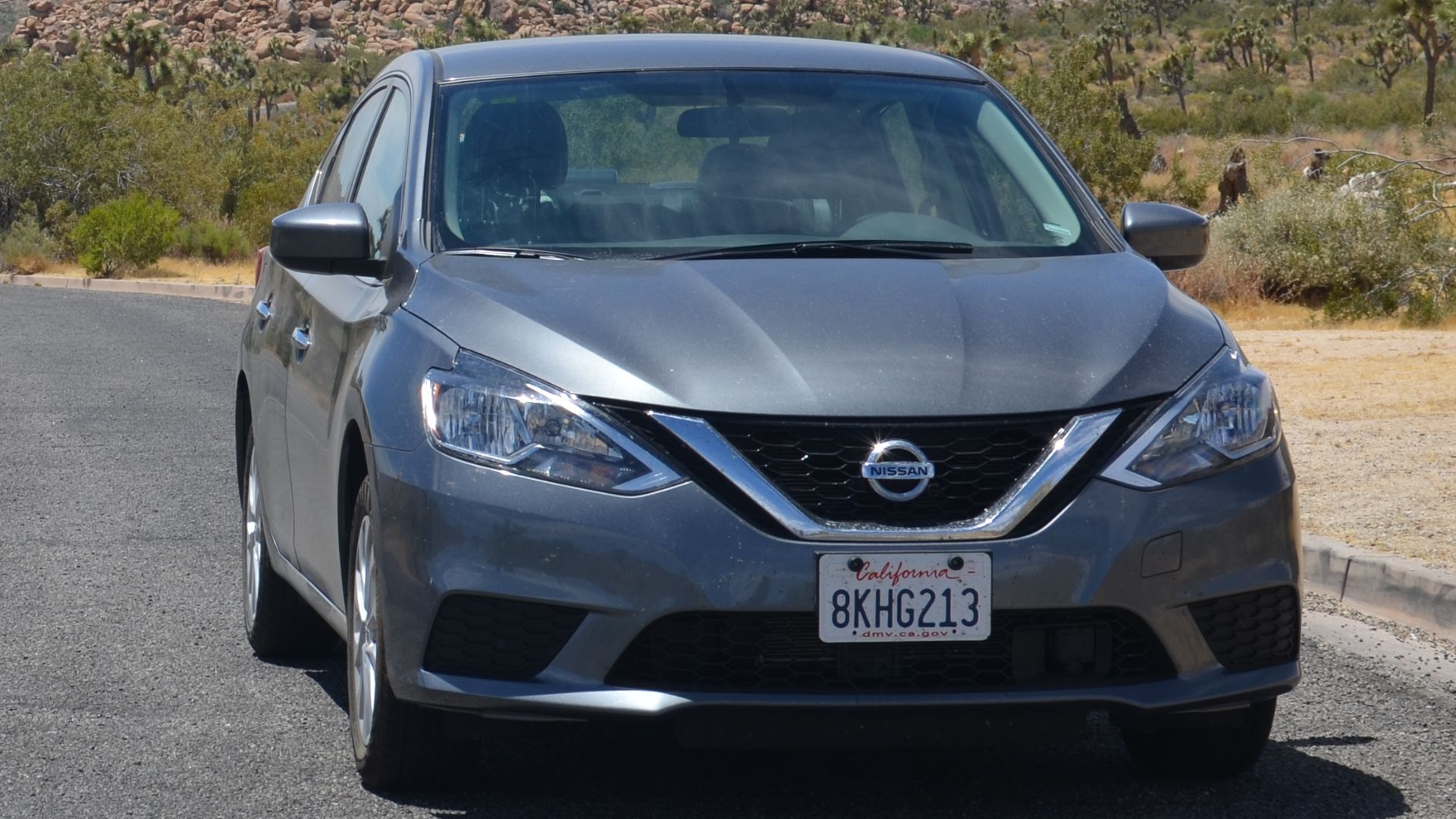
Chevrolet Malibu
Critics often called it uncompetitive and uninspired. But the Malibu’s smooth ride, roomy interior, and strong fuel economy kept it alive while most sedans faded out. People who aren’t ready for an SUV still appreciate a simple, comfortable car.
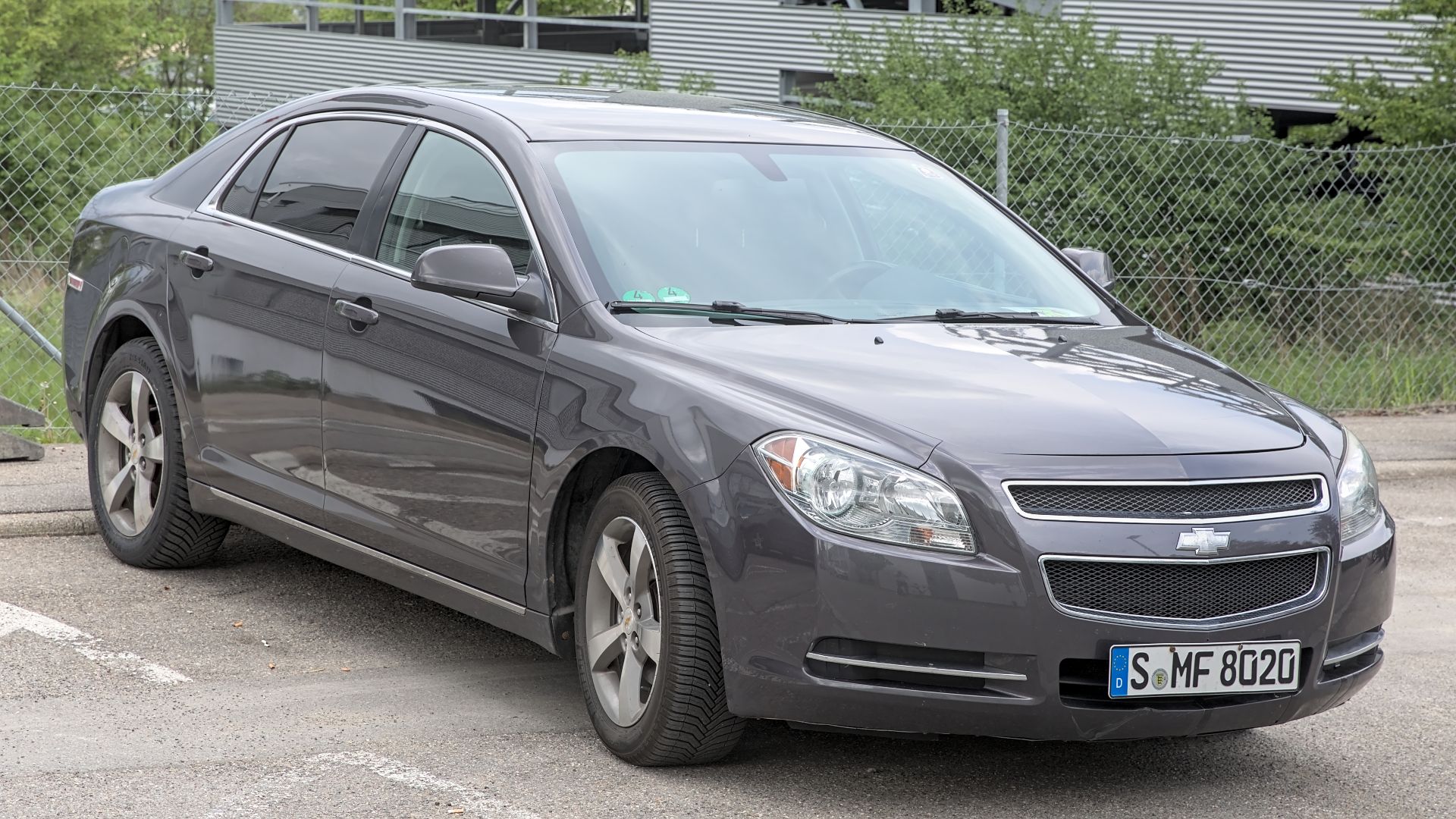 Alexander-93, Wikimedia Commons
Ford Transit Connect
Experts dislike its slow acceleration and commercial—van feel. But small business owners and big families swear by the Transit Connect’s unmatched cargo capacity and flexibility. It’s proof that usefulness can matter far more than refinement.
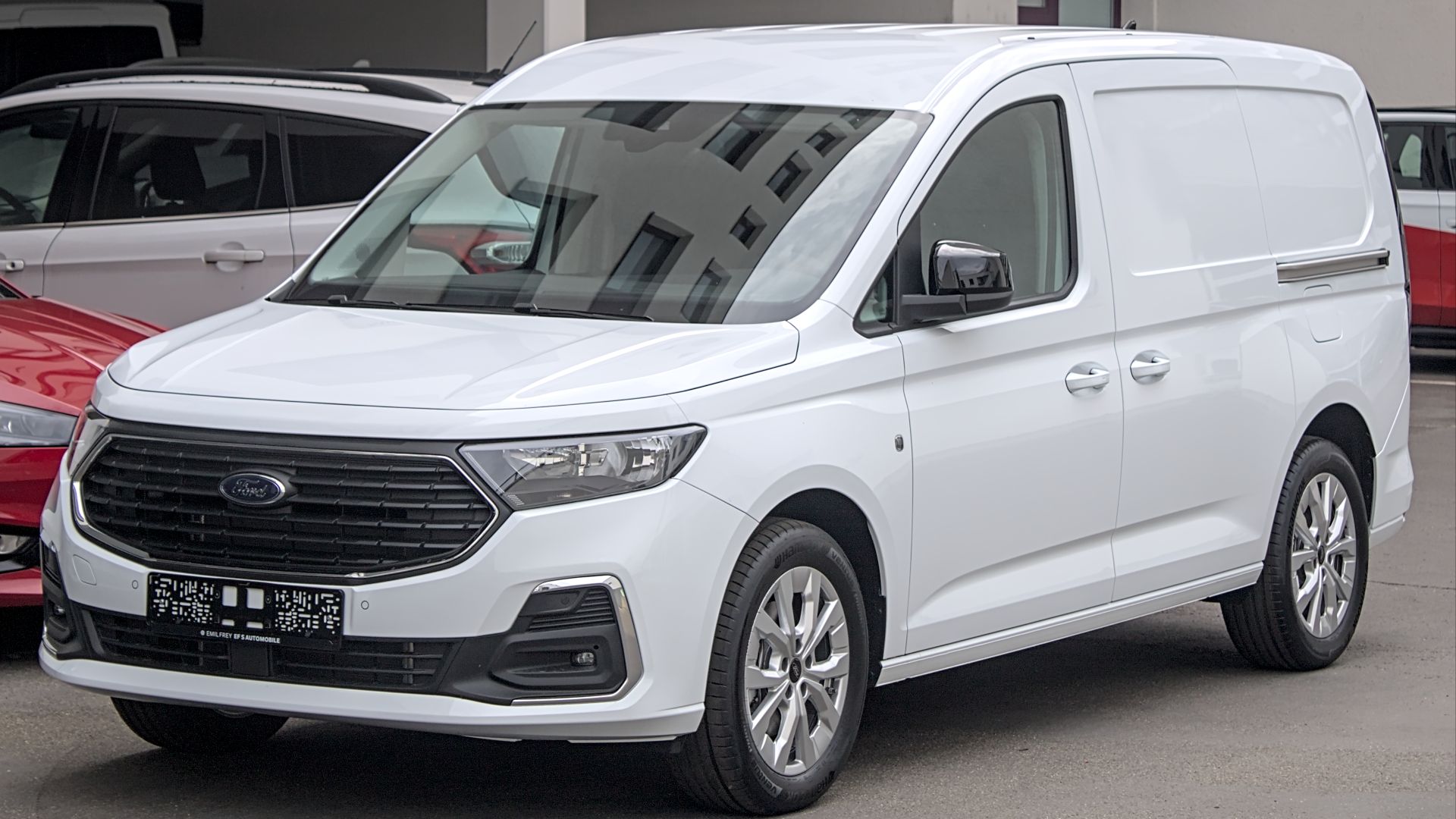 Alexander Migl, Wikimedia Commons
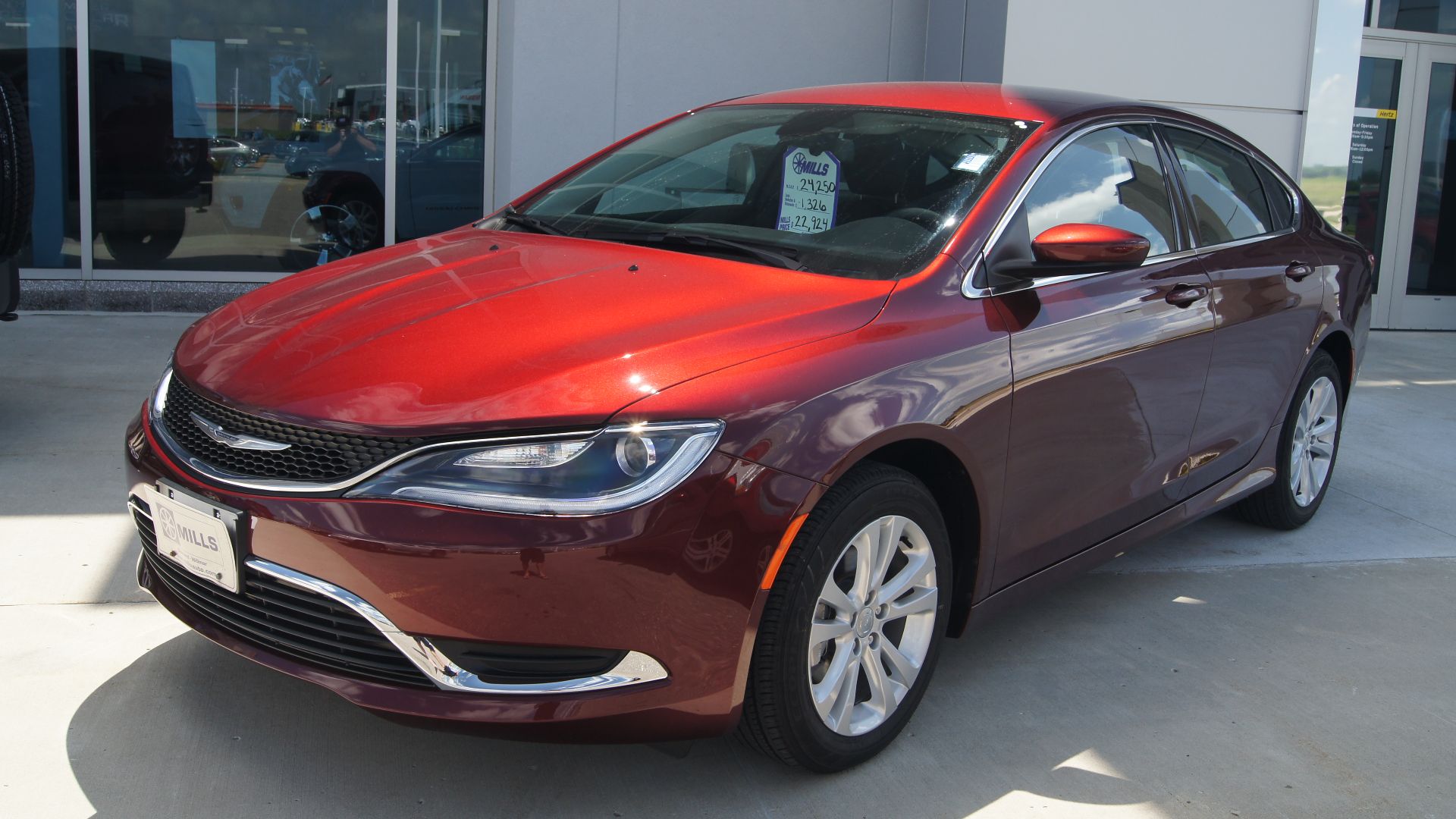
Chrysler 200
Reviewers hammered it for its cramped rear seat, rough ride, and jerky transmission. Still, it sold well early thanks to sharp styling and aggressive pricing. Sometimes “looks good on the lot” is enough to win buyers over.
 Greg Gjerdingen, Wikimedia Commons
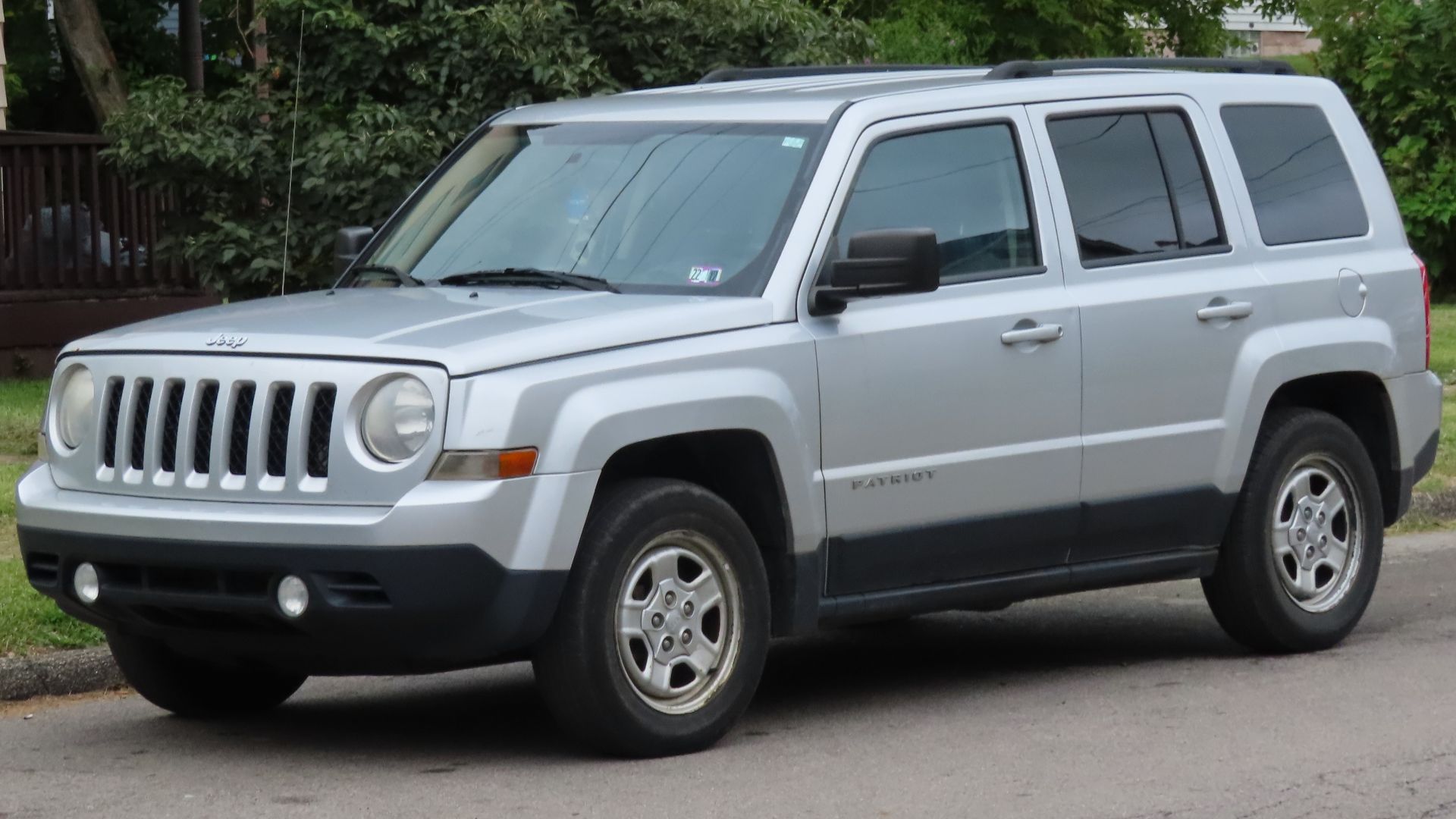
Jeep Patriot
Critics called it underpowered, outdated, and cheaply built—but the Patriot still sold for years. Why? Low prices, boxy styling, and the perception of rugged capability. It was the right shape at the right cost.
 MercurySable99, Wikimedia Commons
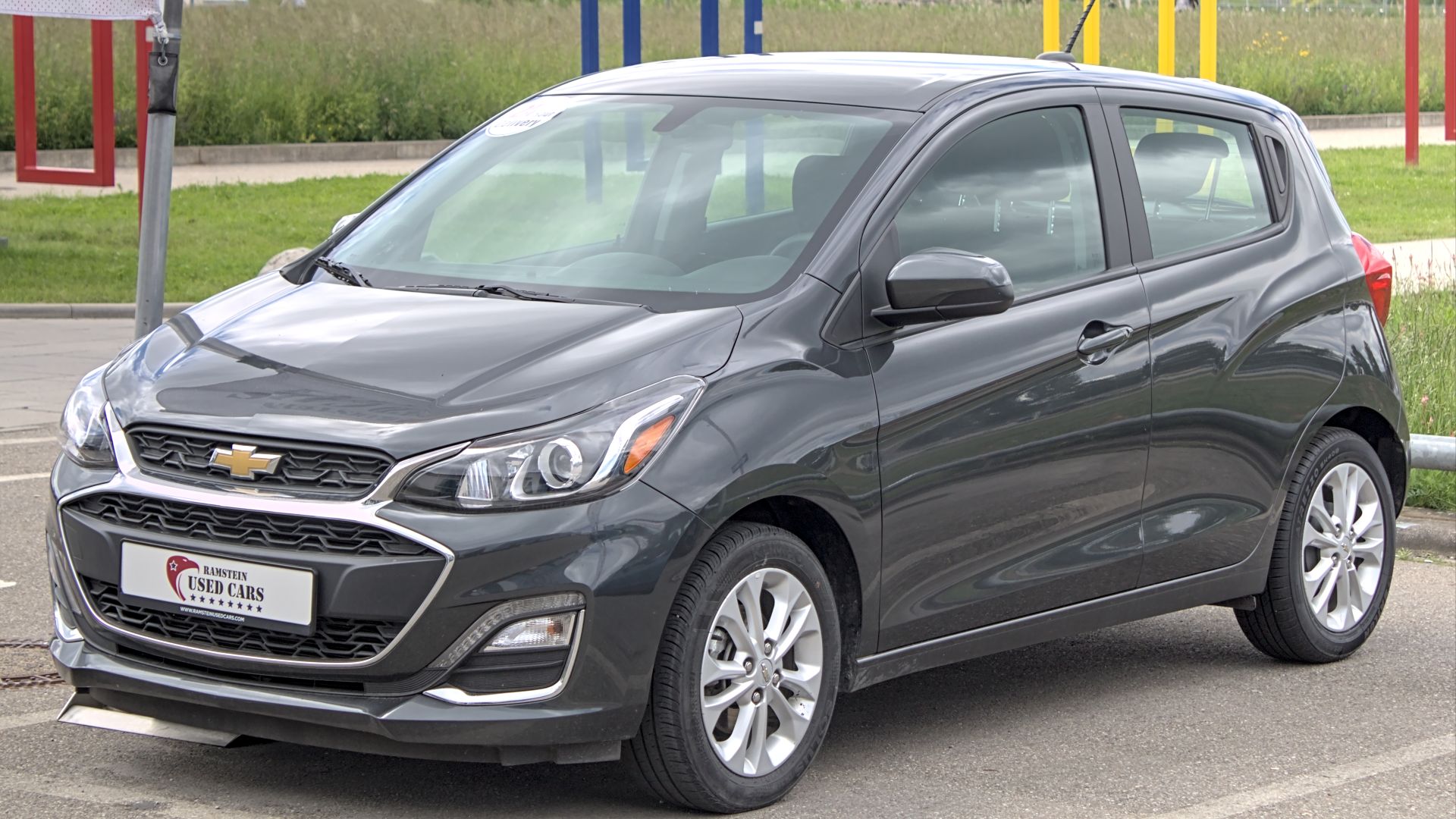
Chevrolet Spark
Experts complain about noise, limited power, and basic materials. Drivers love its tiny size, stellar fuel economy, and unbeatable pricing. In crowded cities, the Spark’s park—anywhere personality matters more than horsepower.
 Alexander-93, Wikimedia Commons
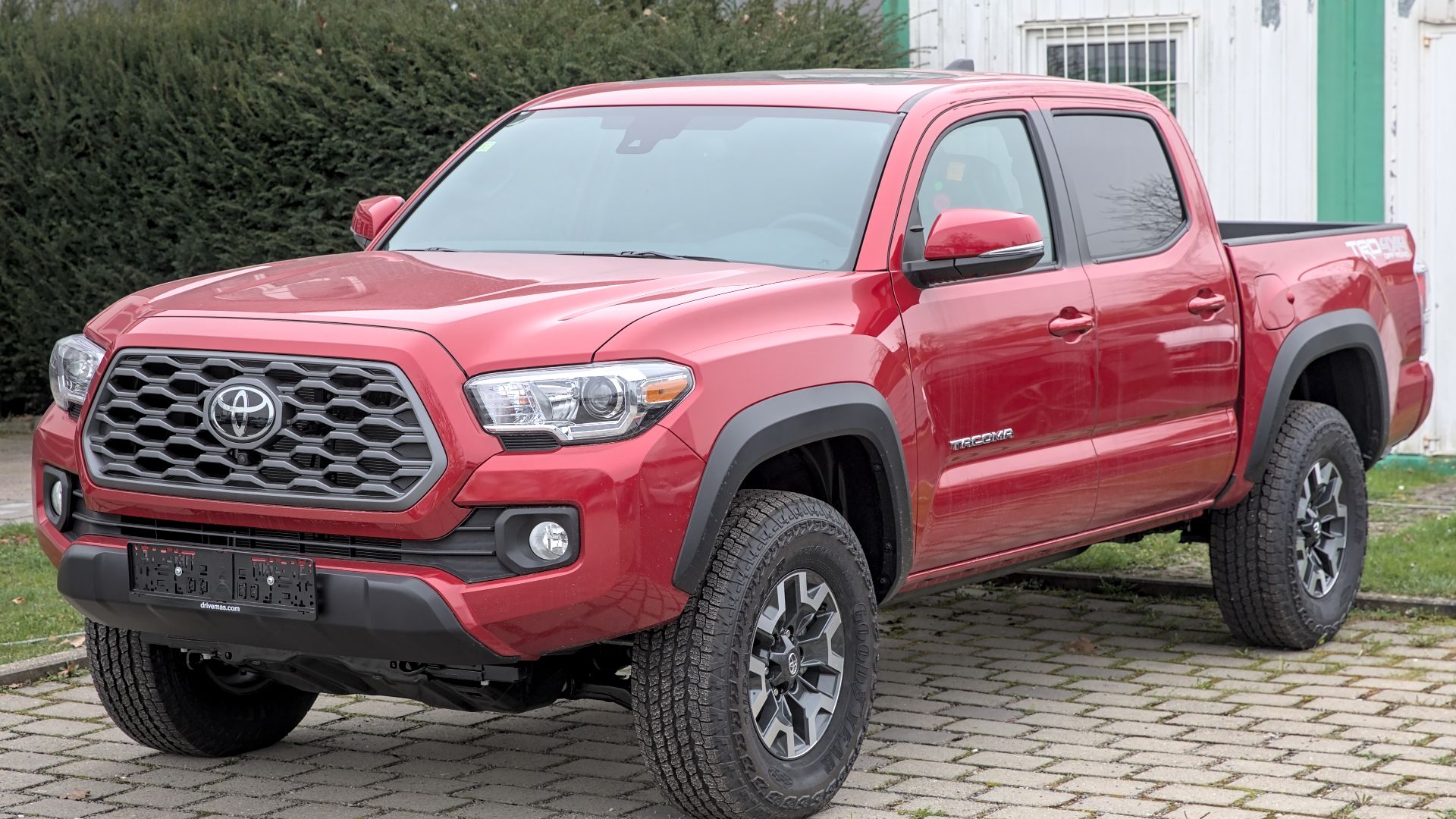
Toyota Tacoma
Experts often criticize the Tacoma’s stiff ride, outdated interior, and so—so on—road handling. Truck buyers don’t care. They want reliability, resale value, and durability—three things the Tacoma delivers better than almost anyone else.
 Alexander-93, Wikimedia Commons
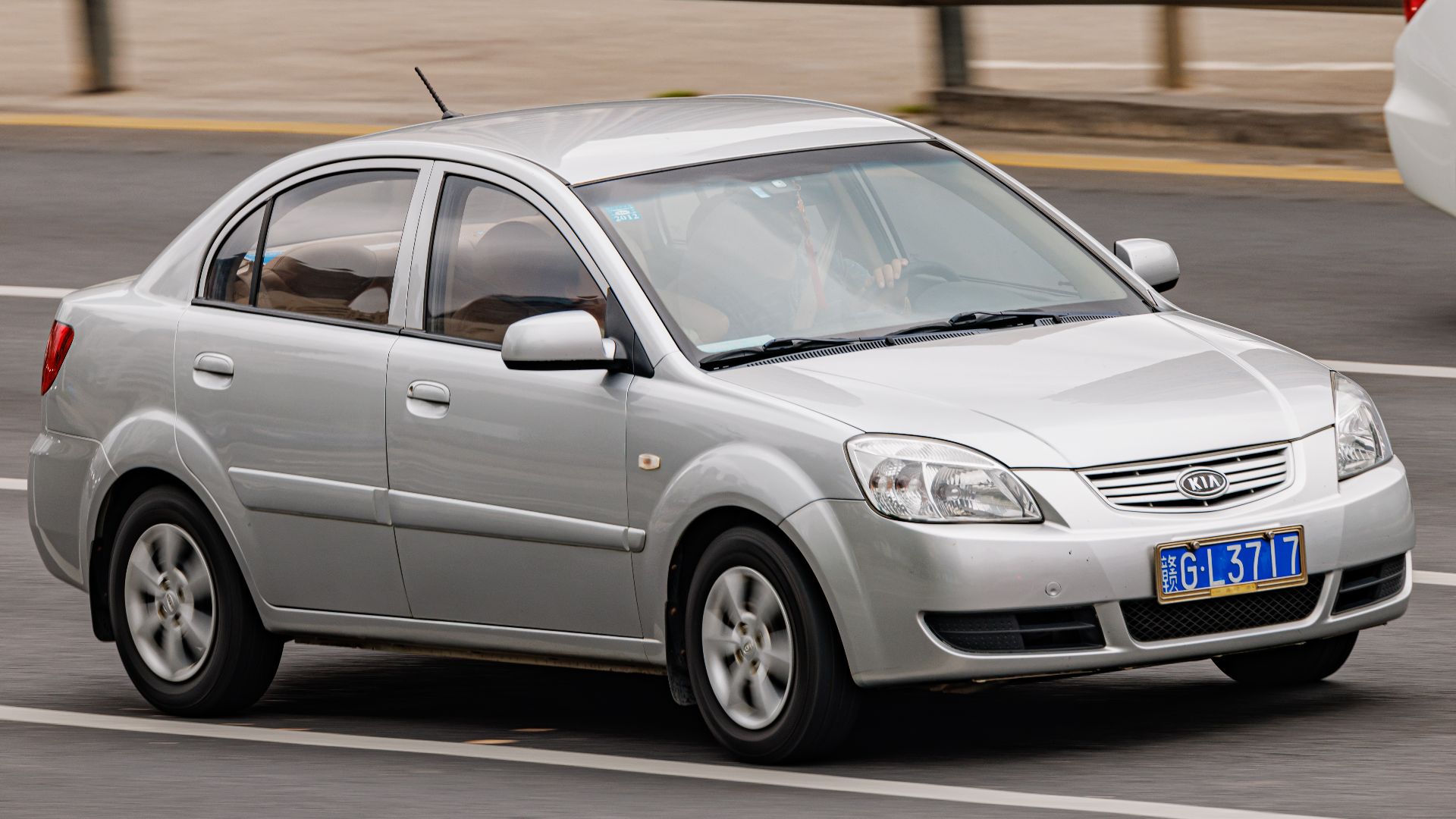
Kia Rio
Reviewers dislike its weak acceleration and bare—bones feel. Buyers keep choosing it because it’s affordable, easy to maintain, and surprisingly comfortable for the price. It’s the definition of “cheap to buy, cheaper to own.”
 Dinkun Chen, Wikimedia Commons
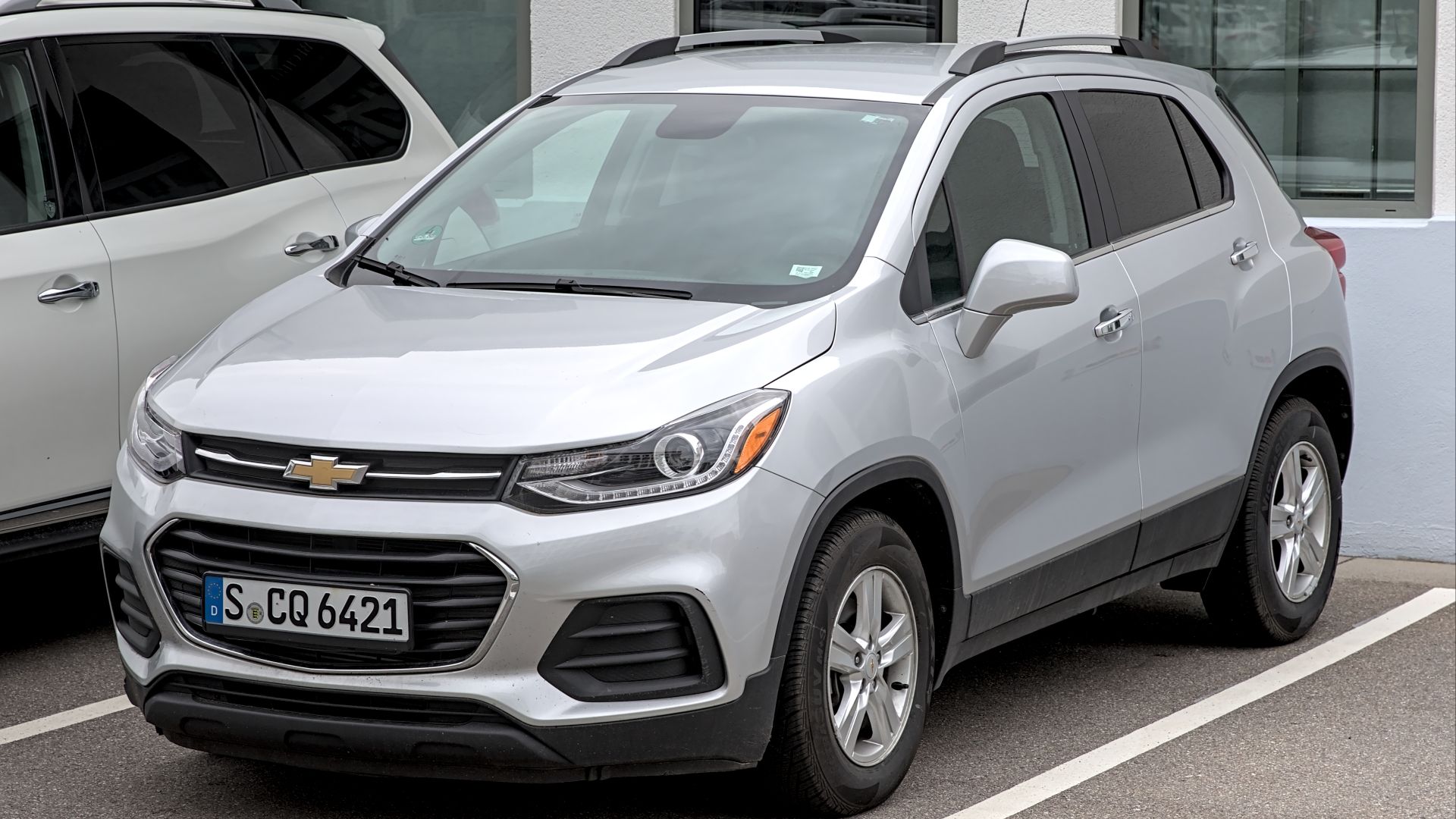
Chevrolet Trax
Critics have long called the Trax unrefined and underpowered. But its upright seating, simple controls, and budget pricing make it a hit with commuters and first—time SUV buyers. It sells because it’s easy.
 Alexander Migl, Wikimedia Commons
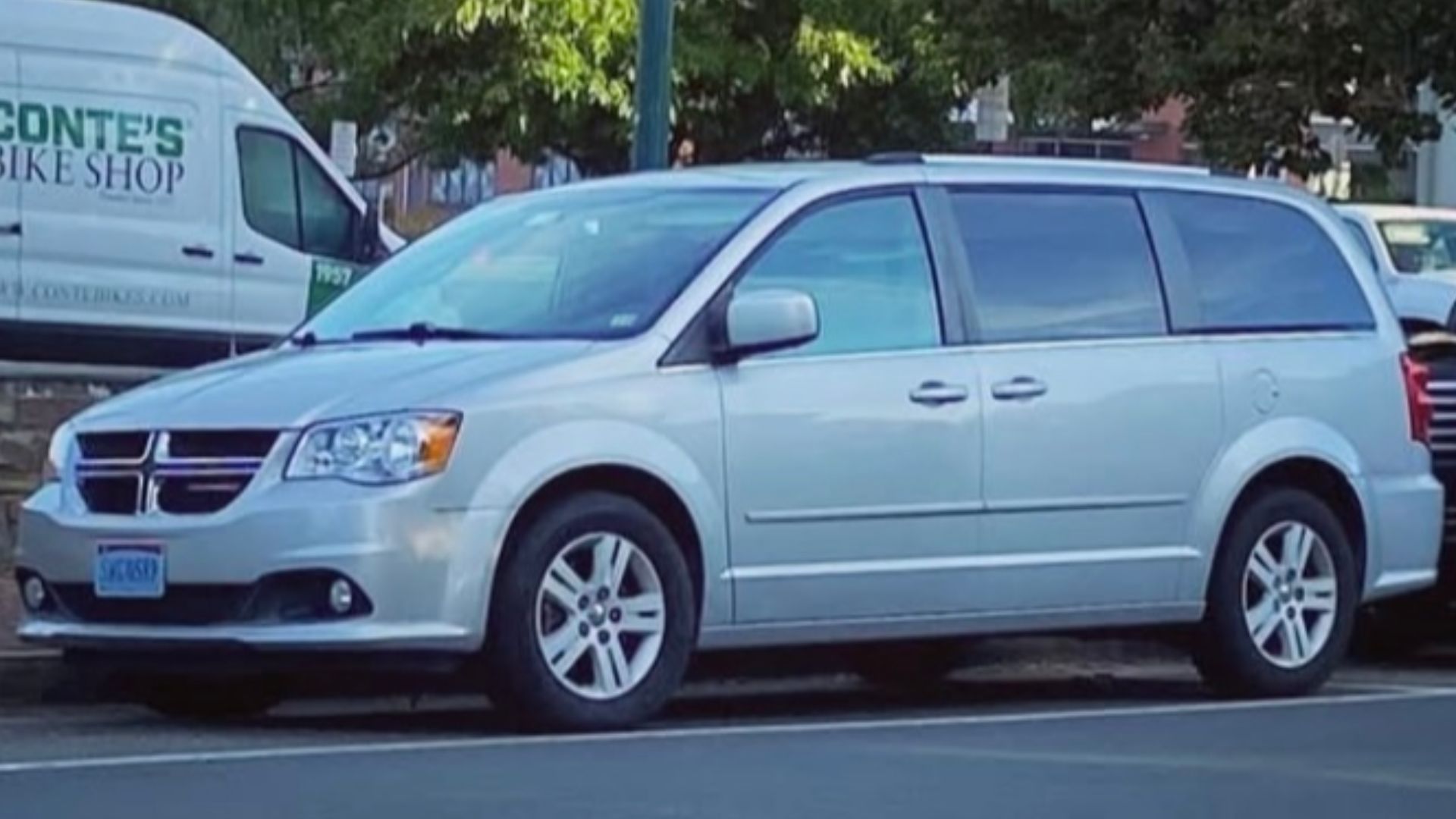
Dodge Grand Caravan
Experts were brutal about its old platform, outdated tech, and safety concerns. Yet it remained a minivan sales leader for years. Budget—focused families loved its huge interior, Stow ’n Go seating, and constant discounts.
 OWS Photography, Wikimedia Commons
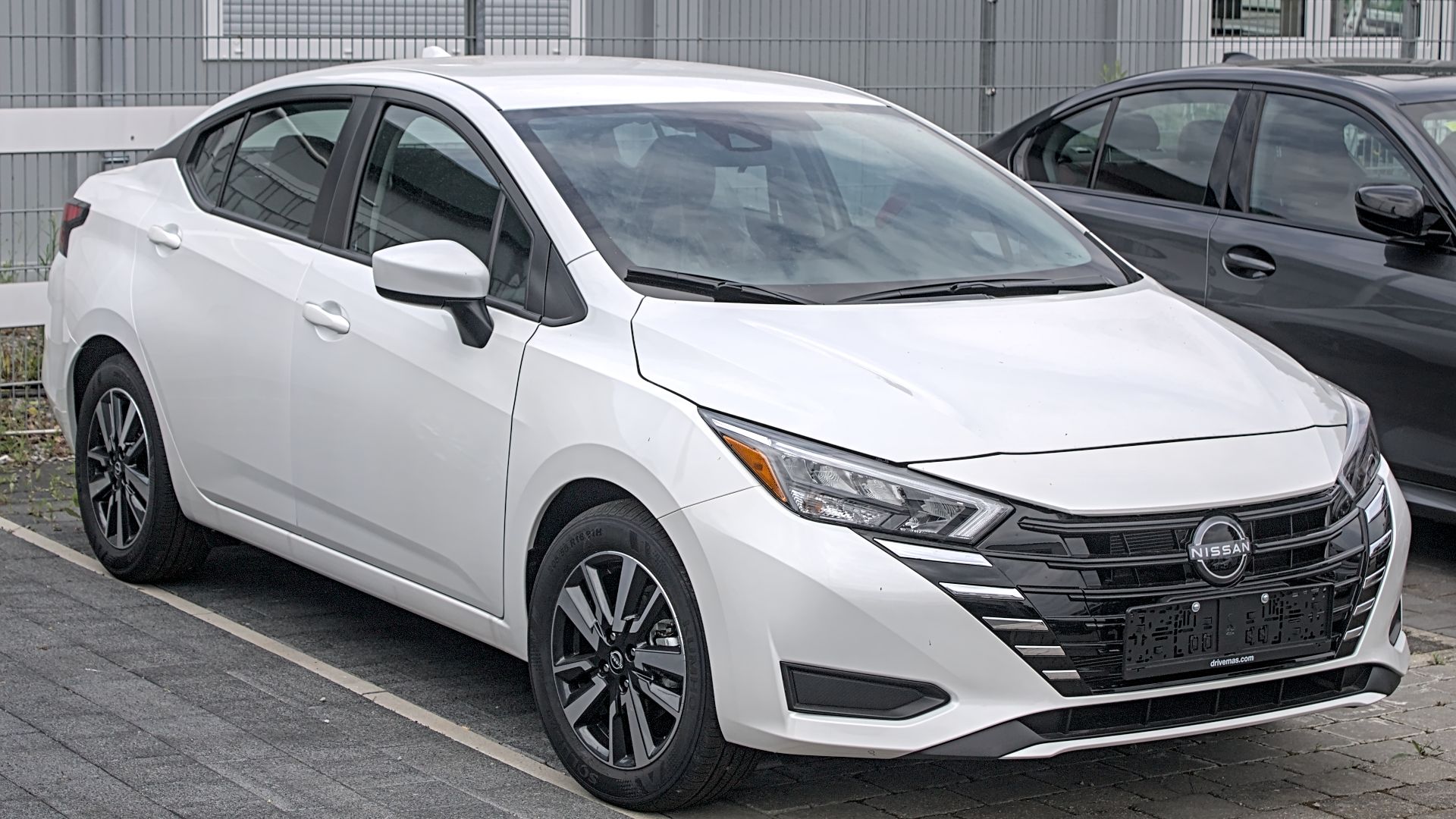
Nissan Versa
Reviewers note its sluggish performance and bare—bones personality. Drivers buy it because it’s one of the cheapest new cars available, with good fuel economy and low running costs. Value turns haters into buyers.
 Alexander Migl, Wikimedia Commons
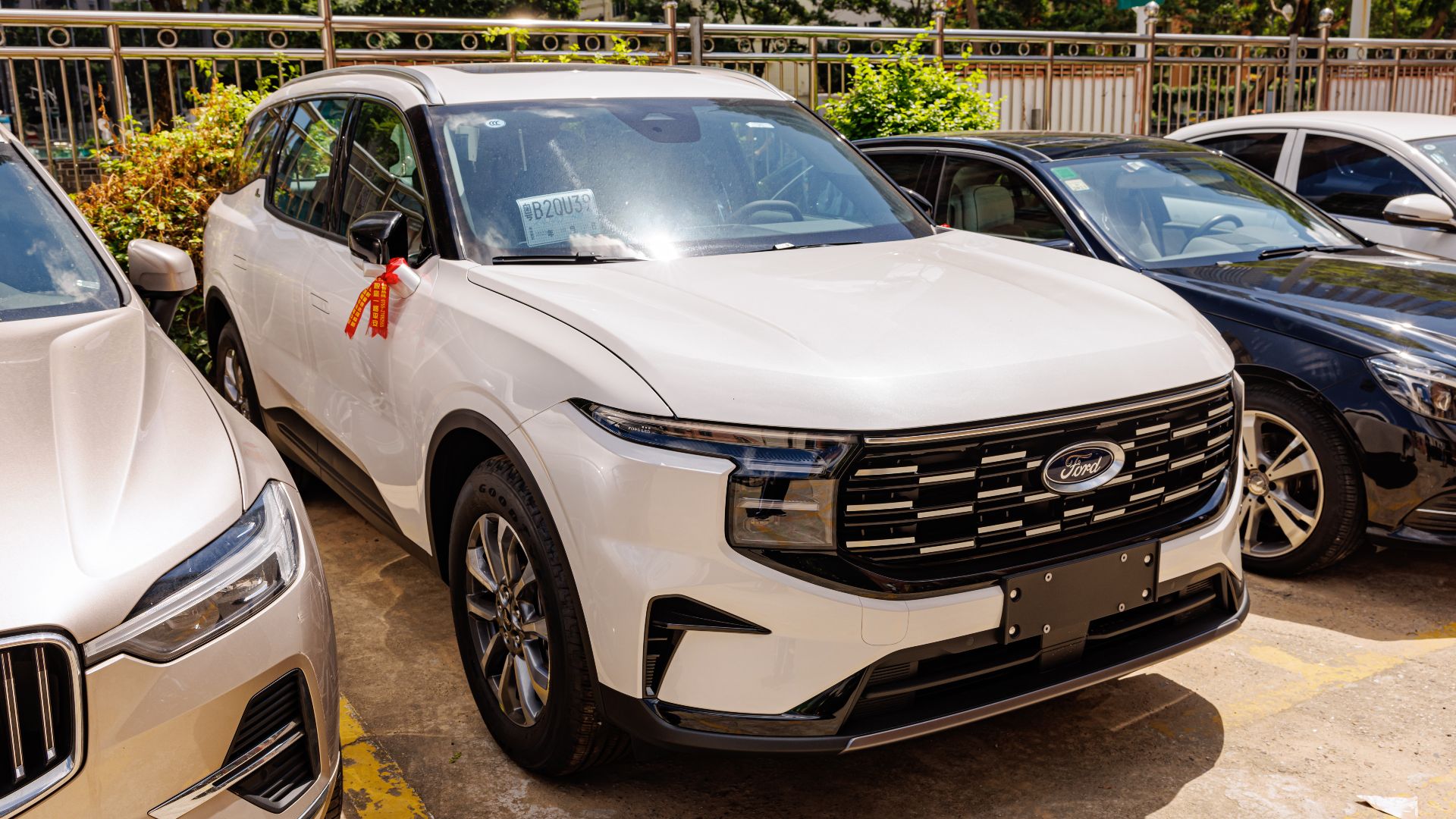
Ford Edge (base models)
Critics often called the Edge dull and aging. Drivers loved its roomy interior, strong safety ratings, and smooth ride. For people who wanted a comfortable, no—stress midsize SUV, the Edge delivered exactly that.
 Dinkun Chen, Wikimedia Commons
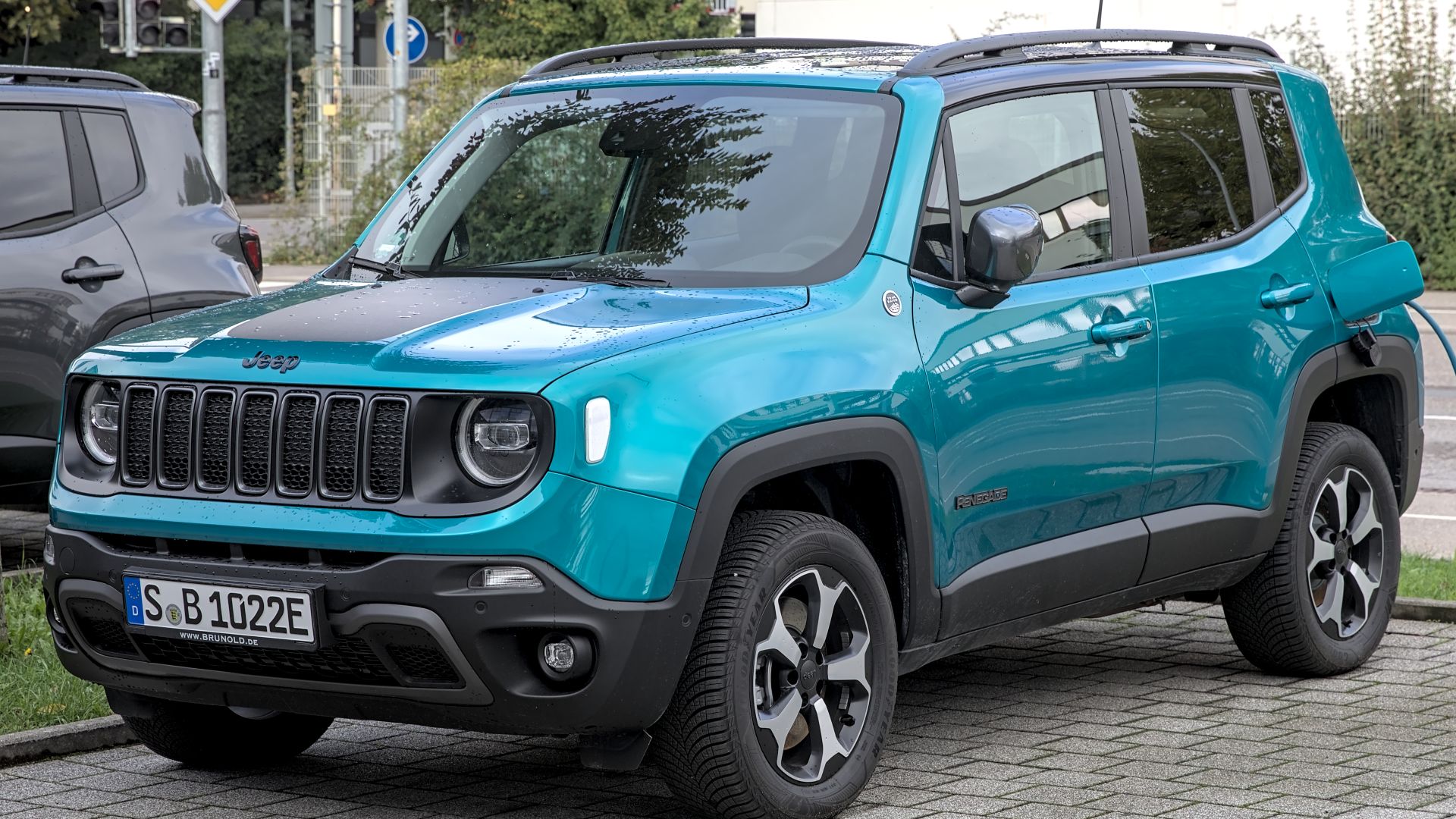
Jeep Renegade
Experts complain about its choppy ride, reliability issues, and noisy powertrain. But its styling, color options, and youthful personality attract buyers who want something fun and different. It’s the “cute Jeep” people enjoy despite the flaws.
 Alexander Migl, Wikimedia Commons
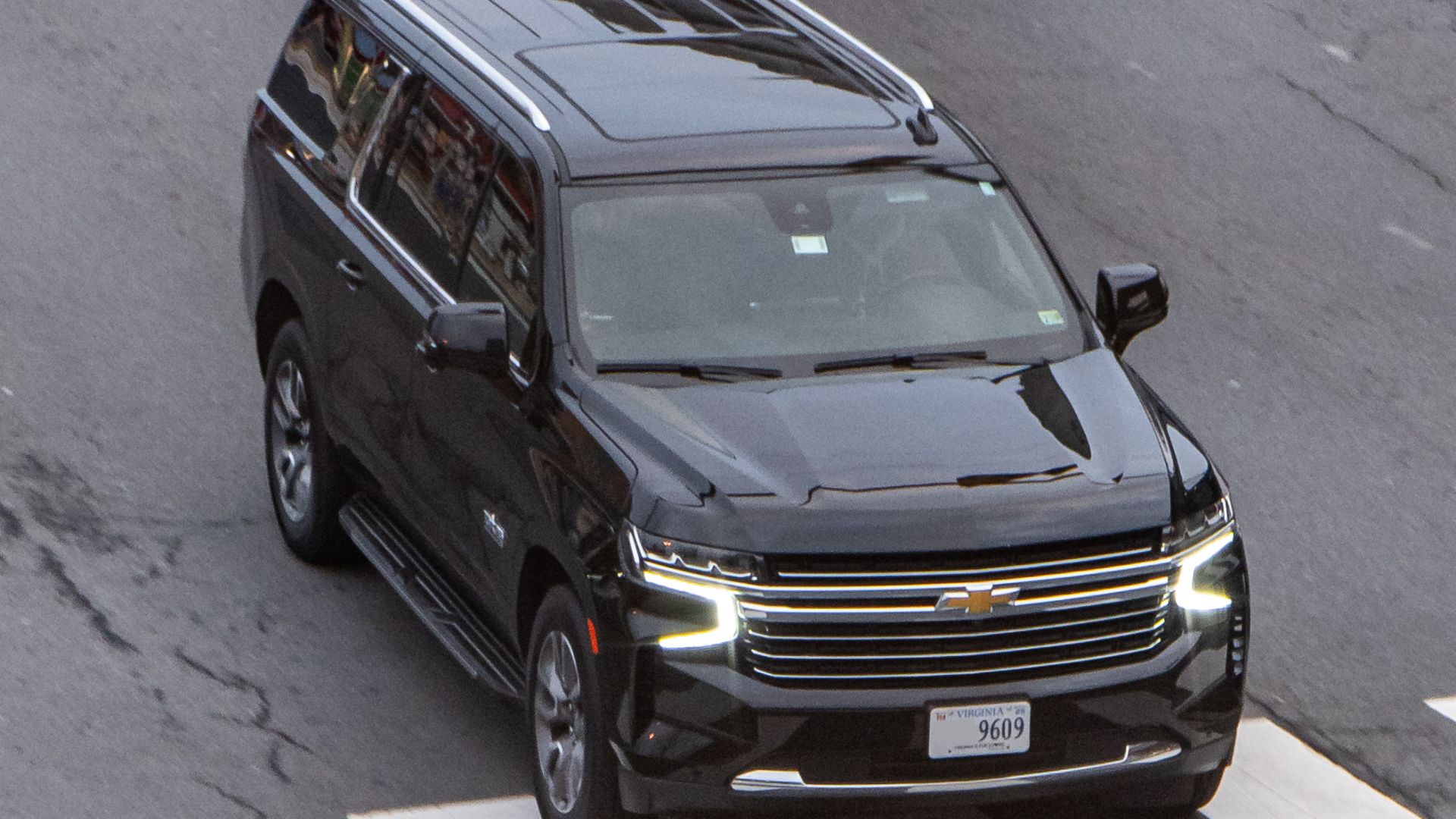
Chevrolet Suburban
Reviewers call it oversized, thirsty, and difficult to maneuver. Buyers don’t care—they want space, towing strength, and road—trip comfort. For big families, the Suburban is practically a lifestyle.
 OWS Photography, Wikimedia Commons
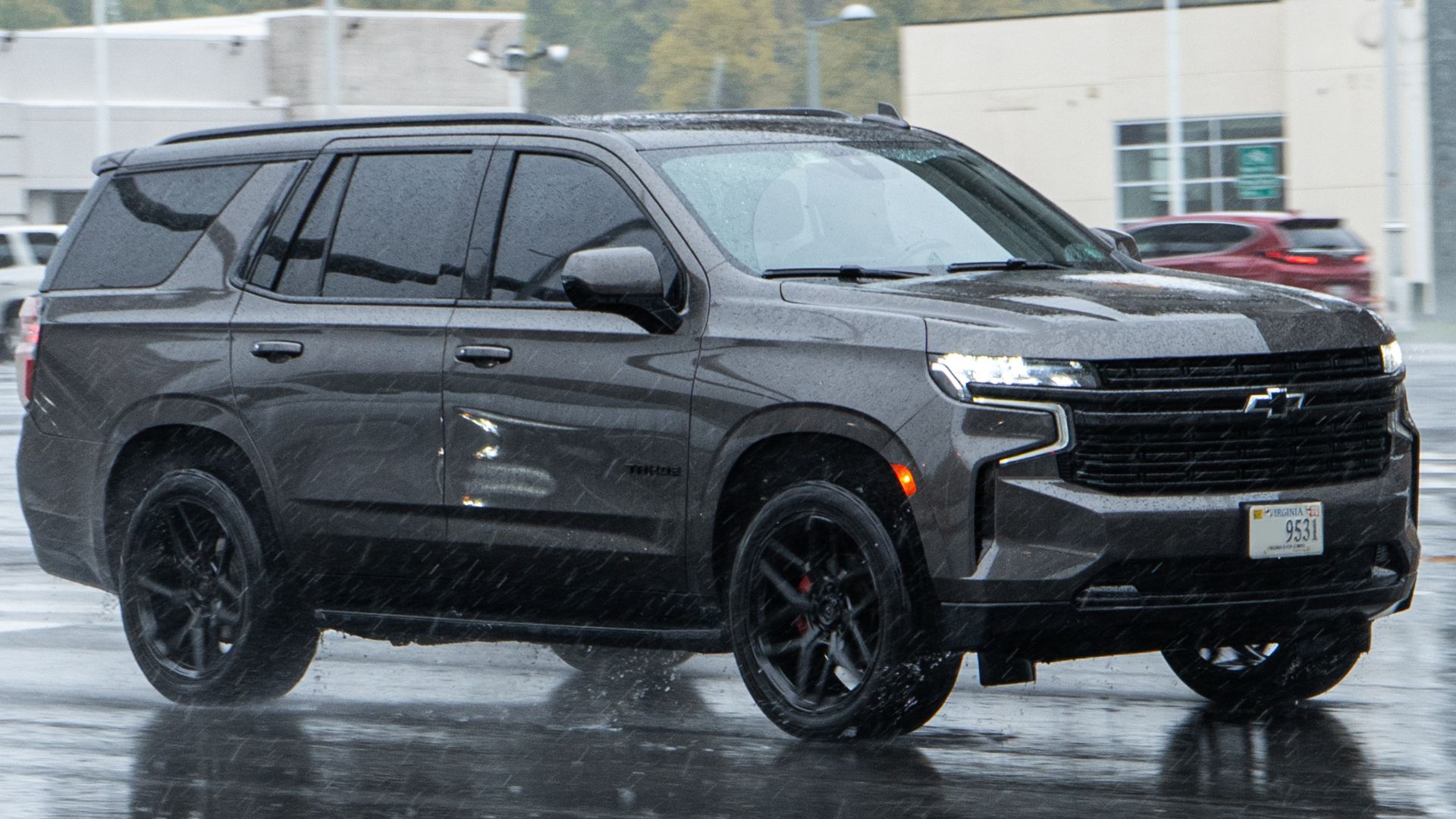
Chevrolet Tahoe
Same story as the Suburban: critics focus on fuel economy and handling, while families praise the power, comfort, and commanding feel. People buy Tahoes because nothing else matches their mix of size and presence.
 OWS Photography, Wikimedia Commons
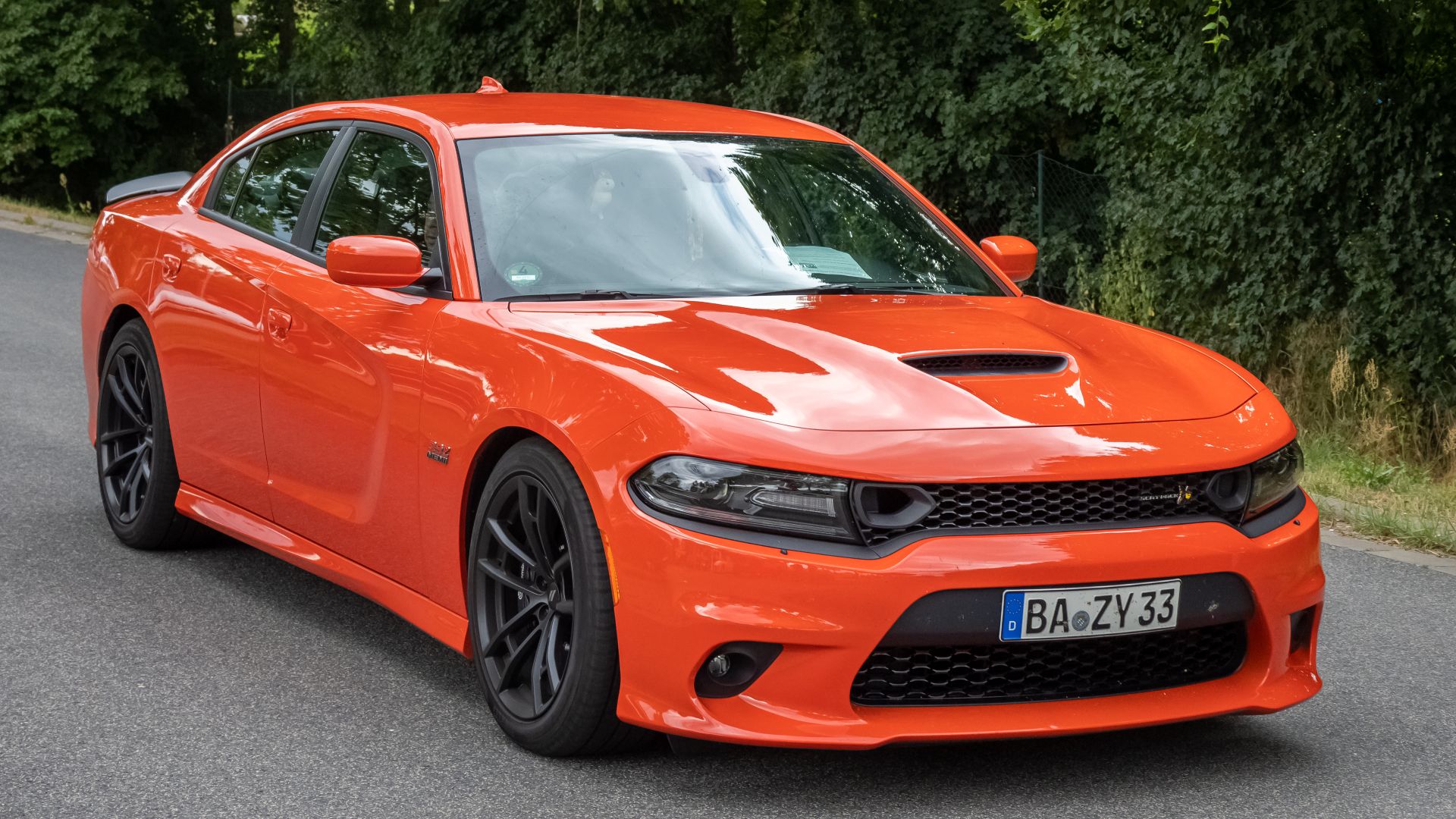
Dodge Charger (base)
Experts say the platform is old and the interior is basic. Drivers love the Charger’s bold styling, roomy cabin, and the fact that it still feels like a real American sedan. Even base trims have attitude.
Mitsubishi Mirage
Reviewers call it slow, noisy, flimsy, and outdated. Yet it sells because it’s incredibly affordable, simple to fix, and gets excellent fuel mileage. For budget buyers, the Mirage is “good enough” done right.
 Ethan Llamas, Wikimedia Commons
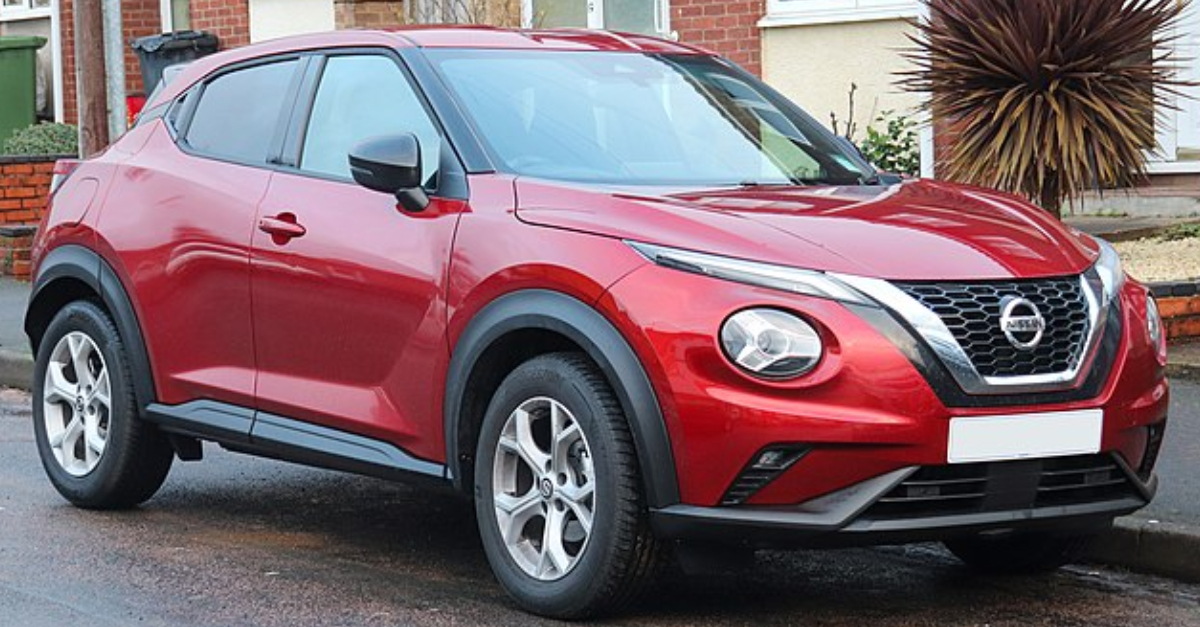
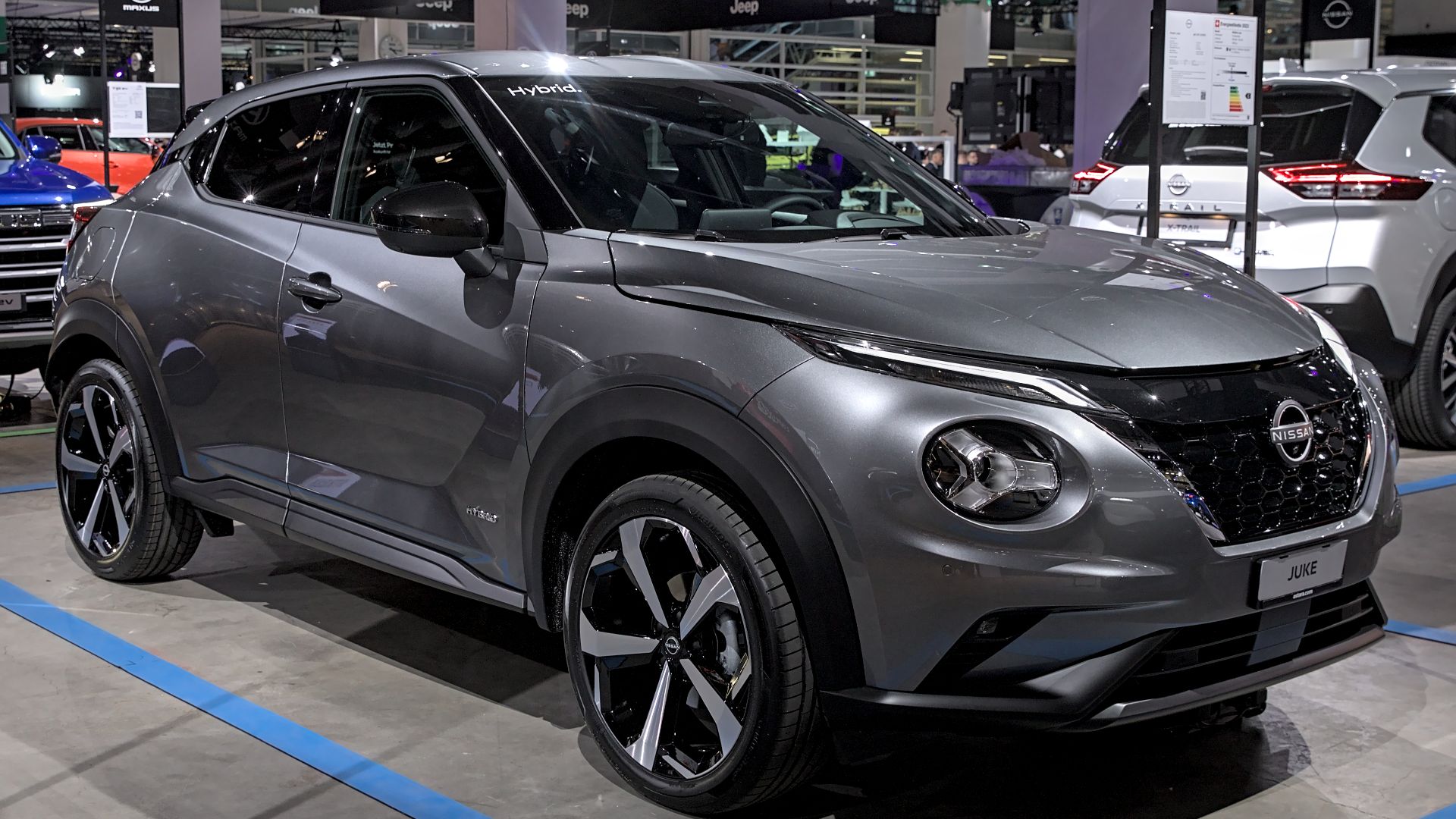
Nissan Juke
Critics hated the weird styling and awkward turbo lag. Drivers loved it because it was weird. The Juke developed a cult following thanks to its quirky looks and personality—something reviewers simply didn’t appreciate.
 Alexander-93, Wikimedia Commons
You Might Also Like:
Habits That Quickly Destroy Your Car's Resale Value
Mechanics Love To Debunk These Myths About Car Care