Their Car Was Already Damaged, So Why Am I Paying For It?
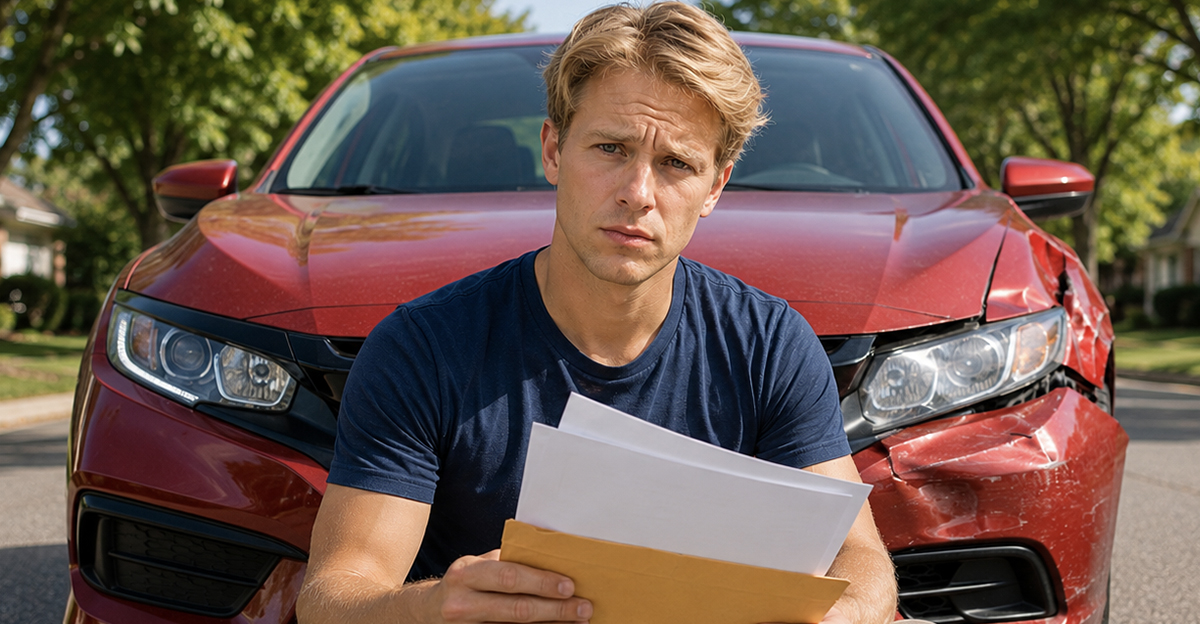
Most drivers accept responsibility when they cause an accident. What they don’t expect is a repair bill that appears to include every scratch, dent, and cracked panel the other vehicle accumulated over the last several years. If the damage being claimed seems far greater than what the collision could reasonably have caused, you aren’t powerless. This is exactly what insurance investigations are for, and you’ve got more protection than you realize.
Insurance Covers Damage You Caused
The basic principle is fairly simple. Your liability insurance is generally intended to pay for damage caused by the accident, not damage that already existed beforehand. If a bumper was cracked before the collision occurred, your insurer shouldn’t have to buy the other driver a brand-new bumper simply because the vehicle was involved in a later accident. The challenge is figuring out which damage is old and which damage is new.

Pre-Existing Damage Is More Common Than You Think
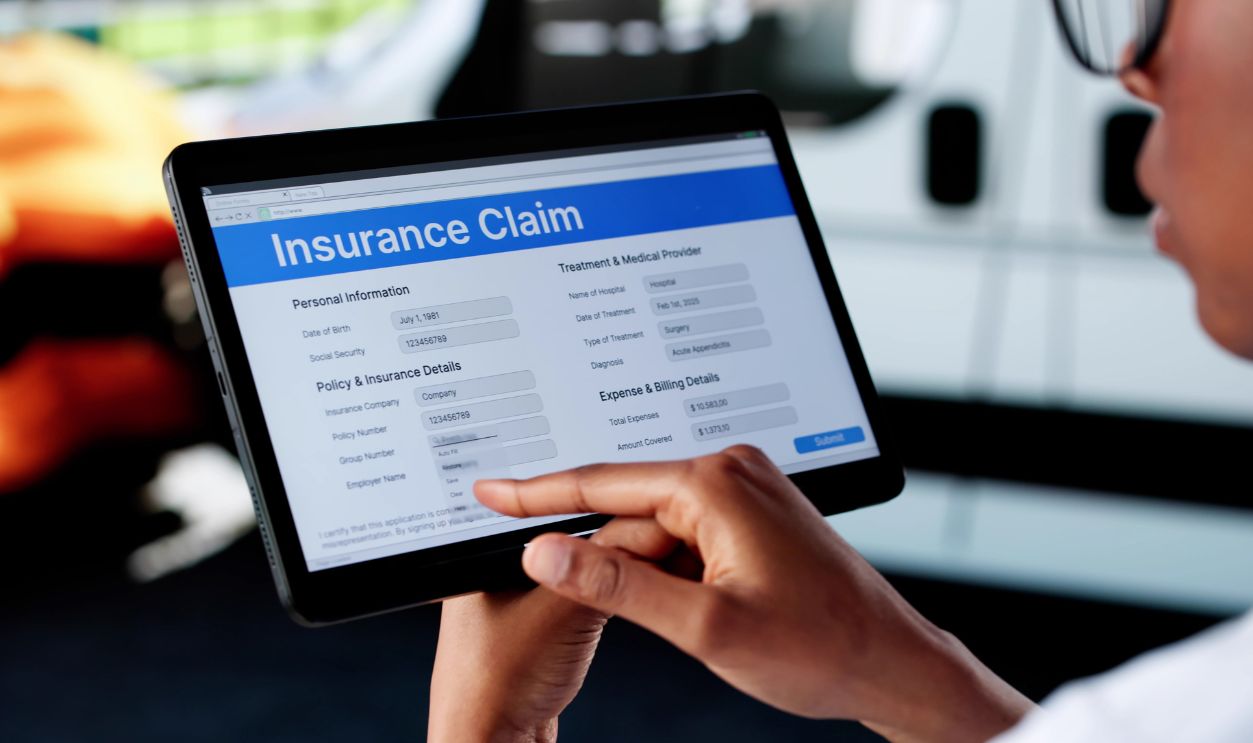
Insurance adjusters encounter pre-existing damage claims all the time. Many vehicles already have parking lot dents, scrapes, rock chips, cracked trim, faded paint, and prior collision repairs before an accident occurs. Sometimes owners honestly forget about existing damage. In other situations, they may try to roll older problems into a new claim.
The Severity Of The Impact Matters
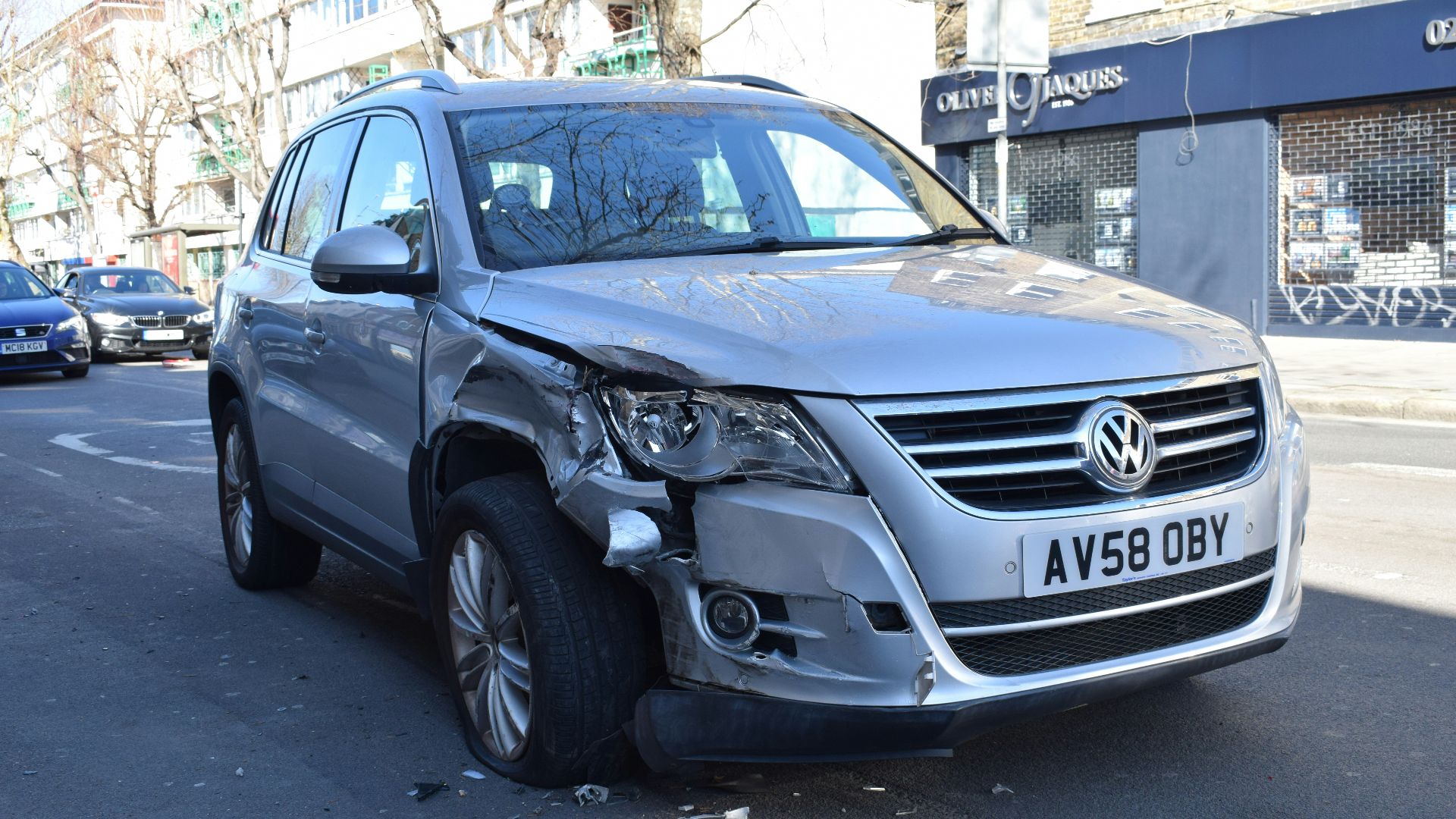
One of the first things adjusters evaluate is whether the claimed damage matches the force of the collision. A low-speed parking lot bump generally doesn’t create the same damage as a 50-mile-per-hour crash. If the repair estimate includes major structural damage that seems inconsistent with a minor impact, that may raise questions during the investigation.
Photos From The Scene Can Be Extremely Valuable
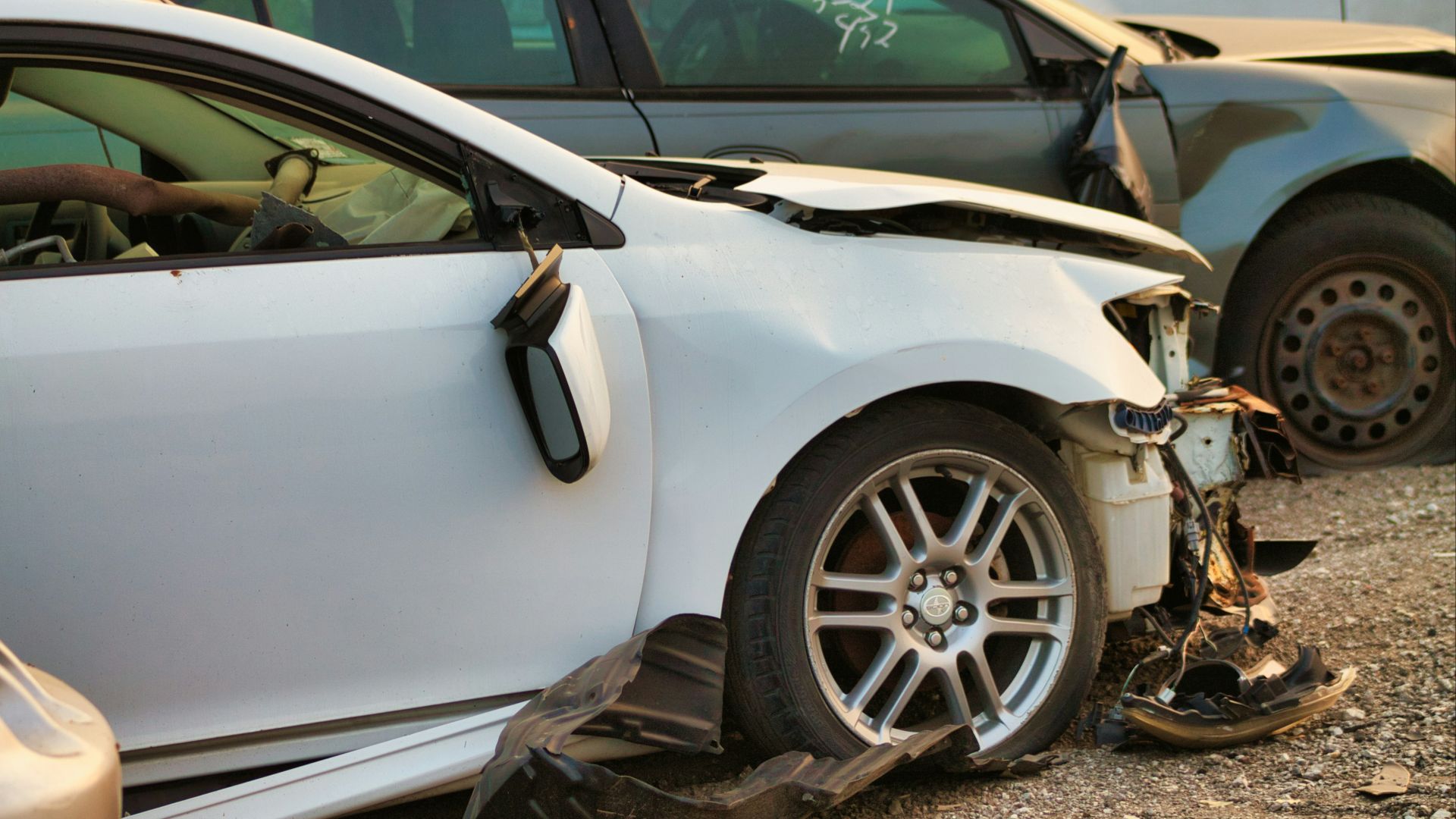
Photographs taken immediately after the accident often become some of the most important evidence available. Images showing the position of the vehicles, the point of impact, and the visible damage can help establish what likely resulted from the collision. The more photographs you have, the easier it becomes to challenge questionable claims later.

Take More Photos Than You Think You Need
Many drivers only photograph the most obvious damage after an accident. A better approach is to take wide-angle shots, close-up images, multiple angles, license plates, surrounding conditions, and any existing damage visible elsewhere on the vehicle. You may not realize what becomes important until weeks later when the claim develops.

Old Damage Often Looks Different
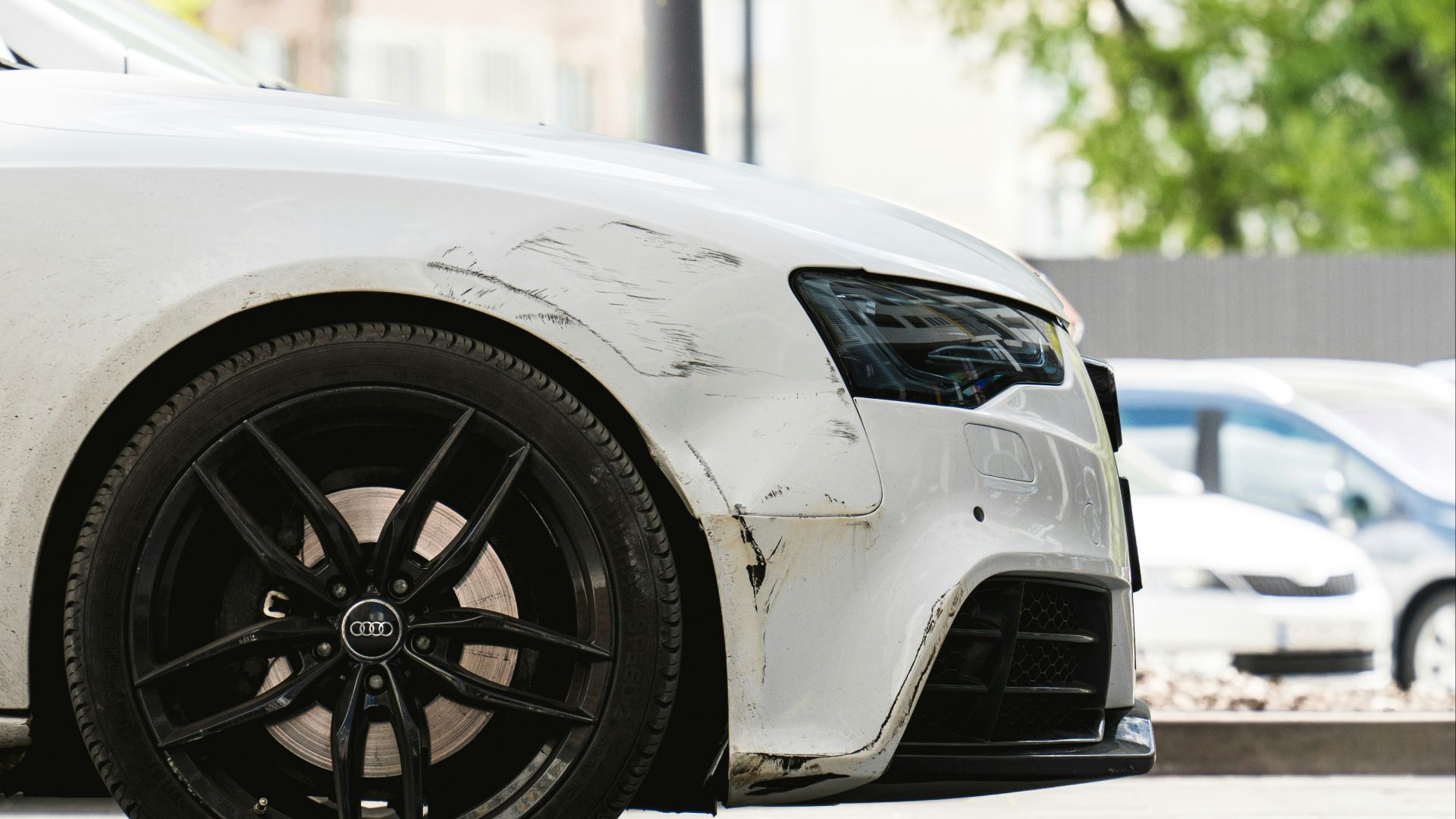
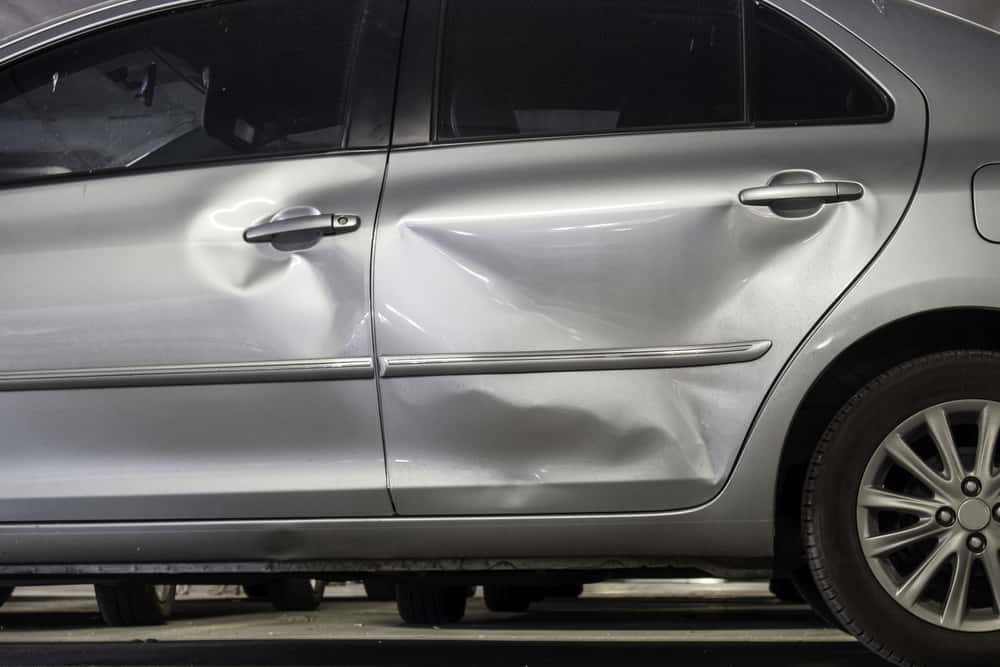
Experienced adjusters can frequently identify signs of older damage. Rust, dirt buildup, faded paint, weathering, oxidation, repaired areas, mismatched paint, and worn edges often indicate that damage existed before the collision. Fresh accident damage usually looks very different from something that has been exposed to the elements for months or years.
 Volodymyr Dobrovolskyy, Unsplash
Prior Repairs Can Leave Clues
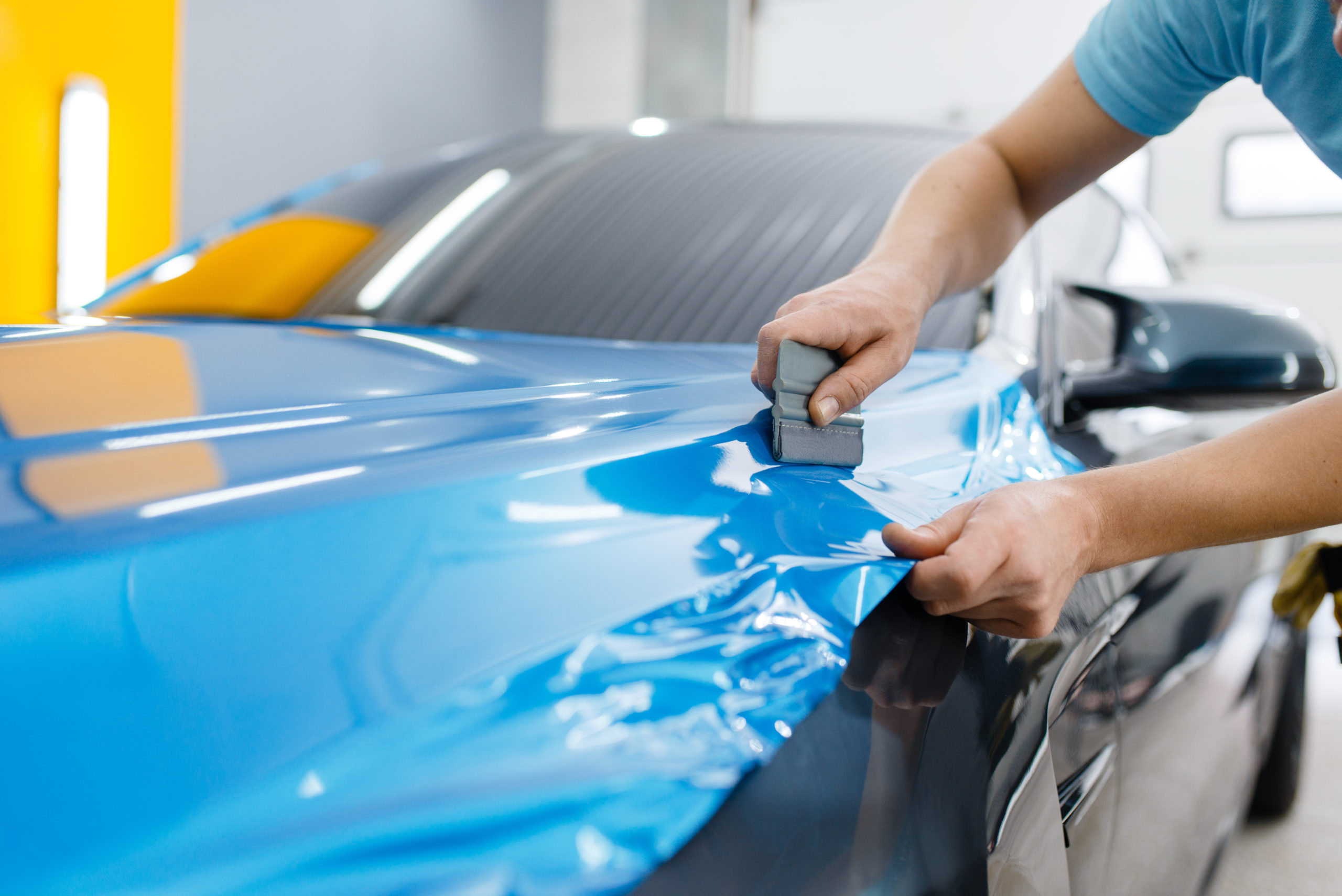
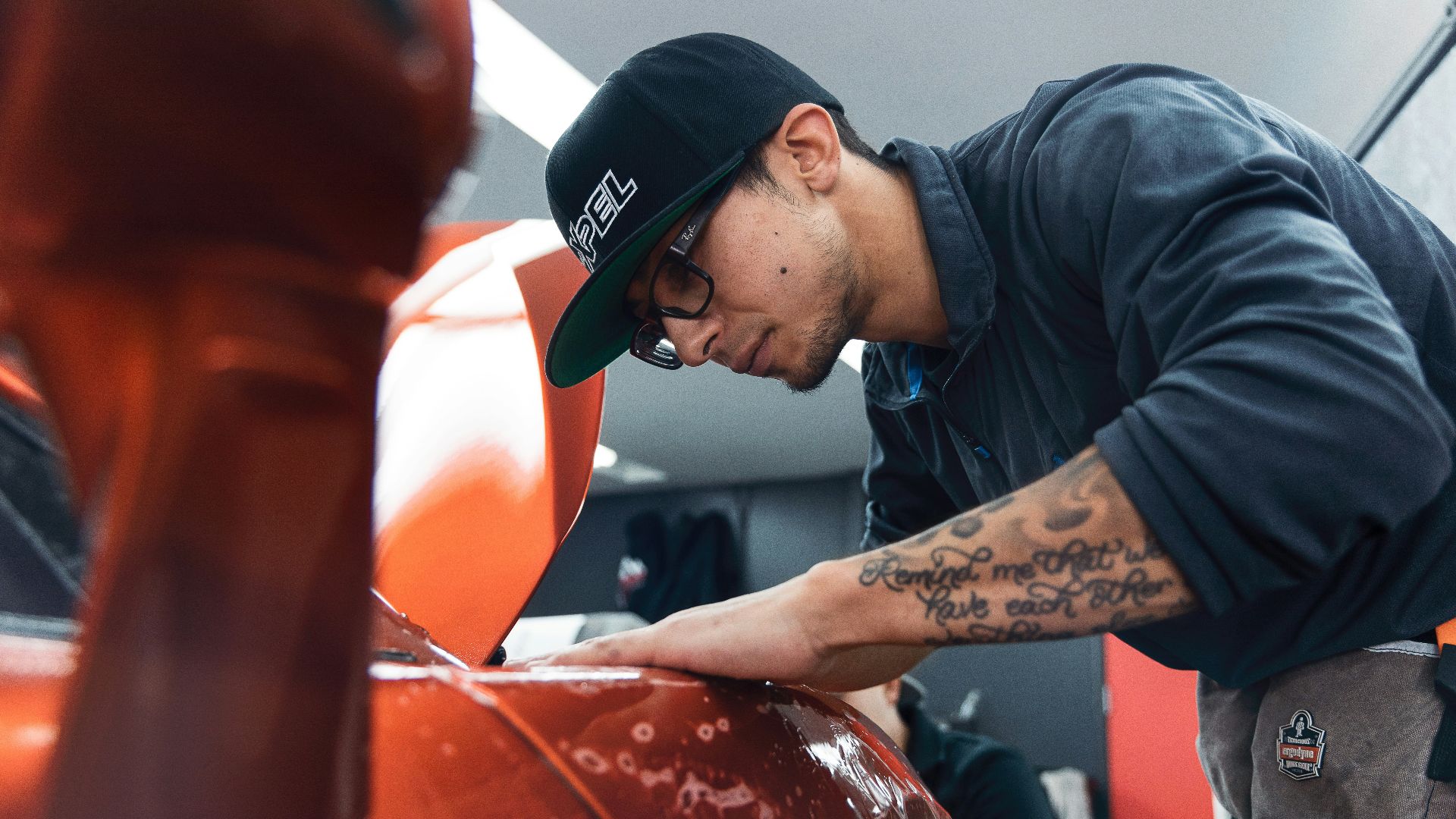
Sometimes the vehicle has already undergone previous bodywork. Repair records, replacement panels, paint blending, aftermarket parts, or body filler may reveal that a section of the vehicle was damaged long before your accident occurred. These clues can become important when determining what portion of a repair estimate is actually related to the current claim.
 David Glessner | Photographer & Director, Unsplash
Insurance Adjusters Look For Consistency
One of an adjuster's primary jobs is determining whether the claimed damage is consistent with the reported accident. They compare vehicle damage, impact angles, collision descriptions, photographs, repair estimates, and physical evidence. If something doesn’t fit the story, further investigation often follows.
Vehicle Inspections Matter
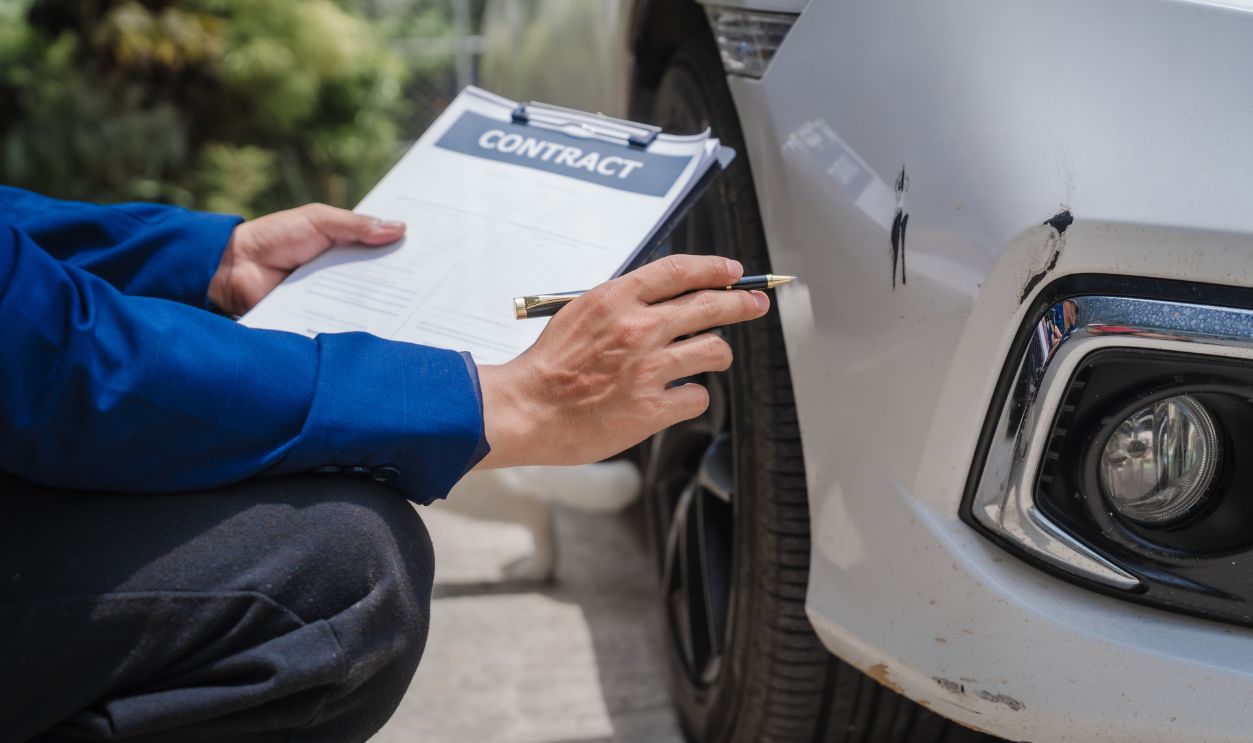
Many disputed claims involve detailed vehicle inspections. The insurance company may send an adjuster or independent appraiser to examine the damage firsthand. During these inspections, the goal is often to separate accident-related damage from pre-existing conditions. This process can significantly affect the final settlement amount.
Repair Shops Sometimes Flag Older Damage
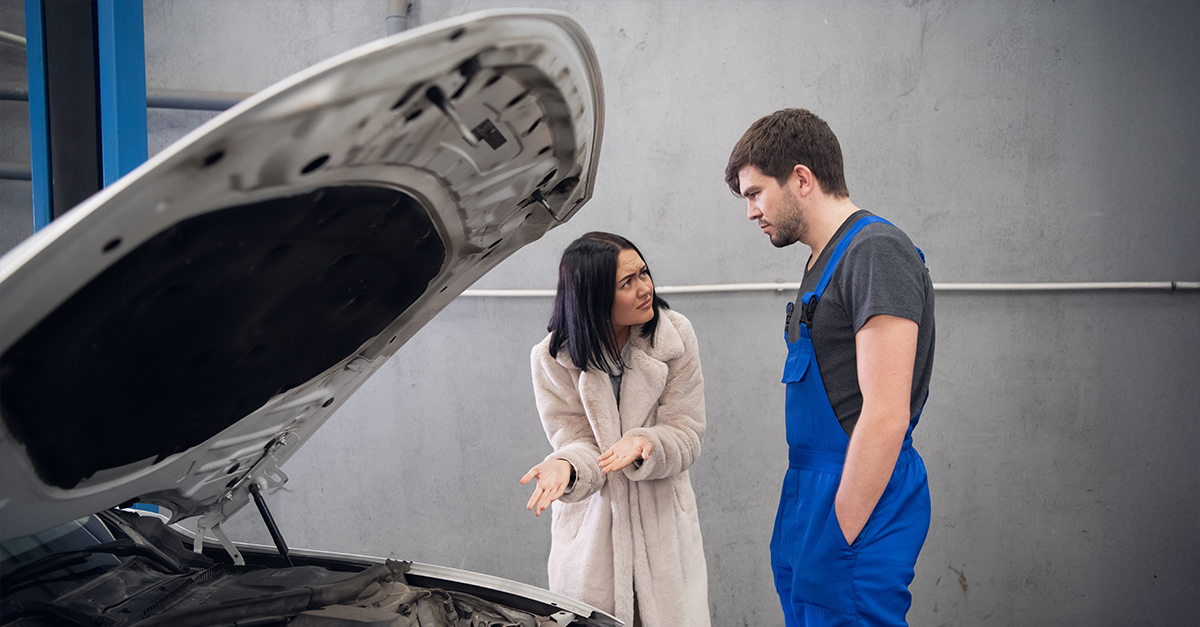
Body shops frequently identify damage that appears unrelated to the current accident. Their technicians may notice prior repairs, older dents, hidden corrosion, or damage patterns that don’t match the reported collision. These observations can influence how insurers evaluate the claim.
Previous Photos Can Change Everything
In today's world, many people unknowingly possess valuable evidence. Social media posts, online vehicle listings, dealership trade-in photos, maintenance records, and personal pictures may show the vehicle before the accident occurred. If older photos reveal the same damage being claimed now, they can become powerful evidence.

Surveillance Footage Sometimes Exists
Parking lots, businesses, traffic cameras, and residential security systems occasionally capture vehicles before and after accidents. Video footage may reveal existing damage that predates the collision. While this evidence is not always available, it can be extremely persuasive when it exists.
Witnesses Can Help Clarify Things
Witnesses sometimes notice details that drivers miss. A witness may have observed the condition of the vehicle immediately before or after the accident. Independent observations often carry significant weight because they come from someone without a financial interest in the outcome.

Do Not Accuse The Other Driver Without Evidence
Even if you strongly suspect the other driver is including unrelated damage, avoid making accusations without proof. Some people genuinely don’t know when certain damage occurred. Others may honestly believe all of the damage resulted from the accident. Let the evidence guide the discussion rather than turning the situation into a personal confrontation.

Let Your Insurance Company Investigate
Many drivers feel pressured to personally prove every detail of the claim. In reality, your insurance company has professionals whose job is to evaluate disputed damage. Provide all available evidence and allow them to conduct their investigation. That is one of the reasons you carry liability insurance in the first place.

Fraud Does Occasionally Happen
While most claims are legitimate, insurance fraud remains a real issue. Some individuals attempt to include old damage, unrelated repairs, or exaggerated losses in new claims. Insurers actively investigate suspicious situations because fraudulent claims increase costs for everyone. If the evidence suggests dishonesty, the insurance company may pursue the matter aggressively.
Minor Damage Can Become Expensive
One reason these disputes arise is that modern vehicle repairs are often surprisingly expensive. Bumpers, sensors, cameras, lighting systems, and driver-assistance technology can dramatically increase repair costs. A repair estimate that seems excessive may still be legitimate depending on the vehicle involved.
Ask Questions About The Estimate
If the repair estimate includes items that seem unrelated to the collision, ask your insurance company for clarification. Adjusters can often explain why certain repairs were approved or rejected. Understanding the reasoning behind the estimate may help ease concerns about paying for unrelated damage.

Comparative Damage Analysis Is Common
Adjusters frequently compare the damage on both vehicles involved in the collision. The location, height, severity, and transfer patterns often help determine what damage likely occurred during the accident. If the vehicles don’t support the claimed damage pattern, that inconsistency may become important.
 Quality Stock Arts, Shutterstock
Claims Can Be Negotiated
Insurance claims aren’t always settled immediately. There may be discussions between adjusters, repair shops, appraisers, attorneys, and vehicle owners before a final amount is agreed upon. Disputed damage often becomes part of that negotiation process.
Serious Cases May Involve Experts
Larger claims sometimes involve accident reconstruction specialists, engineers, forensic investigators, or independent appraisers. These experts analyze physical evidence to determine how damage occurred. Their opinions can carry significant weight when the facts are heavily disputed.
 Wedmoments.stock, Shutterstock
Keep Records Of Everything
Save photographs, repair estimates, witness information, police reports, communications, and insurance correspondence. Good documentation often becomes your strongest protection when disagreements arise. The more organized your records are, the easier it becomes to support your position.

Most Inflated Claims Eventually Get Scrutinized
Many drivers worry that the other party can simply submit an inflated repair bill and force them to pay it. In reality, insurers review claims carefully because they have a financial incentive to pay only for legitimate accident-related damage. While mistakes can happen, questionable claims often receive significant scrutiny before money changes hands.
You Are Not Automatically Responsible For Every Dent On The Car
If the driver you hit is trying to include damage that existed before the collision, that doesn’t automatically mean you will be held responsible for it. Insurance companies regularly investigate pre-existing damage issues using photographs, inspections, repair records, witness statements, and expert analysis. The best thing you can do is preserve evidence, cooperate with your insurer, and allow the investigation to separate the damage you actually caused from the damage that was already there.
You May Also Like:
I paid cash for a used car, and later found out there was still a lien on it. What can I do?