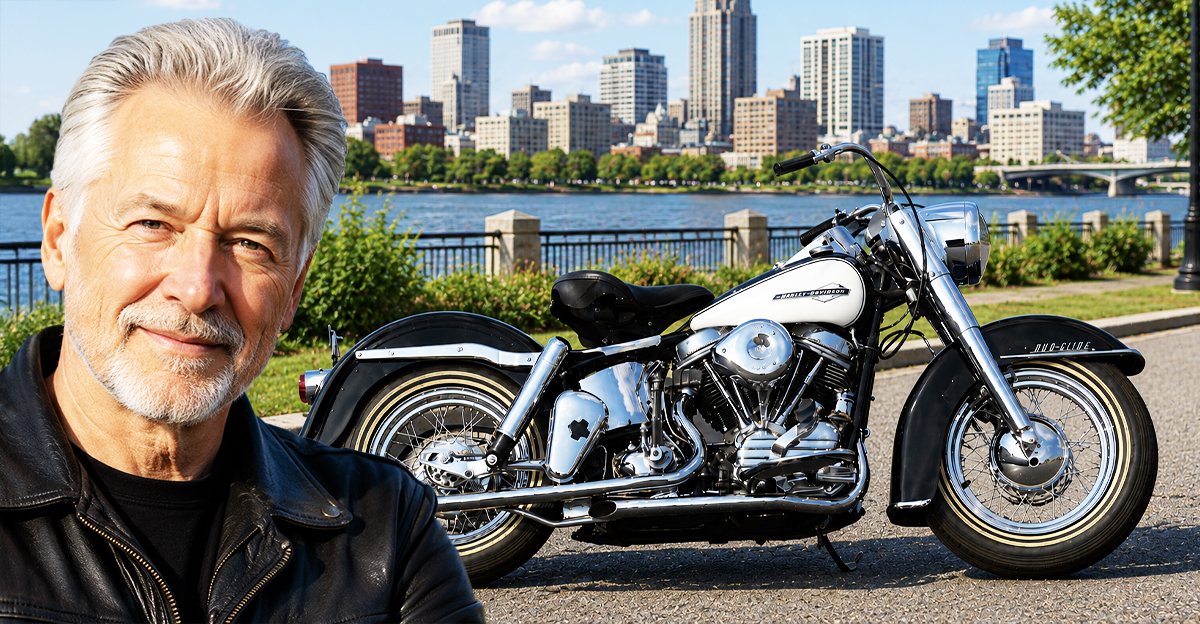
The Golden Age Of Motorcycles
The 1960s transformed motorcycling forever. British brands were still producing iconic parallel twins, European manufacturers continued refining high-performance machines, and Japanese companies began introducing motorcycles that would reshape the entire industry. Whether built for speed, comfort, racing, or adventure, these 26 bikes earned legendary reputations that continue to inspire collectors and riders today.
Honda CB750
Often called the world's first superbike, the Honda CB750 arrived in 1969 and instantly changed expectations. Its smooth inline four-cylinder engine, front disc brake, electric starter, and impressive reliability embarrassed many larger European rivals while proving sophisticated motorcycles could also be affordable.
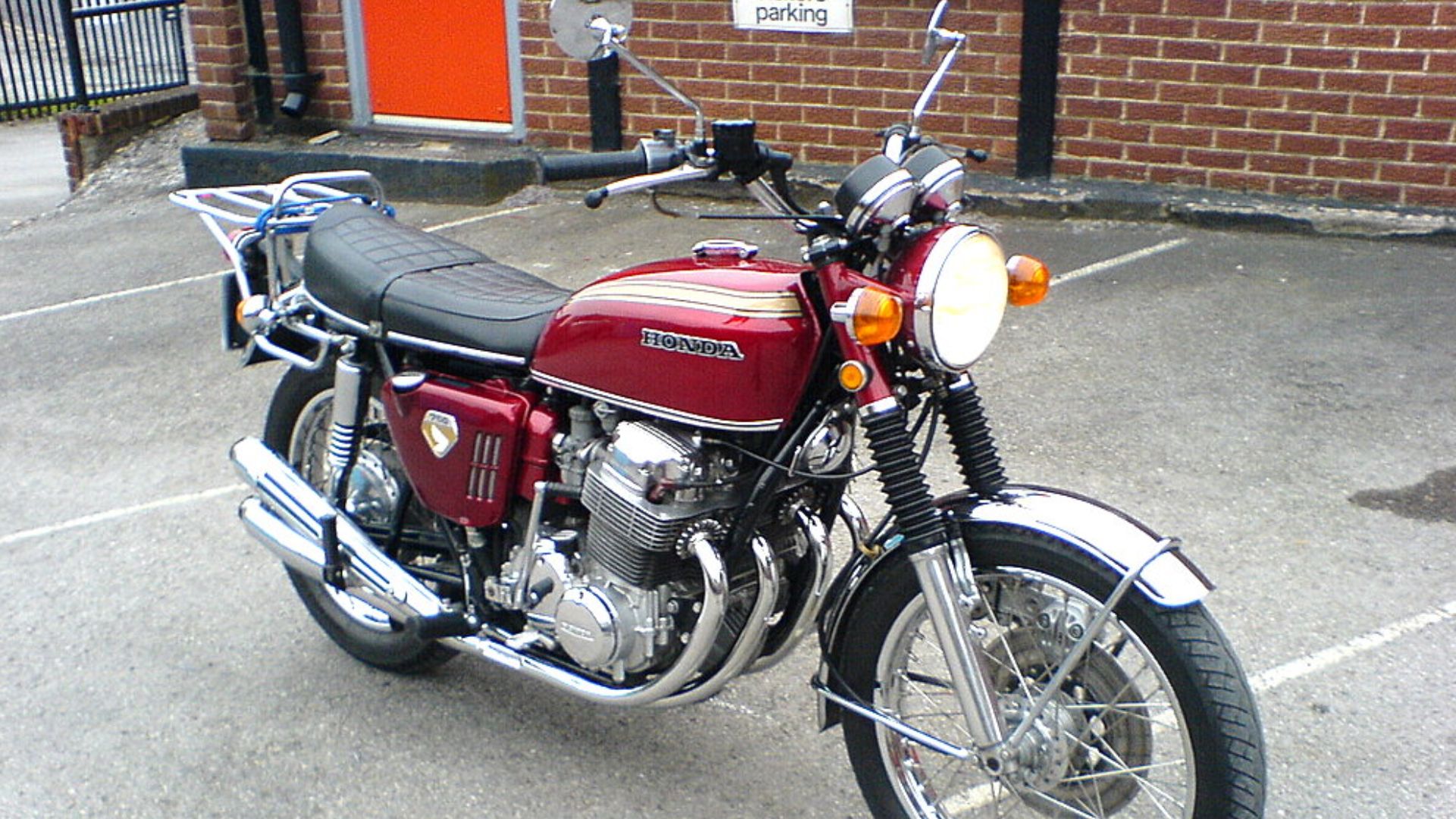 Original uploader was Slarty-bart-farst at en.wikipedia, Wikimedia Commons
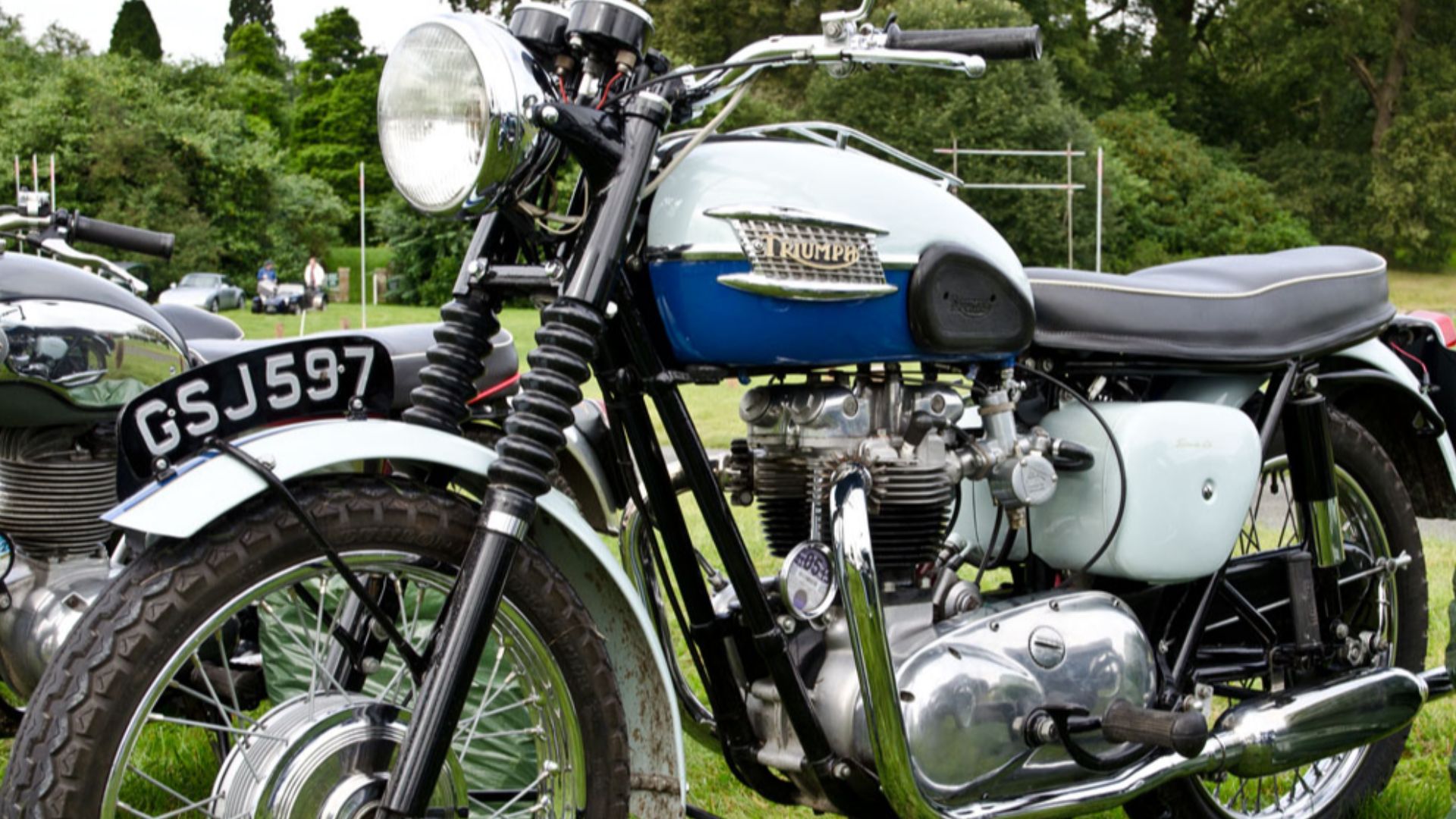
Triumph Bonneville T120
Named after Triumph's speed records at Utah's Bonneville Salt Flats, the T120 became one of Britain's defining motorcycles. Its lively 650 cc parallel twin delivered excellent performance, handsome styling, and a riding experience that made it a favorite among enthusiasts on both sides of the Atlantic.
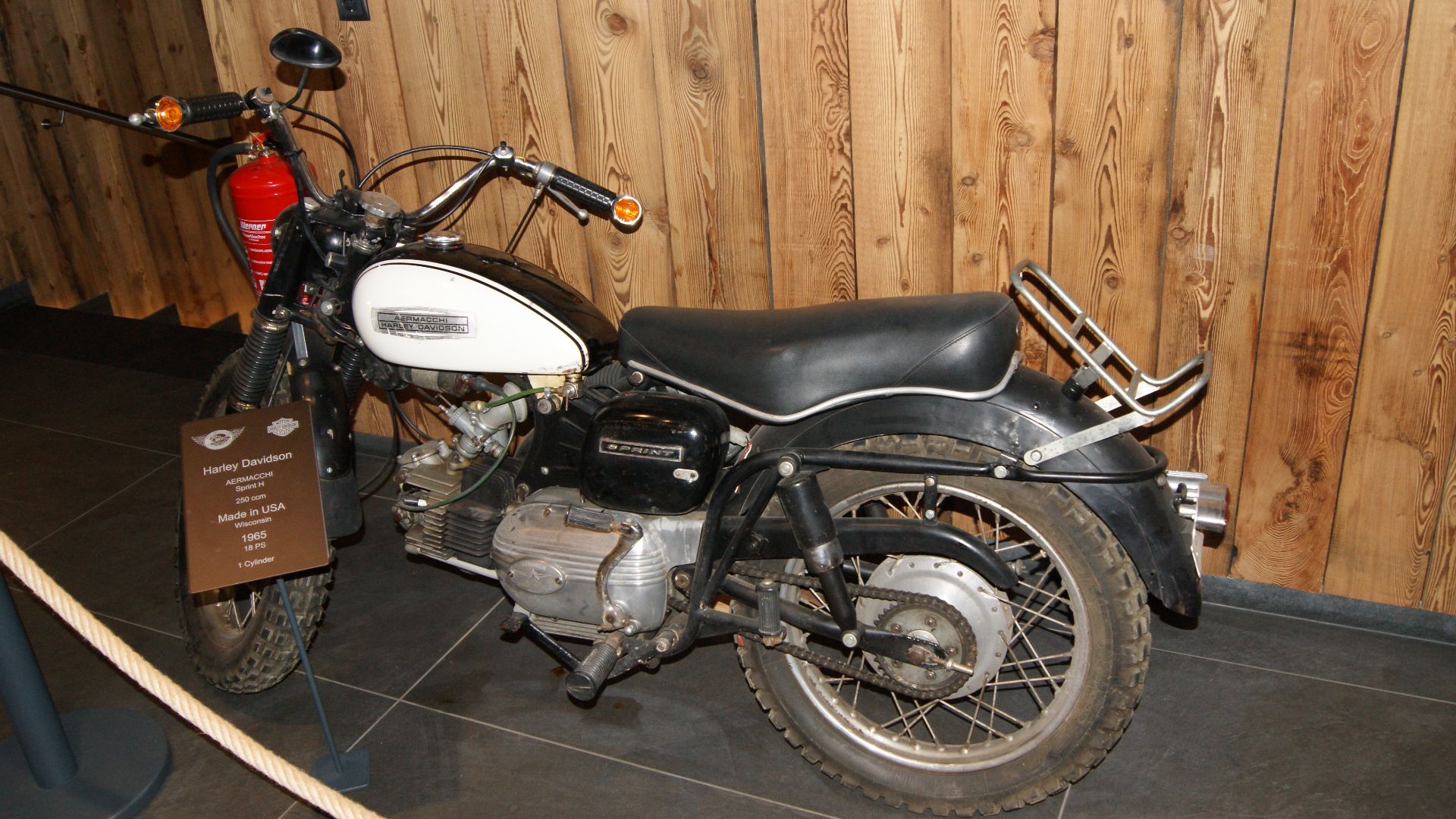
Harley-Davidson Sprint H
Unlike Harley's traditional V-twins, the lightweight Sprint H was based on Italian Aermacchi engineering. Its nimble handling, economical single-cylinder engine, and approachable size helped introduce an entirely new generation of younger riders to the Harley-Davidson brand.
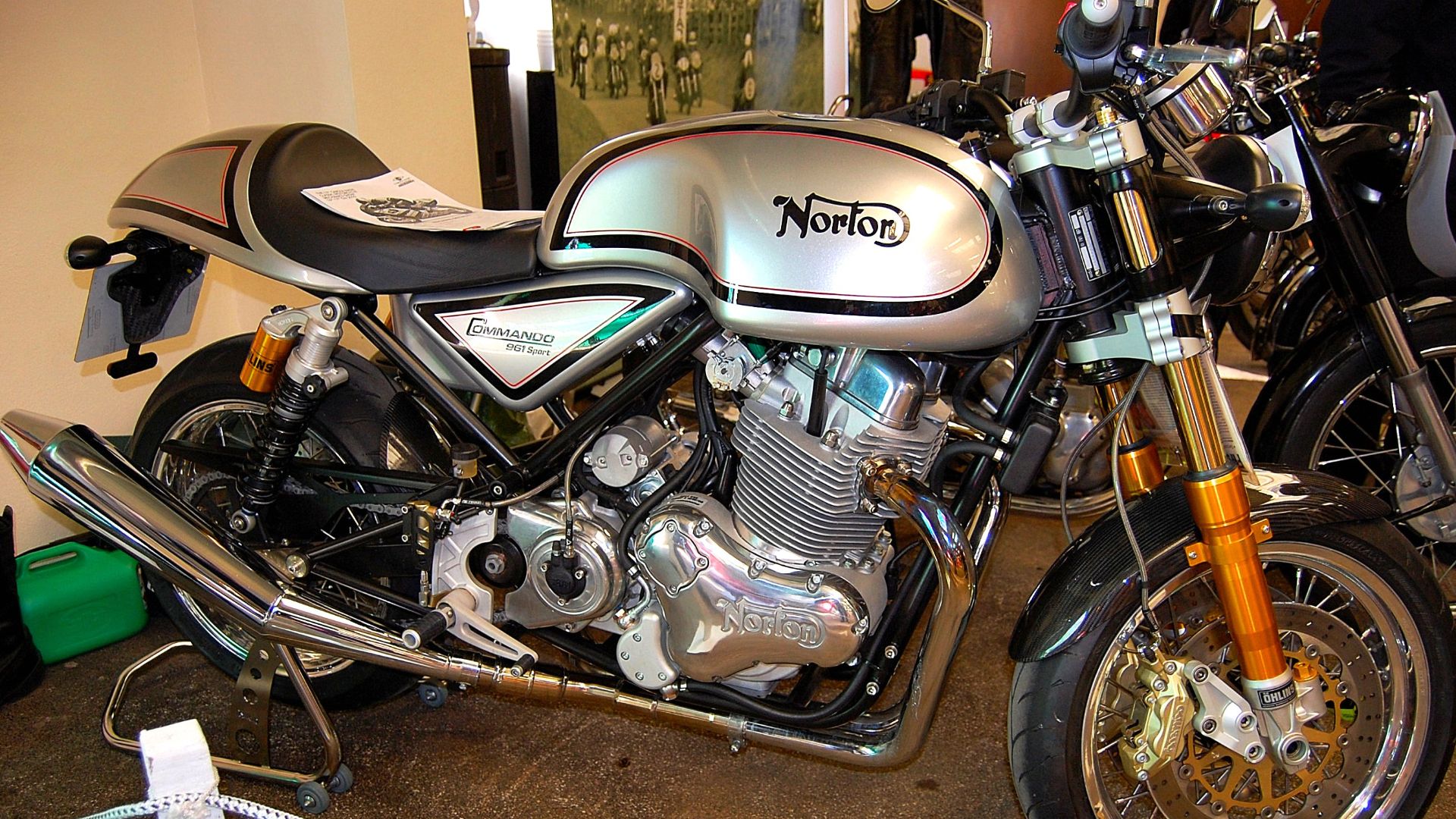
Norton Commando
Introduced in 1967, the Norton Commando solved many vibration problems through its innovative Isolastic frame mounting system. Combined with its powerful 750 cc twin, excellent handling, and aggressive styling, it quickly earned a reputation as one of Britain's finest sporting motorcycles.
 Ronald Saunders from Warrington, UK, Wikimedia Commons
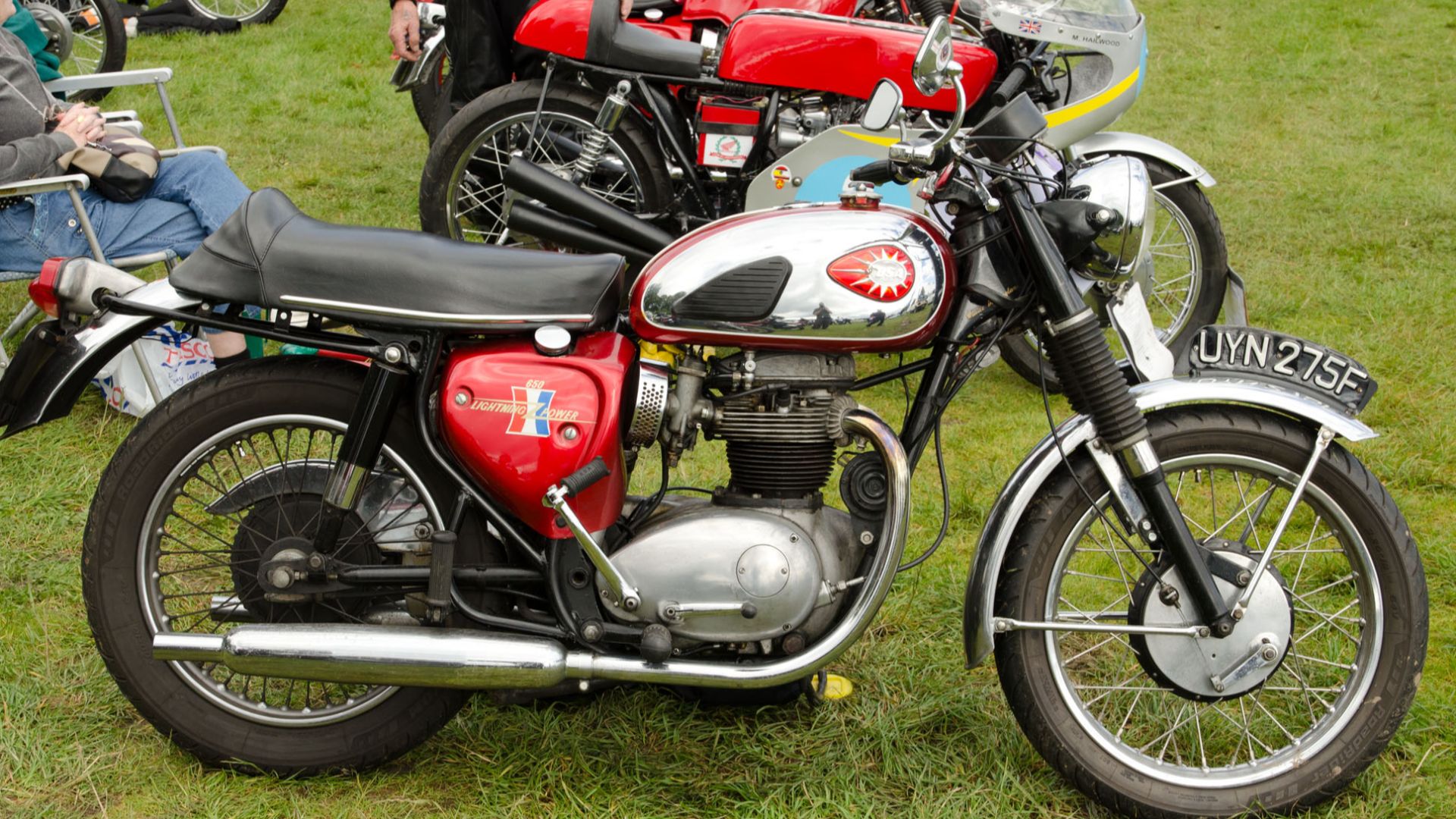
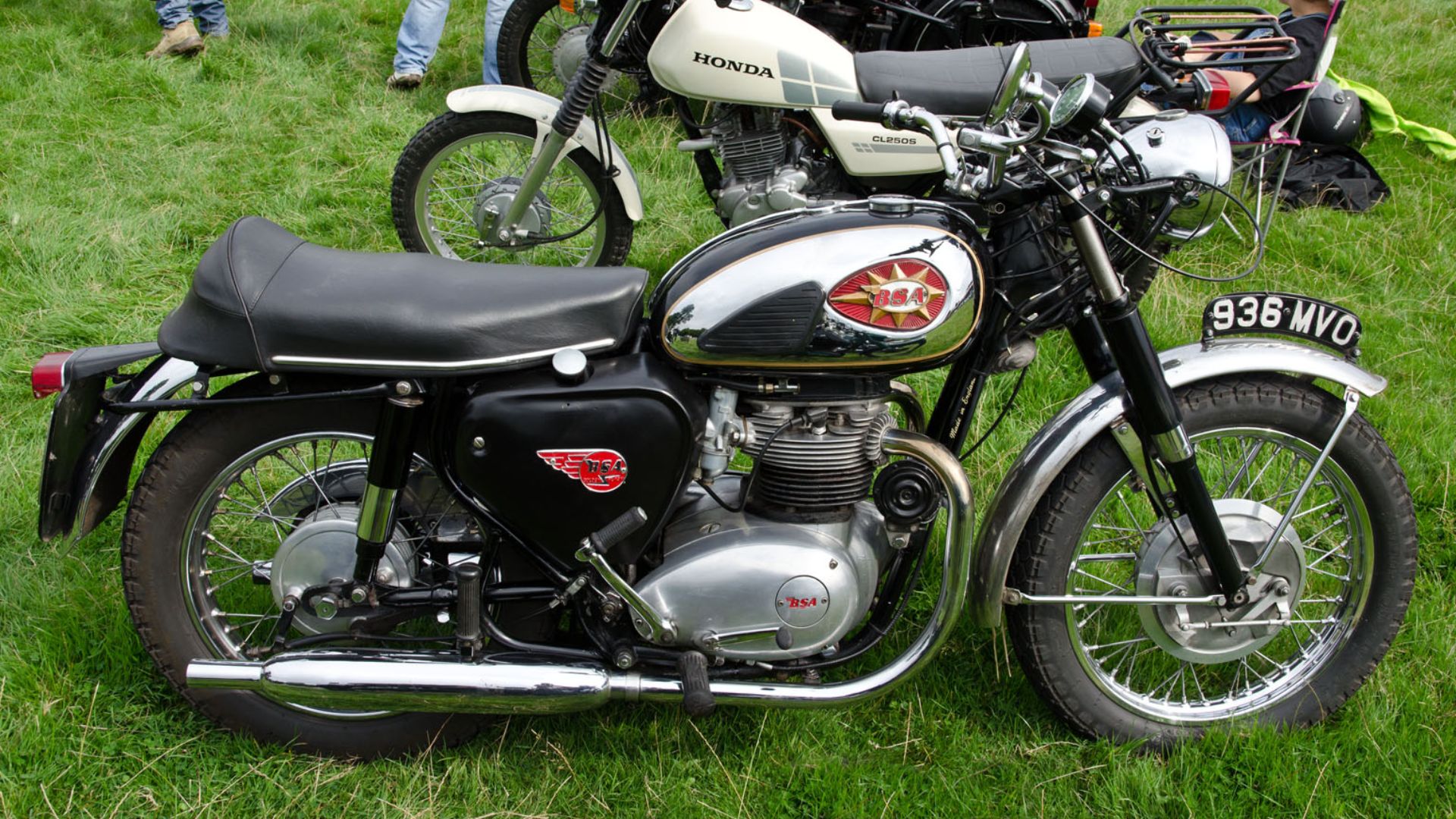
BSA Lightning
The BSA Lightning combined everyday practicality with spirited performance, helping Britain's largest motorcycle manufacturer compete during a rapidly changing decade. Its responsive parallel twin, attractive fuel tank, and dependable road manners made it particularly popular in North America.
BMW R69S
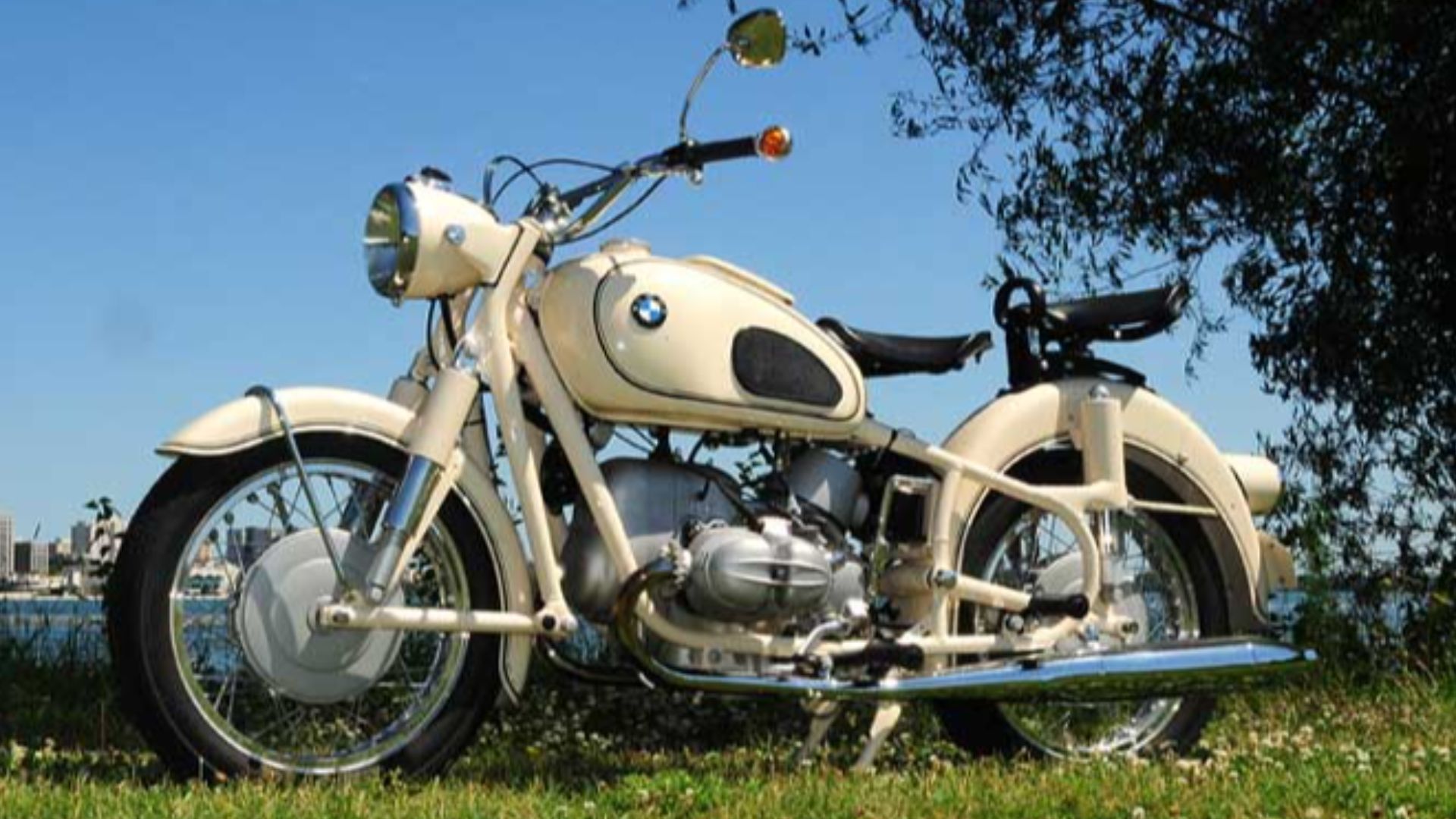
BMW's flagship boxer twin represented precision German engineering at its finest. The R69S featured outstanding reliability, shaft drive, comfortable touring manners, and exceptional durability. Long-distance riders appreciated its ability to cover enormous mileage while requiring relatively little maintenance.
Ducati Mach 1
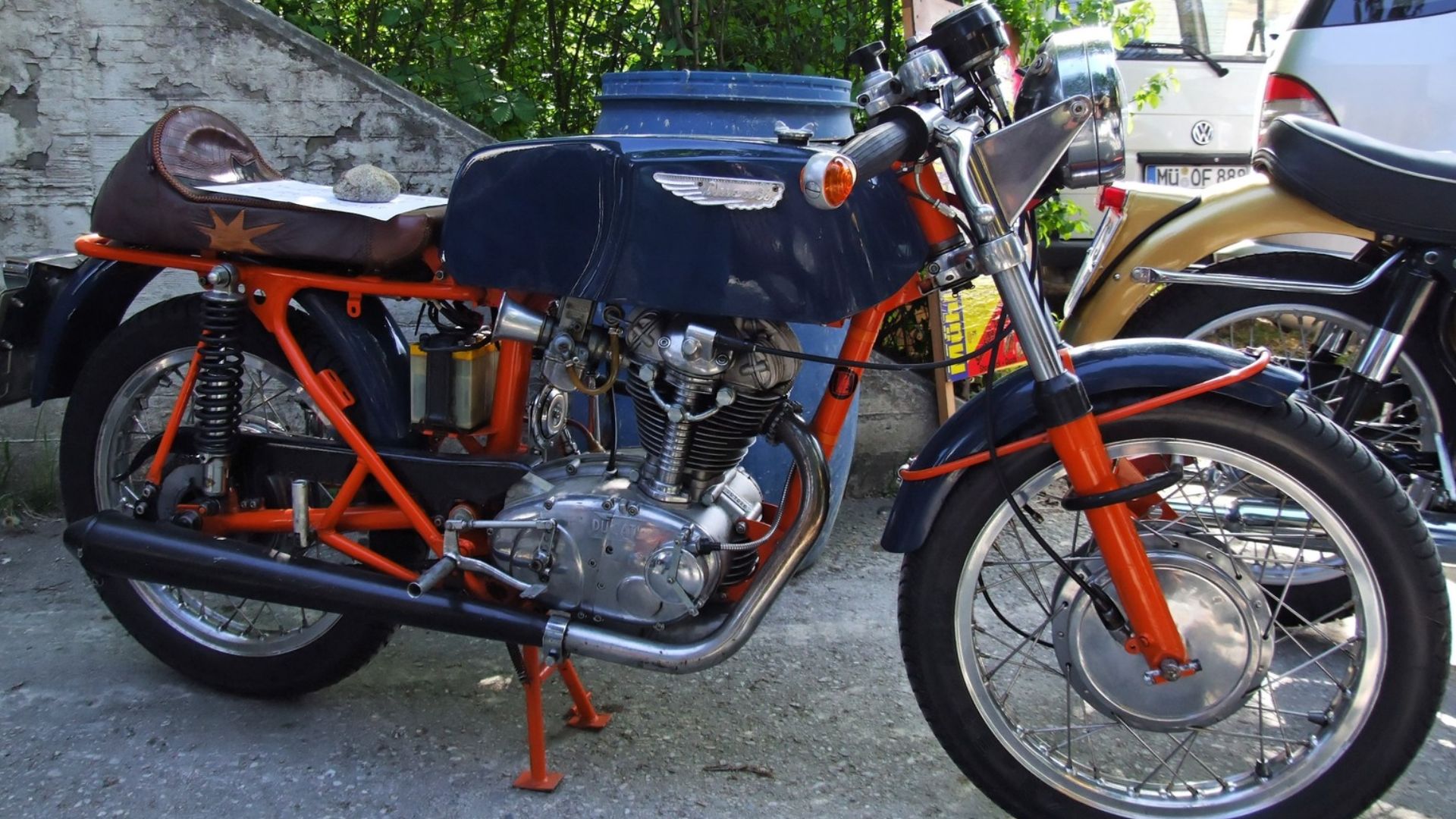
The Ducati Mach 1 proved that smaller motorcycles could still deliver thrilling performance. Powered by a high-revving 250 cc single-cylinder engine with bevel-drive overhead camshaft technology, it became one of the quickest production quarter-liter motorcycles of its era.
Harley-Davidson Sportster XLCH
The XLCH offered a lighter, more performance-oriented alternative to Harley-Davidson's larger touring models. Its kick-start-only design, distinctive V-twin rumble, and stripped-down appearance appealed to riders seeking speed and simplicity rather than luxury or long-distance comfort.
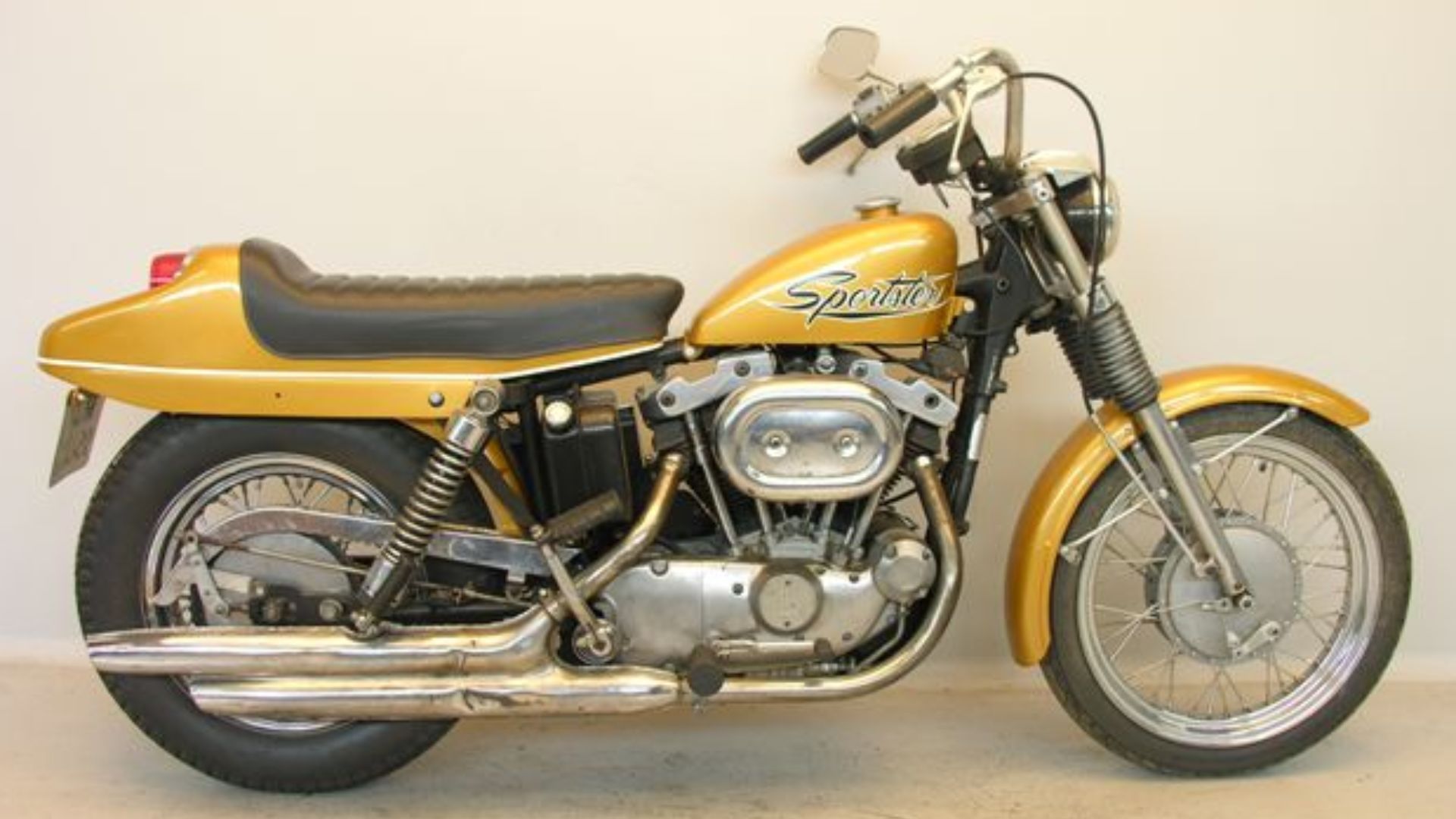 Yesterdays Antique Motorcycles., Wikimedia Commons
Yamaha DT-1
When Yamaha introduced the DT-1 in 1968, it practically invented the modern dual-sport motorcycle. Riders could comfortably commute during the week before exploring dirt trails on weekends, helping create an entirely new segment that remains enormously popular today.
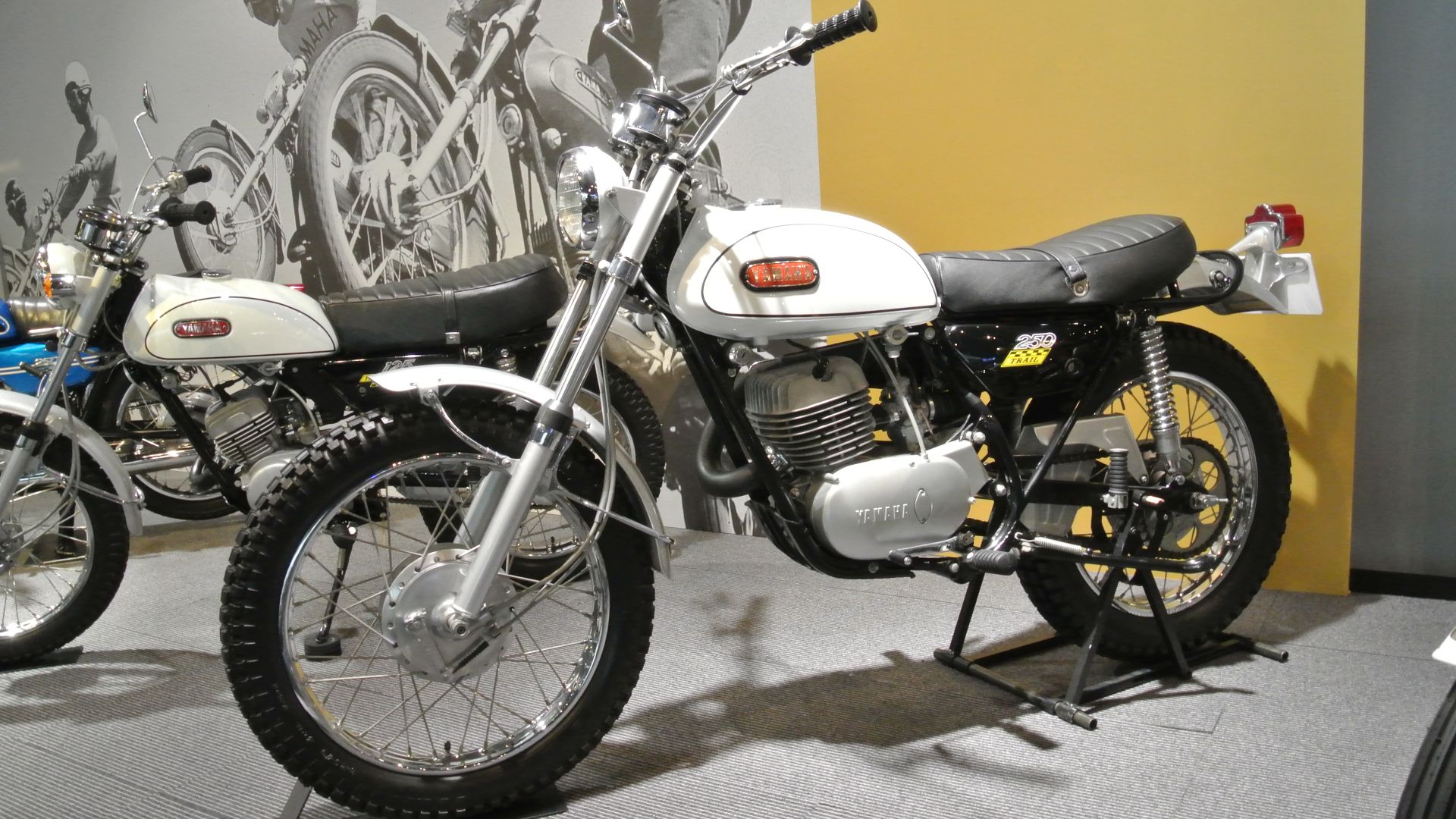 Rainmaker47, Wikimedia Commons
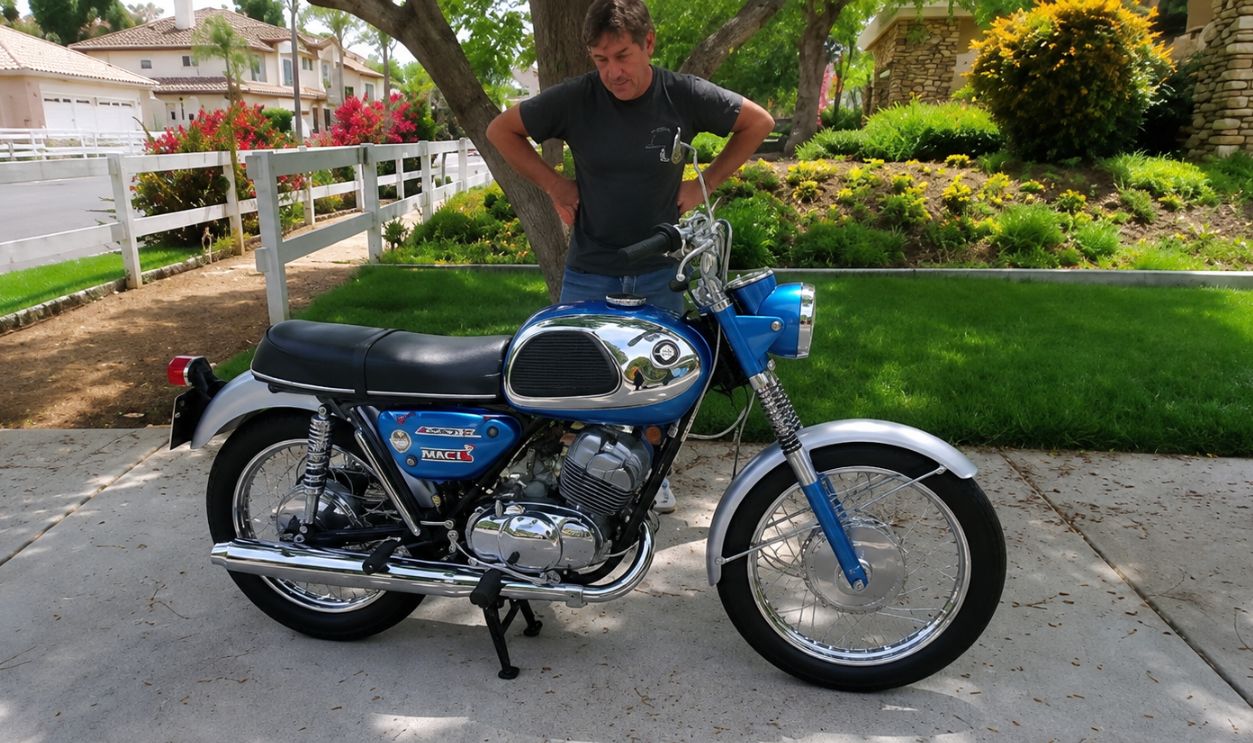
Suzuki X-6 Hustler
The Suzuki X-6 Hustler surprised many riders with its lively 250 cc two-stroke twin. Featuring six gears, oil injection, and impressive performance for its size, it demonstrated that Japanese engineering could produce motorcycles every bit as exciting as European competition.
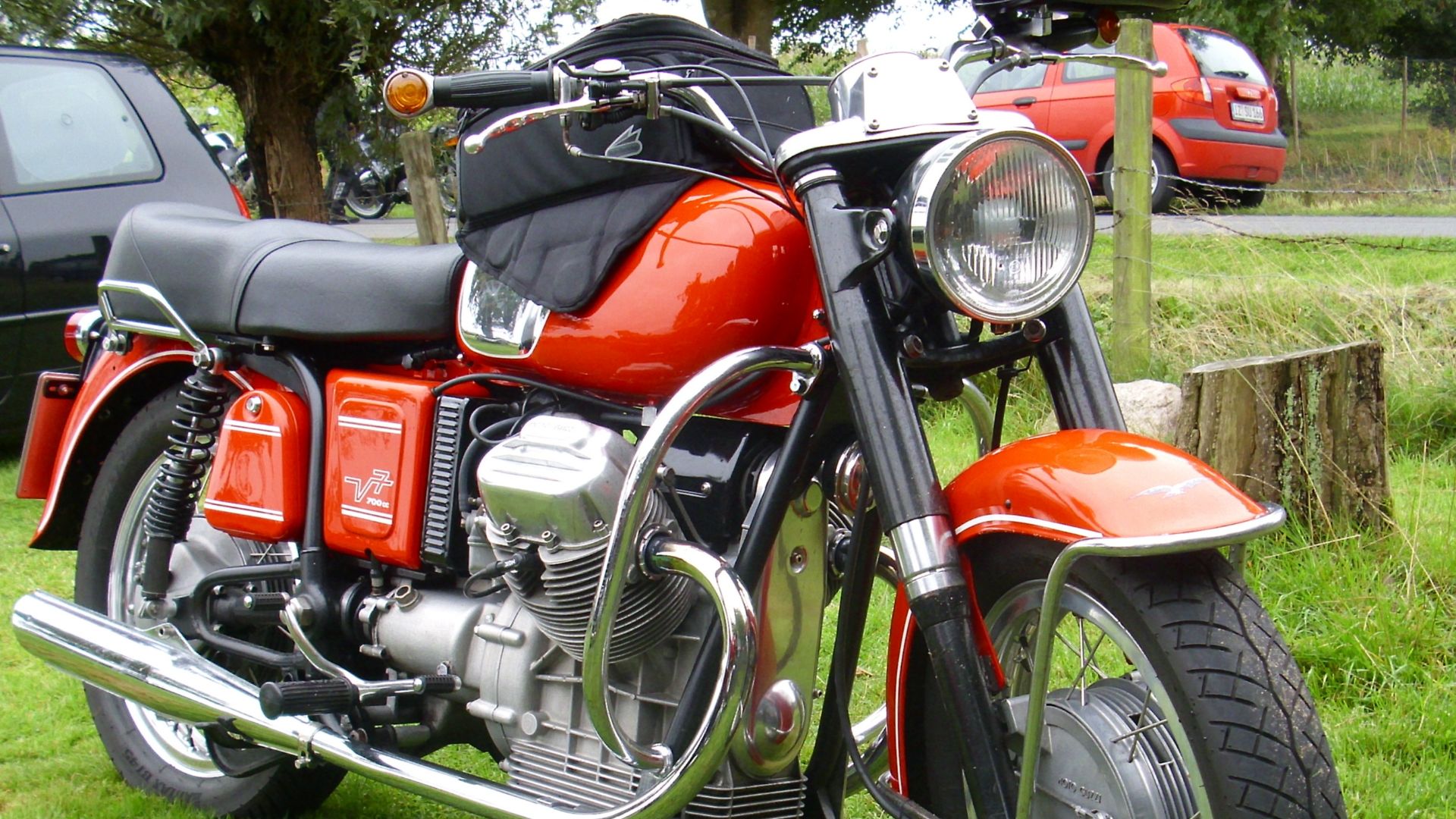
Moto Guzzi V7
Moto Guzzi's V7 introduced the transverse V-twin engine layout that still defines the company today. Originally developed for police and military use, it combined smooth power delivery, shaft drive, and impressive durability in a package built for long-distance reliability.
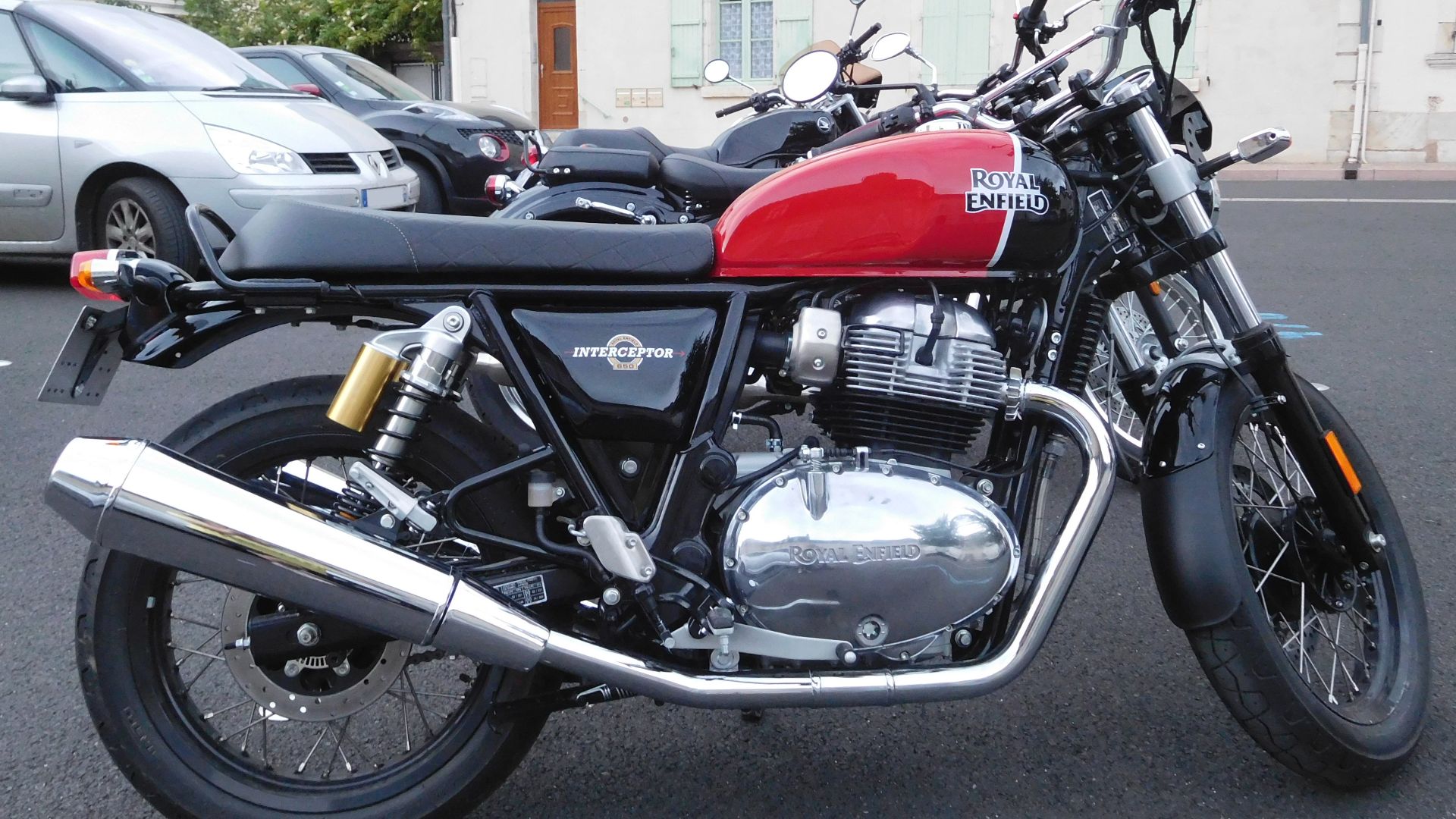
Royal Enfield Interceptor
Built primarily for export markets, the Royal Enfield Interceptor became one of Britain's fastest twins. Its muscular 736 cc engine, strong acceleration, and handsome styling made it especially attractive to American riders who wanted big performance with classic British character.
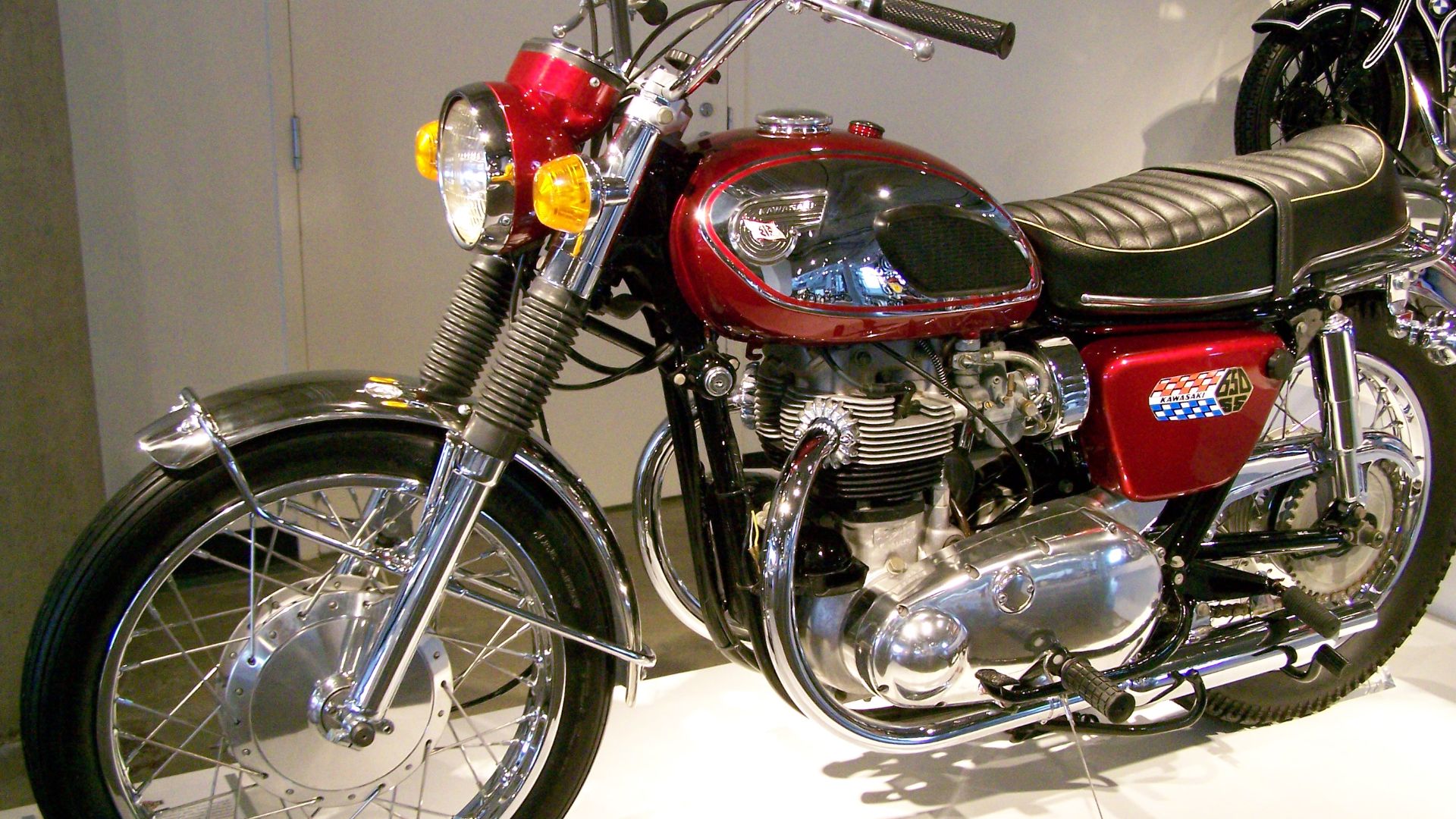
Kawasaki W1
Kawasaki entered the large-displacement motorcycle market with the W1, a robust 650 cc parallel twin inspired by classic British designs. Although traditional in appearance, it showcased Kawasaki's manufacturing quality and marked the beginning of the company's rise as a global motorcycle powerhouse.
 Chuck Schultz, Wikimedia Commons
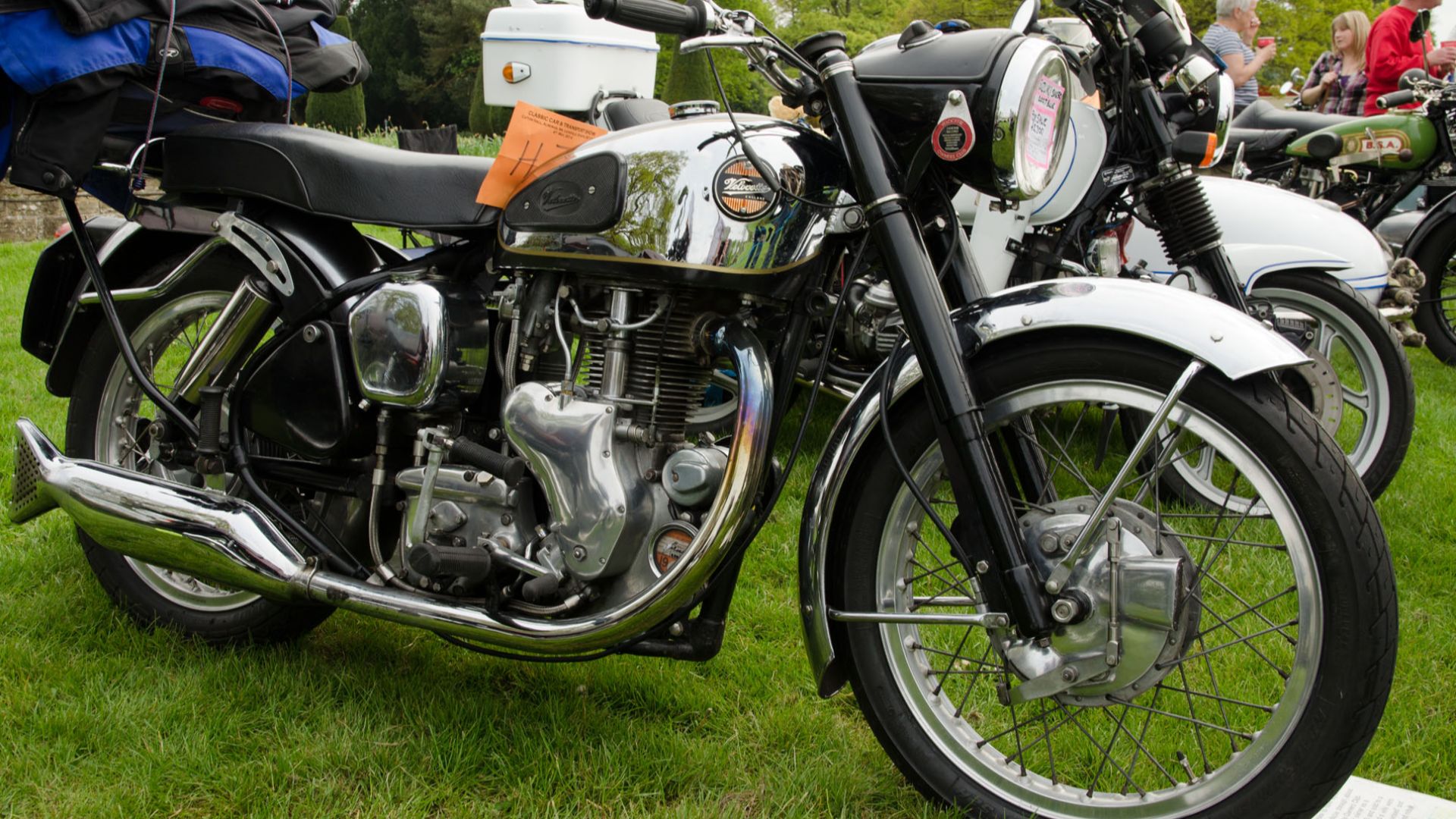
Velocette Venom
The Velocette Venom demonstrated that refinement and performance could coexist beautifully. Its beautifully engineered 500 cc single-cylinder engine earned admiration for reliability and efficiency, while one specially prepared example famously established a 24-hour endurance speed record that stood for years.
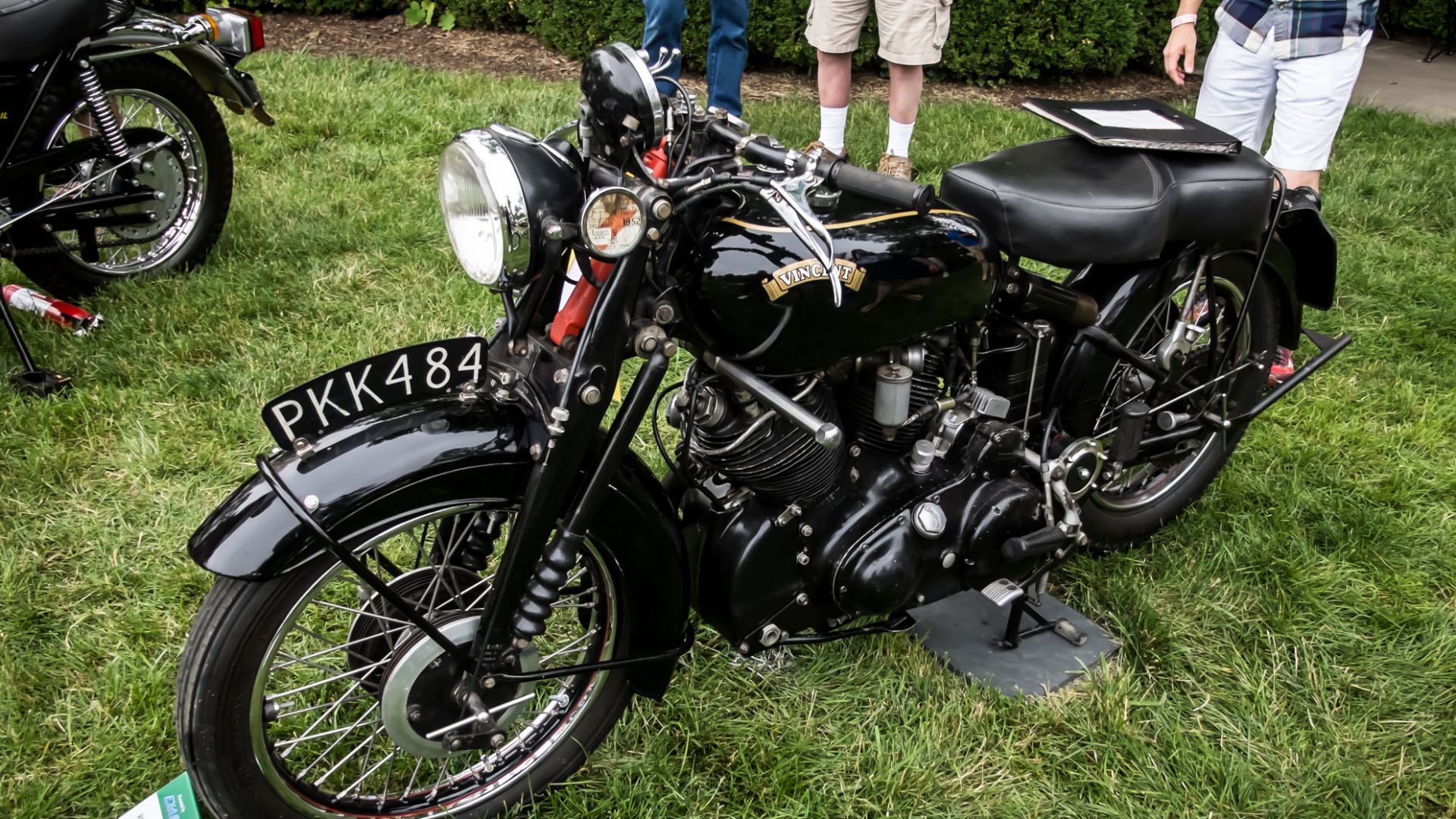
Vincent Black Shadow
Although introduced in the late 1940s, the Vincent Black Shadow remained one of the world's fastest and most respected motorcycles throughout the early 1960s. Its powerful V-twin engine, advanced engineering, and legendary top speed made it an enduring benchmark for performance enthusiasts.
 Doug Fawley, Wikimedia Commons
Harley-Davidson FLH Duo-Glide
Before the Electra Glide introduced electric starting, the Duo-Glide set the standard for American touring motorcycles. Its powerful Panhead V-twin, hydraulic rear suspension, and comfortable long-distance manners made it the motorcycle of choice for riders crossing the country in style.
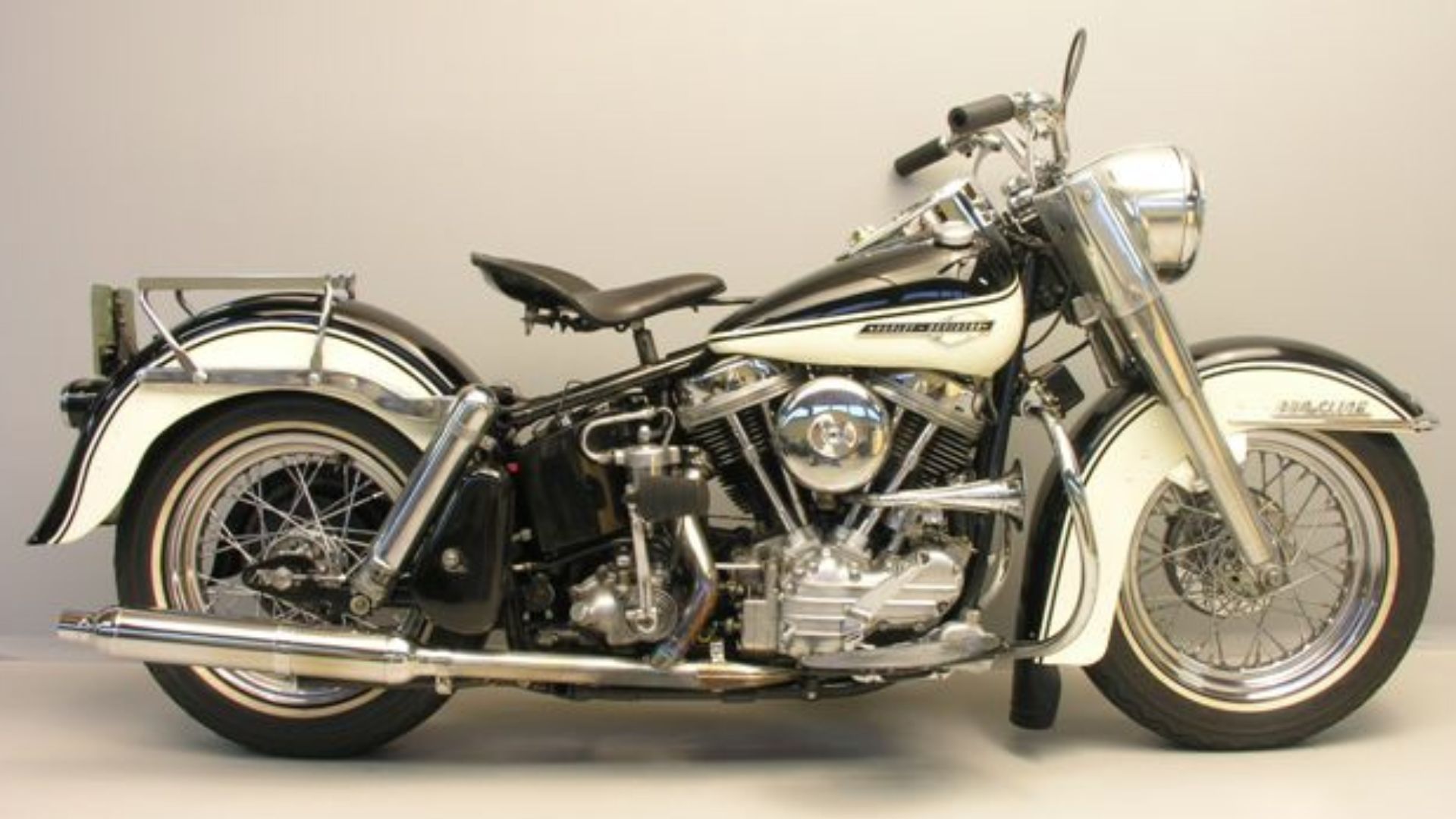 Piero at Dutch Wikipedia, Wikimedia Commons
Matchless G12
The Matchless G12 offered smooth touring capability with classic British styling. Powered by a dependable 650 cc parallel twin, it earned praise for comfortable long-distance riding, sturdy construction, and a reputation as one of Matchless's most capable postwar motorcycles.
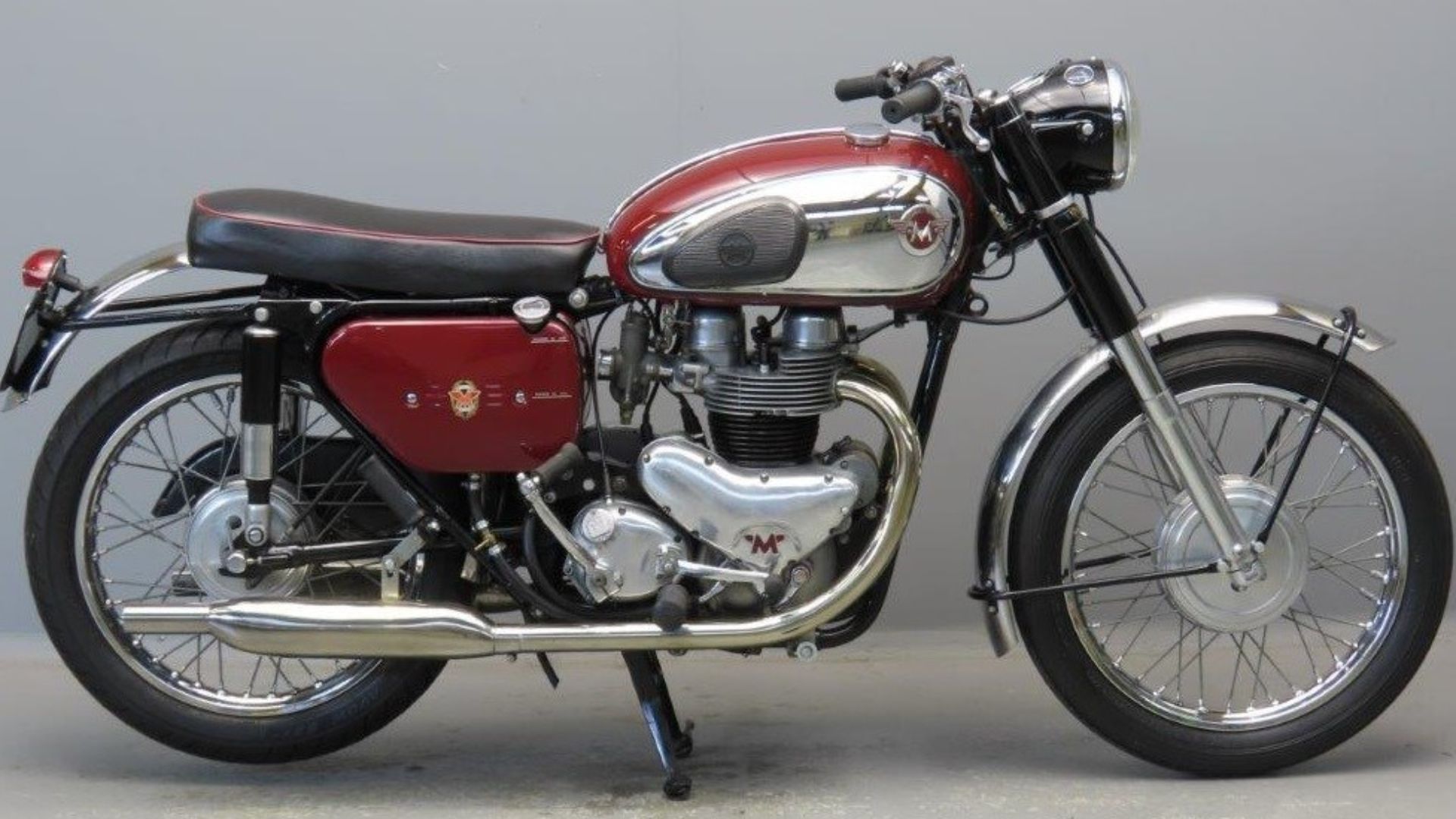 Yesterdays Antique Motorcycles, Wikimedia Commons
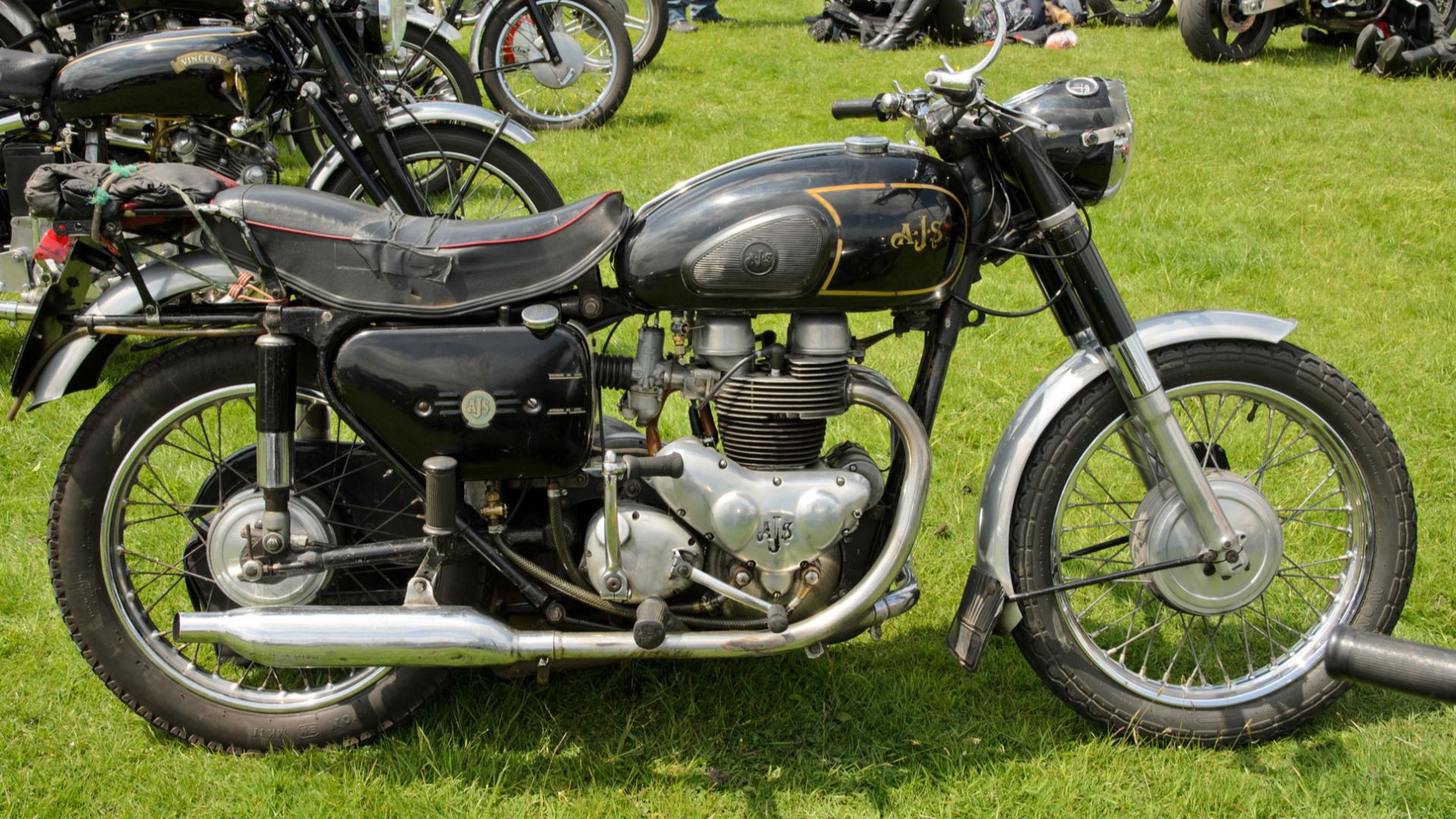
AJS Model 31
Closely related to the Matchless G12, the AJS Model 31 combined handsome styling with dependable engineering. Riders appreciated its smooth power delivery, comfortable handling, and solid reliability, making it a popular choice for everyday transportation throughout the decade.
Honda CB450 Black Bomber
Before the arrival of the CB750, Honda shocked competitors with the innovative CB450. Featuring a sophisticated double overhead camshaft parallel twin, electric starter, and excellent reliability, the Black Bomber demonstrated that Japanese motorcycles could compete directly with Europe's established manufacturers.
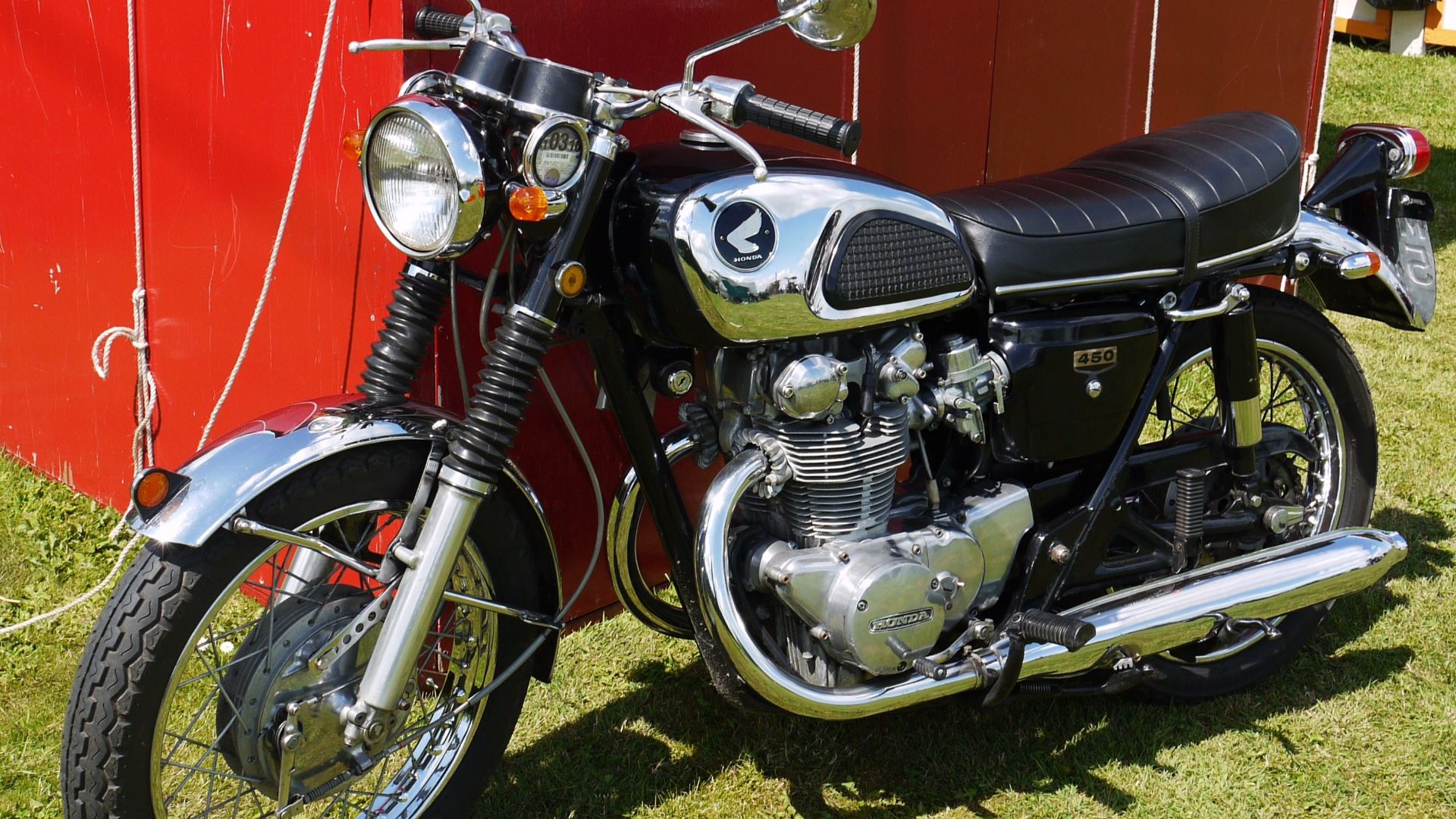 Mick from England, Wikimedia Commons
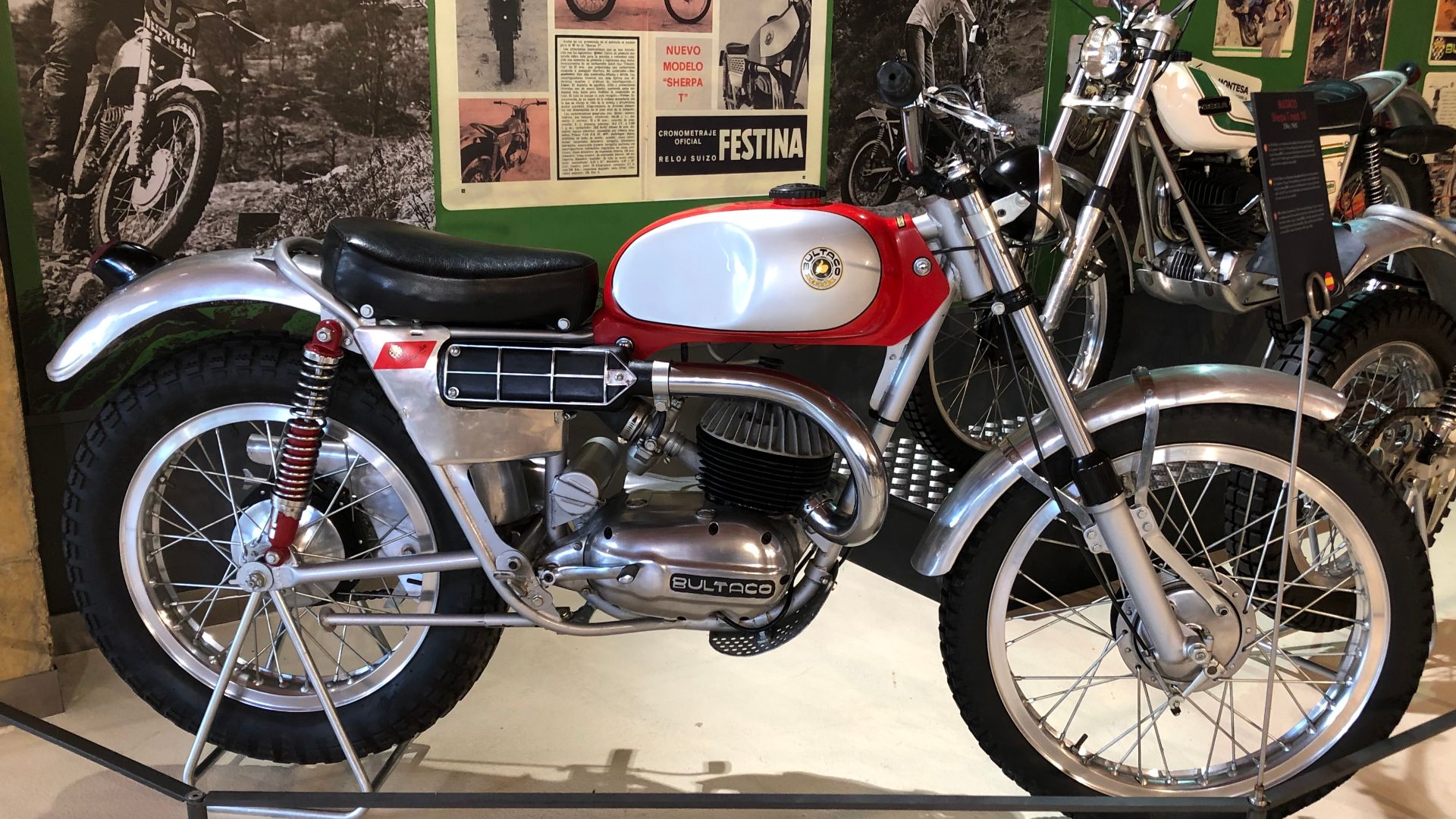
Bultaco Sherpa T
The Bultaco Sherpa T revolutionized motorcycle trials competition almost overnight. Developed with legendary rider Sammy Miller, its lightweight chassis, responsive two-stroke engine, and exceptional balance forever changed the design of observed trials motorcycles around the world.
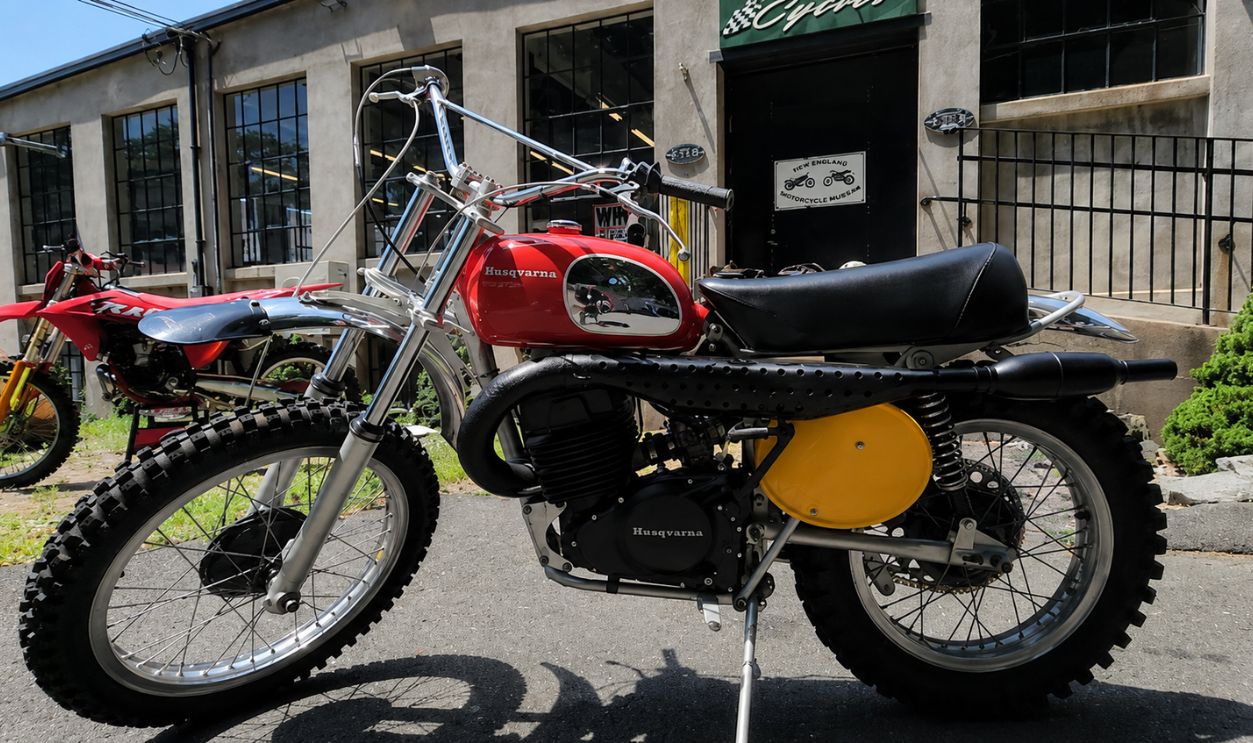
Husqvarna 400 Cross
Husqvarna's lightweight 400 Cross became one of the defining motocross machines of the late 1960s. Its combination of low weight, strong performance, and rugged durability helped establish Swedish engineering as a major force in off-road motorcycle competition.
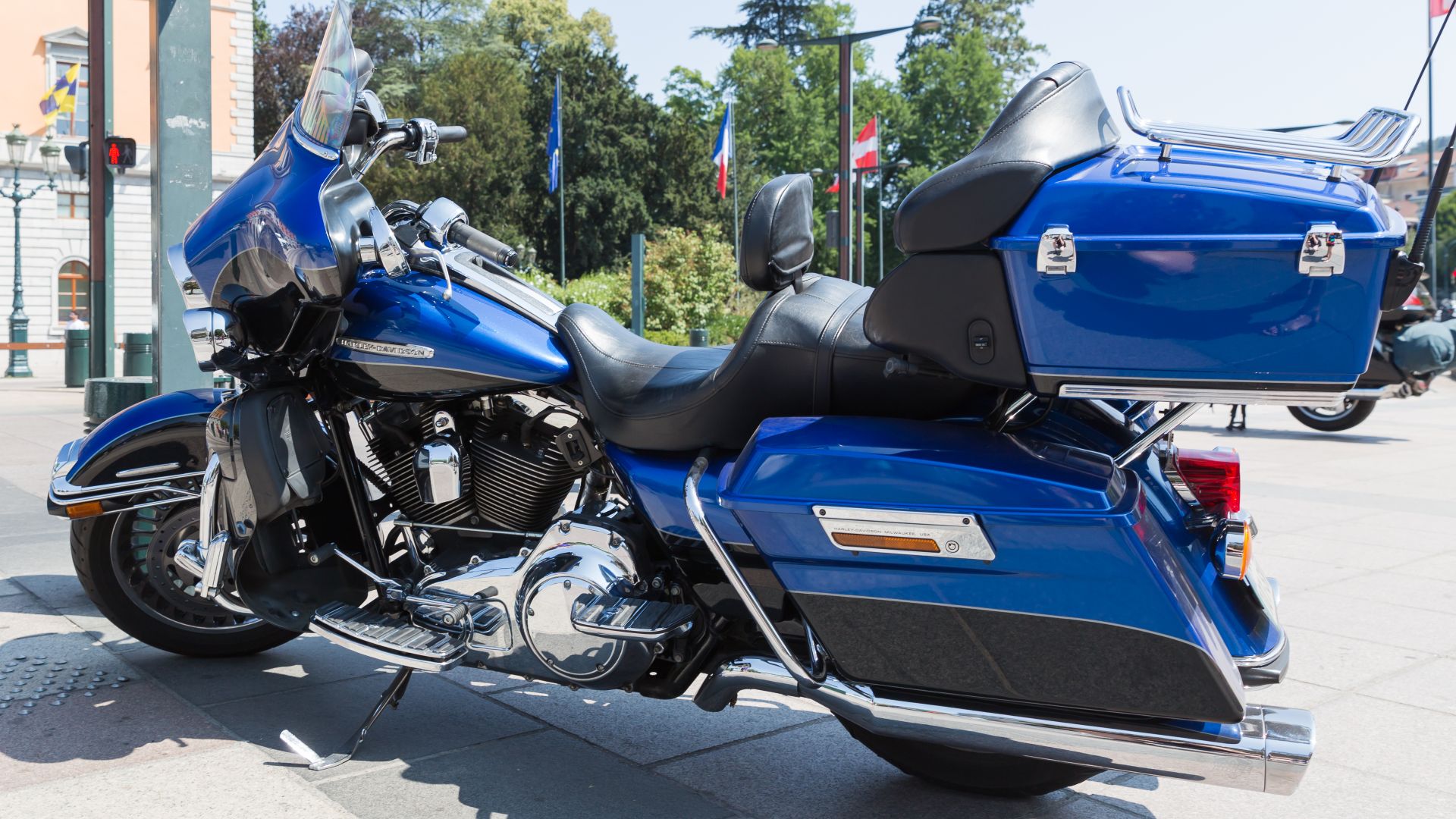
Harley-Davidson Electra Glide
Introduced in 1965, the Electra Glide brought electric starting to Harley-Davidson's flagship touring motorcycle. Combined with its comfortable riding position, powerful V-twin engine, and growing reputation as the ultimate long-distance cruiser, it quickly became an American icon.
 William Crochot, Wikimedia Commons
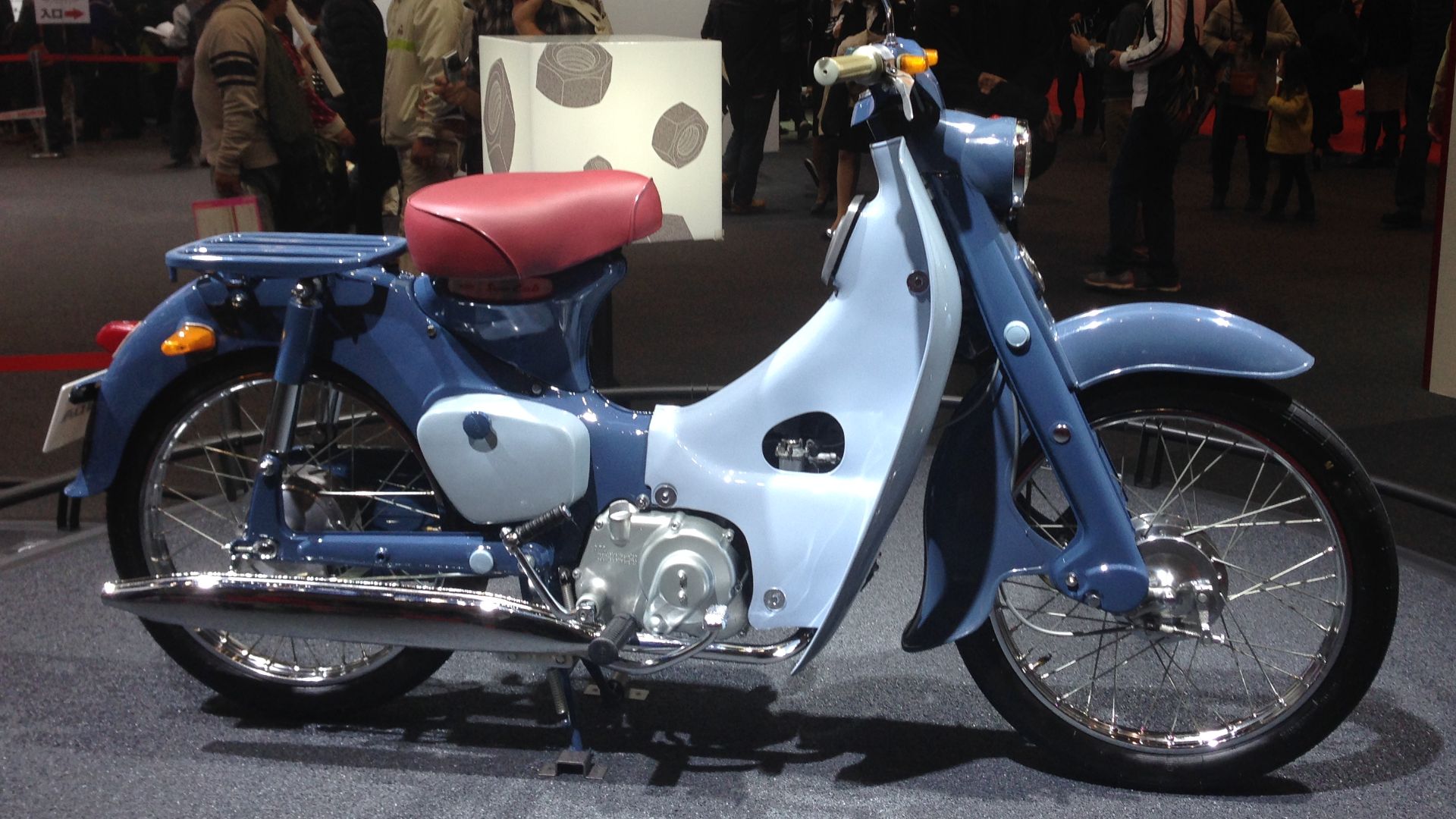
Honda Super Cub C100
No motorcycle has sold in greater numbers than Honda's humble Super Cub. Introduced in the late 1950s and enormously popular throughout the 1960s, its step-through frame, semi-automatic transmission, incredible fuel economy, and bulletproof reliability brought millions of new riders onto two wheels.
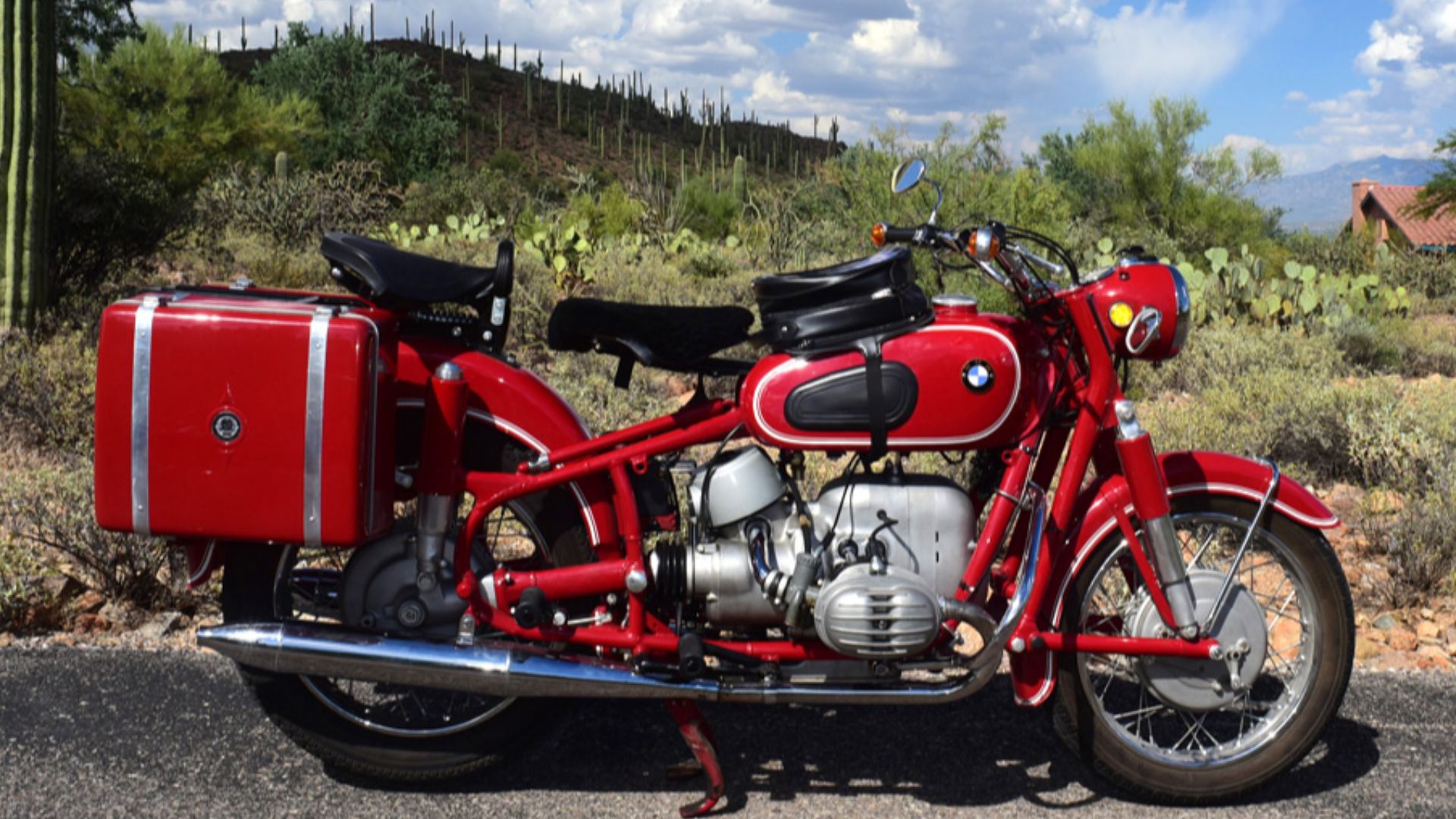
BMW R60/2
The BMW R60/2 became a favorite among touring enthusiasts thanks to its exceptionally smooth boxer engine, dependable shaft drive, and comfortable ergonomics. Many were fitted with sidecars, creating versatile combinations capable of tackling everything from daily commuting to cross-country adventures.
 Jeffrey M Dean, Wikimedia Commons
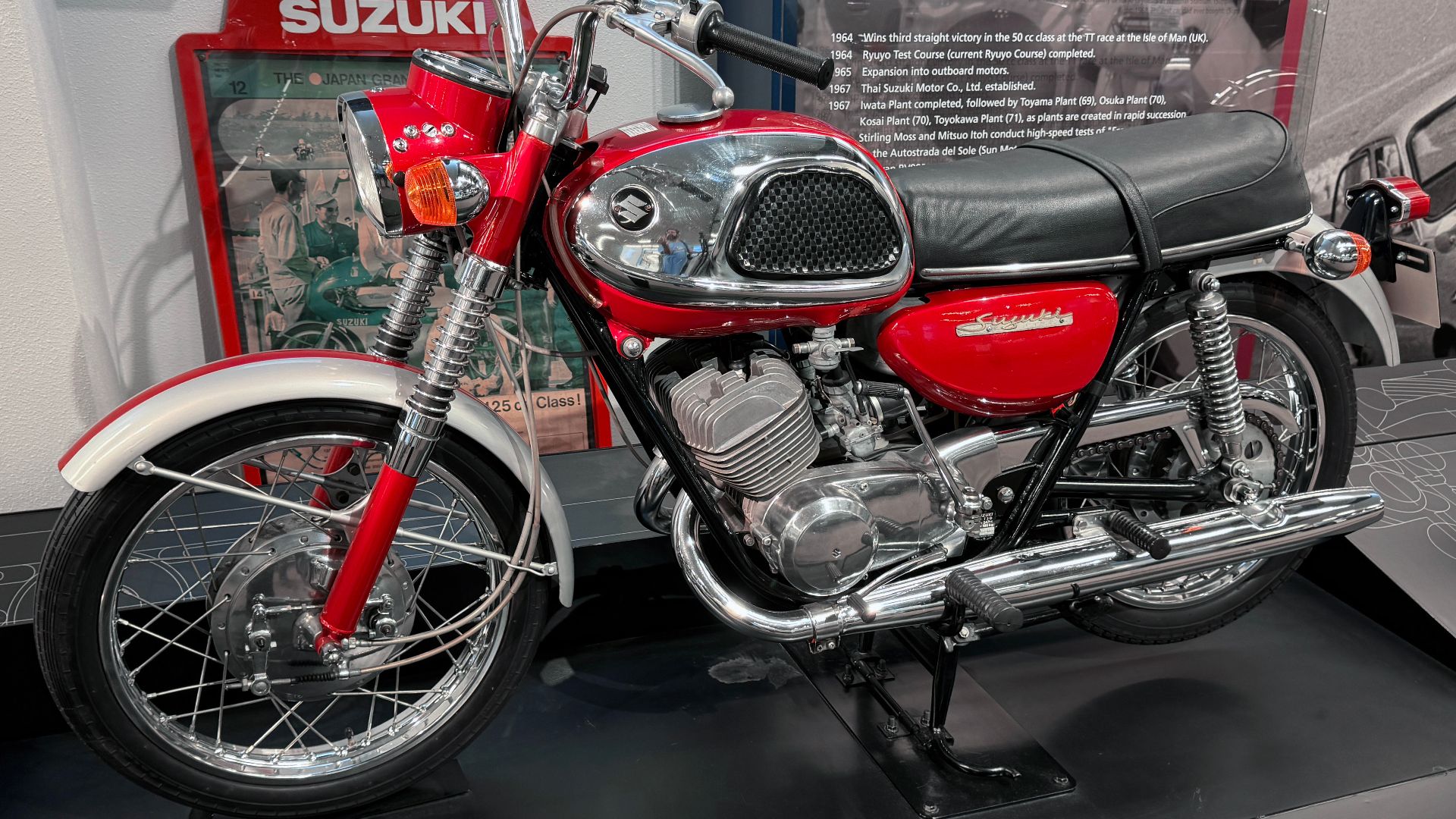
Suzuki T20 Super Six
The Suzuki T20 Super Six packed remarkable performance into a compact package. Its lively 250 cc two-stroke twin, six-speed gearbox, and advanced oil injection system made it one of the quickest and most technically sophisticated quarter-liter motorcycles of the decade.
 Mr.choppers, Wikimedia Commons
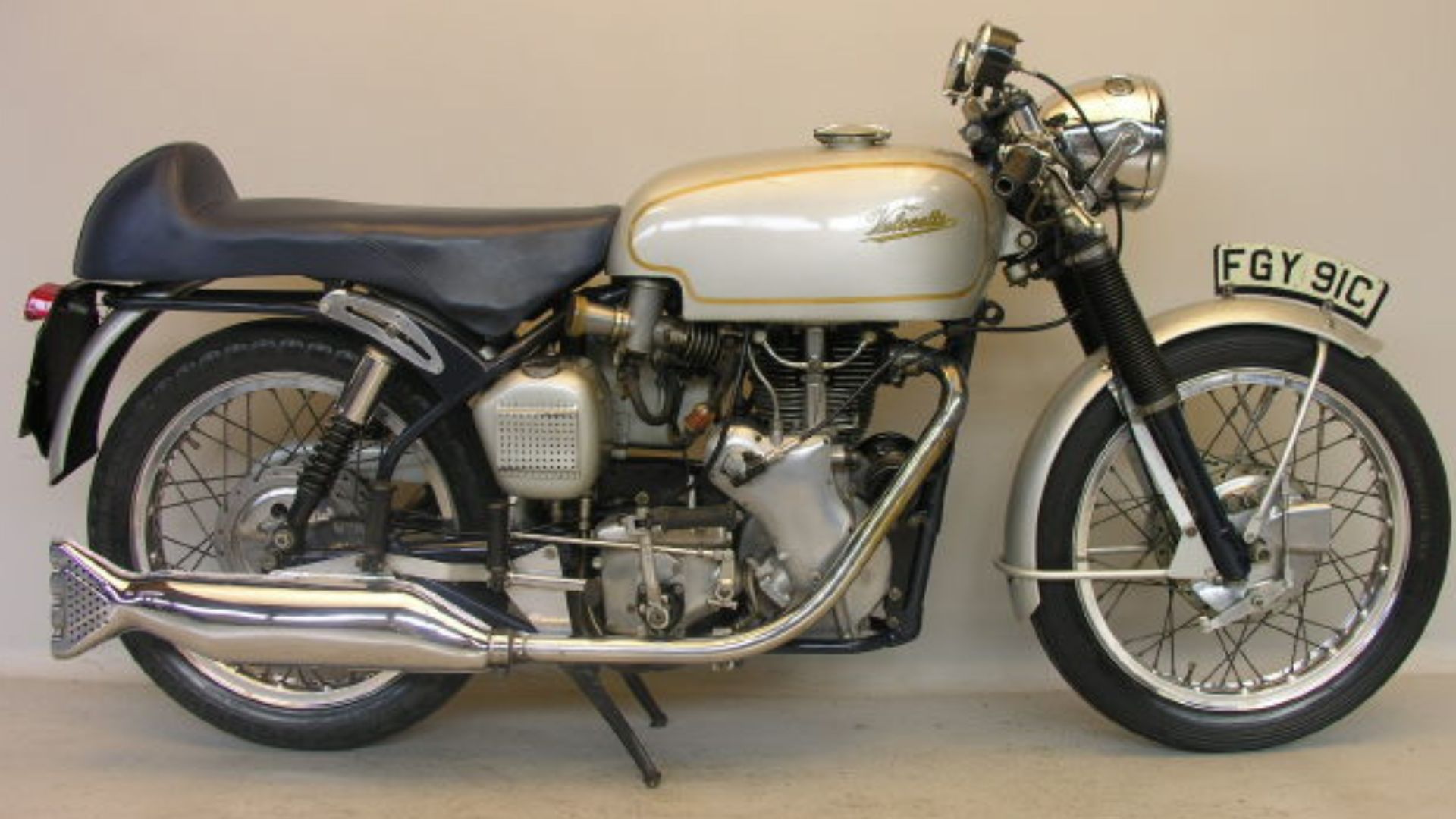
Velocette Thruxton
Built in limited numbers for serious sporting riders, the Velocette Thruxton represented the ultimate evolution of the company's famous single-cylinder design. Its race-inspired tuning, excellent handling, and impressive performance made it one of Britain's most desirable sporting motorcycles.
 Piero at Dutch Wikipedia, Wikimedia Commons
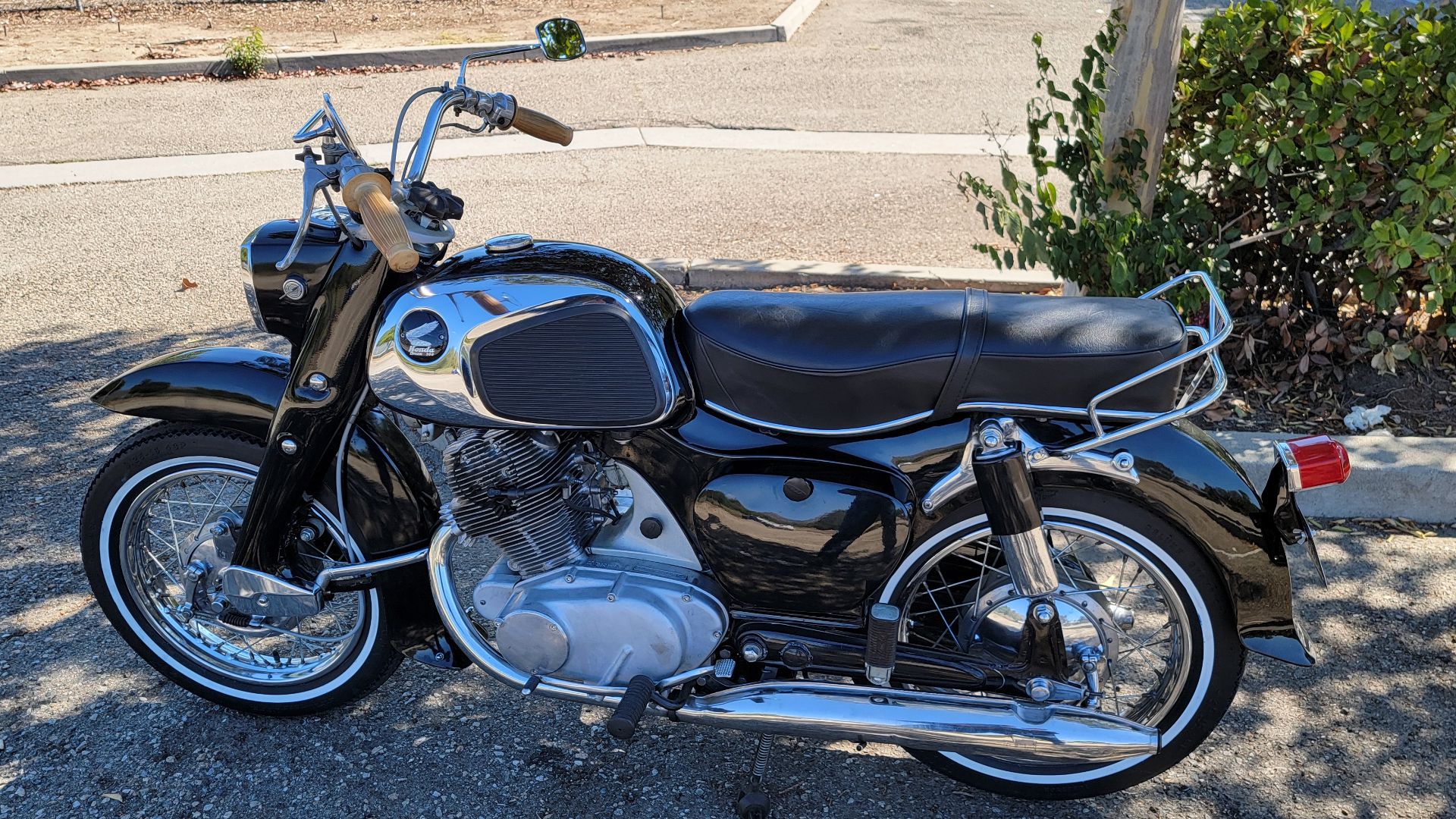
Honda Dream CA77
The Honda Dream introduced thousands of riders to dependable motorcycling. Its electric starter, enclosed chain, pressed-steel frame, and low-maintenance engine offered a level of refinement that many competing motorcycles simply could not match during the early 1960s.
Harley-Davidson XLH Sportster
While the kick-start-only XLCH appealed to performance enthusiasts, the XLH offered electric starting and greater everyday practicality. It retained the Sportster's unmistakable V-twin character while making ownership easier for commuters and weekend riders alike.
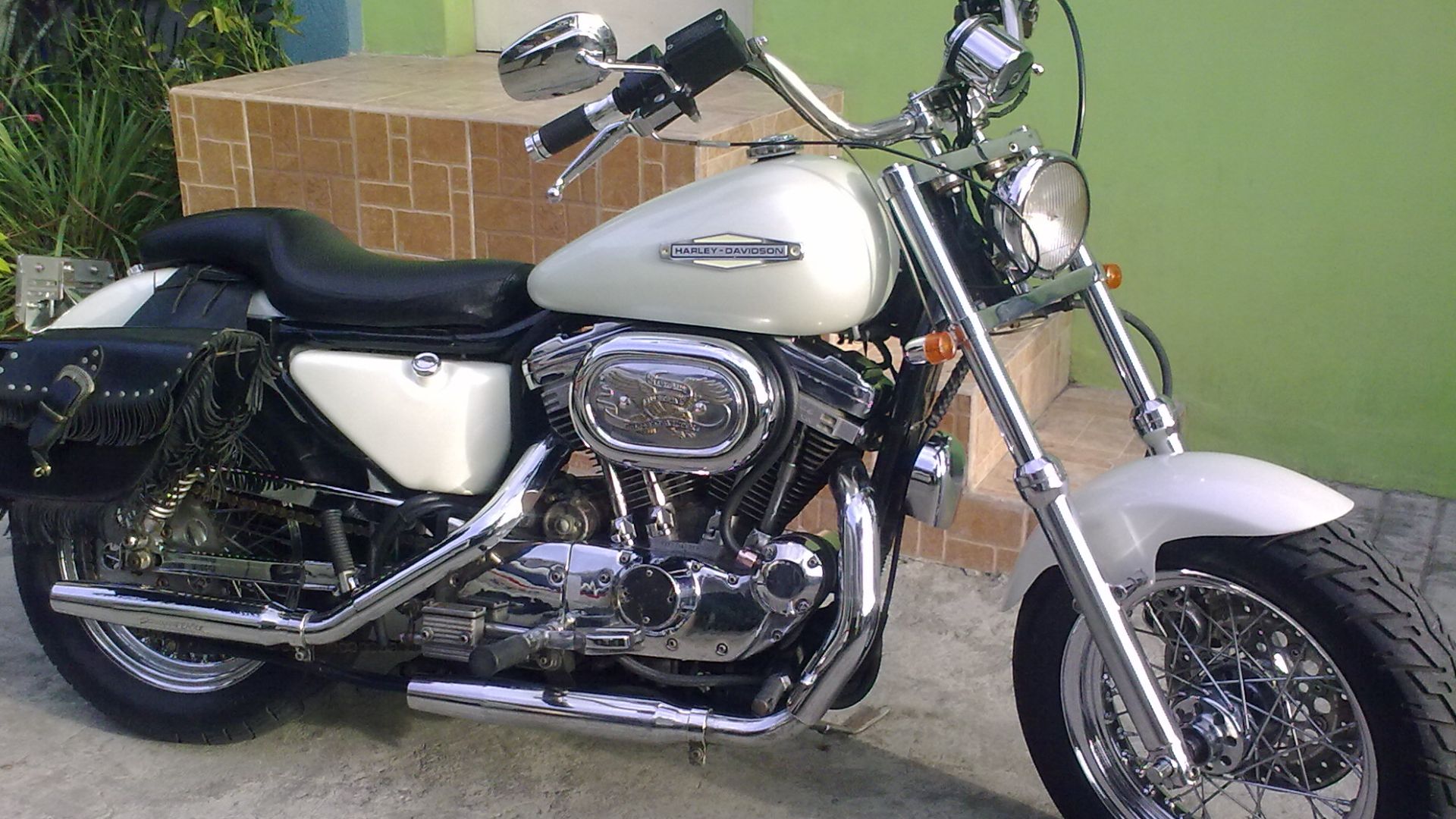 Blakegripling ph, Wikimedia Commons
Rokon Trail-Breaker
Introduced in the late 1960s, the American-built Rokon Trail-Breaker was unlike anything else on two wheels. Its two-wheel-drive system, enormous flotation tires, and ability to tackle mud, snow, rocks, and steep terrain earned it a loyal following among hunters, foresters, and search-and-rescue teams.
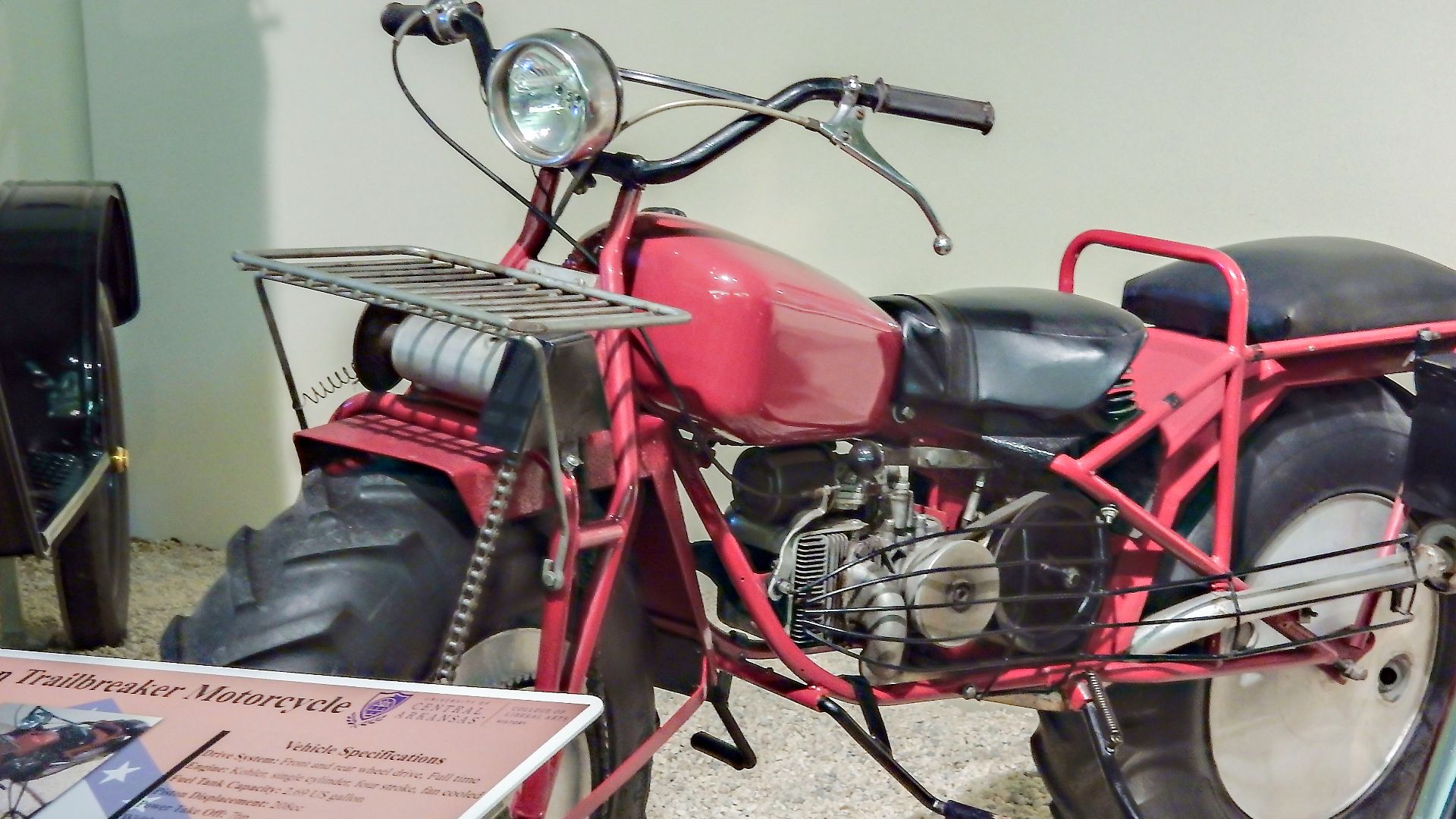 Aaron Headly, Wikimedia Commons
Lasting Legends
The motorcycles of the 1960s reflected an industry in transition. British manufacturers produced some of their greatest machines, European companies continued pushing engineering boundaries, and Japanese brands introduced innovations that permanently transformed motorcycling. Decades later, these legendary bikes remain prized by collectors, celebrated by enthusiasts, and admired as milestones in motorcycle history.
You May Also Like:
Cars From The 1960s That No One Remembers—Seriously, Do You Remember Even 5 Of These Vehicles?
Legendary Ford Vehicles From The '60s and '70s