
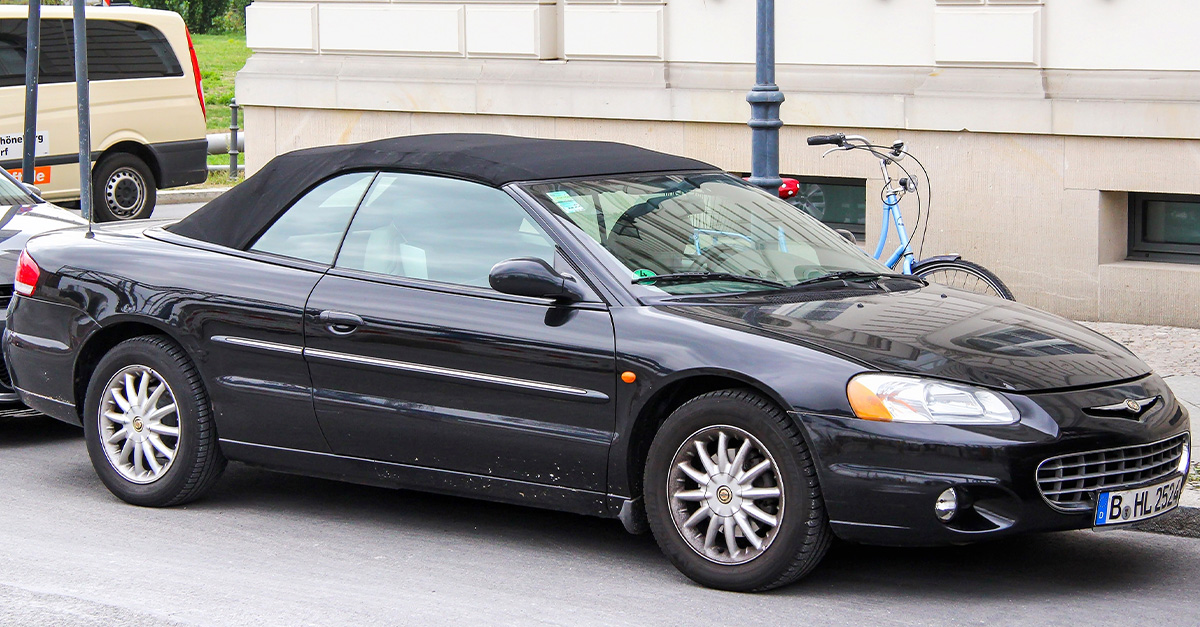
The Convertible Dream On A Budget
At the turn of the millennium, Chrysler had a clear vision: give everyday drivers an affordable slice of the open-top lifestyle. The Chrysler Sebring Convertible was meant to be the answer—a stylish, four-seat drop-top that didn’t require luxury-car money. For many Americans, the Sebring represented freedom, sunshine, and weekend road trips without the hefty price tag of a European convertible. But as the years rolled on, a troubling reality emerged. Behind the appealing price and flashy marketing lurked a car that increasingly showed the consequences of aggressive cost-cutting.
Chrysler’s Quest For A Mass-Market Convertible
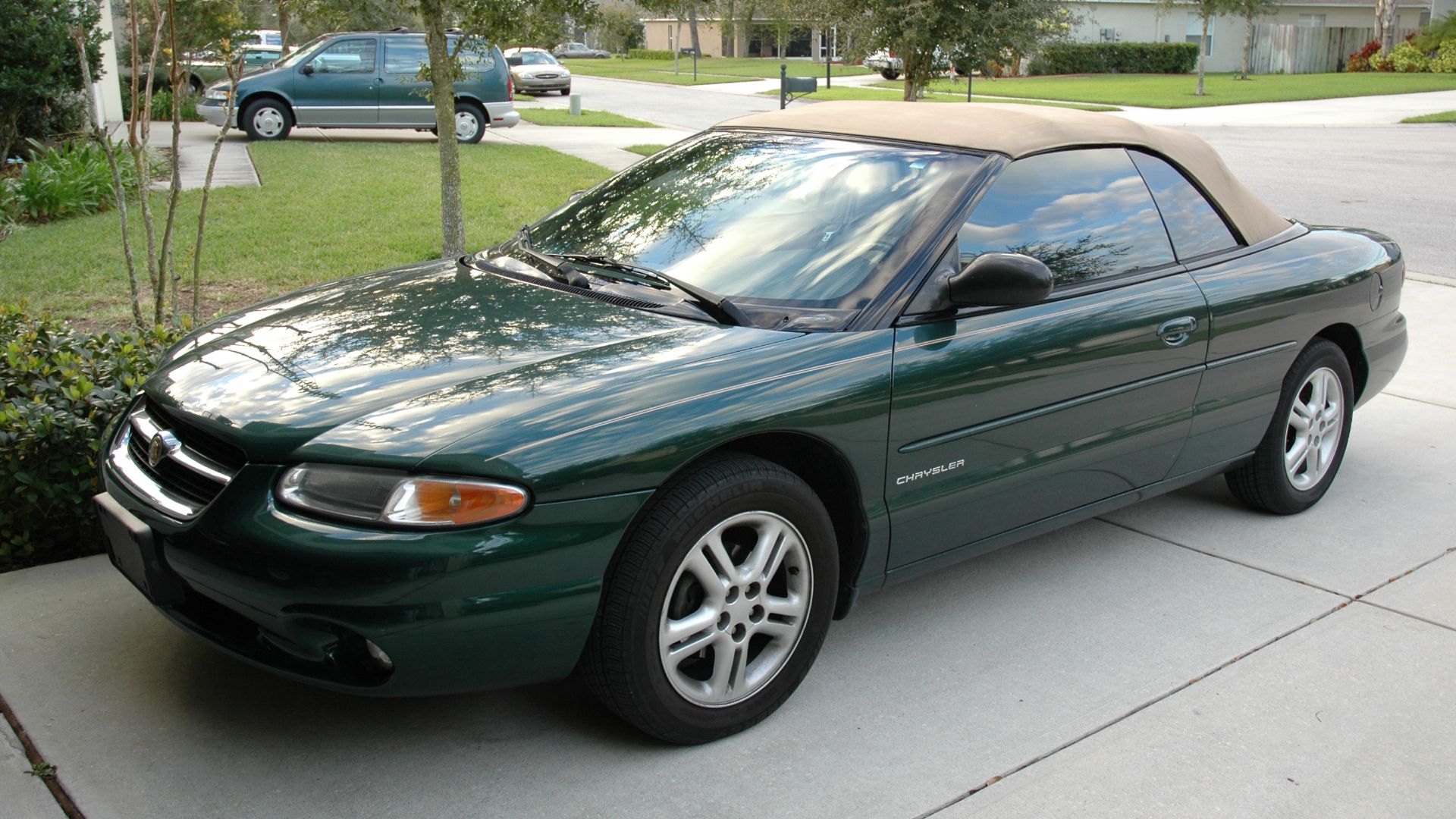
Convertibles were once niche vehicles, often expensive and impractical. Chrysler saw an opportunity to democratize the segment in the mid-1990s. When the Sebring Convertible debuted in 1996, it promised style and affordability in equal measure. It was based on Chrysler’s midsize platform and offered usable rear seats, something many convertibles lacked. On paper, the formula looked brilliant: give buyers a fun car that fit the family budget and could still haul four people to the beach.
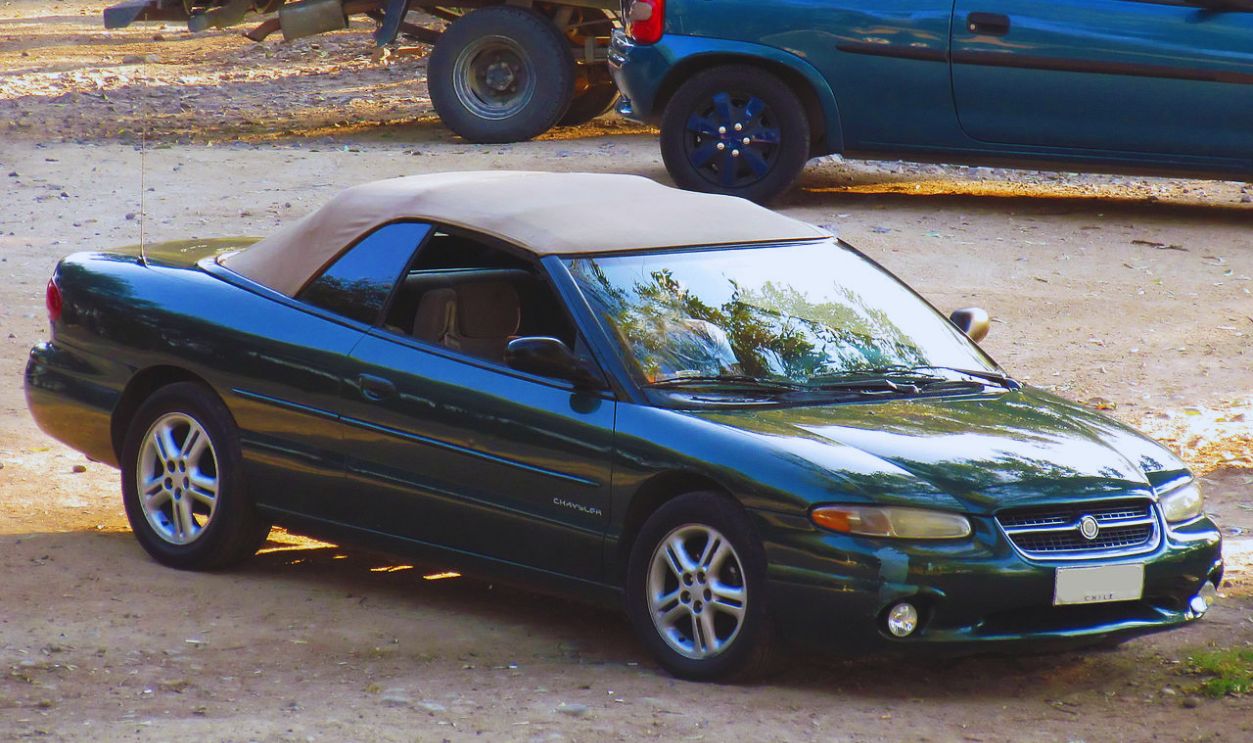 order_242 from Chile, Wikimedia Commons
The Early Sebring’s Strong Start
The first-generation Sebring Convertible actually made a solid first impression. It rode comfortably, looked modern for the era, and delivered a relaxed driving experience. Buyers appreciated the available V6 engine and the fact that the car felt like a cruiser rather than a sports car. Chrysler positioned it as a laid-back boulevard machine rather than a performance-focused convertible—and for many drivers, that worked perfectly.
Style That Helped It Stand Out
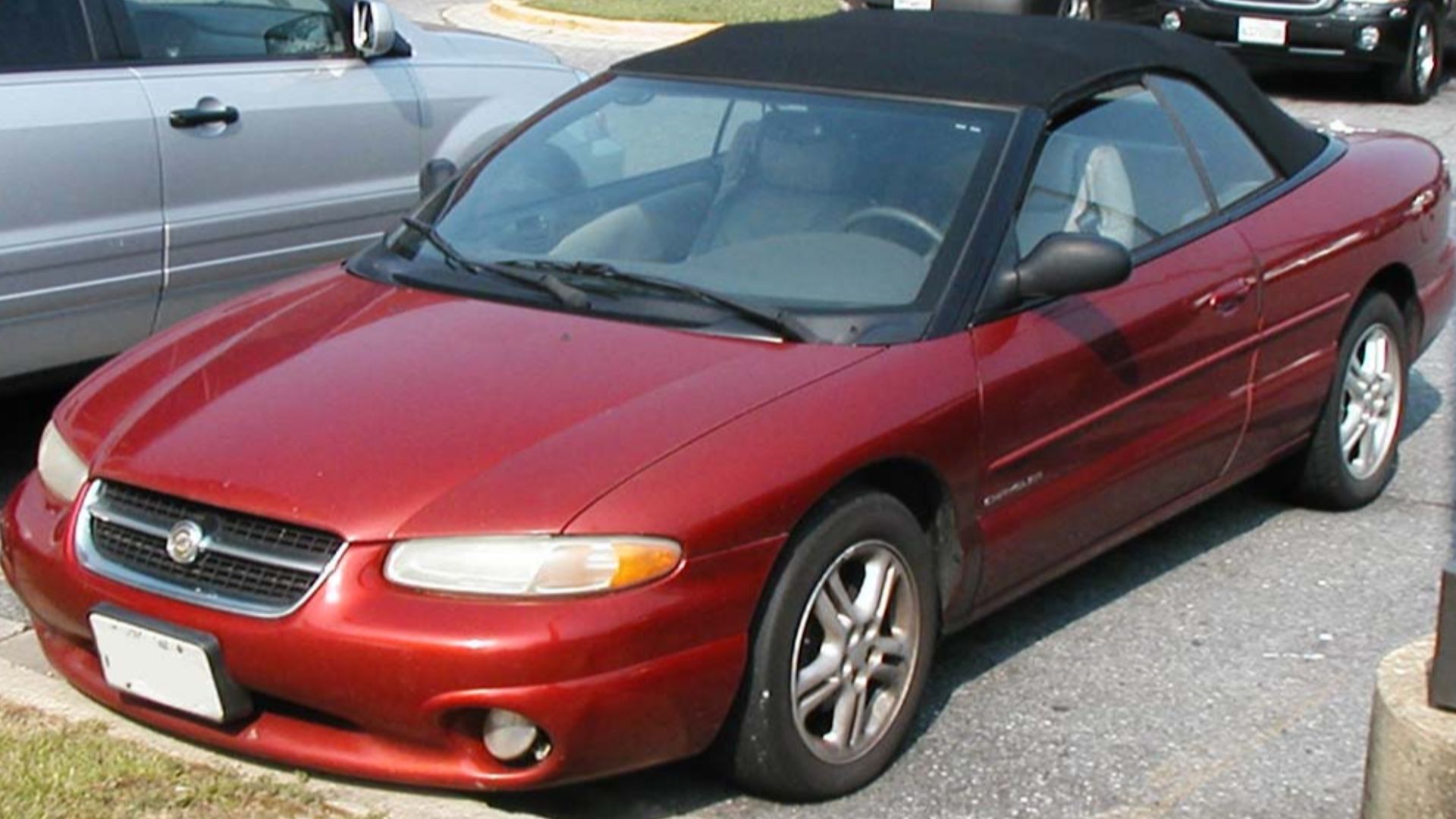
Part of the Sebring’s appeal was its styling. The first generation featured smooth curves and a tidy rear deck that looked surprisingly elegant for a mid-priced American convertible. It wasn’t exotic, but it didn’t need to be. The design conveyed a casual sophistication that fit the late ’90s perfectly. From certain angles, it even carried a hint of Chrysler’s more expensive models, helping it punch above its weight visually.
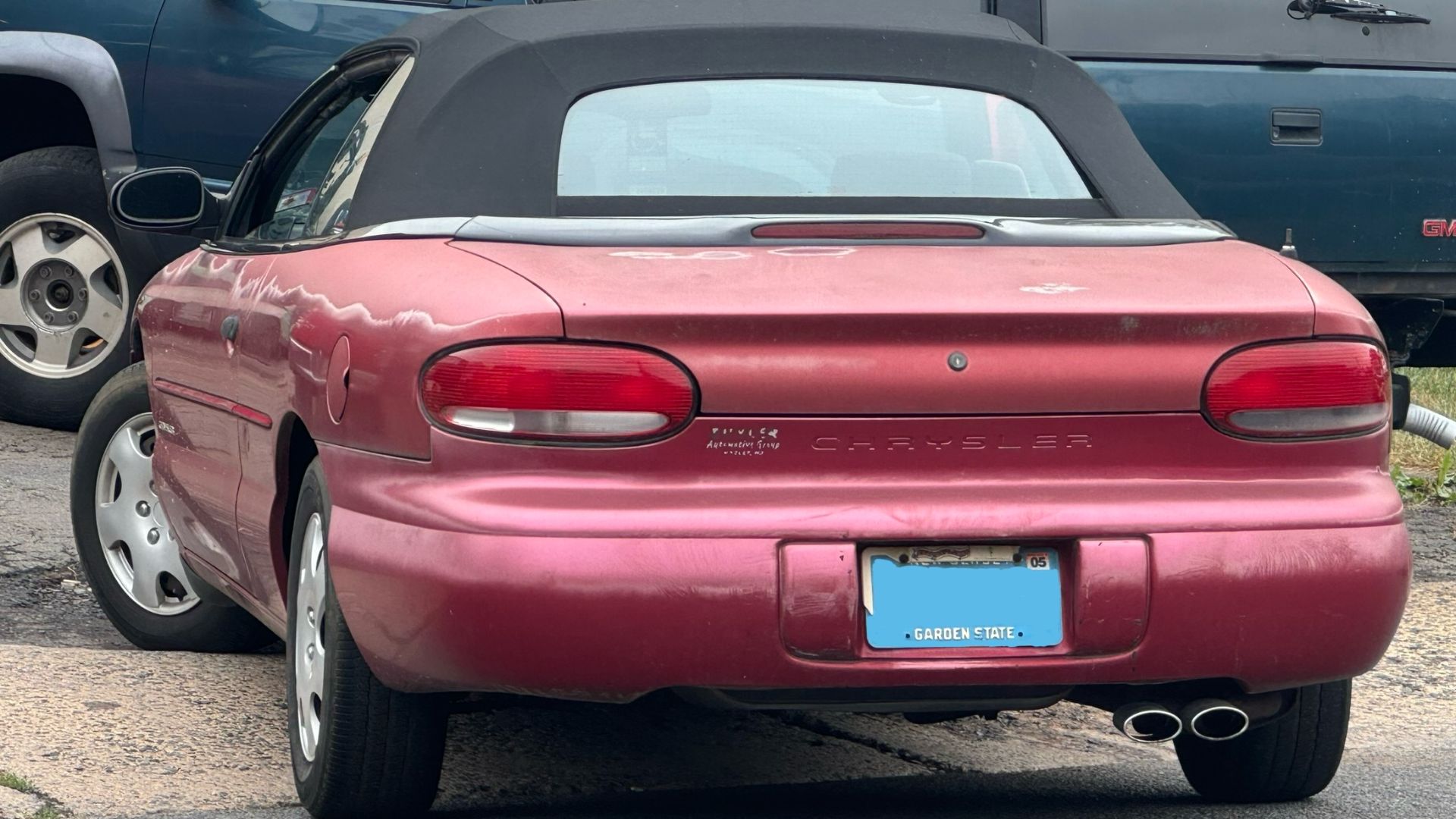
Affordable Fun Drew In Buyers
Price was the Sebring Convertible’s secret weapon. While European rivals often demanded premium prices, Chrysler kept the Sebring within reach of middle-class buyers. That affordability turned it into one of the best-selling convertibles in America. Rental companies also loved it, as it offered the glamour of a convertible without the steep cost associated with luxury brands.
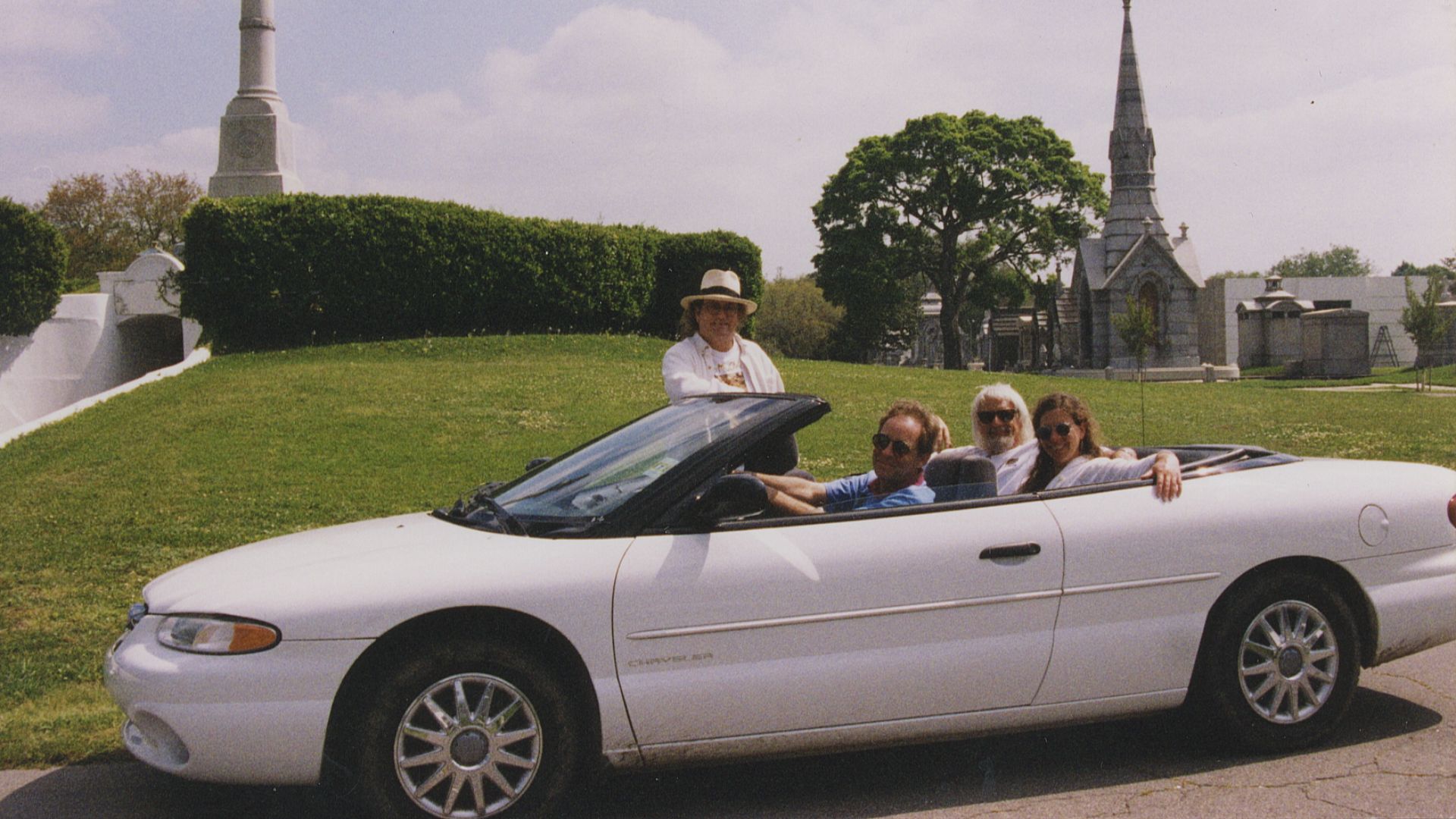 Infrogmation of New Orleans, Wikimedia Commons
The Rental Fleet Effect
The Sebring’s presence in rental fleets quickly became legendary. Walk into an airport rental lot in the early 2000s, and chances were high you’d see rows of Sebring Convertibles waiting for vacationers. While that visibility boosted Chrysler’s sales numbers, it also carried a downside. Cars that become rental staples often develop reputations as disposable or cheap—and the Sebring eventually suffered from exactly that perception.
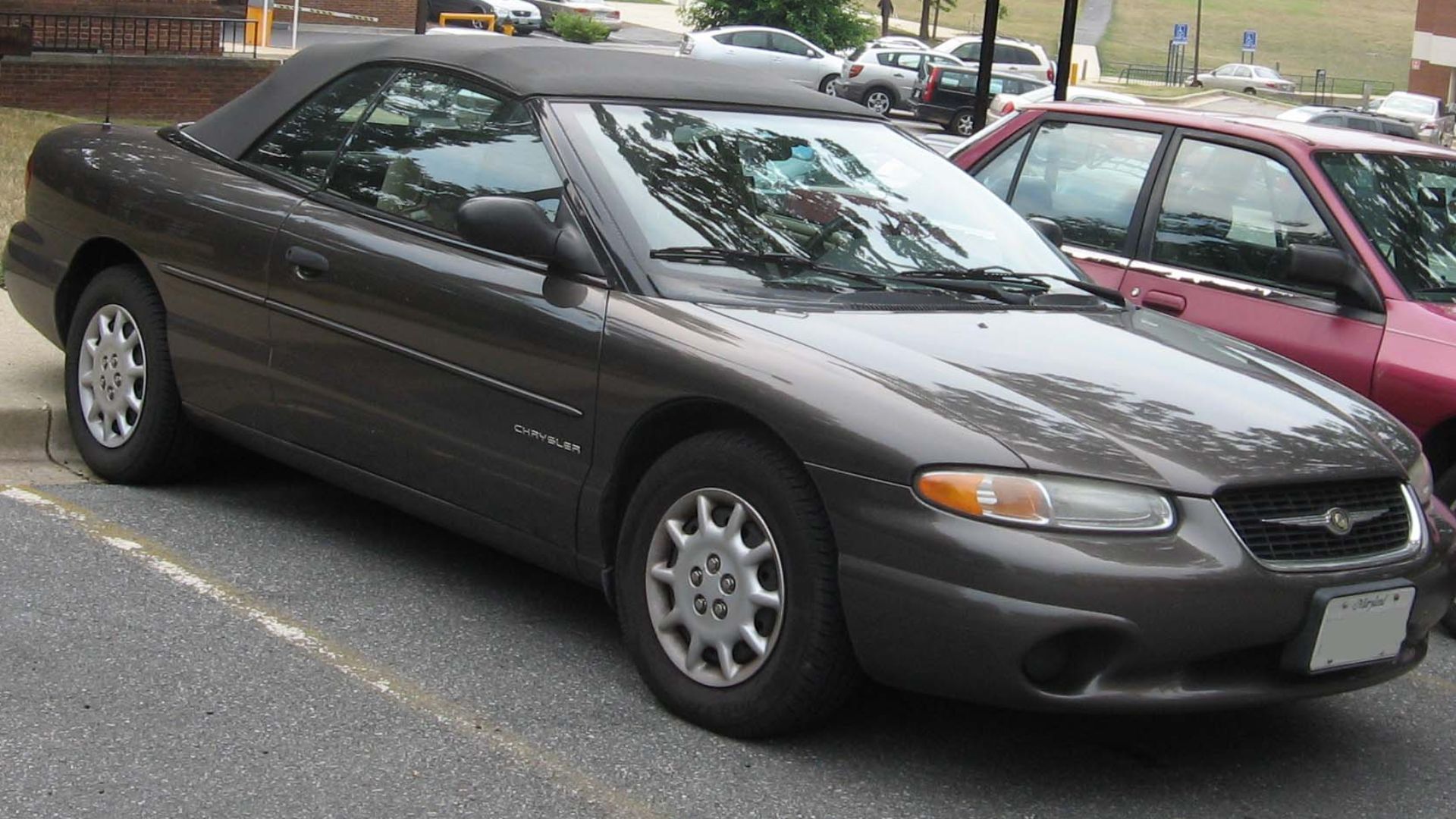
A Platform Shared With Economy Sedans
One reason Chrysler could sell the Sebring Convertible cheaply was its platform. The car shared much of its underlying structure with Chrysler’s midsize sedans, including the Sebring sedan and Dodge Stratus. While this helped control development costs, it meant the convertible started life as a modified sedan rather than a purpose-built drop-top. That compromise would become more noticeable over time.
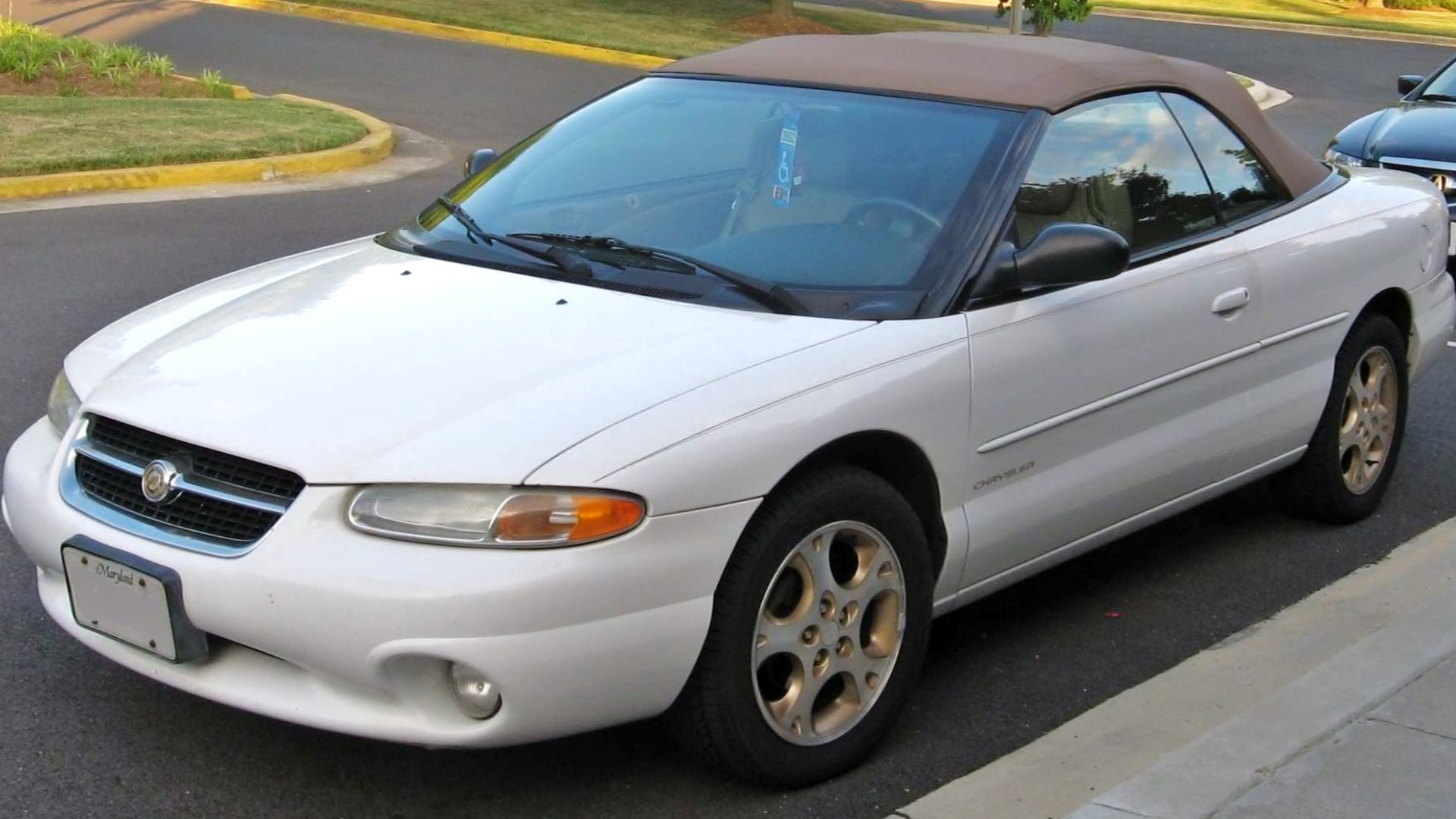
Structural Challenges Of Convertibles
Removing a car’s roof weakens its structure significantly. Automakers must add reinforcements to compensate, which can increase weight and complexity. High-end convertibles often undergo extensive engineering to maintain rigidity and ride quality. Chrysler, however, had to keep costs in check. The Sebring’s reinforcements were functional, but they didn’t deliver the same solid feel found in more expensive rivals.
 The original uploader was Steevven1 at English Wikipedia., Wikimedia Commons
The Second Generation Arrives
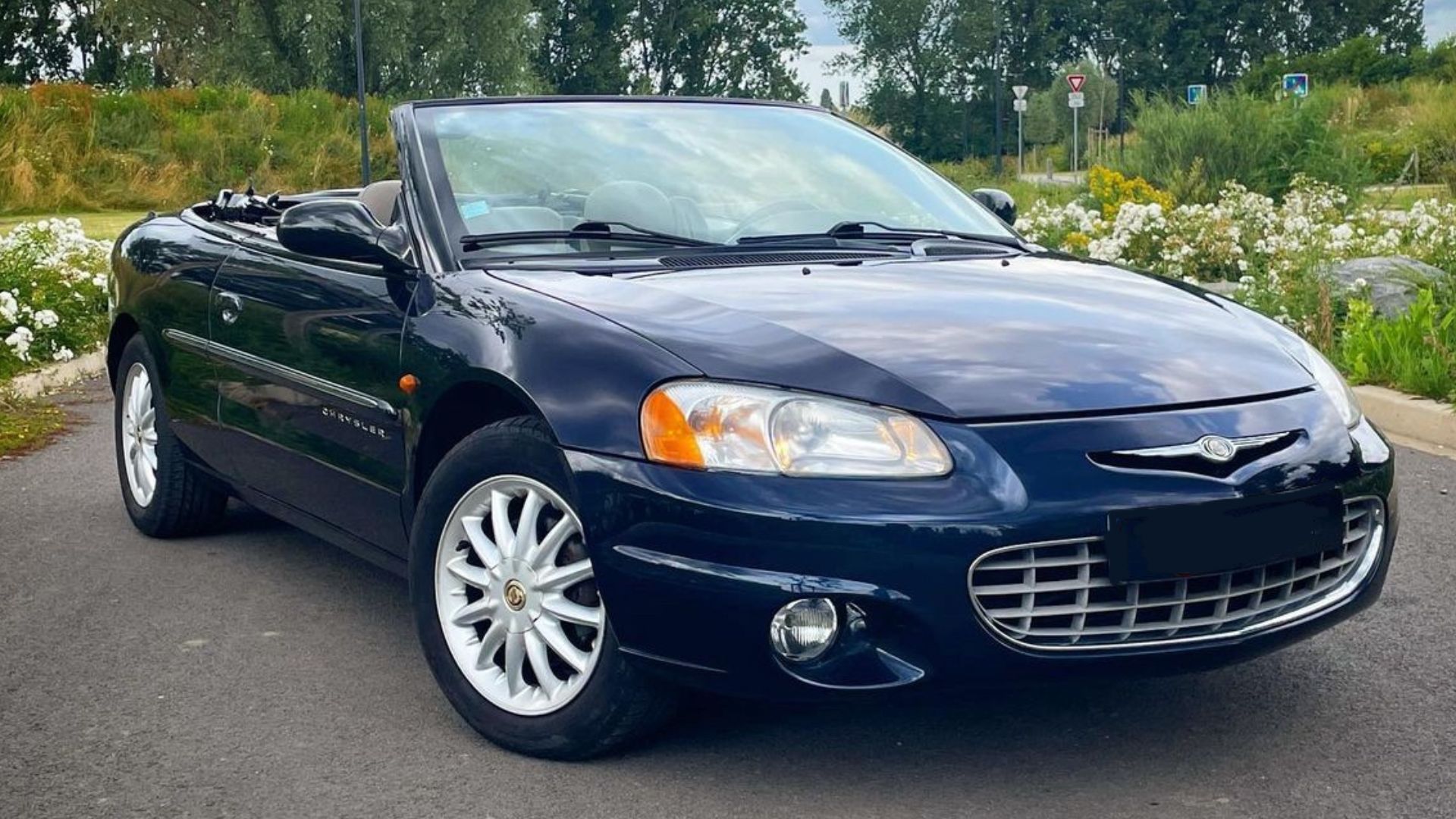
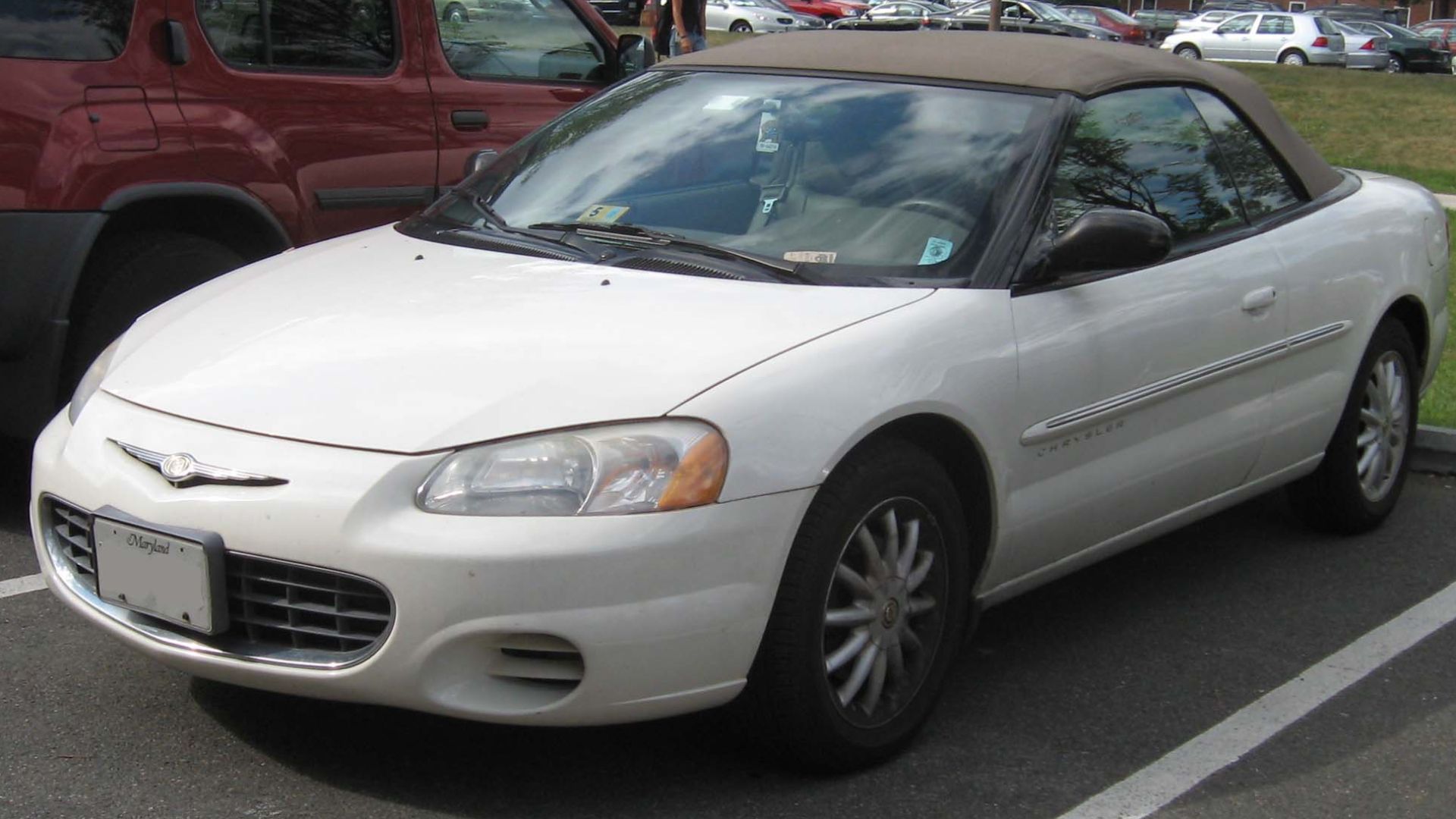
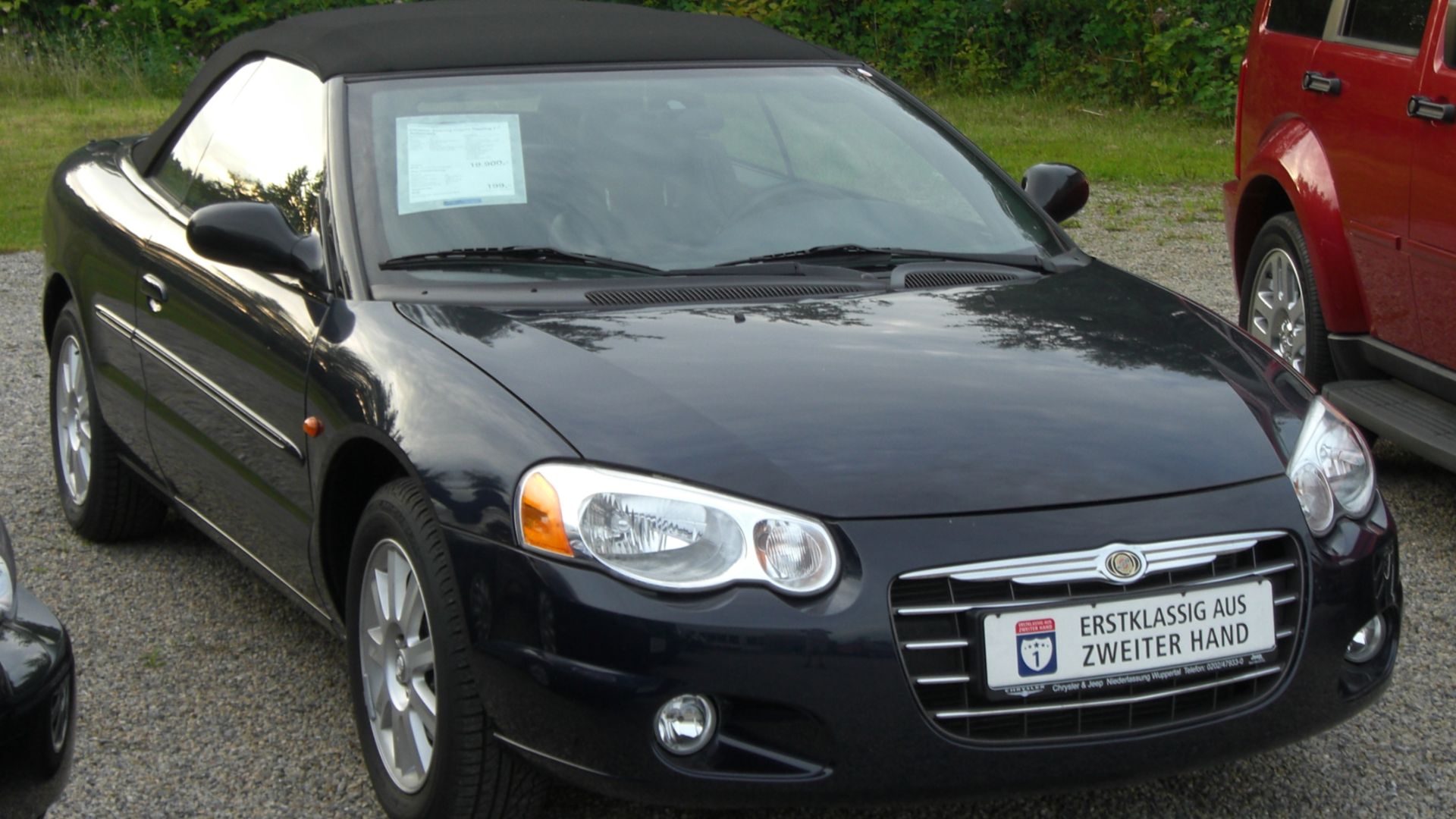
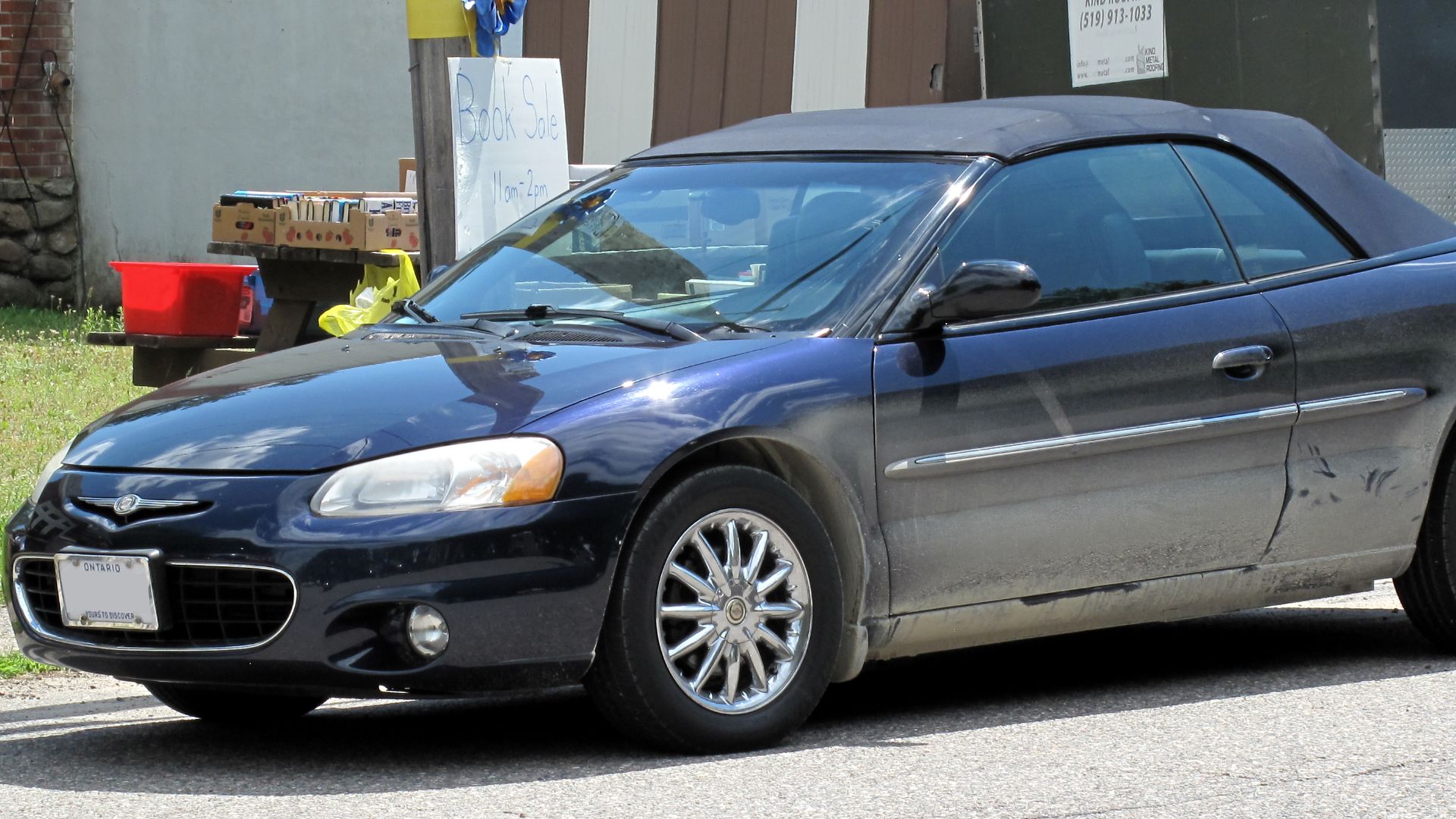
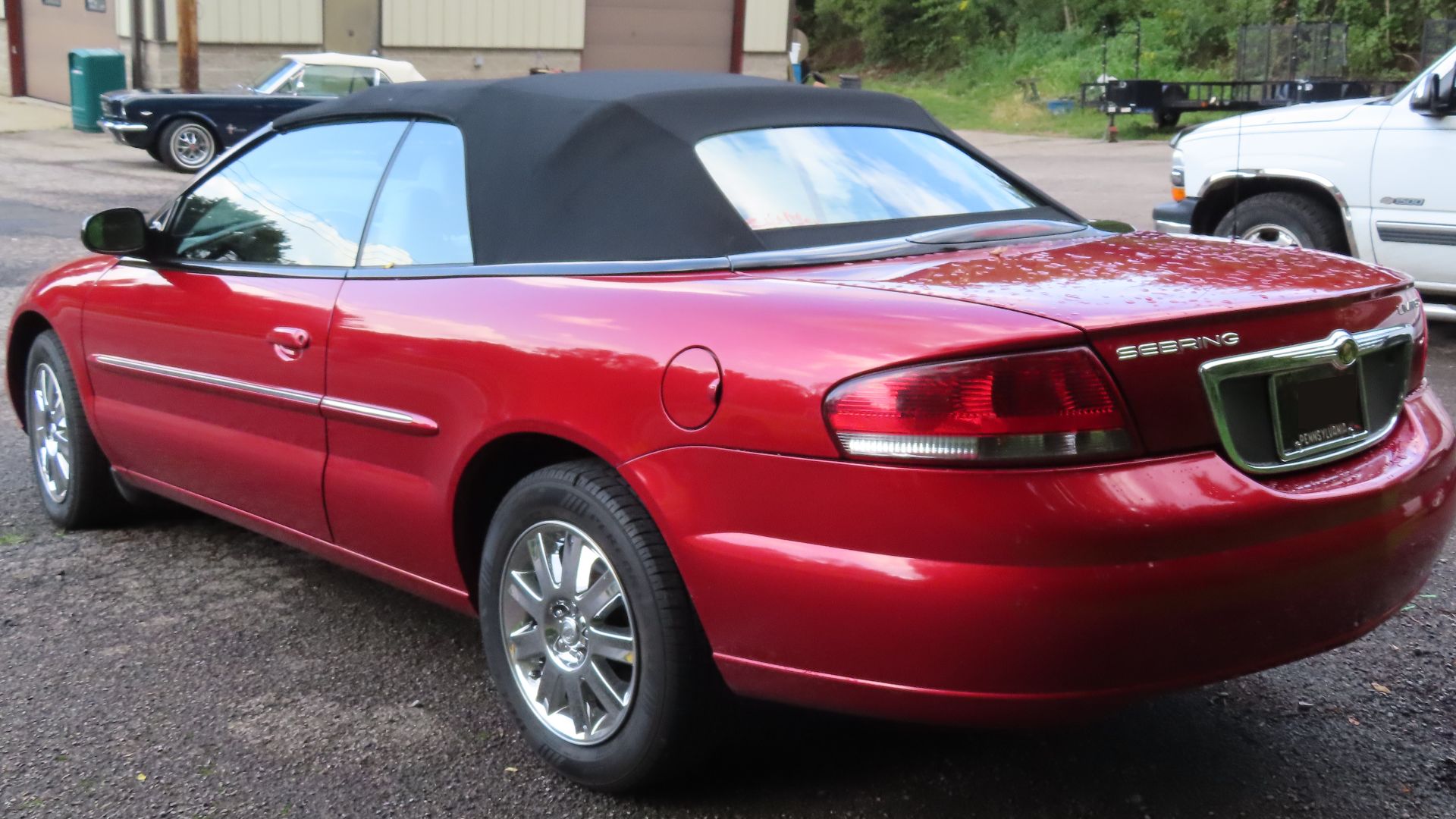
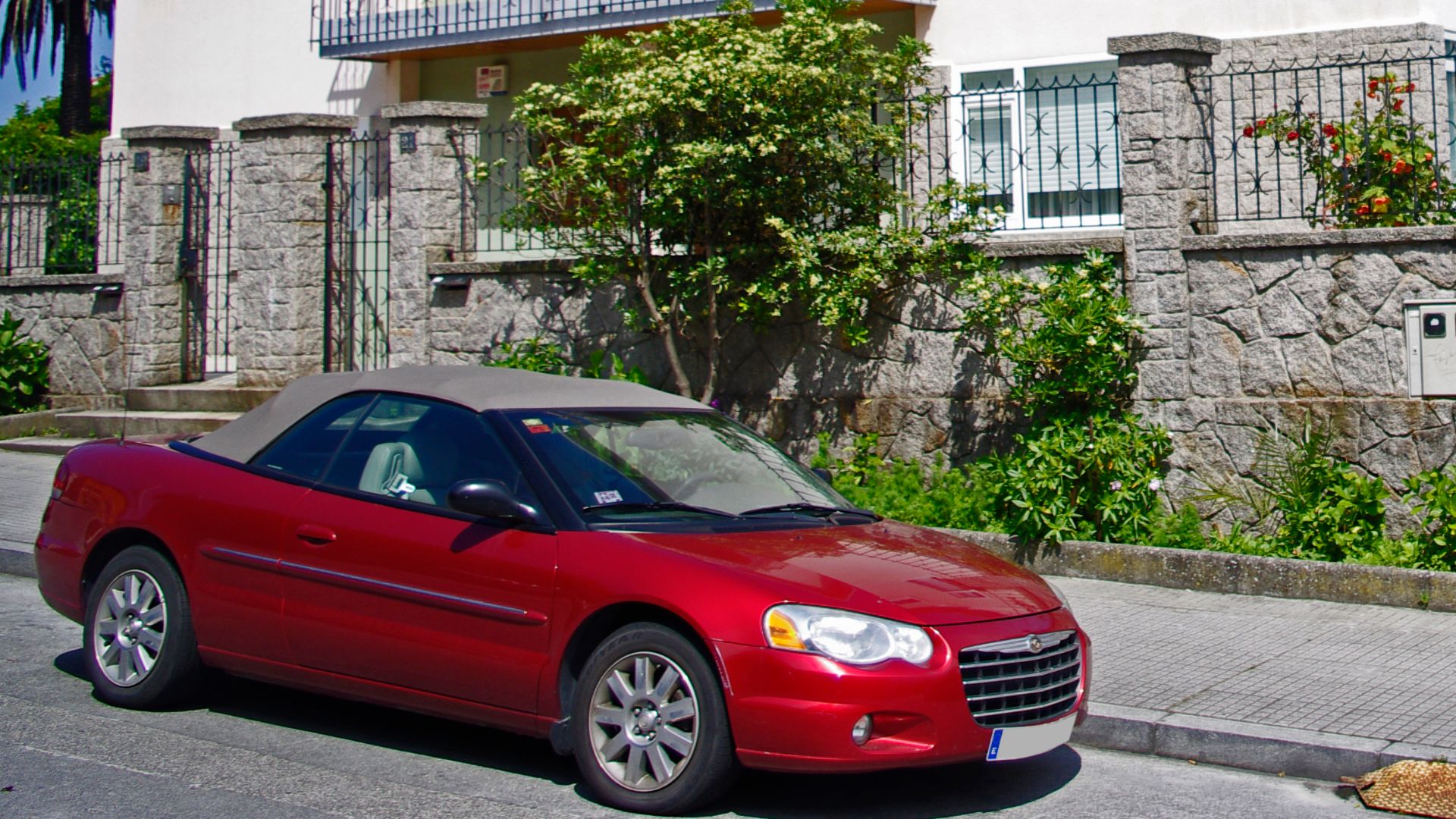
In 2001, Chrysler introduced the second-generation Sebring Convertible. It featured updated styling and improved interior space, but the underlying formula remained largely the same. Once again, the car emphasized comfort and affordability over performance or cutting-edge engineering. Initially, buyers welcomed the refresh, and sales remained strong.
Looks That Tried To Stay Competitive
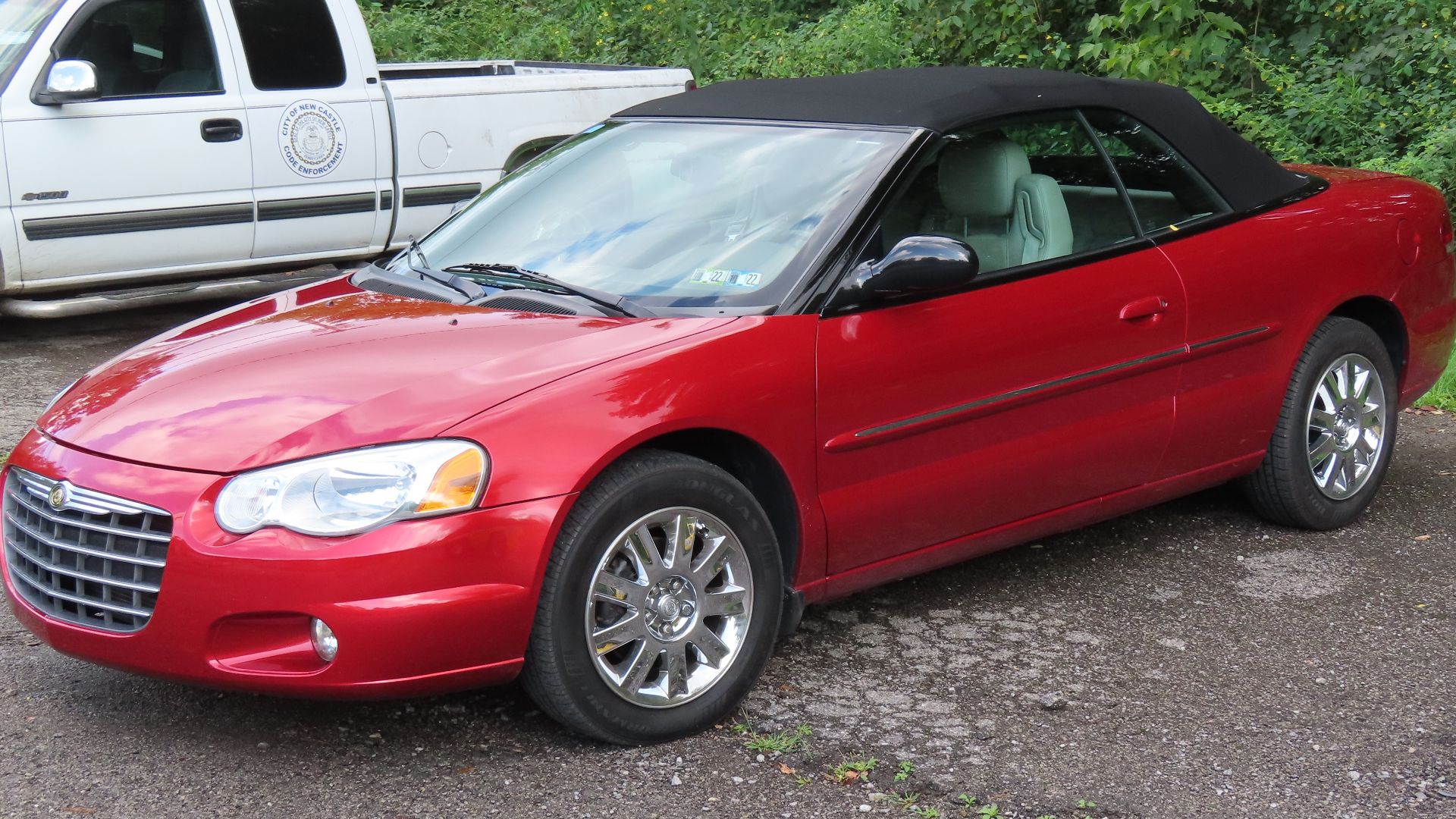
The second-generation model wore more rounded, early-2000s styling with Chrysler’s signature grille design. It was clearly intended to keep the Sebring looking modern against competitors like the Ford Mustang convertible and various import offerings. At a glance, the design worked. But underneath, the same cost-conscious engineering approach remained.
 MercurySable99, Wikimedia Commons
Interior Quality Became A Problem
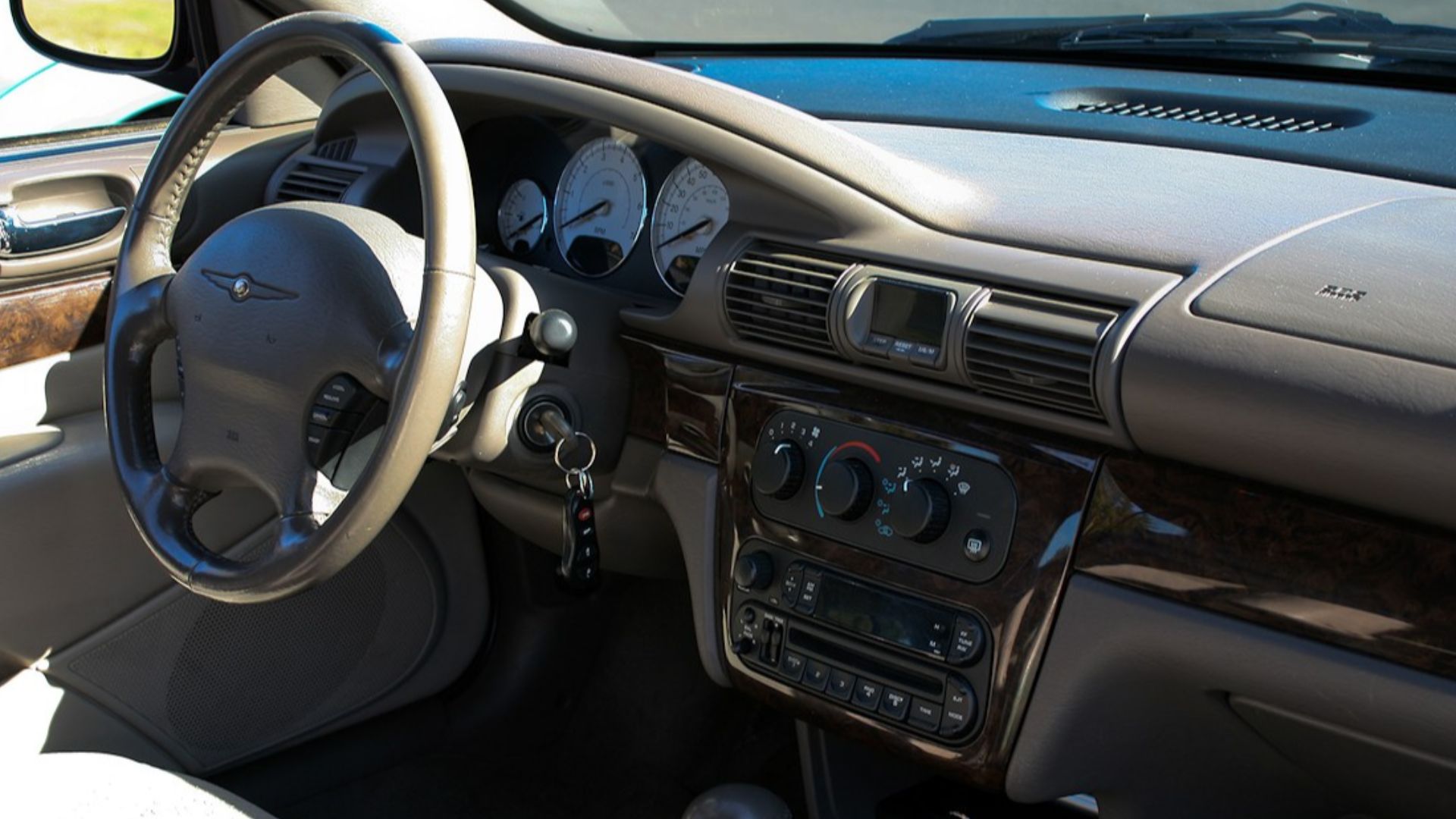
If there was one area where cost-cutting became painfully obvious, it was inside the cabin. The Sebring Convertible’s interior materials were widely criticized for feeling cheap and flimsy. Hard plastics dominated the dashboard and door panels, and many owners reported rattles and squeaks developing after only a few years. For a car meant to evoke carefree cruising, the cabin often felt disappointingly low-rent.
Build Quality Concerns Surface
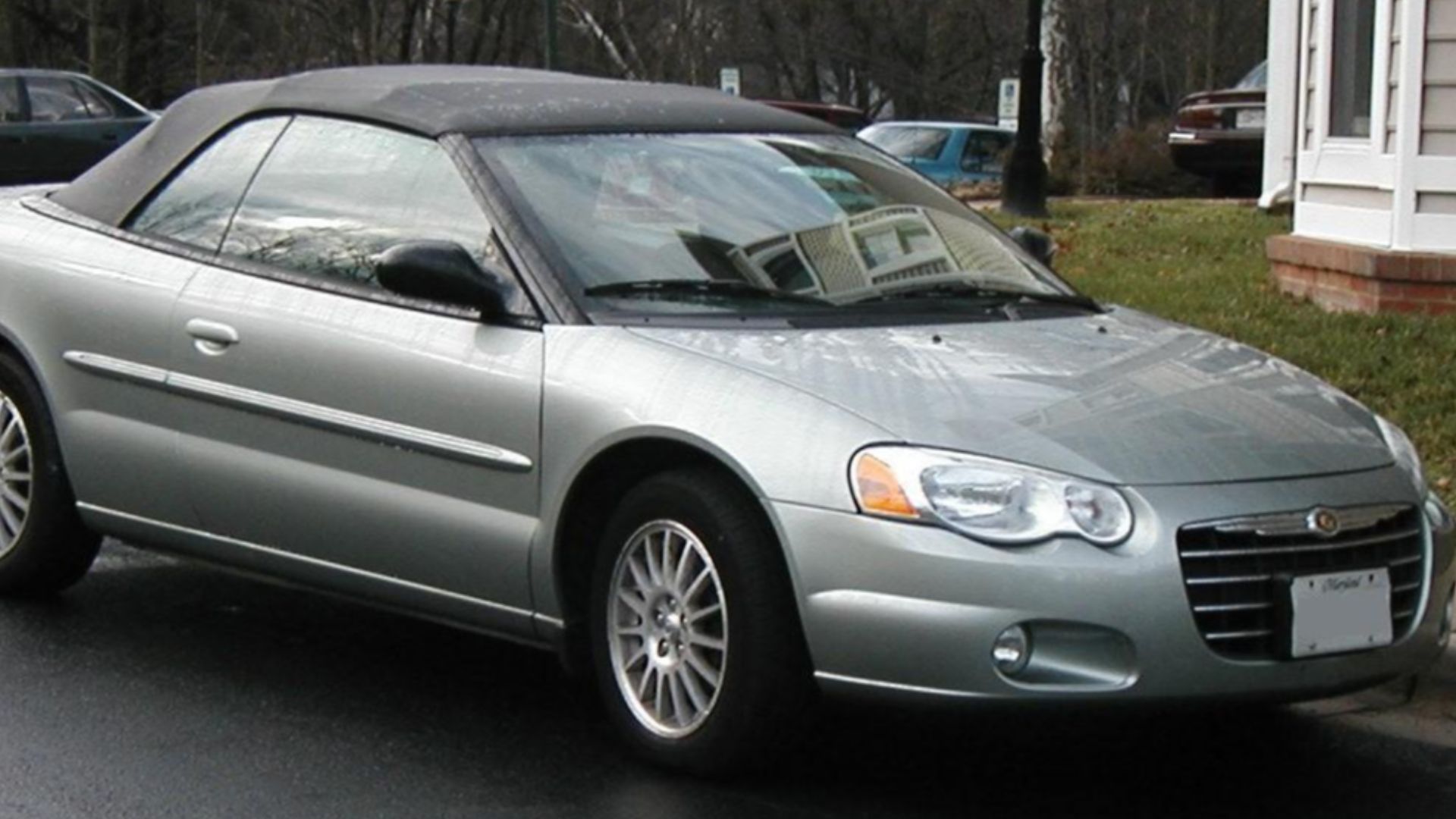
Beyond the materials themselves, build quality also became an issue. Owners frequently complained about misaligned panels, loose trim pieces, and components that wore out faster than expected. While no car is perfect, the Sebring seemed particularly prone to these small but frustrating problems. Over time, they contributed to the car’s declining reputation among buyers and reviewers.
The Ride Was Comfortable—But Not Refined
One thing the Sebring did well was ride comfort. Its soft suspension absorbed bumps effectively, making it pleasant for relaxed cruising. Unfortunately, that softness came at the expense of handling. The car leaned heavily in corners and lacked the precision drivers might expect from a convertible meant for fun driving.
 Luftfahrrad, Wikimedia Commons
Steering That Felt Detached
Adding to the Sebring’s dynamic shortcomings was its steering. Many reviewers noted that the steering felt vague and disconnected from the road. Instead of delivering engaging feedback, it often felt numb. For drivers hoping the open roof would be paired with a lively driving experience, the Sebring frequently disappointed.
Engines That Were Adequate At Best
Under the hood, the Sebring offered a choice of four-cylinder and V6 engines depending on the generation and trim. While the V6 provided reasonable power for highway cruising, neither option was particularly exciting. Acceleration was modest, and fuel economy wasn’t exceptional either. The engines were serviceable but rarely memorable.
Transmission Troubles
Some Sebring models were also plagued by transmission issues. Automatic gearboxes could behave unpredictably, with delayed shifts or rough operation reported by some owners. While not universal, these problems added to the sense that the car’s mechanical components were built to meet a budget rather than exceed expectations.
 MercurySable99, Wikimedia Commons
The Third Generation Gamble
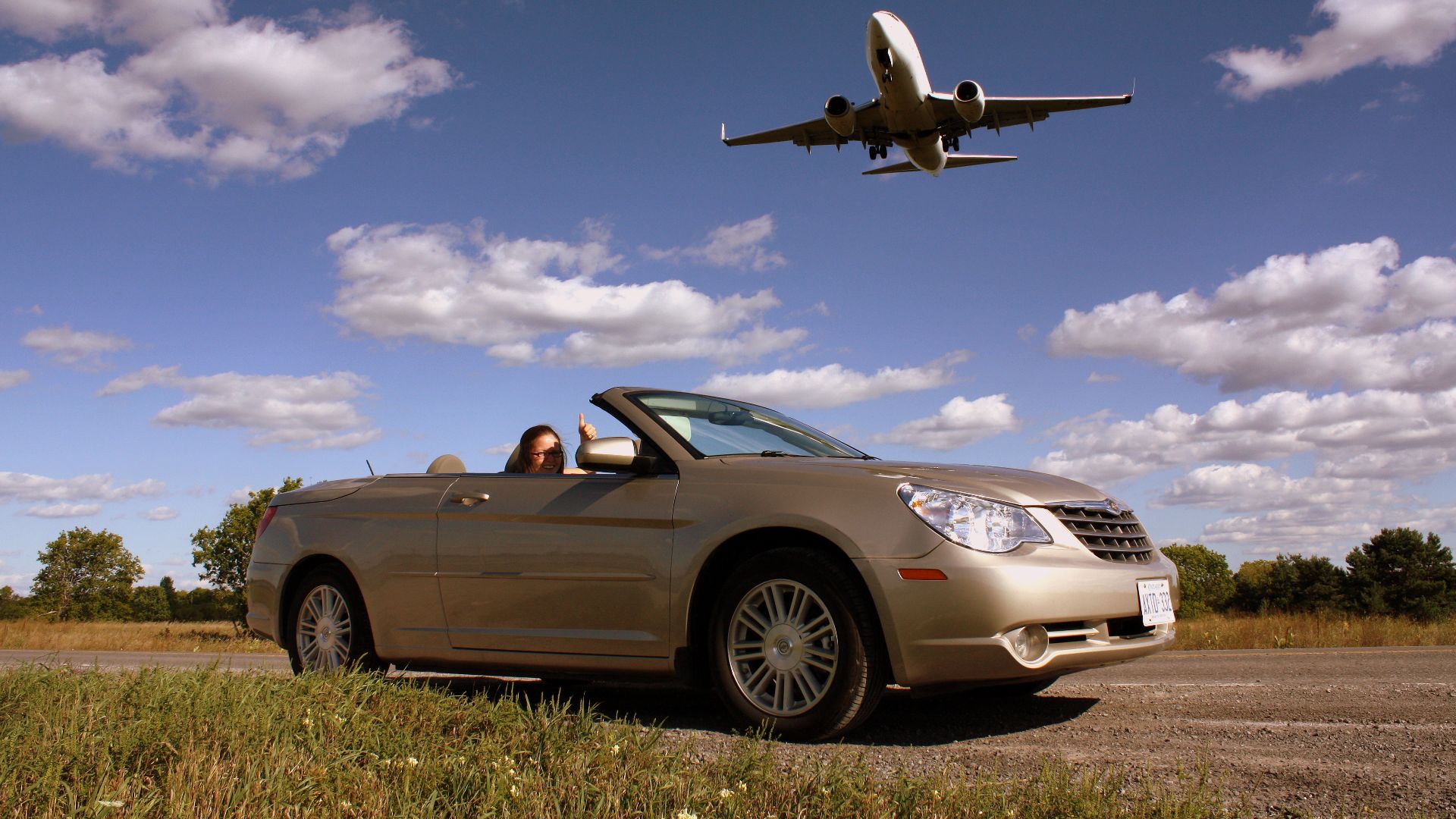
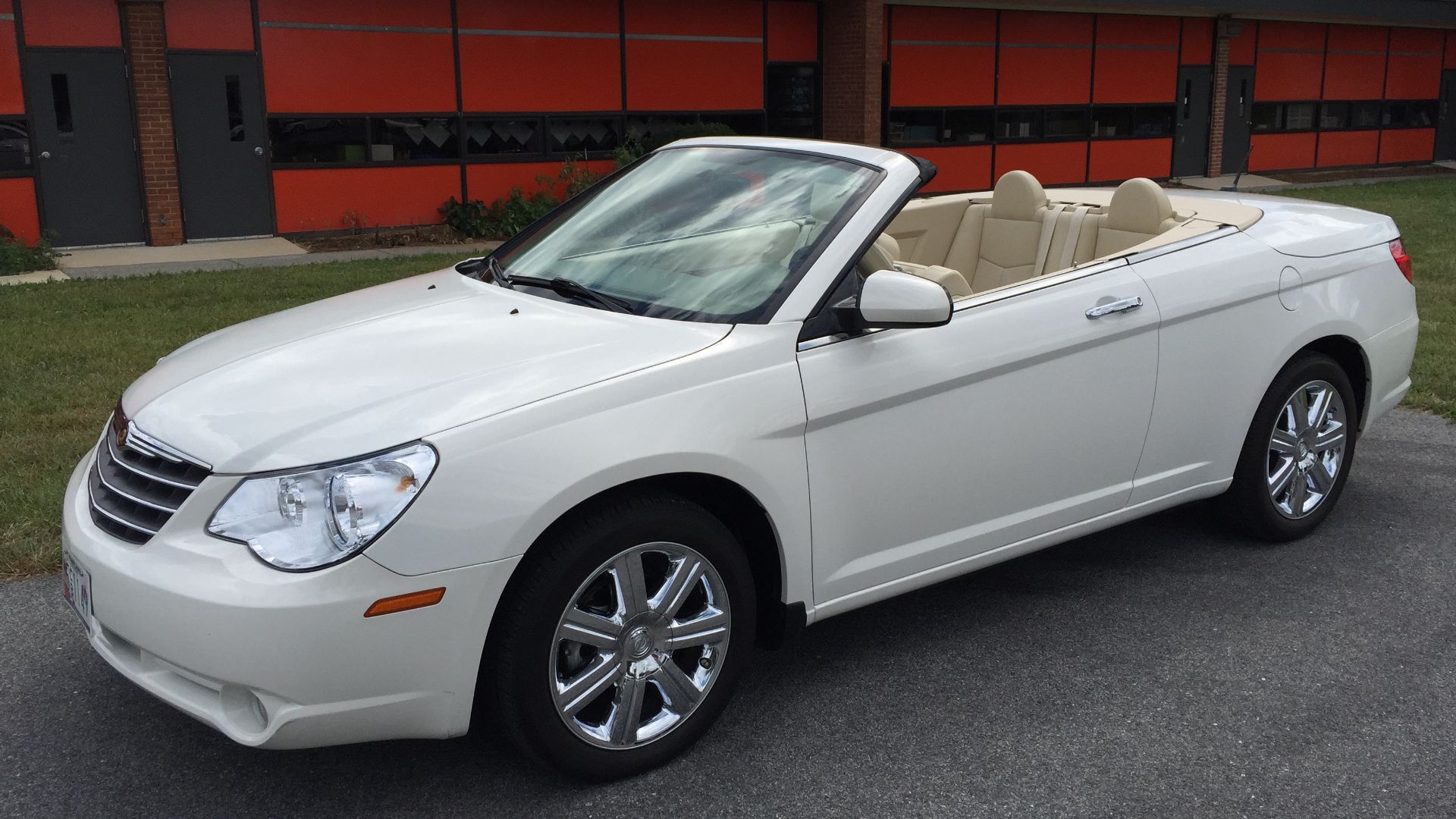
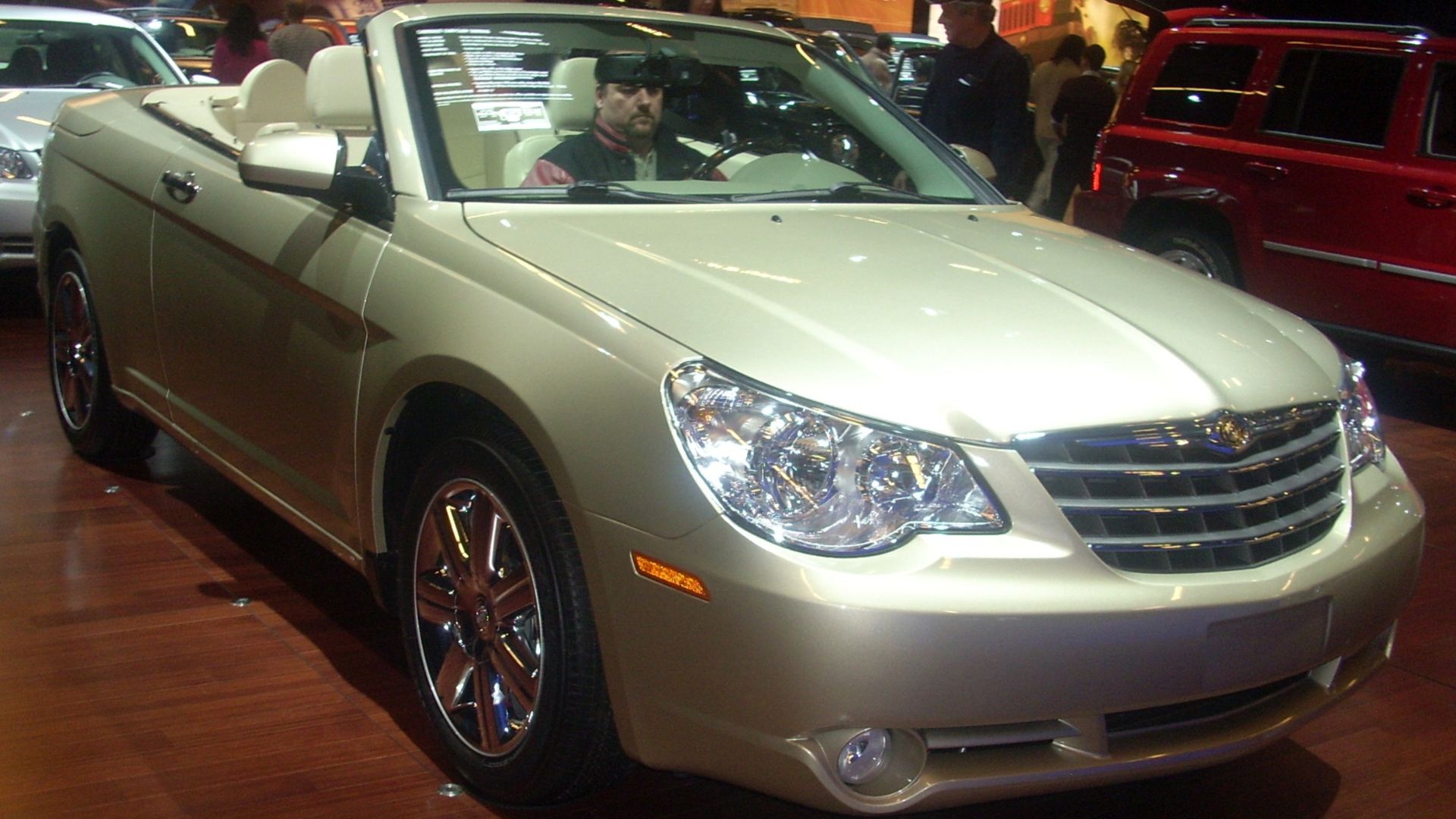
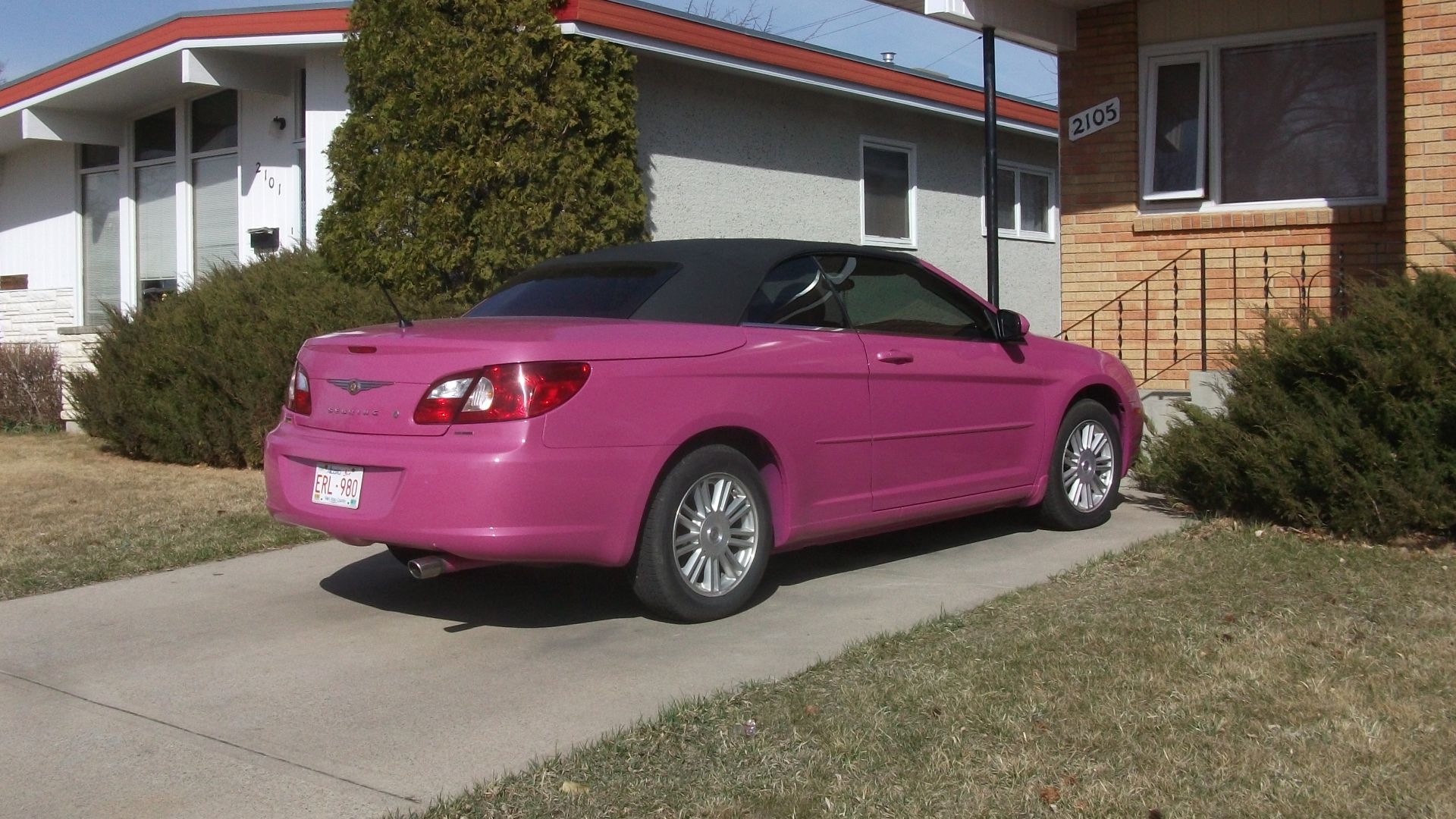
Chrysler introduced a dramatically redesigned Sebring Convertible for the 2008 model year. This generation adopted sharper styling and a more modern look, attempting to shed the outdated image of its predecessor. On paper, the redesign promised improvements across the board.
 Shawn from Airdrie, Canada, Wikimedia Commons
Styling That Divided Opinions
The third-generation Sebring’s styling proved controversial. Its bulky proportions and heavy front-end design left some critics unimpressed. While Chrysler attempted to give the car a bold, modern presence, many felt the result looked awkward rather than elegant.
 CZmarlin — Christopher Ziemnowicz, Wikimedia Commons
Interior Criticism Continued
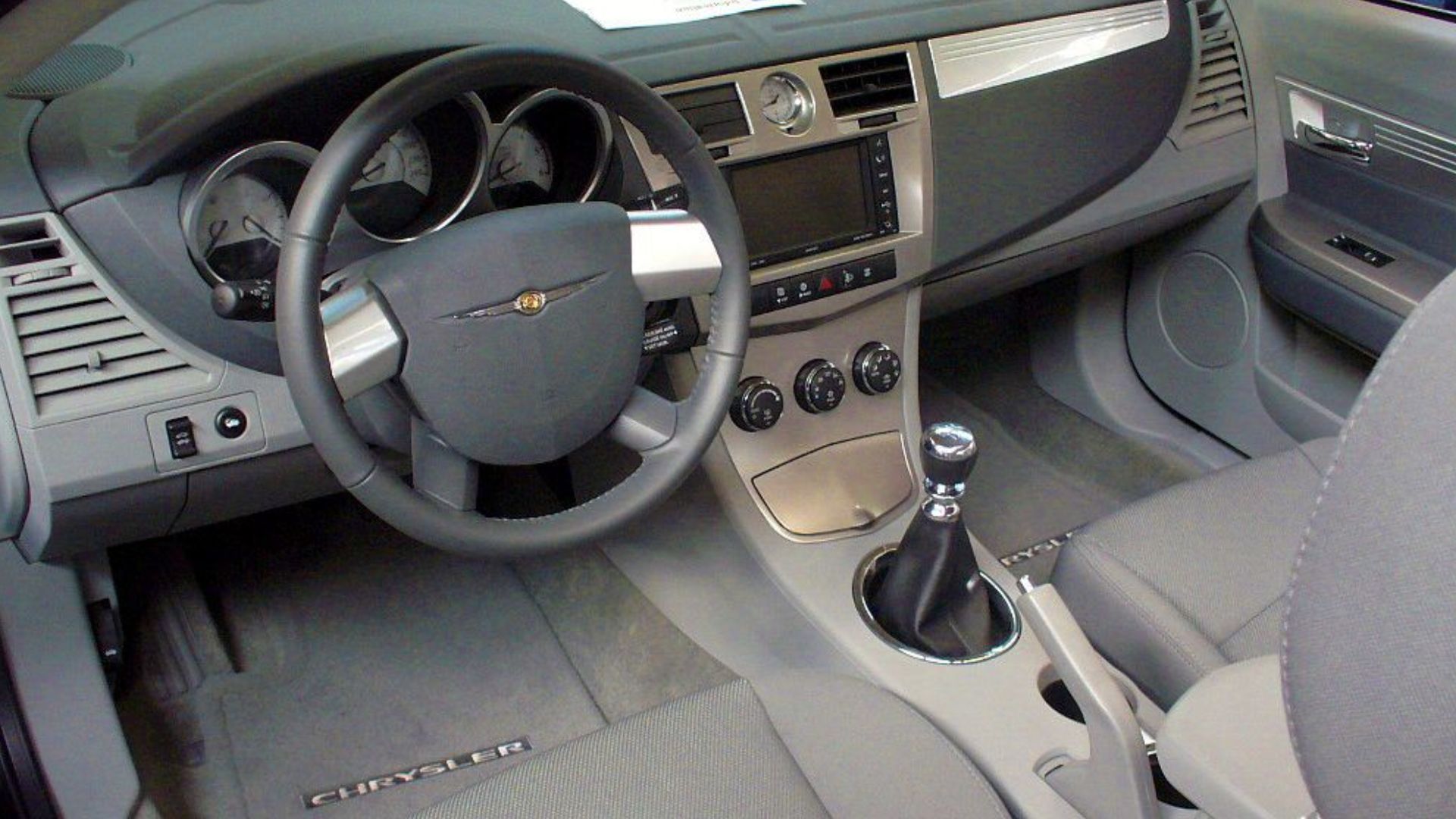
Unfortunately, the interior didn’t improve enough to silence critics. Hard plastics remained common, and the overall design felt dated compared to competitors from Japan and Europe. At a time when buyers increasingly expected higher-quality cabins, the Sebring continued to lag behind.
 Thomas doerfer, Wikimedia Commons
Competitors Raised The Bar
By the late 2000s, rivals like the Ford Mustang Convertible and Volkswagen Eos were delivering stronger driving dynamics and more refined interiors. Even mainstream sedans were beginning to offer higher-quality materials. Against this backdrop, the Sebring’s compromises became even more apparent.
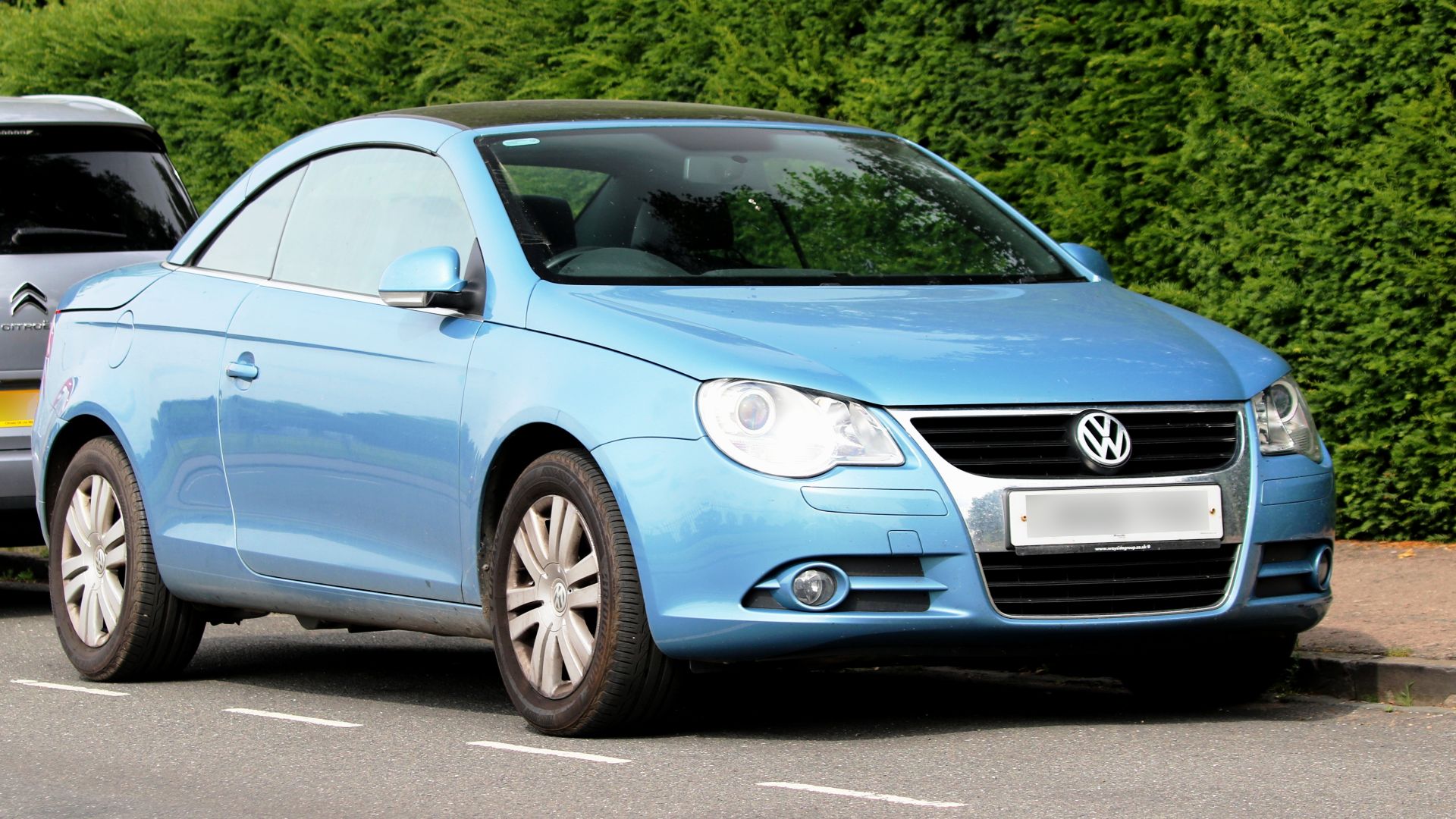
Reliability Reputation Took A Hit
As the years went on, reliability concerns began to surface in owner reports and consumer surveys. Electrical issues, interior wear, and mechanical quirks contributed to lower reliability scores than many competitors. While some owners enjoyed trouble-free experiences, the overall reputation wasn’t flattering.
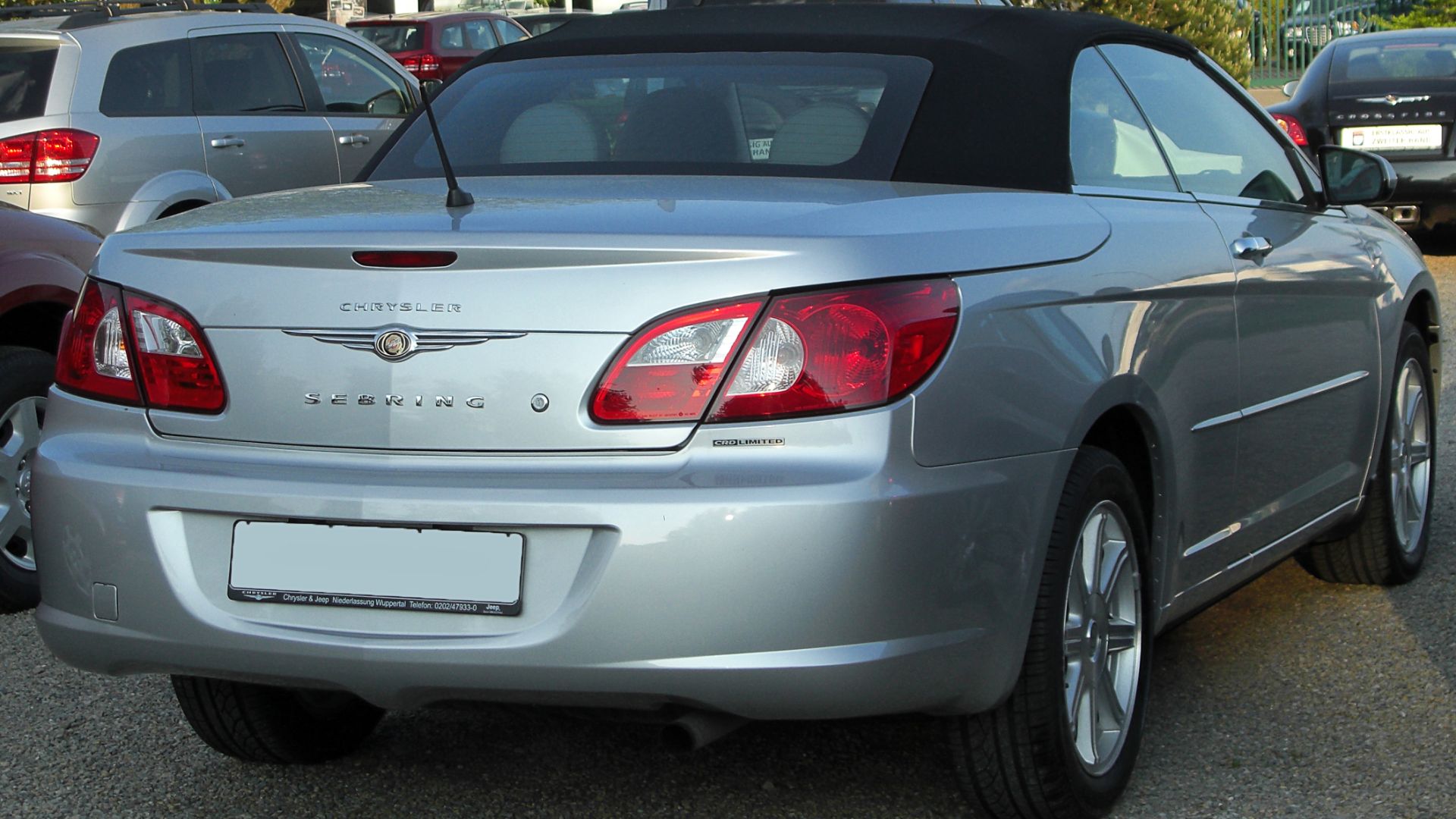
Depreciation Hit Hard
Another sign of the Sebring’s struggles was its steep depreciation. Used examples quickly lost value compared to rivals. While this made them affordable on the secondhand market, it also reinforced the perception that the car lacked long-term quality and durability.
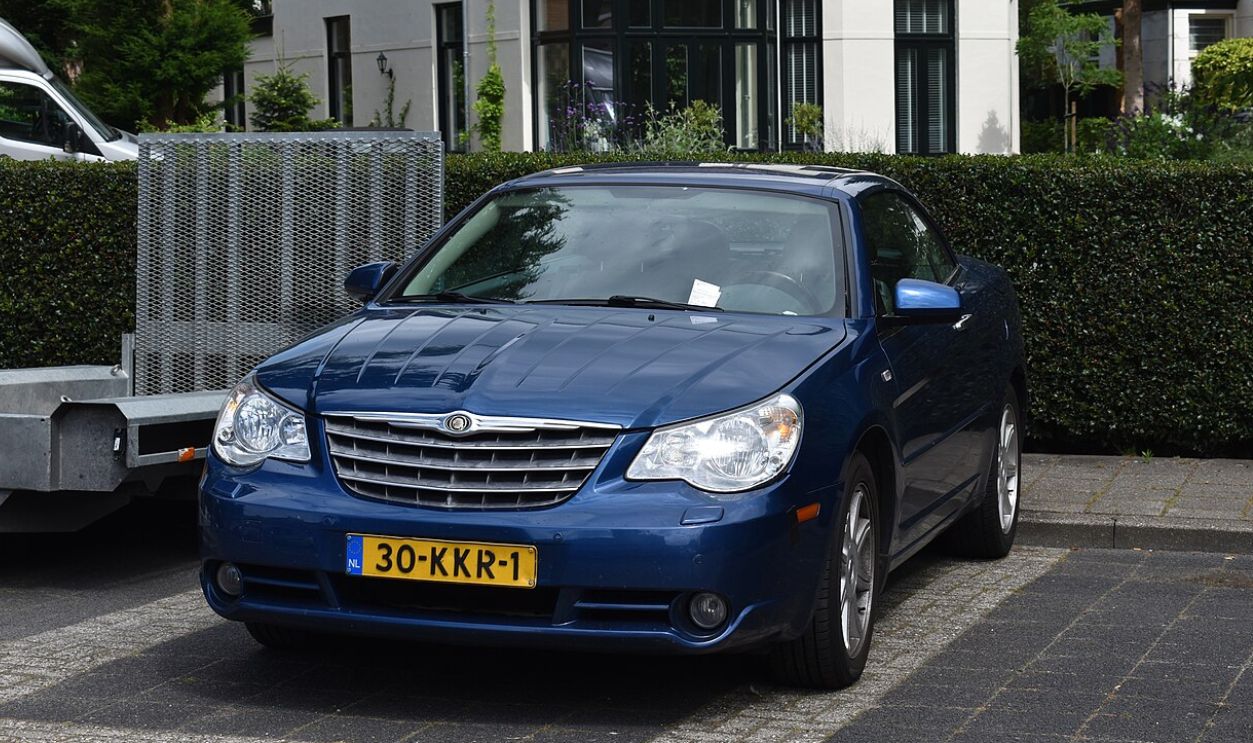 Dennis Elzinga, Wikimedia Commons
The Convertible Segment Evolves
Meanwhile, the convertible market itself was changing. Buyers increasingly expected better handling, stronger performance, and higher-quality interiors—even in affordable models. The Sebring’s original formula of cheap open-air motoring began to feel outdated.
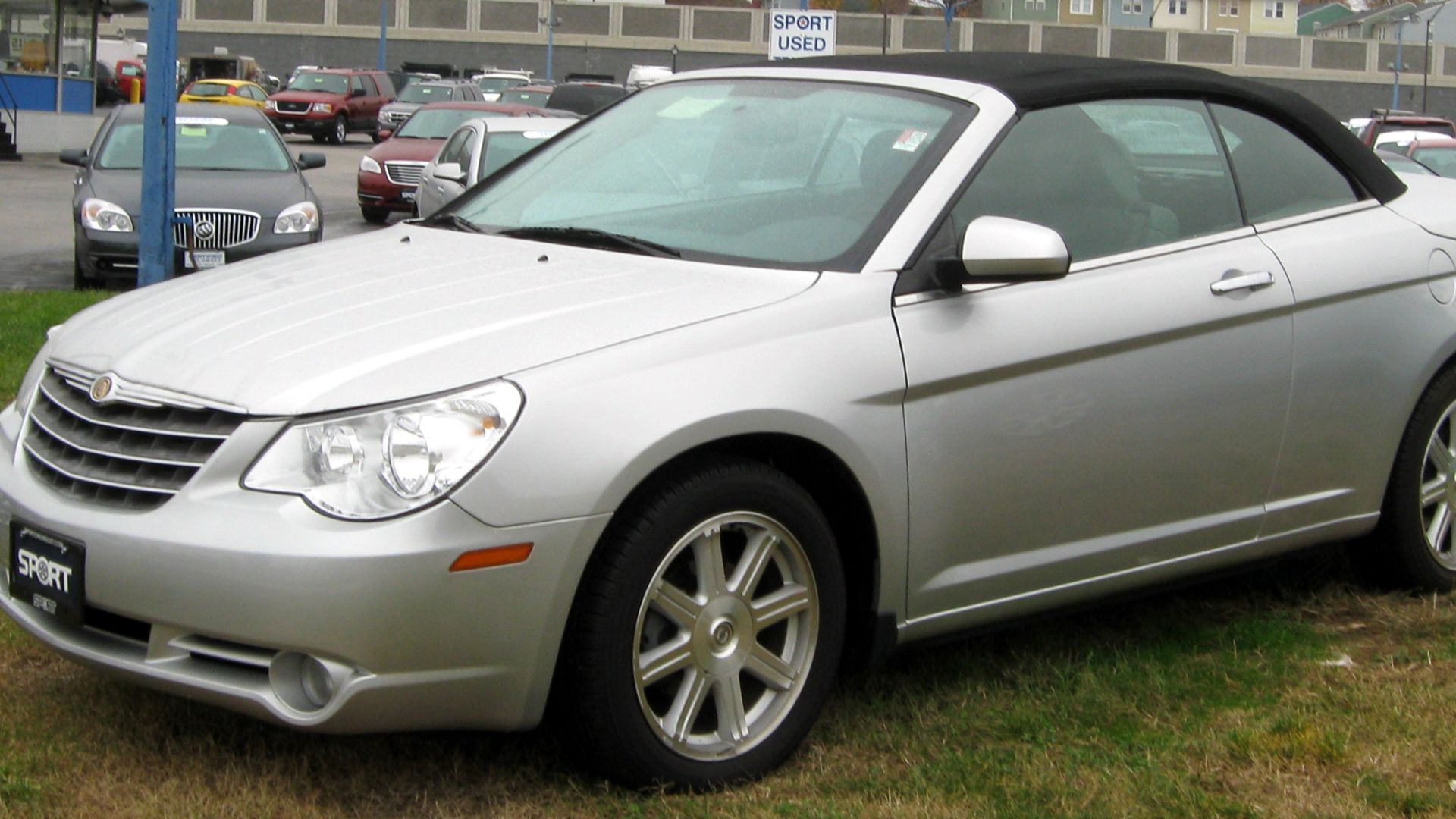
Chrysler’s Changing Priorities
As Chrysler navigated financial turmoil in the late 2000s, the Sebring’s future grew uncertain. The company shifted its focus toward rebuilding its core lineup and improving overall product quality. In that environment, a struggling midsize convertible became less of a priority.
The End Of The Sebring Name
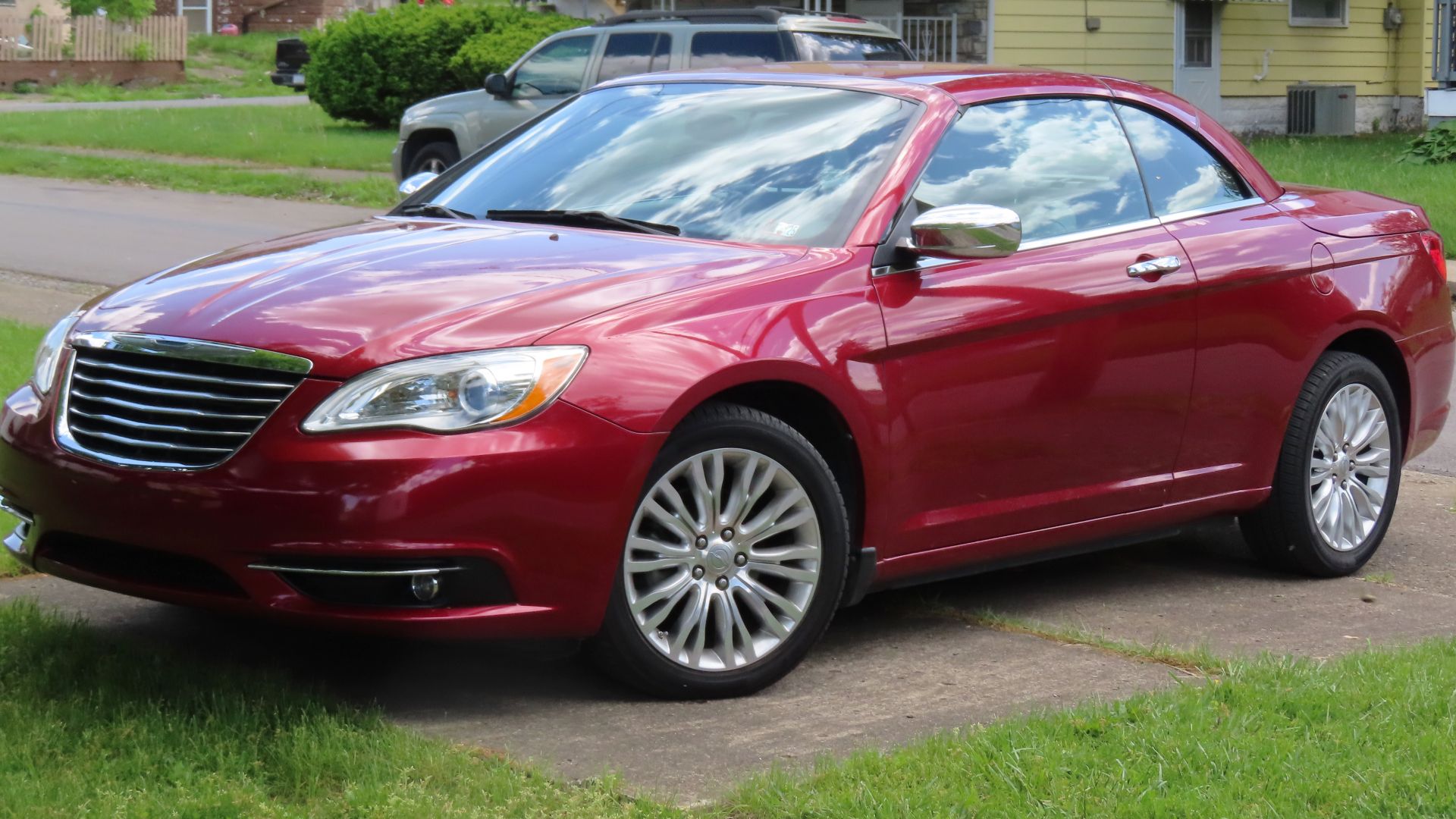
After the 2010 model year, Chrysler retired the Sebring name. Its replacement, the Chrysler 200, initially continued offering a convertible version before the segment faded from the brand’s lineup entirely. The Sebring era had come to an end.
 MercurySable99, Wikimedia Commons
A Convertible Many Still Remember
Despite its flaws, the Sebring Convertible remains a familiar sight in American automotive memory. For countless vacationers, it was the car they drove along coastal highways or sunny resort roads. Even if it wasn’t perfect, it delivered a taste of convertible fun to drivers who might not otherwise have experienced it.
 dave_7 from Lethbridge, Canada, Wikimedia Commons
When Cost-Cutting Went Too Far
In the end, the Chrysler Sebring Convertible stands as a lesson in the limits of cost-cutting. Chrysler succeeded in making open-top driving affordable, but the compromises in quality, engineering, and refinement eventually caught up with the car. What began as a promising idea gradually turned into a cautionary tale—one that reminds automakers that affordability should never come at the expense of lasting quality.
 Spanish Coches, Wikimedia Commons
You May Also Like:


.jpg)
.jpg)