When Weird Ages Better Than Safe
Car design can be unforgiving. Play it safe and a car disappears into traffic. Try something different and critics may wonder what went wrong. Yet time can completely change the conversation. These 20 cars were criticized, mocked, or seriously divisive when new, but their unusual styling has helped them become some of the most recognizable designs of their eras.

Pontiac Aztek
Few vehicles have carried an aesthetic reputation quite like the Pontiac Aztek. Its tall proportions, split grille, heavy body cladding, and busy rear end made it an easy target. Yet the Aztek also anticipated the lifestyle crossover, offering flexible cargo space and an available camping package. Its oddness is now a major part of its cult appeal.

Fiat Multipla
The original Fiat Multipla made ordinary minivans look conservative. Its tall greenhouse, stacked lighting, and strange belt beneath the windshield attracted plenty of criticism, but the design hid clever packaging with six seats arranged in two rows of three. Its unconventional appearance has since become an essential part of its identity.
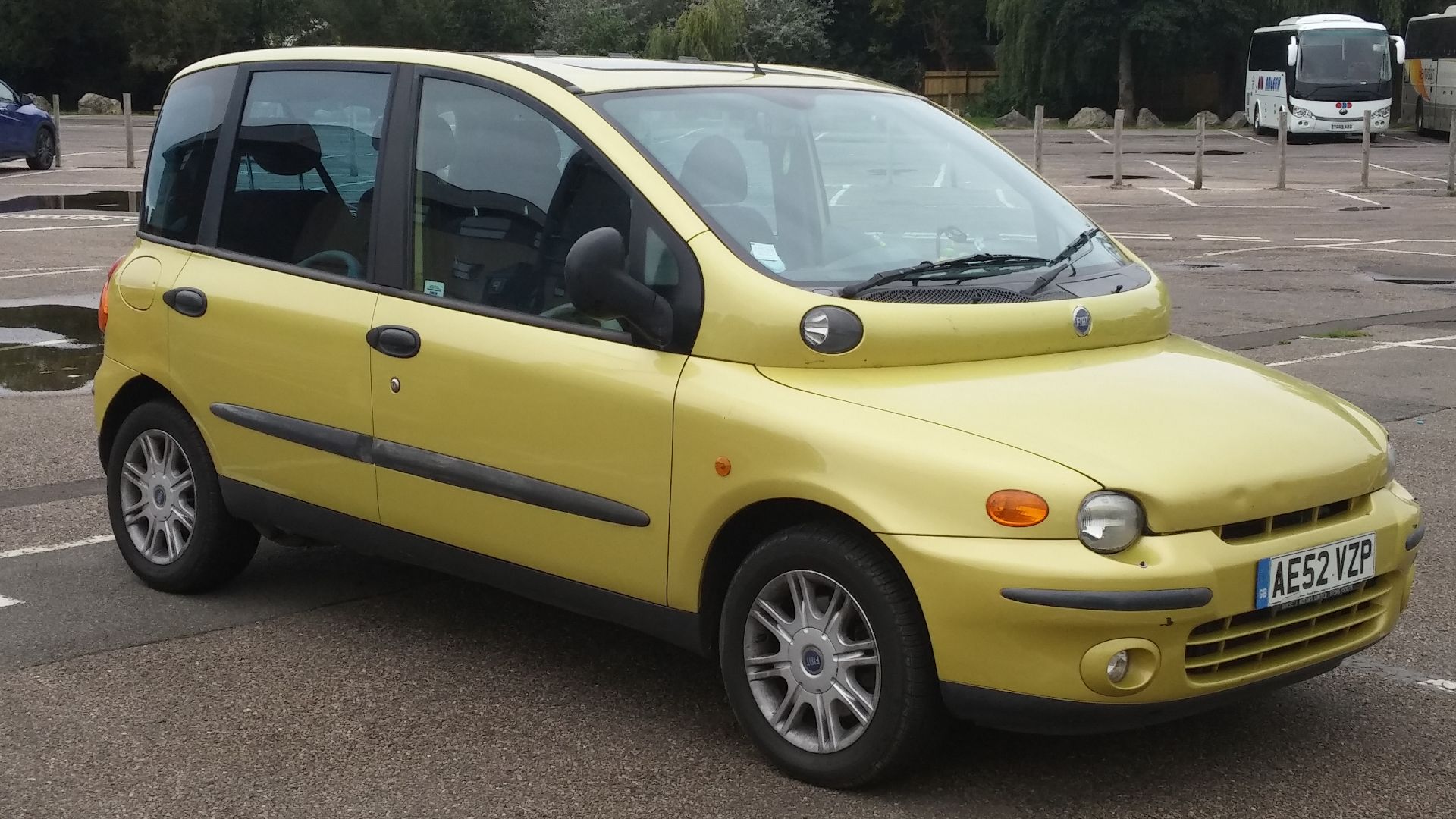 Andrew Bone from Weymouth, England, Wikimedia Commons
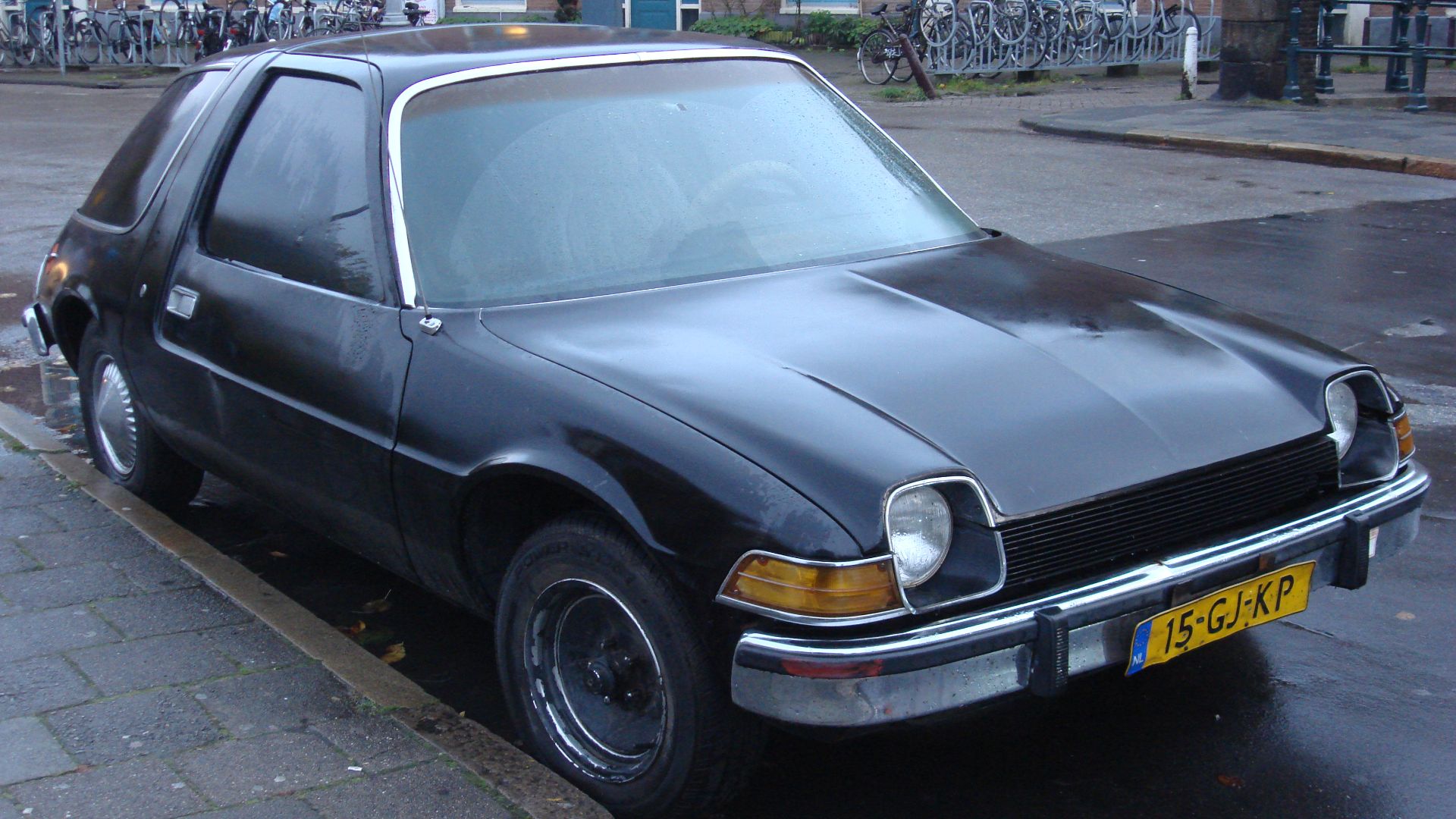
AMC Pacer
AMC promised something different with the Pacer, and it delivered. Huge windows, rounded bodywork, an unusually wide stance, and asymmetric doors made the 1975 compact impossible to ignore. Its once-ridiculed appearance is now a huge part of its personality. Surviving Pacers have become recognizable symbols of adventurous 1970s automotive design.
BMW Z3 M Coupe
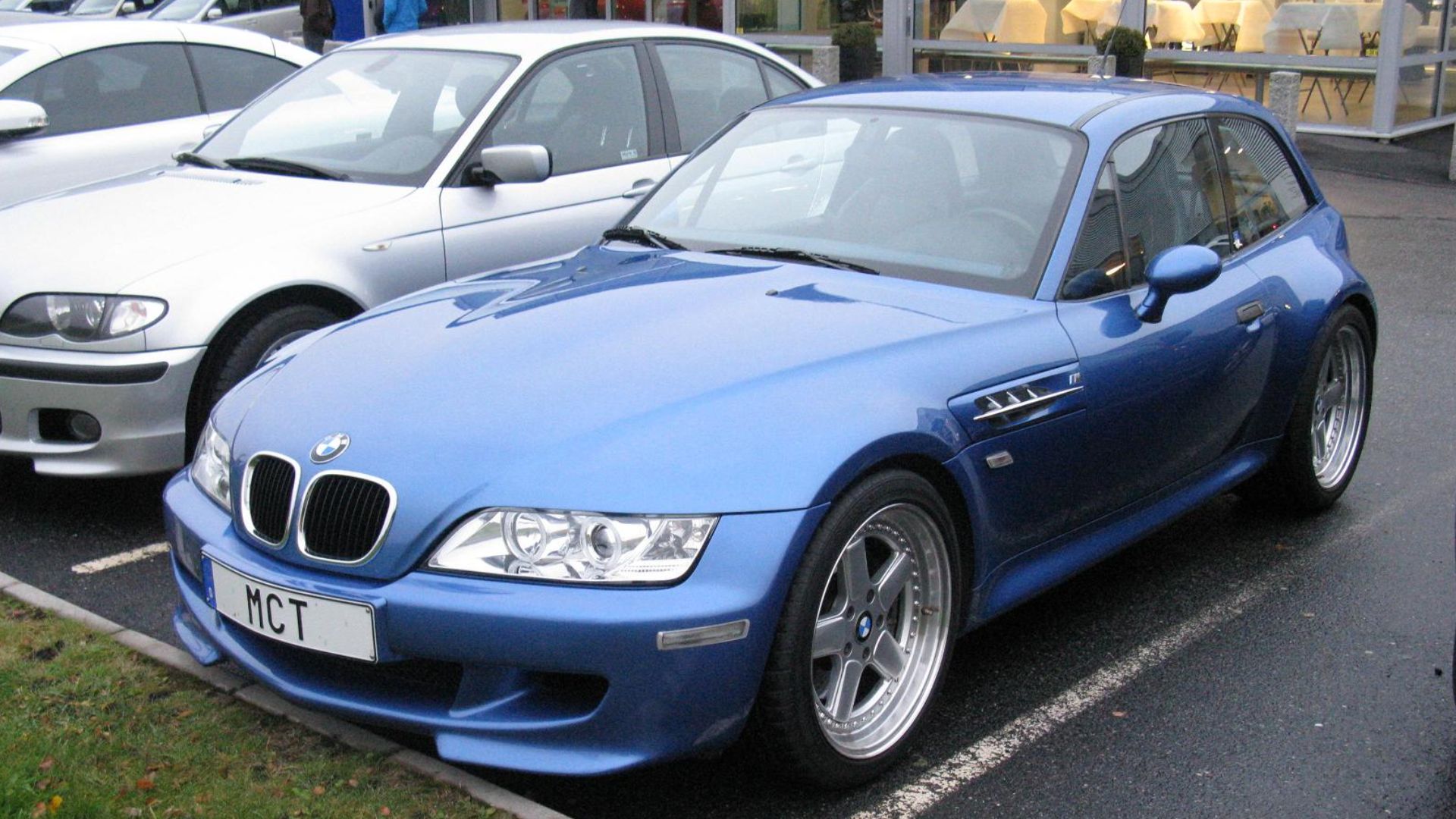
BMW transformed the tidy Z3 roadster by giving it a unique roof and muscular rear bodywork. The proportions quickly earned the Z3 M Coupe its famous “clown shoe” nickname. What once looked awkward now helps make it one of the most distinctive performance BMWs of its period, while its rarity has only strengthened enthusiast interest.
Honda Element
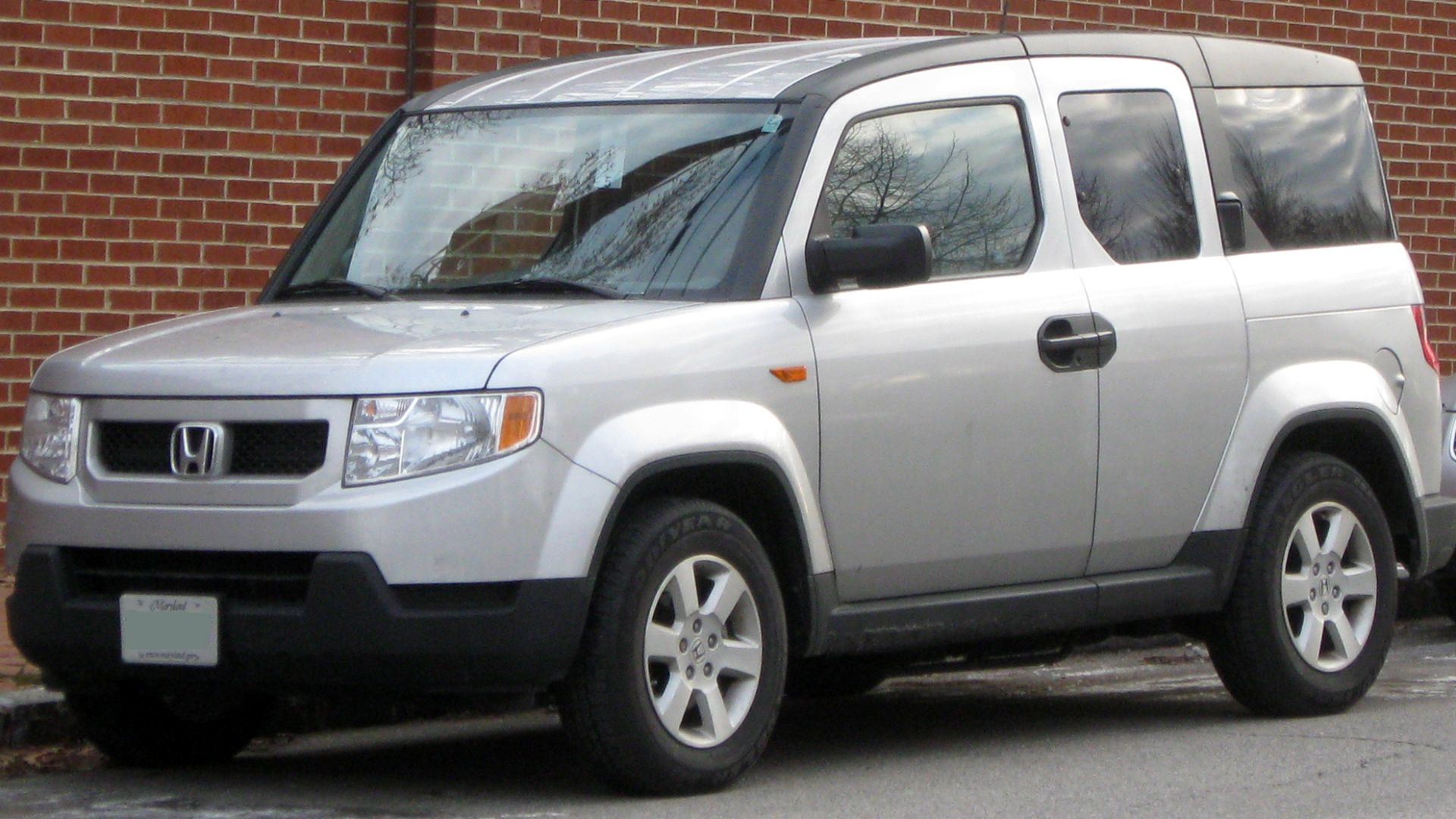
Honda apparently had little interest in curves when it designed the Element. Its upright body, contrasting panels, rear-hinged access doors, and boxy proportions attracted plenty of attention. Some people stared, while others simply laughed at its unusual appearance. Its flexible interior and unmistakable exterior eventually helped the Element build an enthusiastic following.
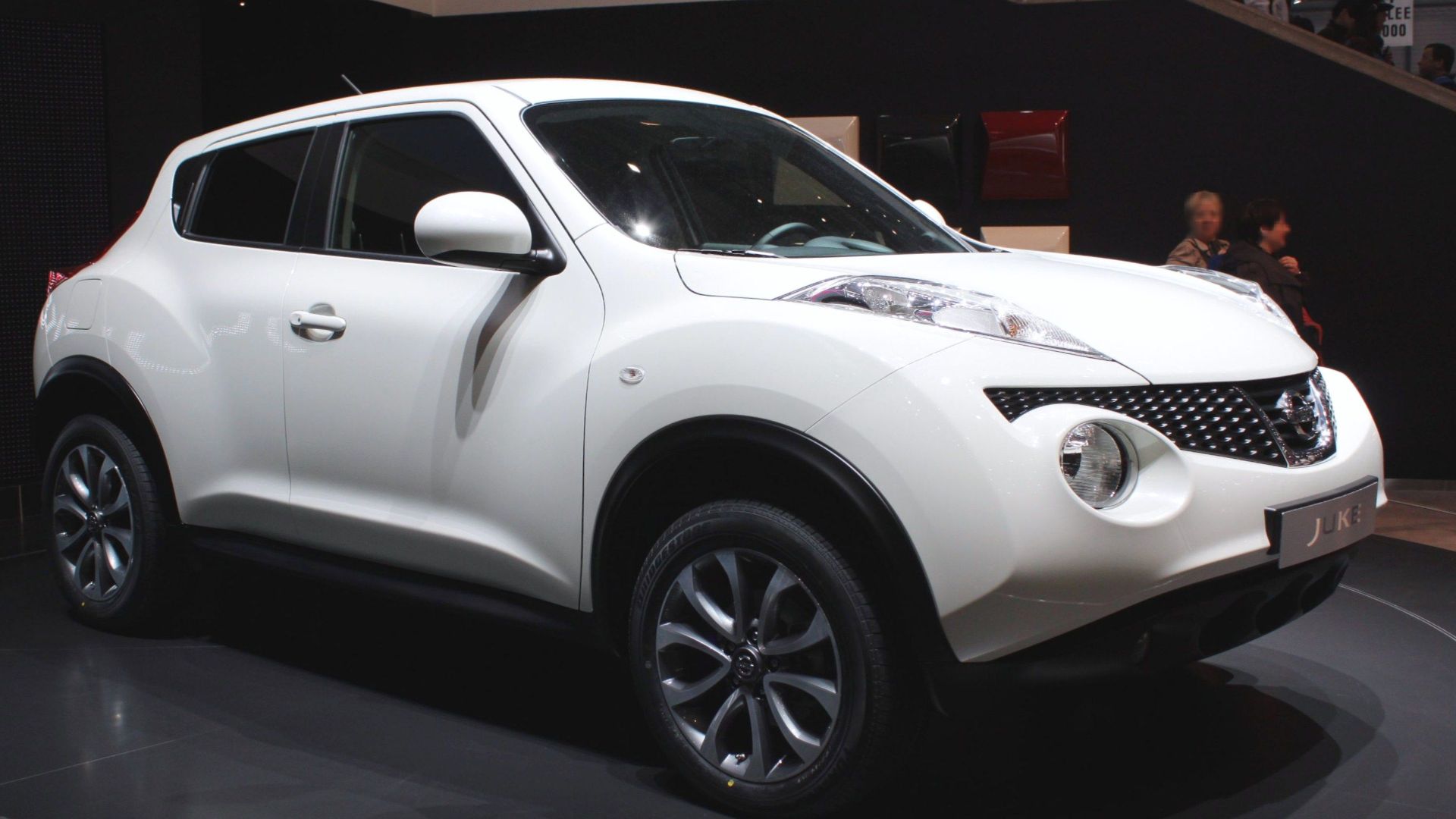
Nissan Juke
The first Nissan Juke arrived with raised running lights, enormous lower lamps, bulging fenders, and compact crossover proportions. Reactions were predictably divided. What seemed bizarre in 2010 now looks surprisingly influential. Split lighting arrangements and aggressively sculpted small crossovers have become much more common, making the original Juke appear less alien today.
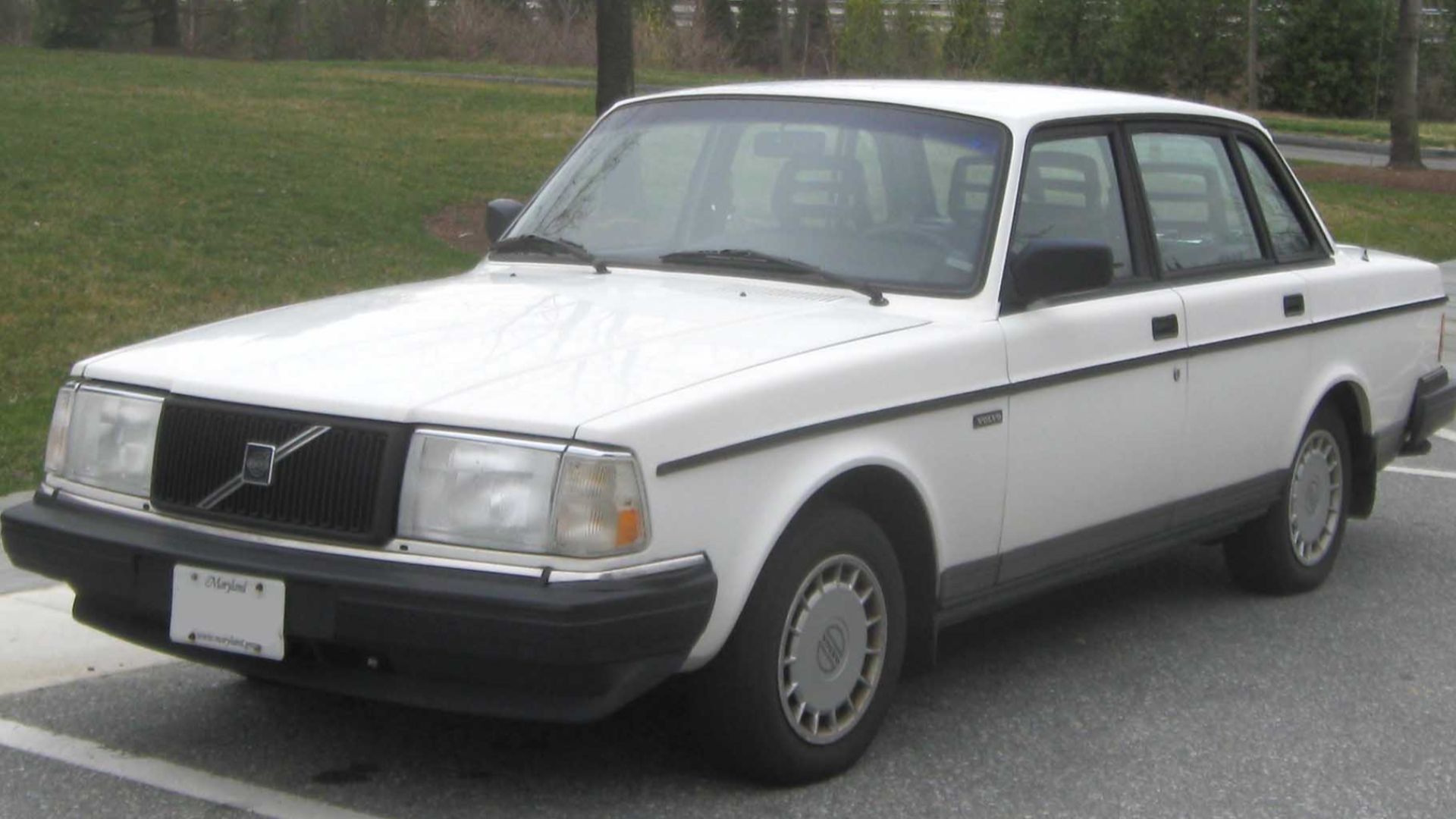
Volvo 240
The Volvo 240 was criticized for its boring, boxy appearance after its 1974 debut. Those square proportions ultimately became inseparable from Volvo's identity. Nearly 2.9 million examples were produced during its long run, and the 240 developed cult status. Today, its upright greenhouse and slab-sided body are unmistakably classic Volvo.
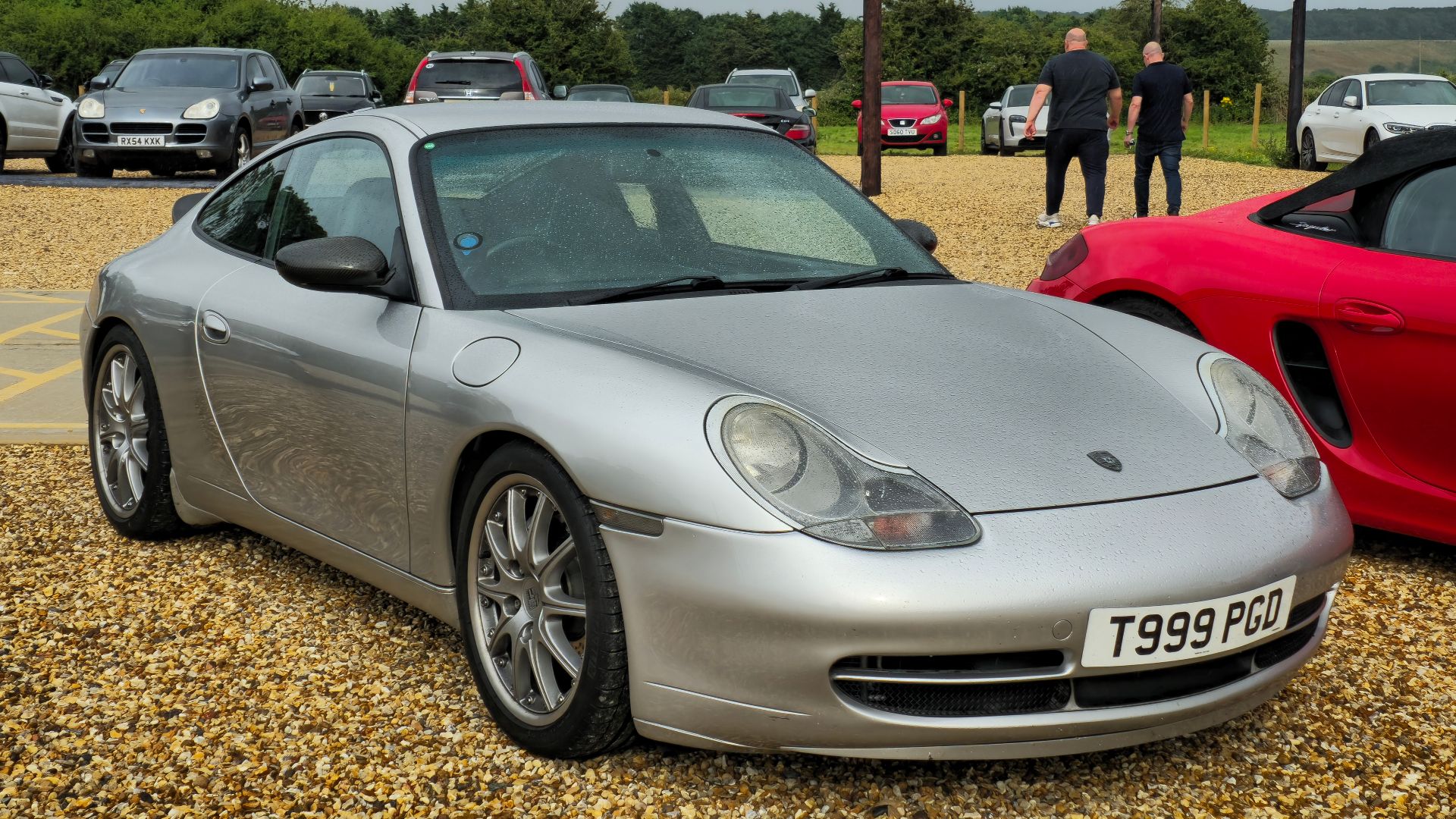
Porsche 911 996
This 996-generation Porsche changed a formula enthusiasts held sacred. Its smoother body and radically different headlights broke sharply with previous 911s, and those lamps became especially controversial. Time has been kinder. The 996 now stands as an important bridge between classic and modern design, while its clean late-1990s styling has developed a following of its own.
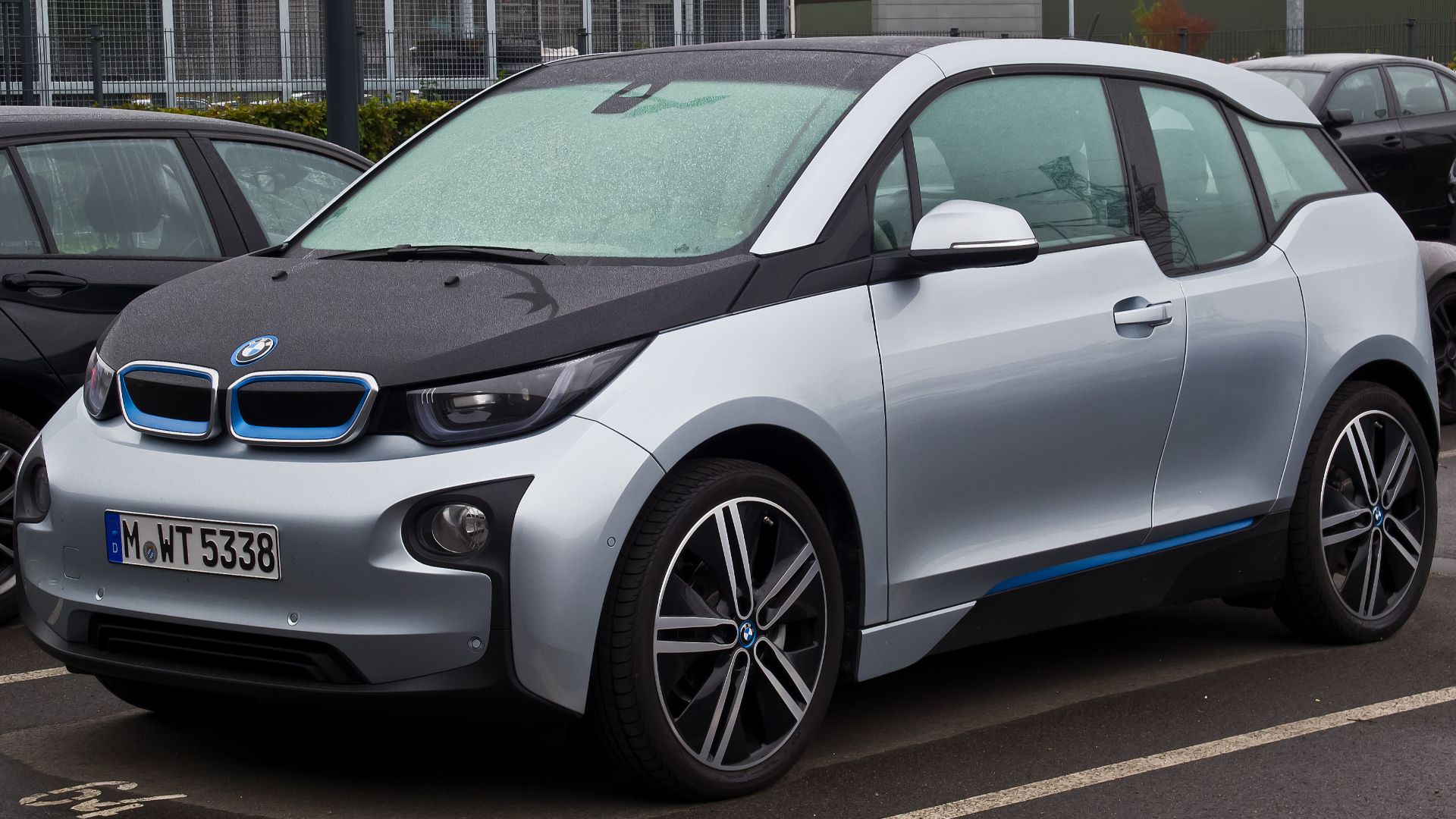
BMW i3
The BMW i3 never tried to resemble an ordinary hatchback. Its tall body, contrasting panels, unusual window line, and rear-hinged doors made that obvious. Its exterior proved polarizing from the beginning. More than a decade later, its unconventional styling still looks remarkably modern, which is exactly what BMW hoped to achieve with its futuristic electric city car.
Renault Avantime
Renault combined the space of an MPV with the character of a luxury coupe and called the result the Avantime. Buyers were apparently not waiting for such a combination. Only around 8,000 were sold. Its huge doors, tall glasshouse, and unconventional proportions now make this commercial disappointment one of Renault's most distinctive modern designs.
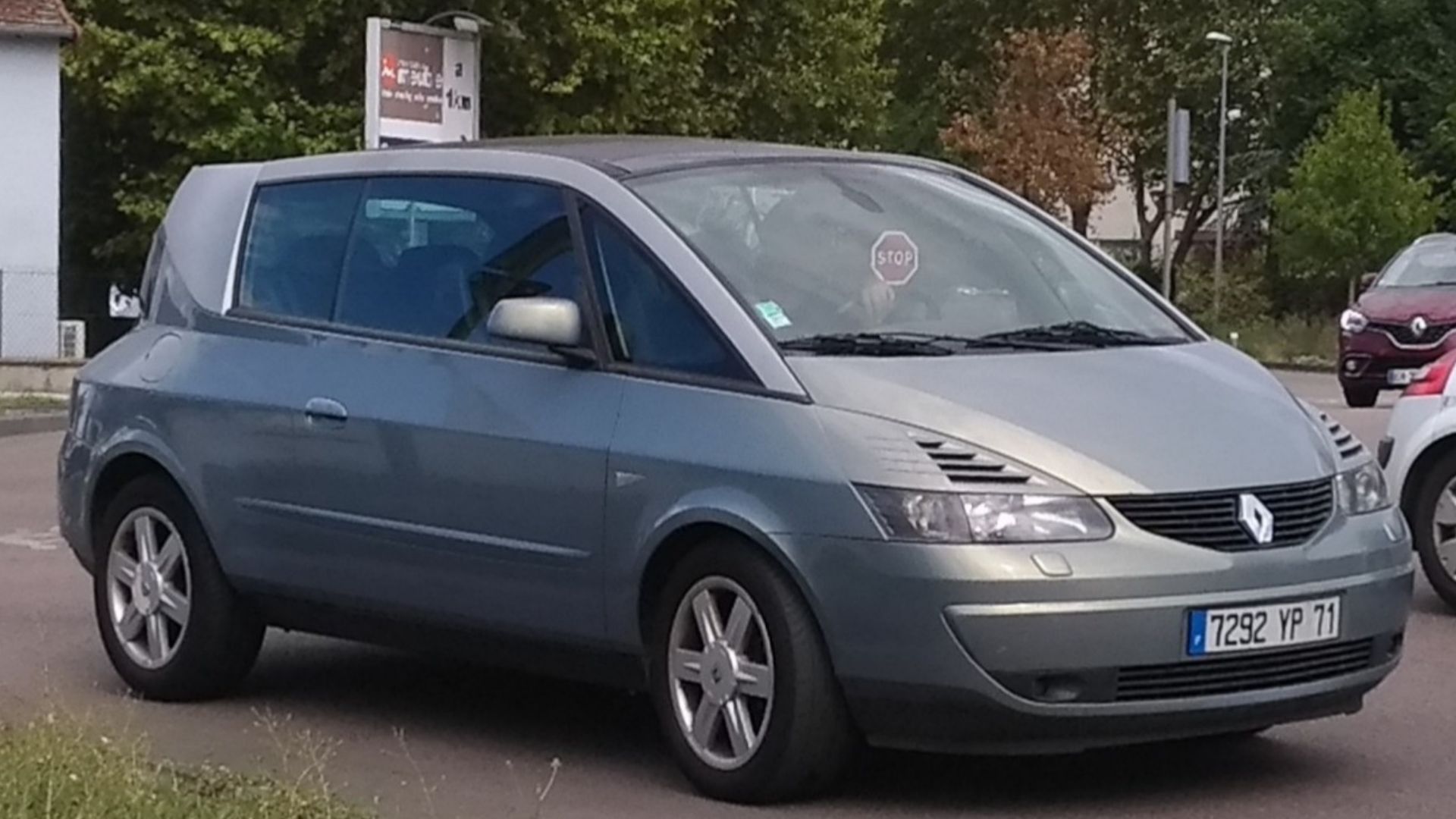 Guillaume Vachey from Chalon sur Saone, France, Wikimedia Commons
Ford Focus Mk1
Ford made the first Focus look nothing like its predecessor. Sharp creases, unusual lamps, dramatic wheel arches, and vertically mounted rear lights brought Ford's New Edge styling into the family-car world. The design was startling in the late 1990s. Today, its willingness to look different is exactly why it remains recognizable.
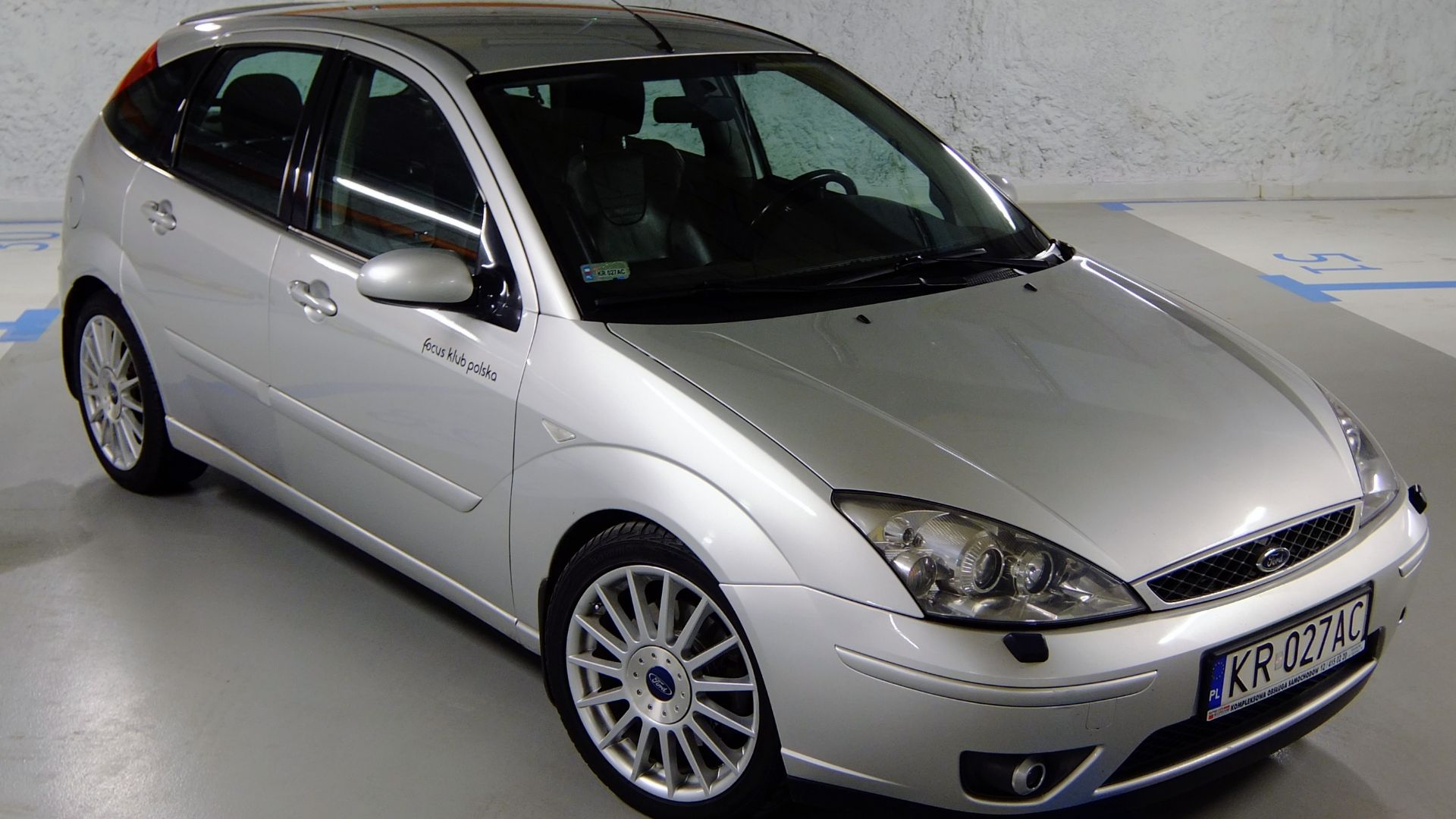 Elomartiniasty, Wikimedia Commons
Toyota FJ Cruiser
Toyota created the FJ Cruiser as a modern tribute to the classic FJ40 Land Cruiser. Its chunky pillars, white roof, small rear doors, and upright windshield created an intentionally unusual package. The same styling that limited its mainstream appeal has helped it become desirable today, with the discontinued FJ Cruiser attracting plenty of enthusiast interest.
 Stefan Krause, Germany, Wikimedia Commons
Smart Fortwo
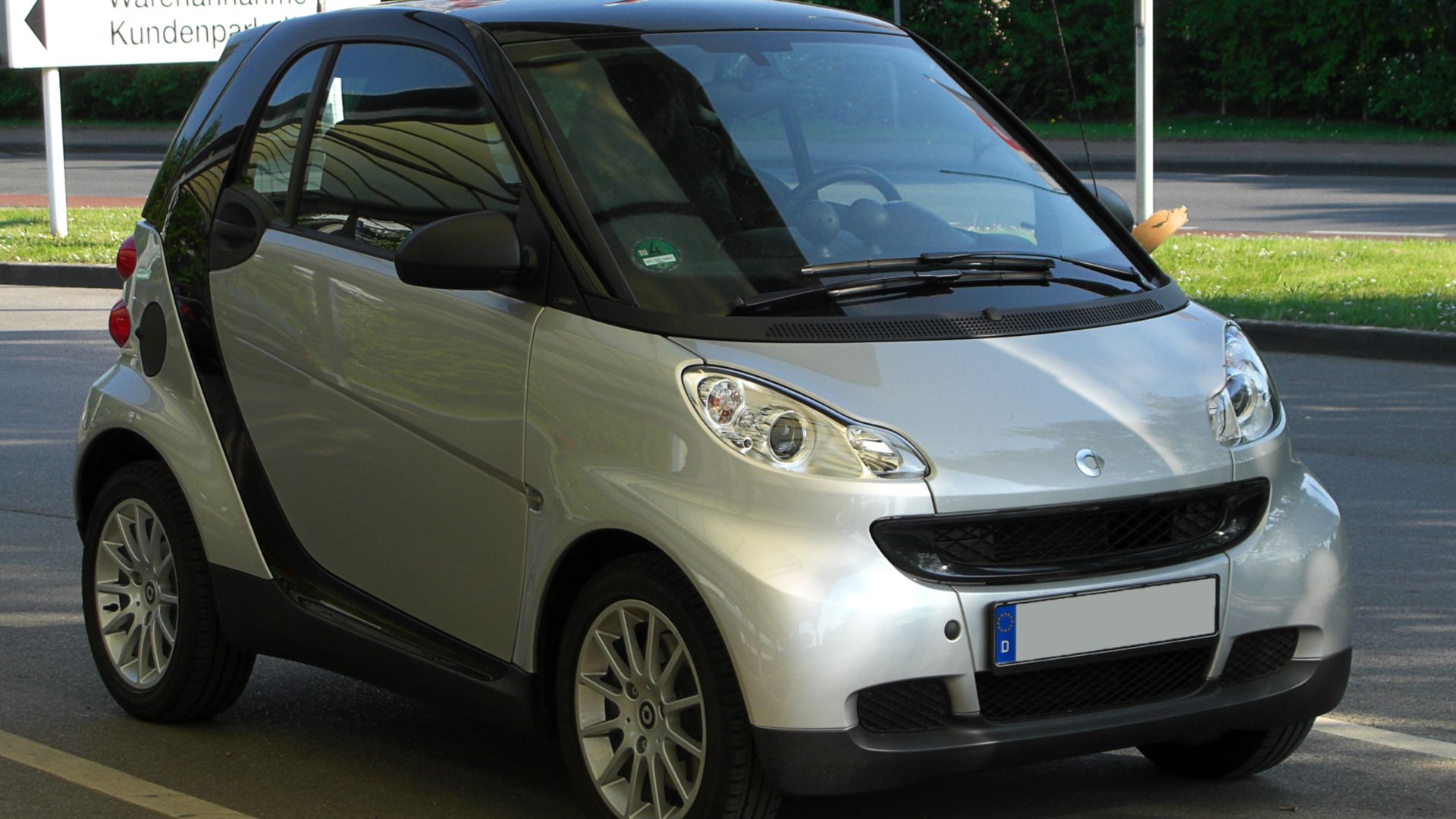
The original Smart looked tiny even compared with other European city cars. Its exposed structural frame, upright body, and extremely short footprint rejected conventional automotive proportions almost entirely. That was the point. Designed around crowded cities, the Fortwo turned its unusual dimensions into its identity and became one of the most recognizable small cars ever produced.
BMW 5 Series E60
BMW followed the restrained E39 5 Series with the dramatically different E60. Its stretched headlights and heavily sculpted surfaces became part of the controversy surrounding Chris Bangle-era BMW design. Critics were not always kind. Years later, the E60 looks far less shocking, partly because similarly complicated surfaces became common throughout the automotive industry.
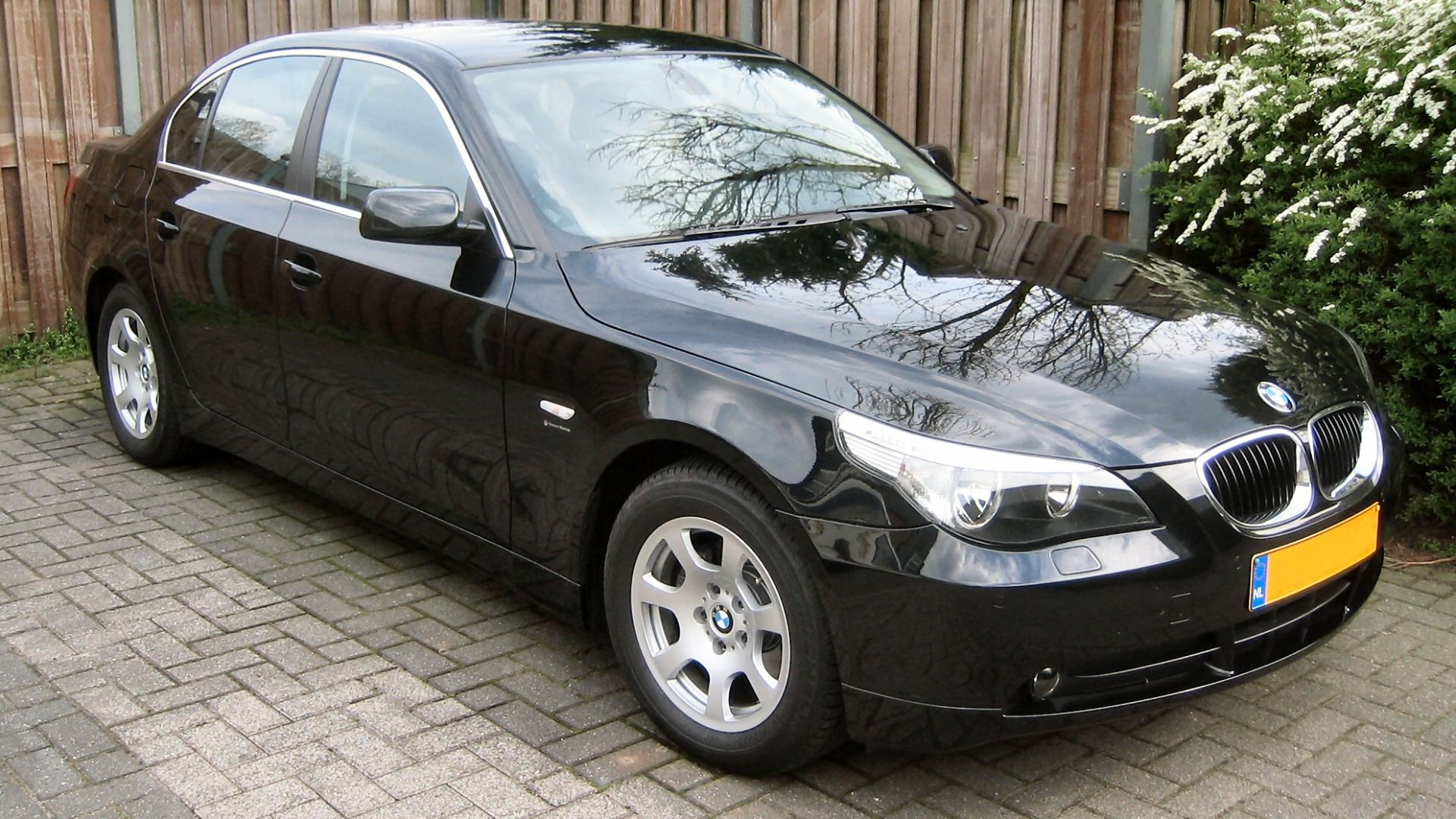 Hullie at Dutch Wikipedia, Wikimedia Commons
Isuzu VehiCROSS
The Isuzu VehiCROSS looked like a concept SUV that somehow escaped onto public roads. Its two-door body, aggressive arches, extensive cladding, and unusual grille separated it from practically everything else in the late 1990s. Its limited production and futuristic appearance eventually became strengths. Today, the rare VehiCROSS enjoys a dedicated cult following.
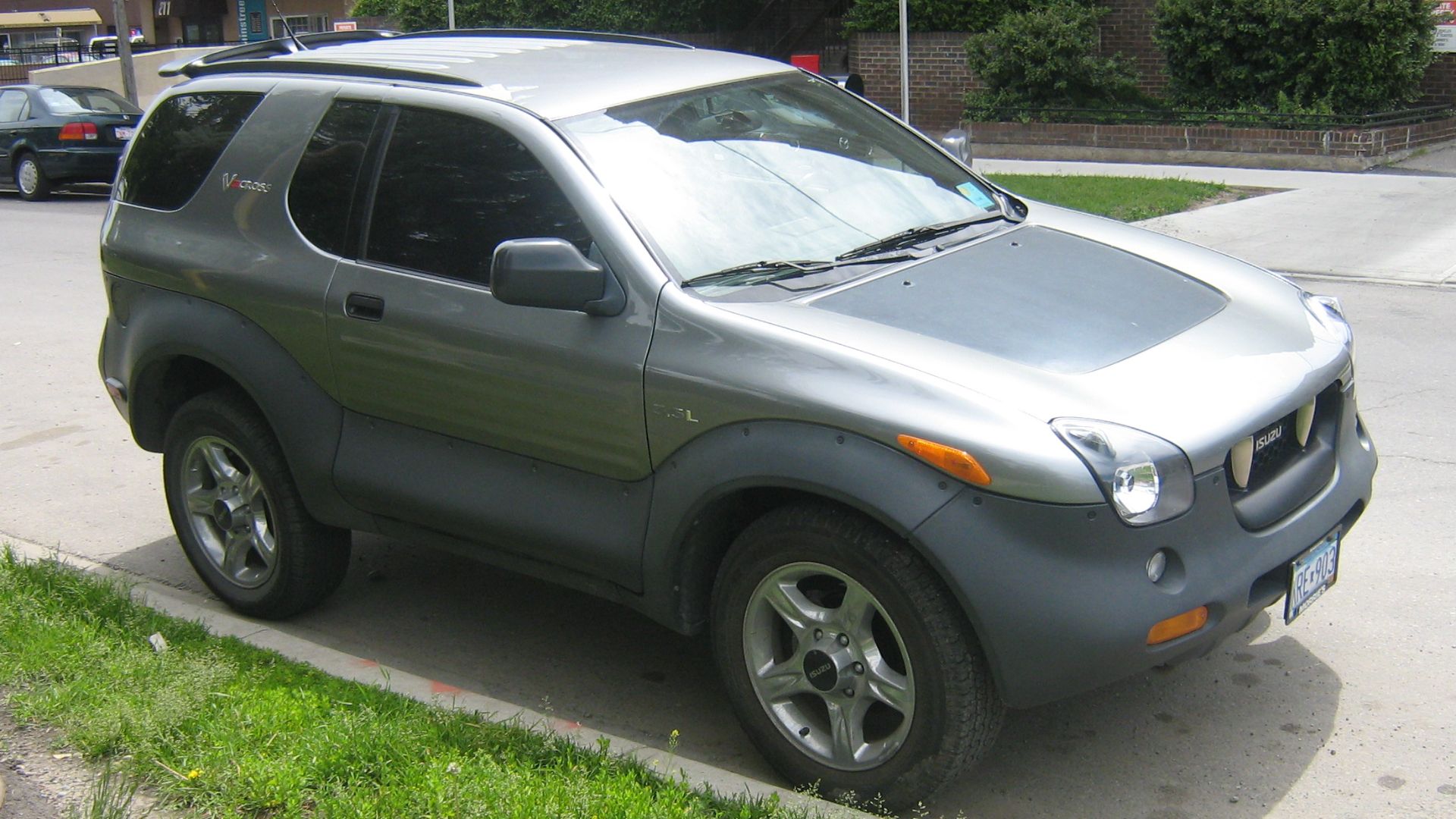 dave_7 from Canada, Wikimedia Commons
Ford Sierra
Ford replaced the traditional Cortina with the aerodynamic Sierra in 1982, and British buyers were not immediately convinced. Its smooth, rounded shape earned the mocking “jelly mould” nickname. The reaction faded as aerodynamic styling spread throughout the industry. Performance models such as the RS Cosworth later helped make the Sierra one of Ford's most memorable European cars.
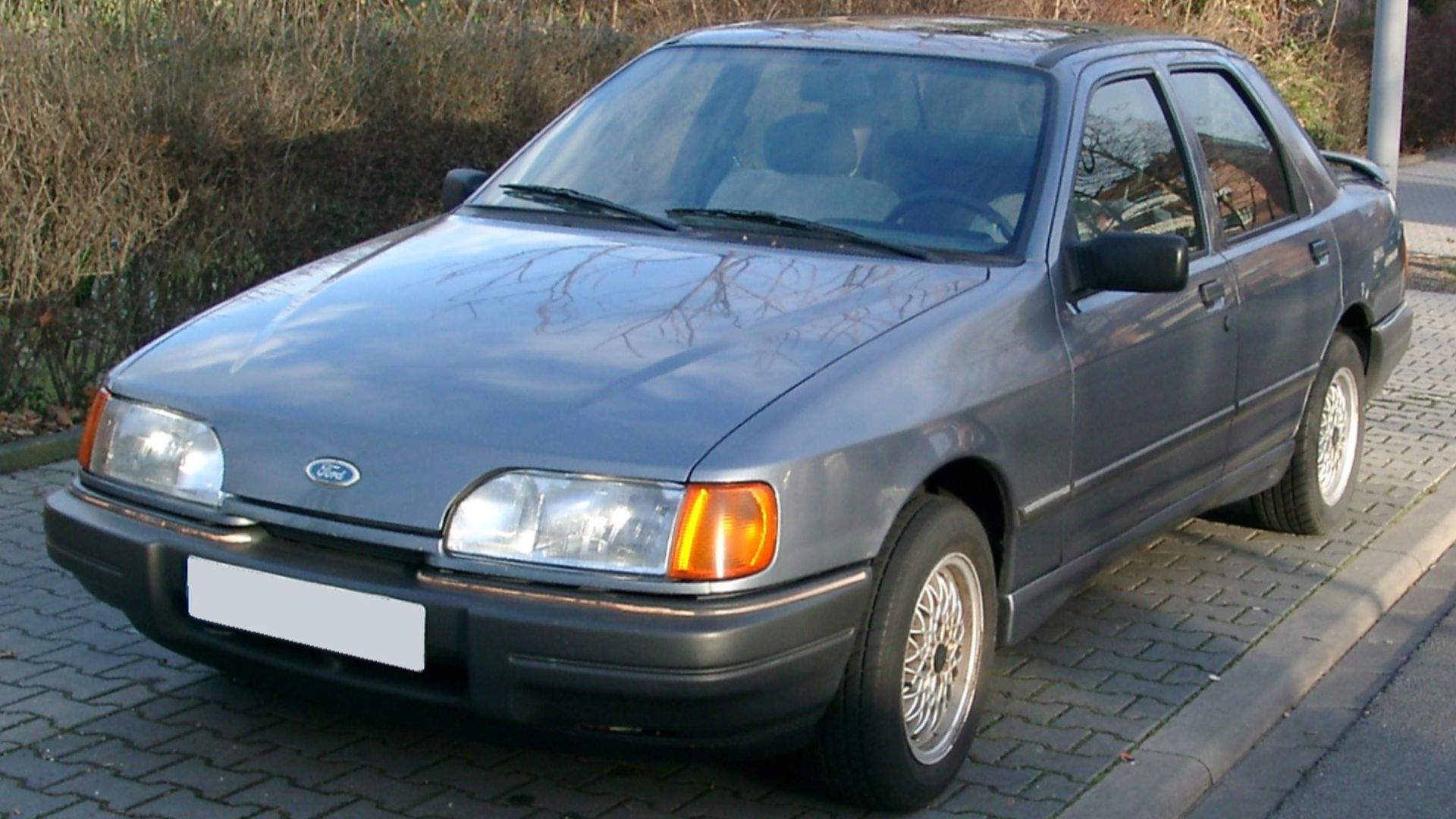 Rudolf Stricker, Wikimedia Commons
Chrysler 300C
Subtlety was never the Chrysler 300C's specialty. Its massive grille, high beltline, squared proportions, and muscular fenders gave it enormous visual presence. Some observers considered the design excessive, but that excess helped the 300C stand apart from contemporary sedans. Two decades later, similarly imposing grilles and bulky proportions are hardly unusual.
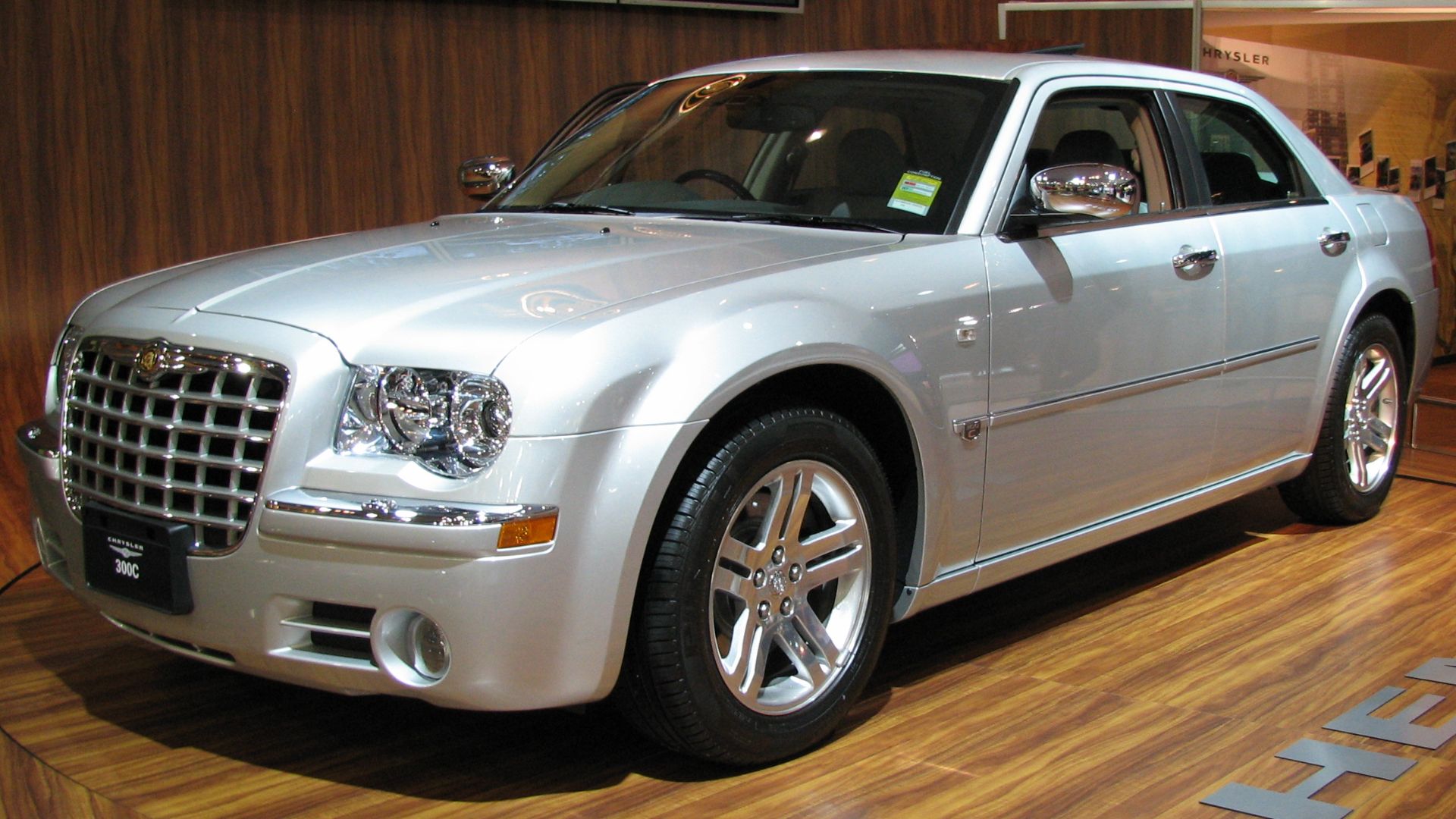 Jeremy from Sydney, Australia, Wikimedia Commons
Toyota Mirai
Toyota made sure its first-generation Mirai looked like something different. Huge front intakes, dramatic body lines, and an unusual rear treatment gave the hydrogen fuel-cell sedan a futuristic appearance that divided opinion. Whatever you thought of it, the Mirai was unmistakable. Its styling made Toyota's experimental hydrogen model instantly identifiable among far more conventional sedans.
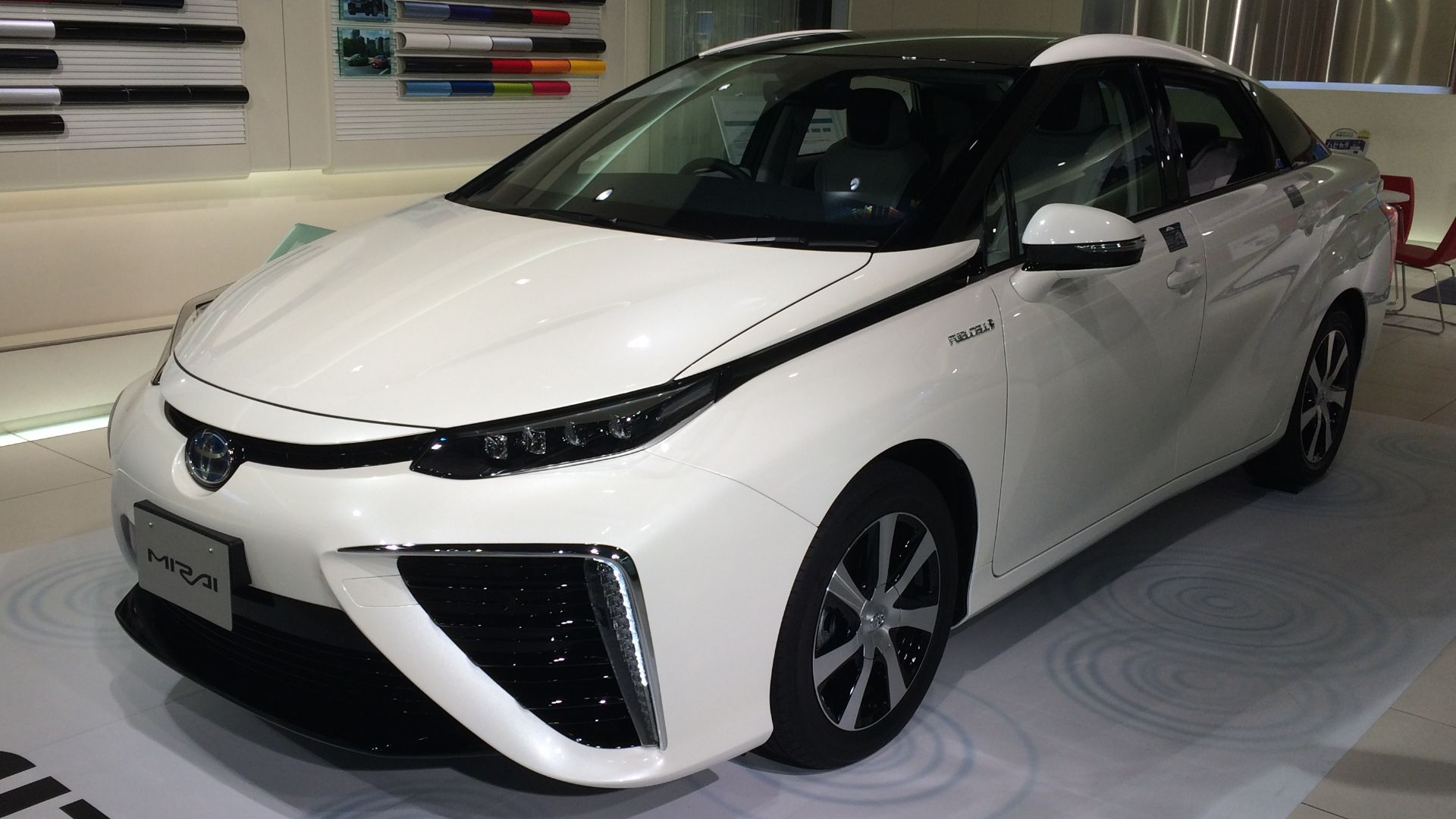 Turbo-myu-z, Wikimedia Commons
Citroën DS5
The Citroën DS5 blended elements of a hatchback, wagon, coupe, and luxury car into one difficult-to-categorize shape. Chrome strips stretched from its headlights toward the windshield, while the low roof and broad stance added even more drama. Its complicated styling has aged surprisingly well, particularly as modern cars have adopted increasingly elaborate exterior detailing.
 Navigator84, Wikimedia Commons
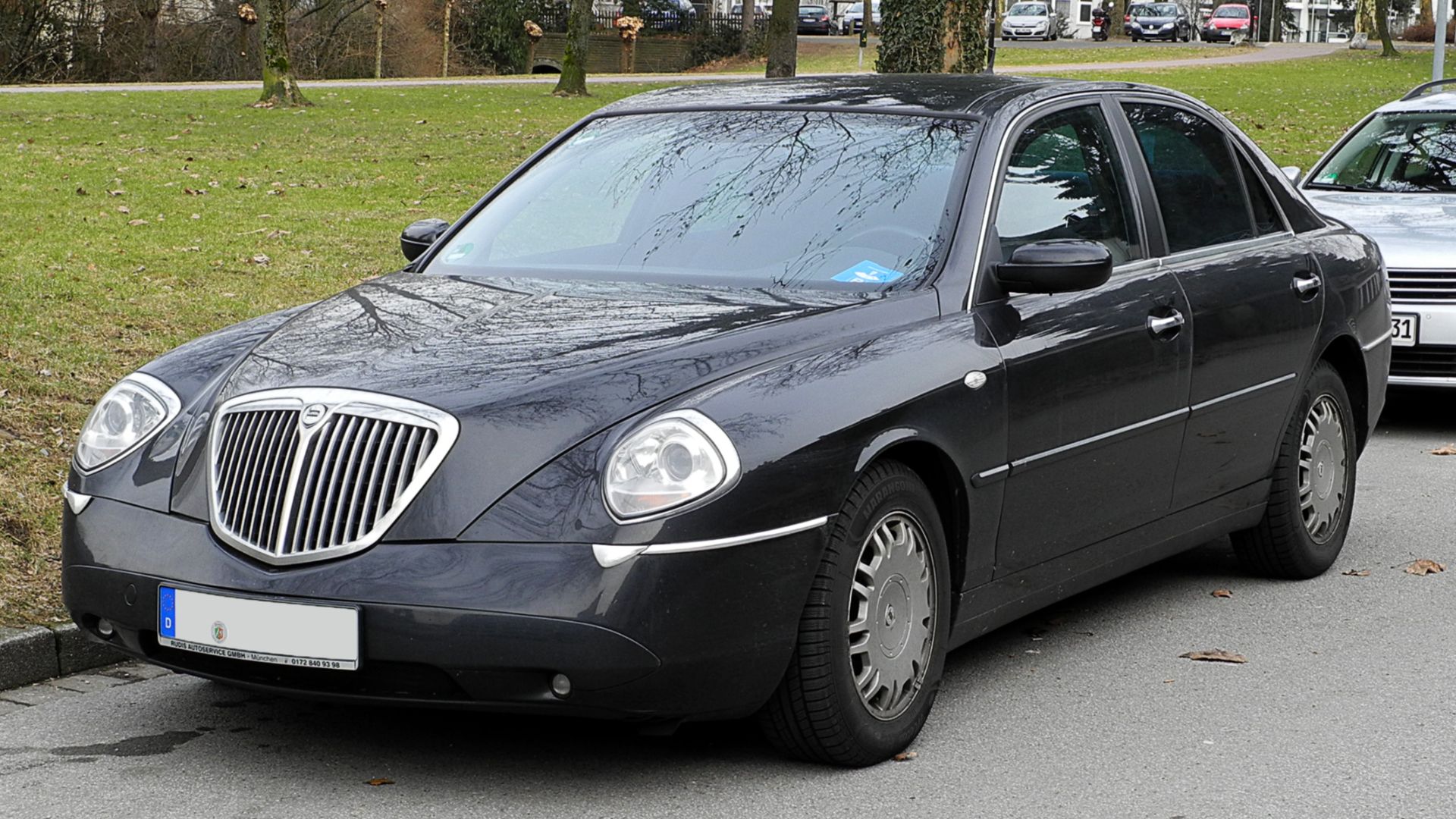
Lancia Thesis
The Lancia Thesis ignored the restrained styling favored by many luxury sedans of its era. A narrow vertical grille, unusual headlights, tall rear lamps, and soft surfaces made it instantly recognizable. Sales remained limited, but rarity now adds to its appeal. Instead of blending into the early 2000s, the Thesis remains unmistakably Lancia.
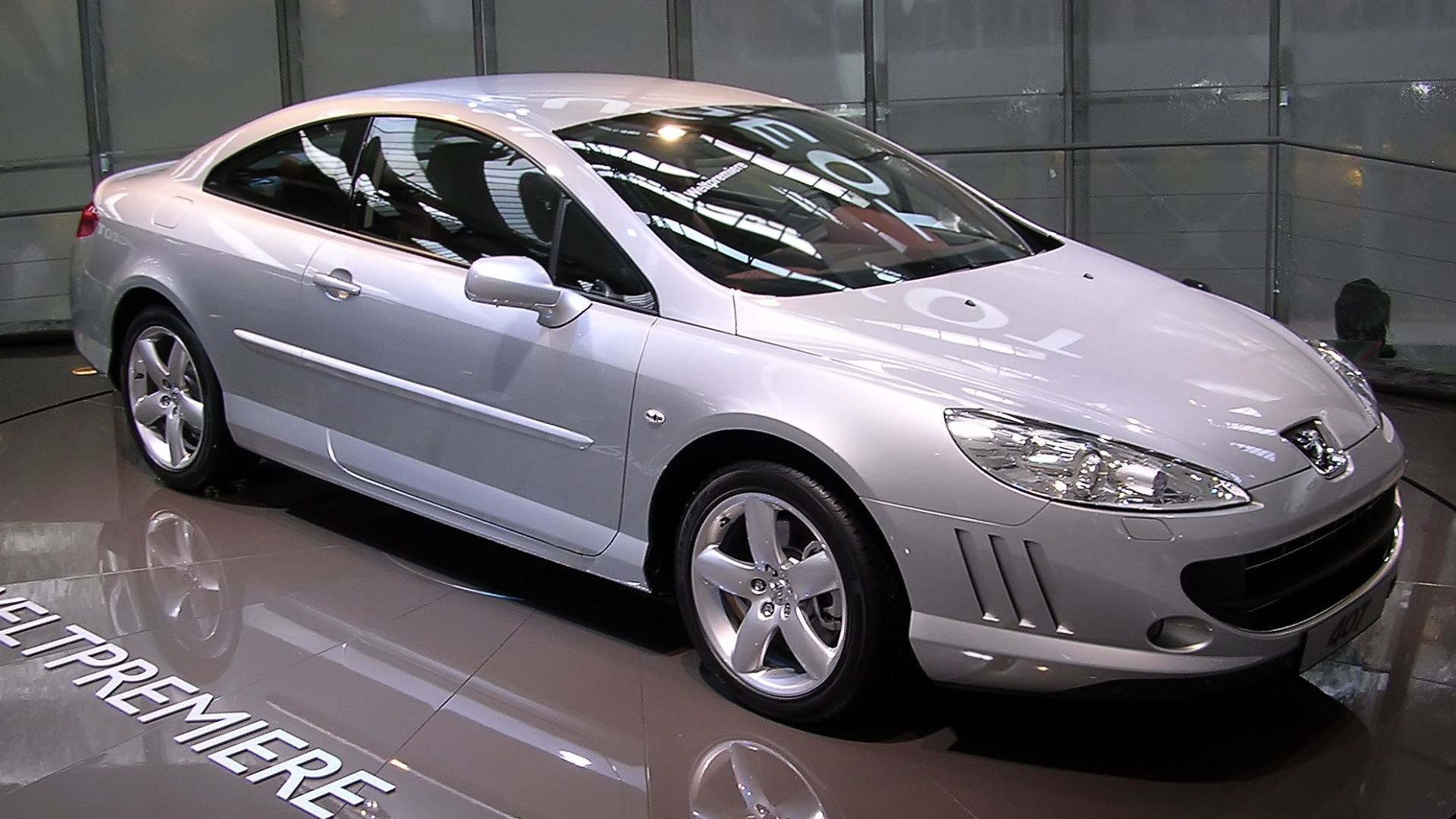
Peugeot 407
When the Peugeot 407 appeared in 2004, its enormous grille and sharply swept headlights seemed extreme for an everyday family car. Yet Peugeot sold more than a million examples. That once-shocking front end now seems almost restrained beside some modern designs. The 407 shows how quickly an unconventional styling idea can become normal once the rest of the industry catches up.
 Brian clontarf at German Wikipedia (Original text: de:Benutzer:Brian_clontarf), Wikimedia Commons
You May Also Like:
The Five Fastest Cars In The World
Used Cars That Mechanics Recommend Again And Again
The Most Expensive Cars Ever Made
Sources: 1