The MPG Plot Twist
Most people assume electric vehicles are automatically the cheapest thing on the road to operate. But a handful of gas-powered and hybrid cars get such incredible fuel economy that the math isn't always that simple.

The Home Charging Advantage
When people talk about EVs being incredibly cheap to run, they're usually talking about charging at home. Depending on local electricity rates and the vehicle, many EVs can cost roughly 4–7 cents per mile to operate when plugged in overnight. That's impressive—but it doesn't tell the whole story.

Public Charging Changes Everything
Not everyone has a garage, driveway, or home charger. Apartment dwellers, renters, and many urban drivers often rely partly or entirely on public charging. Public Level 2 chargers can push operating costs into the 5–10 cents-per-mile range, while some DC fast chargers can cost even more (now we are getting into the 10–20 cents-per-mile range).

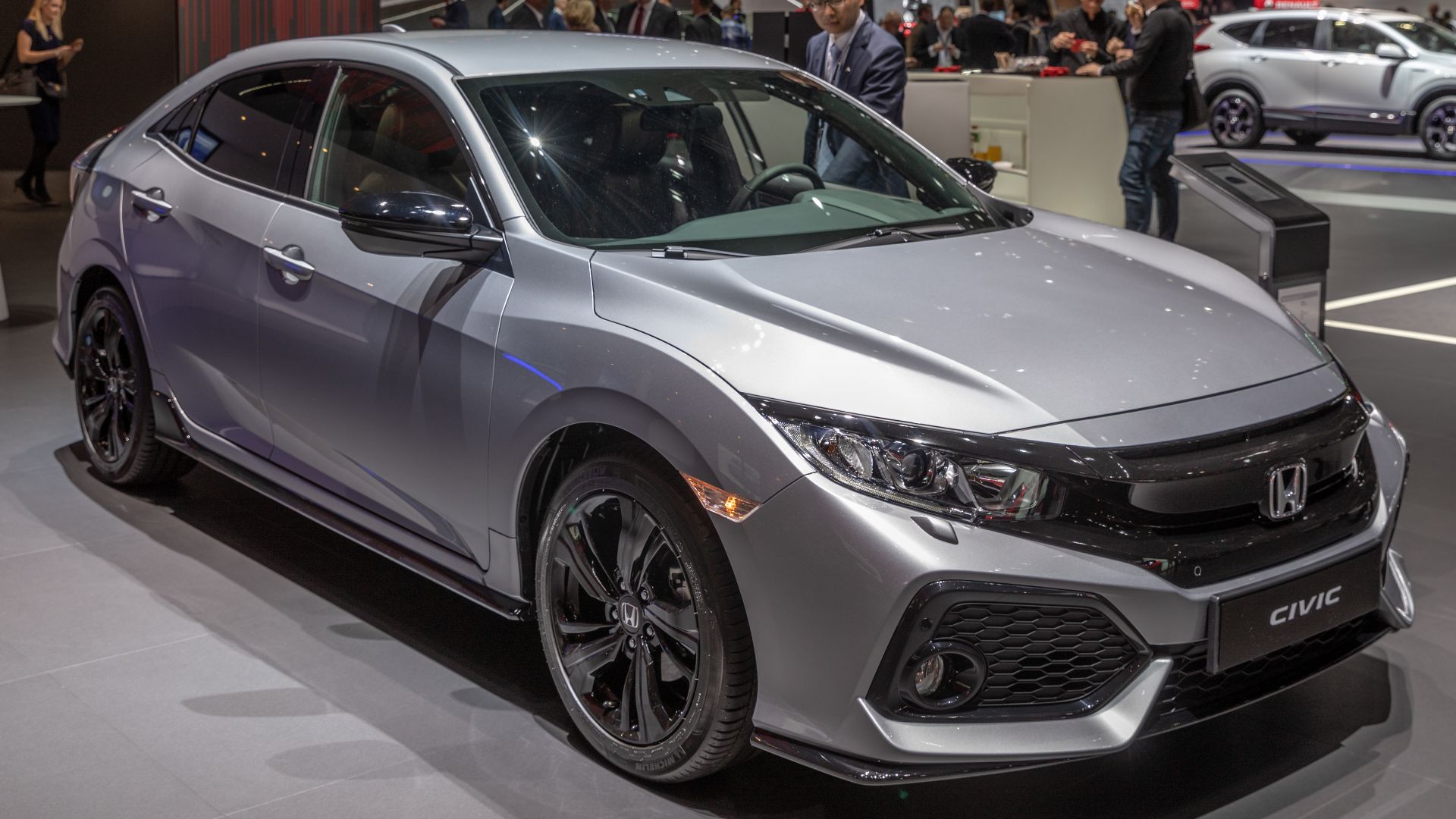
Honda Civic
Combined MPG: 36
Approx. Fuel Cost: ~11–12¢ per mile
The Civic is a good place to start because it isn't a hybrid at all. It's simply a very efficient gas-powered car. At roughly 11–12 cents per mile, it can already compete with some EVs that spend much of their time connected to expensive fast chargers.
 Matti Blume, Wikimedia Commons
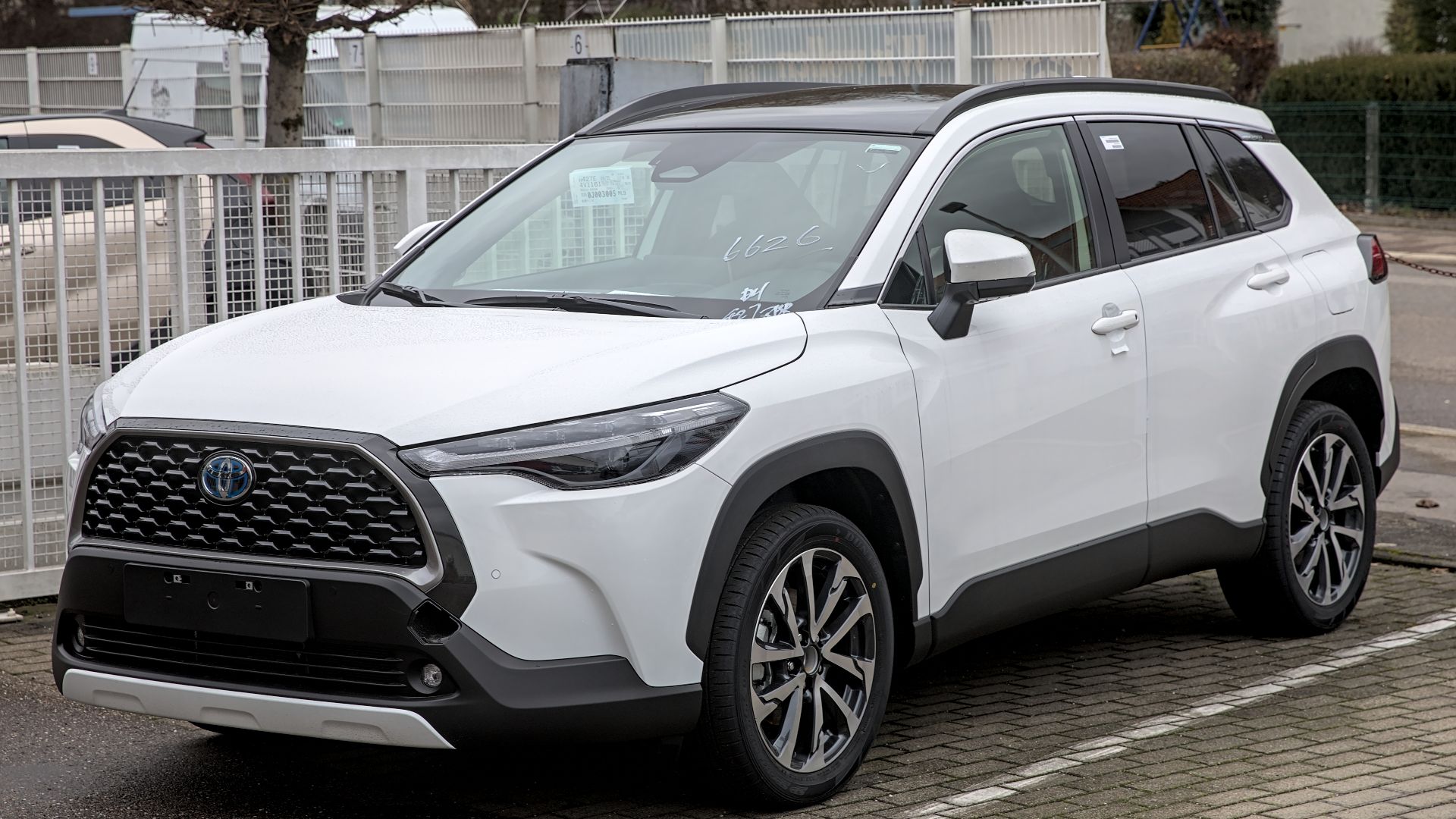
Toyota Corolla
Combined MPG: 35
Approx. Fuel Cost: ~11–12¢ per mile
The Corolla has spent decades building a reputation for affordability, and fuel economy is a big reason why. It won't beat the cheapest home-charged EVs, but it can make life surprisingly inexpensive for drivers who spend a lot of time on the road.
 Alexander Migl, Wikimedia Commons
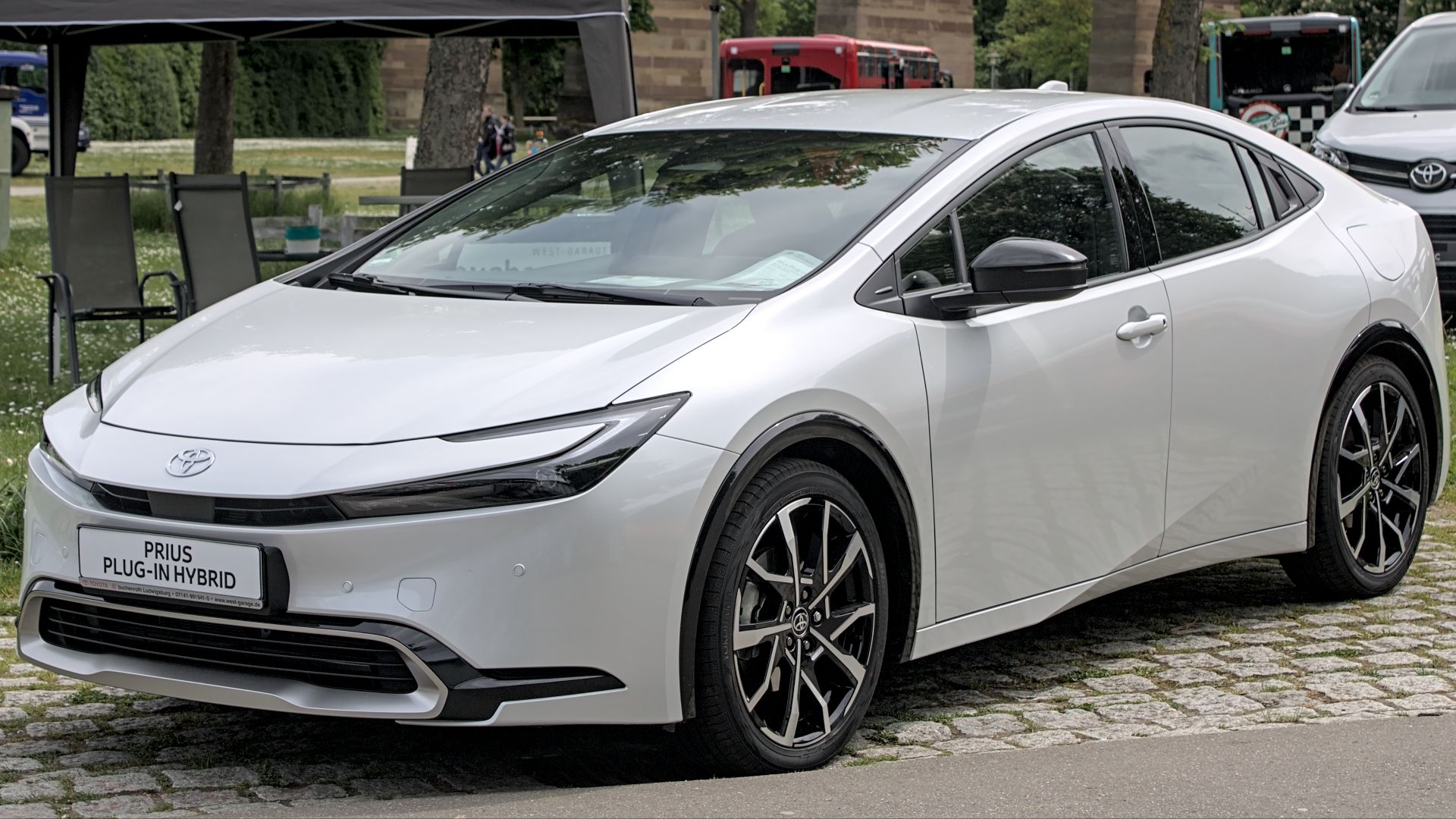
Toyota Prius
Combined MPG: 57
Approx. Fuel Cost: ~7–8¢ per mile
Love it or hate it, the Prius still sits near the top of the efficiency mountain. Depending on local fuel and electricity prices, it can legitimately challenge some EVs that rely heavily on public charging.
 Alexander-93, Wikimedia Commons
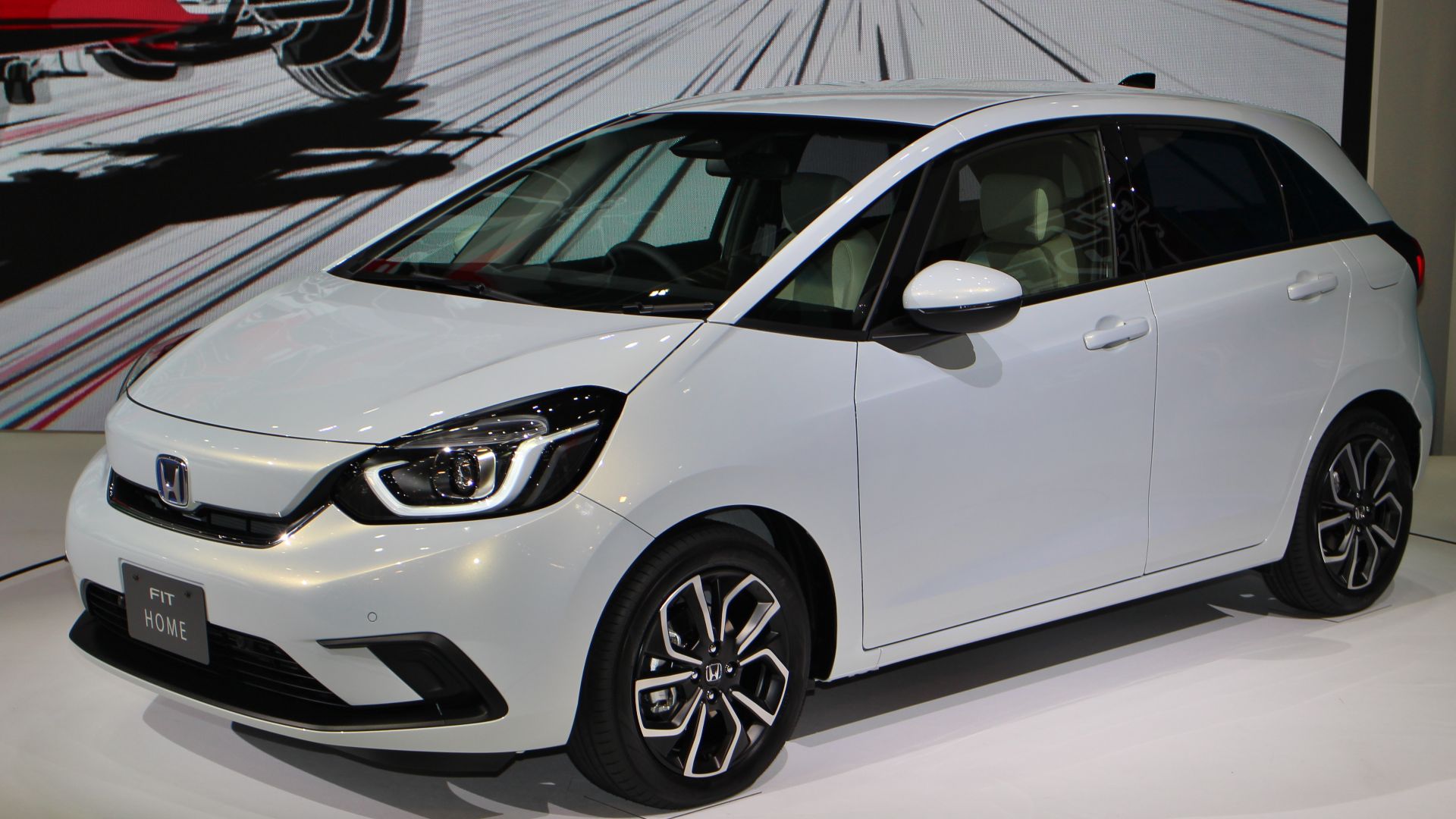
Honda Fit
Combined MPG: 36
Approx. Fuel Cost: ~11–12¢ per mile
The Fit may be discontinued, but its reputation remains intact. Owners loved its versatility, and many appreciated the fact that it could deliver excellent fuel economy without relying on hybrid technology.
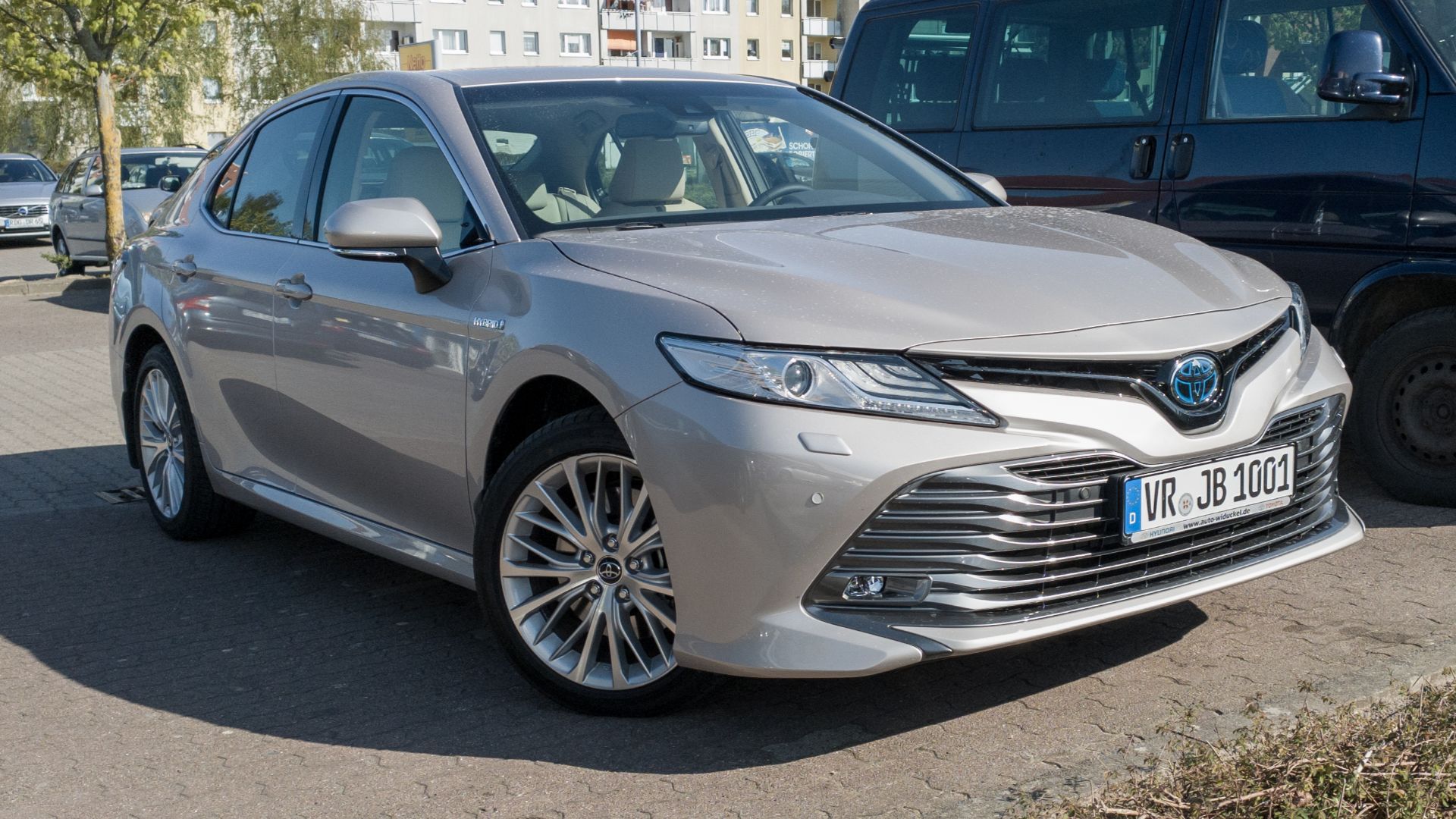
Toyota Camry Hybrid
Combined MPG: 51
Approx. Fuel Cost: ~8–9¢ per mile
The Camry Hybrid proves efficiency doesn't require compromise. It delivers impressive fuel economy while still providing the comfort and space expected from a midsize family sedan.
 Matti Blume, Wikimedia Commons
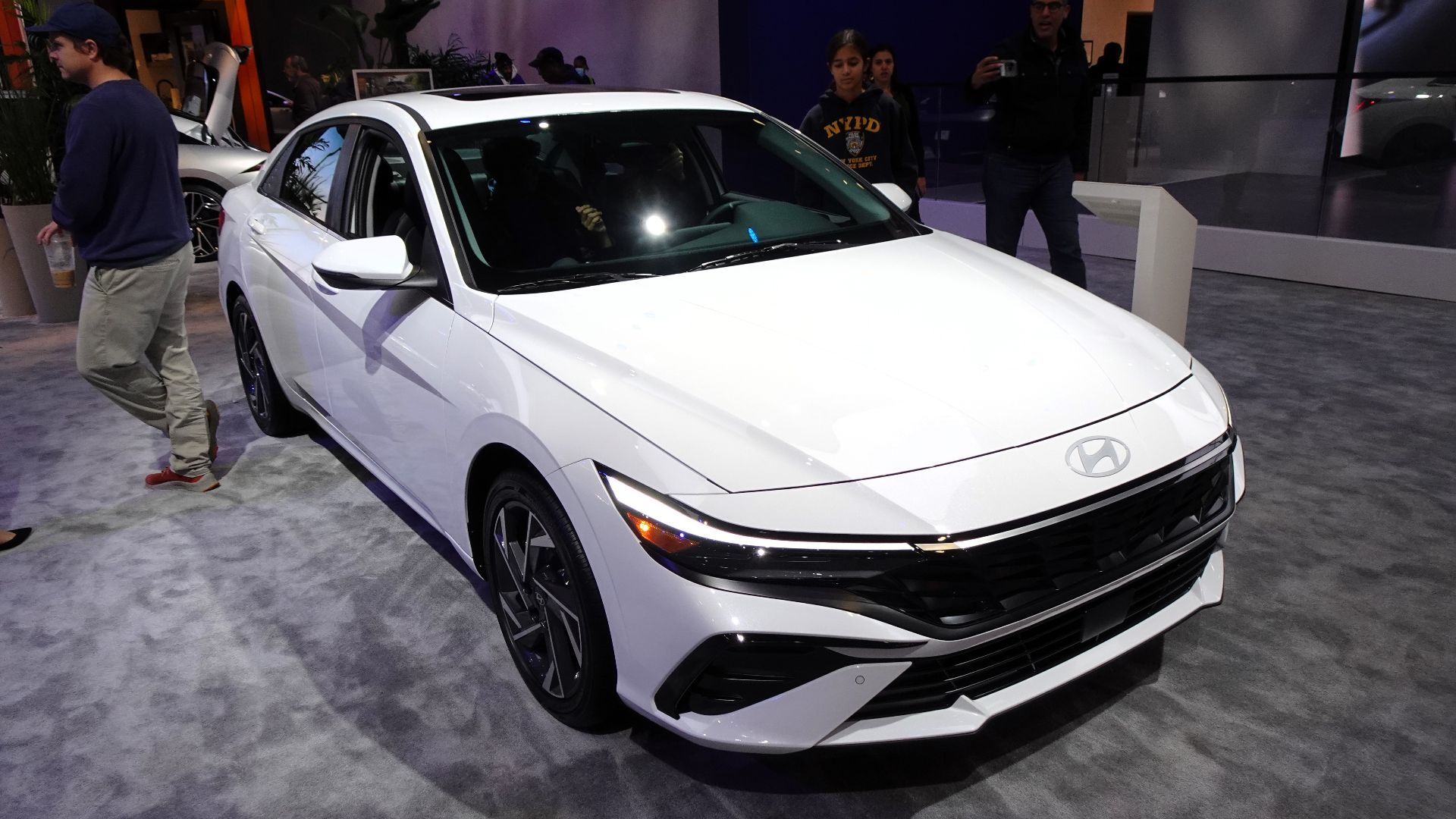
Hyundai Elantra Hybrid
Combined MPG: 54
Approx. Fuel Cost: ~8¢ per mile
The Elantra Hybrid's efficiency numbers almost sound fake. It regularly ranks among the most fuel-efficient vehicles sold in North America while looking and driving like a normal compact sedan.
 Charles from Port Chester, New York, Wikimedia Commons
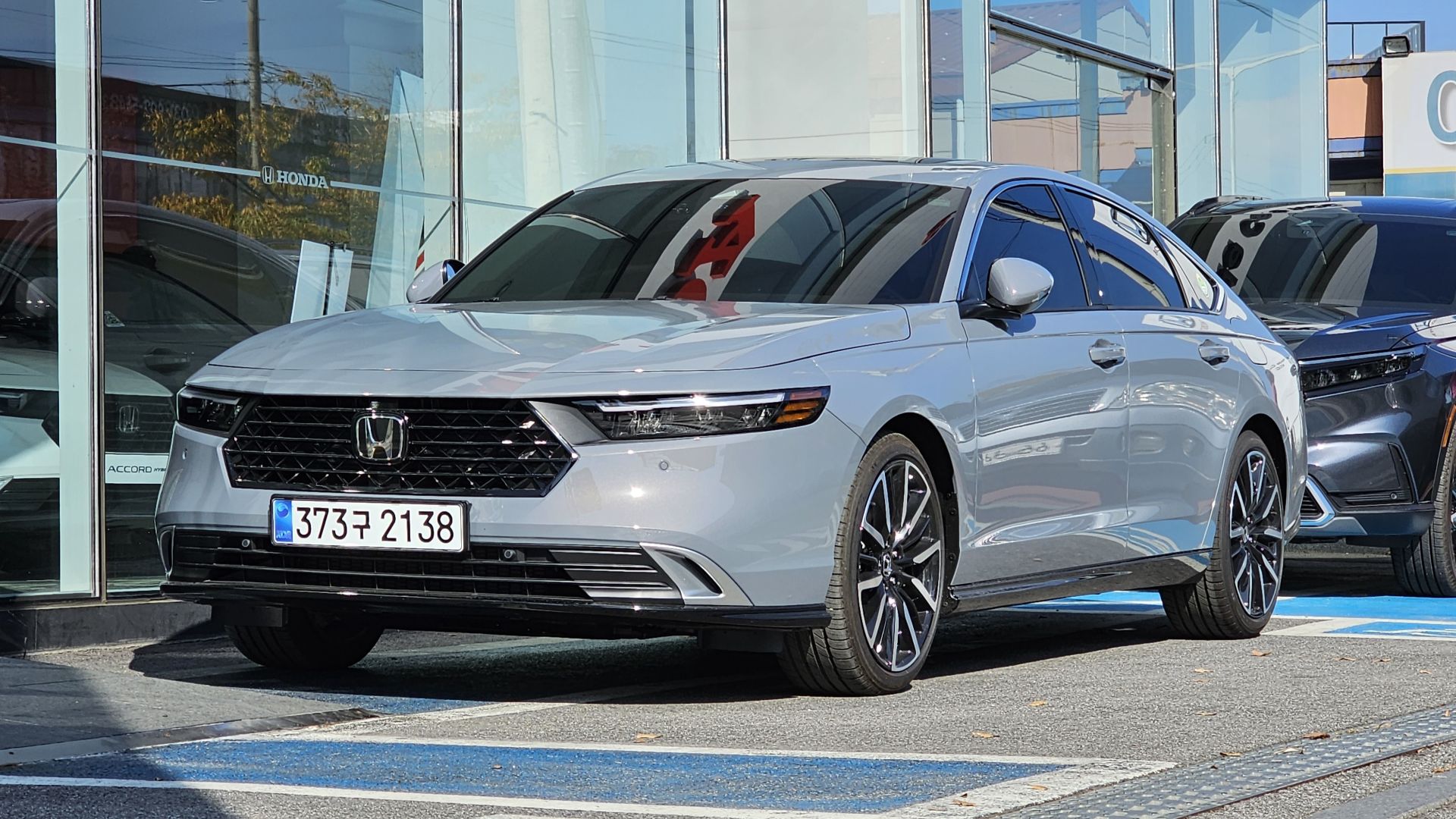
Honda Accord Hybrid
Combined MPG: 48
Approx. Fuel Cost: ~8–9¢ per mile
The Accord Hybrid combines a roomy interior with fuel economy that would have seemed impossible in a family sedan a couple of decades ago. Many owners find themselves visiting gas stations far less often than expected.
 Damian B Oh, Wikimedia Commons
Toyota Corolla Hybrid
Combined MPG: 50
Approx. Fuel Cost: ~8–9¢ per mile
The Corolla Hybrid takes an already sensible car and makes it even cheaper to own. It's one of the easiest recommendations for anyone focused on minimizing transportation expenses.
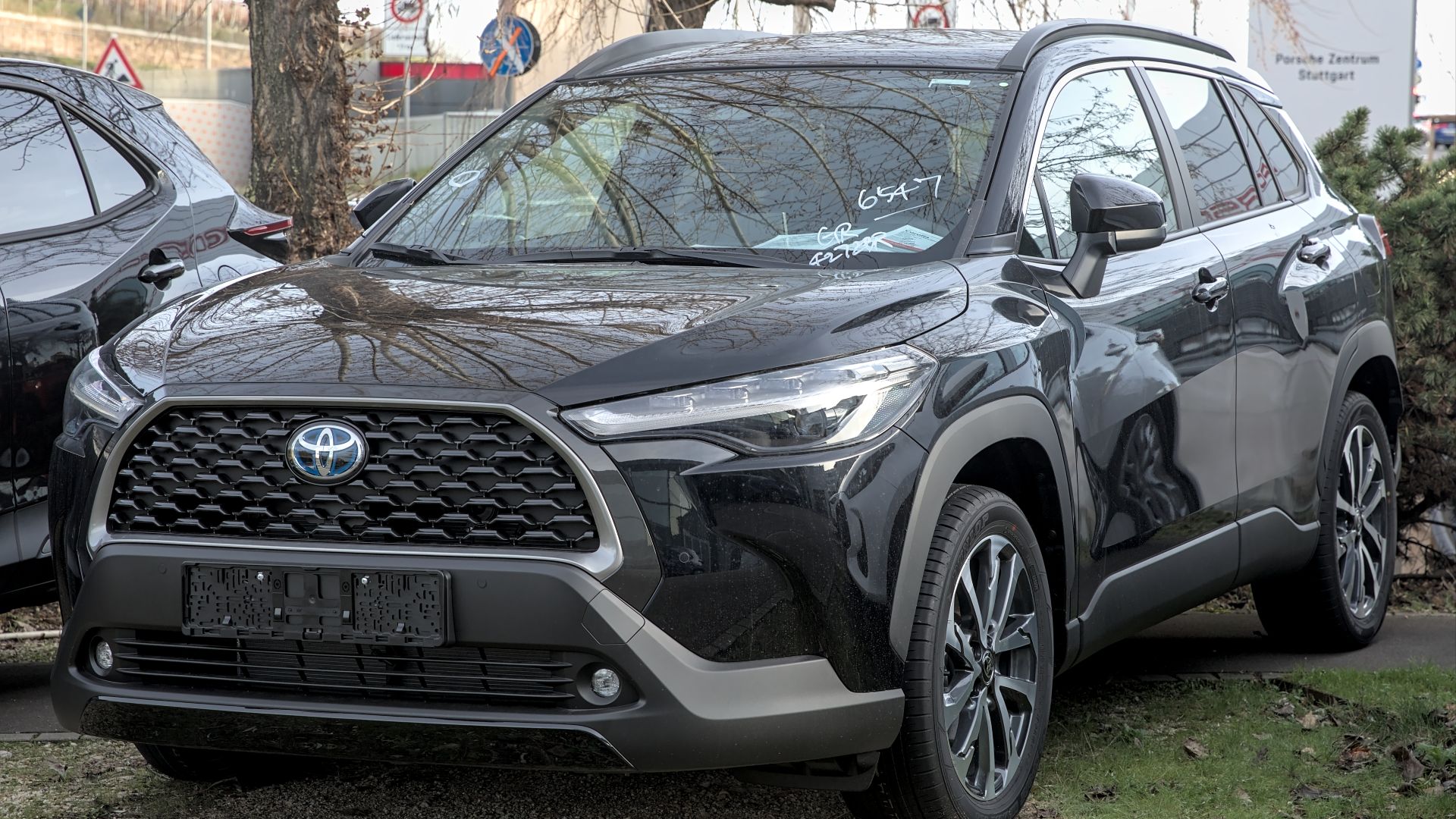 Alexander Migl, Wikimedia Commons
Kia Niro Hybrid
Combined MPG: 53
Approx. Fuel Cost: ~8¢ per mile
The Niro Hybrid often gets overshadowed by EVs, but its efficiency is remarkable. It can achieve operating costs that start creeping into the same territory as some electric vehicles.
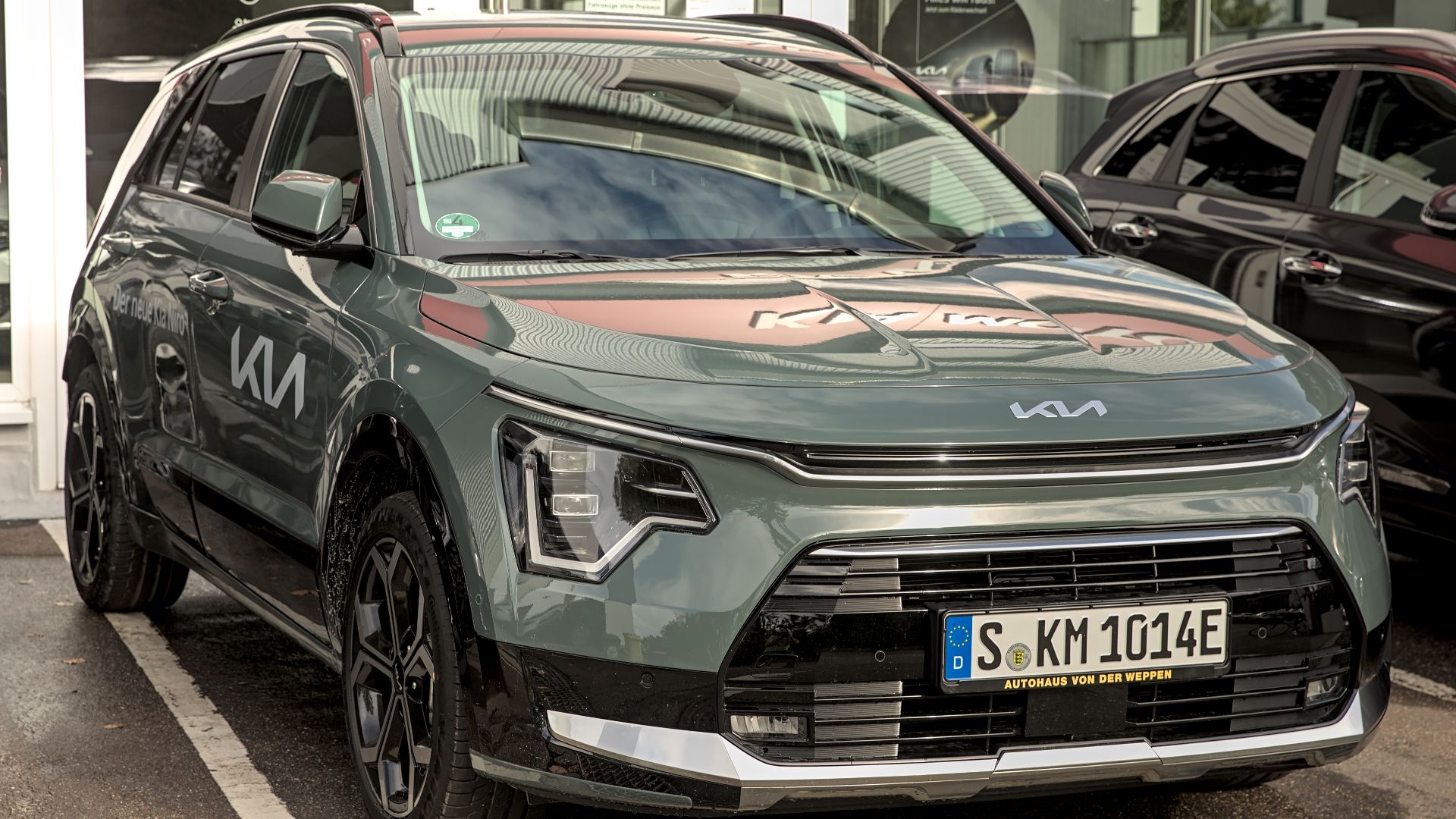 Alexander Migl, Wikimedia Commons
Honda Civic Hybrid
Combined MPG: 49
Approx. Fuel Cost: ~8–9¢ per mile
The latest Civic Hybrid delivers the best of both worlds. Drivers get the familiar Civic experience along with fuel economy numbers that rival some dedicated economy cars.
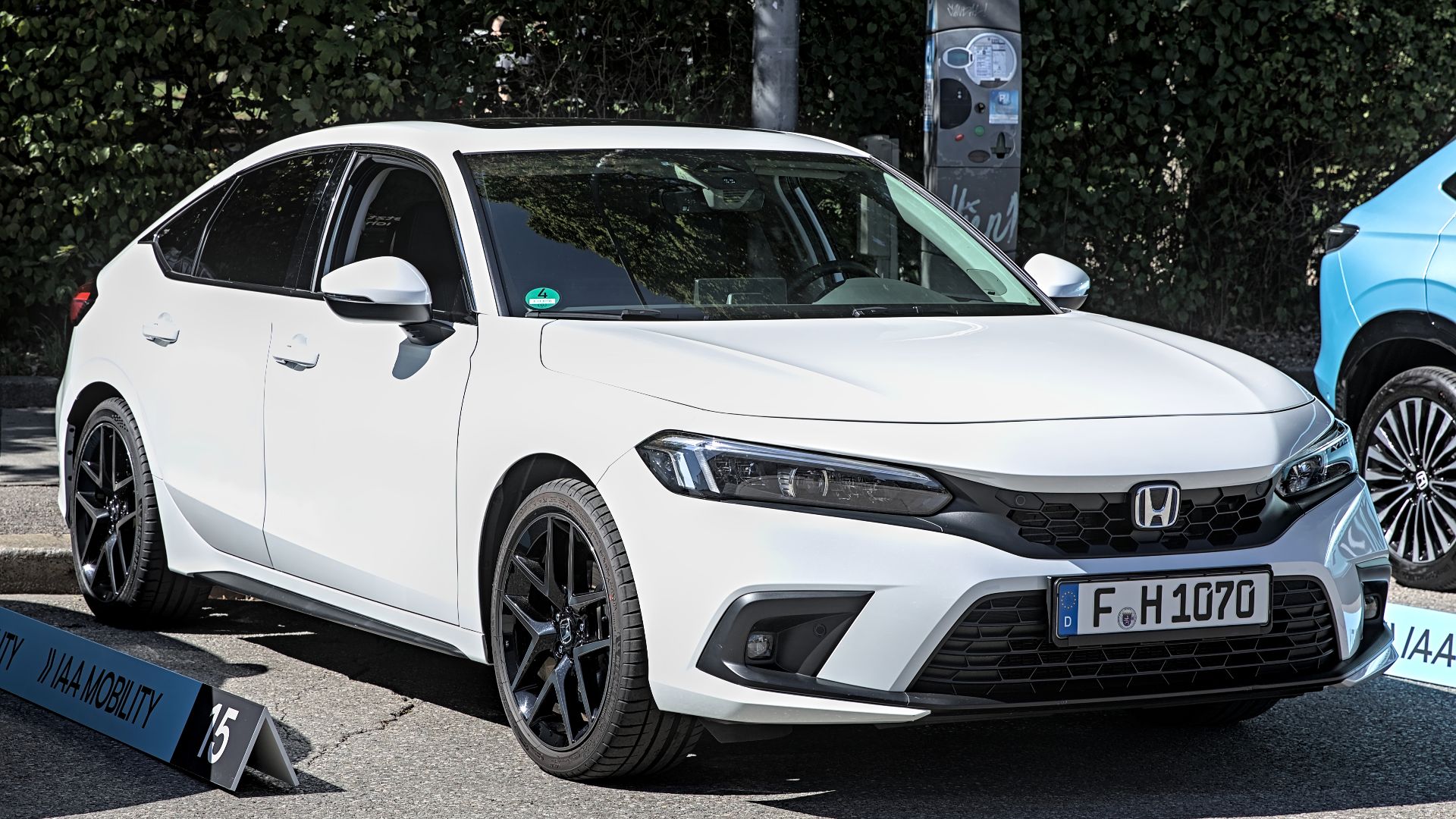 Alexander-93, Wikimedia Commons
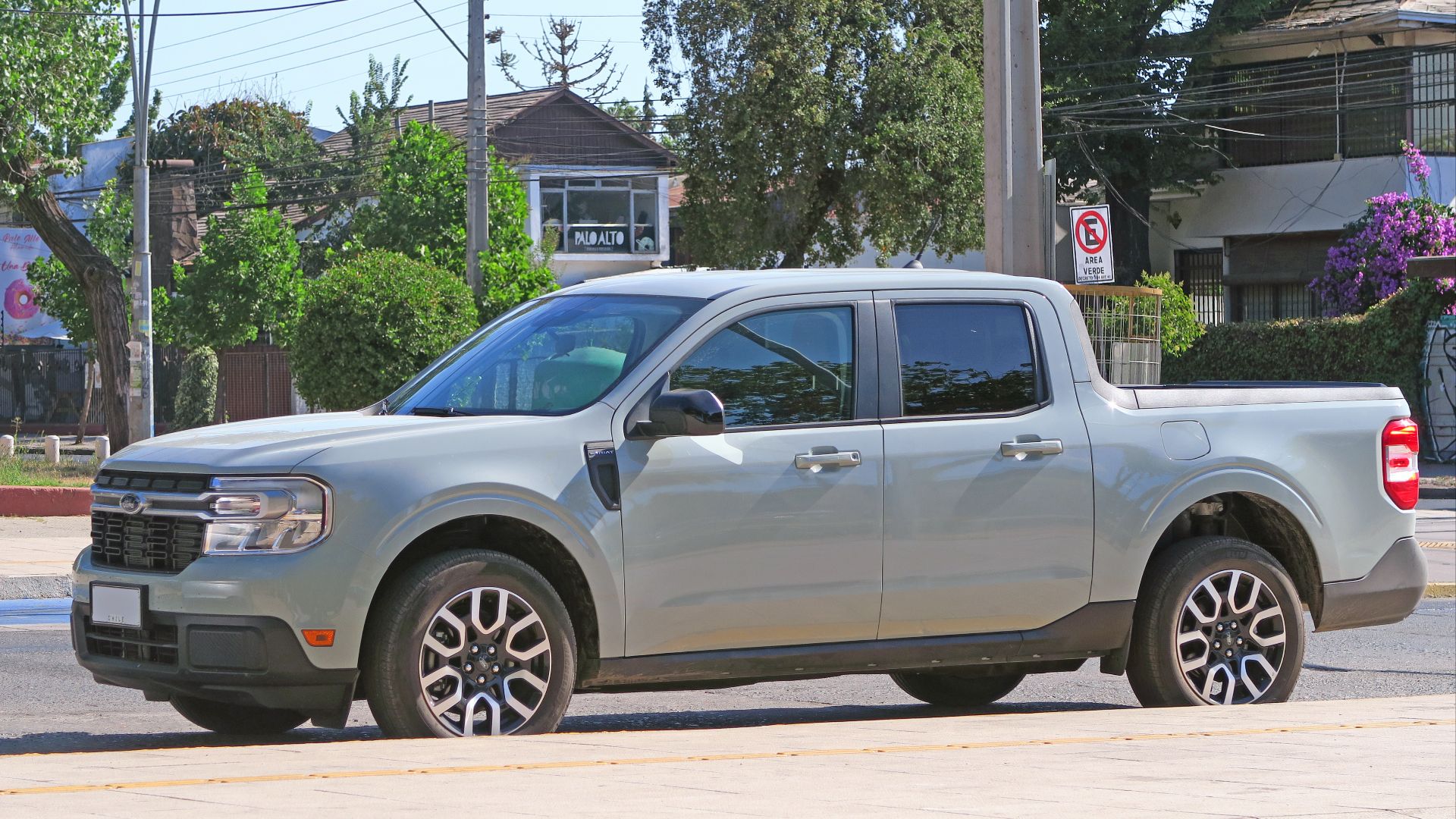
Ford Maverick Hybrid
Combined MPG: 38
Approx. Fuel Cost: ~10–11¢ per mile
The Maverick Hybrid may be the biggest surprise on this list. Getting nearly 40 MPG from a pickup truck would have sounded ridiculous just a few years ago. Today, it allows truck buyers to achieve operating costs that are closer to some crossovers than traditional pickups, all while retaining genuine truck utility.
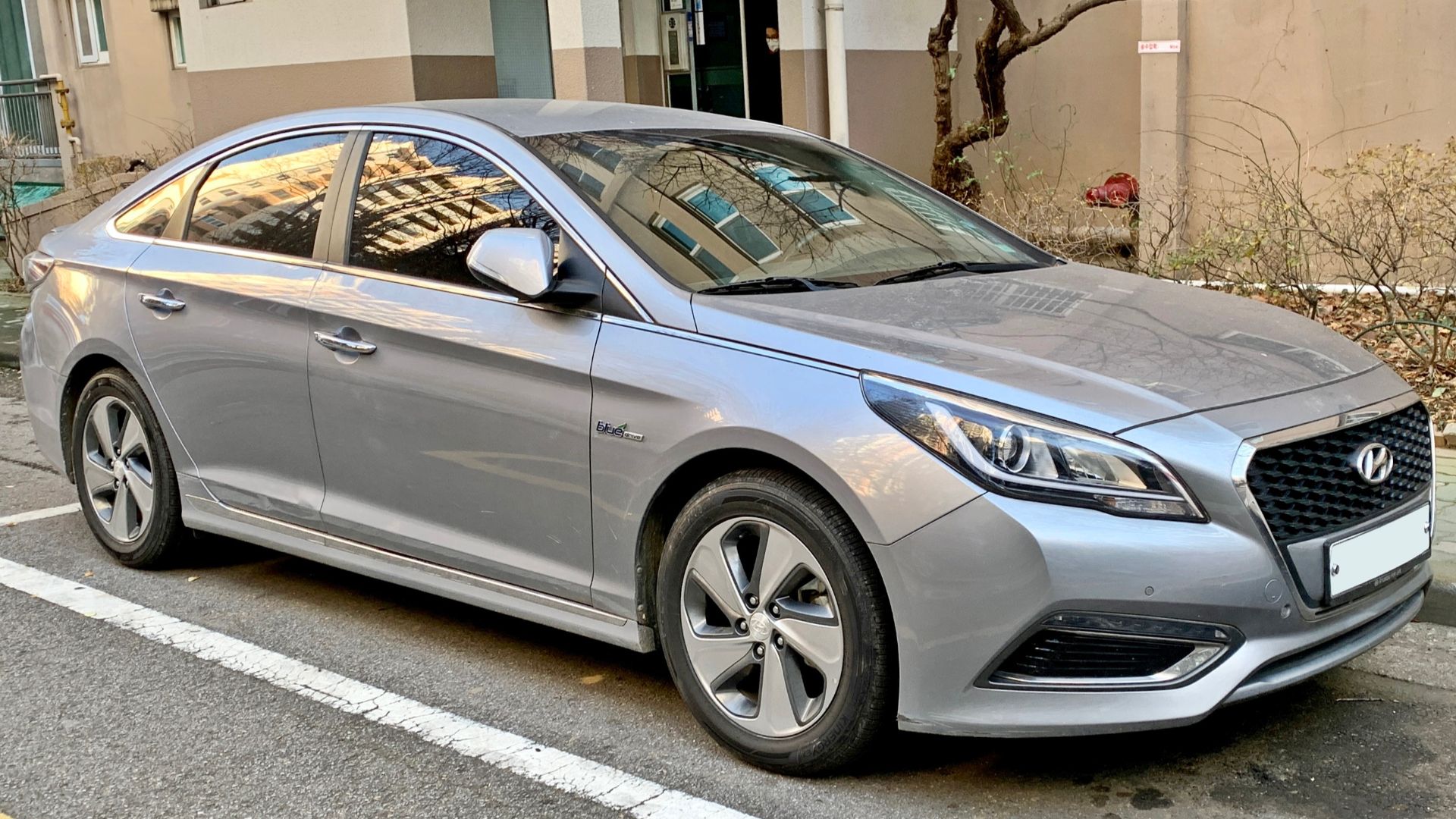
Hyundai Sonata Hybrid
Combined MPG: 47
Approx. Fuel Cost: ~9¢ per mile
The Sonata Hybrid quietly became one of the most efficient midsize cars on the market. Its combination of comfort, technology, and low fuel costs makes it an underrated alternative to many EVs.
Lexus UX 300h
Combined MPG: 43
Approx. Fuel Cost: ~9–10¢ per mile
Luxury vehicles aren't supposed to be this efficient. The UX 300h delivers fuel economy that rivals many mainstream compact cars while still offering the premium features buyers expect from a Lexus. It's proof that buyers don't always have to choose between comfort and efficiency.
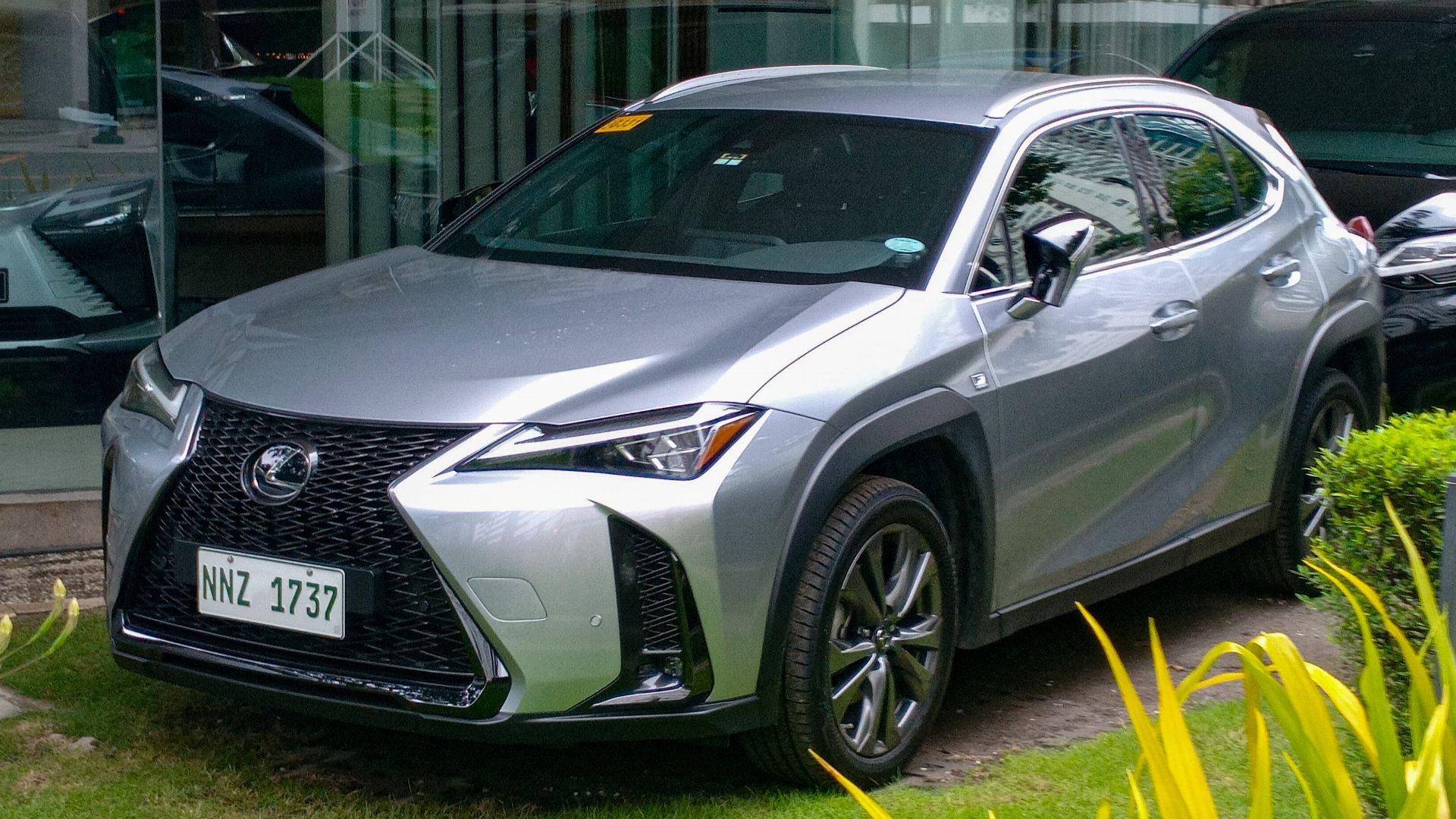 Ethan Llamas, Wikimedia Commons
Toyota Prius AWD
Combined MPG: 54
Approx. Fuel Cost: ~8¢ per mile
Adding all-wheel drive usually hurts efficiency. The Prius AWD somehow remains one of the most fuel-efficient vehicles available. That's a major reason it continues to dominate discussions about low-cost transportation.
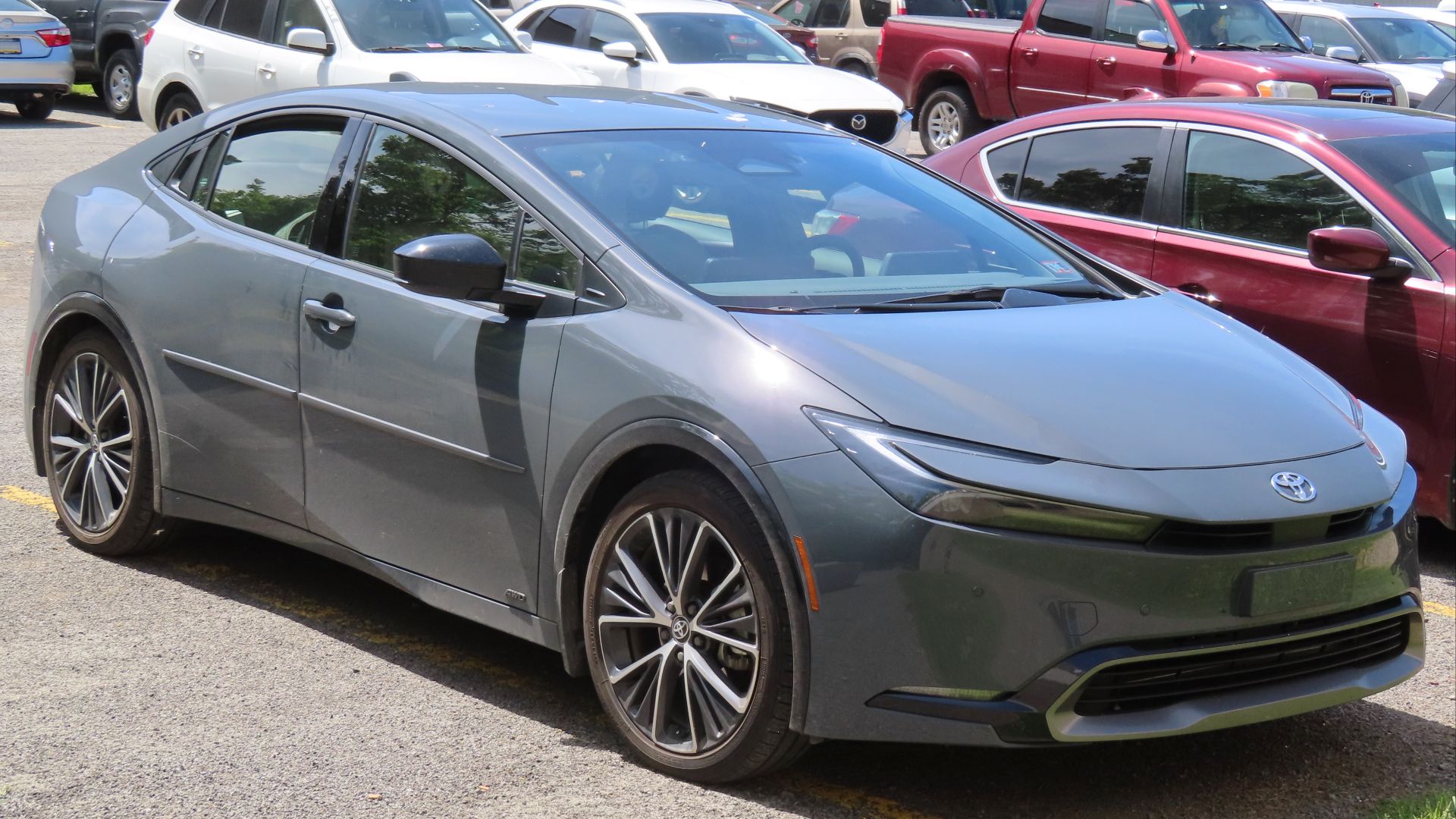 MercurySable99, Wikimedia Commons
Toyota Prius Prime
Combined MPG: 52 (Hybrid Mode)
Approx. Fuel Cost: ~8–9¢ per mile
The Prius Prime gives owners flexibility. It can operate as an EV for short trips, but even when running as a traditional hybrid, its fuel economy remains outstanding.
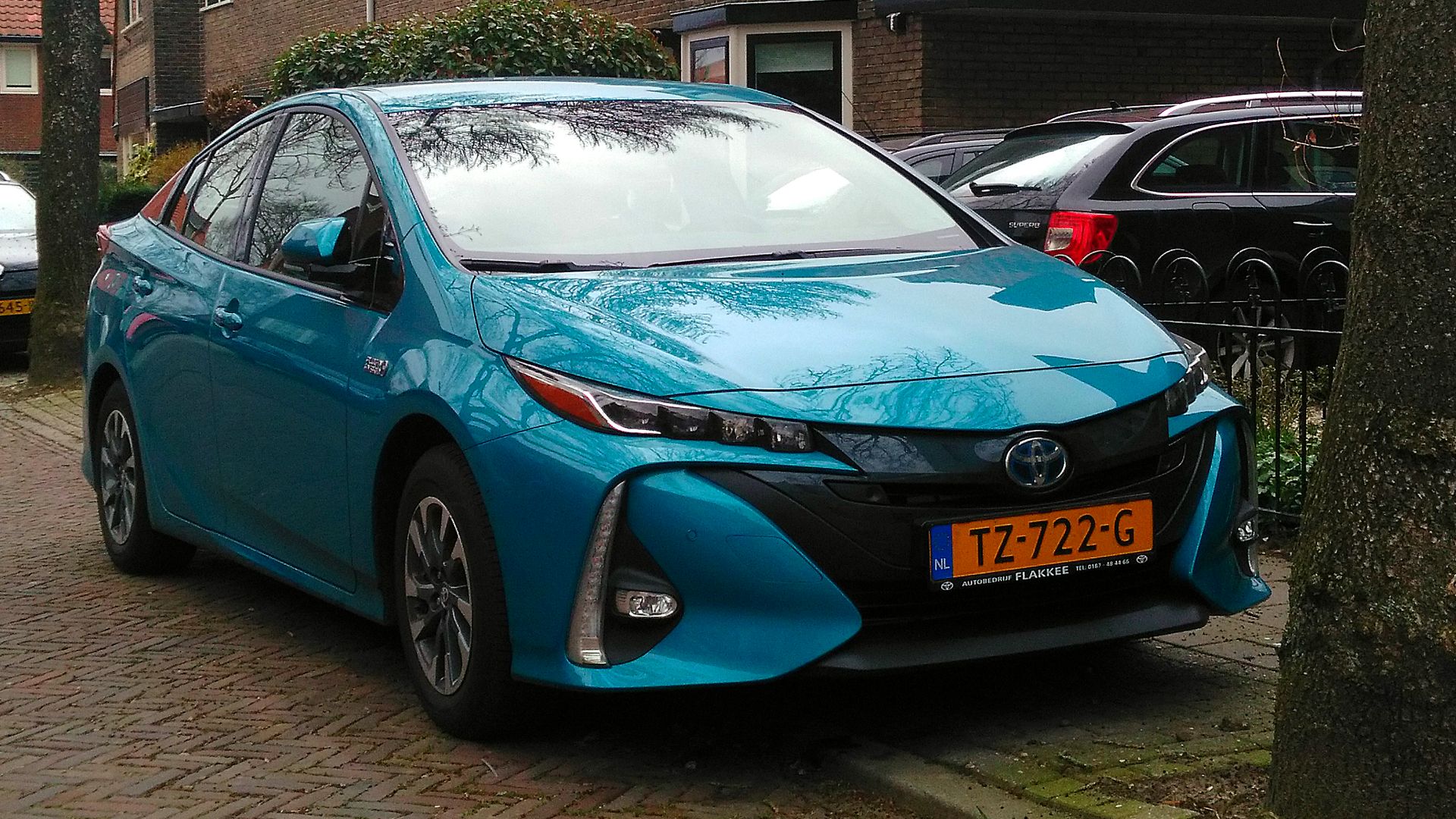 Dennis Elzinga, Wikimedia Commons
Hyundai Elantra Blue Hybrid
Combined MPG: 54
Approx. Fuel Cost: ~8¢ per mile
Hyundai designed the Blue Hybrid trim with one goal: maximum efficiency. The result is a car capable of delivering operating costs that can rival some EVs under the right conditions.
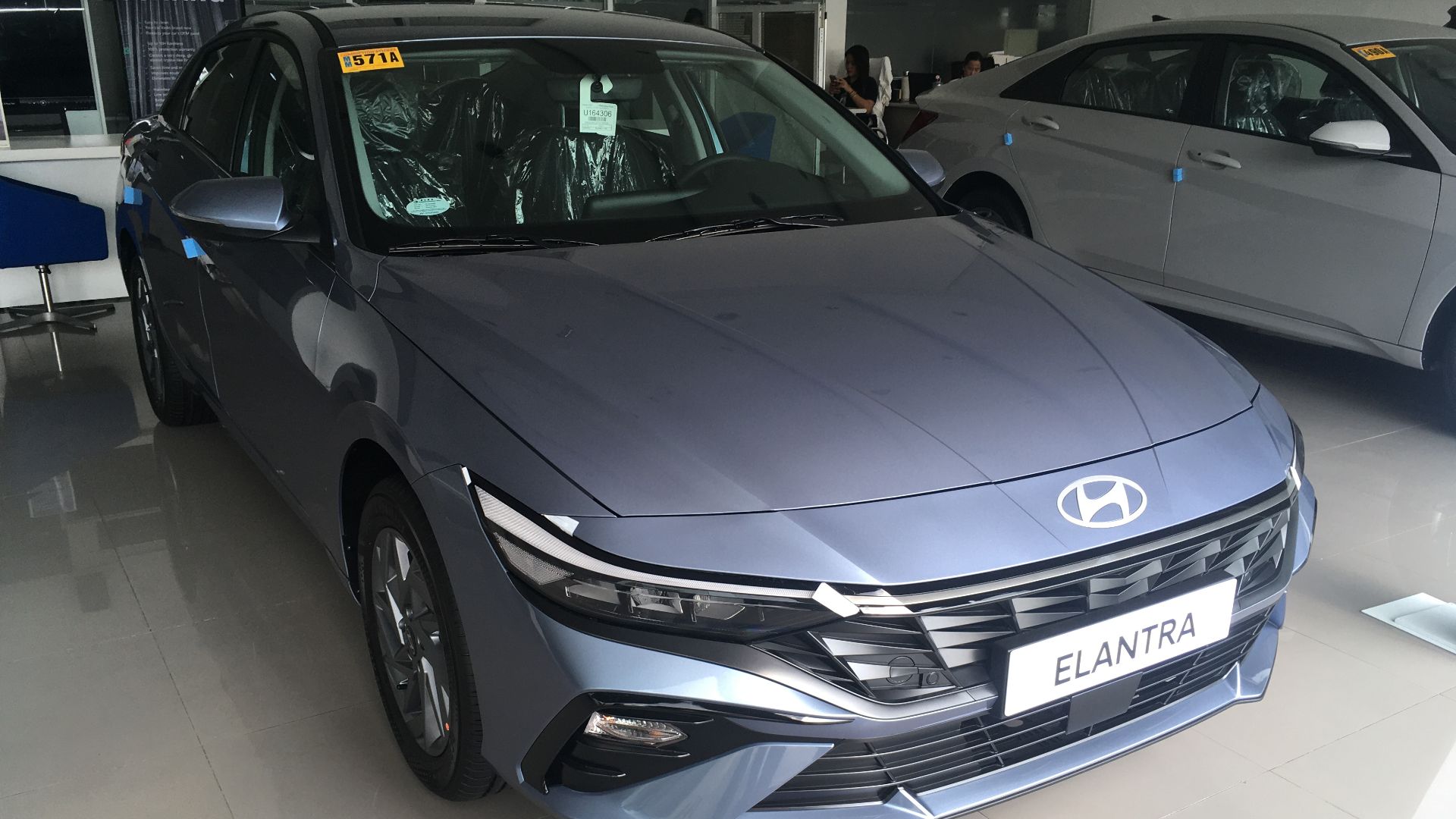 Captainmorlypogi1959, Wikimedia Commons
Toyota Prius Eco
Combined MPG: 58
Approx. Fuel Cost: ~7–8¢ per mile
For years, the Prius Eco represented the benchmark for fuel economy. Nearly 60 miles per gallon remains a remarkable achievement, especially for a practical everyday vehicle.
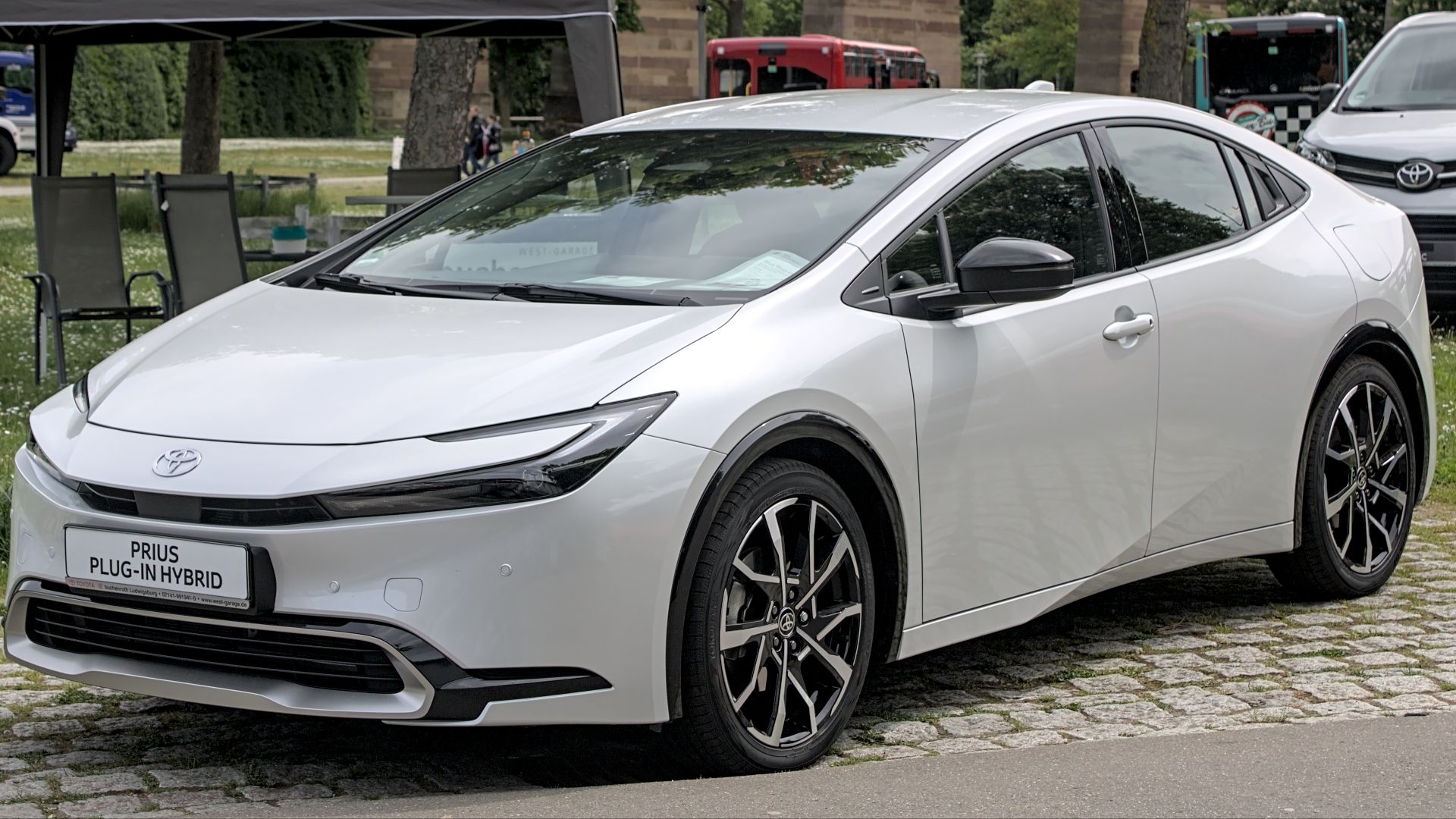 Alexander-93, Wikimedia Commons
The Real Surprise
The lesson isn't that gas cars are suddenly better than EVs. Many EVs charged at home remain incredibly inexpensive to operate. The surprise is that some modern hybrids (and non-hybrids as well) have become so efficient that they can compete with certain EVs on running costs while avoiding charging concerns entirely.
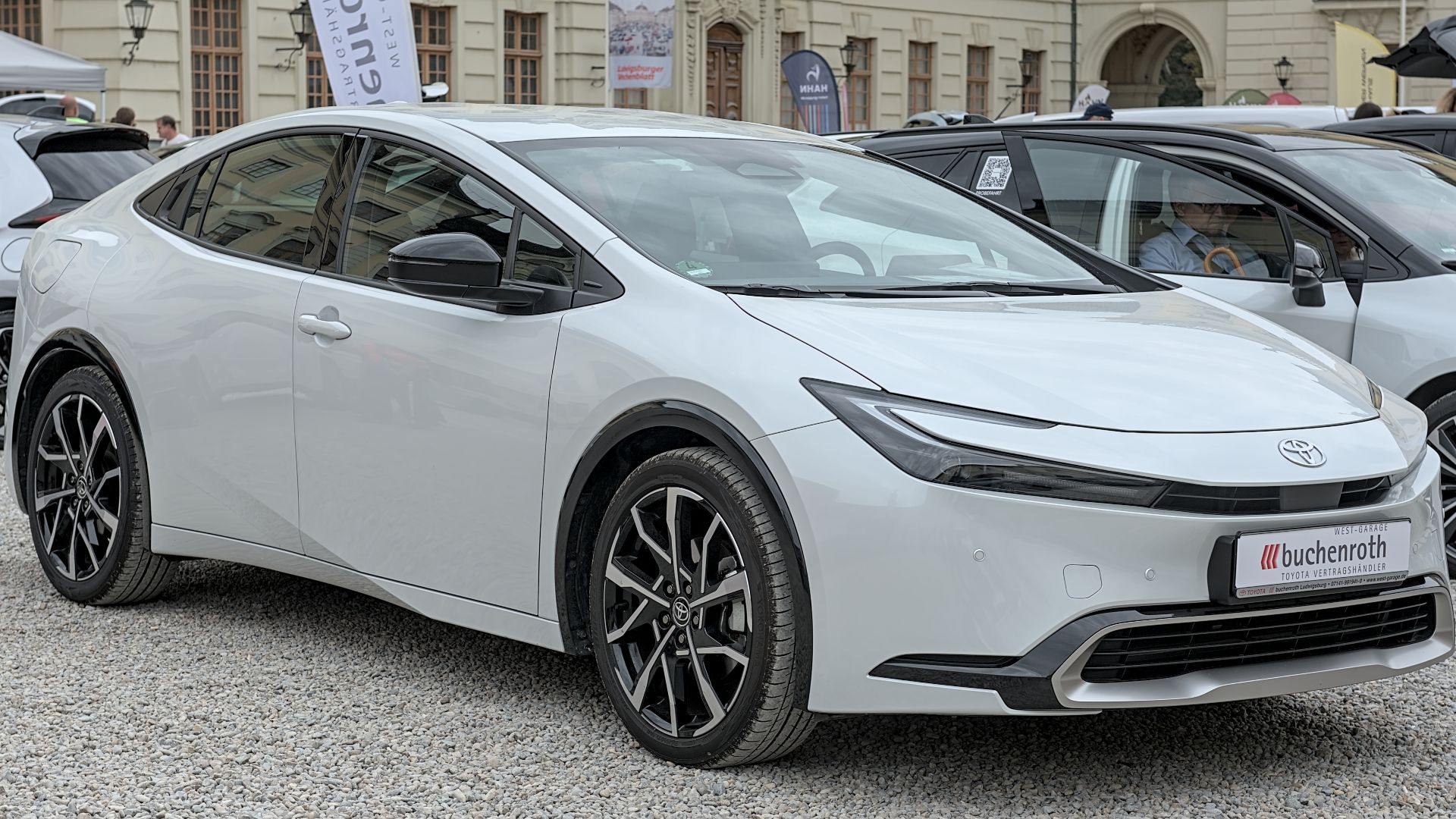 Alexander Migl, Wikimedia Commons
You Might Also Like: