A Debate That Keeps Coming Up
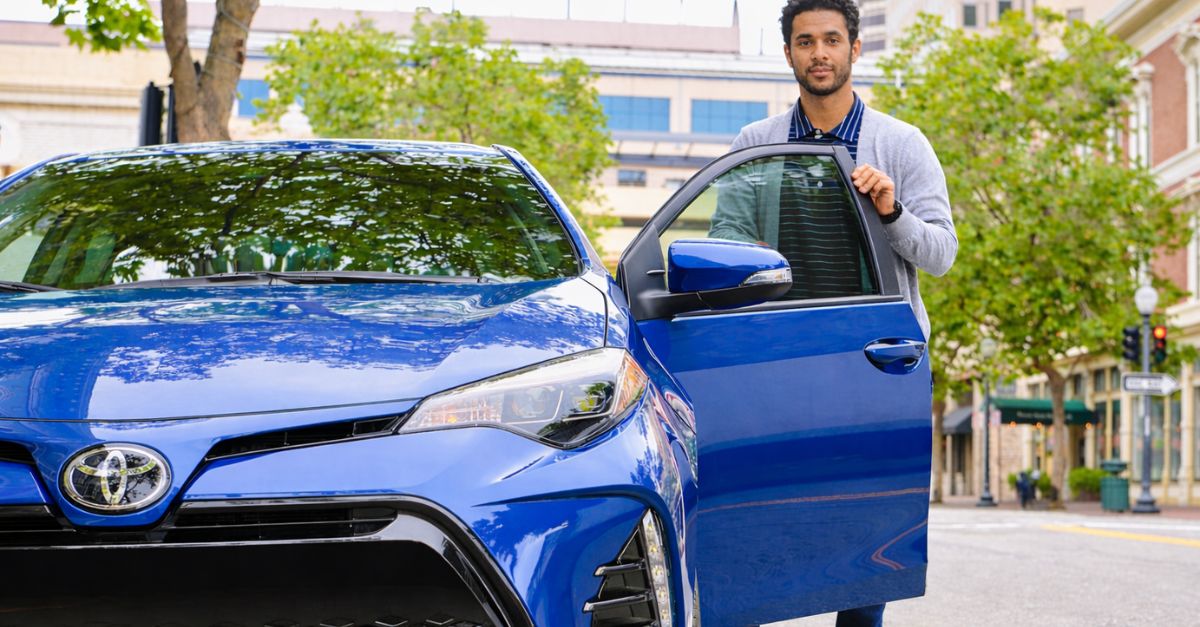
You learned that the car you just bought uses a timing belt; you didn’t even know what a timing belt was, but when you started asking about it you began to hear conflicting advice. Your uncle says you made a mistake and that a car that uses a timing chain is better; your boyfriend says it’s no big deal either way. The truth is more nuanced. Both timing belts and timing chains have advantages and drawbacks, depending on how you plan to own and maintain your car.

What A Timing System Actually Does
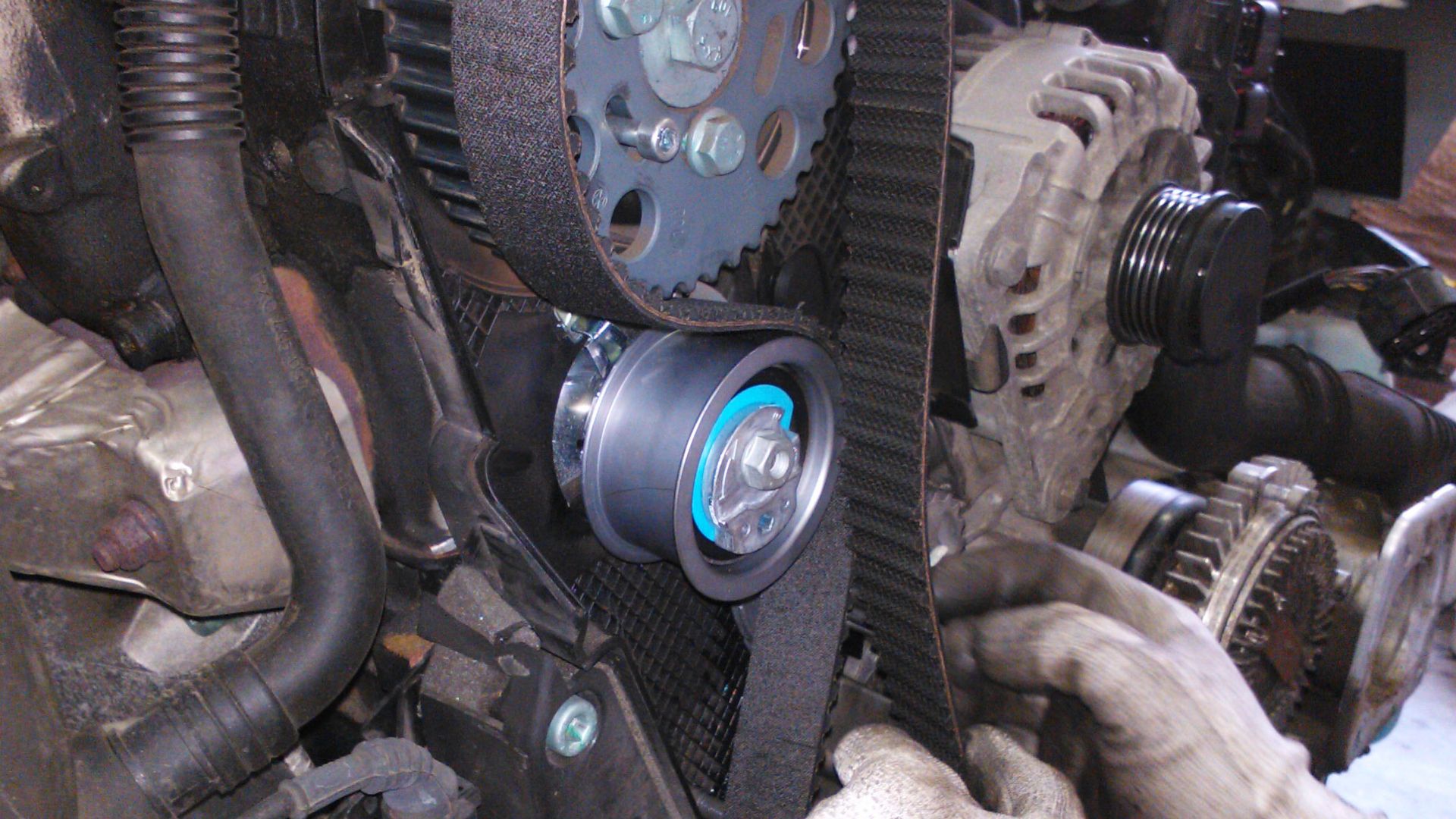
Inside your engine, the timing system keeps the crankshaft and camshaft moving in perfect sync with each other. This coordination ensures that valves open and close at exactly the right time in relation to the up and down movement of the pistons. Whether your car uses a belt or a chain, this system is critical. If it fails, the engine can suffer serious internal damage almost instantly.
 Petar Milošević, Wikimedia Commons
The Early History Of Timing Chains
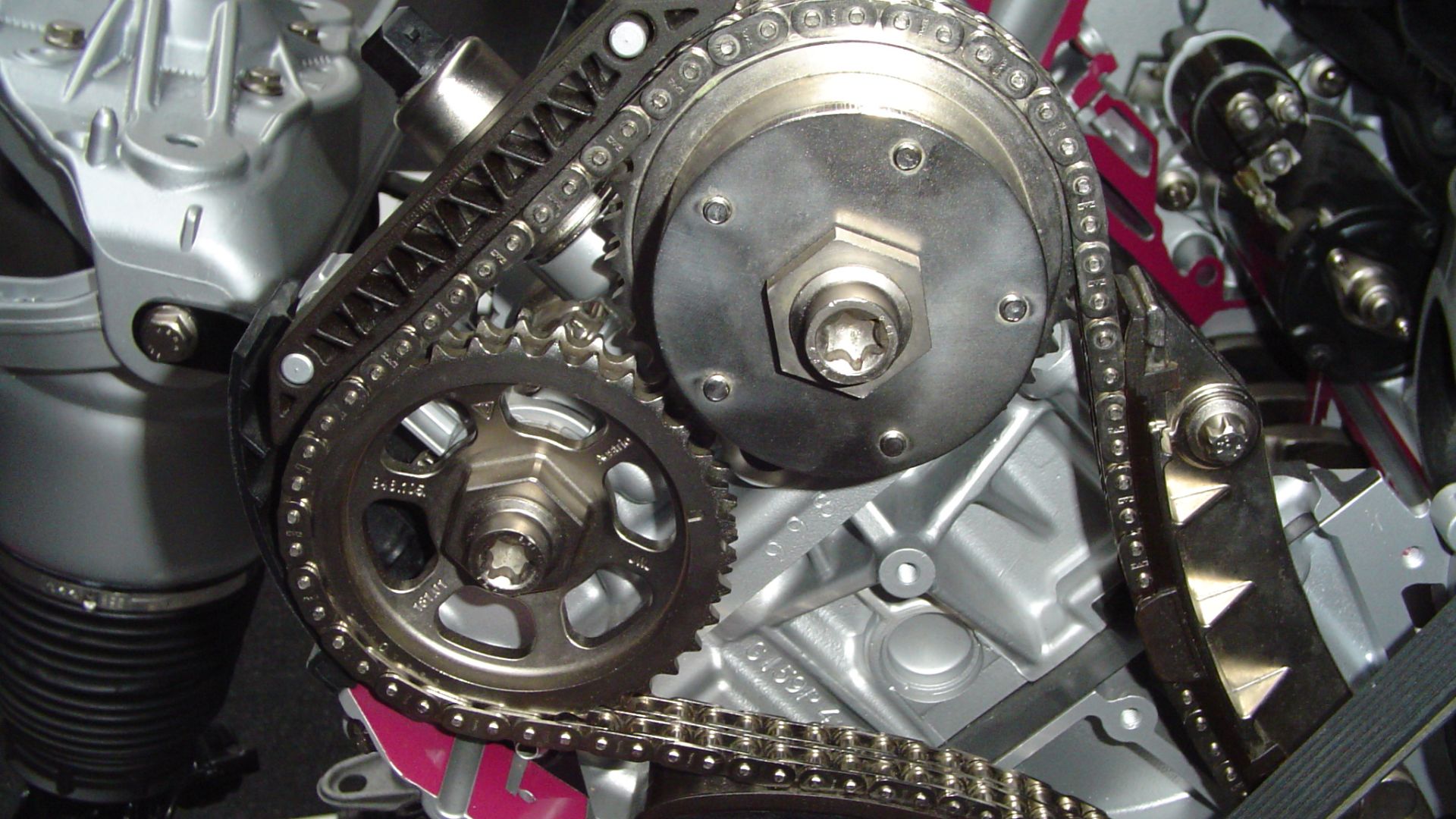
The earliest timing systems were assembled using gearing. Then the timing chain was developed as a lighter, quieter and cheaper alternative. These were the standard in engines by the mid-20th century. The chains are metal and operate much like a bicycle chain. Manufacturers preferred them because they could last the life of the engine. Older American cars and many early imports relied almost exclusively on timing chains.
When Timing Belts Entered The Picture
Timing belts became common in the 60s and 70s as manufacturers started looking for quieter and lighter alternatives. These belts are made of reinforced rubber and run more smoothly than chains. European and Japanese automakers adopted them widely, especially in smaller engines where efficiency and noise reduction were important considerations.
An Overbuilt Component
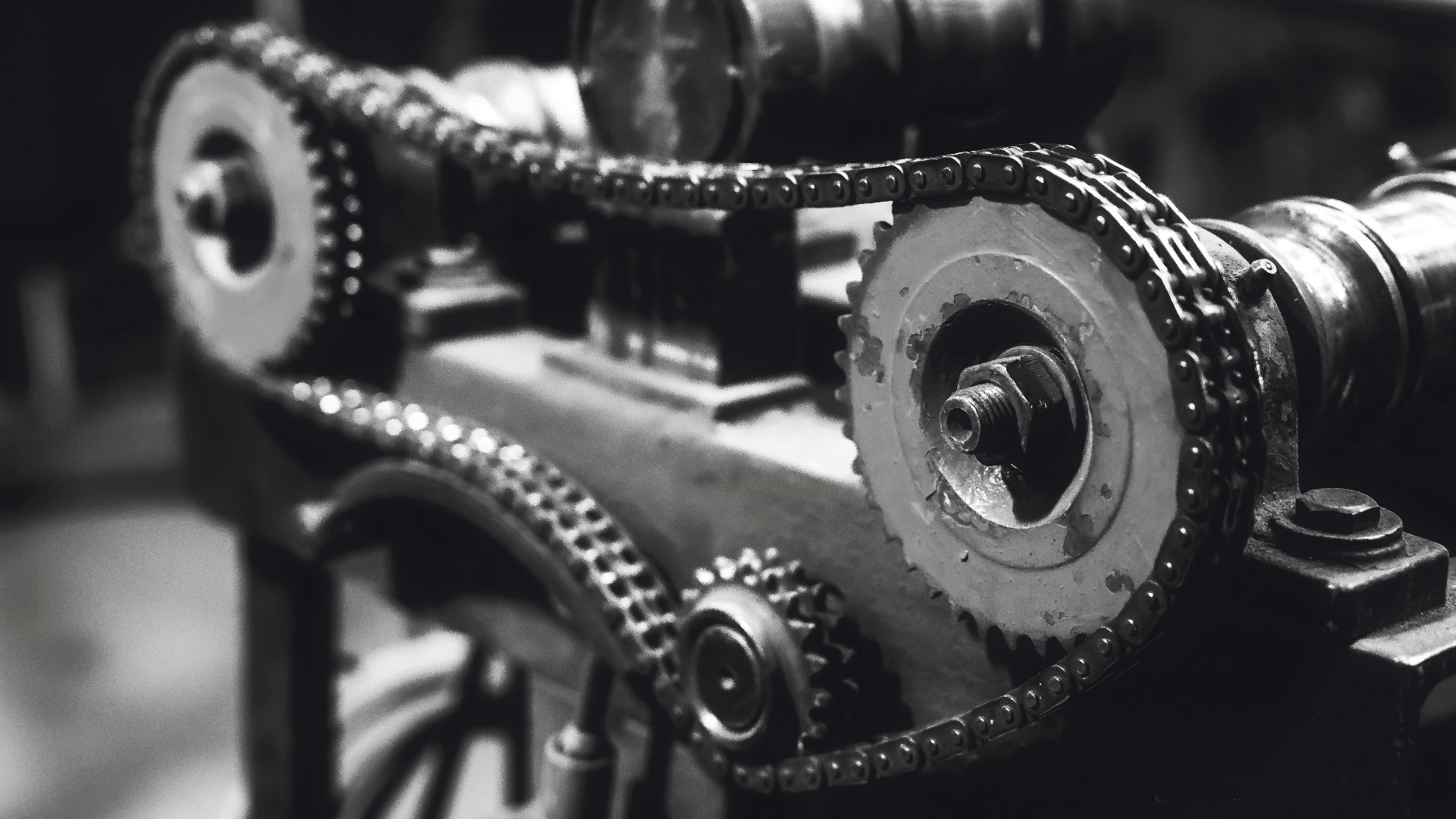
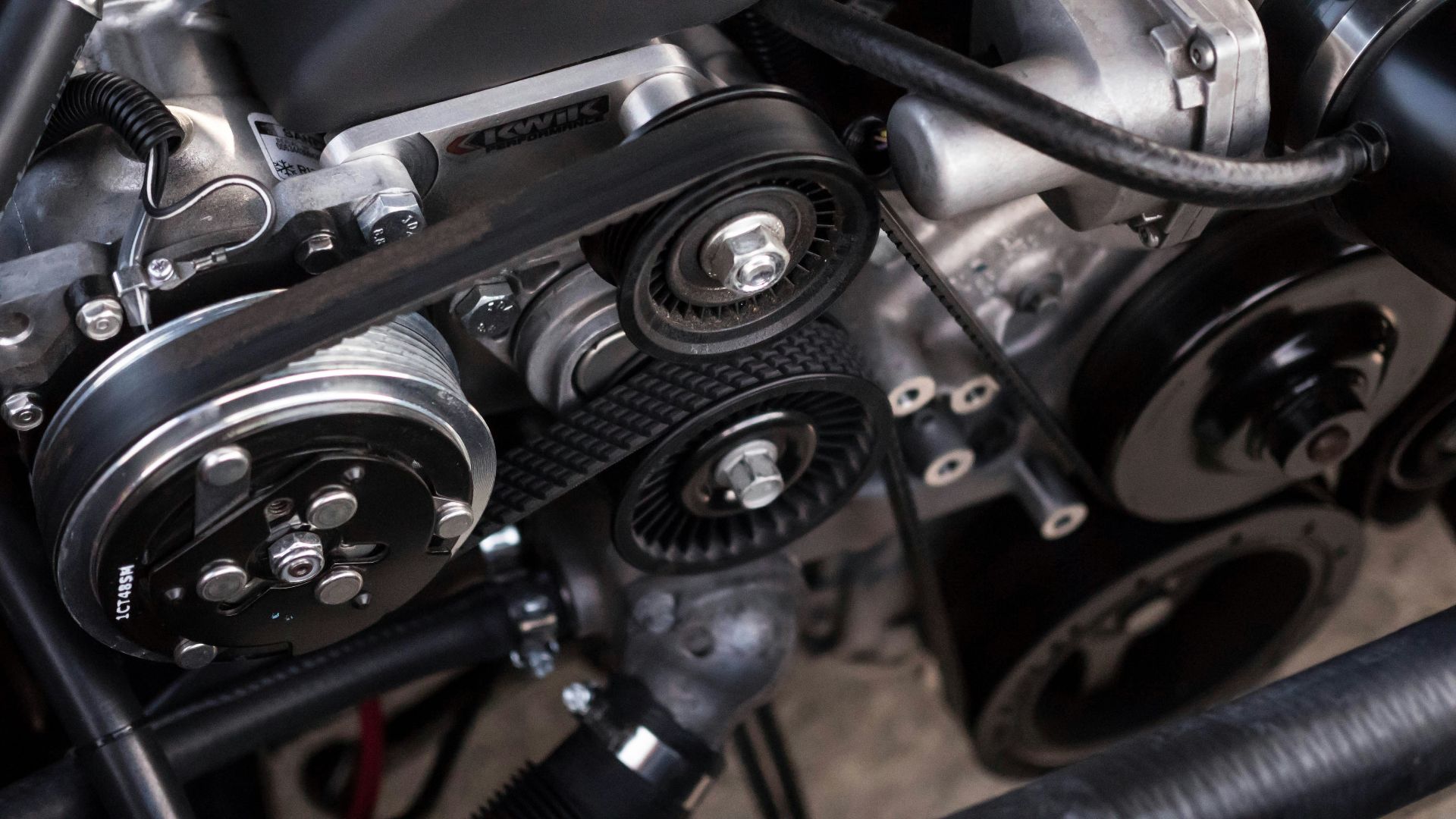
An overbuilt component is designed with more strength, durability, and capacity than is strictly necessary for normal use. In engines, this usually means heavier materials, thicker parts, and conservative engineering margins. Timing chains are often considered overbuilt because they’re designed to last longer than the typical ownership cycle.
Why Timing Chains Have A Tough Reputation
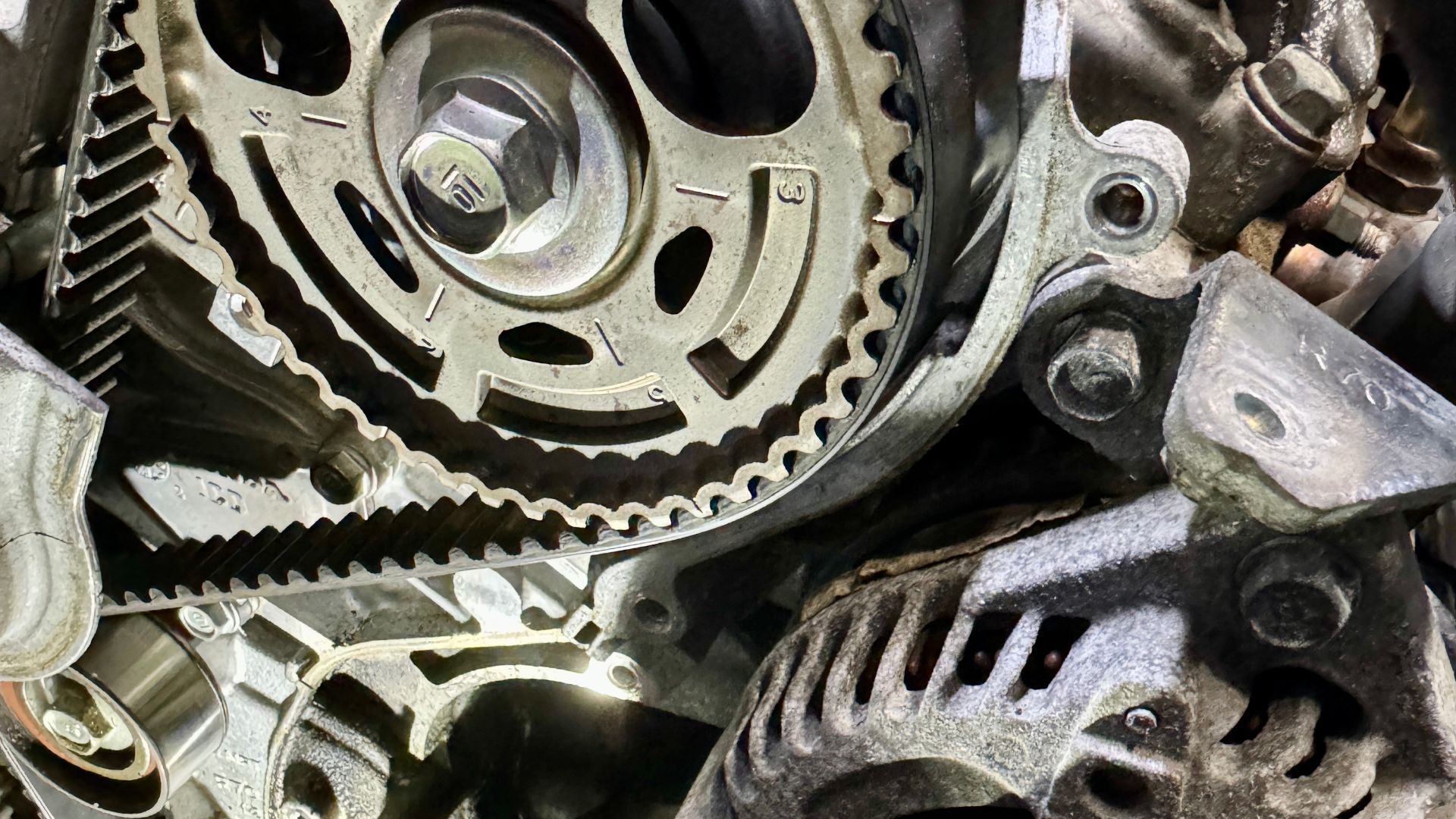
Timing chains are often viewed as the safer option for the basic reason that they’re metal and rarely fail without warning. They’re typically lubricated by engine oil and designed to last a very long time. This is why guys who’ve “been around the block” a couple times like your uncle may see them as the more reliable and traditional choice.
The Longevity Advantage Of Chains
In many cases, a timing chain can last the entire life of the vehicle without ever needing replacement. This makes it appealing for long-term ownership. Drivers who keep their cars for many years often prefer chains because they just reduce the need for scheduled maintenance. You’ll most likely never need to think about it.
Downsides Of Timing Chains
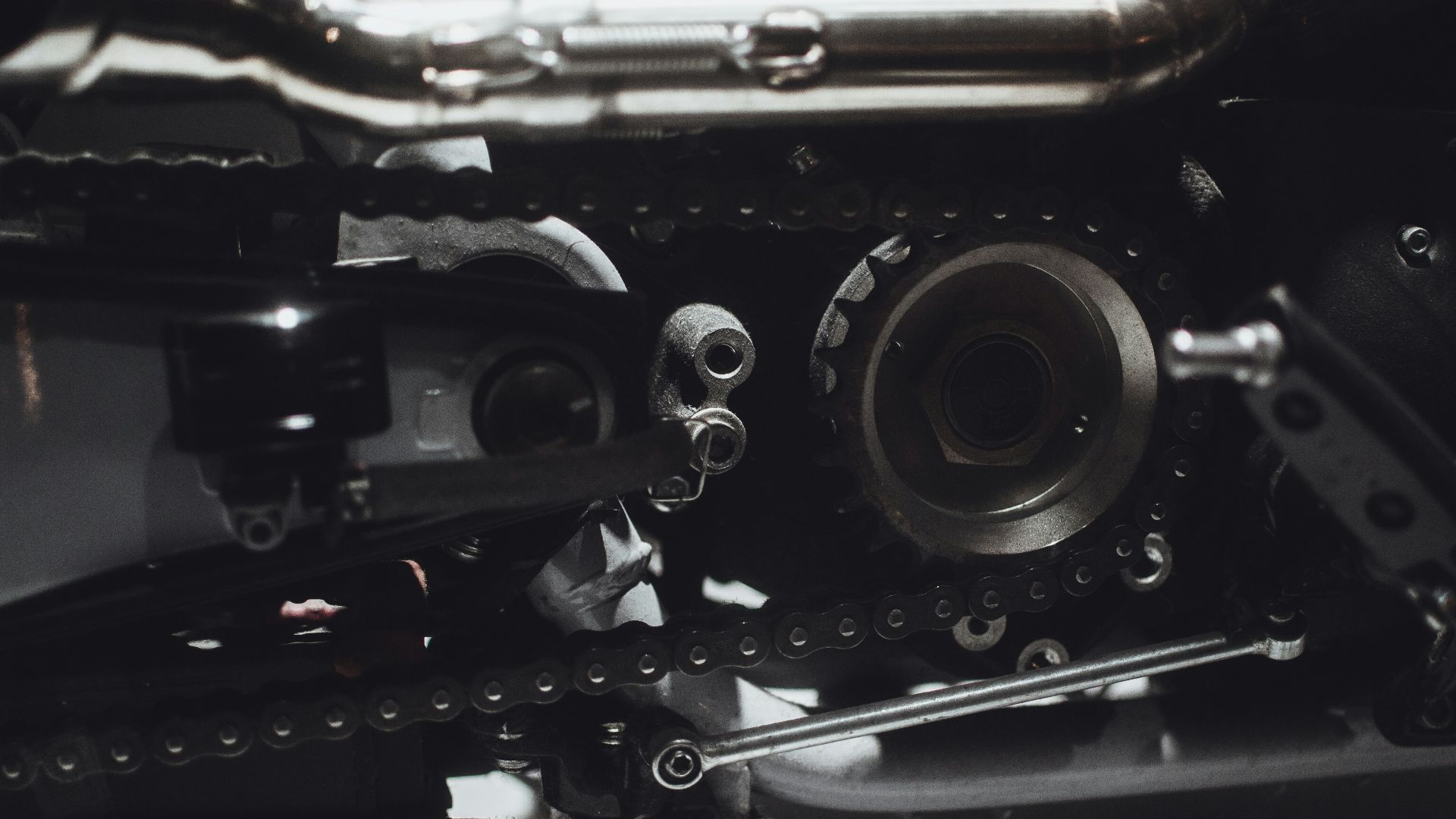
Timing chains are heavier and more complex than belts. They can stretch over time, and if they fail, repairs are expensive. They also require proper oil maintenance, just like a chain does. Poor or infrequent oil changes can lead to premature wear, which undermines their main advantage.

Why Timing Belts Are Still Popular
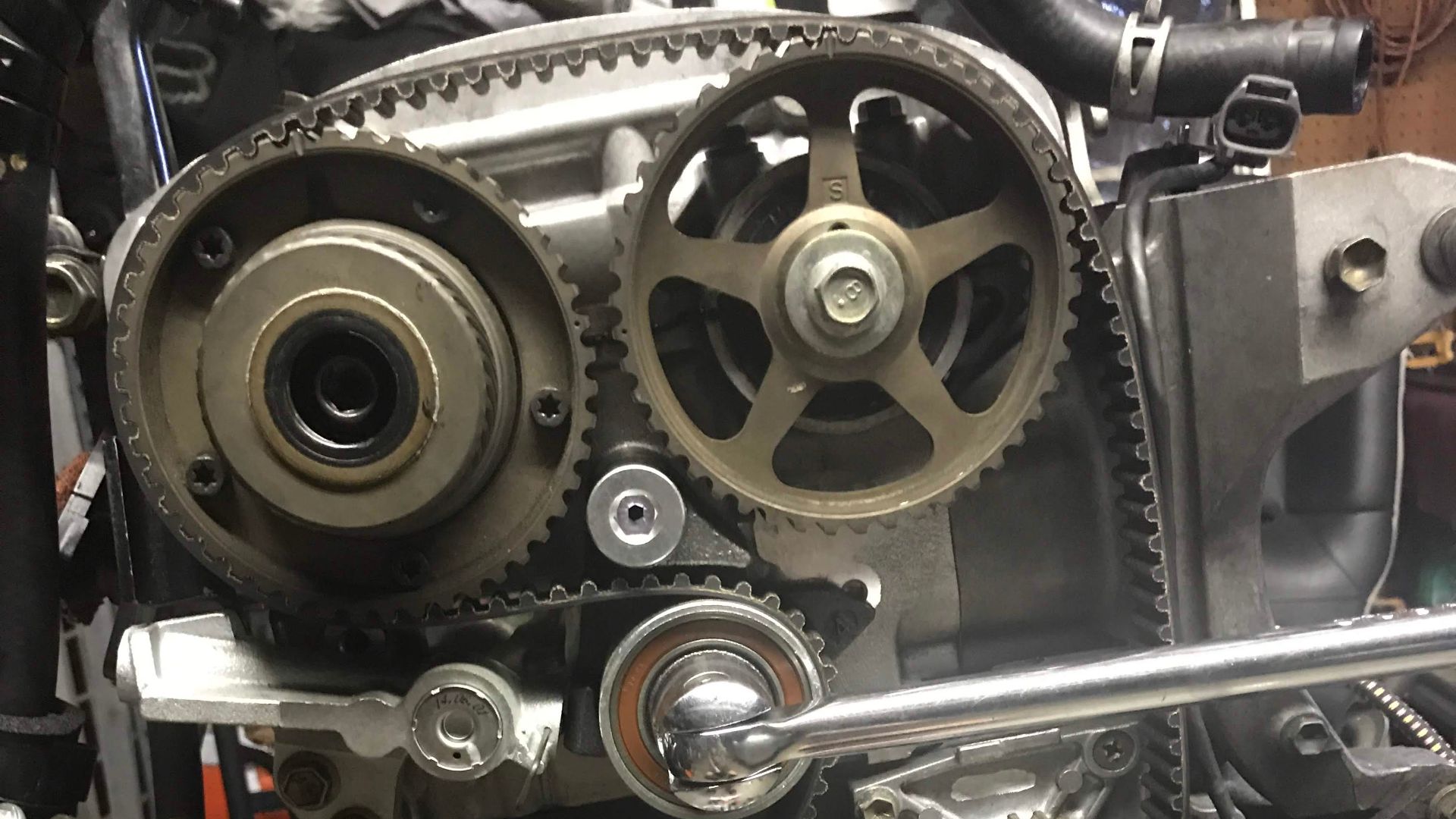
Timing belts are quieter, lighter, and less expensive to produce. This helps manufacturers improve fuel efficiency and cut down on engine noise. Many modern engines still use belts for these reasons, especially in smaller or mid-sized vehicles.
 BonzaiCelica, Wikimedia Commons
The Maintenance Tradeoff With Belts
The biggest downside of a timing belt is that it has to be replaced on a schedule, often at between 60,000 and 100,000 miles. Ignoring this interval can lead to catastrophic engine damage. This maintenance requirement is the biggest reason why some people warn against them.

The Cost Of Replacement
Replacing a timing belt isn’t cheap, but it is predictable. You can plan for it as part of your routine maintenance. Timing chain repairs, on the other hand, are usually unexpected and can cost a lot more if and when they occur.

Failure Risks Compared
Timing belts tend to fail suddenly if they are not replaced on time. Timing chains usually give some kind of warning sign, such as rattling noises or engine timing issues. Whatever the case may be, it’ll definitely get your attention. However, when a chain fails, the damage can be just as severe and more expensive to fix.
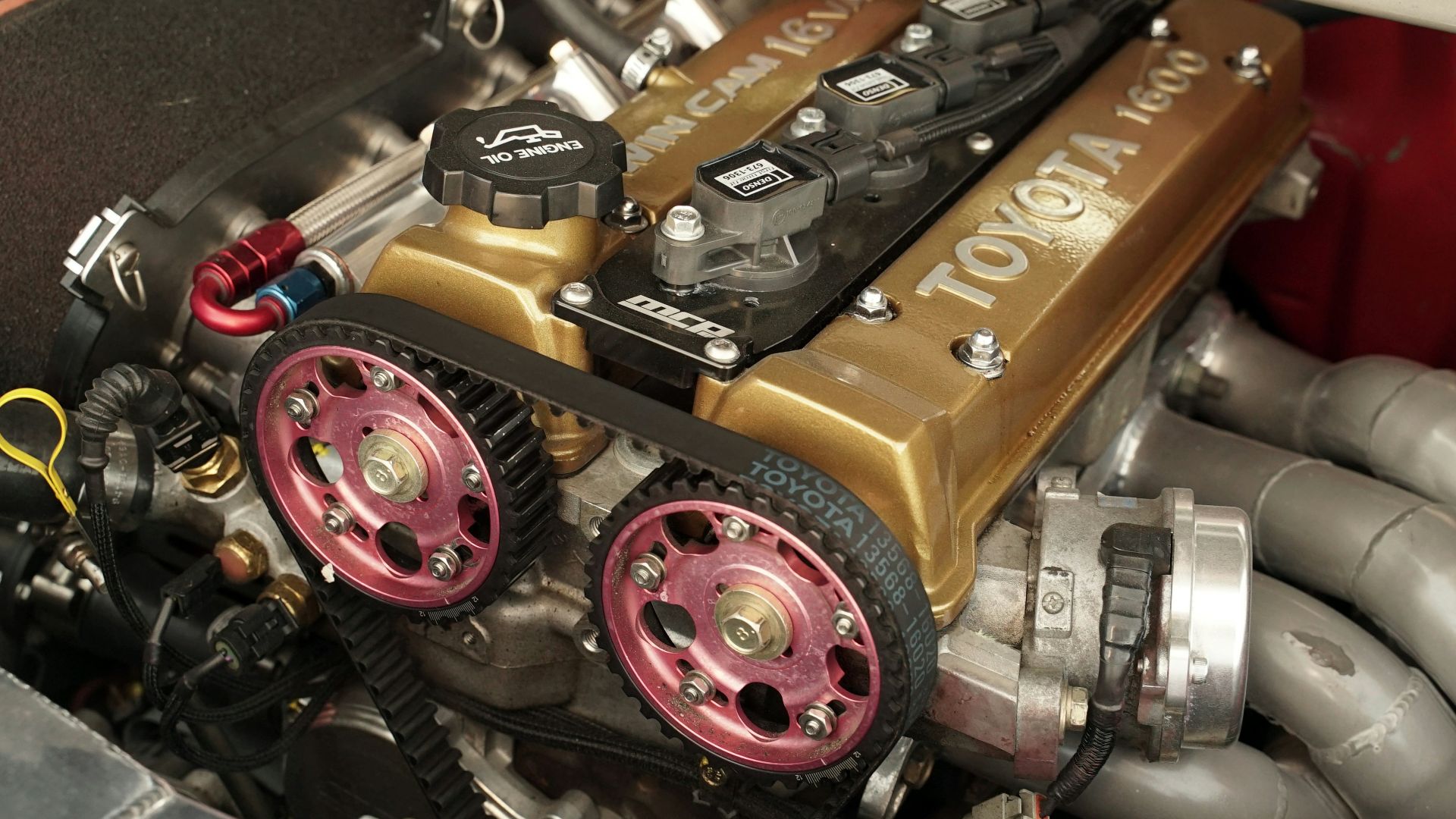
Interference Engines Raise The Stakes
Many modern engines are interference engines, meaning the valves and pistons can collide if timing fails. In these engines, both belt and chain failures can lead to major damage. This makes proper maintenance critical regardless of which system your car uses.
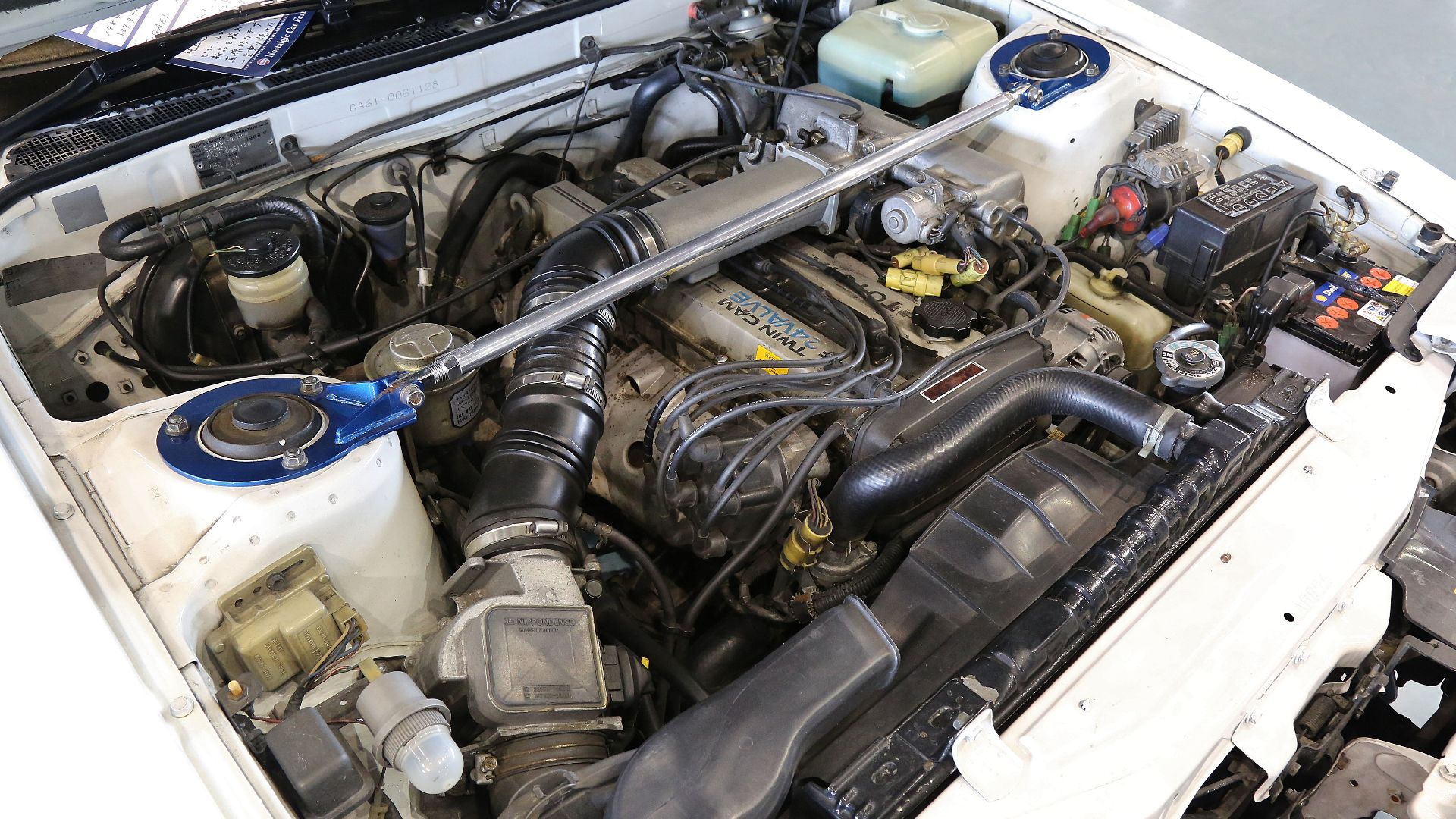
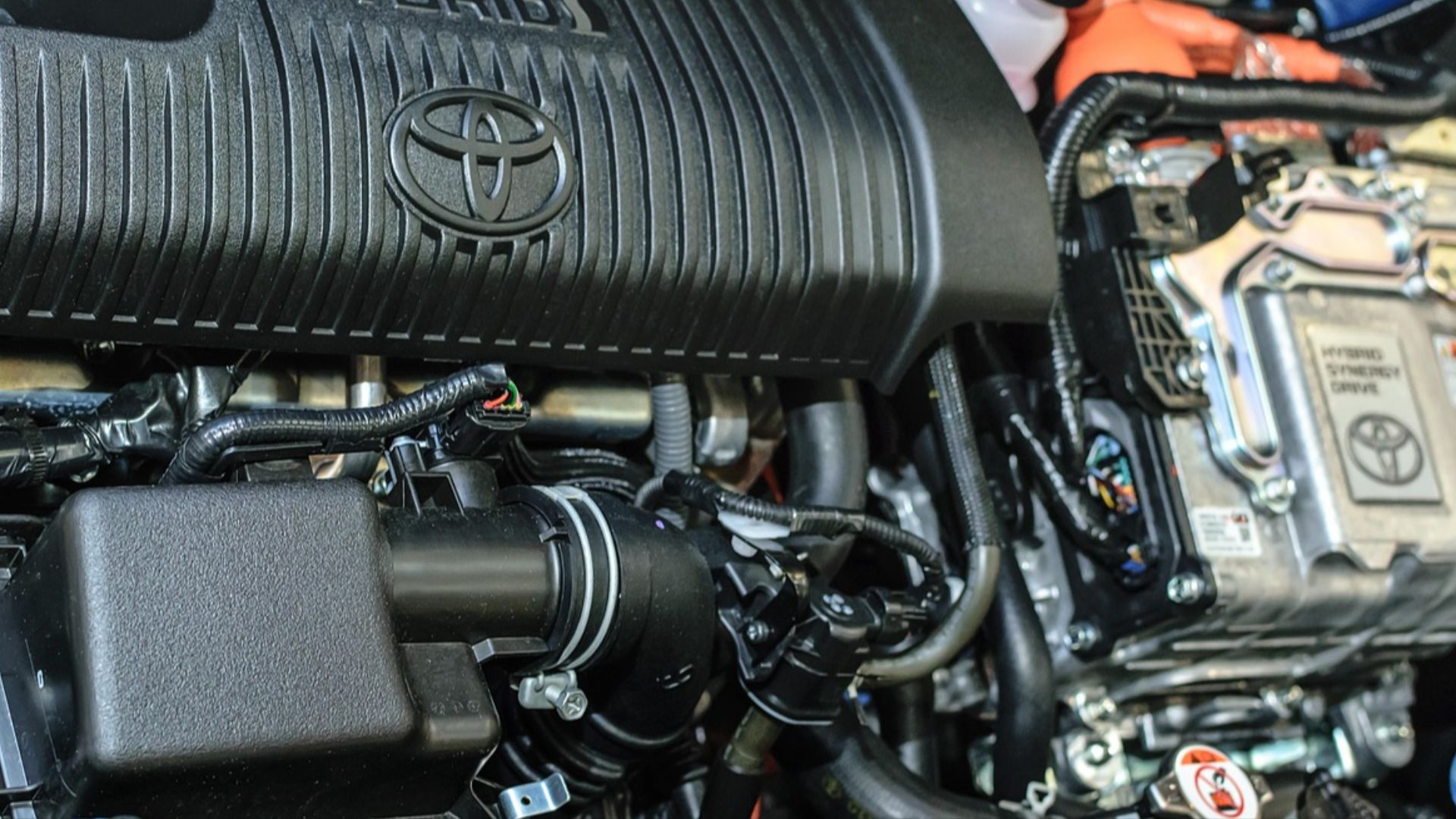
Which Cars Still Use Timing Belts
Some manufacturers still rely on timing belts in certain engines. Honda, Toyota, Subaru, and Volkswagen have all used belts in various models. A lot of newer engines are shifting back to chains, but belts remain common in specific models.
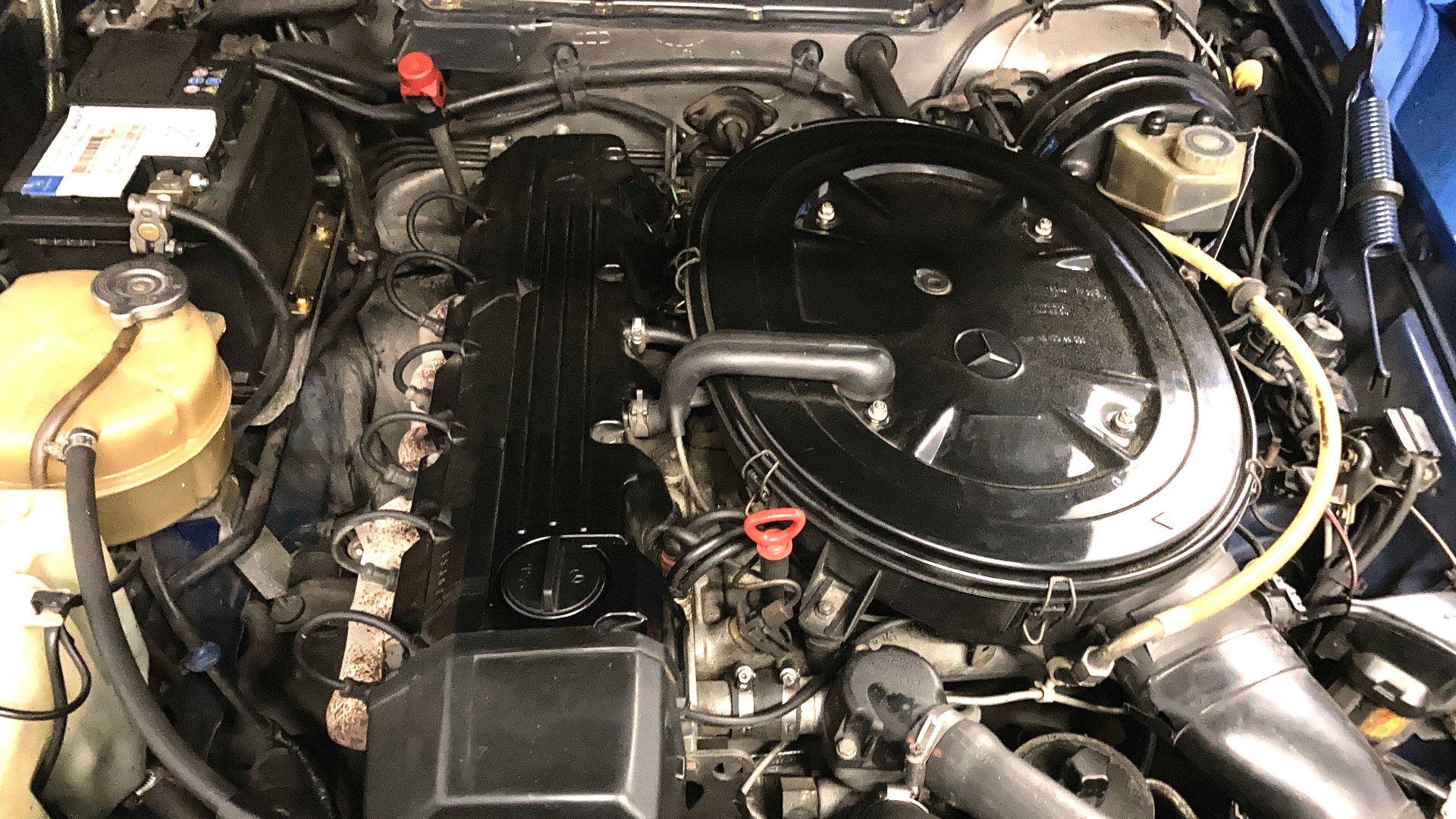
Which Cars Use Timing Chains
Timing chains are now going back to being more common in modern vehicles, especially in trucks and larger engines. Brands like BMW, Mercedes-Benz, Ford, and GM frequently use chains. They are often marketed as maintenance free, though that isn’t always entirely accurate, and is not a good approach to take with any vehicle no matter what the manufacturer says.
Noise And Driving Feel Differences
Timing belts operate more quietly, which can make engines feel smoother. Chains can produce more mechanical noise, especially as they age. For everyday driving, most people aren’t going to notice a major difference, but engineers take this into account when they design engines.

Efficiency And Weight Considerations
Belts are lighter and create less friction, which can slightly improve fuel efficiency. Chains are heavier and require more lubrication. While the difference is pretty small, it is a factor in why belts have become more popular in fuel-conscious engine designs.
 Interiot~commonswiki, Wikimedia Commons
Long Term Ownership Perspective
How long do you plan to keep the car? If you’re planning to keep your car for many years, a timing chain may offer you greater peace of mind. If you follow maintenance schedules carefully, a timing belt can be just as reliable. The key difference is whether you prefer scheduled upkeep or potential long-term durability.

Short Term Ownership Perspective
If you think you’ll probably sell the car within a few years, then a timing belt may not matter all that much. You may never reach the replacement interval. In that case, the lower upfront cost and smoother operation can actually work in your favor.

What Mechanics Usually Say
Most mechanics agree that neither system is inherently bad. They will often say the real issue is maintenance. A well-maintained timing belt is better than a neglected timing chain, and vice versa.
 Hryshchyshen Serhii, Shutterstock
So Who Is Right?
Your uncle is right that timing chains are generally more durable and less maintenance intensive. Your boyfriend is right that timing belts are perfectly fine with the important factor: If they’re maintained properly. The truth is that both systems are valid, depending on how you manage the car.
Did You Make A Mistake?
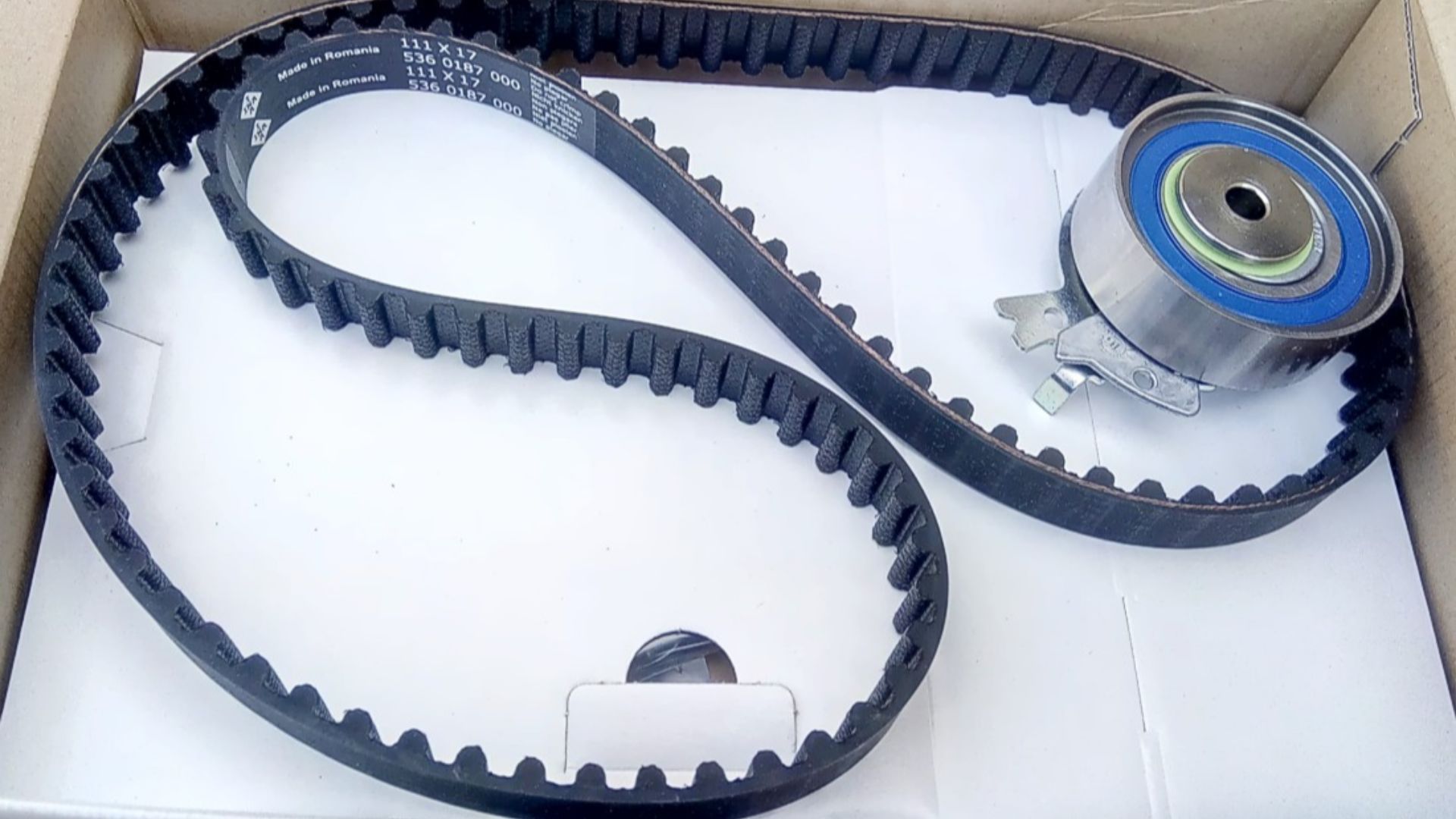
You didn’t make a mistake. A timing belt isn’t inherently flawed, it’s just a different design choice. As long as you follow the replacement schedule and stay on top of scheduled maintenance, your car can be just as reliable as one that has a timing chain in it.

You May Also Like: