What “Driver Misuse” Usually Means
When a dealership says a warranty claim was denied for “driver misuse,” it feels like an attack. Most factory warranties cover defects in parts or workmanship, but not damage from abuse, racing, overloading, poor maintenance, or ignoring warning lights. The exact meaning of "driver misuse" depends on the warranty booklet, because that is the document that lists what is and is not covered. So the first thing to check is whether the conduct they are claiming actually matches a written exclusion.

The Dealer Can’t Just Say It Without Backup
A dealership cannot deny coverage just because someone thinks the car was driven hard. The written warranty from the manufacturer is what matters, and federal law says consumer warranties must be available and clear. If the denial is based on an exclusion, the company should be able to point to the exact language in the warranty. In short, “misuse” should be tied to real facts and a real contract term, not just a guess.

They Usually Need Some Evidence
In most warranty fights, the big question is what caused the failure. Did the part fail because it was defective, or because something the owner did caused it? To support a misuse denial, the dealer or manufacturer may rely on inspection notes, stored vehicle data, service history, photos, or visible signs of abuse. They do not always need courtroom-level proof before denying a claim, but they should have a real factual basis if the denial is challenged. If they cannot clearly explain what they relied on, that is a warning sign.
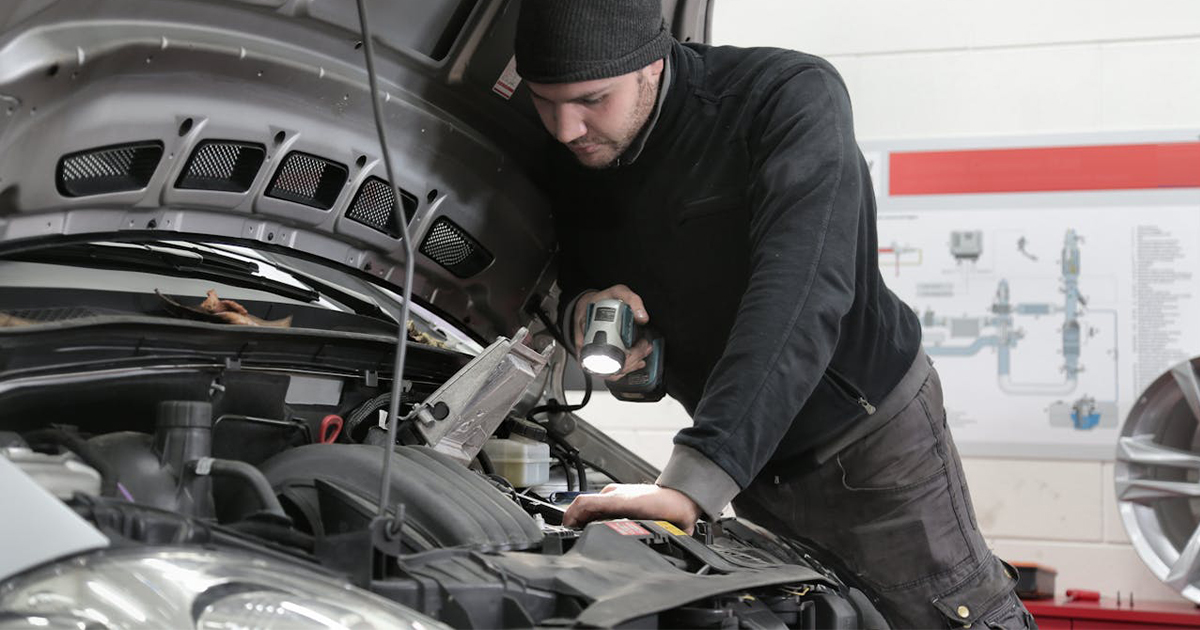
 Jose Ricardo Barraza Morachis, Pexels
Your Warranty Booklet Is The Starting Point
Before arguing with anyone, get the warranty booklet that came with the car or find the online version from the manufacturer. Read the parts about exclusions, owner responsibilities, and what is covered for the powertrain, corrosion, emissions, and other systems. Many warranties exclude damage caused by accidents, misuse, modifications, environmental conditions, or poor maintenance. If the denial letter uses broad wording but the warranty booklet is more limited, that can matter a lot.

Maintenance Records Matter A Lot
One common way a dealer supports a misuse claim is by pointing to missing or spotty maintenance records. If the engine failed and there is no proof of oil changes, the manufacturer may argue neglect instead of defect. Keep receipts, repair orders, inspection records, and even parts receipts if you do your own maintenance, because those papers can help you fight back. Federal guidance says companies usually cannot require you to use their branded parts or their own service shops unless they provide them for free, but they can require proper maintenance.

Vehicle Data Can Be Part Of The Story
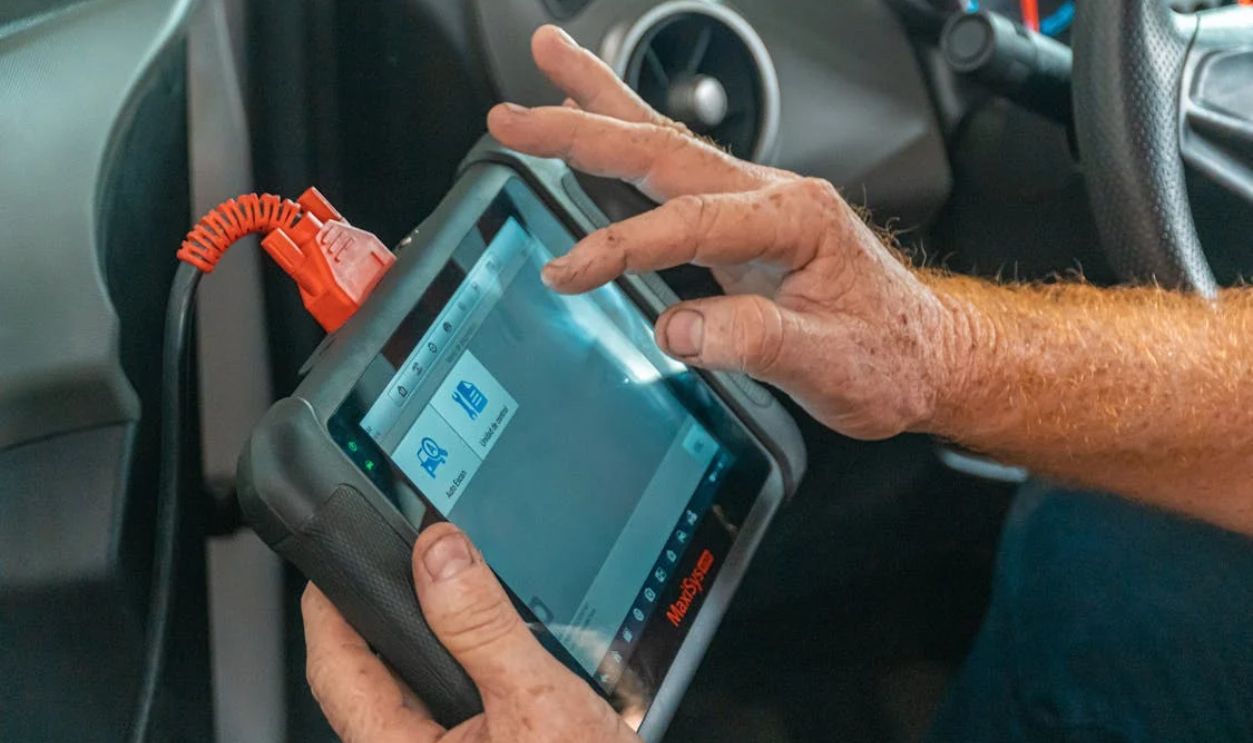
Modern vehicles store more information than many people realize, and some of it can show up in a warranty dispute. Event data recorders and other onboard systems may track things like speed, throttle use, braking, seat belt use, trouble codes, or over-rev events, depending on the vehicle. A manufacturer may use that data to argue the car was raced, overloaded, driven after overheating, or used while warning lights were on. The exact data depends on the make and model, but yes, electronics can play a big role.

Trouble Codes Can Help Or Hurt
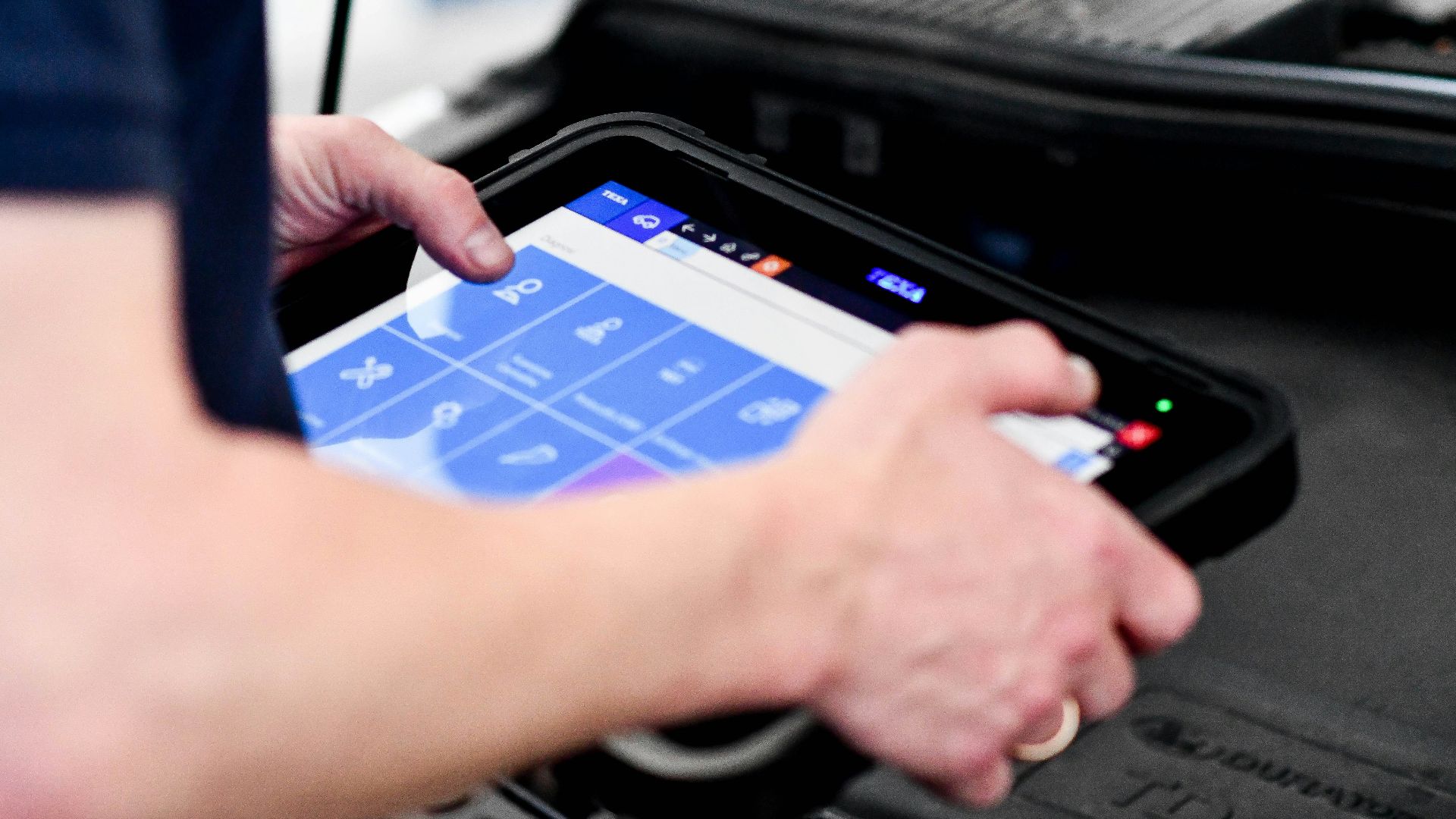
Stored diagnostic trouble codes can show whether the vehicle had overheating, low oil pressure, transmission slipping, misfires, boost problems, or emissions faults before the breakdown. If the code history suggests the car was driven for a long time with a serious problem, the dealer may say the owner kept using it after clear warning signs. That does not automatically prove misuse, but it can support their side of the story. If they are using code history against you, ask for a copy of the diagnostic report.
Physical Signs Often Drive The Decision
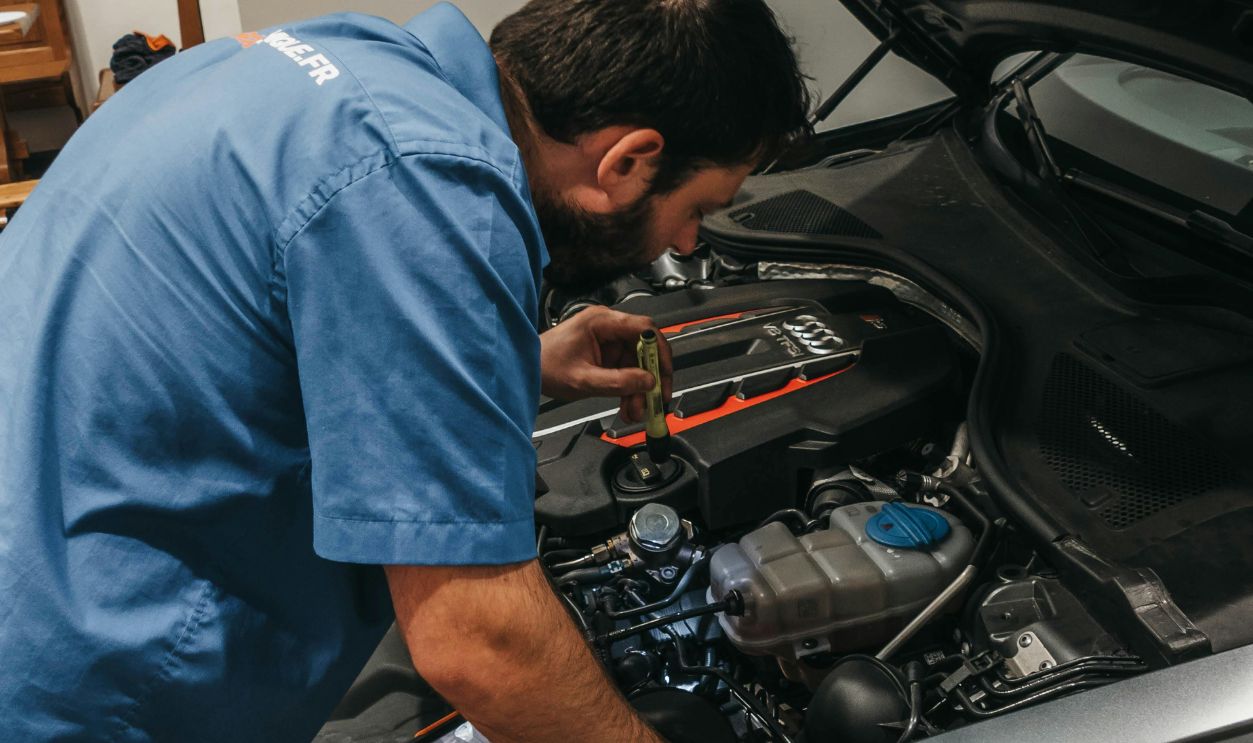
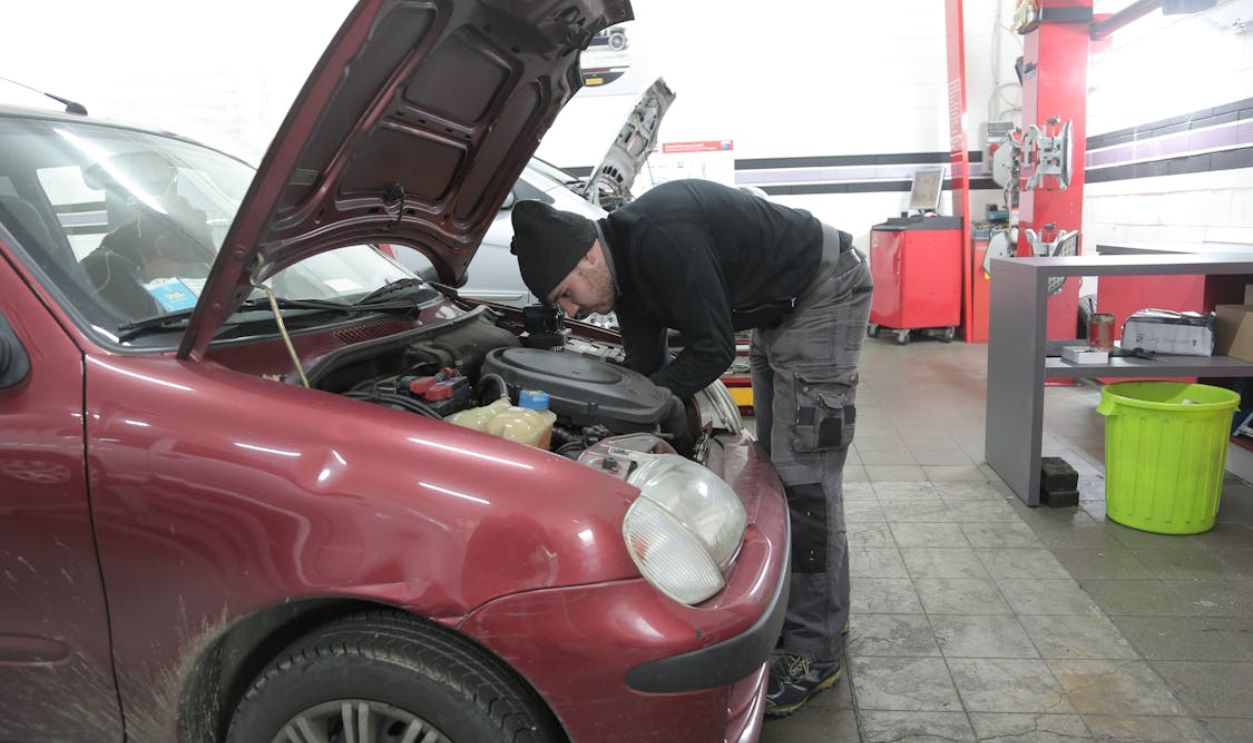
Technicians also look for physical signs that a part failed because of abuse instead of a factory defect. That can include heat damage, scoring from lack of oil, a burned clutch, bent suspension parts from an impact, water damage, dirty fluids, or signs of aftermarket tuning. Photos and teardown notes are common in expensive claims involving engines and transmissions. If they say misuse caused the problem, ask exactly what they found during the inspection.
Aftermarket Parts Can Make Things Harder
A modified vehicle does not automatically lose its entire warranty, even though many people think it does. Under the Magnuson-Moss Warranty Act, a manufacturer usually cannot cancel all warranty coverage just because aftermarket parts are installed. But it can deny a specific claim if it can show that the modification caused or helped cause the failure. So an exhaust system may have nothing to do with a window motor, while an ECU tune might matter a lot in an engine or transmission claim.
Tuning Is A Common Problem Area
Engine and transmission tunes often come up in denied powertrain claims because they can change boost, fuel delivery, torque limits, shift behavior, and heat loads. Manufacturers may check flash counters, calibration mismatches, or software history to see whether the factory programming was changed. If they can connect that tuning to the failed part, their misuse or alteration claim becomes stronger. If they cannot make that link, the denial may be easier to challenge.

Track Use And Racing Are Often Clearly Excluded
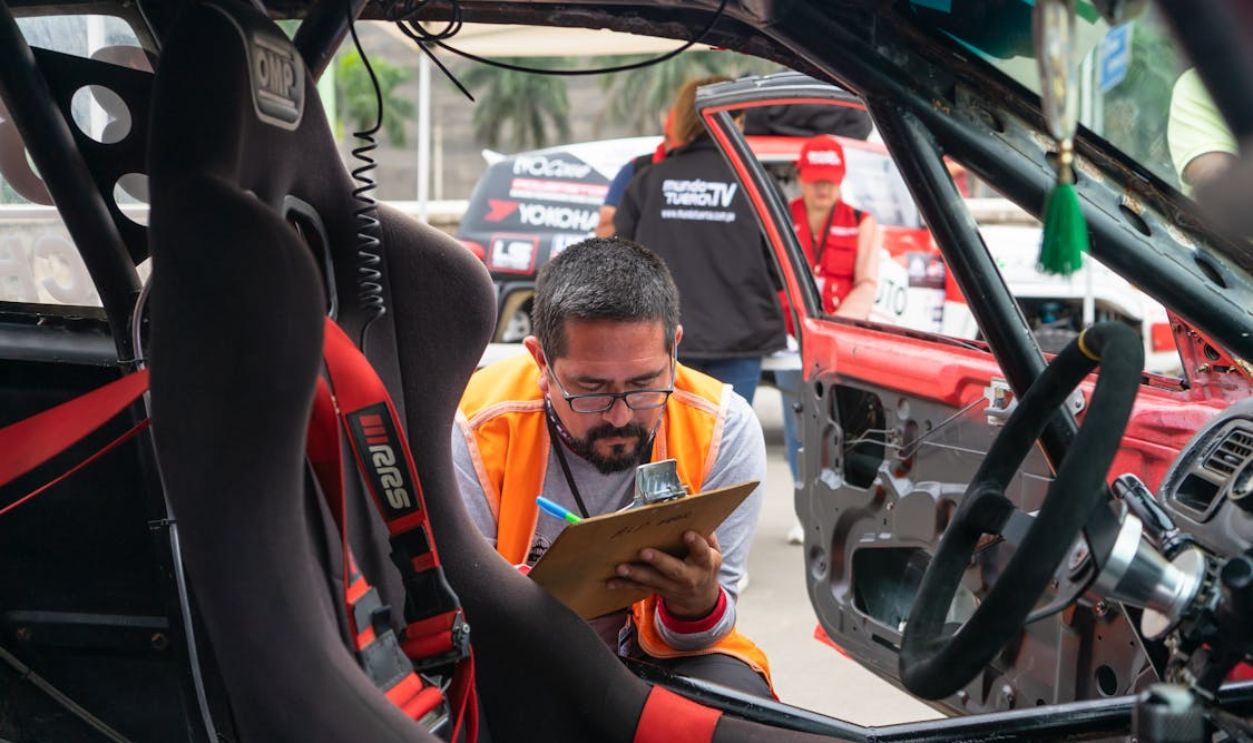
Many warranties clearly say they do not cover damage caused by racing, competition, or off-road use outside normal conditions. Dealers may point to onboard data, tire wear, brake heat, photos, social media posts, or even customer comments if they suspect track use. Some performance brands have special policies, but for many regular vehicles, repeated track use can create real warranty problems. If the denial mentions racing, ask what evidence they have tying your vehicle failure to that use.

Overloading And Towing Can Leave Evidence
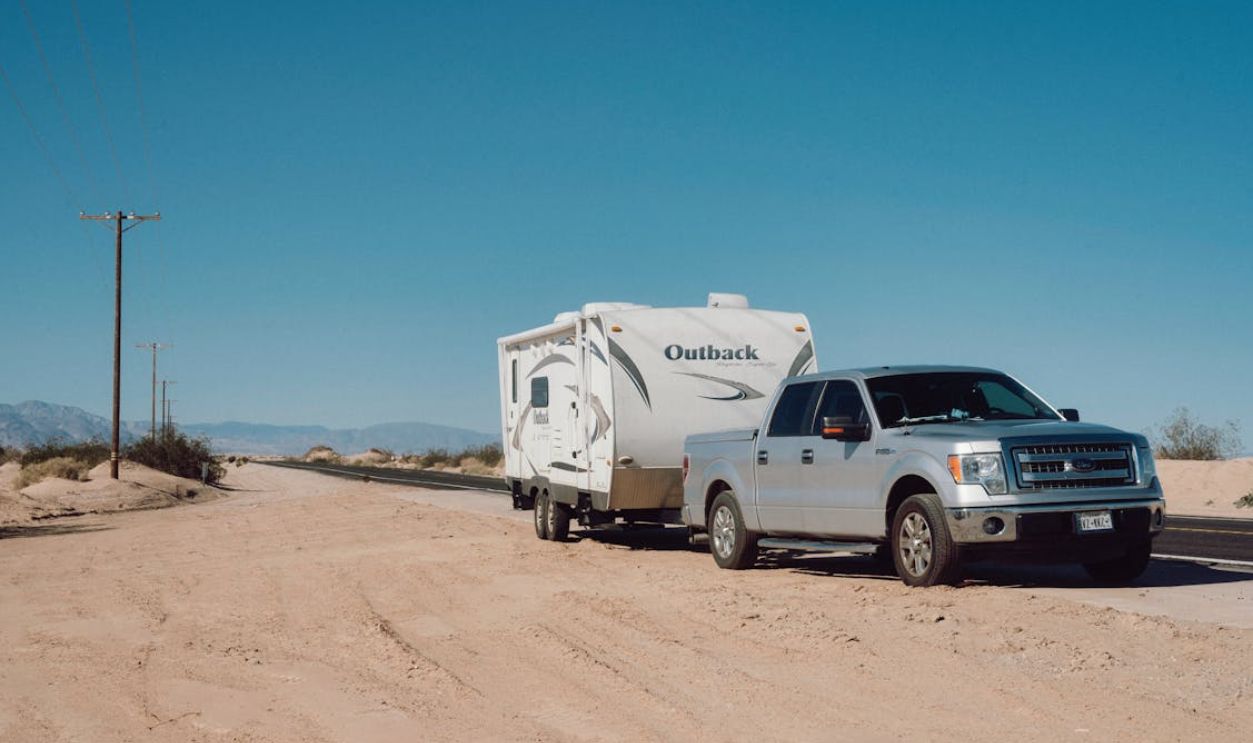
Manufacturers also deny claims when they think the vehicle was overloaded or used beyond its towing limits. Transmission overheating, brake wear, suspension damage, and axle failures can lead to questions about trailer weight and payload. Hitch setup, trailer brake equipment, fluid condition, and data showing repeated high heat can all be part of the review. If your vehicle was used within the listed limits, gather your trailer specs and the pages from the owner’s manual.
Ignoring A Warning Light Can Hurt Your Case
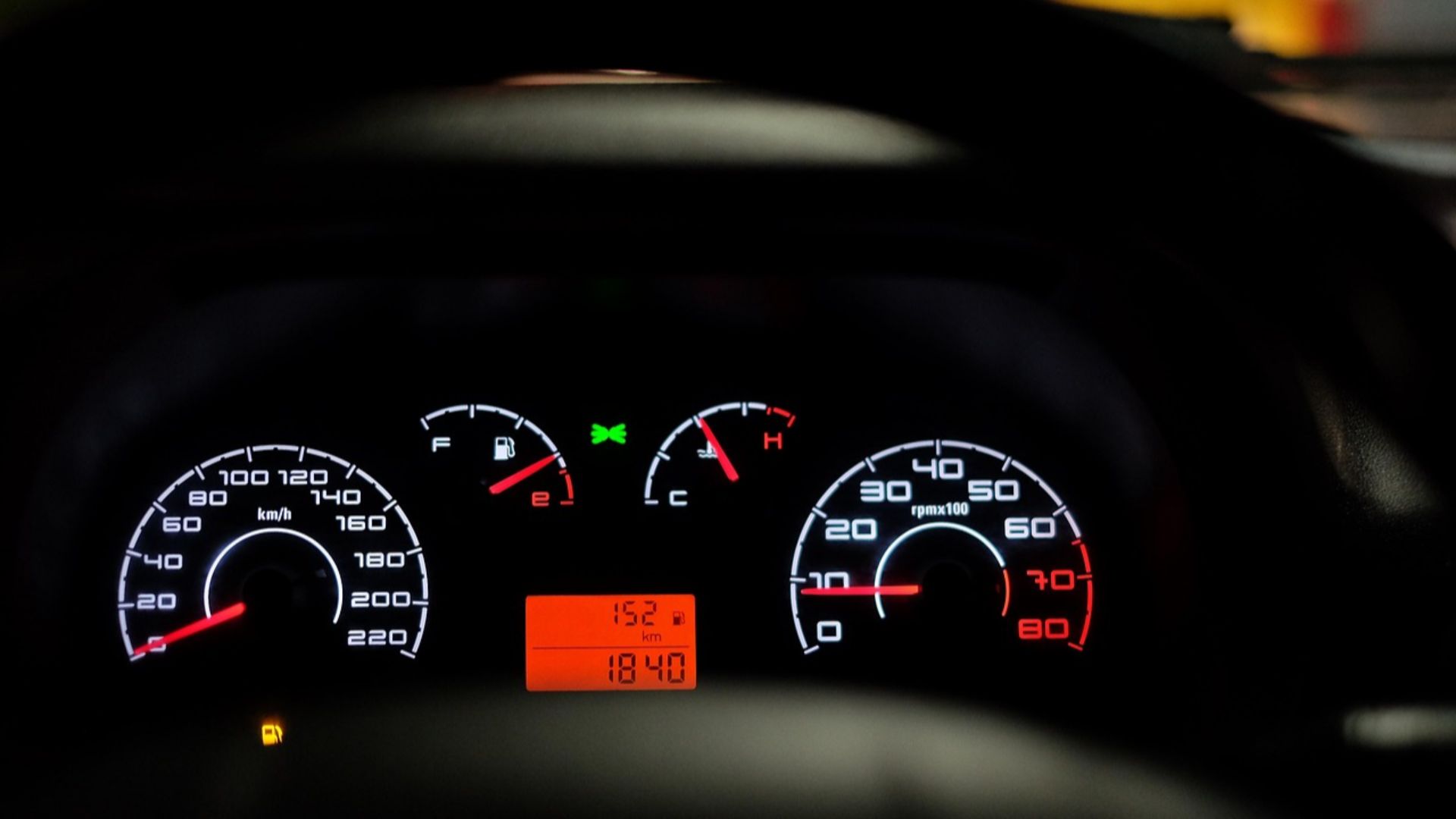
If the dashboard warned you to stop driving or showed low oil pressure, overheating, or charging-system trouble, continuing to drive can turn a smaller issue into major damage. Warranty administrators often treat that added damage as preventable, not as a defect. For example, a leaking cooling part may be covered, while the ruined engine from driving too long while overheated may not be. The details matter, but this is a very common reason claims get cut back or denied.
The Dealer May Not Be The Final Decision Maker
Many people assume the dealership made the final call, but expensive warranty claims are often reviewed by the manufacturer or a factory rep. The dealer usually gathers the information, opens the claim, and may suggest a result, but the automaker may approve it, partly approve it, or deny it. That matters because the person telling you “misuse” may not be the one who actually decided it. Ask whether the denial came from the dealer, the manufacturer, or a field rep, and ask for that in writing.
 Centre for Ageing Better, Pexels
You Can Ask To See The Basis For The Denial
You can ask what the denial was based on, and doing that in a calm but firm way can change the whole conversation. Request the written denial, the exact warranty provision they relied on, technician notes, photos, trouble codes, and any data or inspection results used to support the decision. A dealer may not give you every internal message, but many will provide repair orders, code printouts, and at least a summary of what they found. The more specific you are, the harder it is for them to keep the denial vague.

An Independent Inspection May Be Worth It
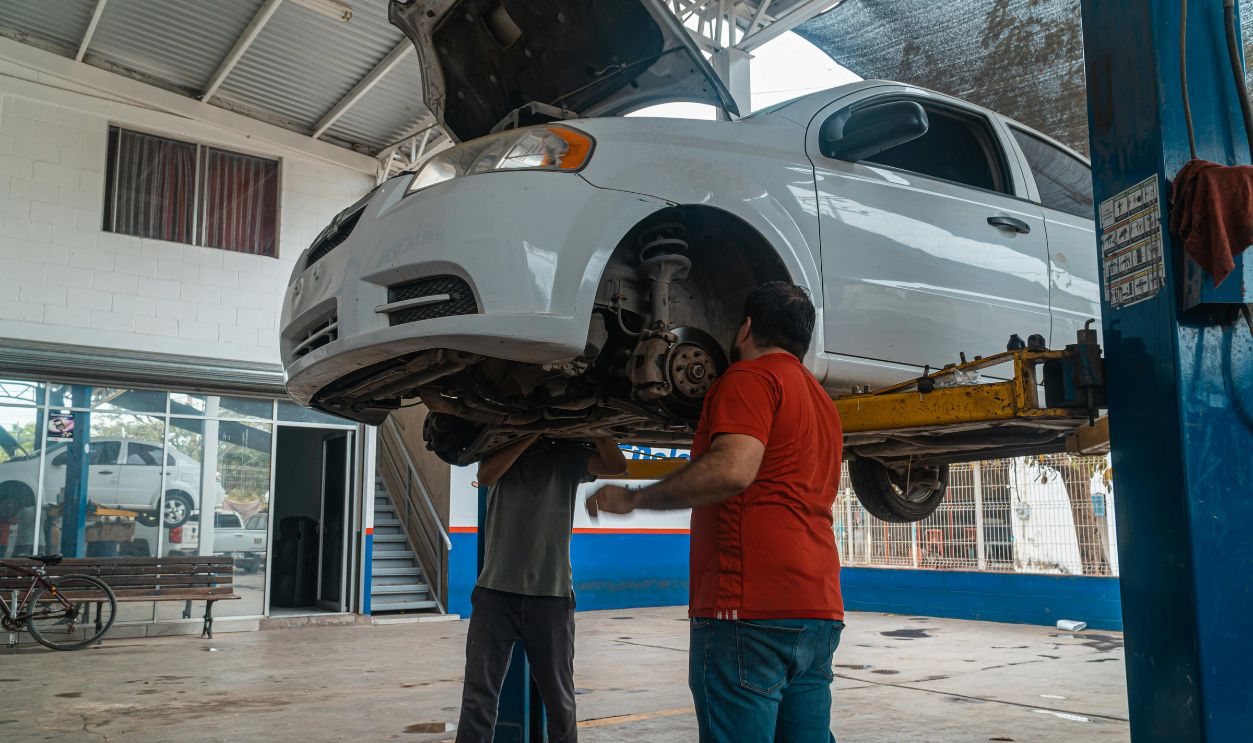
If the repair bill is large, paying for an independent inspection by a qualified mechanic, engineer, or brand specialist may be a smart move. A second opinion may show that the part failed in a way that fits a manufacturing defect better than abuse or neglect. This can help a lot if the manufacturer relied on broad claims instead of a detailed analysis. If you do this, ask the expert for a written report with photos and clear explanations.
Federal Law Gives Consumers Some Help
The Magnuson-Moss Warranty Act is the main federal law people point to in warranty disputes involving cars and other products. It does not mean every claim must be paid, but it does set rules for written warranties and can help consumers challenge bad denials. The Federal Trade Commission also says manufacturers generally cannot void warranties just because aftermarket parts were used or because repairs were done at an independent shop. In plain terms, they need a real reason tied to your actual failure.

State Lemon Laws Might Apply In Some Cases
Lemon laws often come up in warranty fights, but they usually apply only when a new vehicle has major defects that the manufacturer cannot fix after a fair number of tries or after the car has been out of service for too long. One denial for alleged misuse does not automatically make a car a lemon. Still, if the vehicle is new and keeps going back for the same issue, your state lemon law might matter. Check your state attorney general or consumer protection site for the exact rules.
 Jose Ricardo Barraza Morachis, Pexels
Arbitration Could Be The Next Step
Some manufacturers take part in arbitration or other dispute programs, and some state laws encourage people to use them before filing a lawsuit. These programs look at documents, repair history, and expert opinions to decide whether the manufacturer should cover the claim. Arbitration can be faster and cheaper than going to court, though it is not always the best choice in every case. If a lot of money is on the line, read the rules carefully before agreeing.

Good Paperwork Makes A Big Difference
The strongest pushback usually comes with documents, not just frustration. Save every maintenance receipt, repair order, roadside assistance invoice, tow bill, text message, and any other records that help show what happened. If warning lights came on, write down when they appeared, what the vehicle did, and whether you stopped driving right away. A clear timeline backed by paperwork can make it much harder for a company to stick with a weak misuse claim.

How To Push Back Effectively
Keep your response calm and specific. Ask what exact warranty exclusion applies, what facts support the misuse finding, what data was reviewed, and how they decided that conduct caused the failure. Then ask for everything in writing and provide your maintenance records and any evidence that supports your side. You do not need to sound like a lawyer. You just need to show that unsupported conclusions are not enough.

When Talking To A Lawyer Makes Sense
If the denied repair is worth a lot of money, the facts support you, and the manufacturer still will not budge, it may be worth talking to a consumer warranty lawyer. Many lawyers who handle car warranty cases offer consultations and understand how Magnuson-Moss and state warranty laws work in real life. A lawyer can also help figure out whether the denial is really about misuse or whether the company is stretching an exclusion too far. This can be especially useful if the vehicle is still fairly new or the evidence against you is weak.

The Main Point
A dealership or manufacturer can deny a warranty claim for driver misuse, but they should be able to explain why using real evidence and a specific warranty exclusion. That evidence may come from missing maintenance records, onboard data, trouble codes, physical inspection, or signs of modifications, racing, overloading, or continued driving after warnings. But “misuse” is not a magic phrase that ends the issue. If you ask the right questions, gather your records, and push for the facts behind the denial, you give yourself a better chance of getting a bad decision reversed.