The Sneaky Fee On The Buyer’s Order
You’re ready to sign, and then a charge shows up that nobody mentioned before: VIN etching. It is usually sold as an anti-theft feature that marks the car’s windows with the vehicle identification number. The big question is straightforward: Do you really have to pay for it if you never asked for it?

The Short Answer
Often, no. In many cases, you can refuse a VIN etching fee, especially if it is optional and was added without your clear approval. Consumer advocates and state agencies have warned for years that dealers sometimes present optional add-ons as if they are required. What matters is whether the fee is required by law, required by your lender, or clearly included in the deal you agreed to in writing.

What VIN Etching Actually Is
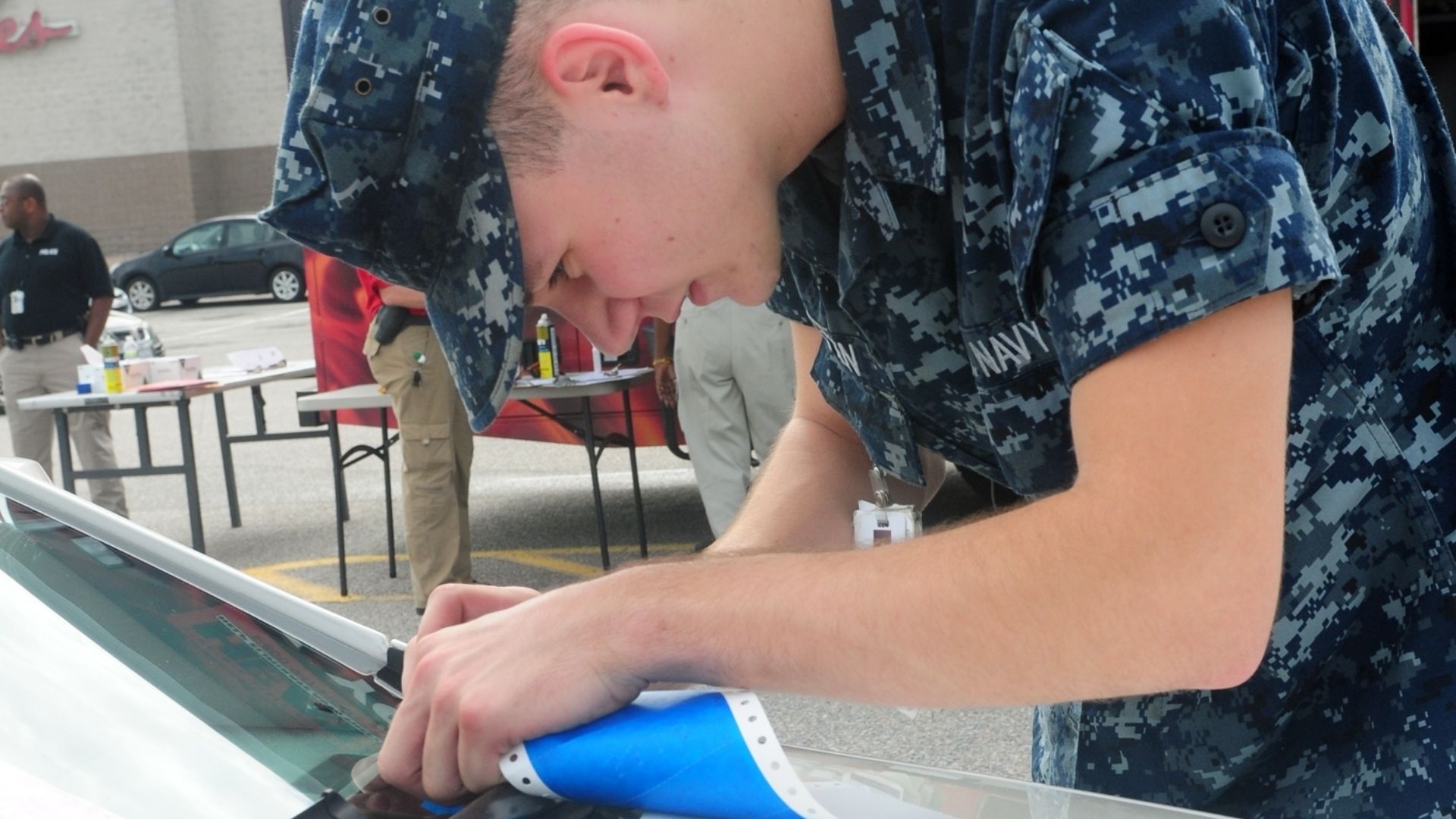
VIN etching is the process of putting the vehicle identification number onto the car’s glass. The pitch is simple: marked glass is harder for thieves to resell, which may help discourage theft or parts stripping. Dealers and third-party companies have sold it for years as a security product, but it is not the same as registration, title work, or any other government-required charge.
 Molly Treece, Wikimedia Commons
Why This Fee Raises So Many Eyebrows
The issue is not that VIN etching exists. The issue is how it often shows up. Some buyers say it appears late in the process, after the price was supposedly settled. Consumer warnings from attorneys general and legal aid groups have repeatedly told shoppers to watch for extras like VIN etching, fabric protection, paint sealant, and similar add-ons that can quietly drive up the final price.

What The FTC Says About Add-Ons
The Federal Trade Commission has made clear that dealers sometimes charge consumers for add-ons they never agreed to buy. In announcing the CARS Rule in December 2023, the FTC said the rule targets bait-and-switch tactics and junk fees, including charges for add-on products that give little benefit or were not authorized by the buyer. Even though the rule has faced legal challenges, the FTC’s position shows just how seriously regulators view surprise add-ons.
 Geraldshields11, Wikimedia Commons
Why The Timing Matters
If VIN etching appears only after you already negotiated the deal, that matters. A dealer can offer an optional product, but it should be disclosed clearly before you sign. If it gets slipped into the buyer’s order or financing paperwork without a real conversation, that is exactly the kind of move regulators and consumer lawyers tell buyers to push back on.

What Counts As A Legitimate Required Fee
Some fees are usually unavoidable, like state sales tax, title fees, and registration charges set by the government. A documentation fee may also apply depending on state law, though the rules vary. VIN etching is different because it is usually a dealer add-on, not a tax and not a state-required charge.

Can A Dealer Say It Is Already On The Car
Yes, and that is a common pressure tactic. A salesperson may say the etching is already installed, so the fee cannot be removed. But that does not automatically mean you have to accept it. The real question is whether you agreed to buy it as part of the transaction.

Installed Does Not Always Mean Mandatory
Dealers often pre-install accessories and anti-theft products on multiple cars. State consumer agencies have consistently told buyers to negotiate those charges or walk away if the dealer refuses. Just because something is already on the car does not turn it into a legally required fee.
What Consumer Reports Found
Consumer Reports has repeatedly warned car buyers about add-ons, including VIN etching, that can inflate the price by hundreds of dollars. Its advice is blunt: question every fee and decline optional products you do not want. That warning keeps coming up because the problem is common.

What State Consumer Agencies Have Warned
State consumer protection offices have been saying much the same thing for years. The North Carolina Department of Justice, for example, tells buyers to be careful with extras like rustproofing, fabric protection, and VIN etching, and to ask whether they are optional. Guidance like that matters because it reflects the kinds of complaints regulators hear from real buyers.

Why Your Signature Is The Pivot Point
Once you sign a contract that clearly includes the VIN etching fee, your leverage usually drops fast. Before signing, you can object, ask for the charge to be removed, or leave. After signing, your options may depend on whether the fee was hidden, misrepresented, or added in a way that may violate state consumer protection laws.

What To Say Before You Sign
Keep it calm and simple: “I did not agree to VIN etching, and I will not pay for optional add-ons I did not authorize.” Then ask for a revised buyer’s order with the charge removed before you sign anything.

Ask One Crucial Question
Ask the dealer to show you in writing whether VIN etching is required by state law, by the manufacturer, or by your lender. In most normal retail car deals, the answer will be no. That question cuts through the sales pressure and gets back to the facts.

Check The Buyer’s Order Line By Line
The buyer’s order is where optional products often hide in plain sight. Read every line. Look for terms like VIN etch, glass etching, theft deterrent, anti-theft registration, or security package. If you see something you do not recognize, stop and ask about it before going any further.

Do Not Confuse It With Insurance Discounts
Some sellers say VIN etching may qualify you for an insurance discount. In some cases that may be true, depending on the insurer and the state, but that still does not make the product mandatory. A possible discount is a sales pitch, not a legal requirement.

How Much This Fee Usually Costs
VIN etching can be inexpensive when bought on its own, and do-it-yourself kits have long been sold at modest prices. At a dealership, though, the markup can be steep, with fees often reaching hundreds of dollars. That price gap is one reason the charge gets so much attention from consumer advocates.

When Walking Away Is The Best Move
If the dealer refuses to remove an optional VIN etching fee you never agreed to, walking away may be your strongest move. It is frustrating, especially after a long negotiation, but it keeps you from paying for something you do not want. Dealers often get more flexible when they realize the sale might actually fall apart.
What If You Already Signed
If you already signed, gather your paperwork and look closely at how the fee was described. If the dealer told you it was mandatory when it was not, or if it was buried in the documents without clear disclosure, you may have grounds to complain to your state attorney general, state consumer agency, or a private attorney. How strong that claim is will depend on your state’s laws and the exact wording in the paperwork.
The FTC’s Used Car Rule Still Matters Too
The FTC’s Used Car Rule requires dealers to post a Buyers Guide on used vehicles, and in 2024 the agency announced updates that strengthen disclosures, including telling buyers to ask whether the car has an open recall. The rule is not specifically about VIN etching, but it reflects the same bigger point: buyers should get clear information before they buy. Honest disclosure is not a courtesy. It is part of lawful sales practice.

Why Add-Ons Thrive In The Finance Office
Many add-ons appear in the finance and insurance office because buyers are tired, rushed, and focused on the monthly payment. That is the perfect setup for optional products to be presented as routine. Consumer experts have warned for years that the final stage of the deal is where buyers need to slow down the most.

Monthly Payment Talk Can Hide The Real Cost
A dealer may say the VIN etching fee only changes your payment by a few dollars a month. That can make a few hundred dollars seem small. But the real issue is not the monthly impact. It is whether you agreed to buy the product in the first place.

If The Dealer Says Everybody Pays It
That line should make you skeptical. A dealership can choose to stock cars with preloaded accessories, but that still does not make the fee legally mandatory. If the store will not sell the car without it, the charge should at least be presented honestly as part of the asking price, not as a surprise at signing.

Document Everything
Keep copies of the ad, window sticker, buyer’s order, financing papers, and any texts or emails. Write down who said what and when. If there is a dispute later, those details can matter a lot.

Where To Complain If Things Go Sideways
If you think the dealer misrepresented the fee, start with the dealership’s general manager and ask for a written response. You can also file complaints with your state attorney general, your state motor vehicle dealer regulator, or a consumer protection office. If financing is involved, the Consumer Financial Protection Bureau may also be relevant depending on the issue.

The Practical Bottom Line
Yes, you can often refuse to pay a VIN etching fee you never agreed to, especially before signing. Your strongest position is to challenge it right away, ask for it to be removed, and be prepared to leave if the dealer refuses. VIN etching is usually an optional add-on, not a fact of car buying.

Your Best Protection Is A Slow Pen
The fastest way to lose money at a dealership is to sign before you understand every charge. Read the paperwork slowly, question every unfamiliar line item, and do not let anyone rush you through the numbers. A calm “no” can save you a lot of money.