Trust The Man Or The Manual?
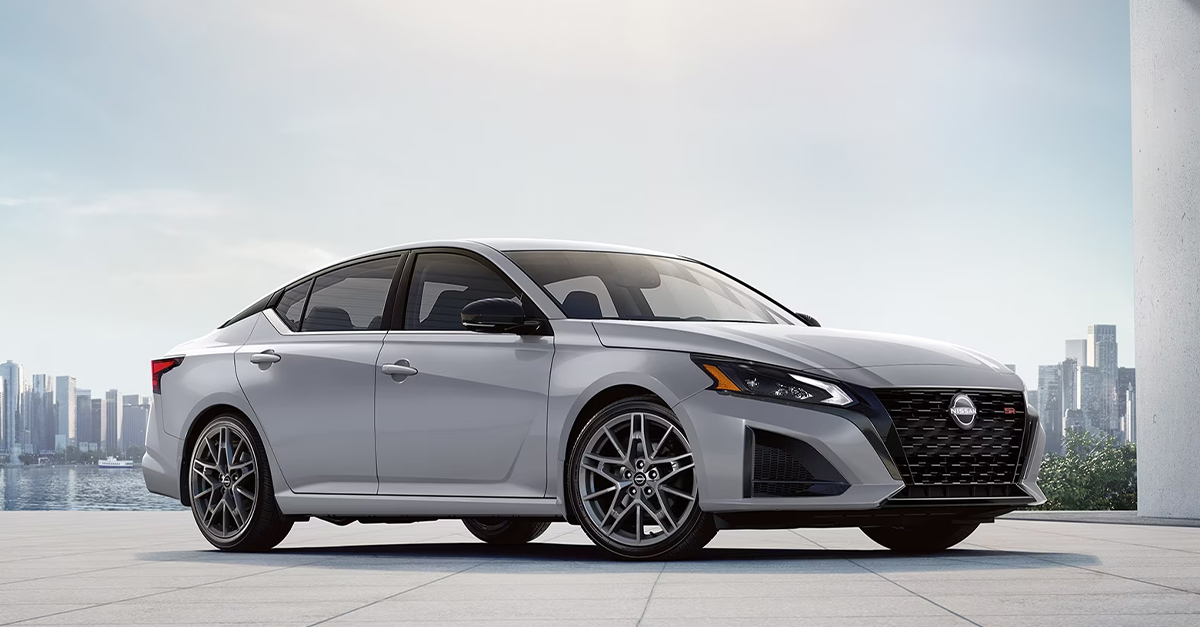
If your owner’s manual says regular gasoline is okay, that is the rule to follow. Automakers test engines for specific fuel needs, and the manual is the main source for that info. But an experienced dealer service advisor might give a general recommendation that could be worth considering.

What “Premium” Actually Means
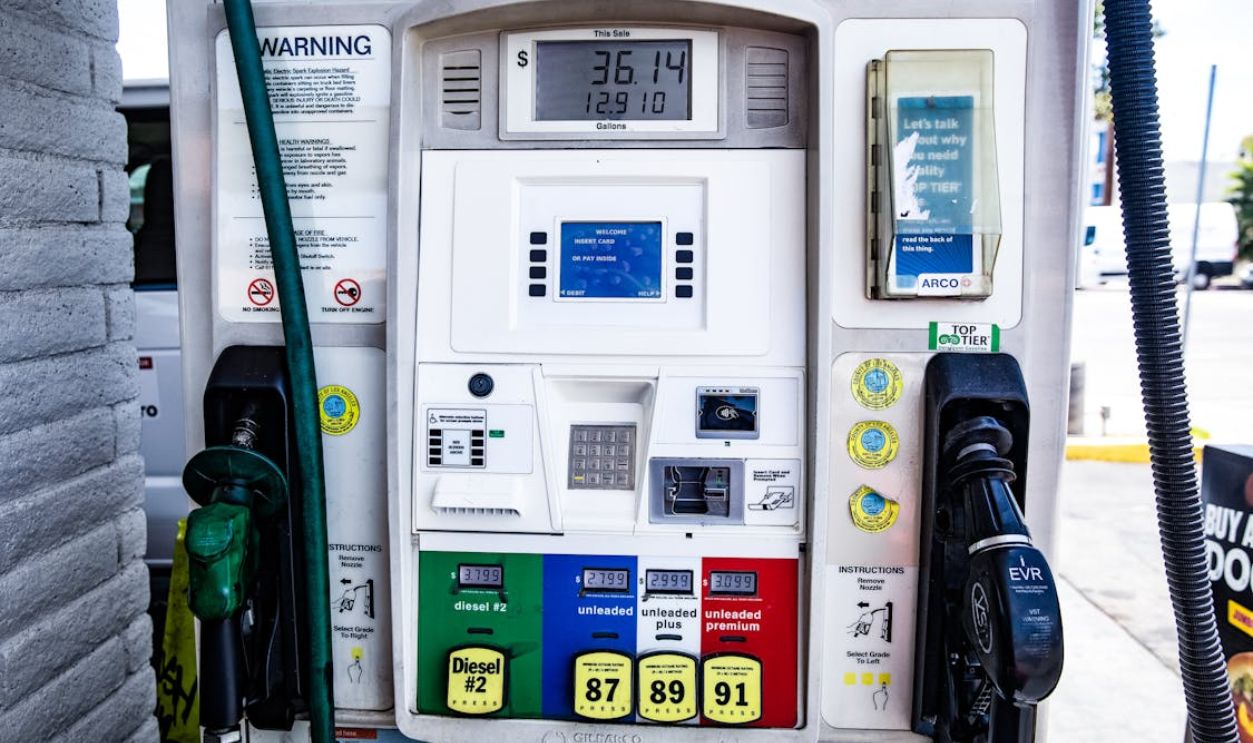
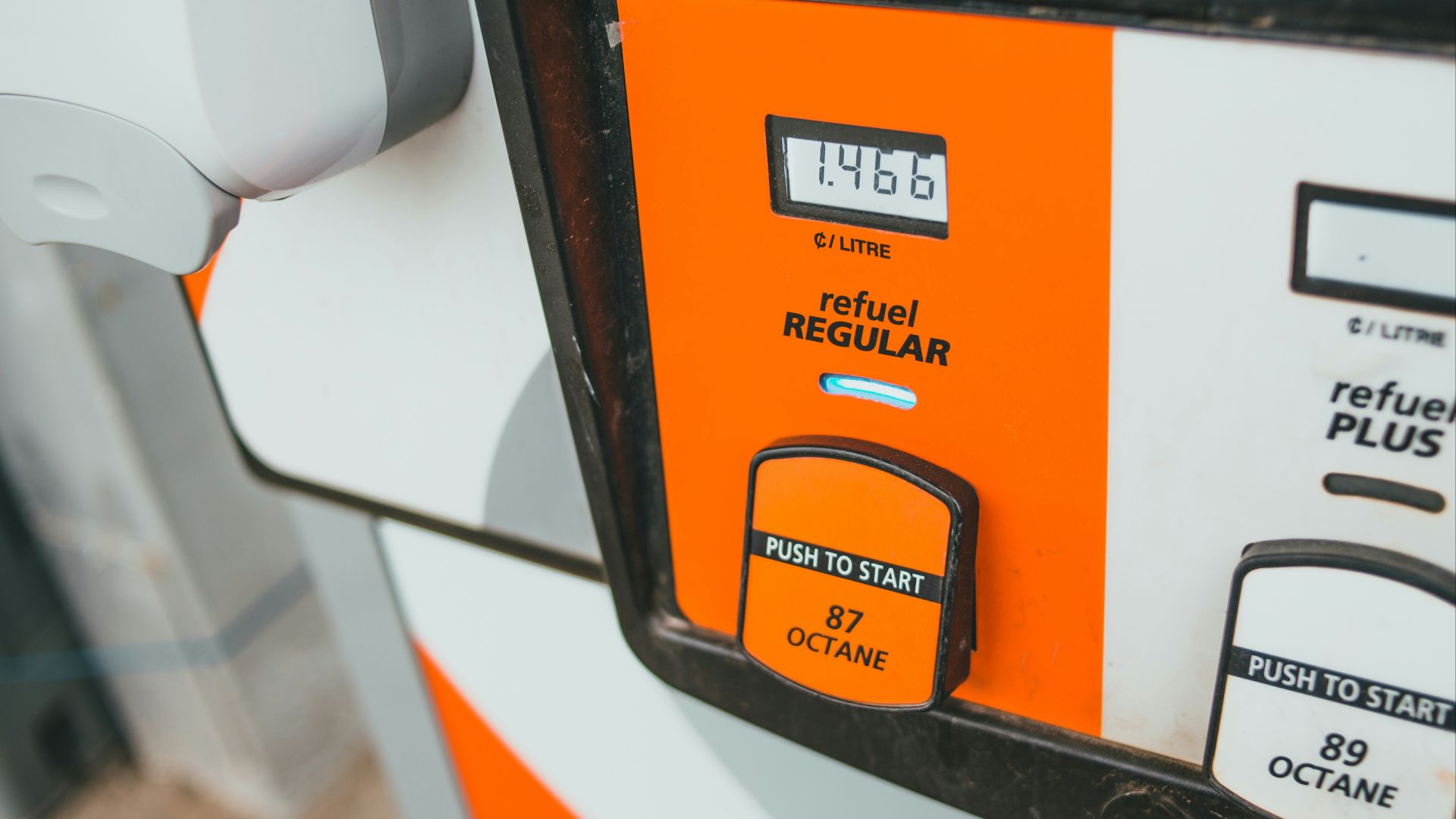
Premium gas does not mean cleaner, stronger, or better for every car. The main difference is octane rating, which measures how well a fuel resists knocking or early ignition. In the U.S., regular is usually 87 octane, midgrade is often 89, and premium is usually 91 to 93. Higher octane only matters if the engine is built or tuned to need it.
Octane Is About Knock Resistance
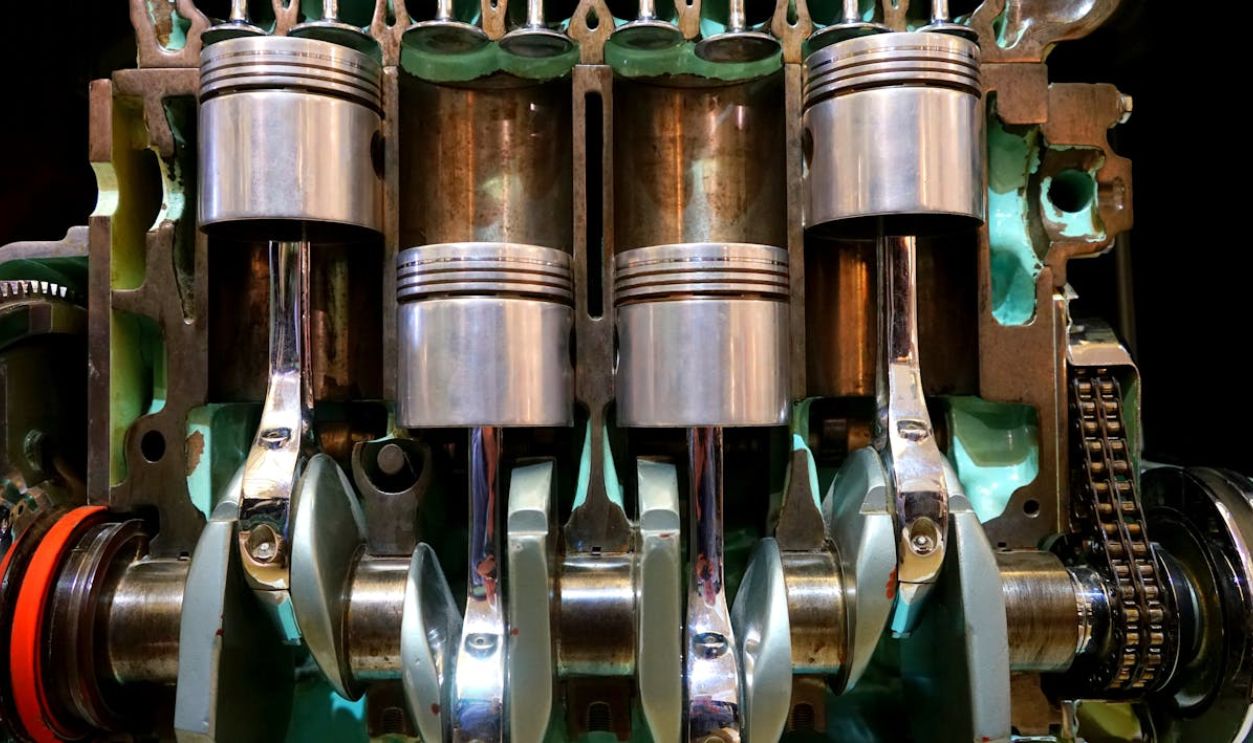
Gas engines compress an air-fuel mix before ignition, and sometimes that mix can ignite too early or unevenly. That unwanted combustion is often called knocking, pinging, or detonation. Higher-octane fuel is less likely to do that, which helps engines with higher compression or more aggressive tuning. But if your engine is made to run on regular, extra octane usually does not do much.
“Required” and “Recommended” Are Not the Same
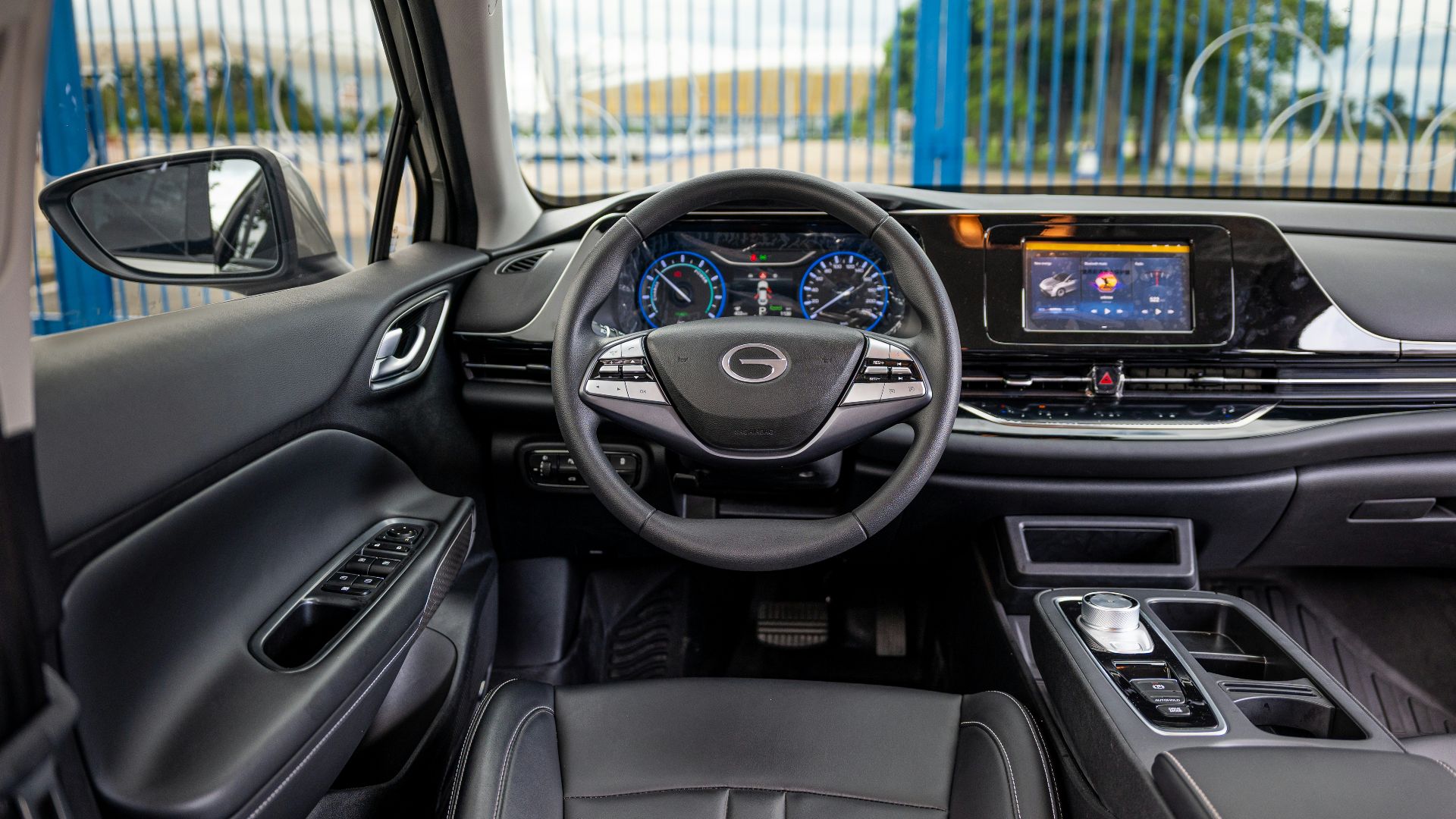
This is the part many drivers miss. If the manual says premium is required, you should use it because the engine was designed for that fuel. If the manual says premium is recommended, the car can usually run on regular, though you may notice a drop in performance or fuel economy. If the manual says regular is fine, then regular is fine.

Modern Engines Are Smarter Than They Used to Be
Today’s engines use knock sensors and engine software to watch for combustion problems. If lower-octane fuel makes the engine get close to knock, the computer can adjust timing and other settings to protect it. That means many vehicles can safely run on regular even if they perform best on premium. The tradeoff is usually less power, not engine damage.
Why a Dealer Might Push Premium Anyway
Sometimes a dealer employee is being extra cautious, especially with turbocharged or higher-output engines. Sometimes they are just giving simple advice by saying premium is better across the board. In other cases, they may be repeating a common myth that more expensive gas always protects the engine better. But unless they can point to a manual update or official service bulletin, their opinion should not outweigh the published fuel spec.

Will Regular Gas Damage the Engine?
If the owner’s manual clearly says regular fuel is allowed, using it should not damage the engine under normal driving conditions. Automakers account for real-world driving, weather, and fuel quality when they publish octane guidance. Engines that allow regular are tuned to protect themselves if conditions start to cause knock. Damage is more of a concern when drivers ignore a true premium requirement, not when they follow a manual that allows regular.

When Premium Really Is Necessary
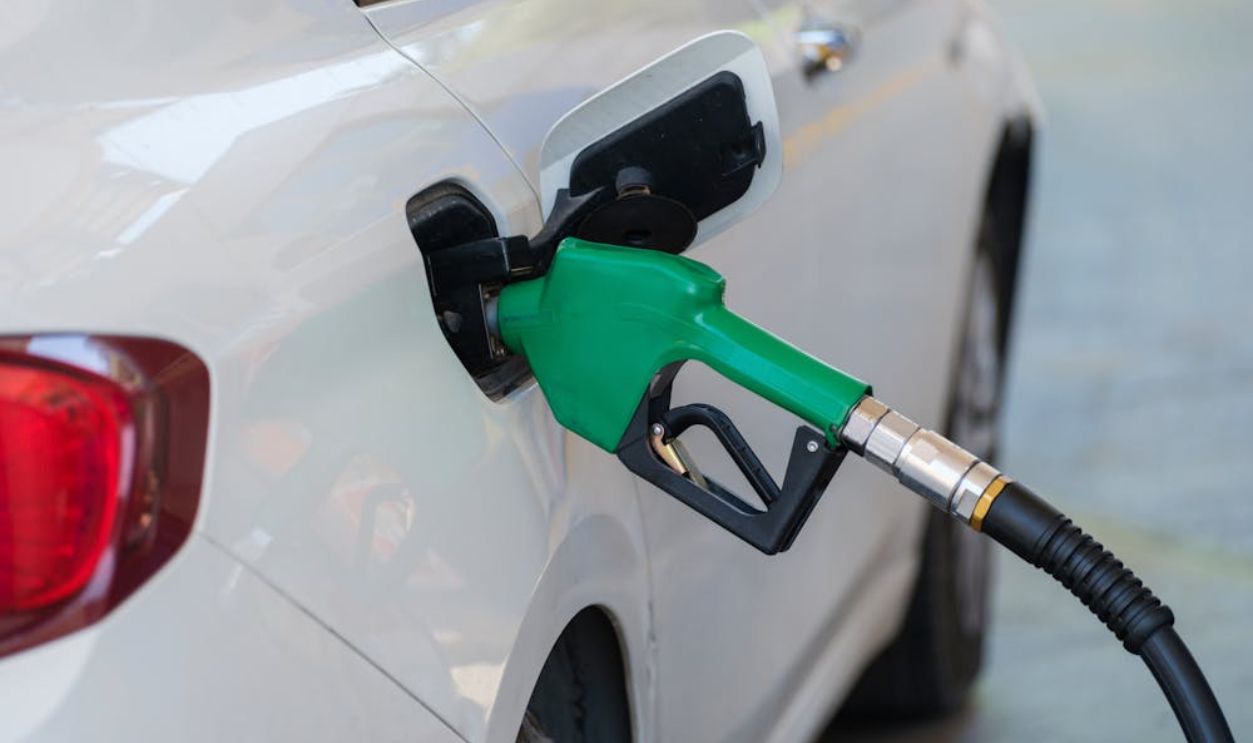
Premium fuel matters most in engines with high compression, forced induction, or performance tuning that gives less room for low-octane fuel. Some luxury and performance models really do require 91 or higher. In those vehicles, using lower octane can reduce performance and may cause drivability problems or long-term issues if the manufacturer says it is not allowed. The safest move is to follow the exact wording in the manual.
Turbo Engines Don’t Automatically Need Premium
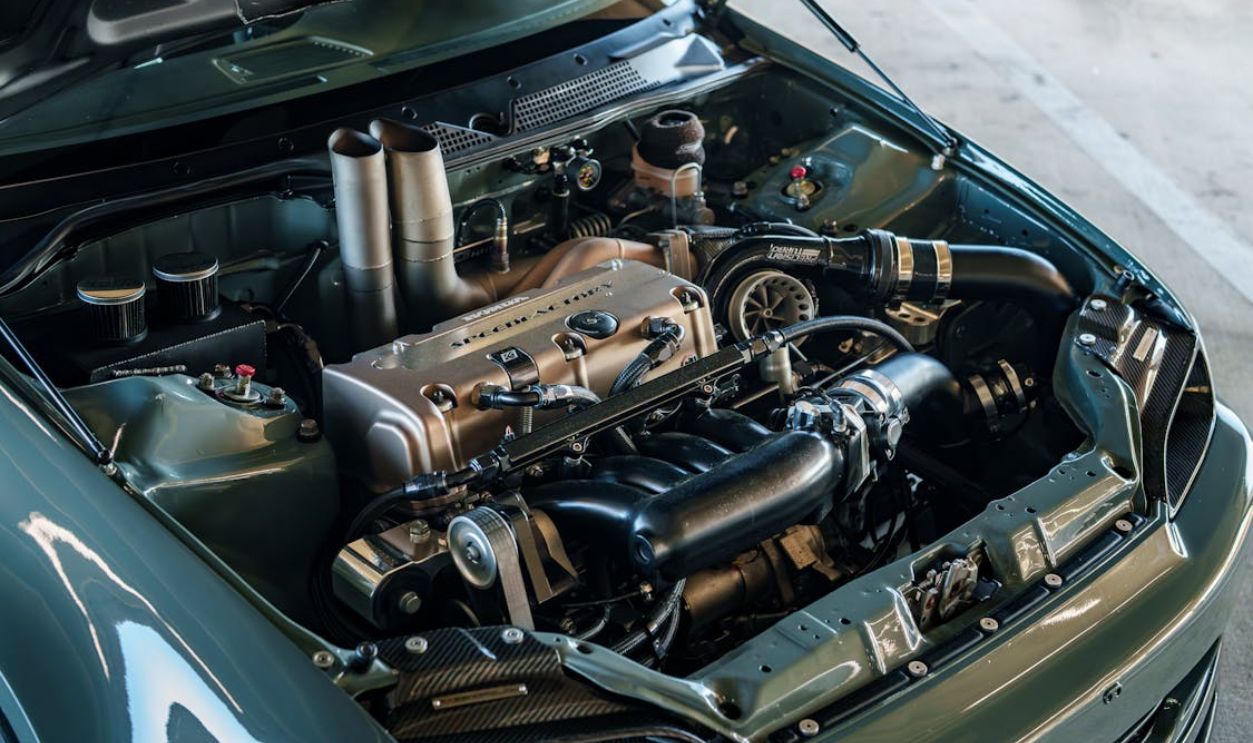
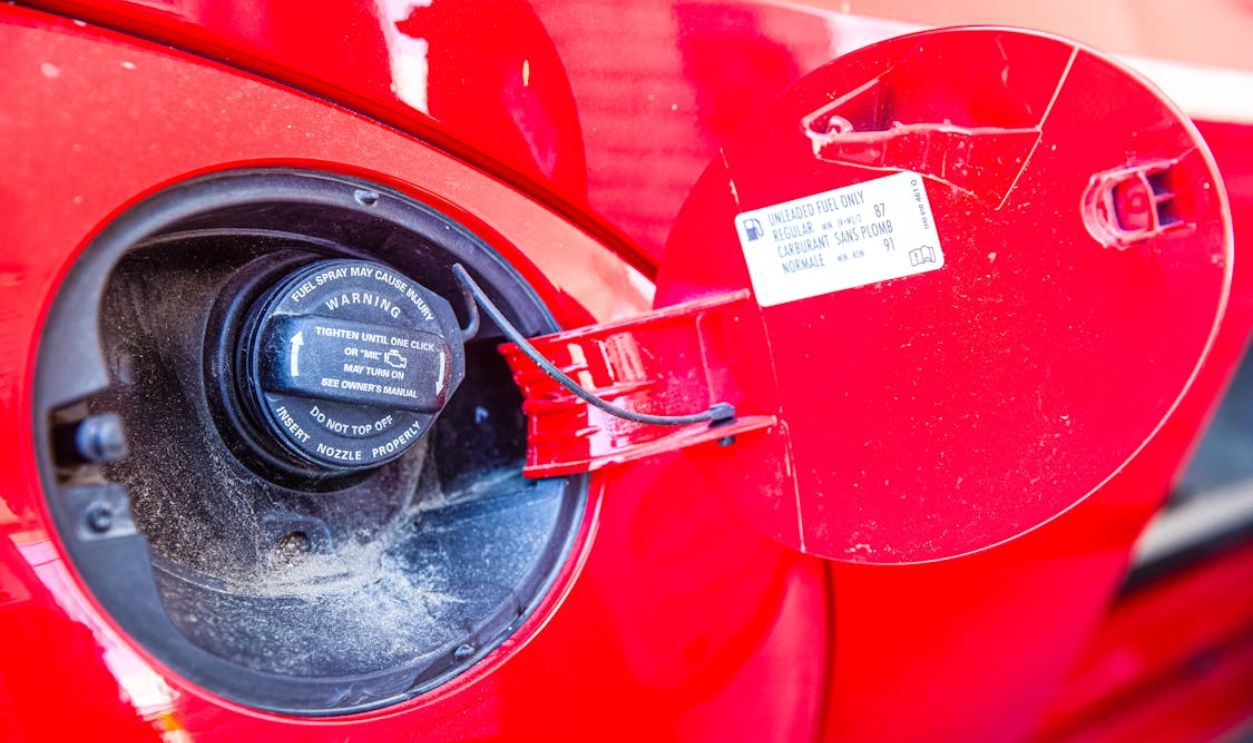
A lot of people assume every turbo engine needs premium, but that is not true. Many modern turbo engines are built to run on regular, while others recommend or require premium for full output. The only way to know is to check the fuel section of your owner’s manual or the label inside the fuel door if there is one. Engine design matters more than whether the car has a turbo badge.
What You Might Notice on Regular
If your manual says regular is acceptable but premium is recommended, the biggest difference is usually weaker acceleration under hard throttle. The engine computer may pull timing to avoid knock, which can slightly lower horsepower and torque. Some vehicles may also see a small change in fuel economy, though it often does not make up for the higher price of premium. For everyday commuting, many drivers barely notice any difference.

What You Probably Won’t Get From Premium
If your car is designed for regular, premium usually will not unlock hidden horsepower, smoother operation, or major fuel savings. AAA testing has found that drivers of vehicles that do not require premium generally see no meaningful benefit from paying extra for it. Premium is not a general maintenance product. It is simply the right fuel for engines that need higher octane.

Top Tier Gas Is a Different Conversation
People often mix up octane with detergent additives, but those are separate things. Top Tier gasoline is a voluntary standard for deposit-control additives, and it can be found in regular, midgrade, and premium fuel. If you want fuel with stronger detergent packages, look for a Top Tier brand instead of assuming premium automatically gives you that. In other words, a Top Tier regular fuel may be a better choice than a non-Top Tier premium.
Altitude Can Change the Numbers You See
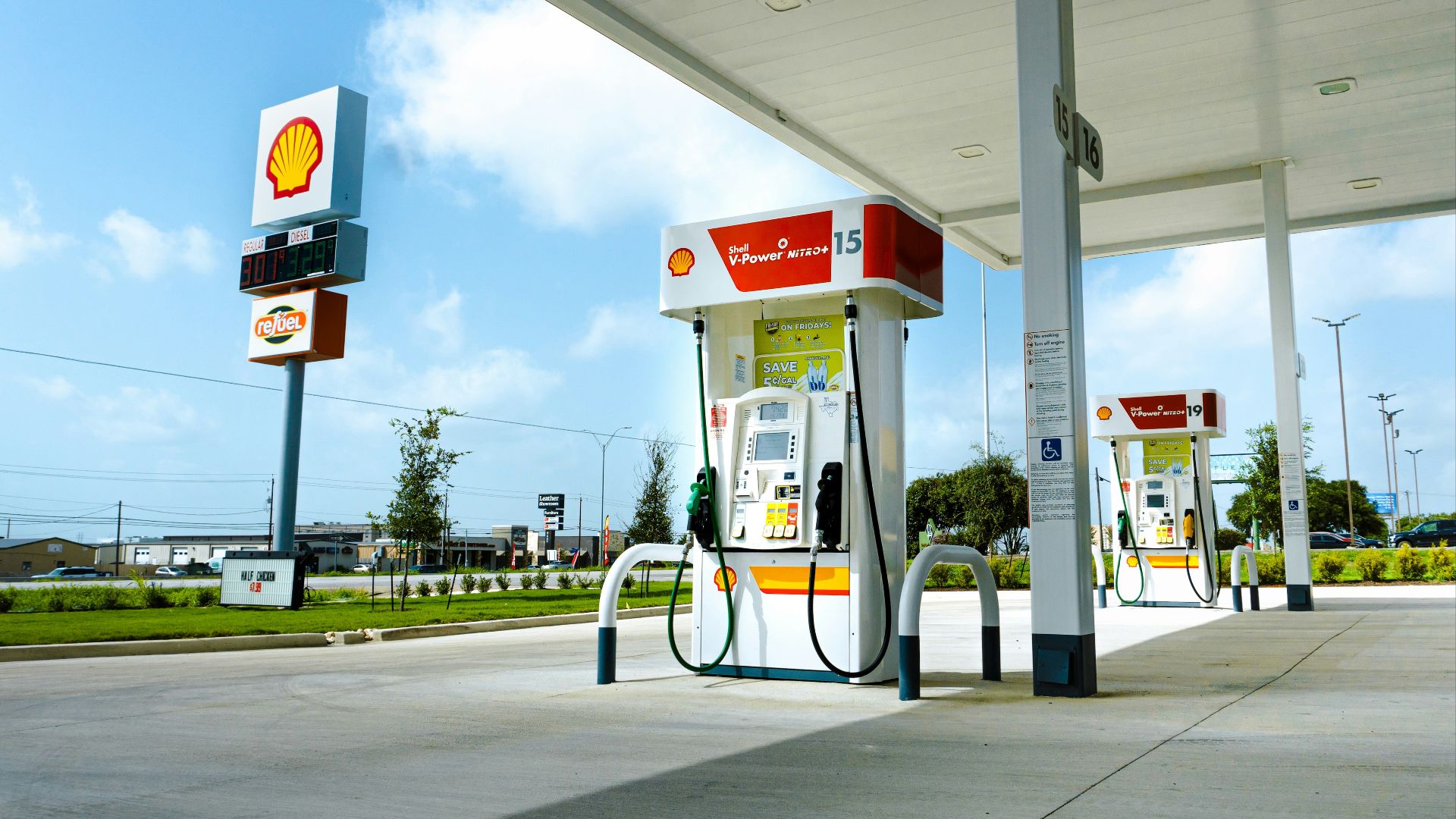
In some high-altitude areas, regular gasoline may be sold as 85 octane instead of 87. That can be normal in those markets, though automakers may still list a minimum octane requirement in the manual. The Federal Trade Commission explains how octane labeling works, and your owner’s manual is still the best guide for your specific vehicle. If the local pump rating looks different from what you are used to, compare it carefully with the manufacturer’s instructions.
Heat, Towing, and Hard Driving Matter
Even in cars that can run on regular, demanding conditions can make premium more useful if it is listed as recommended. High heat, steep grades, heavy loads, and aggressive driving all increase the chance of knock. In those situations, higher octane may help the engine keep its best timing and performance. That still does not mean regular is harmful if the manual approves it, but premium can help a bit in tougher conditions.

The Fuel Door Sticker Can Help
Many vehicles have a label near the fuel filler that says Premium Required, Premium Recommended, or lists a minimum octane. That sticker can be a useful quick reference, especially if the manual is not nearby. Still, the owner’s manual usually gives more detail, including whether lower octane is allowed temporarily or all the time. If the sticker and manual seem to conflict, check for exact model-year wording and ask the manufacturer directly.
Service Advisors Are Not the Final Authority
Dealer staff can be helpful, but they are not the engineers who approved the vehicle. Advice from the service desk may come from habit, caution, or misunderstanding rather than your exact engine setup. The manufacturer’s manual, official website, and technical service info carry more weight. If someone says regular will damage the engine even though the manual says otherwise, ask them to show written proof from the automaker.

What About Warranty Concerns?
If you use the fuel specified or allowed in the owner’s manual, you are generally following the manufacturer’s instructions. That matters if a warranty issue ever comes up. A dealer would have a hard time arguing misuse if you used an octane level the automaker clearly says is acceptable. Keeping receipts is not a bad idea if you want extra peace of mind, but the main protection is following the manual.

How to Read the Manual Carefully
Look for exact phrases like required, recommended, for best performance, or minimum octane rating. Those words matter a lot. Some manuals also explain that lower octane may reduce power, increase engine noise, or affect towing performance without causing damage. Reading the fine print can settle most fuel debates in a minute or two.

If You Hear Knocking, Don’t Ignore It
Even if your car is approved for regular, constant knocking, pinging, or rough operation should be checked out. Bad fuel, carbon buildup, sensor problems, or other mechanical issues can cause symptoms that octane alone will not fix. If the engine sounds wrong, try a different reputable station and talk to a mechanic if the problem continues. The answer is not always to buy premium forever.
Premium Can Cost More Than It Pays Back
The price gap between regular and premium adds up fast over time. If your vehicle does not require premium and only gets a small benefit from it, the extra cost may not make sense. Consumer advice from AAA and others has repeatedly found that many drivers spend too much on premium when they do not need it. That money might be better spent on oil changes, tires, or quality fuel from a reputable brand.

There’s No Secret “Better Gas” Loophole
It is easy to assume a more expensive product must be safer for your car, but gasoline does not work that way. Octane is a compatibility spec, not a general quality score. The right fuel is the one your engine was designed to use. Paying more than necessary does not automatically buy more protection.

How to Settle the Debate Once and for All
Open the owner’s manual and find the fuel requirements section for your exact model year, engine, and drivetrain. If it says regular unleaded is acceptable, then the dealer’s claim that regular will damage the engine is not supported by the manufacturer’s own instructions. If it says premium recommended, you can decide based on your driving habits and budget. If it says premium required, then the dealer is right on that point.

The Bottom Line for Most Drivers
When the manual says regular is fine, regular is the correct answer. Premium is only necessary when the automaker requires it, and it is only sometimes worth it when the automaker merely recommends it. Dealers can offer opinions, but the owner’s manual is the source that matters most. So if your manual allows regular, you can usually fill up with confidence and keep the extra money in your wallet.