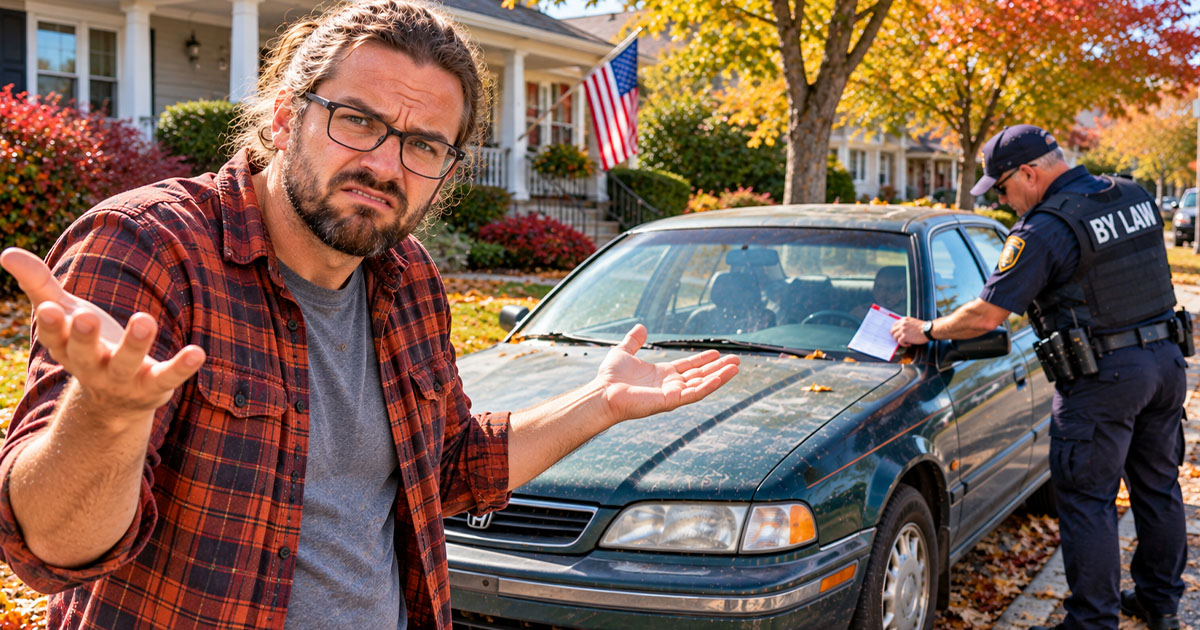
Apparently, My Car Looks Abandoned Now
You have an older car that spends most of the week parked outside your home, but you still drive it every weekend. Then someone reports it as "abandoned," officers show up, and you find a warning attached to it. How can a car you regularly drive possibly be considered abandoned, and were the officers actually justified in warning you?
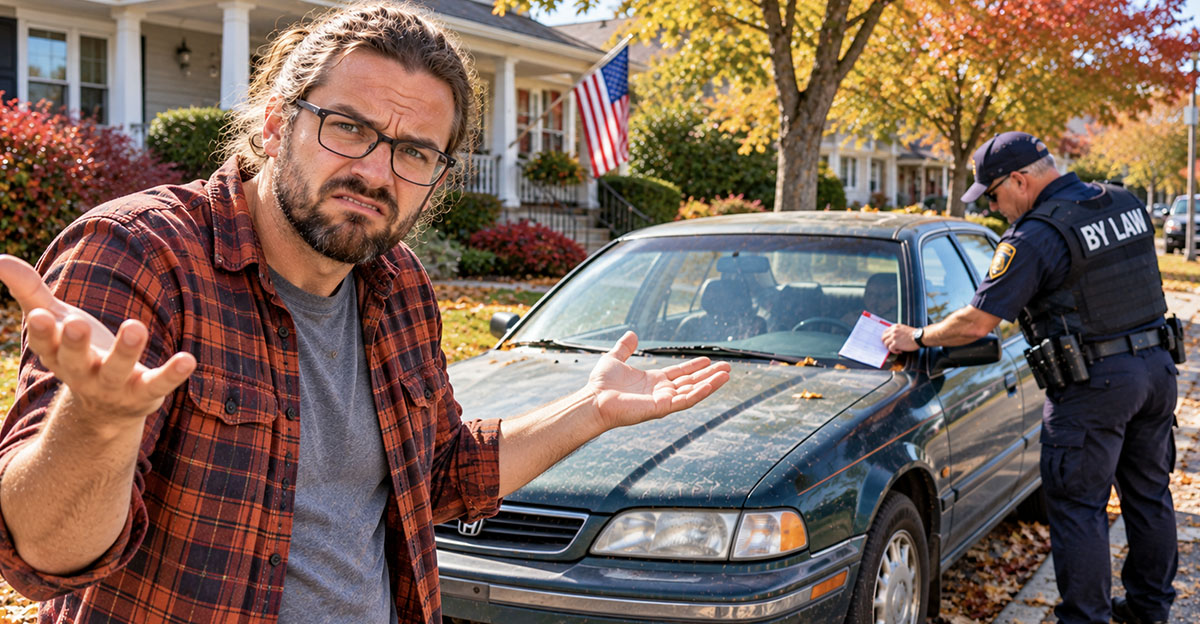
"Abandoned" Doesn't Necessarily Mean What You Think
Most people hear "abandoned vehicle" and picture a rusted sedan sitting on four flat tires with weeds growing through the engine. Parking laws can work very differently. Depending on the city or state, a perfectly functional, registered vehicle can create an abandoned-vehicle or long-term-parking problem simply because it remains in one location too long.
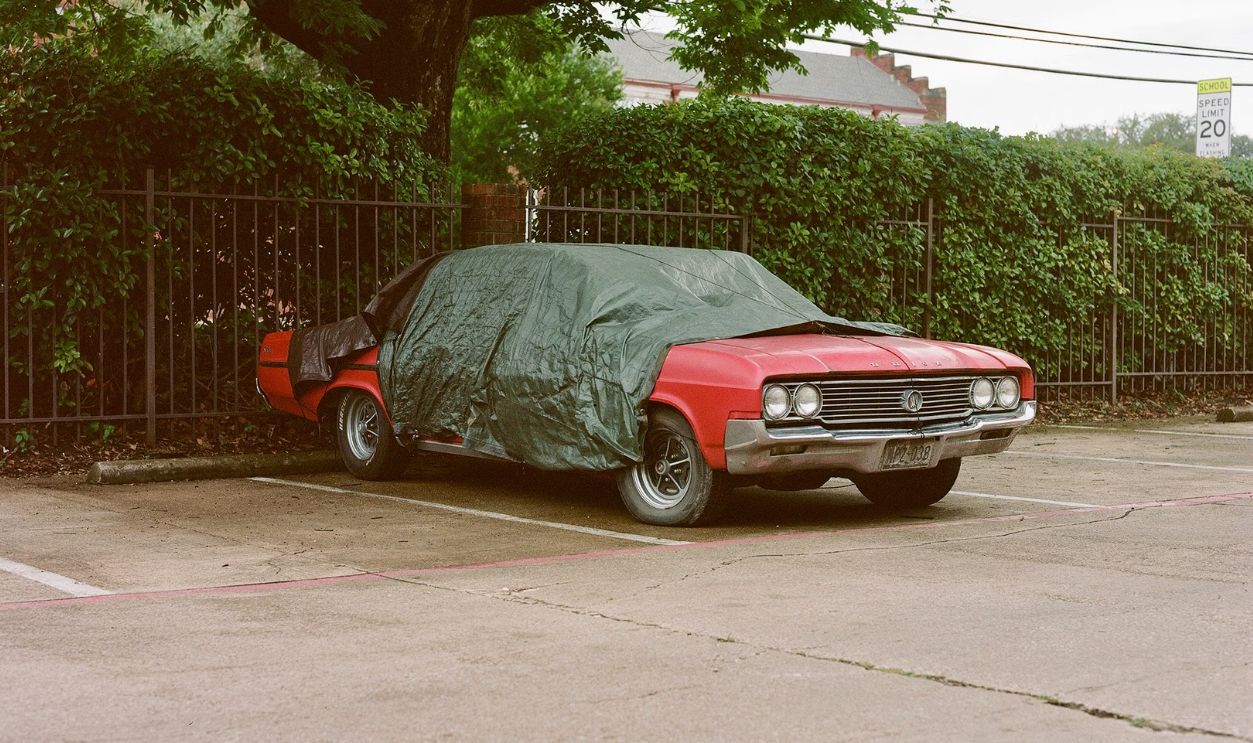
That's The First Important Distinction
There are really two questions here. Does your car look abandoned? And does it meet the actual legal requirements that allow authorities to ticket, tow, or otherwise treat it as an abandoned or illegally stored vehicle? Those answers aren't necessarily the same.

A Neighbor Doesn't Get To Make That Decision
Someone reporting your car doesn't magically turn it into an abandoned vehicle. The complaint generally alerts local authorities to investigate. Officers or parking-enforcement personnel then determine whether the vehicle violates the applicable state or local rules.

Your Neighbor May Have Simply Started The Process
Maybe someone noticed that the car spends Monday through Friday in the same place. Perhaps it's older, dusty, or rarely seems to move. They can report what they believe is an abandoned vehicle. That doesn't mean their conclusion is legally correct.

So What Technically Counts As "Abandoned"?
Here's where things get frustrating: there is no single nationwide definition that applies to every parked vehicle in America. States and cities establish their own rules. Some focus on how long the vehicle has remained in one location. Others consider whether it has plates, is operable, is parked on public or private property, or has been left without authorization.
 https://kaboompics.com/, Pexels
The Time Limit Can Be Surprisingly Short
You might assume a vehicle needs to sit untouched for weeks before anyone cares. Not necessarily. Oregon law, for example, provides a process for taking custody of a vehicle authorities have reason to believe is disabled or abandoned after it has been left on a public way for more than 24 hours without authorization under applicable law.

Other Cities Give You Considerably Longer
New York City handles reports differently depending partly on whether the vehicle has license plates. Its 311 guidance allows a vehicle with at least one fixed metal plate or in-transit registration plate to be reported after it has remained on public property for at least 48 hours. Notice how dramatically those rules can differ.

Then There's The Famous 72-Hour Rule
Several American cities have restrictions on leaving vehicles continuously parked on public streets. Seattle, for example, prohibits leaving a vehicle on the same block of a city street for more than 72 consecutive hours. The rule applies even when there isn't a sign specifically announcing the 72-hour limit.
And Now We Have A Problem With "Every Weekend"
Suppose you park your car Sunday night and don't drive it again until Saturday morning. That's roughly five or six days in one spot. In a city with a 72-hour continuous-parking rule, driving the vehicle every weekend wouldn't necessarily protect you. You could still exceed the allowable parking period during the week.

That Might Be What The Officers Were Looking At
The officers don't necessarily know your driving habits when they arrive. They see a vehicle that someone reported, check its condition and registration, and may have information suggesting it has remained in the same location for longer than local rules permit. Saying, "But I drive it every Saturday," may not answer the relevant question.

The Question Could Be How Long It Sits Between Drives
This distinction is easy to miss. A car doesn't necessarily have to be permanently deserted before local parking enforcement can act. A city may separately prohibit using a public street for long-term vehicle storage, even when the owner still uses the vehicle occasionally.
Your Car's Condition Can Attract Attention
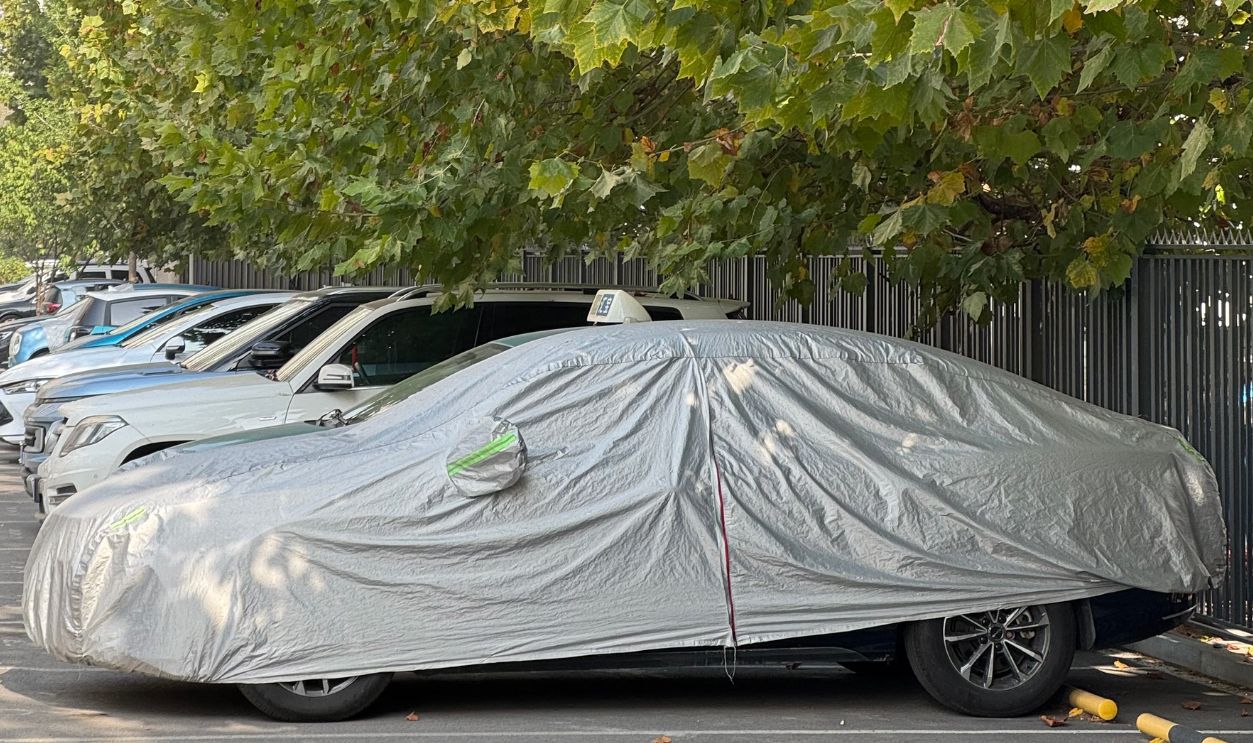
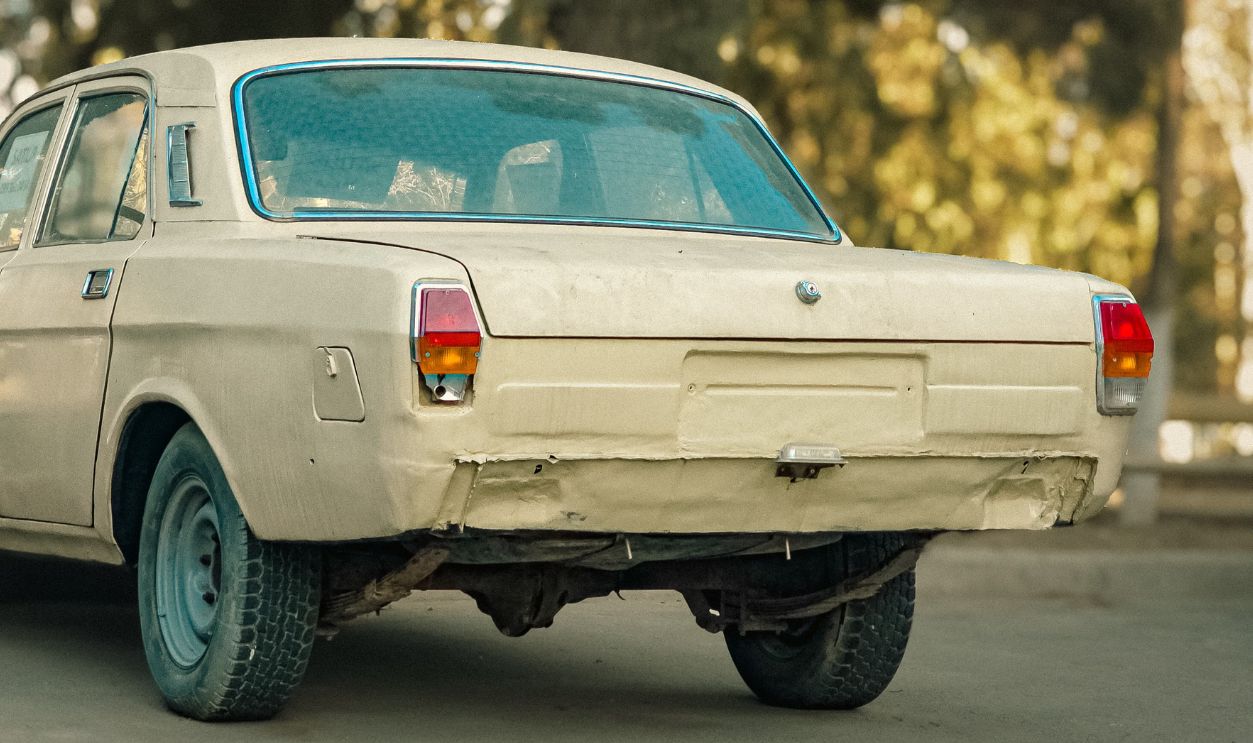
Certain things make a vehicle look more suspicious to neighbors and enforcement officers. Flat tires, accumulated debris, broken windows, missing plates, expired registration, obvious damage, or a car that hasn't visibly changed position in days can all make someone wonder whether it has been abandoned.

But Looking Ugly Isn't The Same As Being Abandoned
Your faded 1998 sedan doesn't lose its legal rights because somebody thinks it's an eyesore. If it's registered, operable, legally parked, and moved as frequently as local law requires, its age and appearance alone generally aren't enough to establish that it violates a time-based parking restriction.

License Plates Can Make A Huge Difference
Missing plates can dramatically change how authorities treat a vehicle. New York City's current 311 guidance, for example, distinguishes vehicles with plates from those without them when processing abandoned-vehicle complaints. That's a good reminder that registration and plate status can be legally significant.
Being On Your Own Property Changes Things Too
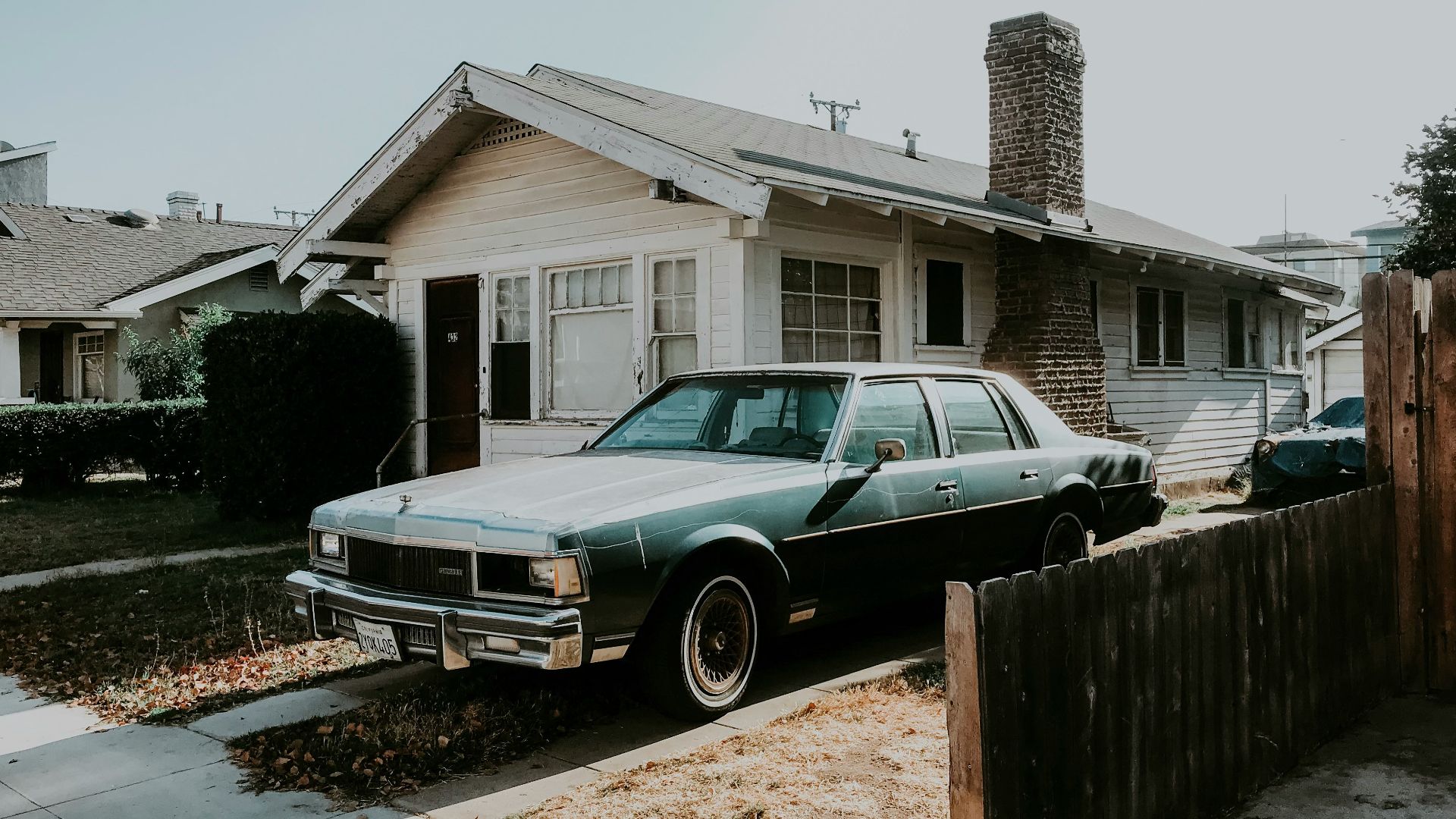
Where the vehicle is sitting matters enormously. A car parked on a public street is subject to public parking regulations. A vehicle sitting in your private driveway is a different situation, although local property-maintenance ordinances, zoning rules, HOA requirements, or rules governing inoperable vehicles can still potentially apply.
Apartment Parking Lots Add Another Layer
If you're using an apartment or condo parking lot, don't assume public-street rules answer the question. Your lease, parking agreement, HOA rules, or property-management policies may regulate stored, unregistered, or apparently inoperable vehicles independently of municipal street-parking rules.

So Were The Officers Wrong To Give You A Warning?
Not necessarily. A warning is not the same thing as a final determination that you've illegally abandoned your vehicle. In fact, some enforcement systems deliberately use warnings as the first step before issuing citations or towing vehicles. Seattle explicitly describes an official warning notice as its first enforcement step under its 72-hour rule, giving the owner time to move the vehicle and avoid further action.

That Makes The Warning Pretty Important
Don't throw it away because you know the vehicle isn't "really abandoned." Read every word. The notice may identify the ordinance, alleged violation, deadline, enforcement agency, and what you're expected to do next. That information tells you what authorities actually think is wrong.

Look For An Ordinance Number
This is probably your best next move. If the warning identifies a municipal code section, look it up on the city's official website. You want to know whether you're dealing with an abandoned-vehicle ordinance, a continuous-parking limit, expired registration, an inoperable-vehicle rule, or something else entirely.
 Christian Velitchkov, Unsplash
Don't Just Move It Six Feet
This is another potential trap. If the law requires the vehicle to leave a particular block or area, rolling forward into the next parking space may accomplish nothing. Seattle, for example, specifically instructs drivers subject to its 72-hour rule to move the vehicle off the blockface.

Moving The Car Regularly Could Solve Everything
If your city's limit is 72 hours and you're currently leaving the car untouched for five days, the solution may be remarkably simple. Drive it or legally relocate it before the limit expires. Keeping a basic note of when you moved it can also help if complaints continue.

Take Photos When You Move It
This might feel ridiculous, but repeated complaints can make documentation worthwhile. Take a quick timestamped photo showing the vehicle in its new location. You can also keep fuel receipts, mileage records, parking receipts, or other evidence showing the vehicle is actively used.

Make Sure The Car Looks Roadworthy
Check the easy stuff too. Keep the registration current, plates properly displayed, tires inflated, windows intact, and exterior reasonably maintained. You don't have to turn an old commuter car into a concours restoration, but obvious signs of neglect make repeated complaints more likely.

Talk To Parking Enforcement If The Warning Is Unclear
If the notice doesn't explain exactly what triggered it, call the agency listed on it. Ask what rule applies, how frequently the vehicle must be moved, how far it must be moved, and whether the warning will automatically clear once you comply. Getting those answers directly can save you from guessing.

What If You Actually Followed Every Rule?
Then document that too. If local law permits your car to remain where it is for the amount of time you're leaving it there, and the vehicle is properly registered and otherwise compliant, explain that to the enforcement agency. Ask what evidence led to the warning and whether there's a process for correcting the record.

The Neighbor Can't Create A Violation That Doesn't Exist
This part is worth remembering. A persistent neighbor could theoretically report your vehicle repeatedly. That doesn't give them authority to rewrite local parking law. What ultimately matters is whether your vehicle violates an actual statute, ordinance, or enforceable parking rule.

Here's The Question That Really Matters
How long does your local law allow a vehicle to remain continuously parked where yours is sitting? Not how frequently you use the car overall. Not whether your neighbor dislikes looking at it. Not whether you personally consider it abandoned. The continuous-parking limit may decide the whole issue.

So... Does A Car Driven Every Weekend Count As "Abandoned"?
Not automatically. Driving a vehicle every weekend is strong evidence that you haven't abandoned it in the everyday sense of permanently giving it up. But that does not guarantee you're complying with local parking laws. If your city prohibits leaving a vehicle on the same street or block for more than 24, 48, 72, or some other number of hours, a car that sits Monday through Friday could still violate that rule even though you regularly drive it.

And Were The Officers Right To Warn You?
They may have been. If they had reason to investigate an abandoned-vehicle complaint or believed the car had exceeded a local parking limit, issuing a warning can be a legitimate preliminary enforcement step rather than an accusation that you've permanently deserted the vehicle. Whether the underlying warning was justified depends on the specific ordinance and how long your vehicle had actually remained there.

Here's How To Stop This From Happening Again
Read the warning, identify the exact ordinance, and learn the maximum continuous-parking period for that location. Then make sure you move the car far enough and often enough to comply. Keep the registration current, maintain the vehicle in roadworthy condition, and photograaph its location occasionally if you're dealing with repeated complaints.
If you're only driving it once a week and your city has a shorter street-parking limit, consider off-street parking for the days you aren't using it. Because as bizarre as it sounds, "I drive it every weekend" and "I left it parked too long" can both be true at exactly the same time.

You May Also Like: