The Monthly Fuel Bill Caught Me Off Guard
I bought my pickup truck thinking it would be the perfect vehicle for the occasional home project, furniture haul, or weekend trailer trip. I never expected that the real shock would come every time I pulled up to the gas pump, where routine fill ups started taking a bigger bite out of my budget than I had ever imagined. If you've ever wondered whether the convenience of owning a truck is really worth the ongoing fuel costs, the answer may surprise you.
The Truck Was Not A Bad Purchase
Many people immediately regret buying a truck when fuel prices rise. That does not necessarily mean the purchase was a mistake. The real question is whether the truck's capabilities match how often you actually use them.
 Raysonho @ Open Grid Scheduler / Scalable Grid Engine, Wikimedia Commons
Occasional Hauling Changes The Math
If you haul a trailer every weekend or carry heavy loads for work, a pickup often makes perfect financial sense. If you only fill the bed a handful of times each year, the calculation becomes very different. Paying for capability you rarely use can become surprisingly expensive.
Fuel Economy Adds Up Faster Than Expected
Many buyers focus on the purchase price and monthly payment. Fuel costs continue for as long as you own the vehicle, and they fluctuate with gasoline prices. Even modest differences in miles per gallon can translate into hundreds or thousands of dollars over several years.
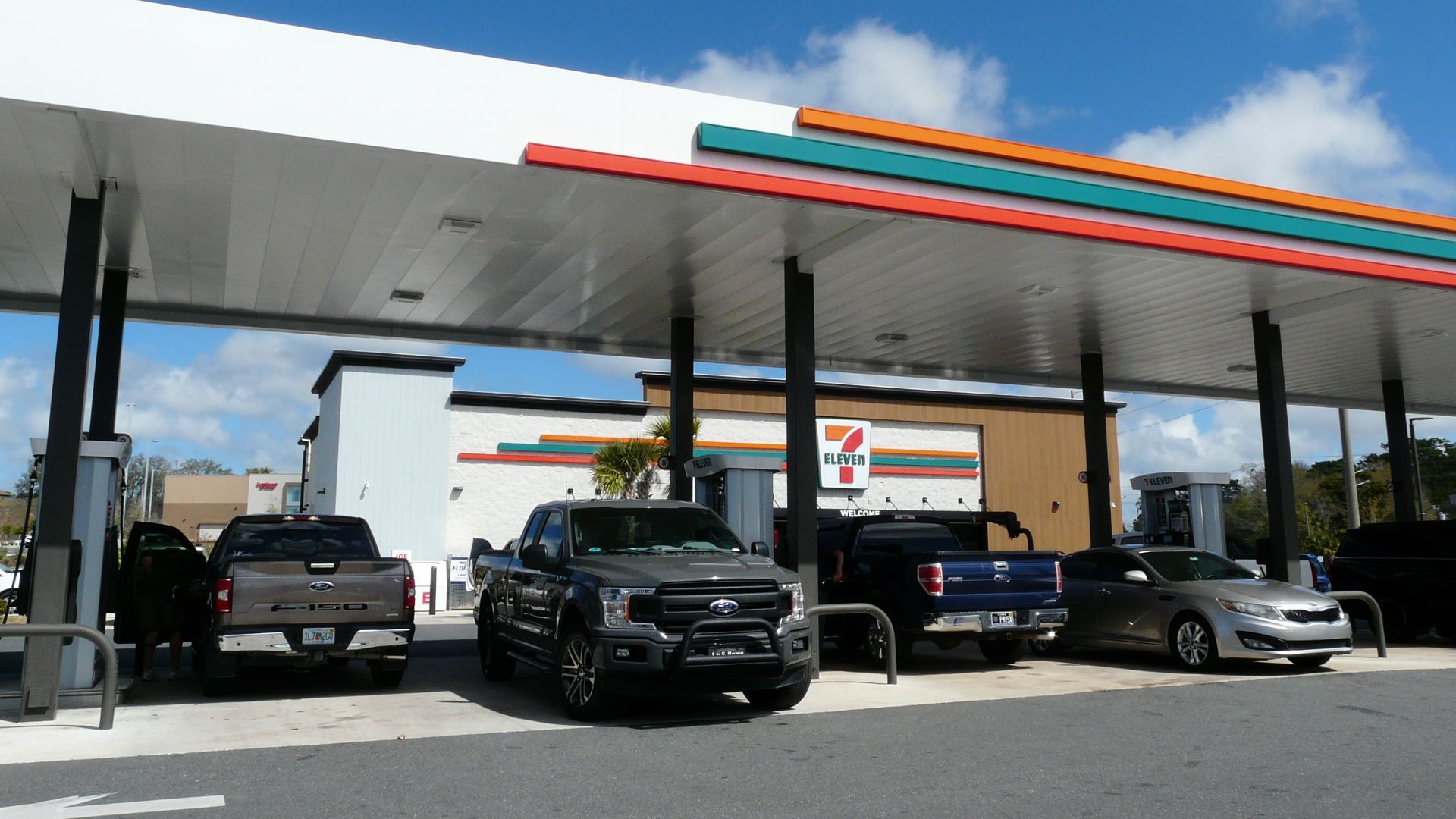 The Bushranger, Wikimedia Commons
Bigger Trucks Usually Burn More Fuel
Modern full size pickups have become more efficient than older models, but they still generally consume more fuel than midsize sedans or many crossovers. Their greater weight, larger engines, and taller shape all work against fuel economy. The tradeoff is capability rather than efficiency.
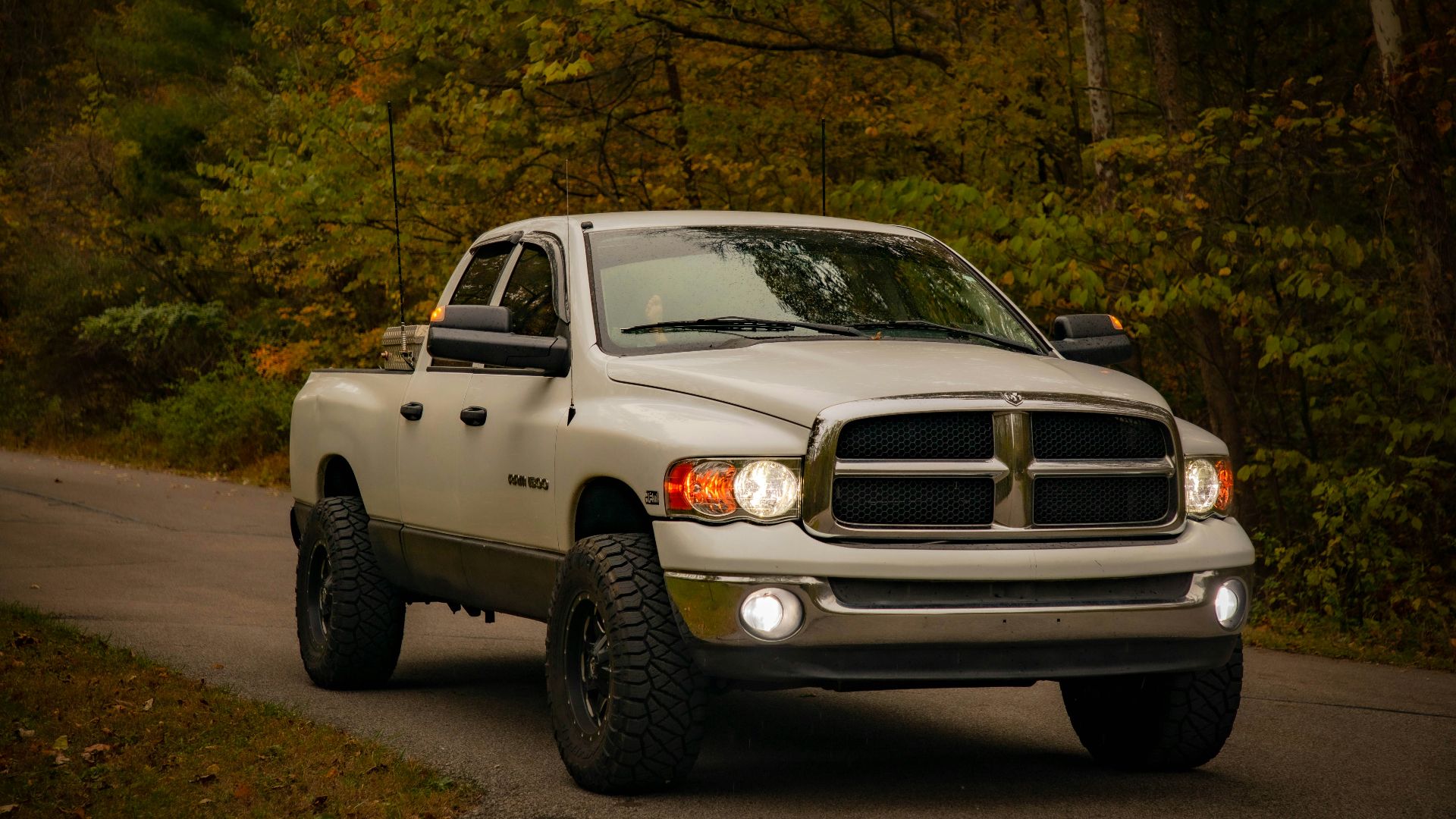
Real World Mileage Is Not Always The Sticker
EPA fuel economy estimates are valuable for comparing vehicles, but they are not guarantees. Driving style, weather, terrain, speed, cargo, and traffic all affect real world fuel consumption. Two owners of the same truck can see noticeably different results.

Highway Driving Can Help
Pickup trucks generally achieve better fuel economy on steady highway trips than in stop and go city traffic. Frequent acceleration and braking require more energy, especially in heavier vehicles. Long commutes through urban traffic often magnify fuel costs.

Extra Weight Has A Price
Many owners leave heavy toolboxes, recovery gear, or equipment in the bed year round. Carrying unnecessary weight forces the engine to work harder. Removing cargo you rarely use can improve efficiency over time.
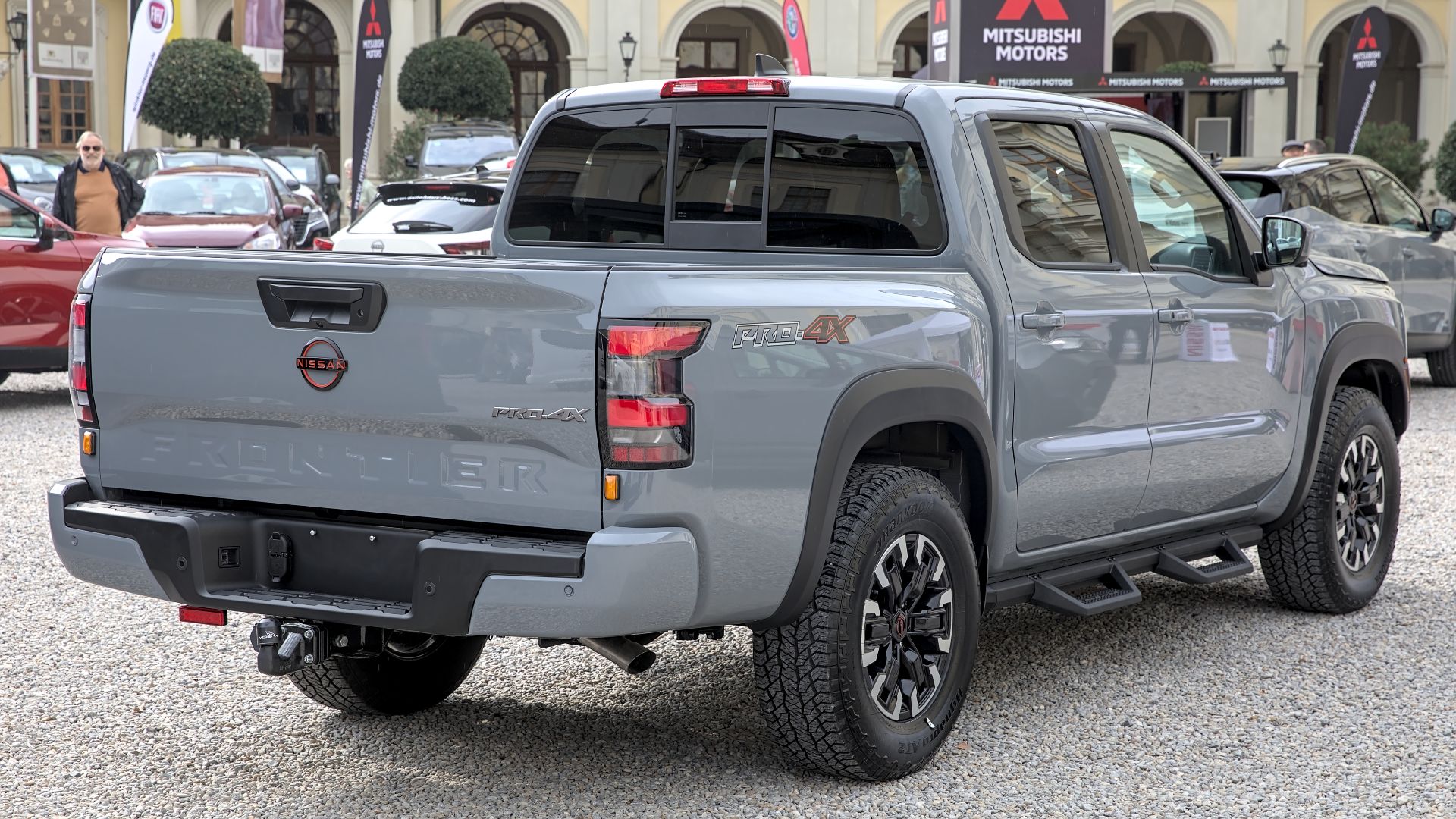 Alexander Migl, Wikimedia Commons
Accessories Can Reduce Efficiency
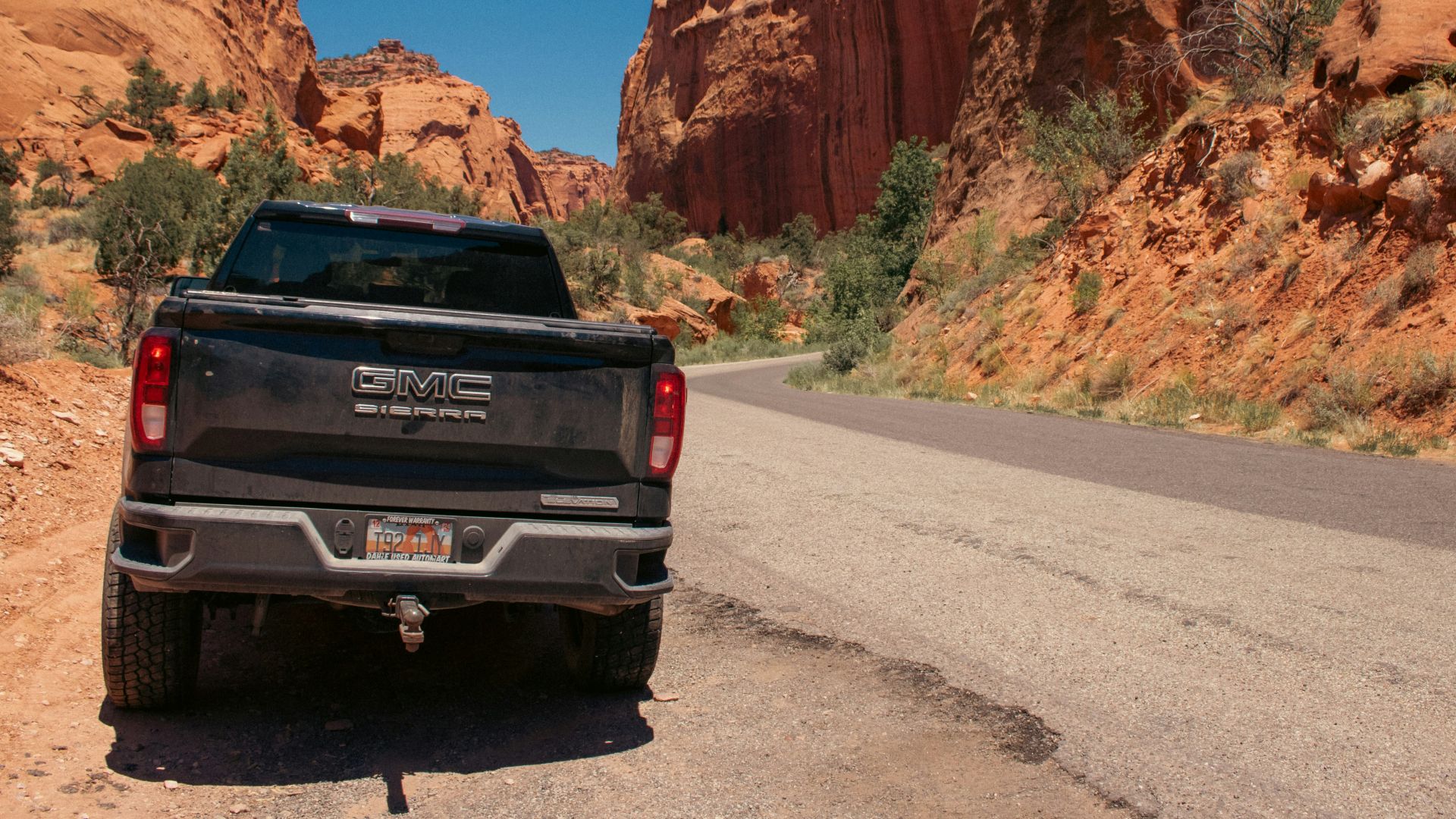
Lift kits, oversized tires, roof racks, and other modifications can increase aerodynamic drag or rolling resistance. While these upgrades may improve appearance or off road capability, they can also reduce fuel economy. That is another ownership cost worth considering.
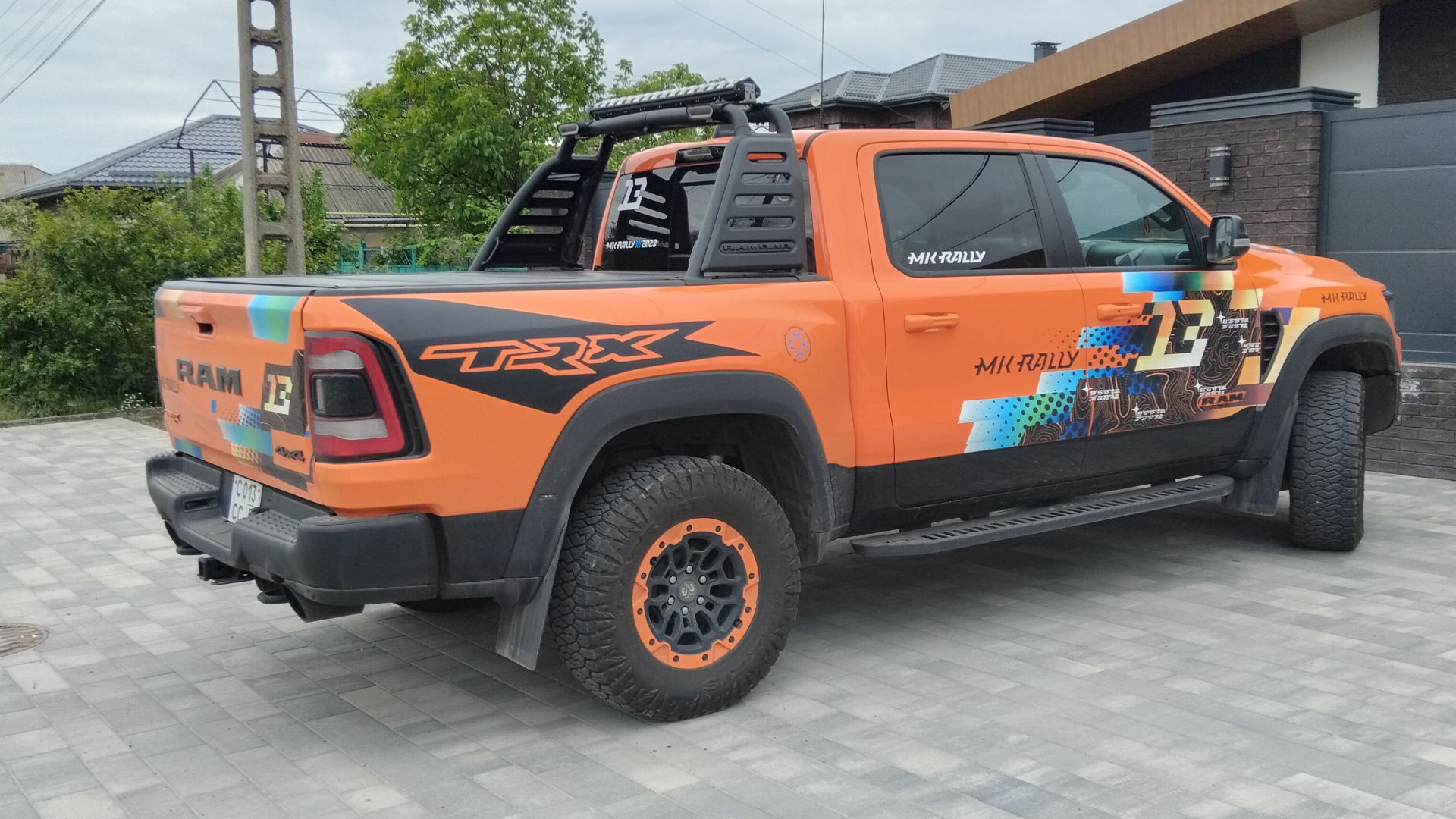
Speed Matters More Than Many Drivers Realize
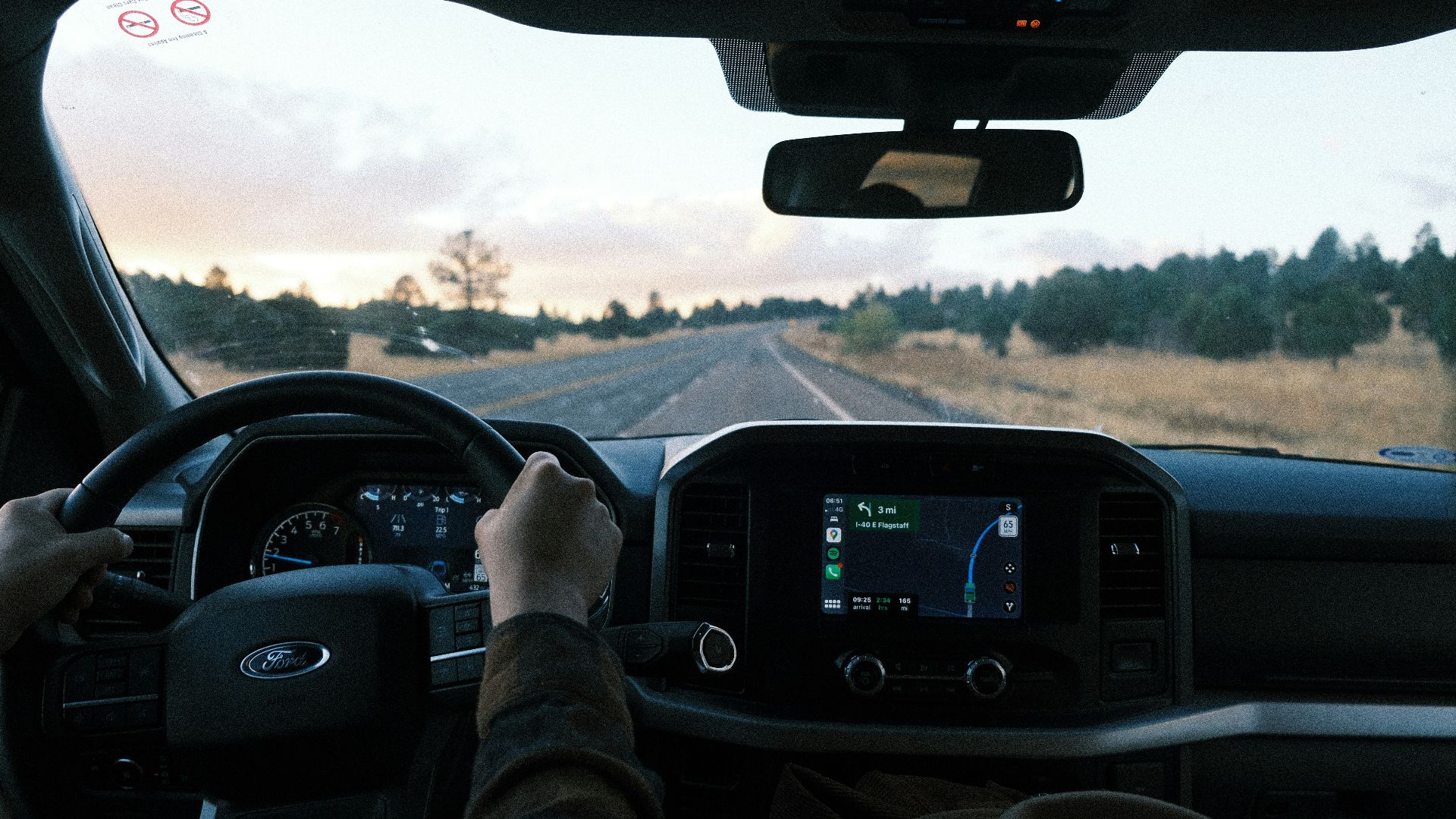
Driving faster on the highway typically increases fuel consumption because aerodynamic drag rises rapidly with speed. Simply slowing down a little can noticeably improve mileage during long trips. Small changes become meaningful over thousands of miles.
Short Trips Can Be Surprisingly Expensive
Cold engines operate less efficiently than warm ones. If most of your driving consists of short errands, your truck may never reach peak efficiency. That can make fuel costs higher than expected.
Fuel Prices Can Change Everything
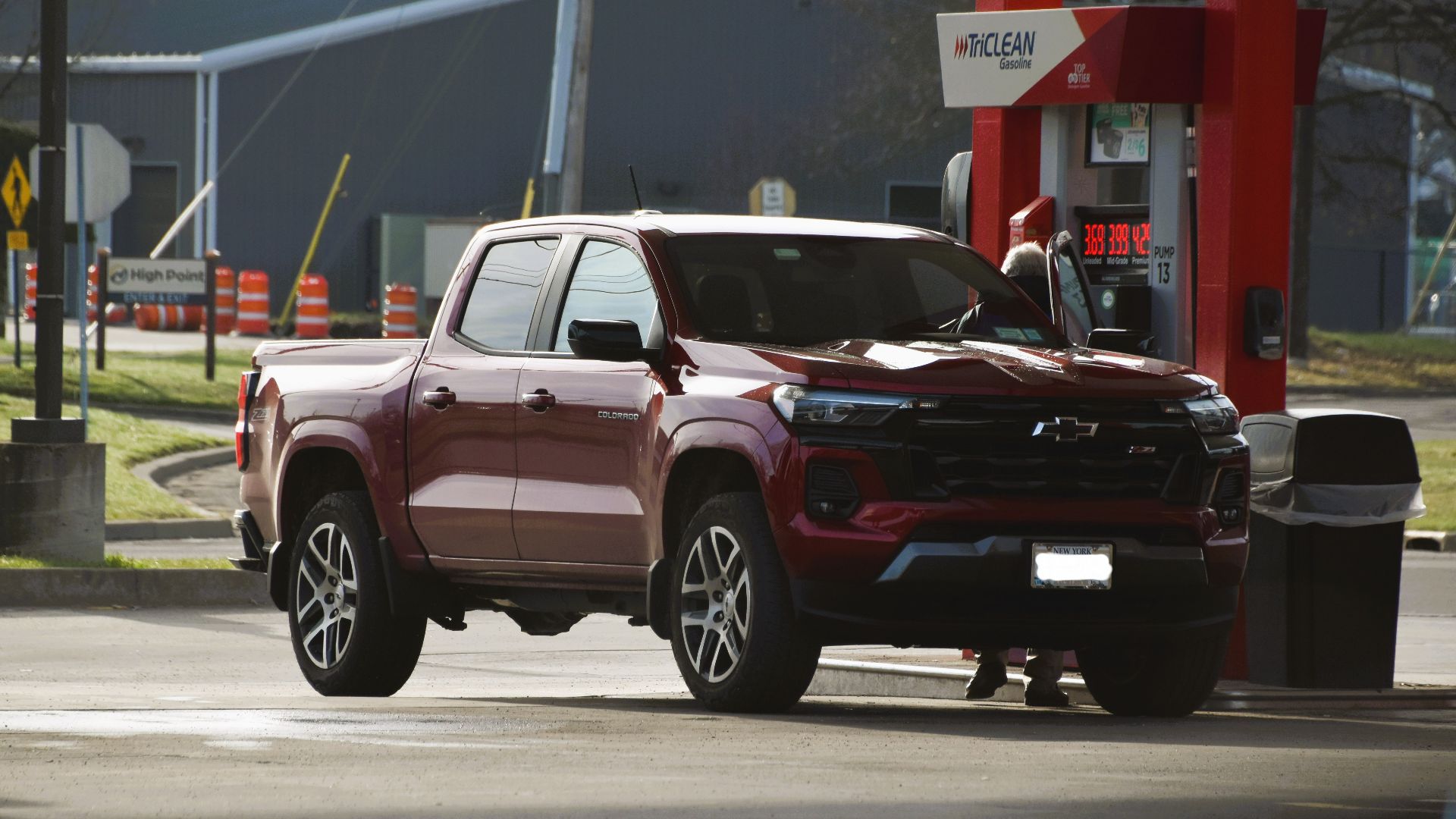
A truck that feels affordable when gasoline prices are low can become much more expensive when prices climb. Owners cannot control the market, but they do experience the impact every time they fill the tank. Budgeting for higher fuel prices is part of long term ownership.
 Charles from Port Chester, New York, Wikimedia Commons
Maintenance Still Matters
Regular oil changes, clean air filters, and properly inflated tires help any vehicle perform efficiently. Skipping maintenance rarely saves money over the long run. Good upkeep protects both fuel economy and reliability.
Do You Really Need Four Wheel Drive?
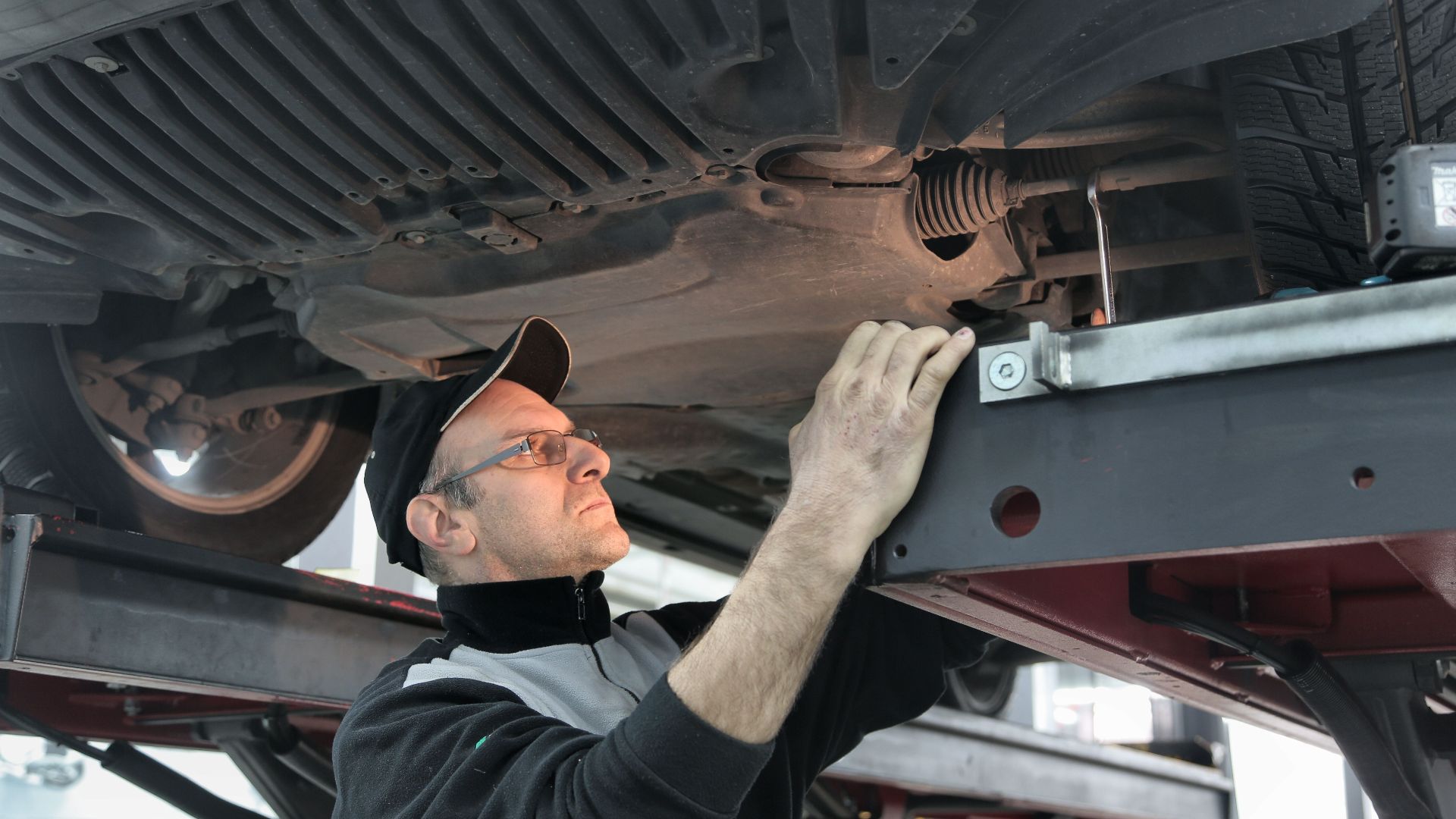
Four wheel drive is invaluable in snow, mud, and off road conditions. However, it adds weight and mechanical complexity compared with similar two wheel drive models. Drivers who rarely use it may be paying for capability they seldom need.
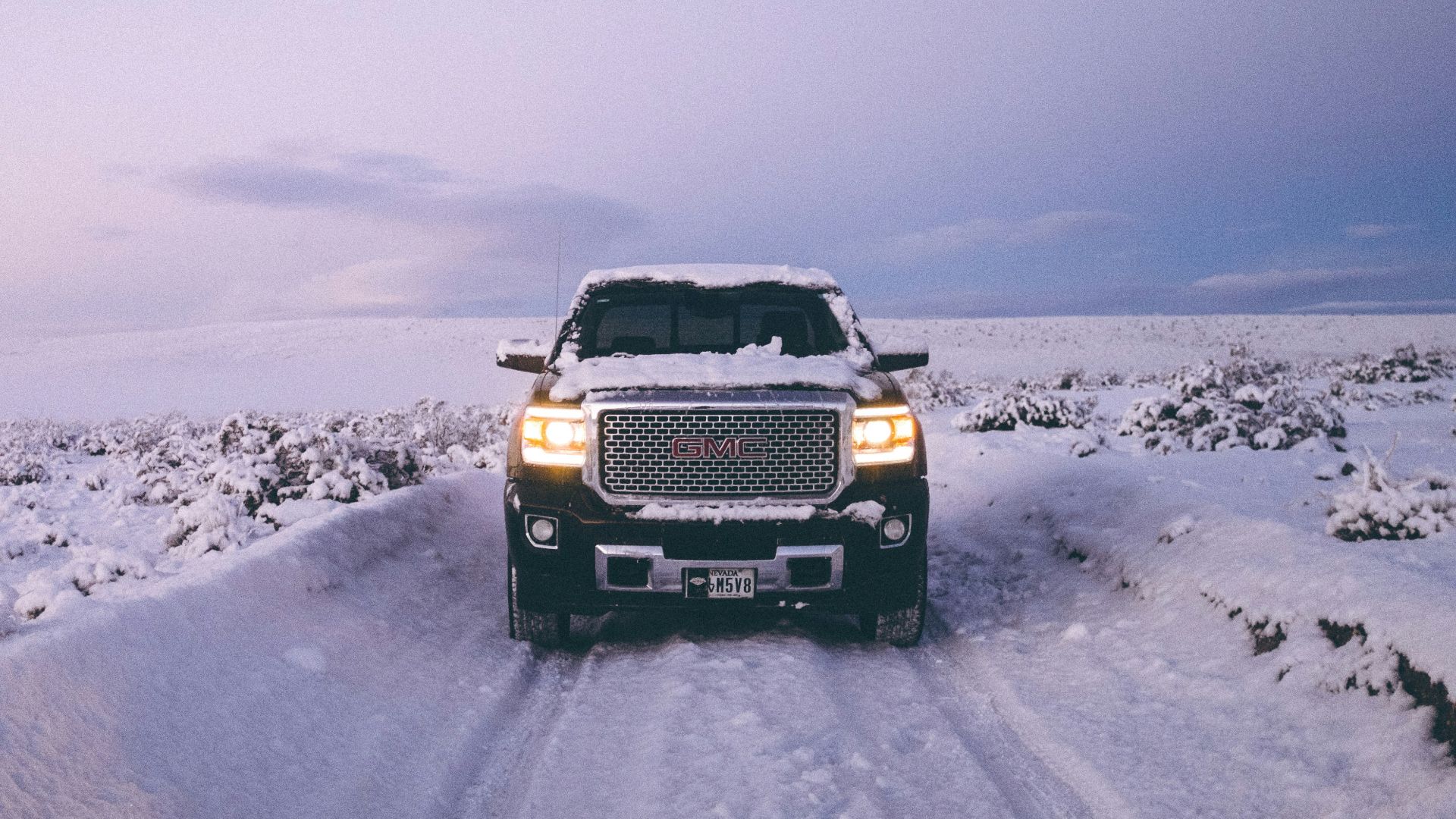
Towing Is Where Trucks Shine
A pickup's greatest advantage appears when heavy trailers or large loads enter the picture. Most crossovers and cars simply cannot match the towing capacity of a properly equipped truck. If you regularly tow, the fuel expense may be justified.
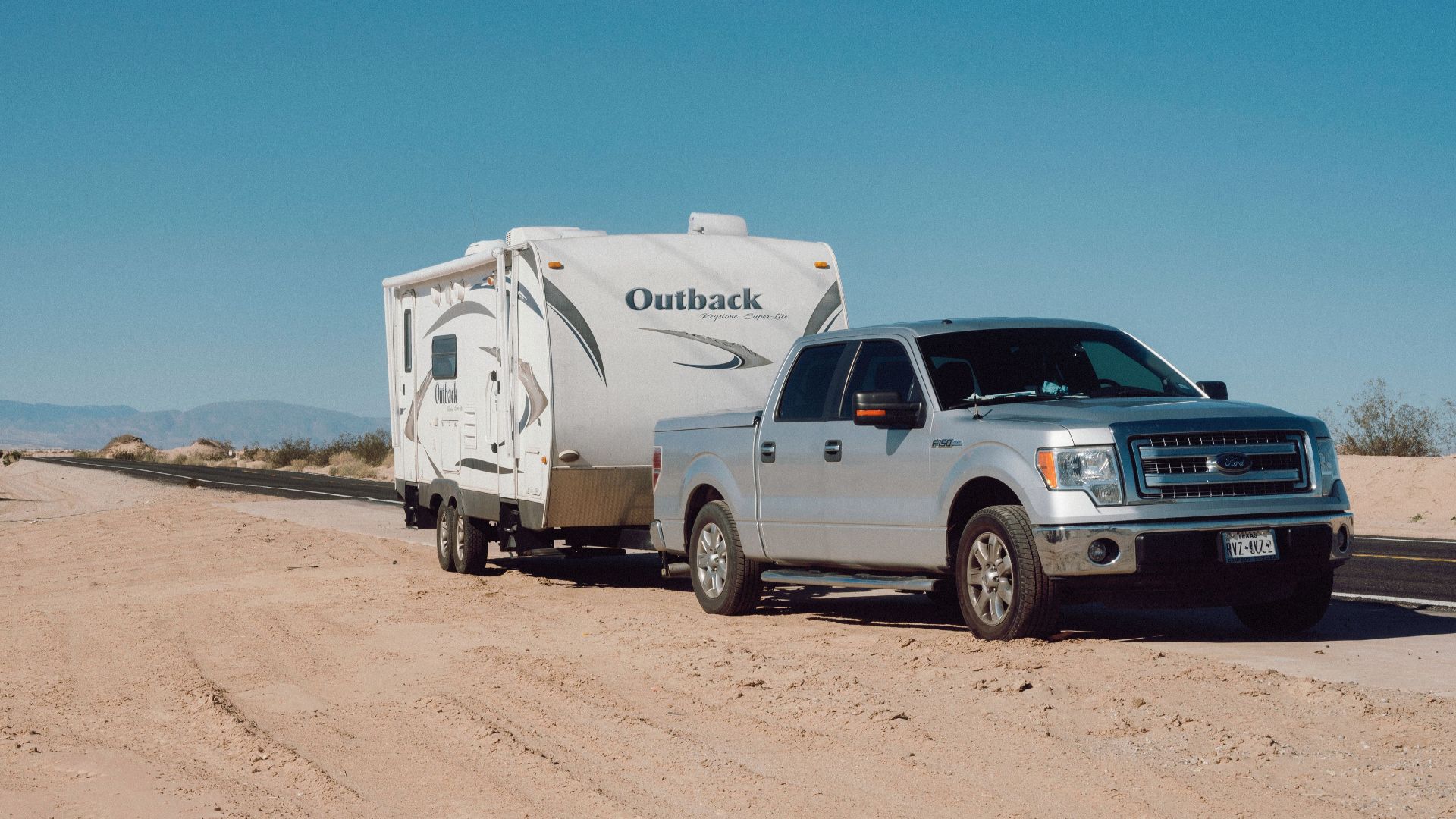
Renting A Truck Is Sometimes Cheaper
Some people only need a pickup a few weekends each year. In those cases, renting a truck when necessary can cost less than owning one full time. The answer depends on how frequently you actually need truck capability.

Could A Smaller Truck Have Worked?
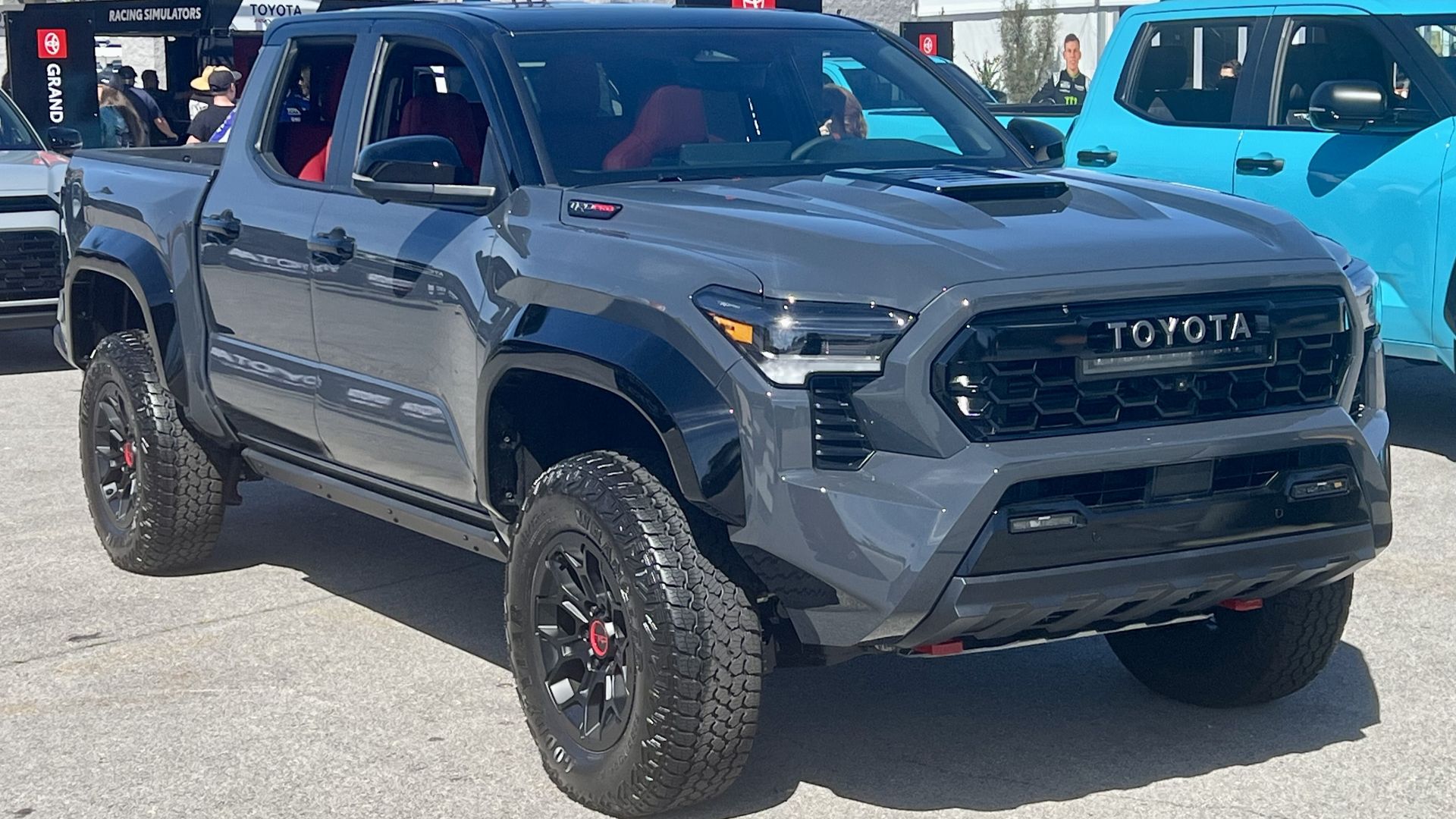
Midsize pickups have become increasingly capable over the past decade. Many can tow several thousand pounds while using less fuel than larger full size models. Buyers often discover that a midsize truck would have met nearly all of their needs.
 TaurusEmerald, Wikimedia Commons
Crossovers Have Become Surprisingly Practical
Modern crossovers can carry impressive cargo with the rear seats folded. Many also offer towing capacity suitable for small utility trailers, boats, or campers. For families that rarely haul heavy loads, they may provide a better balance.

Hybrid Trucks Change The Conversation
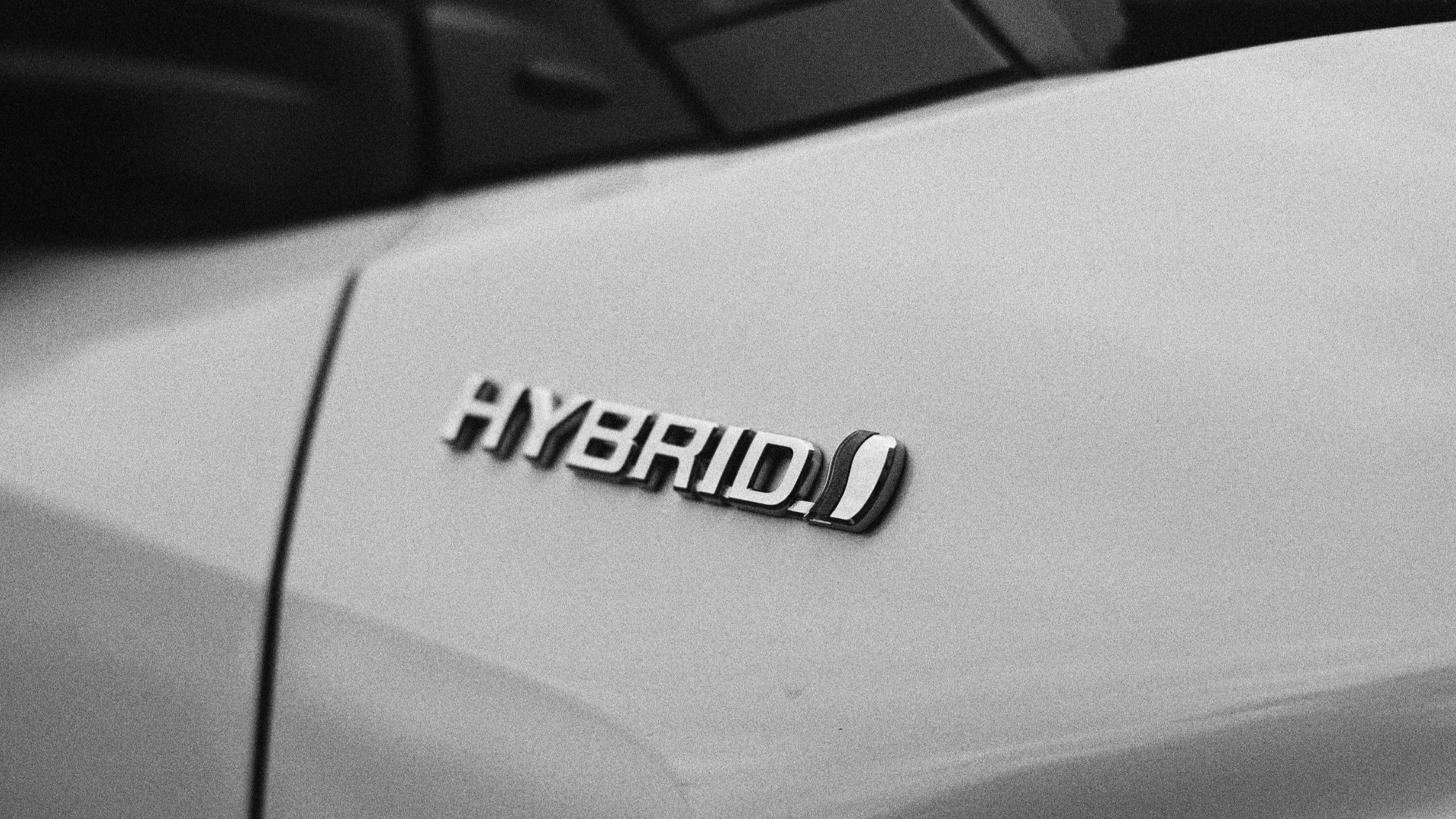
Several manufacturers now offer hybrid pickup options that improve fuel economy while maintaining useful towing and hauling capability. They may cost more upfront, but lower fuel consumption can offset part of that difference over time.
Do The Numbers Honestly
Emotion often plays a role in vehicle purchases. Sit down and calculate your annual fuel spending, insurance, maintenance, financing, and depreciation. Comparing those numbers against your actual hauling needs can provide a much clearer answer.

Comfort Has Value Too
Many owners genuinely enjoy driving pickups. They appreciate the seating position, cabin space, and versatility even when they are not hauling cargo. Personal satisfaction is part of ownership, provided it fits within your financial goals.

There Is No Perfect Vehicle
Every vehicle involves compromises. A compact car saves fuel but cannot tow much. A pickup handles demanding jobs with ease but generally costs more to operate. Choosing the right vehicle means deciding which tradeoffs matter most.
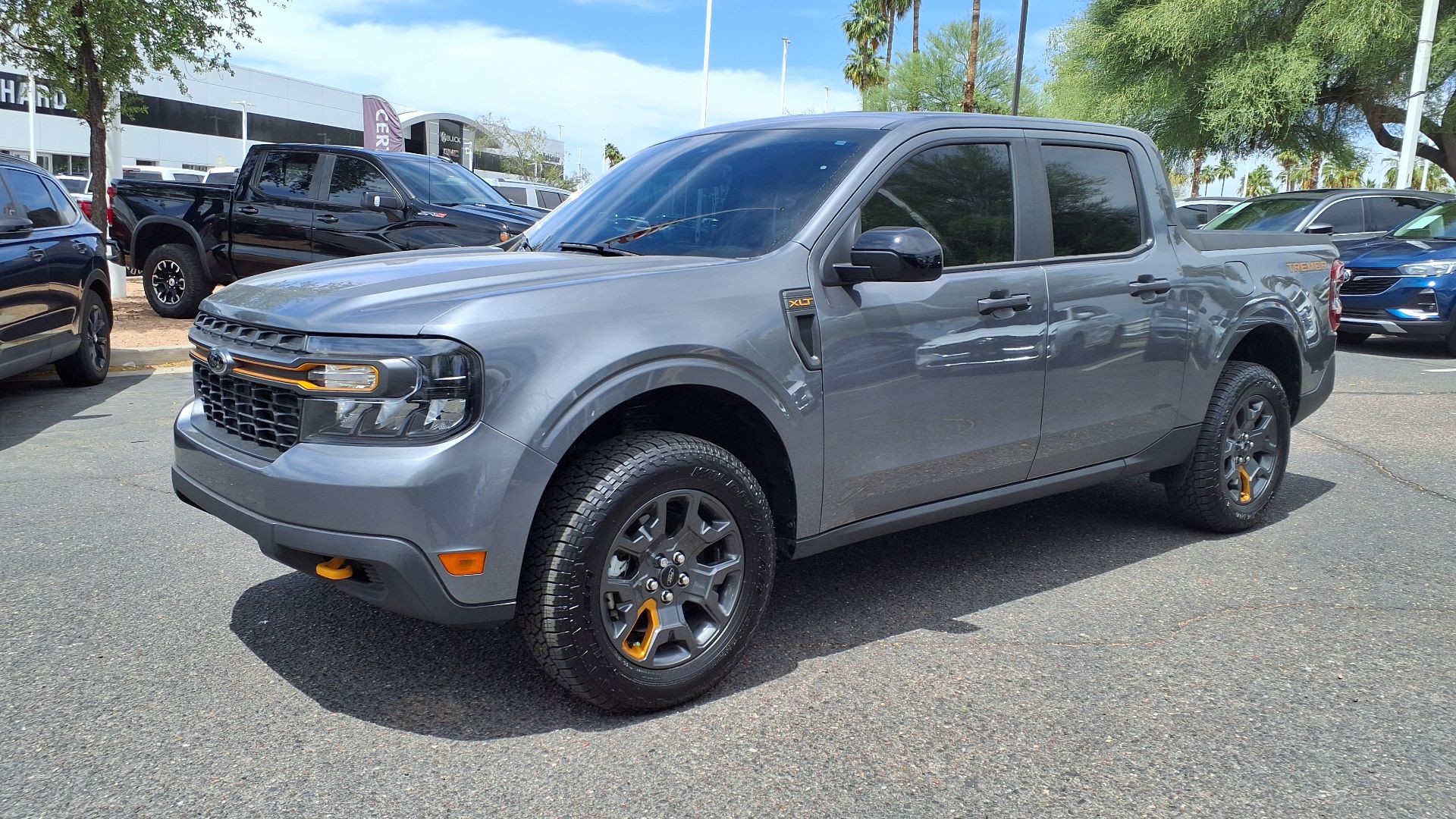
Selling Too Quickly Can Be Costly
Trading a recently purchased truck may trigger depreciation losses that outweigh any fuel savings. Before making a quick decision, calculate what you would actually save after accounting for resale value, taxes, and transaction costs. Sometimes keeping the truck is the better financial choice.
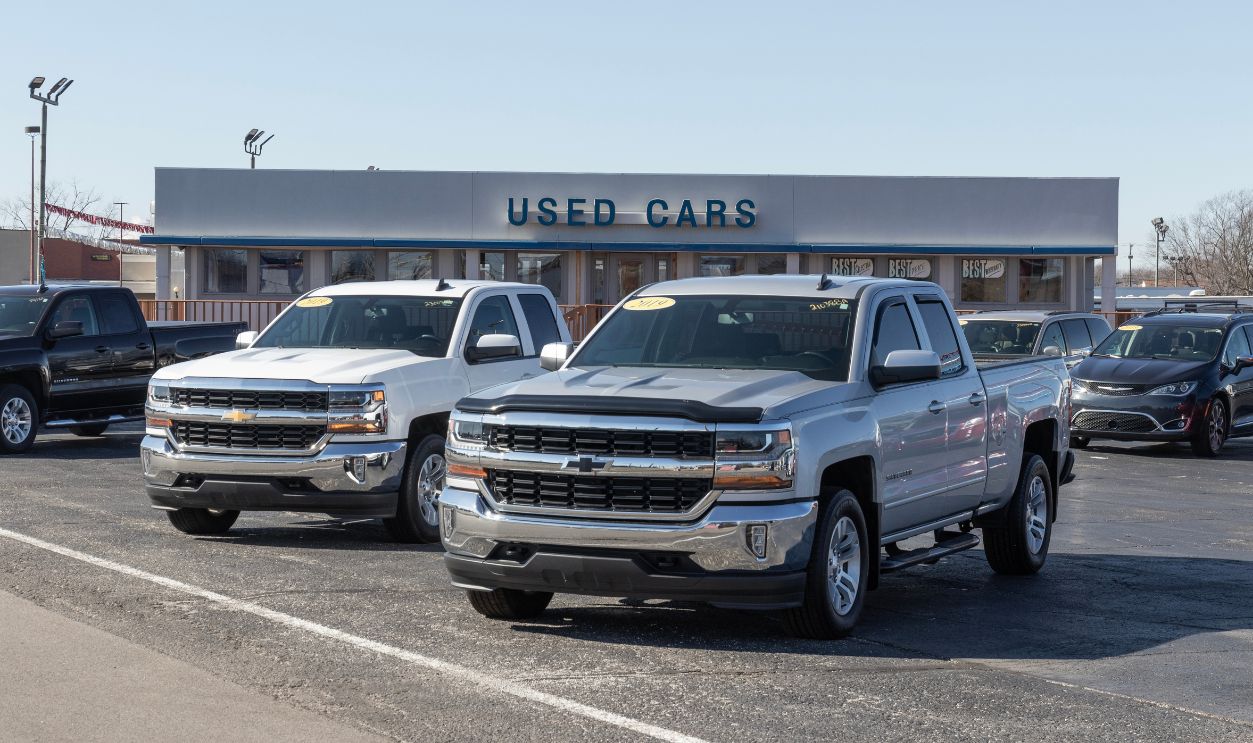
Small Habits Can Reduce Fuel Costs
Gentle acceleration, avoiding unnecessary idling, combining errands, and maintaining proper tire pressure all help improve fuel economy. None of these changes eliminate the cost difference between a truck and a smaller vehicle. Together, however, they can noticeably reduce fuel spending.
 City of Detroit, Wikimedia Commons
So, Did You Overbuy?
Maybe, but not necessarily. If your pickup regularly earns its keep through towing, hauling, or handling conditions that smaller vehicles cannot, the higher fuel bill may simply be part of the bargain. If you rarely use those capabilities and the monthly fuel expense strains your budget, it may be worth reconsidering what your next vehicle truly needs to do.
You May Also Like:
Cars That You Can Almost Guarantee Will Go For Over 300,000 Miles