Your Dashboard Won't Always Warn You
Modern cars have sophisticated computers that monitor everything from engine performance to emissions. But plenty of important components can fail without ever illuminating the dreaded check engine light. Some failures are merely inconvenient, while others can leave you stranded or create dangerous driving conditions. Here are 26 car parts that can go bad while your dashboard stays reassuringly quiet.
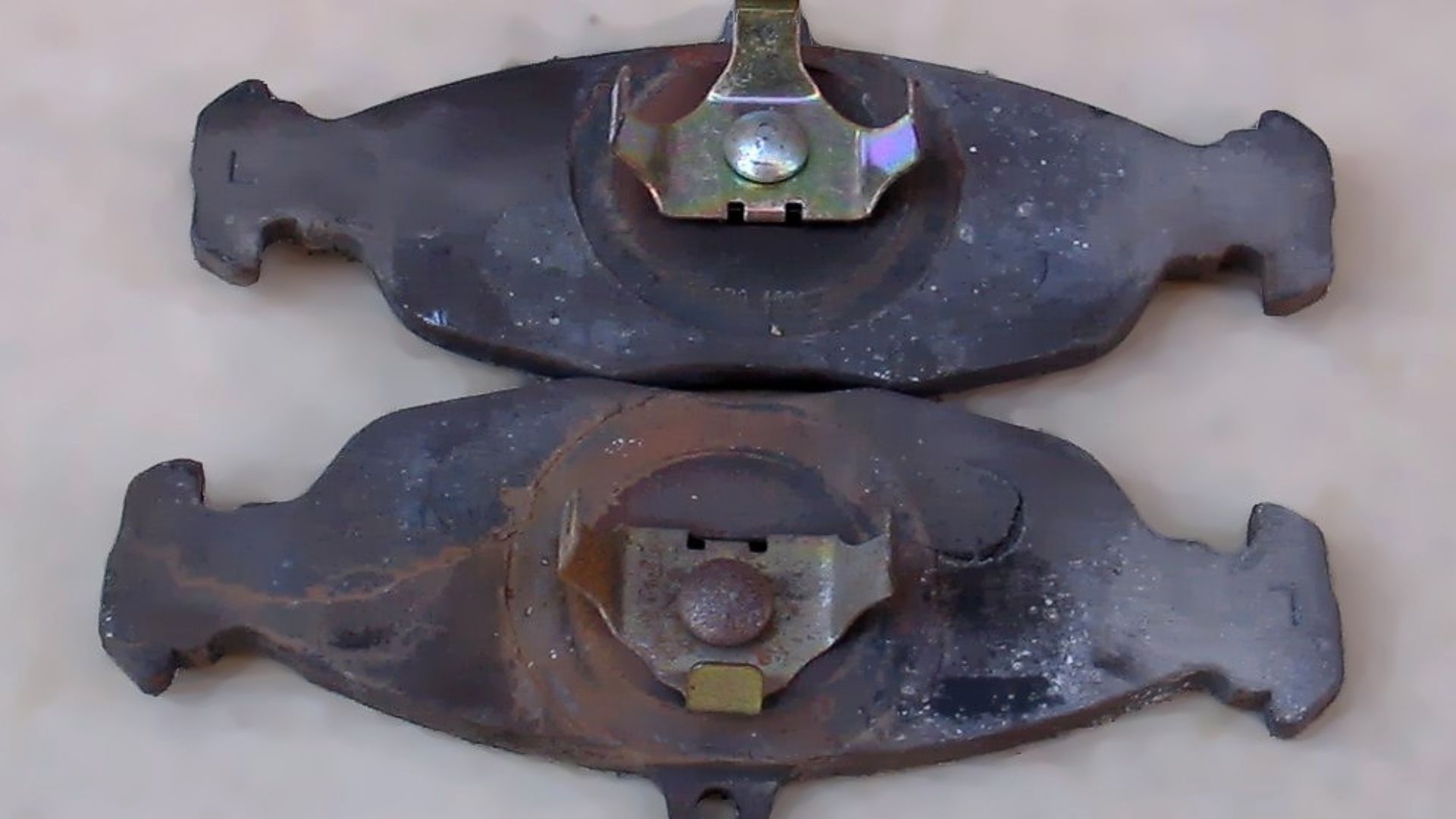
Brake Pads
Your brake pads can wear down to dangerously thin levels without triggering a check engine light. Some vehicles have separate brake wear indicators, but many rely on mechanical warning tabs that produce a high-pitched squeal. If you hear grinding or notice reduced braking performance, don't wait for a dashboard warning.
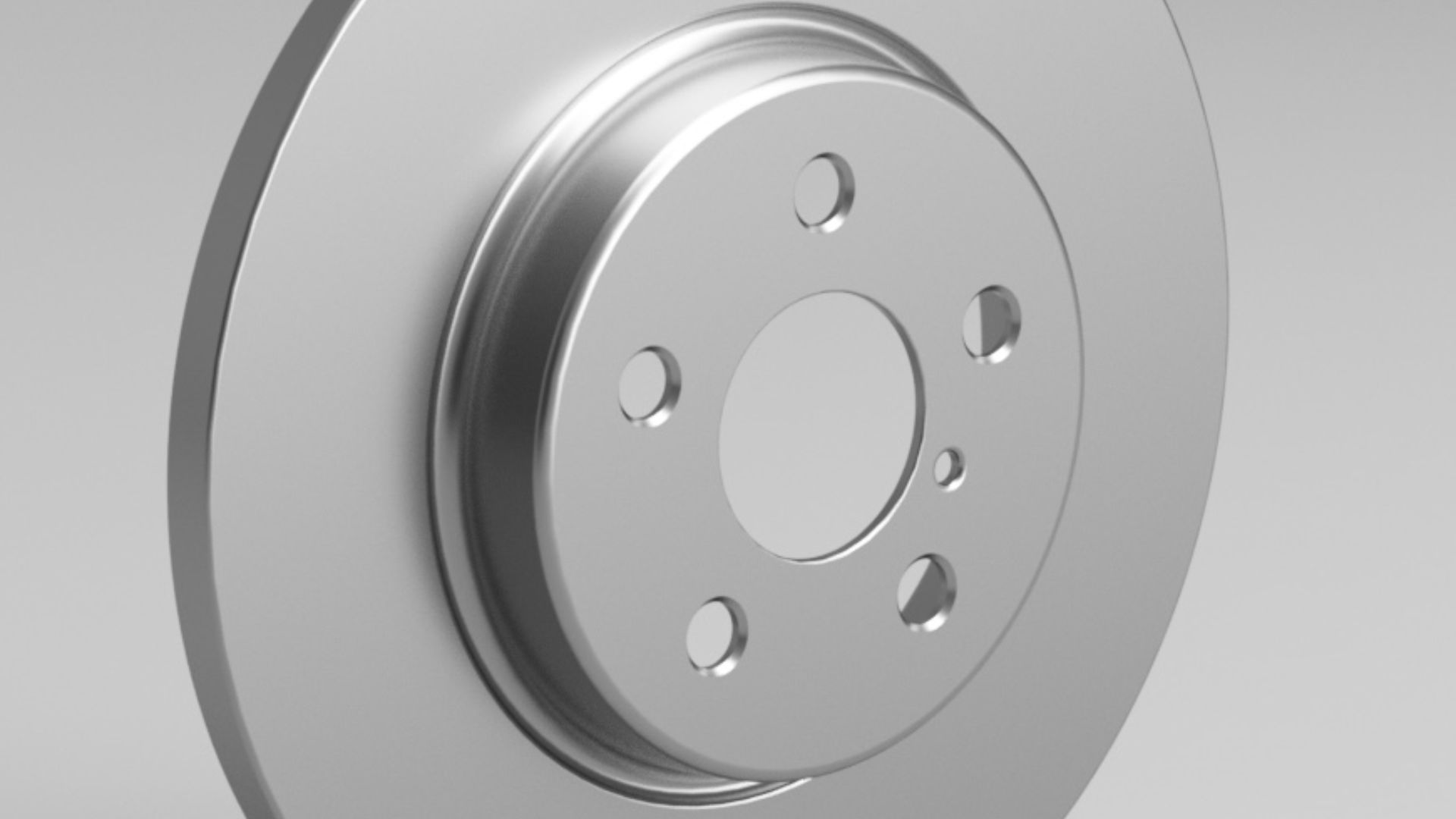
Brake Rotors
Warped, unevenly worn, or badly corroded brake rotors can cause vibrations, pulsating brake pedals, and longer stopping distances. Yet the engine computer generally has no way of detecting their physical condition. Even vehicles equipped with sophisticated braking systems may not warn you about deteriorating rotors until another problem develops.
 Atharv Chandel, Wikimedia Commons
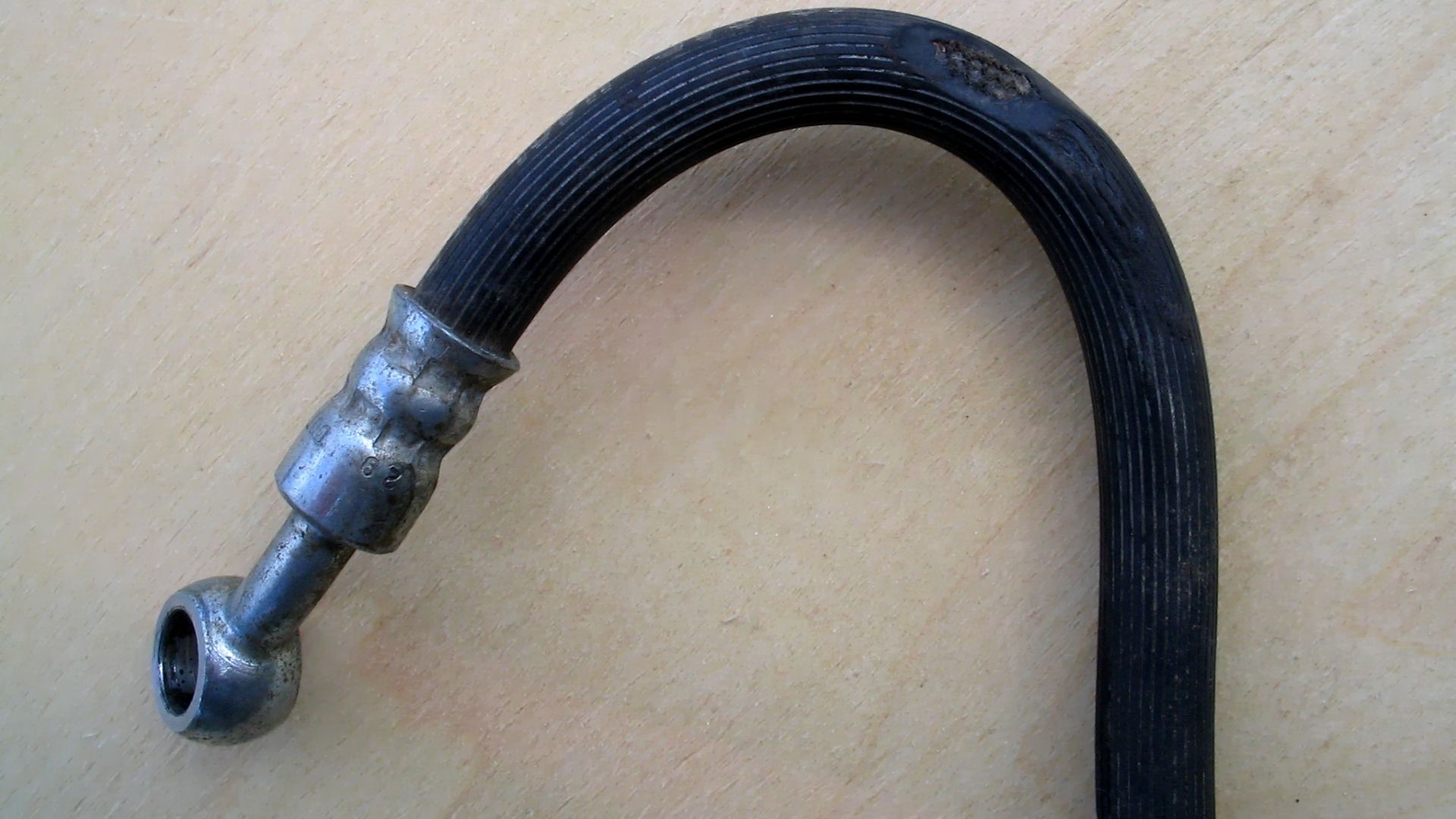
Brake Hoses
Flexible rubber brake hoses can crack, deteriorate, leak, or occasionally collapse internally as they age. A damaged hose may cause uneven braking, dragging brakes, or a soft pedal. Some vehicles have separate brake system warnings for hydraulic pressure problems, but a failing hose won't necessarily produce any warning light.
Shock Absorbers
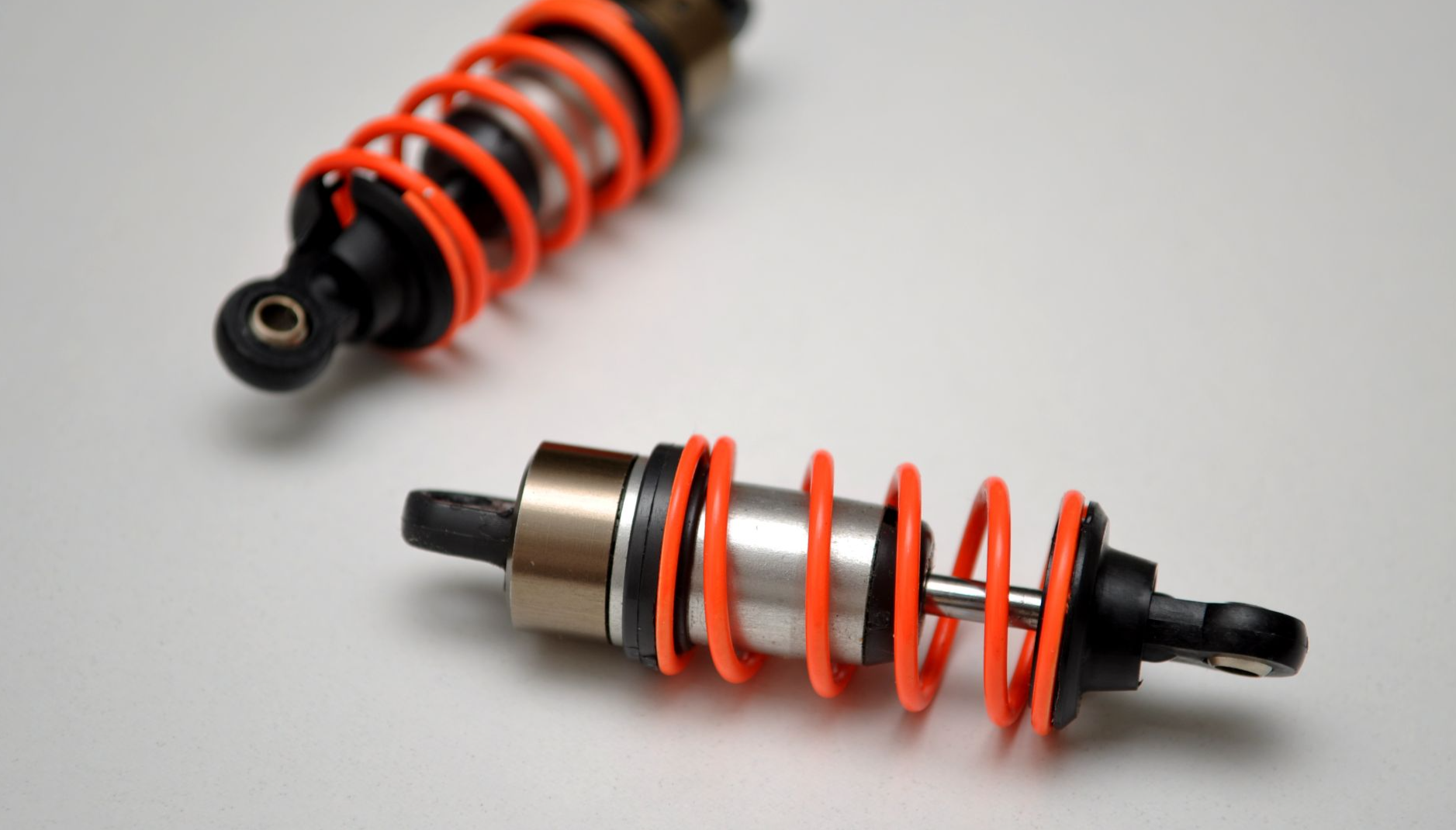
Shock absorbers gradually lose their ability to control suspension movement, often without drivers noticing how much handling has deteriorated. Excessive bouncing, nose-diving during braking, and uneven tire wear are common clues. Conventional shocks have no electronic monitoring, so they can become severely worn without generating any dashboard warning.
Struts
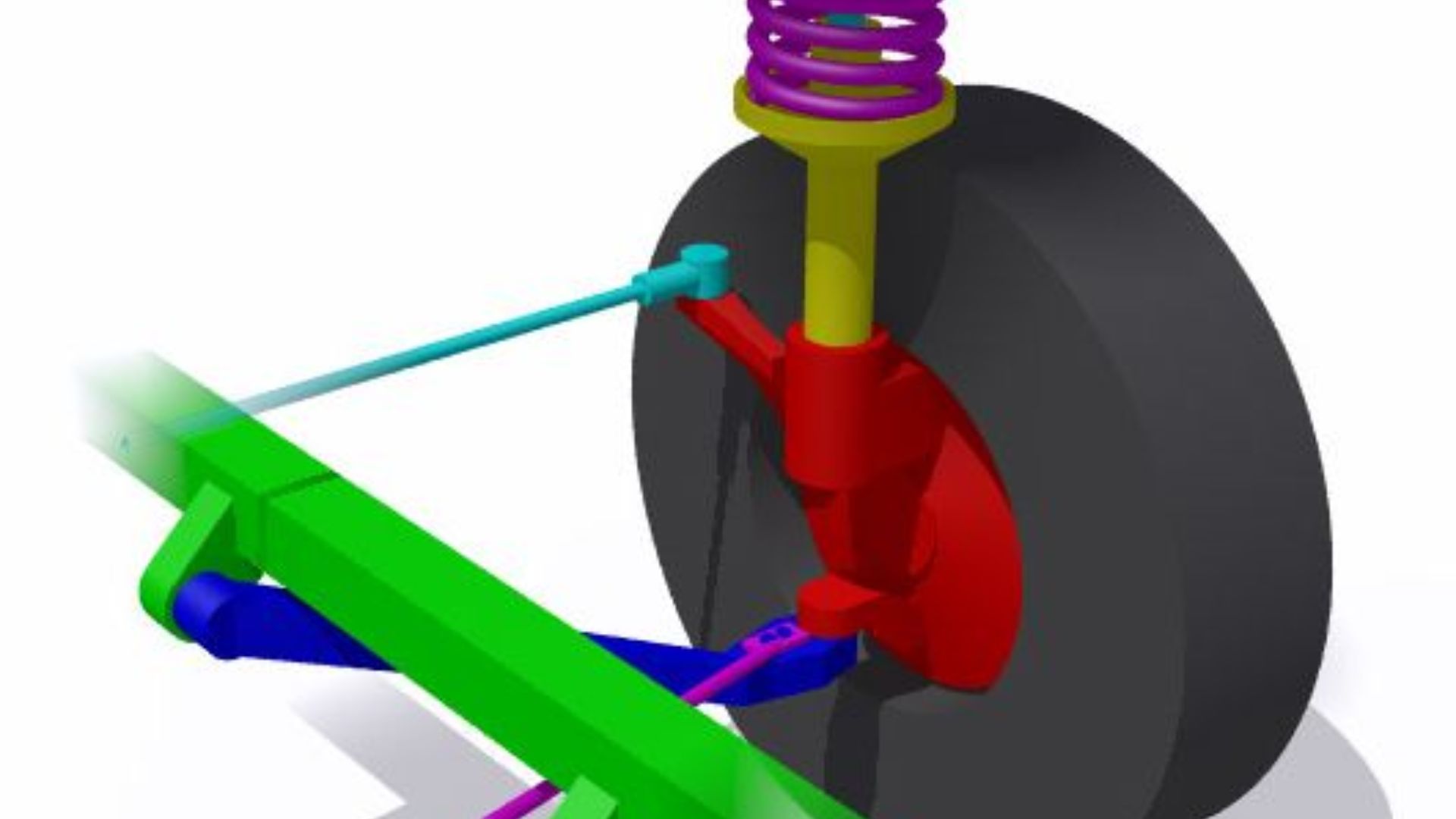
Struts combine suspension damping with an important structural role in many vehicles. When they deteriorate, drivers may notice clunking noises, poor handling, excessive bouncing, or uneven tire wear. Electronically controlled suspensions may detect certain faults, but ordinary struts can wear out without triggering a warning light.
 User Casito on en.wikipedia, Wikimedia Commons
Ball Joints
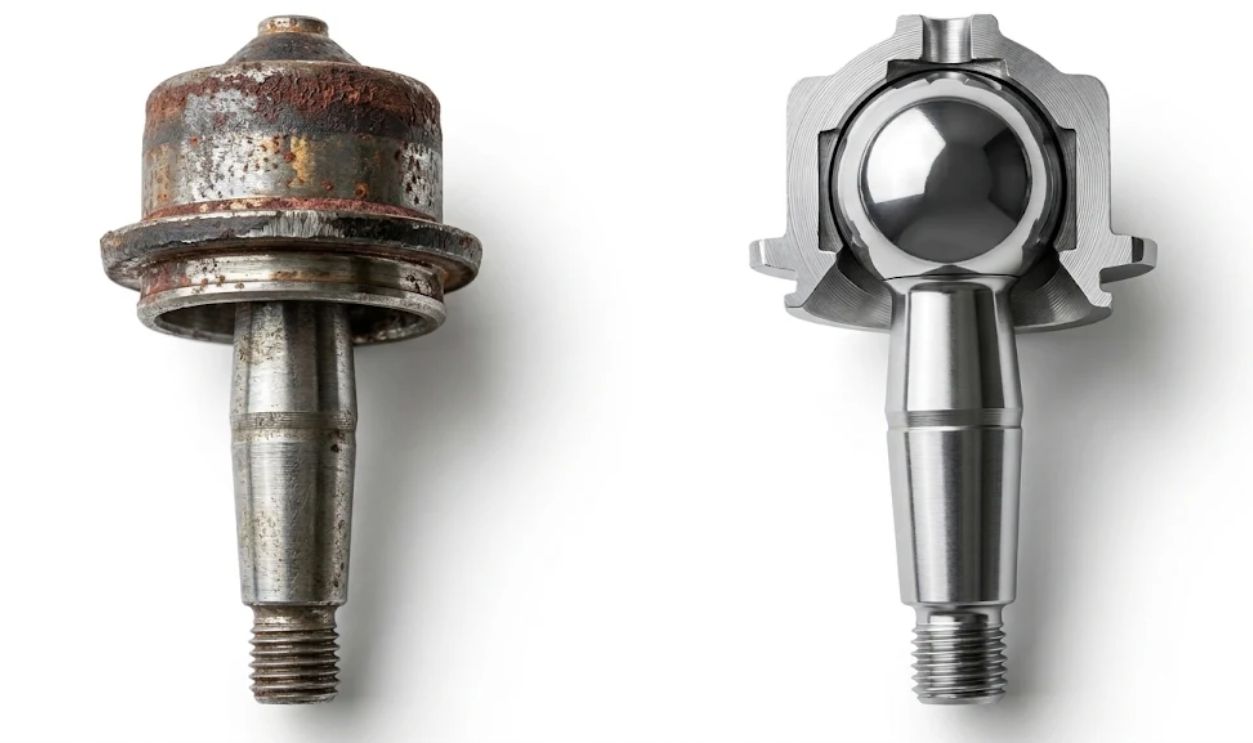
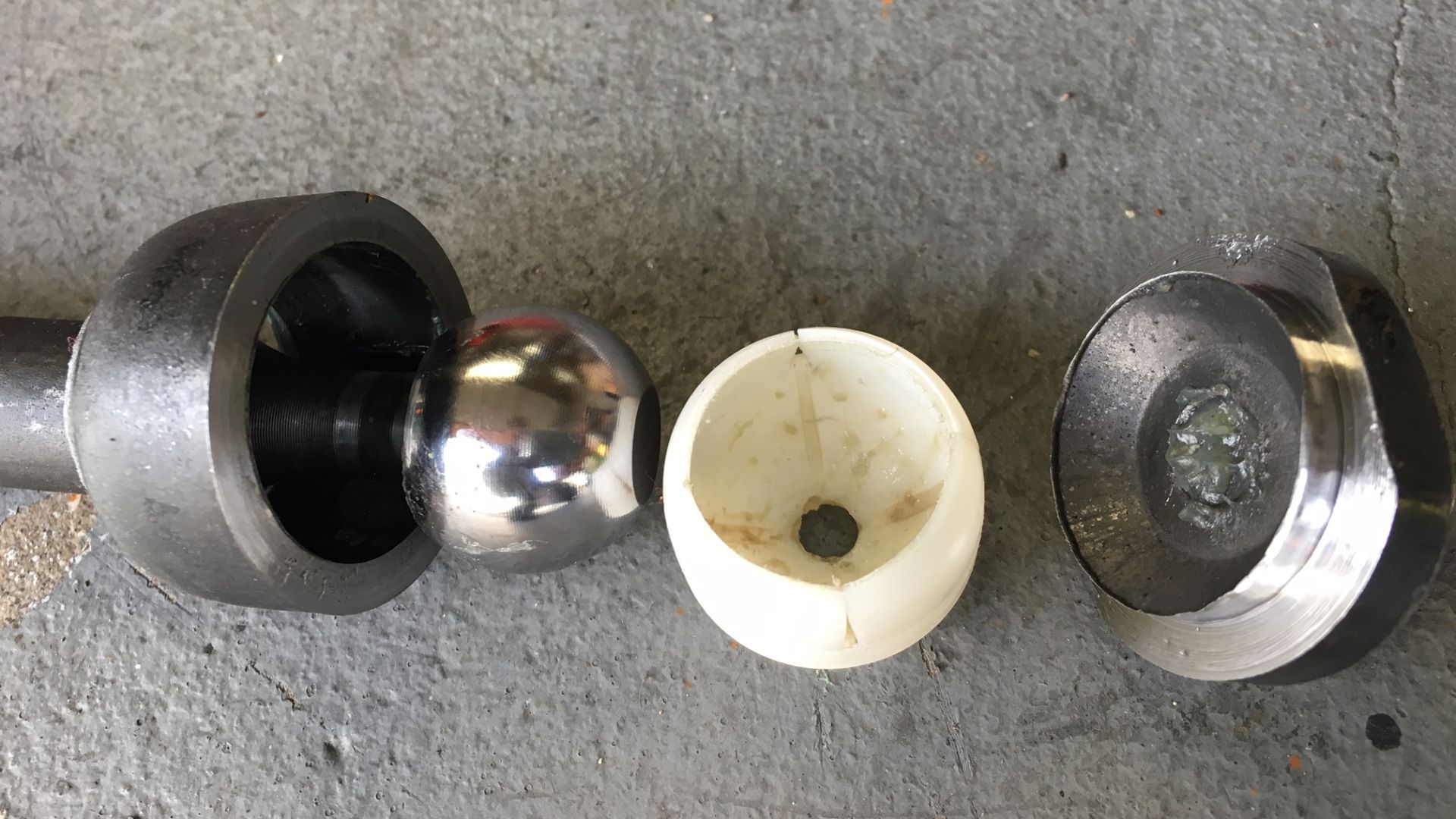
Ball joints connect suspension components while allowing the wheels to move and steer. As they wear, they may produce clunking noises, steering looseness, or irregular tire wear. A severely worn ball joint can eventually separate, potentially causing loss of vehicle control. Unfortunately, there's usually no dashboard warning before that happens.
 Silverxxx (talk), Wikimedia Commons, Enhanced
Tie Rod Ends
Tie rod ends connect the steering system to the wheels, making them essential for maintaining directional control. Worn joints can cause wandering steering, clunking, or excessive play in the steering wheel. A complete failure can leave a wheel uncontrollable, yet most vehicles don't electronically monitor tie rod condition.
Wheel Bearings
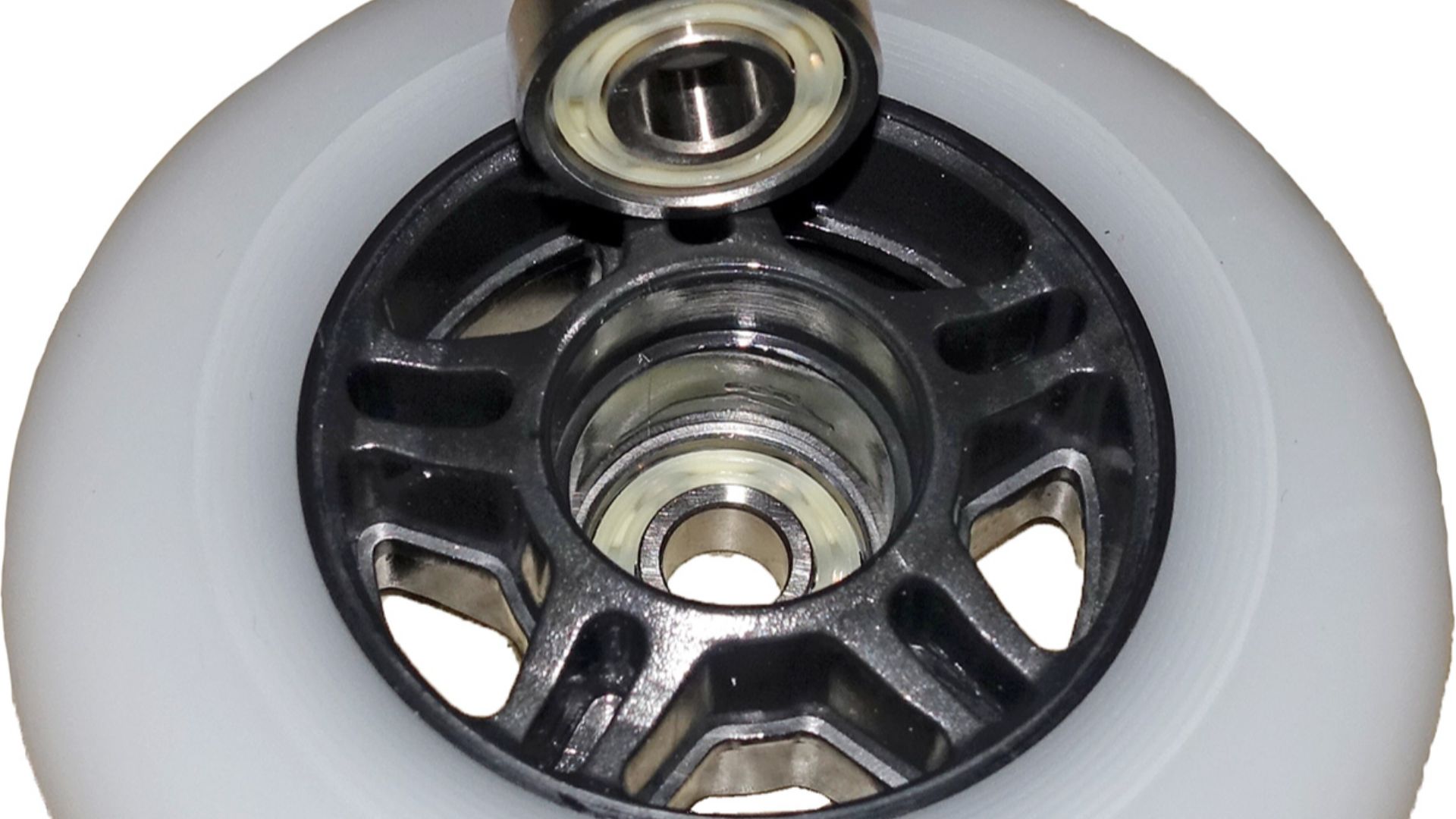
A failing wheel bearing often announces itself through humming, growling, or grinding noises that increase with road speed. In advanced cases, wheel movement or vibration may become noticeable. Although some bearing failures can eventually trigger ABS or stability-control warnings, mechanical deterioration frequently begins without any warning light.
CV Joints
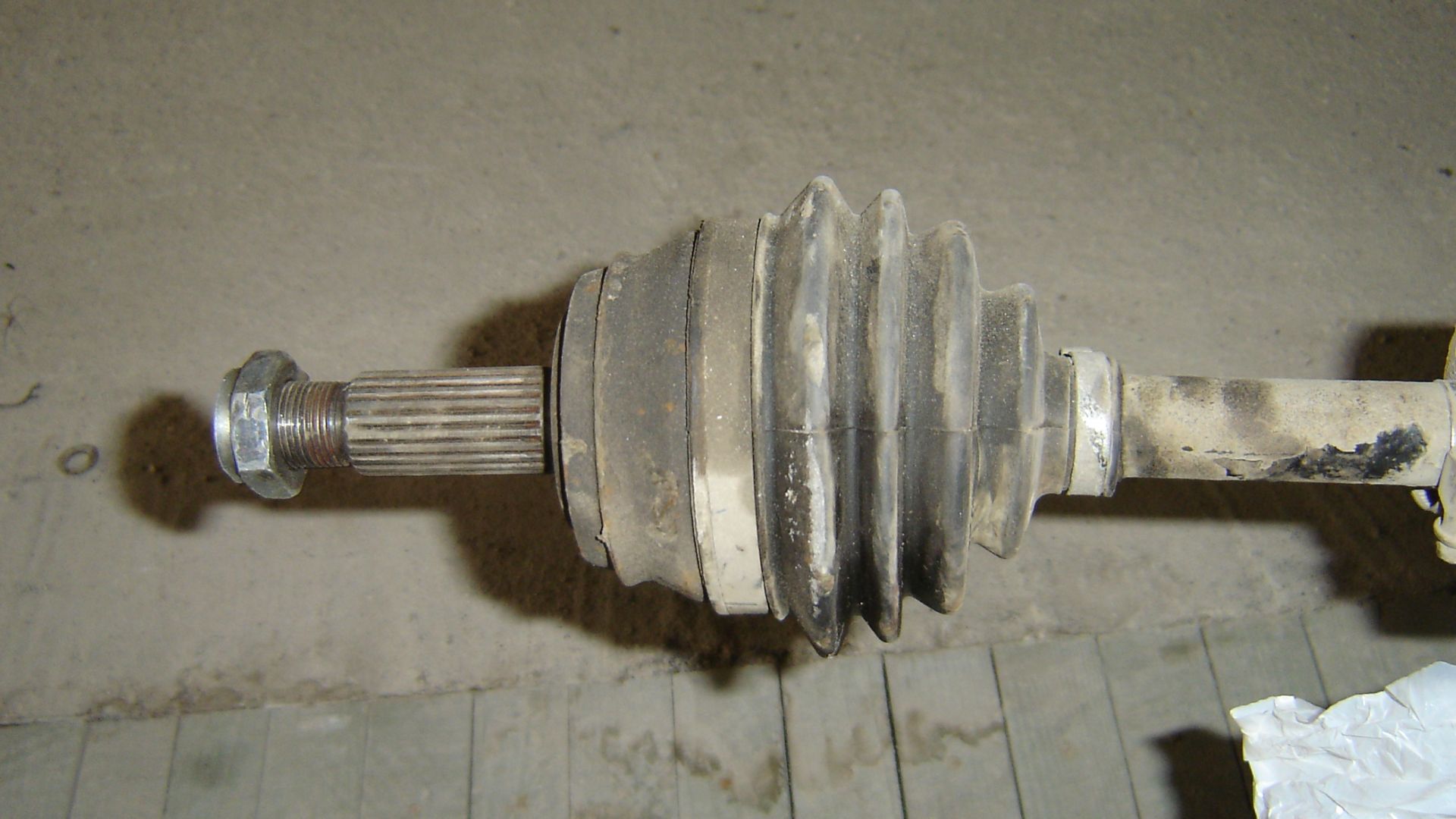
Constant velocity joints transfer power to the wheels while accommodating suspension movement and steering angles. A worn outer CV joint commonly produces clicking noises during tight turns, while other joint problems may cause vibration under acceleration. Unless the failure affects another monitored system, your dashboard may remain completely silent.
Engine Mounts
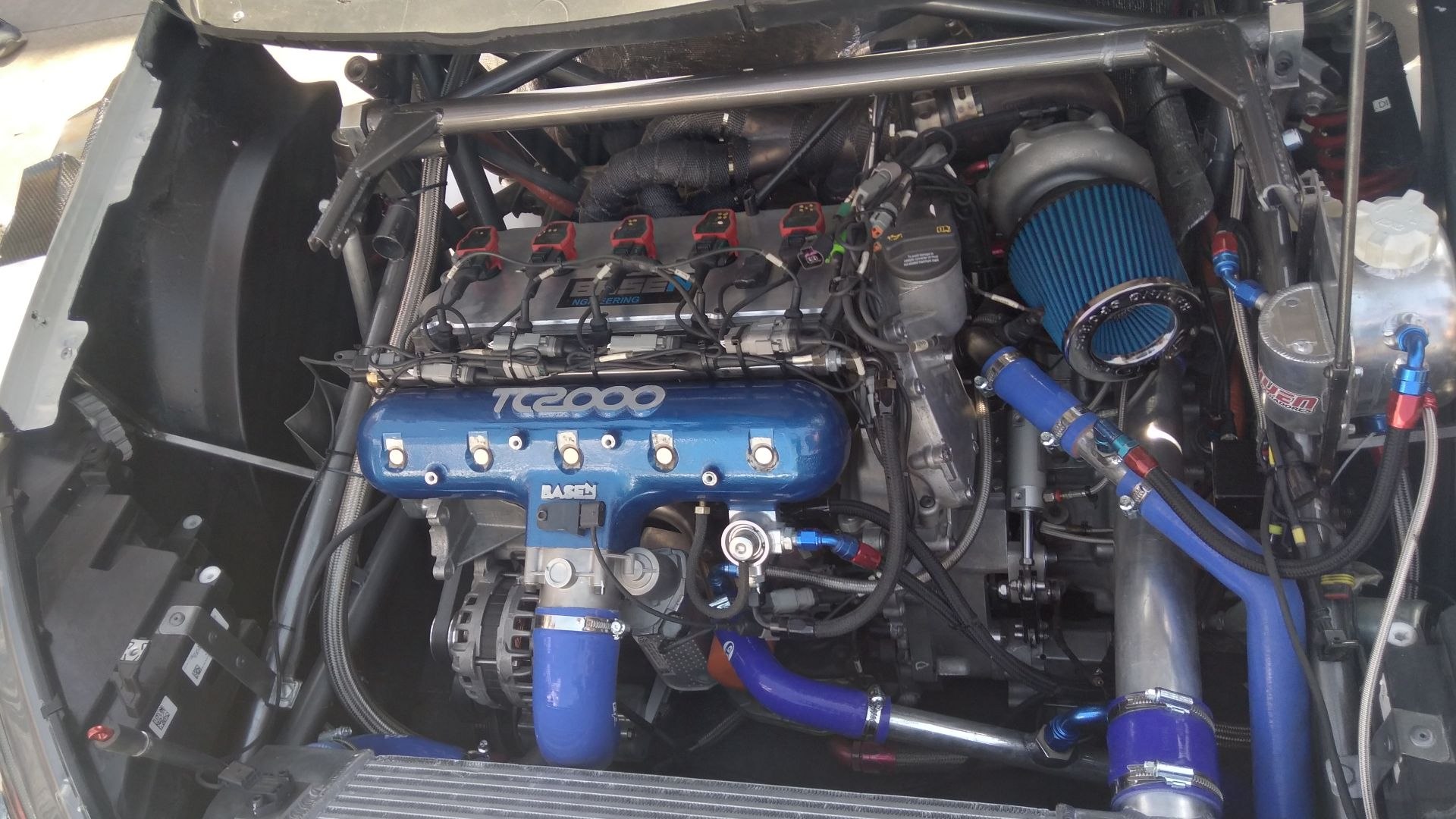
Engine mounts secure the engine and help isolate its vibrations from the passenger compartment. When their rubber components deteriorate or separate, drivers may notice excessive vibration, clunking during acceleration, or unusual engine movement. Traditional engine mounts aren't electronically monitored, so even substantial deterioration may produce no check engine light.
 Maxi-Napo-99, Wikimedia Commons
Serpentine Belt
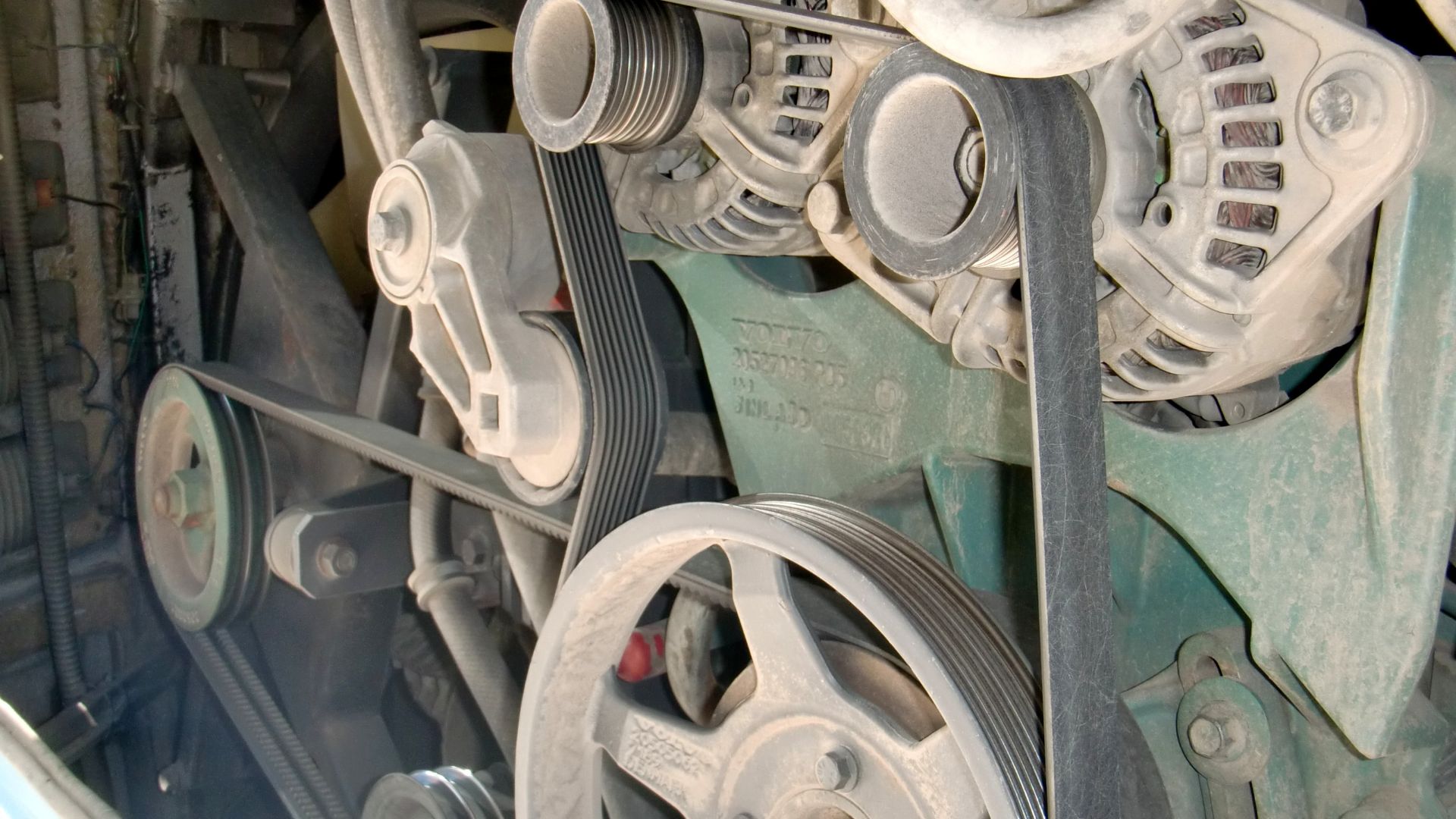
The serpentine belt drives important accessories that may include the alternator, water pump, and power steering pump, depending on the vehicle. A worn belt can crack, fray, slip, or suddenly break. You may hear squealing beforehand, but the check engine light usually won't warn you that the belt is approaching failure.
Belt Tensioner
A spring-loaded belt tensioner maintains the correct tension on the serpentine belt. When its spring weakens or its pulley bearing deteriorates, the belt may slip, vibrate, or come off entirely. Squealing, rattling, or visible belt flutter can provide clues, but the tensioner's mechanical condition generally isn't monitored by the engine computer.
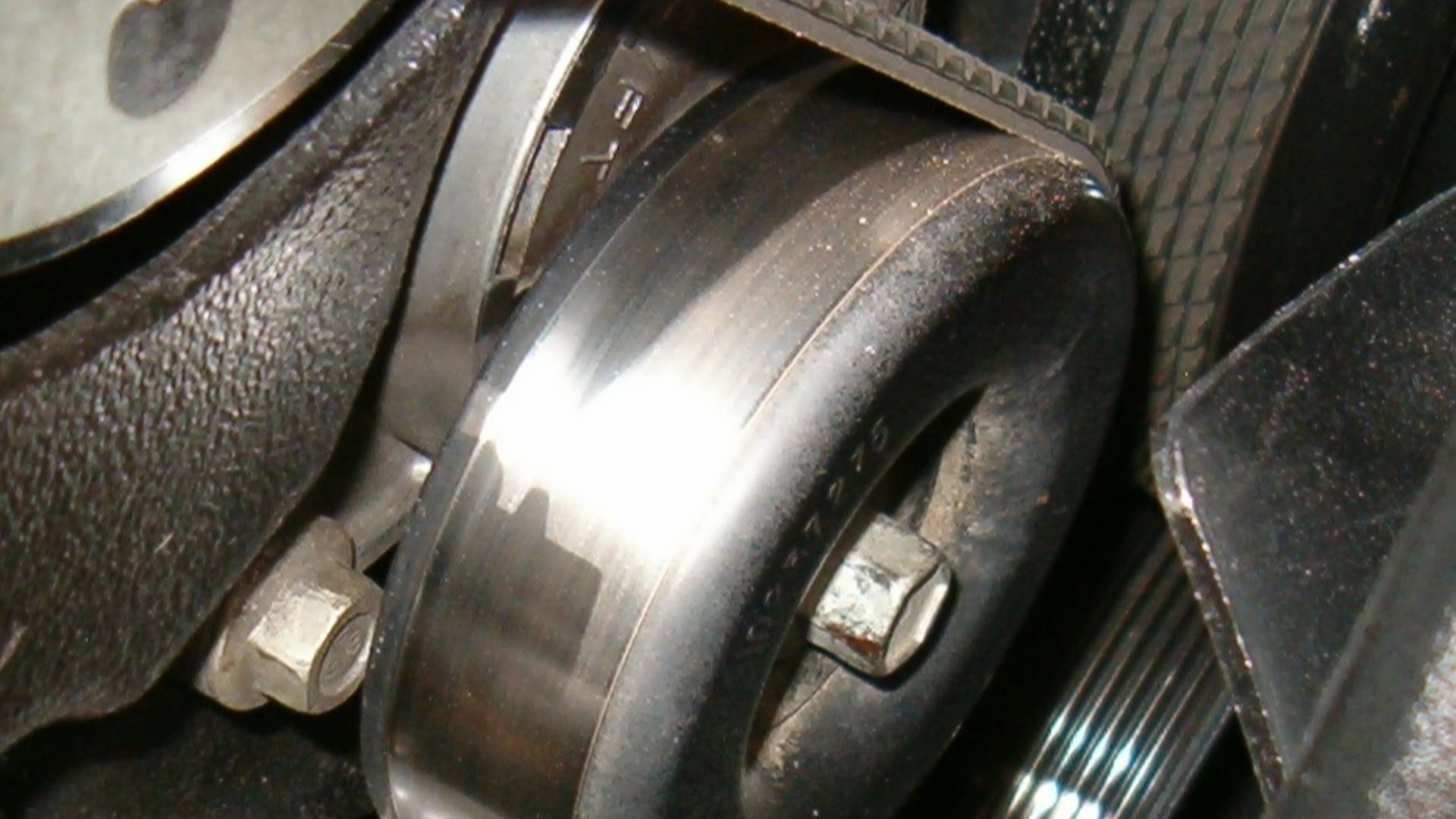
Radiator
Radiators can develop leaks, internal blockages, or corrosion that gradually compromise the cooling system. A small leak may go unnoticed until the engine begins overheating. Although some vehicles provide coolant-level warnings and most monitor engine temperature, radiator deterioration itself generally won't trigger a check engine light before overheating develops.
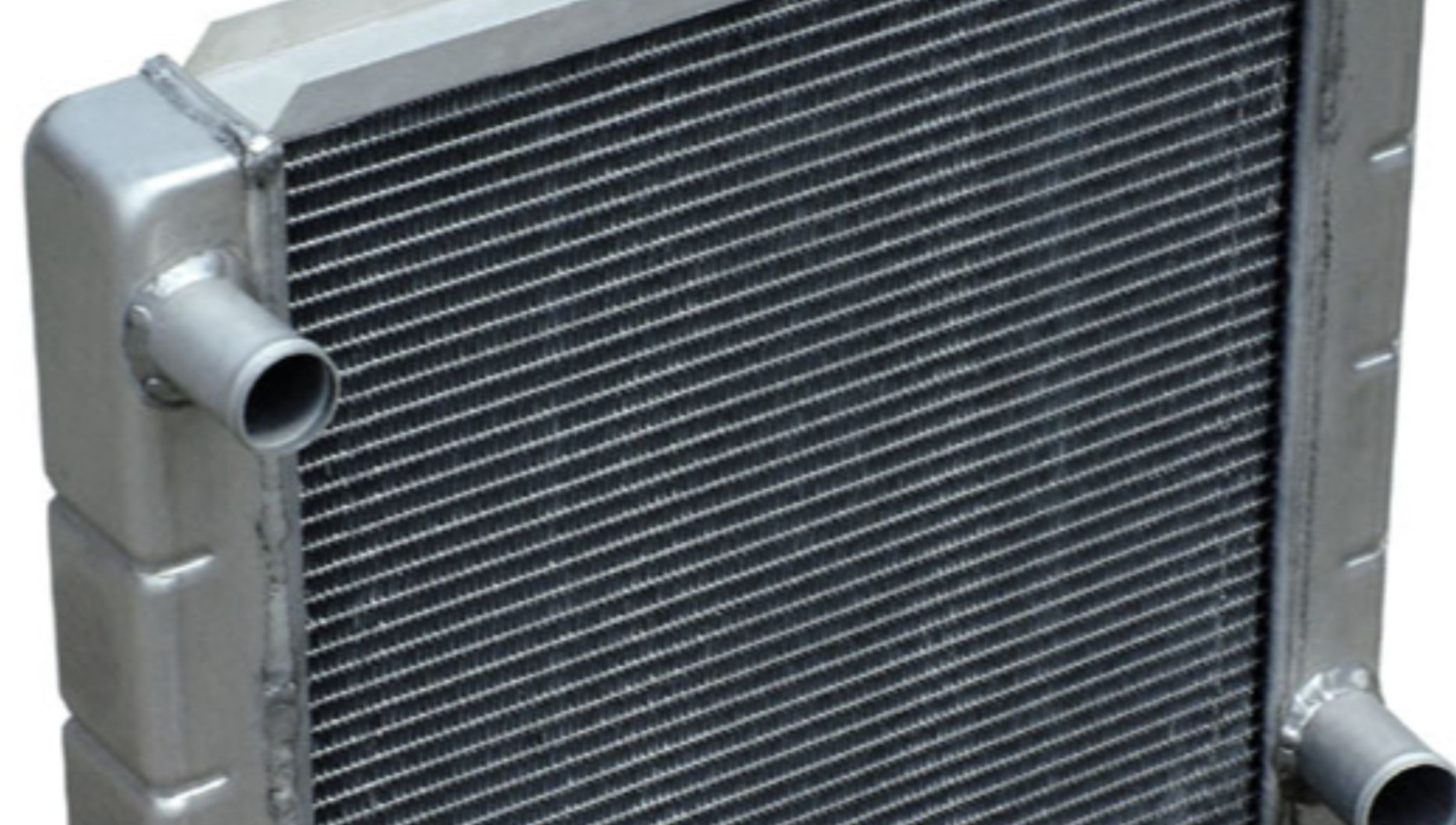
Radiator Hoses
Rubber radiator hoses endure repeated heating and cooling cycles, eventually becoming brittle, swollen, or soft. A hose may develop a small leak or burst unexpectedly, causing rapid coolant loss. Temperature warnings may appear after the cooling system is compromised, but the hose itself usually has no electronic monitoring.
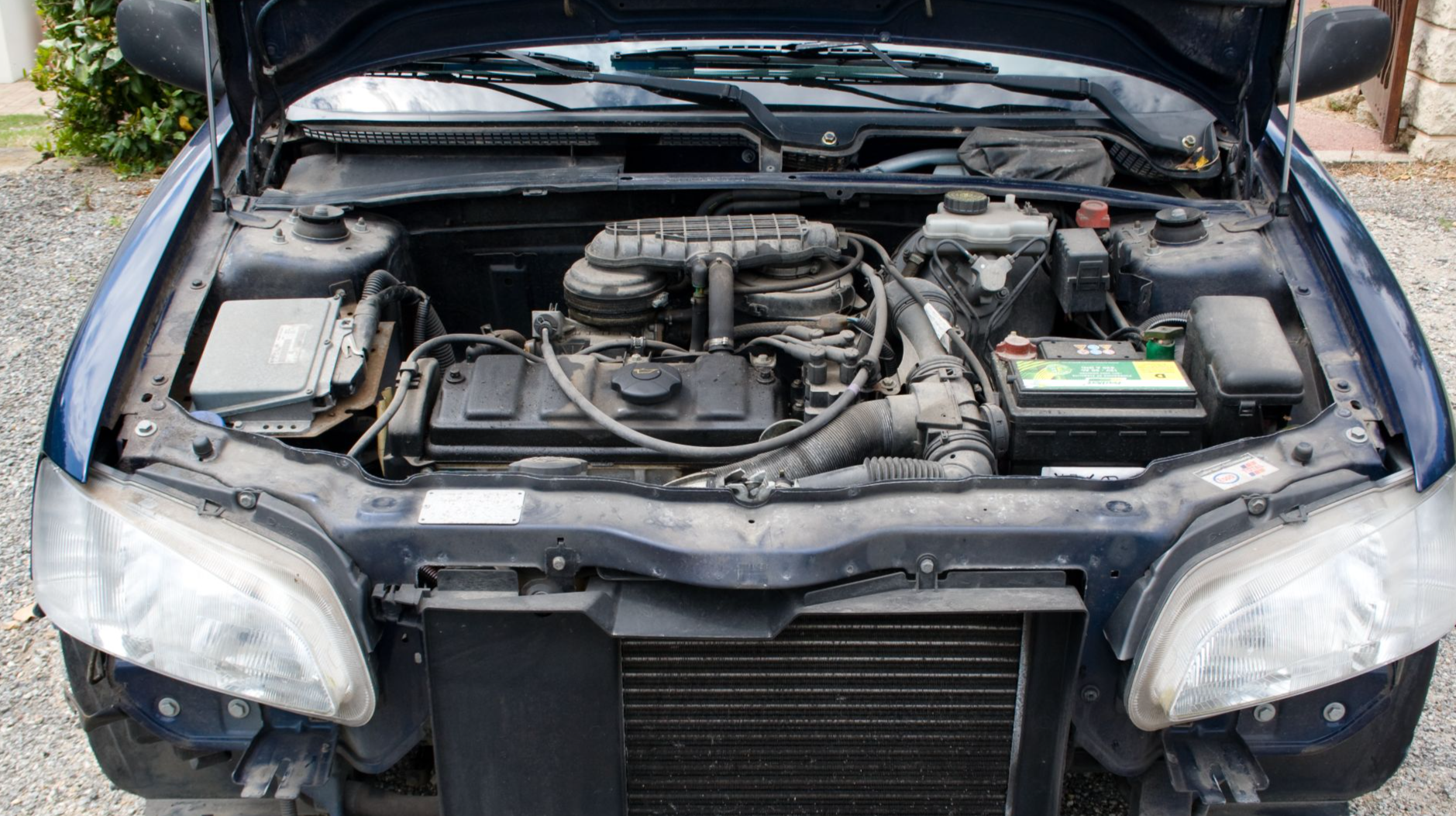 Ludovic Péron, Wikimedia Commons
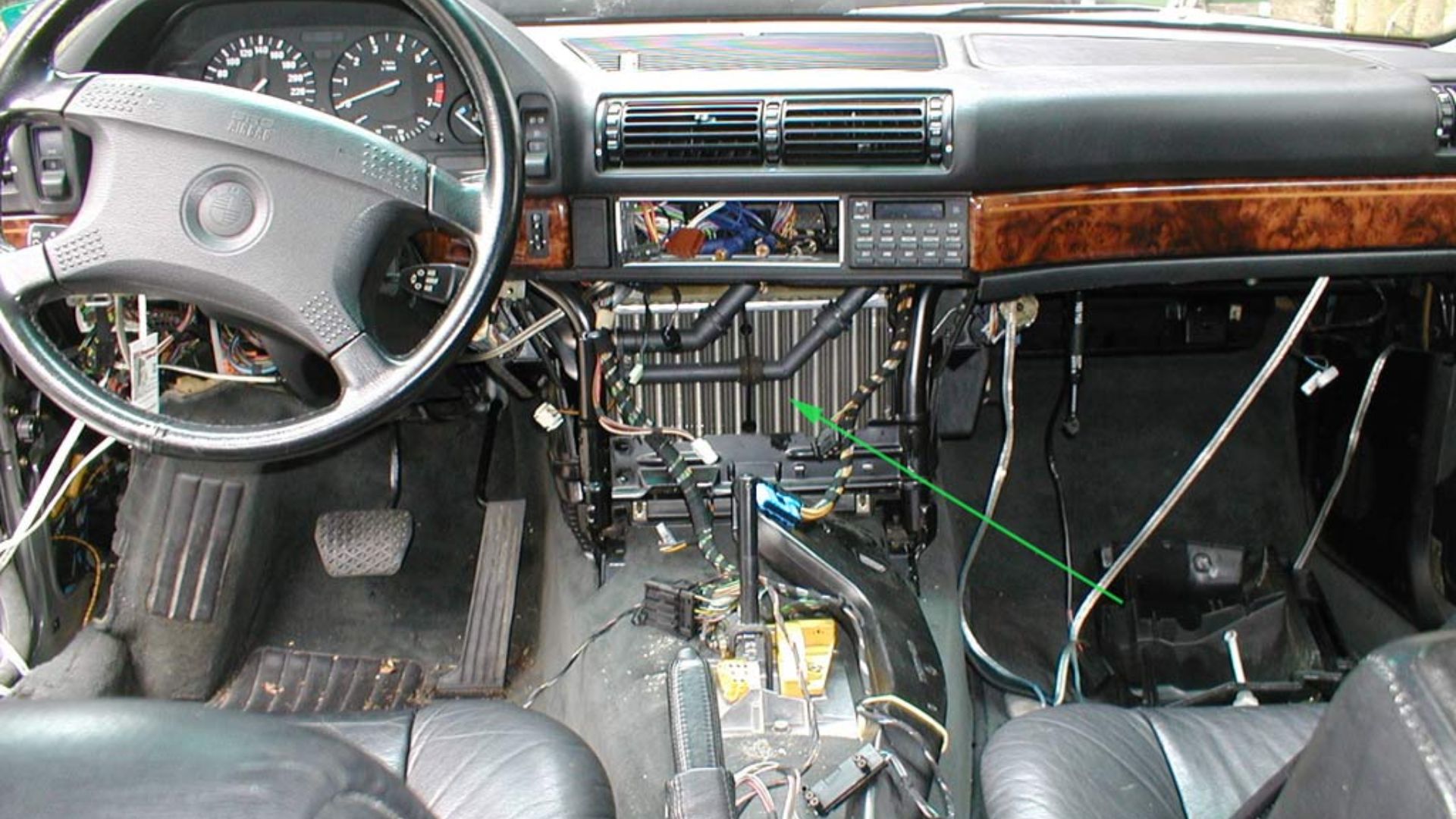
Heater Core
The heater core is a small radiator inside the vehicle's heating and ventilation system. When it leaks, drivers may notice a sweet coolant smell, fogging windows, damp carpeting, or declining coolant levels. Because the engine computer generally doesn't monitor heater core integrity, the problem can develop without illuminating the check engine light.
 Rpvdk at English Wikipedia, Wikimedia Commons
Water Pump
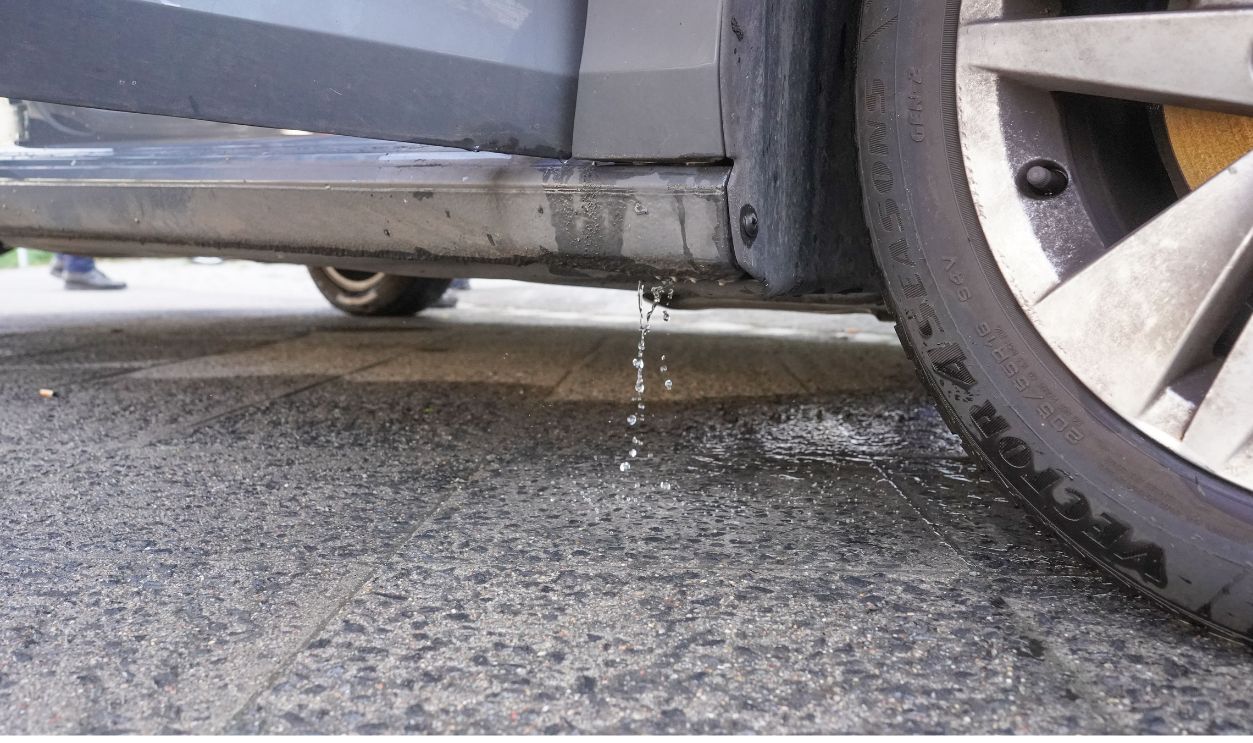
A failing water pump may leak coolant, develop noisy bearings, or lose its ability to circulate coolant effectively. Some pumps are driven by belts, while others are electrically operated. Electronic pumps may generate fault codes, but conventional mechanical water pumps can deteriorate without a check engine light until overheating or another monitored problem occurs.
 picture alliance, Getty Images
Thermostat
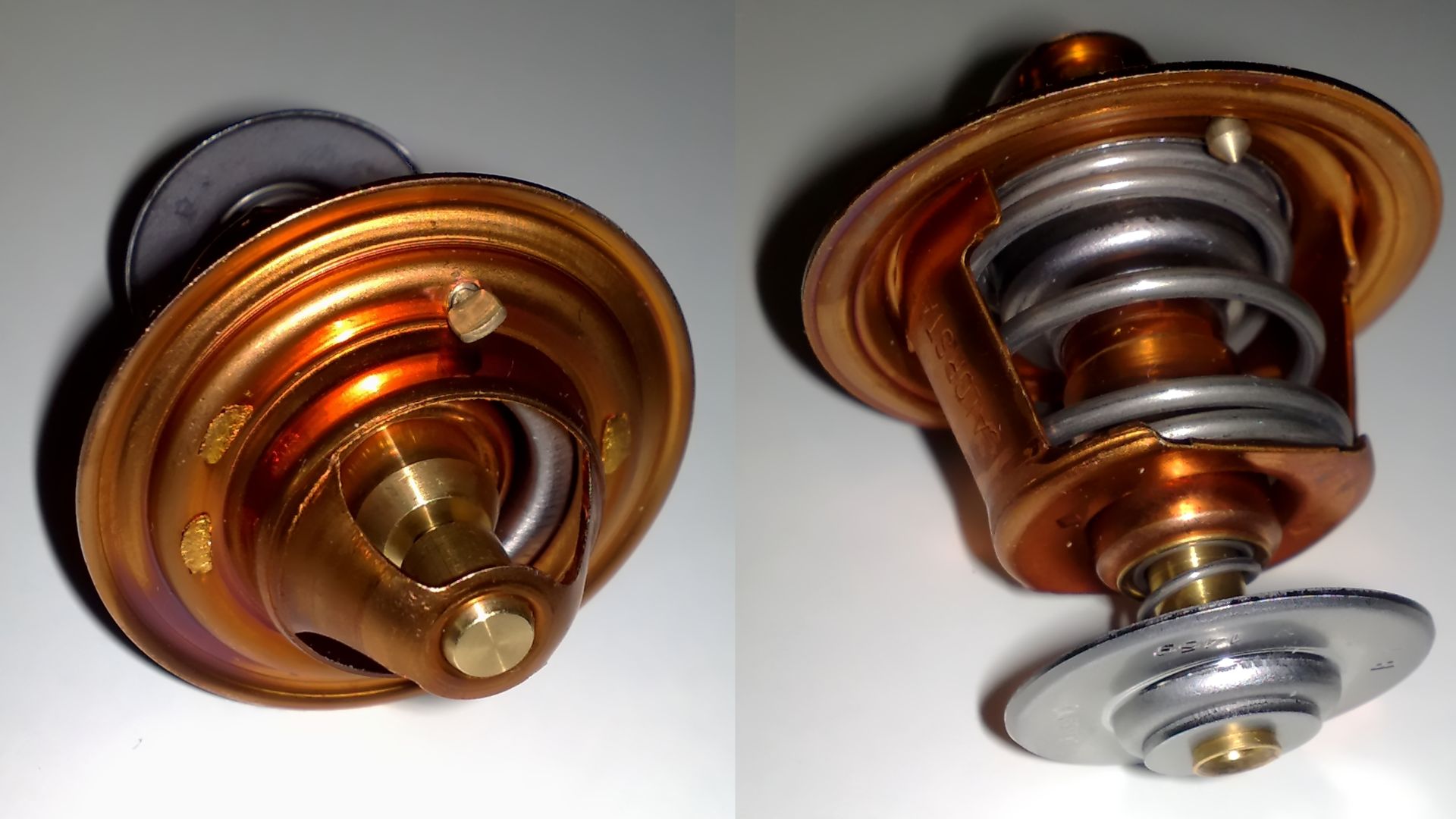
The thermostat regulates coolant flow to help the engine reach and maintain its proper operating temperature. A thermostat stuck open may cause slow warm-ups, while one stuck closed can lead to overheating. Some thermostat failures trigger diagnostic trouble codes, but not every failure will immediately illuminate the check engine light.
Battery
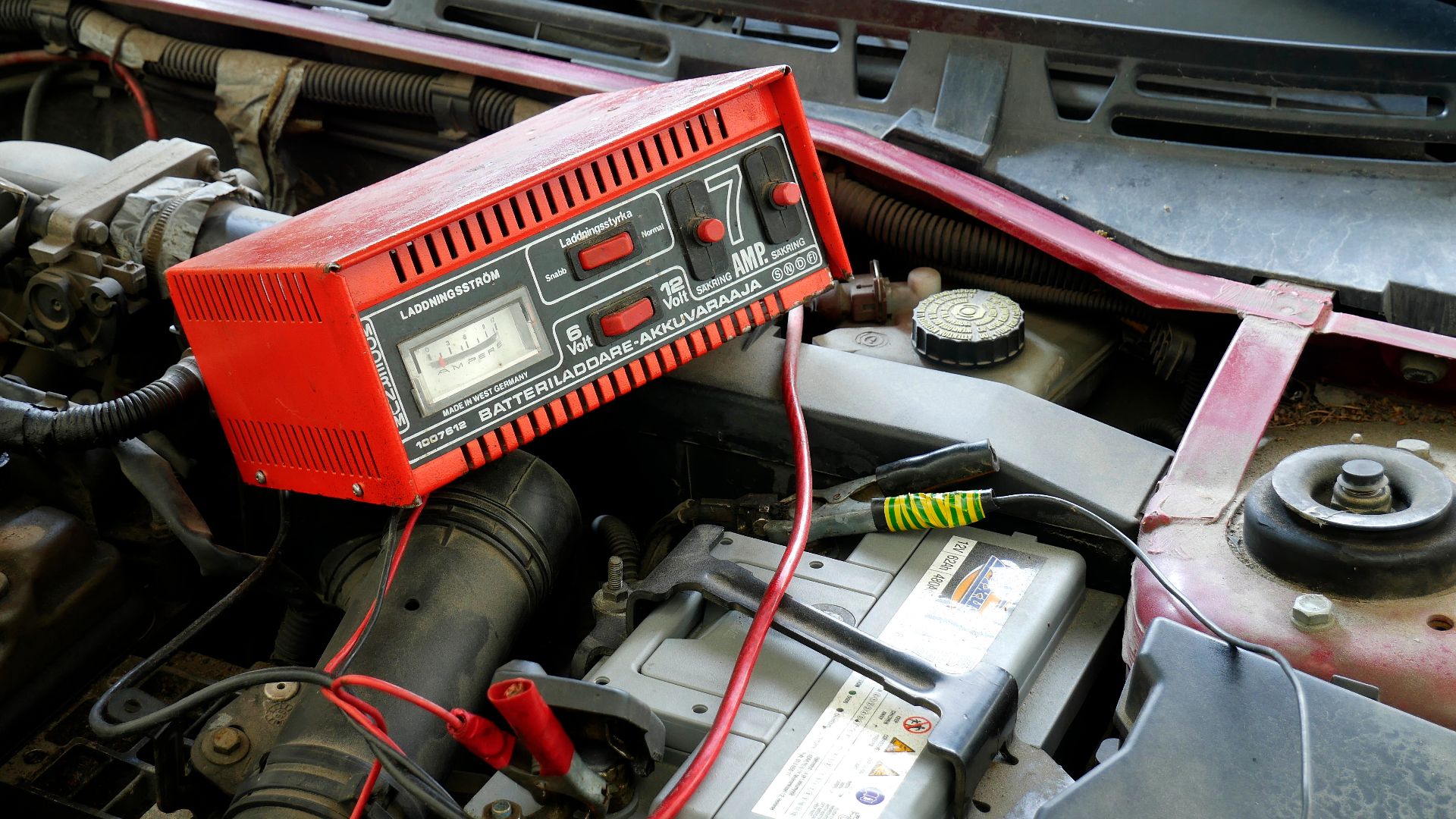
A conventional 12-volt car battery can weaken gradually until it no longer has enough power to start the engine. Slow cranking, dim lights, and electrical irregularities are common clues. Many vehicles monitor charging-system voltage, but a battery losing its starting capacity may fail without triggering a check engine light.
 Santeri Viinamäki, Wikimedia Commons
Starter Motor
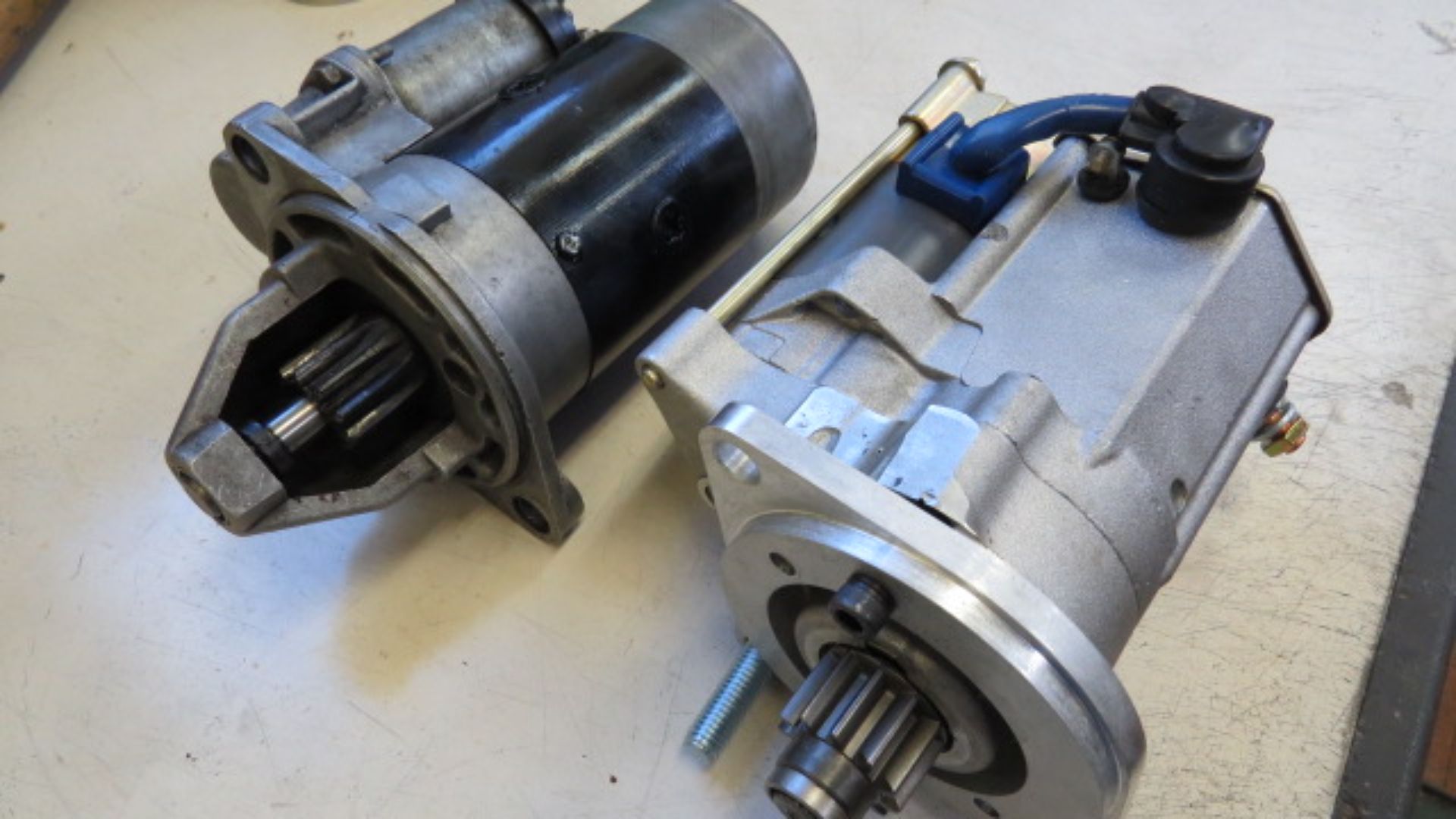
A failing starter motor can produce clicking noises, intermittent starting problems, or complete silence when you turn the key or press the start button. Worn brushes, damaged solenoids, and internal electrical faults are common causes. Because the starter isn't continuously operating while you drive, many failures won't generate an engine warning.
Alternator
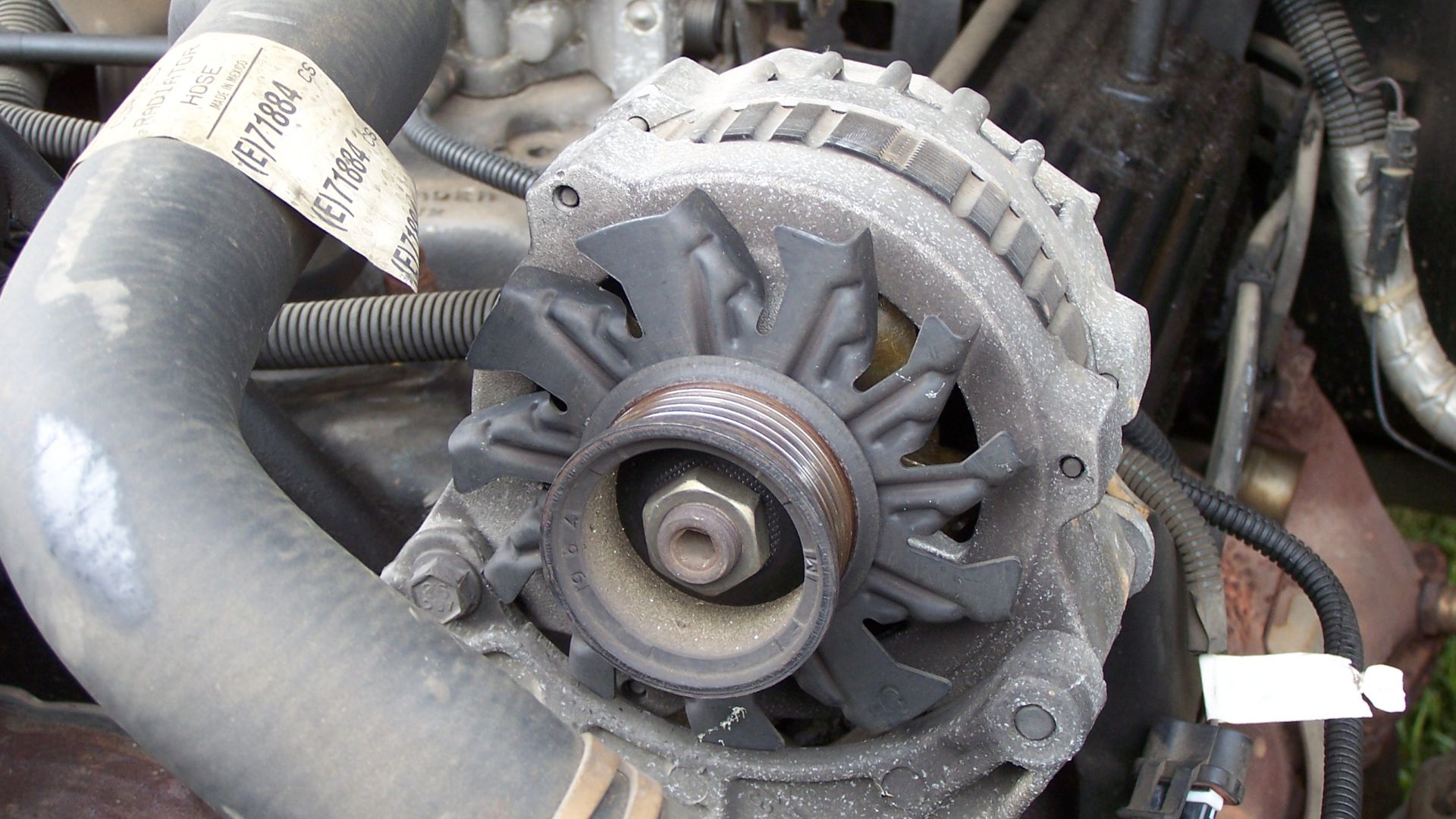
An alternator produces electricity while the engine runs and keeps the battery charged. When it begins failing, you might notice dimming headlights, electrical malfunctions, or a battery that repeatedly goes flat. Many vehicles have a separate battery or charging-system warning light, but alternator failure doesn't necessarily trigger the check engine light.
 Angelsharum, Wikimedia Commons
Power Steering Components
Hydraulic power steering pumps can develop leaks, noisy bearings, or internal wear that makes steering increasingly difficult. Hoses and steering racks can also leak or deteriorate. Electronic power steering systems often have their own warning indicators, but conventional hydraulic systems can develop serious mechanical problems without illuminating the check engine light.

Windshield Wiper Motor
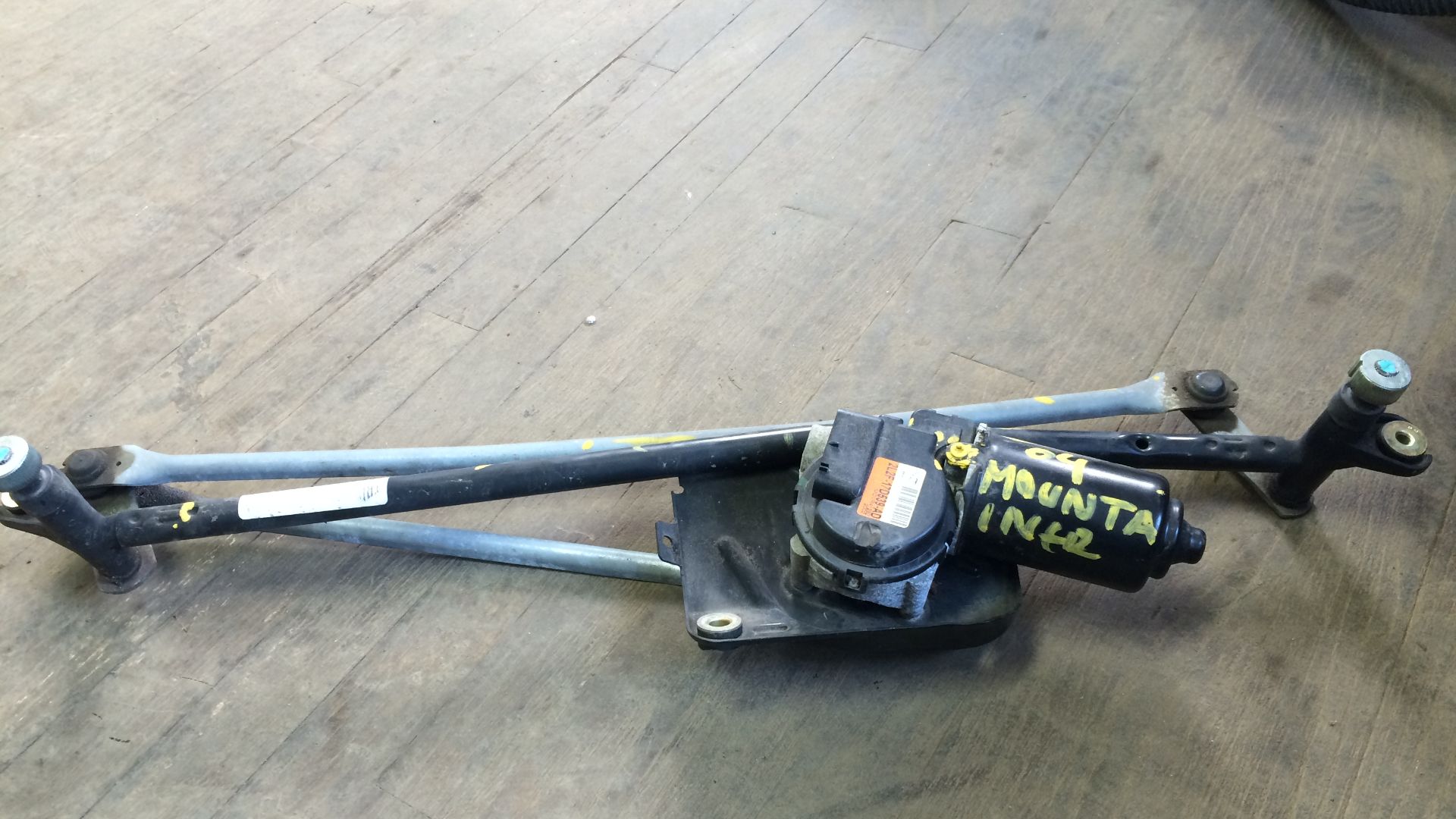
A windshield wiper motor can fail without any warning, potentially leaving you unable to clear rain or snow from the windshield. Worn internal gears, electrical faults, and seized mechanisms can all cause trouble. Because wipers aren't part of the engine's emissions monitoring system, their failure normally won't trigger a check engine light.
 Mkamara9540, Wikimedia Commons
Blower Motor
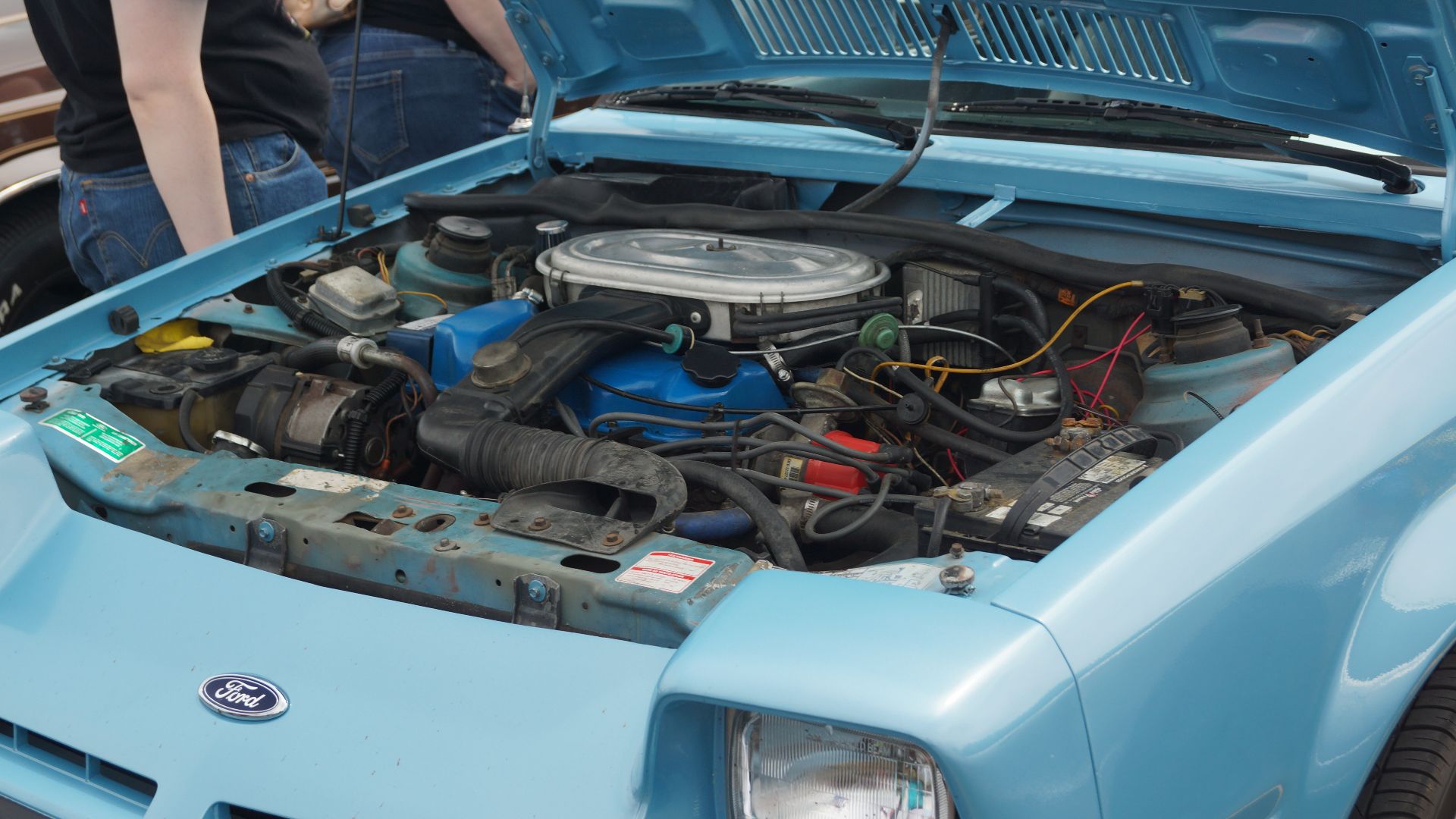
The cabin blower motor pushes air through the heating, ventilation, and air conditioning system. When it fails, you may lose airflow from the dashboard vents entirely. Besides making the cabin uncomfortable, this can prevent effective windshield defogging. The engine computer generally won't warn you about a failing blower motor.
 Greg Gjerdingen, Wikimedia Commons
Air Conditioning Compressor
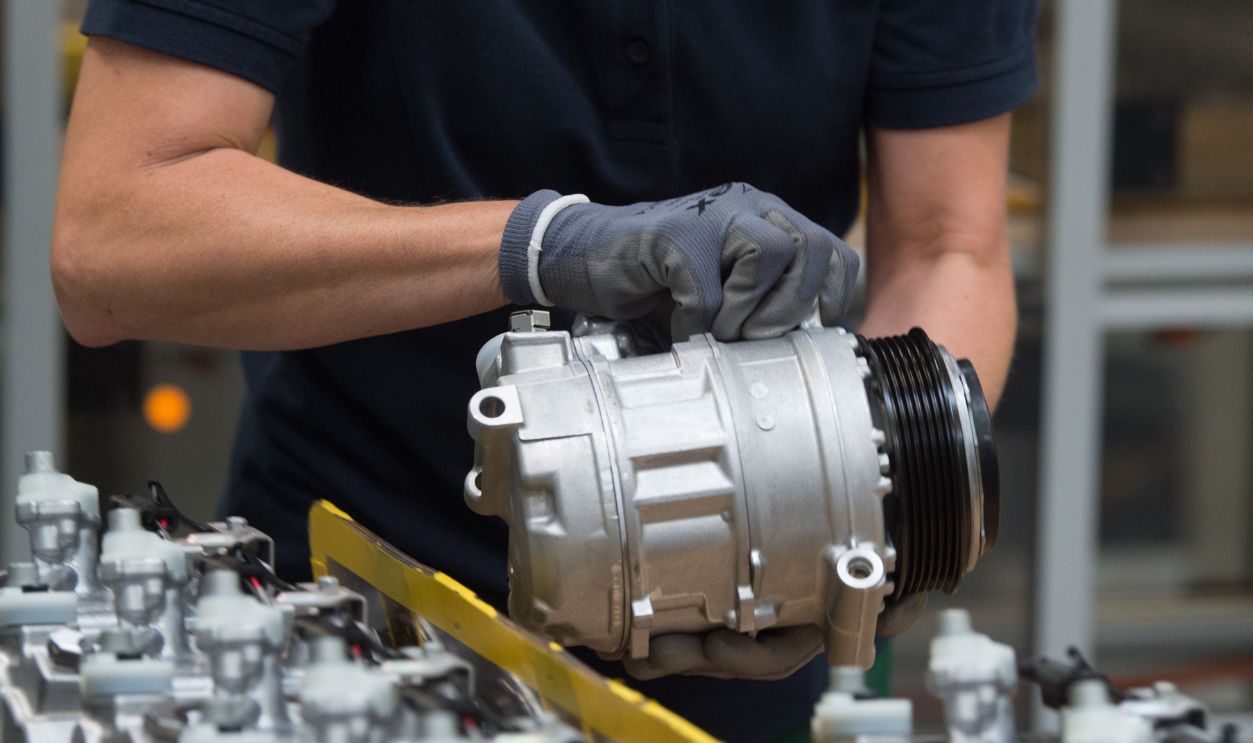
An air conditioning compressor can develop internal wear, clutch problems, bearing noise, or refrigerant-related operating issues. The result may be weak cooling, unusual noises, or a completely inoperative air conditioner. Some modern vehicles monitor compressor operation, but many mechanical failures won't illuminate the check engine light.
 picture alliance, Getty Images
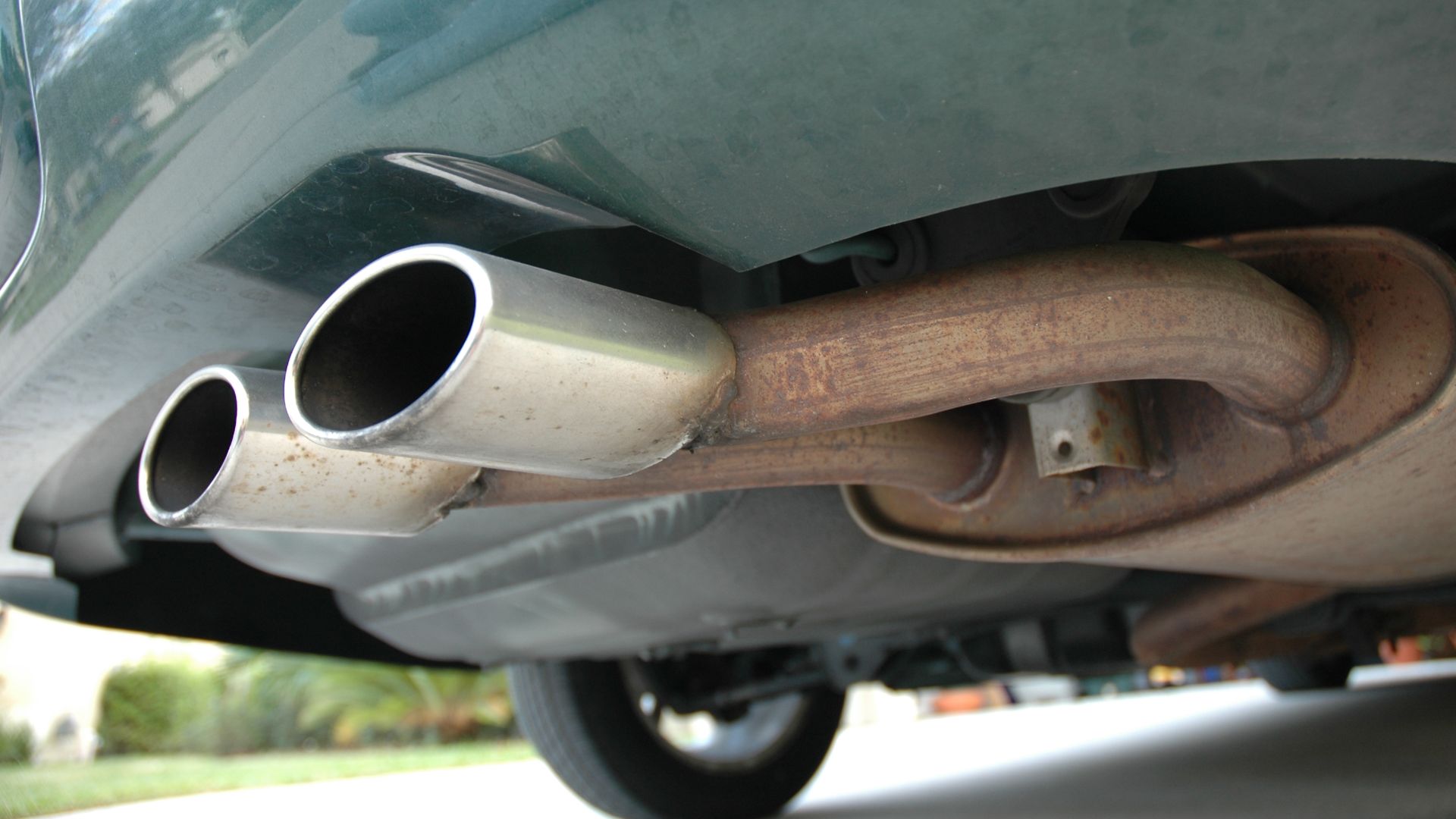
Exhaust Hangers
Rubber exhaust hangers and metal mounting brackets support the exhaust system underneath your vehicle. When they deteriorate or break, exhaust components may sag, rattle, or strike the underside of the car. The engine computer may detect certain exhaust-related emissions problems, but a broken hanger alone generally won't trigger a warning.
 KeysPhotography.com, Wikimedia Commons
Tire Sidewalls
Tire pressure monitoring systems can warn drivers about underinflation, but they generally cannot detect every form of tire damage. Sidewall cracks, bulges, cuts, and impact damage can develop while tire pressure remains normal. A damaged sidewall may fail suddenly, making regular visual inspections essential even when no dashboard warning appears.

You May Also Like:
Simple Things Mechanics Wish Every Driver Would Check Before They Bring In Their Car
The Most Expensive Repairs On Cheap Used Cars, According To Mechanics