School Pickup Should Not Trap You At Home
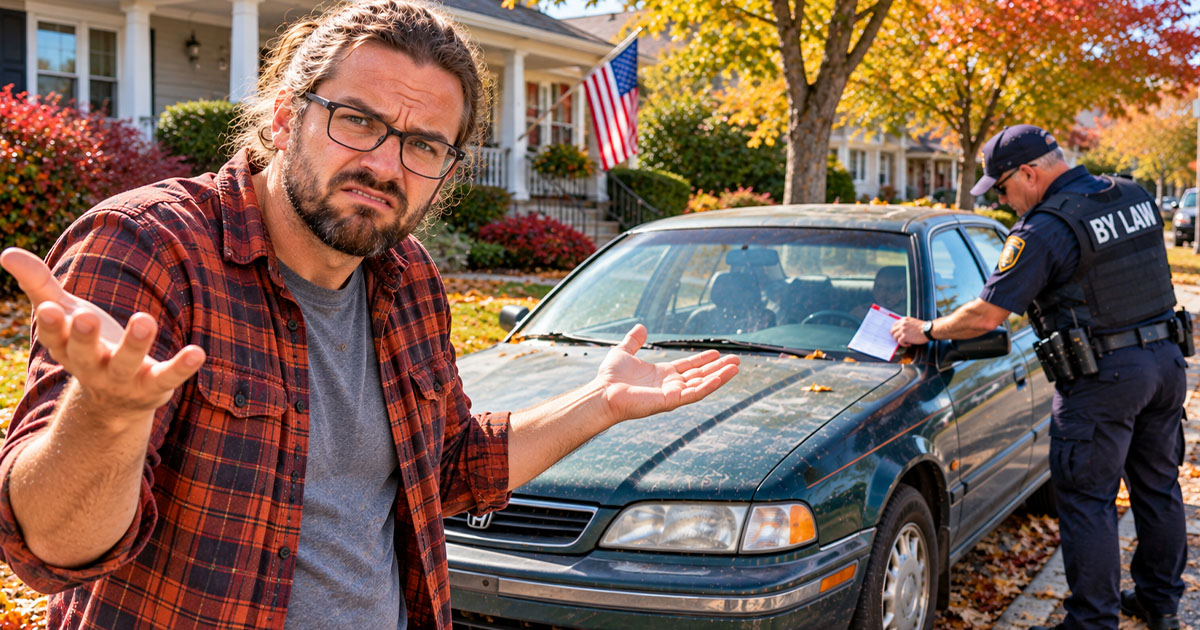
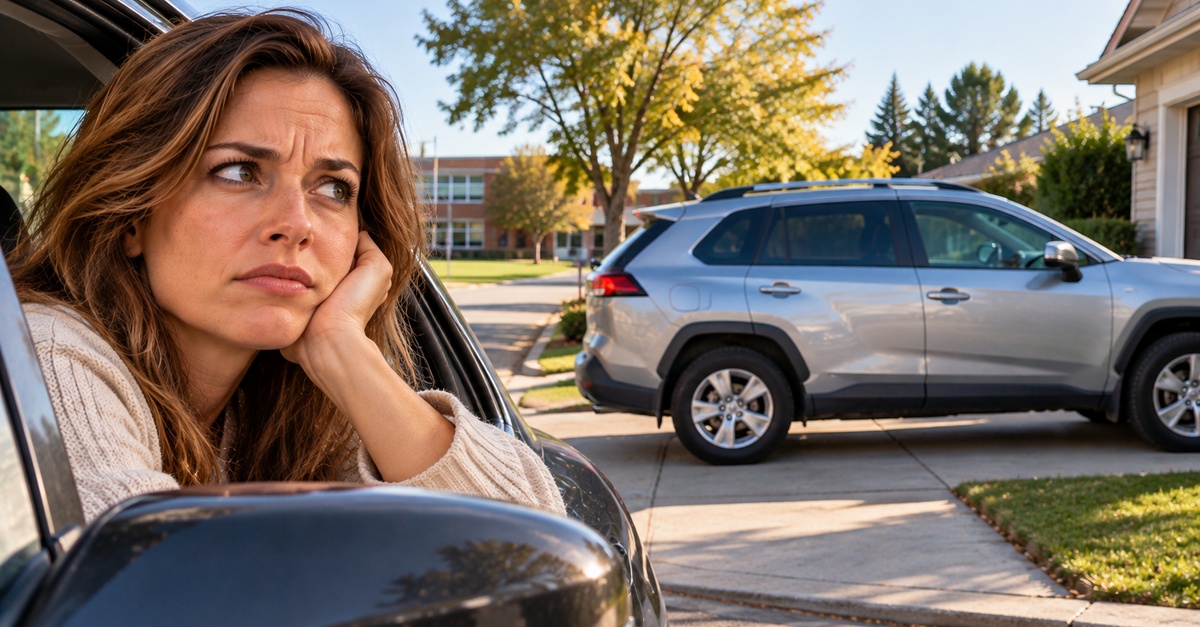
Living near a school often means accepting a burst of traffic twice a day, but losing access to your own driveway is a different problem. Municipalities and schools routinely warn drivers not to block private driveways during pickup and drop-off. The exact rules and enforcement procedures vary by location, but a vehicle obstructing a driveway can generally be reported to local parking enforcement or the appropriate municipal service.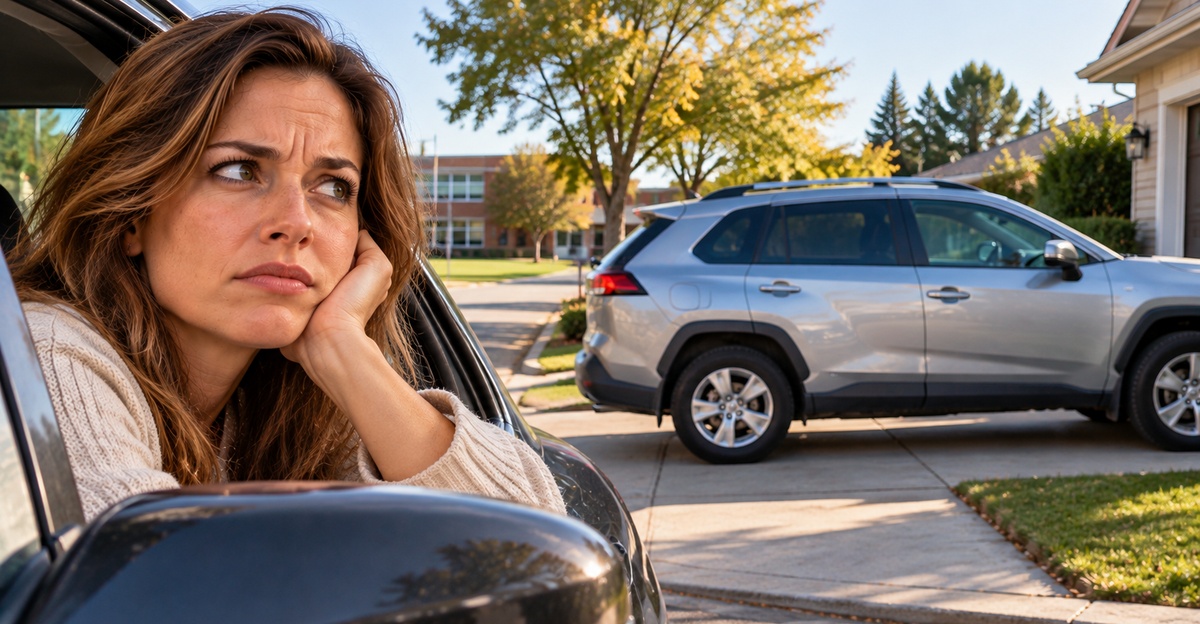 Factinate Ltd
The Afternoon Traffic Jam Is A Real Phenomenon
School dismissal can put a large number of vehicles onto residential streets within a remarkably short period. Research published in Traffic Injury Prevention examined 552 elementary schools in seven Canadian municipalities and found risky driving behavior at 98 percent of them during morning drop-off observations. The study demonstrates why communities increasingly treat school traffic as a transportation and safety problem rather than merely an inconvenience.
A Driveway Is Not A Waiting Zone
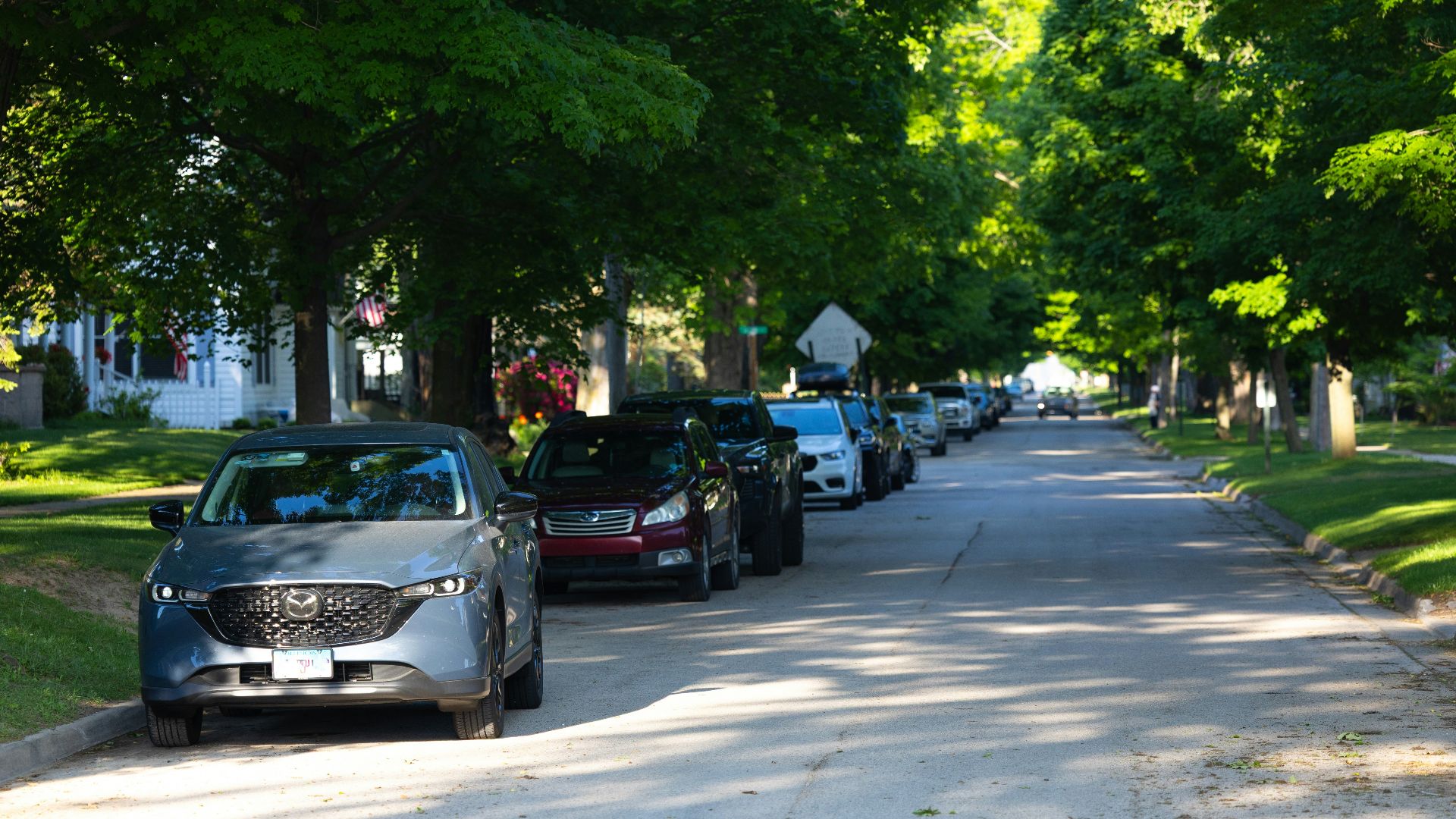
A parent may see an empty driveway entrance and assume it is a convenient place to wait for a few minutes. That does not turn the entrance into a legal pickup space, and school guidance commonly tells drivers to keep private driveways clear. Oakville school-zone guidance, for example, specifically warns drivers not to block driveways, entrances, bus stops, intersections, or crosswalks.
Even A Partial Block Can Matter
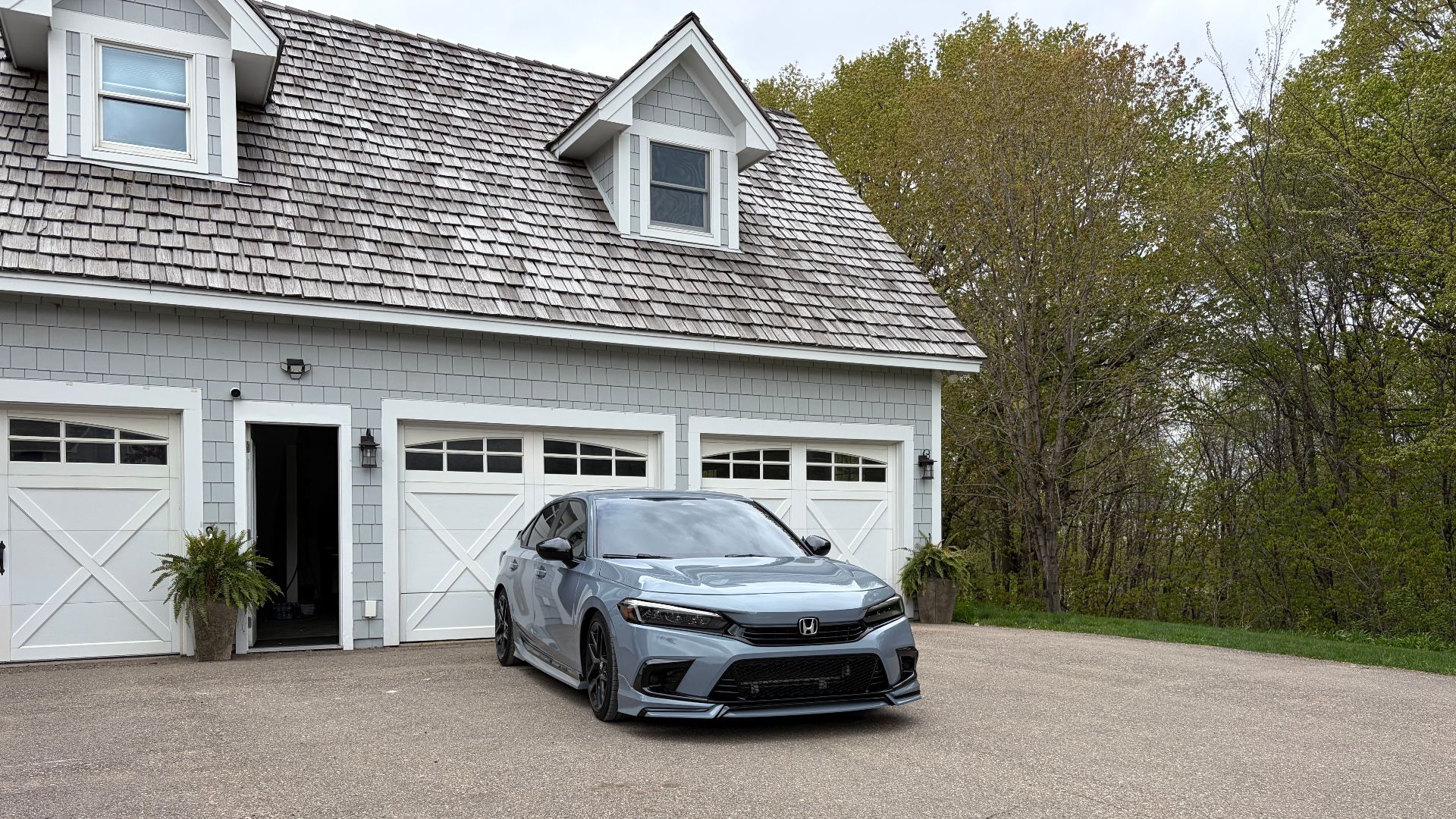
A car does not necessarily have to sit directly across the entire driveway before authorities consider it a problem. New York City's official 311 service allows residents to report vehicles that partially or completely block a driveway. The city asks complainants to provide information including the vehicle's color, make, model, and license plate number.
Your Rush Does Not Have To Be An Emergency
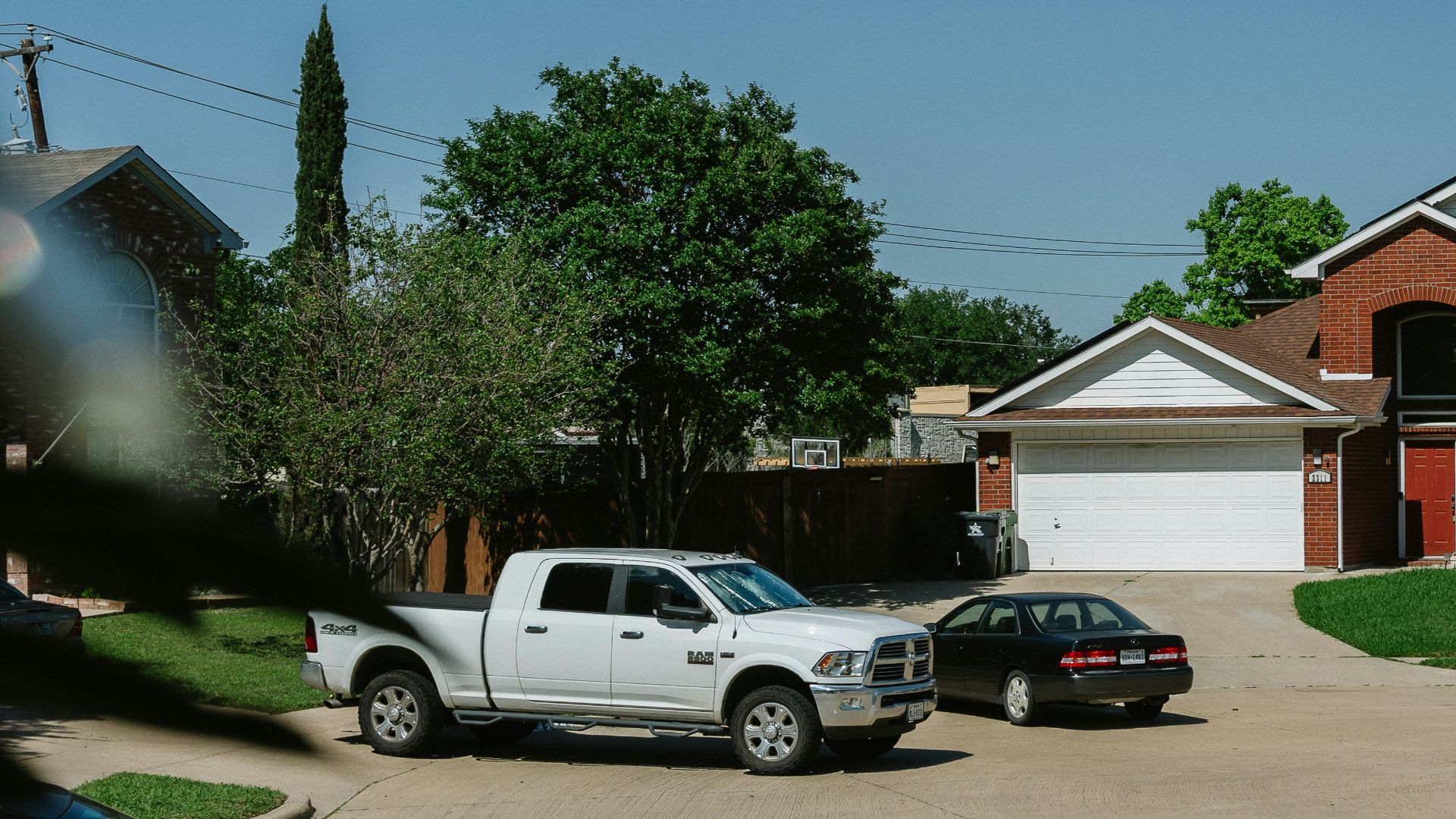
Imagine you have an appointment, need to collect a child, or are already late for work. Those situations can make a blocked driveway extremely frustrating, but they do not automatically turn the situation into an emergency. The appropriate reporting channel depends on the municipality, so residents should check whether parking enforcement, 311, bylaw enforcement, or a police non-emergency service handles ordinary driveway complaints.
A Genuine Emergency Changes The Situation
A blocked driveway can become much more serious if the obstruction is connected to an immediate threat to life or safety. Emergency services should be contacted according to the rules in your jurisdiction when there is a genuine emergency rather than an ordinary parking dispute. Residents should avoid exaggerating the circumstances simply to obtain a faster response, since parking complaints and emergencies are handled differently.
Document The Car Before It Disappears
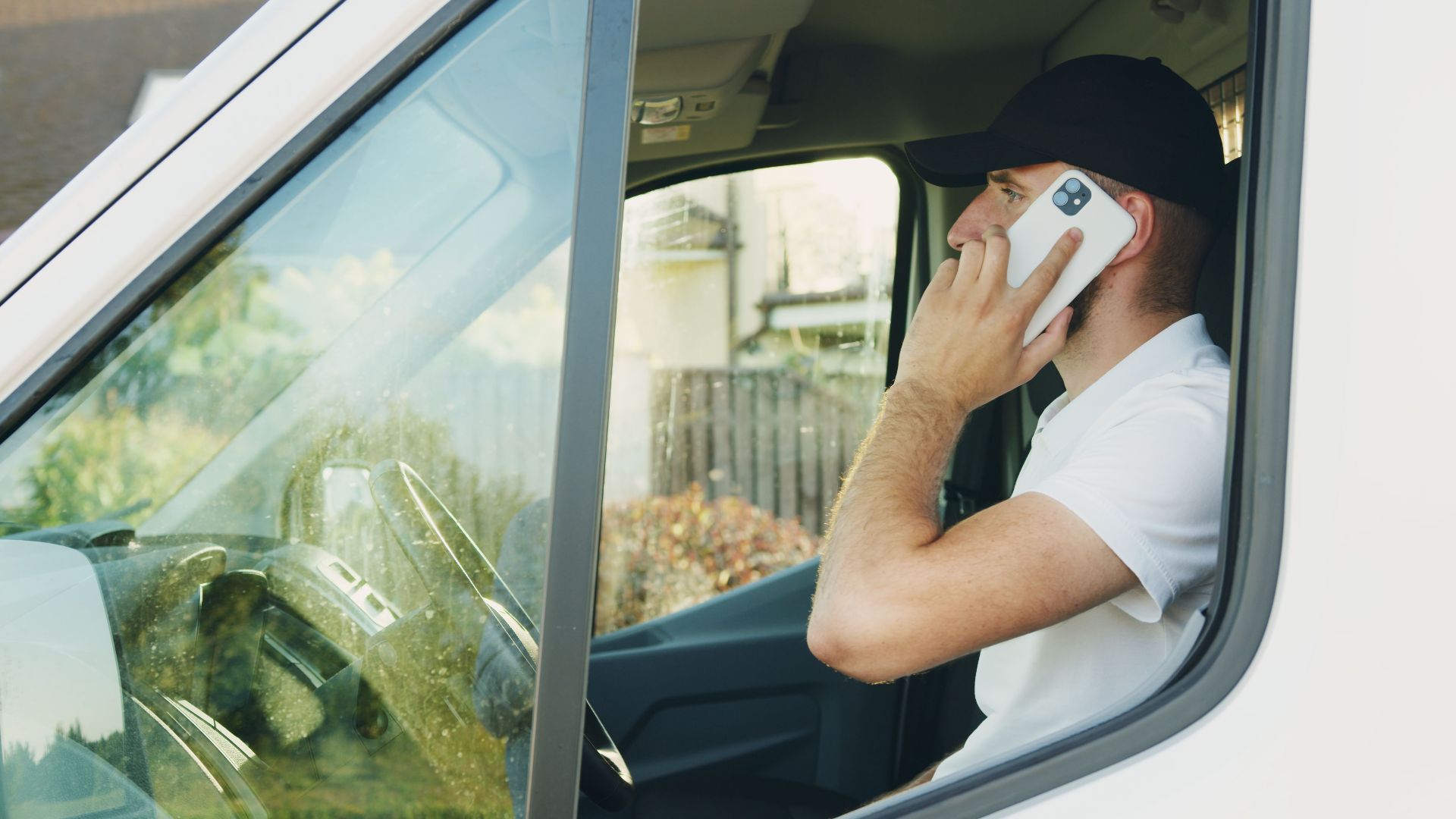
If the offending vehicle is unattended, recording basic identifying information can make a complaint easier to investigate. New York City's blocked-driveway reporting system specifically requests the vehicle's color, make, model, and license plate number. A photograph showing the obstruction can also create a useful record of a recurring problem, provided it is taken safely and lawfully from an appropriate location.

Repeated Incidents Are Worth Tracking
One blocked driveway may be an isolated mistake, while the same problem every weekday suggests a predictable traffic-management issue. Keeping a simple record of dates, times, vehicles, and reports can help demonstrate that the obstruction repeatedly coincides with school dismissal. That information can also make a complaint to the school or municipality more specific than simply saying that pickup traffic is terrible.

Start With The School
The school cannot necessarily issue a parking ticket on a public street, but administrators can communicate expectations to families. Schools already distribute pickup procedures covering subjects such as designated loading areas, U-turns, intersections, and private driveways. Asking the principal or administration to remind families not to block neighboring properties is therefore a reasonable early step.

Give The School Something Specific To Fix
A vague complaint about traffic is difficult to act on. Instead, explain which driveway is being blocked, when it usually happens, and whether drivers are parking, standing, or lining up across the entrance. That information may help administrators determine whether their existing pickup pattern is pushing waiting vehicles onto surrounding residential streets.

The Pickup Line May Be Part Of The Problem
A line of waiting vehicles can extend well beyond school property when many families arrive at roughly the same time. The City of Calgary notes that school drop-off and pickup periods can create congestion around school entrances and recommends following designated procedures, avoiding double parking, and considering parking a block or two away. Better traffic organization can reduce pressure on the streets immediately surrounding a school.
Congestion Can Encourage Worse Driving
Research at 100 Toronto elementary schools found associations between traffic congestion and several risky behaviors. Congestion was associated with double parking, reversing, and children crossing between parked vehicles. The researchers also found fewer of some risky behaviors at schools with designated drop-off areas.
Blocking A Driveway Can Also Hurt Visibility
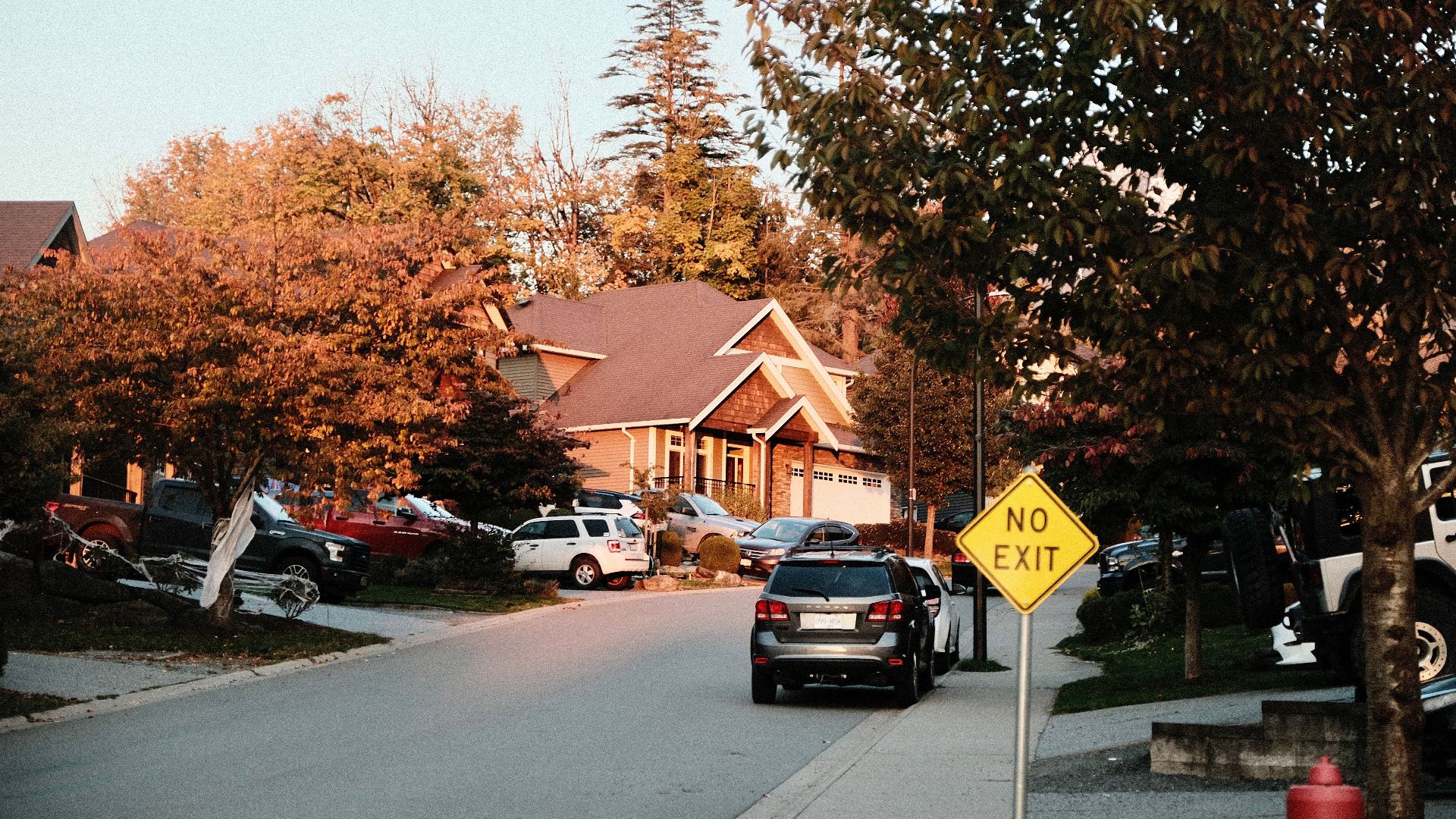
School-zone parking problems affect more than the homeowner trying to leave. Cars clustered around entrances, intersections, and crossings can make it harder for children and motorists to see each other. Calgary's school-safety guidance specifically warns that illegal parking, obstructed sightlines, and vehicles stopped in crosswalks put children at risk.

Do Not Fight Congestion With A Risky Exit
Being trapped behind another vehicle is aggravating, especially when you are running late. Trying to squeeze around it, backing blindly into traffic, driving over a curb, or making another unsafe maneuver can create a larger problem. NHTSA advises drivers to be particularly alert for children when backing out of driveways and driving through neighborhoods and school zones.
A Polite Request May Solve It Once
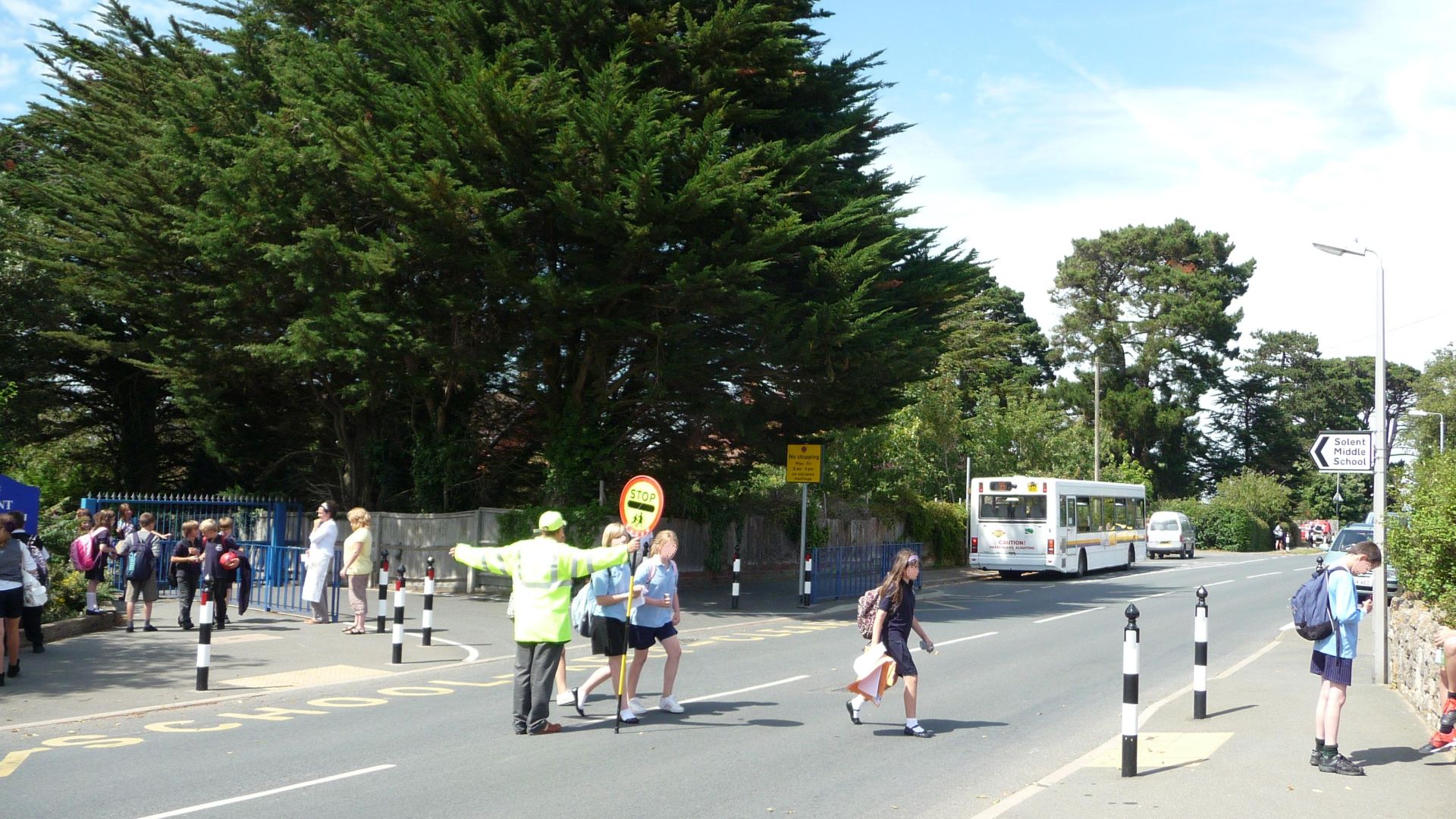
If the driver is sitting in the vehicle and you can speak to them safely, simply explaining that you need to use the driveway may resolve the immediate obstruction. A brief conversation is very different from confronting someone aggressively or escalating an argument in a crowded school zone. If the behavior keeps happening, formal reporting channels are a better tool than repeated roadside disputes.
A Homemade Sign Is Not An Enforcement Officer
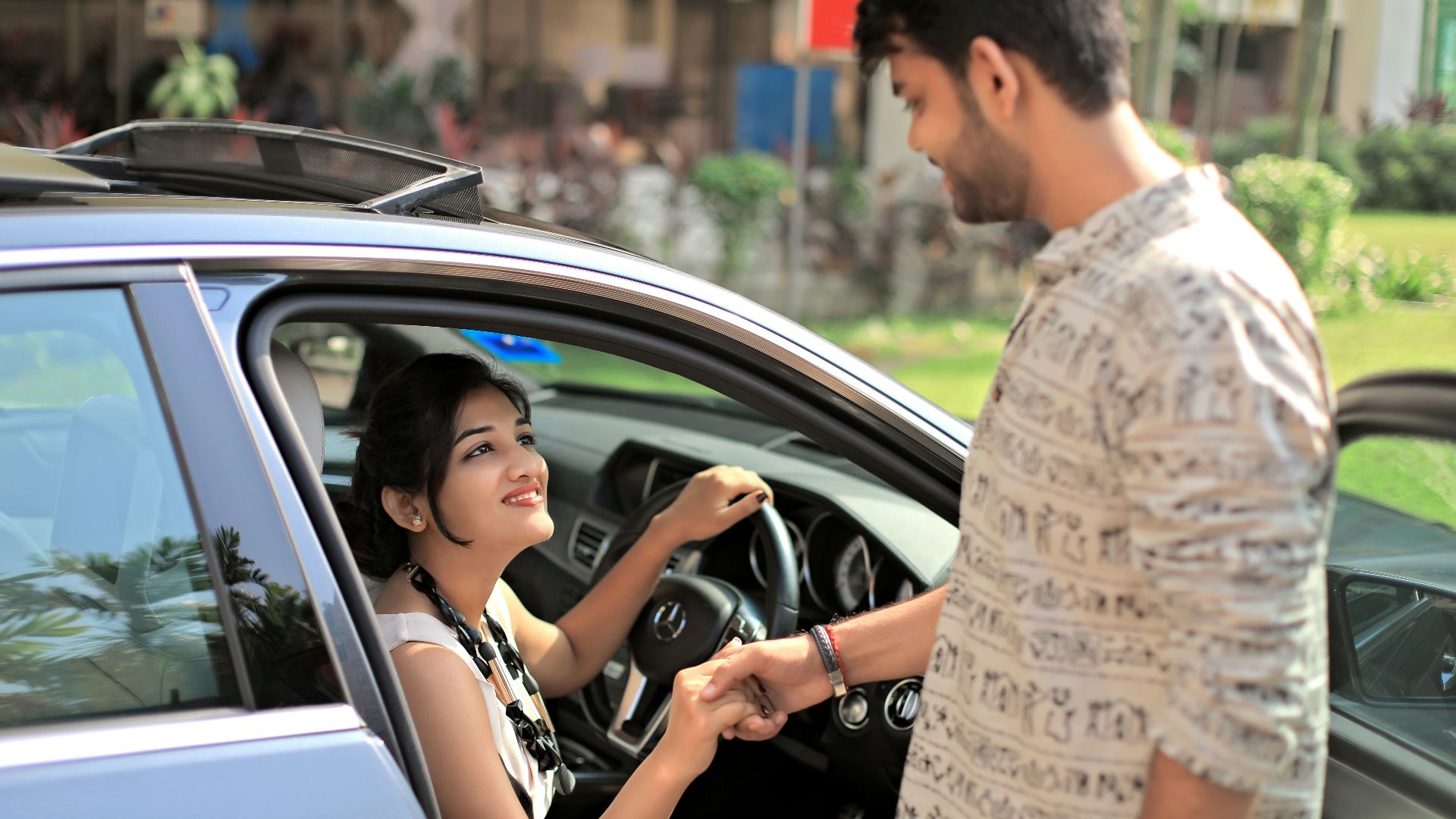
A clearly worded reminder near your property may discourage some drivers, but residents should check local rules before placing signs near sidewalks, curbs, utility poles, or public rights-of-way. An unofficial sign also does not create a new parking restriction on a public street. The strongest approach is to rely on existing parking rules and request official changes through the municipality if those rules are inadequate.
Painting The Curb Yourself Can Backfire
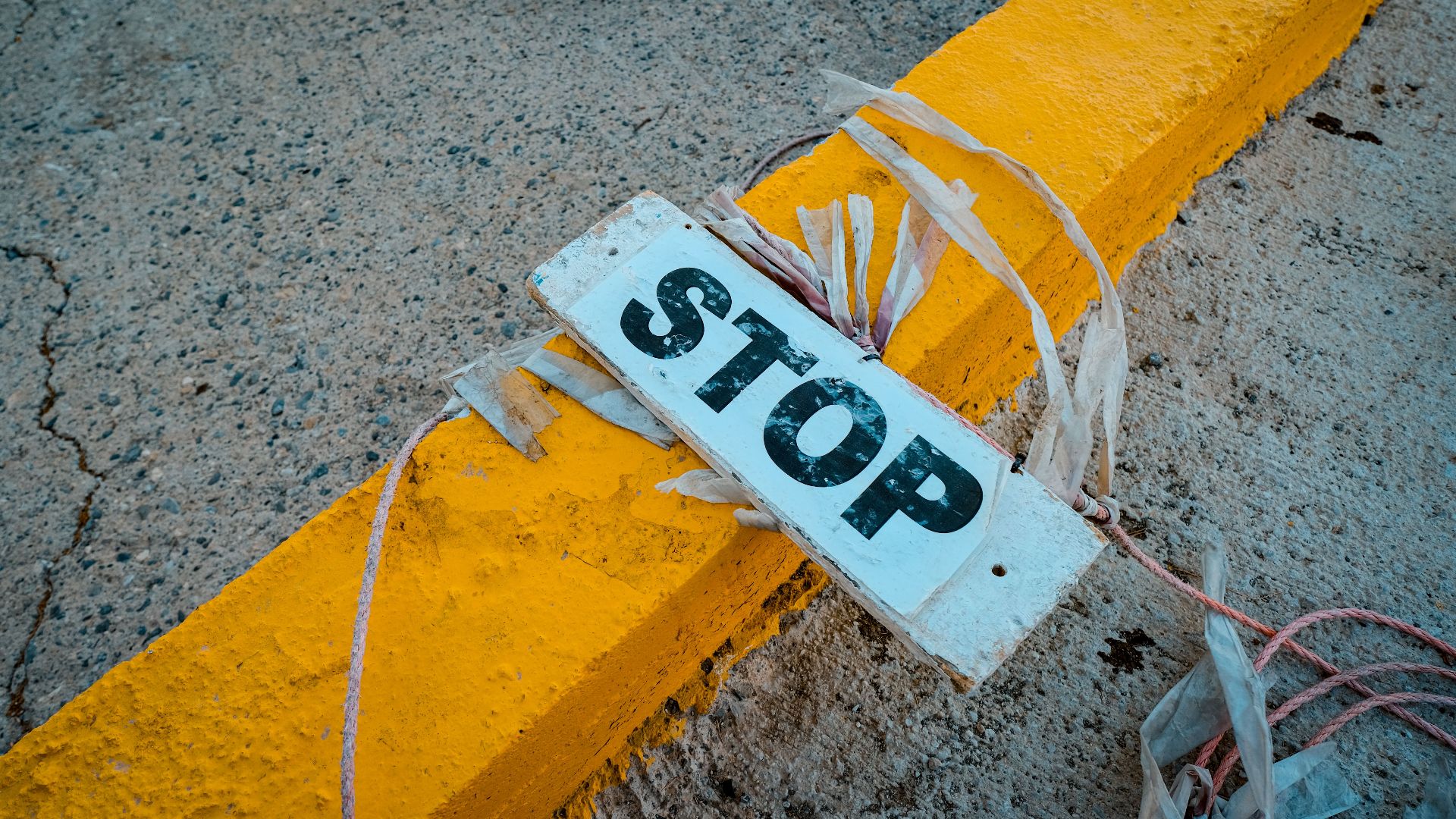
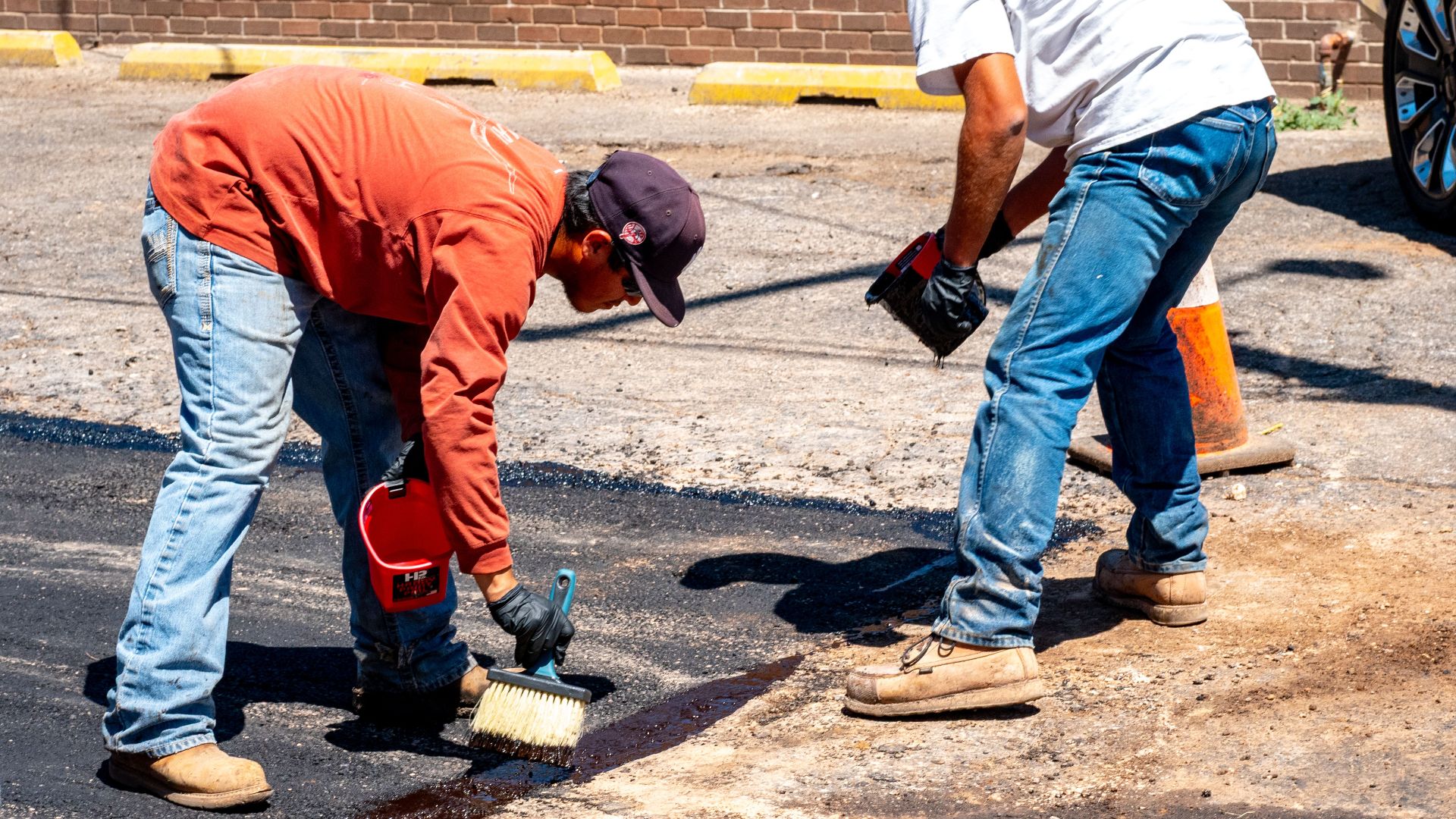
It may be tempting to paint the curb or create your own no-parking markings around the driveway. Curb markings and traffic-control devices are generally governed by local authorities, so homeowners should not assume they can modify a public curb themselves. New York City, for example, has a specific complaint process for curbs that have been illegally painted or altered around driveways.
Calling A Tow Truck Is Not Always Your Decision
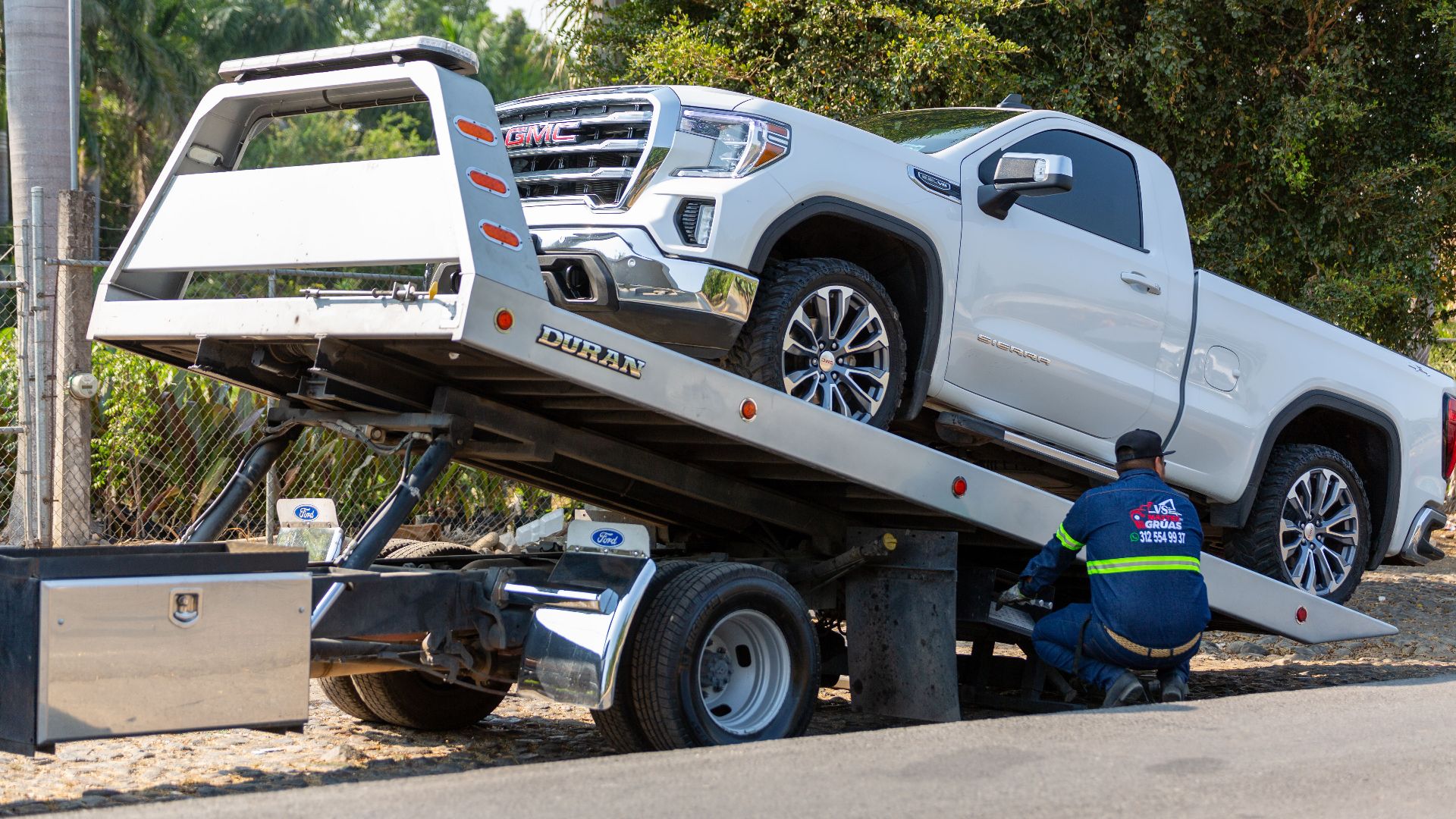
Whether a homeowner can directly order a tow depends heavily on where the vehicle is located and local law. A vehicle sitting on a public street is different from one parked on private property, and municipalities may require an enforcement officer or police action before removal. In New York City, for example, police may ticket a vehicle blocking a driveway, after which the resident can request removal through specified towing procedures.
A Ticket May Come Before A Tow
Reporting a blocked driveway does not guarantee that the vehicle will immediately disappear on a tow truck. Enforcement officers may issue a citation, warning, tow order, or take another action permitted under local rules. Kelowna, British Columbia, for example, states that an officer responding to a parking complaint may issue a warning, issue a bylaw notice, issue a notice and tow the vehicle, or take no enforcement action depending on the circumstances.
Response Times Can Ruin The Perfect Solution
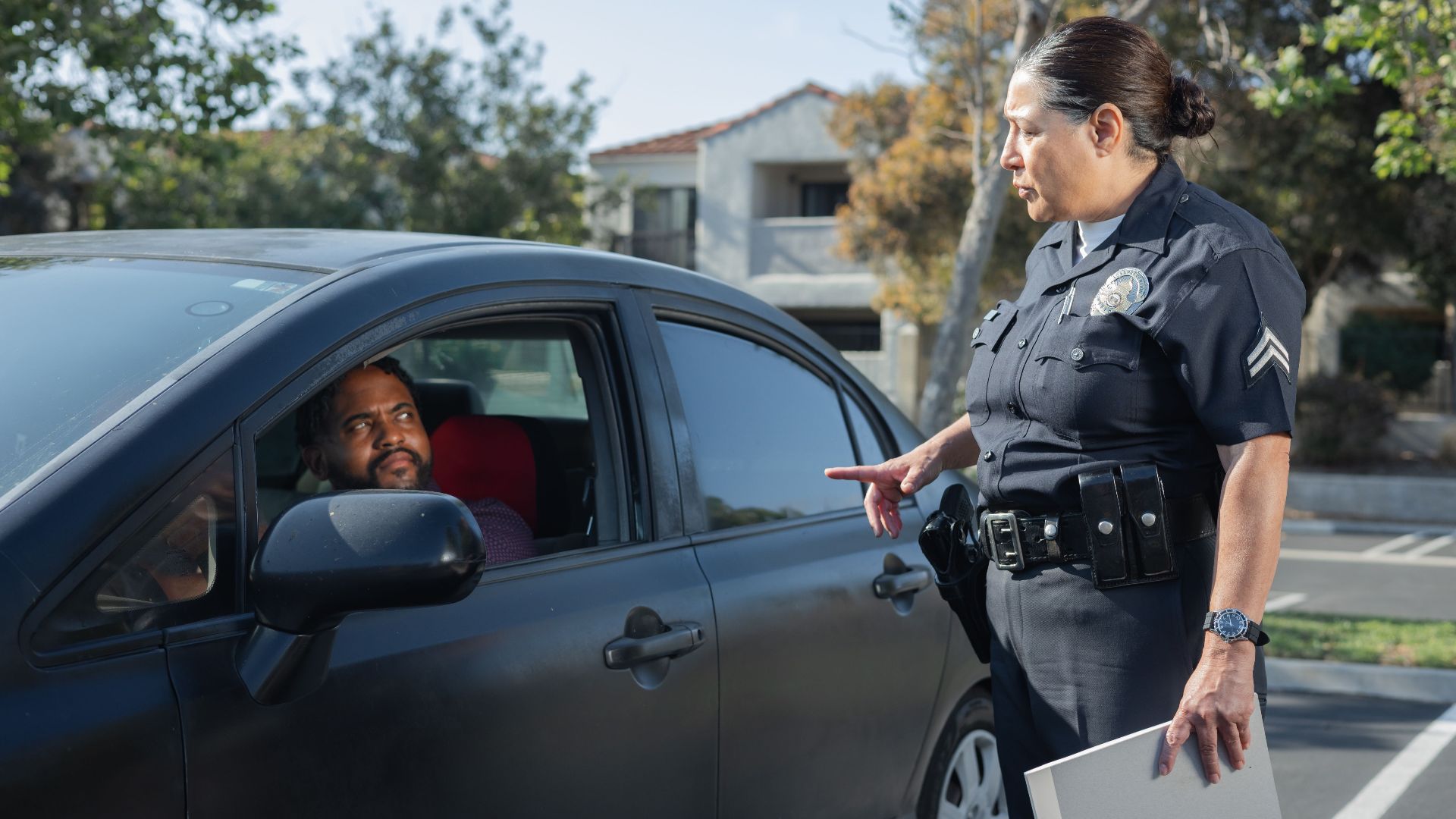
Parking enforcement may not arrive before a school-pickup offender leaves. That is one reason repeated documentation matters when the same obstruction happens for only 10 or 20 minutes each afternoon. A complaint history can help show that the issue is recurring even when an individual vehicle is gone before an officer reaches the street.
Enforcement Can Still Make A Difference
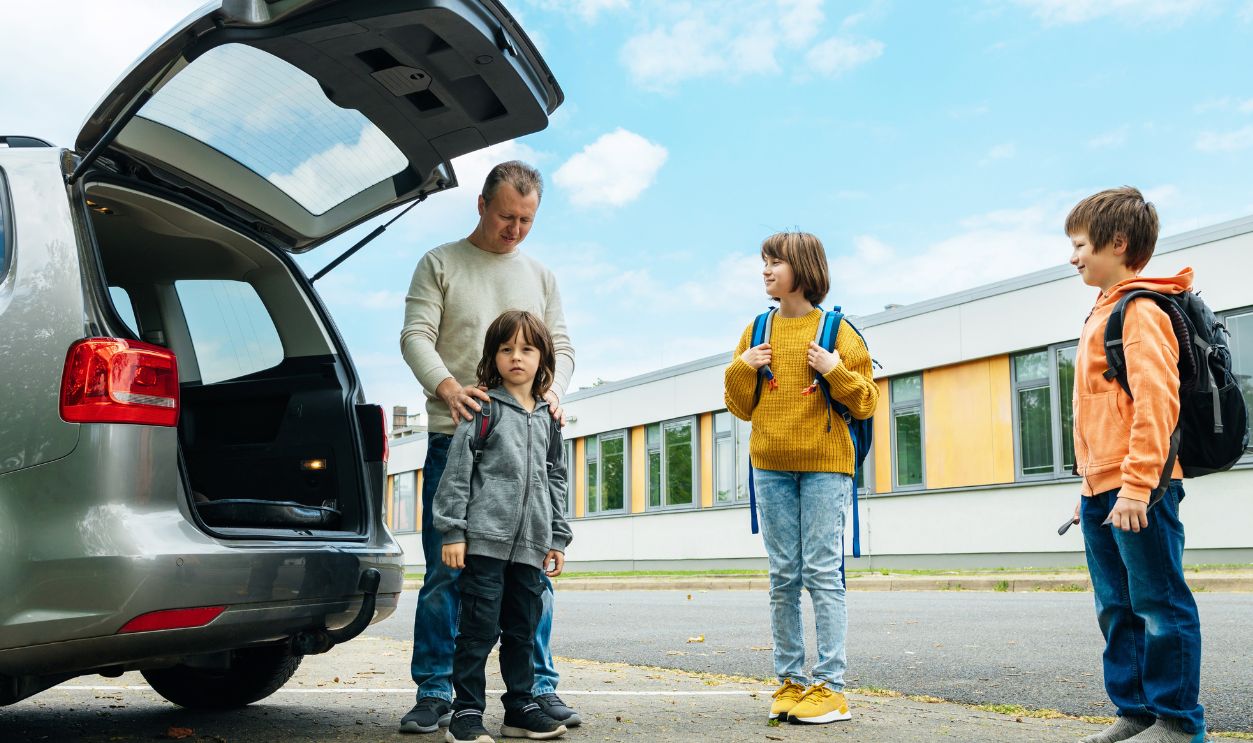
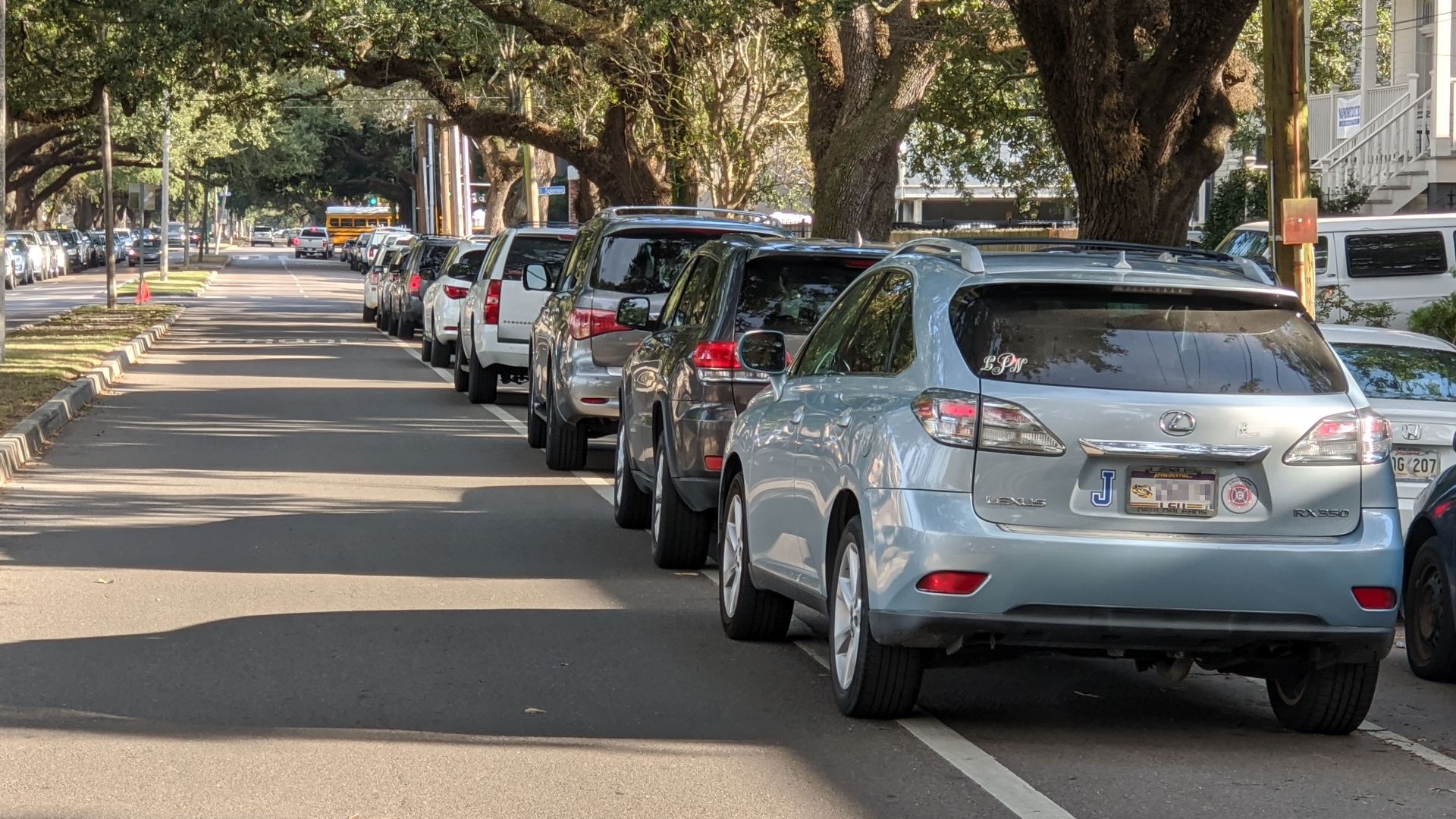
Official records show that blocked-driveway complaints do sometimes result in enforcement. Recent NYC 311 service-request records include cases in which police investigated blocked-driveway complaints, determined that violations occurred, and issued summonses. San Francisco records likewise document enforcement following complaints about vehicles obstructing driveways.
 Bart Everson, Wikimedia Commons
Ask For Targeted Enforcement At Pickup Time
If the obstruction occurs at nearly the same time every school day, tell the relevant parking or traffic authority about that pattern. Some municipalities conduct school-zone patrols specifically around arrival and dismissal. Oakville's Municipal Enforcement Services, for example, has announced rotating morning and afternoon patrols at schools while reminding drivers not to block driveways.
The School May Need A Better Traffic Plan
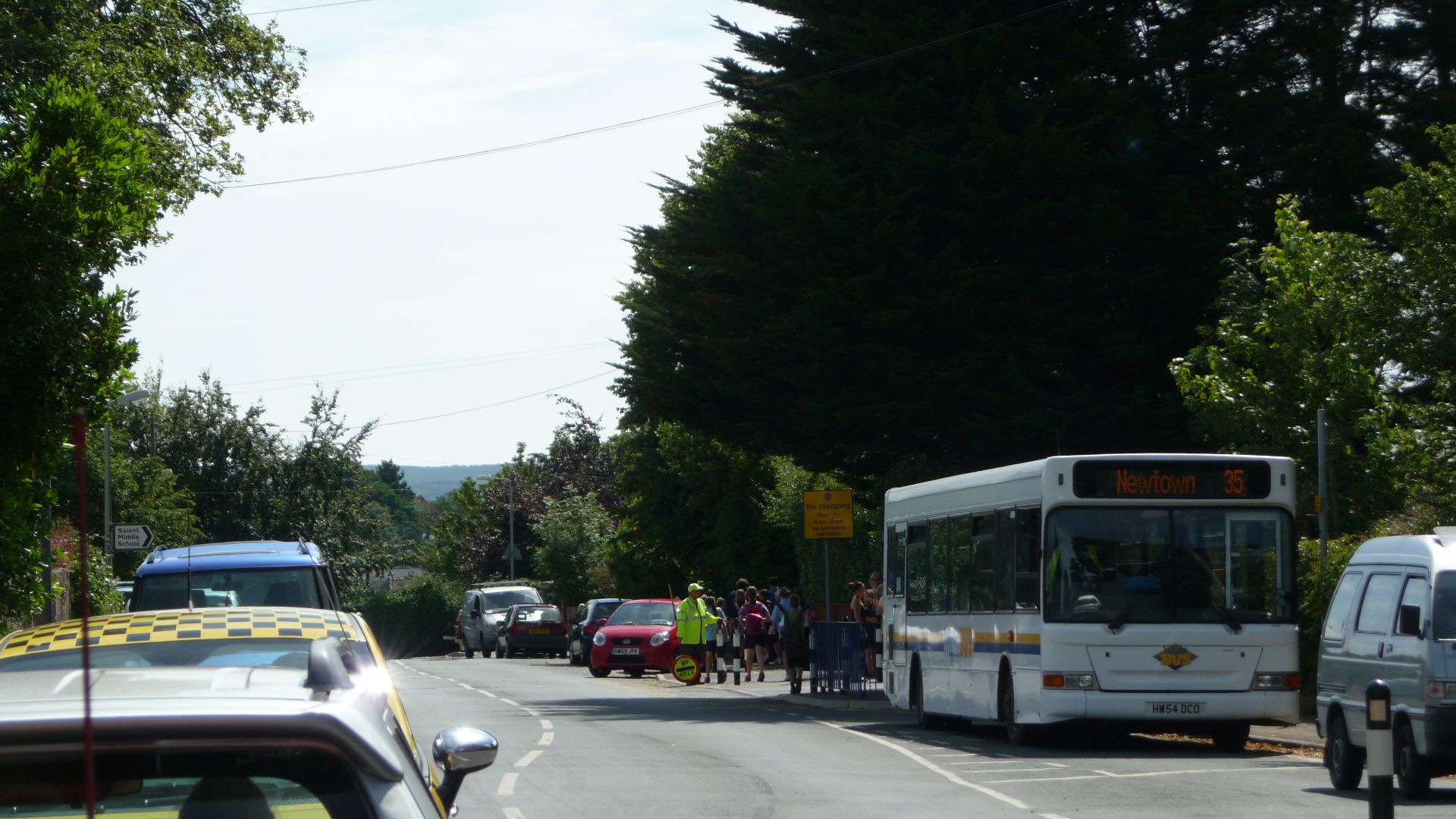
Recurring problems across an entire block can indicate that the school's pickup system is sending too many cars into too little space. Safe Routes to School programs can examine circulation, parking, pedestrian crossings, designated loading areas, and other traffic problems around campuses. Solano County's Safe Routes to School program specifically provides resources to help schools improve high-traffic drop-off and pickup operations.
Moving Pickup Away From The Gate Can Help
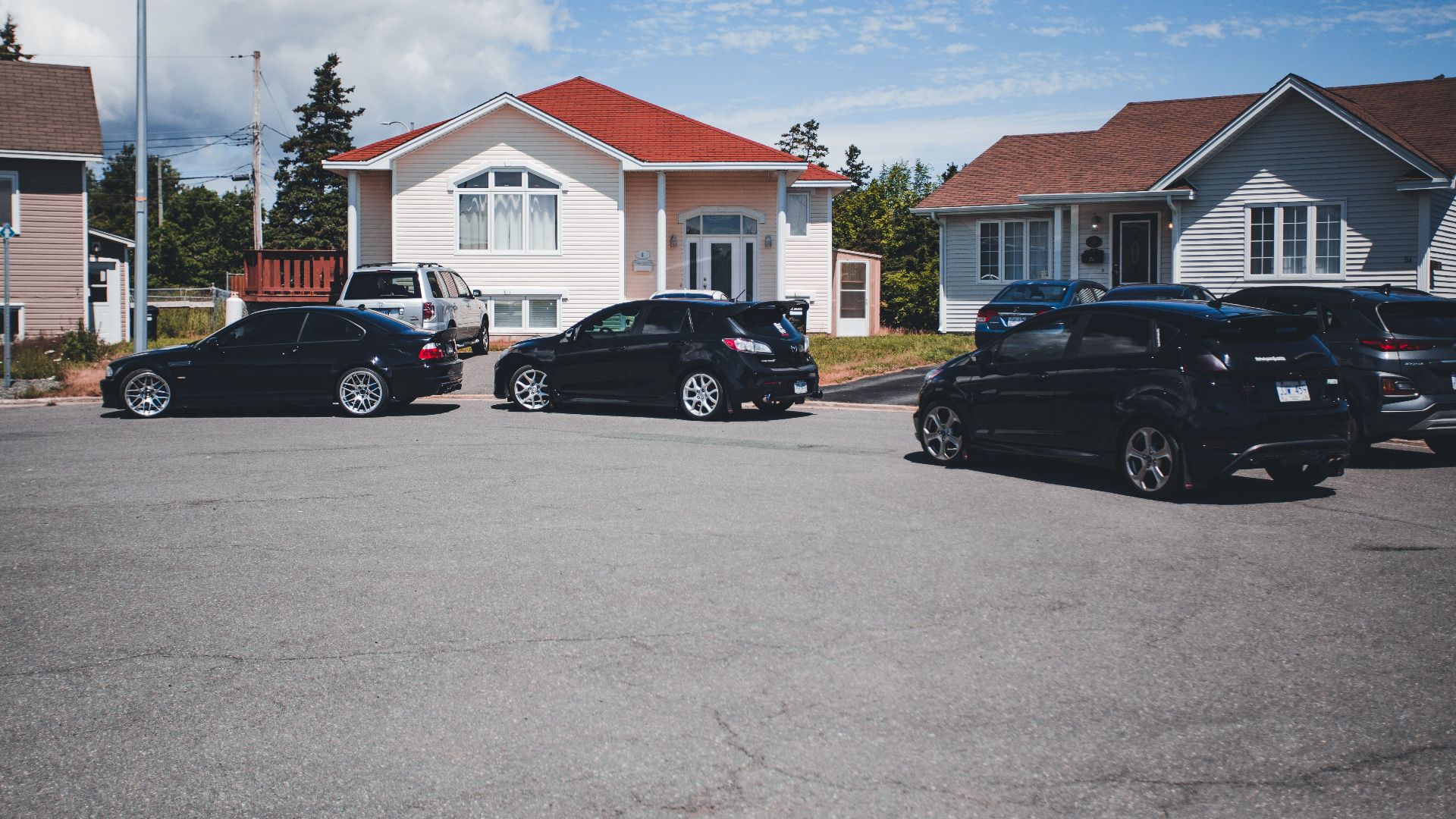
Not every parent needs to stop directly outside the school entrance. Some governments encourage drivers to consider parking a block or two away and walking the remaining distance, while others have promoted designated “Drive to Five+” locations as a way to reduce congestion close to schools. Spreading vehicle activity over a wider area can relieve the intense competition for curb space immediately outside a campus.
Street Design Matters Too
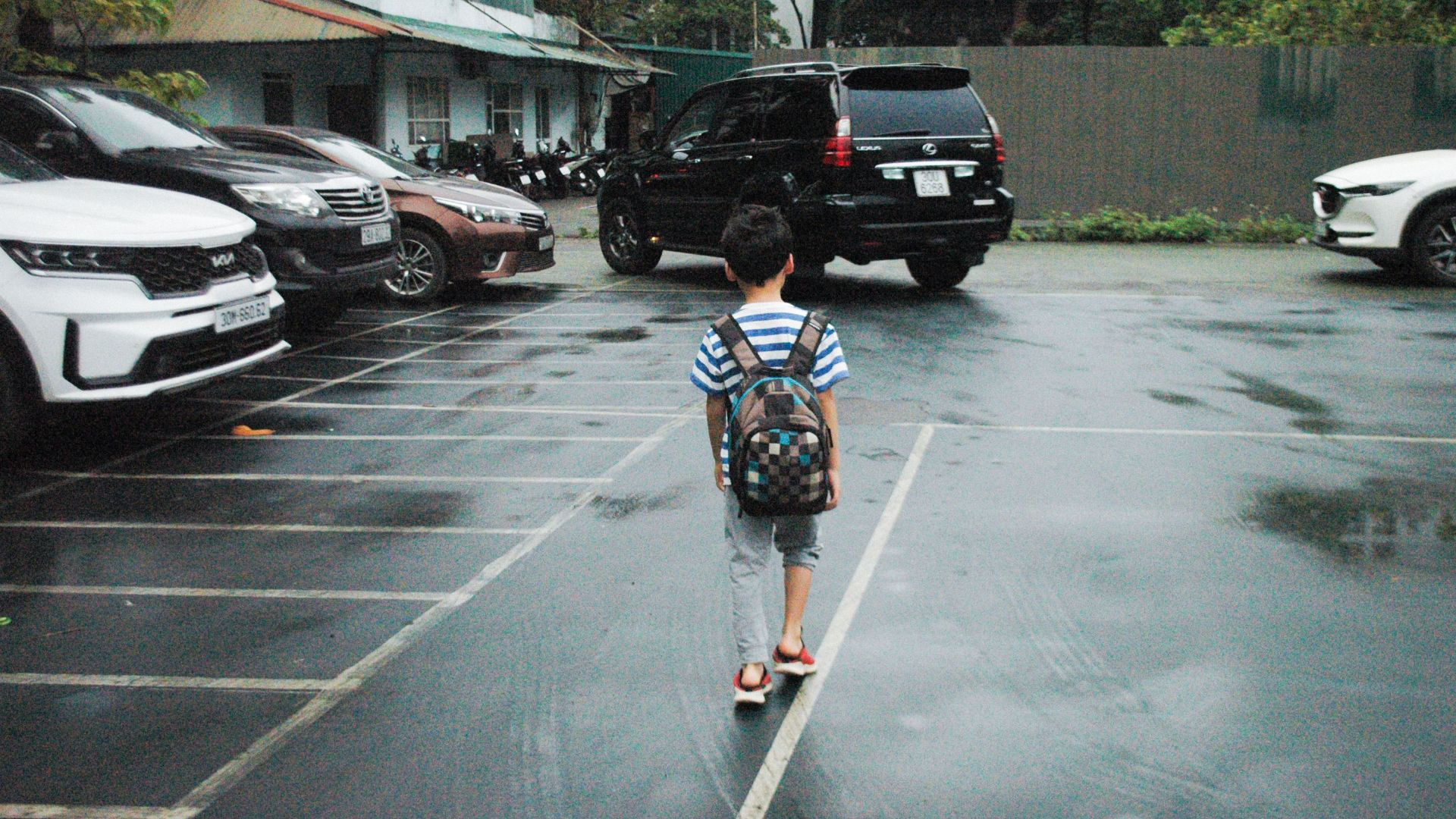
Driver behavior is only part of the equation. Research published in 2026 found that schools with fewer types of risky driving behavior tended to have features including more restricted-parking signage and more frequent curb extensions. The findings suggest that engineering and street design can complement education and enforcement when school traffic repeatedly causes trouble.
Do Not Turn It Into A Personal Feud
The frustrating driver today may not be the same person who blocks the driveway tomorrow. Treating the problem as a neighborhood traffic issue rather than a battle with individual parents keeps attention on practical solutions. Schools, municipalities, parking officers, and traffic planners have tools that a homeowner standing at the curb does not.
Build A Routine Before The Next Rush
Save the correct local reporting number or online complaint page before another vehicle blocks the driveway. Know what identifying information the authority requests, and keep the school's contact information handy if the problem is tied consistently to dismissal. Preparing in advance is far easier than searching for the right agency while sitting in your car with somewhere urgent to be.
You Should Not Have To Schedule Around Someone Else's Car
Living beside a school requires some patience with predictable noise and traffic, but that does not mean residents should simply accept repeated obstruction of their property access. Start with documentation and communication, then use the appropriate parking-enforcement or municipal reporting process when necessary. If the whole street is struggling every afternoon, the lasting solution may be a better school traffic plan rather than another argument at the curb.
You May Also Like: