The Big SUV Question Hits Home
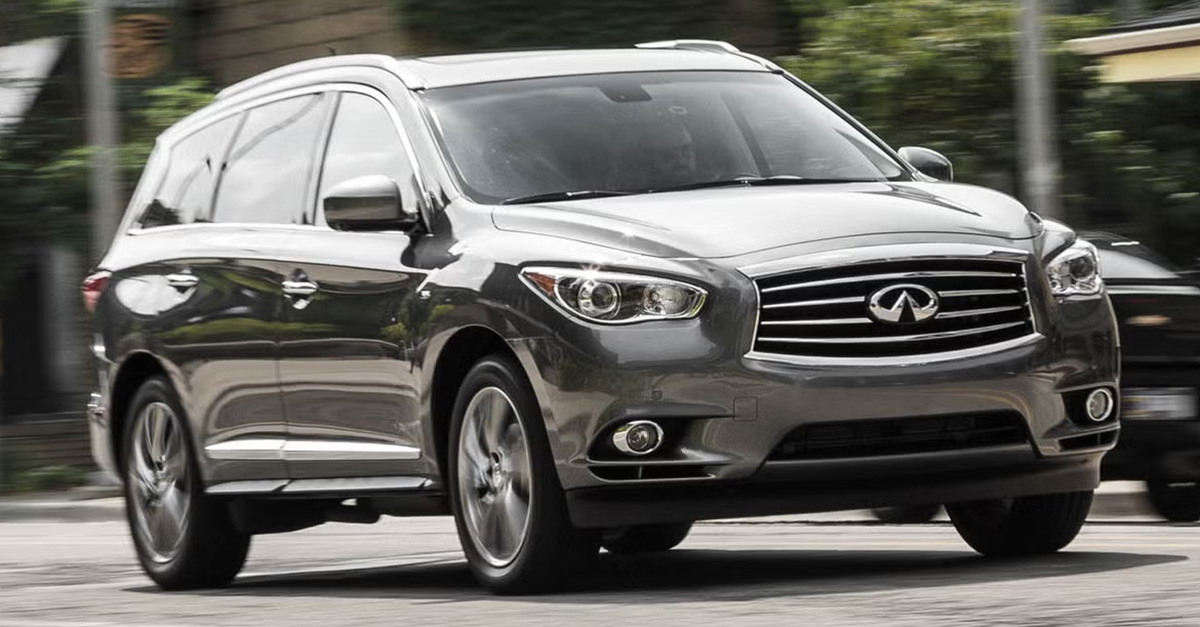
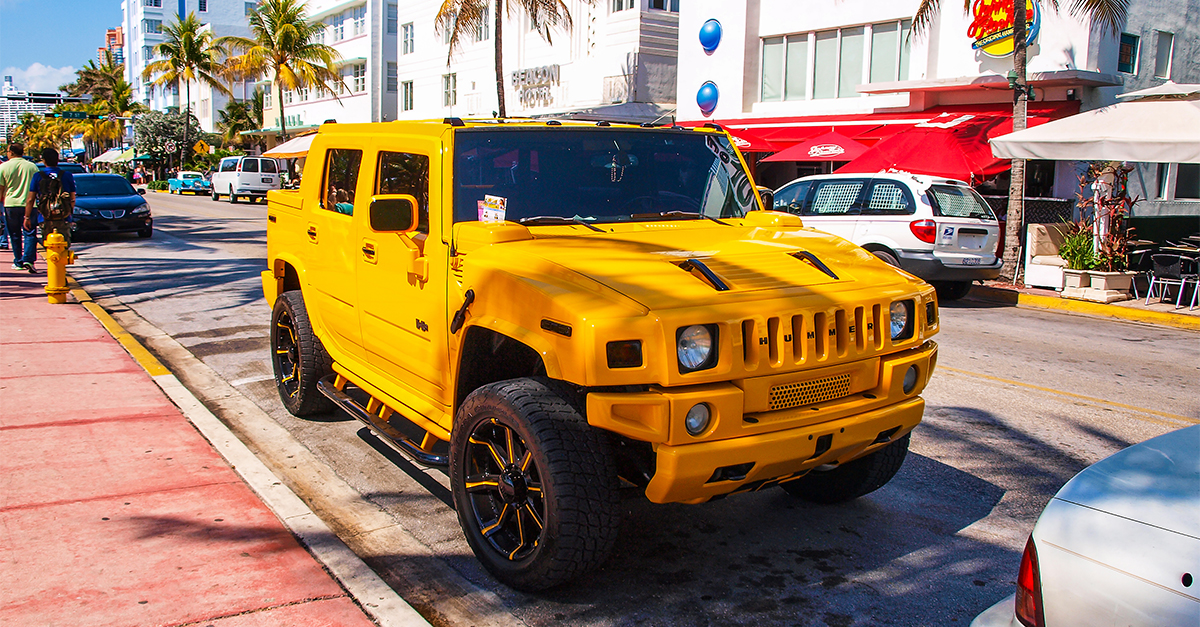
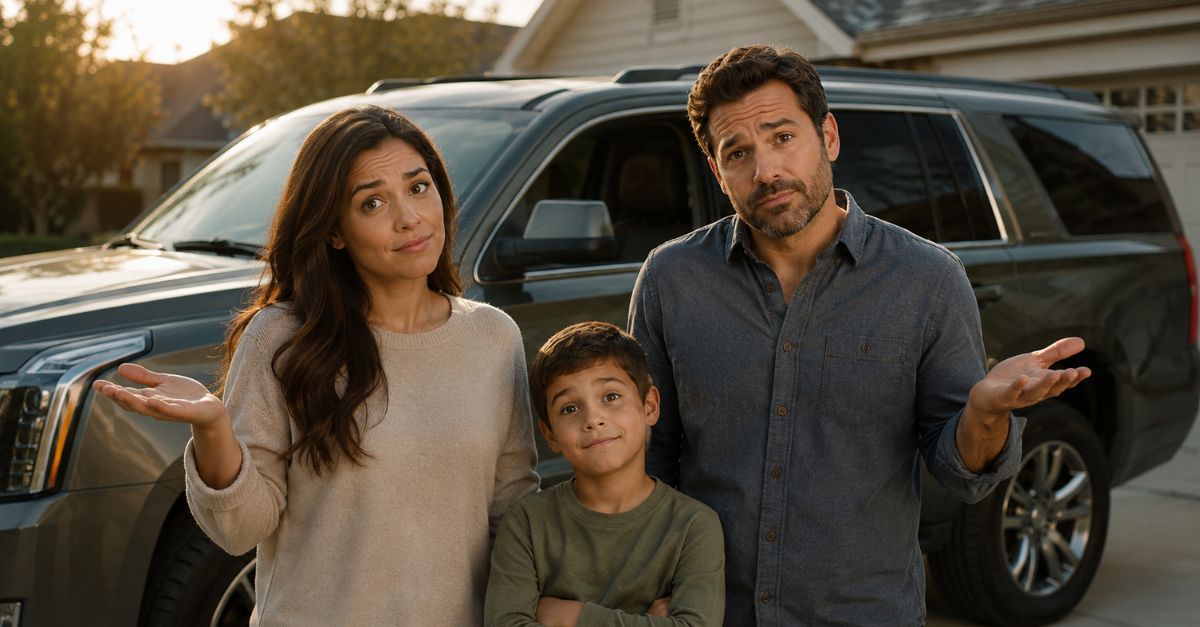
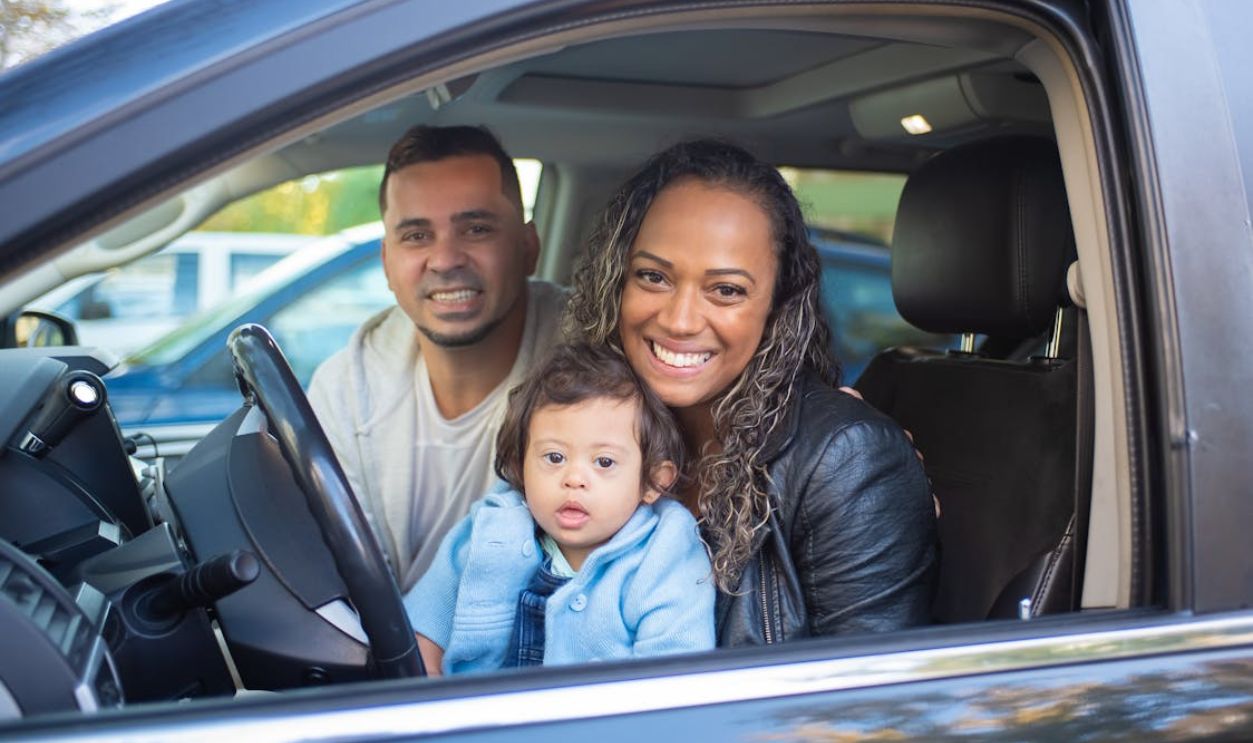
It's easy to think that a three-row SUV is the safest option for your family, even if you've only got one kid. More metal, more seats, more height, and a better view of traffic all sound reassuring—plus who knows! Your family could always get bigger! But when you look at crash data and vehicle design, the surprising reality is that bigger is often not better.
Why It Feels So Convincing
It is easy to see why many parents lean toward the biggest vehicle they can afford. Large SUVs sit higher, look tough, and often post strong crash test scores. That feeling of safety is real, but size is only one piece of the puzzle.
What Crash Researchers Found
The Insurance Institute for Highway Safety, or IIHS, has tracked driver death rates by vehicle type for years. In its latest analysis covering 2020 model year vehicles, IIHS found that larger and heavier vehicles generally had lower driver death rates than smaller ones. That seems like a win for the three-row SUV, but it is only part of the picture.
Size Helps, But It Is Not A Force Field
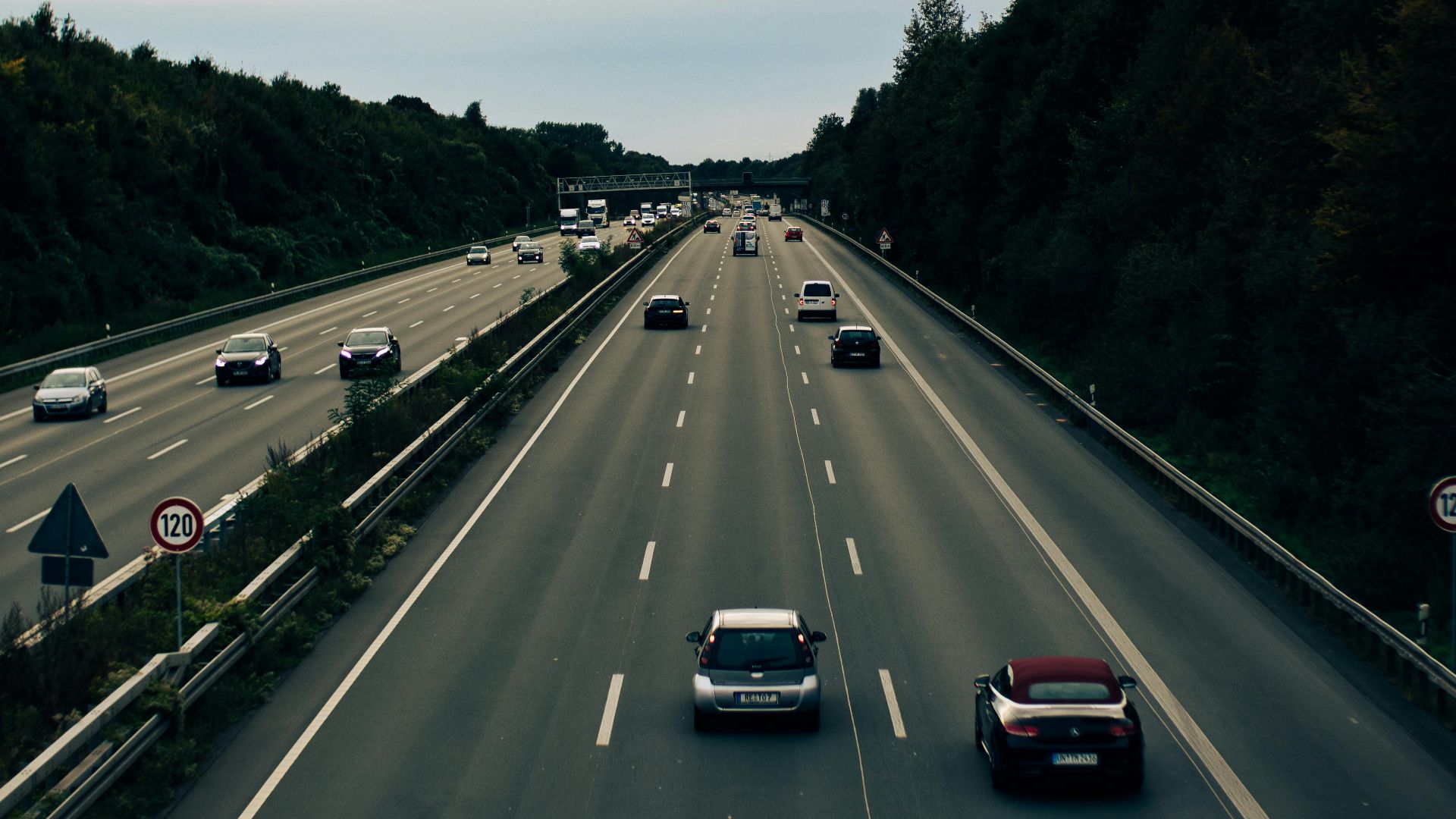
IIHS has also said that size and weight matter most in crashes with other vehicles. In single-vehicle crashes, rollover risk, seat belt use, speed, and overall vehicle design can matter just as much or more. A big SUV may protect well in some crashes while introducing other risks.
The Rollover Tradeoff
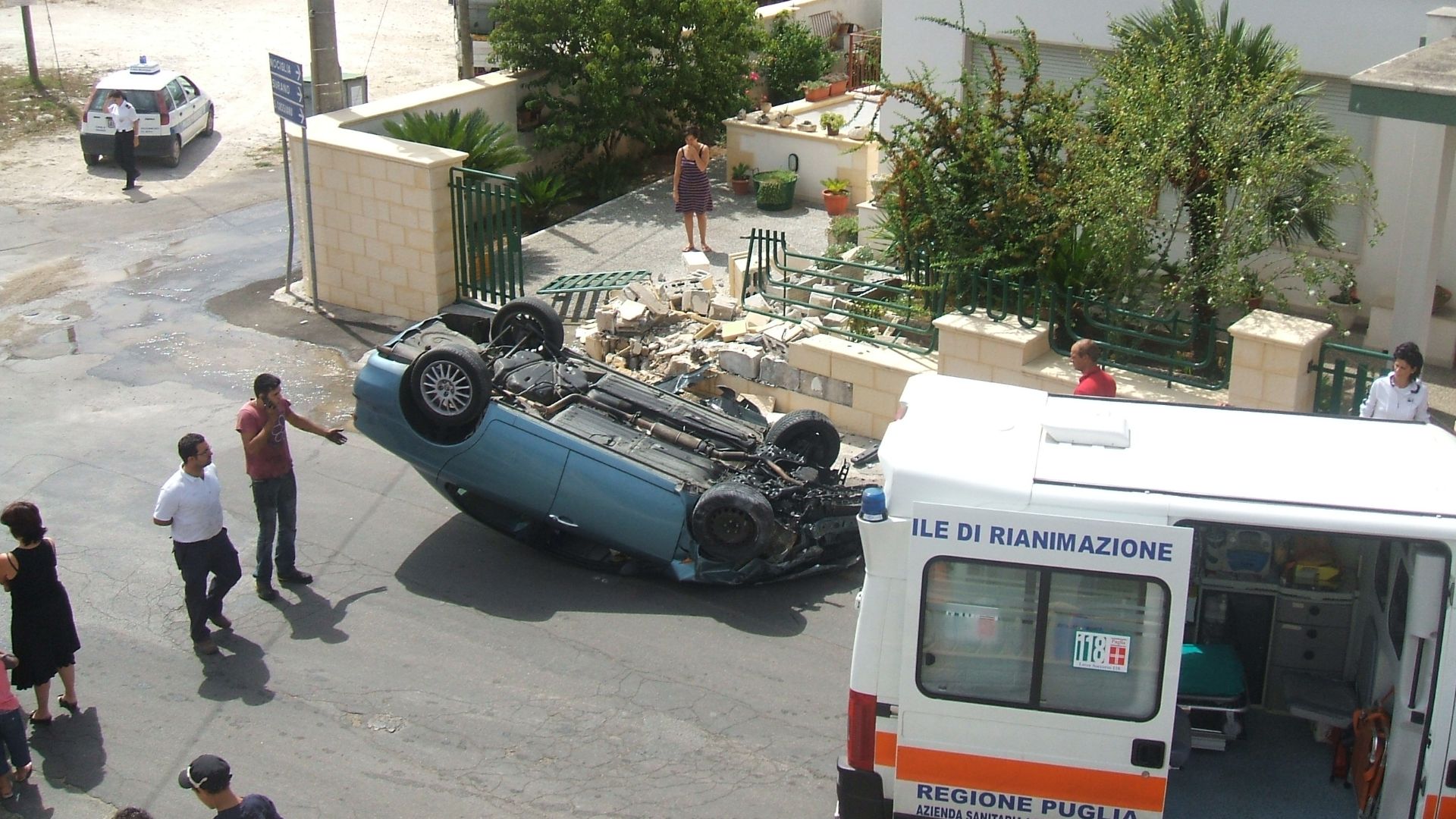
NHTSA has long warned that SUVs, pickups, and vans have a higher center of gravity than passenger cars. That raises the risk of rollover, especially during sudden maneuvers. So while a taller SUV may feel safer, that extra height comes with a real downside.
Three Rows Do Not Automatically Mean More Safety
A third row adds seats, not a blanket safety upgrade. If your family of three does not need the extra room, the main benefit may just be flexibility for carpools, visiting relatives, or road trips. Real safety comes more from crash protection, driver-assist tech, proper restraint use, and choosing a vehicle that matches your daily life.
Crash Protection Has Improved A Lot
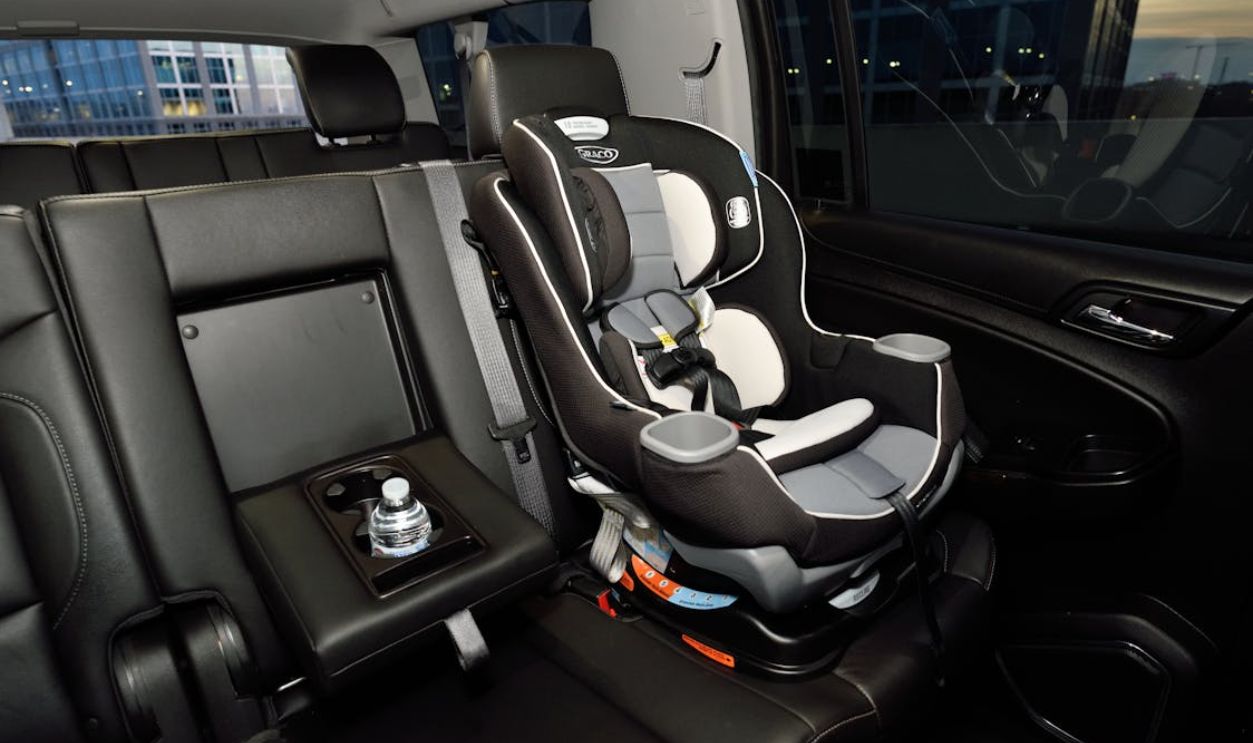
Modern vehicles are much safer than older ones, no matter the body style. IIHS and NHTSA testing helped push automakers to improve roof strength, side-impact protection, airbags, and electronic safety systems. That means a newer two-row SUV with top ratings may be a smarter pick than an older, larger three-row model.
The Technology Gap Can Be Huge
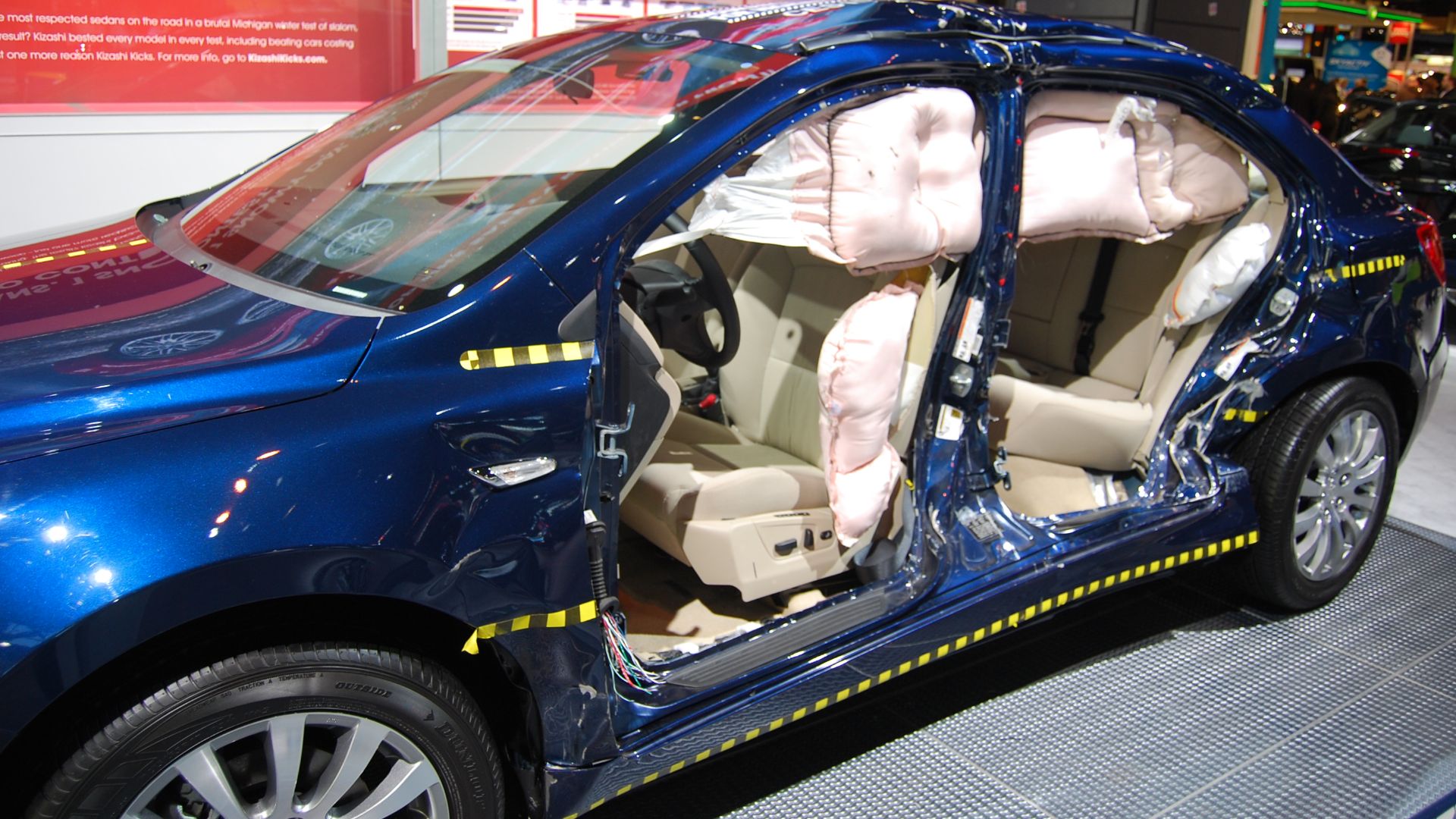
Automatic emergency braking, lane departure warning, blind spot monitoring, and better head restraints can make a real difference. IIHS has studied front crash prevention systems for years, and these features can cut rear-end crashes in a big way. A well-equipped midsize vehicle may outperform a larger but less advanced one in everyday driving.
Safety Starts With Car Seat Fit
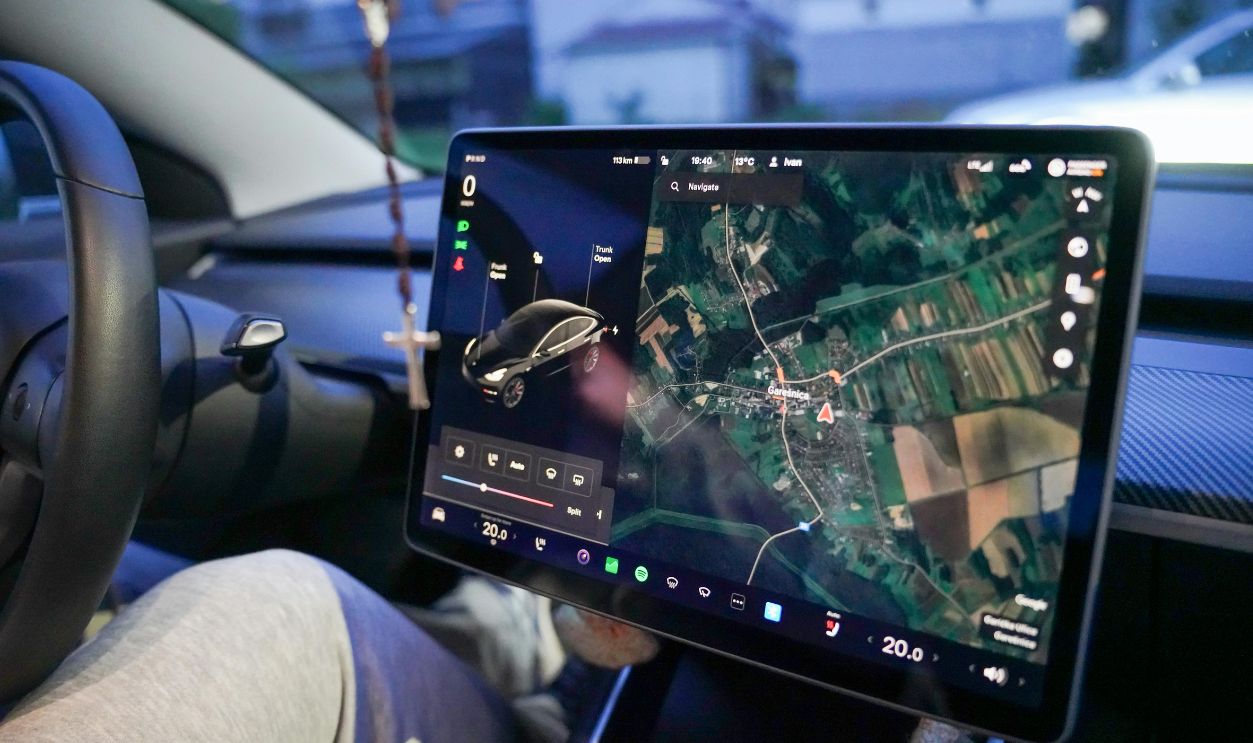
For a family of three, one of the biggest questions is how well your child seat fits. IIHS publishes car seat evaluations showing that some vehicles make installation much easier than others. A huge SUV with awkward anchors or tight seat geometry may be less practical than a smaller vehicle with an excellent setup.
The Back Seat Matters More Than You Think
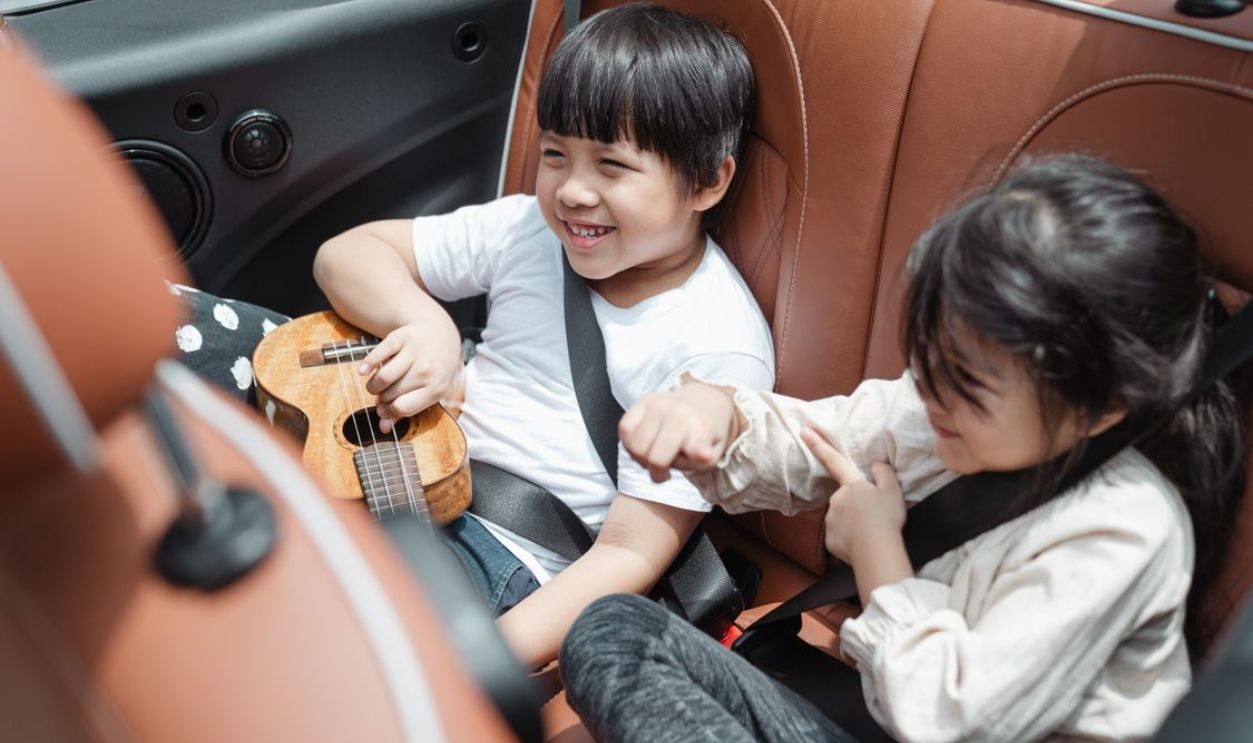
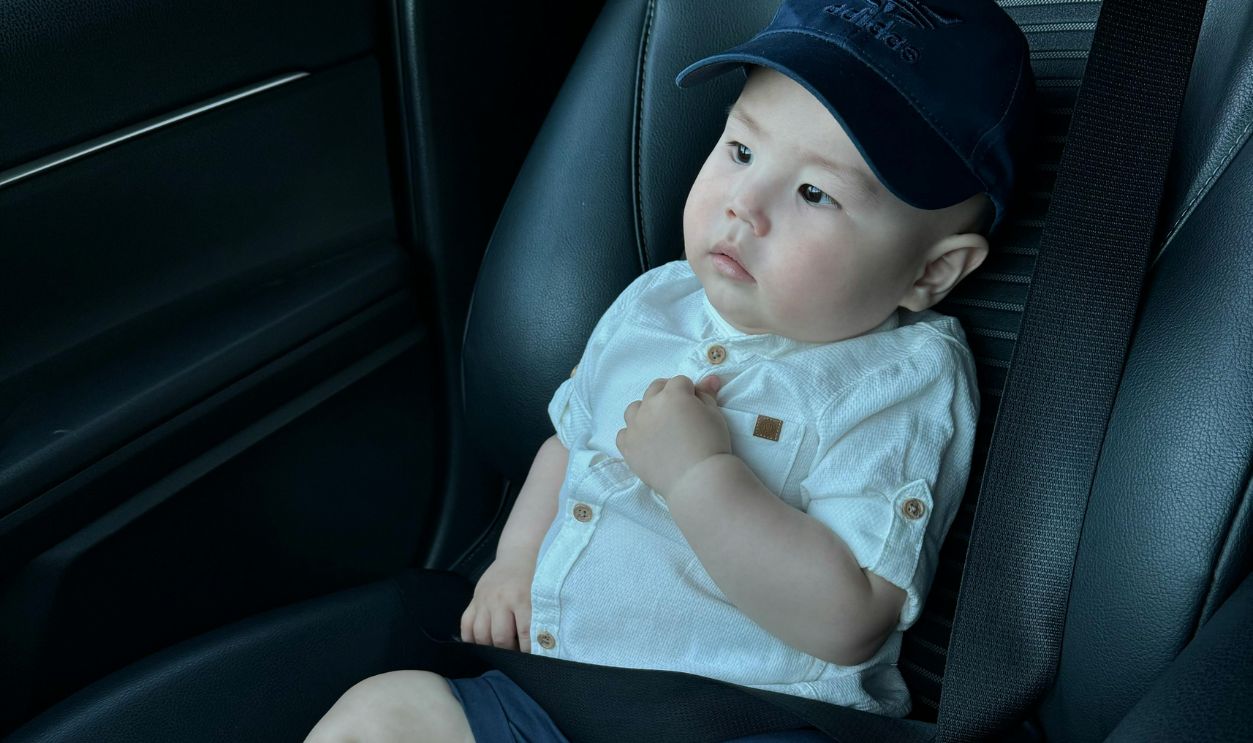
Children are safest when properly restrained in the back seat. The American Academy of Pediatrics has long recommended that children younger than 13 ride in the back. In many two-row SUVs, the second row is already roomy enough to do that job well.
There Is Also A Risk Outside The Vehicle
One hard truth about very large SUVs is that they can be more dangerous to pedestrians. IIHS has reported that vehicles with taller, more vertical front ends are linked to a higher risk of pedestrian deaths. If safety means protecting your family and others around you, that matters.
Visibility Is Not Always Better In A Bigger SUV
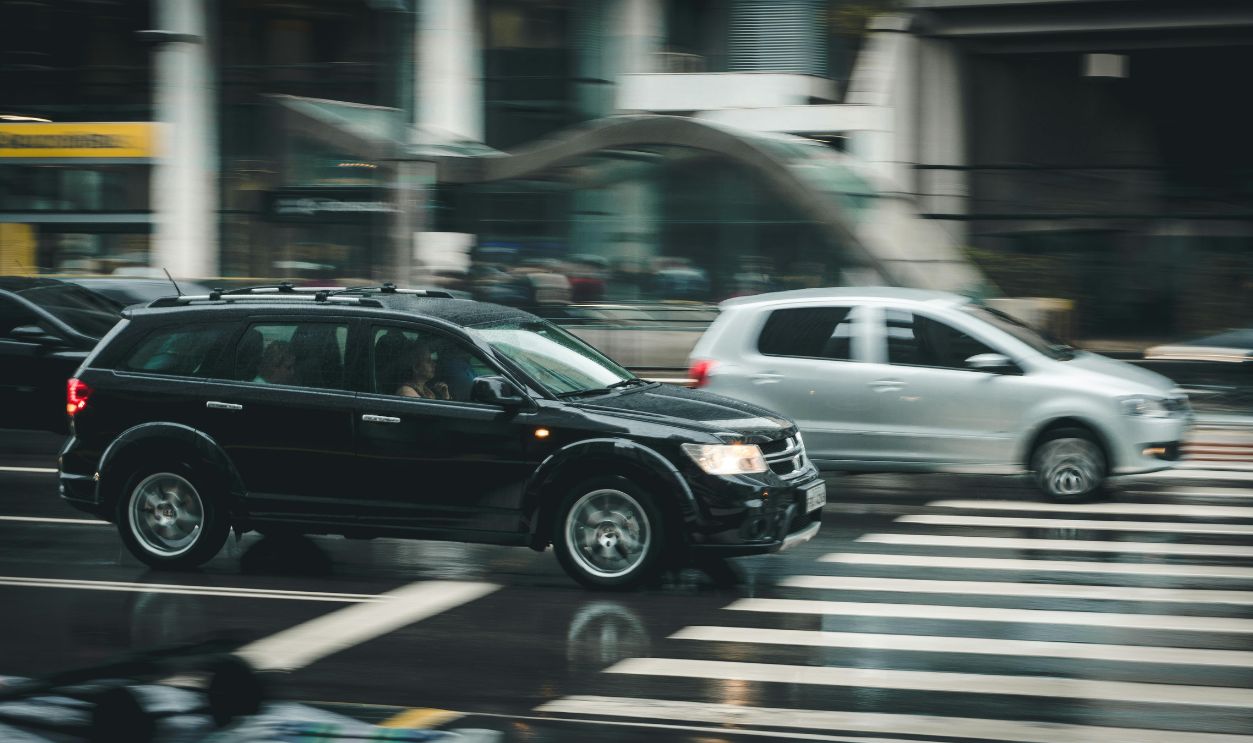
Drivers often say they feel safer because they sit higher and can see more. But bigger vehicles also tend to have larger blind zones, especially close to the front and rear. Consumer Reports and federal regulators have pointed out that forward visibility in tall vehicles can be worse than many buyers expect.
The Hood You Cannot See Over
That high front end can hide small children, bikes, curbs, and objects that a lower vehicle might reveal sooner. Rearview cameras help, and federal rules required them on new vehicles by May 2018, but they do not erase every blind spot. A vehicle that feels commanding in traffic is not always the easiest one to place safely.
Braking And Handling Still Count
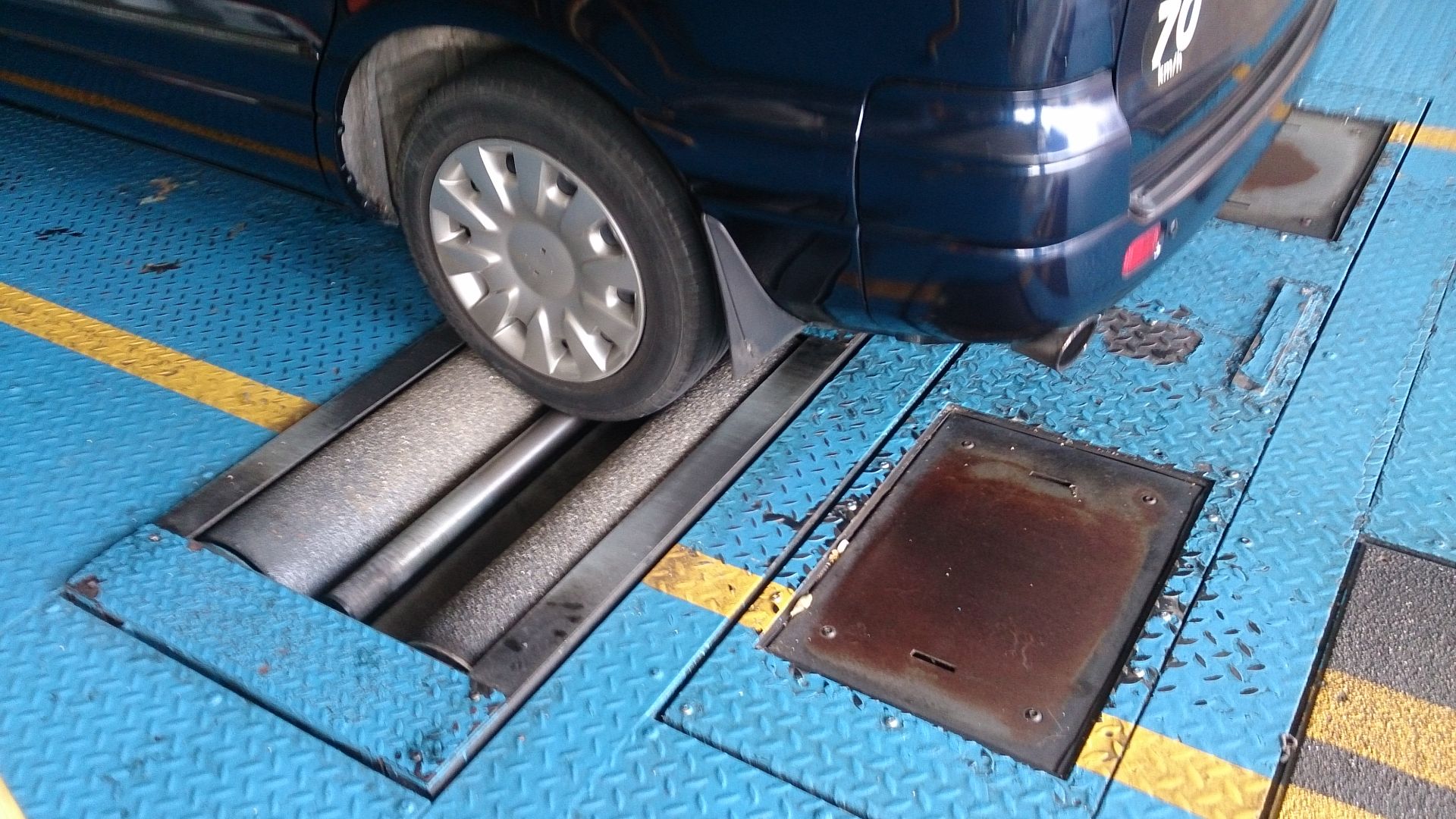
Physics does not care what badge is on the grille. Heavier vehicles usually need more distance to stop, and taller vehicles can feel less stable during sudden avoidance moves. The safest family vehicle is one you can control with confidence, not just one that looks imposing.
 ProjectManhattan, Wikimedia Commons
Fuel Costs Can Shift The Math
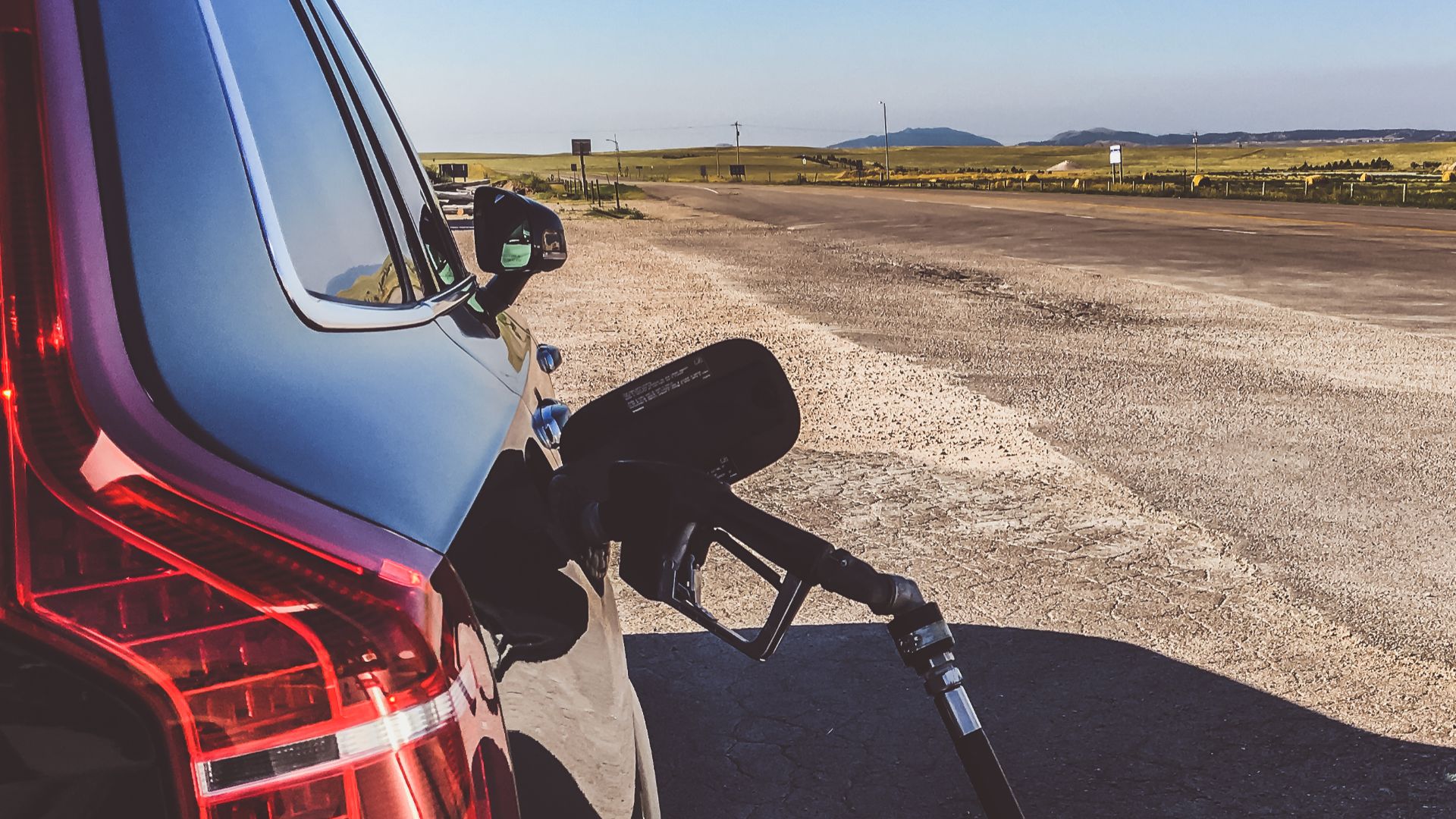
Large three-row SUVs usually burn more fuel than two-row SUVs, wagons, and minivans. That may not sound like a safety issue, but long-term costs can affect what families can afford to maintain. If a smaller vehicle lets you buy newer, keep up with service, and replace tires on time, that can be the better move.
 Tony Webster from Minneapolis, Minnesota, United States, Wikimedia Commons
Tires Matter More Than Many Buyers Think
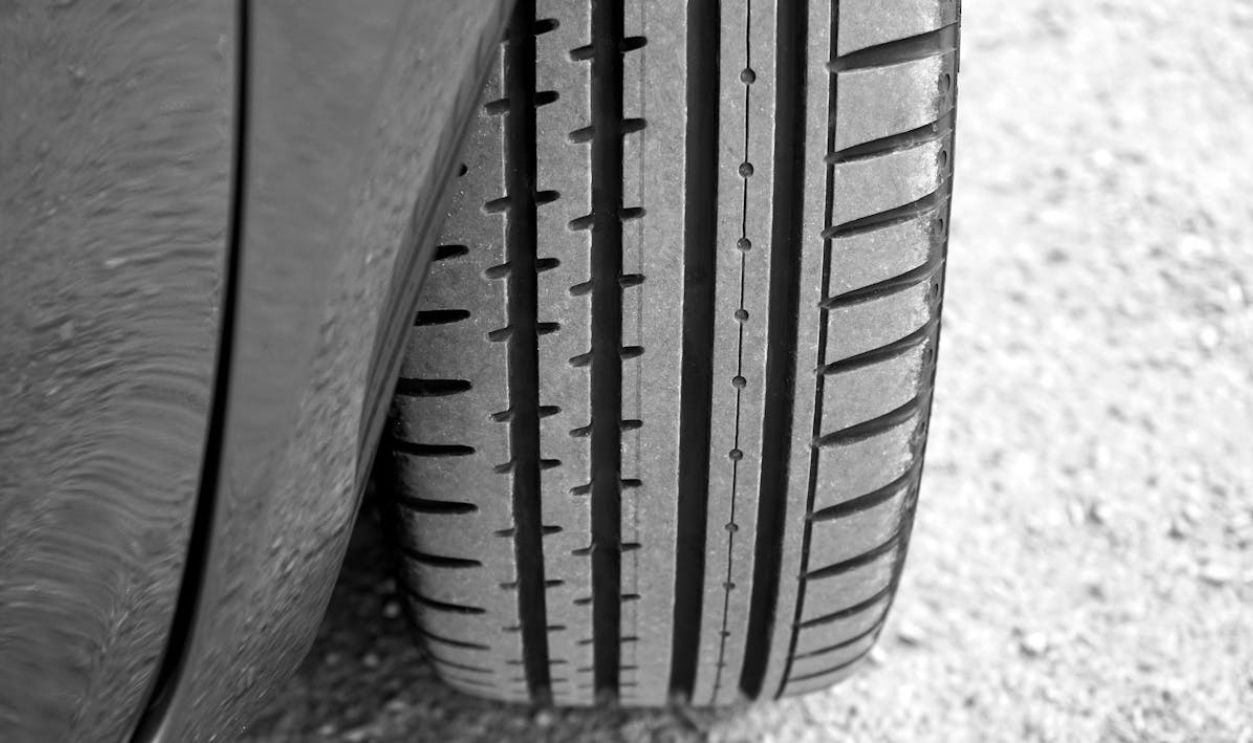
Tires are one of the most important safety parts on any vehicle. A three-row SUV often needs larger, more expensive tires, and some owners put off replacing them because of the cost. Fresh tires with proper tread and pressure can do more for wet-weather grip and emergency braking than simply moving up to a bigger vehicle class.
Parking Lot Reality Matters Too
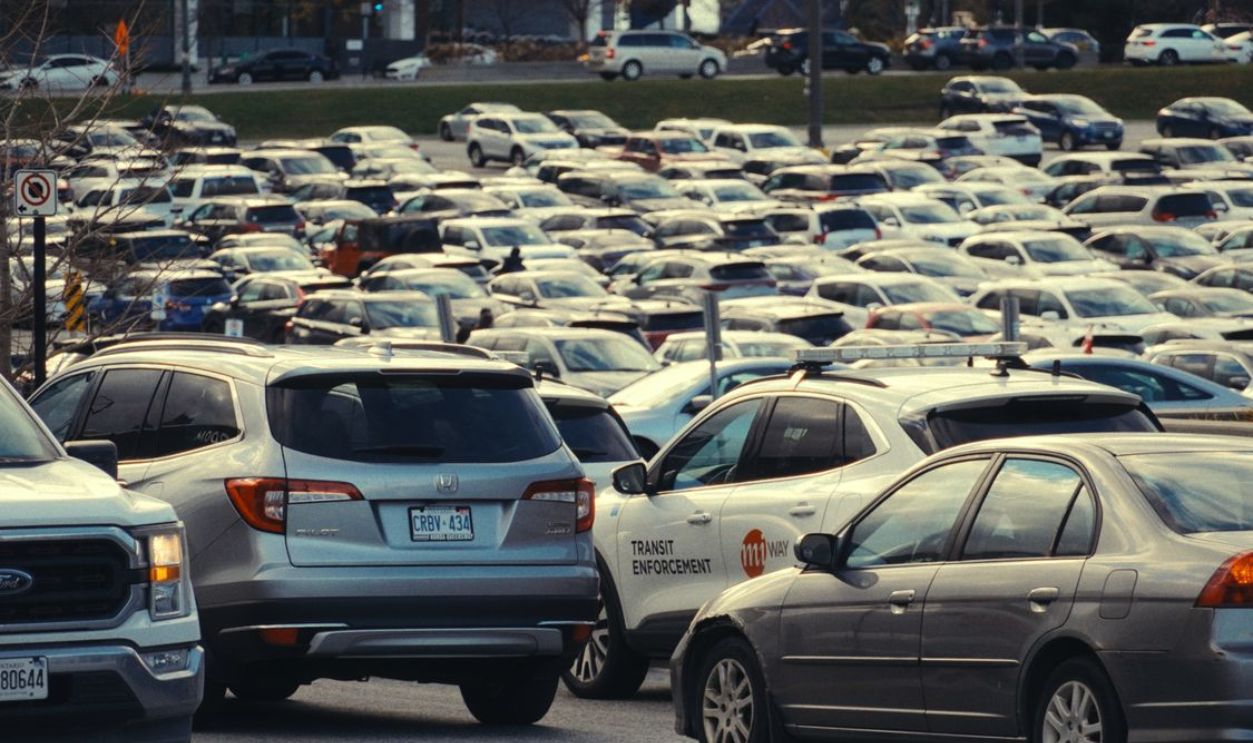
A vehicle can earn excellent crash scores and still be awkward in daily life. If it barely fits in your garage, feels clumsy in city parking lots, or makes the less confident driver in the family nervous, that has a safety angle too. Comfort and control behind the wheel matter.
What IIHS Top Safety Picks Actually Show
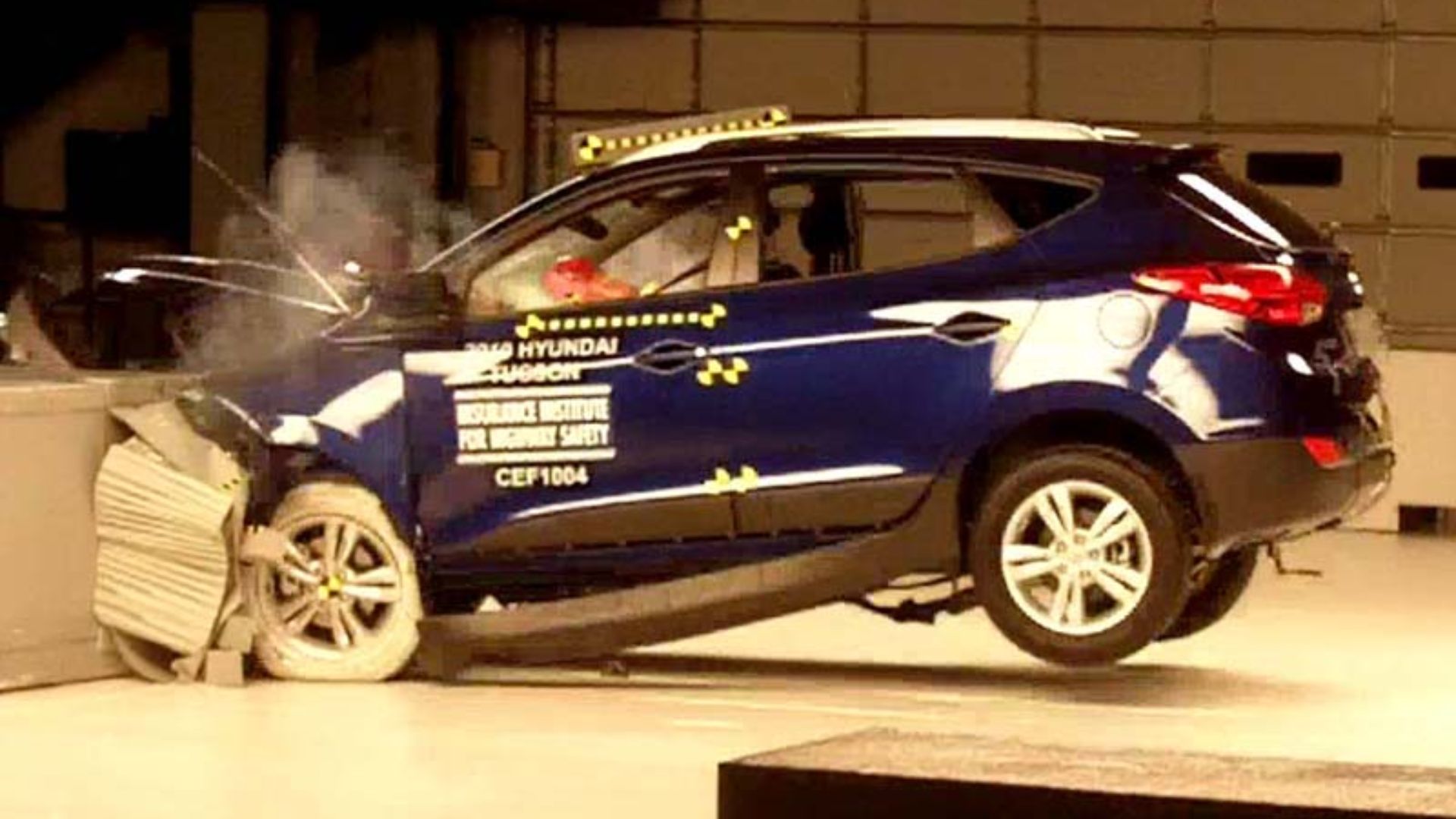
IIHS Top Safety Pick and Top Safety Pick+ awards can help narrow the field. These awards look at crash tests, headlights, and crash avoidance performance. The big takeaway is that top-level safety is available in many body styles, not just the biggest three-row SUVs.
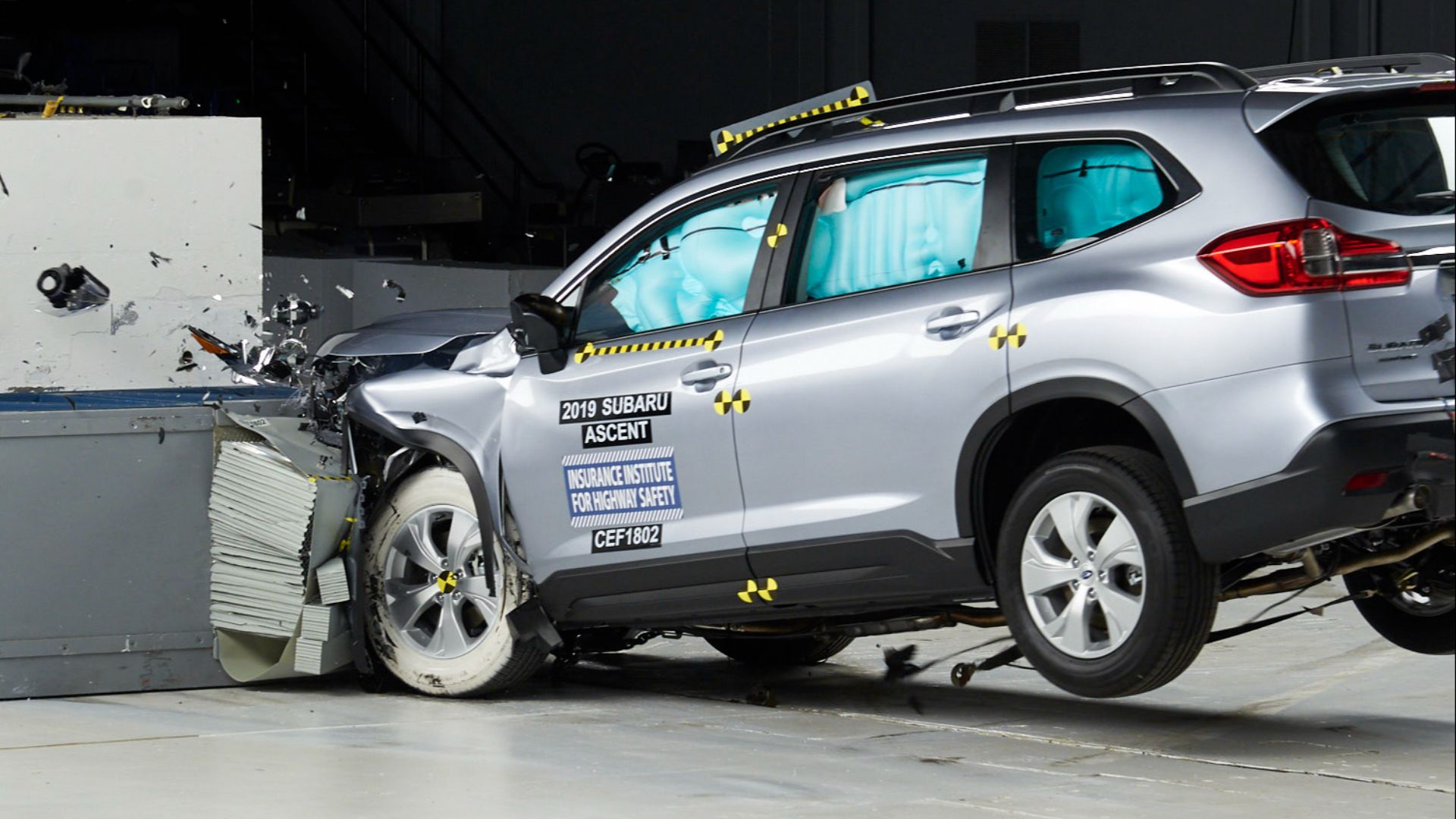 Insurance Institute for Highway Safety, Wikimedia Commons
NHTSA Ratings Add Another Layer
NHTSA’s 5-Star Safety Ratings offer another useful way to compare vehicles. Those tests cover frontal crash, side crash, and rollover resistance. Looking at both IIHS and NHTSA results can show whether a specific two-row SUV, sedan, minivan, or three-row model really lives up to its safe image.
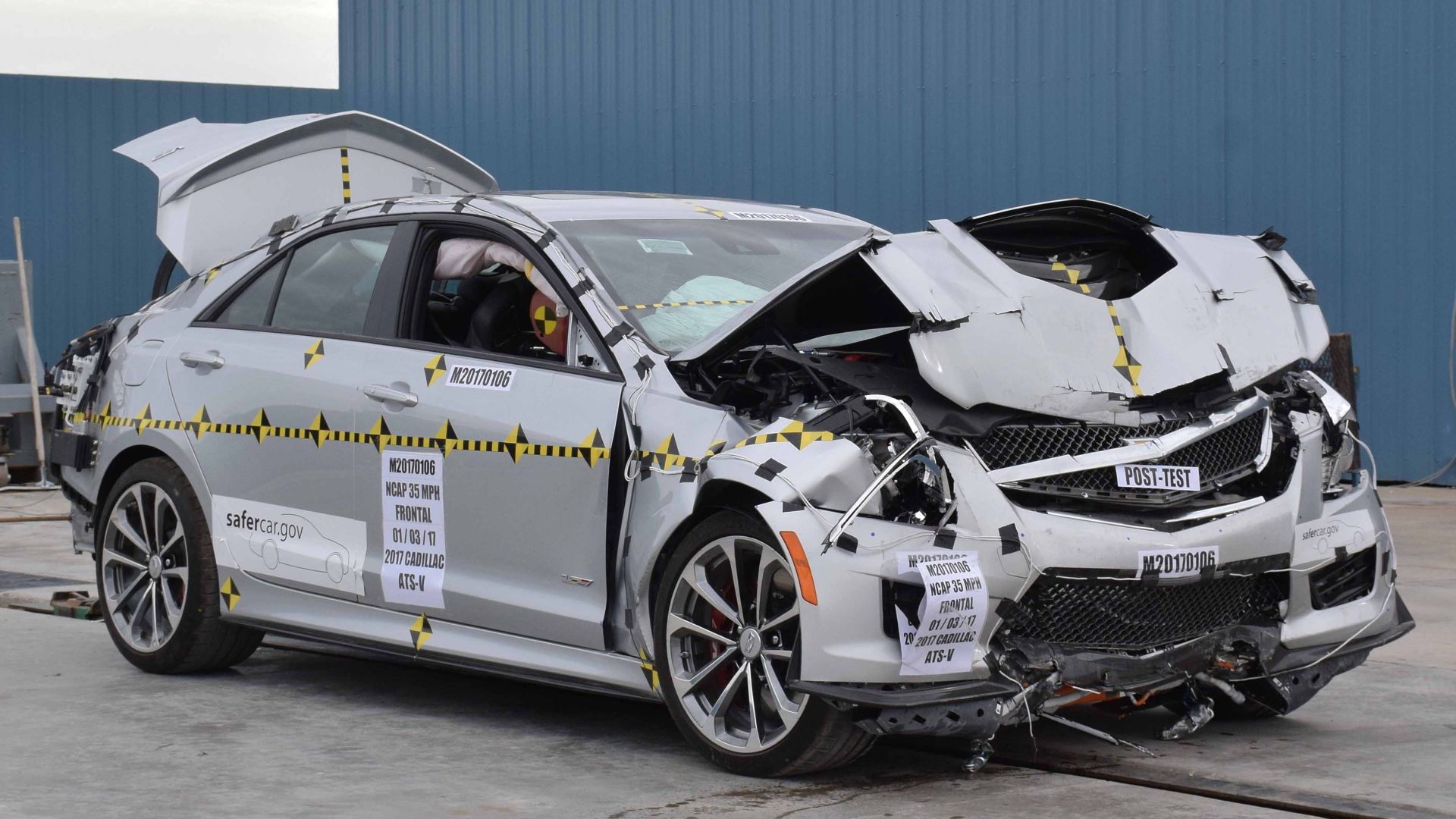 Karco Engineering LLC, NHTSA, Wikimedia Commons
The Minivan Twist
If the goal is family practicality, a minivan deserves a serious look. It often gives you easier child-seat access, a lower step-in height, wide sliding doors, and a lower center of gravity than many SUVs. For families who think they need a three-row SUV for safety, a minivan may be the more sensible answer.
For A Family Of Three, Space Can Be Overrated
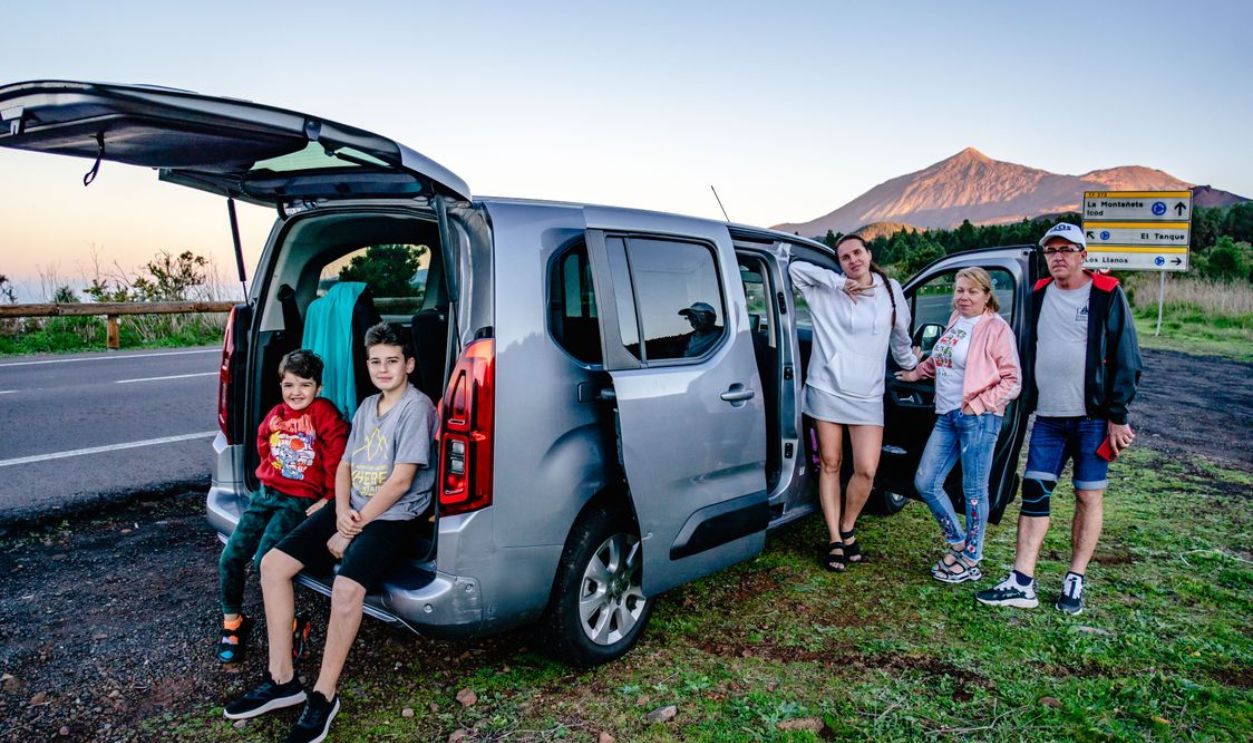
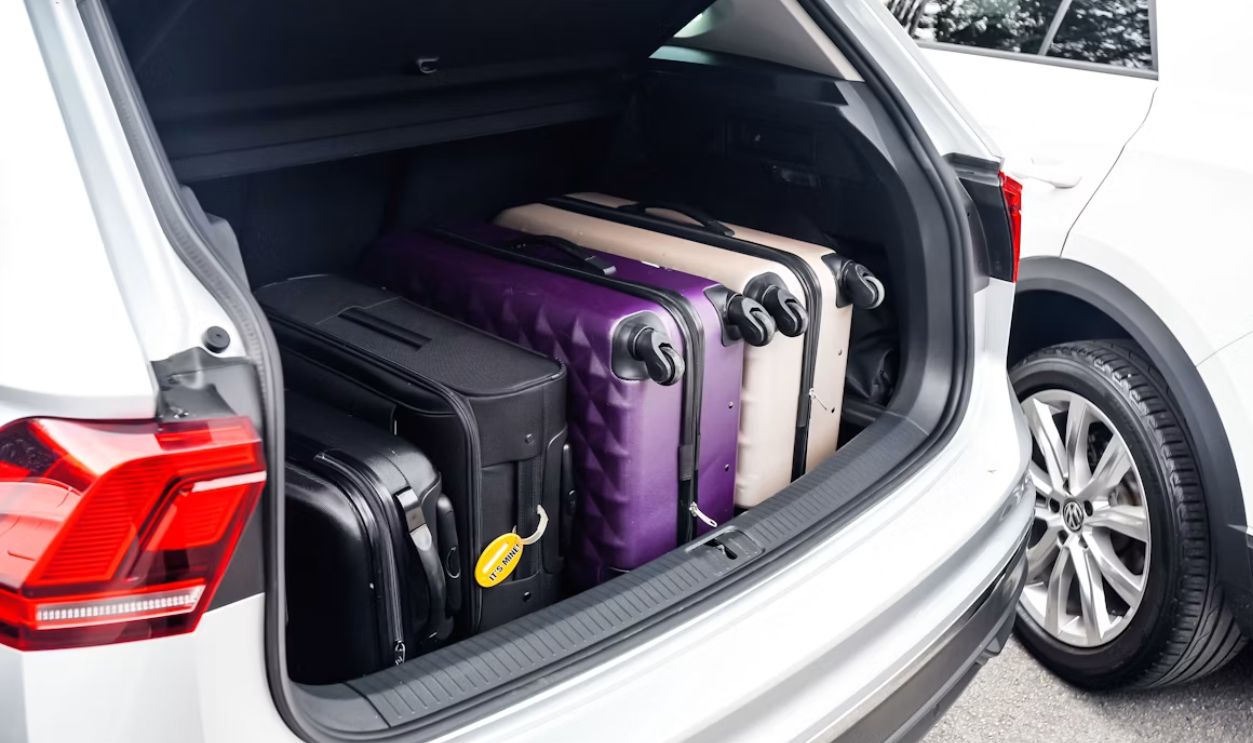
One child does not automatically call for seven or eight seats. Many compact and midsize SUVs offer plenty of rear-seat space, enough cargo room for strollers and groceries, and easier everyday use. Buying for your real life usually makes more sense than buying for a vague feeling of extra protection.
When Bigger Does Make Sense
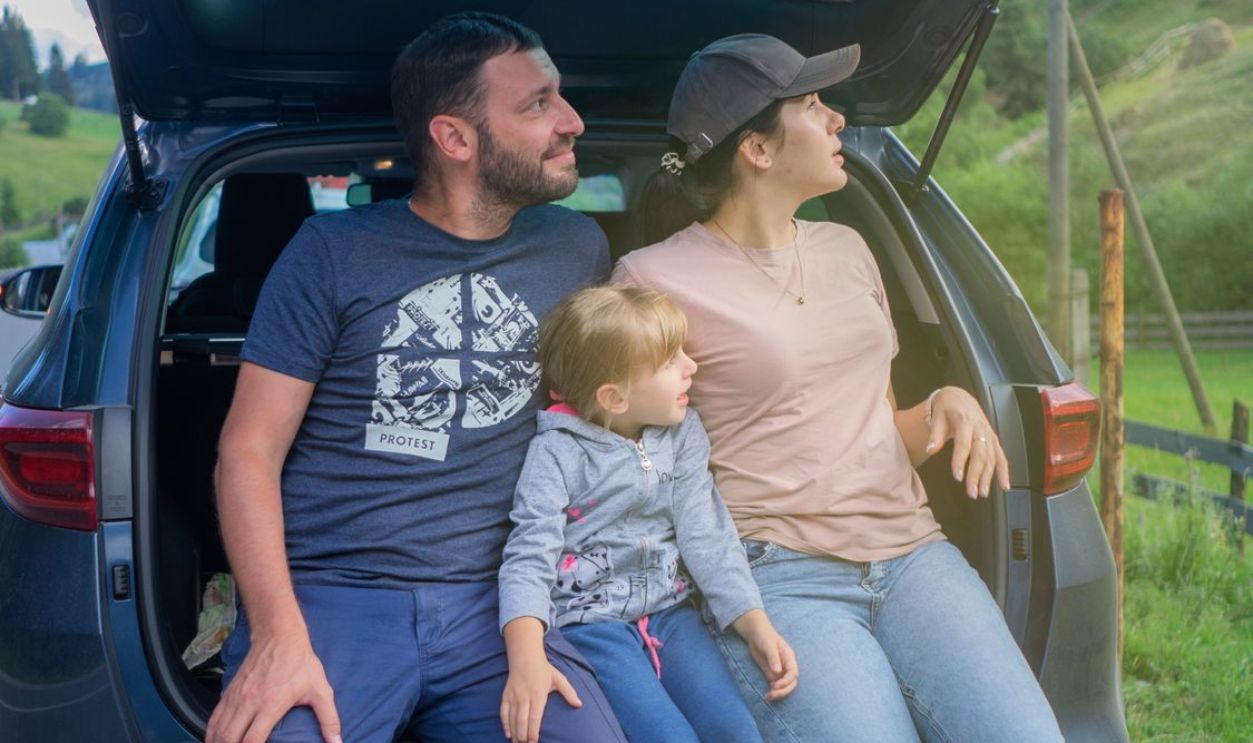
There are cases where a three-row SUV is the right call. Frequent road trips with relatives, regular carpool duty, lots of bulky cargo, or towing needs can justify the extra size. If you will actually use the extra room, the tradeoffs may be worth it.
 Swansway Motor Group, Unsplash
When Smaller May Be Smarter
If most of your driving is commuting, errands, school drop-off, and the occasional weekend trip, a two-row SUV may be the sweet spot. It can be easier to maneuver, cheaper to run, and still offer excellent crash protection. In many homes, that balance lowers stress and improves day-to-day safety.
Do Not Forget Driver Behavior
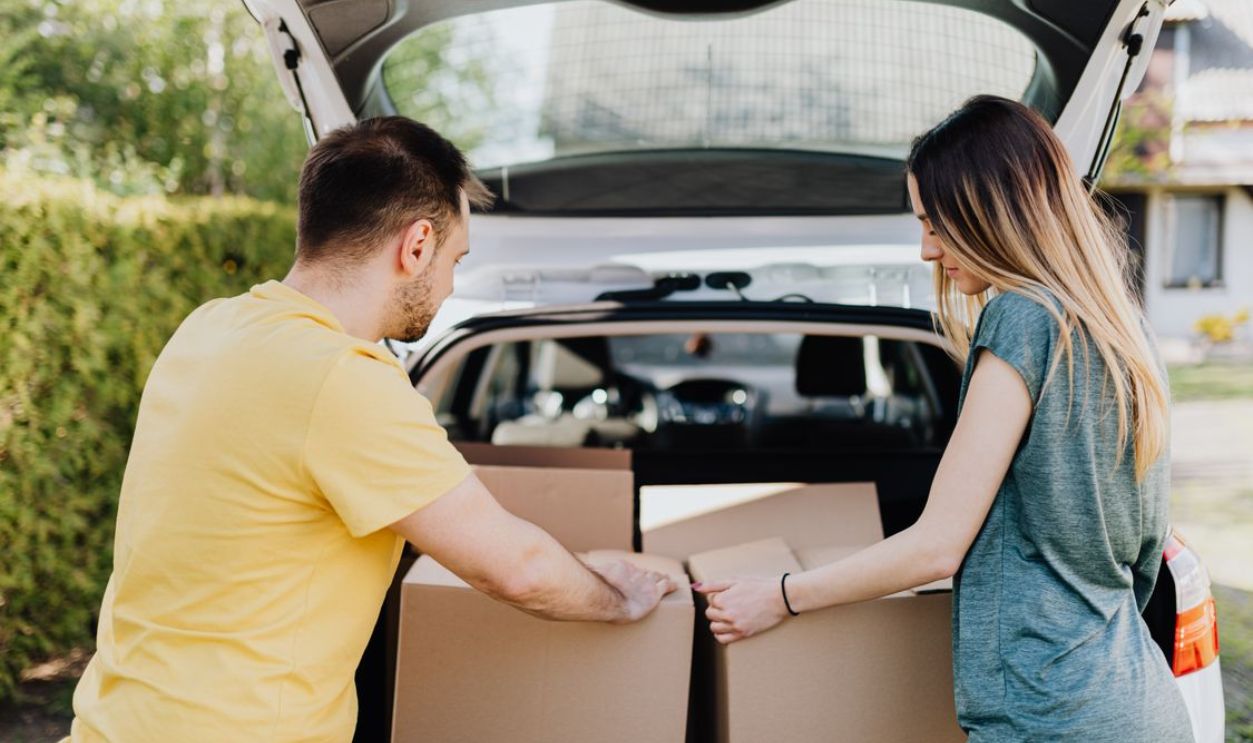
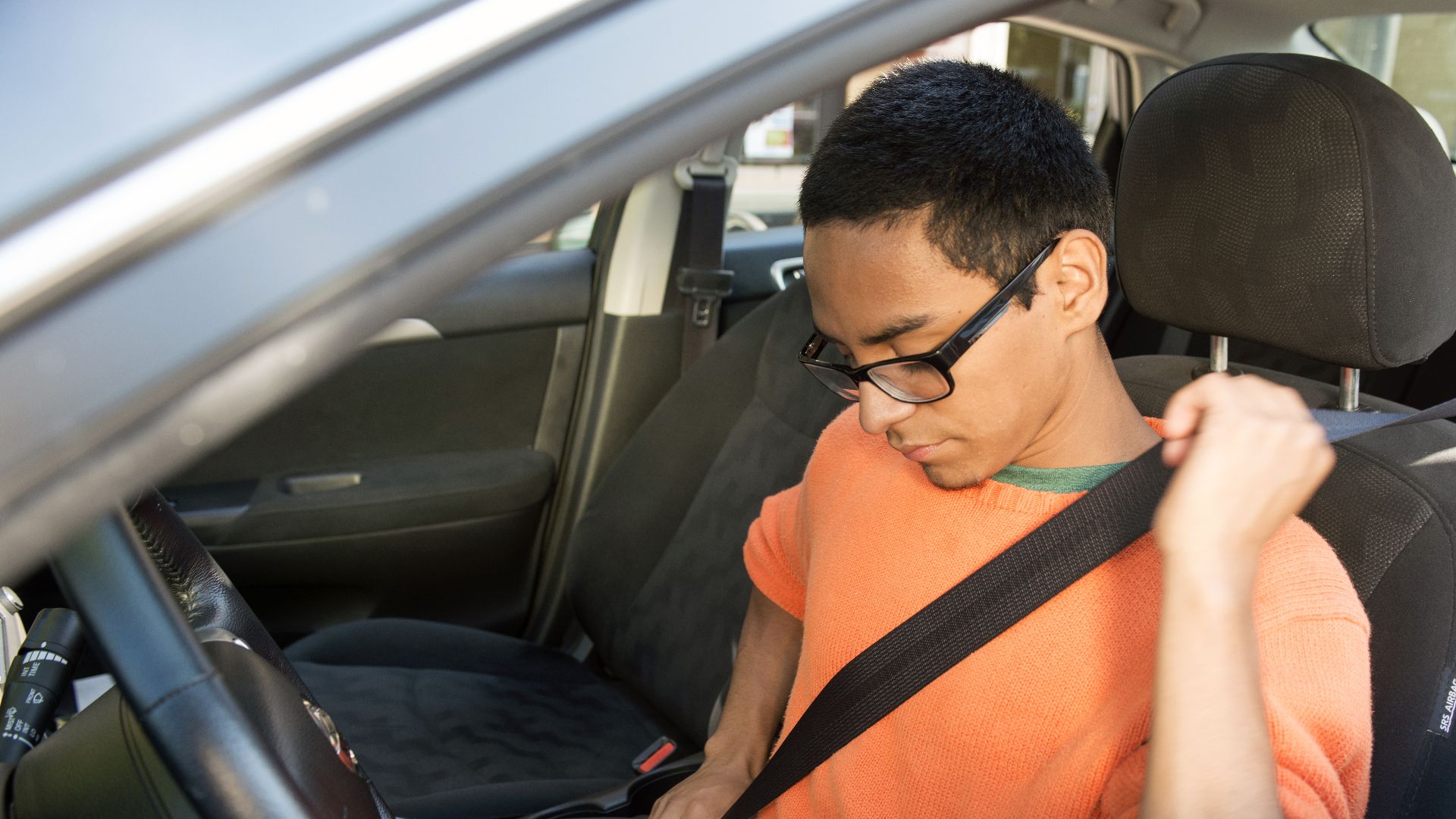
The safest vehicle in the world cannot make up for distracted driving, speeding, or poor car seat use. The CDC and NHTSA both stress that seat belts, sober driving, safe speeds, and proper child restraints still matter most. A huge SUV driven carelessly is not safer than a well-rated smaller vehicle driven carefully.
The Best Way To Settle The Debate
Compare actual vehicles side by side, not just categories. Check IIHS awards, NHTSA ratings, car seat fit information, insurance costs, tire prices, visibility, and how each of you feels during a test drive. Once you compare a well-designed two-row SUV with a bulky three-row model you may not need, the answer often gets clearer.

So, Is Bigger Always Better?
No. Bigger vehicles can offer advantages in some crash types, but they also bring rollover concerns, larger blind zones, higher costs, and sometimes trickier handling. For a family of three, the safest choice is usually not the biggest SUV you can buy, but the newest, best-rated, best-equipped vehicle that fits your child seat, your budget, and your real daily life.