The Diesel Dream Meets City Reality
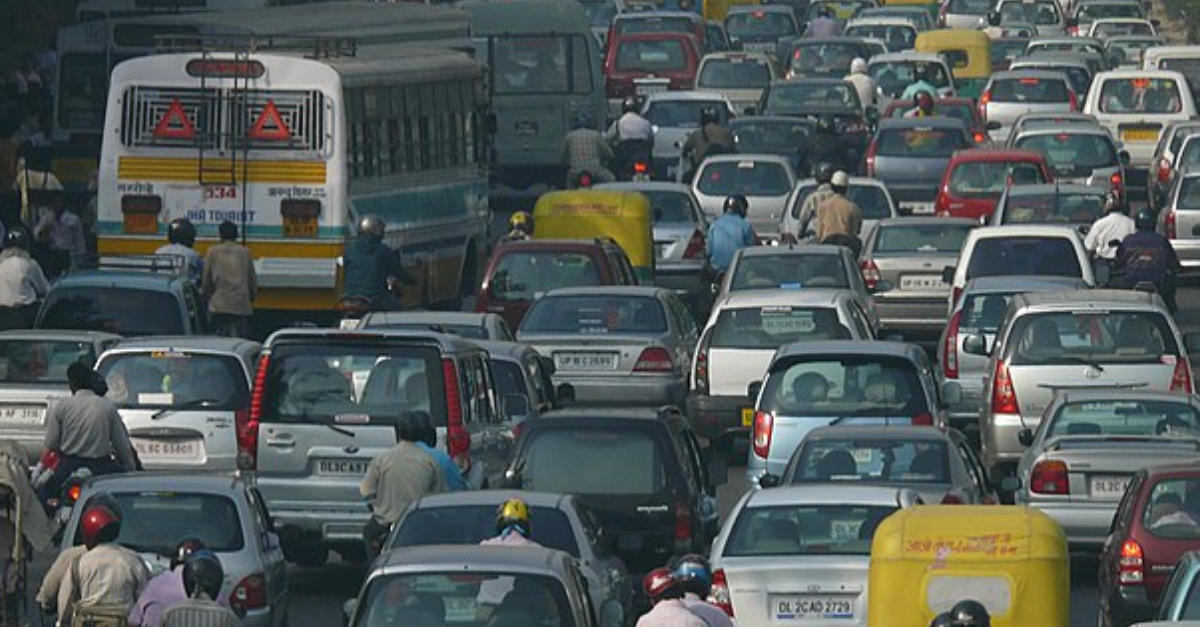
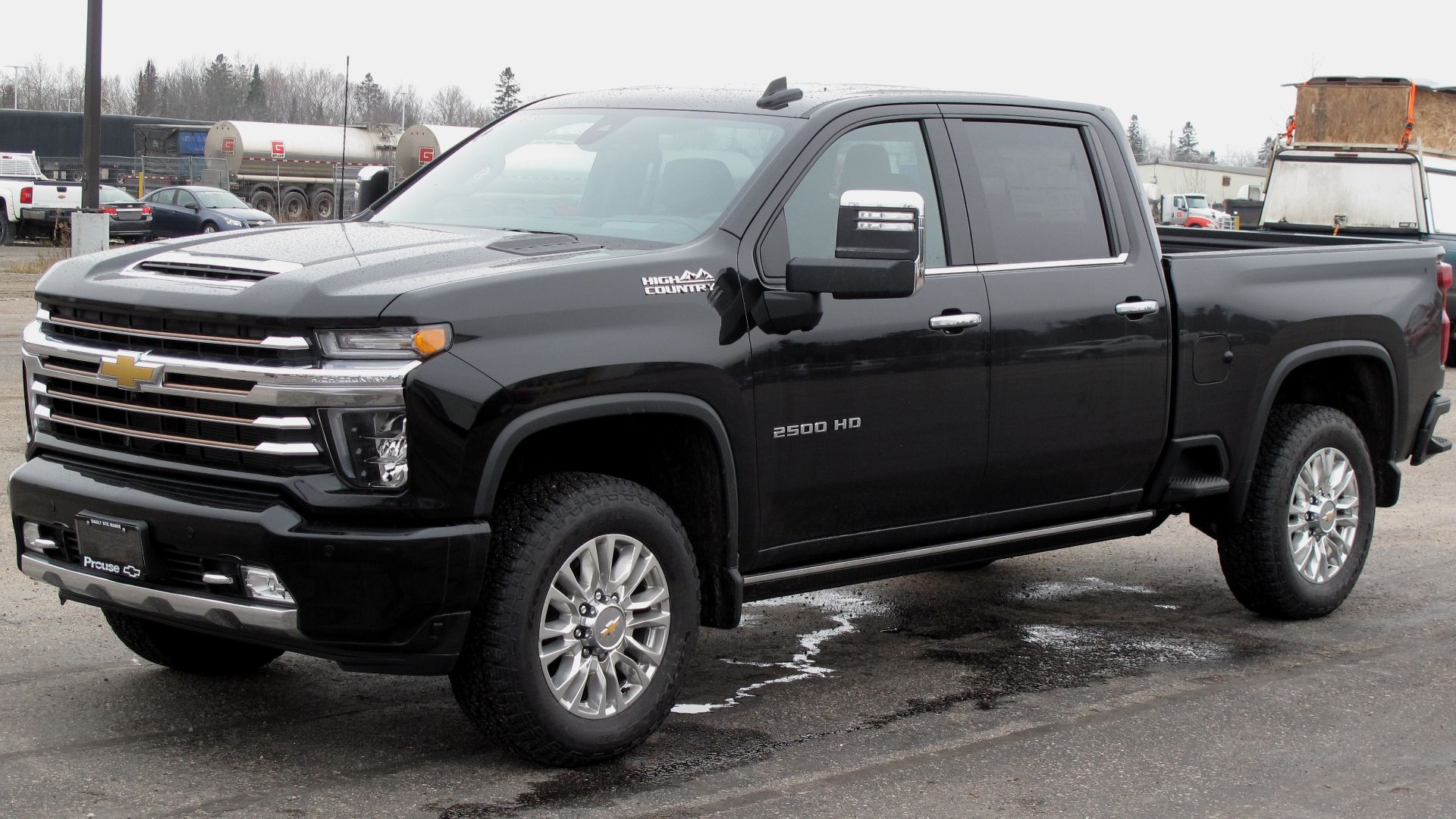
For some kids, a diesel truck just says something special. Big torque, a tough reputation, and that heavy-duty look make them easy to want. But if your son will spend most of his time crawling through city streets, there are several tangible reasons that diesel can turn from smart purchase to expensive headache pretty quickly.

Why This Matters More Than It Used To
Modern diesel trucks are not the simple workhorses they once were. As U.S. emissions rules got stricter through the late 2000s and 2010s, automakers added more hardware to cut soot and nitrogen oxides. That equipment works best when the truck gets fully warmed up and stays that way for a while, which is exactly what short city trips often do not allow.

The Main Issue Is Not The Engine Itself
The engine block usually is not the problem. The bigger issue is the emissions system attached to it, especially the diesel particulate filter, or DPF. The DPF traps soot and has to burn it off in a process called regeneration, and city-only driving can make that much harder to finish.

What The EPA Rules Led To
The Environmental Protection Agency explains that modern diesel emissions controls use filters and catalysts to cut harmful pollution. Those systems became necessary as standards tightened over time for heavy-duty engines and vehicles. Put simply, diesel trucks got cleaner, but they also got a lot more complicated.
 USEPA Environmental-Protection-Agency, Wikimedia Commons
The DPF Is Where City Driving Gets Tricky
According to the U.S. Department of Energy’s Alternative Fuels Data Center, a diesel particulate filter captures particulate matter from the exhaust. That trapped soot has to be cleared out through regeneration, which can happen passively when exhaust temperatures get high enough or actively when the system raises temperatures on purpose. Lots of short, low-speed trips can interrupt that process and lead to warning lights, limp mode, or service visits.
 US Department of Energy, Wikimedia Commons
Short Trips Are Hard On Modern Diesels
If your son drives five miles to work, five miles home, and rarely gets on the highway, that is a rough routine for a modern diesel. The truck may not stay hot long enough for passive regeneration, and repeated interrupted active regens can cause problems. That does not mean every city-driven diesel will fail, but it does mean the odds get worse.

Regeneration Is Part Of The Deal
Manufacturers have been pretty clear about this. Owner information from truck makers like Ford explains that diesel particulate filter cleaning is a normal part of operation and may require driving conditions that let the exhaust system get hot enough. Ignore that too often, and the truck may eventually require a parked regen or a trip to the dealer.

Ford Says It Plainly
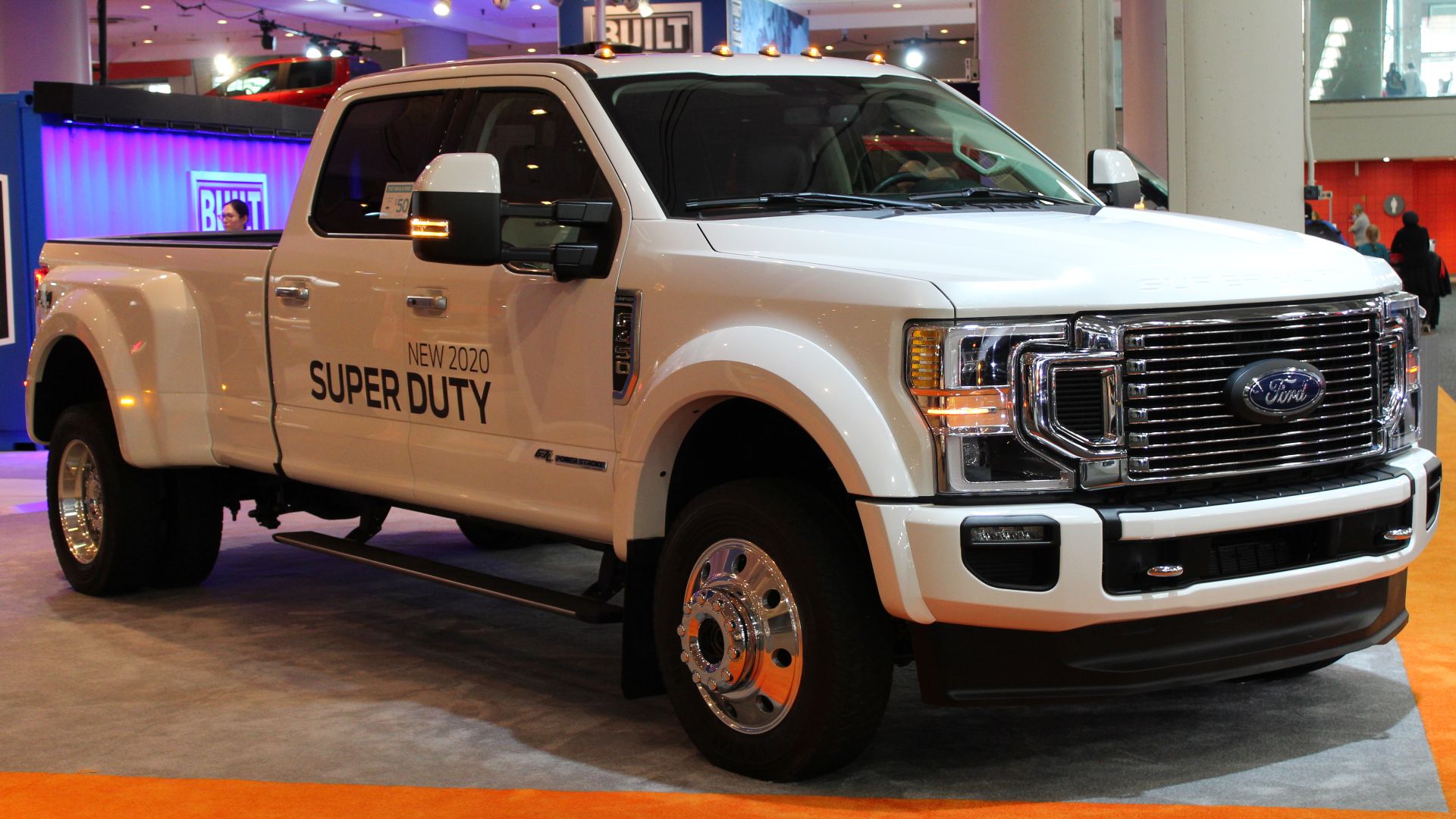
Ford’s diesel owner guidance says that if the truck is used for short trips or extended idling, the exhaust aftertreatment system may not clean itself as well. In those cases, the vehicle may need a longer highway drive to complete regeneration. That is not forum gossip. It comes straight from a company that sells Super Duty diesels.
Ram Gives The Same Warning
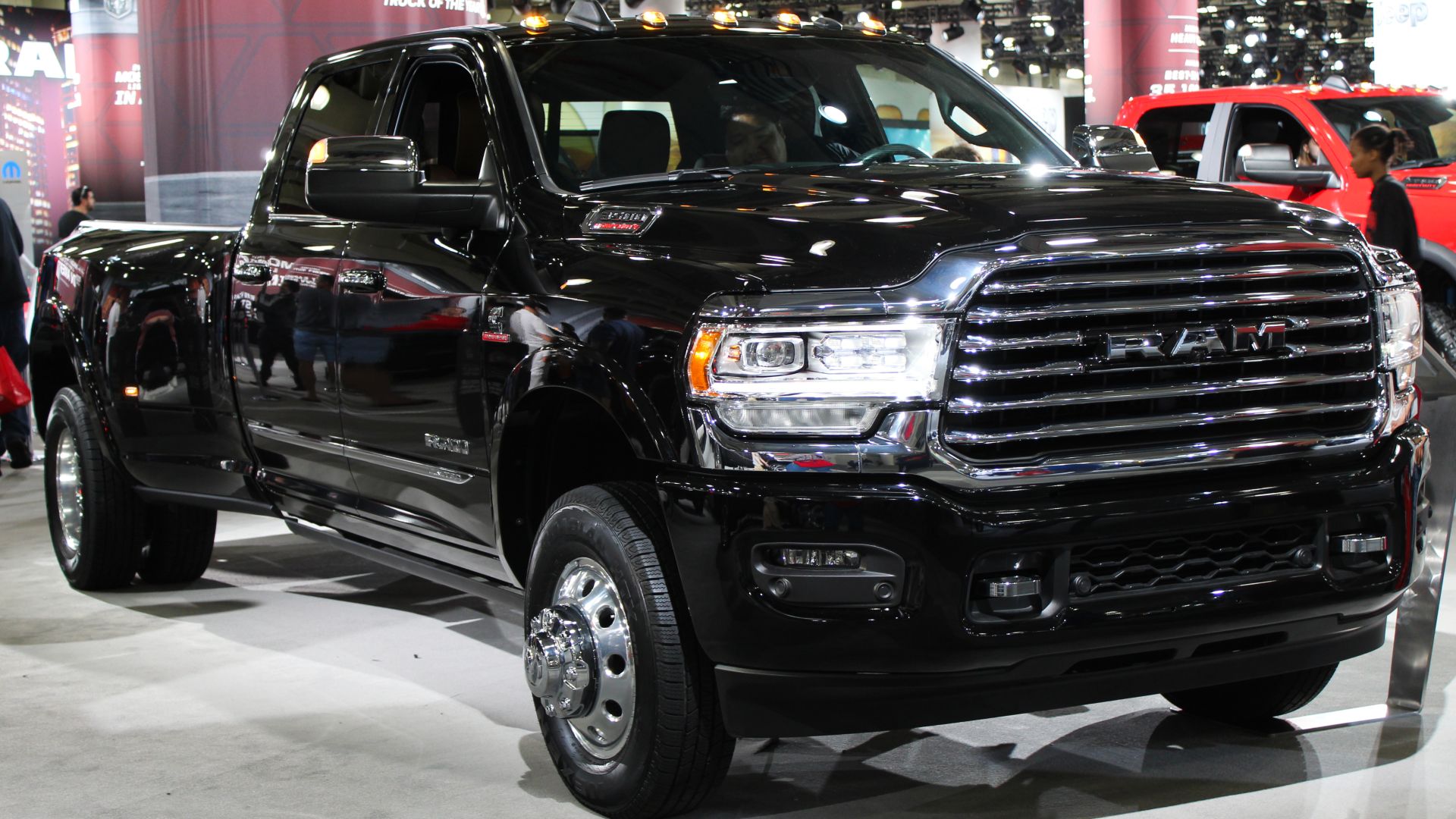
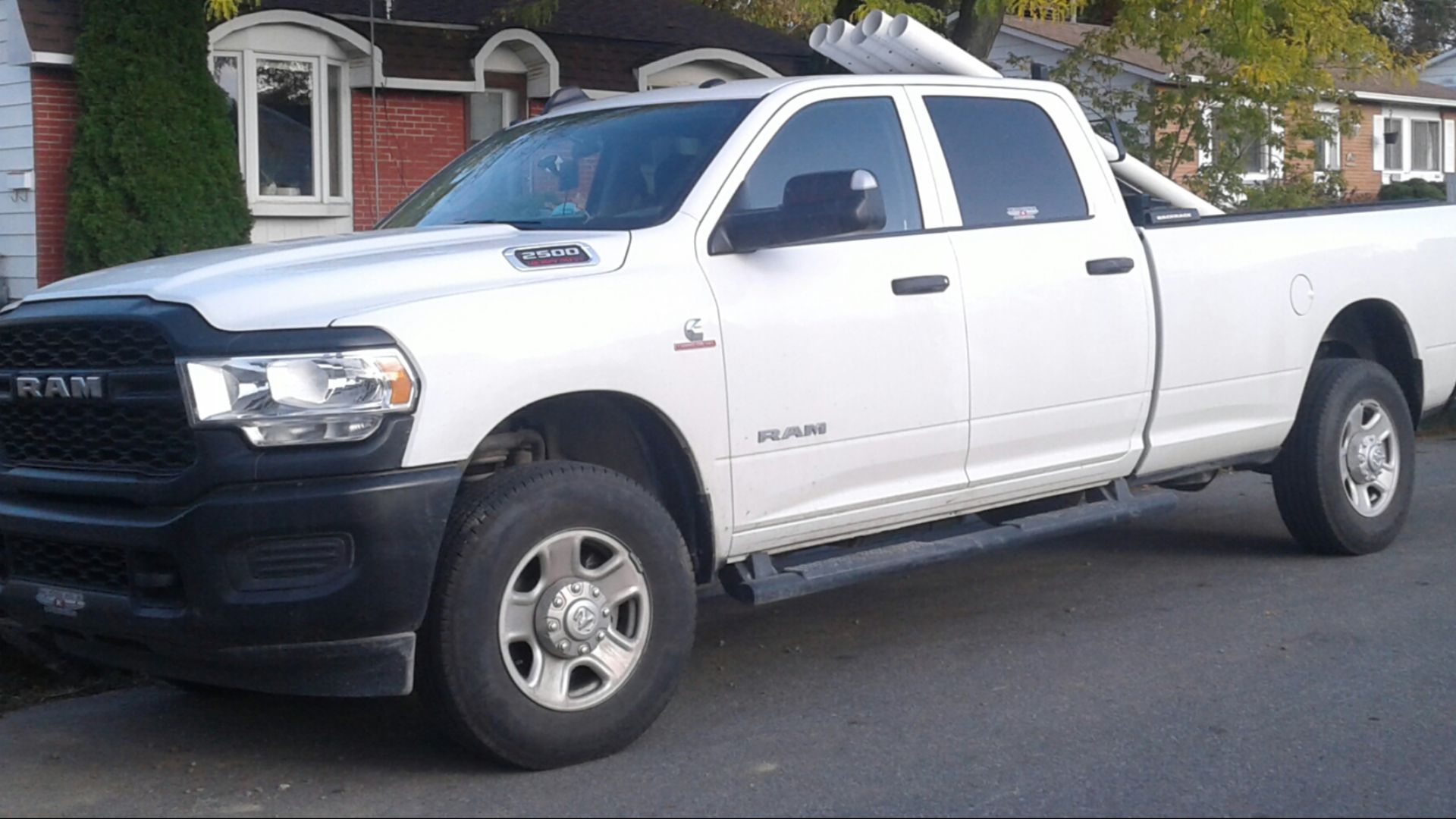
Ram owner materials for Cummins-powered heavy-duty trucks also describe diesel particulate filter regeneration as a normal function. They warn that frequent short-distance driving, low-speed operation, or long idling can affect the process. When different truck brands keep saying the same thing, it is worth listening.
GM Tells A Similar Story
General Motors has also published owner guidance on diesel exhaust and particulate filter operation in Duramax-equipped trucks. The message stays the same. Modern diesels need chances to get hot and clean themselves, and all-city use can get in the way.
DEF Adds One More Thing To Manage
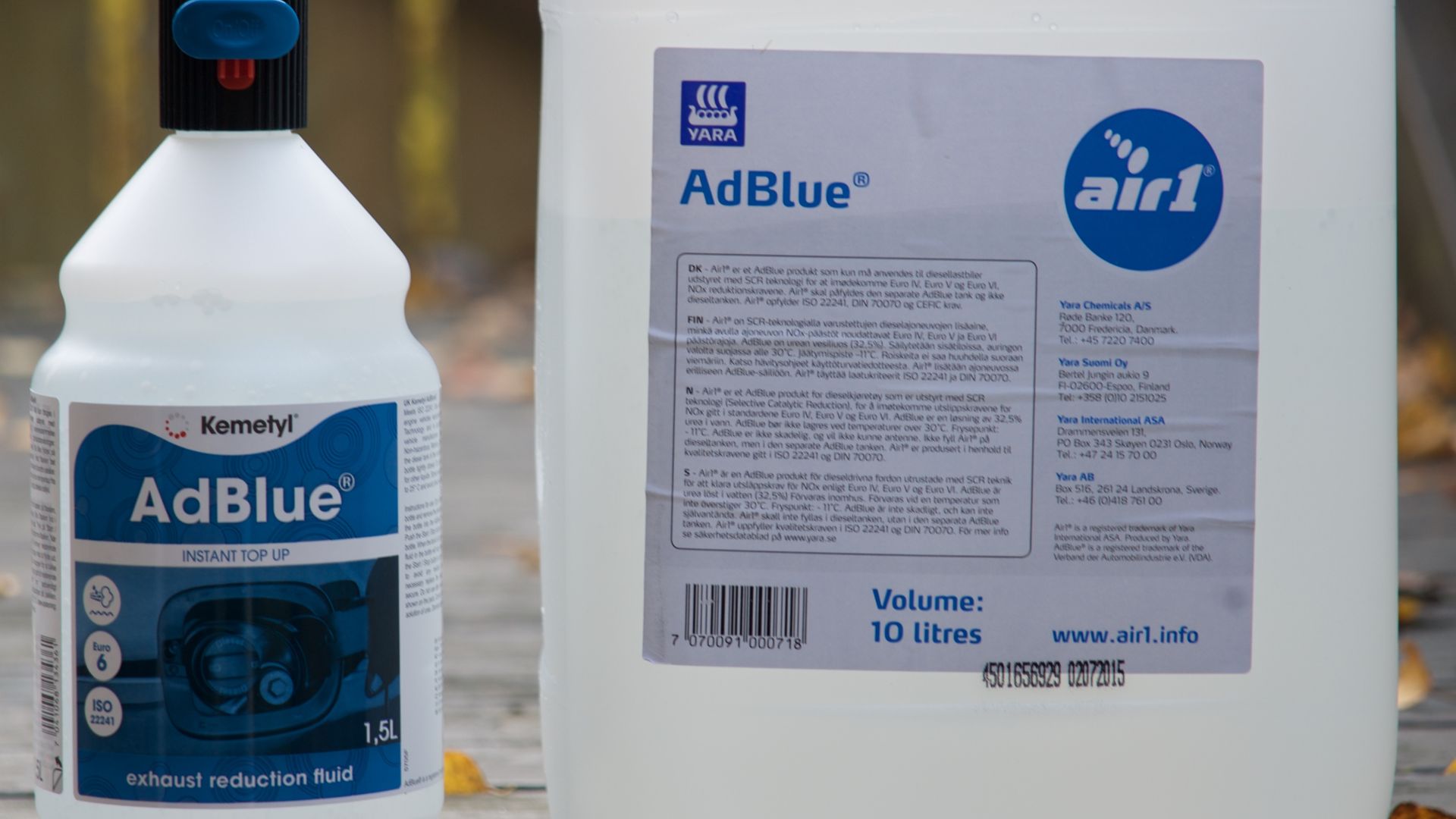
Most modern diesel pickups also use diesel exhaust fluid, or DEF, as part of selective catalytic reduction systems. The Department of Energy explains that DEF helps reduce nitrogen oxide emissions by turning them into nitrogen and water. It works, but it is still one more fluid to buy, watch, and deal with for a driver who mostly just wants a truck for errands and commuting.

Idling Is Not A Simple Fix
Some people think they can just let the truck idle and keep the diesel happy. That usually does not solve the problem. Manufacturers often list excessive idling as a condition that can add to aftertreatment issues instead of preventing them.
Fuel Savings May Not Make Up For It
Diesels often shine on long highway trips and heavy towing, where their efficiency and torque really matter. In stop-and-go city driving, those advantages can shrink fast. If your son is not towing regularly and mostly deals with traffic lights, congestion, and cold starts, the diesel price premium may be tough to earn back at the pump.
The Purchase Price Is Usually Higher
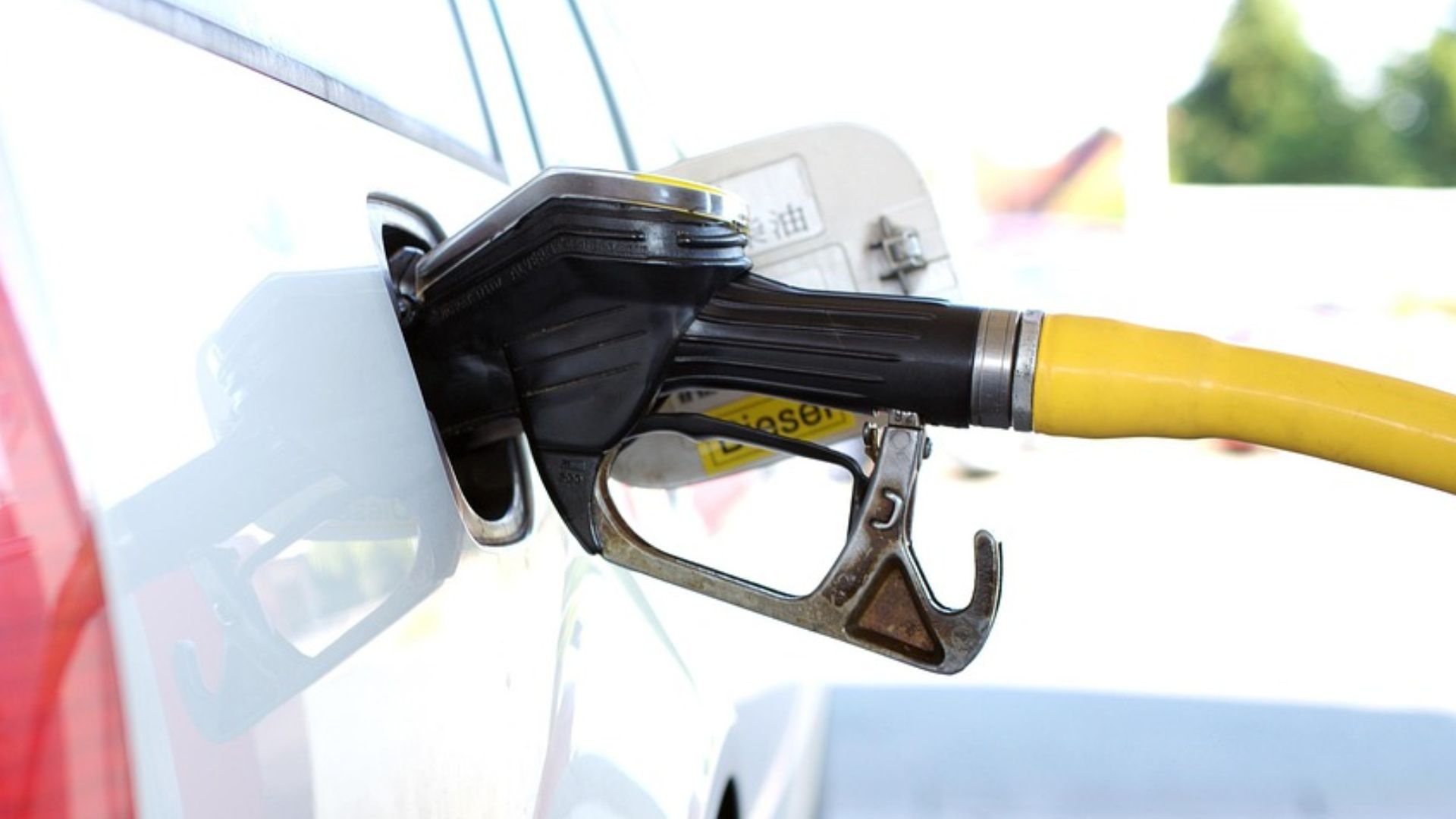
Diesel versions of heavy-duty pickups usually cost thousands more than gas models. That price gap is the first hurdle. If the truck will not be used for heavy hauling or stacking up highway miles, it gets much harder to justify paying extra before the first tank is even gone.
Maintenance Usually Costs More Too
Oil changes often take more oil, fuel filters can cost more, and emissions-related repairs can get painful once the warranty ends. Add DEF refills and the possibility of DPF cleaning or replacement later on, and ownership costs can climb in a hurry. For a city commuter, those extra costs do not always come with much payoff.
Repair Bills Can Escalate Fast
This is where things can really sting. When diesel emissions hardware starts acting up, the repair bill is often much higher than a typical gas-truck repair. Sensors, aftertreatment injectors, EGR parts, SCR hardware, and the DPF itself can turn a cool truck into a money pit.

Towing Is Where Diesel Really Makes Sense
If your son were hauling a big camper every weekend or towing heavy equipment for work, the diesel case would get much stronger right away. Diesel torque and durability under steady load are real benefits. Without that kind of use, he may be paying for strengths he rarely uses.

Torque Feels Great, But It Depends On The Job
Yes, diesel torque feels effortless, especially in a big pickup. But city driving rarely gives a truck a real chance to use that strength. If the toughest job is merging onto an urban freeway or carrying groceries and gym bags, a gas engine can usually handle it without any fuss.
City Use Brings Other Drawbacks Too
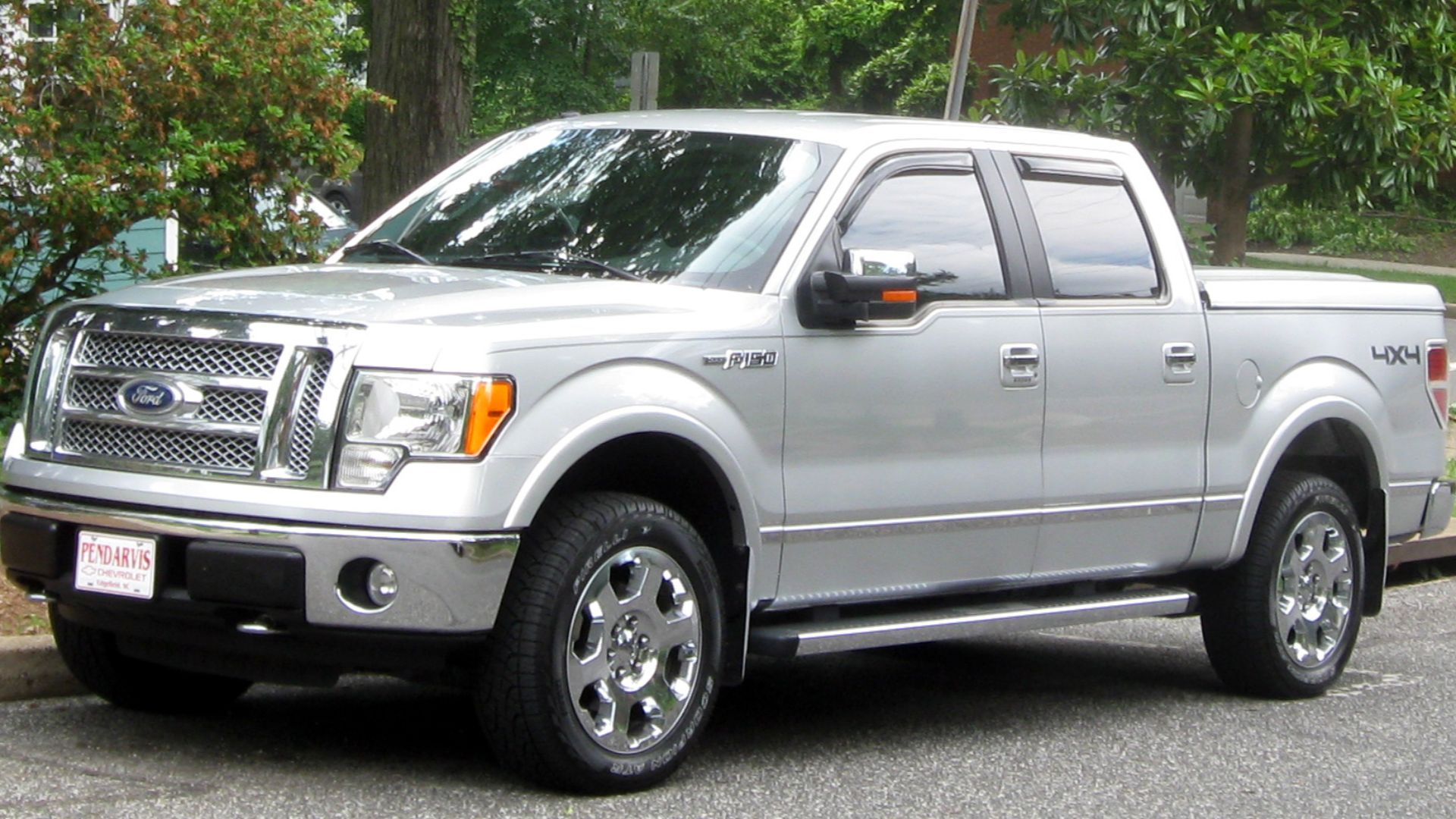
Urban driving often means more idling, tighter parking, and more cold starts. Those are not ideal conditions for a truck built to thrive under load and heat. A diesel can still survive that life, but it is a little like buying work boots to walk on a treadmill.
The Better Question Is How He Will Actually Use It
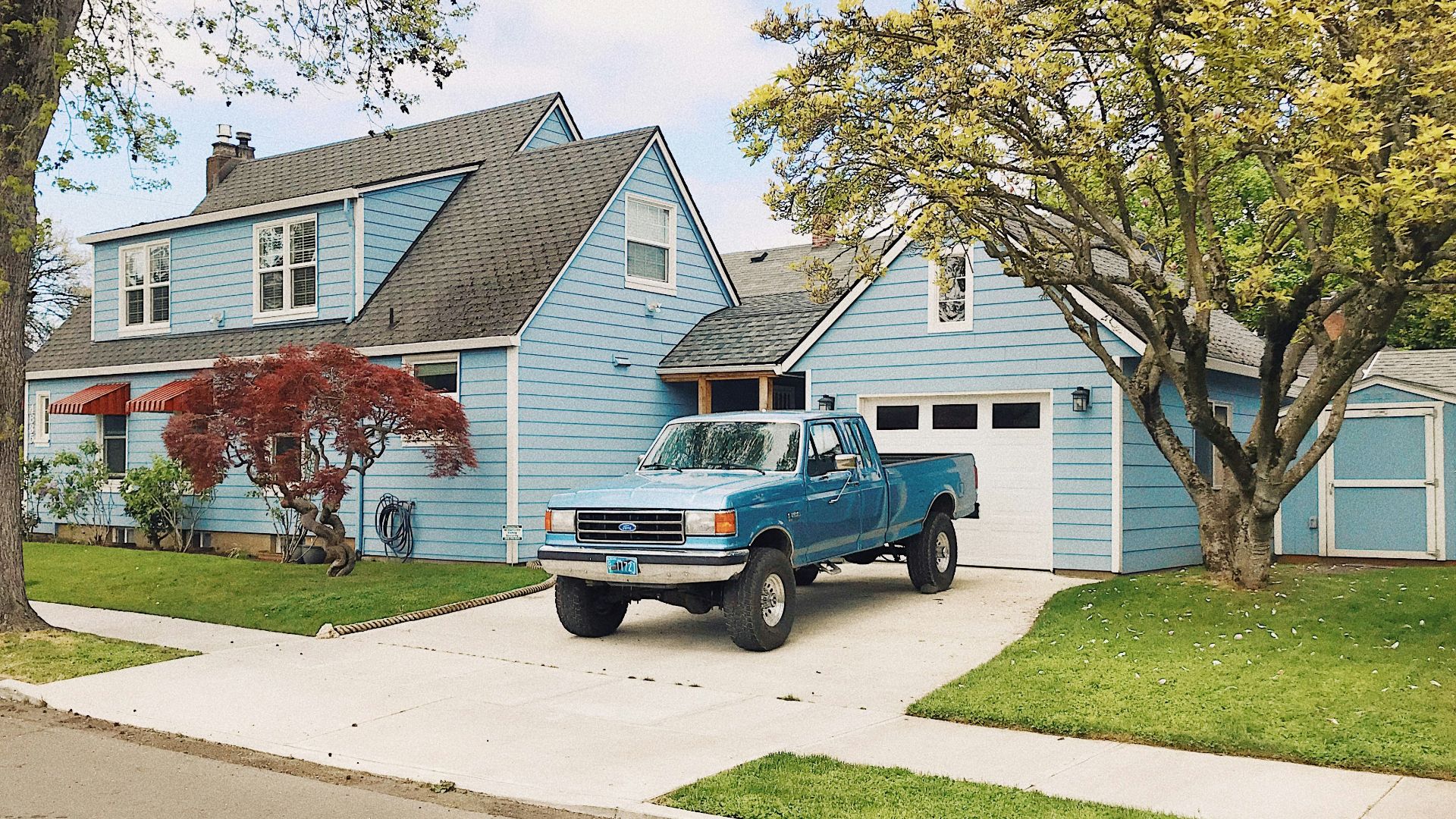
This gets easier once you ignore the image and focus on the real schedule. How many miles will he drive each week. How often will he tow more than about 8,000 pounds. How often will he take long enough highway trips to help the emissions system do what it needs to do.

If He Still Wants One, Ask This
Is he willing to take the truck on regular longer drives just to support proper operation. If the honest answer is no, that is a red flag. Owning a modern diesel without ever giving it the kind of use it likes can become an annoying chore.

A Gas Truck May Be The Smarter Choice
This is the less glamorous answer, but often the right one. A modern gas pickup usually costs less to buy, has simpler emissions hardware, and brings fewer headaches in city use. For a lot of drivers, it is the truck that fits real life better.

Even A Smaller Truck Could Be A Better Fit
If he likes the pickup idea more than he needs heavy-duty capability, a midsize or half-ton gas truck may be the sweet spot. It will usually be easier to park in town, cheaper to maintain, and less likely to dislike short-trip driving. That is not settling. It is choosing the right tool for the job.

The Used Diesel Trap Is Real
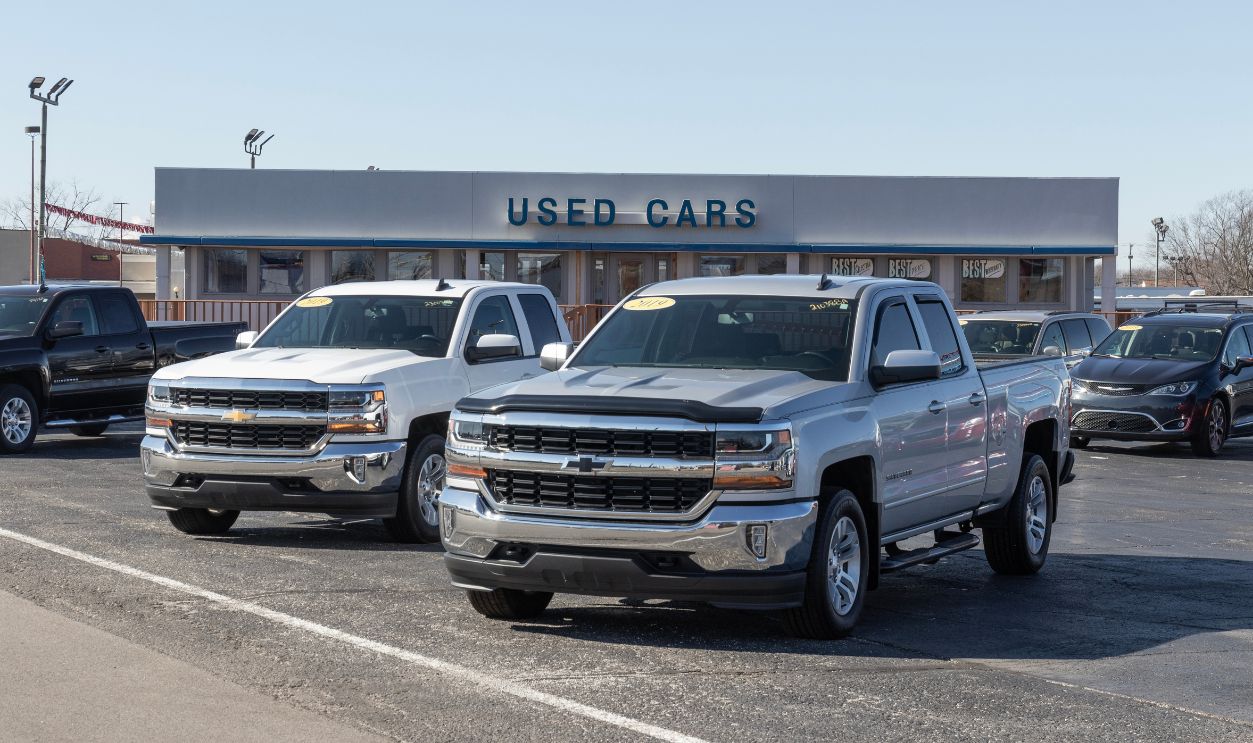
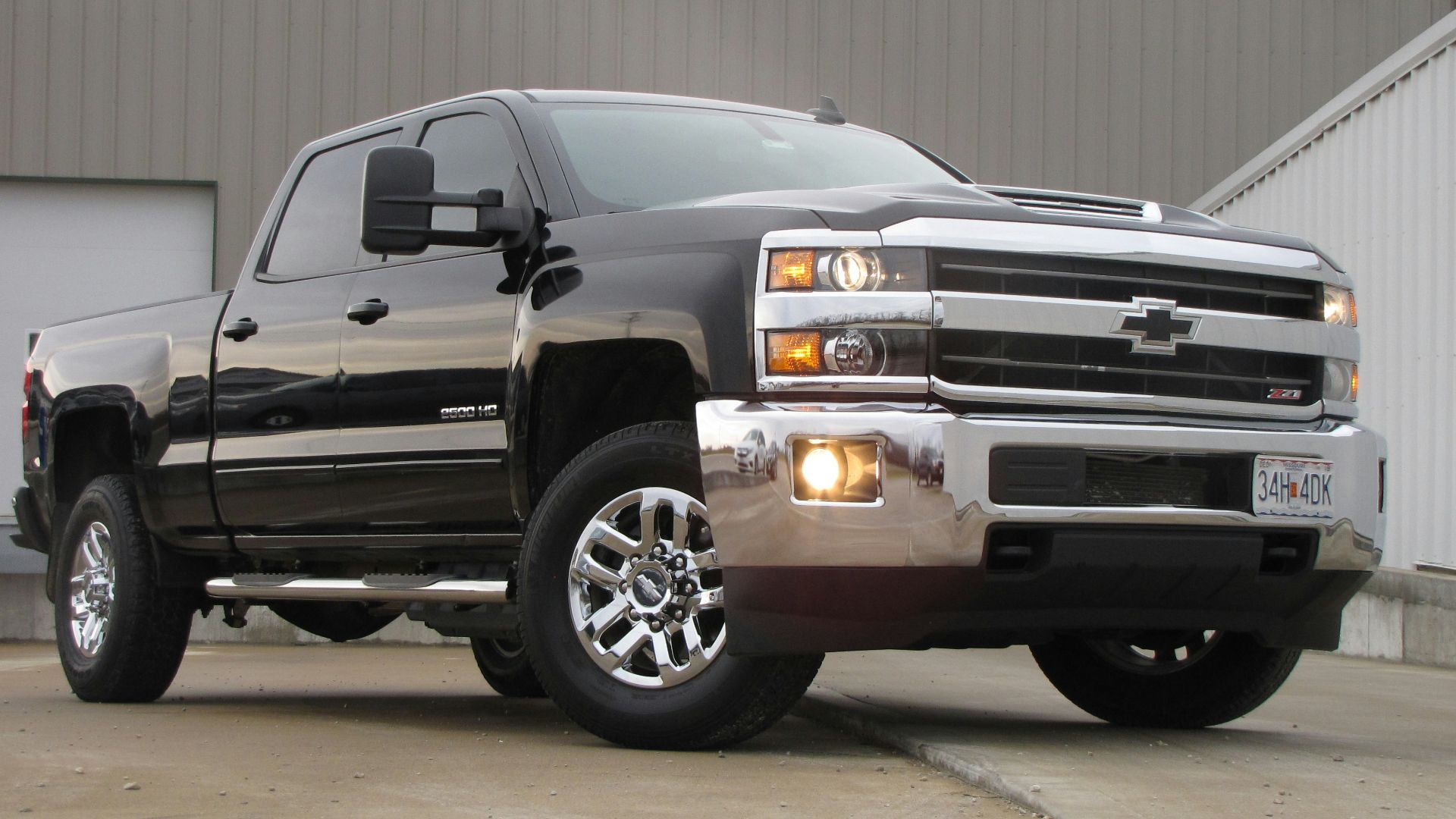
Used diesel trucks can be tempting because buyers think about longevity and resale value. But a used diesel with an unclear maintenance history and lots of city miles can be especially risky. If the previous owner interrupted regens, idled too much, or ignored warnings, the next owner may inherit costly problems.
What To Check Before Buying Any Diesel Truck
If he refuses to let go of the idea, have him check service records, emissions-system repairs, recall history, and whether the truck has been modified. Deleted emissions equipment can create legal and inspection problems depending on where he lives. A pre-purchase inspection from a diesel specialist is money well spent.

The Verdict Is Not “Never,” But It Is Close
Buying a diesel truck for mostly city driving is not automatically a terrible idea in every single case. But for most people, it is hard to call it a good one. Higher costs, emissions-system sensitivity, and limited everyday benefit make it a tough sell unless towing or long-distance driving is a regular part of life.

So What Should You Tell Your Son
Tell him a diesel truck is a great answer to the right question. If the question is city commuting with occasional hardware store runs, it is usually the wrong answer. Unless he really needs the towing muscle and can give the truck regular highway time, a gas truck is the more practical and less painful choice.