The Barn Find Dream Comes With A Catch
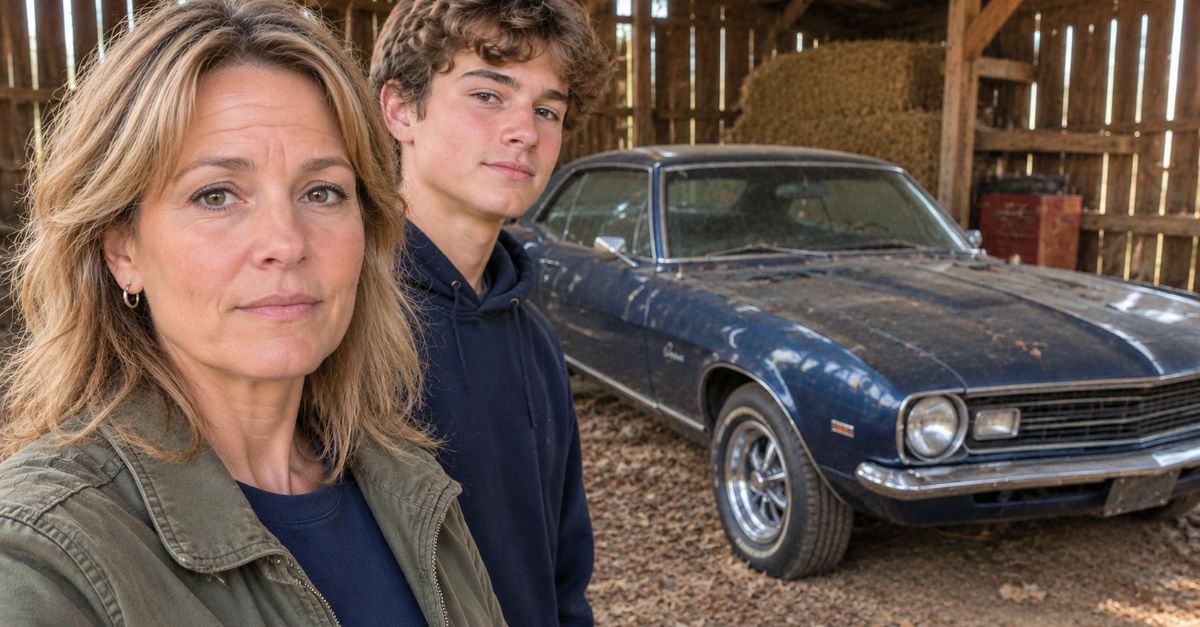
A car that has been sitting in a barn for 12 years can seem like a steal, especially to a first-time buyer. The problem is that time can wreck a car even when nobody drives it. Before your son gets attached to the idea, it helps to know what usually goes bad, why it goes bad, and how quickly the repair bill can climb.

What Long Storage Really Does To A Car
Cars are built to move, warm up, cool down, and keep fluids flowing. When a vehicle sits for years, rubber gets hard, fluids break down, metal starts to rust, and seals dry out. The biggest trouble is often hidden under the hood or underneath the car.
 Bodgan Vacarcuic, Shutterstock
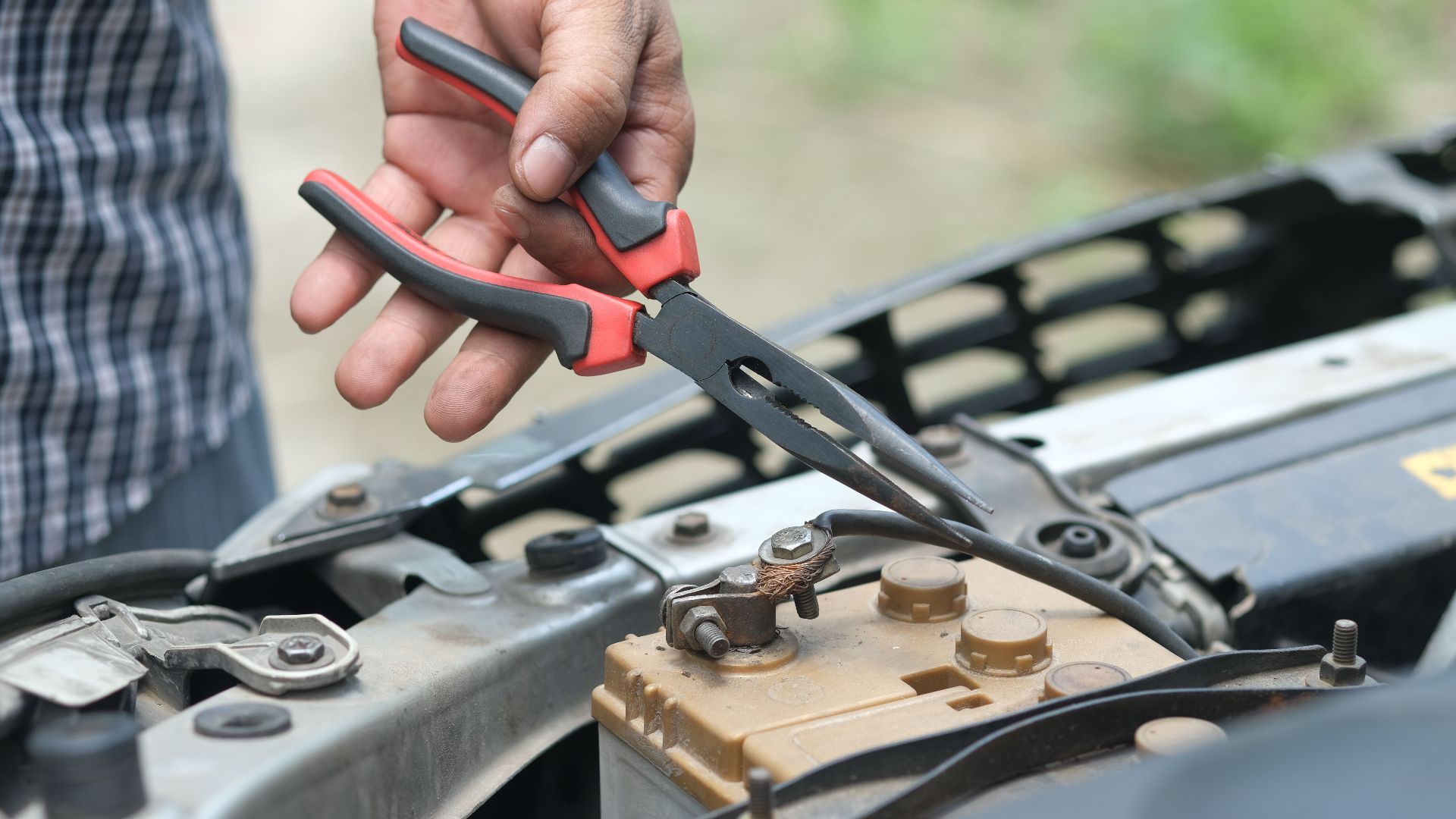
The Battery Is Almost Certainly Dead
A battery that has been sitting for 12 years is basically done. AAA says the average car battery usually lasts three to five years, and often less if it has not been maintained. Even if the car somehow still powers on, plan on replacing the battery first.
Old Fuel Becomes A Mess
Gasoline does not stay usable for years. The U.S. Department of Energy explains that gasoline can start to break down in just a few months, especially with ethanol in the mix. After 12 years, the tank, fuel pump, injectors, carburetor passages, and filters may all be fouled with varnish, gum, or corrosion.
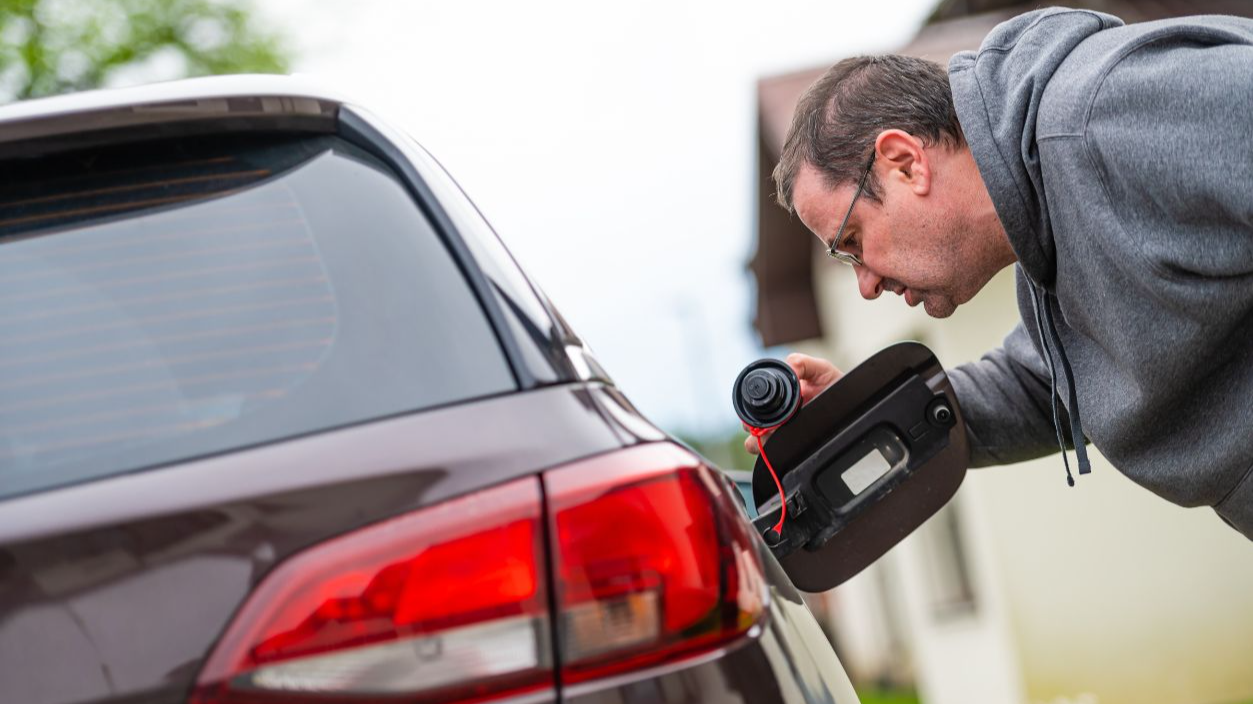
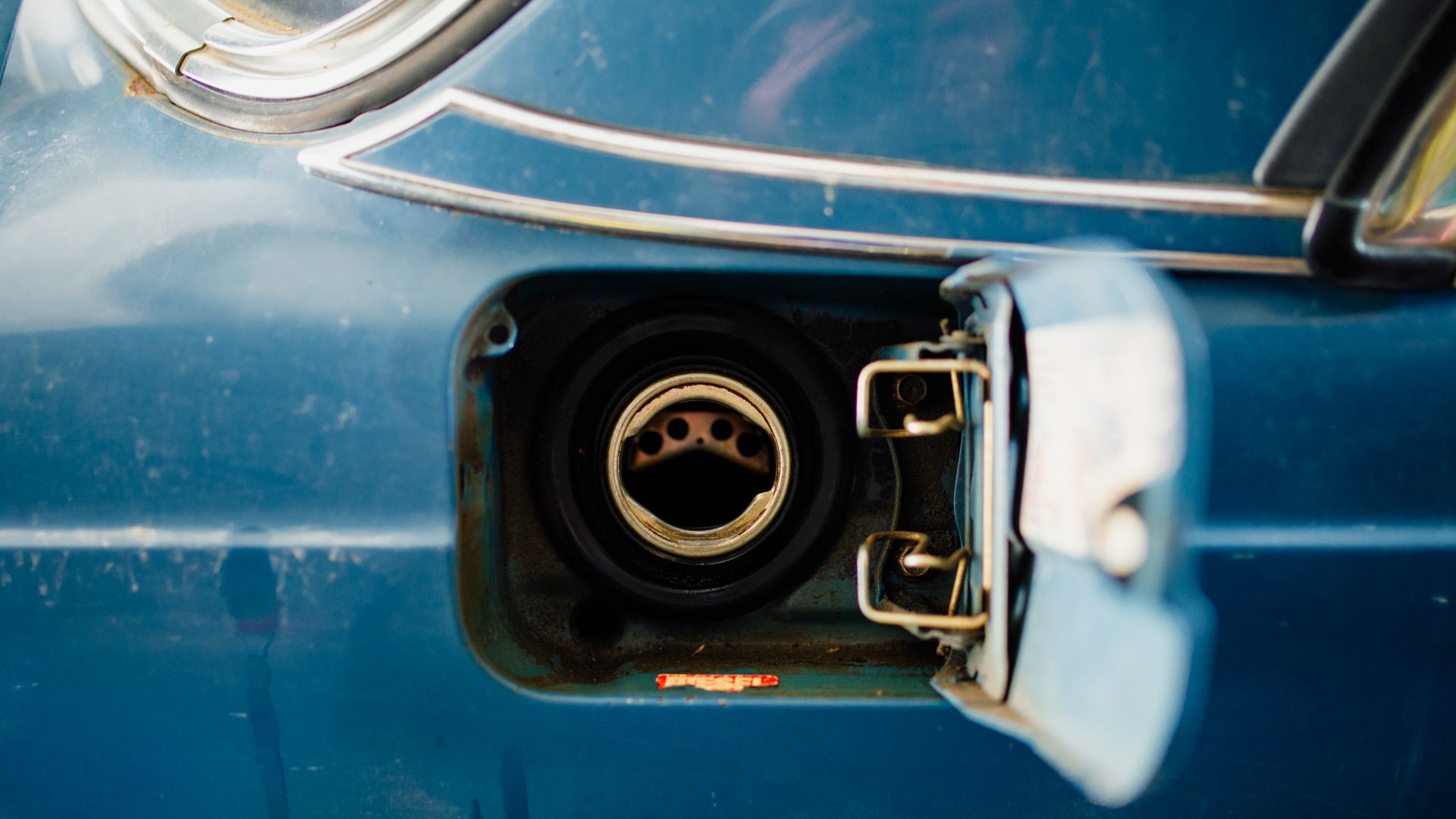
The Fuel Tank Could Be Rusting Inside
If the barn went through changes in temperature and humidity, condensation inside the tank may have caused rust over time. The moment someone tries to start the car, those rust particles can move through the fuel system. What looked like a cheap buy can get expensive fast if the tank, fuel lines, and pump all need work.
 Nenad Stojkovic , Wikimedia Commons
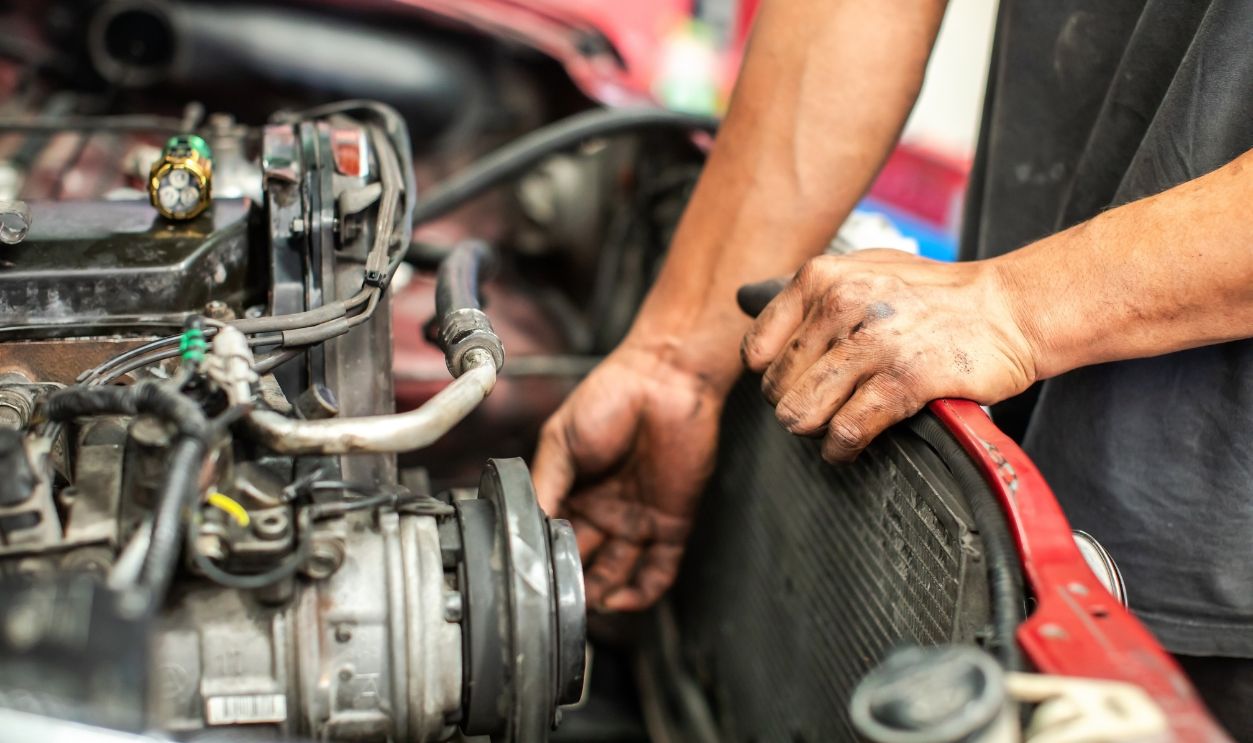
Fuel Lines Can Crack Without Much Warning
Rubber fuel hoses keep aging even when the car is parked. Heat cycles, ozone, and plain old time can make them hard or cracked, which raises the risk of fuel leaks. That is one reason a long-sitting car needs a full inspection before anyone tries to start it.
 koonsiri boonnak, Shutterstock
Engine Oil Does Not Stay Fresh Forever
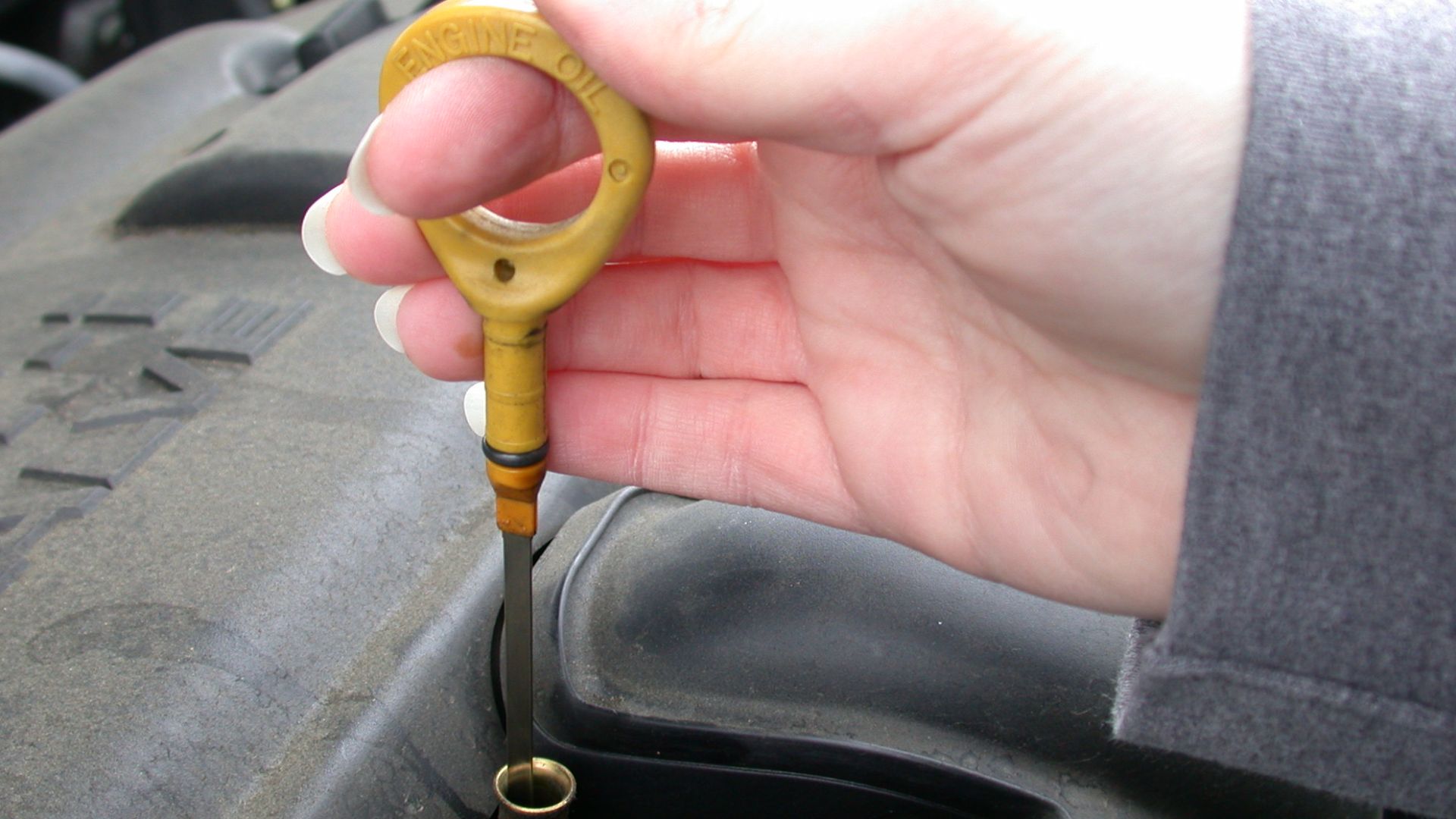
Old engine oil can pick up moisture and contaminants while a car sits. Its additives also lose strength over time, so it stops protecting internal parts the way it should. The safest move is to change the oil and filter before doing any serious cranking or running.
Seals And Gaskets Dry Out Quietly
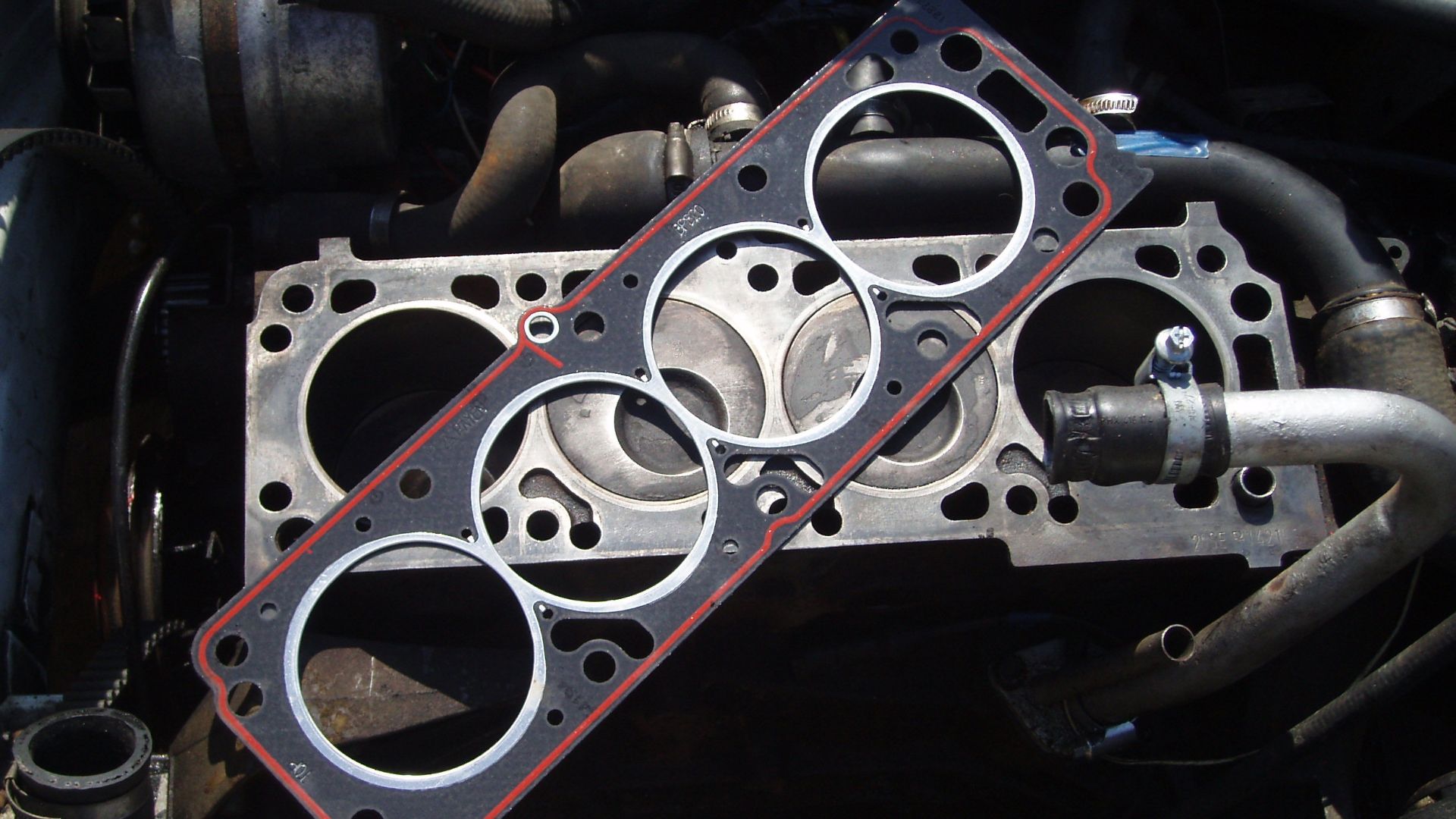
Engines, transmissions, power steering systems, and differentials all depend on seals to keep fluid where it belongs. After 12 years, those seals can shrink, harden, or crack. A car that looks fine in the driveway can start leaking from several places once it is back in service.
 Lewis Collard, Wikimedia Commons
Coolant Stops Doing Its Job
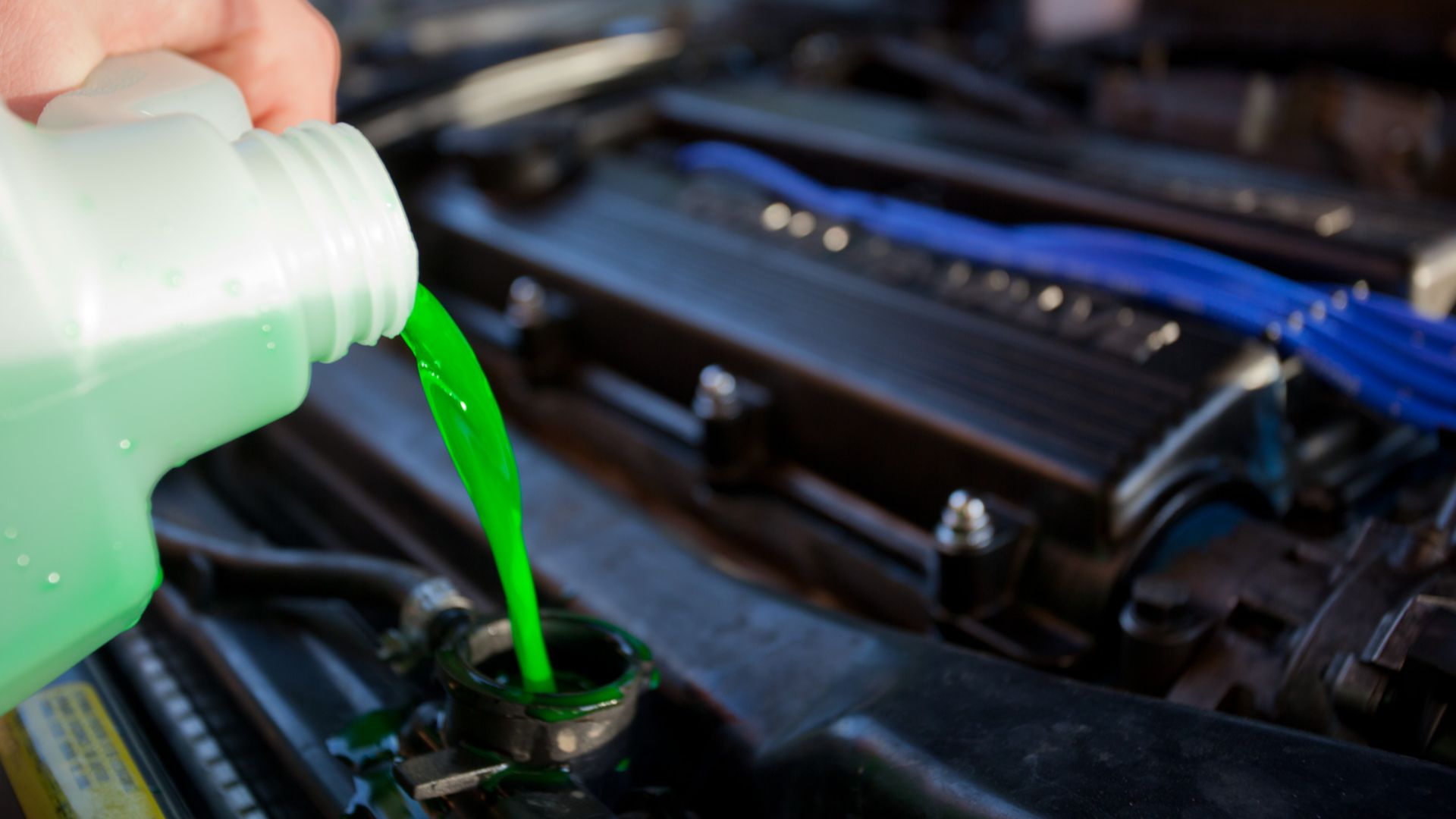
Coolant does not last forever. Over time, it loses the additives that protect against corrosion, leaving radiators, water pumps, and internal passages more open to damage. If a car has been sitting for more than a decade, assume the cooling system needs a flush and a careful inspection.
Brake Fluid Slowly Pulls In Moisture
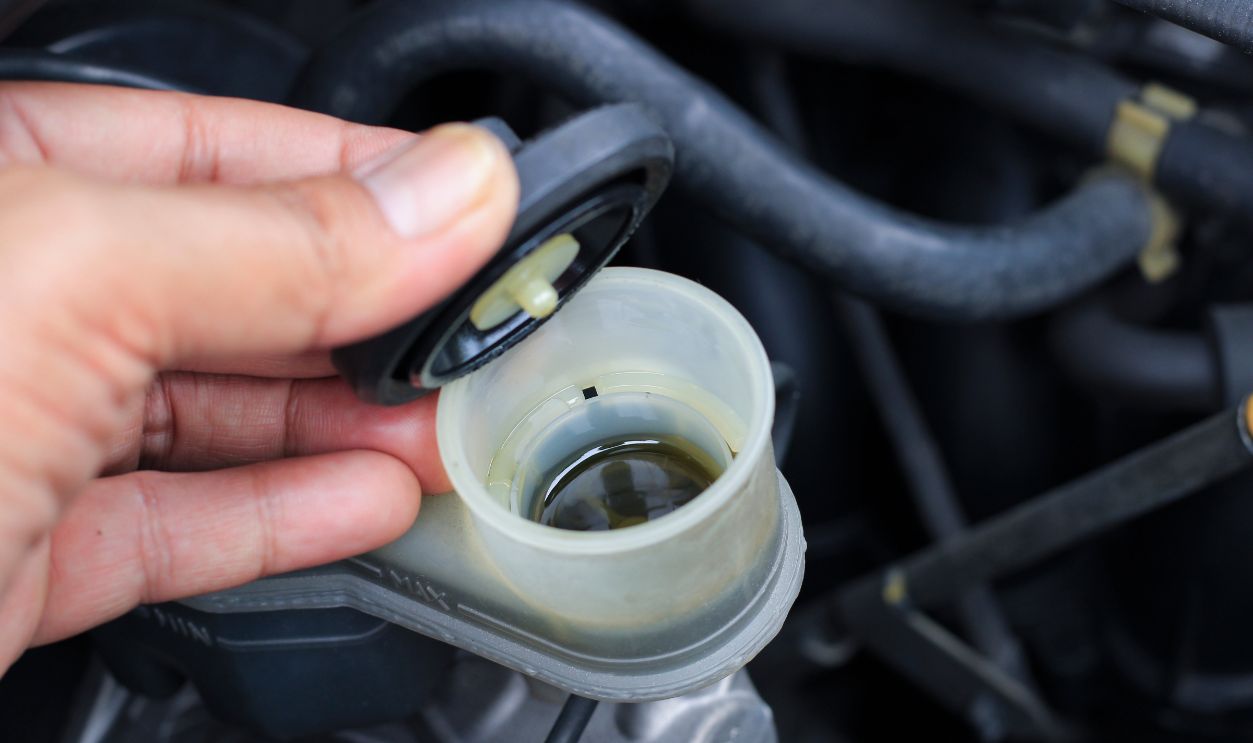
Brake fluid is hygroscopic, which means it absorbs moisture from the air over time. NHTSA has long warned drivers to keep up with brake maintenance because moisture can lead to corrosion and weaker braking. In a car that has sat for 12 years, rusty lines, stuck calipers, and a damaged master cylinder are all very possible.
 ANECEPTIUS BAMBANG SUTOPO, Shutterstock
Brakes Can Seize While Sitting Still
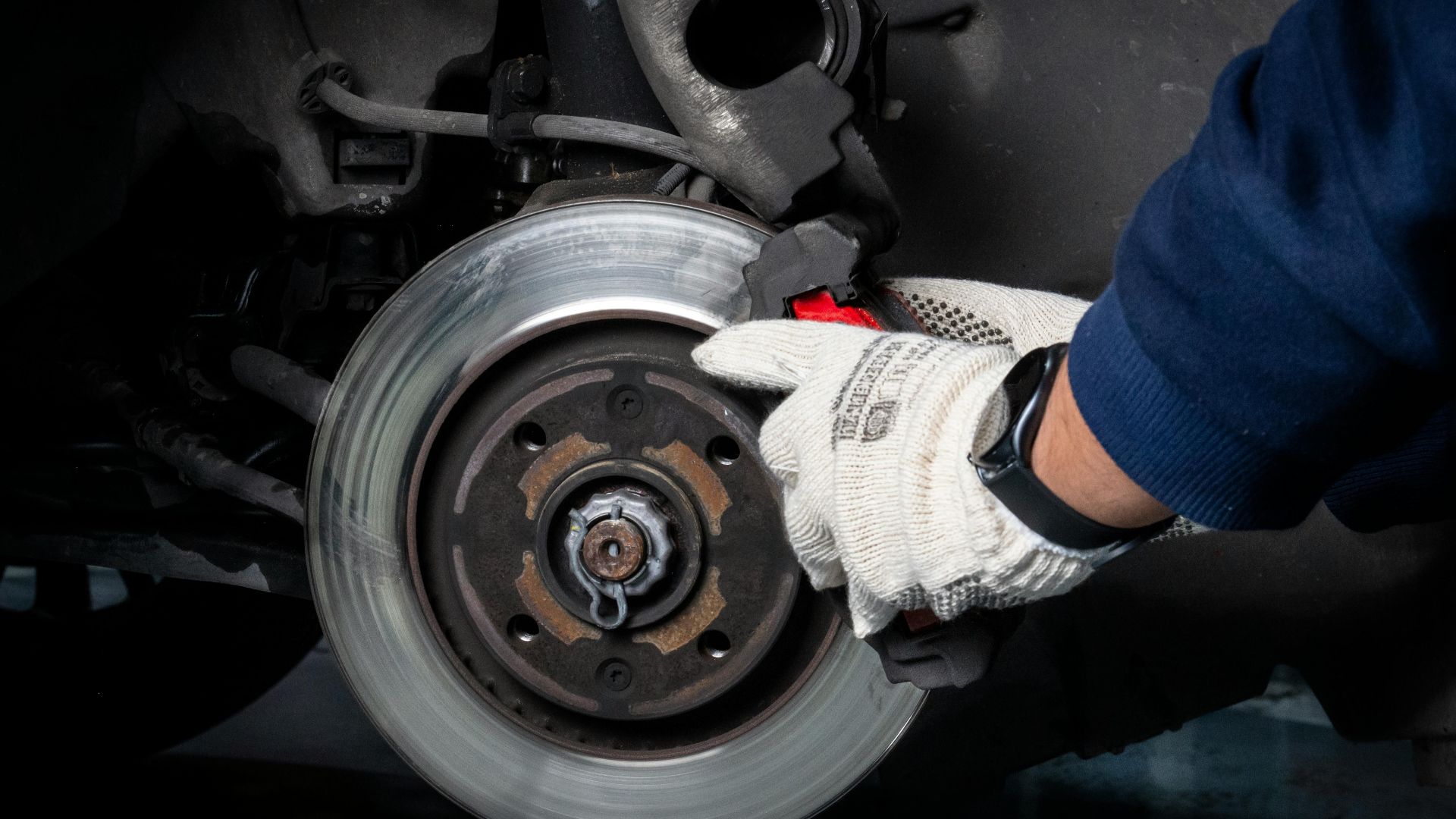
Brake rotors rust when a car sits, and parking brake parts can freeze in place. Caliper pistons and wheel cylinders can also seize from corrosion or contaminated fluid. So the car may not roll freely, and if it does, it may not stop safely.
Tires Age Out Before They Wear Out
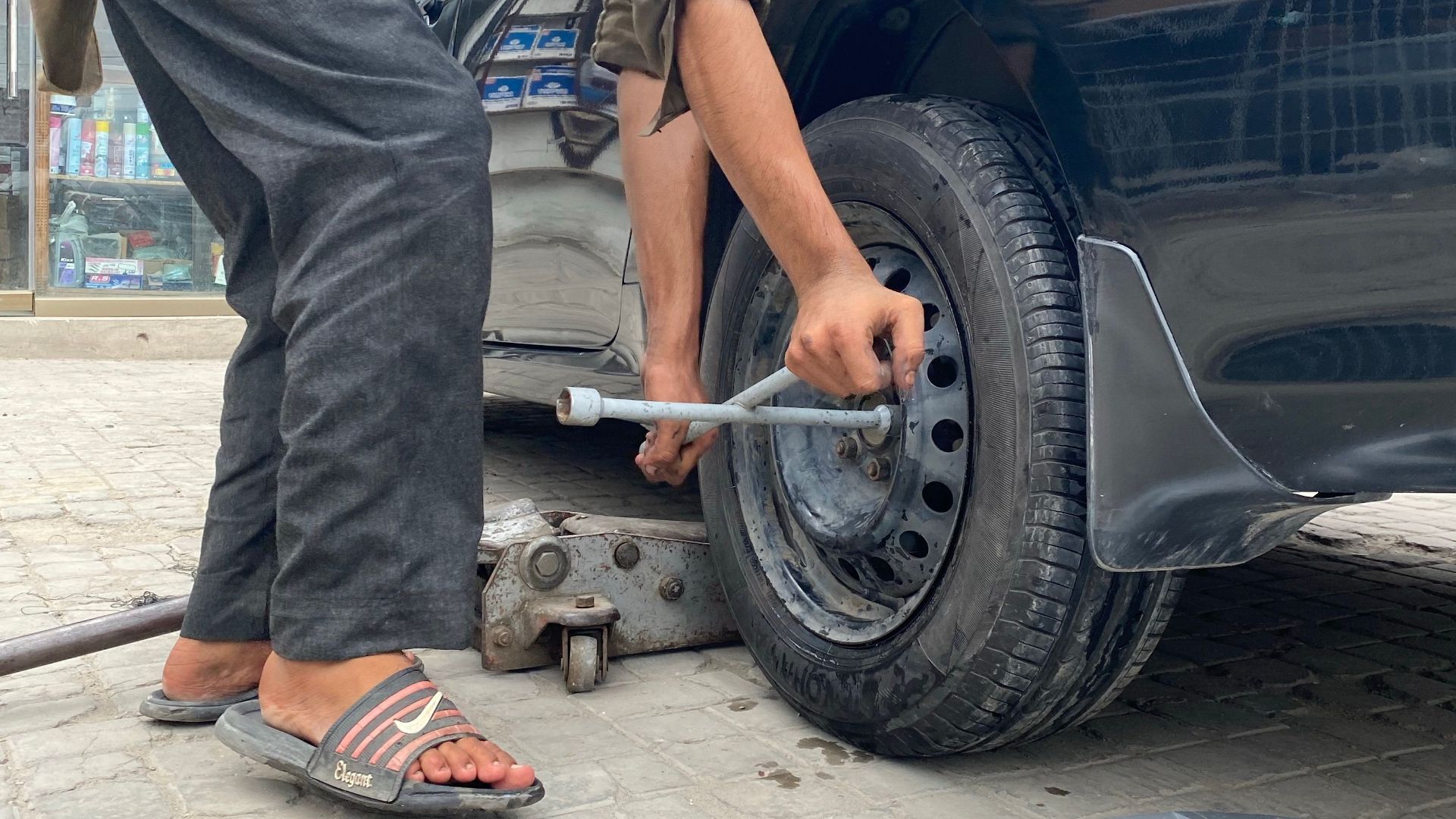
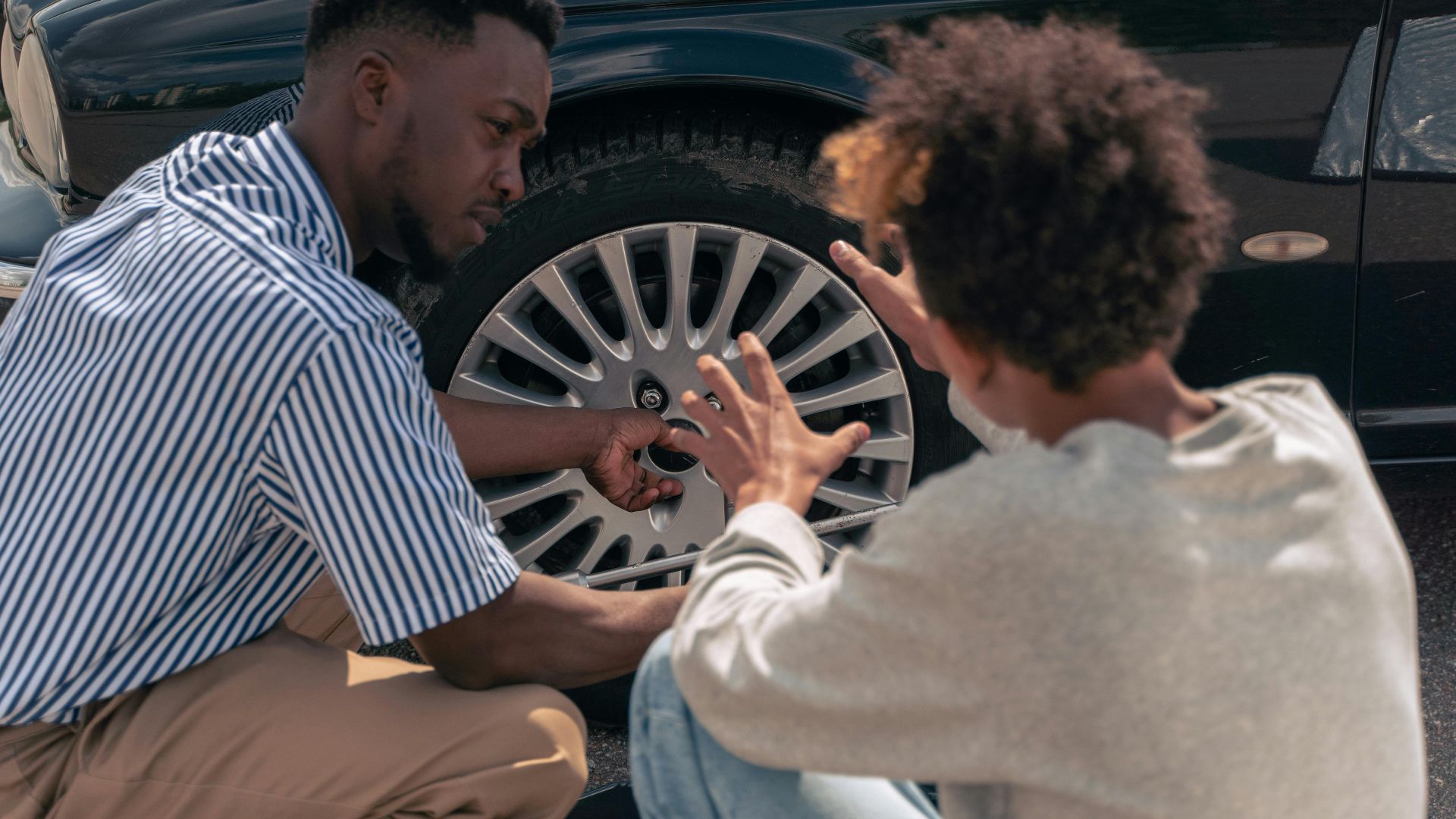
This is one of the biggest safety issues with a barn find. NHTSA says tires break down with age, and many carmakers and tire makers suggest replacement at around six years, with 10 years often seen as the outer limit no matter how much tread is left. A car that has been sitting for 12 years needs new tires.
Flat Spots And Sidewall Cracks Are Common
A vehicle parked in one spot for years can develop bad flat spots in the tires. The sidewalls may also have dry rot, cracking, or hidden internal weakness that photos will not show. Even if they still hold air, old tires on a revived car are not worth trusting.
Belts Often Fail Once They Are Put Back To Work
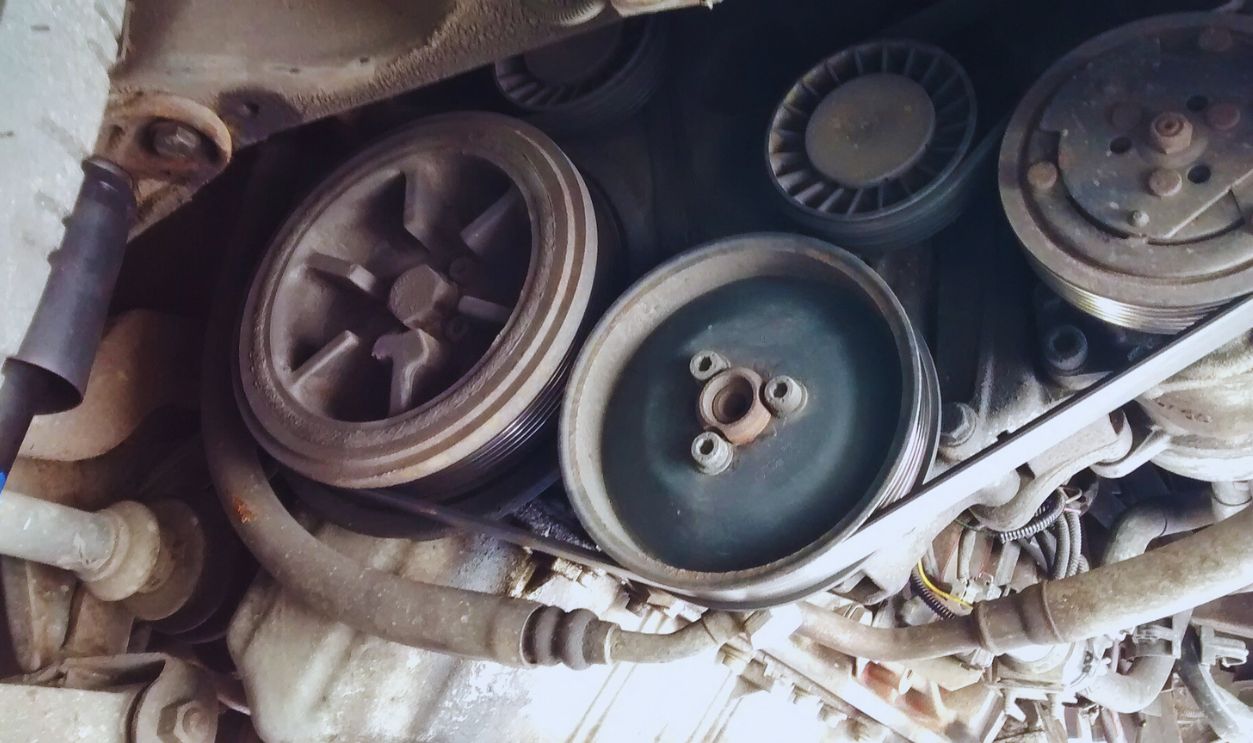
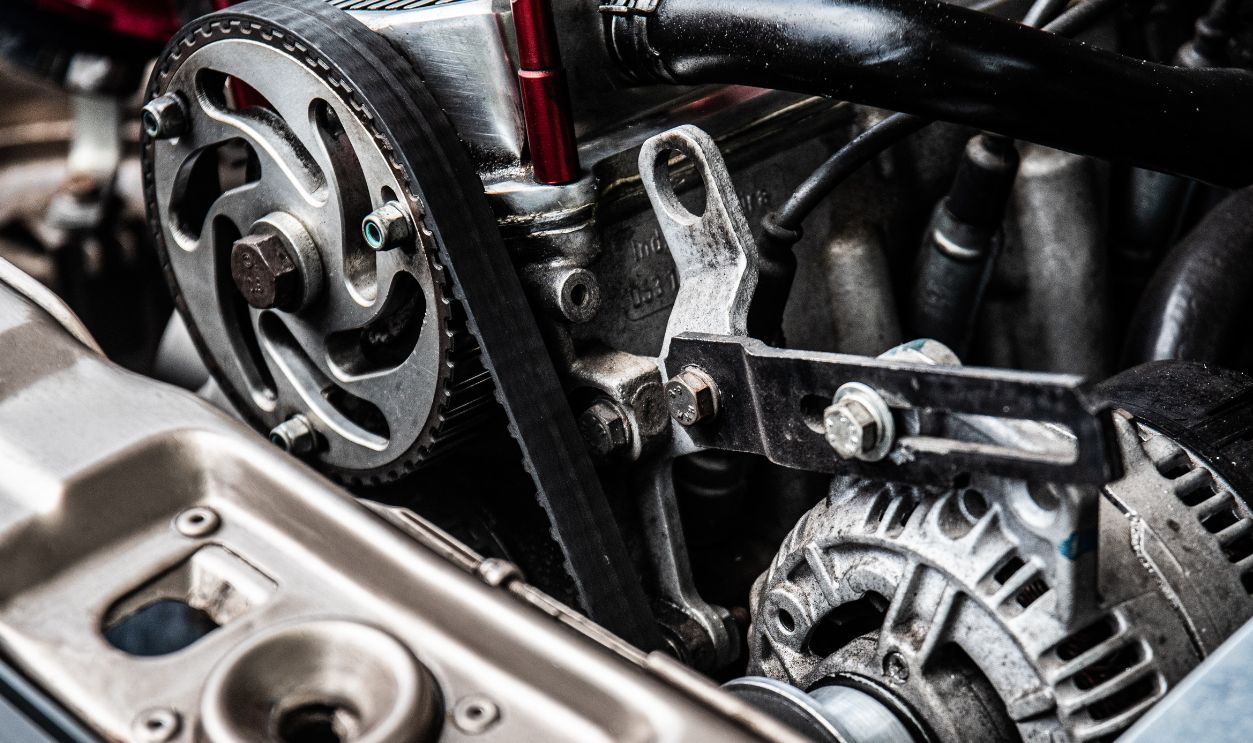
Accessory belts can look okay until they are bent, tightened, and heated up again. Then the cracks show, the rubber starts shedding, and the squealing starts. Replacing belts early is cheap compared with overheating or losing alternator drive on the first trip.
Hoses Can Burst On The Day You Bring It Back
Cooling hoses and vacuum lines spend years drying out and losing flexibility. Once the engine warms up and pressure returns, brittle hoses can split with little warning. A barn-stored car can seem almost ready to drive until one weak hose turns the day into a tow bill.
Rodents Love Parked Cars
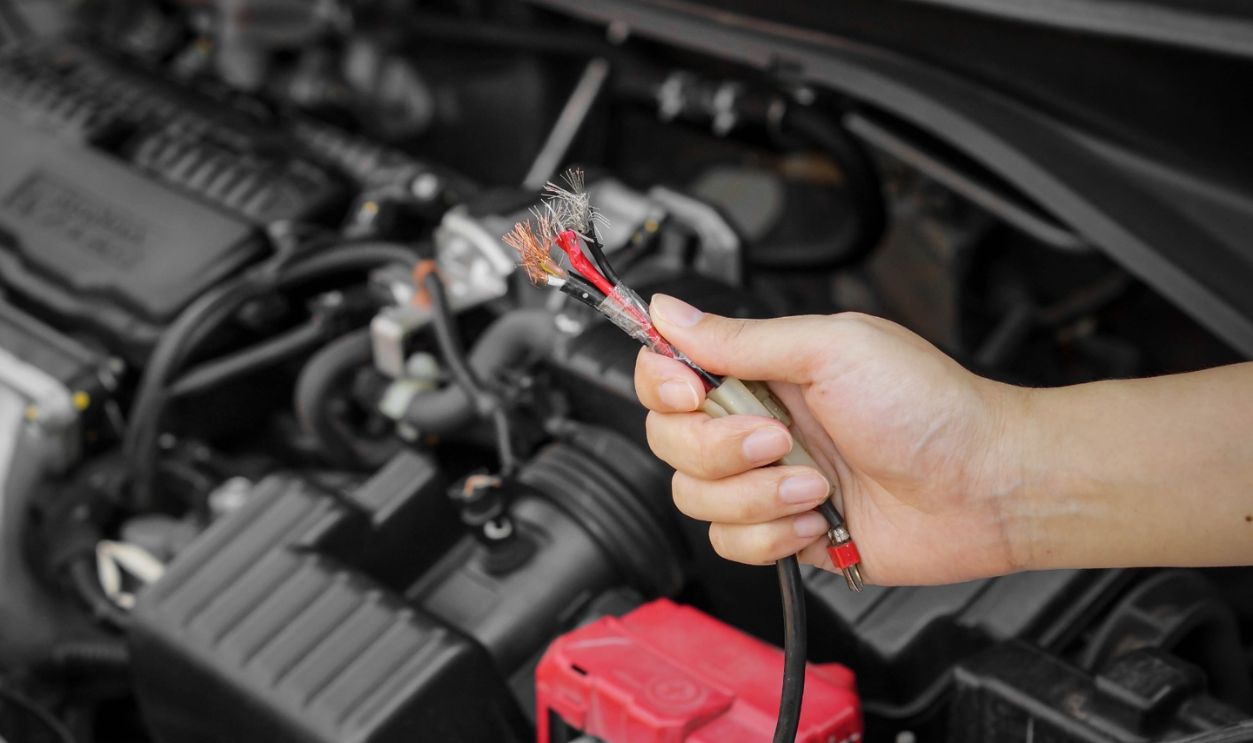
One of the worst surprises in a long-stored vehicle is rodent damage. Mice and rats chew wiring, insulation, filters, and interior trim while building nests in the air box, heater ducts, or engine bay. That can lead to electrical problems, overheating, and even fire risk.
Electrical Problems Can Get Expensive Fast
Modern cars depend on sensors, modules, grounds, and connectors working together. Corroded terminals or chewed wires can cause no-start problems and random warning lights that are hard to trace. A cheap barn find can turn into a money pit if the wiring has been damaged.
The Engine Might Be Stuck
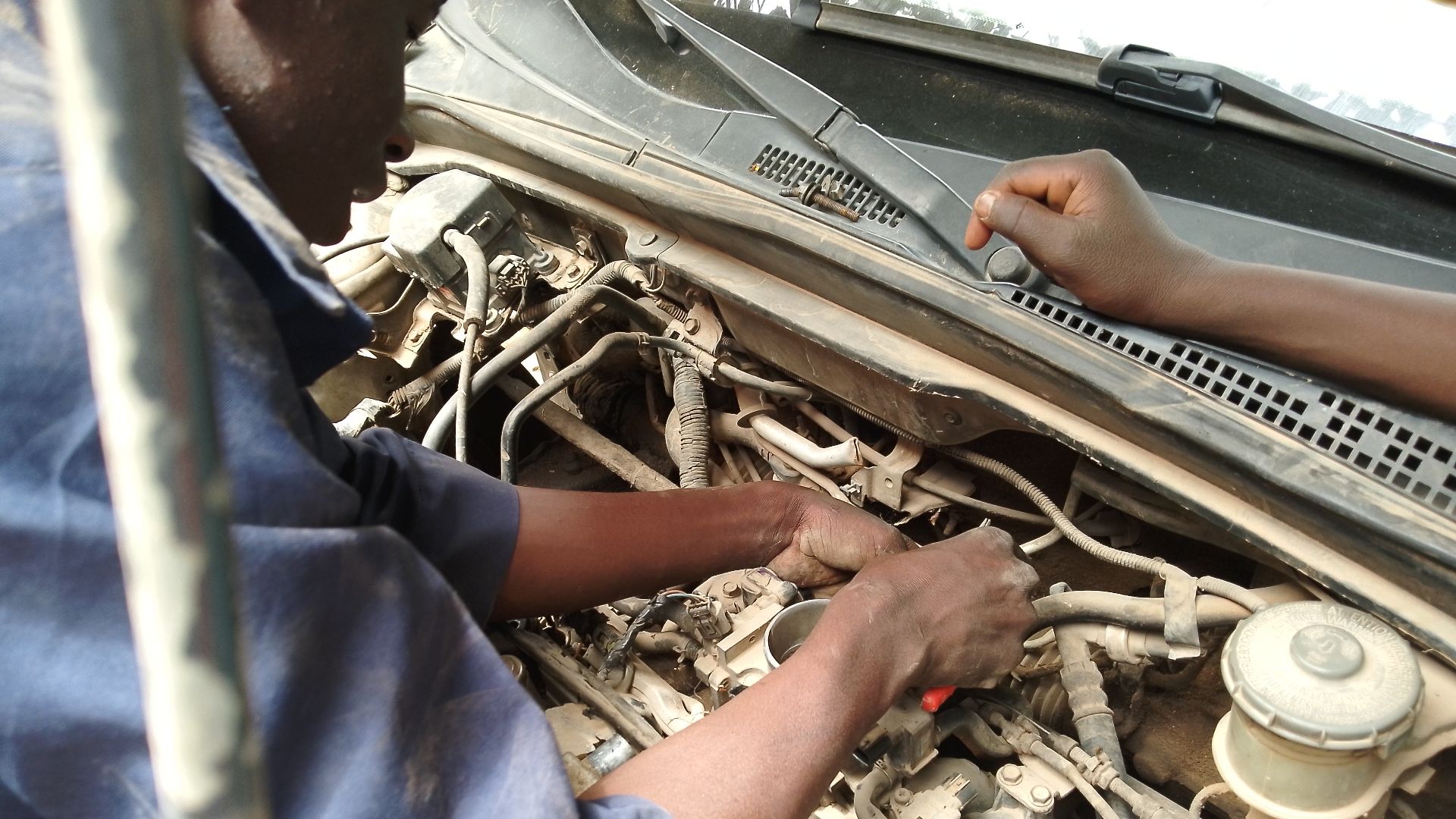
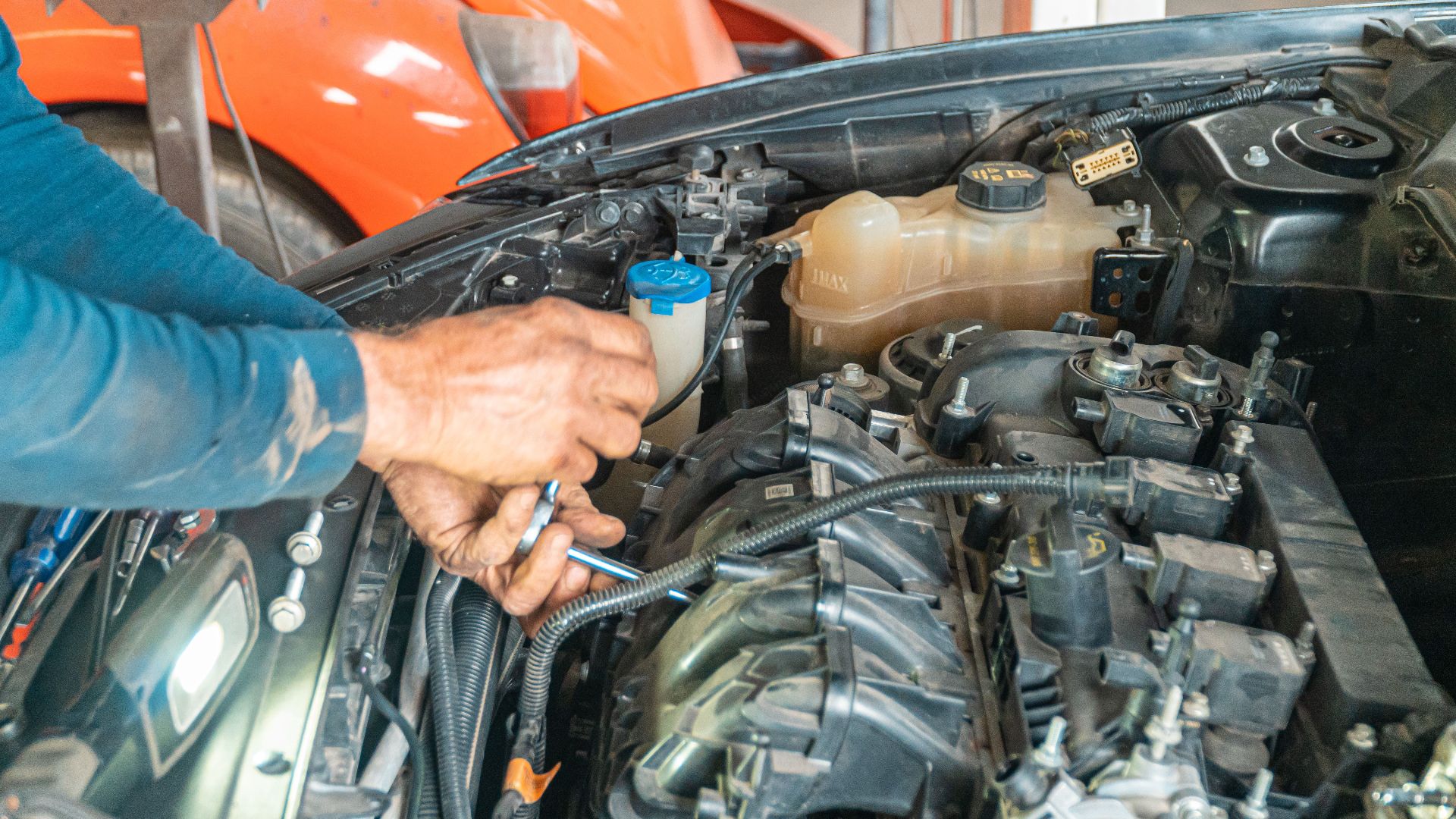
If moisture got into the cylinders, piston rings can stick to the cylinder walls. Surface rust can also form on internal engine parts, especially if the storage space was damp. That is why experienced restorers usually turn the engine by hand first instead of jumping straight to the starter.
 Jose Ricardo Barraza Morachis, Pexels
Transmission Trouble May Show Up After The First Drive
Automatic transmission seals can dry out, and the fluid can oxidize or absorb moisture during long storage. Manual transmissions and differentials can also suffer from worn-out lubricants and leaking seals. The transmission may seem fine in the driveway, then start slipping or leaking once it gets hot.
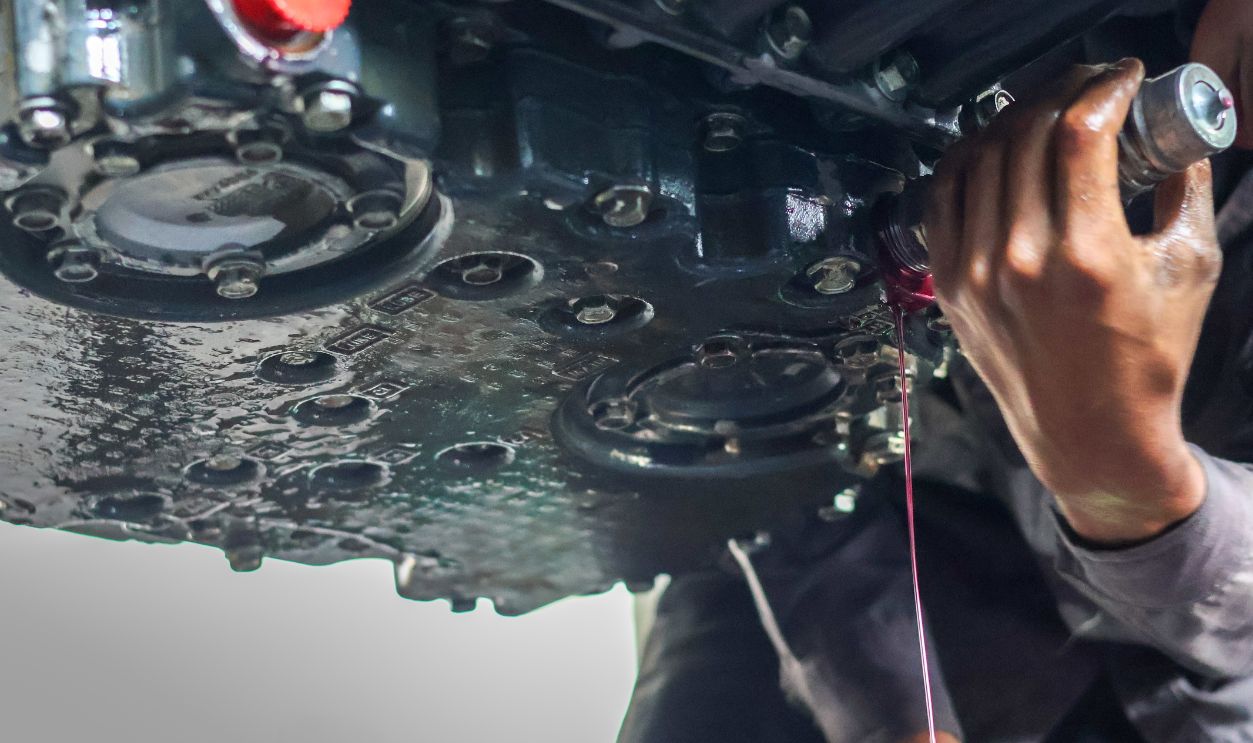
Wheel Bearings And Suspension Parts Age Too
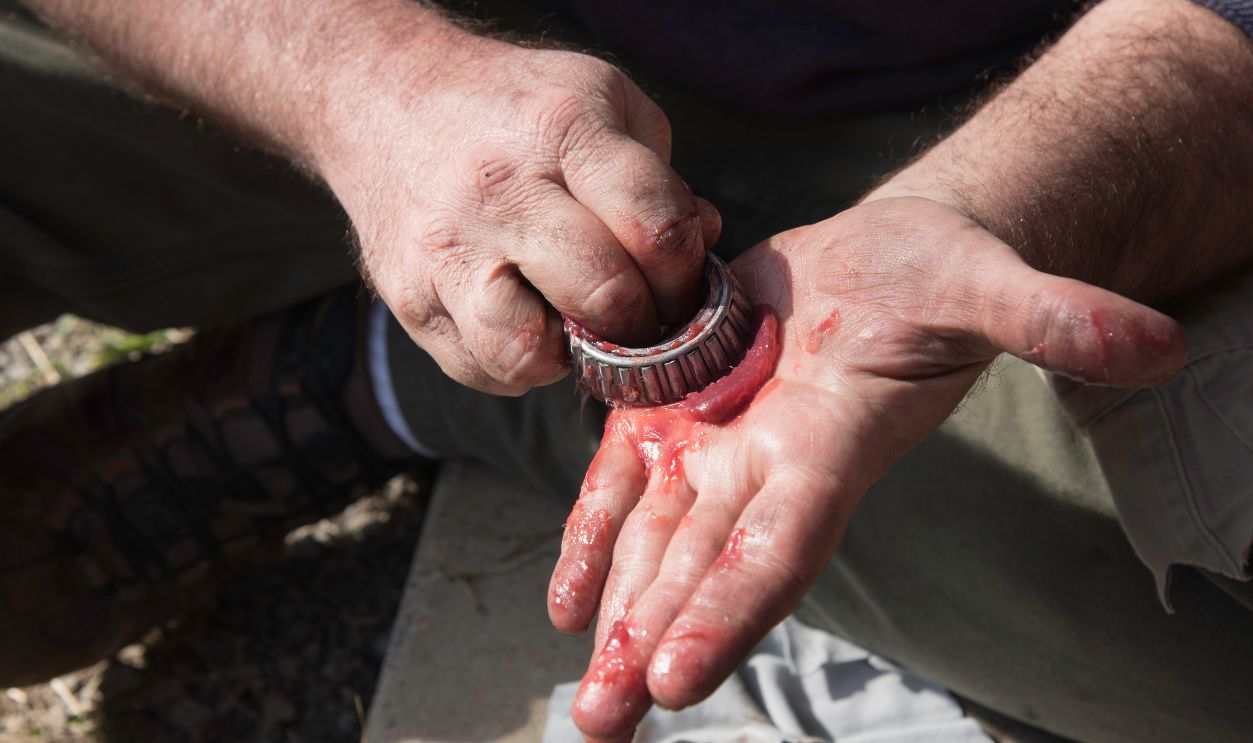
Grease gets old, moisture gets in, and corrosion can start inside bearings and joints. Rubber bushings and shock seals also break down while the car sits. The result can be noisy bearings, sloppy handling, or a suspension that feels worn out.
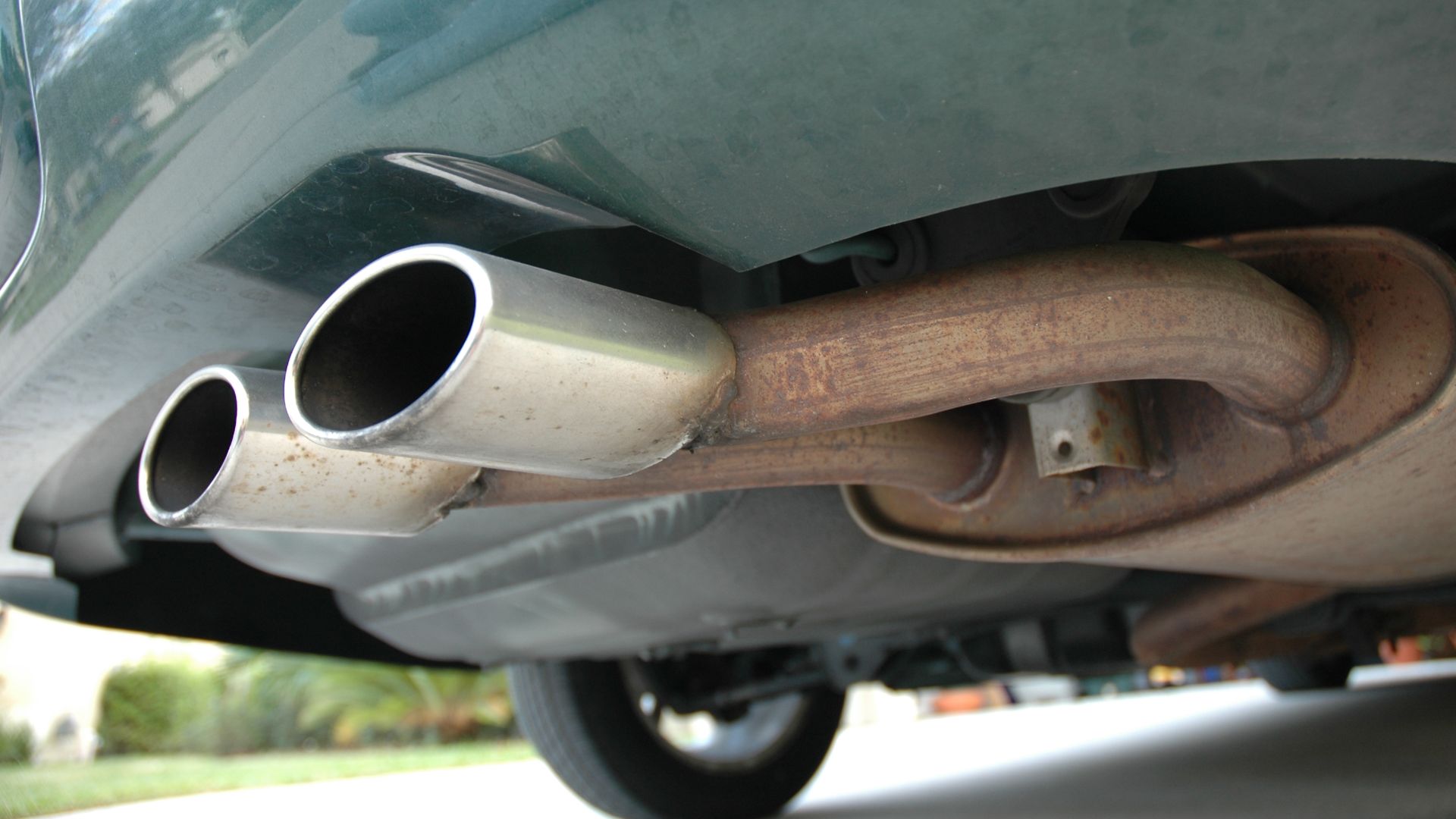
Exhaust Systems Rust From The Inside
Short moves and long storage are both rough on exhaust systems because moisture can stay trapped inside. Mufflers, pipes, and hangers can rust through even if the body still looks decent. Exhaust leaks are not just annoying because they can also let fumes into the cabin.
 KeysPhotography.com, Wikimedia Commons
The Interior Can Tell The Whole Story
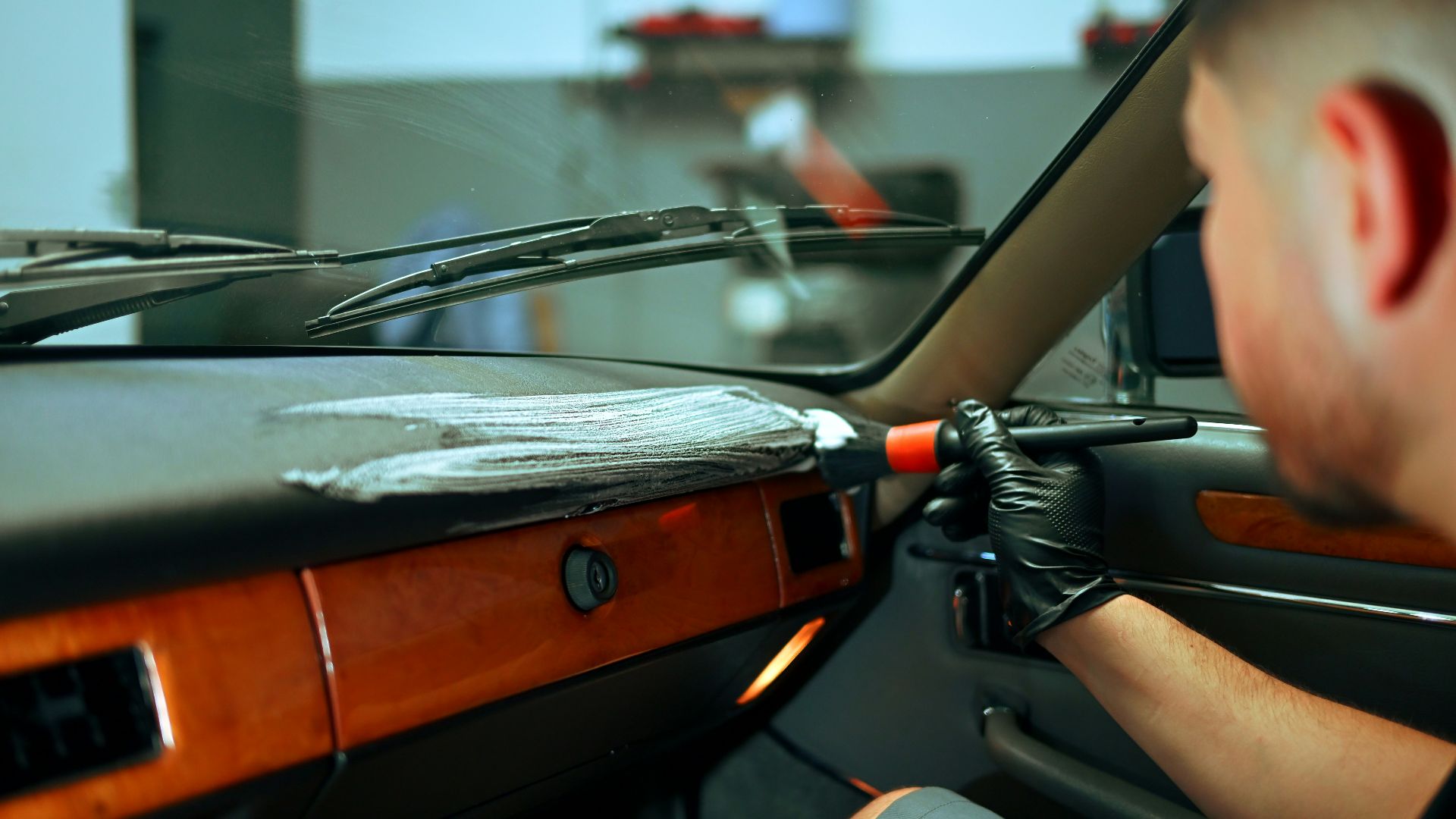
Mold, mildew, water stains, and brittle trim are clues that moisture got into the car. Sun coming through barn windows can also crack dashboards, fade fabric, and weaken plastic parts. If the cabin smells musty, hidden wiring and the floor underneath deserve a very close look.
Rust Is Still The Biggest Deal Breaker
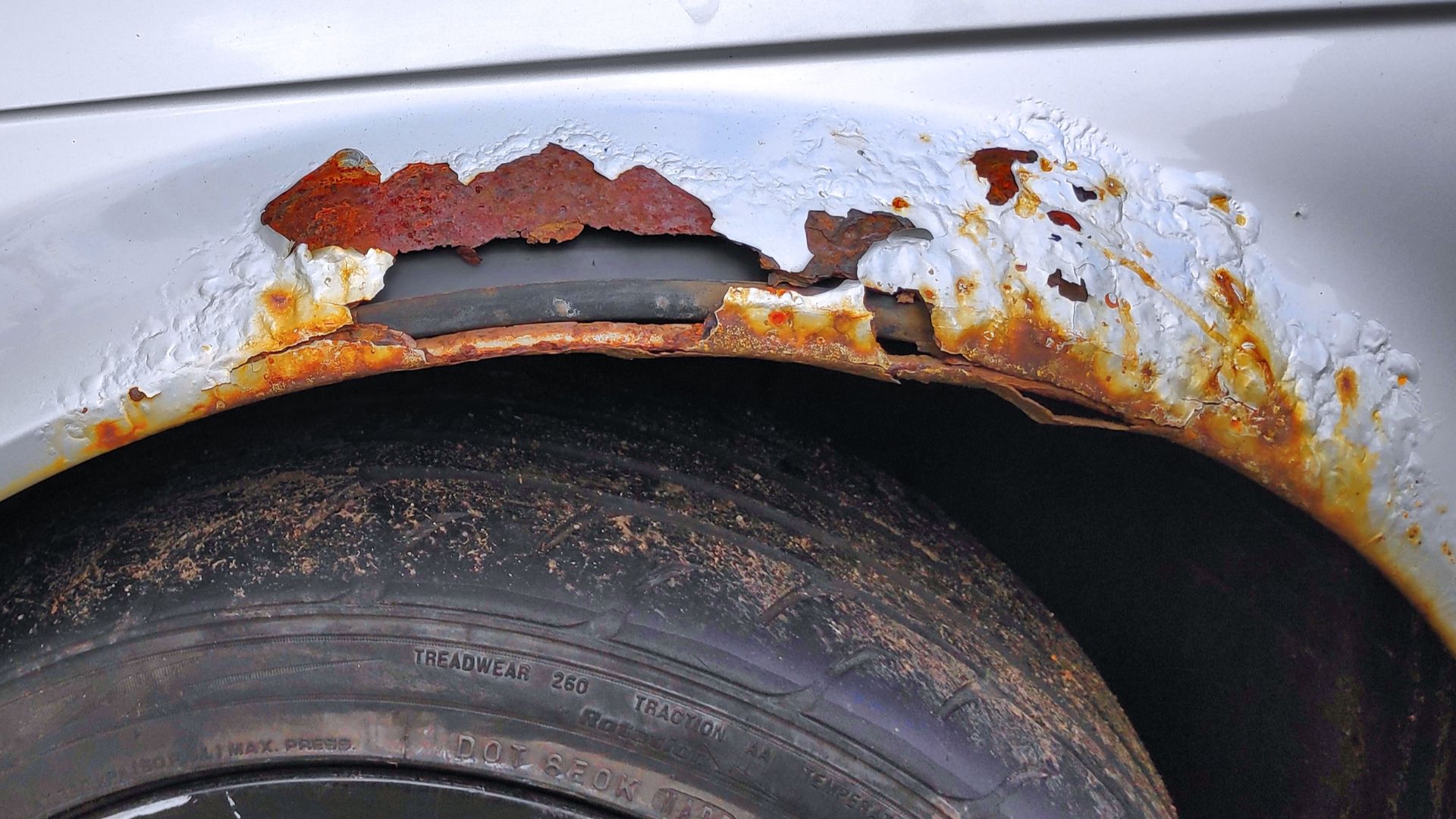
Surface rust on brake rotors is normal and often manageable. Structural rust in the frame, rocker panels, suspension mounts, or floor can make the car unsafe and not worth saving. Before worrying about whether the engine runs, inspect the underside carefully because rust can end the whole project.
 Marek Ślusarczyk (Tupungato) Photo portfolio, Wikimedia Commons
Do Not Start It Like A Normal Used Car
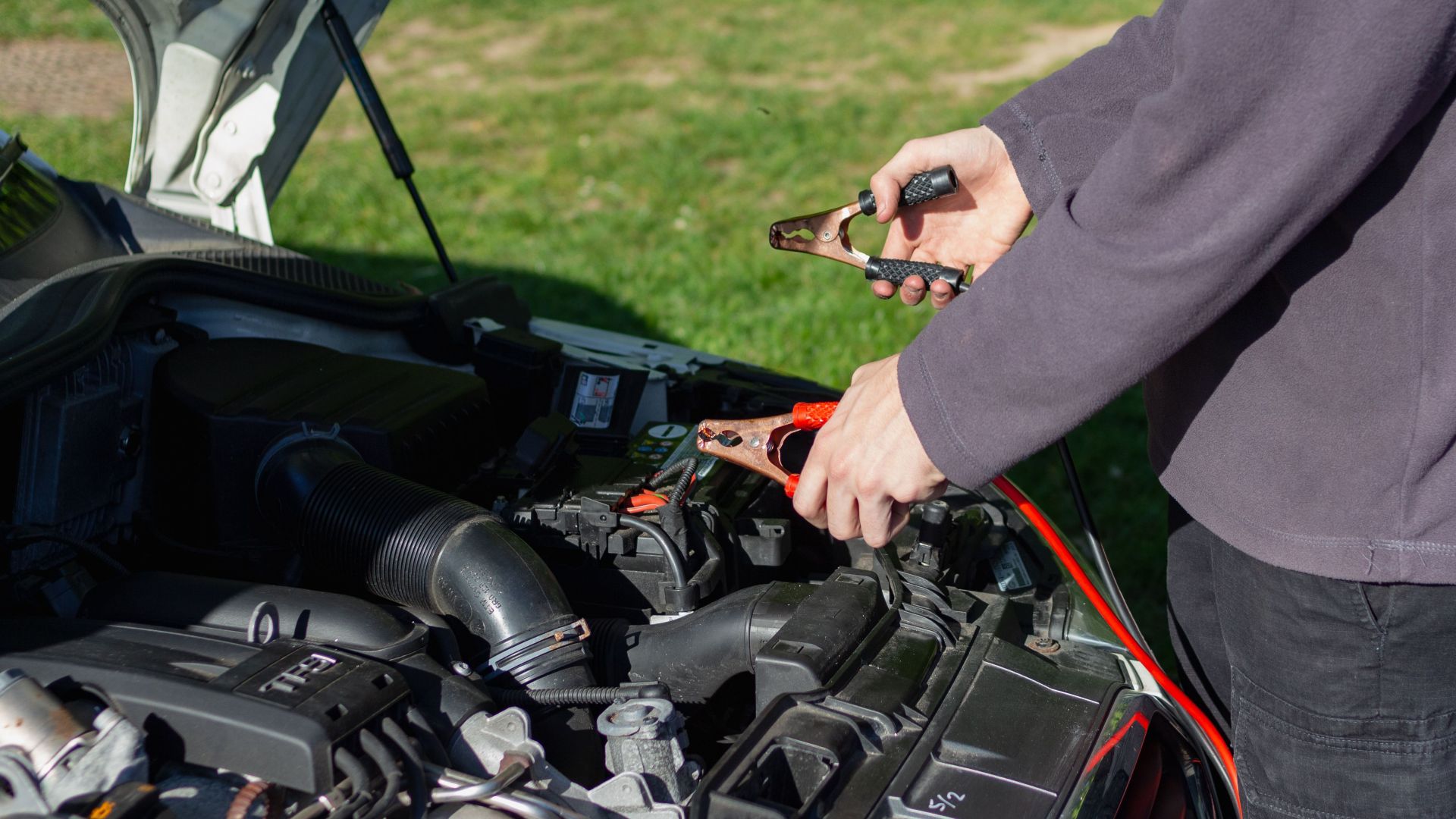
The temptation is to throw in a battery, add fresh gas, and see if it fires up. That can damage the fuel system, push debris into sensitive parts, and stress an engine that has not turned in years. A proper revival starts with inspection, fresh fluids, lubrication, and slow, careful testing.
What A Safe First Inspection Looks Like
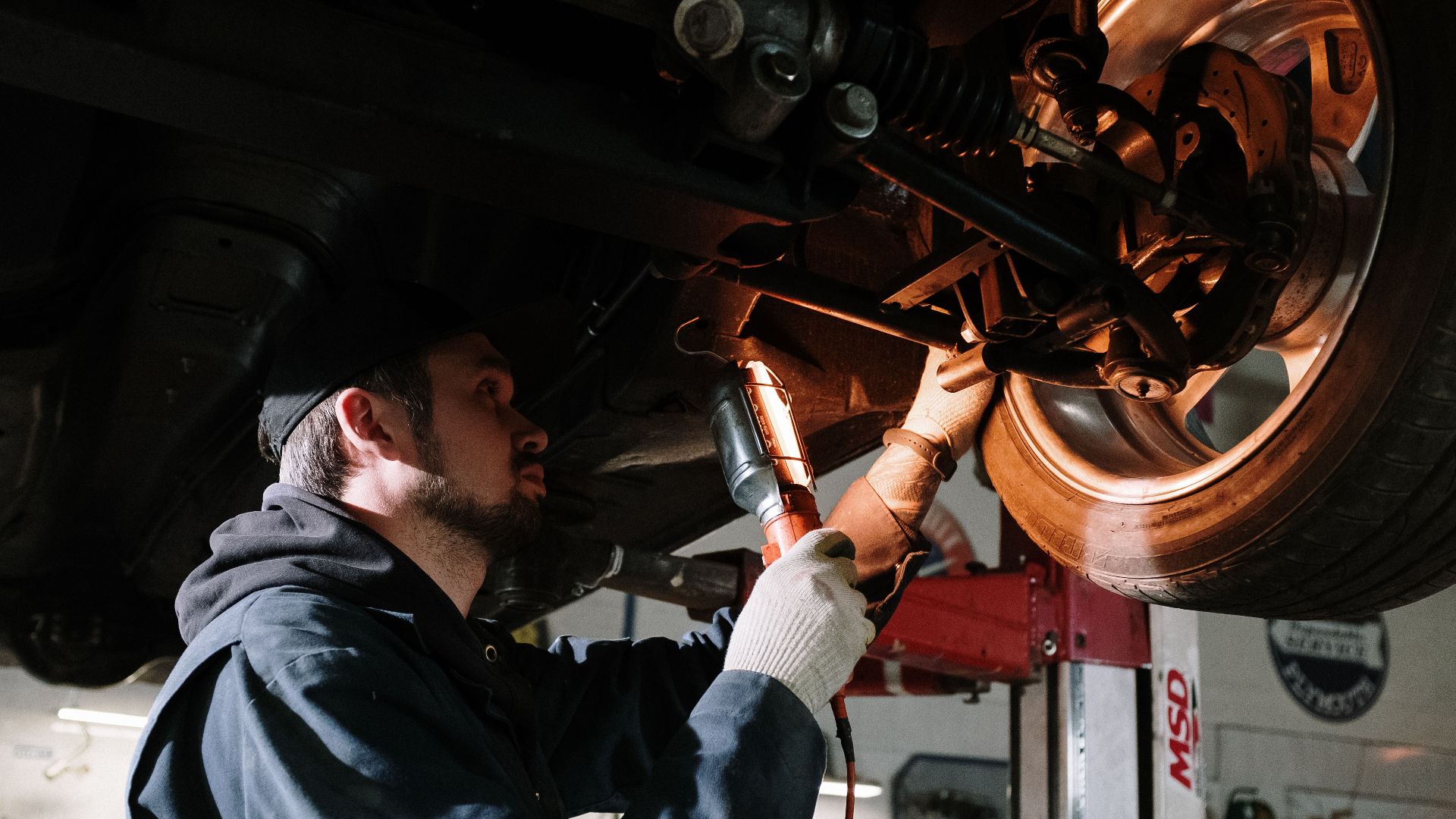
Start by looking for major rust, rodent nests, fluid leaks, and missing parts. Check the oil, coolant, brake fluid, tires, belts, hoses, and wiring, then drain the old fuel if possible. If the engine is free, many mechanics will lubricate the cylinders, turn the crank by hand, and prime the systems before trying a start.
 Daniel @ bestjumpstarterreview.com, Pexels
The Real Money Goes Into Rubber, Fluids, And Labor
Most people fixate on the purchase price because that is the fun part. The real cost usually shows up in tires, brakes, battery, hoses, belts, filters, fluids, seals, fuel system cleaning, and electrical repairs. Even a basic revival can cost several thousand dollars before the car is truly dependable.
When A Barn Find Makes Sense For A Young Buyer
If your son wants a project, has room to work, and understands that the car may need major repairs, a long-stored vehicle can be a good learning experience. If he needs reliable transportation for school or work, this is usually the wrong bargain. The smart way to see it is as a hobby first and transportation second.

The Best Question Is Not Whether It Will Start
With enough time and money, almost any car can be made to start. The better question is whether it can be brought back safely and without blowing the budget after sitting for 12 years. If the answer is still a guess, a pre-purchase inspection from a trusted mechanic is the cheapest reality check your family can get.