That One Favor Can Get Expensive Fast
You lend your car to your sister for one weekend, and within hours it's sitting behind an impound gate. It happens more often than people think, especially after an arrest, a suspended license stop, or a DUI investigation. But for one person, there's probably a second nasty surprise coming that night: The impound bill is usually going to land on the registered owner, not the person who was driving, no matter the circumstances.

The Short Answer Most Owners Hate
In most cases, the registered owner has to pay towing and storage charges before the car can be released. That is true even if your sister, friend, or roommate was the one arrested while driving it. Tow companies and impound lots usually look to the owner because the owner is the person with the legal right to get the vehicle back.
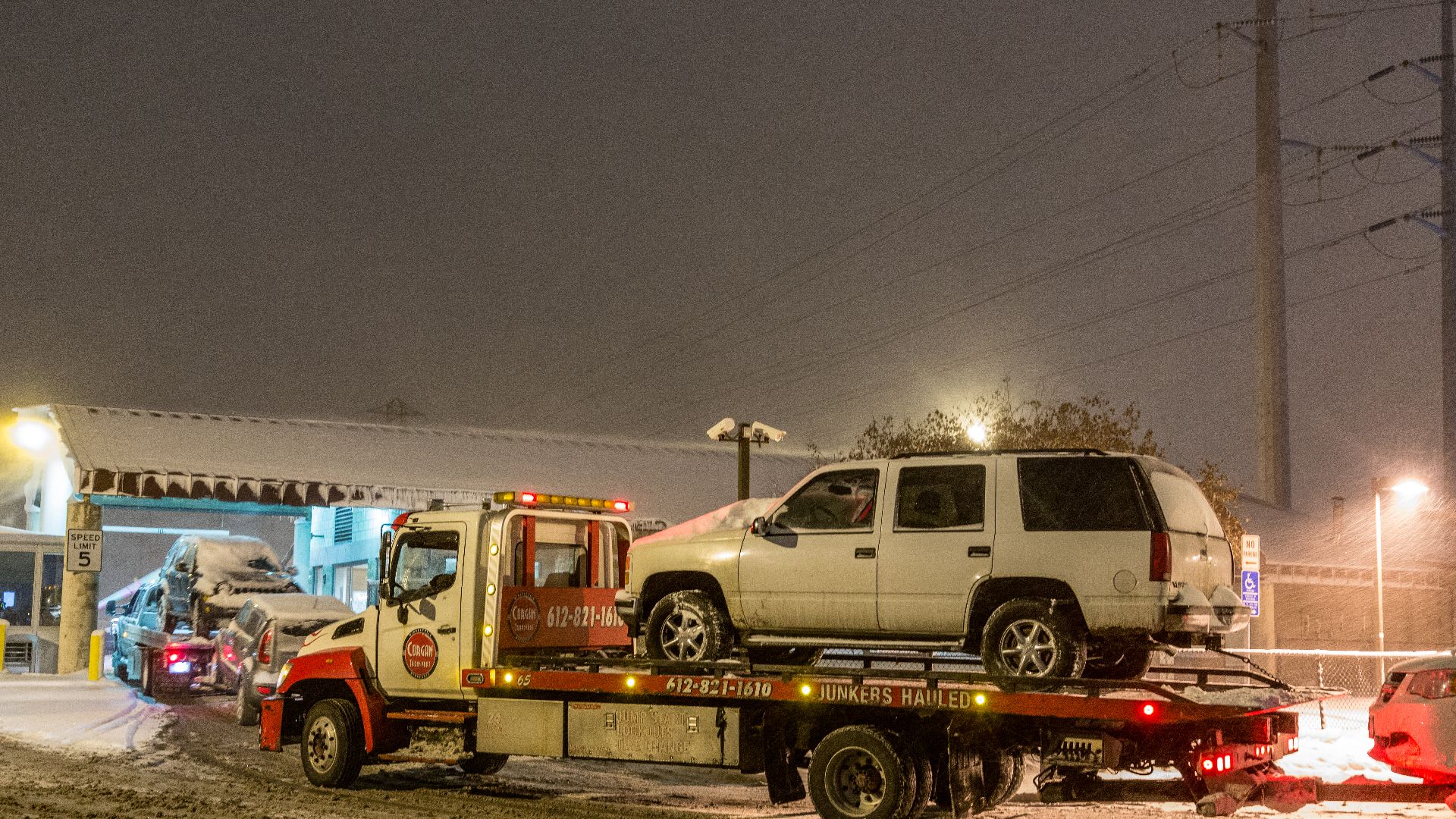 Tony Webster from Minneapolis, Minnesota, United States, Wikimedia Commons
Why The Bill Usually Follows The Car
Impound and storage charges are usually tied to the vehicle, not just the person behind the wheel when police ordered the tow. State and local laws often give towing companies a lien, or legal claim, against the vehicle for unpaid charges. In plain English, the lot usually is not interested in your family dispute. It wants payment before release.
 Steve Rainwater, Wikimedia Commons
What Police Decide At The Scene
When an officer arrests a driver, the next question is whether the car can be safely left where it is, released to a licensed driver, or impounded. The answer depends on state law, department policy, where the car is parked, and whether the vehicle itself is evidence. If your sister was arrested and there was no legal or safe alternative, the car may have been towed under what courts call a community caretaking or inventory impound process.

A Major Supreme Court Case Shaped This Area
In 1976, the U.S. Supreme Court decided South Dakota v. Opperman, a case involving an impounded car in Vermillion, South Dakota. The Court upheld an inventory search of a lawfully impounded vehicle and recognized that police impoundments can serve public safety and vehicle protection purposes. That case still matters because it helps explain why officers can impound and inventory vehicles in certain situations after arrests.
 Mathieu Landretti, Wikimedia Commons
Another Key Ruling Clarified Inventory Searches
In 1987, the U.S. Supreme Court decided Colorado v. Bertine, which involved a DUI arrest in Boulder, Colorado. The Court again upheld an inventory search after impoundment when officers followed standard procedures. For car owners, the practical point is simple: if the impound itself was lawful under policy, fighting over the search usually does not make the tow bill disappear.
State Law Often Gives Tow Companies Leverage
Many states let towing operators hold a vehicle until towing and storage charges are paid. California is a clear example because its vehicle code lays out when police may remove a car and how lien sales can happen if charges go unpaid. Other states often have similar systems, even if the details and deadlines are different.

California Shows How Harsh The Math Can Get
California Vehicle Code section 22651 lists situations where officers can remove vehicles, including some arrest-related cases and situations involving unlicensed or suspended drivers. The California DMV also explains that a vehicle owner may have to pay towing and storage charges to recover an impounded vehicle. If the fees are not paid, the car can eventually be sold through a lien sale process.
Storage Fees Are Where The Pain Really Starts
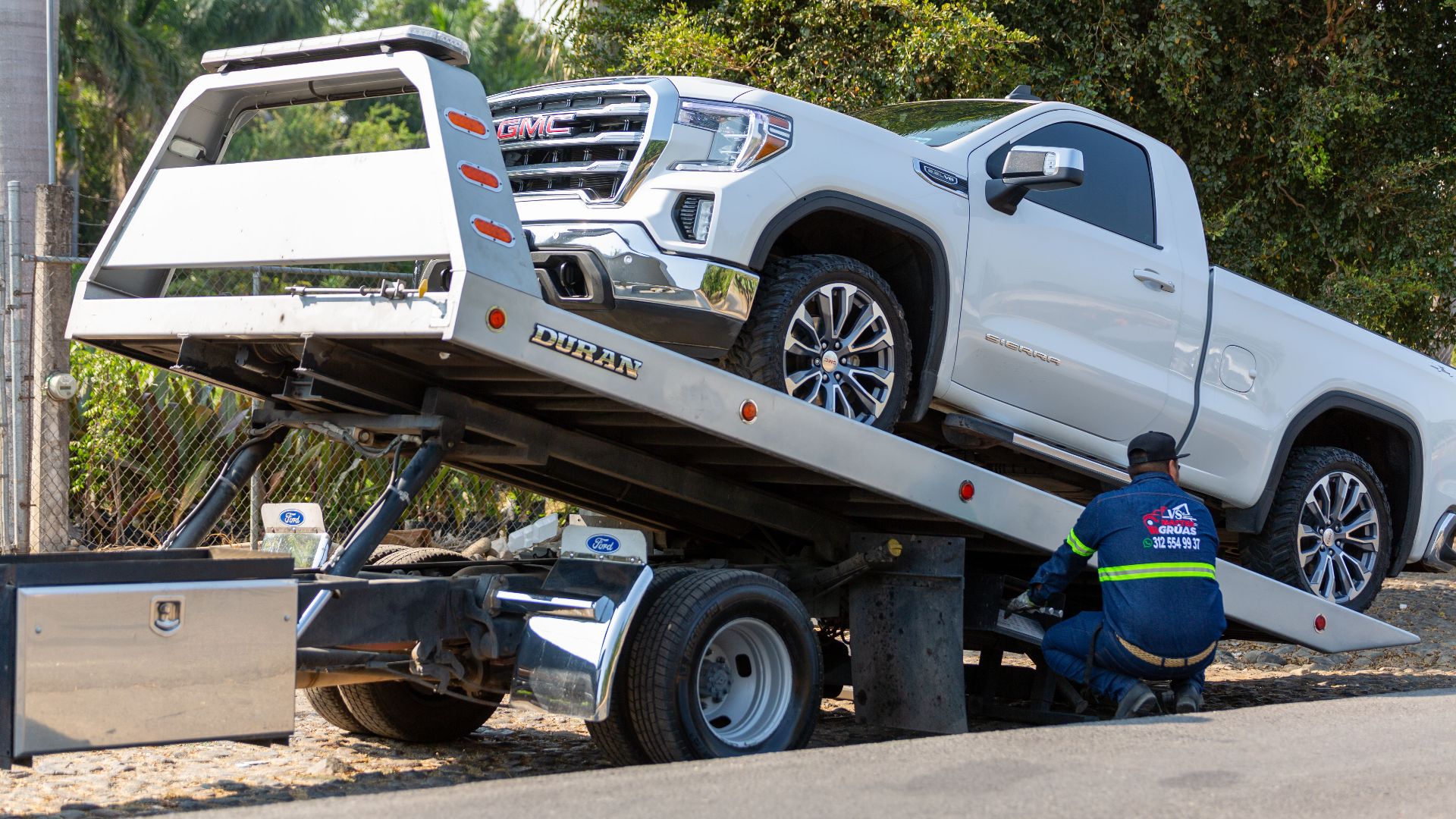
The tow bill is often just the beginning. Daily storage charges can pile up fast, and every extra day makes the car more expensive to get back. Owners who wait while arguing with the arrested driver can watch a bad situation turn into a four-figure problem.

Consumer Warnings Back This Up
The California Department of Consumer Affairs has warned vehicle owners that storage fees can keep adding up until the vehicle is claimed. The agency also notes that towing companies must follow legal rules, but that does not cancel out the owner's need to move quickly. Speed matters almost as much as legal responsibility.
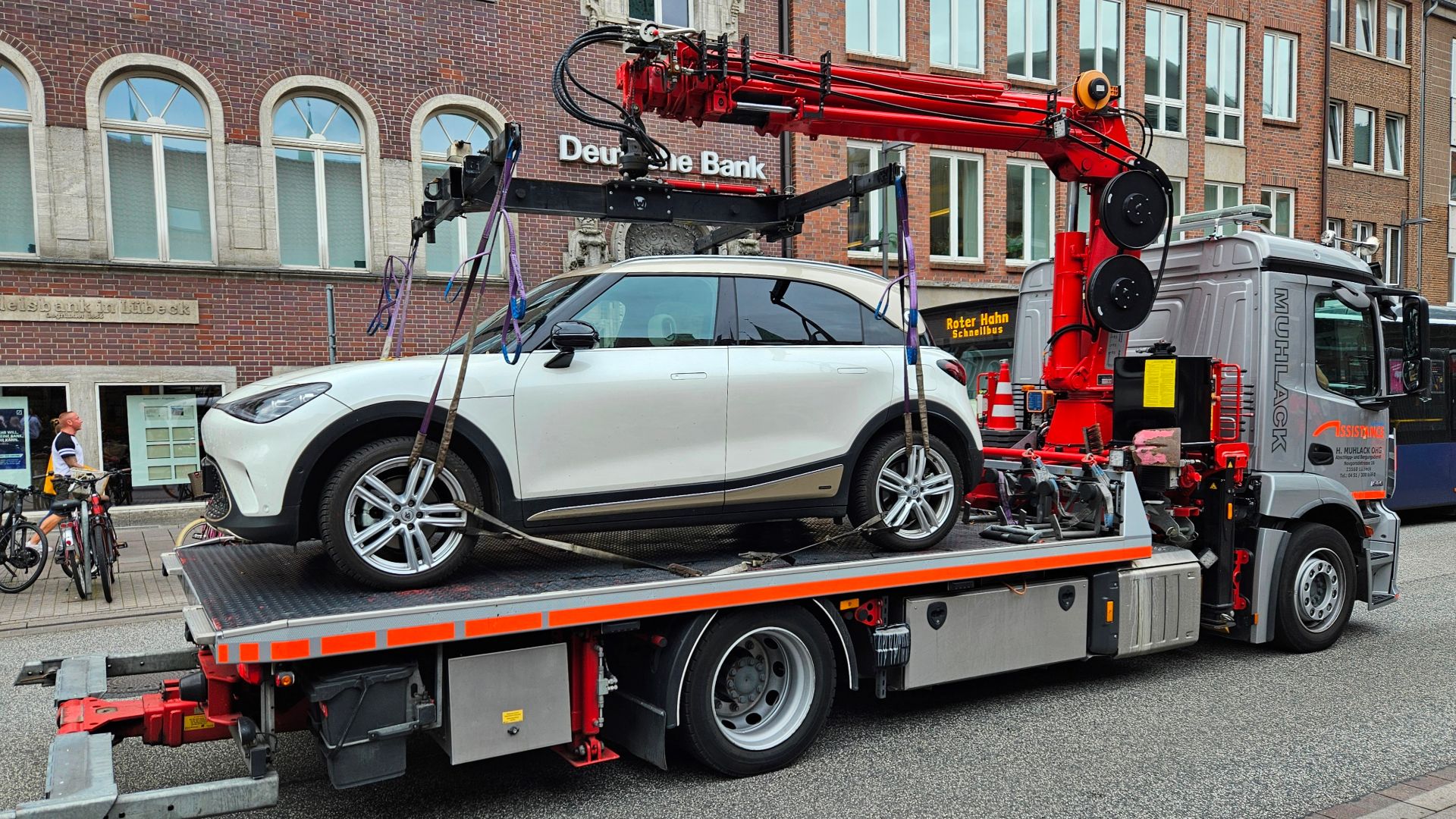
 Touam (Hervé Agnoux), Wikimedia Commons
If Your Sister Was Arrested, Does She Owe You?
She may very well owe you in a practical or legal sense, but that is separate from what the tow yard wants. The impound lot usually expects payment from whoever is legally reclaiming the vehicle, which is often the owner on record. You may later try to get repaid by your sister, but that usually does not stop storage fees from running.

Civil Responsibility And Tow Yard Responsibility Are Not The Same
This is the part many owners do not expect. You may have a strong argument that your sister should reimburse you because her arrest caused the impound. But your right to go after her later is different from the lot's right to demand payment now.

Insurance Usually Will Not Save You Here
Standard auto insurance usually does not cover impound and storage charges after an arrest-related tow. Some roadside or towing benefits may help in normal breakdown situations, but that is a different issue. Arrest impounds are usually treated as a legal or administrative consequence, not a covered loss.

What If The Driver Was Not On Your Policy
Insurance questions and impound questions can overlap, but they are not the same thing. A non-listed driver might create separate coverage fights if there was also a crash, but the tow lot is still focused on payment and release rules. Even while insurance questions are unresolved, storage fees may keep climbing.

Permission Can Matter In Side Disputes
If your sister had permission to use the car, that can make it easier for police and the tow company to treat the matter as a normal owner retrieval issue. If she took it without permission, things may shift toward unauthorized use or theft reporting, depending on the facts and timing. That difference may matter later if you end up fighting about liability, but it still may not erase towing fees right away.
There May Be A Hearing Process
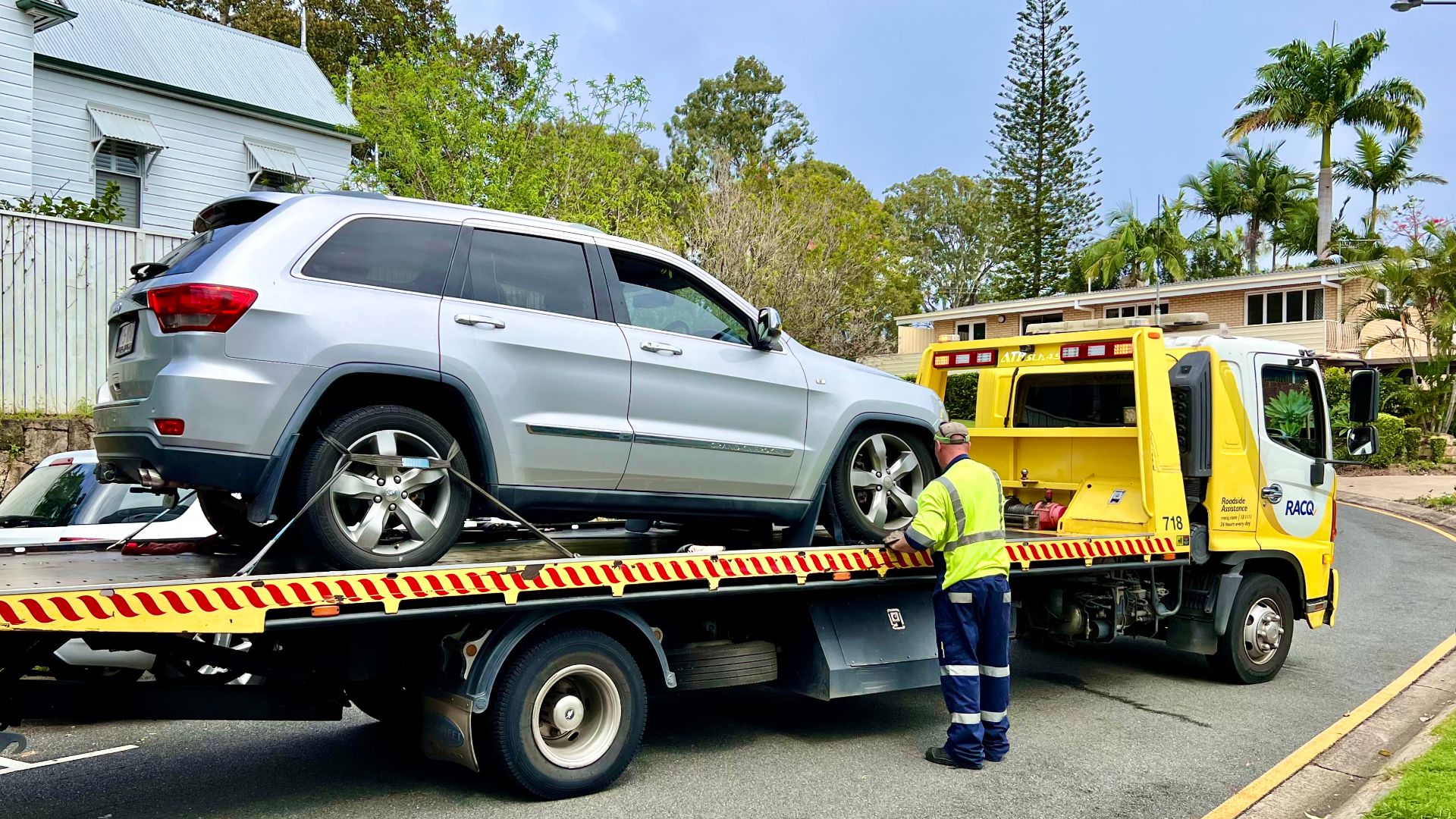
Some states give owners the right to challenge whether an impound was valid. In California, for example, an owner can request a post-storage hearing to decide whether the storage was proper. If the impound is found to be improper, some charges may be reduced or waived, but the deadlines and procedures are strict.

Deadlines Matter More Than Most People Realize
Impound laws often move fast, especially when the vehicle is low in value or storage charges are mounting. States may allow lien sale procedures after notice periods run out and charges stay unpaid. Waiting around to see whether your sister will sort it out can be the most expensive mistake of the whole mess.

Bring The Right Paperwork First
If you are the registered owner, you will usually need a government-issued ID, proof of ownership or registration, and sometimes proof of insurance to get the car released. A police hold, evidence hold, or registration problem can add extra steps. Calling both the impound lot and the police agency before you show up can save you a wasted trip.

Police Holds Change Everything
Not every impounded car can be released just because the owner is ready to pay. If the vehicle is being held as evidence or under a mandatory impound law, the lot may not be allowed to release it yet. In that situation, the owner needs clear answers quickly because the costs and timelines can get even more complicated.

Suspended License Cases Can Trigger Mandatory Impounds
Some of the roughest impound situations happen when a driver is arrested or cited while driving on a suspended or revoked license. State laws may require or allow a 30-day impound in those cases. One bad choice by someone borrowing your car can turn into a brutal bill for the owner.

Courts Have Also Said Police Need Real Justification
Police do not have unlimited power to tow every car after every arrest. Courts have repeatedly said impounds and inventory searches must follow lawful procedures and real caretaking needs. If your vehicle was legally parked and a licensed owner or other authorized driver could have taken it, that may matter if you challenge the impound, depending on local law.

How To Push Back If The Impound Looks Wrong
Ask for the tow authority, the police report number, the storage hearing process, and an itemized invoice. Write down who you spoke with and when, and keep copies of all release papers. If the impound was not allowed under local law or department policy, that paper trail could matter a lot.

Can You Refuse To Pay And Just Walk Away
You can, but it may end badly for both your finances and the car. The lot may keep charging storage and then move toward a lien sale or other collection steps allowed by state law. Walking away can sometimes make financial sense if the car is worth less than the charges, but it is still a choice with real consequences.

Small Claims Court May Be Your Next Stop
If you pay to get the car back, you may be able to sue your sister in small claims court for reimbursement, depending on your state's rules and the amount at issue. Text messages, arrest records, tow receipts, and proof that she had permission to use the car can all help. It may be the only place where the family version of fairness catches up with the legal version.

What To Do Today If This Just Happened
First, find out where the car is and whether there is a police hold on it. Second, ask for the current total, the daily storage rate, and the exact documents needed for release. Third, ask whether your state or city offers a hearing to contest the impound, and note the deadline right away.
How To Reduce The Odds Of A Repeat Disaster
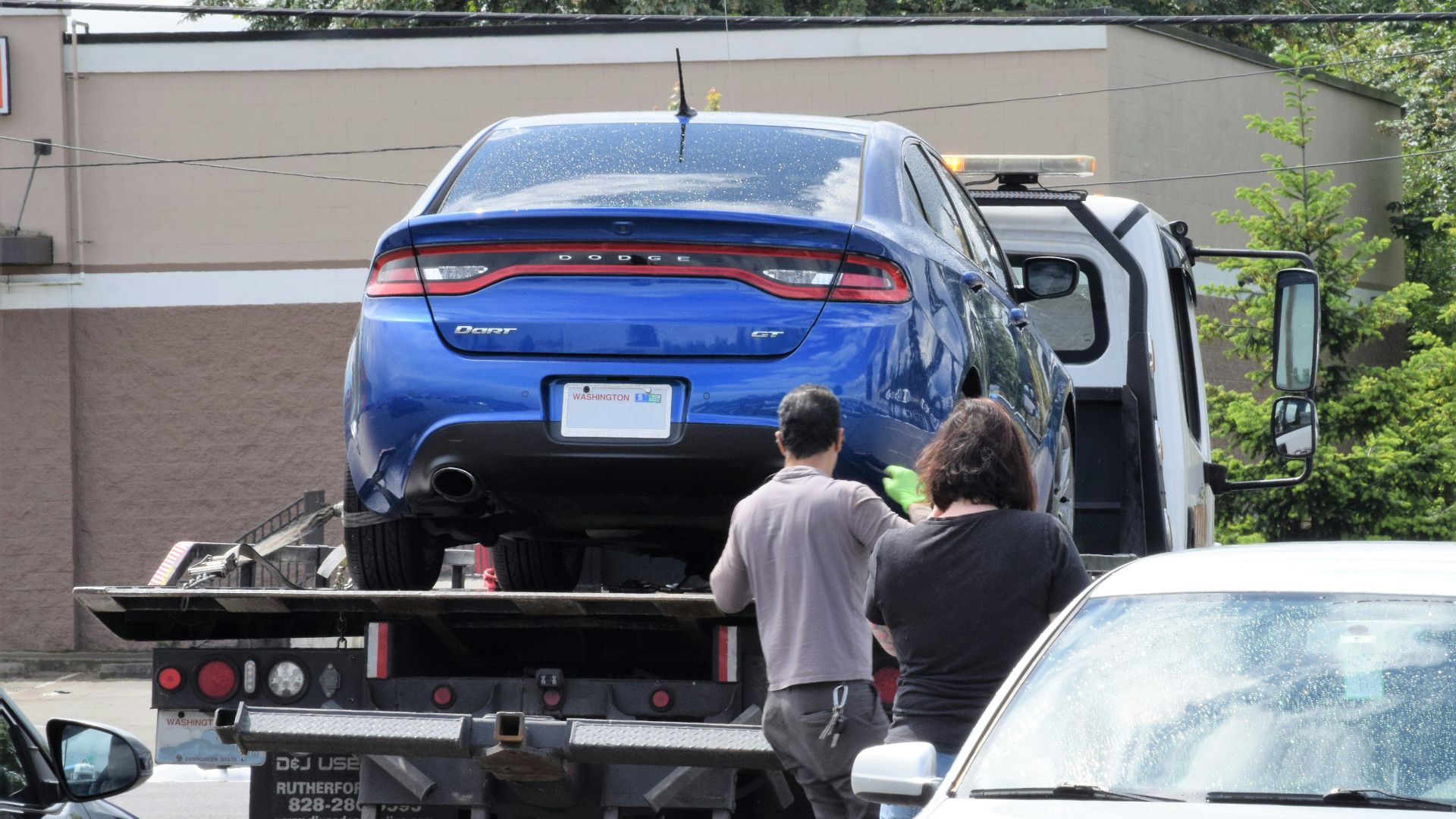
Be careful about who borrows your car, especially anyone with license issues, outstanding warrants, or a history of DUI or reckless driving. Keep your registration and insurance current because expired paperwork can make a roadside stop much worse. If someone regularly drives your car, make sure you understand both your insurance rules and your state's impound laws.

The Bottom Line For Owners
If your sister borrowed your car and got it impounded after being arrested, the towing and storage bill will usually fall on you first as the registered owner. She may still owe you reimbursement, but the impound lot generally wants payment before release, and the law often backs that up. The smartest move is to act fast, keep records, and challenge the impound quickly if the tow does not look lawful.