Six Weeks Later, the Bill Gets Strange
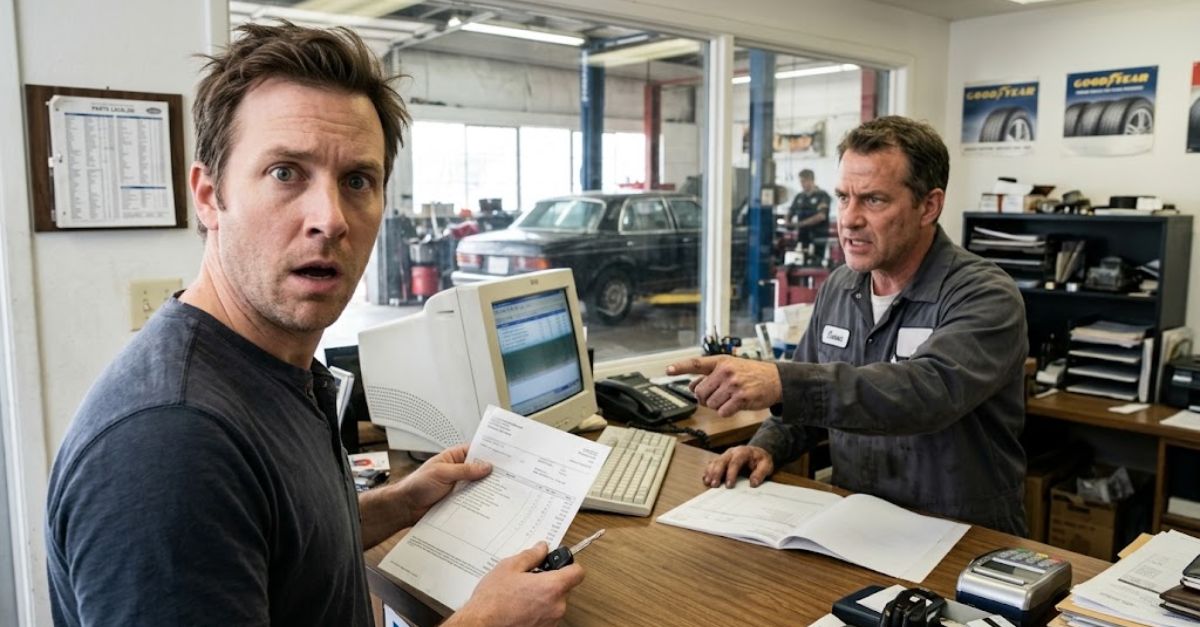
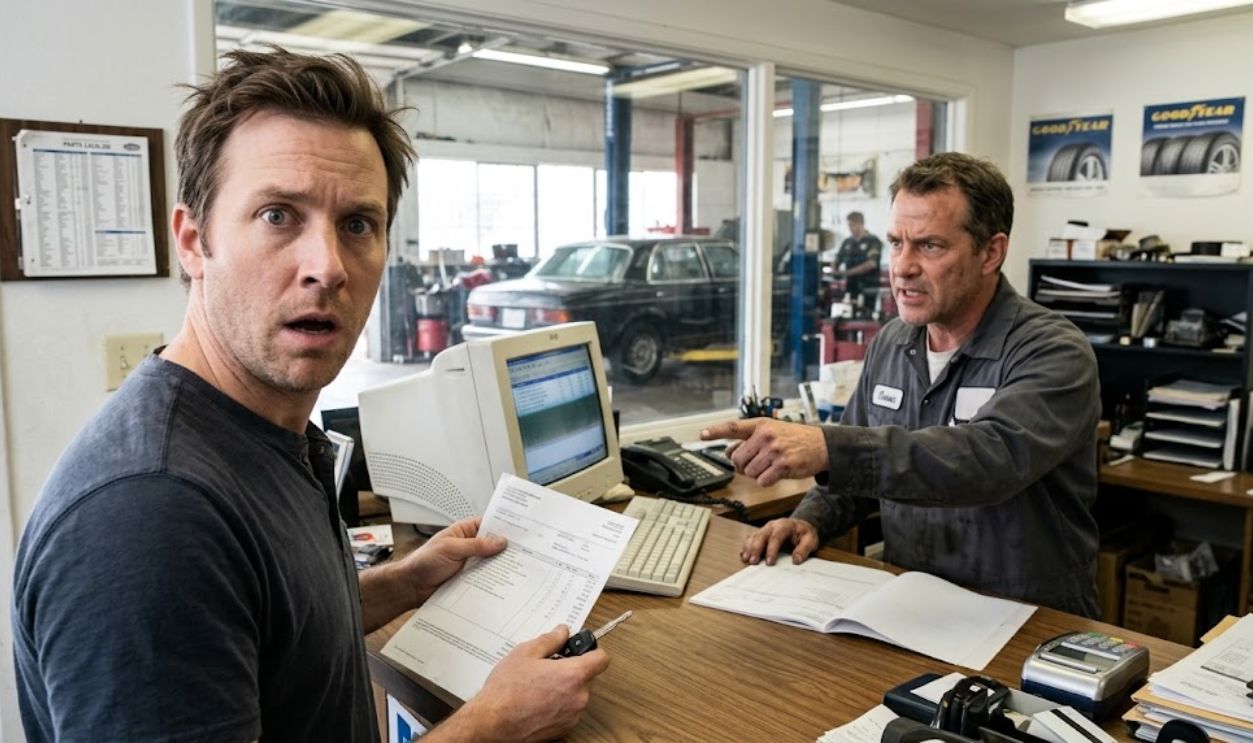
Your car goes into a repair shop for a diagnosis. Weeks pass. Then the shop says you owe storage fees for a repair you say you never approved. Now this bad repair visit turns into a fight over who gets to keep the car. A garage cannot just make up rights it does not have, but whether it can hold your car likely depends on state law, any paperwork you signed, and whether it has a valid lien.
The First Thing to Know
In many states, a repair shop’s right to keep a vehicle is tied to authorized work or unpaid charges the law actually allows. If you never approved the repair, that can be a big deal. But storage fees are not automatically bogus just because the repair was never approved, especially if the shop disclosed them in writing and state law allows them.

Why This Turns Into a Standoff
The problem is pretty simple. You need your car back so you can get to work and handle your life. The shop may think it has a legal claim for diagnosis, teardown, parking, or storage. That mismatch creates pressure, and some shops know that many owners would rather pay first and fight later.

Repair Authorization Is the Main Issue
The Federal Trade Commission says it is smart to authorize repairs in writing and keep records of the work done. It also tells consumers to ask for a written estimate and find out whether there are charges for diagnosis, towing, or storage. If you never approved the repair, your position is usually much stronger when you challenge a surprise bill.

Written Estimates Matter More Than Most People Realize
California’s Bureau of Automotive Repair requires shops to give a written estimate and get the customer’s authorization before repairs start, with some limited exceptions. The approval can be written, oral, or electronic, but the shop has to document it. If a repair was never approved, that can create a serious problem for the shop under California’s consumer rules.

Storage Fees Are Often a Separate Fight
Even if the repair itself was never approved, storage charges can be treated as a separate issue under some state laws or shop policies. So the dispute may not be only about the repair work. It may come down to whether the shop clearly told you about storage charges before the car sat there for six weeks.

California Is a Good Example
California’s repair guidance says customers are entitled to an estimate for labor and parts and must approve repairs before work begins. The state also tells consumers to ask whether there is a charge for estimates, towing, and storage. That helps explain how these disputes happen, because storage can turn into a real charge if the terms were properly disclosed.

Florida Shows How Detailed State Rules Can Be
Florida’s motor vehicle repair law says a customer is entitled to a written estimate if the repair cost will exceed $100, with certain required details before work begins. Florida also requires repair shops to post notices about storage charges and other consumer rights. If a shop did not follow those rules, that can weaken its effort to collect disputed charges.

Texas Also Focuses on Disclosures
The Texas Department of Licensing and Regulation says repair customers should get a written estimate and that shops cannot charge for work that was not authorized. It also warns that storage fees may be charged if the customer leaves the vehicle after being told repairs are complete, though the details depend on the agreement and the facts. In other words, notice and paperwork are not side issues. They are the whole case.
 Memory Stockphoto, Shutterstock
Can a Shop Legally Hold the Car?
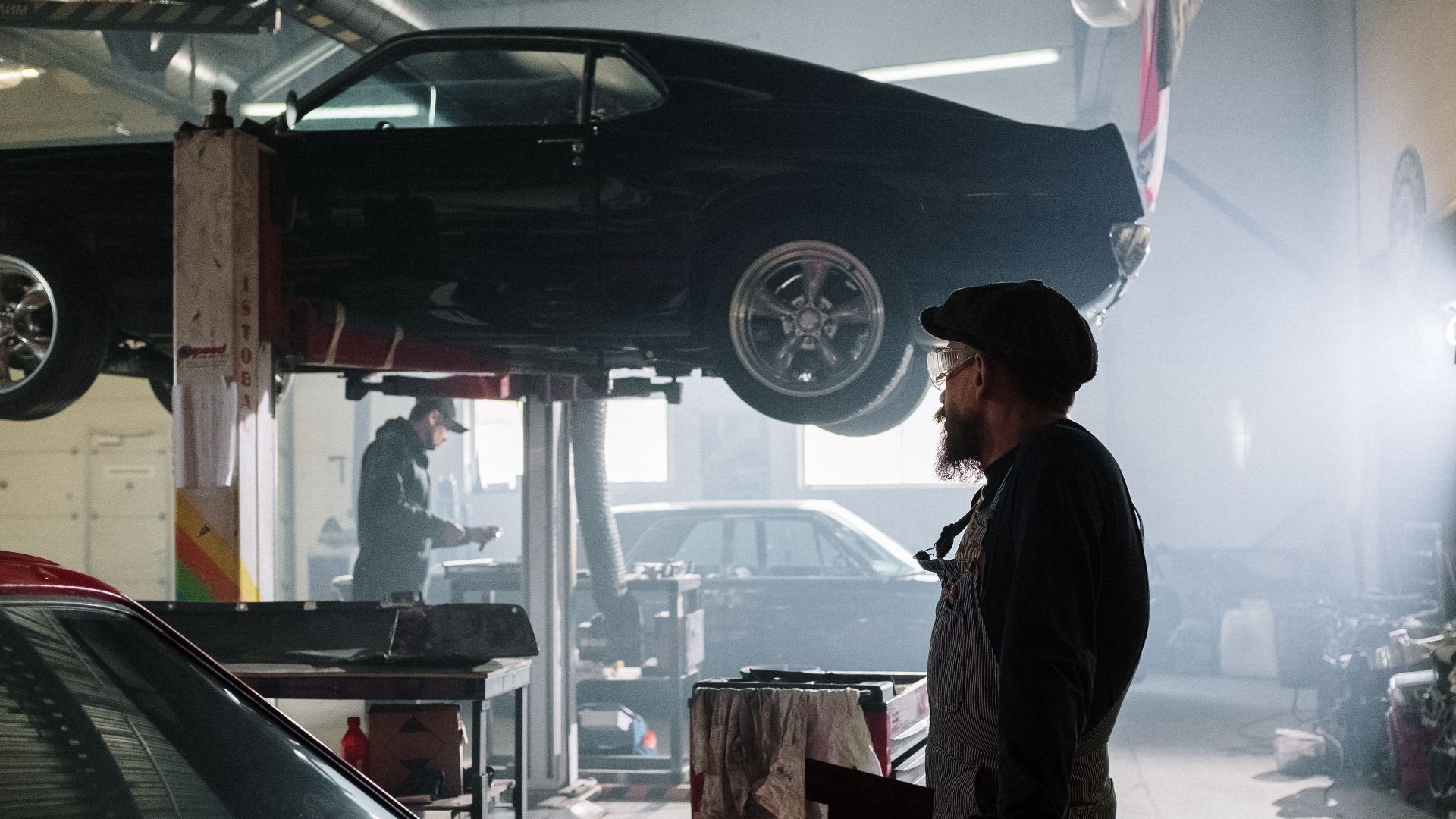
Sometimes yes, but not just because it wants leverage. Many states recognize a mechanic’s lien or garageman’s lien, which can let a shop keep possession of a vehicle for certain unpaid charges. The catch is that lien rights come from state law, and shops usually have to strictly follow rules on notice, authorization, and documentation.

A Lien Is Not a Magic Word
Some shops talk as if saying “lien” ends the argument. It does not. Courts and state agencies generally expect the shop to prove the charges qualify under the law and that it followed the required steps.

New York Shows How Possession Liens Work
New York’s Department of Motor Vehicles explains that a garageman who tows, stores, or repairs a vehicle may have a lien for reasonable charges. But New York also requires notice and a process before a lien sale can happen. So a vehicle cannot just vanish into paperwork because a shop is frustrated.
Illinois Offers Another Example
Illinois law recognizes a lien for labor, services, skill, or materials furnished on a vehicle, and it also deals with storage in some situations. But that does not give a shop a free pass to tack on every charge it can think of after a dispute starts. Whether the shop can hold the vehicle depends on whether the charges fit the law and whether the required steps were taken.

Unauthorized Repairs Can Hurt the Shop’s Position
If the biggest part of the bill is for work you never approved, the shop may have a much harder time claiming it can keep the car over that amount. Consumer agencies routinely tell drivers not to quietly pay for unauthorized repairs without challenging them. Your case gets stronger if texts, emails, voicemails, or signed forms show there was no approval.

But Diagnostic and Teardown Charges Can Still Be Real
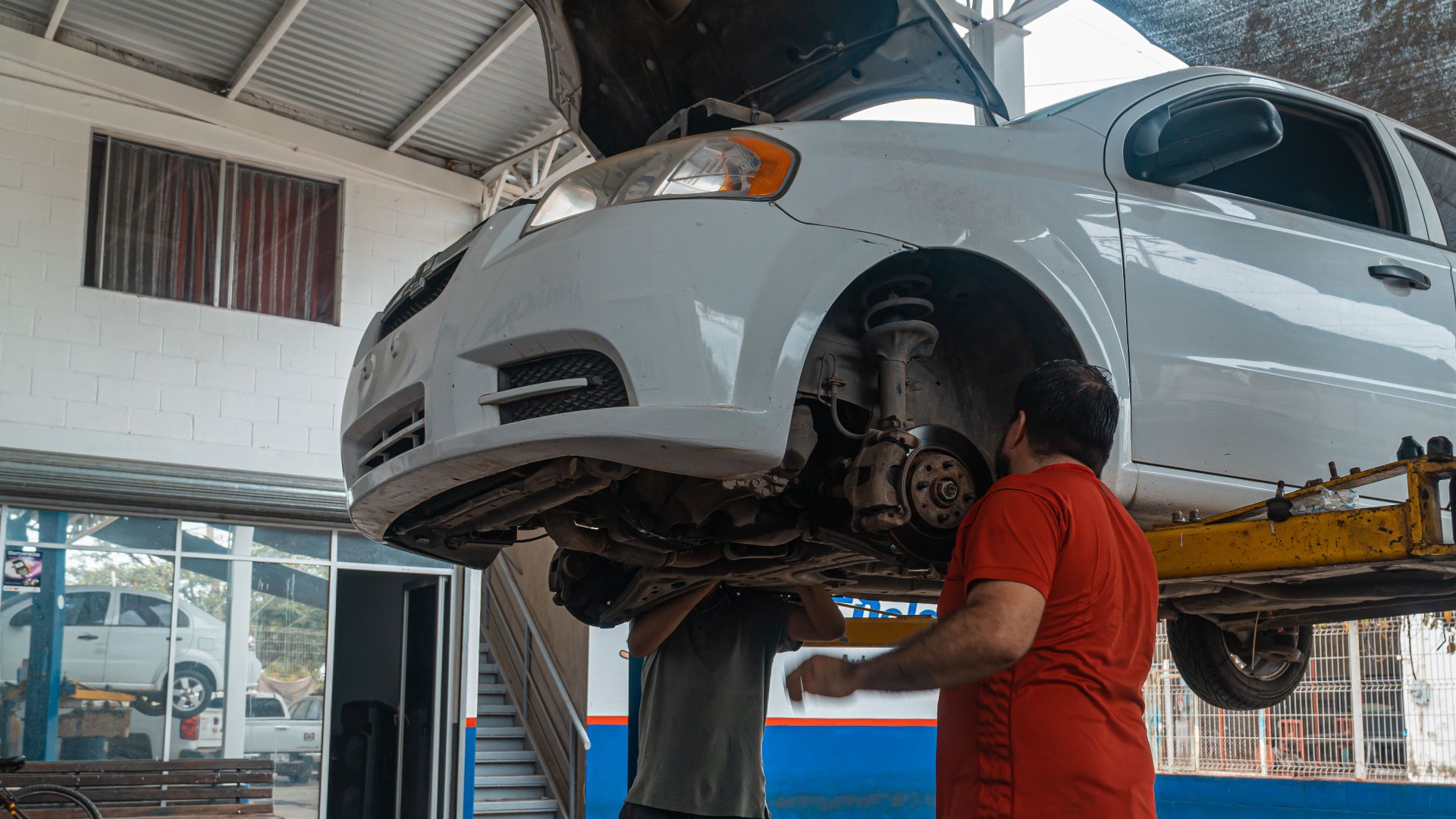
One of the most frustrating parts of these cases is that you can be right about the unauthorized repair and still owe something. Many shops charge for diagnostic time or teardown time if those fees were disclosed up front. So the fight may shrink from a huge repair bill to a smaller, still irritating dispute over inspection and storage charges.
 Jose Ricardo Barraza Morachis, Pexels
Six Weeks Is a Long Time, but Timing Matters
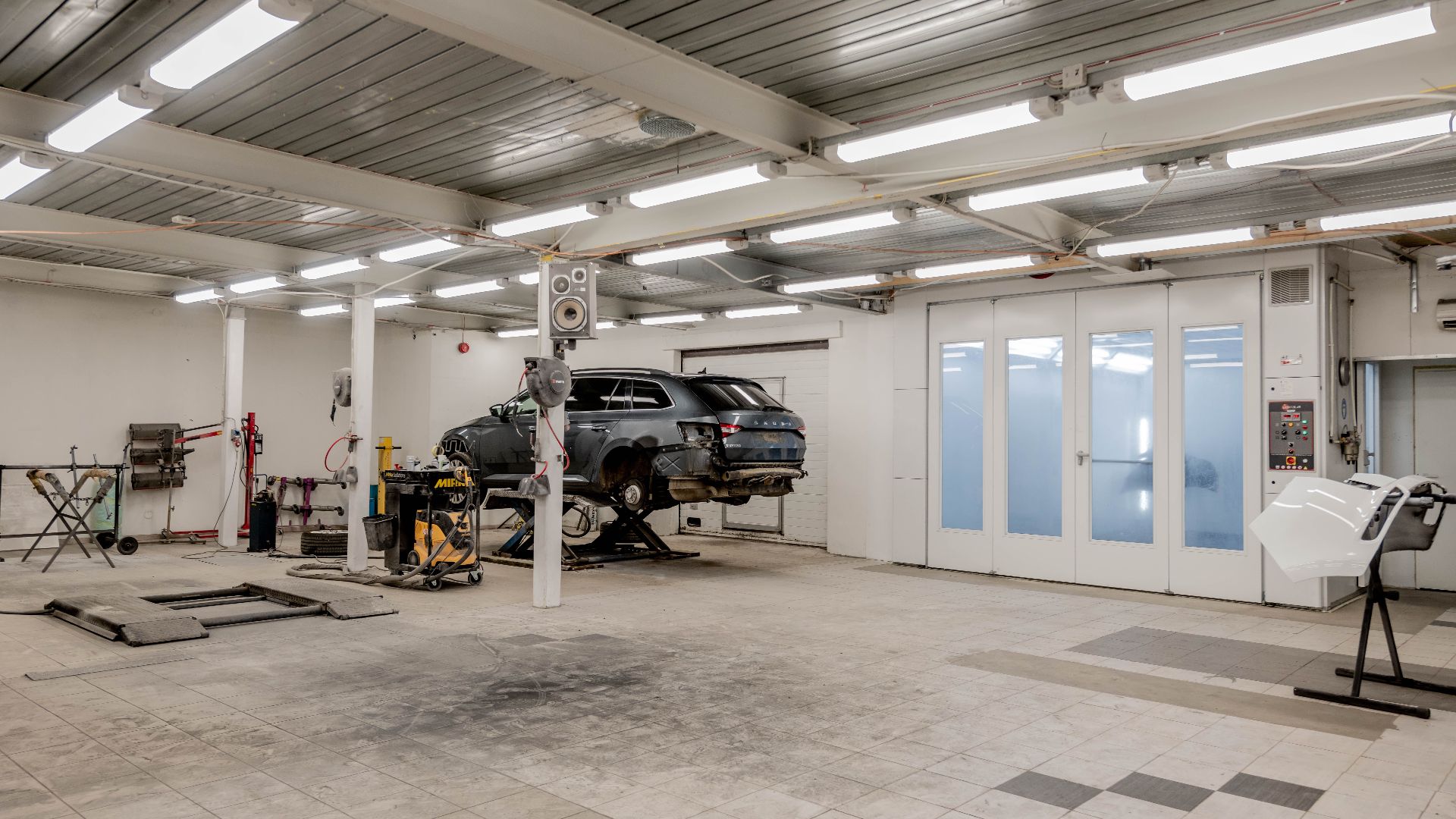
If the shop never told you the car was ready for pickup, that may weaken a storage claim. If the shop did notify you quickly and you left the car there while fighting the bill, that can help the shop argue storage is justified. Dates, messages, and call logs can make all the difference.
What to Look for in Your Paperwork
Start with the repair order, estimate, tow receipt, and any intake form you signed. Look for language about diagnostic fees, daily storage rates, abandonment, and authorization limits. Also check whether the form says the shop can go ahead up to a certain dollar amount without calling you.
 Sergei Gontsarov, Shutterstock
Texts and Voicemails Can Save You
If the dispute comes down to “you approved it” versus “no I didn’t,” written messages and phone records matter a lot. Save every text, voicemail, email, and photo of posted signs at the shop. If the shop gave you an estimate by phone, write down the date, time, and exactly what was said while it is still fresh.

Do Not Ignore the Possession Issue
Even if you are sure the shop is wrong, do not assume the safest move is to wait it out. A valid lien can lead to more charges and, in some states, eventually a lien sale if deadlines pass. Moving quickly is usually better than being right too late.

Ask for a Fully Itemized Invoice
Before arguing over the law, pin down the facts. Ask for an itemized invoice that separates authorized work, unauthorized work, diagnostic charges, parts, labor, and storage by day. If the numbers start changing once you ask for details, that tells you plenty.

Ask for Proof of Authorization
Tell the shop to provide the signed estimate, recorded approval, email, or text showing you approved the disputed repair. In states that require proof of oral approval, the lack of that record can matter a lot. A vague claim that “you told us to fix it” is not the same thing as proof.
 PixelsMD Production, Shutterstock
Check Your State Consumer Agency
Many states have a consumer agency, DMV office, attorney general, or repair board that handles auto repair complaints. California has the Bureau of Automotive Repair. Texas uses the Department of Licensing and Regulation, and Florida publishes repair law guidance and complaint information through its state agencies.

Credit Card Chargebacks Are Not a Cure-All
If you paid a deposit by card, you might think a chargeback fixes everything. It can help in some cases, but it does not automatically get your car released or wipe out a valid lien. Think of it as one tool, not the entire solution.

Police Usually Do Not Settle Contract Disputes
Drivers sometimes call the police and expect an officer to make the shop hand over the car. Usually, police treat these fights as civil disputes unless there is clear theft, fraud, or a need to keep the peace. In most cases, the better route is a regulator, a consumer complaint, or a lawyer.

Small Claims Court Can Be Effective
If the amount is not huge, small claims court may be the fastest practical option. Judges tend to focus on basic things like written estimates, approval, notice, and whether fees were disclosed. A clean folder full of dates and documents often beats a loud argument.

When Paying Under Protest Might Make Sense
Sometimes the cheapest move is to pay a disputed amount under protest, get the car back, and then sue for reimbursement. That is not ideal, and you should only consider it after looking at your state’s rules and the risk of more charges. But if the alternative is losing your transportation for another month, practicality may matter more than principle.
 Denmark from United States, Wikimedia Commons
When You Should Talk to a Lawyer
If the shop is threatening a lien sale, the bill is large, or the facts are messy, get legal advice fast. This matters even more if the car is financed or leased, because other parties may also have rights in the vehicle. A consumer law or auto repair attorney can tell you whether the shop’s hold is legitimate or just a bluff.

The Bottom Line for Drivers
Can the shop hold your car until you pay? Sometimes yes, but only if state law and the paperwork support the charges it is claiming. If you never approved the repair, that can seriously weaken the shop’s position. But storage or diagnostic fees may still be enforceable if they were properly disclosed and documented.
Your Best Next Steps Right Now
Get the estimate, invoice, and every message in one place. Demand proof of authorization and an itemized breakdown of every charge, including the exact storage rate and when it started. Then check your state’s repair rules or file a complaint with the right consumer agency before a six-week headache turns into a lien problem.