When The Street Outside Your Home Stops Feeling Usable
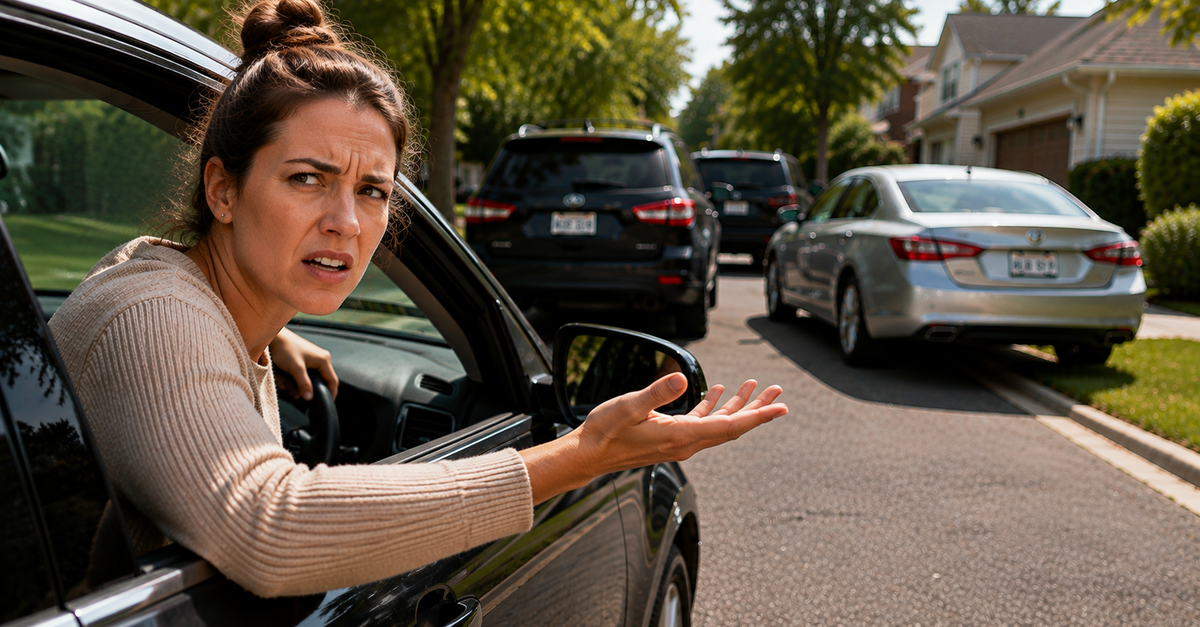
You expect occasional guests to park on your street, but it becomes a very different problem when your neighbor's visitors leave so little room that getting in or out of your driveway feels like a risky challenge every time. After countless close calls, it is easy to feel frustrated and wonder whether an accident is almost inevitable. The good news is that you do not have to choose between staying silent and losing your temper. There are practical, legal, and effective steps you can take to protect your safety while encouraging a lasting solution.
Stop Squeezing Through The Gap
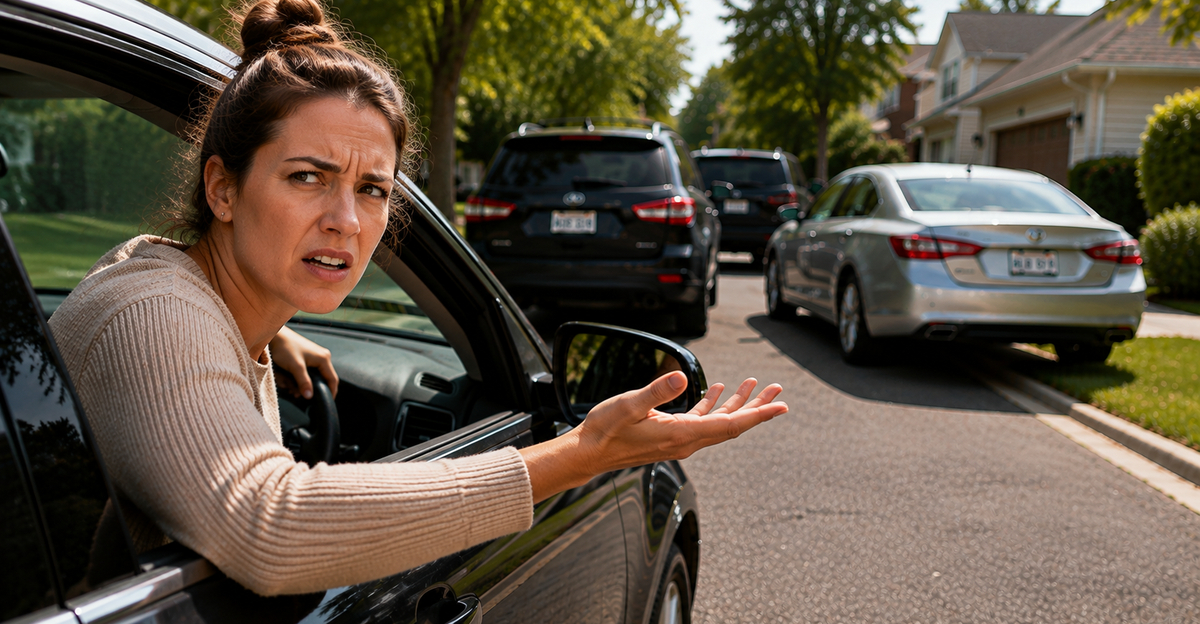
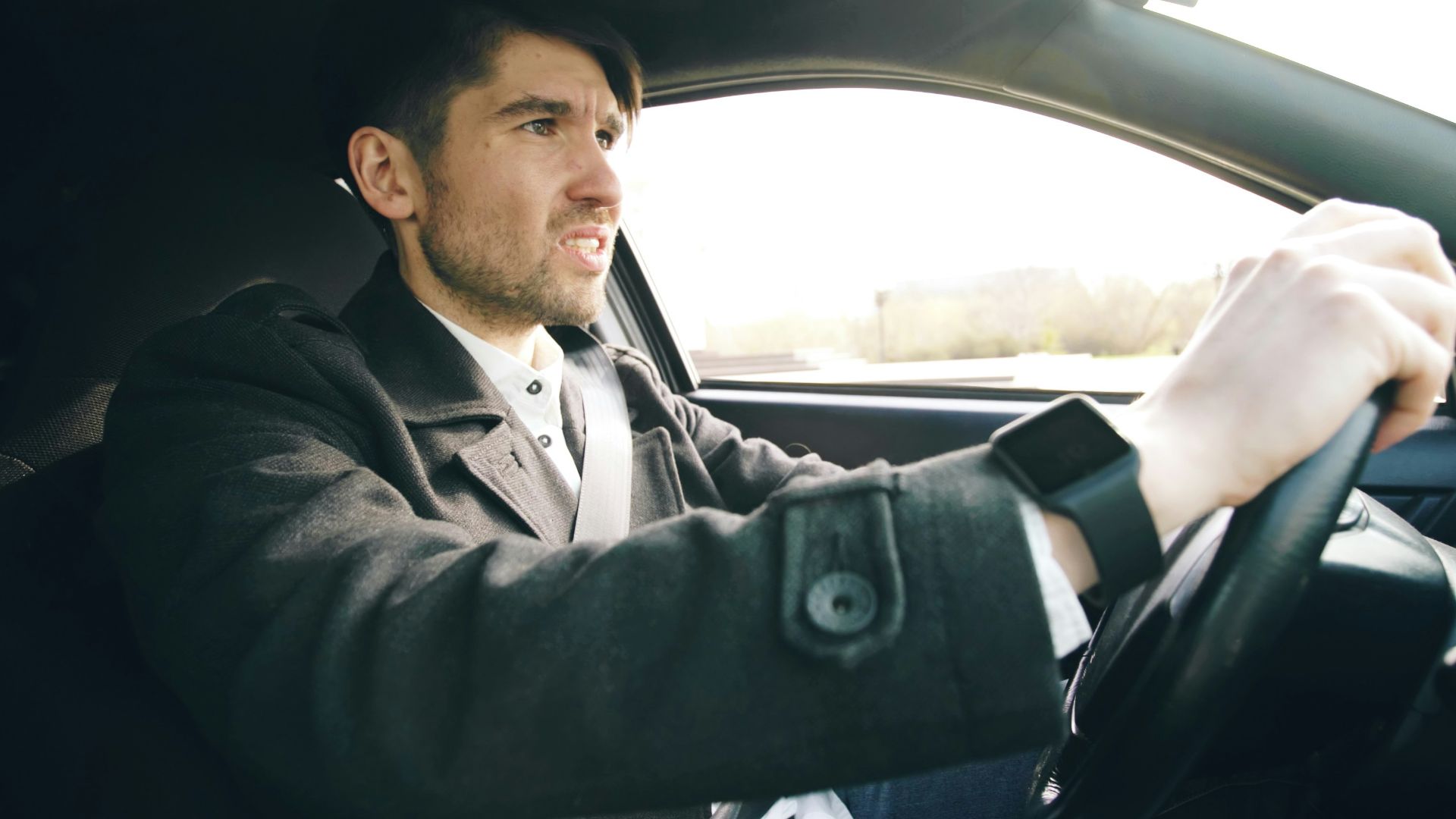
The first priority is preventing the collision you already fear might happen. If you cannot clearly see pedestrians, cyclists, moving traffic, or the edges of nearby vehicles, stop and reassess instead of forcing your car through. Speeding, rapid maneuvers, and other aggressive driving behaviors make an already difficult situation more dangerous.
Annoying Parking Is Not Always Illegal
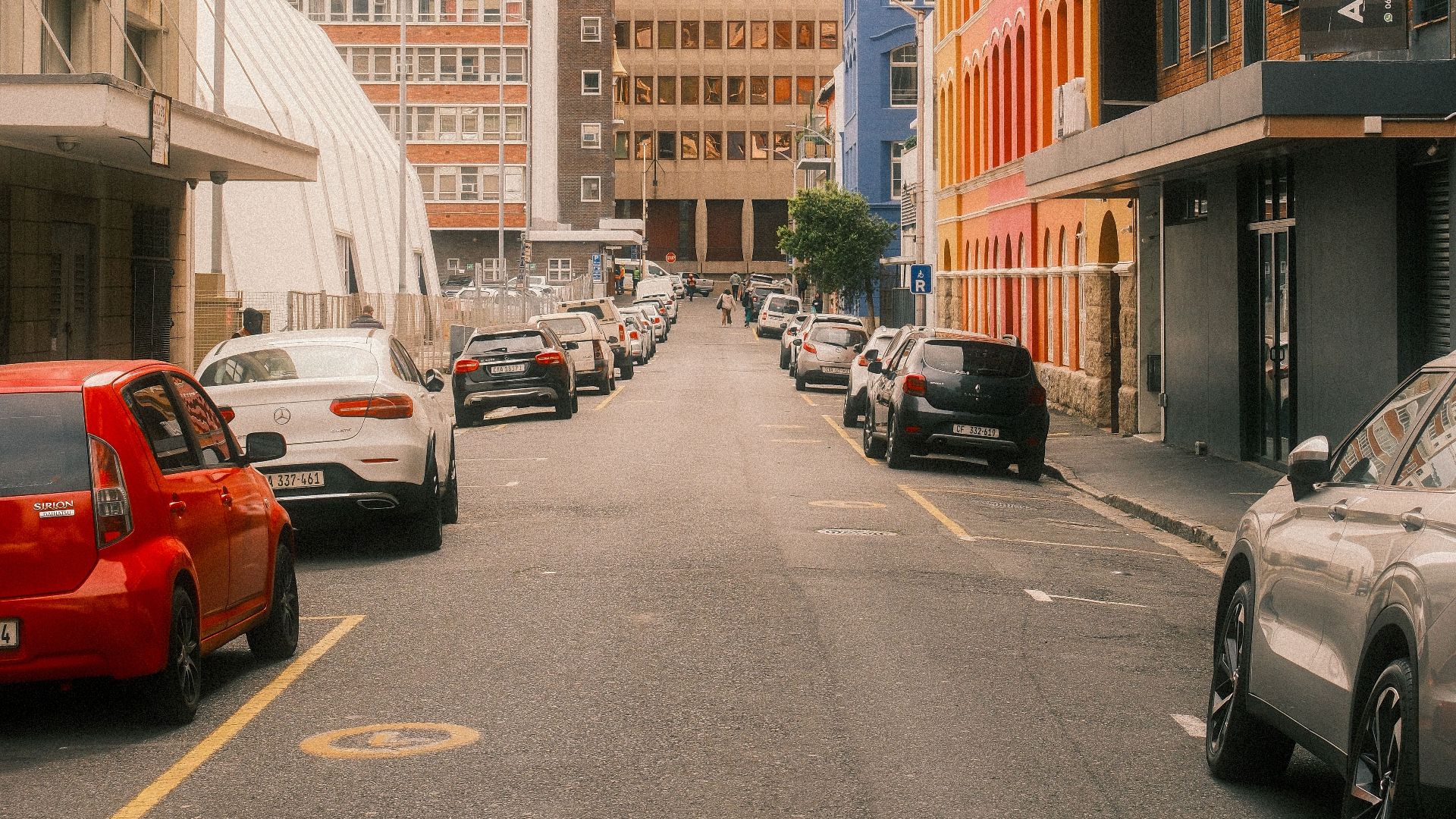
A crowded street can feel unusable even when some of the vehicles are legally parked. Public curb space generally does not belong exclusively to the resident whose home faces it, and the exact restrictions depend on local signs and bylaws. Before escalating the dispute, determine whether the visitors are breaking a rule or simply taking up available spaces.
A Blocked Driveway Is Different
A vehicle that partially or completely blocks your driveway may qualify for enforcement even when parking is normally permitted on the street. New York City, for example, accepts specific blocked-driveway reports and may have the vehicle ticketed. Vancouver also identifies driveway and garage clearance as part of its parking rules for unsigned streets.
Define Exactly What Keeps Happening
“Blocking the street” can describe several separate problems. Cars might be obstructing your driveway, narrowing the travel lane, parking too close to a corner, blocking a sidewalk, or limiting visibility while you reverse. Identifying the precise behavior will help you use the correct reporting category and explain the problem clearly.

Record The Problem From Your Property
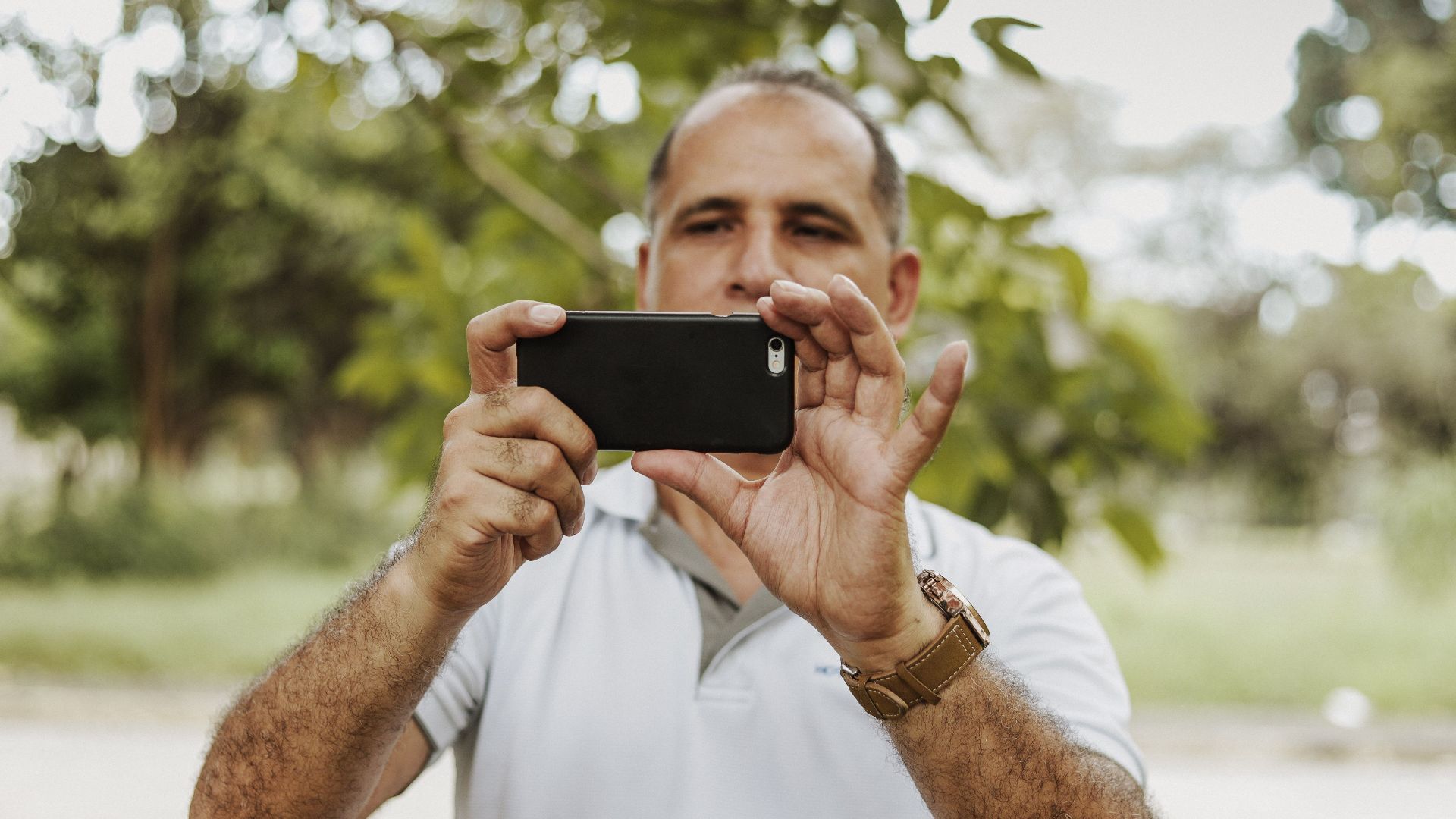
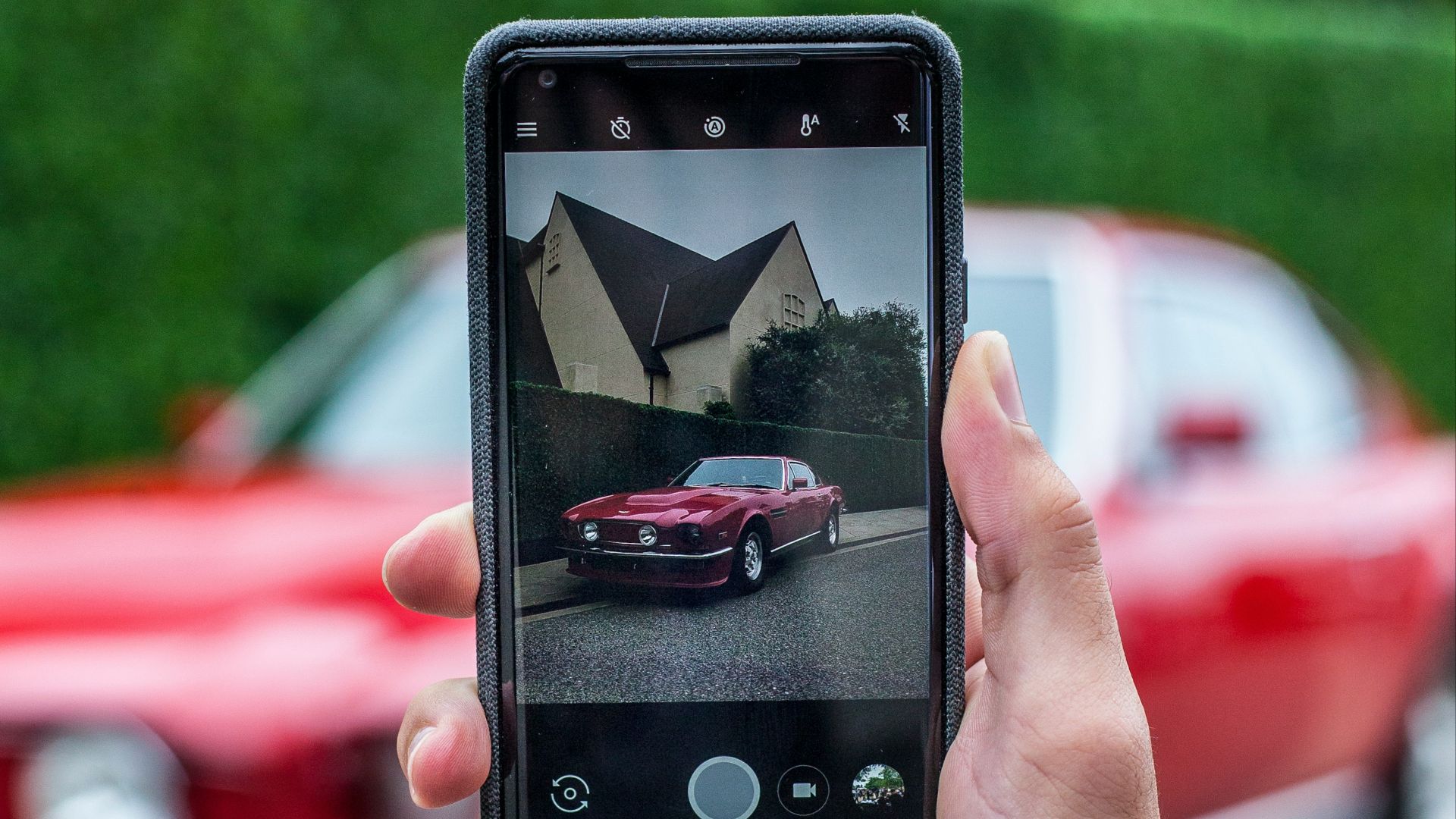
Take photographs showing the position of the vehicles, your driveway, nearby signs, and the amount of usable roadway. Record the date, approximate time, vehicle description, and licence plate when it can be seen legally from where you are standing. Toronto asks complainants reporting certain parking issues to provide a detailed description and information such as the vehicle’s make, model, or plate number.

Show The Whole Street
A close-up of one bumper may not demonstrate why the situation is unsafe. Take a wider photograph that shows the narrowed lane, sightlines, curb cuts, sidewalks, and distance from intersections or driveways. The goal is to document the obstruction, not to create an embarrassing collection of photographs of your neighbor’s guests.
Keep A Simple Incident Log
Create a brief log containing the date, time, duration, location, and effect of each incident. Note whether you were completely trapped, had to make several adjustments, or could not see approaching traffic. A consistent record can help enforcement staff recognize that the issue is recurring rather than a single inconvenient gathering.

Do Not Touch Their Vehicles
Do not push a car, fold its mirrors, cover it, attach objects to it, or attempt to move it yourself. Those actions can damage property and turn a parking complaint into a much more serious confrontation. Leave tickets, towing, and vehicle removal to the authorities or companies legally authorized to handle them.
Skip The Angry Windshield Note
A hostile note may feel satisfying, but it can make the recipient defensive before any conversation begins. Threats, insults, and statements about damaging or hitting a vehicle are especially likely to escalate the dispute. A calm request directed to the neighbor is usually more productive than an anonymous accusation left for a visitor.

Speak To The Neighbor At A Calm Time
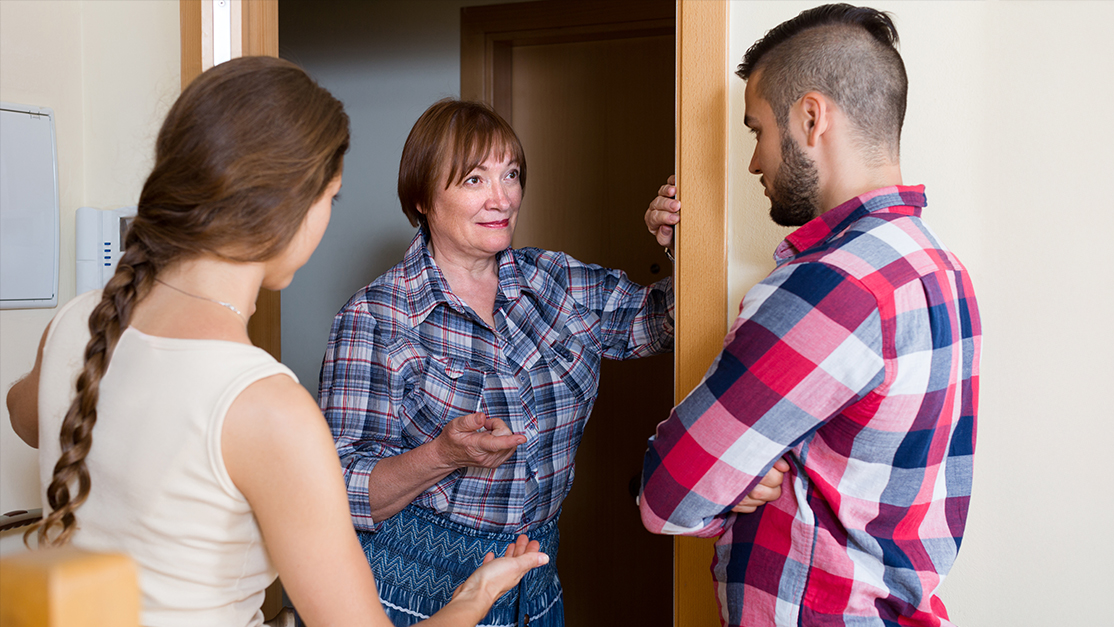
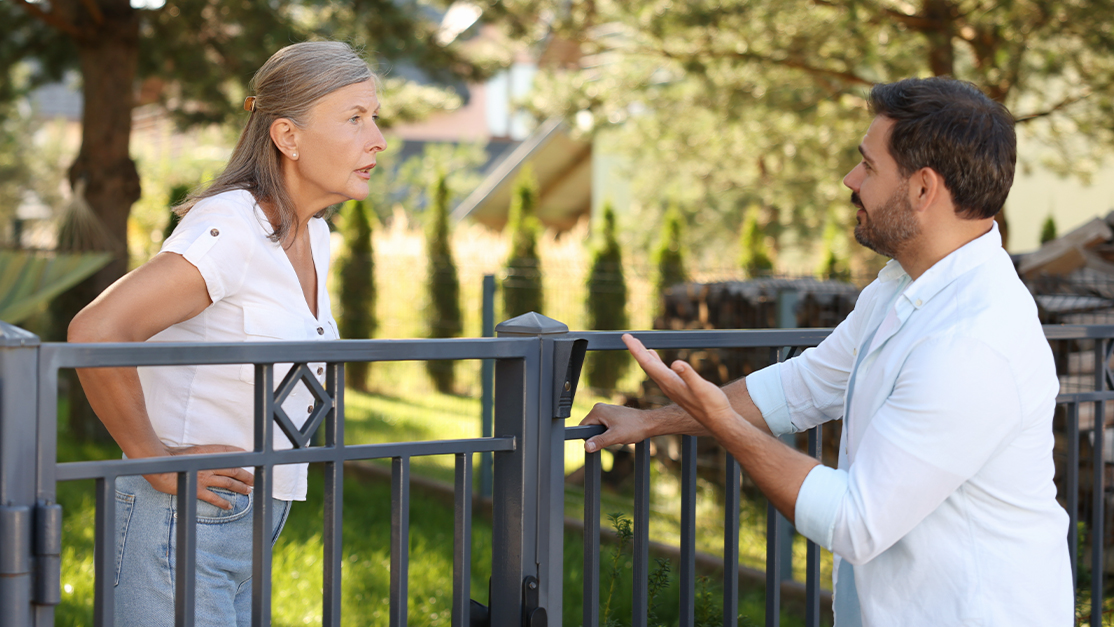
Do not begin the conversation while you are late for work and trapped behind somebody’s SUV. Choose a neutral moment and describe the specific effect on you rather than accusing the neighbor of deliberately creating chaos. A conversation is more likely to succeed when both people are calm enough to discuss a practical solution.

Use A Clear Opening Line
You might say, “I’m having trouble seeing and getting out safely when visitors park beside the driveway. Could you please ask them to leave more clearance?” This explains the safety concern and gives the neighbor a specific action to take. It also avoids arguing about who deserves the public parking spaces.
Focus On Access, Not Ownership
Your strongest concern is safe entry and exit, not whether visitors are parking in front of your house. Complaining that someone has taken “your” curb space may distract from a genuine obstruction. Keep returning to driveway clearance, visibility, traffic flow, and pedestrian safety.
Ask For One Practical Change
A vague demand to “control your guests” is difficult to follow. Ask the neighbor to tell visitors not to overlap the driveway, park close to the corner, block the sidewalk, or stop in the travel lane. One measurable request gives everyone a better chance of complying.

Consider A Friendly Reminder Sign
A small sign on your own property asking drivers to keep the driveway clear may prevent honest mistakes. Before installing anything near the curb, check local rules governing sign placement and public rights-of-way. Calgary, for example, warns residents not to place materials in streets, sidewalks, lanes, or city rights-of-way.
Do Not Put Out Homemade Cones
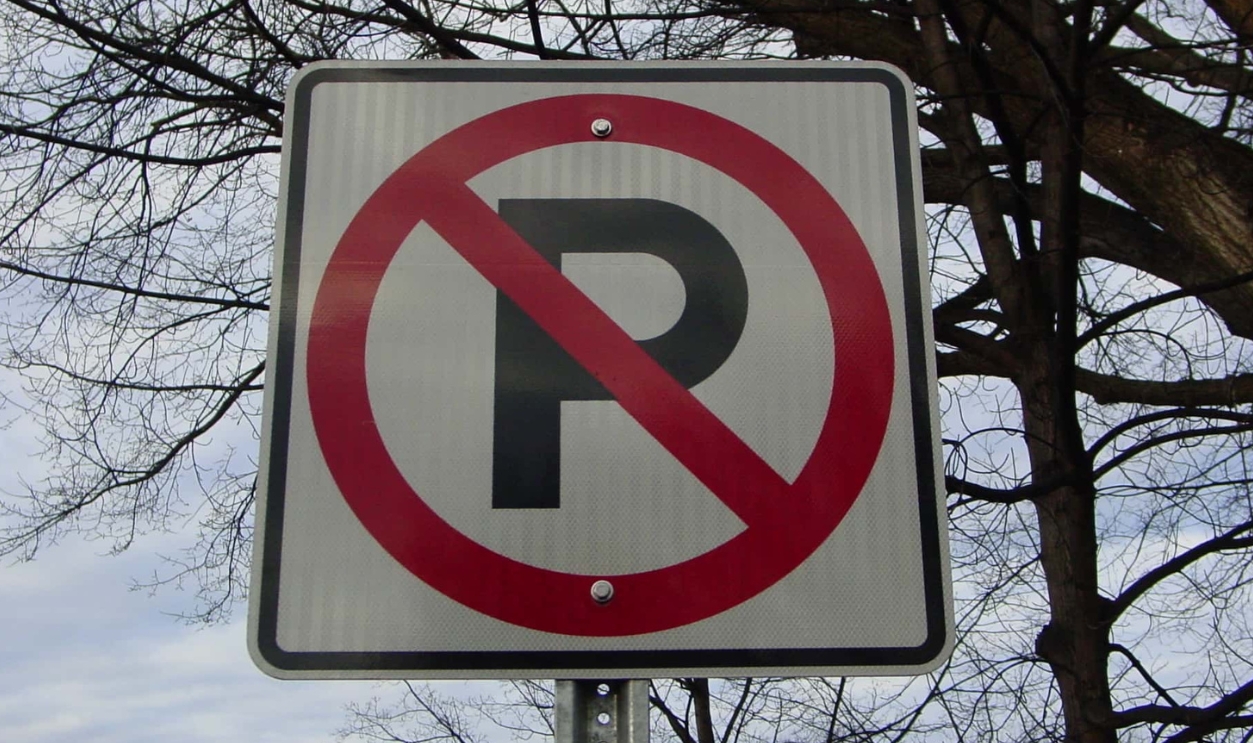
Residents generally should not claim public curb space with traffic cones, chairs, garbage bins, or improvised barriers unless local authorities have approved them. Such objects can obstruct the roadway or create a new hazard. Calgary’s street-use guidance specifically says not to place material in streets, lanes, sidewalks, or city rights-of-way.
Check Your Municipal Parking Rules
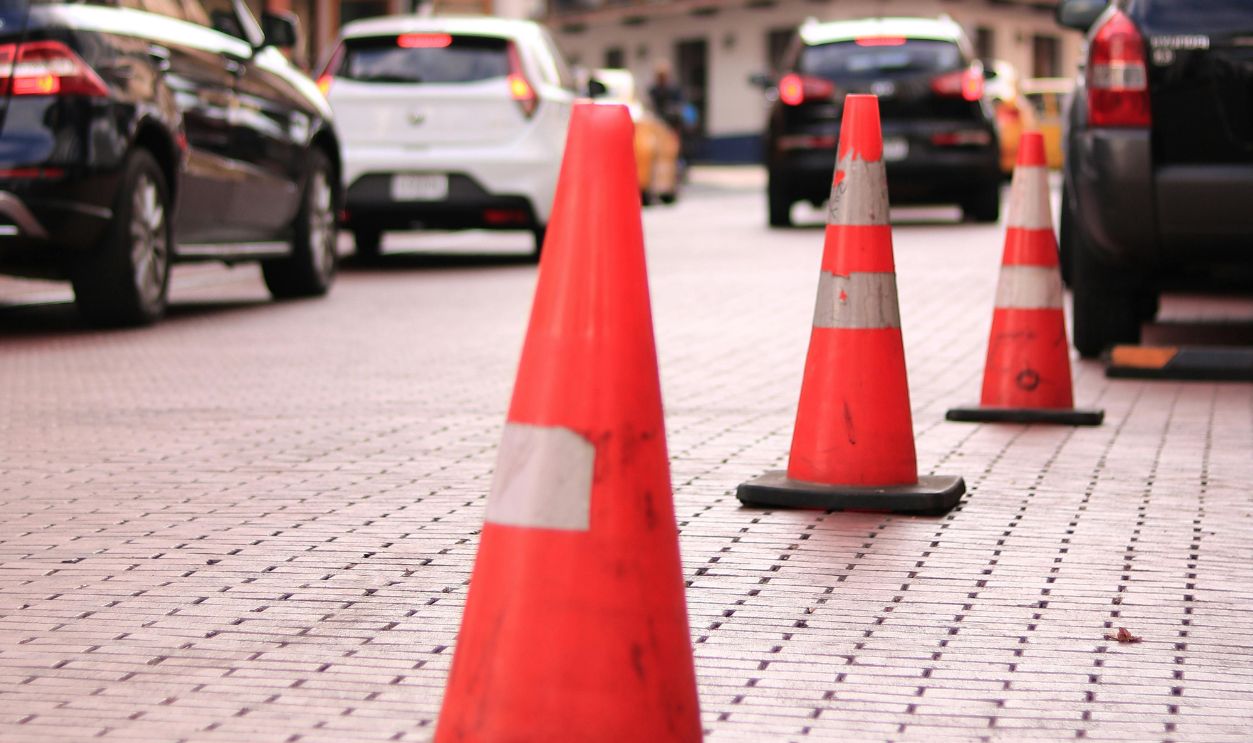
Search your city’s official website for driveway clearance, corner parking, sidewalk obstruction, fire hydrants, narrow streets, and unsigned parking areas. Vancouver publishes separate guidance covering driveway clearance, corner clearance, signs, tickets, and towing. Calgary likewise provides bylaw information and a formal complaint process.

Use 311 Or Parking Enforcement
Many cities route routine parking complaints through 311, a municipal app, parking enforcement, or a bylaw office. Toronto describes 311 as a non-emergency service available for city information and requests, while Vancouver offers its Van311 system for reporting issues. Montréal also directs residents to the appropriate municipal or police organization when a vehicle violation affects safety, parking compliance, or traffic flow.

Report While The Vehicle Is There
Parking officers normally need an active violation they can observe or verify. Report the vehicle while it is still blocking access, and provide the location, plate number, make, model, and direction it is facing. Save the service-request or complaint number so you can refer to it if the same problem continues.
Describe The Hazard Precisely
Tell the dispatcher whether the vehicle completely blocks your driveway, reduces visibility, blocks a sidewalk, obstructs a hydrant, or leaves insufficient room for traffic. Avoid exaggerating by saying the entire street is impassable when it is merely inconvenient. Precise descriptions make it easier for the agency to assign the correct response.
Do Not Use 911 For Routine Parking
A badly parked visitor is normally a municipal or non-emergency enforcement matter. Toronto explicitly describes 311 as the route for non-emergency city services and directs residents to call 911 for emergencies. Use emergency services when there is an immediate threat to life or public safety, not simply because someone has parked inconsiderately.
 https://kaboompics.com/, Pexels
Escalate Genuine Emergency Obstructions
Call emergency services when blocked access is contributing to an active emergency, such as preventing an ambulance or fire vehicle from reaching someone. A car obstructing a hydrant or leaving an emergency route impassable may also warrant an urgent call to the appropriate local authority. Explain the immediate danger plainly and follow the dispatcher’s instructions.
Let Officials Decide About Towing
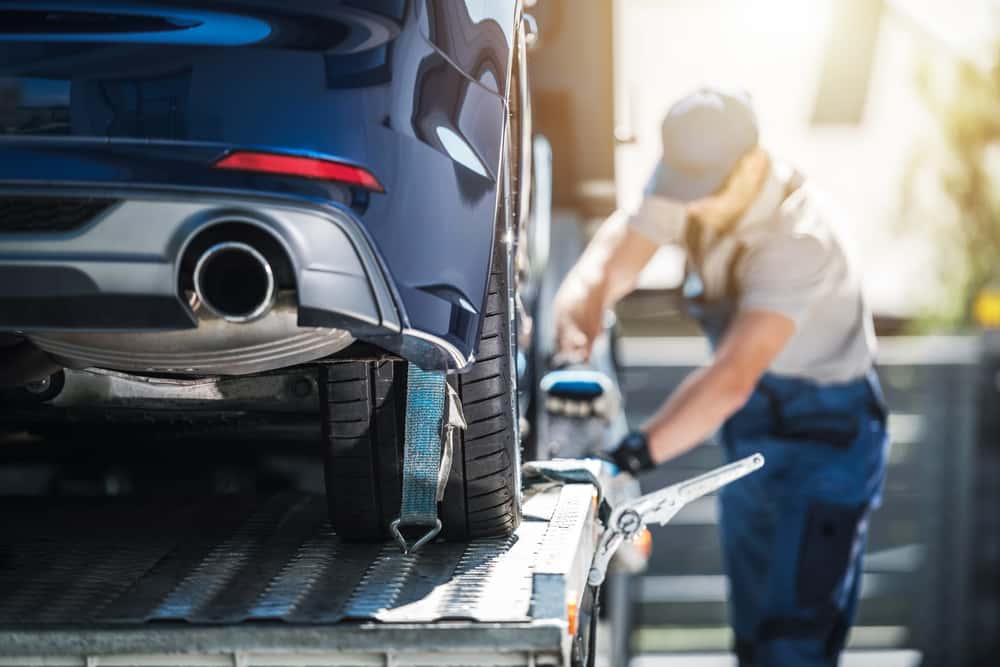
Do not assume you can order any vehicle on a public street towed simply because it blocks your driveway. Towing authority and procedures differ substantially by jurisdiction. In New York City, for example, the blocked vehicle may first need to be ticketed before the property owner can arrange an authorized tow through specified procedures.
Expect Enforcement To Vary
One city may send parking enforcement, another may refer the case to police, and another may require an online service request. Montréal explains that responsibility for vehicle violations can be divided between its mobility agency and police service. Vancouver also notes that parking violations can lead to tickets or towing under city processes.
Follow Up With Your Complaint Numbers
When repeated reports produce no lasting change, contact the agency again and provide the earlier reference numbers. Ask whether the complaint was inspected, closed, transferred, or found not to violate a rule. Calgary offers a formal bylaw complaint process, while several cities allow residents to submit and track service requests through 311 systems.

Explore A Formal Traffic Review
If vehicles are technically legal but the street design consistently creates dangerous sightlines, request a traffic or parking review from your municipality. Possible subjects include corner restrictions, parking limits, curb markings, signs, or changes to permitted parking areas. Your photographs and incident log will help demonstrate that the problem concerns recurring access and safety.
Consider Community Mediation
When direct conversations fail, a local community mediation program may help both neighbors establish workable expectations without immediately going to court. Mediation uses a neutral process to identify issues and develop an agreement accepted by the participants. The United States Department of Justice describes mediation as an alternative that allows communities to develop their own solutions, although its own mediation program serves only matters within its statutory jurisdiction.

Consult A Local Professional If Necessary
Persistent obstruction involving property boundaries, easements, harassment, damage, or disputed towing rights may require jurisdiction-specific advice. A lawyer or licensed legal clinic can explain the remedies available where you live. USAGov maintains information for finding free or lower-cost legal assistance in the United States, while residents elsewhere can use their provincial, state, or local legal-referral services.

Protect Yourself From A Preventable Crash
Until the parking problem is resolved, back out slowly, stop whenever your sightline disappears, and use a spotter when one is available. Consider temporarily entering or leaving from another direction if that creates a safer route. The neighbor may be responsible for inconsiderate visitors, but every driver remains responsible for avoiding unsafe maneuvers.
You May Also Like:
The Most Overrated Cars Today, According To Car Enthusiasts
People With The Largest Car Collections In The World