The Top-Trim Trap
You bought the fanciest version on the lot. Leather seats, giant wheels, premium sound, every camera imaginable—the works. Naturally, you expected those upgrades to boost resale value. Now buyers barely seem interested in paying more. So, did you make a costly mistake, or is something else happening?
You Were Not Completely Wrong
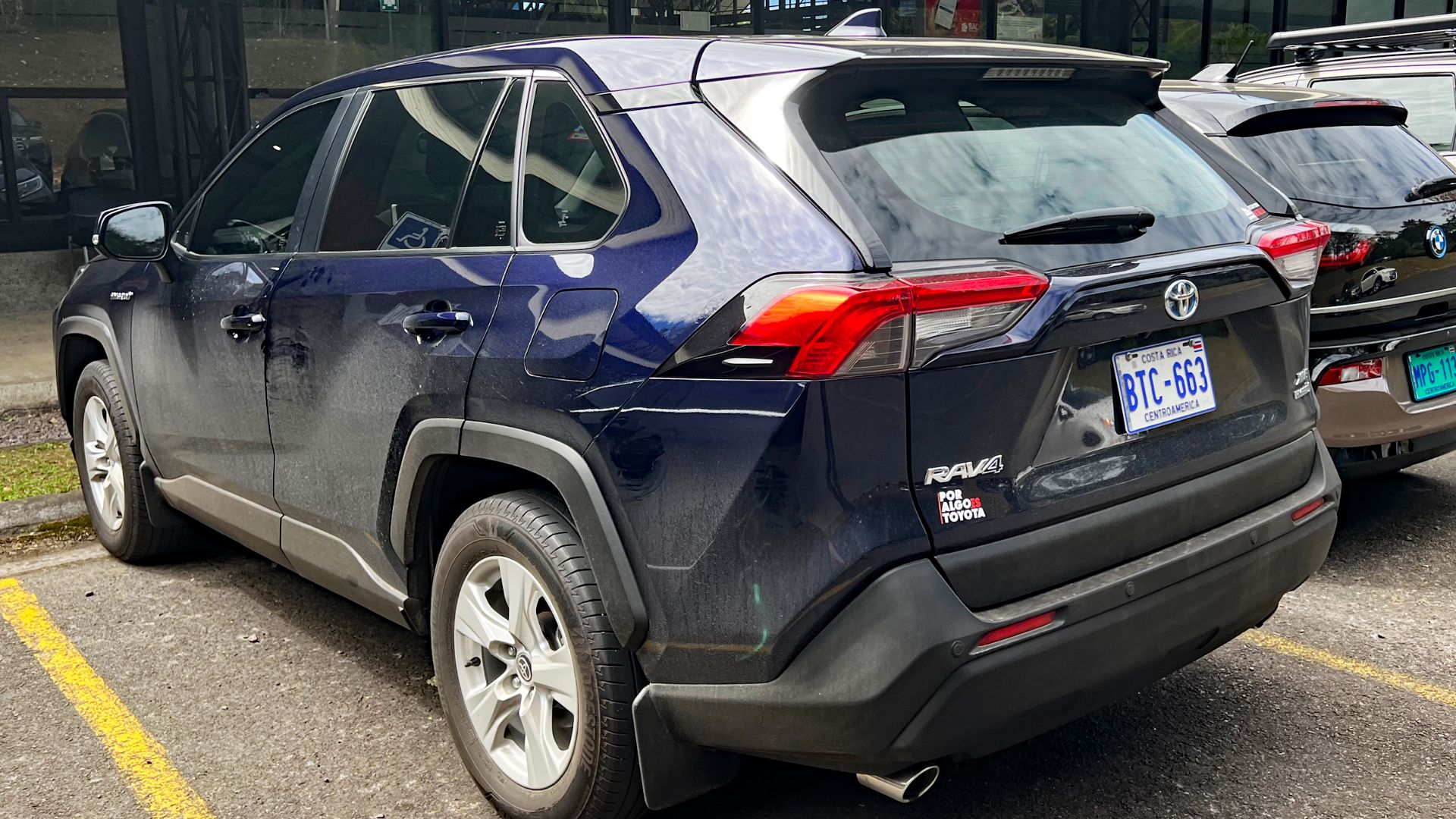
Higher trim levels often sell for more than basic models on the used market. The problem is that they rarely recover their full original premium. A trim that cost $8,000 extra when new might add only $3,000 to the vehicle’s resale price several years later.
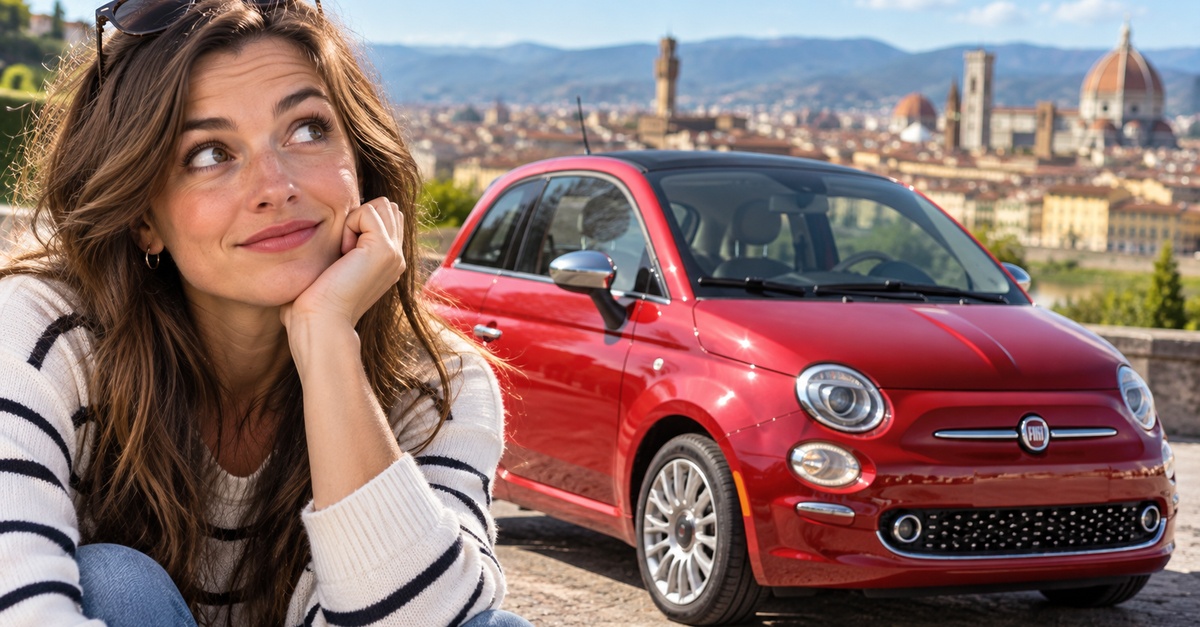
 Mariordo (Mario Roberto Duran Ortiz), Wikimedia Commons
Features Depreciate Too
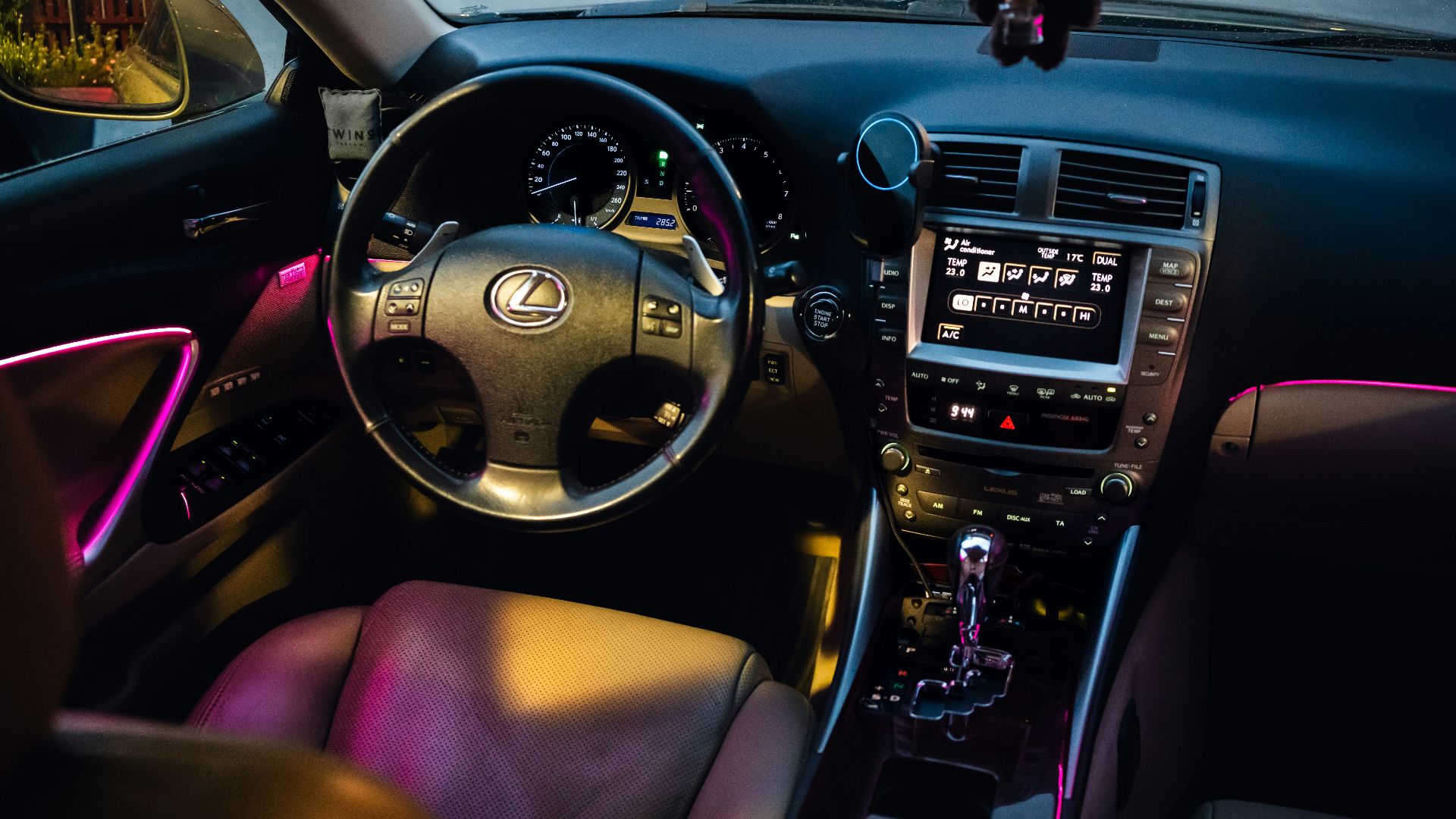
Cars are not the only things that lose value. Features depreciate right along with them. Heated rear seats, premium speakers, and fancy interior lighting may have impressed buyers when the vehicle was new, but used-car shoppers usually view them as pleasant extras rather than essential equipment.
Used Buyers Think Differently
New-car shoppers often choose with their hearts. Used-car shoppers are more likely to choose with calculators. They care about the total price, financing payment, repair history, fuel economy, and reliability. Your massaging seats may be wonderful, but they will not matter if the buyer is focused on affordability.

The Upgrade Premium Shrinks
Imagine the base model originally cost $35,000, while your loaded version cost $48,000. Five years later, the base model might sell for $22,000 and yours for $27,000. Your vehicle is still worth more, but that original $13,000 gap has shrunk dramatically.

Buyers Shop Within Budgets
Most used-car buyers begin with a maximum price. They might search for vehicles under $25,000 rather than specifically looking for the fanciest trim. If your loaded model sits above their limit, they may choose a lower trim even if your vehicle offers far more equipment.

Reliability Beats Luxury
Once a car reaches a certain age, shoppers often care more about maintenance records than luxury features. A clean base model with regular servicing may attract more attention than a loaded version with missing records. Buyers want confidence that the car will start every morning.

Expensive Features Can Look Risky
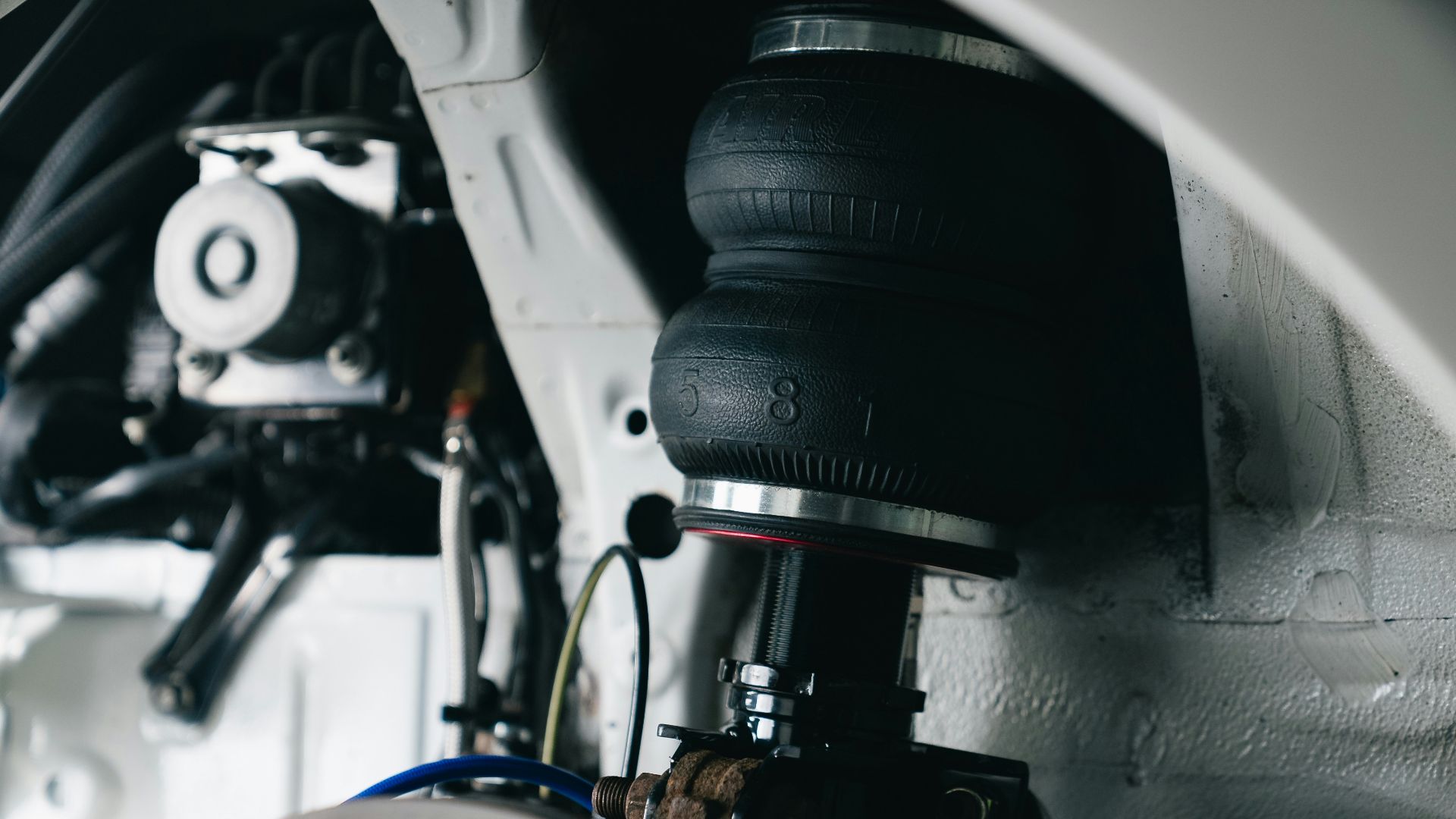
Power-folding running boards and air suspension sound impressive when everything works. Used buyers may see future repair bills. The more complicated the vehicle becomes, the more nervous budget-conscious shoppers can get. Yesterday’s luxury feature may become tomorrow’s warning light and four-figure repair.
Technology Ages Quickly
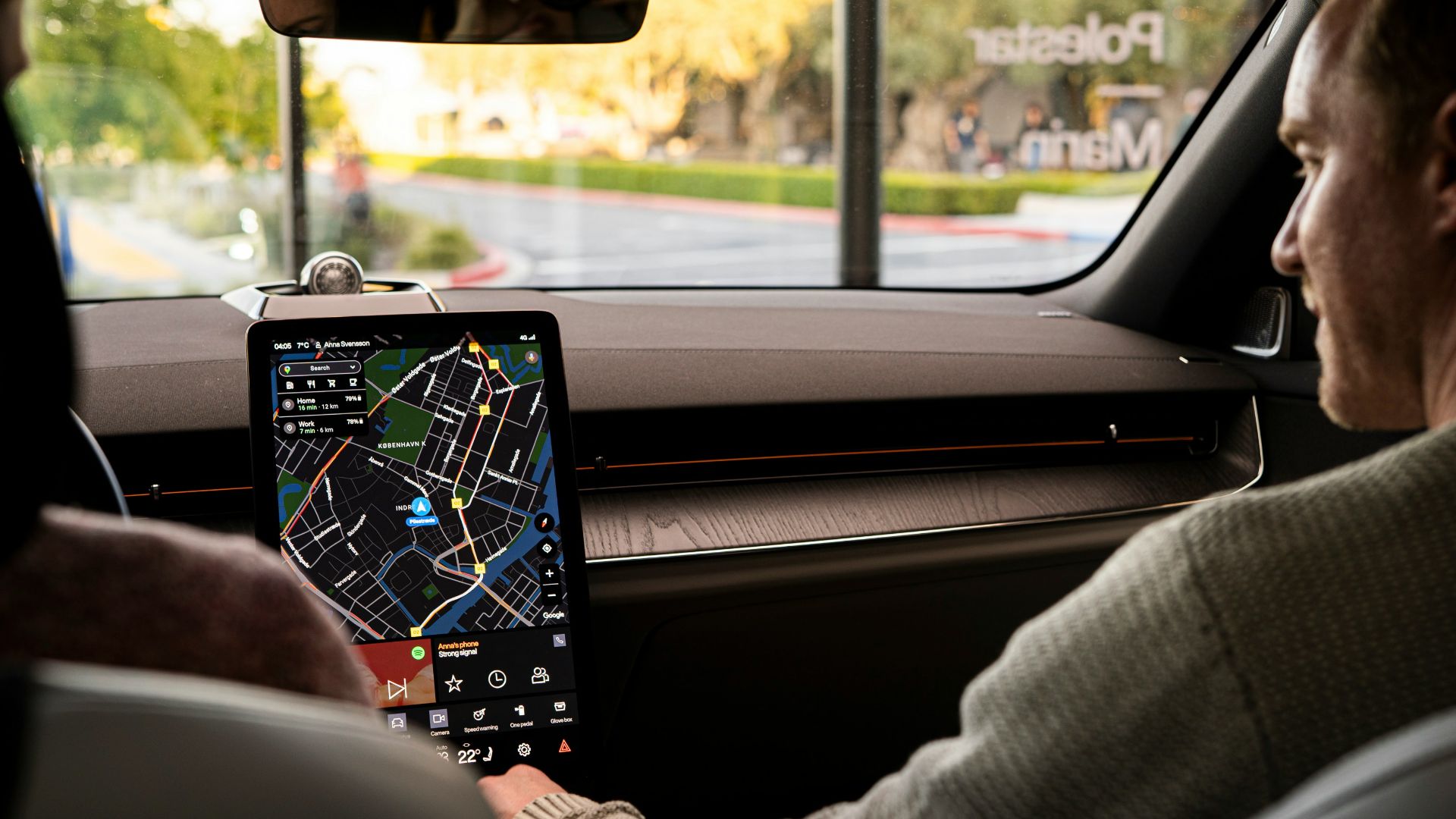
That giant touchscreen may have looked futuristic when you signed the paperwork. A few years later, newer entry-level models might offer faster systems, better graphics, and wireless phone connectivity. Automotive technology moves quickly, which means expensive infotainment upgrades can lose their appeal surprisingly fast.
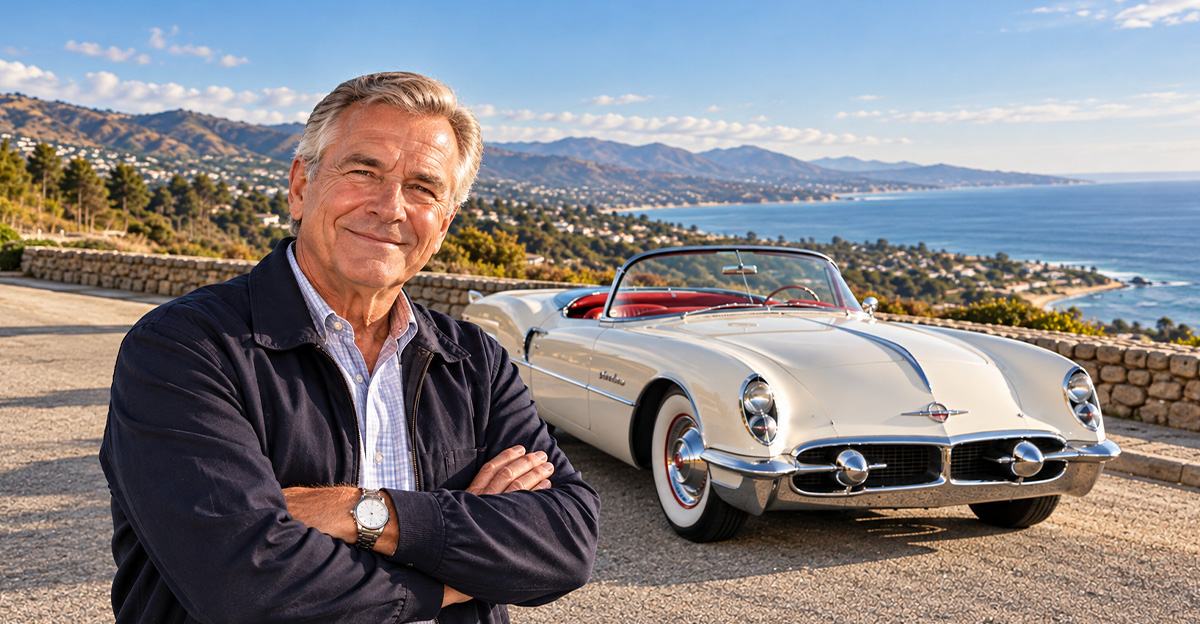
 Wiryan Tirtarahardja, Unsplash
Not Every Option Adds Value
Some equipment improves resale value more than others. All-wheel drive, automatic climate control, safety technology, and desirable seating configurations can matter. Decorative trim, unusual wheel packages, built-in navigation, and appearance upgrades often return far less money than owners expect.

Location Changes Everything
A feature’s value can depend heavily on where you sell the vehicle. Heated seats and all-wheel drive may be highly desirable in colder regions. Ventilated seats might matter more in hot climates. A convertible roof could attract attention in California but struggle during a Canadian winter.

The Wrong Color Can Hurt
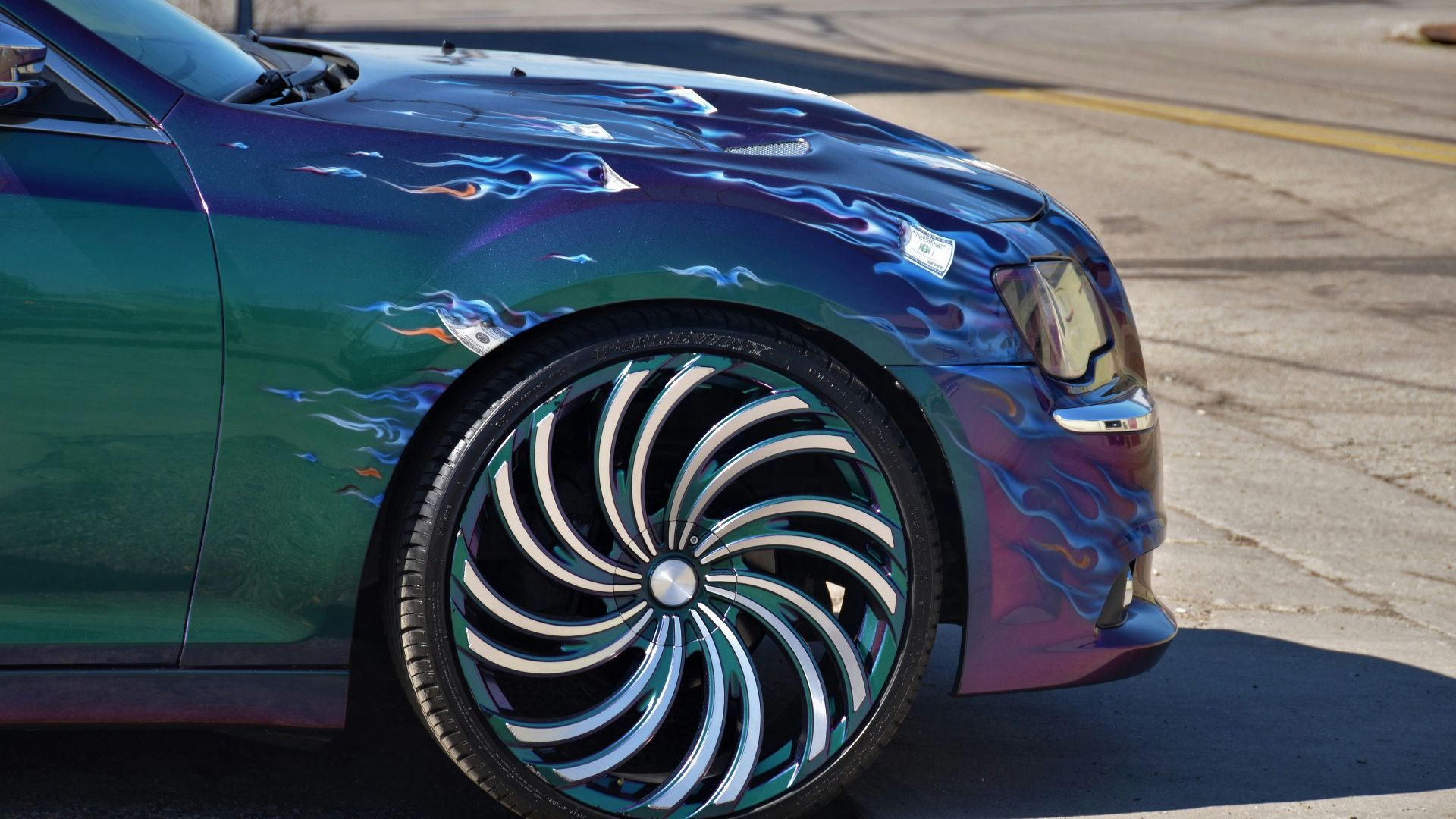
Top trims sometimes come with bold paint colors, dramatic interiors, or oversized wheels. Those choices may look fantastic to you, but resale markets reward broad appeal. Black, white, silver, gray, and other neutral combinations usually attract more buyers than bright paint or unusual upholstery.
Bigger Wheels Are Complicated
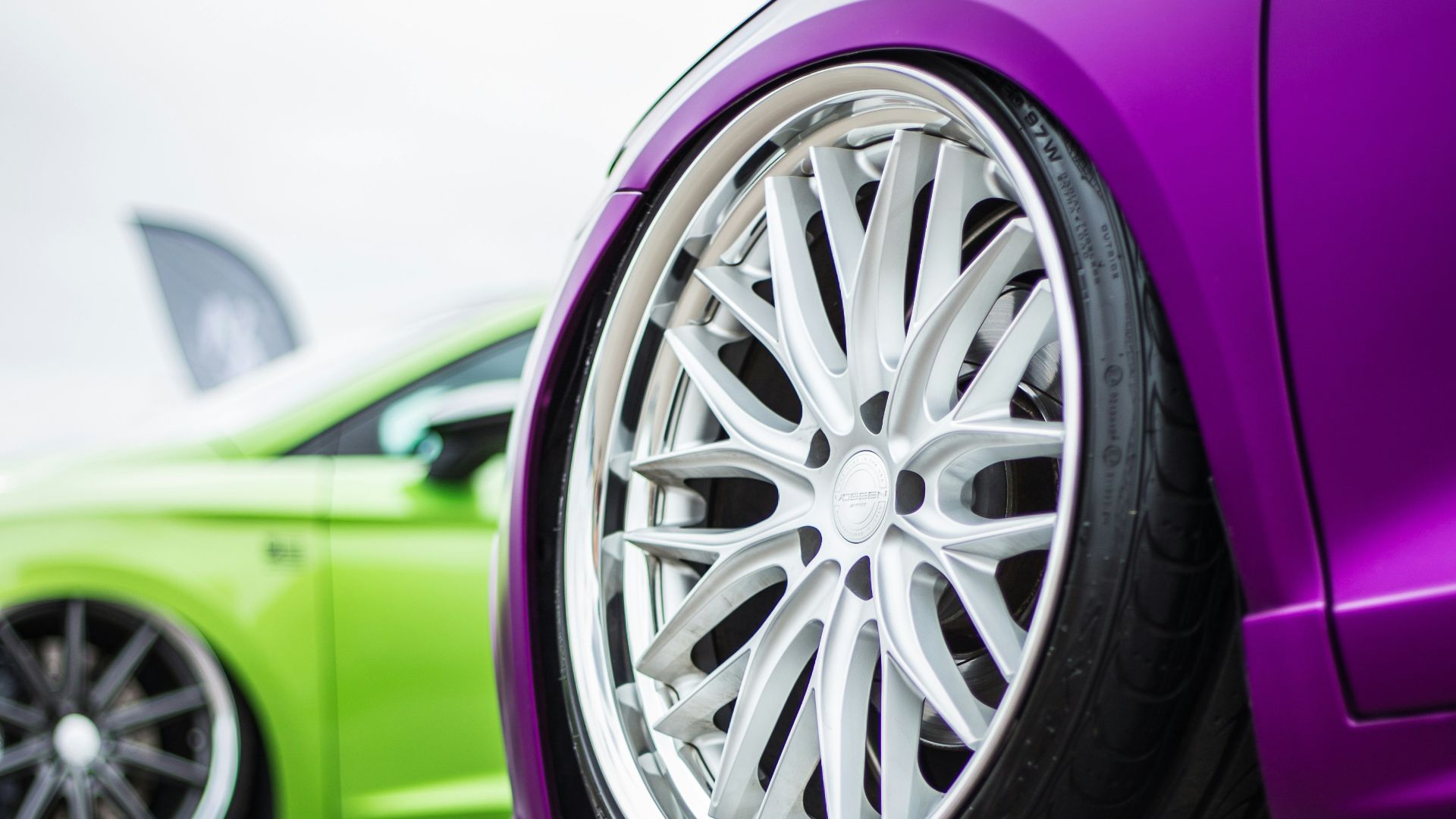
Large wheels make vehicles look sportier, but used buyers know they often come with expensive tires and a harsher ride. They may prefer the smaller wheels fitted to mid-level trims. Your stylish upgrade could actually make the vehicle less appealing to practical shoppers.
Luxury Brands Face Bigger Drops
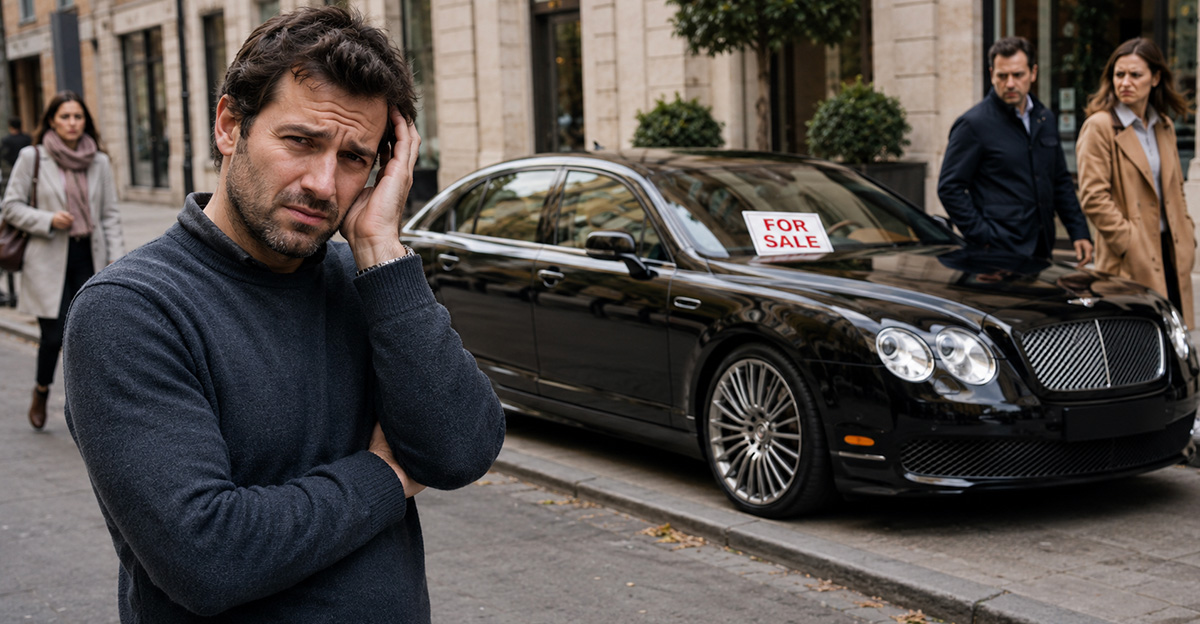
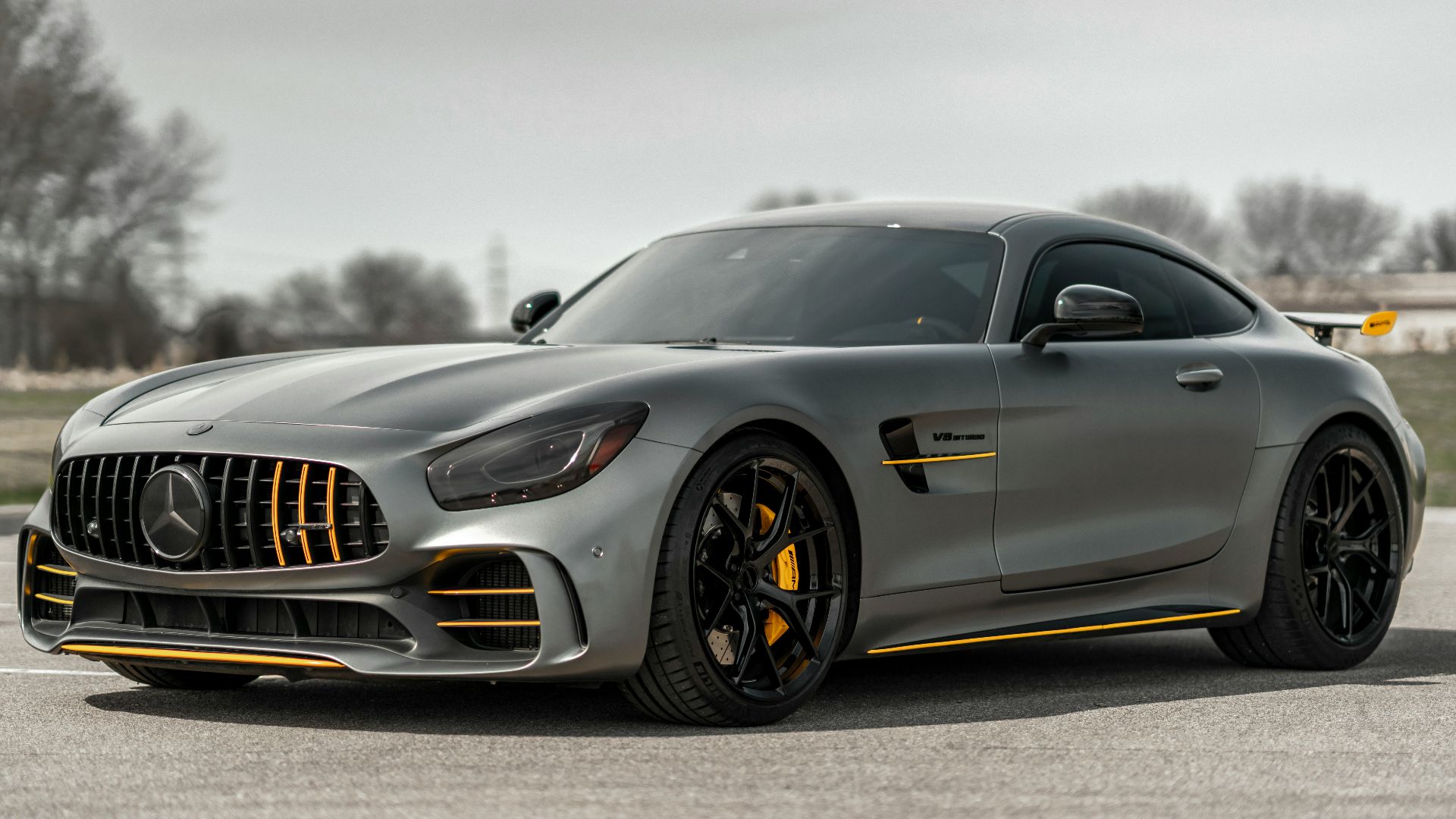
High-end vehicles can experience especially painful depreciation. Buyers love luxury cars when warranties cover the complicated equipment. Once the warranty ends, repair costs become frightening. A fully loaded luxury model may lose tens of thousands of dollars even while remaining objectively impressive.
Mainstream Models Behave Differently
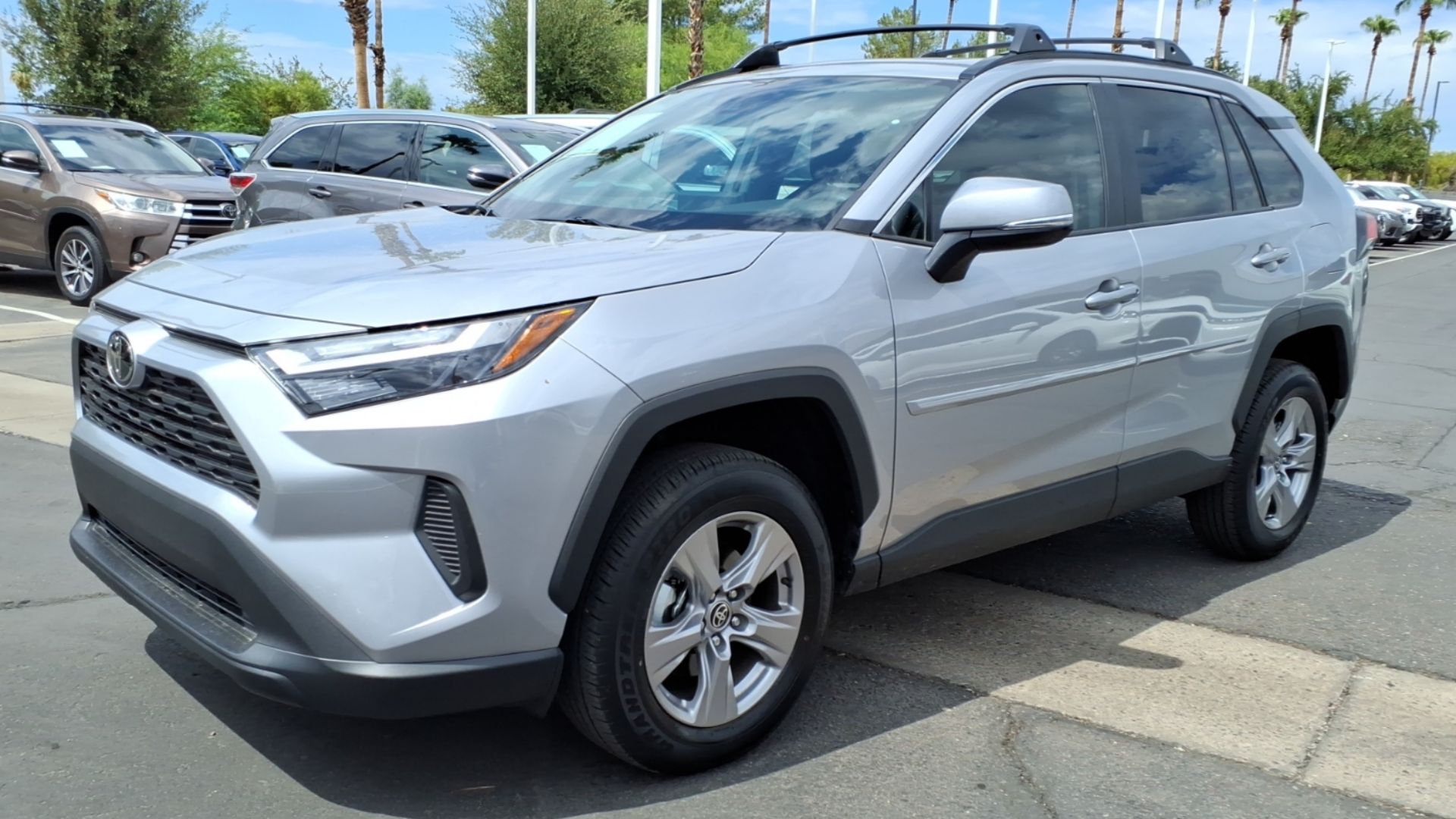
Popular mainstream vehicles often retain value better because more people can afford to own and repair them. However, even here, the highest trim does not always deliver the best percentage return. Mid-level versions frequently provide the strongest balance of features, price, and resale demand.
The Sweet Spot Is Usually Lower
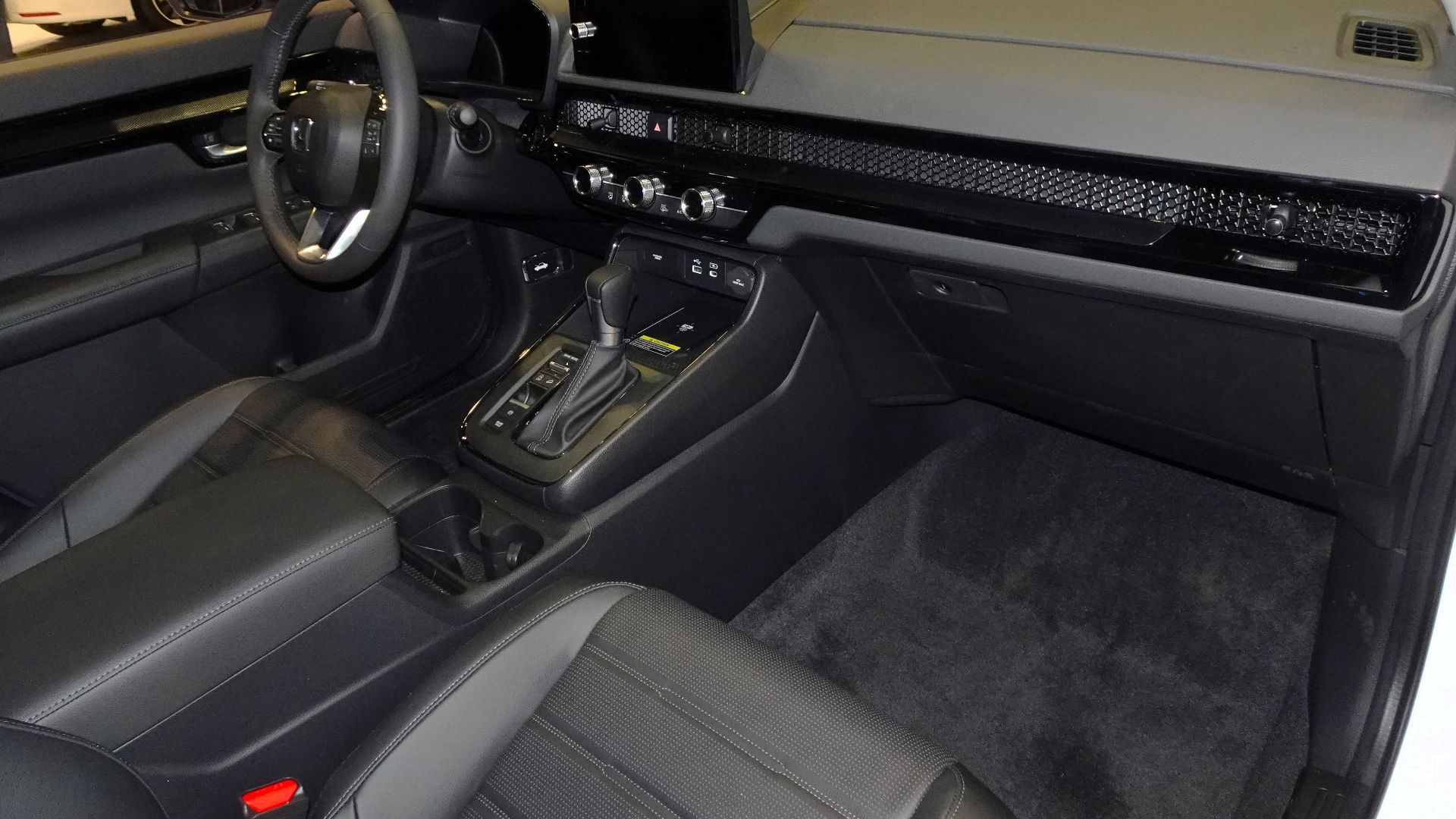
The resale champion is often one or two trims below the top. These models usually include the features most drivers want without adding expensive luxuries they can live without. Think heated seats and safety equipment—not suede headliners and 22-speaker audio systems.
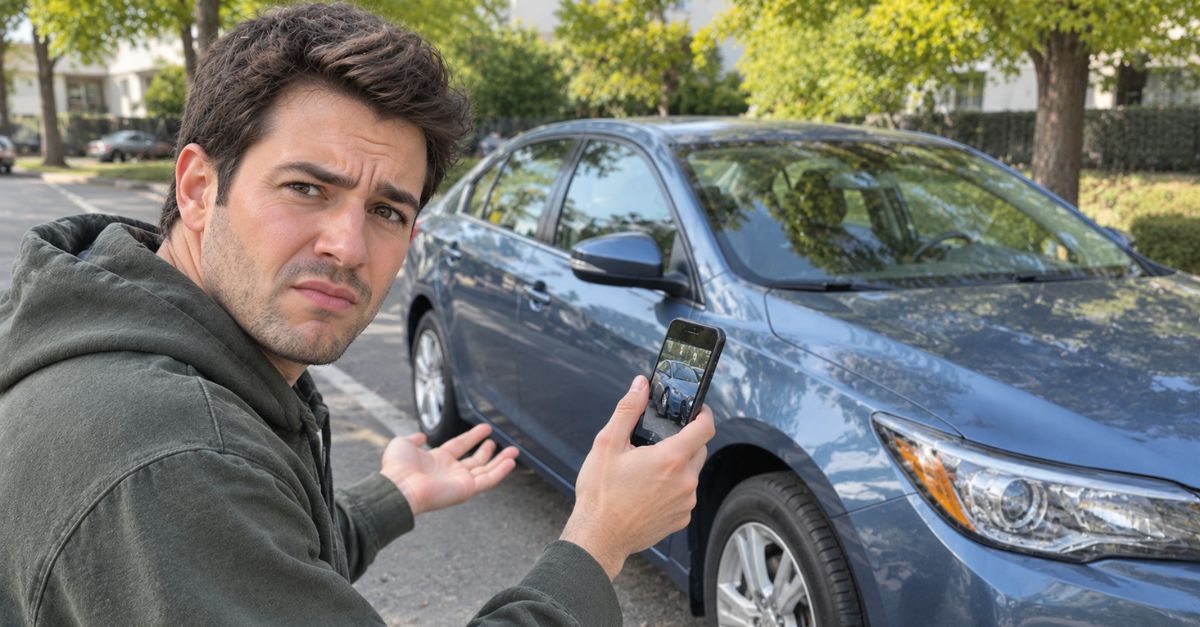
 Charles from Port Chester, New York, Wikimedia Commons
Condition Still Matters Most
Trim level cannot rescue a neglected vehicle. Scratched paint, stained seats, worn tires, accident damage, and overdue maintenance will quickly erase any premium your equipment might create. A spotless lower trim can easily sell faster—and sometimes for more—than a rough top-tier model.

Mileage Can Overpower Equipment
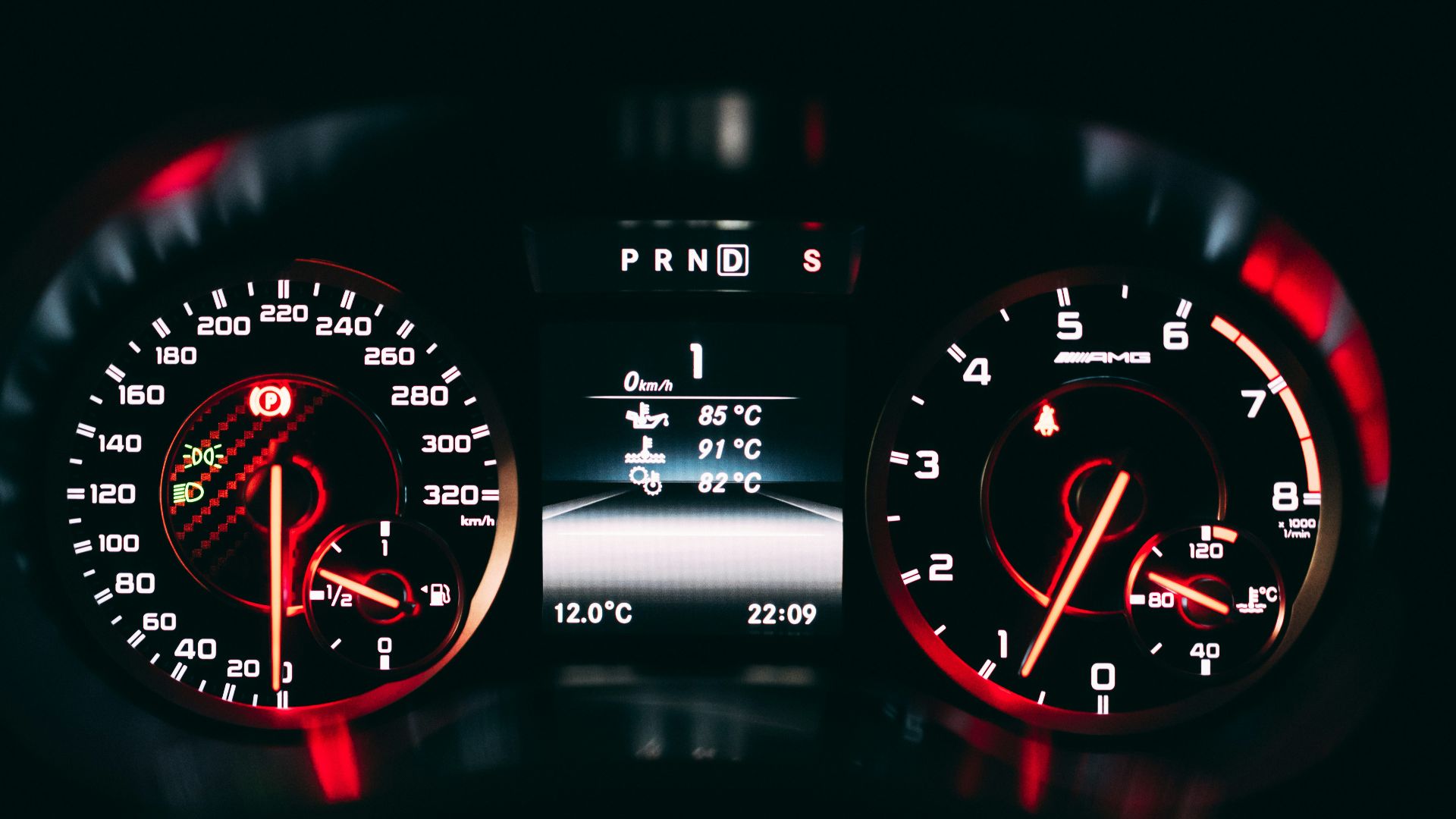
A loaded vehicle with 100,000 miles may be worth less than a basic version with 60,000 miles. Mileage strongly affects buyer confidence, financing options, and warranty eligibility. Those extra features matter, but they rarely outweigh years of additional driving and mechanical wear.
Dealer Offers Can Feel Brutal
Dealers often value vehicles using wholesale data, expected reconditioning costs, and local demand. They may give your expensive trim only a modest bump because they need room for profit. A private buyer might pay more, but selling privately requires time, patience, and several awkward driveway conversations.
Online Listings Can Mislead You
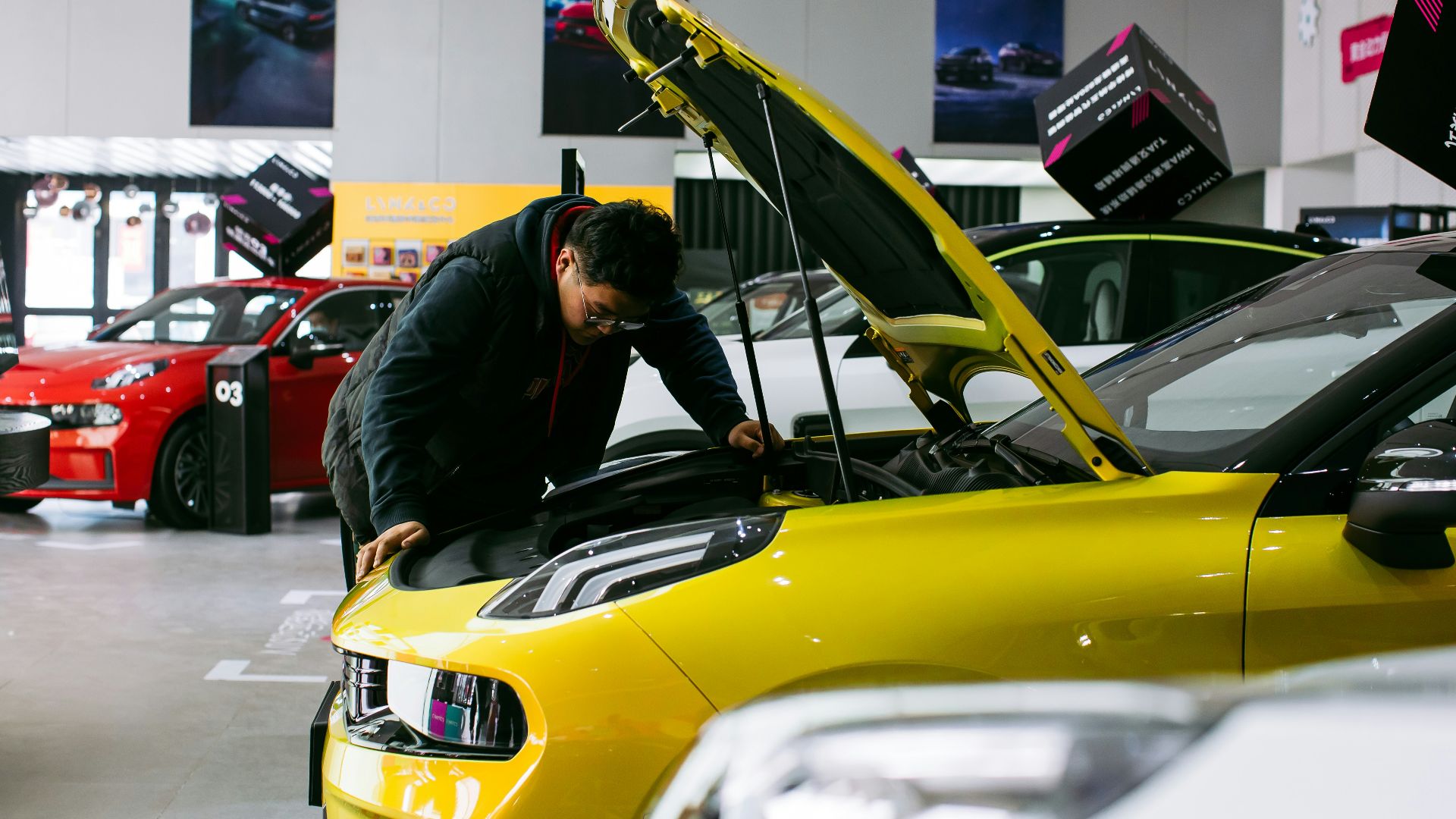
You may see similar loaded models advertised for impressive prices, but asking prices are not selling prices. Some listings sit online for months because the owner refuses to adjust. Completed sales and real trade-in offers provide a clearer picture of what buyers will actually pay.
Financing Limits The Audience
A higher resale price can reduce the number of buyers who qualify for financing. Banks may also refuse to lend far above a vehicle’s book value, even when it has expensive options. Buyers then need larger down payments, making your top trim harder to sell.

You Did Receive Something
Resale value is only part of the equation. You used those premium features every day. Maybe the upgraded seats saved your back, the better headlights improved night driving, or the sound system made traffic tolerable. Comfort and enjoyment have value, even when they cannot be recovered later.

Calculate Your Real Cost
Take the original trim premium and subtract the extra resale value you are receiving now. That difference represents the cost of enjoying those upgrades. Divide it by the number of years you owned the vehicle, and the result may feel less painful than the total loss suggests.

Timing May Be The Problem
Used-car demand changes constantly. Fuel prices, interest rates, inventory, seasons, and new-model incentives can all influence what buyers want. Your trim may not be unpopular forever. A poorly timed sale can make depreciation look worse than it would under stronger market conditions.
Price It Strategically
Do not expect buyers to repay every dollar you spent, but do highlight features that solve real problems. Mention safety systems, winter equipment, towing capability, seating flexibility, and service history. Price slightly above comparable lower trims, while staying close enough to appear reasonable.

Choose Smarter Next Time
When buying your next vehicle, identify the features you will genuinely use. Then choose the least expensive trim that includes them. Skip costly appearance packages and technology that will age quickly. Mid-level trims are not as flashy, but they often provide better long-term value.

You Probably Overspent—But That Is Okay
Financially, you likely paid more for the top trim than you will recover. That does not automatically make the purchase a mistake. You bought comfort, convenience, and enjoyment—not just future resale value. The real lesson is simple: buy premium features because you want them, not because you expect an investment return.

You May Also Like:
Affordable Cars From The 1990s That Were Way Better Than People Remember