What Runs Downhill Can Come Back To Bite
If your neighbor hoses oil and coolant off a driveway and into the street, that mess does not just vanish. It can run downhill, collect near parked cars, and cause anything from ugly stains to real safety issues. The short answer is yes, it can damage cars parked downhill. How much depends on which fluid reached the car, how much built up, and what parts got exposed.

The First Risk Is Usually Traction, Not Corrosion
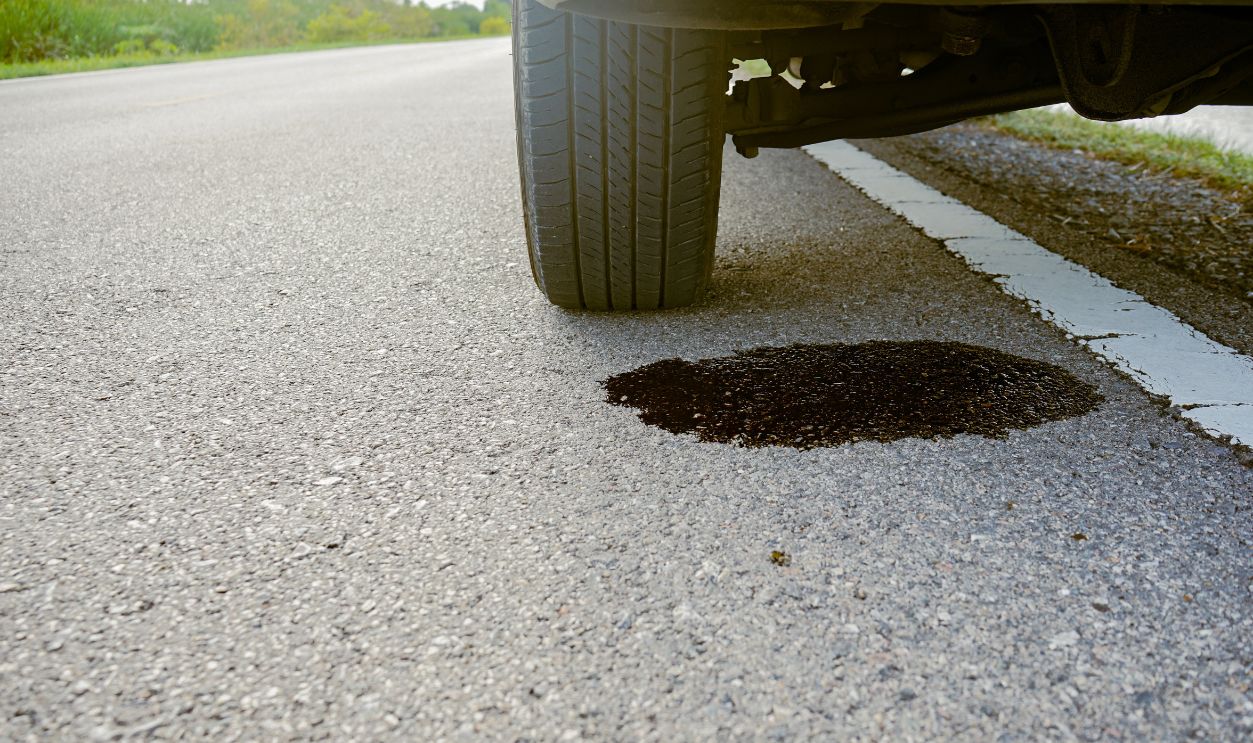
Oil on pavement is slick, especially when water is mixed in. The U.S. Environmental Protection Agency treats oil in stormwater as a pollutant because it spreads fast and contaminates runoff. If a parked car later drives through that oily patch, the first problem is usually less tire grip when braking, turning, or pulling away.
 Mr.Anuwat Rumrod, Shutterstock
Coolant Is More Than Colored Water
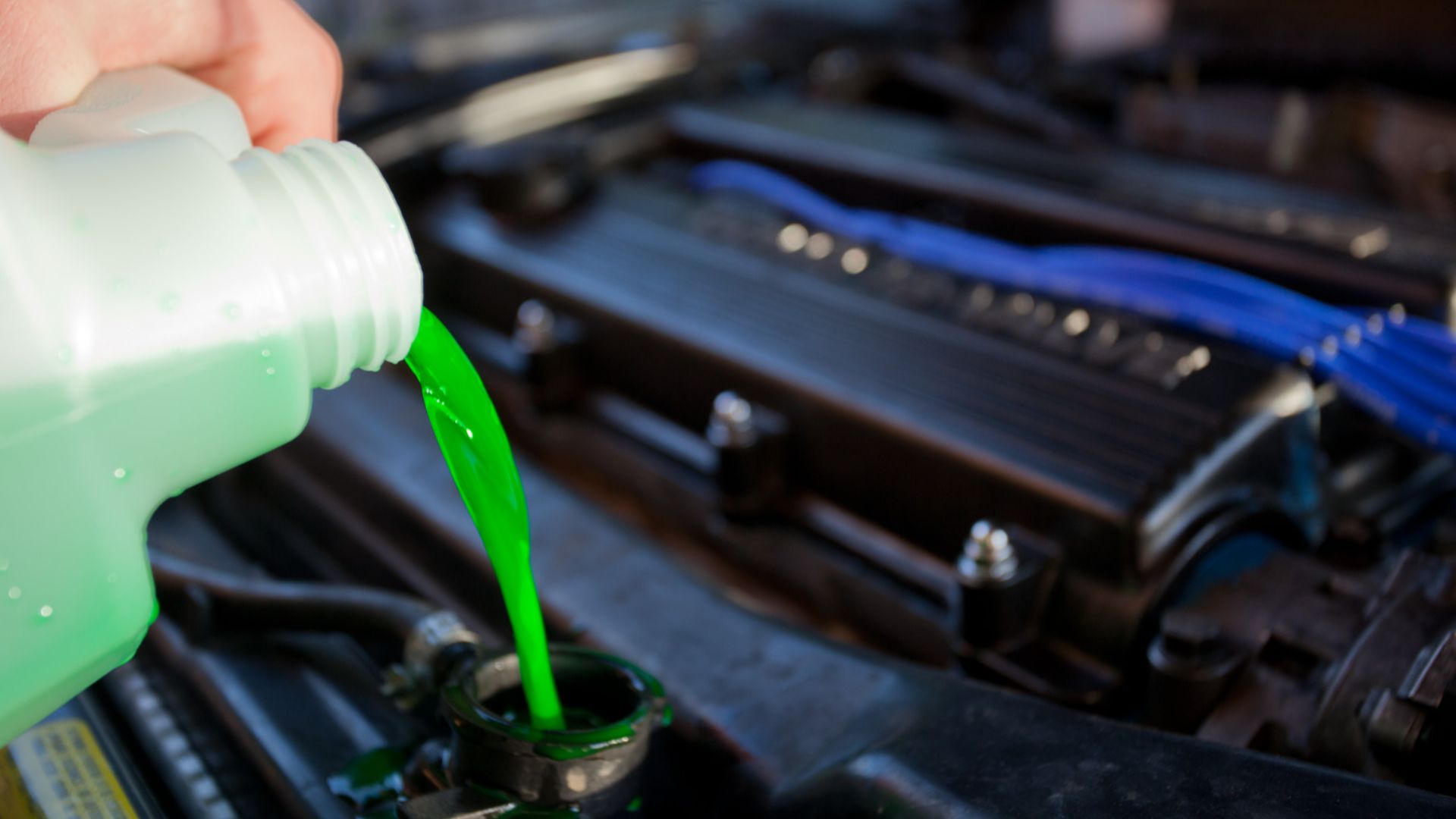
Engine coolant usually contains ethylene glycol or propylene glycol, along with corrosion inhibitors and other additives. Valvoline's Zerex technical information makes clear that antifreeze is meant to stay inside a sealed cooling system, not on roads or the outside of a car. Once it ends up in the street, it can leave a slick film and reach parts that were never meant to sit in it.
Why This Becomes A Storm Drain Problem Fast
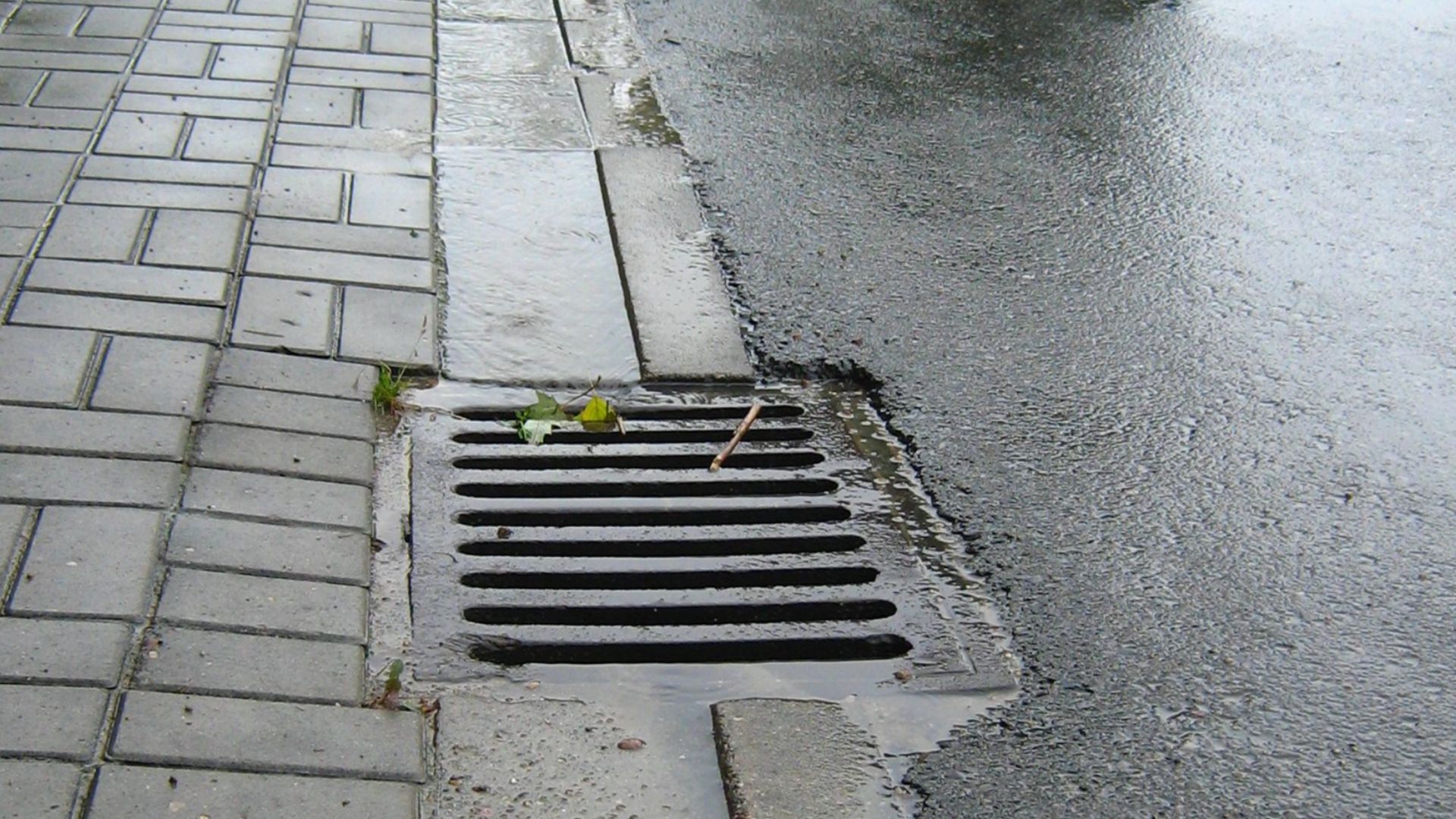
In most neighborhoods, street runoff does not head to a treatment plant before entering storm drains. The EPA warns that used motor oil and other car fluids can be carried by stormwater into local rivers, lakes, and streams. That is why many cities ban washing automotive fluids into the gutter.
Can Parked Cars Be Harmed Just By Sitting There
Yes, though usually in less obvious ways. If oil or coolant pools around the tires, lower body panels, splash shields, or undercarriage, it can leave behind residue that collects dirt and grime. Over time, it may also soften or swell some rubber parts. The risk goes up if the same spot keeps getting soaked or if the car is driven through the runoff and splashes it underneath.
Oil Is Rough On Some Rubber Parts
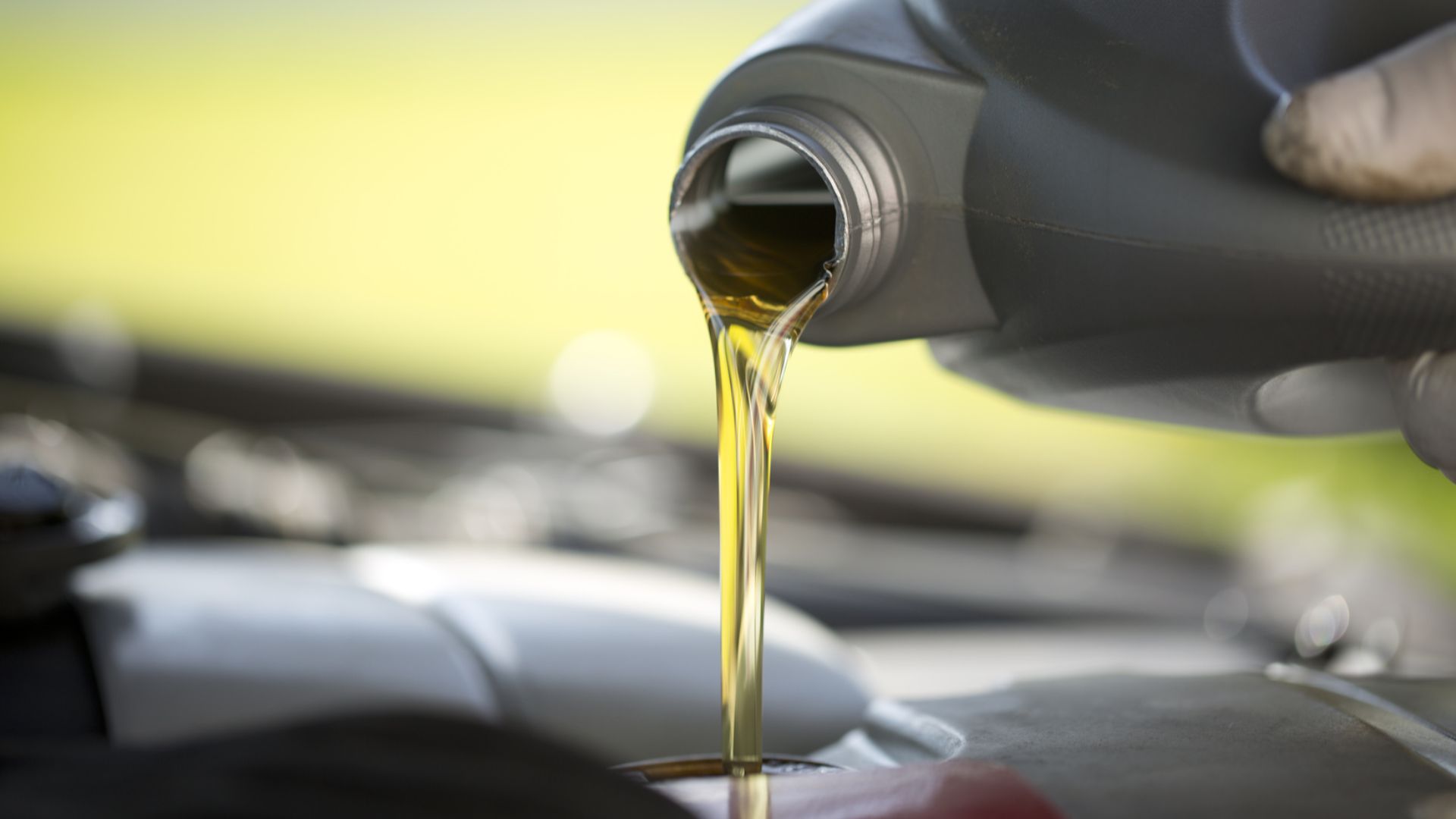
Petroleum-based oils can damage some rubber compounds by making them swell, soften, or weaken. Chemical compatibility guides from rubber manufacturers like Marco Rubber show that the effect depends on the exact material. In other words, just because one part under a car might handle a little oil does not mean a nearby bushing, mount, or seal will do the same.
Tires Usually Survive Brief Contact, But That Is Not The Whole Story
A quick splash of oil is not the same thing as instant tire failure. Even so, tire makers and service guides generally warn against petroleum contamination because oils can affect certain rubber compounds and make the tread surface more slippery. The bigger everyday problem is often the oily film left on the tire and the road.

Brake Performance Can Be A Hidden Casualty
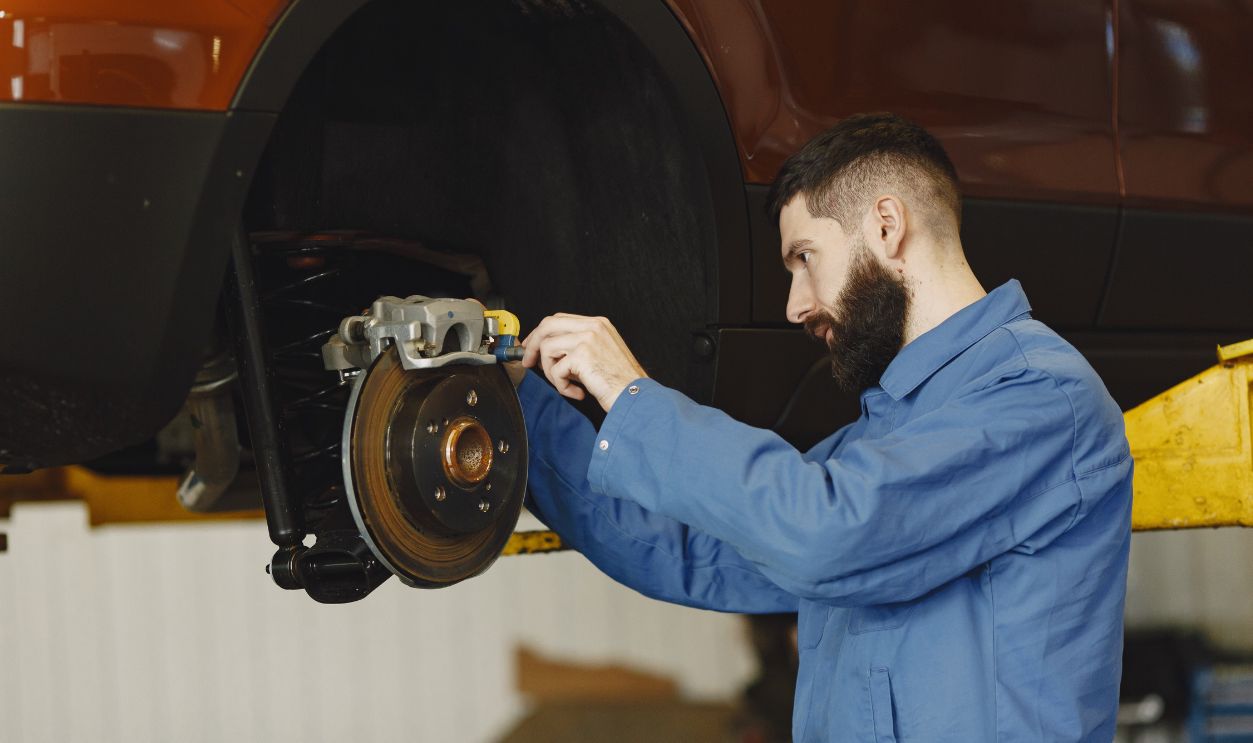
If oily runoff reaches brake parts, braking can suffer. Brake pads and other friction materials are built to work dry, and contamination is a well-known problem in service guidance. A parked car downhill may pick up that contamination once it is moved, especially if oil has splashed onto wheels, rotors, drums, or pads.
Coolant Can Affect Paint, Especially If It Sits
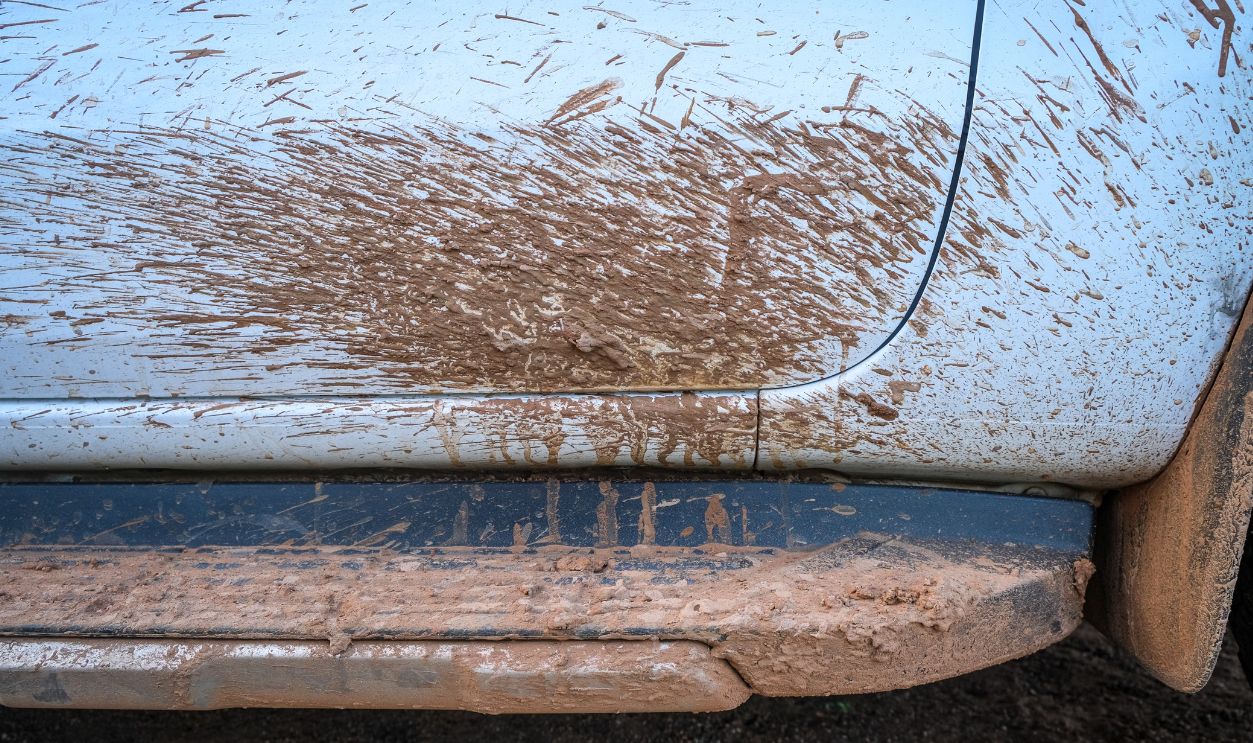
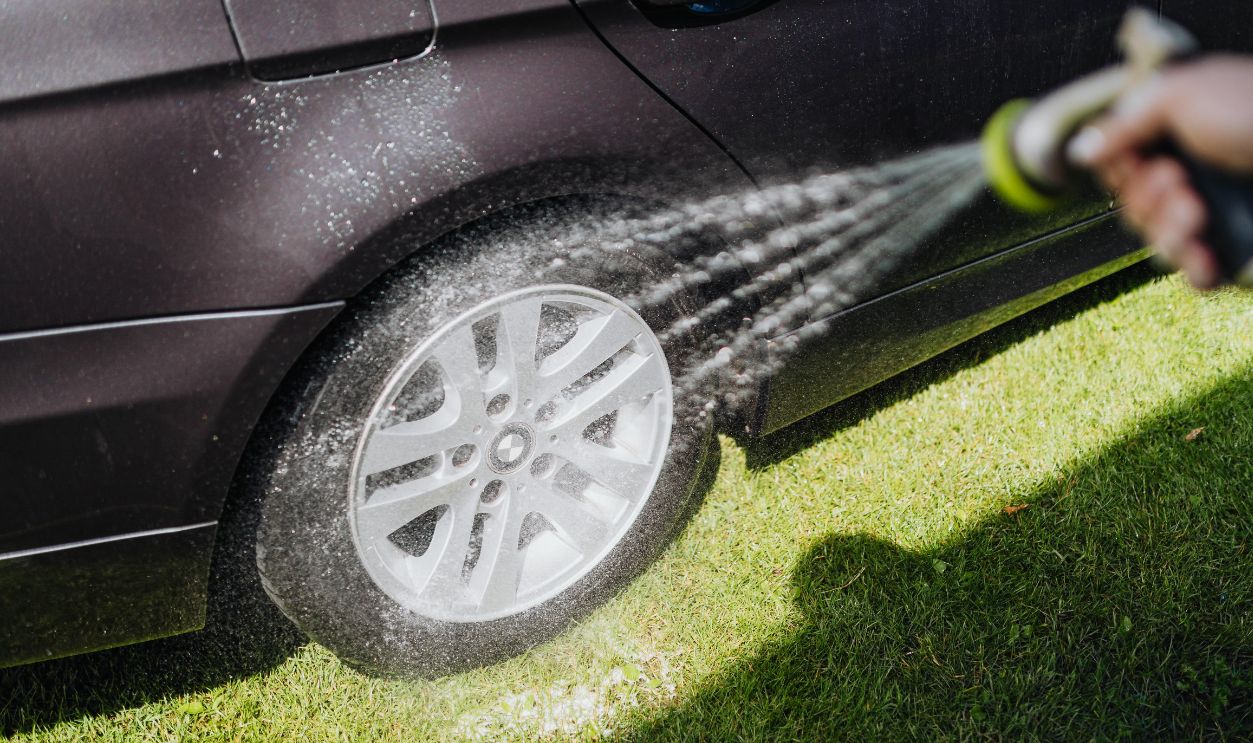
Coolant is not as infamous as brake fluid when it comes to paint damage, but it still should not be left sitting on painted surfaces. Auto care advice from manufacturers and detailing sources commonly recommends rinsing and washing it off quickly because the additives can leave stains or residue. If runoff splashes onto rocker panels or lower doors and dries there, cleaning it matters.
 https://kaboompics.com/, Pexels
Undercarriage Coatings Are Not Invincible
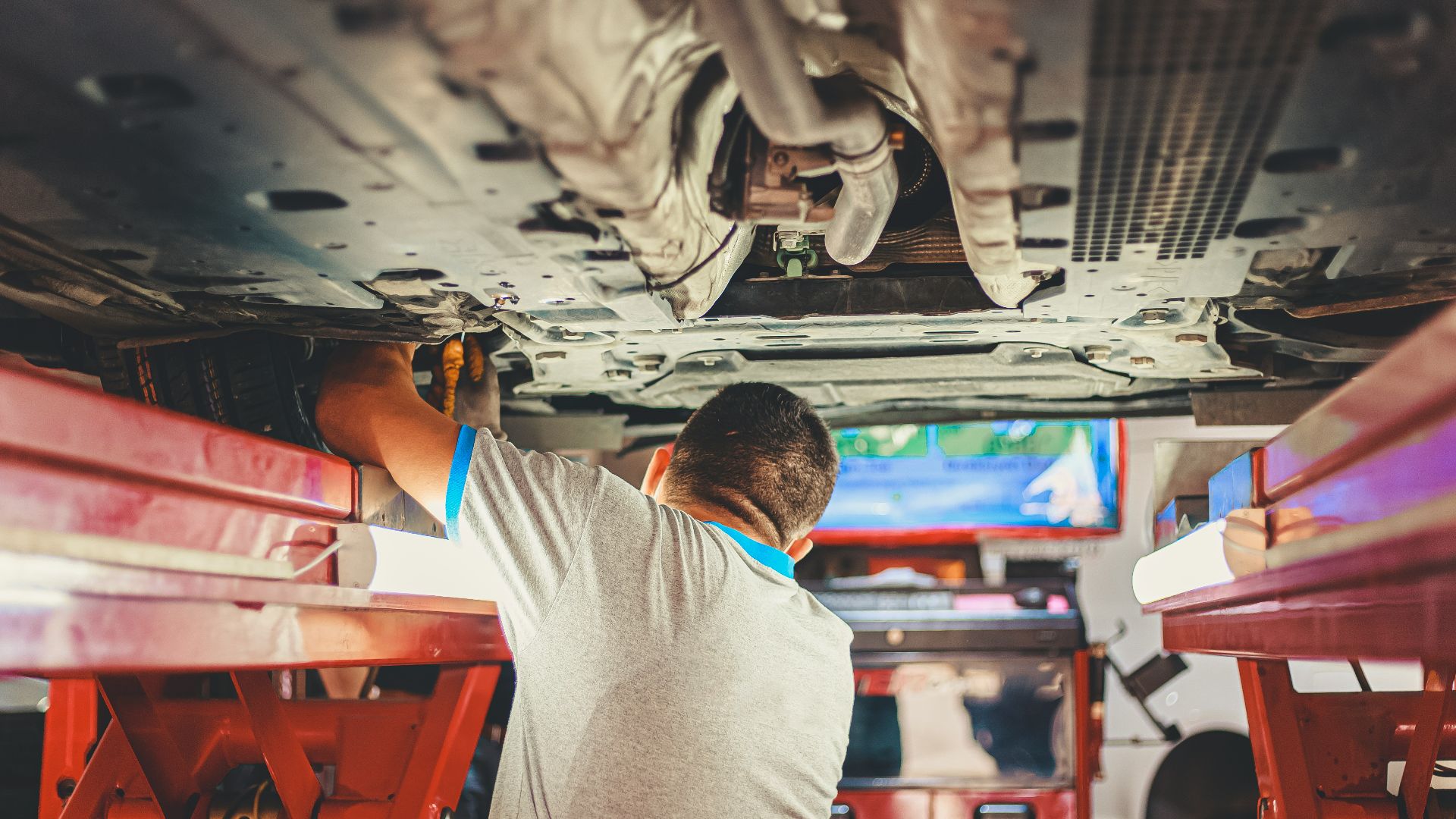
Modern cars use underbody coatings, plastics, sealers, and rubberized materials to help with noise, corrosion, and impact protection. Repeated exposure to petroleum products can wear down some of those materials over time. One splash is very different from months of runoff, but repeated soaking is where a nuisance can turn into real wear.
Belts And Hoses Hate The Wrong Chemicals
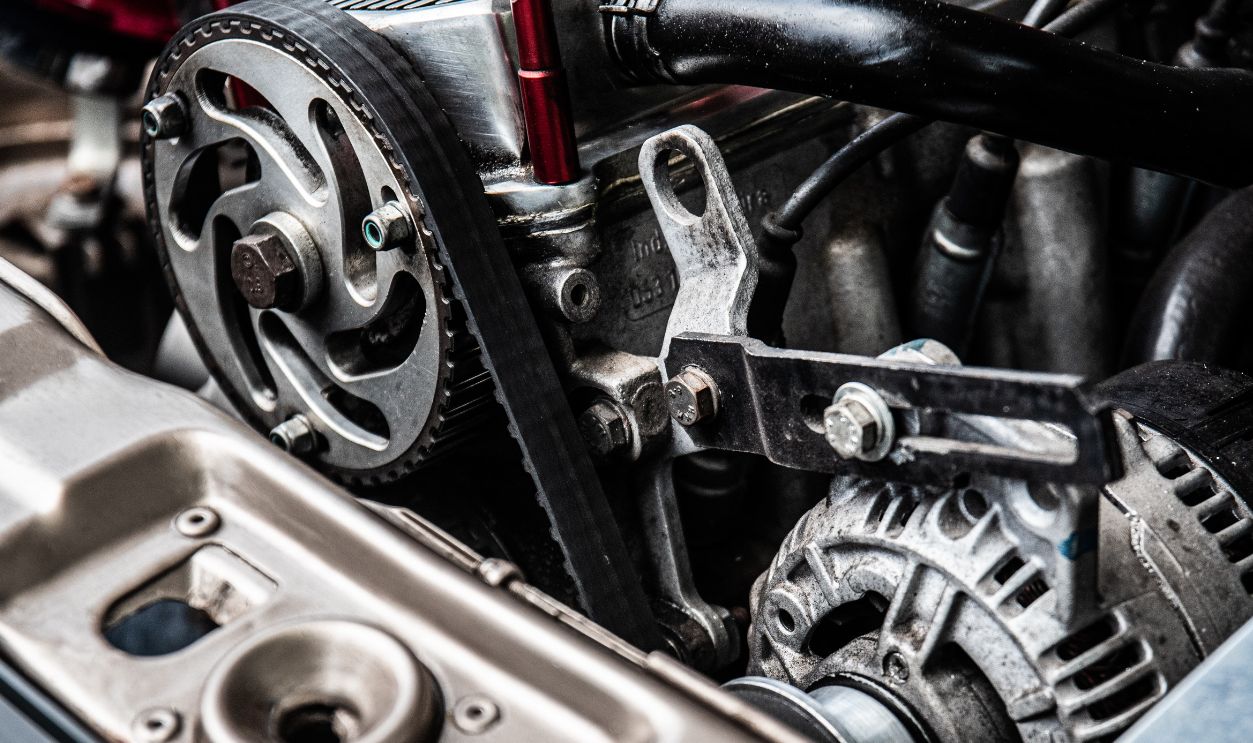
Accessory belts and coolant hoses are made to handle heat and certain fluids in certain places, not roadside baths in mixed runoff. Gates, a major belt and hose maker, warns that oil and other chemical contamination can shorten belt life and damage rubber parts. If pooled runoff reaches low-mounted components on an older vehicle, that is bad news.
Why The Mixture Matters
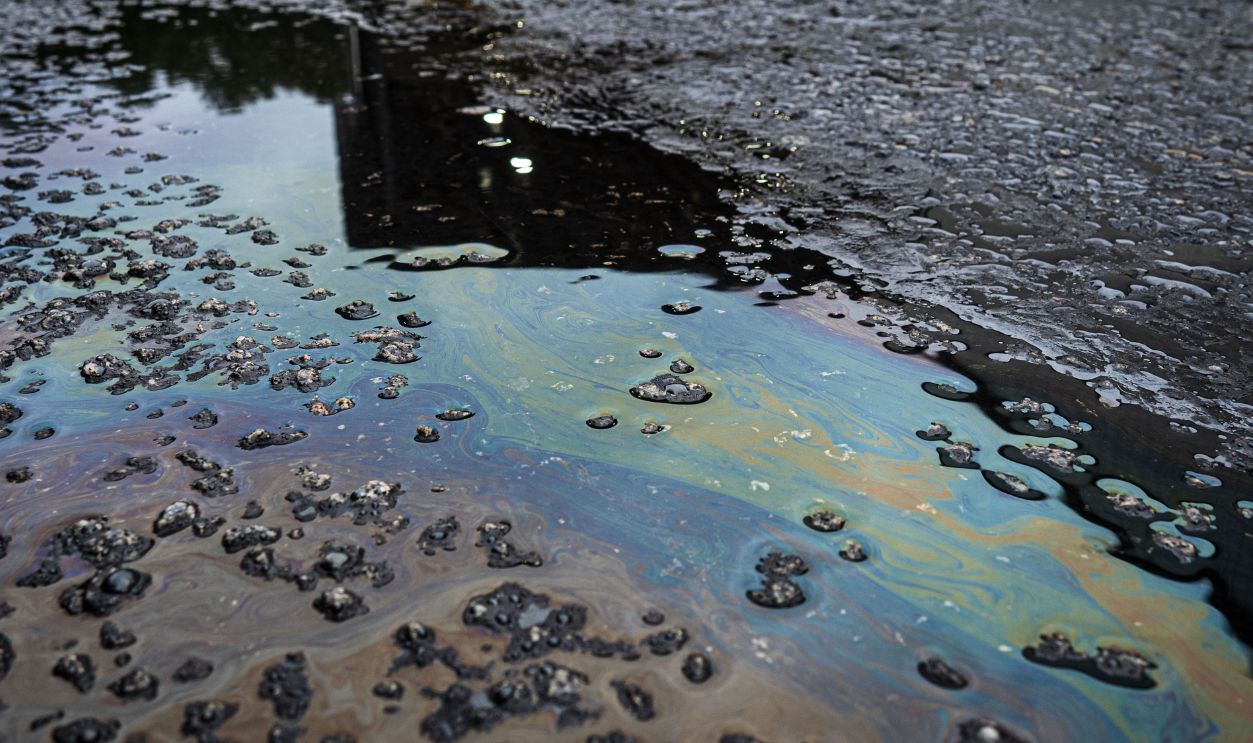
Driveway runoff is often not just coolant or just oil. It can be a mix of engine oil, transmission fluid, degreaser, brake dust, fuel traces, and soap, all thinned out with water. That kind of chemical soup is harder to predict because different fluids affect different materials in different ways.
Low Cars Face More Exposure
A lowered sedan, sports car, or small hatchback sits closer to whatever is flowing downhill. That makes it more likely that pooled fluid will reach suspension parts, aero trays, brake backing plates, and wiring shields. A taller SUV may avoid some of that contact, but no vehicle gains anything from sitting in chemical runoff.
 Abhishek Mamidipally, Unsplash
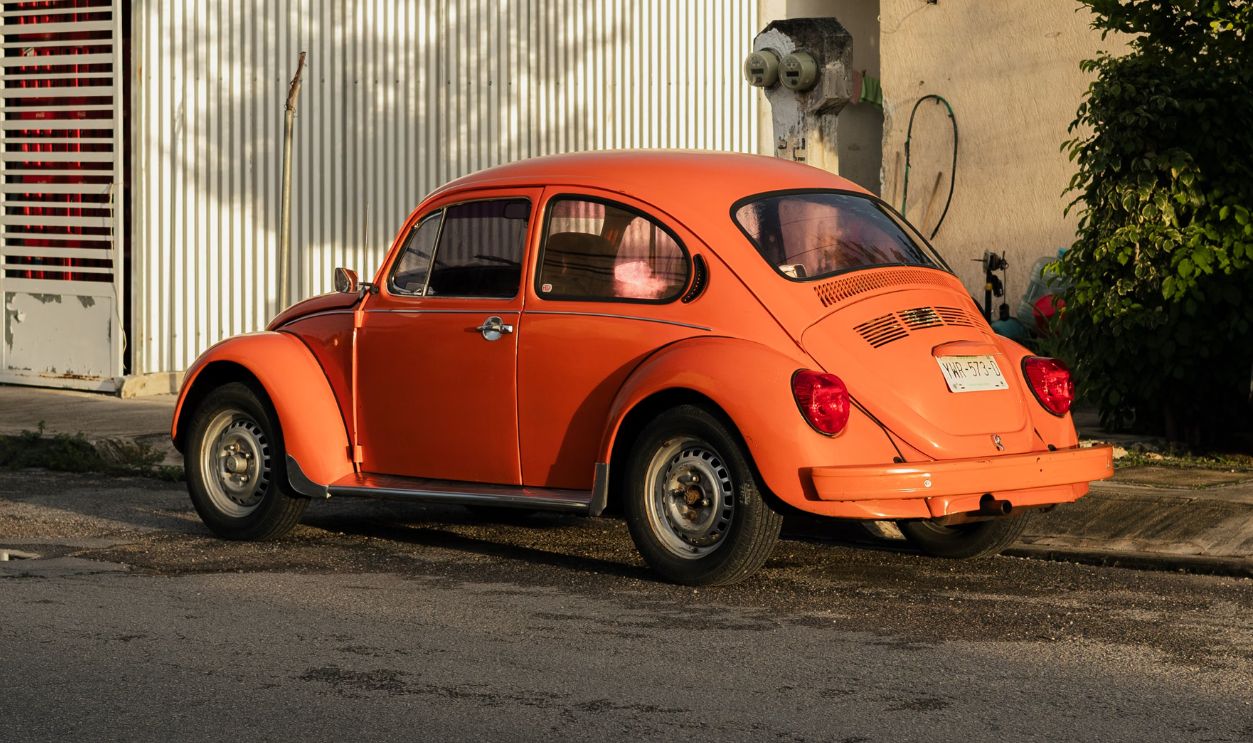
Older Cars Are Often More Vulnerable
Age matters because rubber, coatings, and seals get harder and more brittle over time. A newer car may handle light accidental exposure better than a 15-year-old daily driver with worn bushings and aging underbody plastics. Repeated soaking can take advantage of weak spots that already exist.
There Is Also A Dirt Magnet Effect
Oil residue does not stay clean for long. It grabs onto grit, road dust, and debris, creating a layer of abrasive grime on suspension and underbody surfaces. That mess can hide leaks, make inspections harder, and turn routine maintenance into a sticky job.
Wildlife And Pets Face A Bigger Immediate Danger
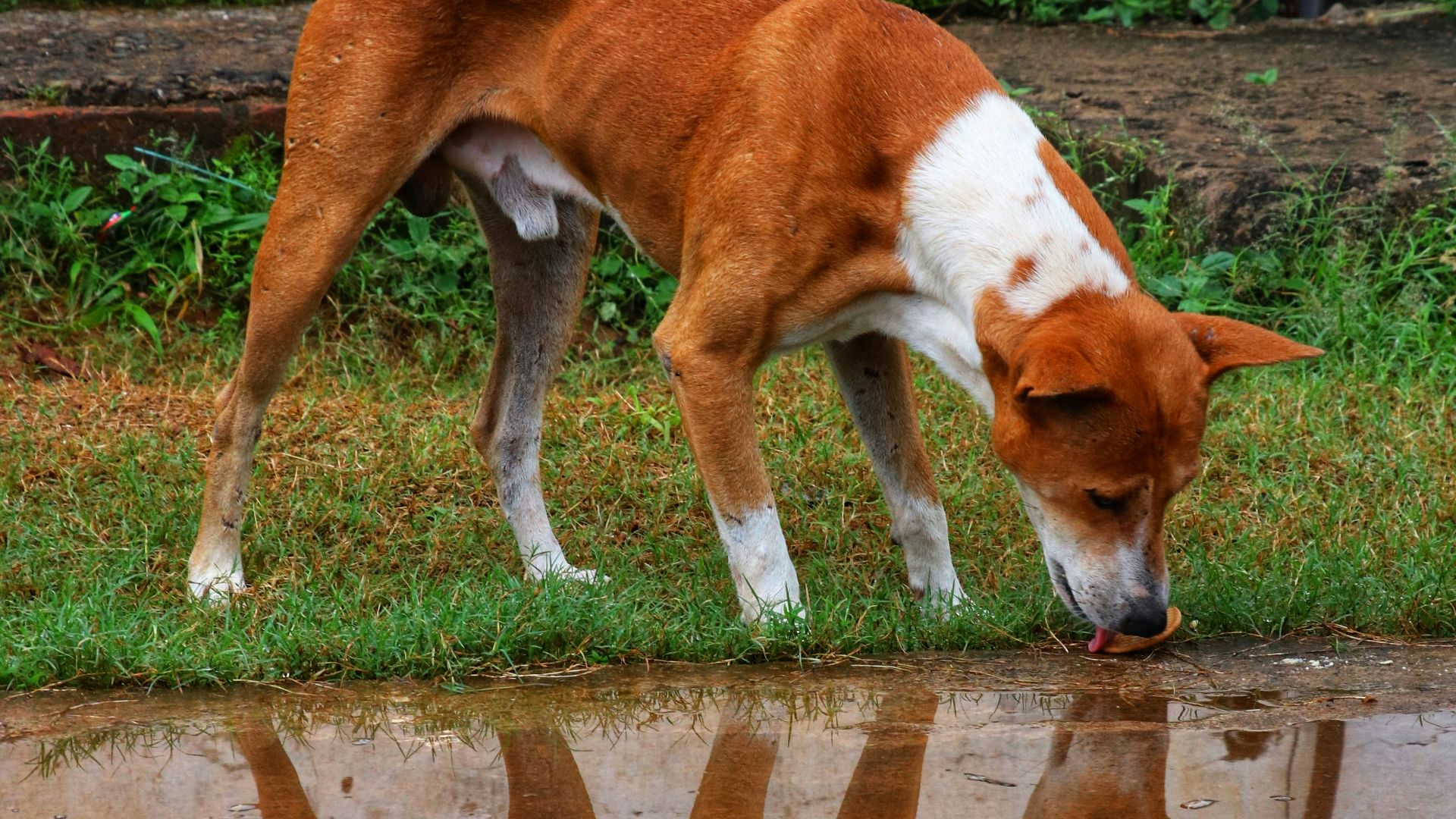
Even if the car damage ends up being limited, the risk to animals and the environment is serious. Ethylene glycol coolant has long been known to be toxic if swallowed, and many state agencies warn that its sweet taste can attract pets and wildlife. Oil runoff can also carry harmful hydrocarbons into storm drains and waterways.
What Federal Regulators Say About Oil Runoff
The EPA has repeatedly warned people not to dump used oil into streets, gutters, or storm drains. Its guidance on used oil says that even small amounts can pollute large volumes of water. That is one big reason local rules often ban letting automotive fluids run into the street.

Local Codes Usually Back This Up
Cities and counties across the United States commonly ban non-stormwater discharges into municipal storm drain systems. Automotive fluids are one of the standard examples listed in local stormwater enforcement materials. In plain English, hosing oil and coolant into the gutter is usually not just inconsiderate, it may also be illegal.

How Much Damage Is Realistically Likely
For most parked cars, one small runoff event is more likely to leave behind residue, smell, and traction concerns than major mechanical damage. The risk gets higher with repeated exposure, larger amounts of fluid, hotter weather, and vehicles that sit in the pooled area for long stretches. Think buildup over time, not instant disaster.

Signs Your Car Got Exposed
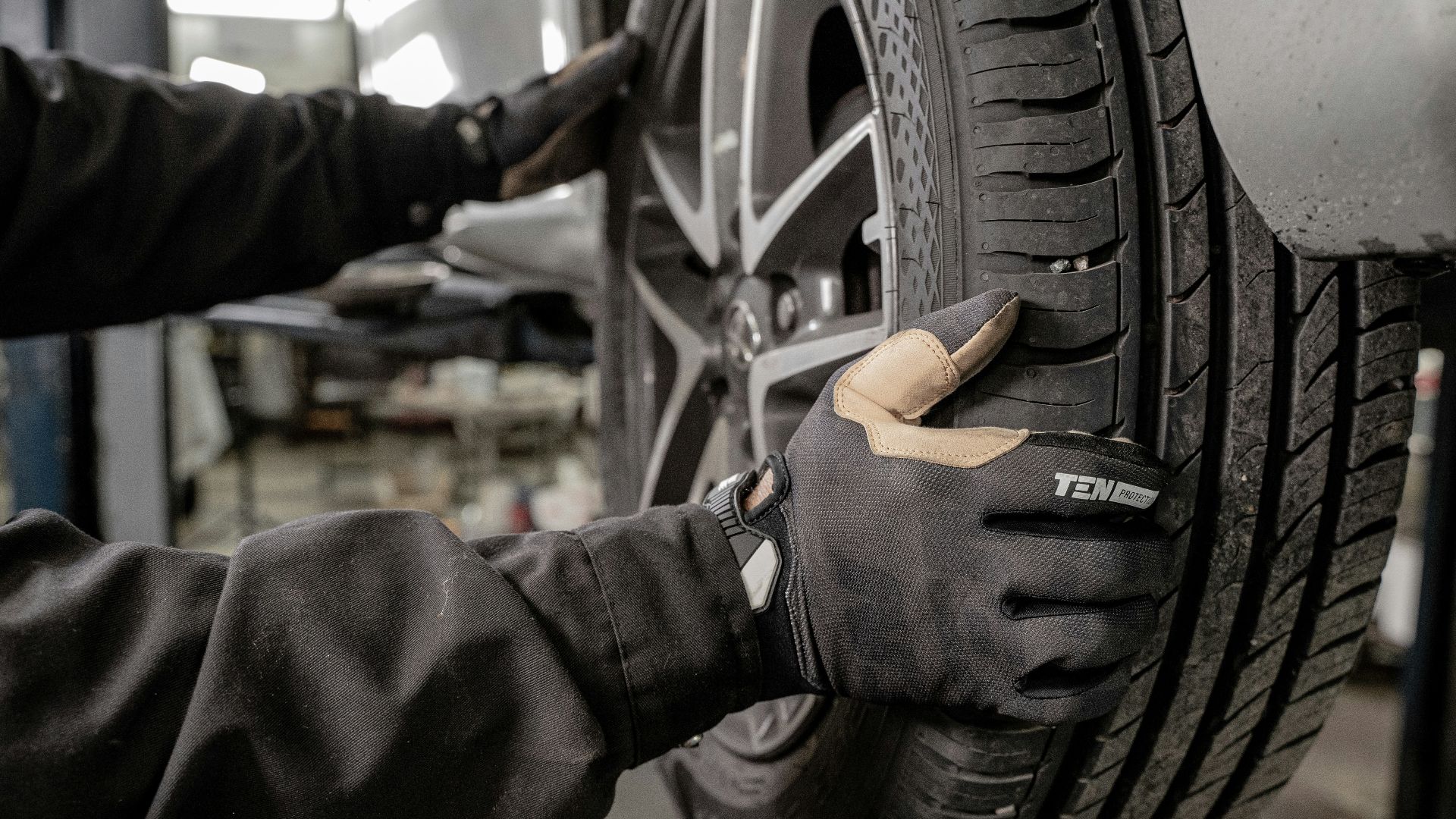
Check for an oily sheen on the pavement around your tires, rainbow film in puddles, a sweet chemical smell, sticky residue on lower body panels, and extra grime under the car. After moving it, listen for brake noise and pay attention to any slippery feeling during the first few stops. If coolant dried on the paint, you may notice spots or streaks near the rocker panels.
What To Do Right Away
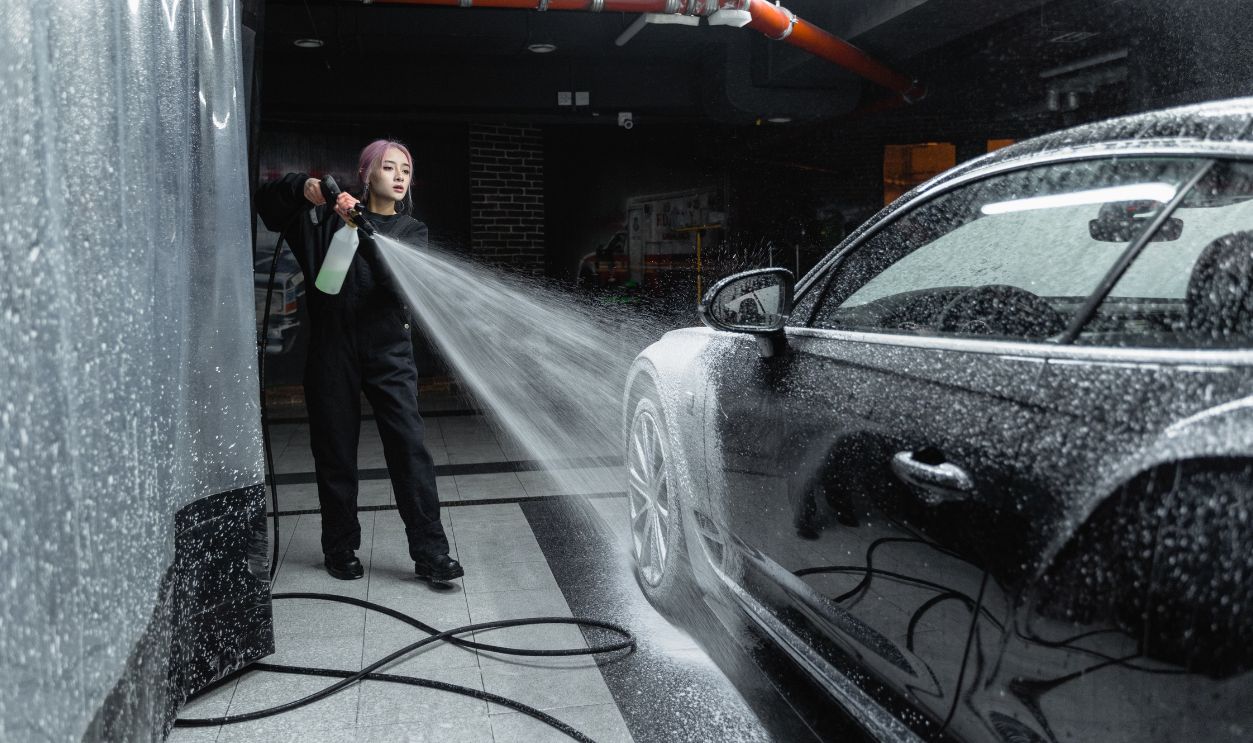
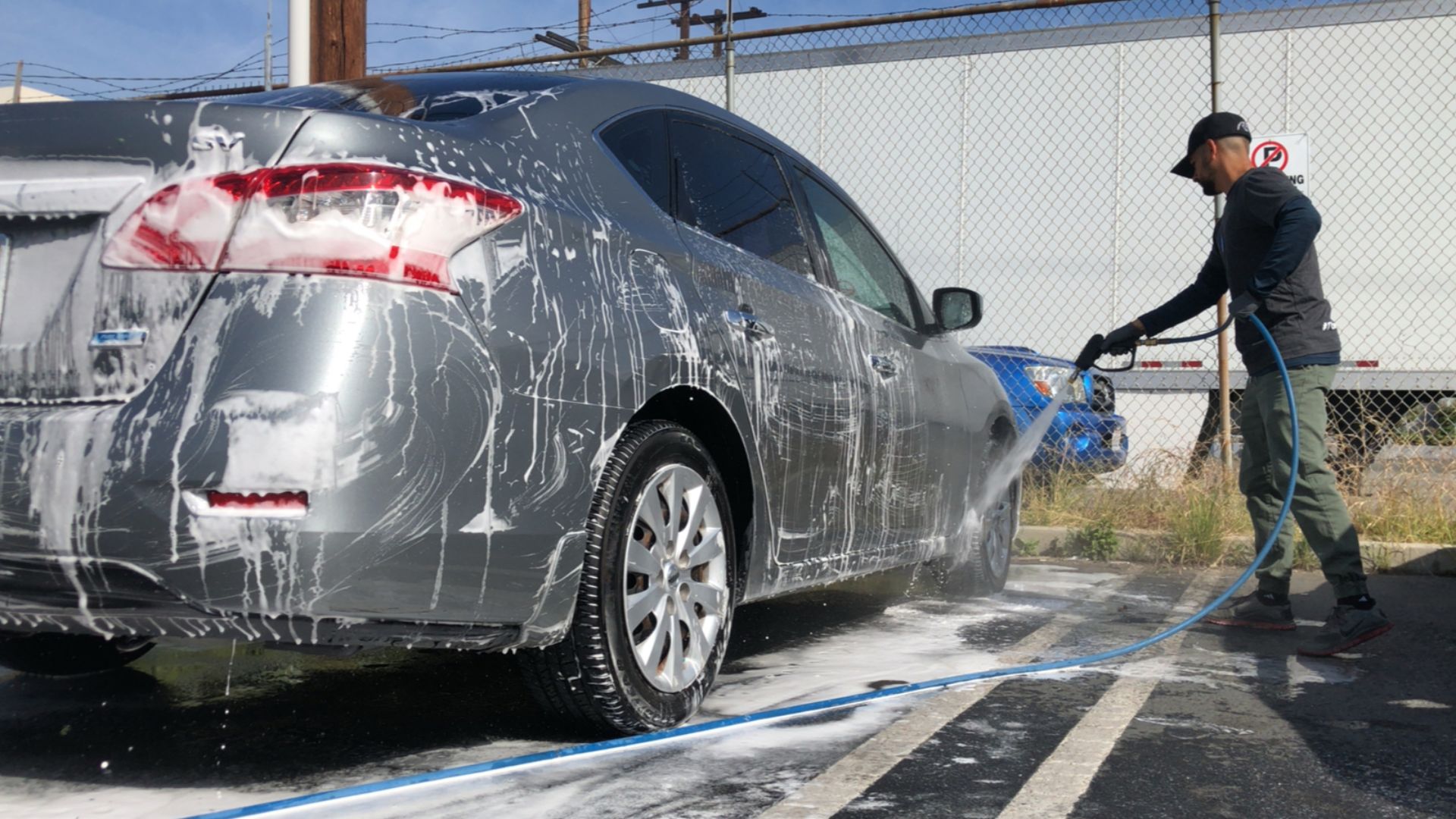
If you think runoff reached your car, rinse the lower body and undercarriage with water as soon as you can, then wash the area with car-safe soap. Avoid harsh household degreasers on paint unless the label says they are safe for automotive finishes. If oil may have reached the brakes, have them inspected instead of assuming everything is fine.
When A Professional Inspection Makes Sense
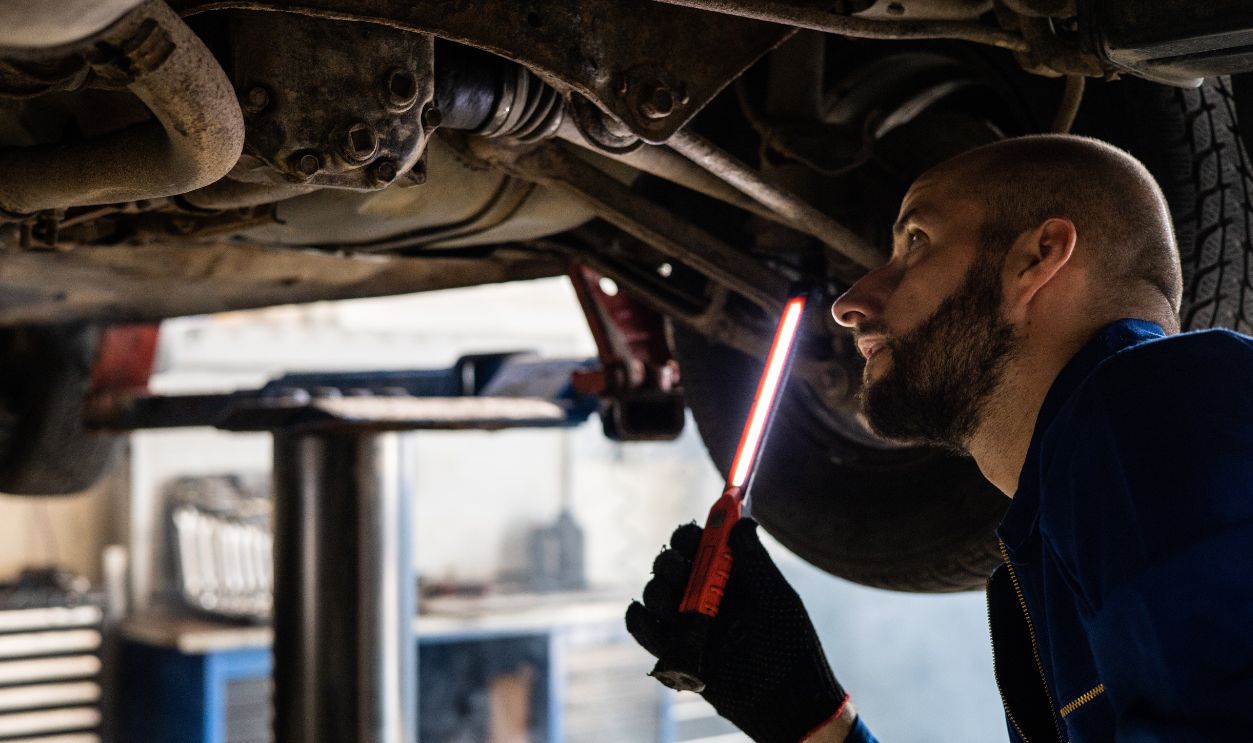
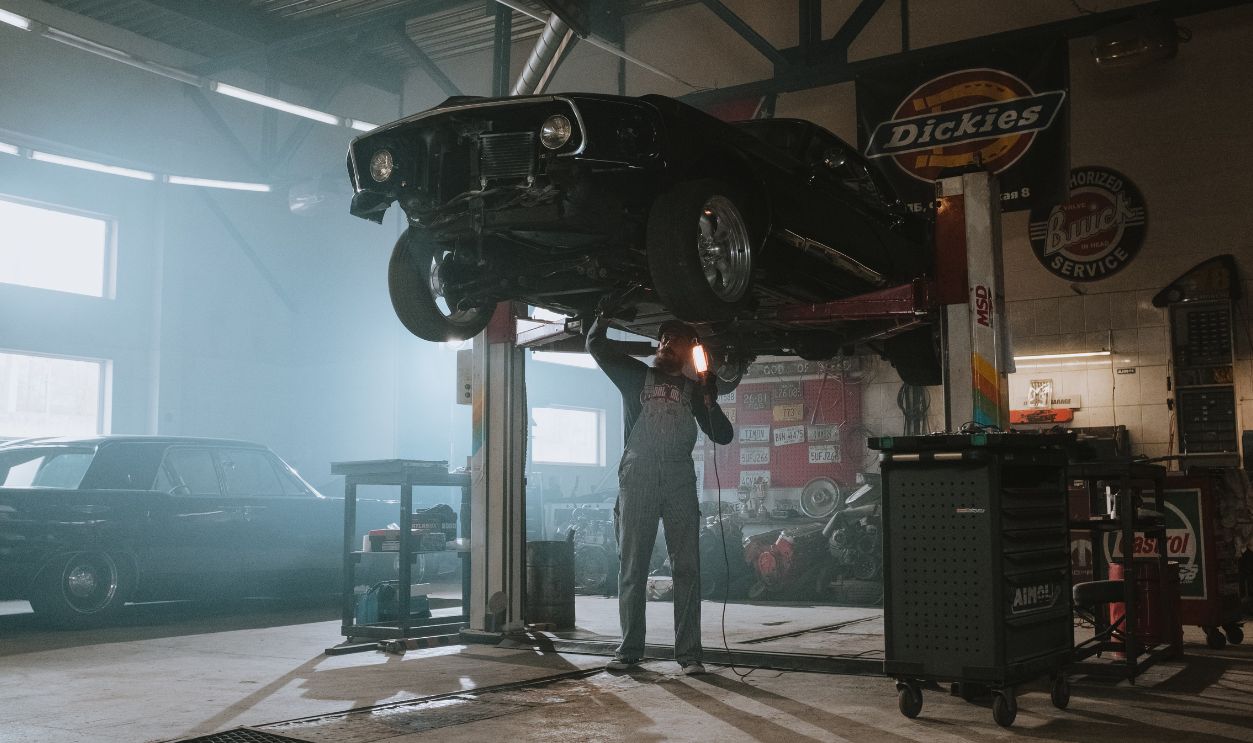
If the car sat in a large pool, if you can see fluid on suspension or brake parts, or if this keeps happening, getting a mechanic to inspect it is a smart move. A shop can check for contaminated brake parts, softened bushings, soaked splash shields, and residue around belts or hoses. That matters even more for older cars and low-clearance vehicles.
How To Document The Problem
Take clear photos and video of the runoff path, the fluids in the street, the location of your parked car, and any residue left behind. Write down the date, time, weather, and whether it has happened before. Good records help if you need to talk with a neighbor, a homeowners association, code enforcement, or your insurance company.

Talking To The Neighbor Without Starting A War
Start with concern, not blame. A simple explanation that oil and coolant runoff can harm the environment and may affect cars parked downhill is often more useful than going in angry. A lot of people do not realize that the curb leads straight to storm drains or that local rules may ban what they are doing.

Better Ways To Clean Up Automotive Fluids
Dry absorbents like cat litter, oil absorbent granules, and shop pads are usually the first step for driveway spills. Once most of the spill has been absorbed, the leftover residue should be cleaned in a way that keeps wash water out of the street, or handled by a professional if the spill is large. Used absorbent and recovered fluids should be thrown away according to local hazardous waste rules.
 Juanacosta84, Wikimedia Commons
The Bottom Line For Cars Parked Downhill
Yes, runoff from oil and coolant can damage cars parked downhill, but the danger is usually gradual and depends on the situation more than people think. The most immediate risks are slick pavement, dirty residue, and possible contamination of brakes or rubber parts if the exposure is repeated or heavy. The best move is to stop the runoff at the source, clean any exposed car quickly, and treat the issue as both a car problem and an environmental one.