That Parked RV Can Be A Real Safety Problem
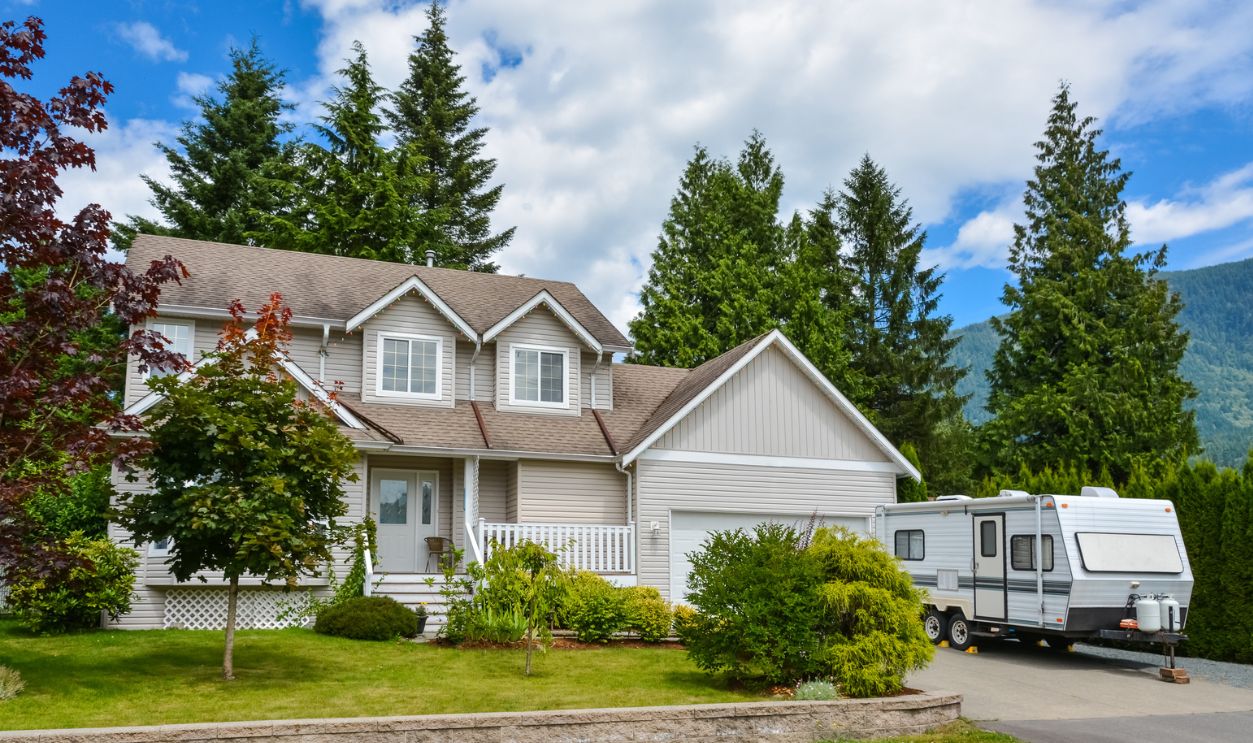
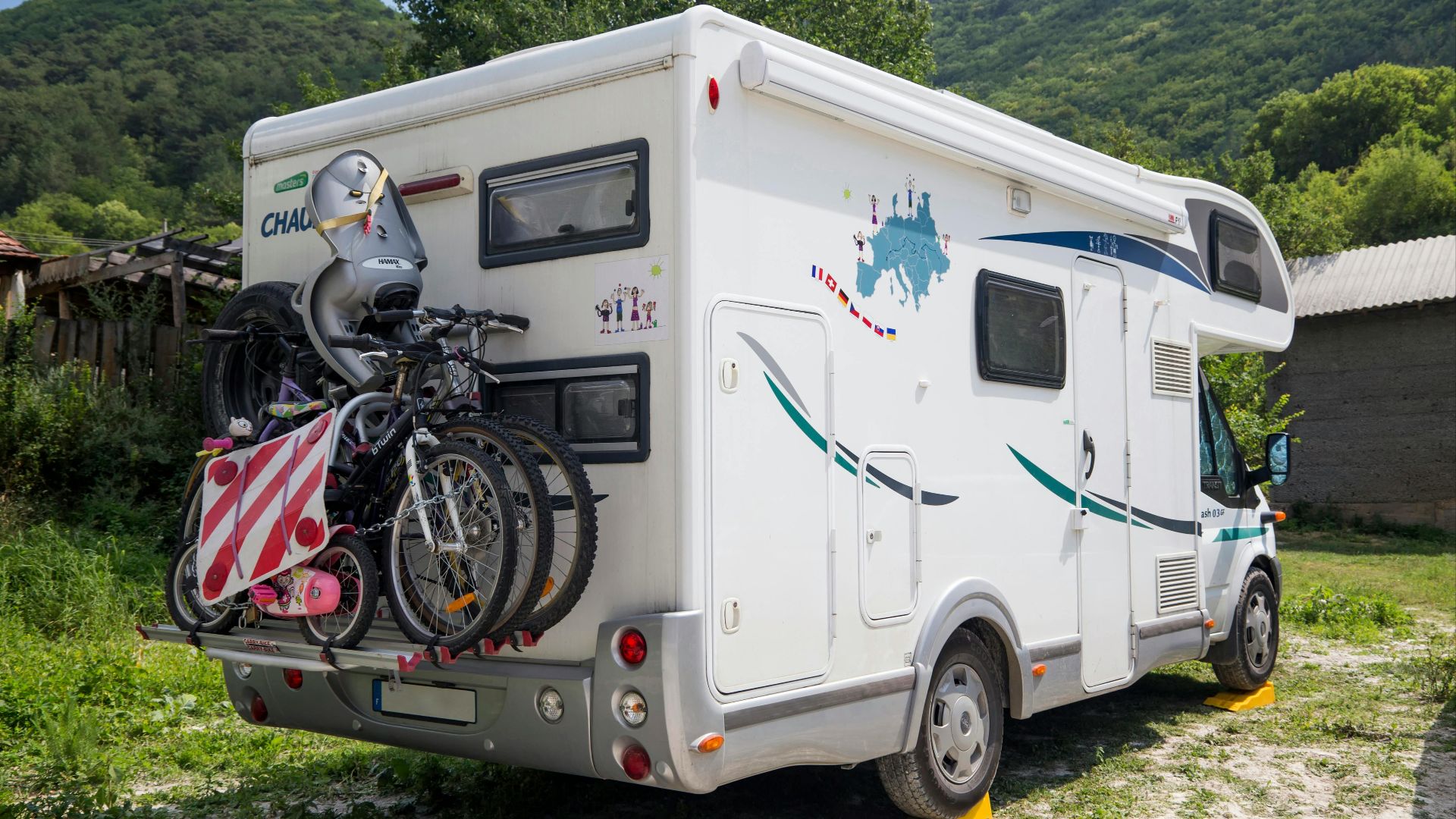
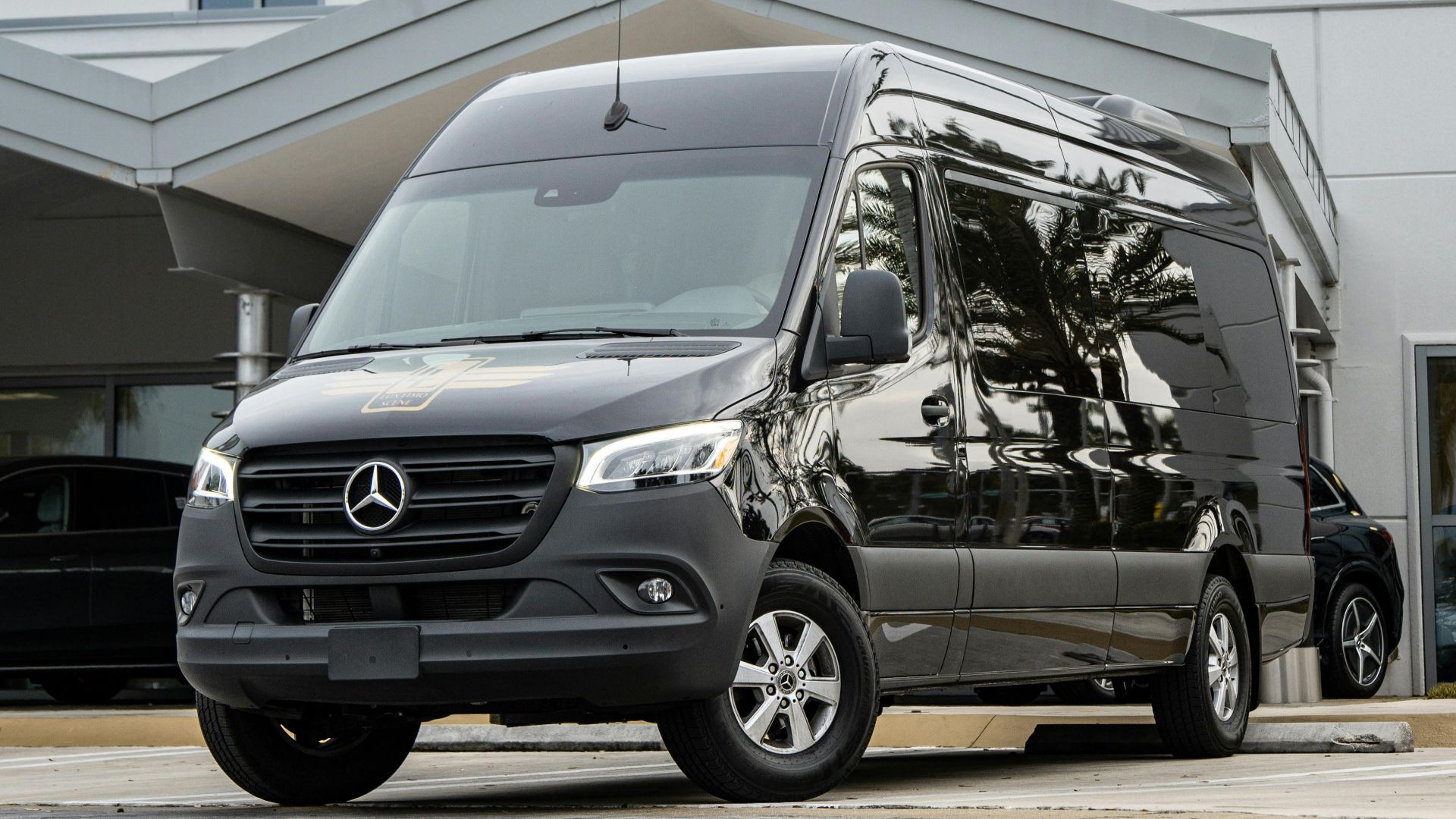
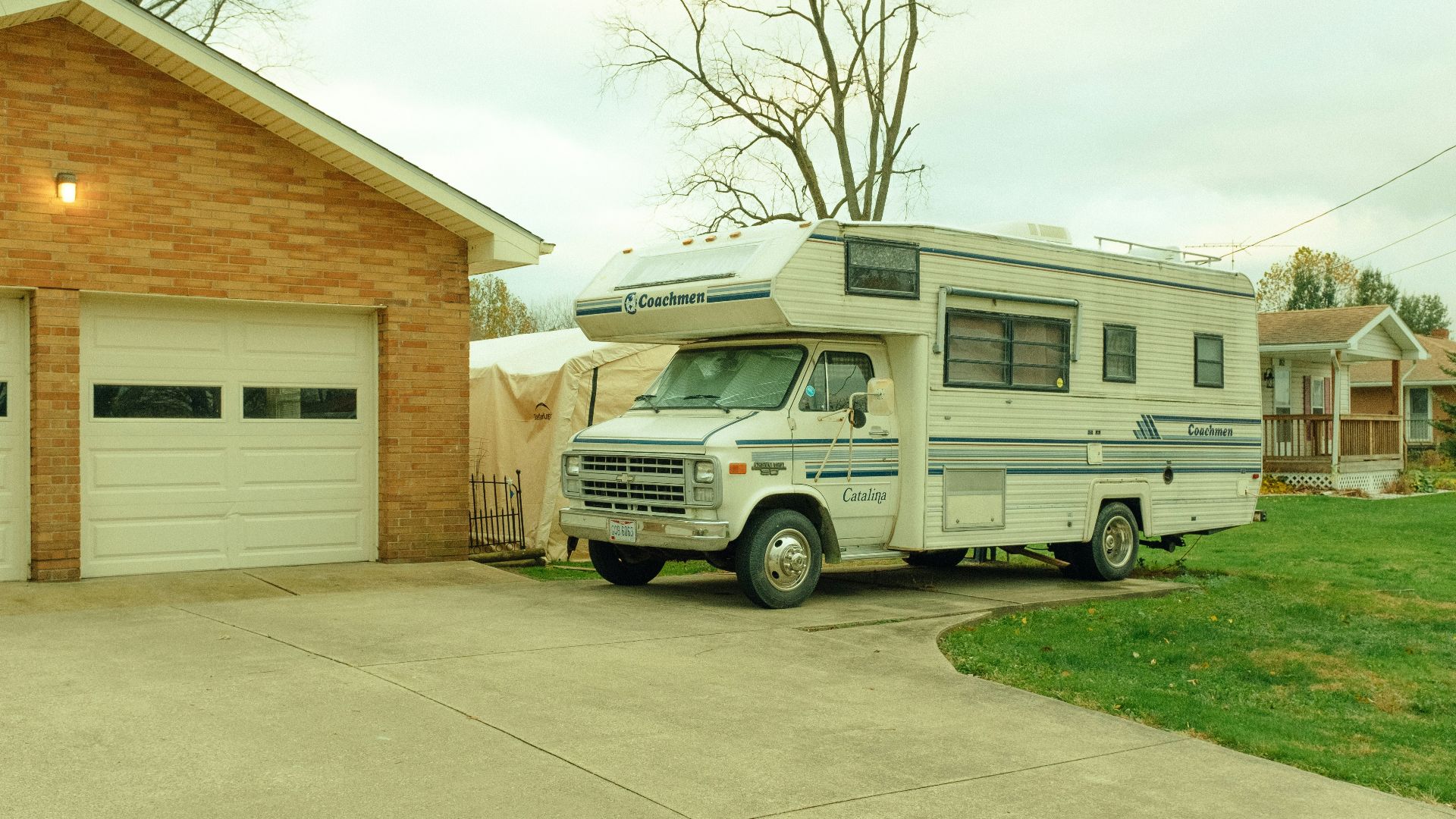
A tall, long vehicle can block the view you need to spot oncoming cars, pedestrians, cyclists, and kids before you back out or pull forward. It makes sense to want it off your curb. But is it also a legal violation? Many American cities absolutely address visibility near driveways in their local parking bylaws, so it very well could be.
Why Visibility Matters More Than Many Drivers Realize
Driveway disputes can seem like a minor neighborhood headache until the safety risk becomes clear. The Federal Highway Administration has long treated sight distance as a basic road safety issue because drivers need enough clear view to spot hazards and react in time. When a parked vehicle blocks that view, the chance of a crash can go up even if the vehicle is technically parked legally.
The Main Question Usually Comes Down To Local Law
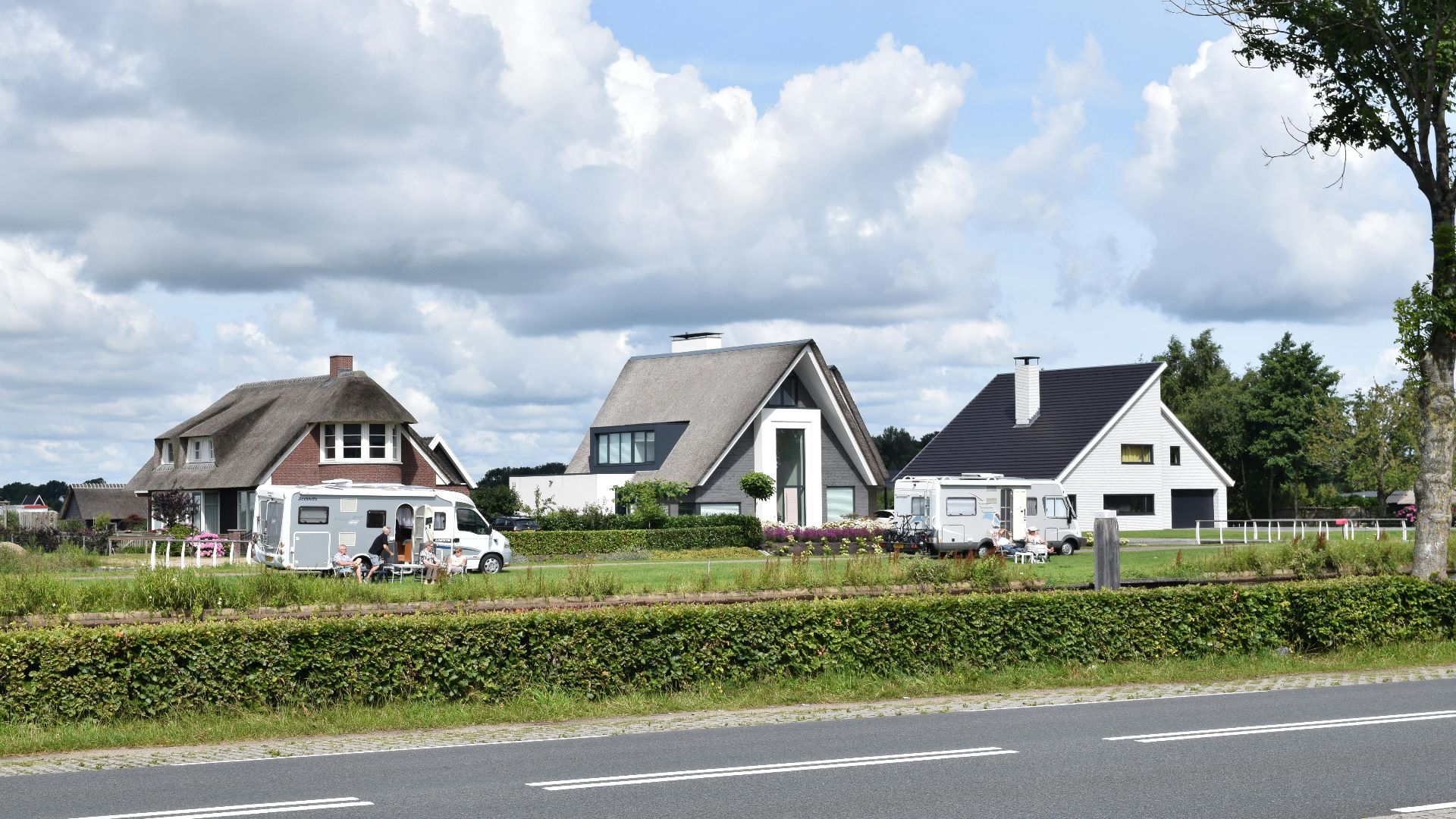
There is no single nationwide rule saying an RV parked across from a driveway is always illegal. Parking rules are usually set by state law, city ordinance, county code, or homeowners association rules. So the answer can change from one street to the next, especially in places with special rules for oversized vehicles or RV parking on residential streets.
Federal Guidance Helps Explain The Safety Issue
The Federal Highway Administration's guidance on intersection sight distance says drivers need a clear view to judge gaps in traffic before entering a roadway. That rule is usually discussed for intersections, but the same idea applies when you are pulling out of a private driveway onto a public street. If a large RV blocks your view of approaching traffic, the safety problem is real even if the legal answer depends on local rules.

What Engineers Mean By Sight Distance
Sight distance is simply how much roadway a driver can see ahead or to the side. The American Association of State Highway and Transportation Officials, or AASHTO, treats it as a basic part of safer road design. In plain terms, if you cannot see far enough to make a safe move, the spot may be dangerous even before anyone writes a ticket.

Driveways Are Not Always Treated The Same As Intersections
This is where many of these disputes get messy. Some state and local codes clearly ban parking near intersections, crosswalks, fire hydrants, and driveways, but they do not always say much about the sight line of a driver leaving a driveway. In practice, that can mean an officer or parking official needs a specific ordinance to cite the RV unless it also breaks a broader rule about obstruction or unsafe parking.
Many States Clearly Ban Parking In Front Of Driveways
Most drivers already know you cannot block a driveway by parking directly in front of it. California Vehicle Code section 22500, for example, bans stopping in front of a public or private driveway, with limited exceptions. But a vehicle parked across the street from your driveway is a different issue, and that is where visibility rules usually depend more on local code wording.
California Shows How Gray This Can Get
California law clearly bans parking in front of driveways and near some intersections, crosswalks, and safety zones. It also lets local authorities regulate oversized vehicle parking in residential areas under certain conditions. Still, a neighbor's RV parked across from your driveway is not automatically illegal under state law unless it breaks a posted local restriction or some other specific parking rule.
Some Cities Directly Regulate Oversized Vehicles
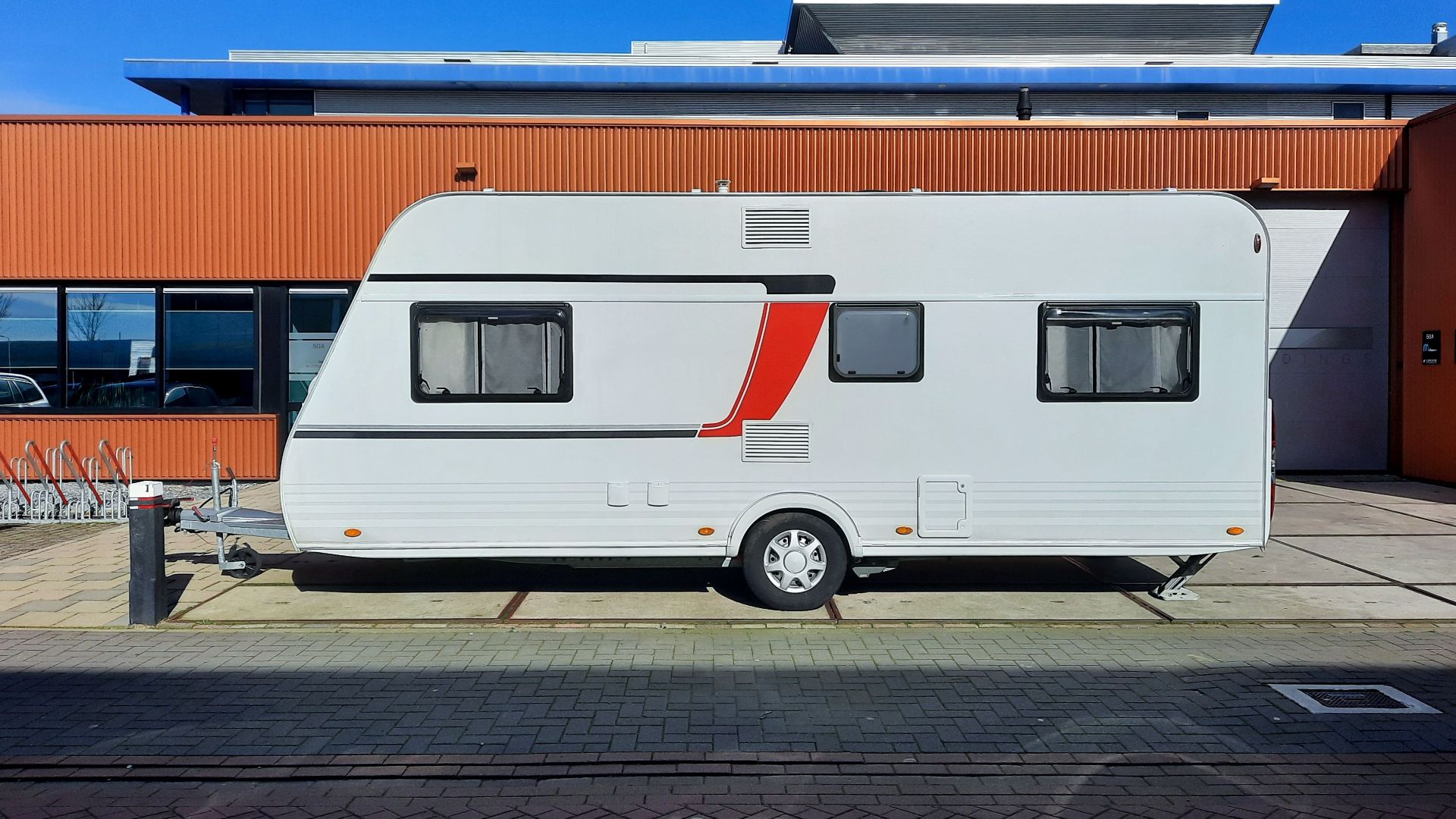
This is often where homeowners find the clearest rules. Cities commonly limit oversized vehicles, including RVs, from parking on residential streets for long stretches, overnight, or outside loading and unloading windows. If your city has that kind of ordinance, solving the problem may be easier than trying to prove a general sight line hazard.

Los Angeles Is One Example
Los Angeles has rules that limit oversized vehicle parking on city streets during certain hours unless permits or exceptions apply. Those rules exist in part because very large vehicles can create access and visibility problems on neighborhood streets. If your city has a similar code, the RV may be ticketable even if the complaint starts with blocked visibility.

Some Places Also Limit Parking Near Driveways
In a few places, local codes go beyond the basic rule against blocking a driveway. They may ban parking within a certain distance of a driveway, on narrow streets, or in a way that interferes with safe entry and exit. Those details matter because a clear setback rule is much easier to enforce than a general claim that visibility feels unsafe.
Intersection Rules Can Still Matter
If your driveway is close to a corner, the RV may also be breaking intersection parking limits. State laws often ban parking within a set distance of a crosswalk or intersection, and local signs may add more restrictions. In that situation, the visibility problem may overlap with a much easier parking violation to prove.

Crosswalks And Sidewalks Raise The Risk
A large RV can also hide pedestrians from view, which makes the problem bigger than your own ability to leave the driveway. The National Highway Traffic Safety Administration tracks pedestrian safety risks and regularly stresses the importance of visibility and driver awareness. If children or walkers often pass through the area, the blocked view becomes a stronger safety concern when you contact the city.
Backover Risk Is Part Of The Problem
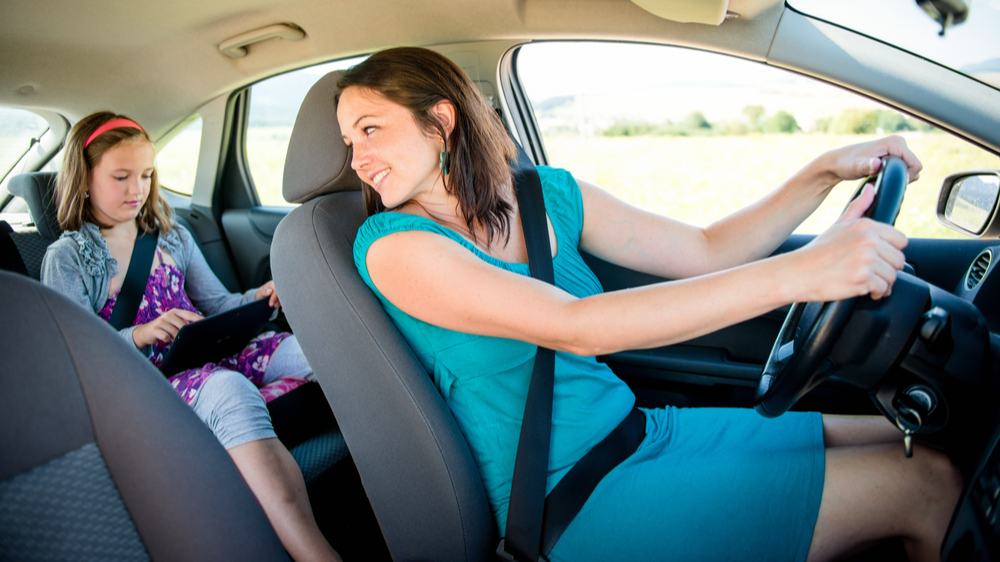
Drivers leaving driveways often have to creep out slowly when their view is blocked. NHTSA has documented the danger of backover crashes, especially for children and other vulnerable road users in residential areas. A tall vehicle parked opposite your driveway can force exactly that kind of careful but still risky move.
Fire Access And Street Width Can Matter Too
On narrow residential streets, a large RV may create more than a visibility problem. Local fire codes or parking rules sometimes require enough open width for emergency vehicles to get through. If the RV narrows the lane while also blocking your view, code enforcement may have another solid reason to act.
HOA Rules Can Matter More Than You Think
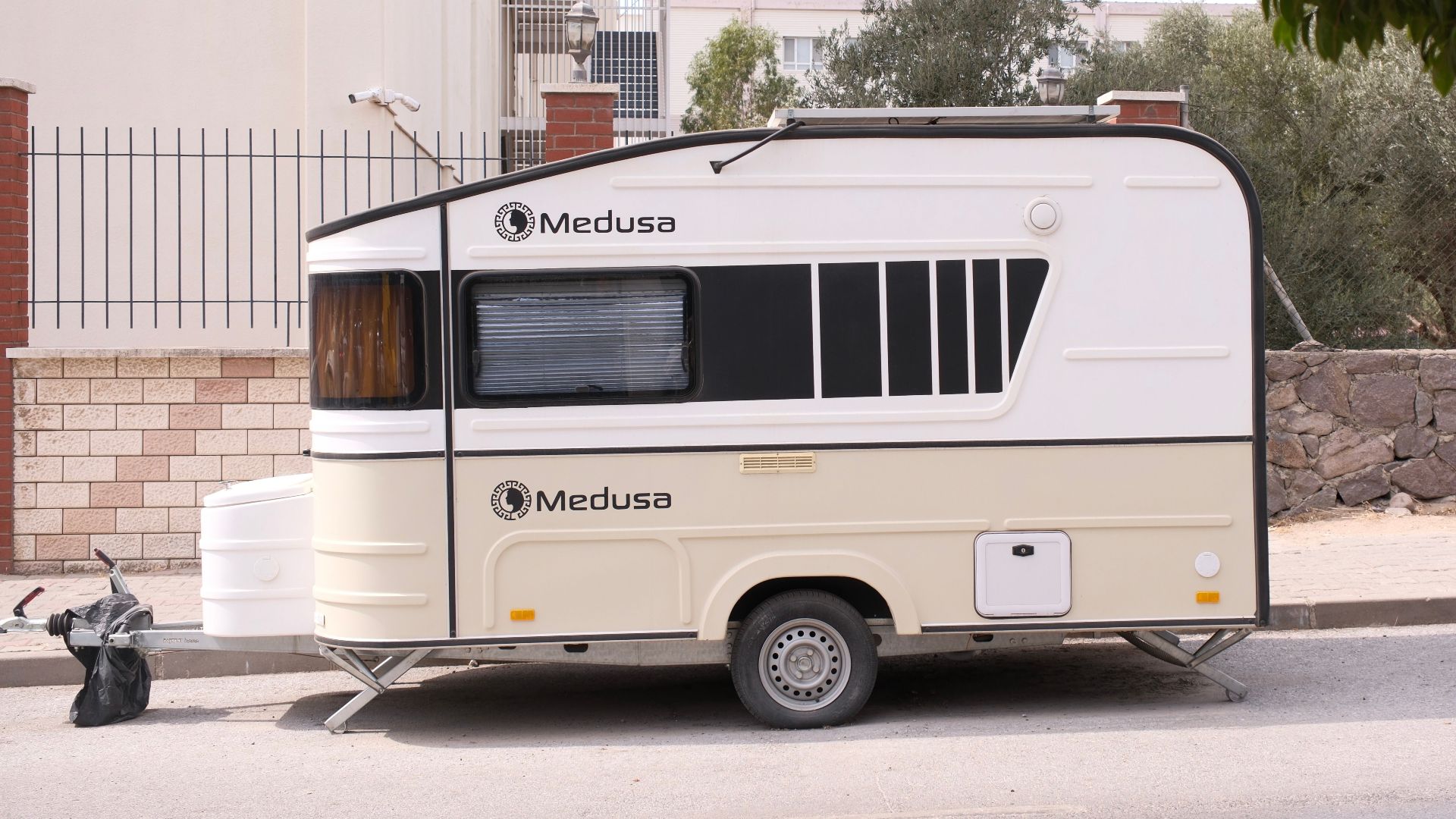
If you live in a neighborhood with a homeowners association, check those rules before assuming this is only a public law issue. Many HOAs restrict RV parking, storage, or street parking in residential areas. An HOA cannot replace city law, but it can give you another route to get the vehicle moved.

Document The Problem Before You Report It
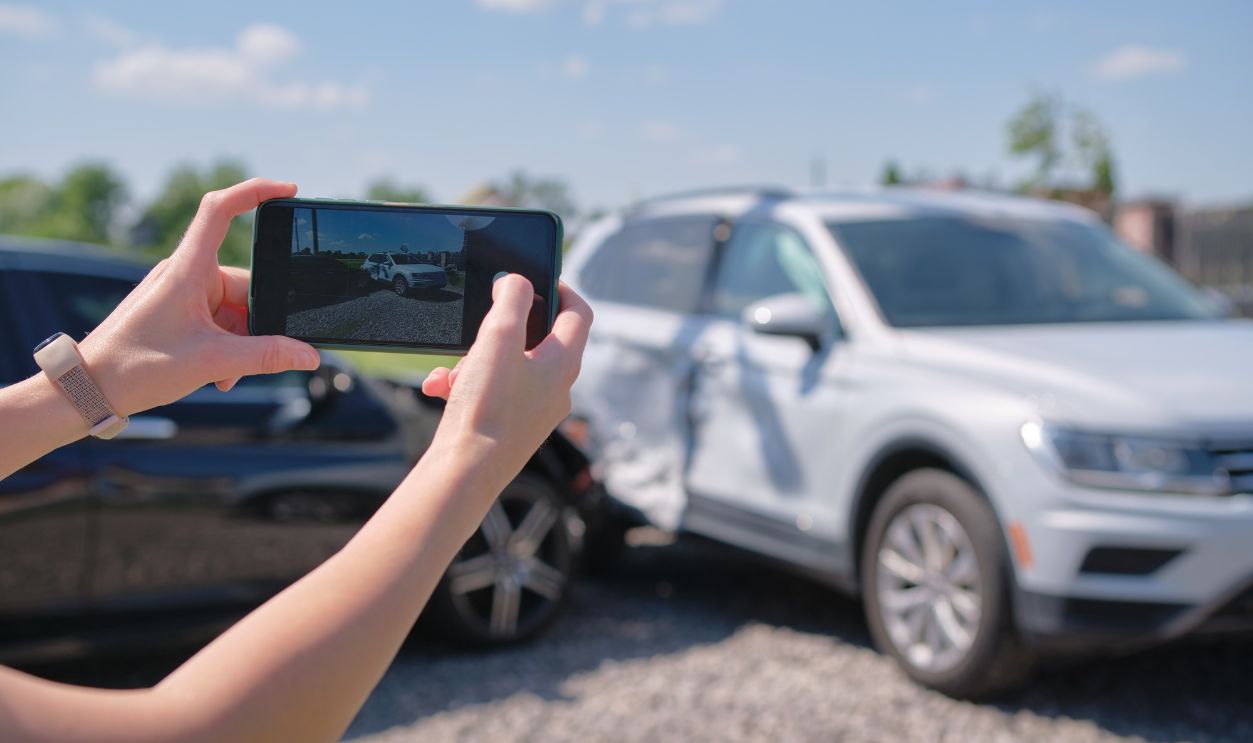
If the RV is creating a dangerous blind spot, gather clear evidence. Take photos from the driver's eye level inside your vehicle while it is parked in your driveway, and note the date, time, and position of the RV. If it keeps happening, a short log can help code enforcement or police see that this is an ongoing issue, not a one-time annoyance.
Check Signs And Curb Markings First
Before you call anyone, look closely at the curb and nearby signs. Time limits, oversized vehicle restrictions, street sweeping rules, red curbs, and permit parking zones can all affect whether the RV is legally parked. Sometimes the quickest answer is posted a few feet away.

Then Look Up Your City Code
Most cities now post their municipal codes online, and many let you search sections on parking, oversized vehicles, and nuisance issues. Search terms like oversized vehicle, recreational vehicle, driveway obstruction, sight distance, and parking setback can help you find the right language. If you find a useful code section, save it before calling so you can point to it directly.

Police And Parking Enforcement Are Different Tools
If the RV appears to be breaking a parking rule, your city parking enforcement office may be the best first call. If the situation feels immediately dangerous, such as repeated near misses or blocked emergency access, the non-emergency police line may also make sense. Reaching the right department first can speed things up and keep you from being sent in circles.
Code Enforcement May Be Best For Long Term RV Parking
Oversized vehicle issues often end up with code enforcement instead of patrol officers. That is especially true when the problem involves residential storage, permit rules, or repeated overnight parking rather than a basic no-parking zone. Ask which department handles RV street parking and whether you can submit photos with the complaint.

Talking To Your Neighbor May Still Work
Not every RV dispute has to turn into a formal complaint right away. Your neighbor may not realize how badly the vehicle blocks your view from the driveway. A calm, direct conversation focused on safety instead of blame can sometimes solve the problem faster than any code search.

Be Clear About The Risk
If you talk to your neighbor or a city official, explain exactly what you cannot see. Say whether the RV blocks cars coming from one direction, hides pedestrians on the sidewalk, or forces you to nose into the street before you can check traffic. That kind of detail makes the hazard easier to understand and harder to brush off.
 RealPeopleStudio, Shutterstock
Near Misses Matter Even Without A Crash
You do not have to wait for an accident before raising the issue. Traffic safety experts often treat repeated near misses as warning signs that a location needs attention. If you or your family have had to brake suddenly, stop in the roadway, or back in and out several times just to see around the RV, include that in your report.
What Makes A Stronger Legal Case
Your complaint is stronger if the RV breaks a posted sign, an oversized vehicle ordinance, an intersection setback, a street width rule, or an HOA restriction. It is weaker if the complaint is based only on the feeling that the vehicle is too large for the spot. The more specific the rule, the easier it is to enforce.
 https://kaboompics.com/, Pexels
What Not To Do
Do not block the RV yourself, mess with it, leave threatening notes, or turn the issue into a heated street argument. That can turn a safety concern into a neighbor fight and may even create legal trouble for you. If a friendly approach does not work, stick to photos, local rules, and formal complaint channels.

So Is It A Safety Violation
The practical answer is maybe. From a safety standpoint, often yes. From a legal standpoint, not always automatically. A large RV blocking visibility across from your driveway creates a real sight line hazard recognized by traffic safety principles. Whether it is actually citable depends on the exact wording of your state law, city ordinance, posted restrictions, and any HOA rules that apply where you live.
The Smart Next Step
Start by checking local parking rules and any signs on the street, then document the blocked view with photos from your driveway. If you find an oversized vehicle rule or another clear restriction, contact parking enforcement or code enforcement with the details. If there is no obvious ordinance, you can still report the sight line problem and ask the city whether the location can be reviewed for safety.