
The Short Answer
Modern diesels do their best work when they fully warm up and spend time cruising at steady speeds. Without that, you can end up with clogged emissions parts, extra maintenance, and far less of the fuel-saving benefit diesel used to be so well-known for—and it has been getting worse for years.
 Antoni Shkraba, Pexels, Modified
Diesel Used To Have It A Lot Easier
There was a time when diesel was the clear pick for drivers who wanted strong torque and good highway fuel economy. That changed as emissions rules got stricter and diesel engines picked up more complex emissions systems. What used to be a simple, durable workhorse is now often a specialized setup that needs the right kind of driving.

Modern Diesel Is Not Old-School Diesel
Today’s diesel SUVs come loaded with emissions hardware that older diesels never had to deal with. The big pieces are the diesel particulate filter, or DPF, and systems that cut nitrogen oxides, often using diesel exhaust fluid, or DEF. These systems work well, but they need the engine and exhaust to stay hot long enough to do their job.
The DPF Is The Main Reason Short Trips Cause Trouble
The DPF catches soot that would otherwise come out of the tailpipe. Over time, that soot has to be burned off in a process called regeneration. If the SUV mostly does short city trips, the exhaust may never stay hot long enough for that cleaning cycle to finish properly.

What Regeneration Actually Is
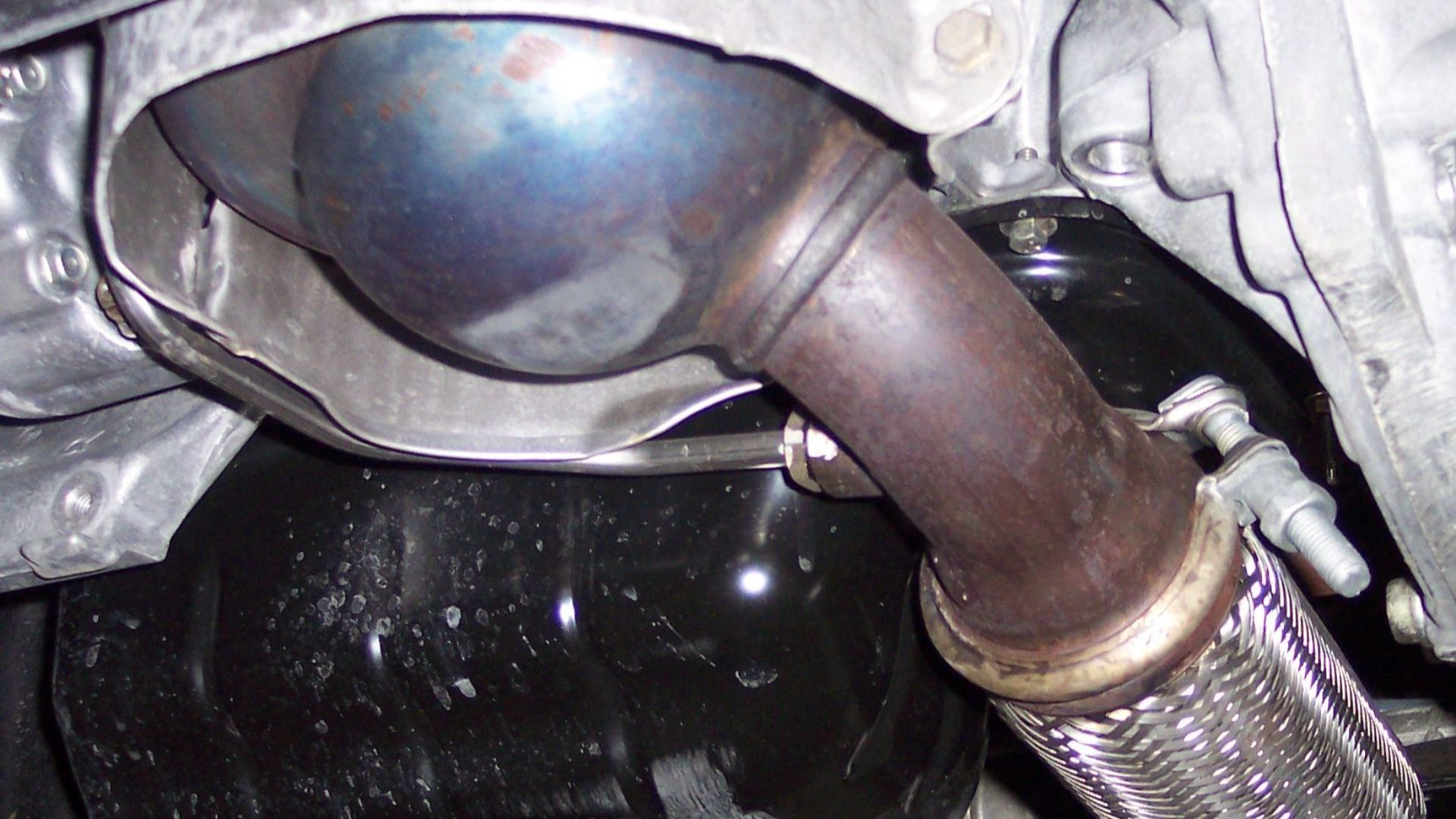
Regeneration is the filter-cleaning cycle that burns soot out of the DPF. Some systems can do it naturally during longer, hotter drives. Others trigger an active regen by raising exhaust temperatures. Either way, repeated short trips can interrupt the process and leave soot behind.
 Stahlkocher, Wikimedia Commons
What The EPA Says About Diesel Emissions Systems
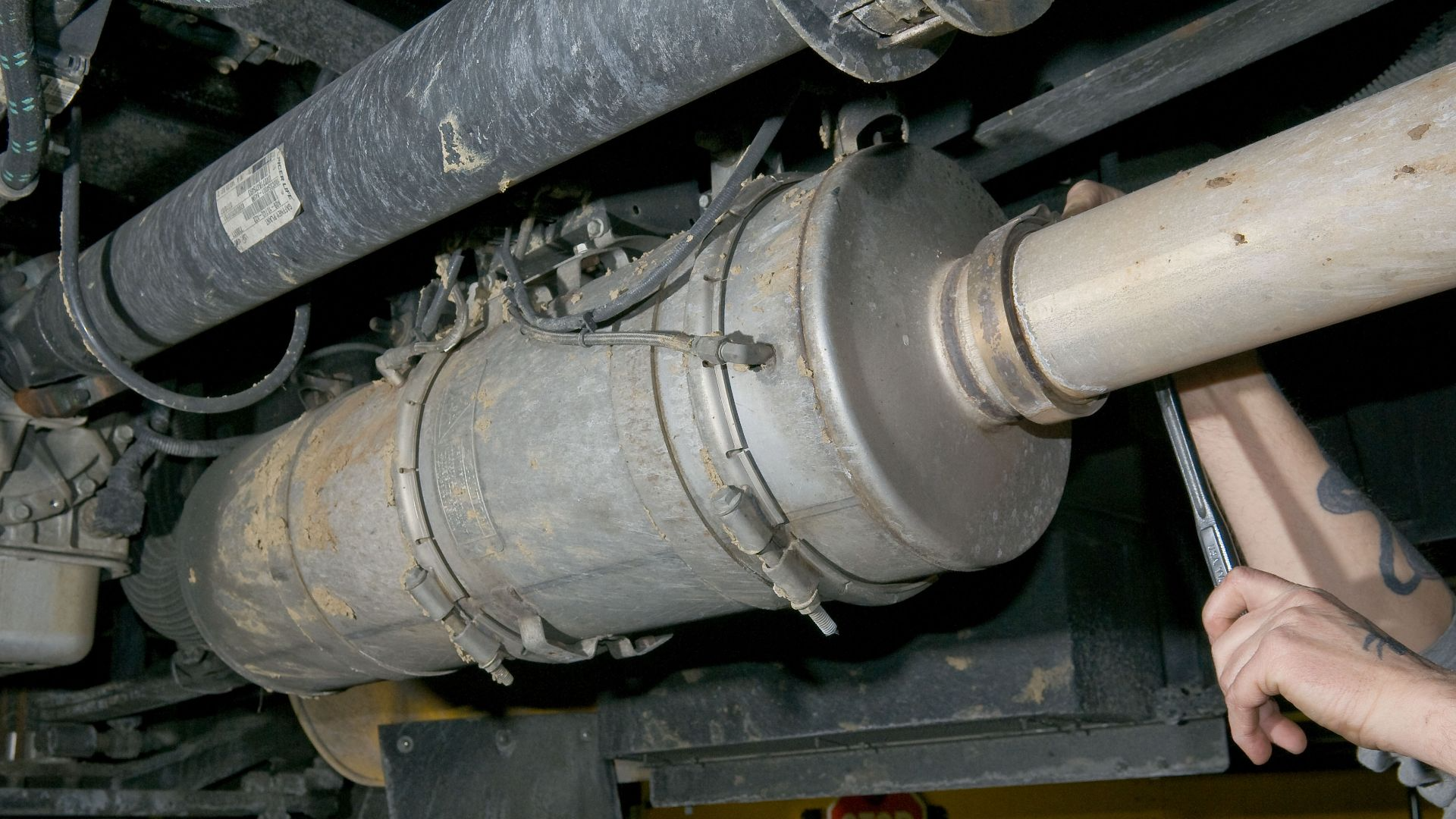
The U.S. Environmental Protection Agency says diesel particulate filters capture particulate matter and periodically remove it by oxidizing the trapped soot. That is not sales talk from a car company. It is a basic part of how the system works, and it shows why driving habits matter so much with a diesel.
 Environmental Protection Agency. 12/2/1970, Wikimedia Commons
Why City Driving Can Be A Bad Fit
City driving means lots of cold starts, low speeds, idling, and short run times. That is close to the worst-case setup for a modern diesel emissions system. If the SUV never gets a proper run, the DPF can fill up faster than the vehicle can clean it out.

The Warning Lights You Do Not Want
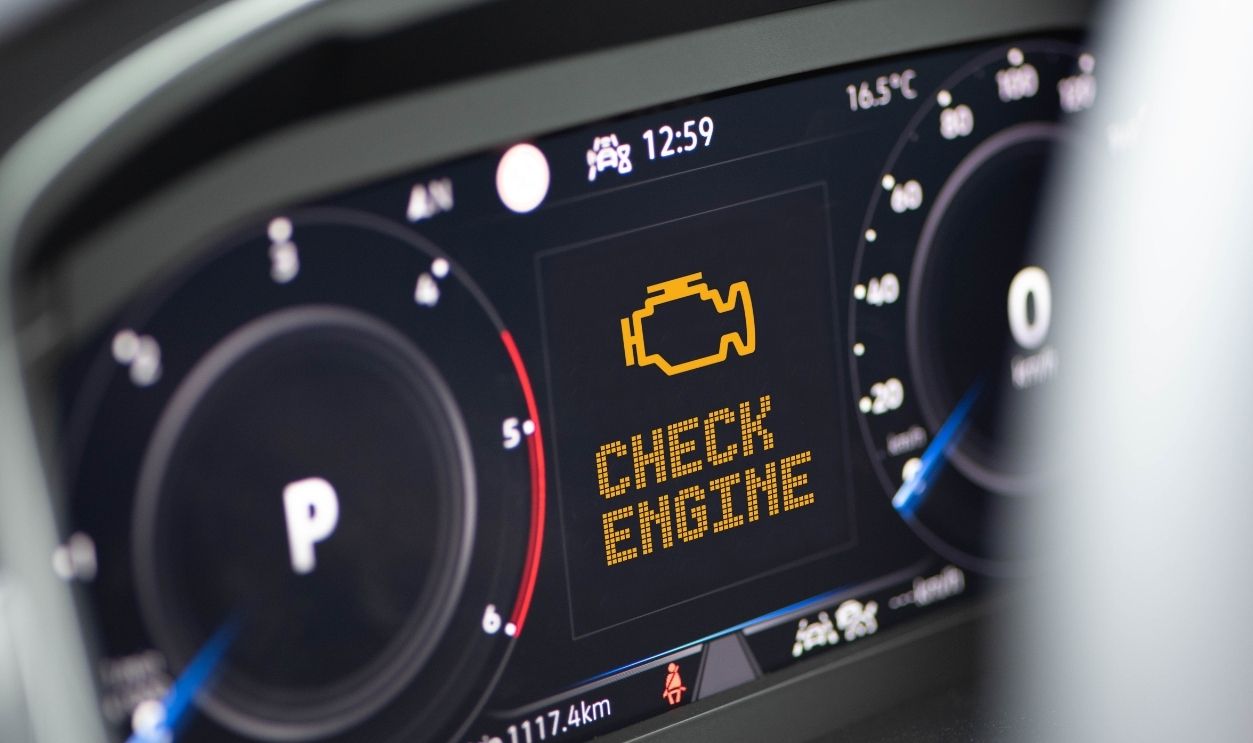
If regeneration does not happen often enough, many vehicles will eventually switch on a DPF warning light or a check engine light. In worse cases, the SUV may go into reduced-power mode to protect itself. What started as a plan to save fuel can suddenly turn into an expensive hassle.
 Bartolomiej Pietrzyk, Shutterstock
Automakers Have Been Pretty Clear About It
Many owner’s manuals and service documents warn that repeated short-distance driving can affect DPF operation. Brands often suggest occasional longer drives at steady speed so regeneration can finish. The wording changes from one automaker to another, but the message is largely the same across modern diesel vehicles.

BMW’s Guidance Is A Good Example
BMW owner information for diesel models has warned that if the vehicle is used only for short trips, the diesel particulate filter may not be able to regenerate automatically. BMW advises taking longer drives from time to time to help the process. That is about as straightforward as a carmaker gets on this subject.

Volkswagen Says Much The Same
Volkswagen owner guidance for TDI models has also explained that the diesel particulate filter cleans itself during normal operation, but repeated short trips can get in the way. Owners are often told to let regeneration finish and avoid shutting the engine off during the process. That is a real ownership issue if the daily routine is school runs and grocery stops.

Diesel Likes To Warm Up And Work
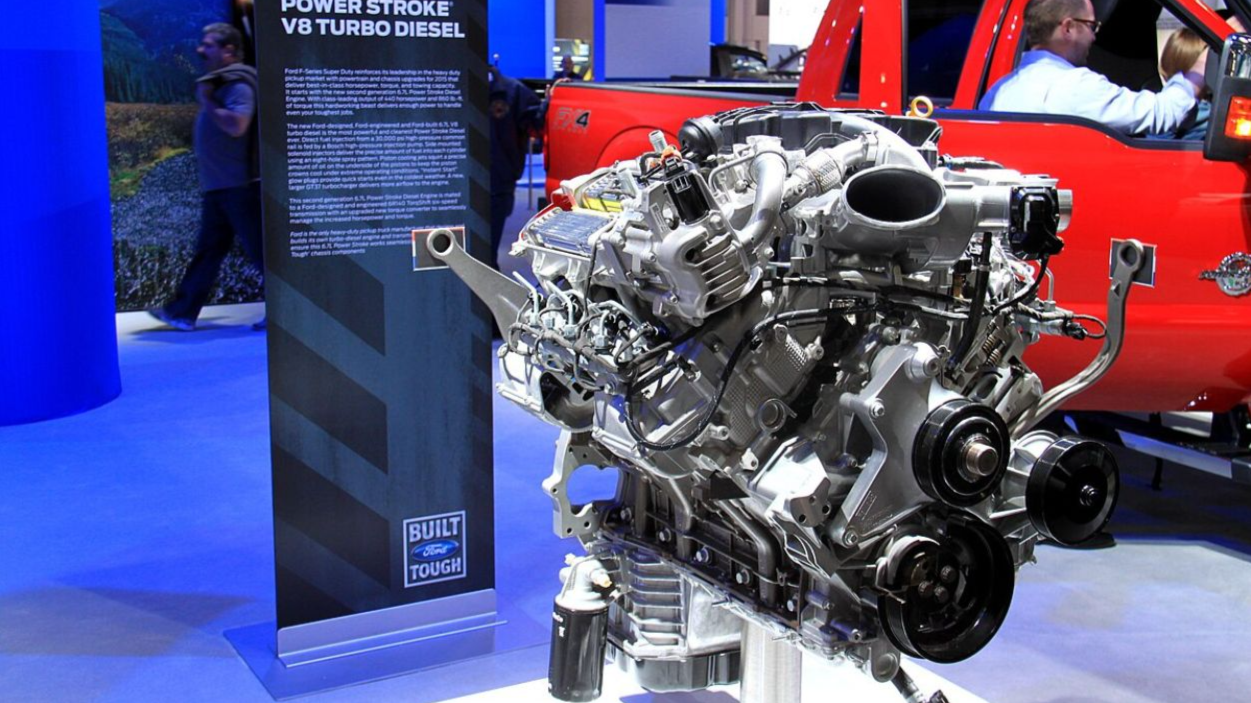
Diesel engines are efficient in part because they squeeze a lot of energy from each gallon of fuel. The tradeoff is that they often warm up more slowly than gasoline engines, especially in cold weather and low-speed city driving. That makes short trips even less friendly for both comfort and the emissions system.
 Joseph Brent, CC BY-SA 2.0, Wikimedia Commons
Fuel Economy Gains Shrink In The City
Diesel’s classic advantage shows up most clearly on the highway. In city driving, with frequent stops and cold starts, the gap between diesel and gasoline often gets much smaller. In some cases, a hybrid SUV can beat both in city efficiency while also avoiding diesel’s emissions-system headaches.

The DEF System Adds Another Layer
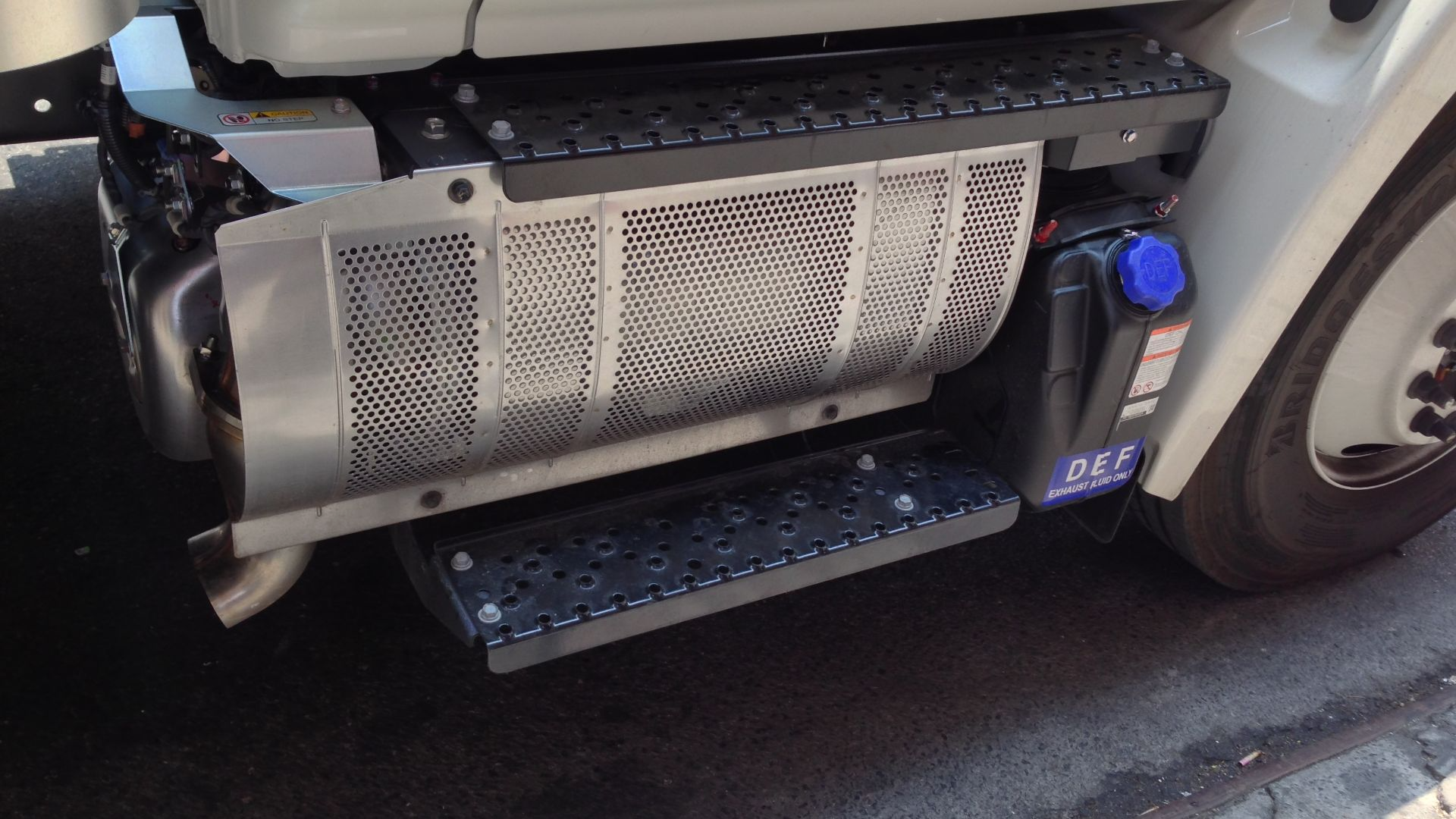
Many modern diesel SUVs use selective catalytic reduction, or SCR, with diesel exhaust fluid to cut nitrogen oxide emissions. It works well, but it also adds cost, complexity, and another fluid to keep an eye on. For drivers doing short city trips, it is one more reason to ask whether diesel is really the right answer.
Maintenance Can Cost More Than Buyers Expect
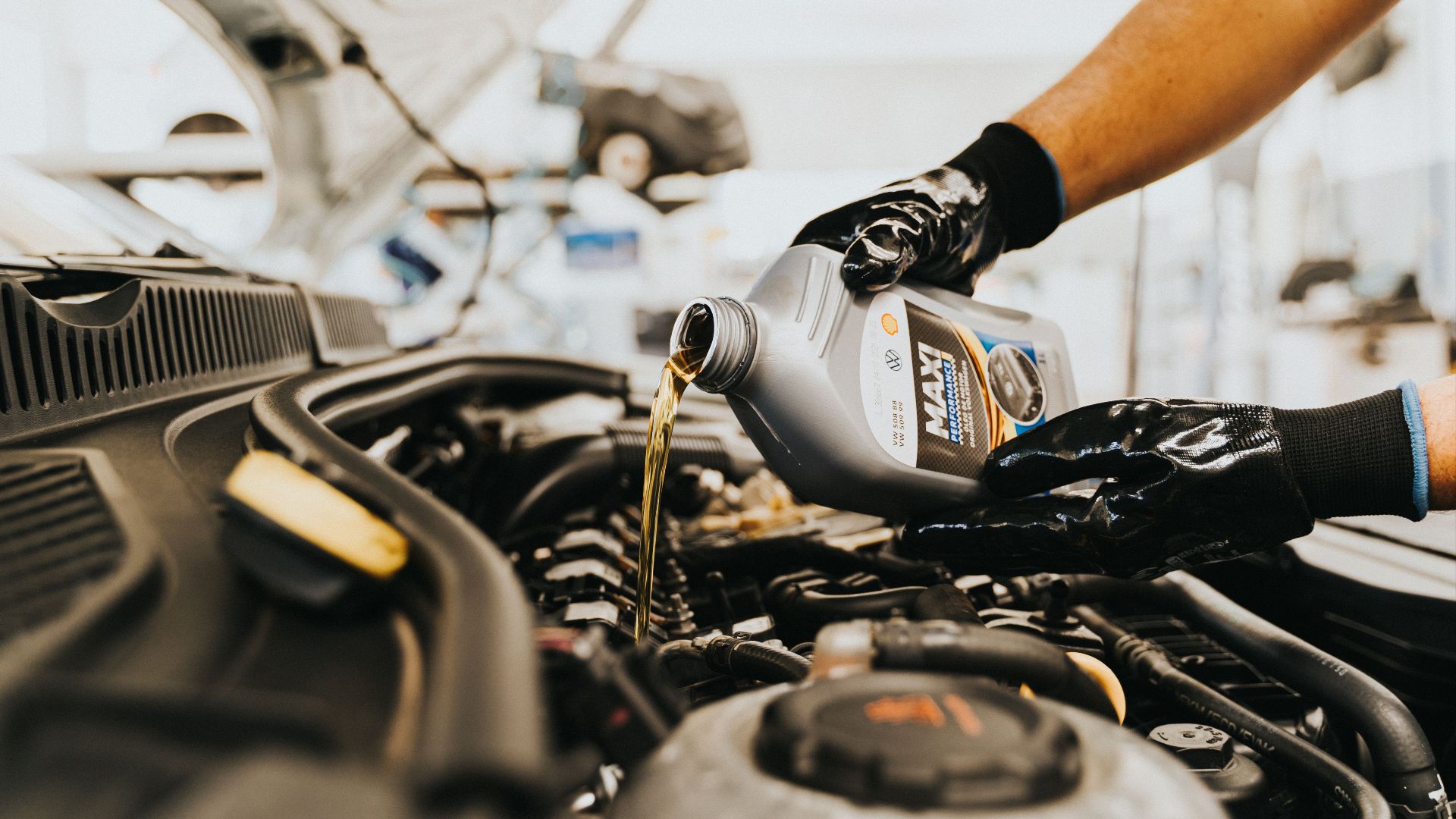
Diesel ownership can mean pricier oil changes, more expensive fuel filters, and emissions-related service risks that gasoline drivers never have to think about. If the SUV is not being driven the way the diesel system expects, those costs can stand out even more. The fuel savings may not come close to making up the difference.
Repairs Can Get Expensive Quickly
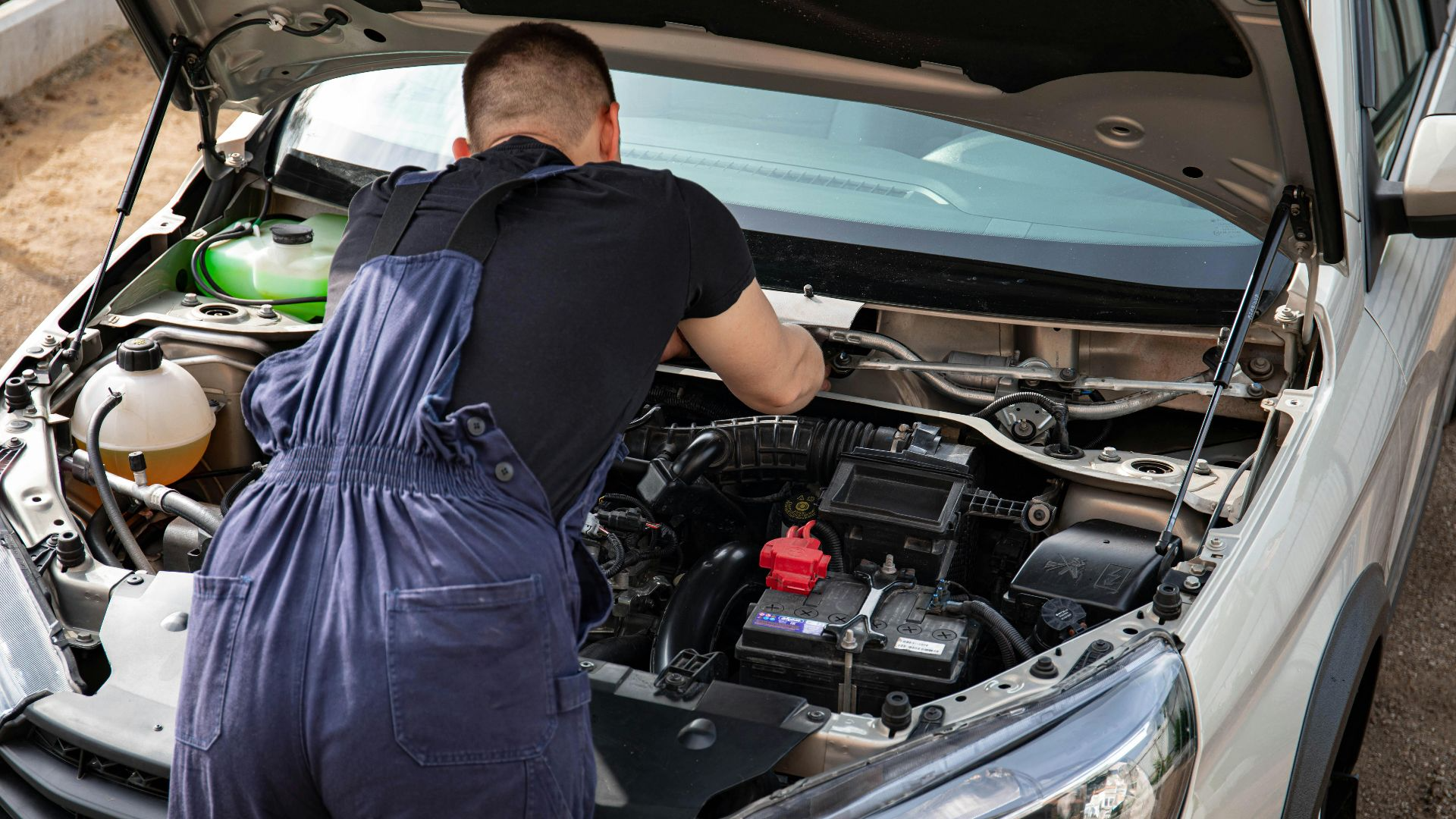
A clogged DPF, bad sensors, injector problems, or SCR system faults can get expensive fast. The issue is not that every diesel SUV will have these problems. It is that short-trip city use raises the odds of emissions-system trouble. That makes diesel a risky match for households that rarely leave town.
There Is Also The Higher Purchase Price
Diesel versions of SUVs have often cost more than comparable gasoline models. Buyers usually justify that with expected fuel savings and strong towing torque. If the vehicle spends most of its life creeping through the city, that math gets a lot harder to defend.

Torque Is Great, But It Depends On The Job
One of diesel’s biggest strengths is low-end torque, which feels easy and strong in a heavier SUV. That helps with towing, climbing, and highway merging. It matters much less when the main job is a ten-minute drive across town with a few traffic lights and a parking garage.
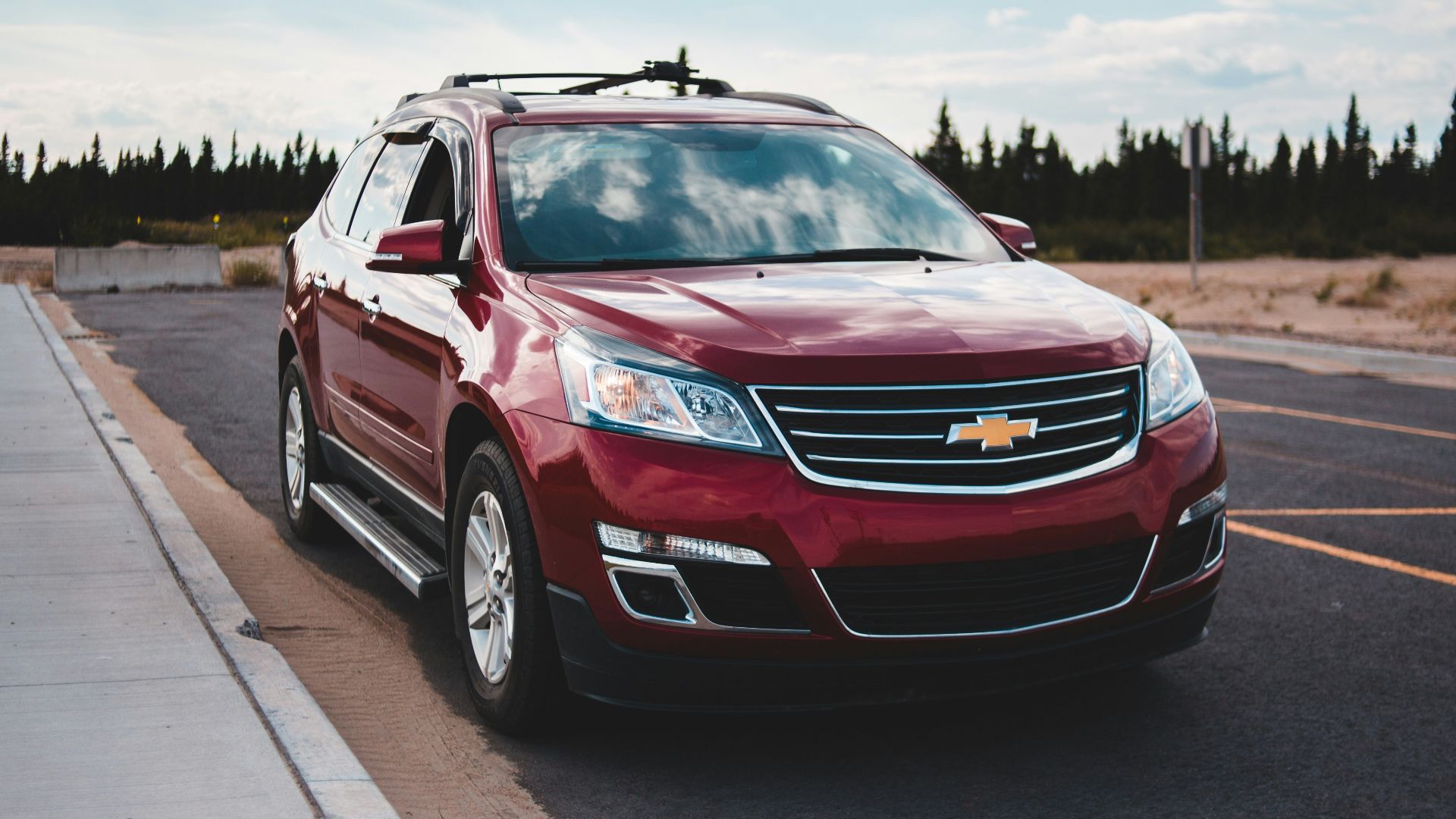
Cold Weather Makes It Even Harder
Short trips are already tough on diesels, and winter can make things worse. Engines take longer to reach proper temperature, cabin heat takes longer to arrive, and chances to complete regeneration become even rarer. A gasoline hybrid usually handles this kind of use much better.
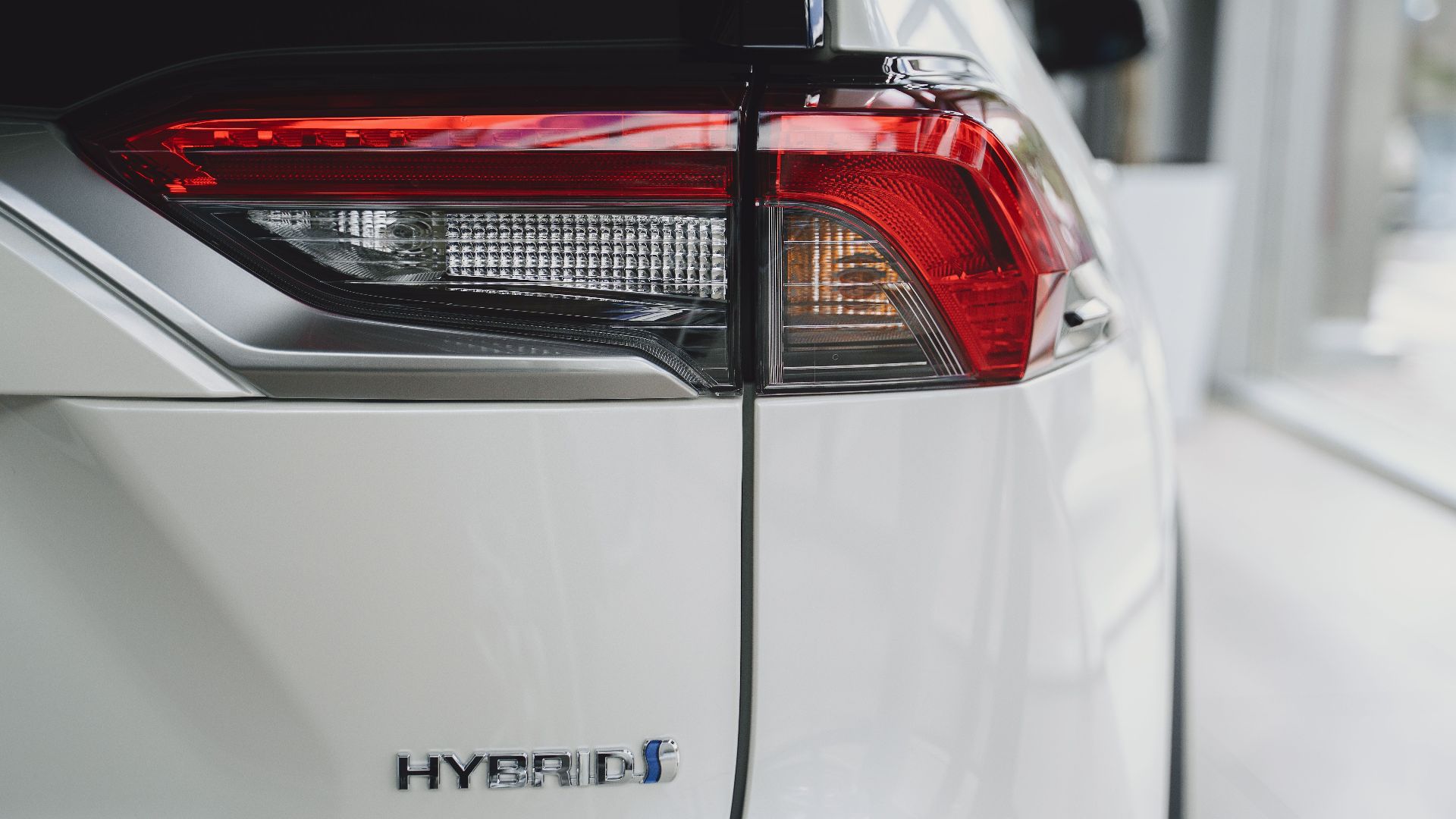
If You Already Own One, There Is A Way To Help
If your household already has a diesel SUV, that does not automatically mean trouble. The usual advice is to give it occasional longer drives at steady speed so the emissions system can complete regeneration. With diesel, following the owner’s manual matters more than many buyers expect.

How Long Does A Helpful Drive Need To Be
The exact distance and speed depend on the vehicle, engine, temperature, and load, so there is no one magic number. But in general, a regular stretch of uninterrupted driving helps more than a bunch of short errands. If your weekly routine never includes that kind of drive, diesel starts to look like the wrong fit.
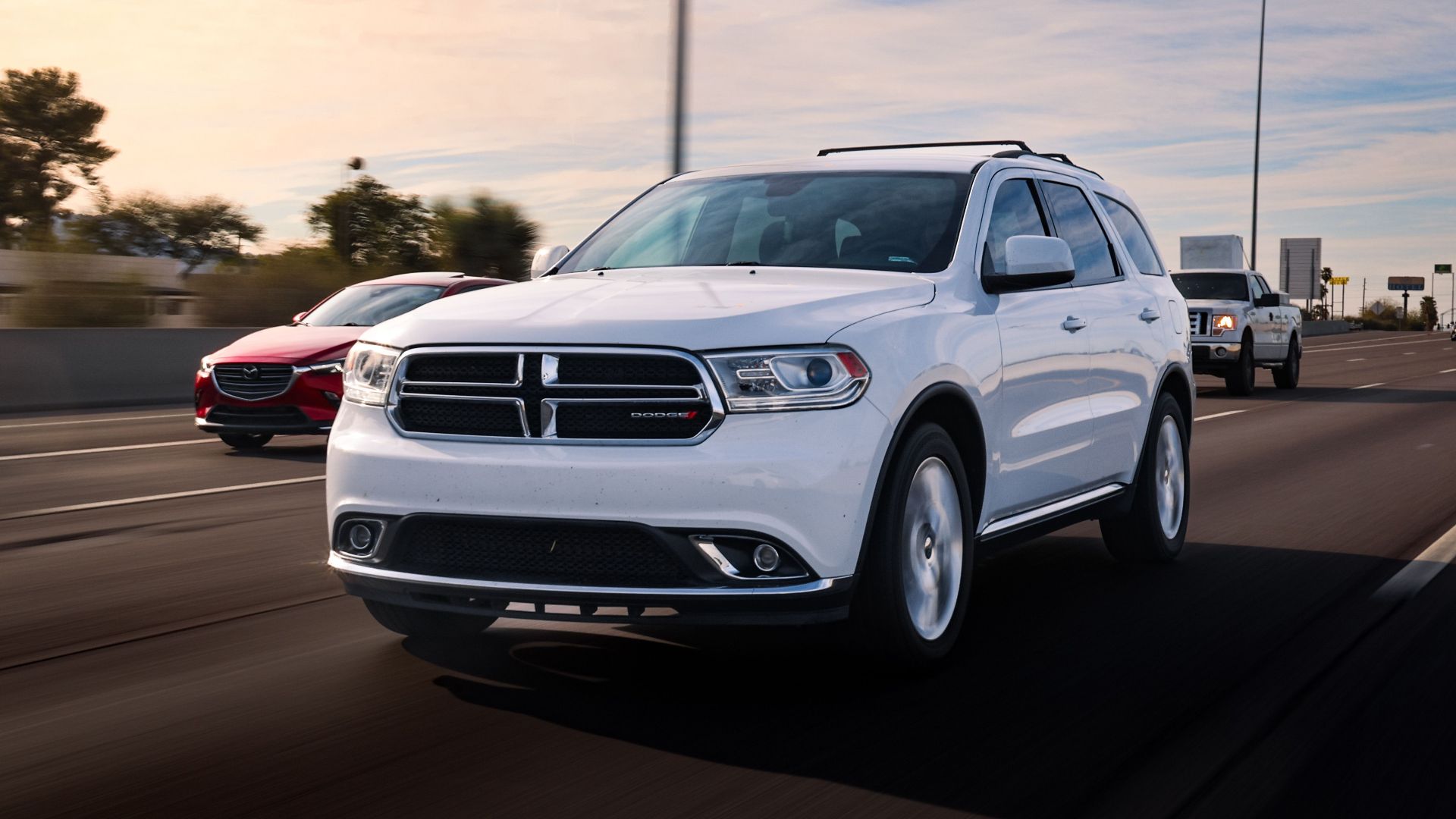
Used Diesel SUVs Need Extra Caution
A used diesel SUV that spent years doing city errands may have hidden emissions-system wear. Even if it feels fine on a quick test drive, the DPF and related hardware may already have had a hard life. A pre-purchase inspection by a technician who knows that specific diesel system is a very smart idea.
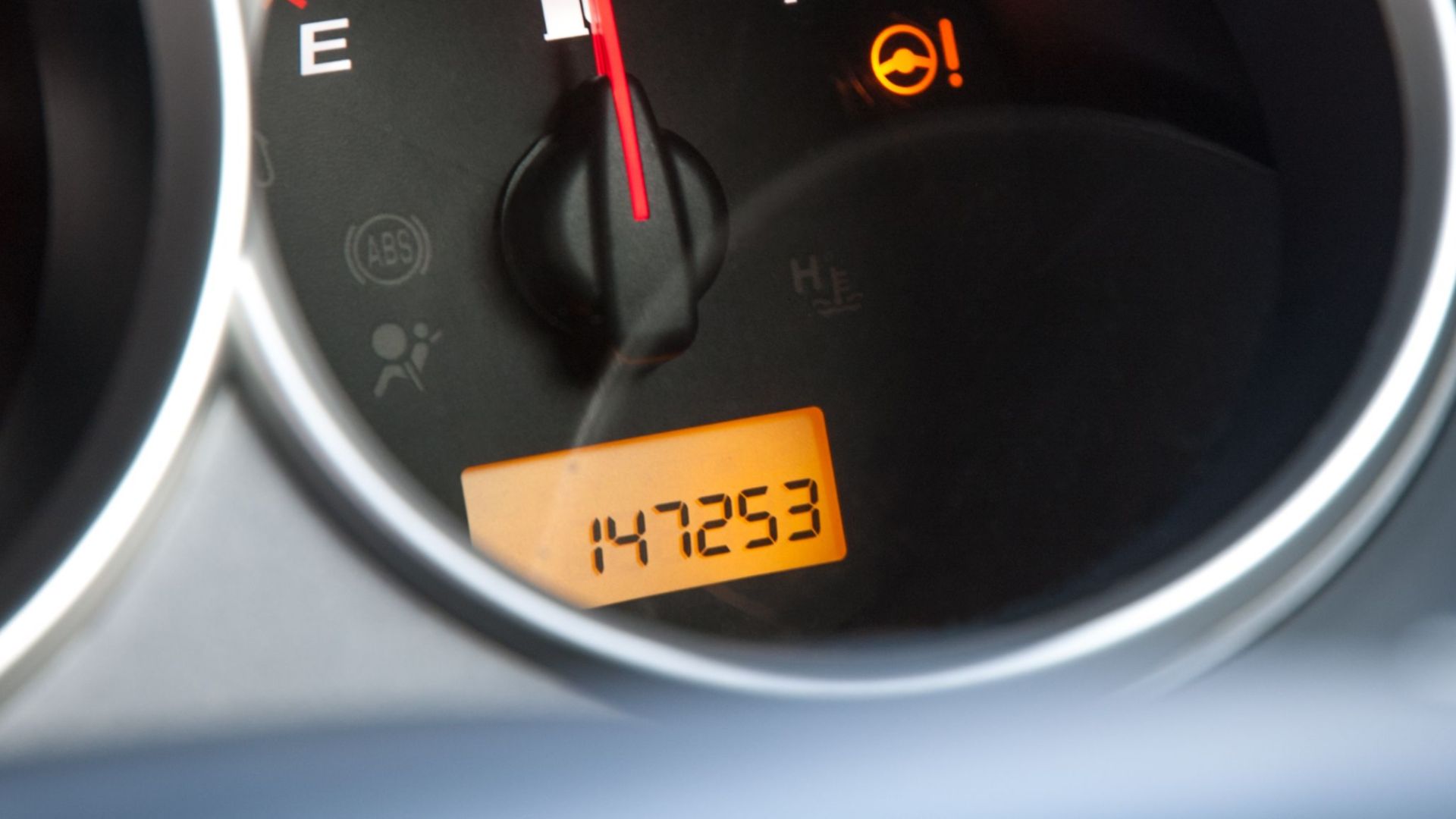
Who Should Still Consider Diesel
Diesel can still make sense for some drivers. If you regularly cover long highway miles, tow often, or spend a lot of time cruising at steady speeds, a diesel SUV can still play to its strengths. That is a very different use case from short city trips, and that difference is the whole point.

Better Alternatives For Mostly Urban Use
For short city trips, a gasoline SUV is usually the simpler choice. A hybrid SUV is often the smartest choice because hybrids shine in stop-and-go traffic and do not depend on hot, steady exhaust temperatures to keep emissions hardware working properly. If fuel economy is the goal, a hybrid often beats diesel exactly where city families need it most.

Plug-In Hybrids Can Be Even Better
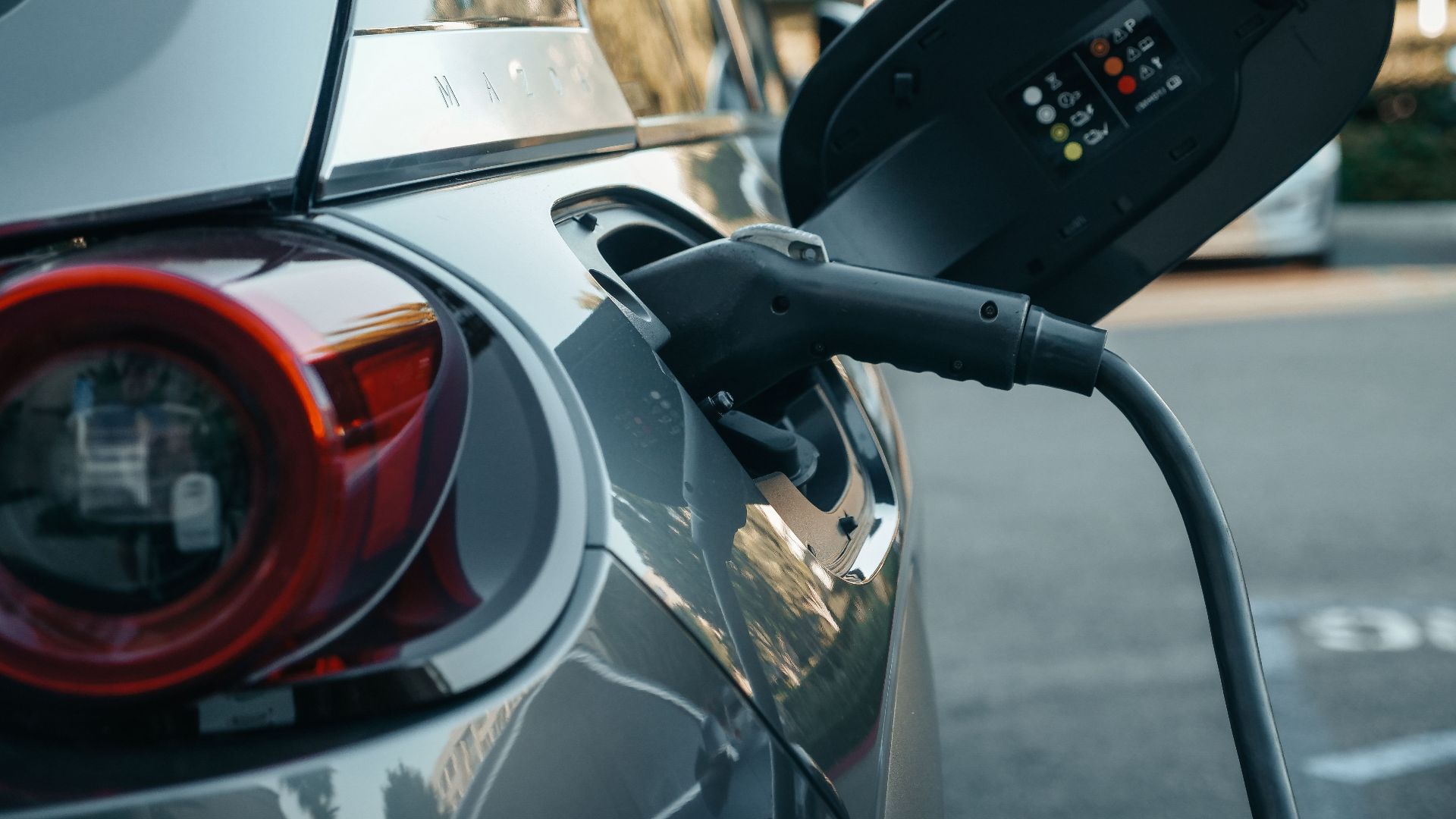
If your wife’s trips are especially short and home charging is an option, a plug-in hybrid SUV could be the sweet spot. Many daily errands can happen on electricity alone, with a gasoline engine ready for longer drives. That setup is built for city use instead of asking a diesel to do a job it does not really like.
When Diesel Turns From Benefit To Burden
The appeal of diesel is easy to see. Strong torque, long cruising range, and a reputation for durability still draw people in. But when real life is mostly short hops, school drop-offs, and supermarket runs, those strengths can be outweighed by the weak spots of a modern diesel.
So Is Diesel A Bad Choice Without Highway Driving
In most cases, yes. If there is little or no regular highway driving, a diesel SUV is generally a poor match for short city trips because the emissions system may never get the conditions it needs. For this kind of use, a gasoline or hybrid SUV is usually cheaper to own, easier to live with, and less likely to hit you with warning lights later.
The Best Advice Before You Sign Anything
Ask one honest question before buying: what will this SUV do most weeks? Not vacation driving, not the occasional road trip, but normal life. If the answer is short city trips, diesel is probably the wrong tool for the job, no matter how tempting the badge or torque number may be.