The Extension Cord Across The Property Line
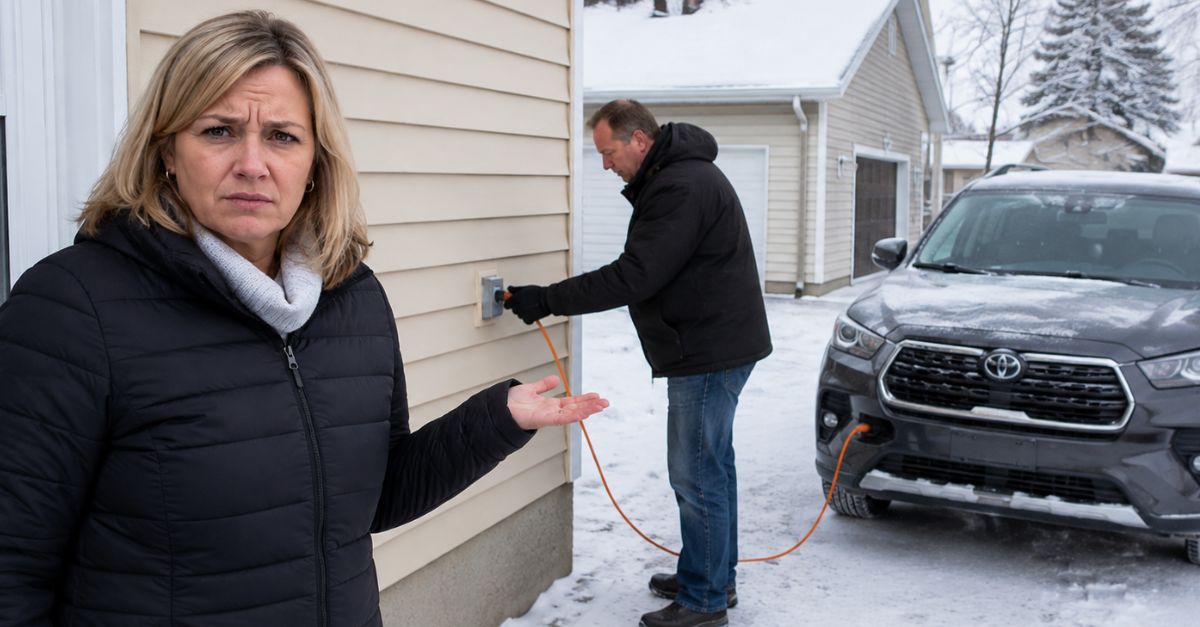
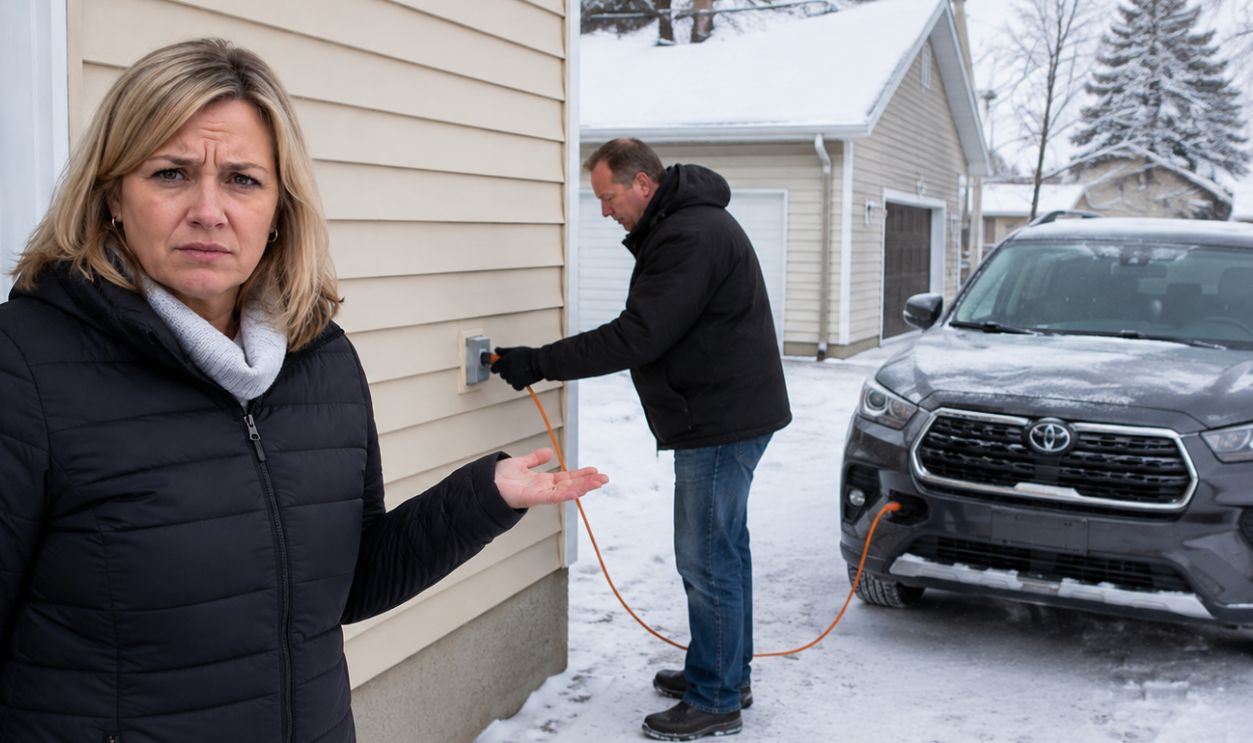
It starts when you see an orange cord running from your house, through the white snow, and into the neighbor's car. Ultimately, you probably aren't going to notice the difference in your bank account, but that doesn't make it acceptable. This is about consent, not just the dollar value, and the law in the case is clear.
Why This Feels Bigger Than The Power Bill
Most people aren't worried about losing pennies. They't worried about someone helping themselves to private property without asking. That is why utility theft laws and general theft laws can come into play even when the amount taken is small.

What A Block Heater Actually Does
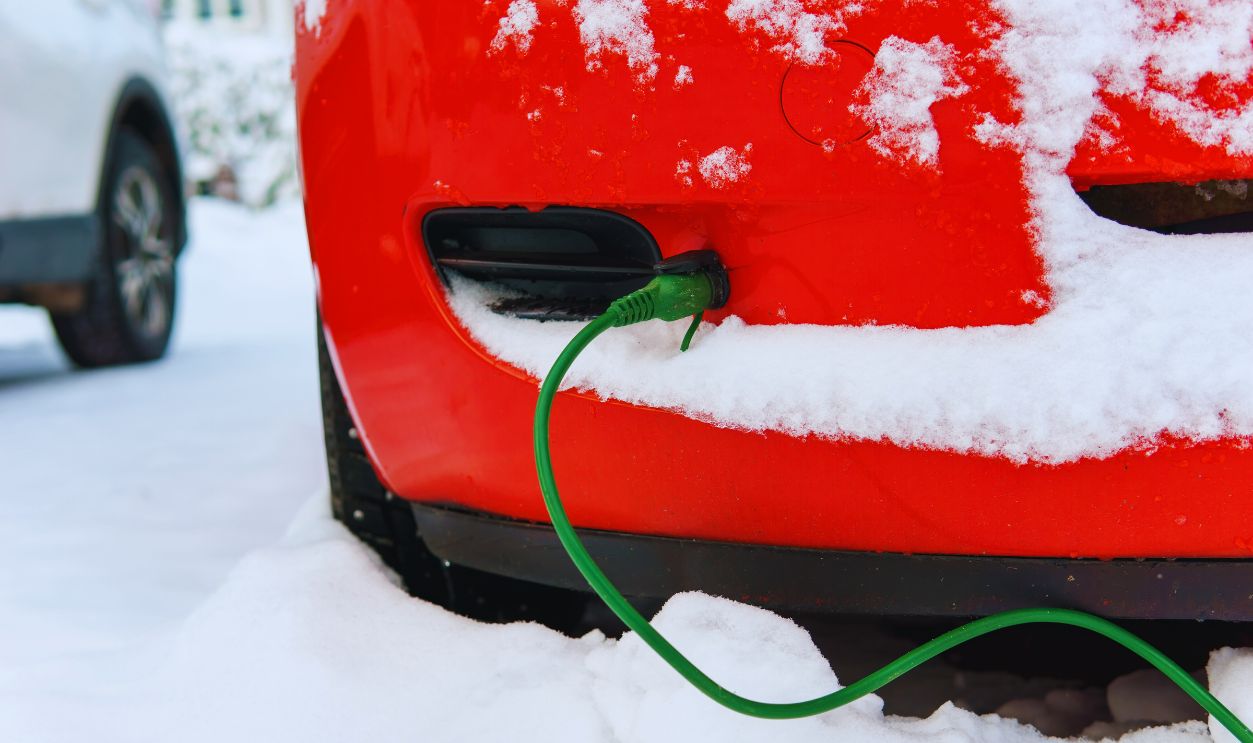
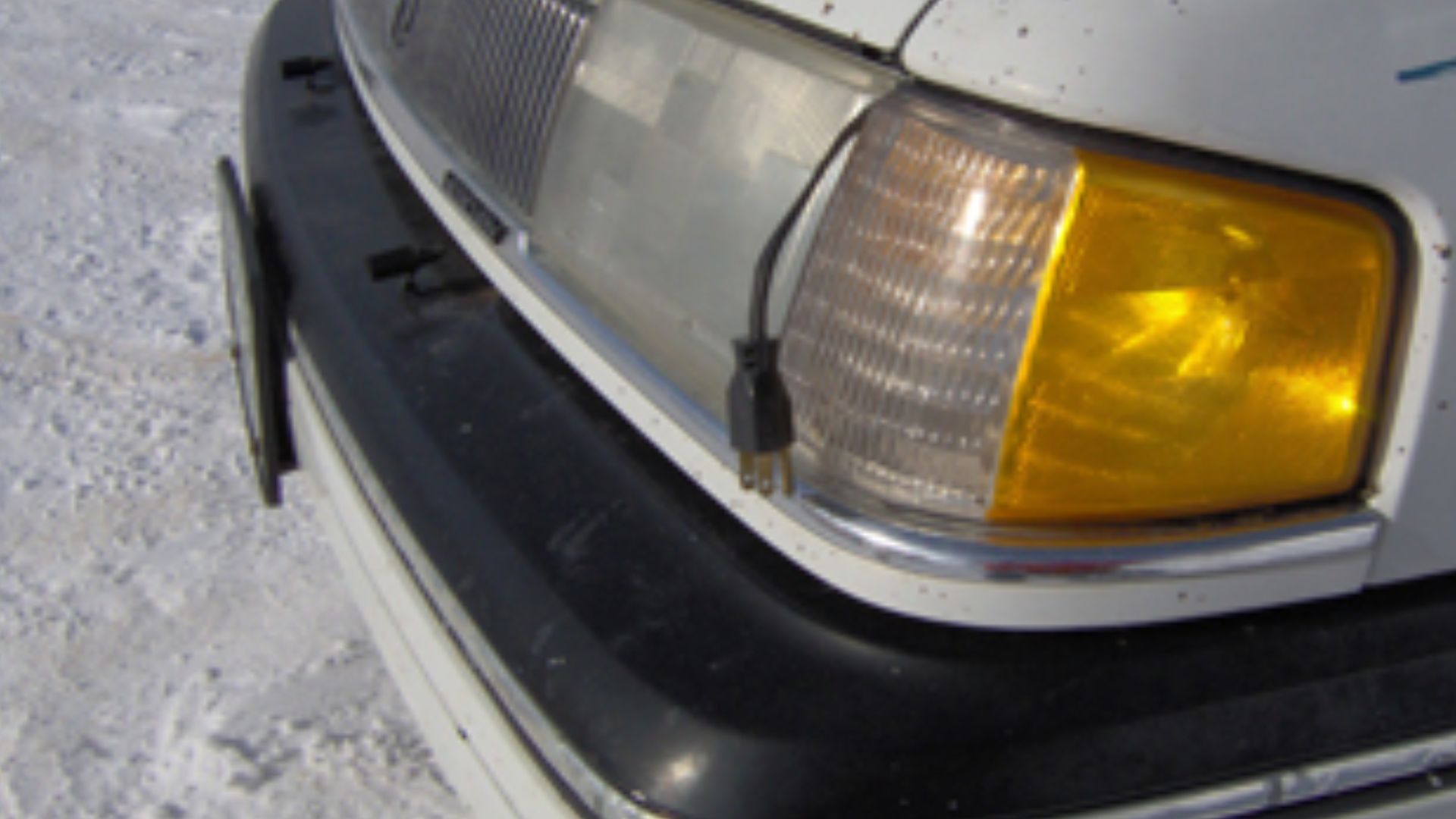
A block heater warms the engine block or engine coolant so a vehicle starts more easily in very cold weather. Block heaters are commonly used in colder parts of the country to improve cold starts and reduce strain on the engine. They are useful winter tools, but they still need electricity from somewhere.
The Real Cost Is Usually Small
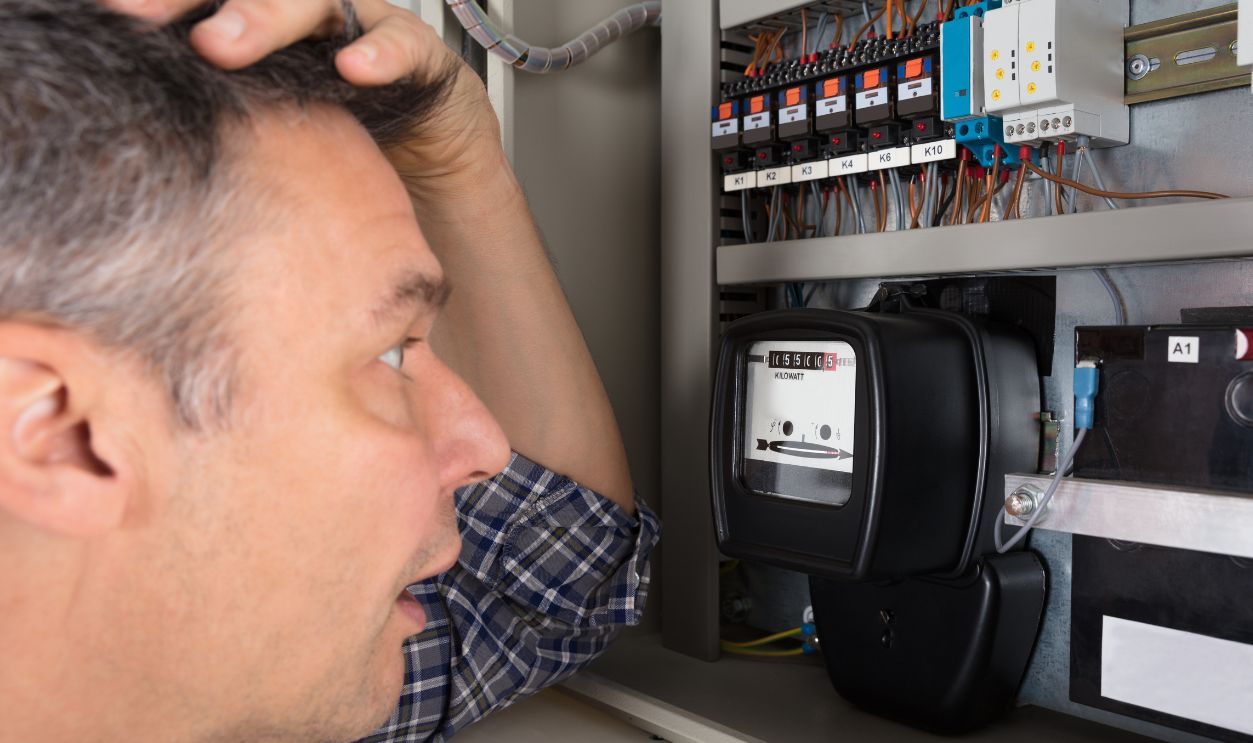
Hydro One notes that a typical block heater uses about 400 watts. If it runs for four hours, that is about 1.6 kilowatt-hours of electricity. Depending on local power rates, that can amount to only a few cents or a bit more, which is why these disputes are often more about boundaries and respect than money.
Small Dollar Amount Does Not Automatically Make It Legal
The amount taken can affect whether police or prosecutors think a case is worth pursuing, but it does not erase the basic issue. Theft laws generally focus on taking property or services without permission. Electricity counts as property or a utility service in many legal settings, even though you cannot hold it in your hand.
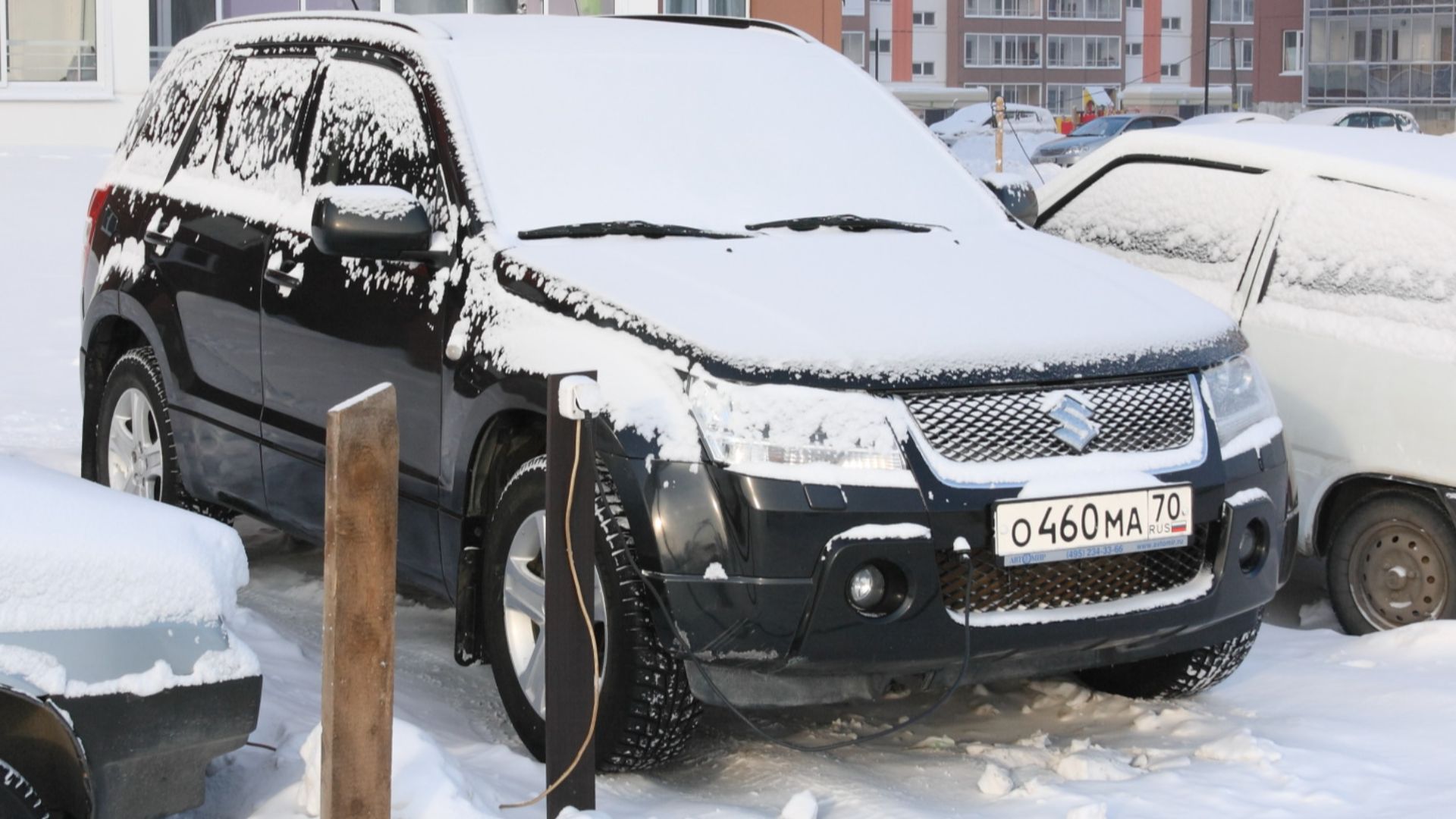 Ilya Plekhanov, Wikimedia Commons
Courts Have Long Treated Electricity As Something That Can Be Stolen
This is not a new legal idea. Courts have recognized for generations that unauthorized use of electric service can support theft-related charges. The law caught up long ago with the fact that power has value, even if it is used up invisibly.

One Old Supreme Court Case Still Matters
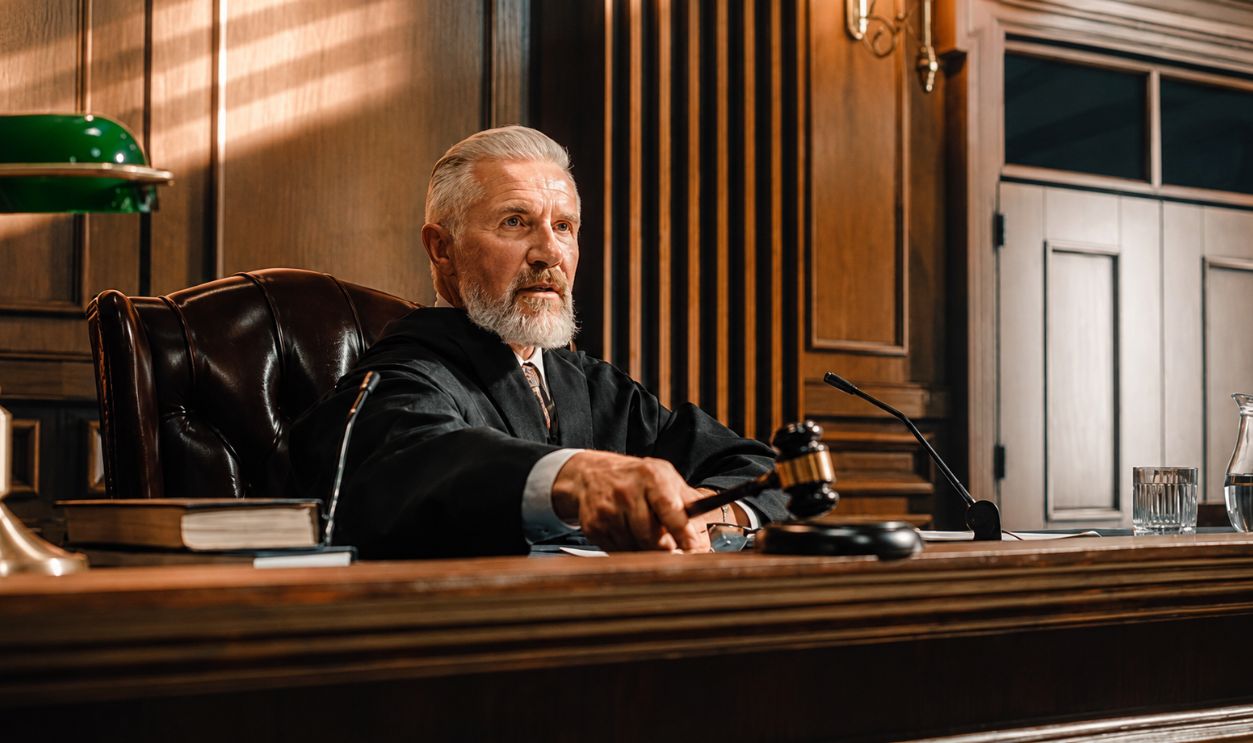
In 1919, the Supreme Court of California decided People v. Menagas. The court upheld a conviction involving electrical energy and treated it as property that could be stolen under the law at the time. It is a reminder that legal fights over stolen electricity go back more than a century.
What Utility Theft Usually Looks Like
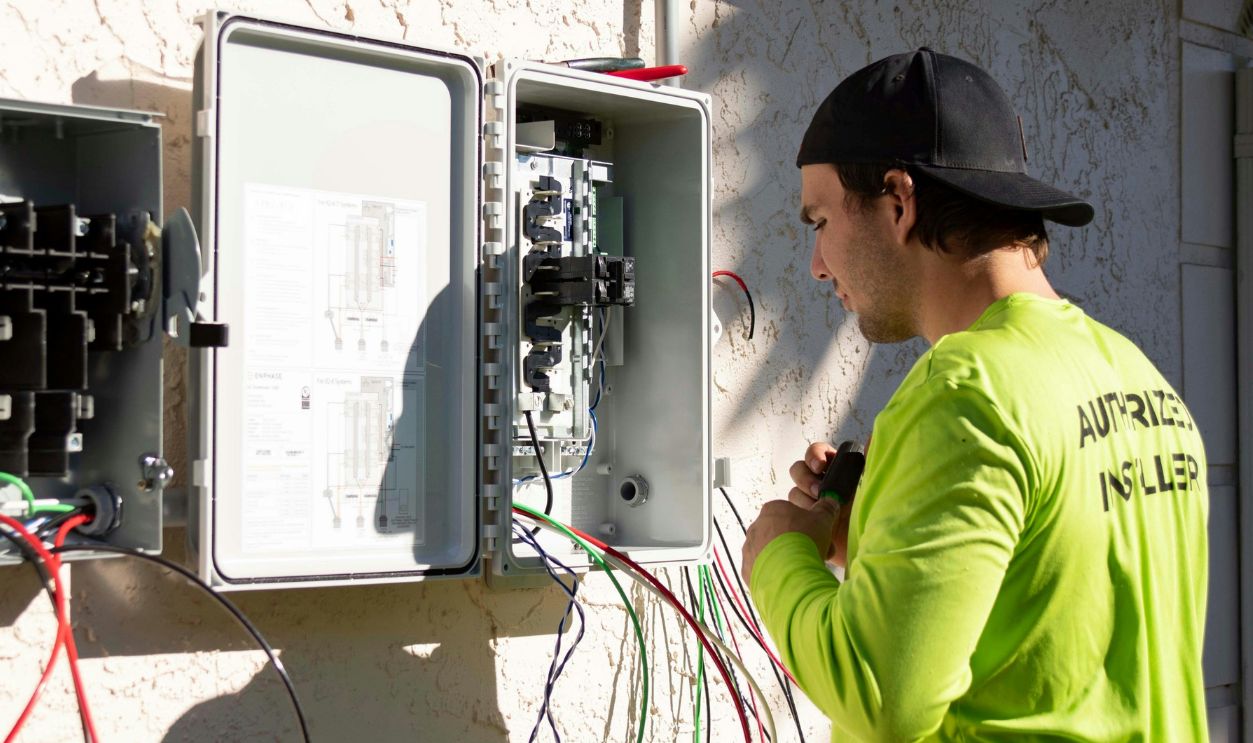
Most utility theft cases involve meter tampering, bypass lines, or illegal hookups. State utility commissions and power companies regularly warn that unauthorized connections are dangerous and illegal. Your neighbor’s extension cord is less dramatic, but it still fits the same basic idea of taking service without permission.
Utilities Warn About More Than Lost Money
Duke Energy, for example, warns that electric theft can create fire and shock risks on top of financial losses. Outdoor outlets, extension cords, snow, slush, and winter vehicle use are not a great mix when corners get cut. A casual plug-in can turn into a safety problem fast if the cord or outlet is damaged or overloaded.
There Is Also A Liability Angle
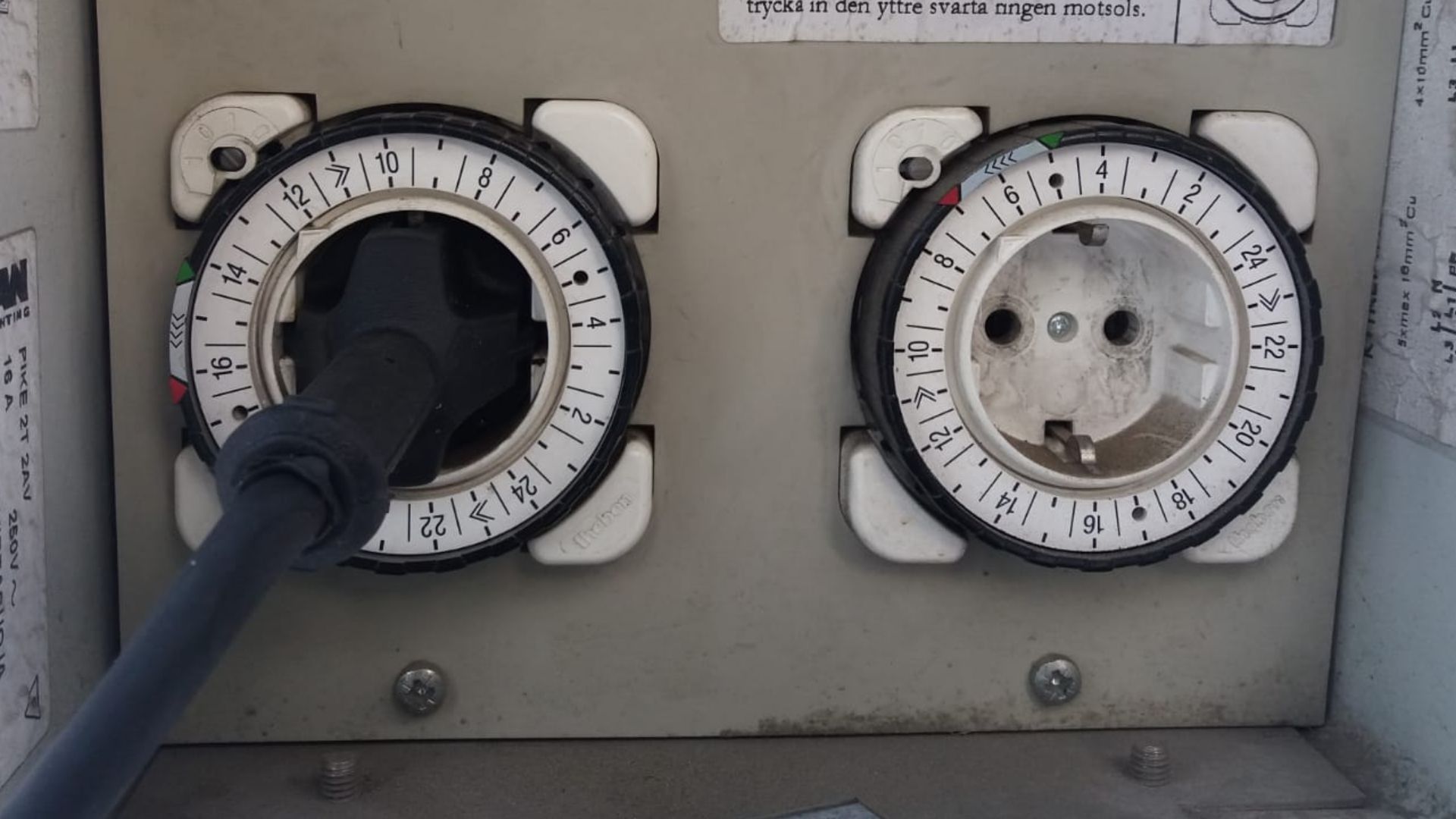
If someone uses your outlet and a cord overheats, gets damaged, or helps cause a shock or fire, you could get pulled into a messy situation. That does not automatically make you legally responsible, but it is one more reason not to brush it off. What looks like a tiny power draw can lead to a much bigger headache.

How Much Power A Block Heater Uses Depends On The Vehicle
Natural Resources Canada says block heaters commonly draw between about 400 and 1,500 watts, depending on the type. That means the cost can stay quite low for short use, but it can add up if the heater is larger or runs all night. The practical point is simple. The exact cost may be small, but the unauthorized use is still real.
 Semilemon at English Wikipedia, Wikimedia Commons
Running It All Night Is Often Wasteful
Natural Resources Canada has also said four hours is usually enough preheating time for most vehicles. Leaving a block heater on overnight often does not add much benefit. So if your neighbor is plugged into your outlet from evening to sunrise, the waste may annoy you just as much as the trespass.
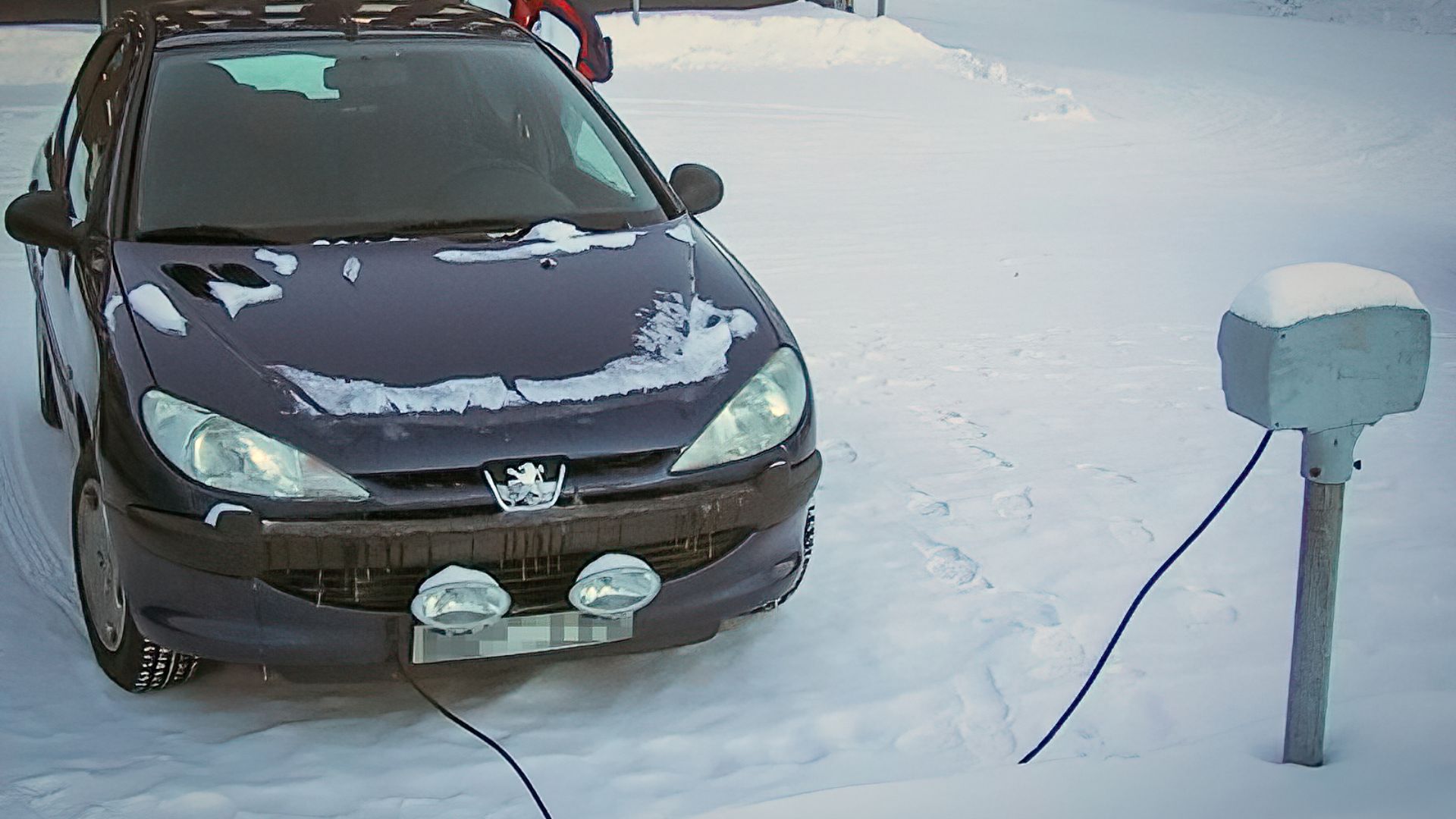
The Neighbor May Think It Is Harmless
Some people really do assume a quick plug-in is no big deal. They may compare it to borrowing a garden hose for a minute or think the cost is too tiny to matter. That does not make it acceptable, and it definitely does not turn your outlet into a public charging station.

Permission Is The Whole Ballgame
If you say yes, there is no theft. If you never agreed, or if you told the person to stop and they kept doing it, the situation looks a lot worse for the neighbor. Consent is the line between sharing and taking.
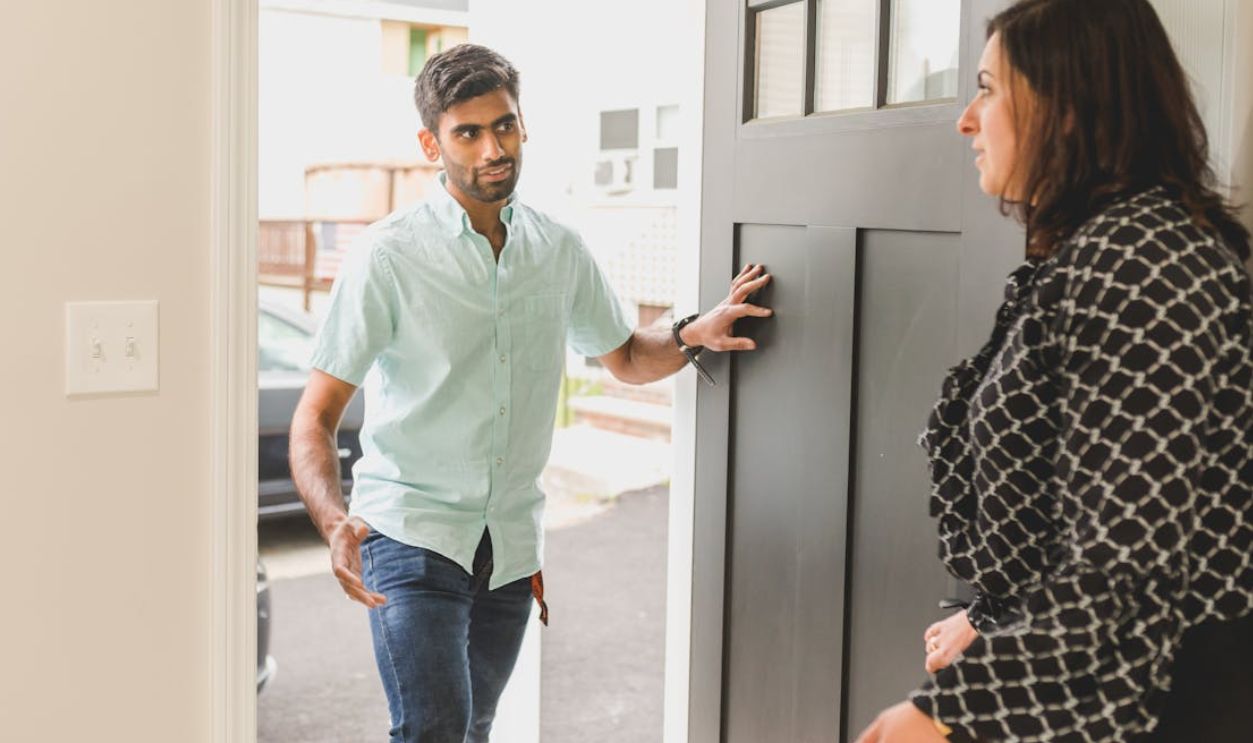
Should You Call The Police Right Away
Usually, no. If this is a one-time or low-level dispute, a calm conversation is often the smartest first step. Police may see a tiny electricity loss as a civil or neighborhood problem unless there is repeated conduct, trespassing, property damage, or clear evidence of intentional theft.
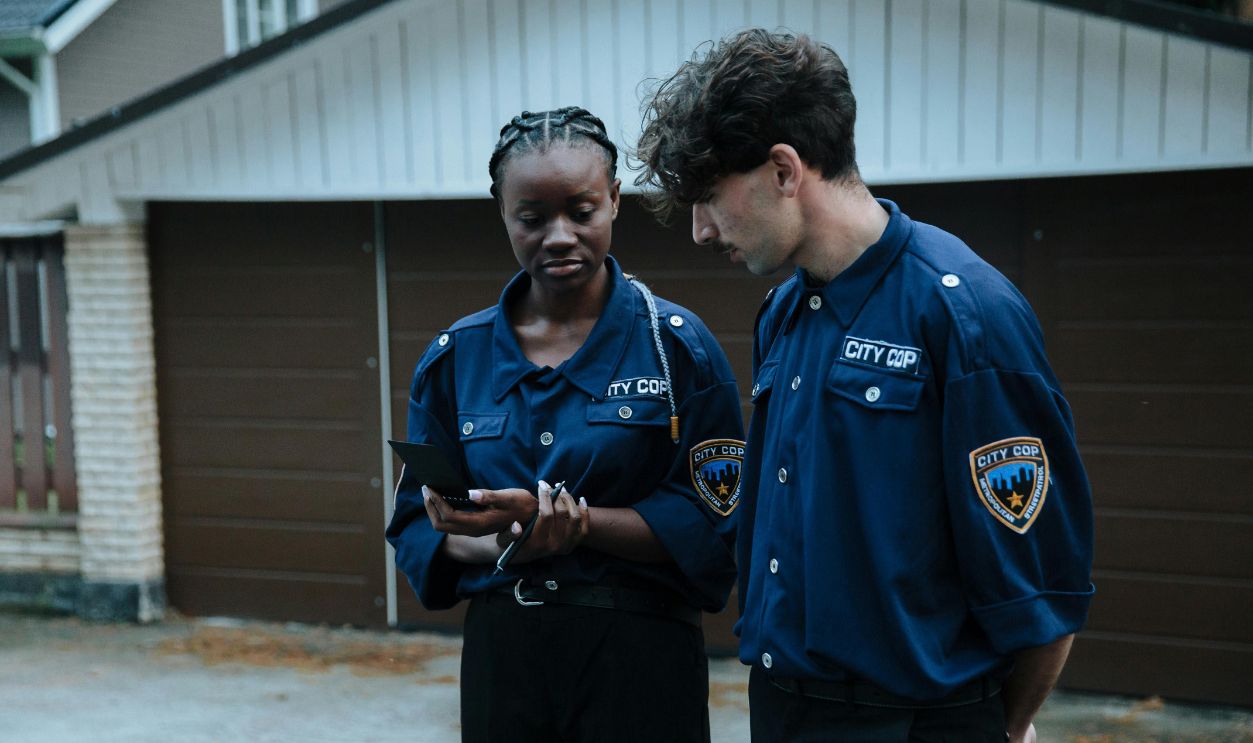
What To Say First
Keep it direct and plain. Tell your neighbor the outlet is on your service, you did not give permission, and you want them to stop using it. A short, clear request often works better than a dramatic confrontation in the driveway.

Why Documentation Helps
If the behavior continues, start keeping a record. Take date-stamped photos, note times, and save any messages between you and the neighbor. If you end up talking to a landlord, homeowners association, police officer, or small claims court, a clean record beats a heated story every time.

Can You Send A Bill For A Few Cents
You can, but that usually misses the point. The money is often too small to make collection practical. A written notice saying the use is unauthorized and must stop is generally more useful than trying to invoice someone for pocket change.

Could This Be Trespassing Too
Possibly. If the neighbor has to enter your property to reach the outlet, the issue may involve trespass along with unauthorized utility use. The exact answer depends on local law and how your property is set up.

Landlords And Condo Boards May Matter
If you live in a rental, duplex, townhouse, or condo community, shared infrastructure can make things less clear. The outlet may be outside your unit but still tied to your meter, or it may be common property. Before you escalate, it is worth confirming who controls the outlet and who pays for the electricity.
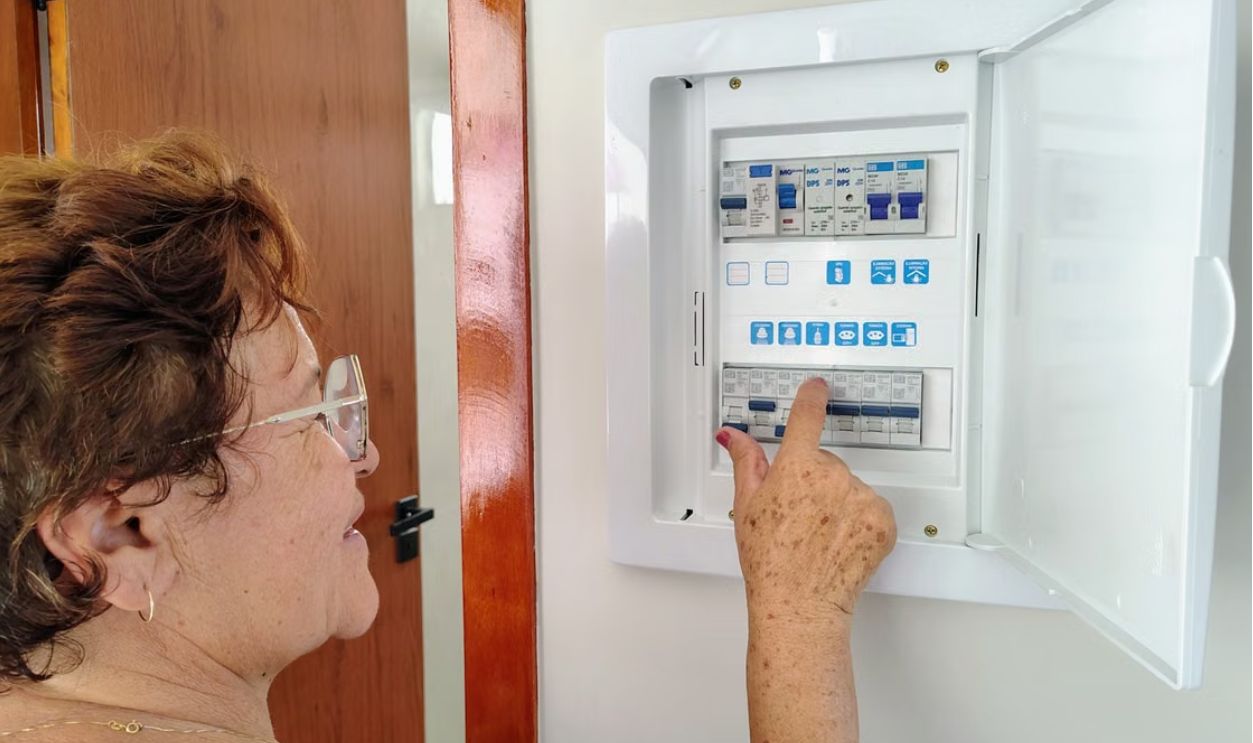
Do Not Create A Dangerous Fix
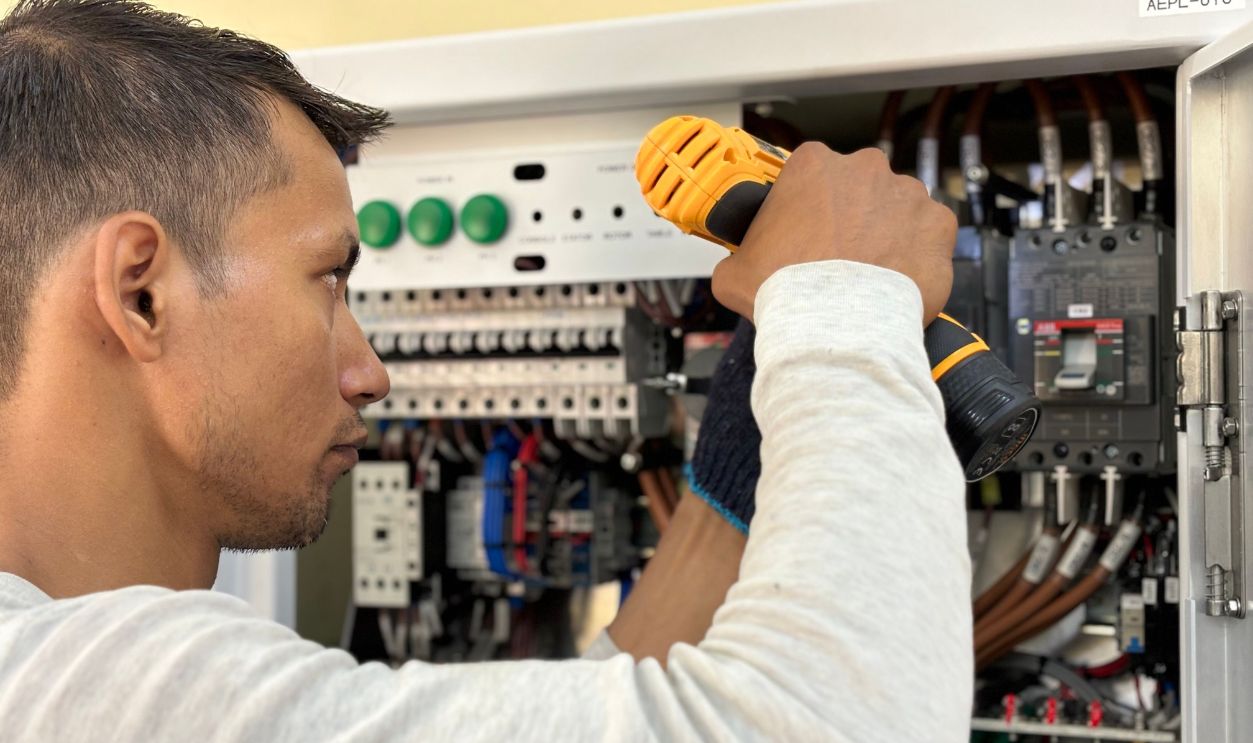
It is tempting to improvise a solution, but do not do anything reckless. Do not booby-trap cords, damage your neighbor’s property, or make electrical changes you do not understand. Safer options include a lockable outlet cover or talking with an electrician about secure outdoor outlet setups.
Utility Theft Laws Are Usually Broader Than People Think
Many states expressly ban unauthorized diversion or use of utility service. These laws were written with bigger abuses in mind, but their wording often reaches smaller conduct too. In practice, enforcement usually depends on how serious, repeated, and provable the conduct is.

What Police And Prosecutors Usually Care About
They often want to know whether the use was repeated, whether the person was warned, and whether there is evidence of intent. A neighbor who plugs in once during an emergency may be treated very differently from one who keeps doing it after being told to stop. The facts, and the paper trail, matter.

The Cost Question Still Has A Useful Answer
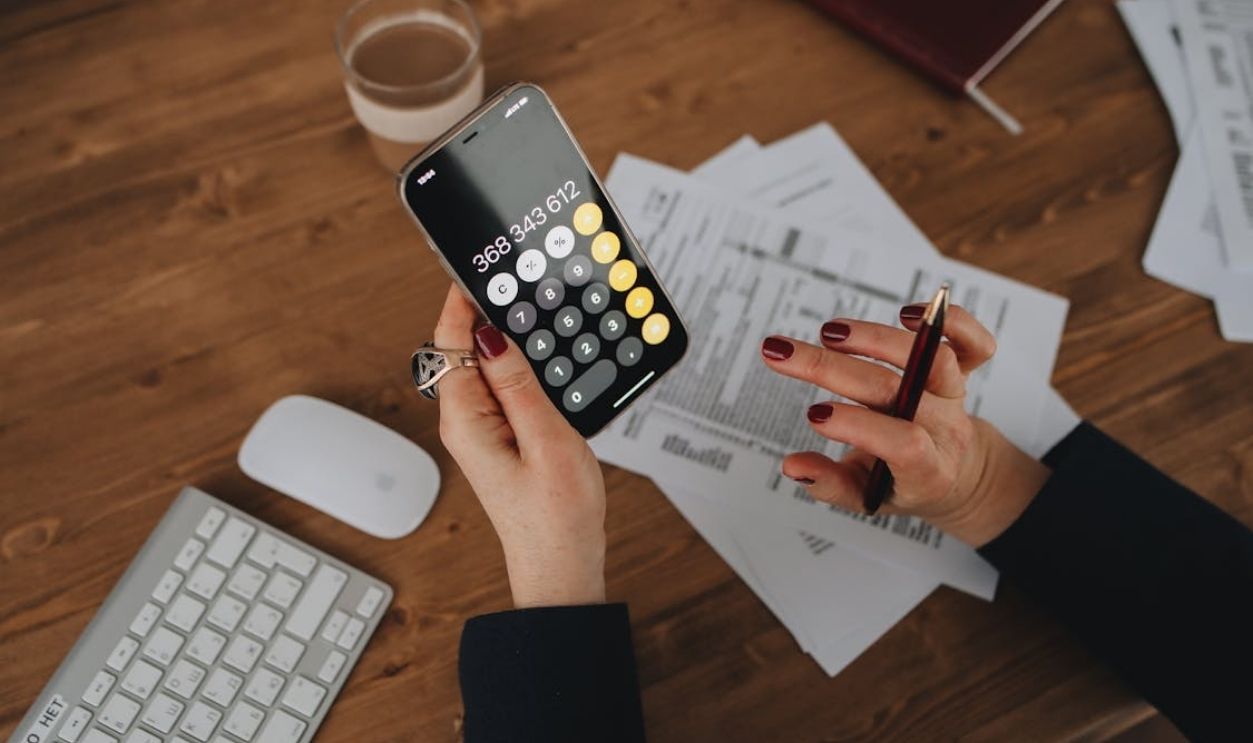
If you are wondering whether the electricity really was only a few cents, you can estimate it. Multiply the heater’s wattage by the hours used, then divide by 1,000 to get kilowatt-hours, and multiply by your electric rate. Hydro One’s 400-watt example makes the math easy enough to do on a phone calculator.
This Is Really About Boundaries
That is the truth in most of these winter disputes. The dollar amount is tiny, but the message can feel huge. A neighbor who uses your outlet without asking is acting like your property is theirs to use.

When It Is Time To Escalate
If the person keeps doing it after a clear warning, step up your response. Contact the landlord, condo board, homeowners association, or local non-emergency police line if it makes sense. If there is damage, tampering, or a safety hazard, escalation becomes much easier to justify.

The Bottom Line For Drivers And Homeowners
Yes, using a few cents of your electricity without permission can still be theft, or at least unauthorized utility use, because the law does not usually turn on the amount alone. A block heater is a normal winter tool, but plugging it into someone else’s outlet without consent is not normal and not okay. Handle it calmly, document it, and focus on stopping the conduct safely rather than arguing over pennies.
 https://kaboompics.com/, Pexels