The Snow Pile Next To Your Bumper Is Not Harmless
If your neighbor keeps pushing or throwing snow into the street where you park, it is more than a minor winter hassle. Once snow gets plowed, packed, and frozen again, it can turn into heavy, icy debris that can hit a parked car, trap it in place, or help cause a crash. In many places, it can also cause legal trouble for the person who put it there.

Why This Winter Dispute Matters
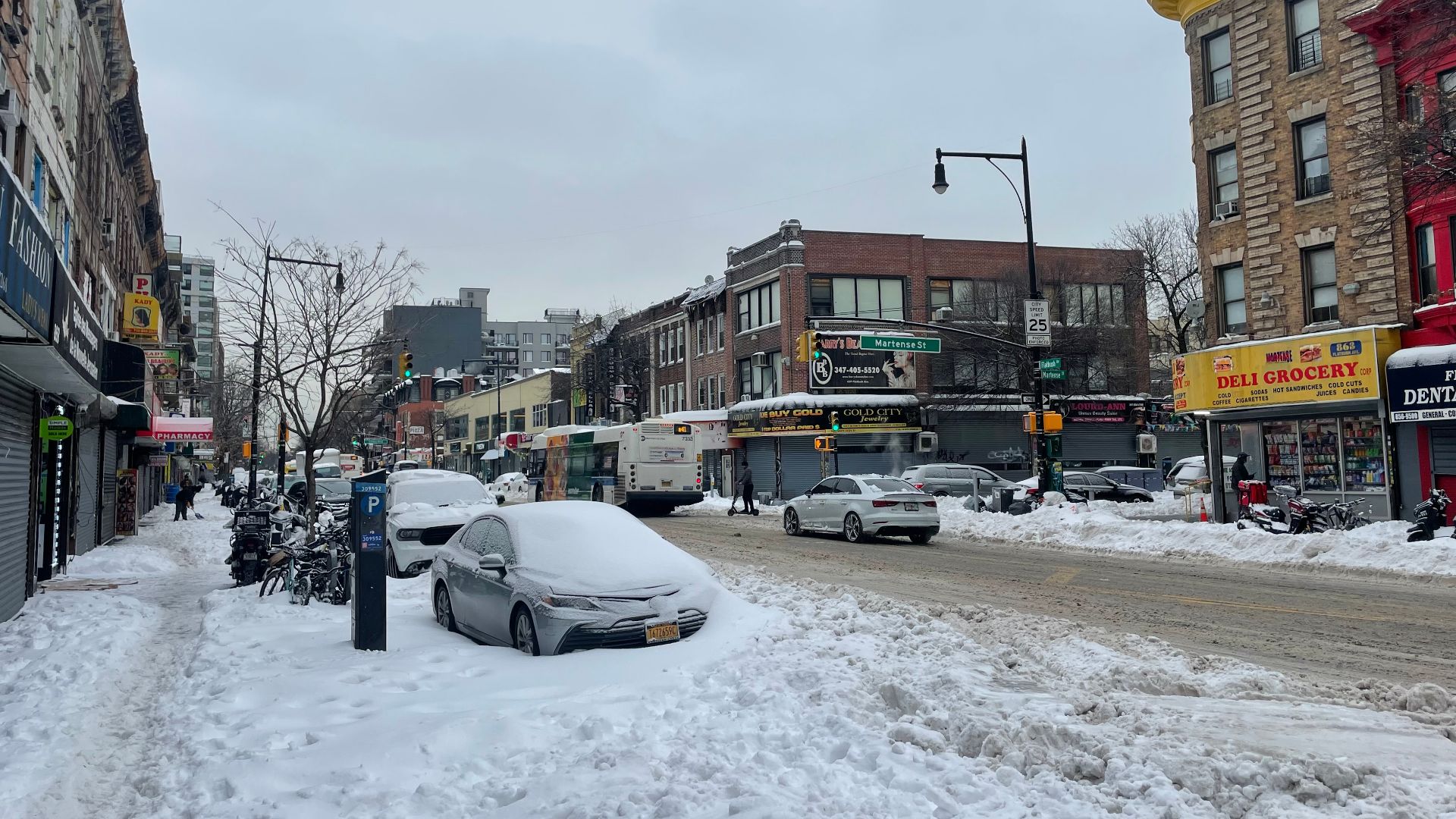
Fresh snow looks soft, but roadside snow changes fast once plows, passing tires, and freezing temps work it over. What starts as a fluffy pile can turn into dense chunks mixed with ice, gravel, salt, and other debris. That becomes a real problem when the pile gets shoved into a public street and left where cars drive or park.
States Have Been Warning About This For Years
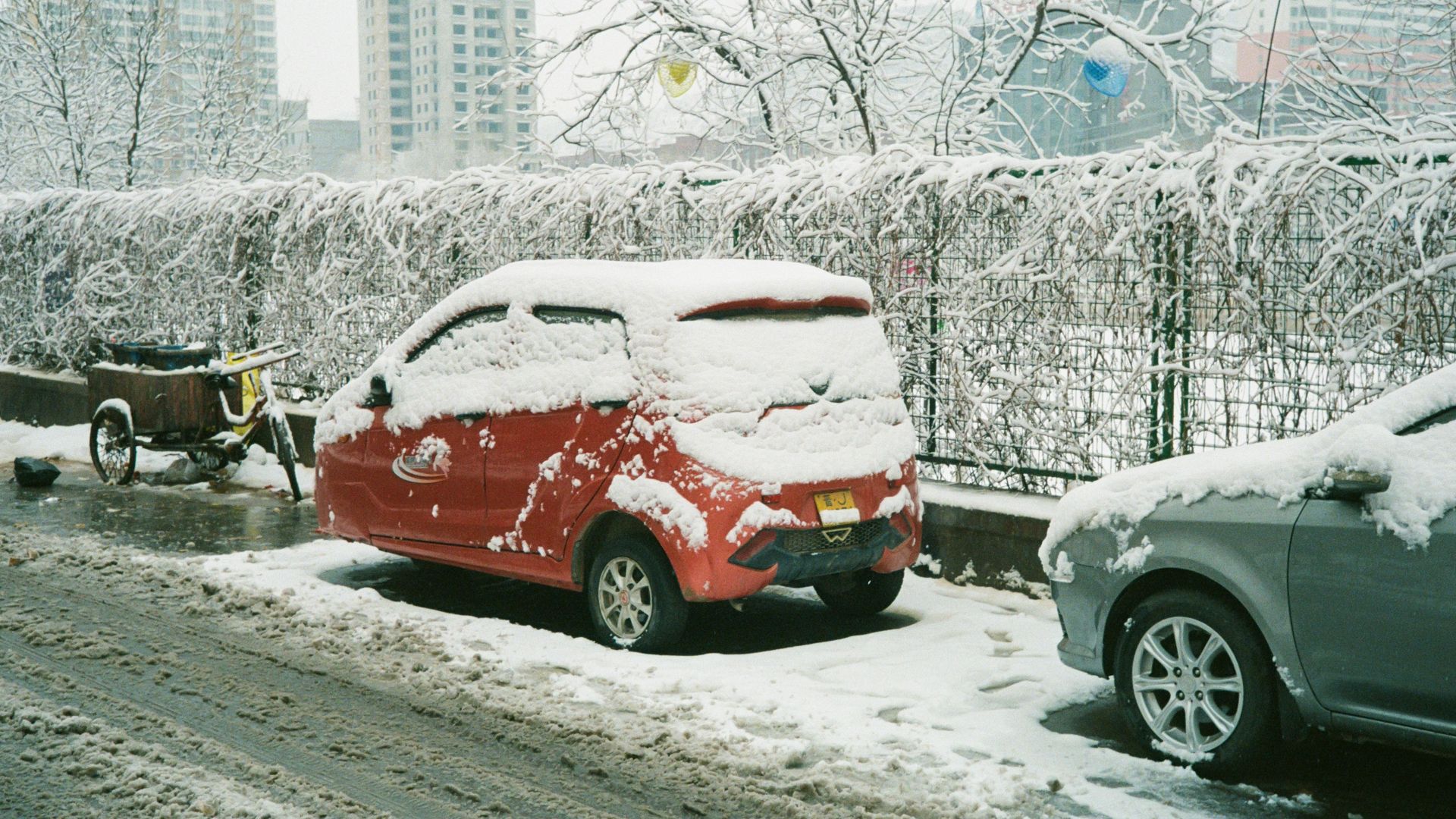
Transportation agencies and police departments around the country have long warned people not to shovel snow into roads. The Pennsylvania Department of Transportation says plowed snow can be heavy enough to damage property, including mailboxes and vehicles, and warns that snow in the roadway creates hazards for drivers. Other state and local agencies say the same thing because this is a regular winter safety problem, not some rare what-if.
Plowed Snow Can Absolutely Damage A Car
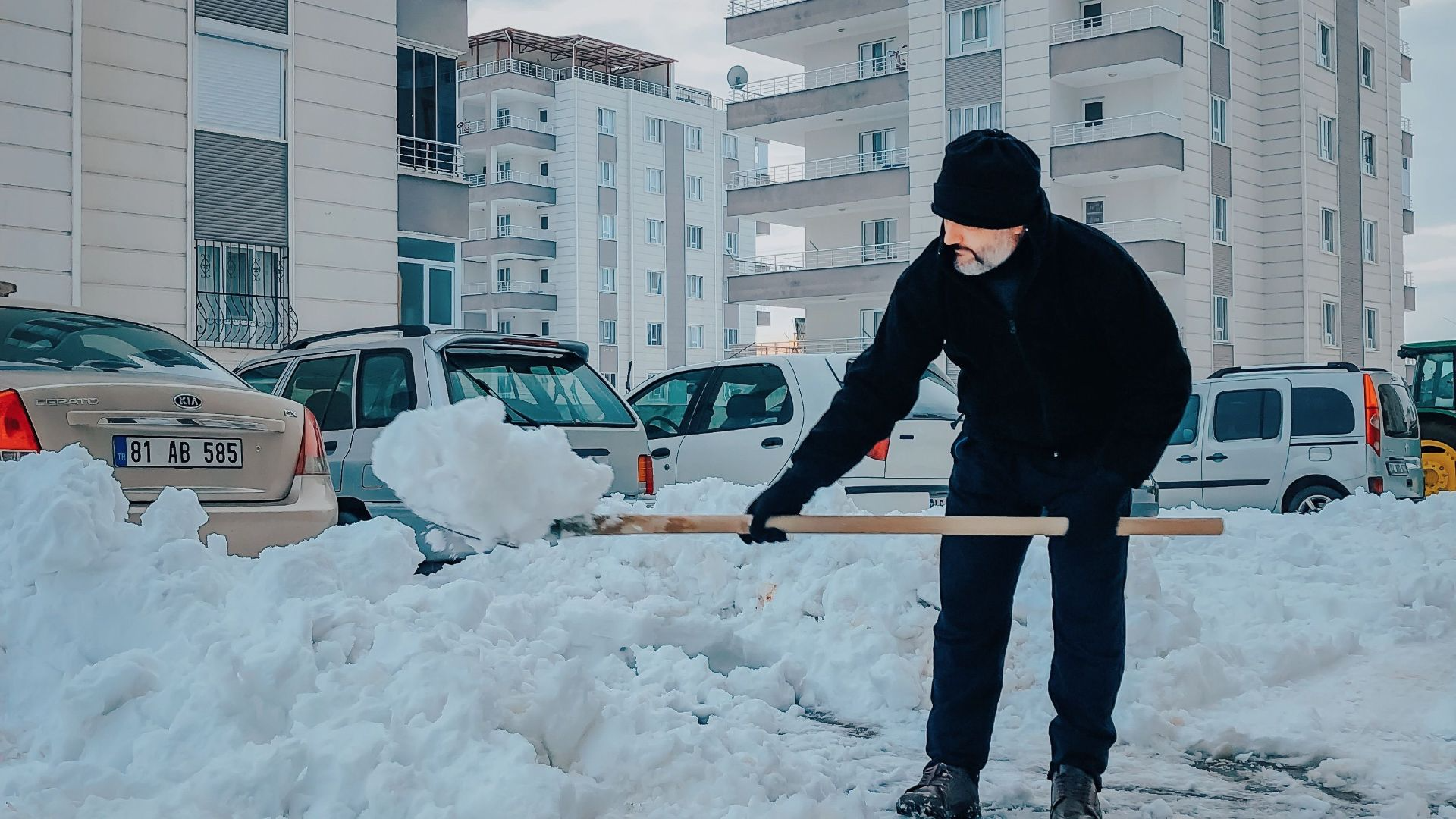
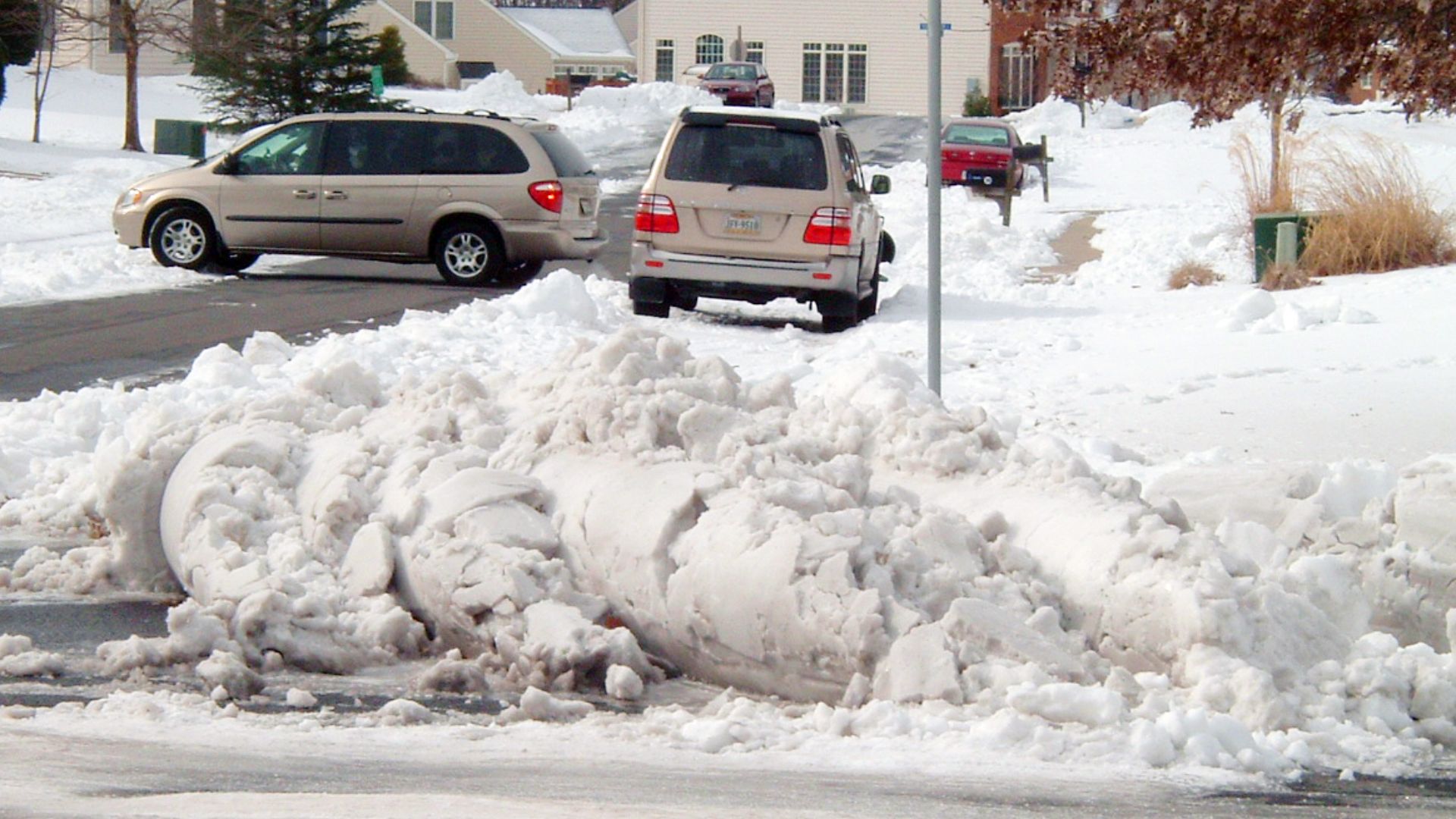
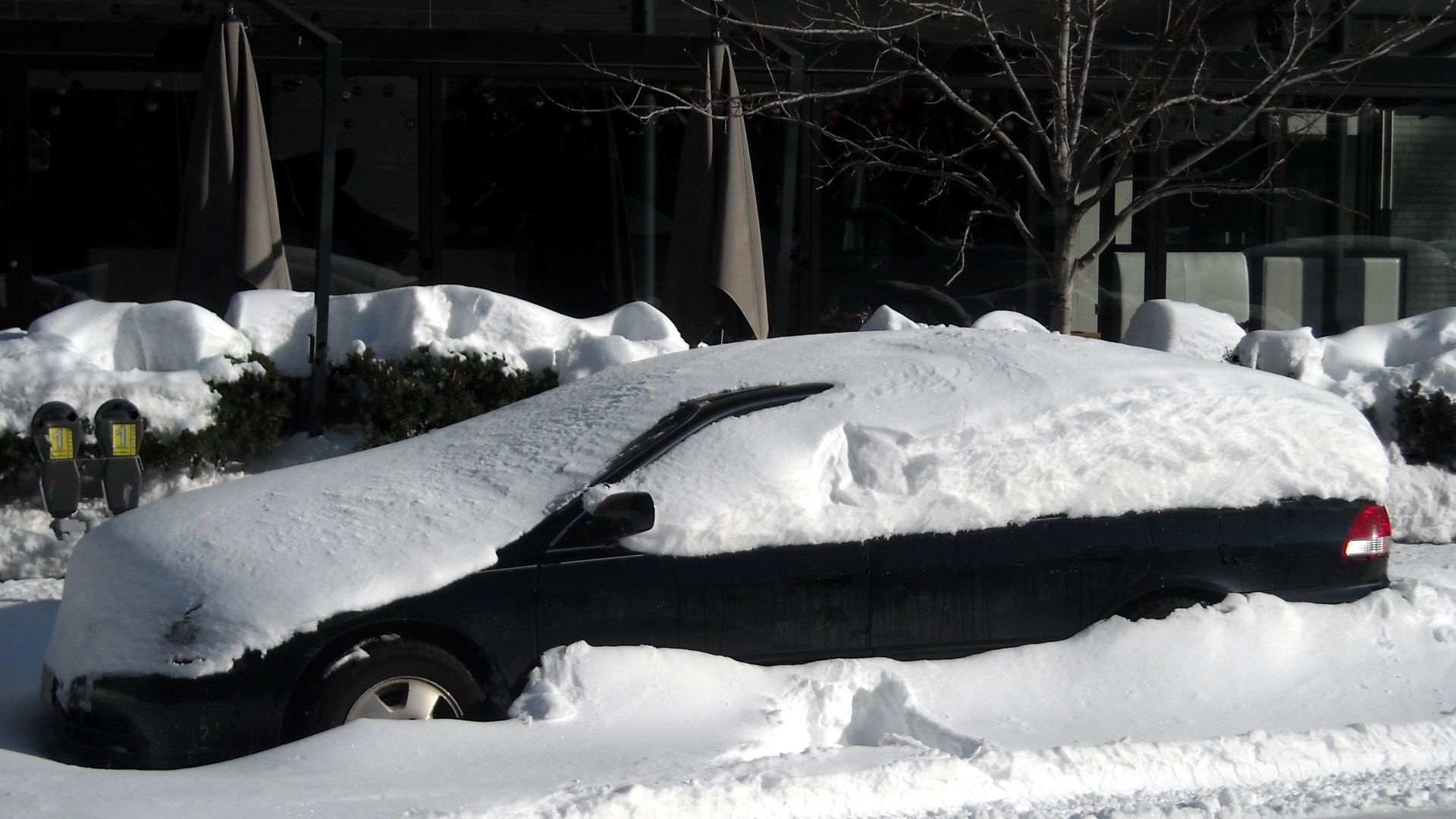
Yes, plowed snow can damage a car. A city plow or private plow that hits a windrow of snow can throw compacted chunks into a parked vehicle, and repeated hits can scrape paint, crack trim, or break lights. If the pile freezes solid, a car can also hit it while parking and damage the bumper, lower grille, splash shields, or underbody panels.
 User:KeepOnTruckin, Wikimedia Commons
It Is Not Just Snow Anymore Once It Hits The Street
Road snow often holds sand, salt, and grit. Those materials can scratch paint and glass, especially if plow force pushes them down the side of a vehicle. Salt is also a longer-term problem because it can speed up corrosion when slush gets packed into wheel wells, brake parts, and exposed metal.
Ice Chunks Are The Real Problem
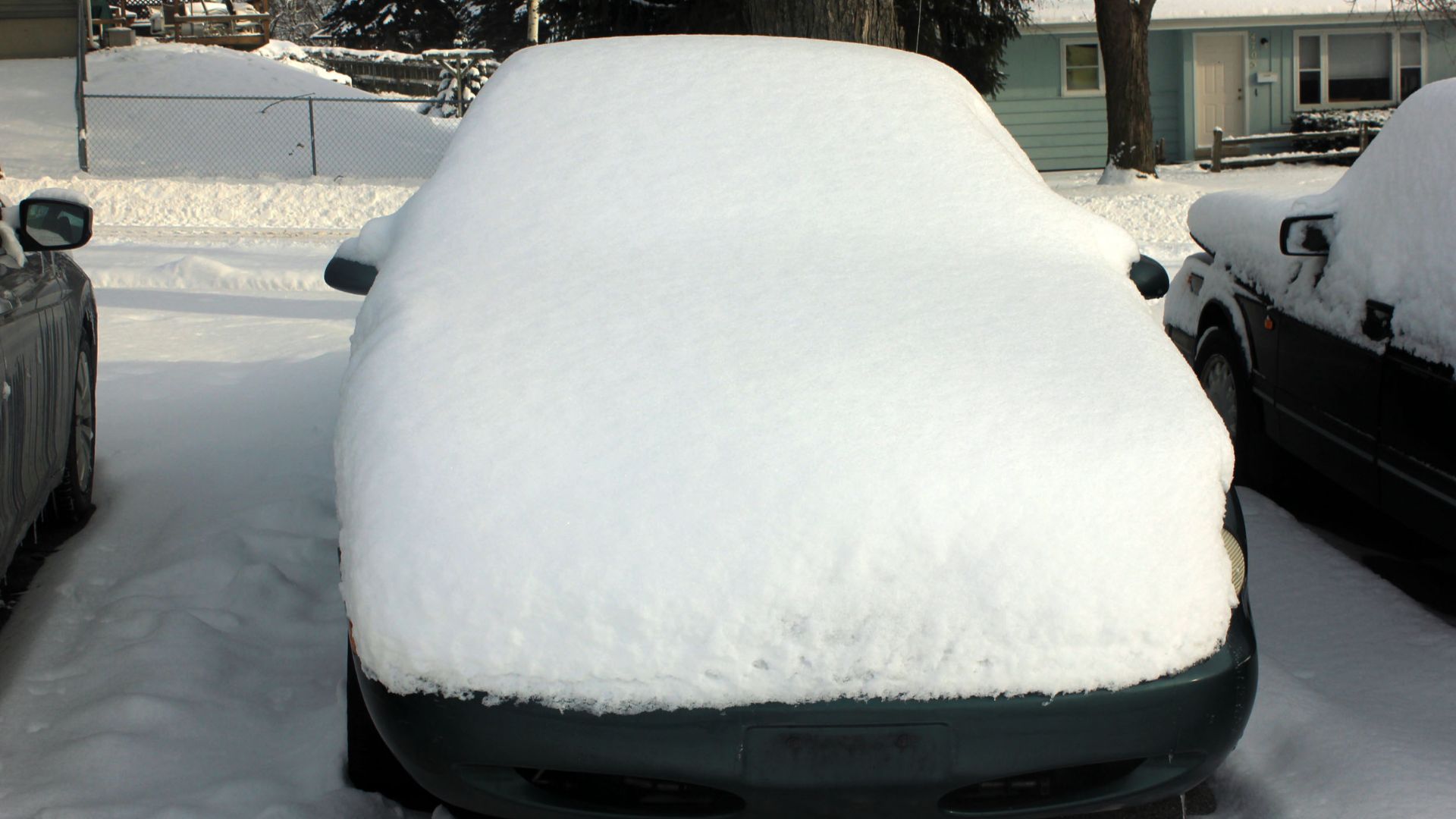
The biggest danger often comes from the freeze-thaw cycle. Snow tossed into the roadway may melt a little during the day, then refreeze into hard ridges or blocks that are tougher than they look. A parked car hit by one of those chunks can end up with cracked bumper covers, broken fog-light surrounds, bent splash shields, or even wheel damage.
 AgnosticPreachersKid, Wikimedia Commons
Visibility Can Get Worse Fast
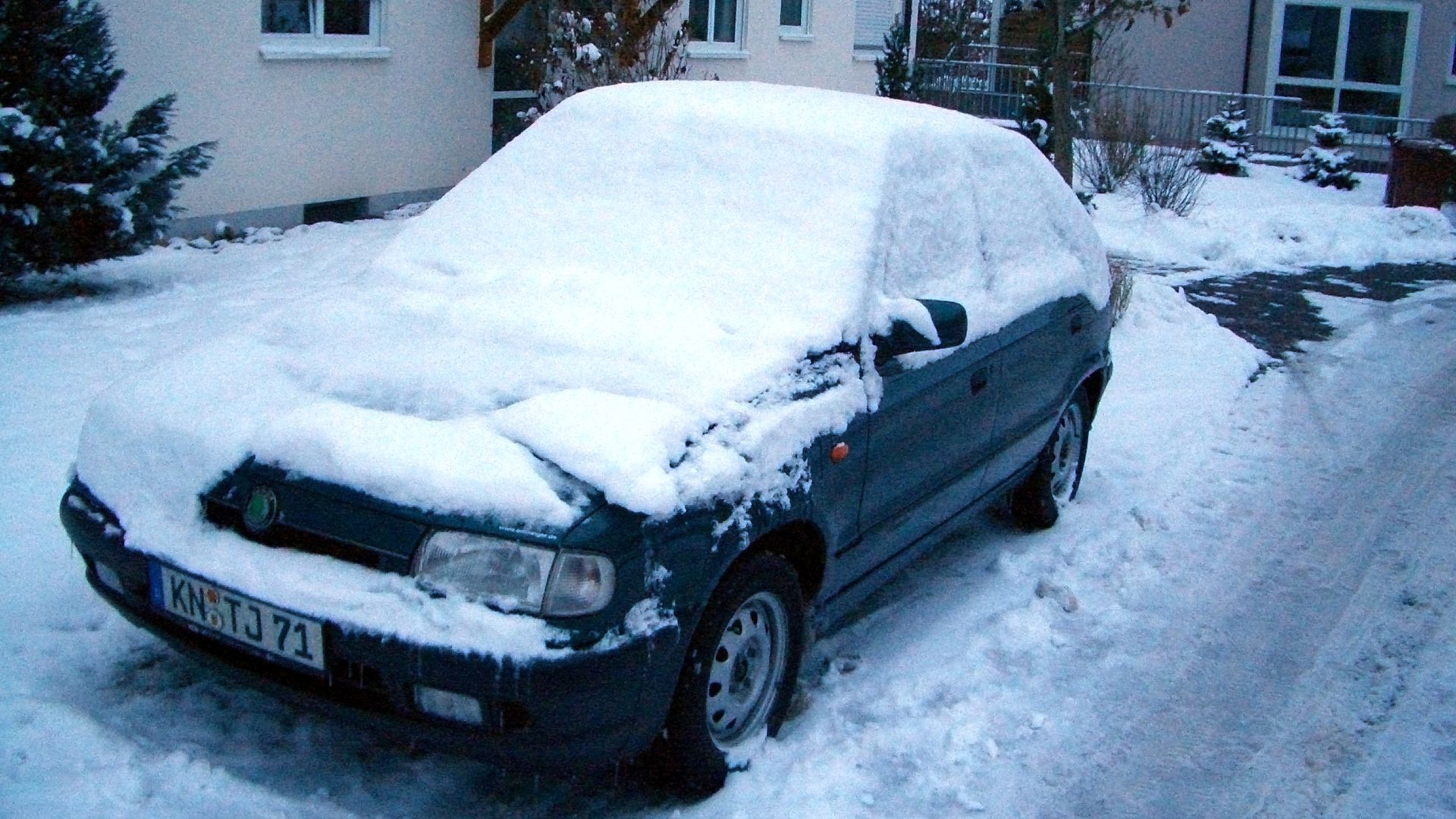
A pile left near a parked car can also block sightlines for drivers pulling out or moving down the street. The Federal Highway Administration has long stressed that snow and ice control is about keeping roads safe and passable, and obstructions work against that. Even if the snow never touches your car, it can still help create a crash.
 Eduardo Manchon, Wikimedia Commons
Neighbors Can Create A Hazard For Other Drivers Too
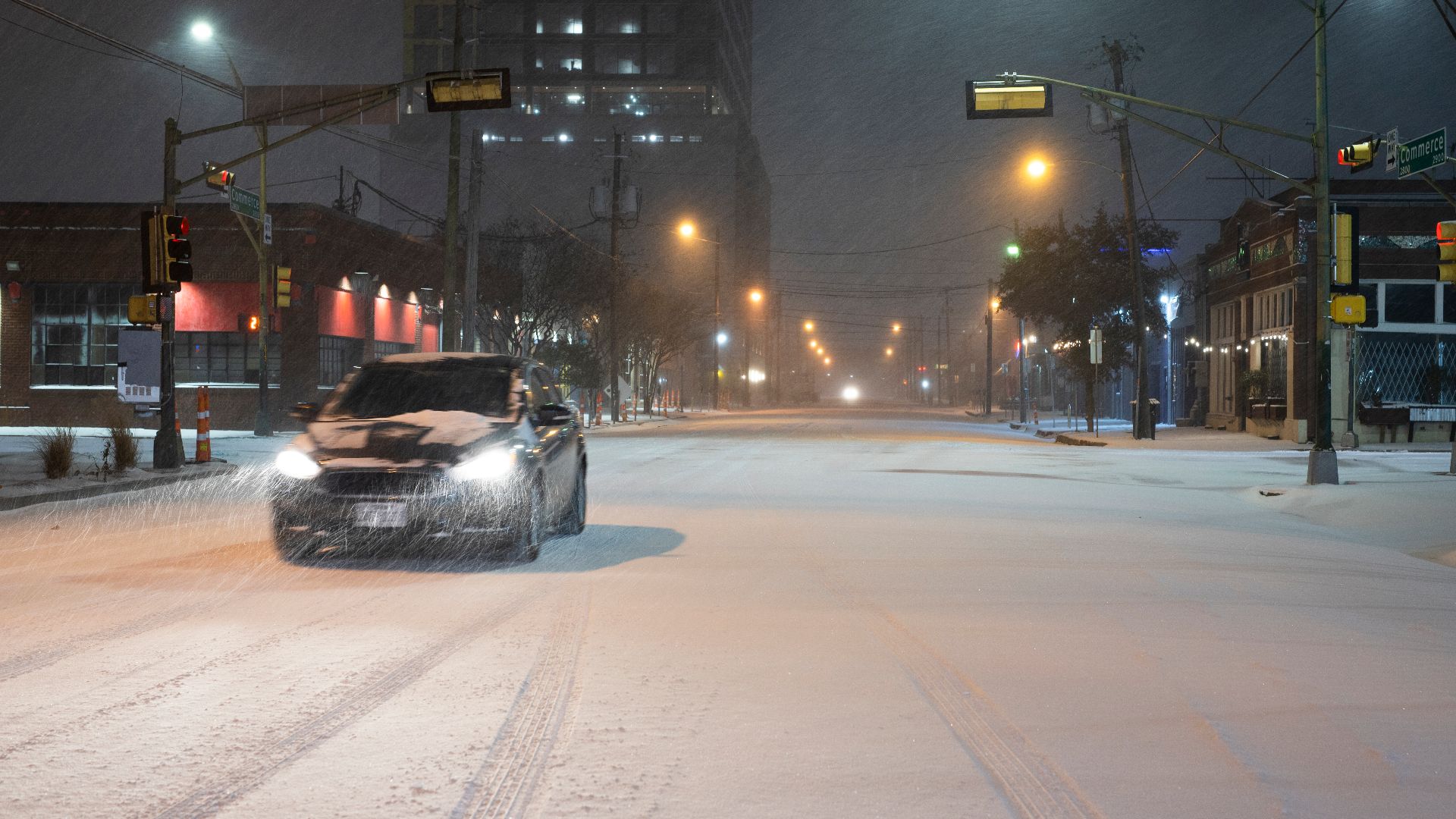
Snow pushed into a street can narrow the travel lane, cut down parking space, and force cars farther into traffic. That is one reason many towns and states clearly ban putting snow onto public roads. The issue is not just your parked car. It is everyone using that street.
 Matthew T Rader, Wikimedia Commons
What Police And Road Agencies Commonly Say
Local police departments often warn that shoveling or blowing snow into the street is illegal. The exact wording changes from place to place, but the message is usually the same. Snow belongs on your property, not in the part of the road where cars travel.

Pennsylvania Offers A Clear Example
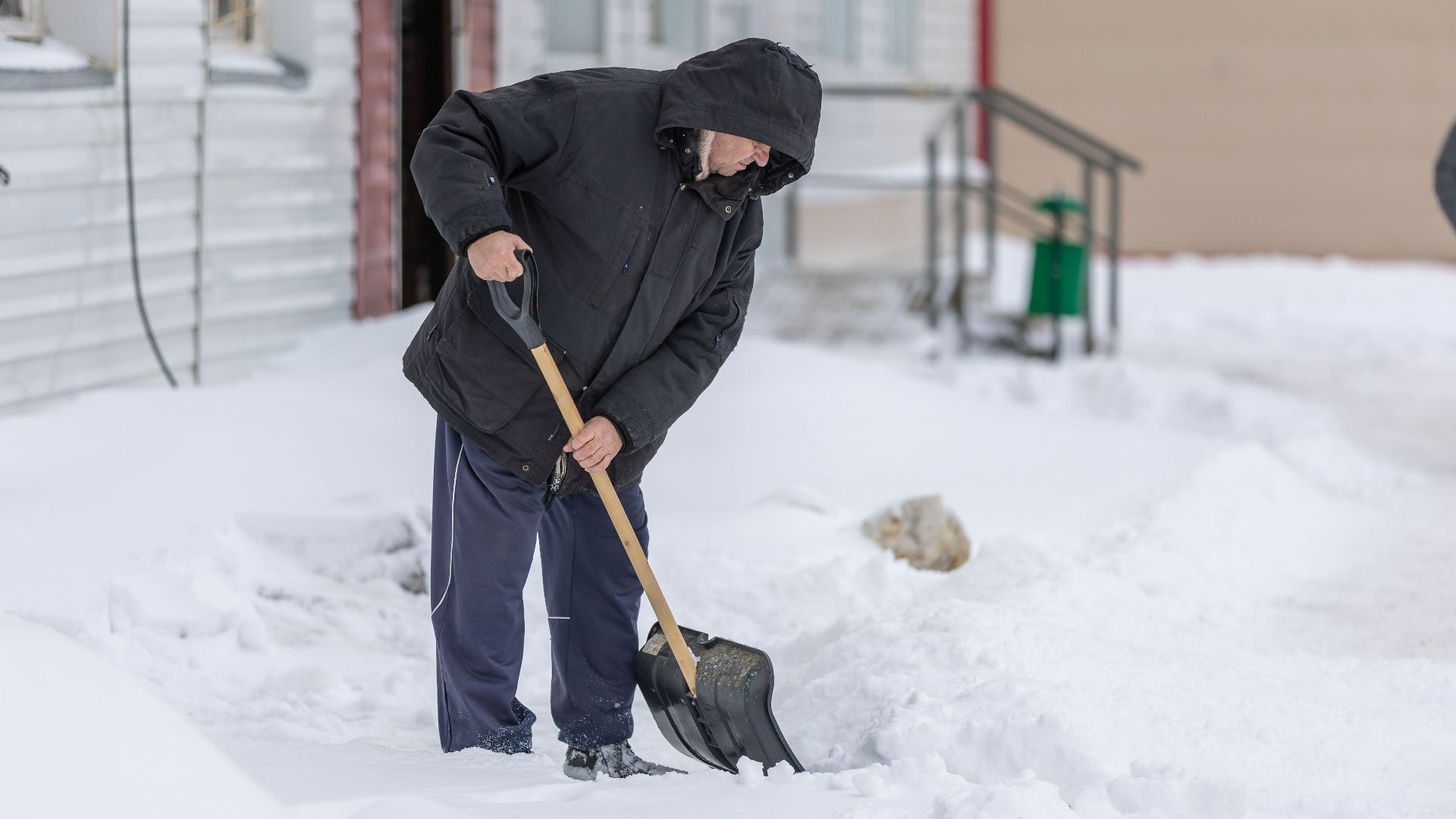
PennDOT specifically warns residents not to throw, shovel, or plow snow onto roadways. The agency says this can create icy conditions and form frozen ruts or drifts that become dangerous for drivers. It also notes that the force of plowed snow can damage nearby property.
New Hampshire Spells Out The Liability Risk
The New Hampshire Department of Safety has warned that pushing snow across or onto a public road can leave behind compacted snow and ice that is dangerous for traffic. It also says a person who creates that hazard may be liable for damage or injuries that follow. That is the part many neighbors do not think about until something goes wrong.
Maine Has Issued Similar Warnings
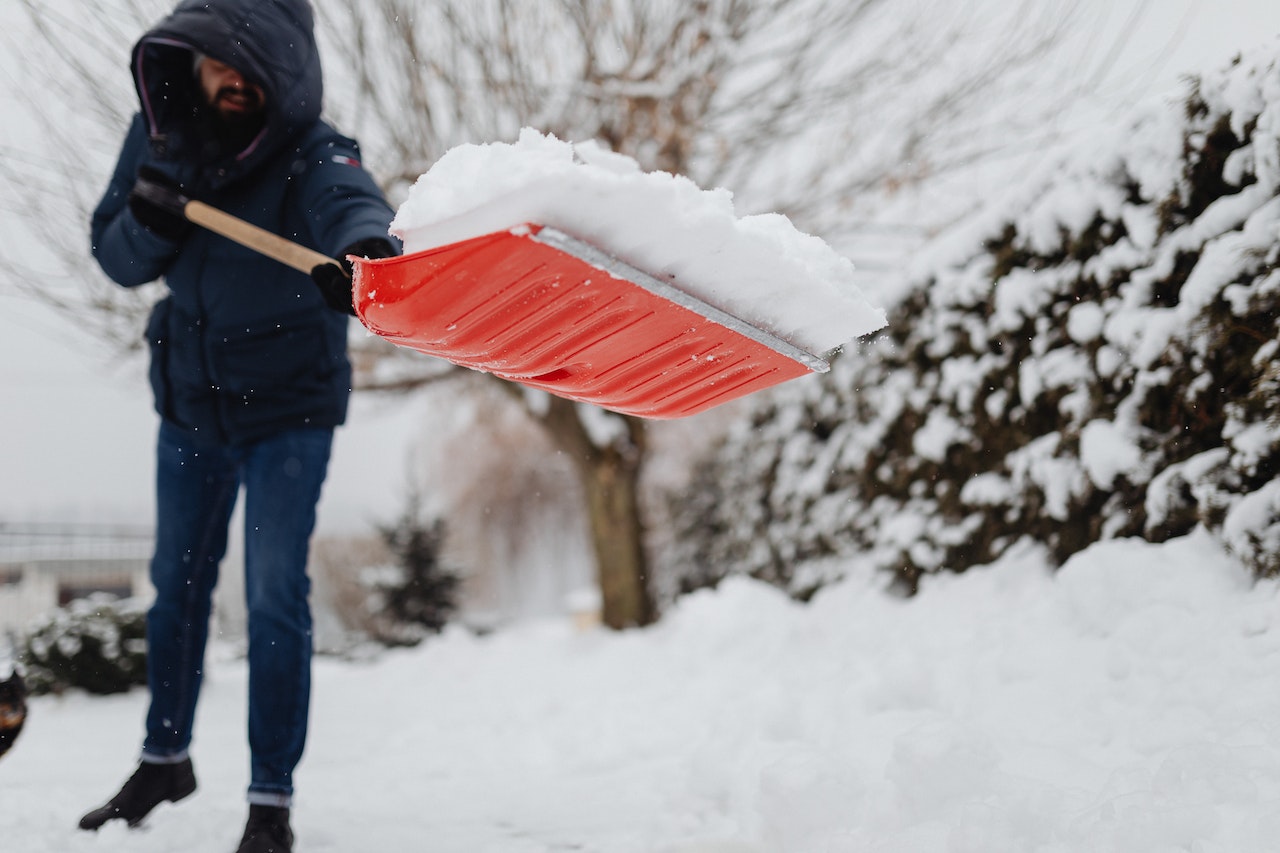
The Maine Department of Transportation has also reminded residents that plowing snow into public roads is illegal and dangerous. The agency points to visibility problems and the risk of icy conditions after snow gets spread across pavement. In snowy states, this has been a road safety issue for a long time.
Municipal Codes Often Ban It Too
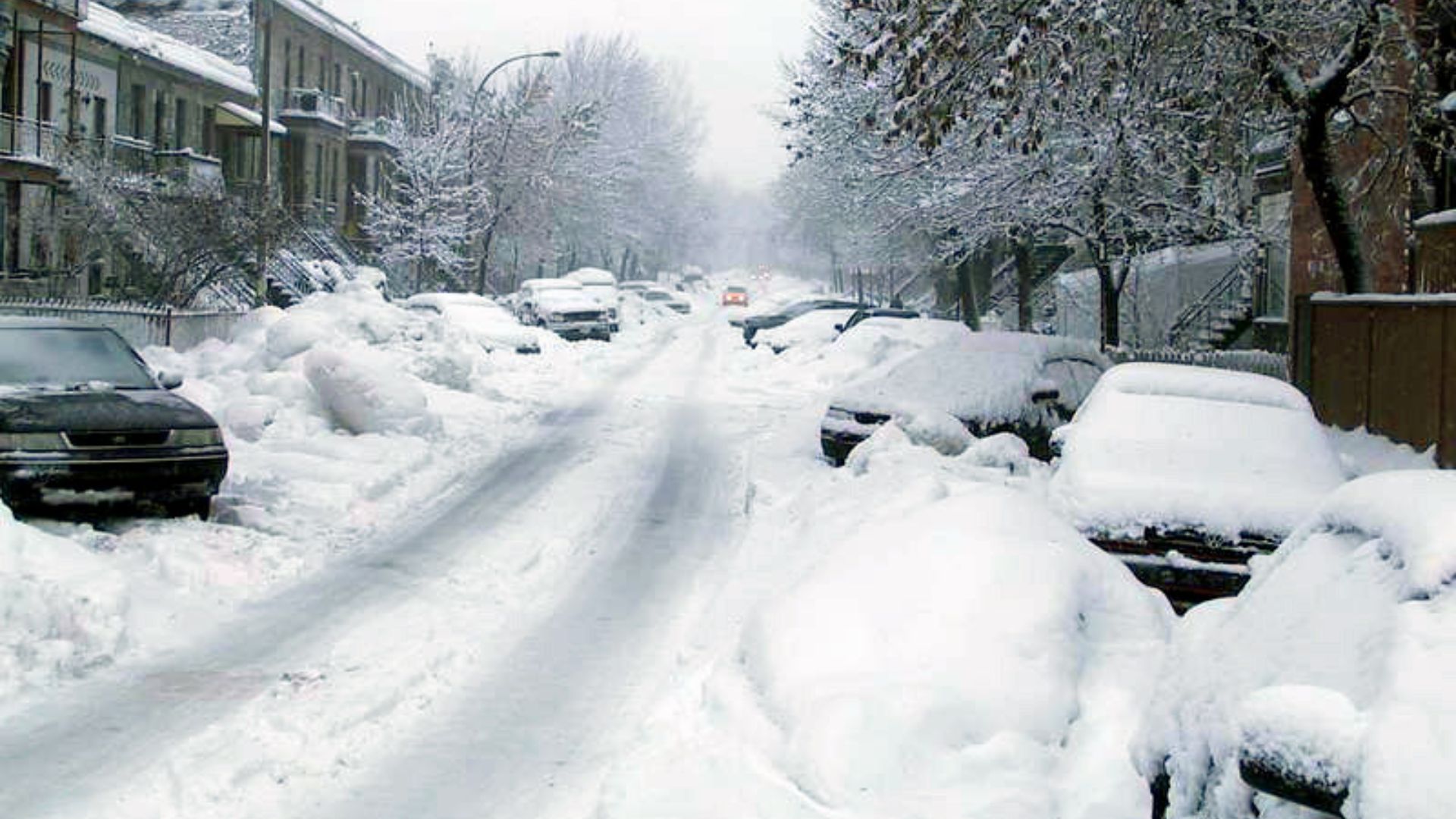
Even when state law is not the first thing people mention, city and town ordinances often ban placing snow or ice in streets and sidewalks. These rules are usually written as safety measures, and they can come with fines or other enforcement. If your neighbor insists this is normal, the local code may say otherwise.

Could Your Neighbor Be Liable If Your Car Is Damaged
Potentially, yes. If a neighbor intentionally or carelessly dumps snow into the street and that helps cause damage, they could face a property damage claim. Liability depends on local law, the facts, the evidence, and whether you can connect their actions to the damage.

What Would Help Prove A Claim
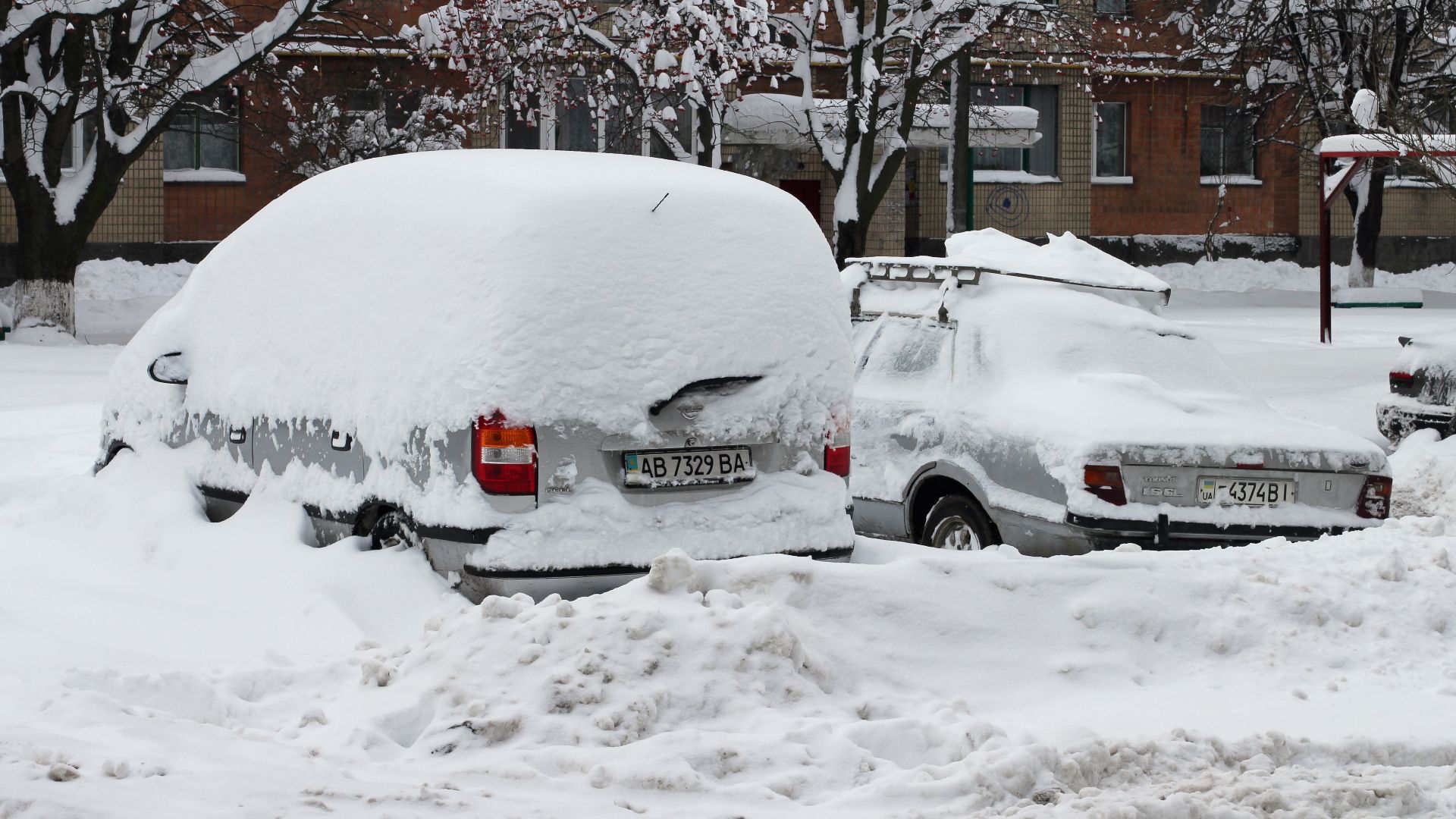
Photos matter. Take clear pictures showing where the snow was placed, where your car was parked, and any fresh damage after plowing or freezing. Time-stamped video, witness statements, and records showing the same thing happening again and again can also help show a pattern.
 George Chernilevsky, Wikimedia Commons
If A City Plow Hits The Pile And Your Car Gets Damaged
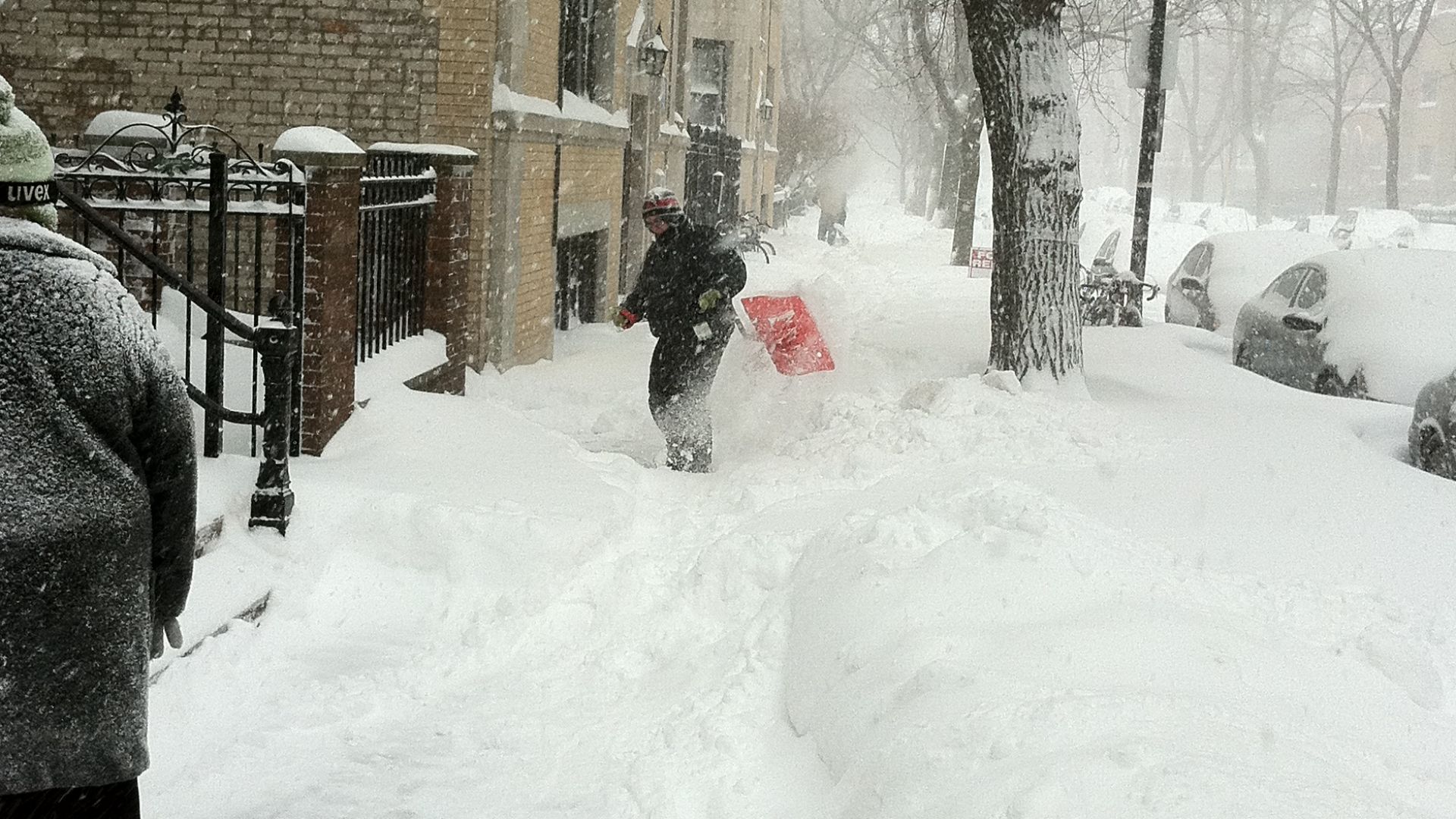
This is where things can get complicated. The direct hit may come from the plow or from snow thrown by it, but the hazard may have started with the person who dumped snow into the street. Depending on the facts and local claims rules, you may have to deal with your insurer first while questions about fault get sorted out later.
 t3xt (talk), Wikimedia Commons
Insurance May Cover The Damage, But Read The Fine Print
Damage from hitting an object is often handled under collision coverage, while some weather-related damage may fall under comprehensive coverage. If your parked car is damaged by snow, ice, or plow-thrown debris, your insurer will want to know exactly how it happened. Coverage depends on your policy language and deductible, so it helps to know what your policy actually includes.

Do Not Ignore Hidden Damage
Even if the bumper looks okay, packed snow and ice can damage lower plastic panels, wheel liners, parking sensors, and grille shutters. If your car was pushed against a frozen ridge or got hit over and over by plow wash, check under the front and rear edges carefully. A small crack now can turn into a loose panel later on the highway.
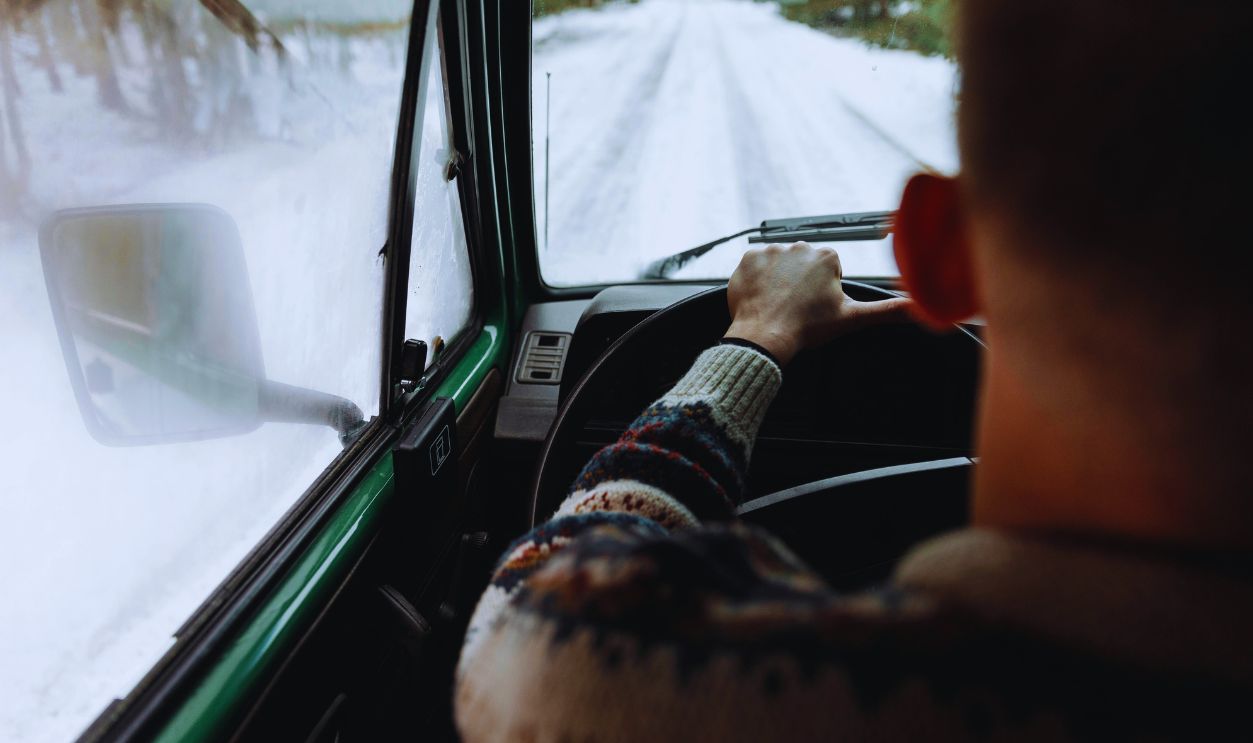
Salt And Slush Can Cause Longer-Term Trouble
Road salt lowers the freezing point of water, which is why road crews use it, but it also raises the risk of corrosion on vehicles. The Federal Highway Administration has broad guidance on winter road operations that includes the use of salt and abrasives. If your parking spot keeps getting buried in plowed slush, regular rinsing of the wheel wells and underbody is a smart move.
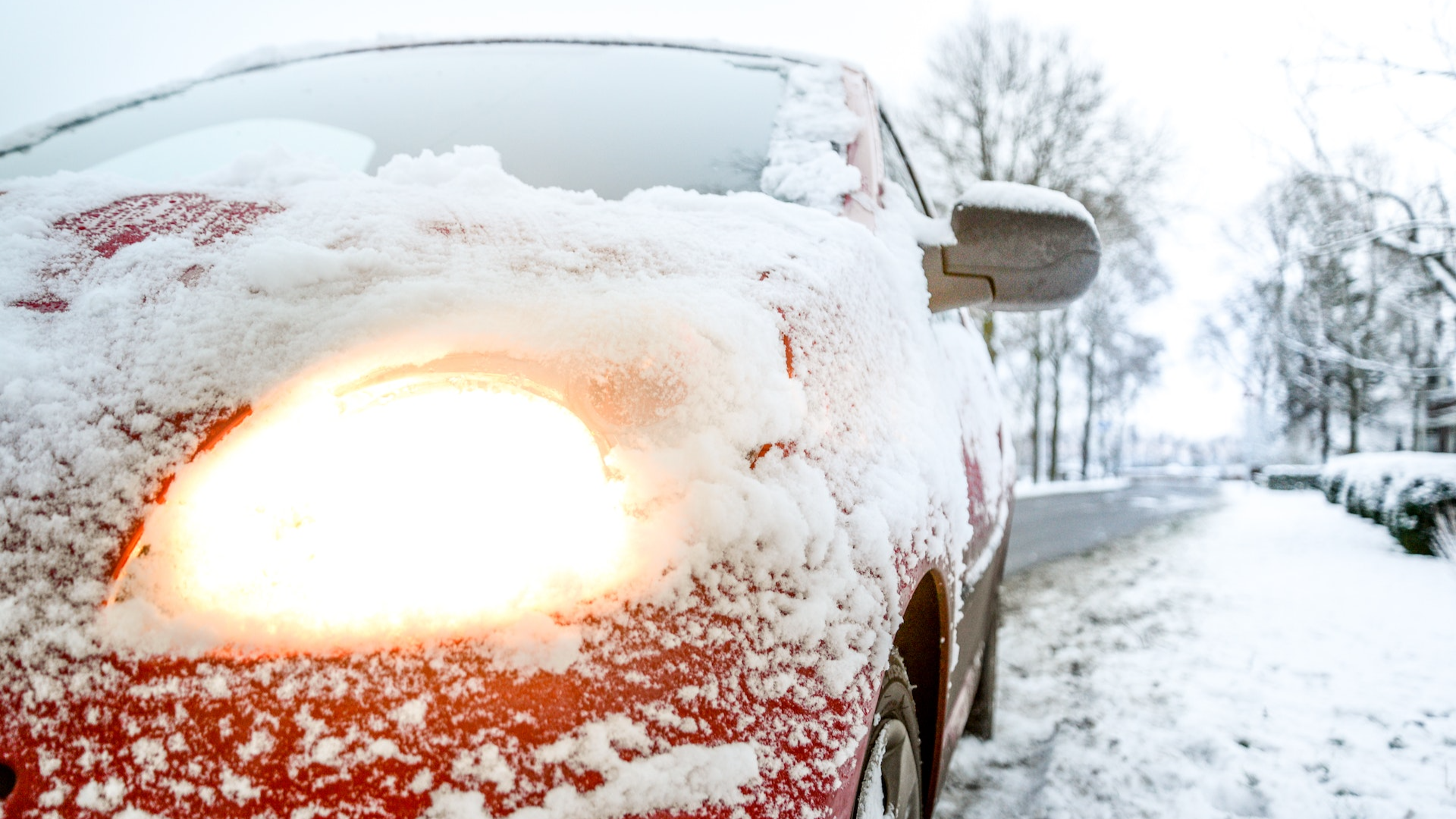
Watch Out For Blocked Exhaust And Unsafe Dig-Outs
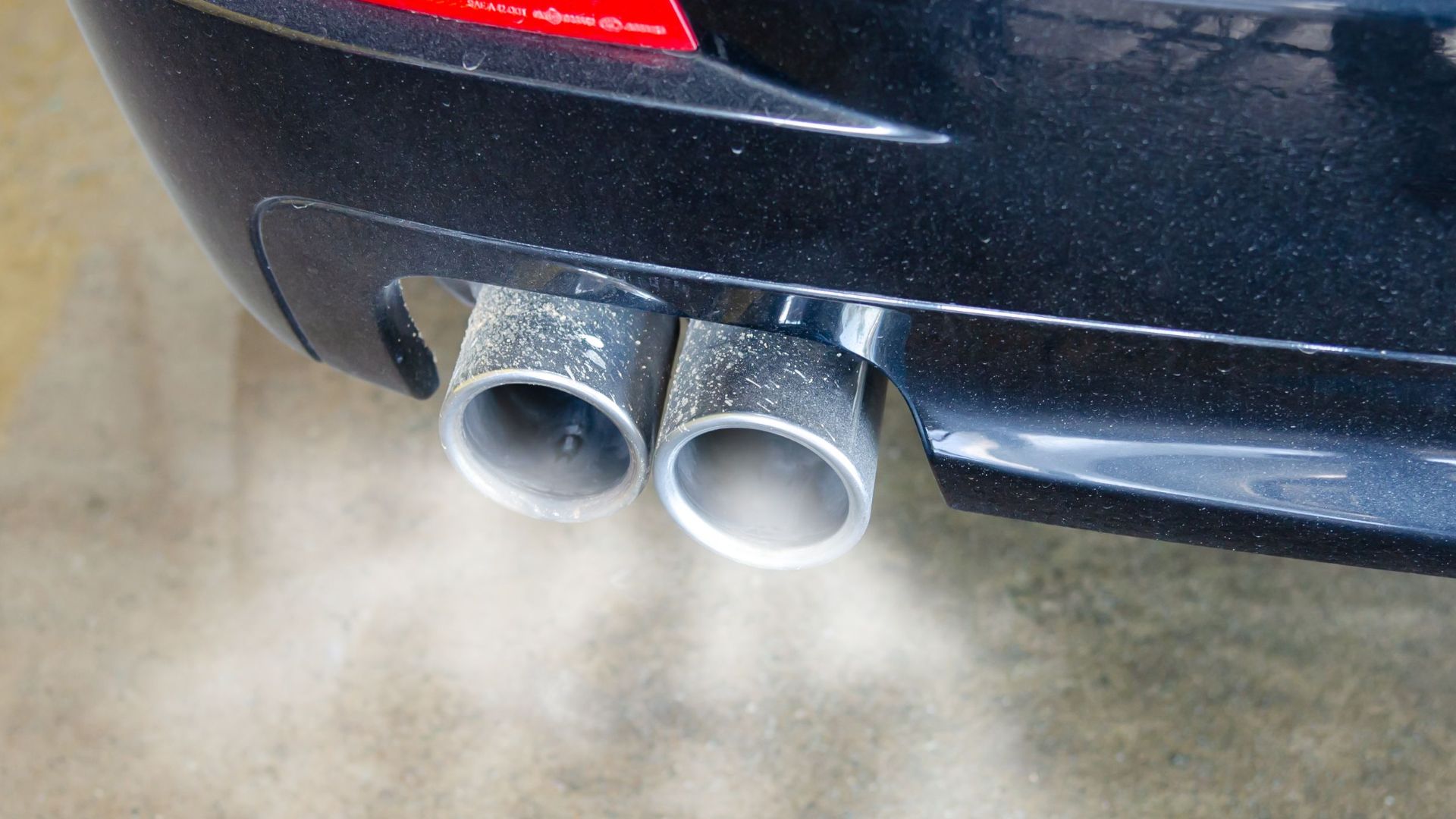
If snow piles up tightly around a parked car, clear the area around the tailpipe before idling. The Centers for Disease Control and Prevention warns that a blocked exhaust pipe can let carbon monoxide build up to dangerous levels. Digging out also comes with slip risks, so do not rush just because the street suddenly looks passable.
The Best First Move Is Usually A Calm Conversation
Before this turns into a neighborhood feud, try a direct and polite conversation. A lot of people honestly do not realize that moving snow into the street can be illegal or can create liability. A calm heads-up, especially with a local ordinance or road agency warning to point to, may solve the problem without making it bigger.

If That Fails, Document Everything
Keep a simple log with dates, snowfall amounts, when the snow was dumped, and what happened afterward. Add photos after each event, especially before and after plows pass through. If you end up contacting code enforcement, police, your insurer, or small claims court, that record can help a lot.
 Natallia Ustsinava, Shutterstock
Call The Right Local Office
If the problem keeps happening, contact your city or town public works department, code enforcement office, or non-emergency police line. Ask whether there is an ordinance against putting snow in the street and how complaints are handled. Stick to the non-emergency route unless there is an immediate danger to traffic.

Move Your Car If A Storm Is Coming
If you know your street will be plowed and the same bad snow pile keeps showing up, moving the car may be the cheapest way to avoid damage. It may not be fair, but it can save a bumper, mirror, or wheel while the issue gets sorted out. Winter parking is often about avoiding problems you can already see coming.
Pick A Spot With Better Drainage And Fewer Snow Ridges
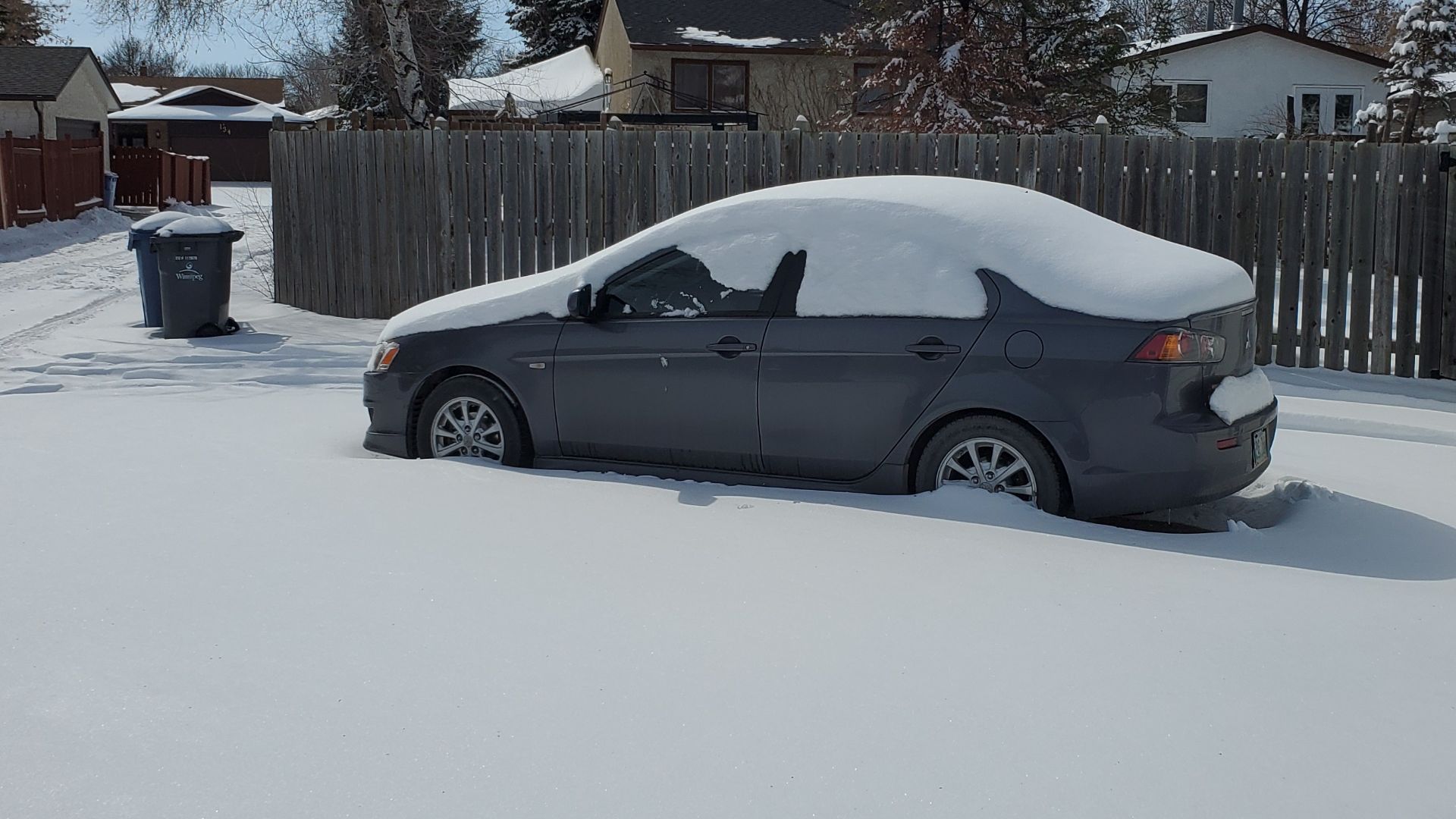
If you have any choice about where to park, avoid the downhill side of a driveway or the spot where plow windrows usually build up. Snow that melts and refreezes there tends to get harder and rougher. A slightly longer walk can be worth it if it keeps your car out of the local snow war zone.
 Rohan.wankar, Wikimedia Commons
When To Seek Legal Advice
If your car is damaged, the cost is serious, and the evidence is strong, it may be worth talking to a lawyer or using small claims court if the amount fits. Bring photos, repair estimates, dates, and any local ordinance language you found. The key is showing that the neighbor created a predictable hazard that led to the damage.

The Bottom Line For Drivers
Plowed snow can absolutely damage a car, especially when a neighbor piles it into the street where vehicles park or travel. It can also create liability because many states and towns treat this as dangerous and sometimes illegal. If it is happening on your block, document it, protect your car, and check your local rules before that ugly snow pile turns into a real repair bill.