When a Camera Feels Like It’s Aimed at You
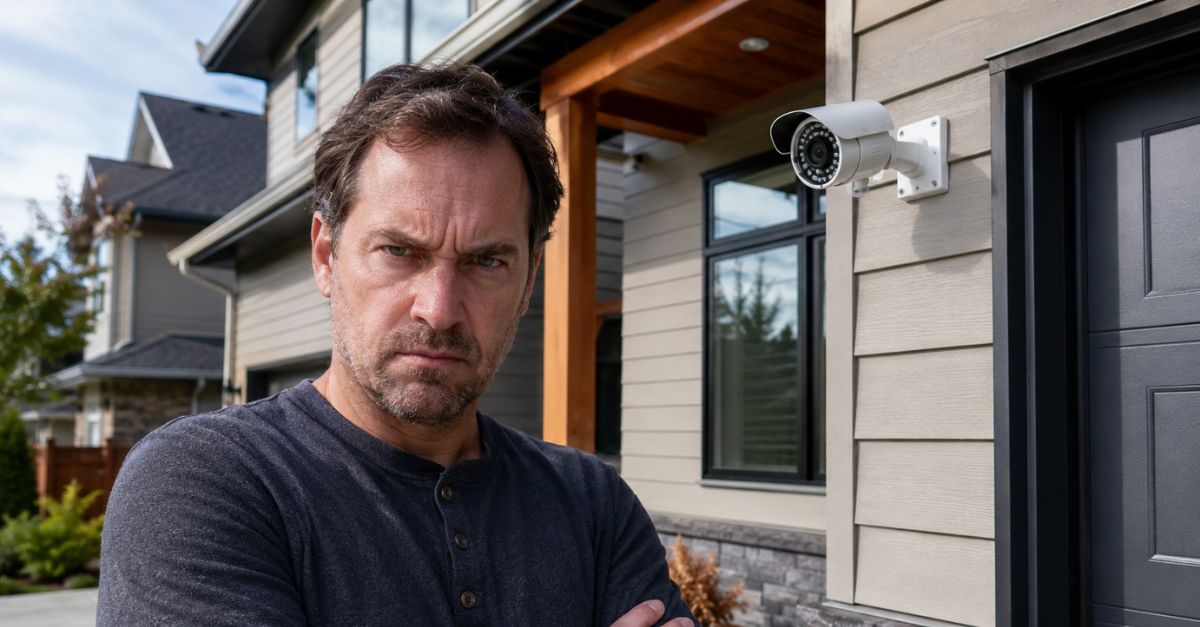
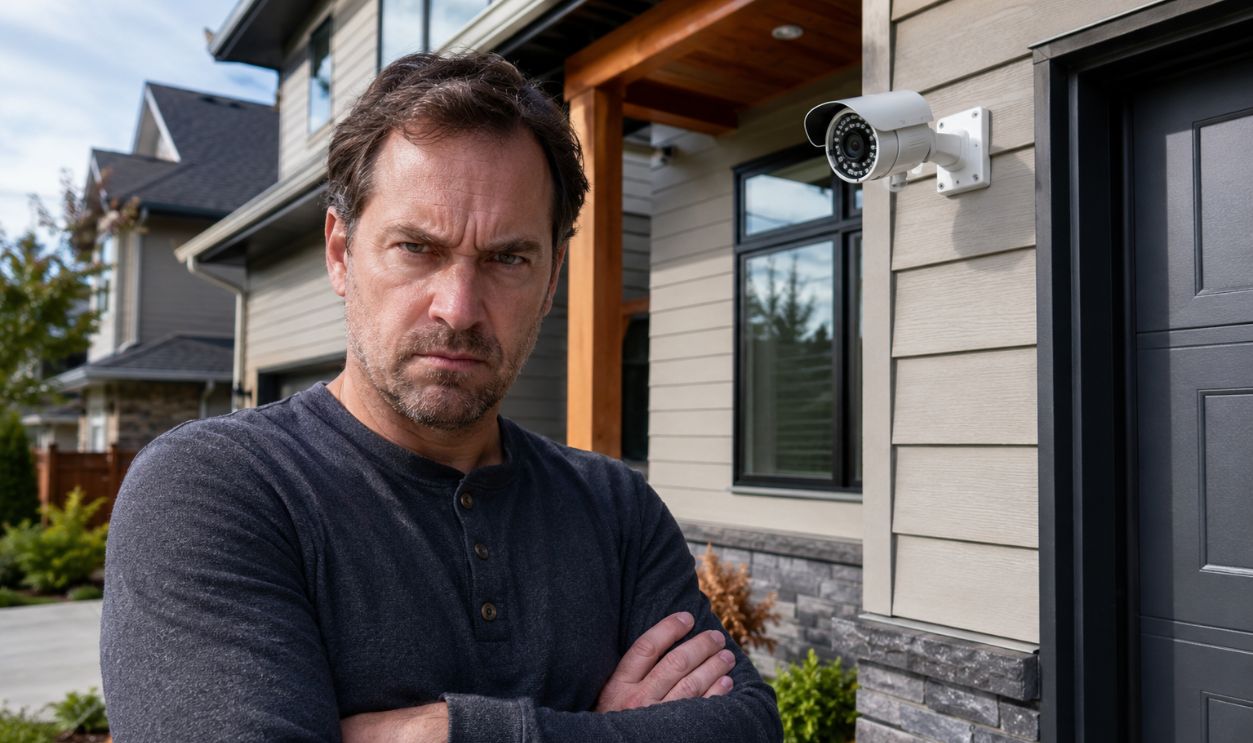
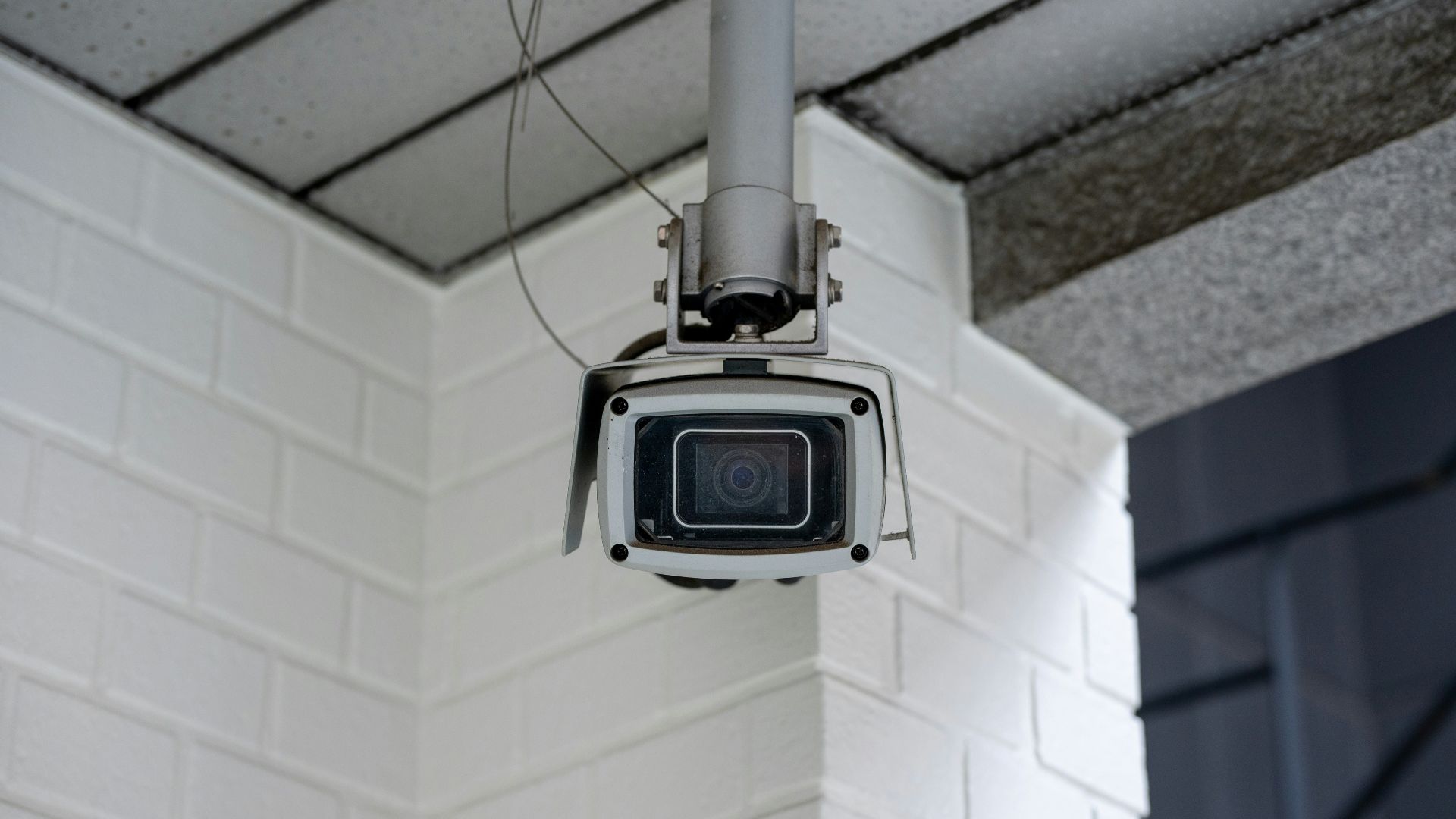
Every time you back out of your driveway, you see the neighbor’s camera light blinks on again. It makes sense to feel uncomfortable, especially when it happens every day. But the legal answer usually comes down to one basic question: Is the camera recording a place where you have a reasonable expectation of privacy?
The Short Answer Most Lawyers Give
In many parts of the United States, a security camera that records what can already be seen from a public street or from someone else’s property is often legal. Driveways, front yards, sidewalks, and the street in front of a home usually are not treated like private indoor spaces. That does not mean every camera setup is lawful, but it does mean a driveway is often a hard place to claim full privacy.
Why Driveways Usually Get Less Legal Protection
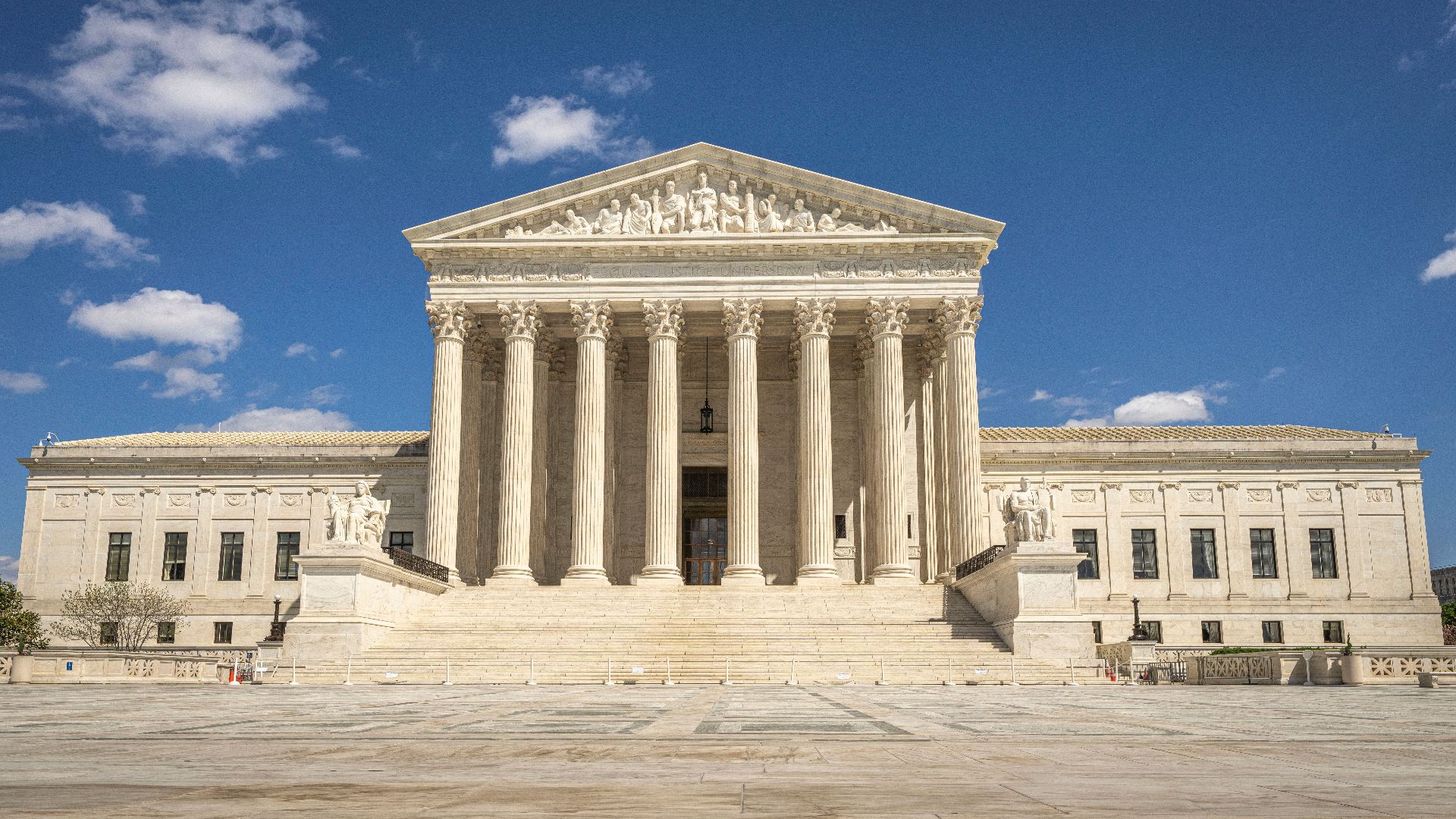
Courts have long treated areas open to public view differently from places hidden inside a home. The U.S. Supreme Court has repeatedly made clear that the home gets the highest protection, while areas visible from outside get less. A driveway, especially one that is easy to see from the road, often falls into that lower-protection category.

The Big Privacy Idea That Matters
The phrase that comes up again and again is reasonable expectation of privacy. That idea helps explain why a bedroom is treated differently from a front walk. If anyone standing on the street can see your car leaving, a camera recording that same scene usually does not create a new privacy right.
What the Supreme Court Said About Home Privacy
In Kyllo v. United States in 2001, the U.S. Supreme Court stressed that details from inside a home sit at the heart of Fourth Amendment protection. That case involved thermal imaging by police, not a dispute between neighbors, but it shows how strongly the law protects the inside of a house. The closer a camera gets to seeing through windows or into enclosed spaces, the bigger the legal risk becomes.
Another Key Case About Looking Around a Home
In 2013, the Supreme Court decided Florida v. Jardines, a case about the area right around a home, often called the curtilage. The Court treated that area as sensitive because it is closely tied to the privacy of the home. Even so, a visible driveway is not always treated the same way as a fenced backyard or a screened patio.
Curtilage Is Real, but It Has Limits
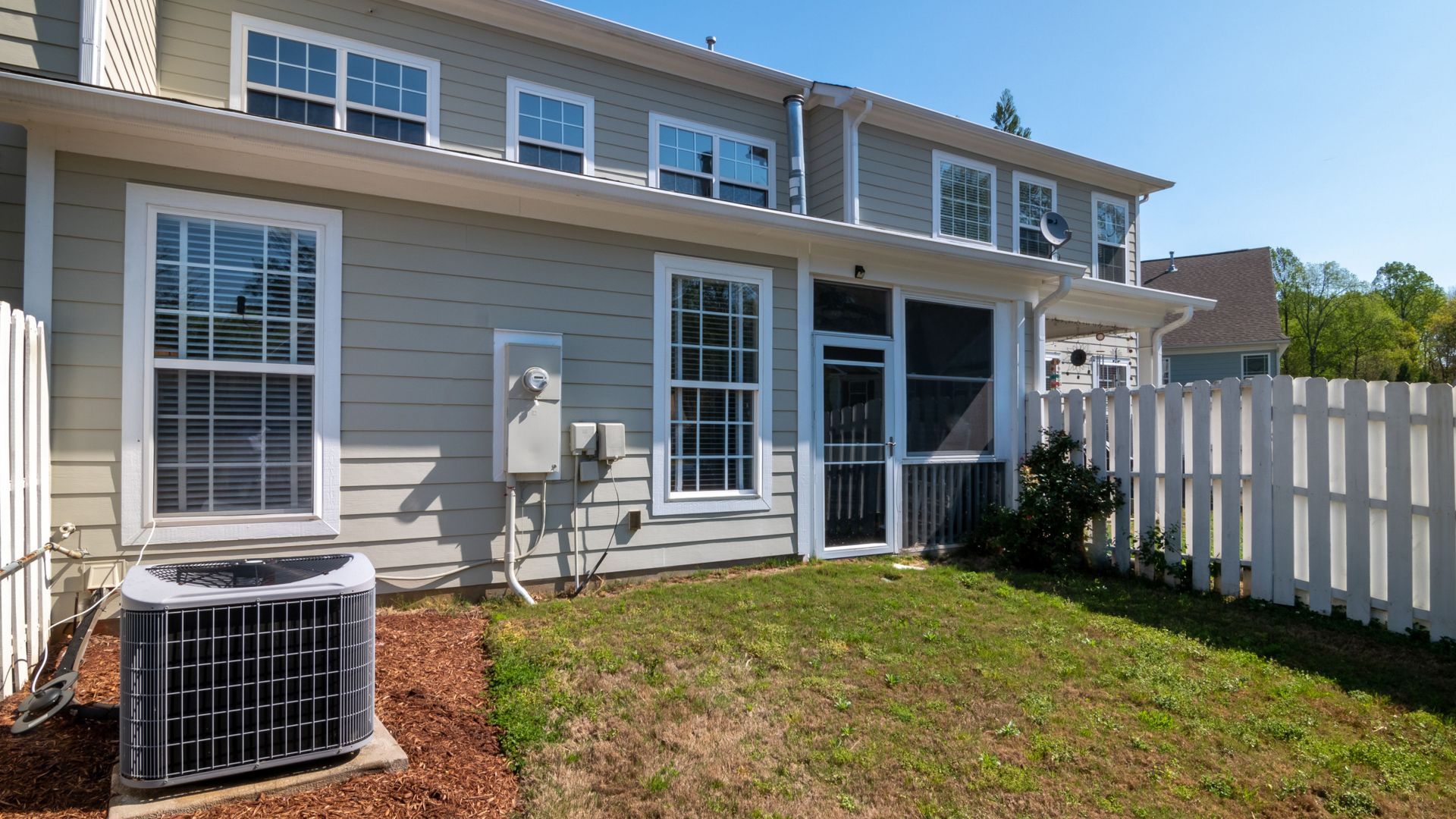
Curtilage means the area closely linked to the home and private life. Courts usually look at how close the area is to the house, whether it is enclosed, how it is used, and what steps the owner took to block it from public view. A driveway open to passersby usually gets less protection than a backyard behind a fence.

When a Neighbor’s Camera Crosses the Line
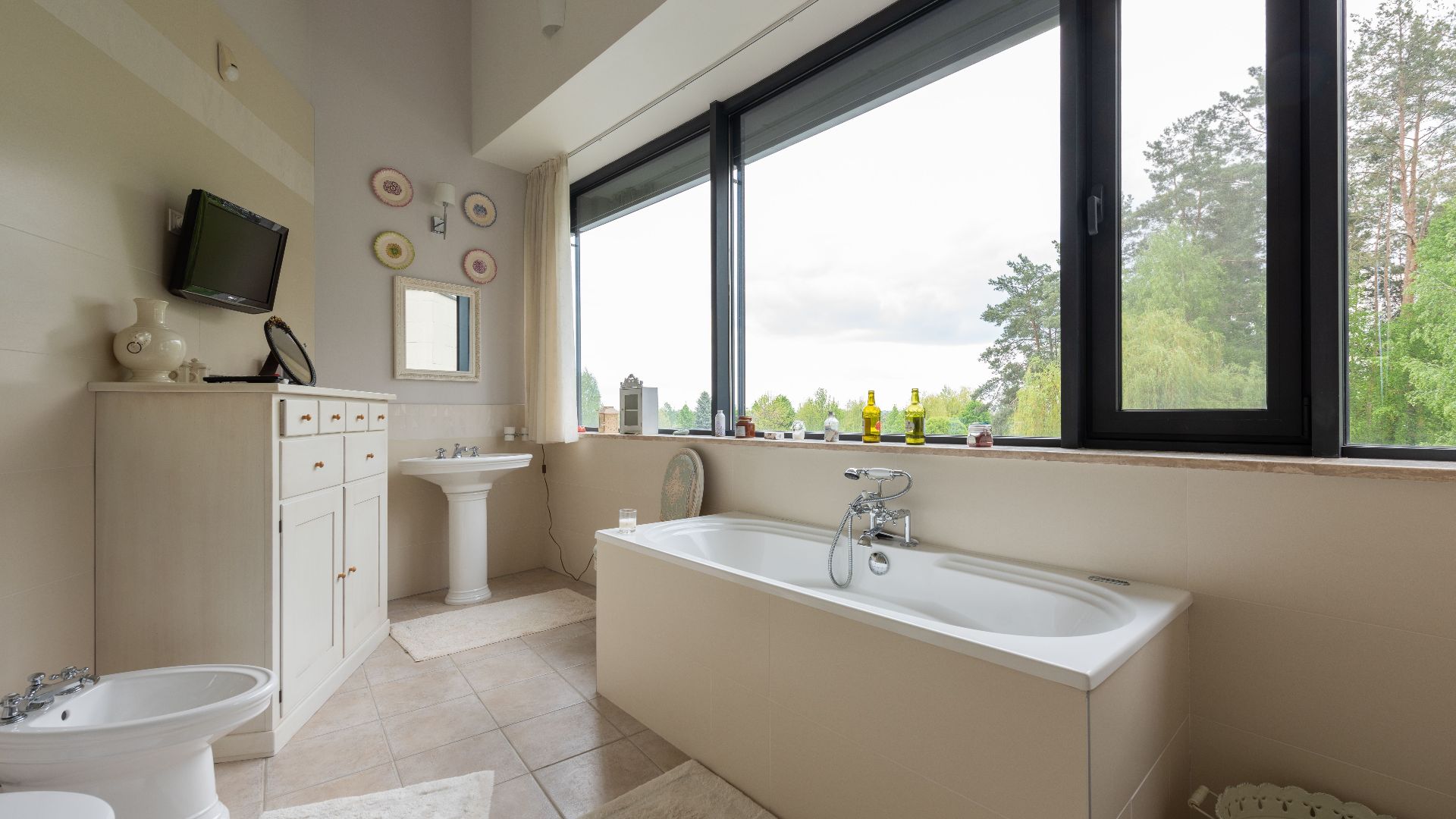
The legal risk goes up if a camera is pointed through your windows, over a privacy fence, or into places where someone normally expects seclusion. Bathrooms, bedrooms, changing areas, and enclosed backyards are the clearest examples. Audio recording can also create separate legal issues, especially in states with stricter consent laws.
Audio Can Be a Bigger Problem Than Video
People often focus on the lens and forget the microphone. Federal and state wiretap or eavesdropping laws may limit recording private conversations, depending on the facts and the state. A camera that silently records your driveway may be easier to defend than one that clearly picks up your conversations from across the property line.
State Law Is Usually Where the Real Fight Happens
There is no single national rule saying all neighbor cameras are legal or illegal. Property, privacy, harassment, nuisance, and audio-recording rules often come from state statutes and local ordinances. That means the same camera placement might be ignored in one place and trigger a real legal fight in another.

California Shows How Context Changes Everything
California privacy law recognizes intrusion into private affairs, and the state also has strong rules on recording confidential communications. If a neighbor’s device mainly captures your driveway from a lawful vantage point, a case may be tough to make. If it records private conversations or is used to intimidate, the situation looks very different.

Harassment and Stalking Laws Can Matter Too
A camera is not judged only by where it points. How the neighbor uses it can matter just as much. If the recording is part of a pattern of targeted intimidation, threats, or obsessive monitoring, harassment or stalking laws may come into play even if a single camera by itself might be legal.
Nuisance Claims Sometimes Come Into Play
Some disputes are framed less as privacy cases and more as nuisance fights between neighbors. That can happen if lights, alerts, or deliberately invasive placement interfere with daily life. Success depends a lot on the evidence and local law, but it gives frustrated homeowners another possible route.
HOA Rules May Be Stricter Than State Law
If you live in a neighborhood with a homeowners association, the governing rules may regulate visible security equipment. HOAs can impose placement, appearance, or use restrictions that go beyond what state law requires. In plain terms, something may be legal under state law and still break neighborhood rules.

Renters Shouldn’t Ignore the Lease
Tenants may have another layer of protection or restriction through lease terms and landlord policies. Some rental communities regulate doorbell cameras, shared spaces, and devices pointed toward neighboring units. If your issue is in an apartment or townhouse complex, that paperwork matters more than many people think.

What If the Camera Is a Doorbell Camera
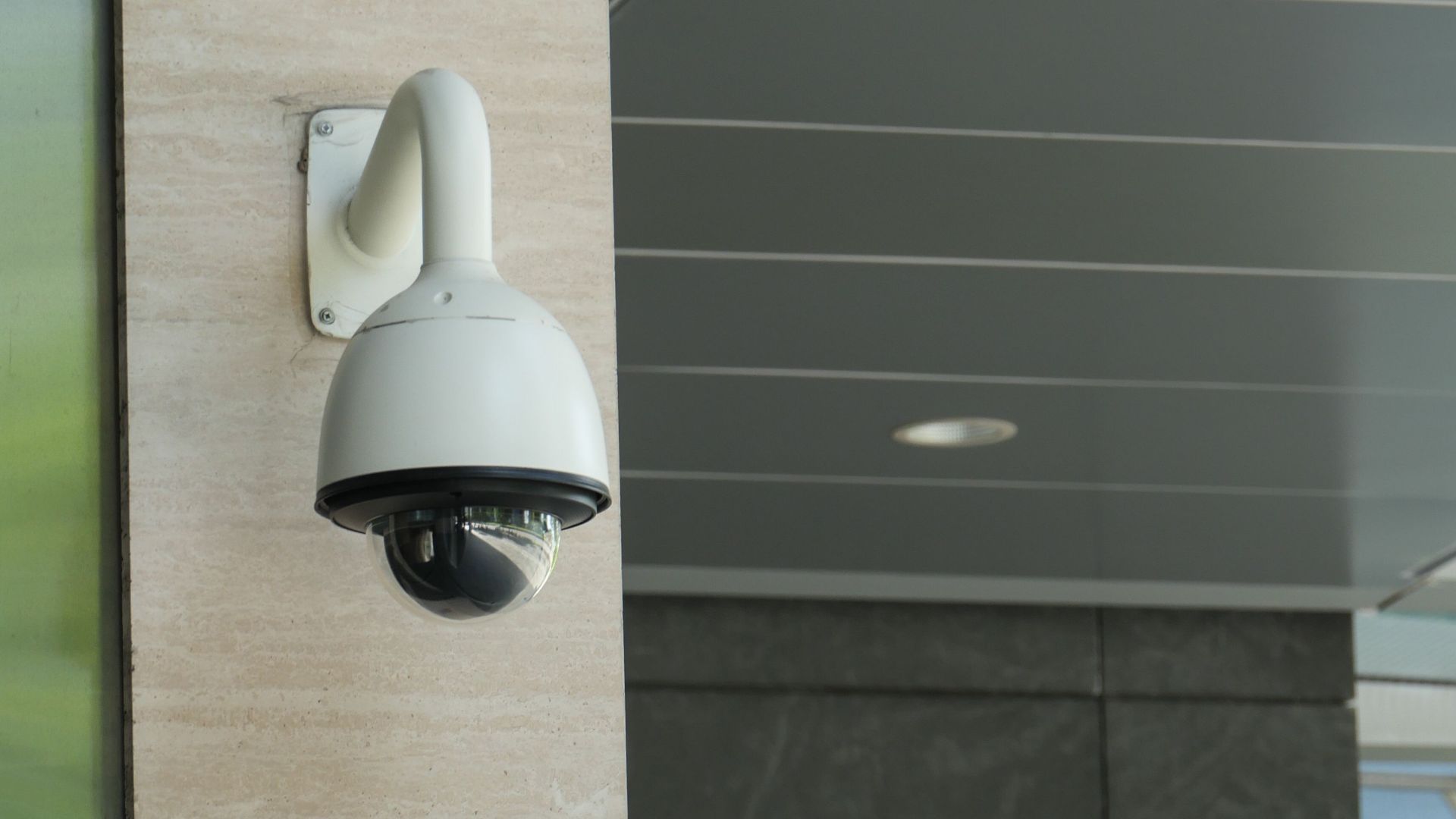
Doorbell cameras are one of the most common reasons these disputes start. They often capture a wide angle that includes sidewalks, driveways, and parts of neighboring property. That overlap alone is not necessarily illegal, but it can still feel invasive if the device seems aimed more at you than at the owner’s front door.
Visible Recording Is Usually Easier to Defend
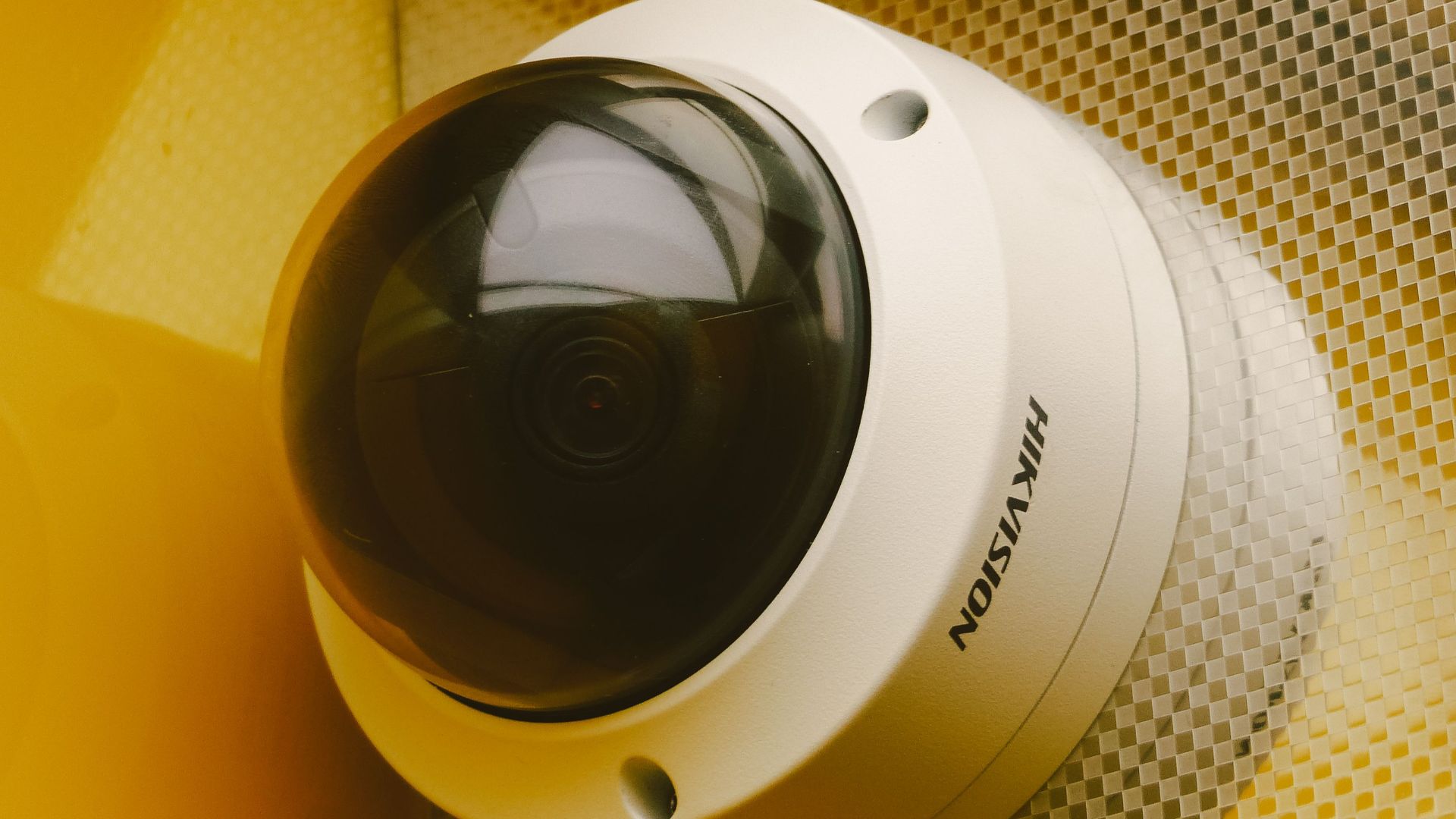
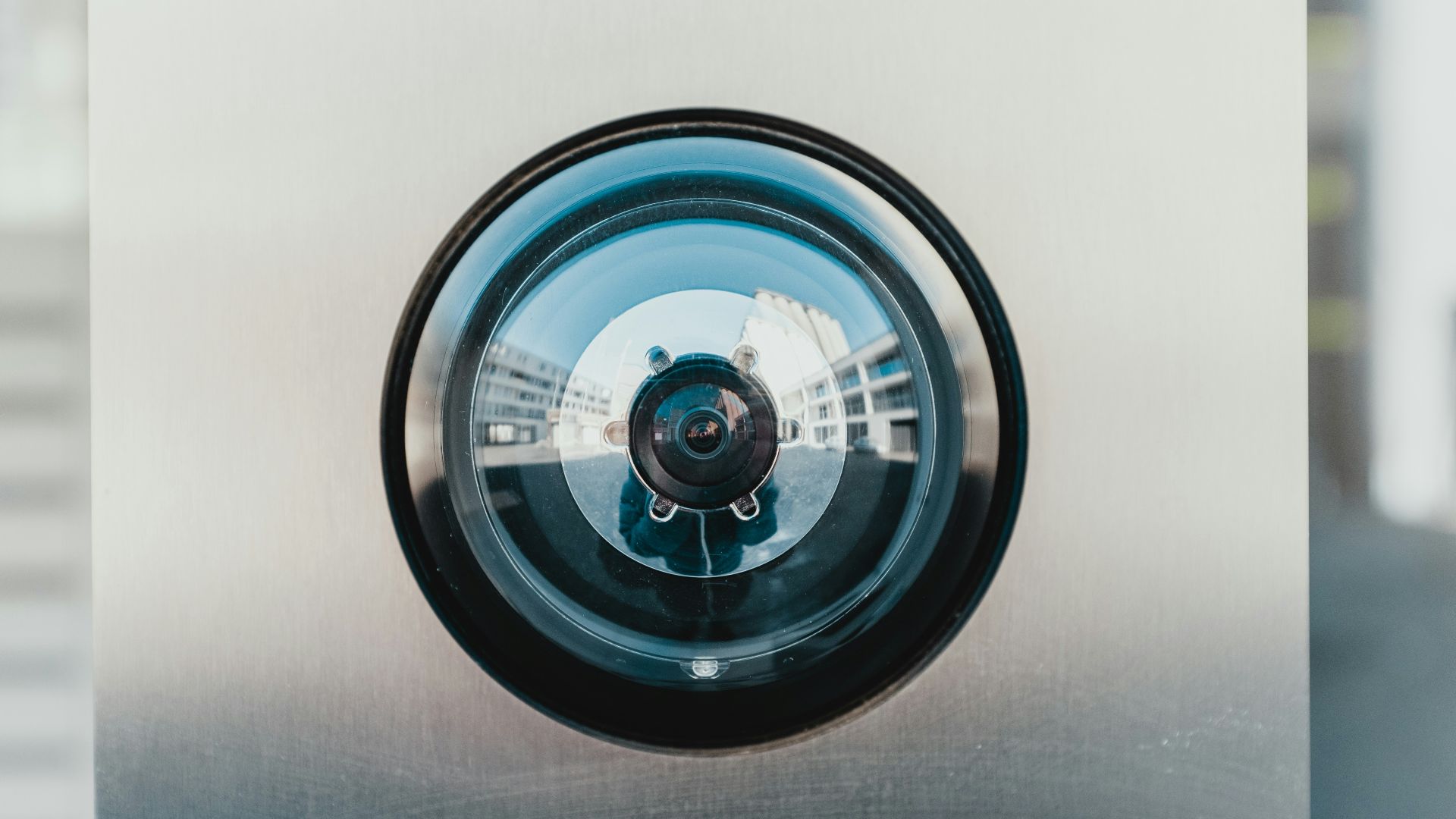
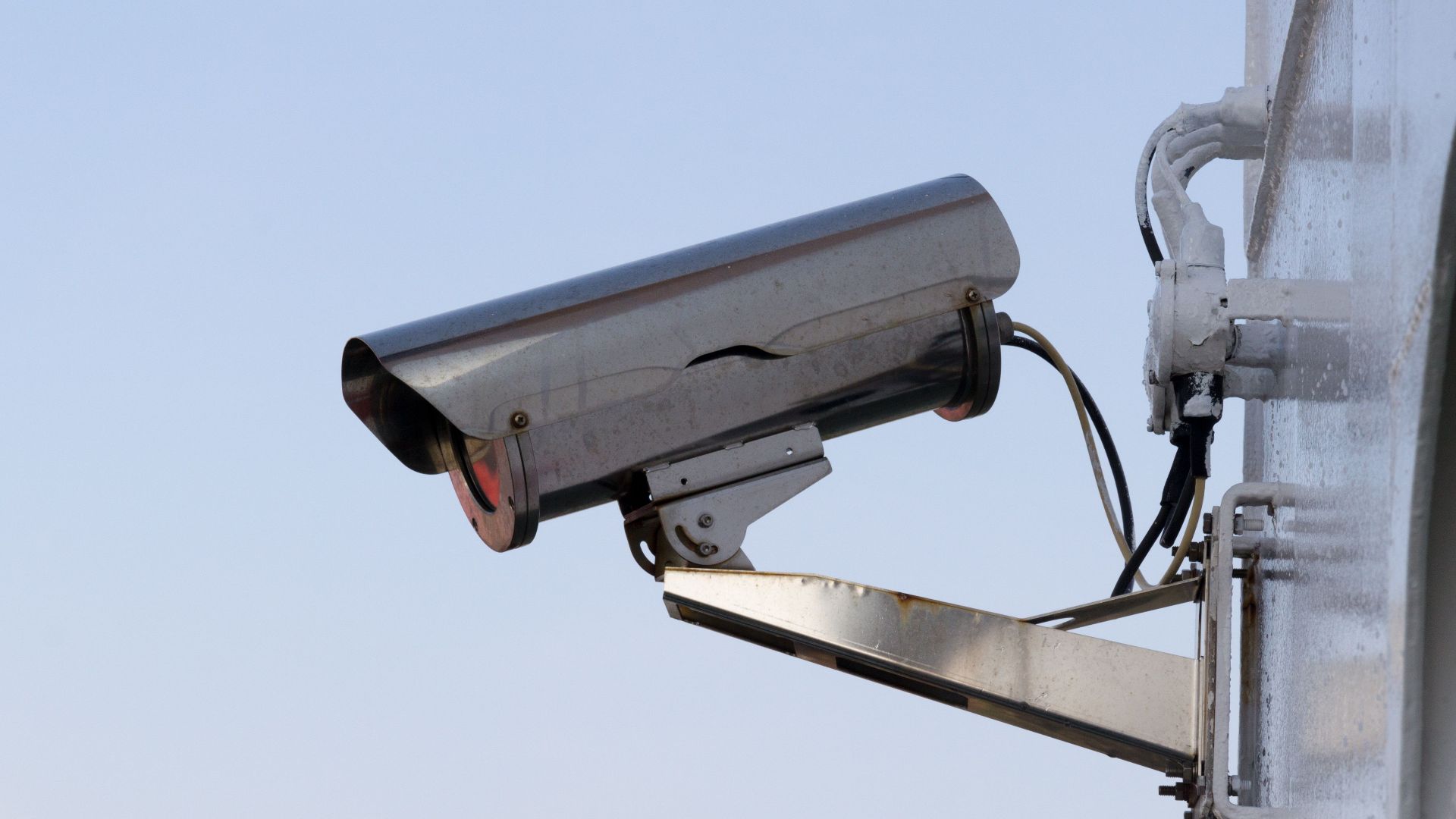
A clearly mounted camera is generally less suspicious, legally speaking, than a hidden one. Secret recording can strengthen the argument that the device was meant to intrude rather than protect property. Courts and police reports often look at intent, placement, and whether a reasonable person would see the system as security or surveillance.
What Police Are Likely to Ask First
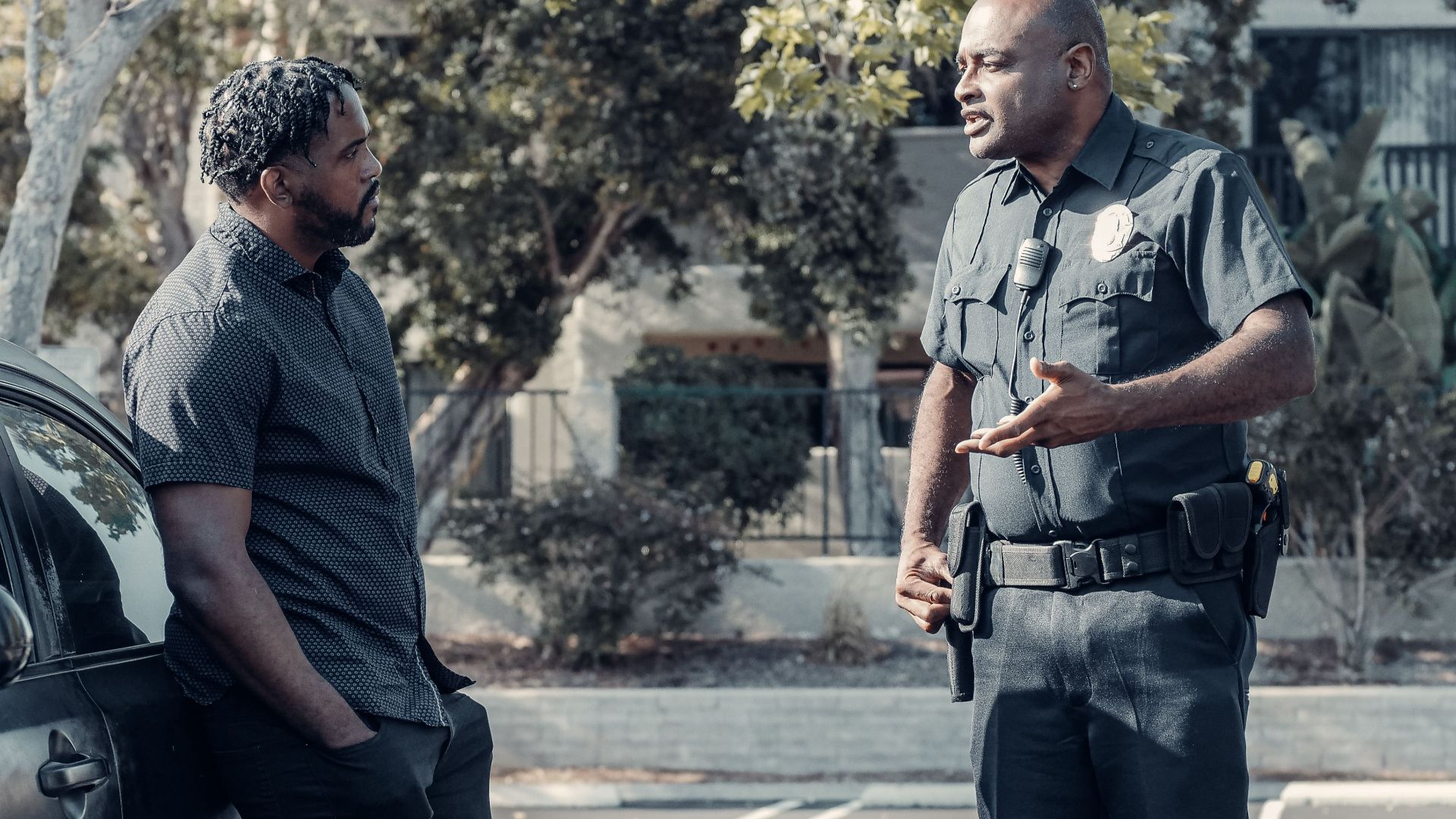
If you call local law enforcement, expect practical questions. Where is the camera mounted, what can it actually see, does it record audio, and has the neighbor threatened or harassed you? Officers may also ask whether the recorded area is visible from the street, because that often shapes the first response.
Photos and Video of the Setup Help
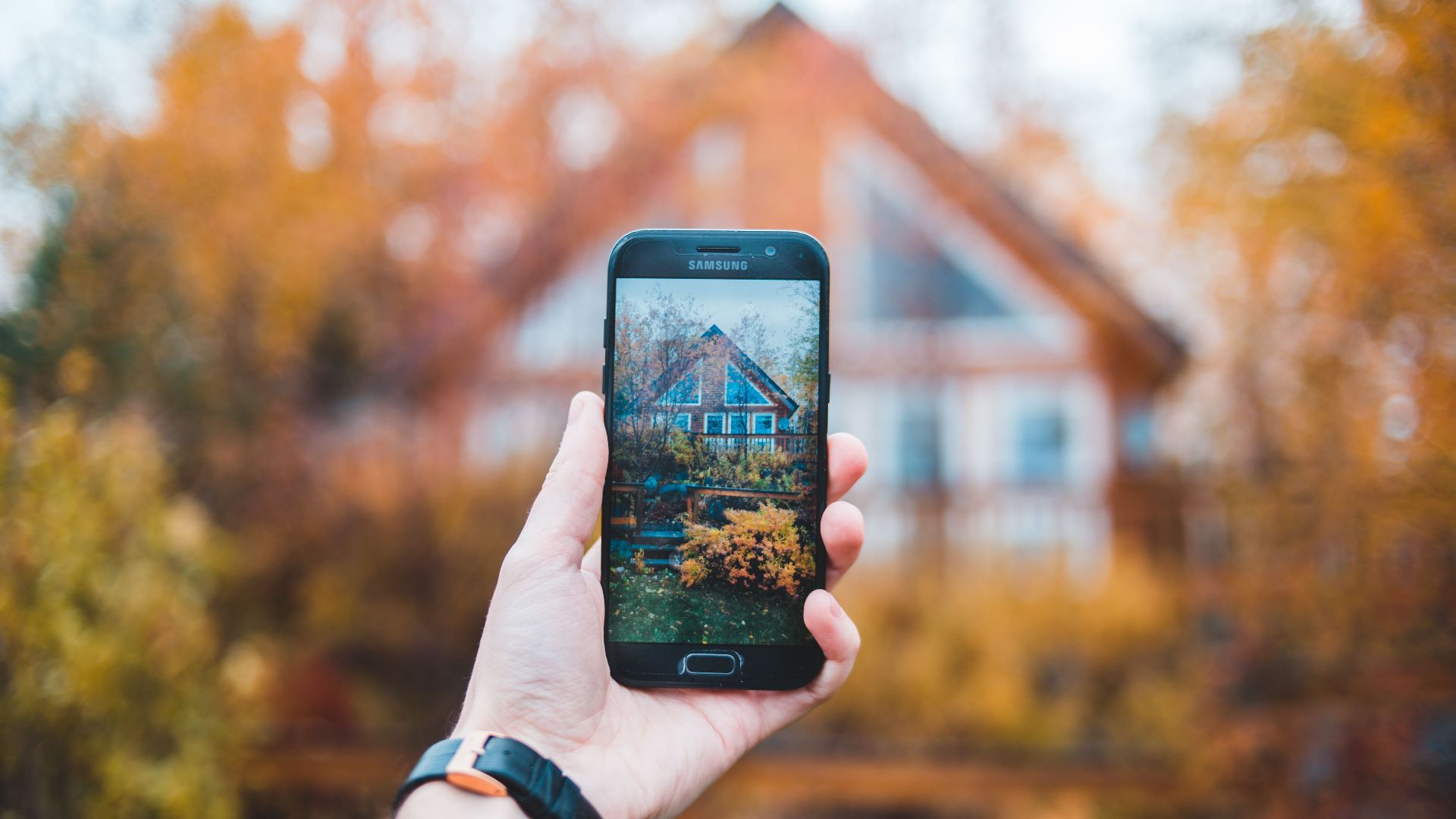
If you think the system is invasive, document it carefully. Take photos of the camera location, what parts of your property are visible from public areas, and any direct sign that the lens is aimed into private spaces. Keep notes with dates, times, and any interactions with the neighbor.
Ask for the Simple Fix First
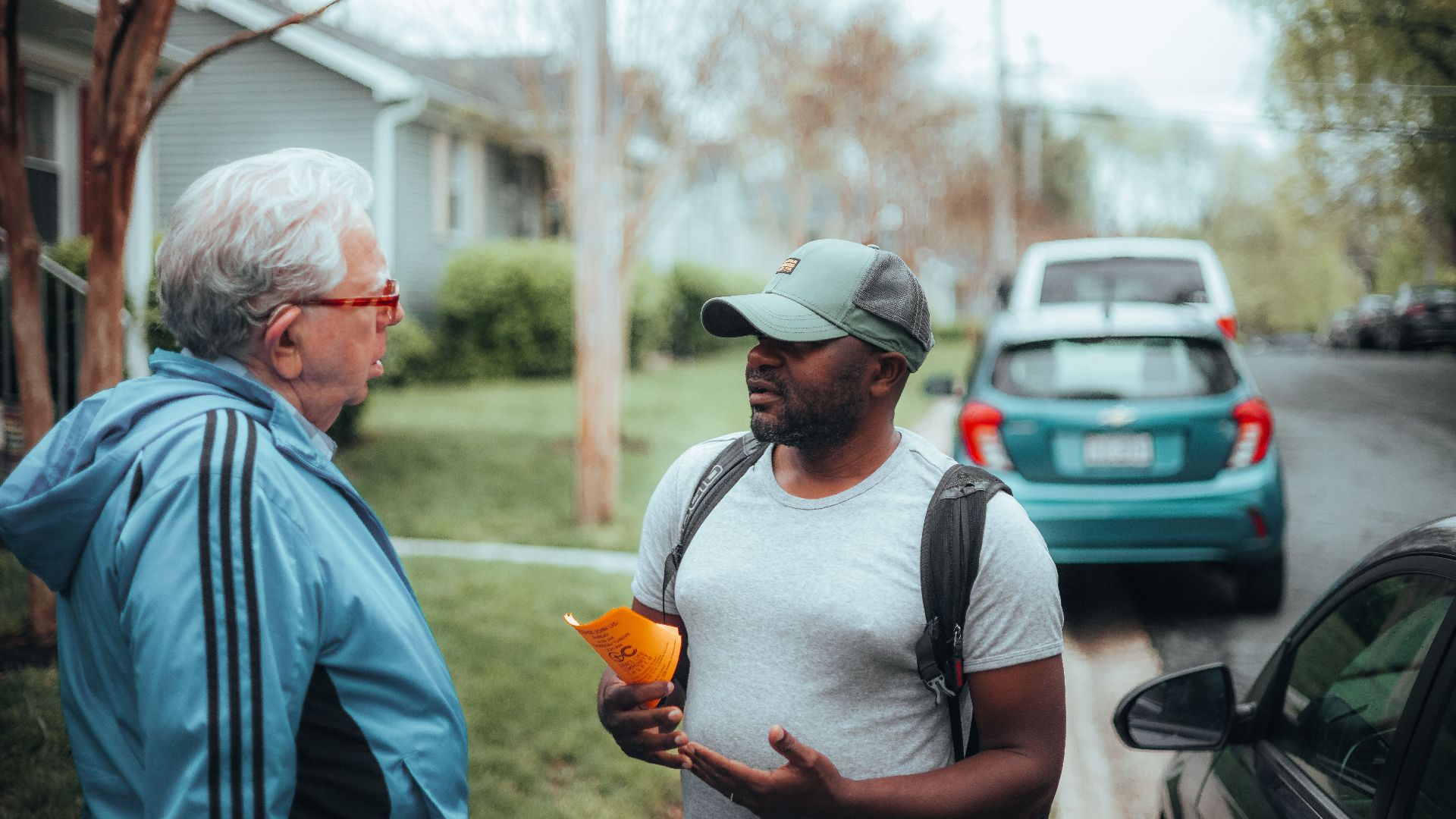
Not every camera dispute needs a lawyer on day one. A calm conversation can sometimes solve the problem, especially if the neighbor is willing to adjust motion zones, angle the device downward, or turn off audio. Many modern systems let owners block off parts of the frame, which can reduce conflict without removing the camera.
Then Put Your Request in Writing
If talking does not work, send a polite written request. Be specific about what the camera captures, why it concerns you, and what change you want. Written communication creates a record, which matters later if you need help from an HOA, landlord, mediator, or attorney.

Mediation Can Work Better Than a Backyard Feud
Neighbor disputes can escalate quickly, and cameras tend to make people dig in. Community mediation programs can help both sides reach practical ground rules without a full lawsuit. That path is often cheaper, faster, and less damaging than turning every driveway exit into a legal fight.

When It’s Time to Talk to a Lawyer
If the camera records inside your home, captures private conversations, or is part of repeated harassment, get legal advice sooner rather than later. A local attorney can look at state privacy laws, possible civil claims, and whether you have enough evidence to act. That matters because the rules vary a lot by state.

Don’t Retaliate With Your Own Invasive Camera
It is tempting to answer surveillance with more surveillance. That can backfire if your response crosses the same legal lines you are worried about. Keep your actions measured and well documented so you do not become the next problem in the dispute.
Drivers Should Also Think About License Plates and Telematics
For car owners, driveway cameras can capture more than your face. They may record your license plate, departure times, visitors, and patterns that show when the house is empty. Even if that recording is legal, it is still a real privacy concern and one reason to push for tighter camera angles when possible.

What Usually Makes a Case Stronger
The strongest complaints usually involve cameras pointed into windows, enclosed yards, or spaces screened from public view. Clear audio capture, hidden equipment, and evidence of intimidation also help. By contrast, a camera that simply records the same driveway scene any passerby can see is usually harder to challenge.
The Bottom Line for a Camera Watching Your Driveway
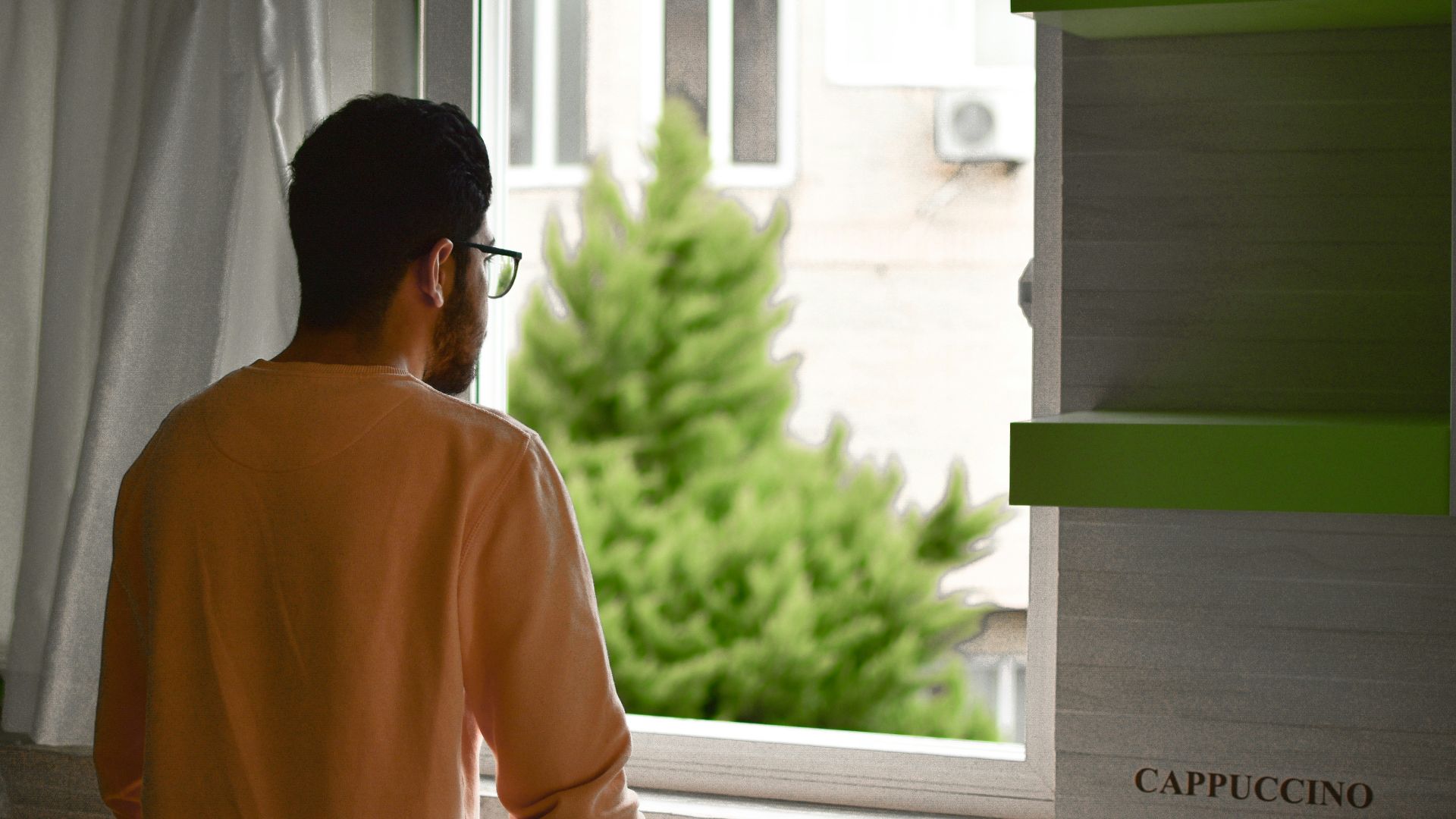
If your neighbor’s camera records your driveway every time you leave, it may be legal if the driveway is visible from the street or from the neighbor’s property. It becomes more legally risky when the device captures private spaces, confidential conversations, or is used to harass. The smartest move is to document the facts, check your state and local rules, and get local legal advice if the camera goes beyond ordinary home security.