When A Neighbor’s Lights Turn Your Night Into High Noon
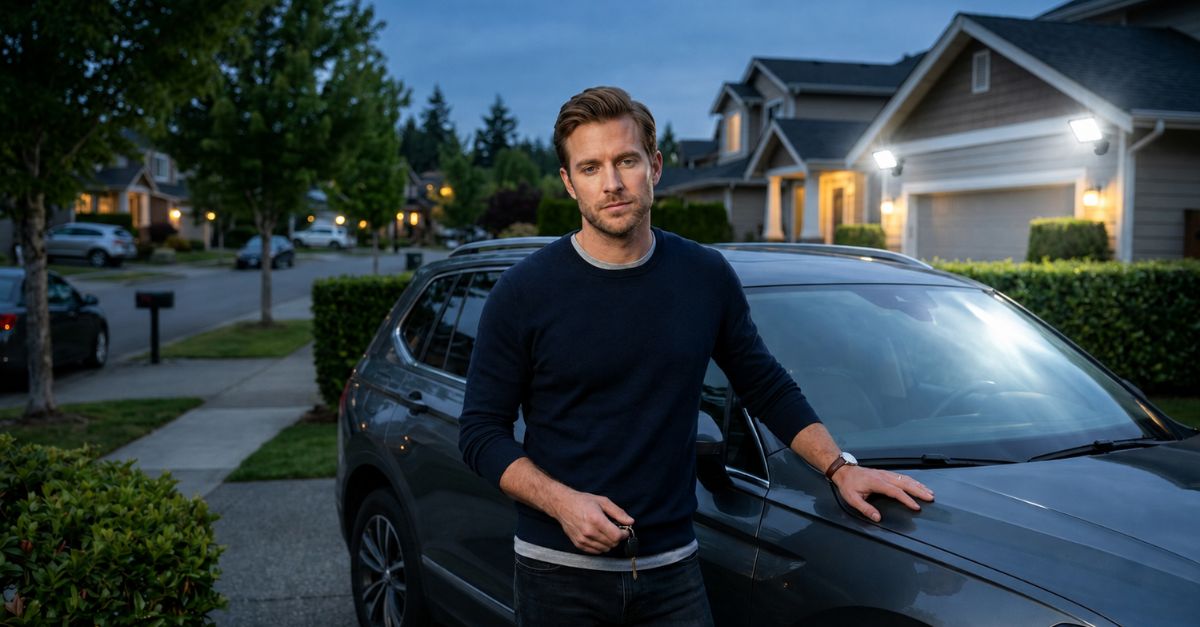
Few things are more irritating than getting into your car at night and catching a blast of glare from next door, and it feels like it's getting worse and worse. Bright floodlights can bounce off glass, mirrors, and paint in a way that is hard to ignore. The good news is that you usually do have options, and the first step is often easier than people think.
Start With The Basic Question
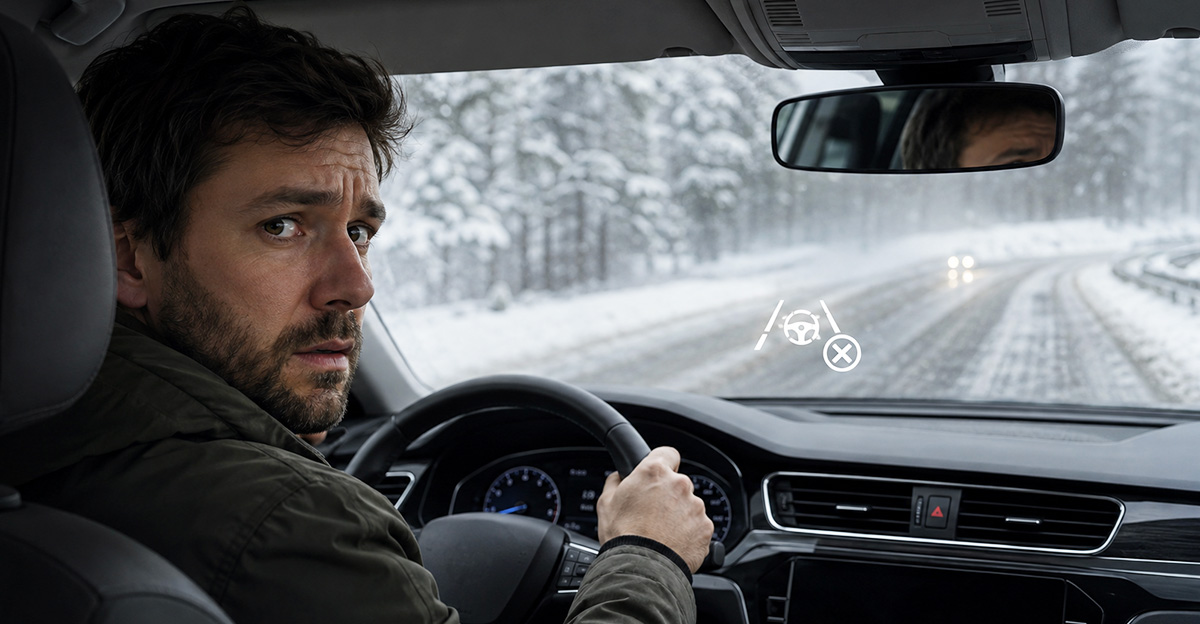
Is the problem just annoying, or is it also unsafe. If the light reflects off your windshield so strongly that it affects visibility when you park, back out, or drive away, that is more than a comfort issue. It can become a real safety concern, and that matters when you decide how to handle it.
Why Floodlights Feel So Harsh
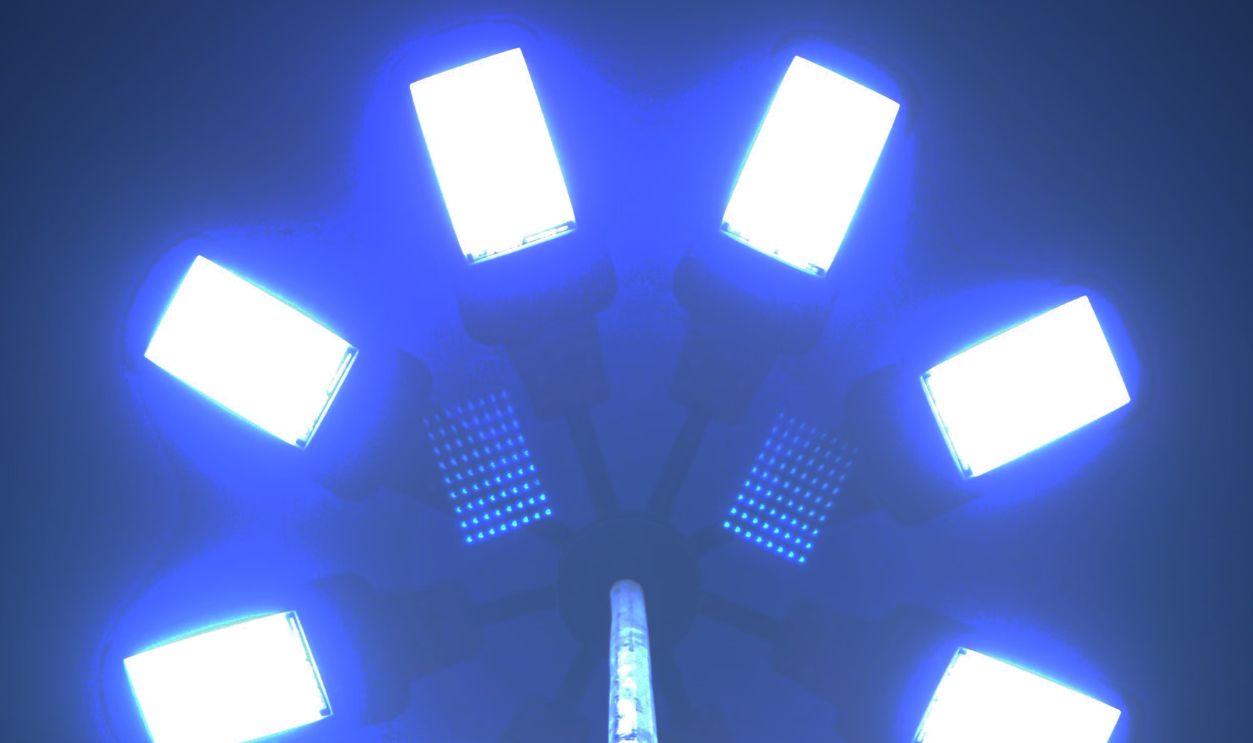
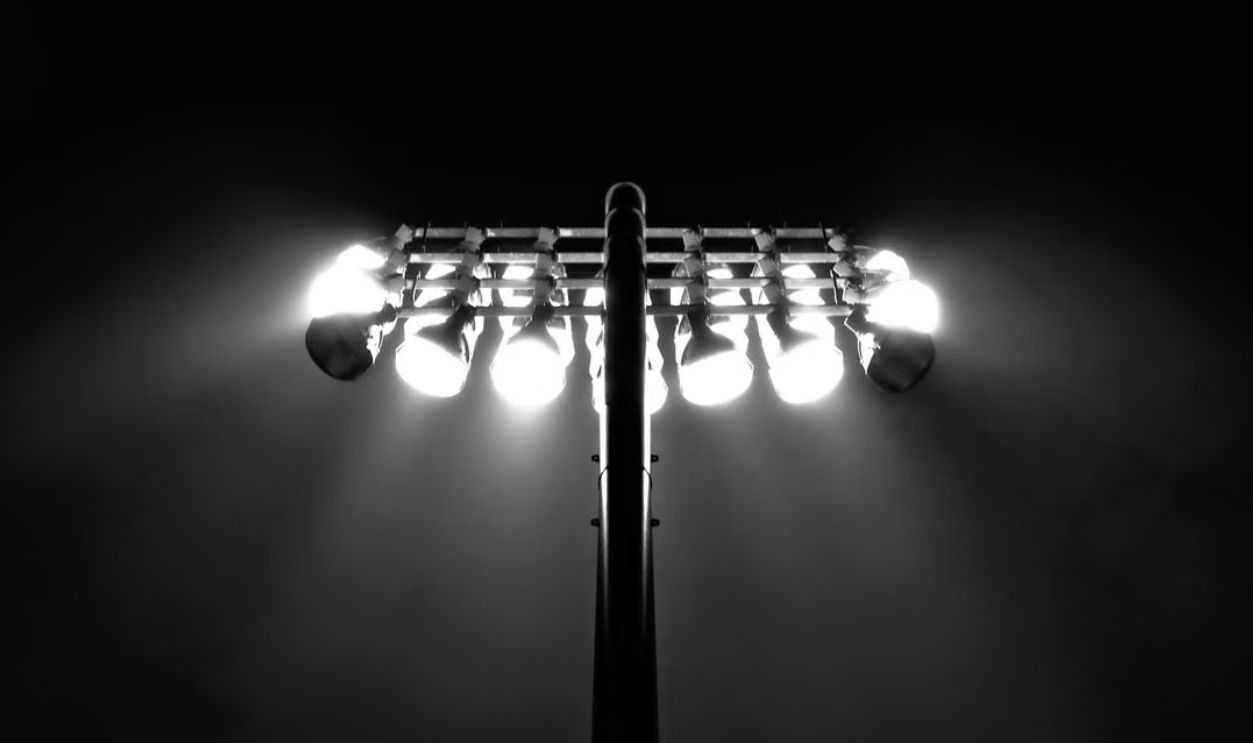
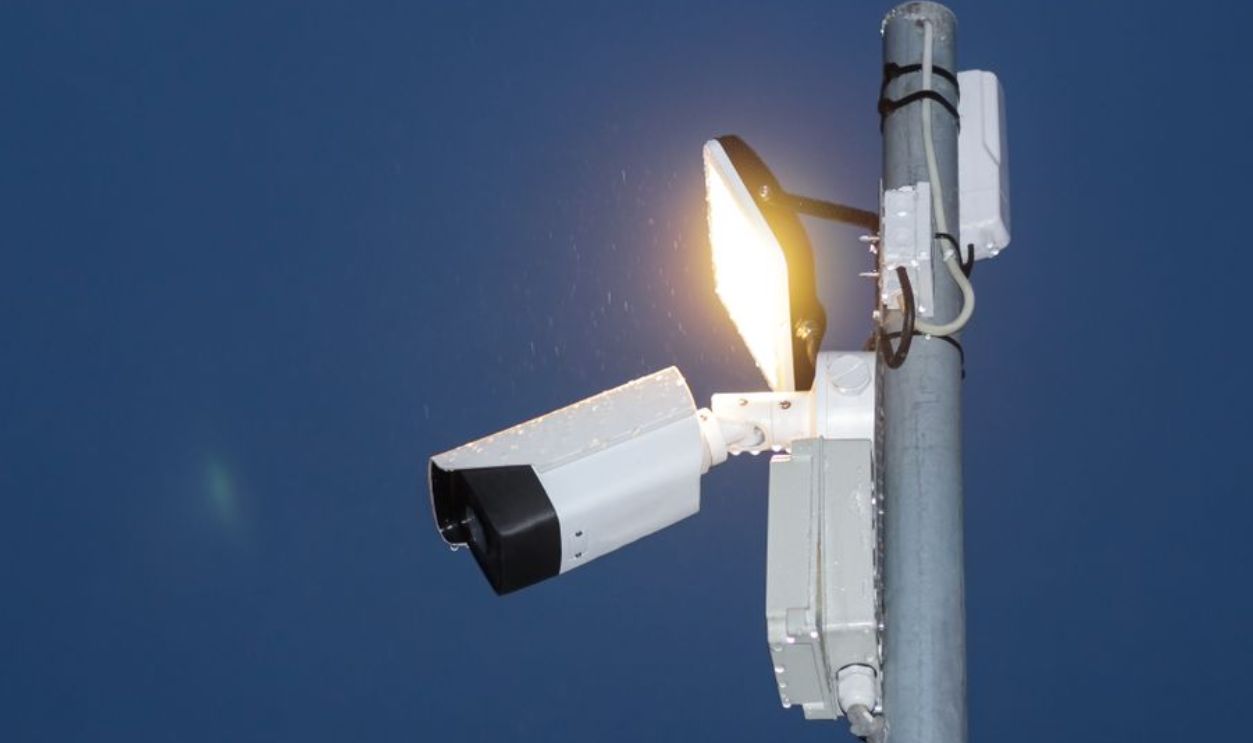
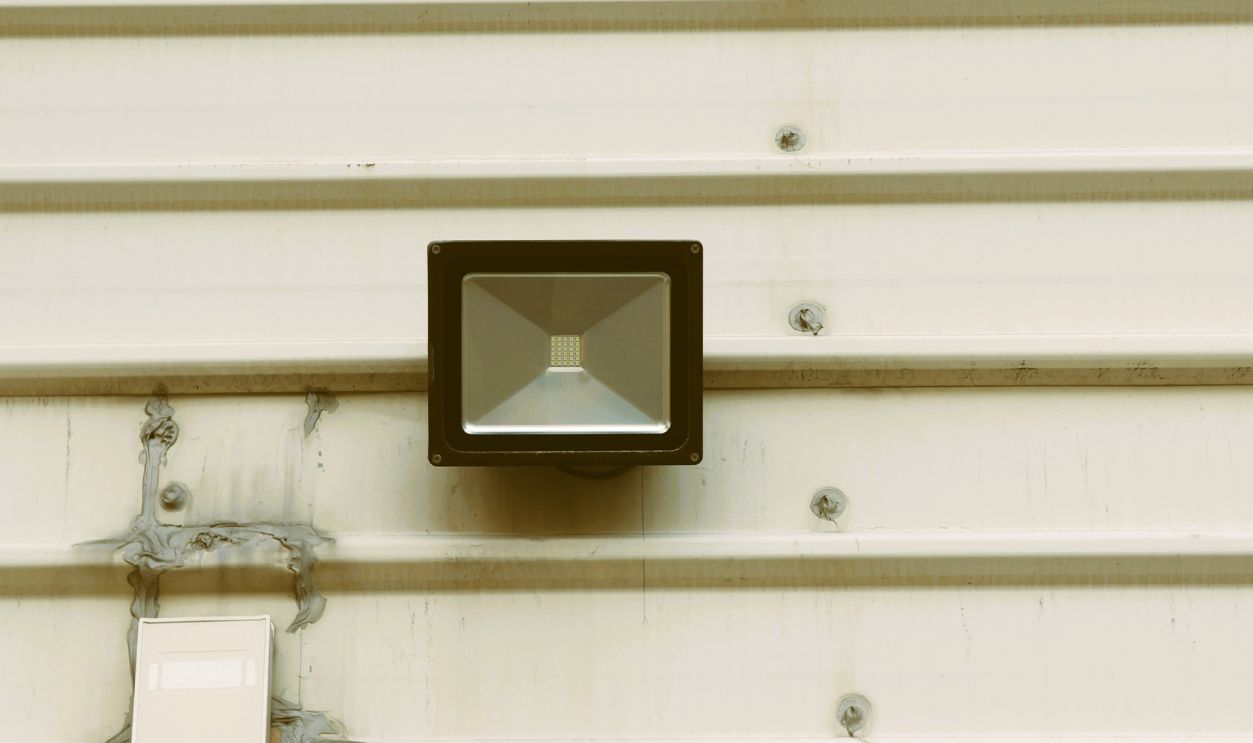
Modern LED security lights are brighter and more focused than many older fixtures. The U.S. Department of Energy has explained how LEDs spread quickly because they cost less to run and last longer. That has helped with energy savings, but it has also made badly aimed outdoor lighting a much more common neighborhood problem.
Glare Is A Real Lighting Problem
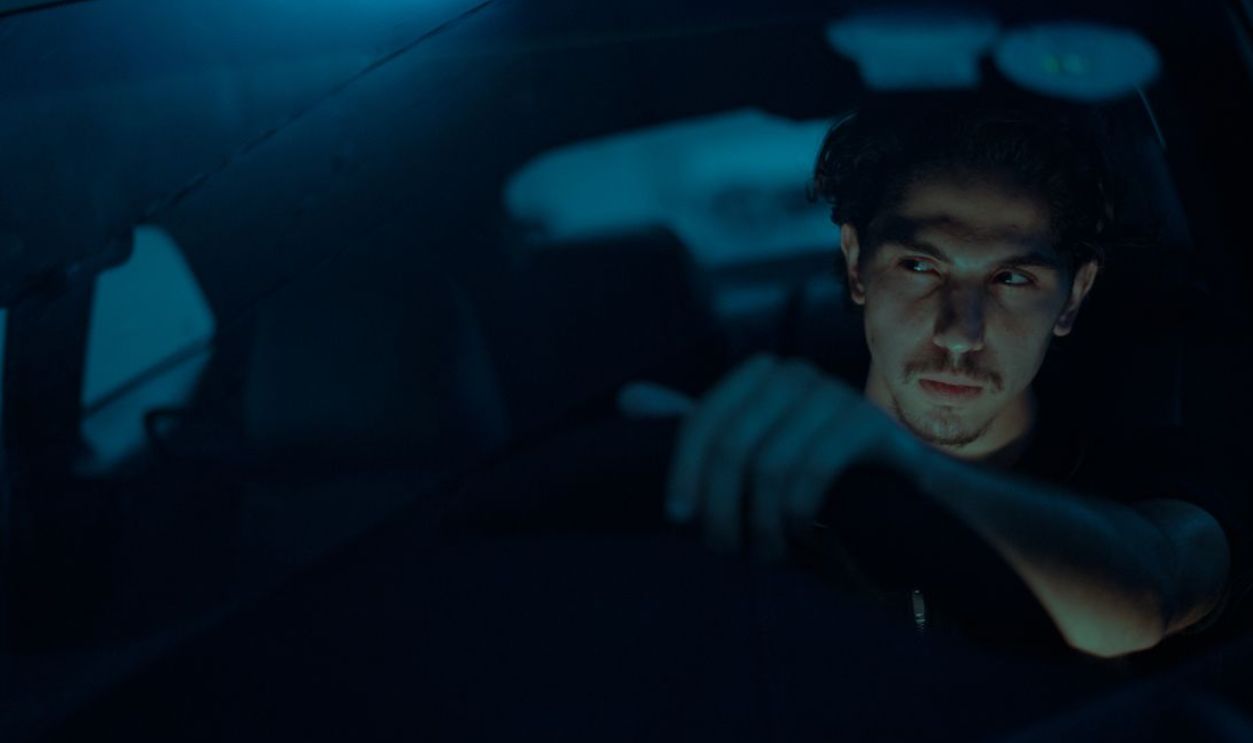
The Illuminating Engineering Society defines glare as brightness that causes visual discomfort or lowers visibility. In simple terms, a light can be doing exactly what it was installed to do and still be a problem for everyone nearby. If your windshield lights up like a mirror every night, you are not imagining it.
Not All Outdoor Lighting Is Illegal
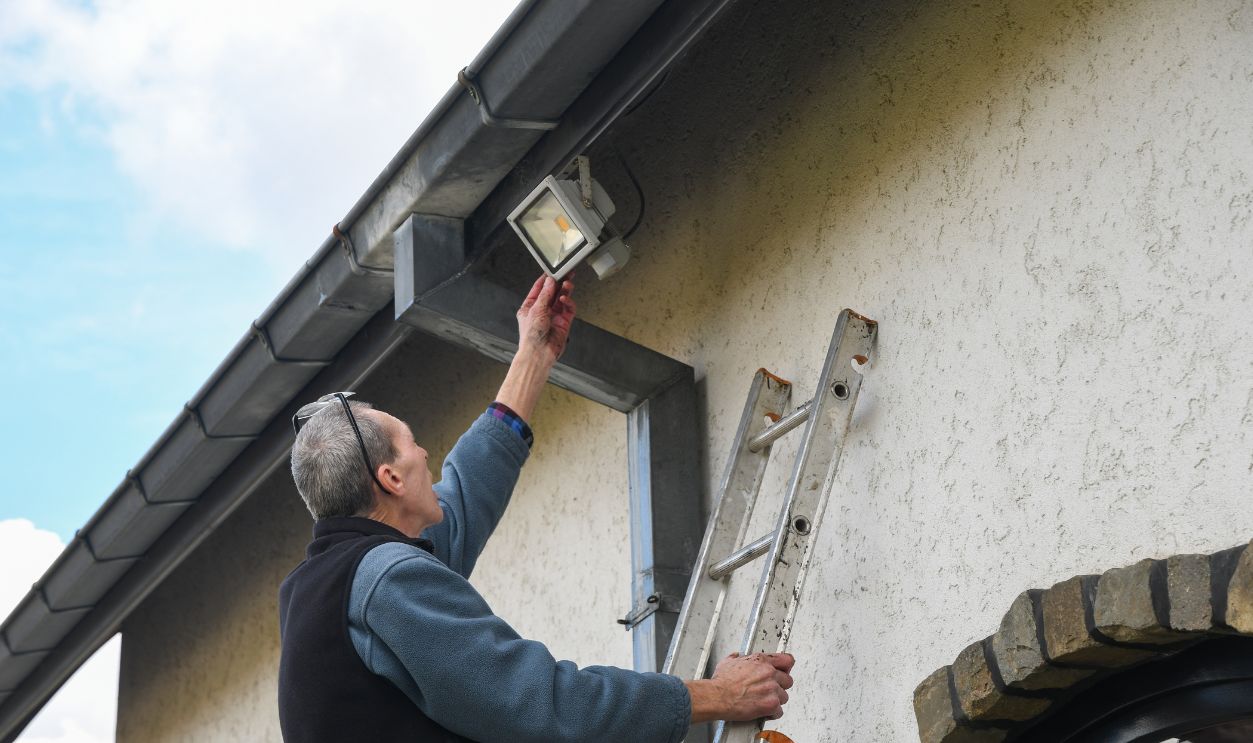
Your neighbor is usually allowed to light their own property for security or convenience. There is no nationwide rule that makes a bright light illegal just because it bothers someone next door. The real question is whether the light breaks a local rule, creates a nuisance, or becomes a safety hazard.
 Katerina Dalemans, Shutterstock
Your City Or County May Already Have Rules
Many local governments deal with outdoor lighting through zoning codes, nuisance rules, or dark sky ordinances. These rules can cover shielding, brightness, direction, and how far light spills onto nearby property. The answer depends on where you live, so your city or county code is the first place to look.
Look For The Phrase Light Trespass
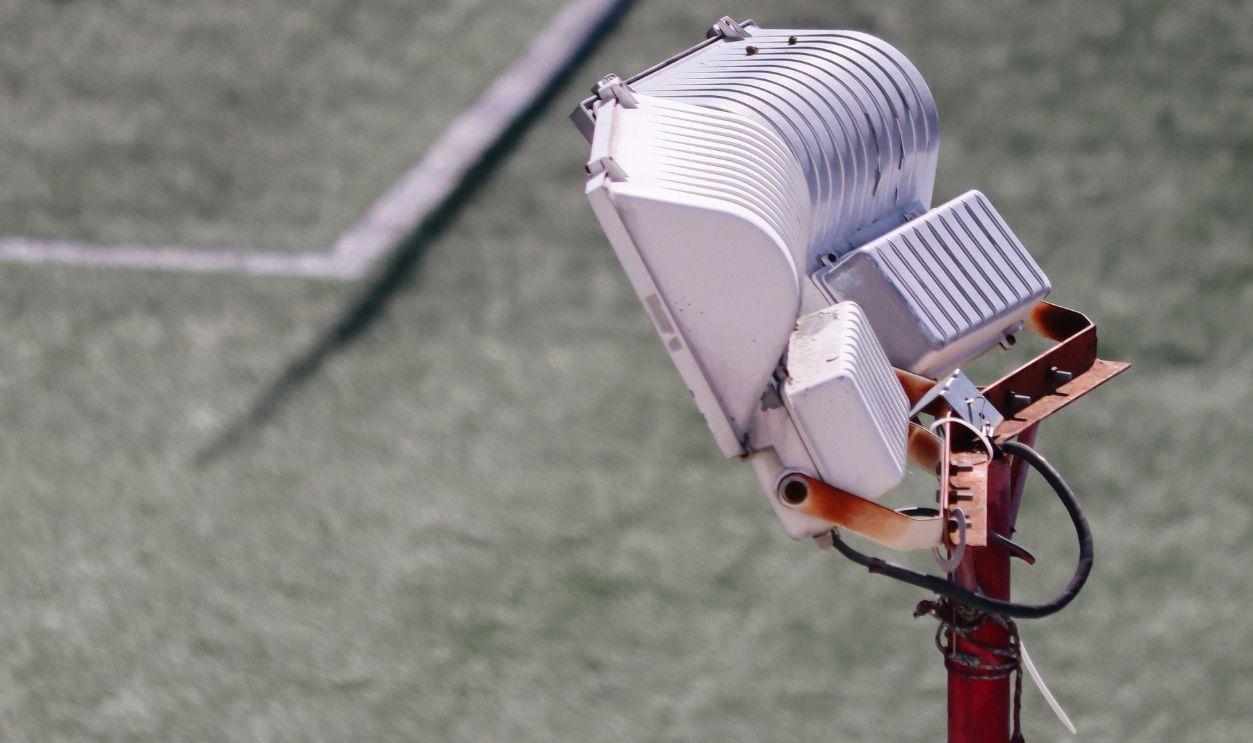
One of the most useful terms in local codes is light trespass. DarkSky International uses that phrase for unwanted artificial light that spills onto someone else’s property. If your neighbor’s floodlight shines into your driveway or throws glare into your windshield every night, that is the idea you want to look up.

Shielding Often Matters More Than Brightness
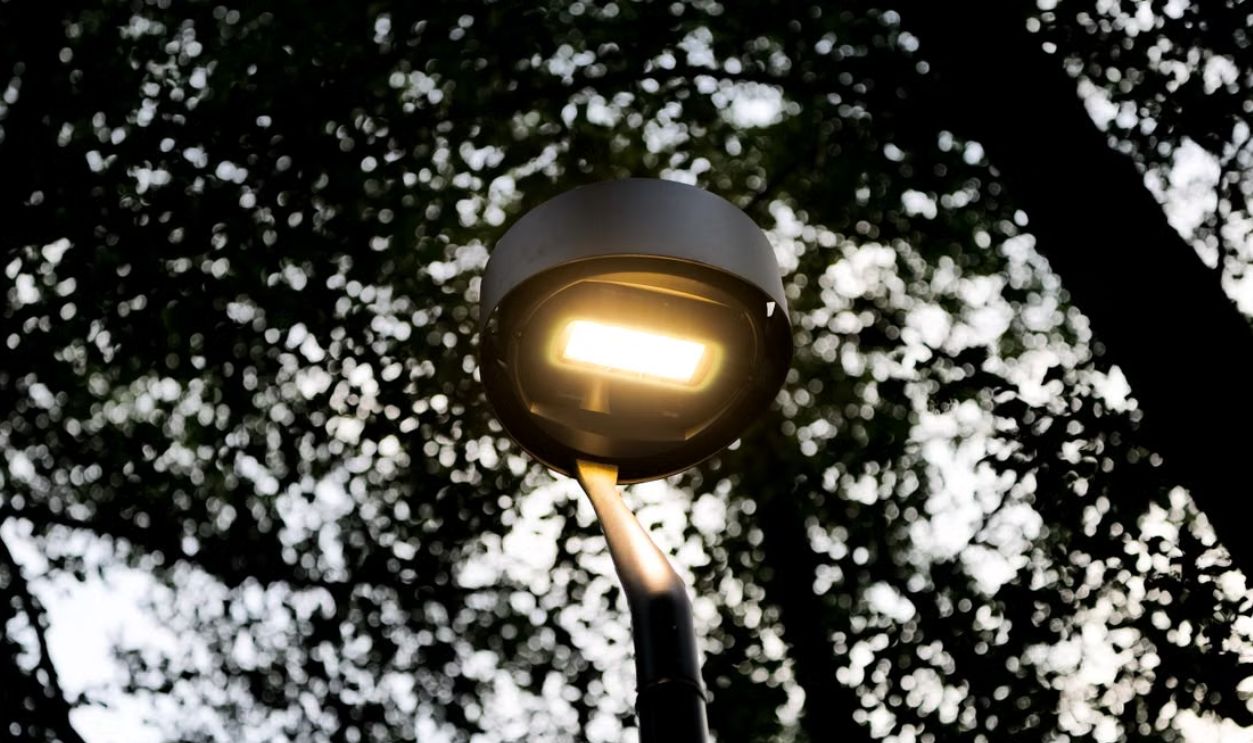
A floodlight does not always need to be dimmer to be less of a headache. Fully shielded fixtures point light downward and cut down on spill into nearby yards, windows, and vehicles. DarkSky International has long stressed this point because better aiming and shielding often fix the issue without giving up useful security lighting.
The First Move Should Usually Be A Calm Conversation
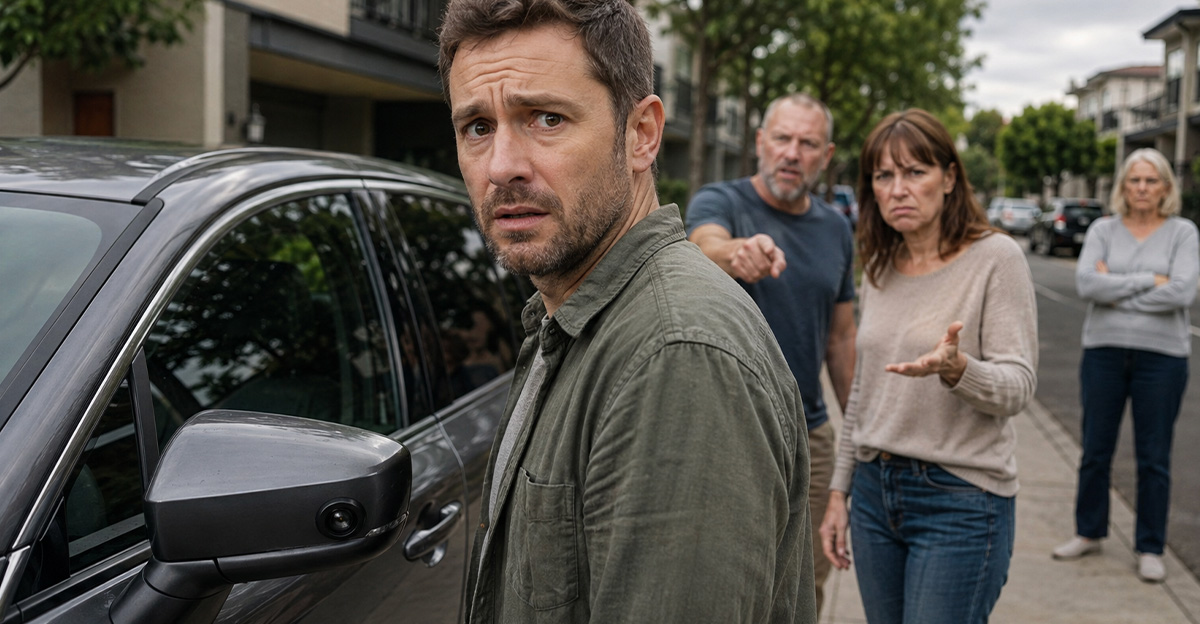
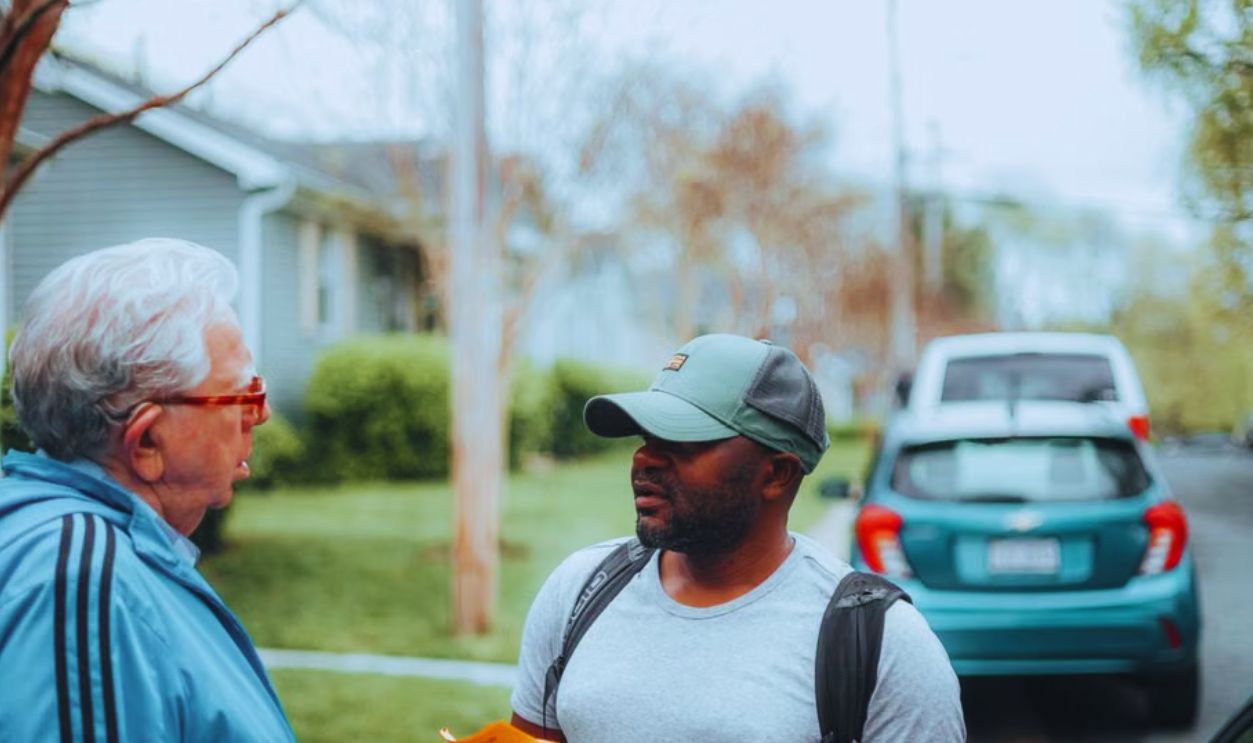
Before you start quoting ordinances, try talking to your neighbor. They may have no idea their lights are bouncing off your car every night. A quick change to the angle, height, or timer settings might solve the whole thing in minutes.

Pick The Right Time To Bring It Up
Do not bring it up in the heat of the moment right after the glare has ruined your evening. Pick a calm time during the day and explain exactly what is happening. It helps to say the light reflects off your windshield and affects visibility instead of just calling it obnoxious.
 LinkedIn Sales Navigator, Pexels
Show The Problem Clearly
Photos and short videos can help if the glare is hard to explain. Take them from the driver’s seat, your driveway, or wherever the reflection is worst. That gives your neighbor a clear picture of the problem, and it also gives you a record if you need to take the next step later.
Offer A Practical Fix Instead Of A Demand
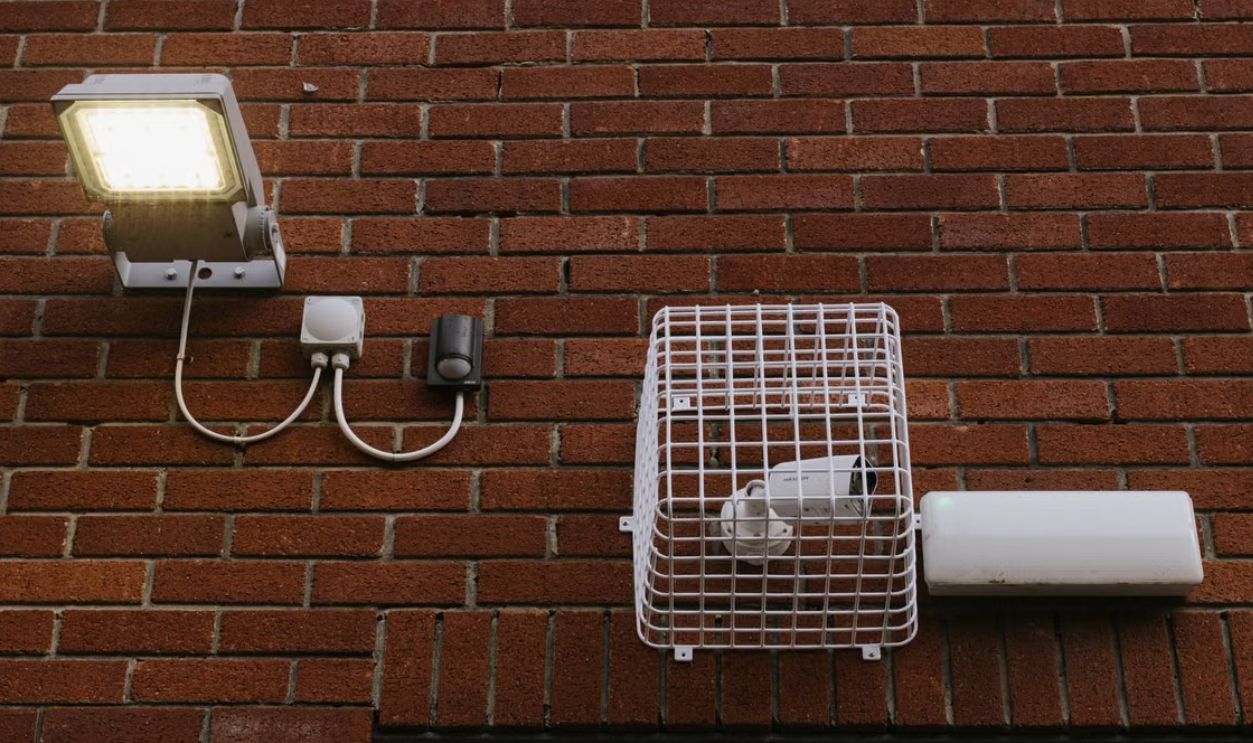
People usually respond better when you come with a solution instead of a fight. Ask whether they would consider a shield, a lower-wattage bulb, a warmer light, or a motion sensor. Those changes can keep the security benefit while cutting the glare in a big way.

Motion Sensors Can Be A Smart Compromise
The Department of Energy notes that controls like occupancy sensors can reduce energy use by limiting when lights stay on. In a neighborhood, that also means less constant spill onto nearby property. If the light only needs to turn on when someone approaches, there may be no reason for it to blaze all night.
Warmer Light Can Feel Less Harsh
Color temperature matters. Cooler, bluer LEDs often feel harsher and can cause more visual discomfort than warmer lights, even at similar brightness. DarkSky International and other lighting experts often recommend warmer outdoor lighting because it can be less intrusive while still doing the job.
Document Everything If The Friendly Approach Fails
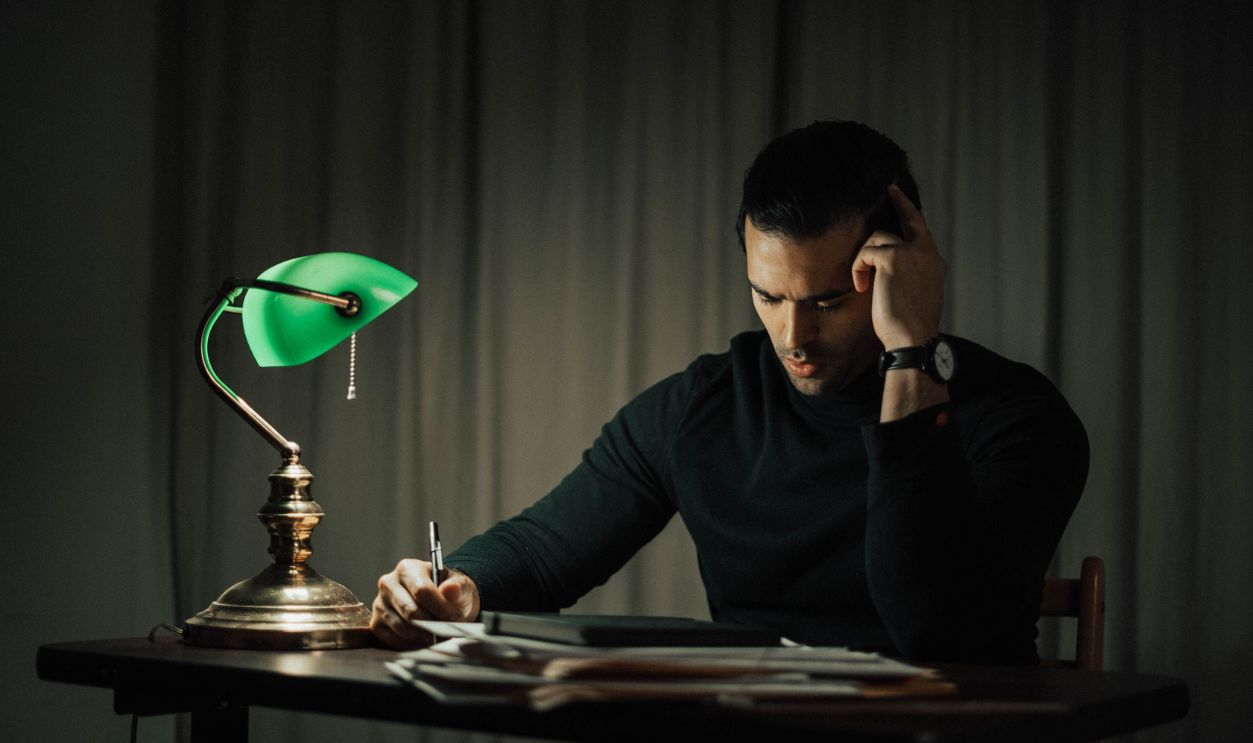
If your neighbor will not help, start keeping a simple record. Write down the dates, times, and where the glare hits your vehicle or property. Save photos, videos, and any texts or emails about the issue, because a clear timeline can help if you contact code enforcement, an HOA, or a mediator.
Your Homeowners Association Might Have A Say
If you live in an HOA community, check the rules before assuming there is nothing you can do. Many associations regulate exterior fixtures, brightness, and nuisance issues, especially when a change affects nearby homes. HOA enforcement can be uneven, but the governing documents may still give you a direct way to file a complaint.

Code Enforcement Is Often The Next Step
When local rules cover outdoor lighting, city or county code enforcement may handle complaints. In some places, zoning, building departments, or neighborhood services offices also deal with these issues. The strongest complaints usually include the ordinance language, your documentation, and a clear explanation of how the light affects your use of your property.
Police Are Usually Not The First Call
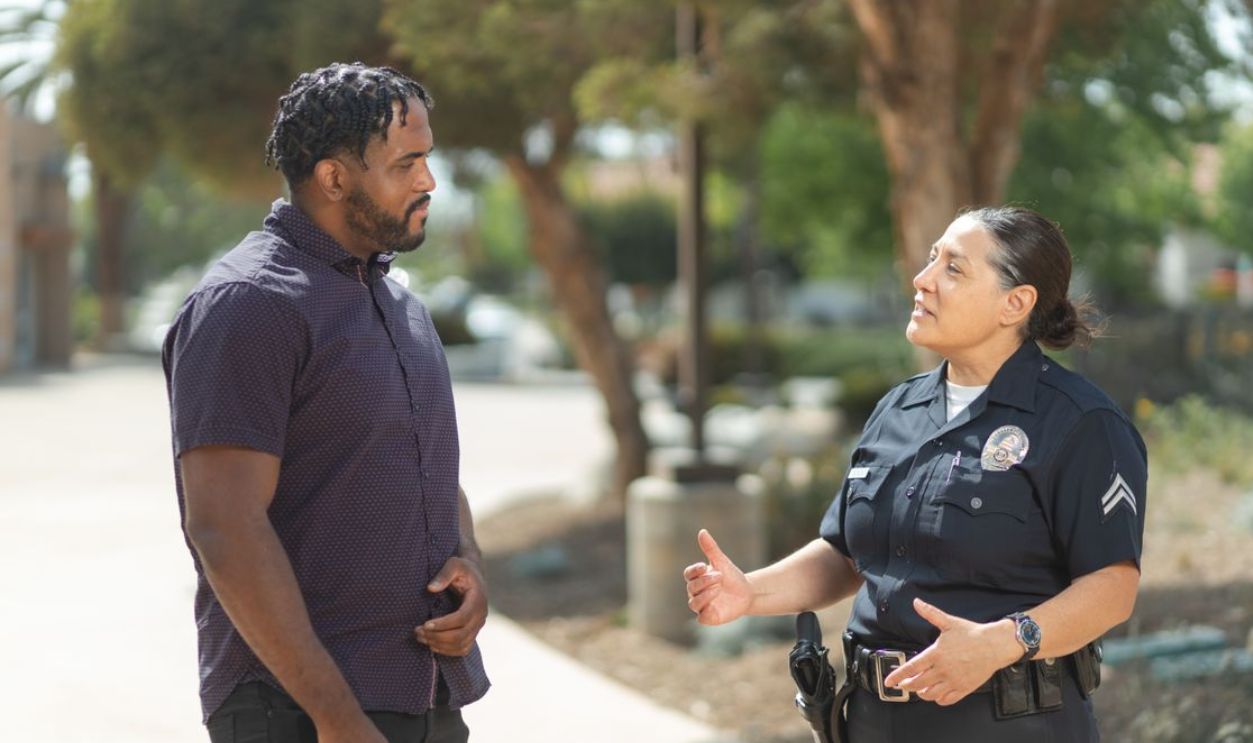
For most lighting disputes, police are not the best first option unless the glare creates an immediate safety issue or seems tied to harassment. This is usually a code or civil matter, not a criminal one. Calling the non-emergency line may still help you figure out which local department handles it.
Nuisance Law Can Sometimes Apply
In some cases, excessive lighting can count as a private nuisance under state law. Cornell Law School’s Legal Information Institute explains nuisance as a substantial and unreasonable interference with the use and enjoyment of land. That does not mean every annoying floodlight turns into a lawsuit, but it does explain why some long-running cases move beyond simple neighbor complaints.
Small Claims Or Civil Court Is Usually A Last Resort
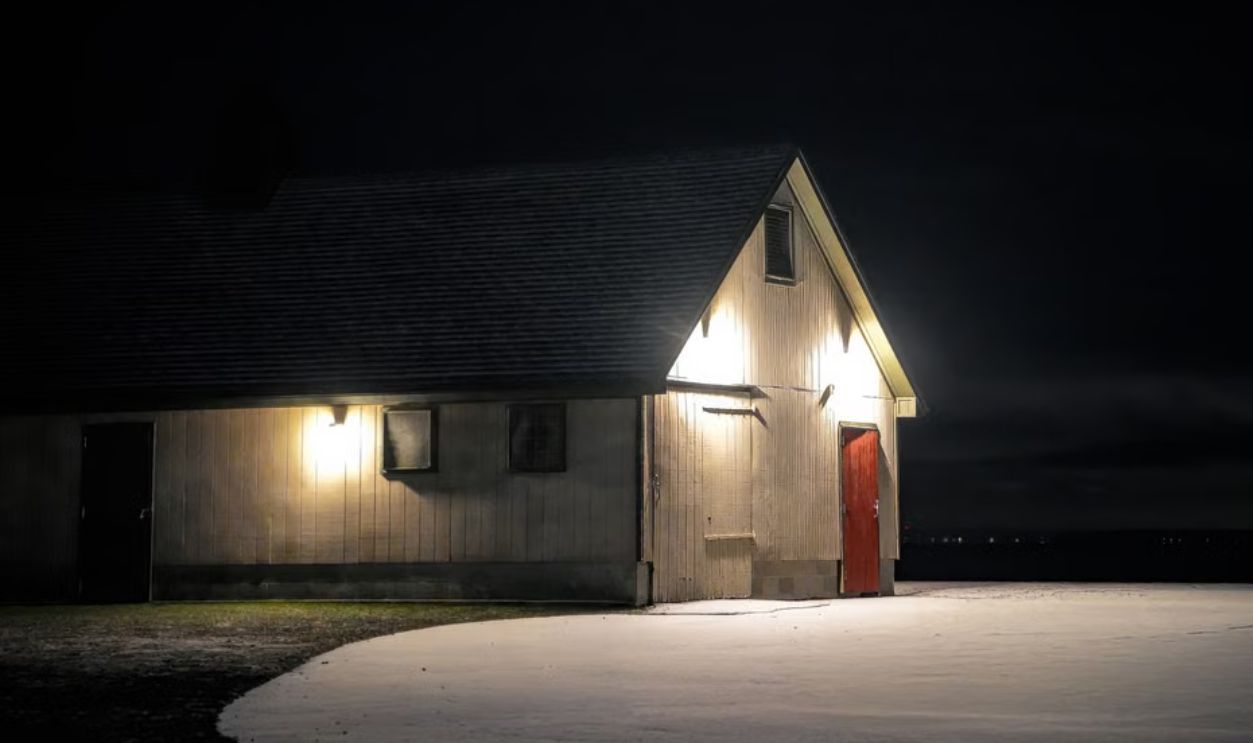
Going to court over a floodlight is rarely the fastest or cheapest answer. Still, if the light is extreme, ongoing, and well documented, a lawyer or local legal aid office can tell you whether nuisance law, local ordinances, or property covenants support your case. That step usually makes sense only after informal and administrative options have failed.
What About Window Tint Or A Windshield Cover
You may be able to cut down on some of the annoyance from your side, but there are limits. Windshield tint laws are strict in most states, and aftermarket windshield tint is often heavily limited or banned except for a small strip at the top. A reflective sunshade or windshield cover can reduce glare while the car is parked, but it will not fix the actual property issue.
Try Parking Angle And Mirror Adjustments First
If you need a short-term workaround, changing how you park may help more than you expect. A small shift in angle can change how the light reflects off your windshield and side mirrors. Folding the mirrors in, if your car allows it, can also cut down on some of the worst spill.
Landscape Fixes Can Help On Your Side
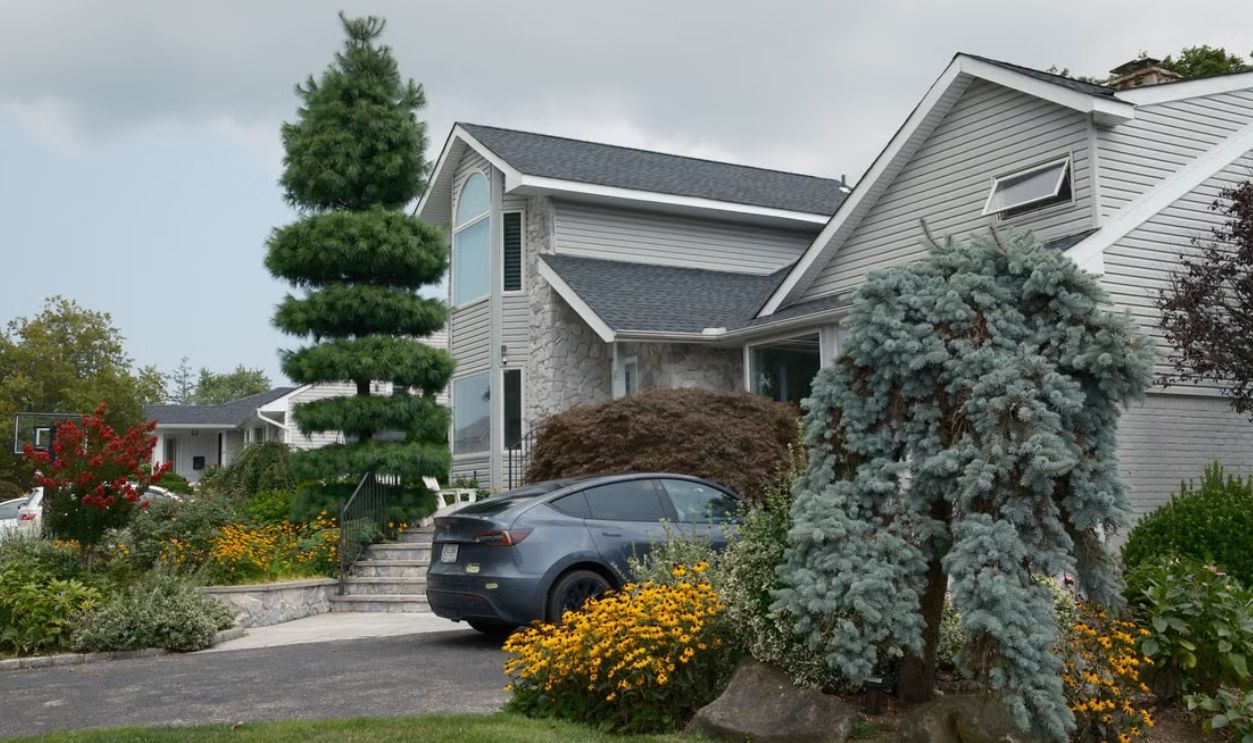
Fences, privacy screens, shrubs, and carefully placed trees can block low-angle light depending on your lot layout. But those fixes can take time, cost money, and run into local height or zoning rules. They usually make more sense as backup options than as the first answer to a floodlight that could be adjusted.
Security Lighting Does Not Need To Blind The Block
Good outdoor lighting is supposed to help people see, not make everyone else squint. DarkSky International and the Illuminating Engineering Society both stress that useful lighting should be targeted and controlled. A bright but badly aimed floodlight can create deep shadows and make visibility worse, which weakens the security argument.
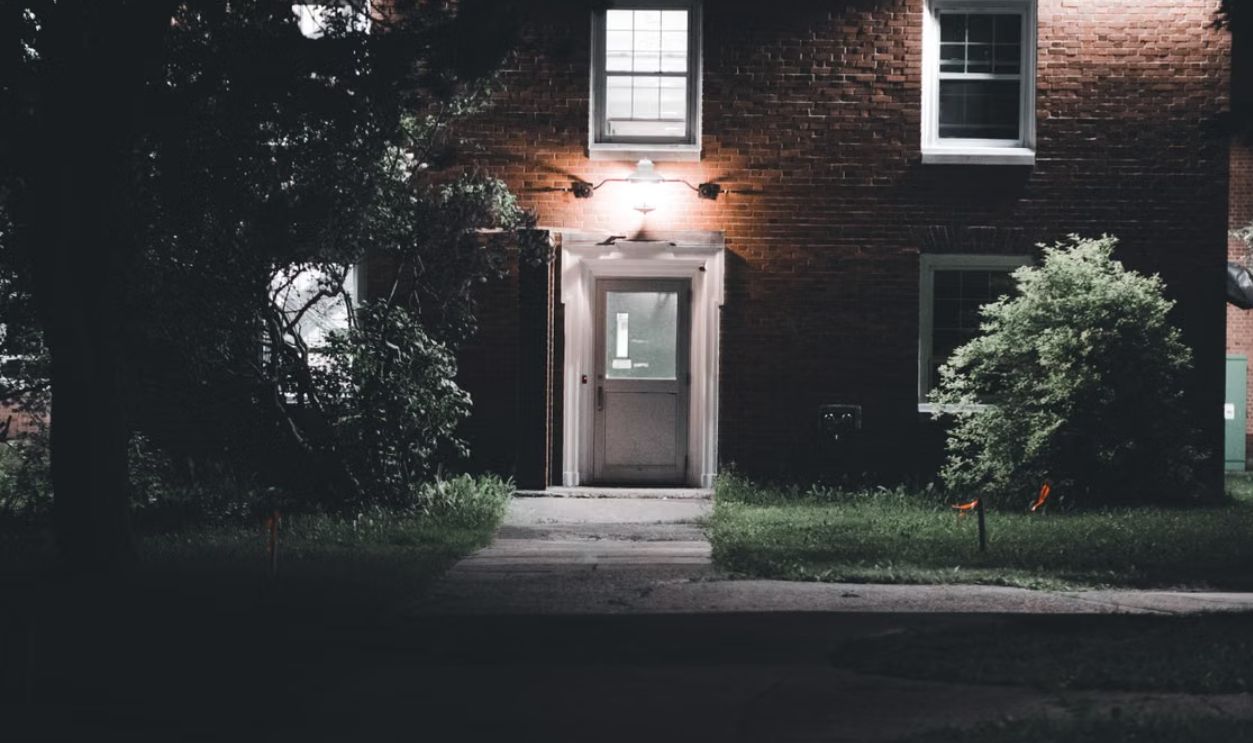
If The Light Seems Deliberate, Take That Seriously
If the floodlight appears to have been aimed at your driveway, windows, or vehicles after a dispute, document that carefully. What looks like ordinary bad lighting can sometimes edge into harassment, depending on the facts and local law. In that situation, detailed records and calm communication matter even more.
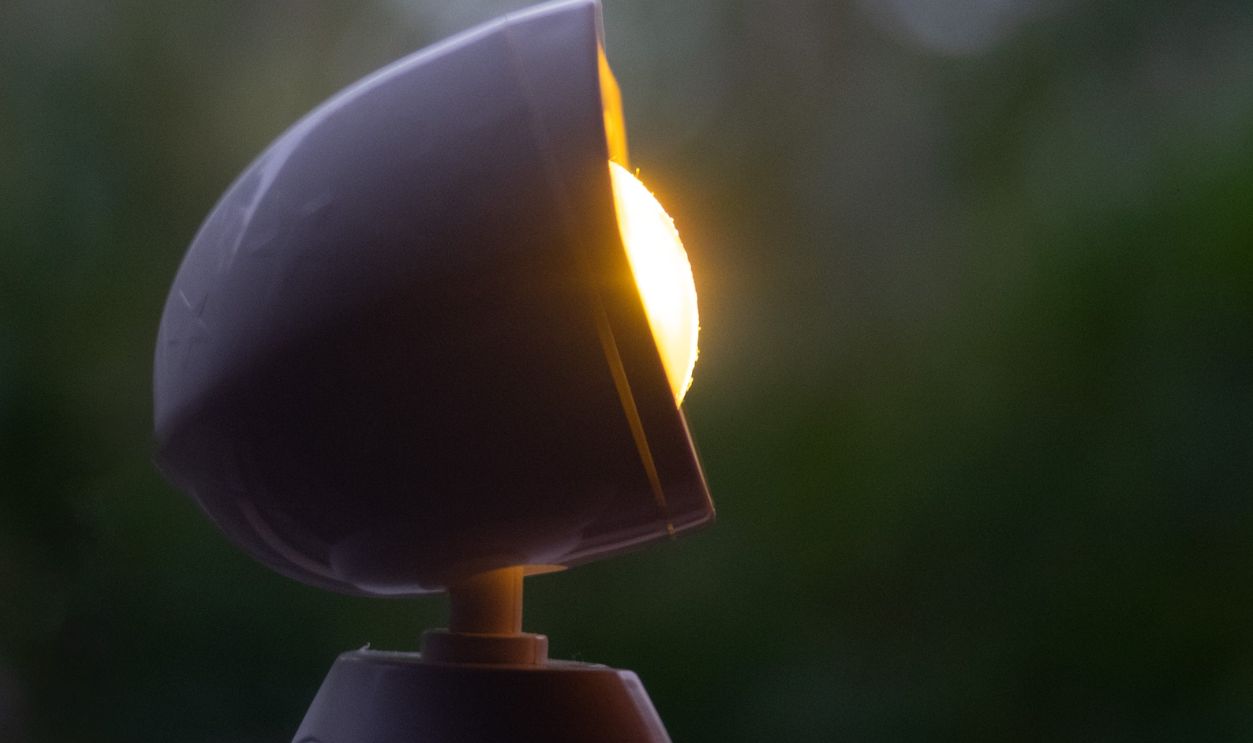
The Most Effective Order Of Operations
First, find out whether your city, county, or HOA has specific outdoor lighting rules. Second, talk to your neighbor and ask for a practical fix such as shielding, re-aiming, or motion activation. Third, document the problem and move on to code enforcement or mediation if it keeps happening.
You Probably Do Have Options
A neighbor’s floodlights do not have to become a permanent nightly headache. In many cases, a simple fixture adjustment fixes everything. In tougher cases, local rules on light trespass, nuisance, or HOA compliance may give you backup. The key is to stay calm, stick to the facts, and build a record before a glare problem turns into a neighborhood feud.