That Light Can Be More Than Just Annoying
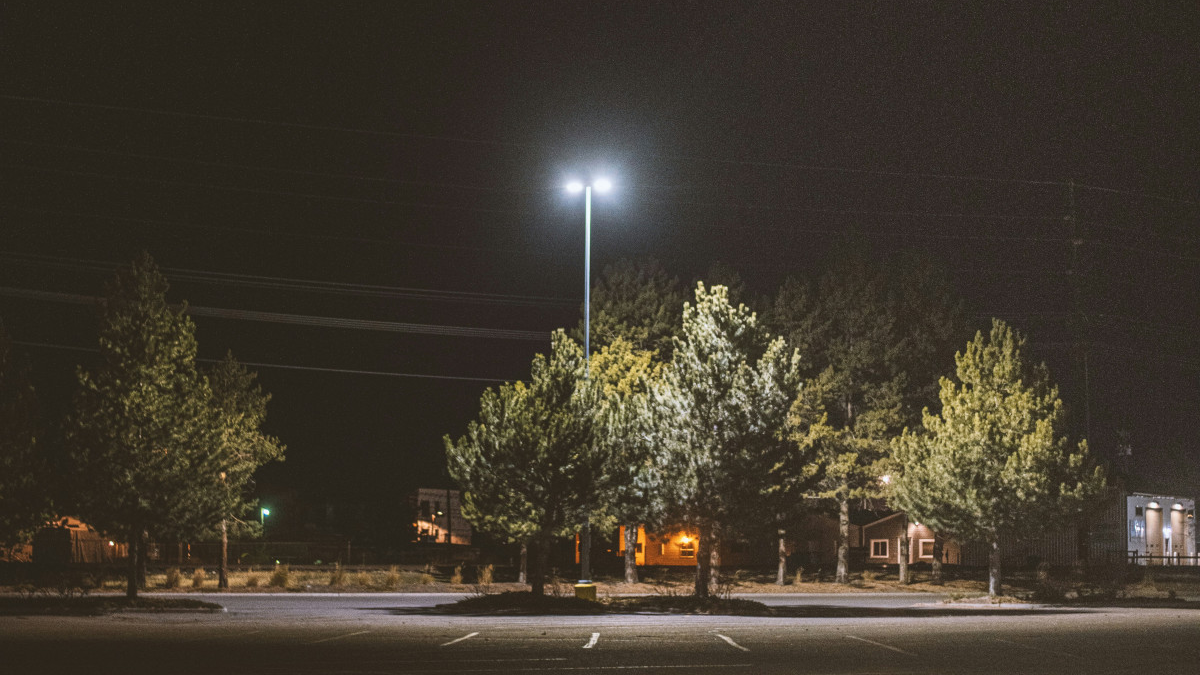
A bright security light aimed straight into your windshield is way beyond irritating. If it messes with your vision while you are backing into a street, sidewalk, or driveway entrance, that is a real safety problem. But as always, there's a catch: Whether your neighbor has to fix it will depend on local lighting, nuisance, and zoning rules, not any one law.
 Michael Kahn, Unsplash, Modified
Glare And Night Driving Do Not Mix
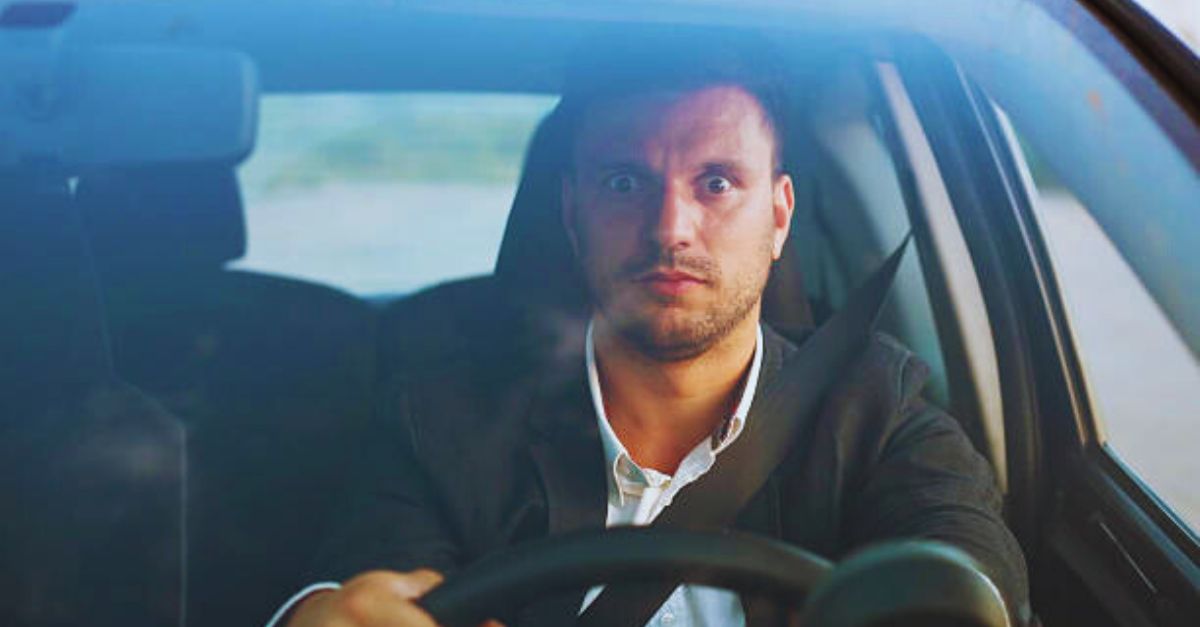
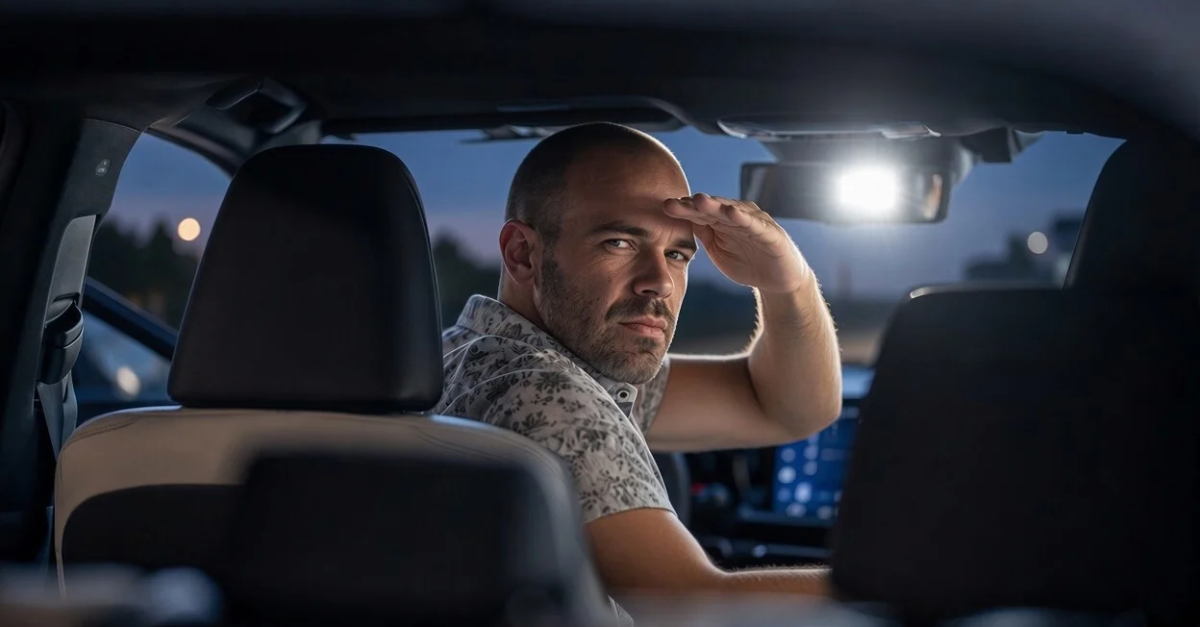
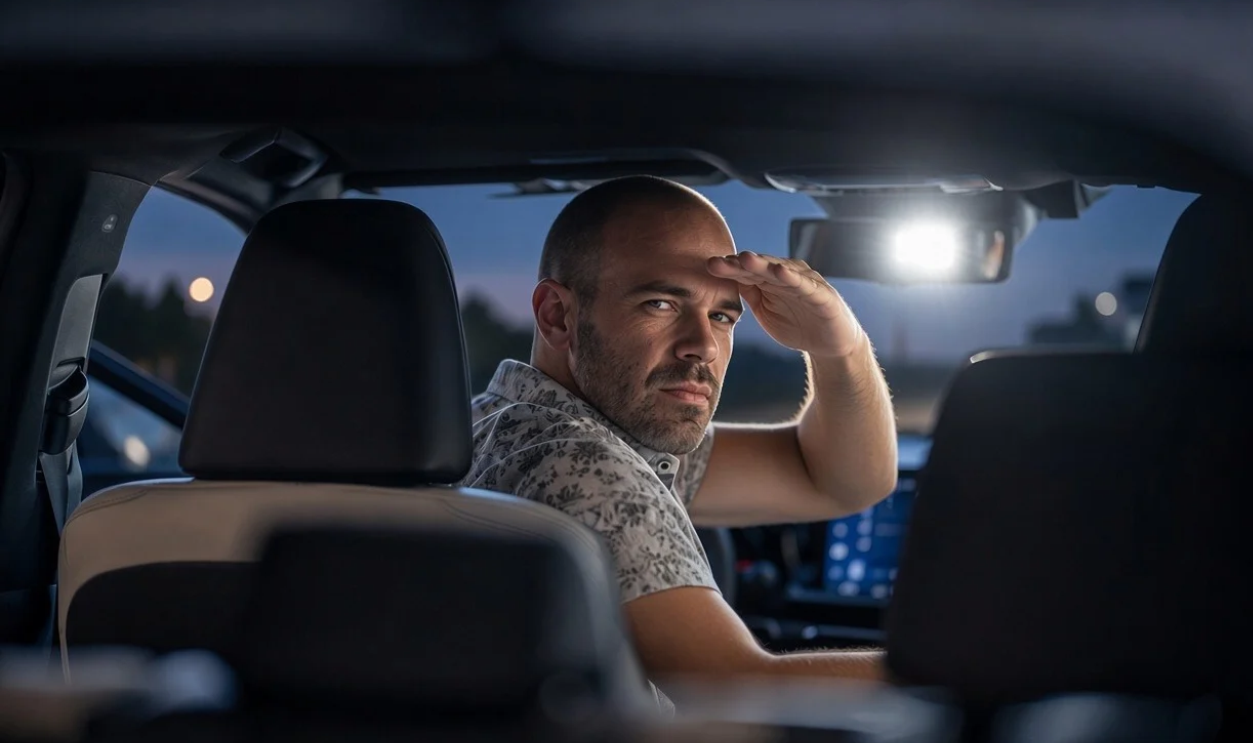
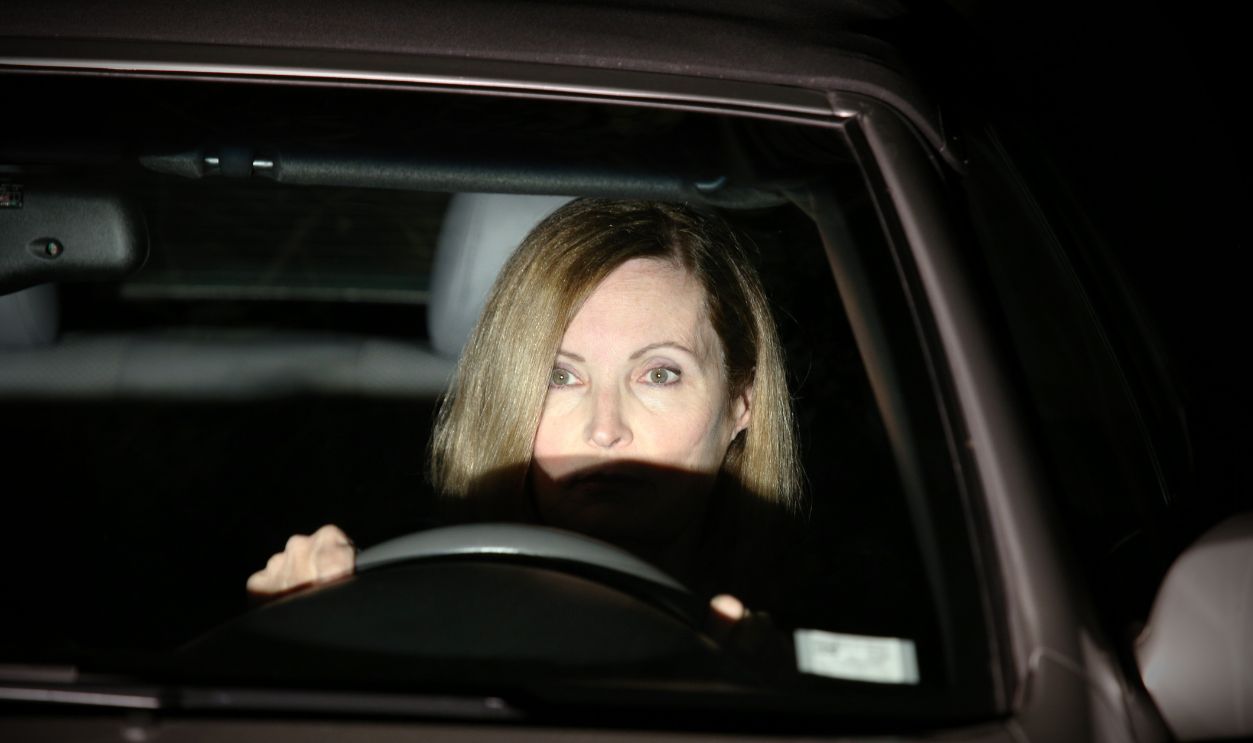
The problem starts with glare. The National Safety Council says glare from headlights and other bright lights can cut visibility for a short time and make night driving more dangerous. If that happens right when you are checking for pedestrians, cyclists, or cross traffic, the risk is easy to see.
 Katherine Welles, Shutterstock
Your Eyes Need Time To Adjust
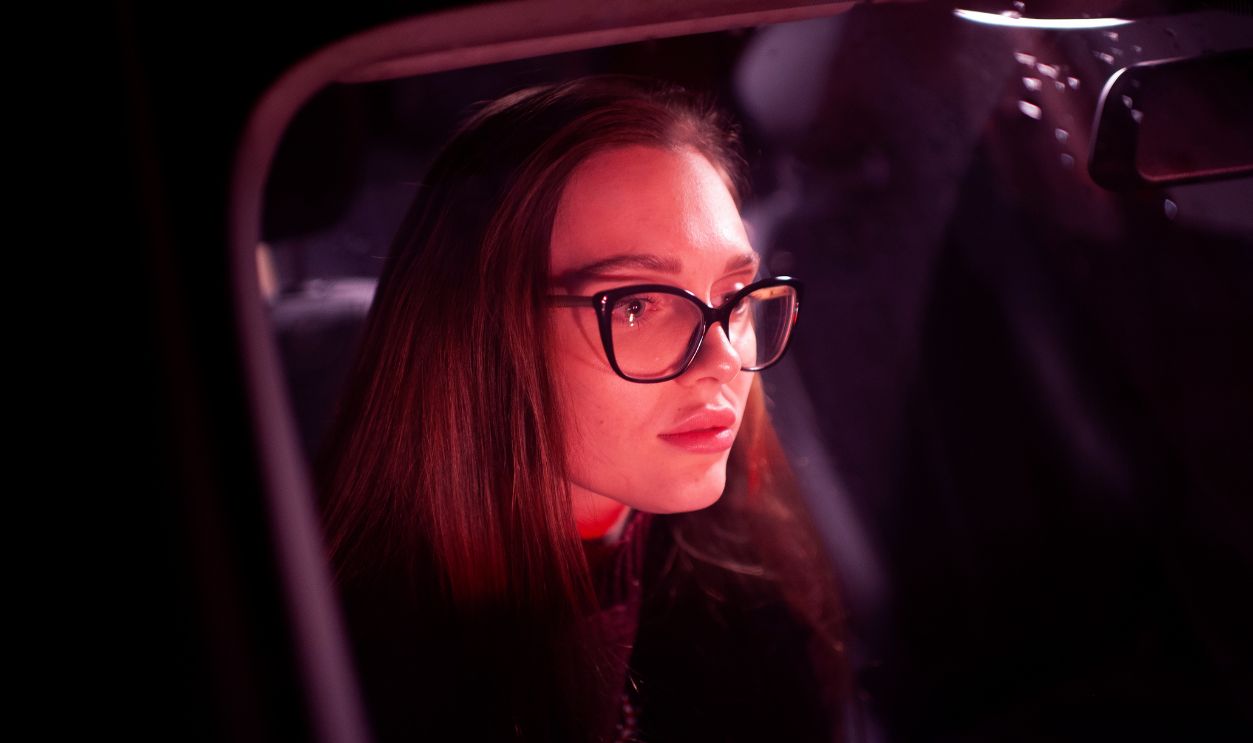
The American Academy of Ophthalmology explains that bright light can cause discomfort glare and lower contrast, making it harder to see detail. At night, your eyes also need time to adjust to the dark. A sudden blast of light can leave you effectively blind for a moment, and that is all it takes for a backing accident to happen.
 Catherine.Things, Shutterstock
Back-Out Crashes Happen More Than People Think
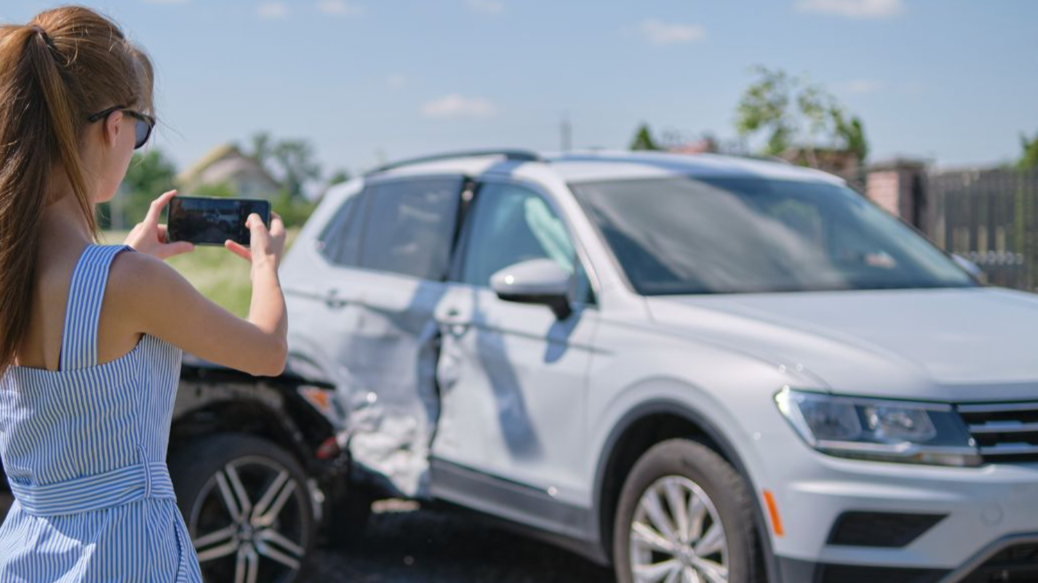
Low-speed backing crashes often happen in exactly the kind of place where a security light matters most. The National Highway Traffic Safety Administration has long focused on backing incidents because they can injure pedestrians and damage property in driveways and parking areas. If your visibility drops while reversing, that is not a small problem.
Federal Law Usually Does Not Cover A Neighbor's Yard Light
Here is the main legal point. Federal vehicle safety rules cover equipment installed on vehicles, but they usually do not control where a homeowner aims a floodlight on private property. So whether the light has to be changed usually comes down to city rules, county codes, HOA rules, or general nuisance law.
The Real Answer Is Usually In Local Code
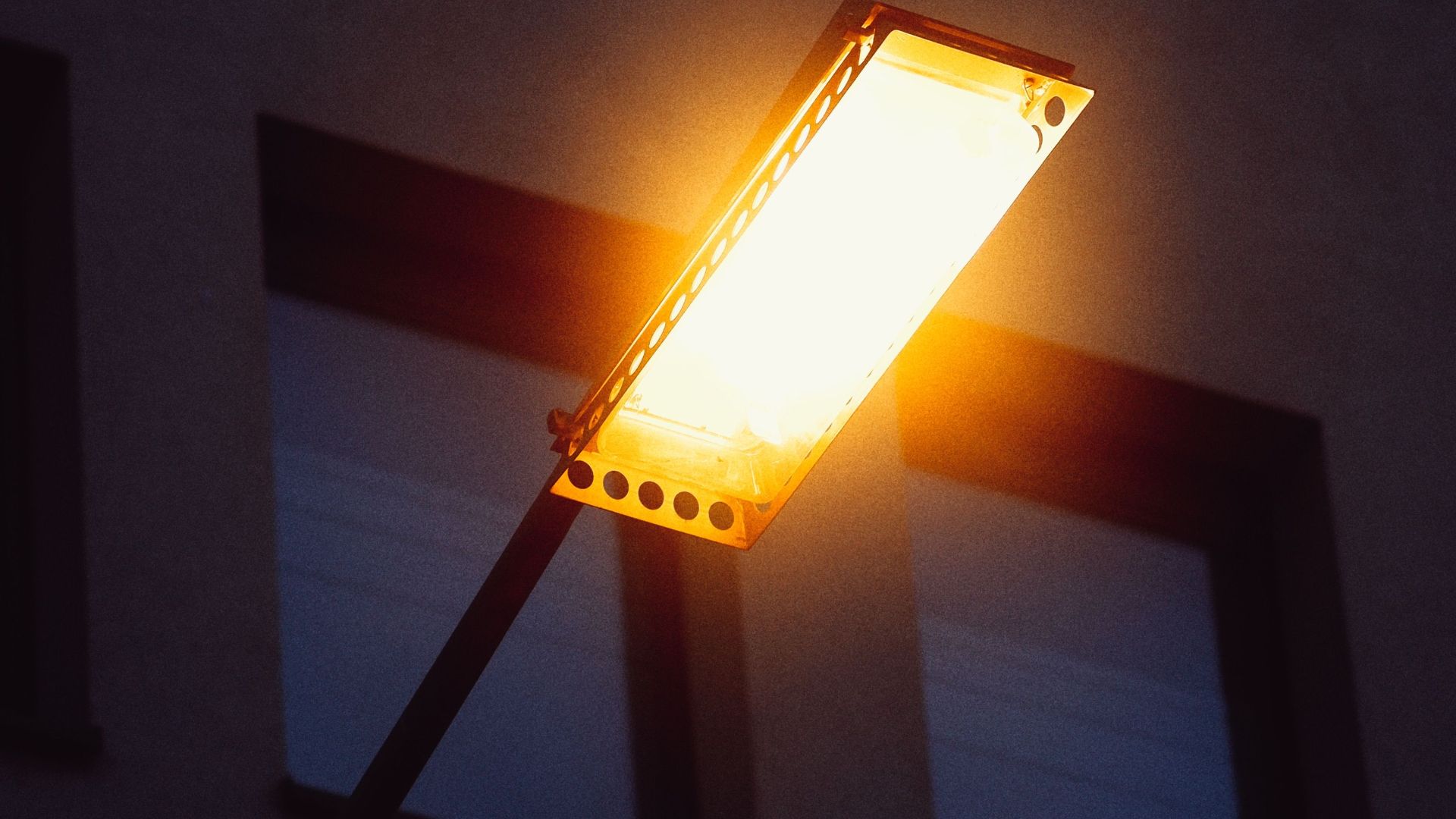
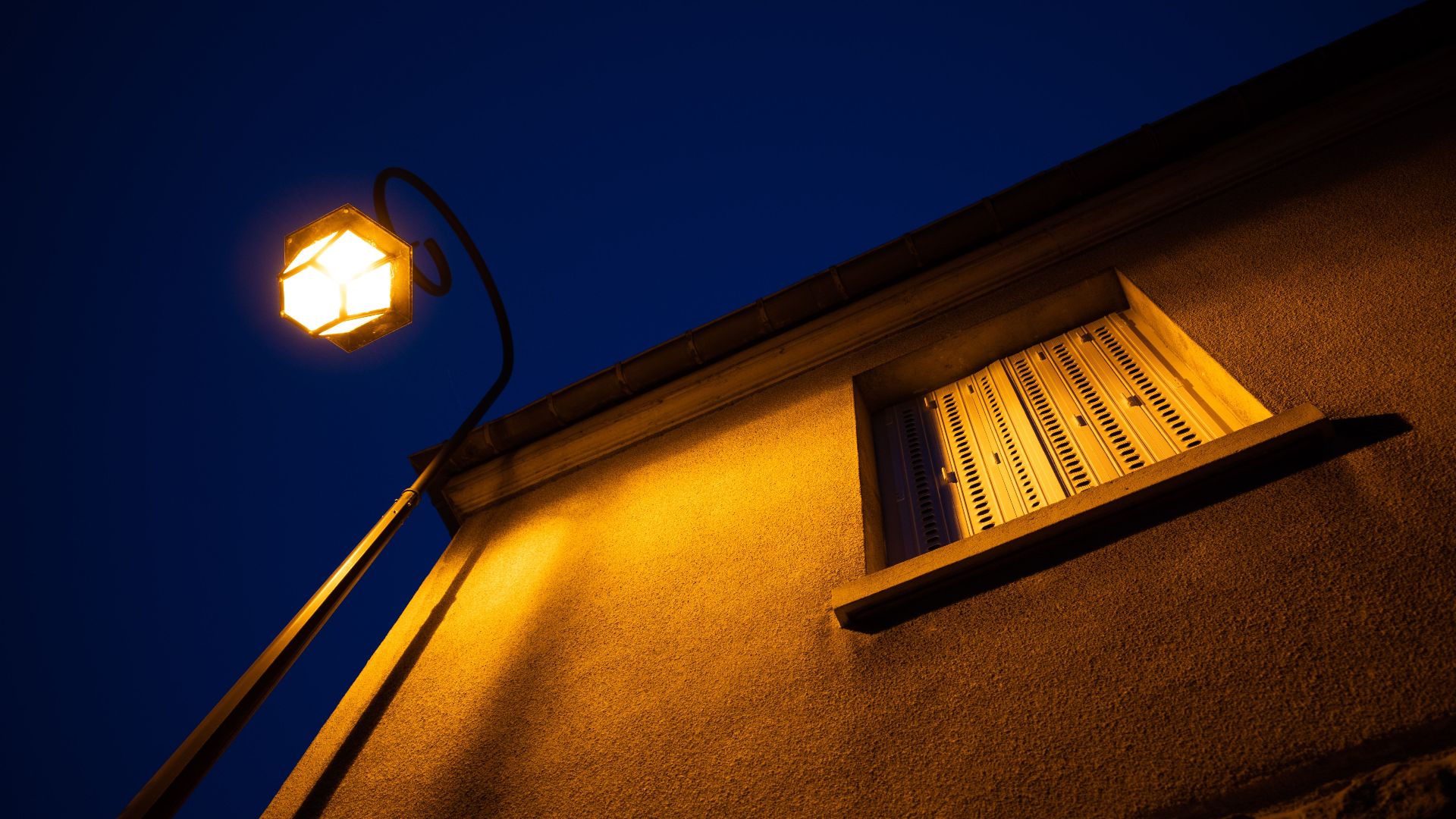
Many cities and counties have rules about light trespass, glare, or shielding. These rules often say outdoor lights must point downward, be shielded from nearby property, or stay under certain brightness limits near homes. If your neighbor's light is blasting your car and your property, local code may be your best shot at getting it fixed.
What Light Trespass Means
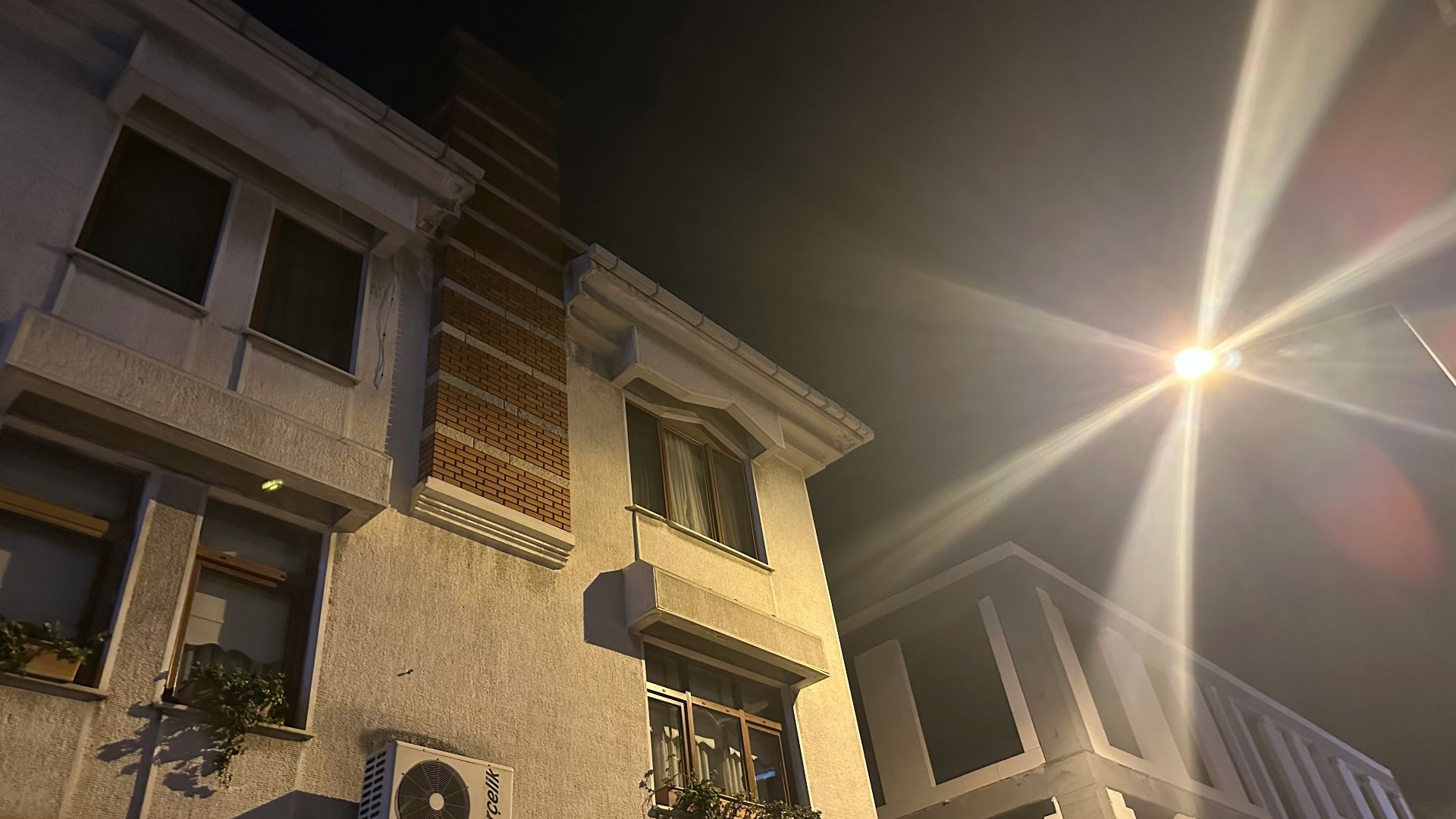
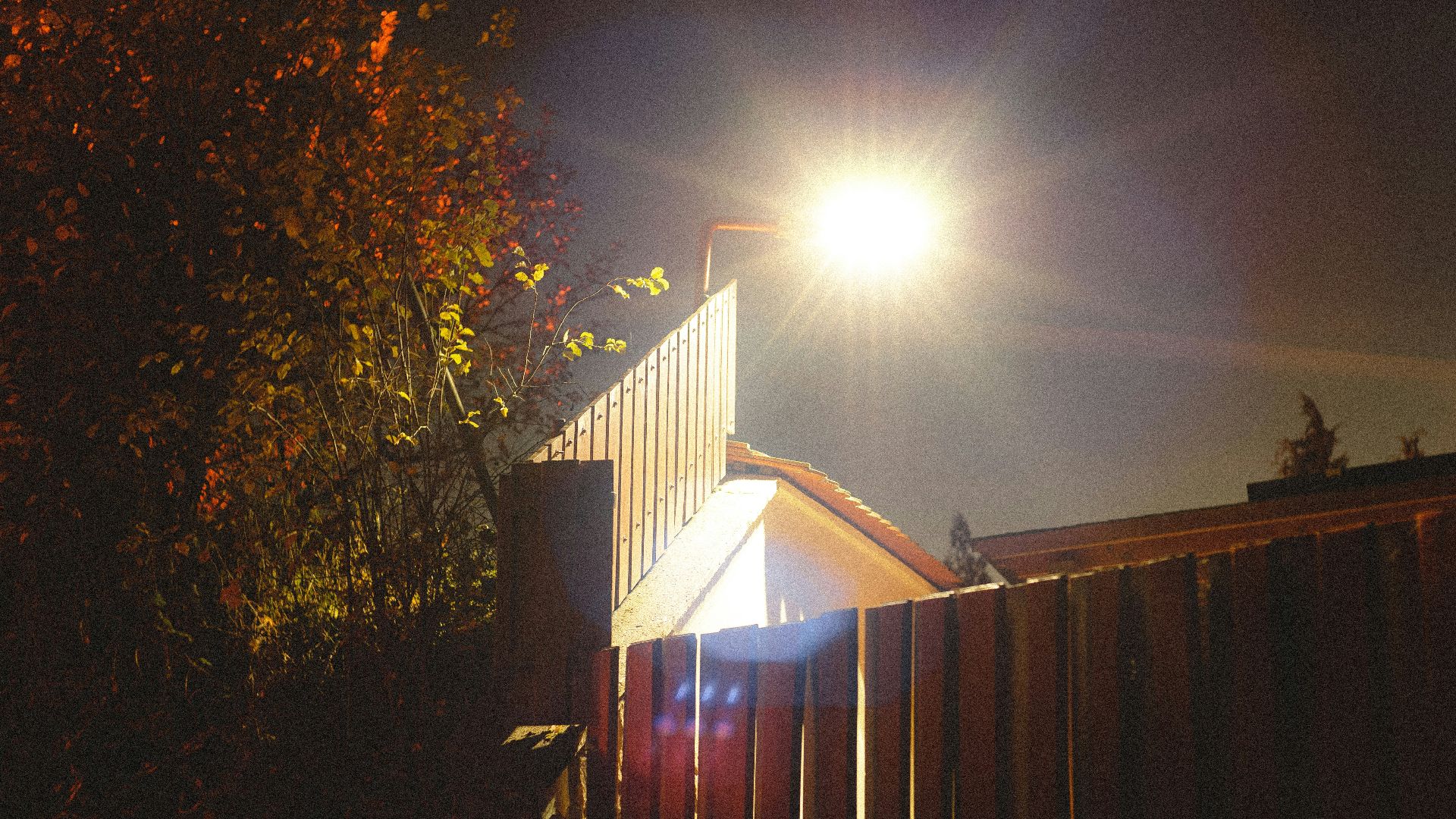
Light trespass is the common term for unwanted artificial light spilling onto someone else's property. DarkSky has long pointed to shielding and proper aiming as basic ways to stop it. In plain terms, a security light should light up the owner's space, not your windows and windshield.
 Katerina Dalemans, Shutterstock
Nuisance Law Can Come Into Play Too
Even if there is no specific lighting rule, a repeated and unreasonable interference with your use of your property may fall under private nuisance law. That does not mean every bright light turns into a legal case. But a badly aimed fixture that regularly creates a safety problem in your driveway can be more than just obnoxious.
Safety Is Your Strongest Point
If you treat this as a simple annoyance, people may shrug it off. If you can show the light creates a visibility hazard while you are backing into a public or shared area, the issue gets more serious. Officials and property managers are usually quicker to respond when the problem is safety, not just irritation.
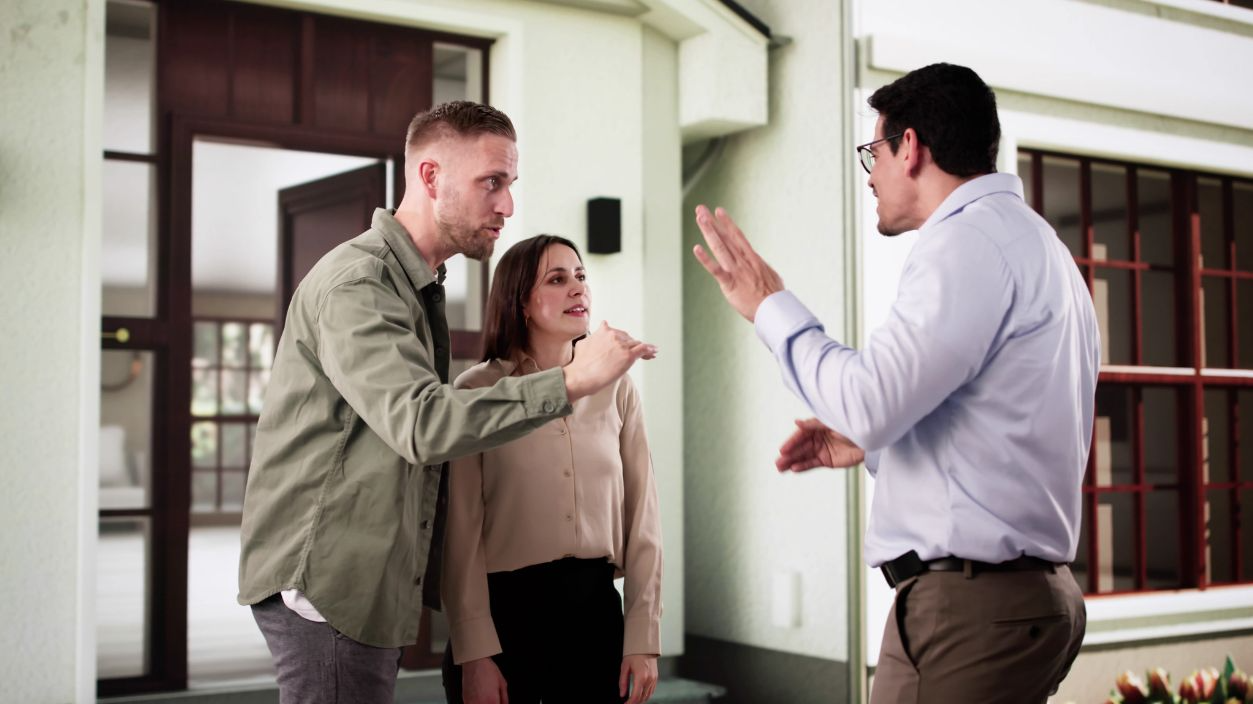
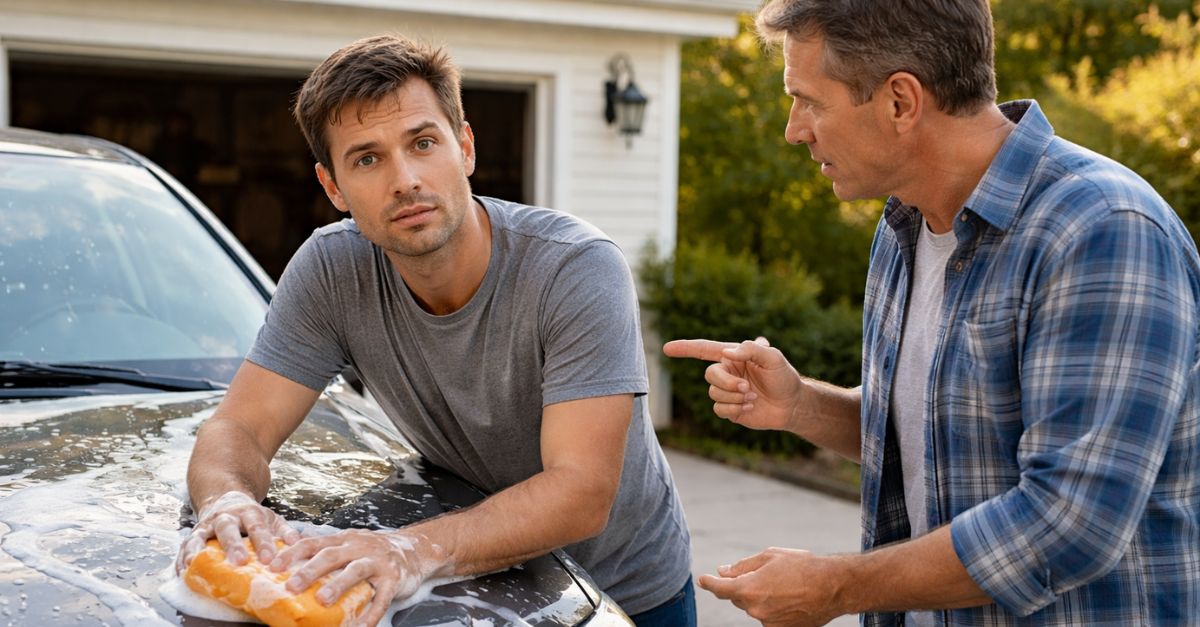
Start With A Calm Conversation
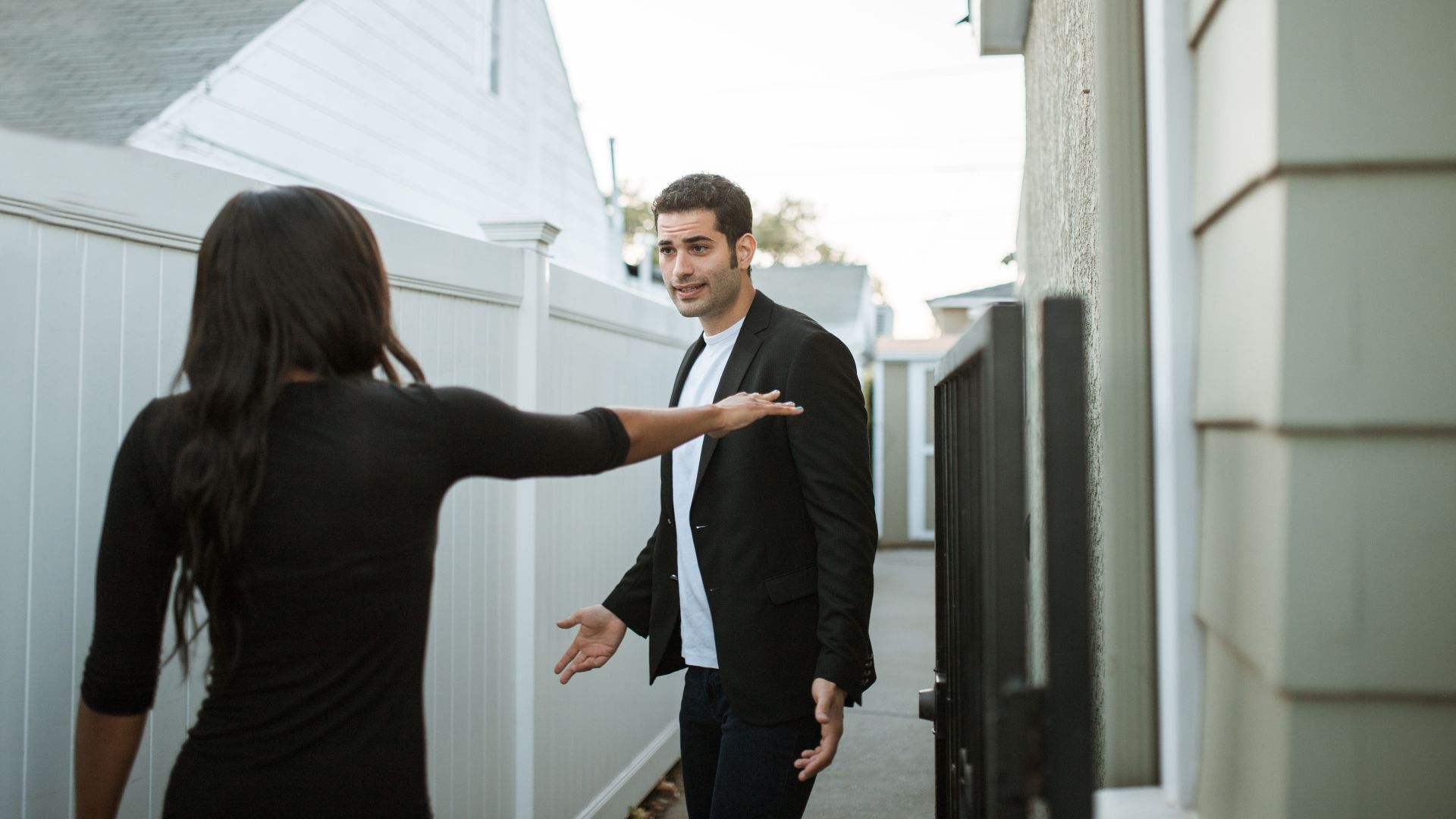
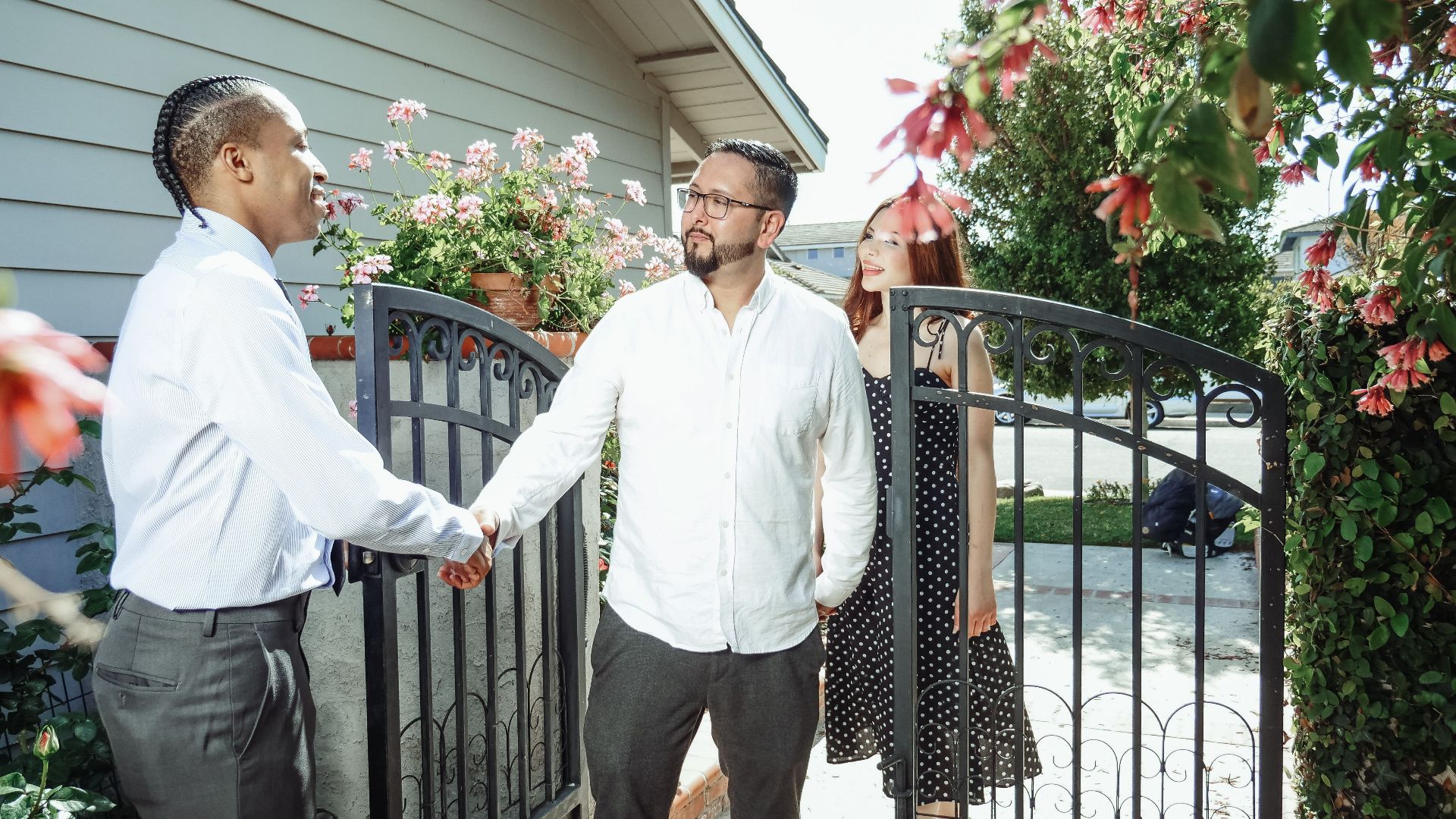
Before you file a complaint, try the easy route. Many people put up bright motion lights for security and may not realize the beam hits your windshield at exactly the wrong angle. A polite request to tilt it down, add a shield, or switch to a less glaring bulb may solve the problem fast.
Show Up With Fixes, Not Just Complaints
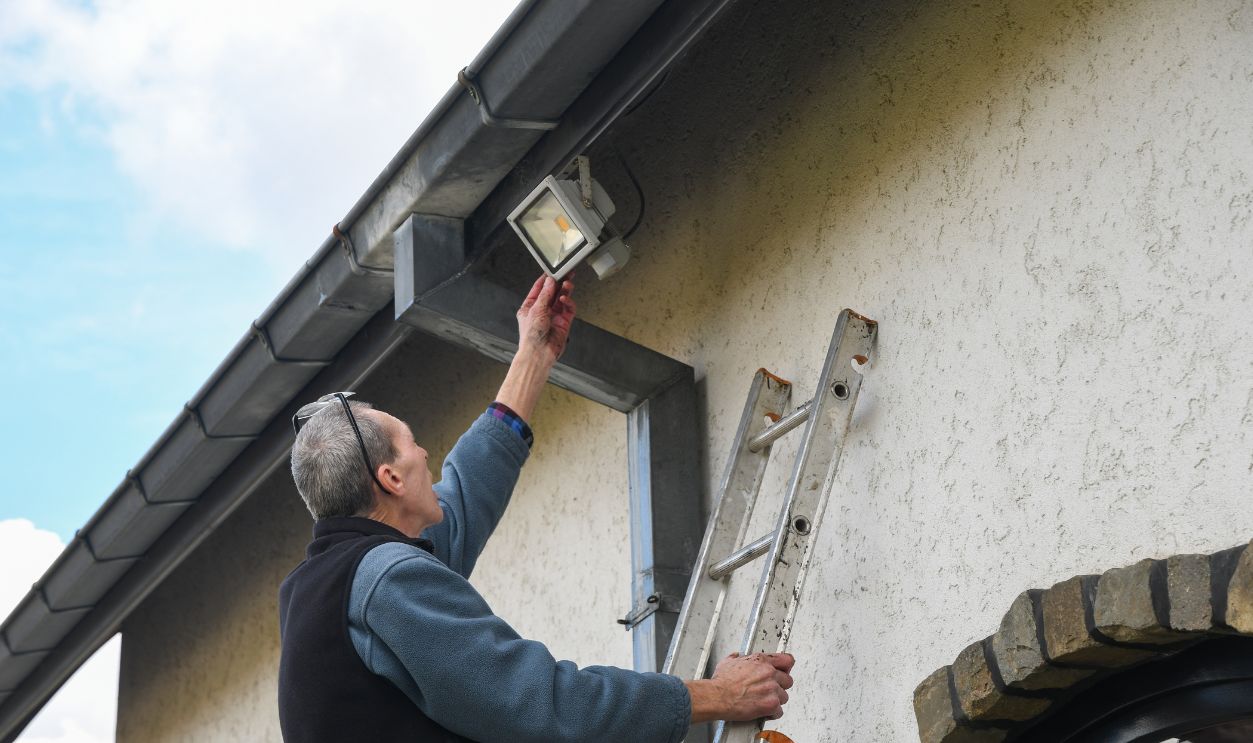
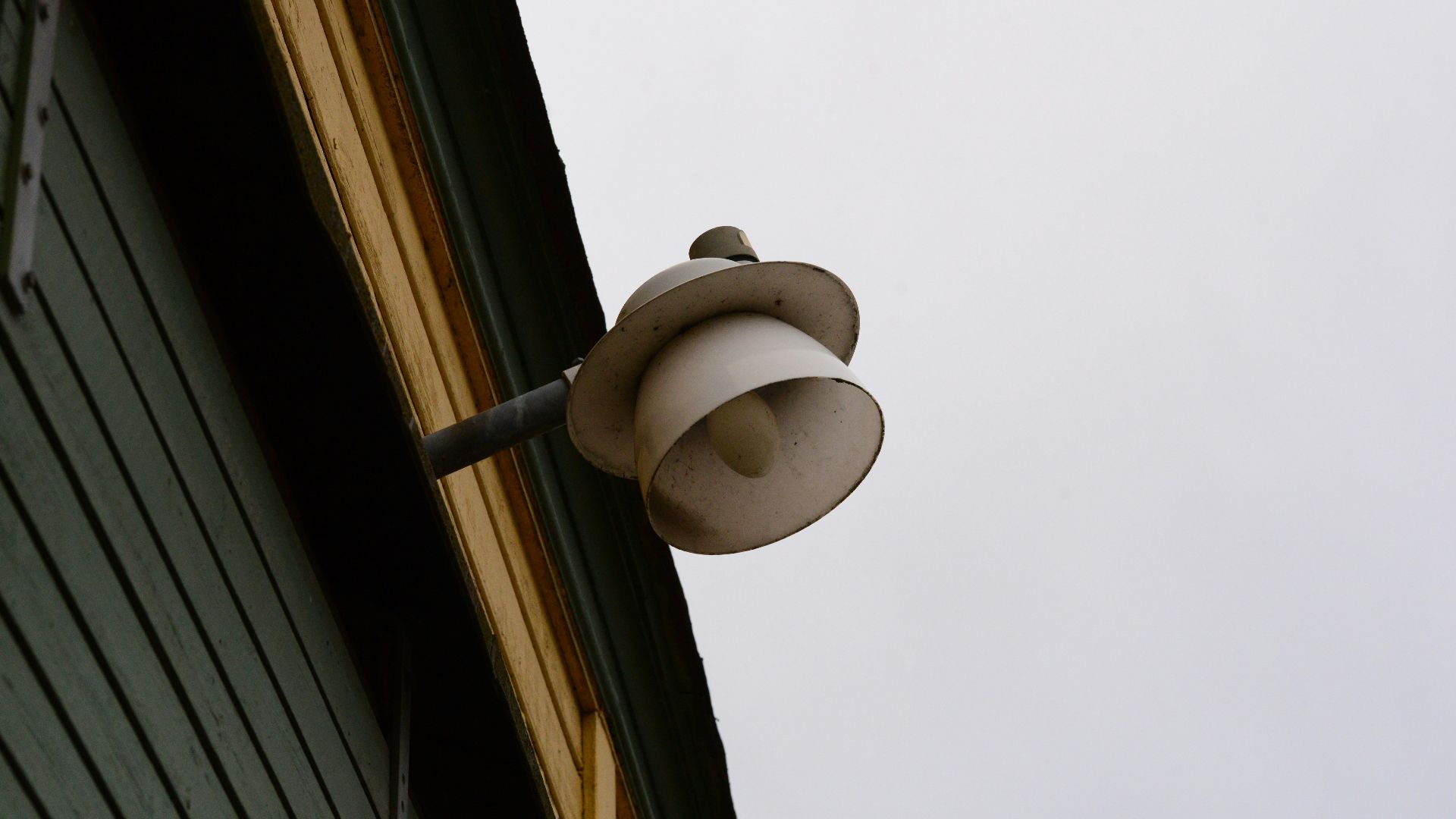
It helps to suggest practical options. A hood or shield, a lower-lumen bulb, a motion sensor with a shorter run time, or a different aim point can keep the security benefit without the glare. DarkSky and many local codes recommend fully shielded fixtures for this exact reason.
 Anna Elgebrant Rekstad, Unsplash
Document The View From The Driver's Seat
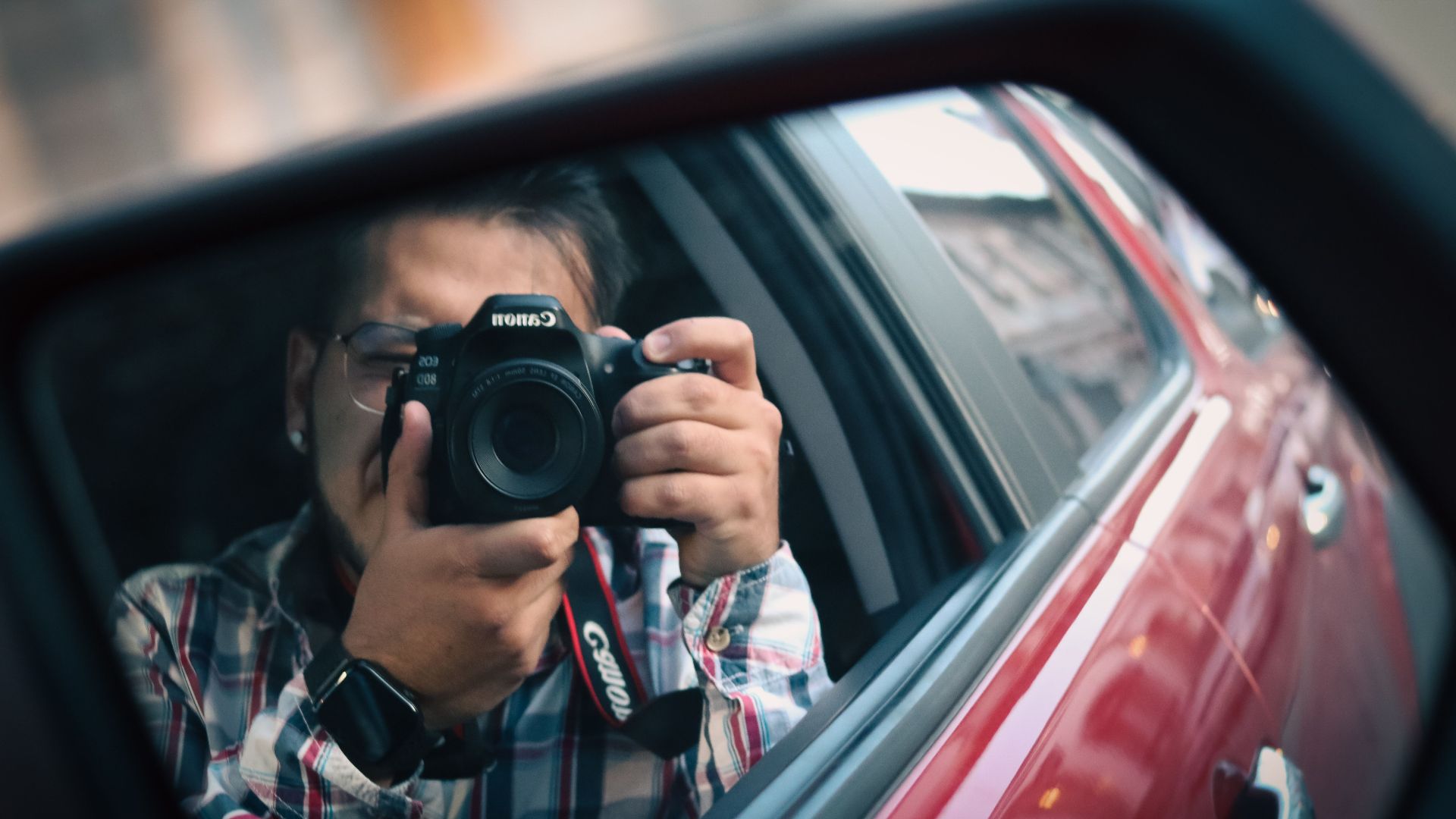
If talking does not work, start gathering evidence. Take photos and short videos from the driver's position at the time of night when the problem happens. Make sure they fairly show what you are seeing. Also note whether the glare blocks your view of the street, sidewalk, mailbox area, or pedestrians.
Keep A Simple Log
Write down dates, times, weather, whether the light is motion-activated, and what part of driving it interferes with. If the same light keeps making it hard to see while backing out, that pattern matters.

Check City And County Ordinances
Your next move is to look up local code sections on outdoor lighting, nuisance, zoning, or property maintenance. Some places have very specific rules about shielding and glare onto nearby homes or public rights-of-way. Others barely regulate residential lighting at all, so the exact wording matters.
HOA Rules Might Work Faster Than City Hall
If you live in an HOA, read the rules before assuming you are stuck. Many associations regulate outdoor fixtures, brightness, color temperature, and nuisance conditions. In some neighborhoods, an HOA notice works faster than a city complaint.

Rentals Add Another Option
If either property is rented, a landlord or property manager may be able to step in. They often move faster when a tenant reports a documented safety issue that affects vehicle access or use of the property. This can be especially useful if the neighbor is not the owner.
Police Usually Are Not The First Stop
A bright yard light is rarely a police matter on its own. Unless there is an immediate danger or the dispute is spiraling into something bigger, code enforcement, zoning, property management, or an HOA is usually the better route. Keeping it on the civil side often works out better.
Mediation Can Save A Lot Of Trouble
Neighbor disputes can get ugly fast. If tempers are rising, a community mediation program can help both sides settle on a technical fix without turning the whole thing into a feud. It is not dramatic, but it is often the fastest and cheapest way to solve the problem.
If The Light Hits The Street, The Issue Gets Bigger
If the beam reaches beyond your driveway and creates glare for passing drivers, the concern goes beyond your property. Some local rules are more likely to address lighting that affects traffic safety or shines into the public right-of-way. That can make officials take a harder look.
You Usually Cannot Force An Instant Fix
Usually, no. Unless a local inspector finds a clear code violation or a court orders action, there is rarely a switch you can flip to make the light disappear overnight. Most of the time, the process is simple: ask, document, complain through the right local channel, and escalate only if it keeps happening.
Do Not Assume There Is A National Brightness Rule
Many drivers assume there must be a nationwide limit on how bright a residential floodlight can be. Usually, there is not. Outdoor home lighting is mostly regulated at the local level, and the rules vary a lot. That is why two nearly identical disputes can end very differently depending on where they happen.

Shielding Matters More Than Brightness Alone
A well-aimed, shielded light can be very bright and still cause far less trouble than a weaker bare bulb pointed at eye level. Lighting experts have said for years that glare control matters just as much as illumination. Often, the real issue is not how bright the light is, but where it is aimed.
Protect Yourself While You Deal With It
Until the problem is fixed, adjust your routine if you can do it safely. Back out more slowly, pause for a moment to let your eyes recover, use your mirrors and backup camera, and consider backing into your driveway earlier so you can pull out forward at night. These are workarounds, not solutions, but they can lower the risk.
A Backup Camera Helps, But It Does Not Beat Glare
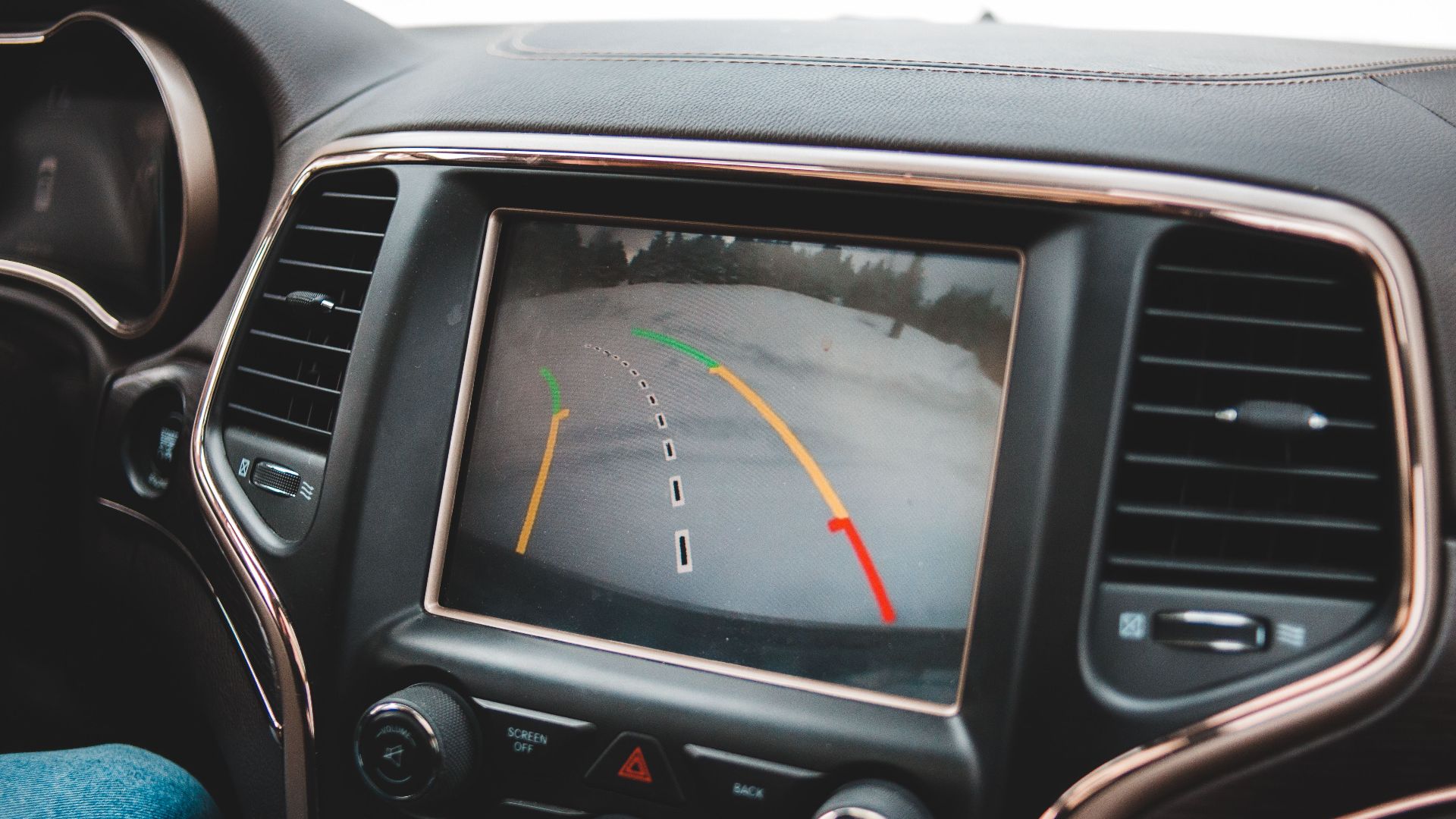
Backup cameras are useful, but they do not solve everything. Glare can still affect your direct view, your side mirrors, and your overall awareness, especially when it comes to cross traffic and pedestrians outside the camera's best angle. Think of the camera as one tool, not the whole answer.
When It Makes Sense To Talk To A Lawyer
If you have clear evidence, repeated problems, failed complaints, and a real safety impact, a local attorney can explain your options under nuisance or property law. That does not mean a lawsuit is likely or smart. It just means you can get a clear picture of what the rules actually allow where you live.

The Short Answer
Yes, a neighbor's bright security light can absolutely be a driving hazard if it blinds you while you are backing out at night. No, there usually is not a universal law that automatically forces them to fix it everywhere in the United States. Whether they have to do anything depends on local ordinances, HOA rules, landlord involvement, and sometimes nuisance law. That is why your best first moves are to document the problem and have a practical conversation.