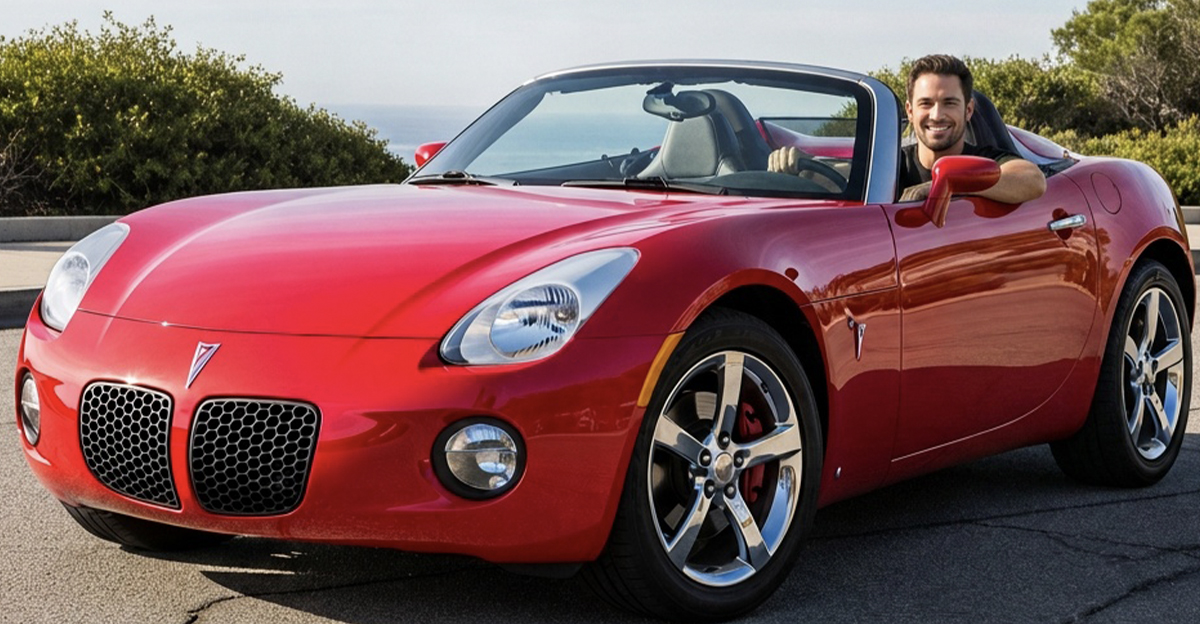
Start-stop Annoys Plenty Of Drivers.
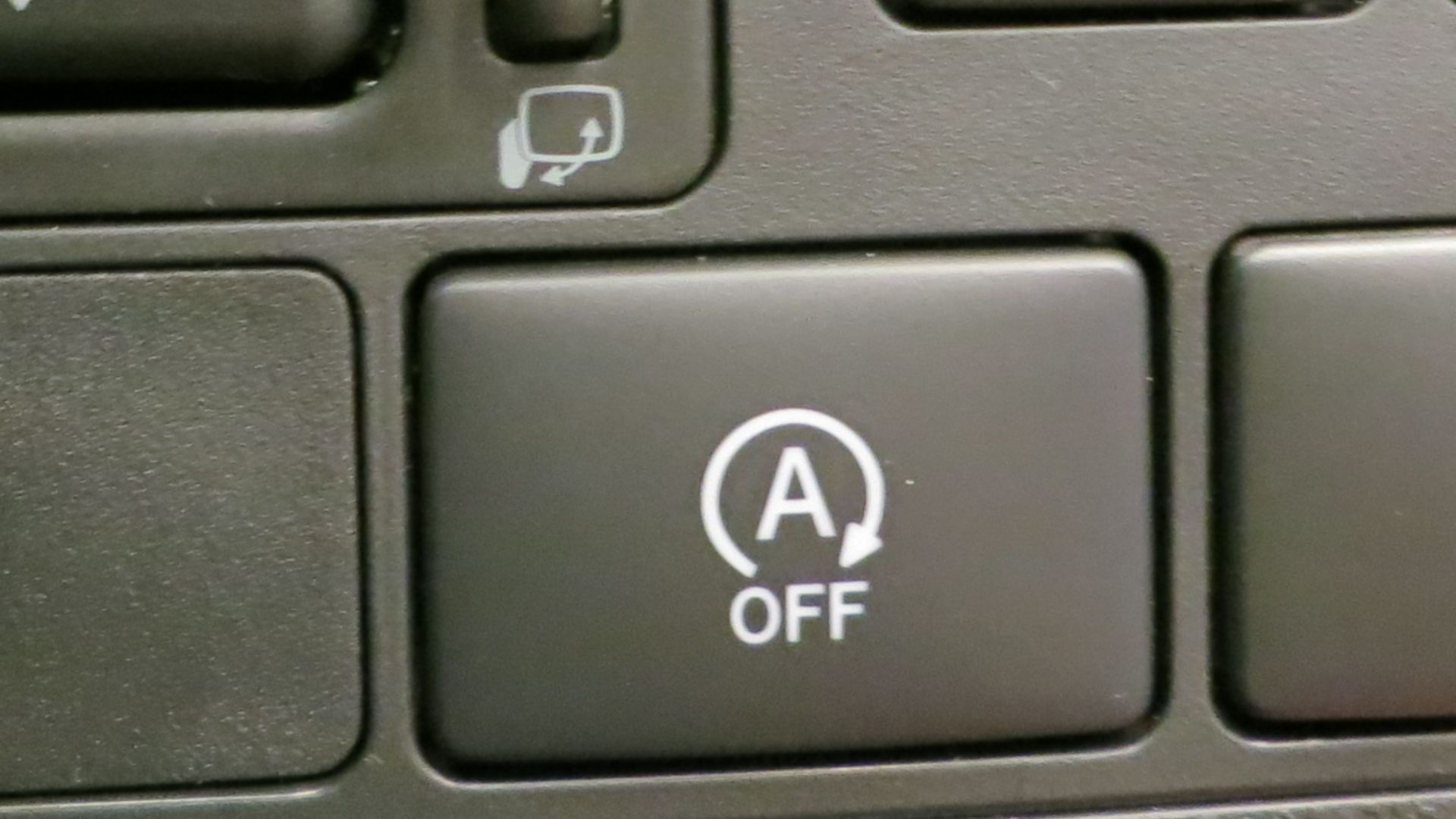
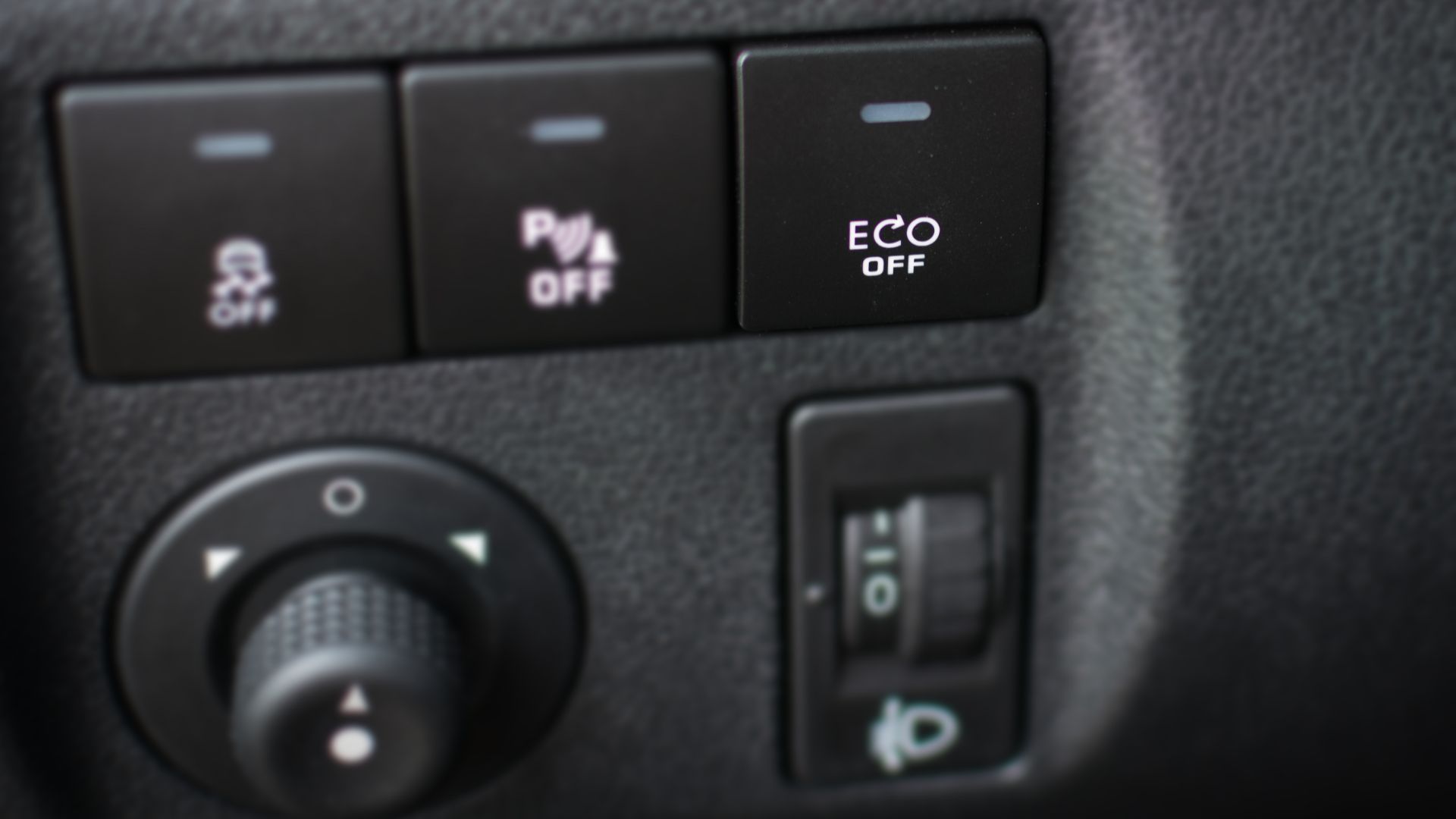
If your vehicle includes a factory button for disabling it, using that button normally does not alter the car or remove the system. The resale question becomes more complicated only when owners permanently modify, bypass, or damage the equipment.
Turning It Off Is Usually Temporary
Ford describes its Auto Start-Stop button as a temporary deactivation rather than a permanent change. Chevrolet similarly says equipped vehicles can disable the feature for the current ignition cycle. Honda states that its Auto Idle Stop system switches itself back on each time the engine is started.
 Bindydad123, Wikimedia Commons
That Distinction Matters For Resale
Pressing a factory-provided button leaves the underlying hardware in place. A future owner can simply allow the system to operate normally again. That is very different from removing components, altering wiring, or installing software intended to defeat the feature permanently.
Resale Guides Do Not Track Button Presses
Major valuation services focus on factors buyers can actually evaluate. Kelley Blue Book identifies age, mileage, condition, maintenance, and accident history as important influences on depreciation. CARFAX incorporates items such as service history, reported damage, ownership history, and title information into its vehicle-specific valuations.

Your Mechanic May Be Mixing Up Two Issues
There is a legitimate difference between temporarily switching off start-stop and modifying the vehicle so the system no longer functions as designed. The first is normal operation specifically provided by some manufacturers. The second creates an aftermarket-modification question that can matter to dealers and future buyers.

Permanent Bypass Devices Are Different
Some owners install aftermarket equipment or modify software so start-stop stays disabled after every restart. Edmunds notes that customized vehicles can bring lower trade-in offers because dealerships may want to return them to stock condition before resale. That concern does not apply in the same way when you merely press the original dashboard button.

Stock Vehicles Are Easier To Sell
Used-car dealers generally prefer vehicles they can inspect, price, and resell without investigating unusual modifications. An unexplained wiring harness or nonfactory module can raise questions about reliability and workmanship. Returning modifications to factory condition before selling may therefore make the transaction simpler.

The Feature Exists To Save Fuel
Automatic start-stop shuts the engine down when it would otherwise idle and restarts it when the driver is ready to move. The EPA currently says the technology can improve fuel economy by roughly 4 to 5 percent, with the biggest benefit in stop-and-go traffic. Drivers who spend most of their time on open highways receive much less benefit.

AAA Has Measured The Difference
AAA testing found fuel-economy improvements of about 5 to 7 percent when automatic start-stop was enabled during an urban driving cycle. The exact savings depend heavily on how often the vehicle sits stationary with the engine warm. Turning it off every day therefore has a fuel-cost consequence, even if it does not create a resale penalty.

More Idling Means More Fuel Burned
An engine running at a red light still consumes fuel while moving the vehicle zero miles. EPA guidance recommends reducing unnecessary idling as one way to improve fuel economy and cut emissions. Disabling start-stop essentially chooses convenience or smoothness over that particular fuel-saving opportunity.

It Will Not Destroy A Conventional Engine
Some drivers worry that dozens of daily restarts must be harmful. Chevrolet says vehicles equipped with start-stop use starting systems and engines engineered for the additional activity. Ford likewise says its vehicles use a heavy-duty starter and battery to compensate for the increased number of starts.

The Starter Is Designed For Extra Work
A normal starter in an older vehicle may operate only a handful of times during a typical day. Start-stop hardware is expected to operate far more frequently. AAA notes that manufacturers strengthen starters and other affected drivetrain components specifically for this operating pattern.

The Battery Is Different Too
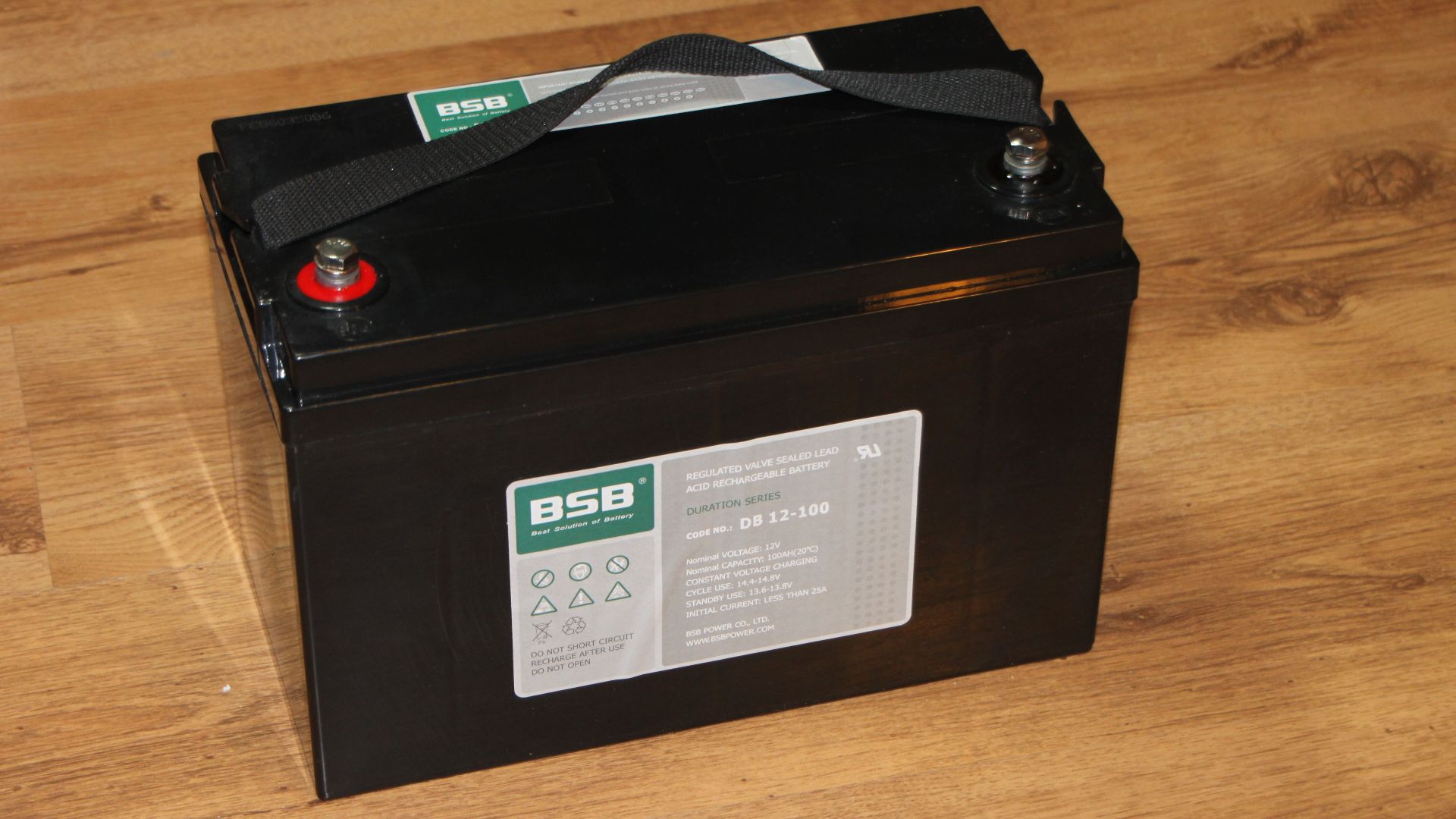
Start-stop vehicles place unusual demands on the 12-volt battery because accessories must continue operating while the engine is off. Continental says these applications commonly use Enhanced Flooded Battery or Absorbent Glass Mat technology with greater cycle durability. Ford also identifies a heavy-duty battery as part of its start-stop design.

Using The Wrong Battery Can Cause Trouble
Battery replacement is one area where owners should not improvise. AAA says AGM batteries are better able to handle repeated charging and discharging associated with stop-start vehicles. GM parts guidance says its start-stop vehicles require AGM batteries and warns that substituting an ordinary flooded battery can drastically shorten battery life.
 Emilian Robert Vicol, Wikimedia Commons
Turning Start-Stop Off Does Not Eliminate Battery Aging
Disabling the system can reduce the number of engine restarts, but the battery still powers an increasingly complicated electrical system. Age, temperature, charging patterns, accessories, and periods of inactivity all influence battery life. Do not assume the original battery will last indefinitely simply because you rarely use start-stop.

The Computer Sometimes Disables It Anyway
Start-stop systems do not shut the engine off at every stop. Ford says battery charging, engine warm-up, and heating or air-conditioning demands can prevent activation. Chevrolet likewise says the system monitors vehicle and battery conditions and can restart the engine when passenger comfort or vehicle performance requires it.

A Nonworking System Could Affect Value
There is an important difference between choosing to press the OFF button and owning a system that cannot operate. Warning lights, electrical faults, a weak battery, or a failed starter can signal genuine mechanical problems. Vehicle condition affects resale value, so repairing an actual malfunction before selling is sensible.

Service History Matters Far More
Kelley Blue Book says maintenance history contributes to a vehicle's depreciation and resale prospects. CARFAX also incorporates reported service history when calculating its history-based values. A documented record of correct battery replacements and routine servicing is more meaningful to a buyer than your stoplight preference.

Mileage Still Carries Much More Weight
A dealer evaluating a trade will immediately see the odometer reading. Kelley Blue Book lists mileage among the primary factors influencing depreciation. There is no comparable mainstream valuation adjustment for how often an owner pressed a start-stop disable button.

Condition Is Visible To The Buyer
Worn tires, damaged paint, stained upholstery, warning lights, and neglected maintenance can all influence what someone will pay. A clean, well-maintained vehicle operating exactly as designed is straightforward to evaluate. Your habit of disabling a reversible factory feature leaves no comparable physical deterioration by itself.

Accident History Can Move The Price
CARFAX specifically uses reported accidents and damage history when calculating vehicle values. Buyers understandably distinguish between a clean-history example and one that has suffered major repairs. That difference can be worth far more than any theoretical concern about how frequently start-stop operated.

Modifications Are The Bigger Resale Risk
Edmunds says aftermarket customizations frequently fail to add their purchase price back into a vehicle's value and may lower trade-in offers. Kelley Blue Book similarly notes that modifications can narrow the pool of interested buyers. If resale matters, leaving the start-stop system mechanically and electronically stock is the safer choice.

Warranty Concerns Need Some Nuance
Installing an aftermarket part does not automatically erase an entire factory warranty. The Federal Trade Commission says a manufacturer generally must show that an aftermarket component caused the relevant damage before denying coverage for that damage. Still, an unnecessary bypass device can create a warranty dispute that simply pressing the factory button never would.

The Factory Button Is There To Be Used
Ford, Chevrolet, and Honda all publish instructions explaining how drivers can switch their systems off. That would make little sense if ordinary use of the control were considered abusive behavior. The feature exists partly because manufacturers recognize there are circumstances when drivers may not want automatic shutdown.

Buyers May Still Prefer The Feature
A future shopper interested in fuel economy may appreciate having functional automatic start-stop. That buyer can simply leave the system enabled when driving the car. Your earlier habit of switching it off does not prevent the next owner from using it, provided the vehicle remains unmodified and properly maintained.

Keep Any Aftermarket Changes Reversible
If you already installed a start-stop bypass device, save the original parts and installation information. Restoring the vehicle to factory operation before trade-in can eliminate questions about how the modification was installed. Edmunds specifically notes that returning customized vehicles to stock can make more sense when selling to a dealer.

Ask The Mechanic To Explain The Claim
If someone says daily deactivation lowers resale value, ask exactly how that reduction would be measured. Request a valuation source, manufacturer bulletin, or documented mechanical consequence tied specifically to using the factory disable button. Without that evidence, the claim is difficult to reconcile with how major used-car valuation systems actually determine value.

Pressing The Button Is Not The Problem
Turning start-stop off with the factory control may cost you some fuel in traffic, but there is no credible evidence that the habit itself reduces resale value. The issues that matter are whether the system still works, whether the vehicle has been modified, and whether maintenance has been performed correctly. Keep the car stock and healthy, and your preference at stoplights is unlikely to matter when it is time to sell.

You May Also Like:
Mechanics Say They Hate It When Customers Do These Things—So Don’t Do Them
Forgotten Sports Sedans That Deserve More Respect Than They Get
Four Of The Deadliest Roads In The World
Sources: 1, 2, 3, 4, 5, 6, 7, 8, 9, 10, 11, 12, 13, 14, 15, 16, 17, 18