The Trouble Usually Starts With Just One Tire
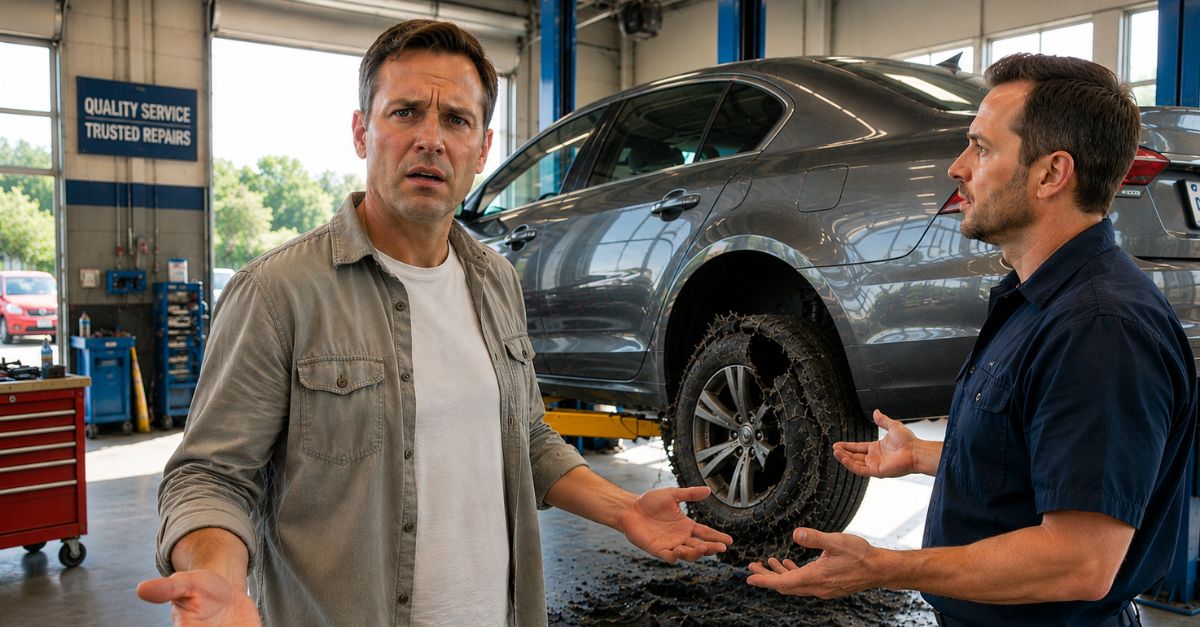
You go in for a simple repair and come out with a quote for four new tires. That can sound like a hard sell with tire prices these days, especially when only one tire is damaged. But on an all-wheel-drive car, the mechanic may be trying to prevent a real drivetrain problem.
Why AWD Makes This More Complicated
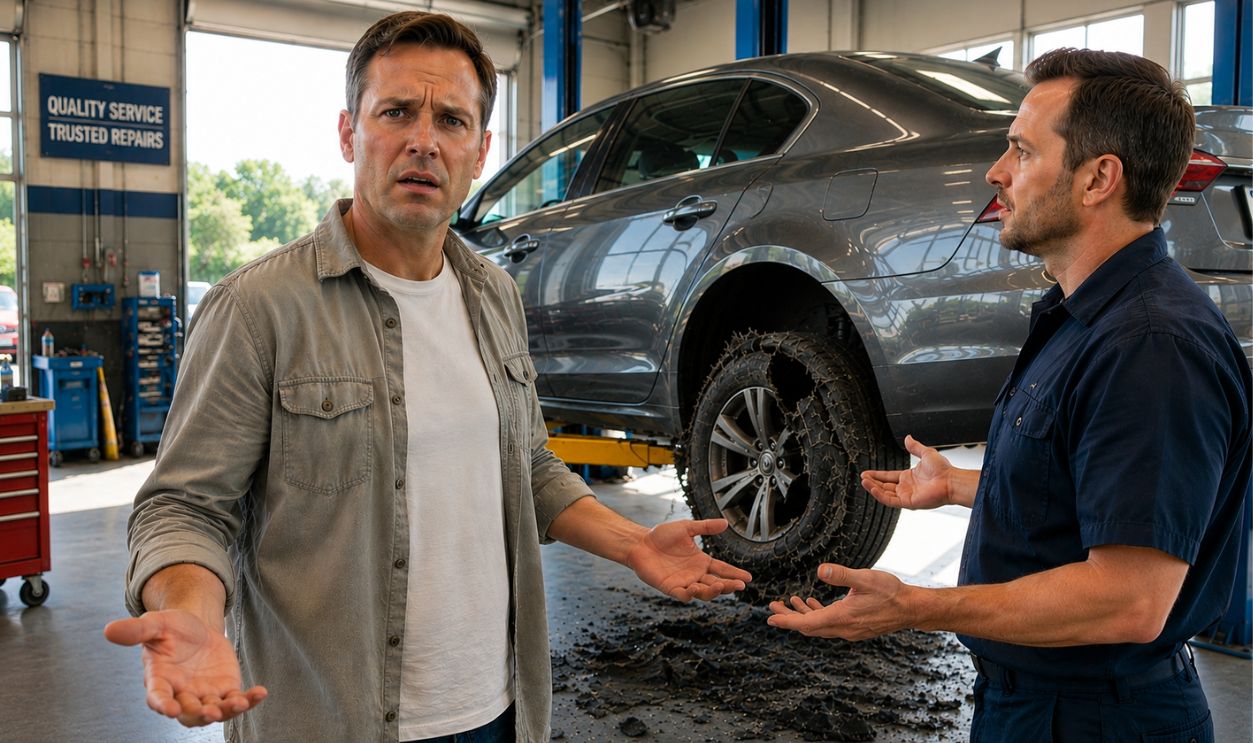
All-wheel-drive systems work best when all four tires are very close in overall circumference. If one tire is noticeably taller or shorter than the others, the system can read that as constant wheel slip. That can make drivetrain parts work harder than they should.
 Alexander-93, Wikimedia Commons
The Real Issue Is Tire Diameter
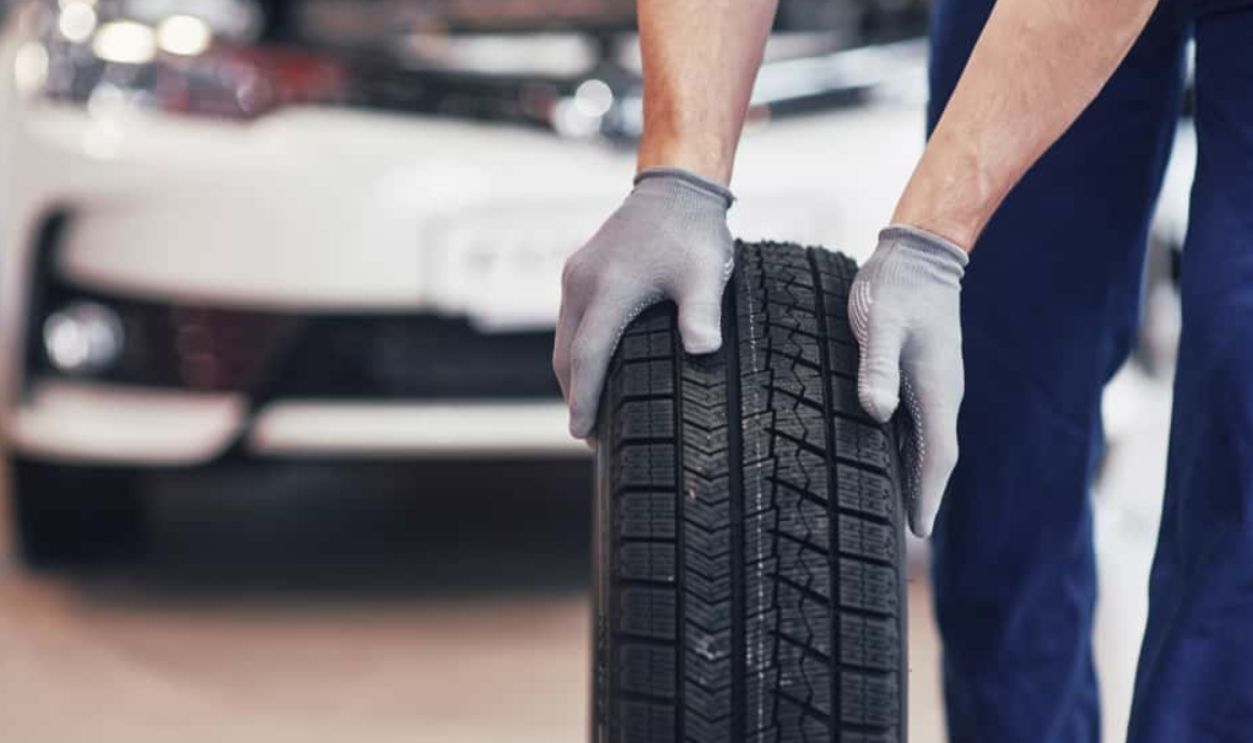
Tread depth changes tire diameter, and tire diameter changes how many times a tire rotates over a given distance. A new tire with deep tread is slightly larger than a worn tire of the same size. That sounds minor, but on an AWD vehicle it can put extra stress on the center differential, transfer case, clutch packs, or other AWD parts.
Subaru Has Been Clear About This For Years
Subaru is one of the clearest examples because it has long published specific tire guidance for AWD vehicles. In the 2025 Subaru Forester Owner’s Manual, Subaru says the four tires should always be the same size, brand, construction, and tread pattern. It also warns that using tires with different levels of wear can damage the drivetrain. Subaru gives a clear limit too, saying the tread-depth difference between tires should not be more than 2/32 of an inch.
 Mr.choppers, Wikimedia Commons
That 2/32-Inch Limit Exists For A Reason
Subaru did not pick that number out of thin air. Even small tread-depth differences can change rolling circumference enough to create constant speed differences between wheels. When that happens all the time instead of just during a turn or on a slick road, AWD parts can overheat or wear out faster.
Audi Gives Similar Warnings
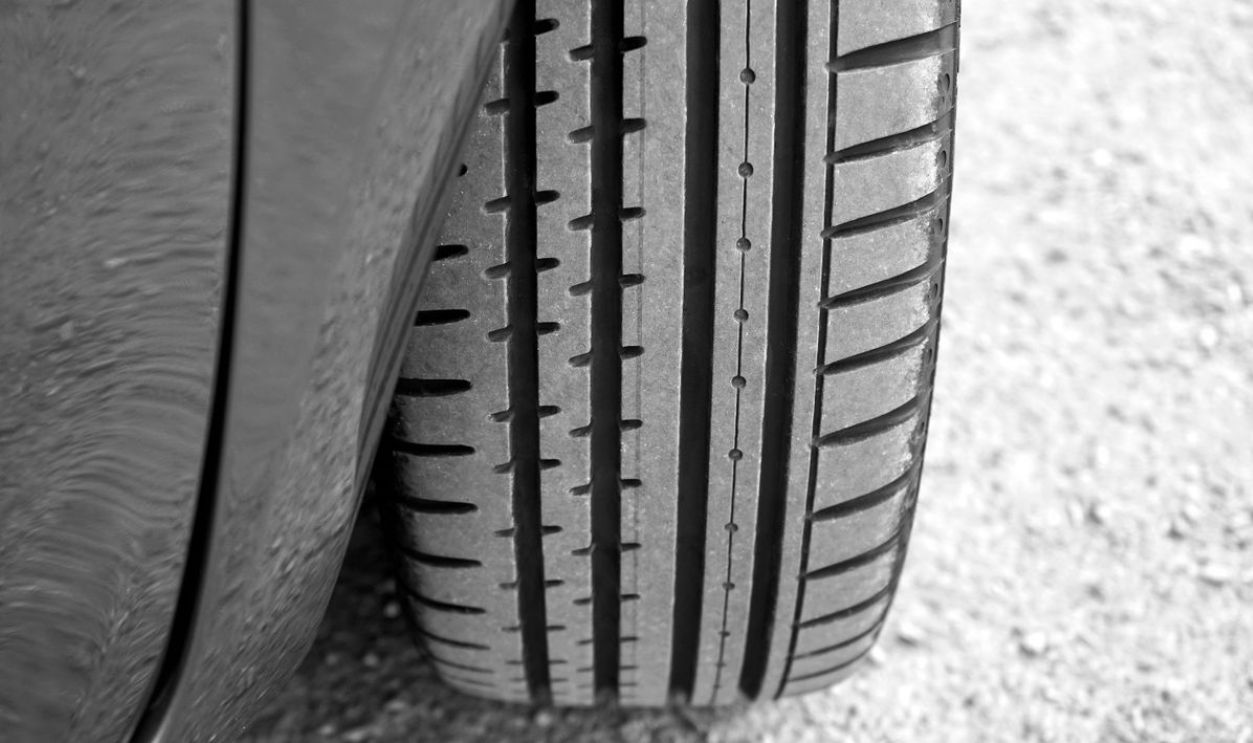
Audi also tells owners to use tires with the same construction, size, tread pattern, and similar wear. The company notes that differences in rolling circumference can affect handling and drivetrain operation. In other words, the issue is not limited to one brand.

Tire Rack Explains It In Plain Terms
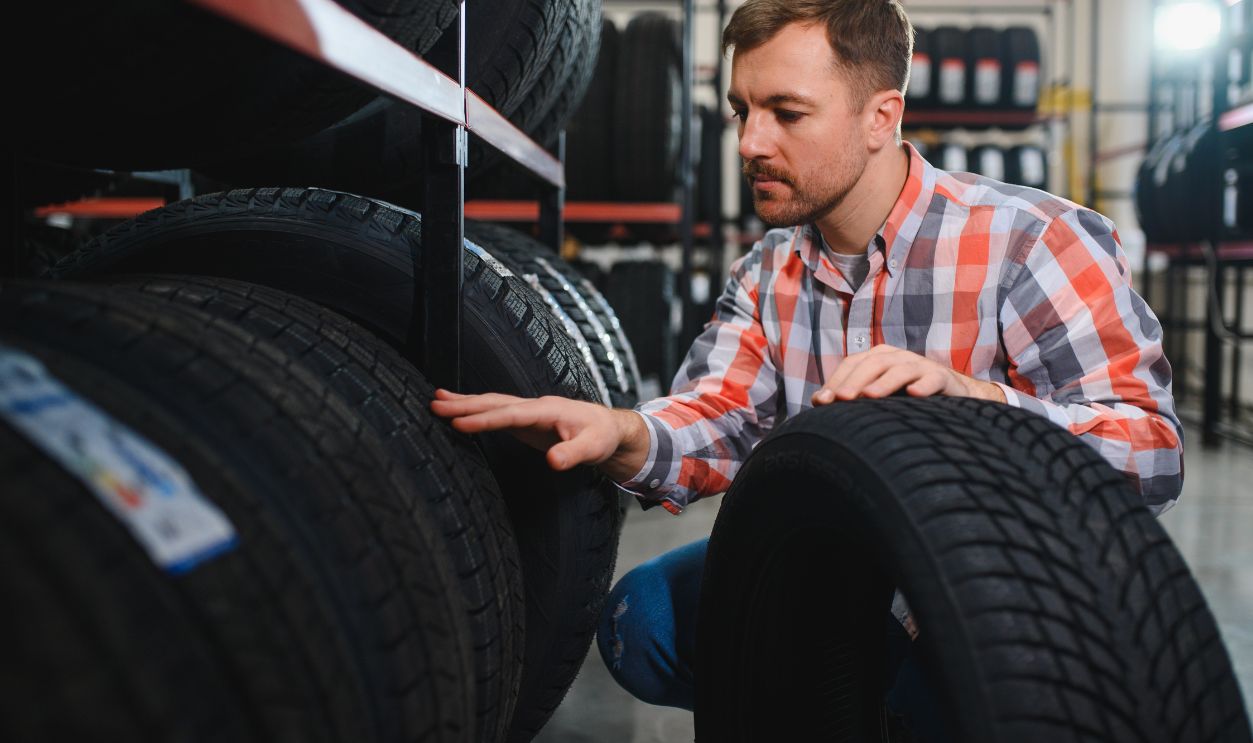
Tire Rack has also laid out the problem in practical terms for drivers shopping for replacement tires. Its guidance says that on AWD vehicles, major differences in tire circumference can cause driveline stress. It also walks through replacement options when only one tire is damaged.
 Hryshchyshen Serhii, Shutterstock
So Do You Always Need All Four
No. Not always. It depends on how worn the other three tires are, what your vehicle manufacturer allows, and whether a matching replacement can be brought close enough in tread depth. The answer is not the same in every situation.
If The Other Tires Are Nearly New, You May Be Fine
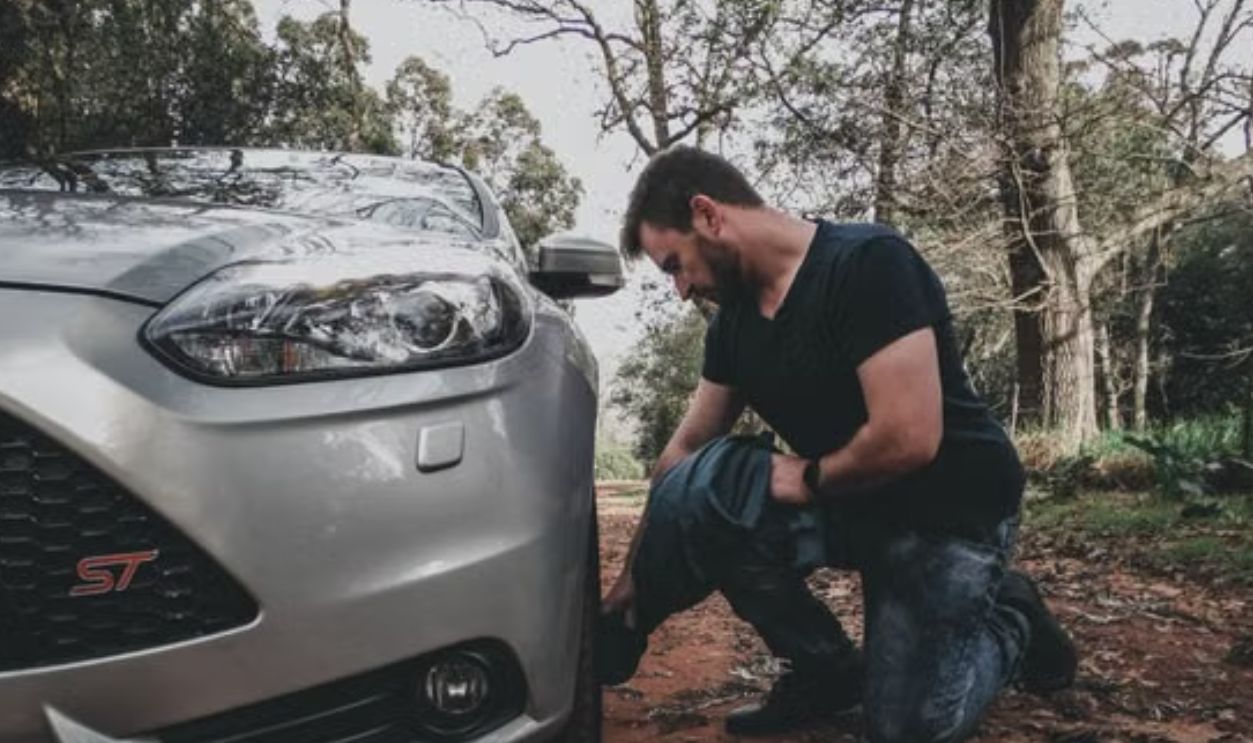
If the other three tires have very little wear, replacing just the damaged tire may be perfectly acceptable. The key is measuring tread depth, not guessing by appearance. If the new tire falls within the automaker’s allowed range, there may be no reason to replace the whole set.
If The Tires Are Half Worn, Things Change
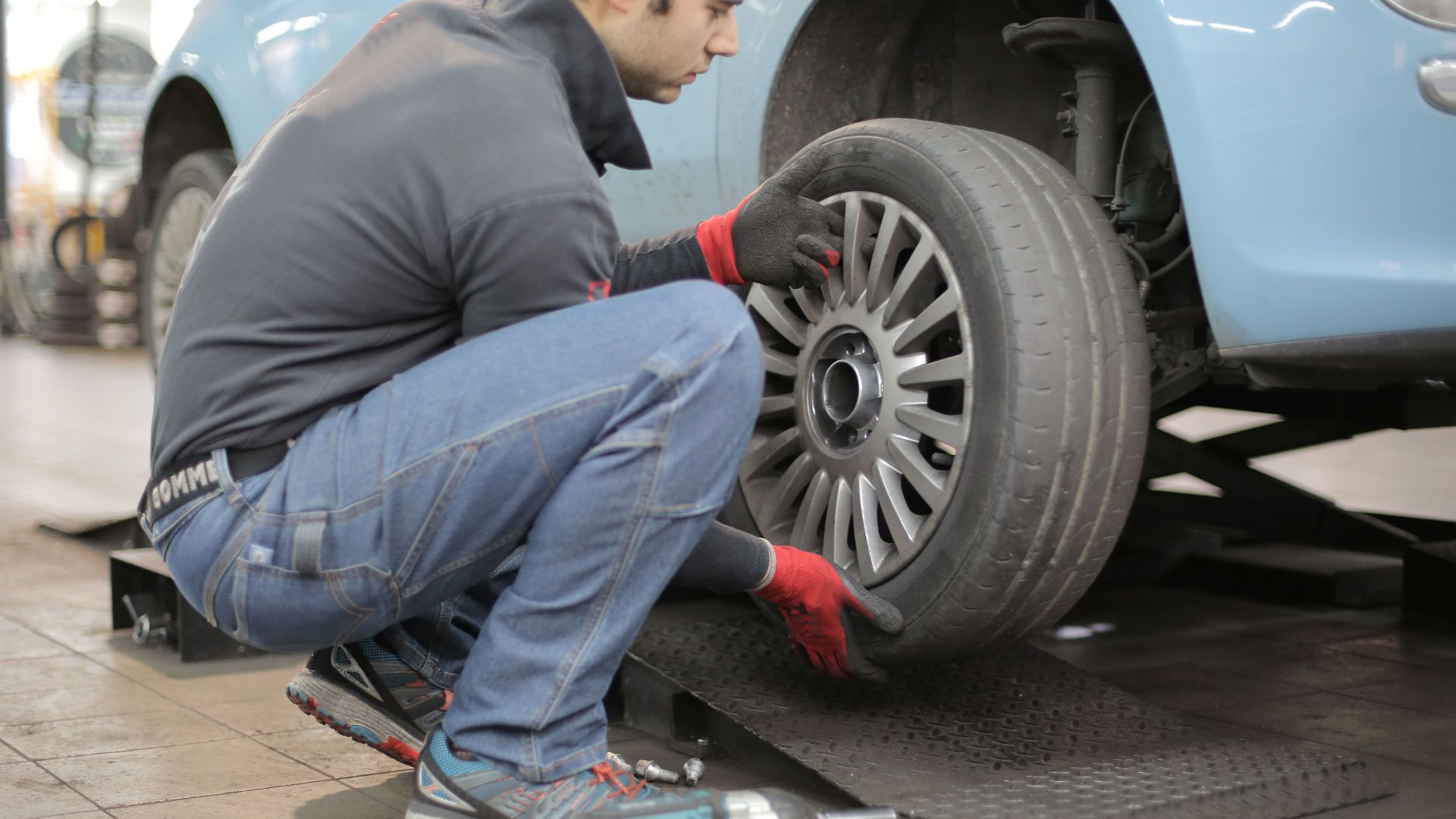
Once the other tires have lost a few 32nds of tread, a brand-new replacement may fall outside the acceptable difference. That is when a mechanic may suggest replacing two or even four tires. On many AWD vehicles, ignoring that mismatch can lead to a much bigger repair bill later.

You Need Measurements, Not Guesswork
Tread depth should be checked with a gauge and compared across all four tires. Wear is not always perfectly even, so the readings should be taken carefully rather than based on a quick glance. This is where a good shop should be able to show you the actual numbers instead of just repeating a policy.

One New Tire Can Sometimes Be Shaved To Match
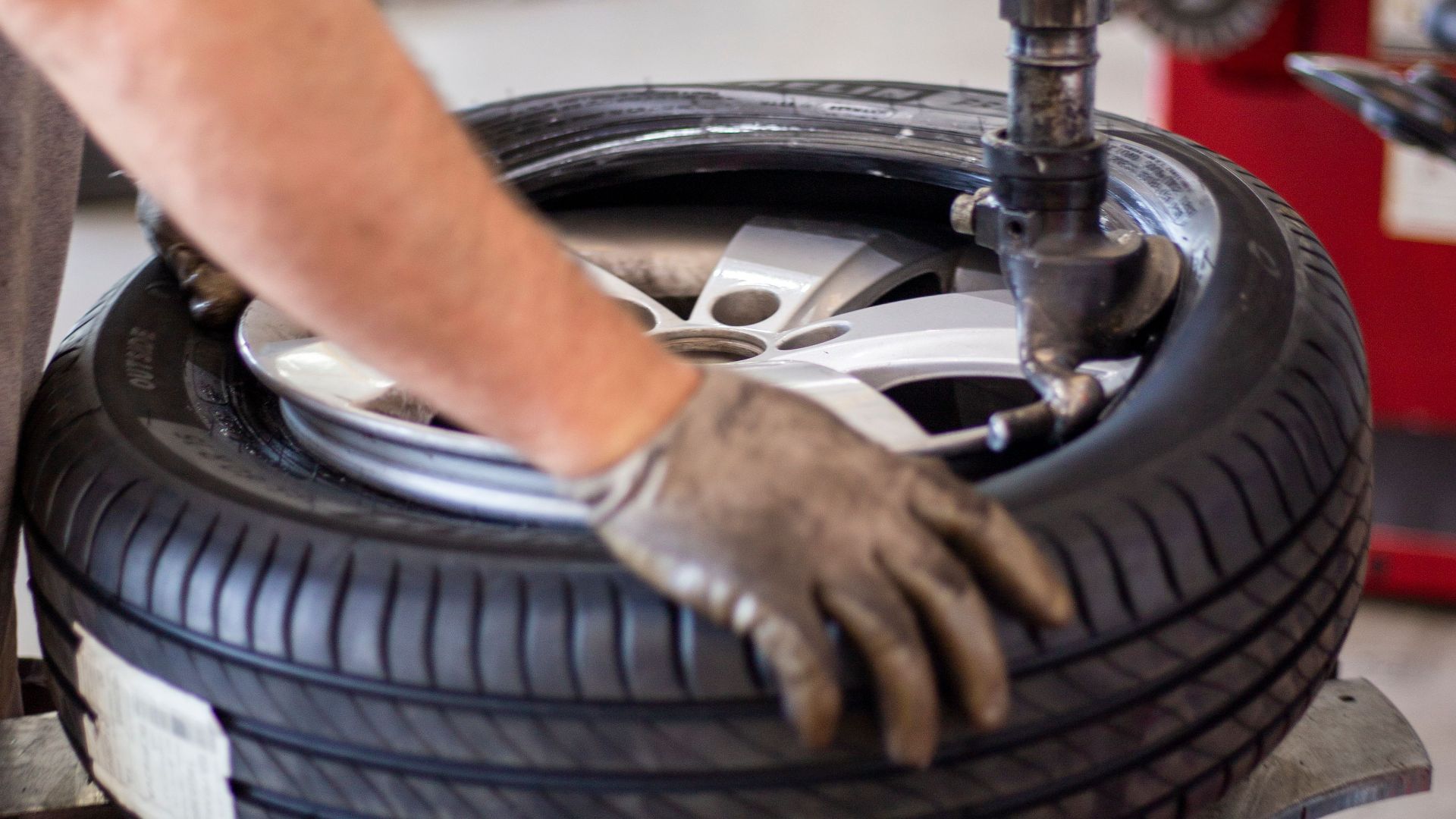
There is a middle-ground option that can save money. Tire shaving trims a new tire’s tread depth so it matches the worn tires already on the car more closely. Tire Rack specifically points to this as a possible solution for AWD vehicles when only one tire needs replacing and the others still have useful life left.
Yes, Tire Shaving Is A Real Fix
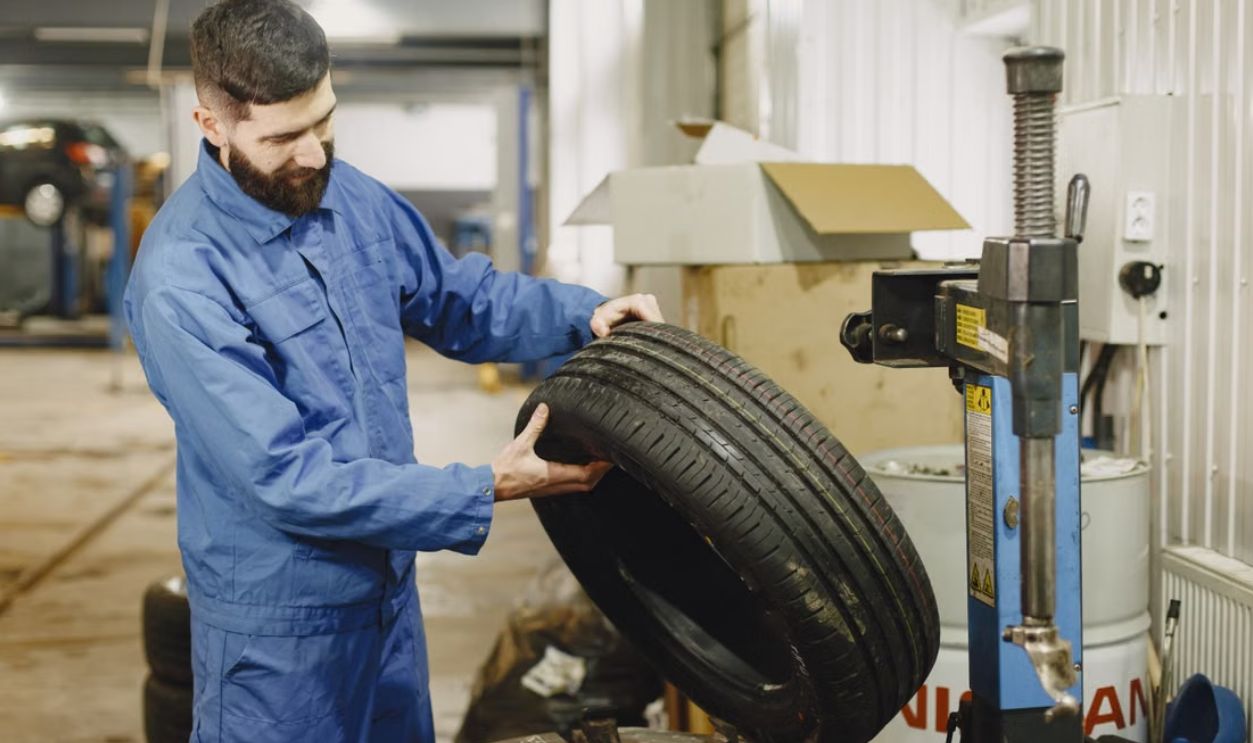
Tire shaving sounds odd if you have never heard of it, but it has been around for years. The idea is simple. Instead of making the AWD system deal with one taller tire, the new tire is cut down so its circumference is closer to the other three.
But It Is Not Available Everywhere
Not every tire can be shaved, and not every shop offers the service. Availability depends on the tire model, the seller, and the equipment needed. So even if it is the best option on paper, it may not be easy to get quickly.

Sometimes Replacing Two Tires Can Work
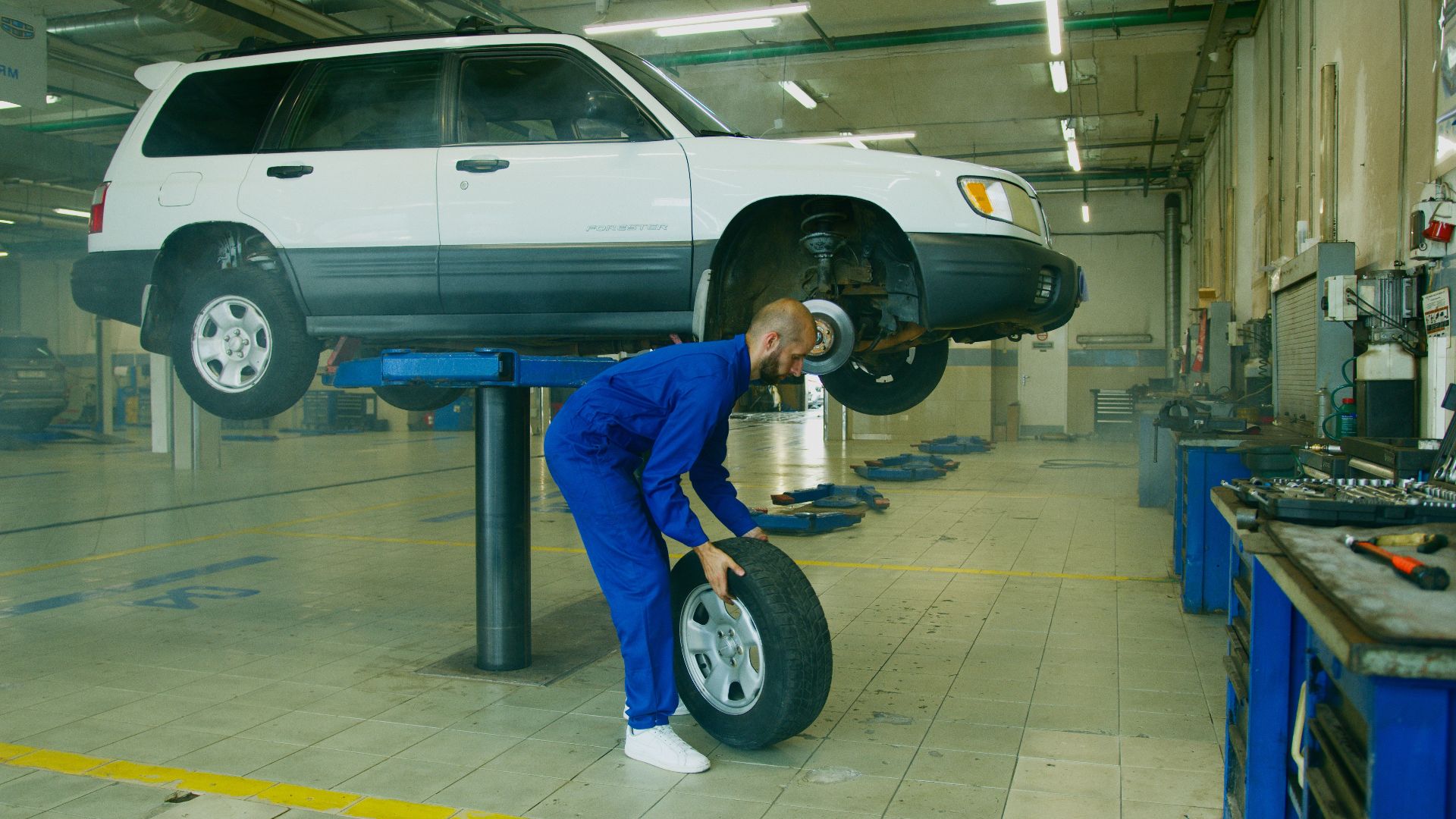
On some vehicles, replacing a pair of tires can be acceptable if the new pair goes on the same axle and the total circumference difference stays within the manufacturer’s limit. But that is not a universal AWD rule. Some automakers are stricter than others, which is why the owner’s manual matters more than general shop advice.

Regular Rotations Can Save You Money Later
Routine tire rotations help all four tires wear more evenly. That can make a big difference if one tire later gets ruined by a nail, sidewall damage, or some other road hazard. A well-rotated set gives you a better chance of replacing one tire or using a shaved tire instead of buying four.
Not Every Tire Can Be Repaired
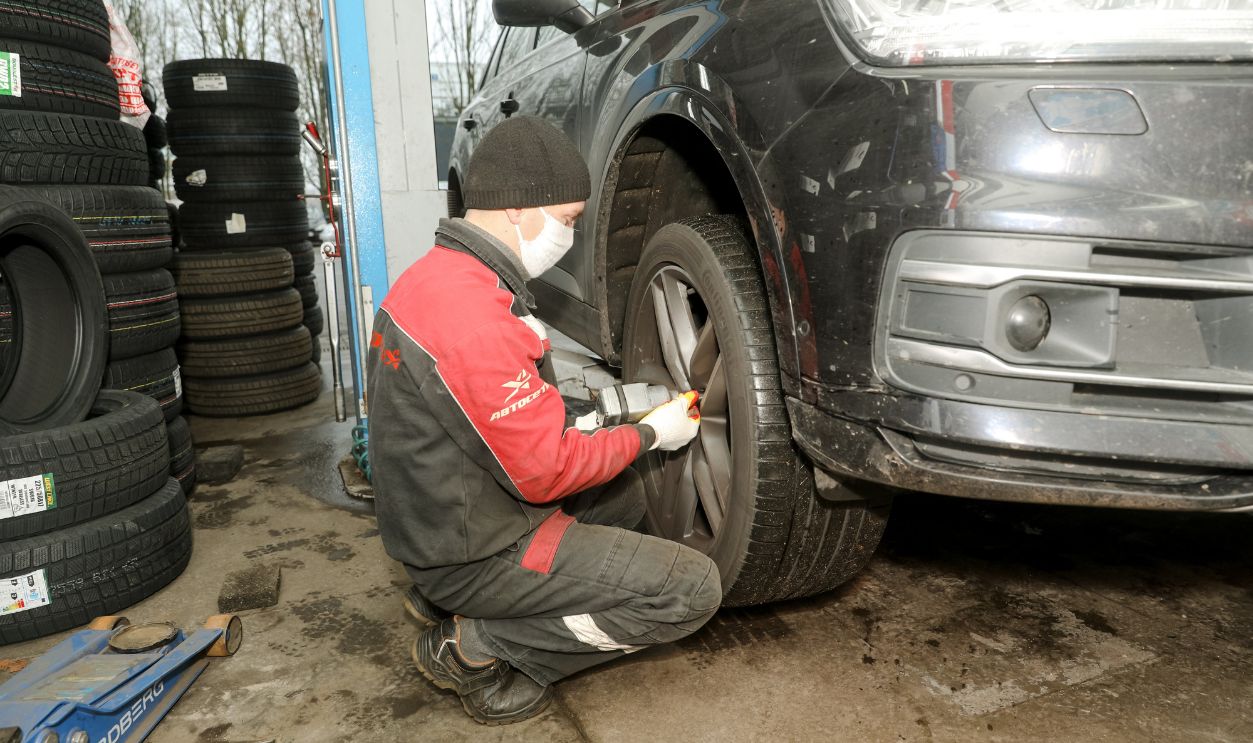
Even before the AWD question comes up, some damaged tires simply should not be repaired. The U.S. Tire Manufacturers Association says punctures are generally repairable only in the tread area and only when they are 1/4 inch or smaller, assuming the tire is properly inspected and repaired. If the damage is in the shoulder or sidewall, replacement is usually the safer call no matter what you drive.
Why Sidewall Damage Is Different
The sidewall flexes constantly and cannot be safely restored the same way a simple tread puncture can. That is why a screw in the center of the tread may be fixable, while similar damage near the edge can mean the tire is done. If a shop says the tire cannot be repaired, the next smart question is where the damage is and whether they can show you.

Not All AWD Systems Work The Same Way
Different AWD systems use different hardware and control strategies. Some rely on center differentials, some use electronically controlled clutch packs, and some are more forgiving of small tire differences than others. That is why a blanket statement like “all AWD cars need four tires” is too simple to be fully reliable.

Your Owner’s Manual Should Settle The Debate
If your wallet and the repair quote are pulling in opposite directions, the owner’s manual should break the tie. Automakers publish these limits because they know what their AWD systems can handle. If the manual gives a maximum tread-depth difference, that is the number to use.

Ask The Shop To Show You The Numbers
You can ask for tread-depth readings for all four tires. You can also ask what the manufacturer allows for your exact vehicle. A solid shop should be able to explain why it is recommending one tire, two tires, or four without getting cagey about it.

Matching Brand And Model Matter Too
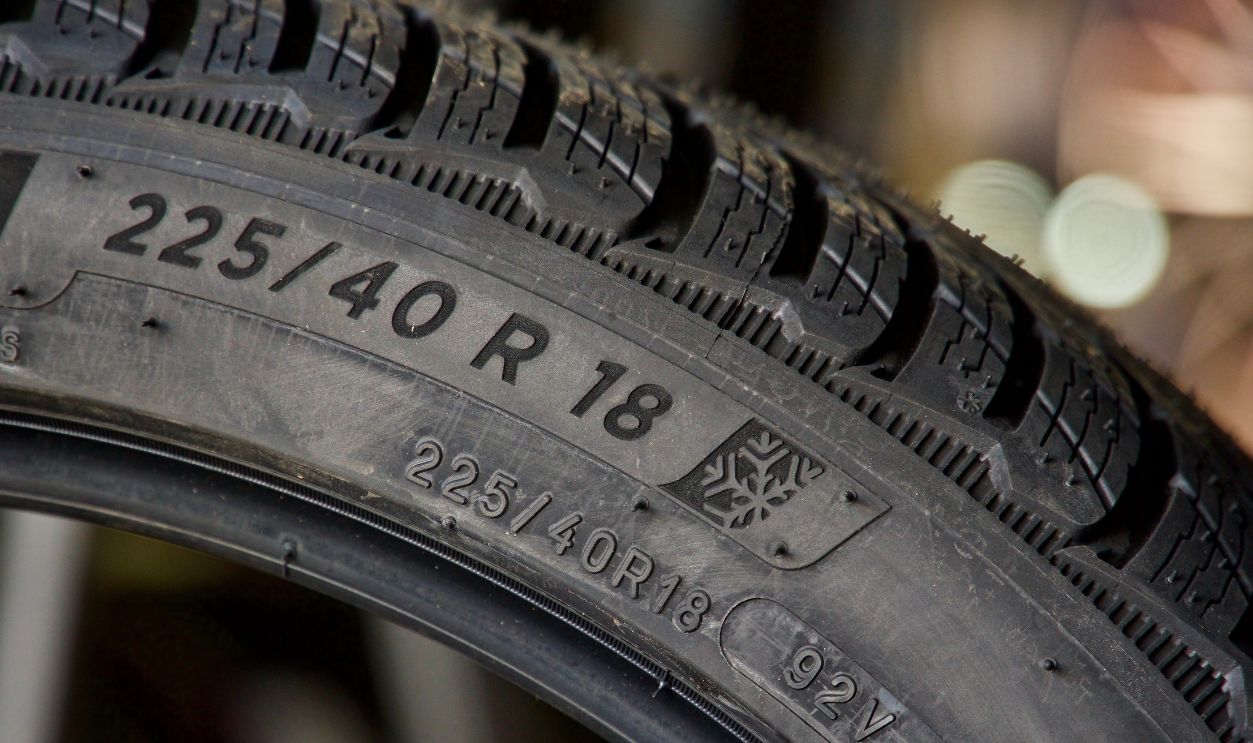
Even if the size on the sidewall matches, real-world dimensions can vary a little from one tire model or brand to another. Subaru and Audi both stress using matching tires, not just matching size labels. That is because construction and tread pattern can also affect rolling circumference and how the vehicle behaves.
 Bekir Vahit Telli, Shutterstock
Cheap Fixes Can Get Expensive Fast
A bargain used tire with the right size stamped on it may seem like an easy solution. On an AWD vehicle, it can be a risky move if the wear level and true circumference are not close to the other three. Saving money now is not much of a win if it helps wear out a transfer case later.
There Is A Safety Issue Too
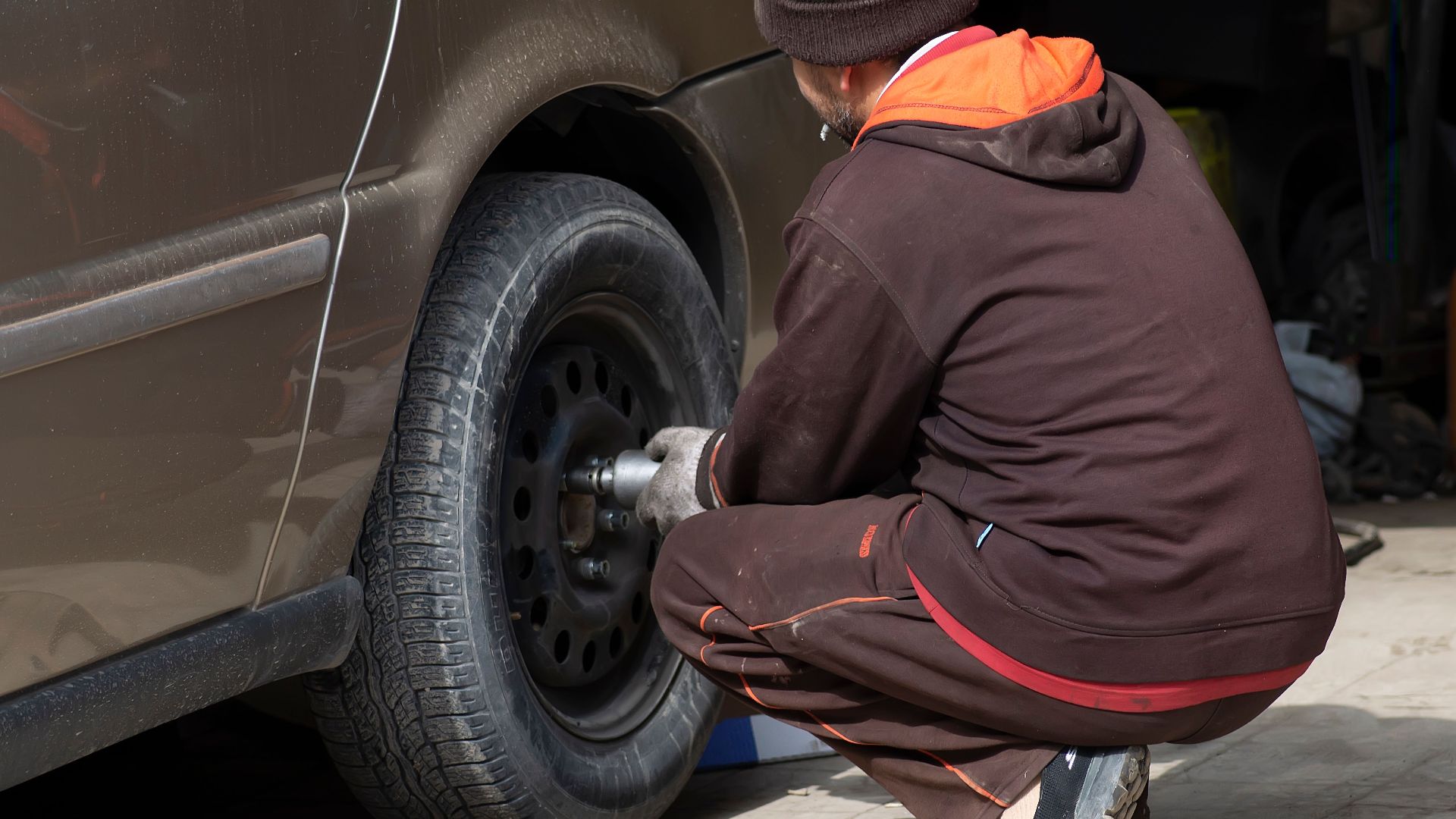
This is not just about protecting drivetrain parts. Tires with uneven wear or mismatched traits can affect braking, wet-road grip, and how the car responds in an emergency. The mechanical risk gets most of the attention, but everyday handling matters too.
 Parkin Srihawong, Shutterstock
When Four New Tires Really Are The Right Move
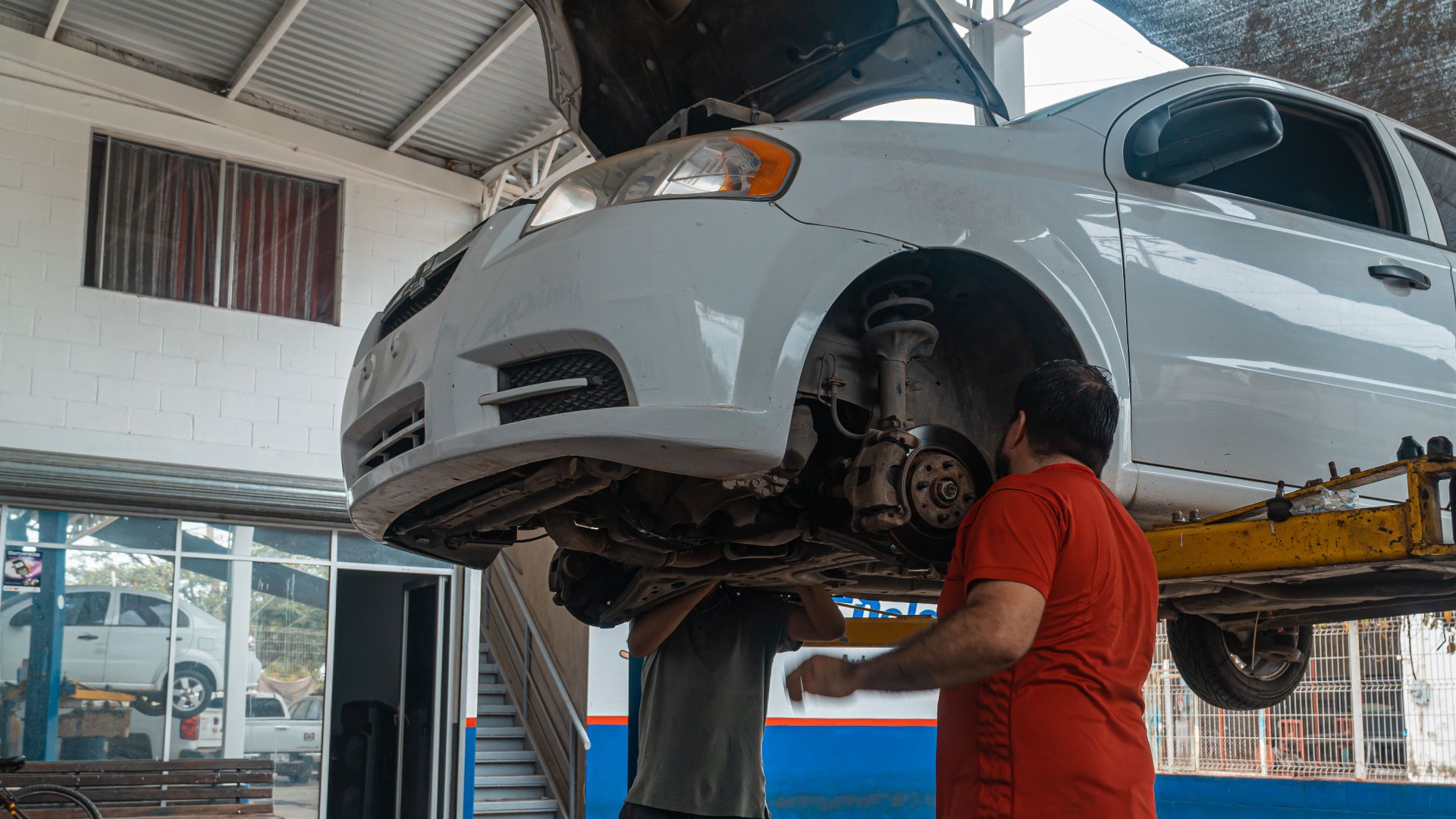
If the other three tires are already well worn, if a new replacement would exceed the automaker’s limit, and if shaving is not an option, replacing all four may be the smartest choice. It is expensive, but it restores uniformity and helps protect the AWD system.
 Jose Ricardo Barraza Morachis, Pexels
When The Shop May Be Going Too Far
If the other tires are still almost new and the tread-depth difference stays within the manufacturer’s spec, a full set may not be necessary. The same goes if a shaved replacement is available and fits the situation. That is why measurements and manufacturer guidance matter more than scare tactics.

The Bottom Line
So, do you really need to replace all four tires on an AWD car when one cannot be repaired? Sometimes yes, sometimes no. The real answer depends on the tread left on the other three tires, the vehicle maker’s allowed limit, and whether a matching replacement can be shaved or otherwise kept within spec. The smartest move is to get the measurements, check the manual, and make the call based on evidence.
 Zamrznuti tonovi, Shutterstock