The Repair Bill You Never Saw Coming
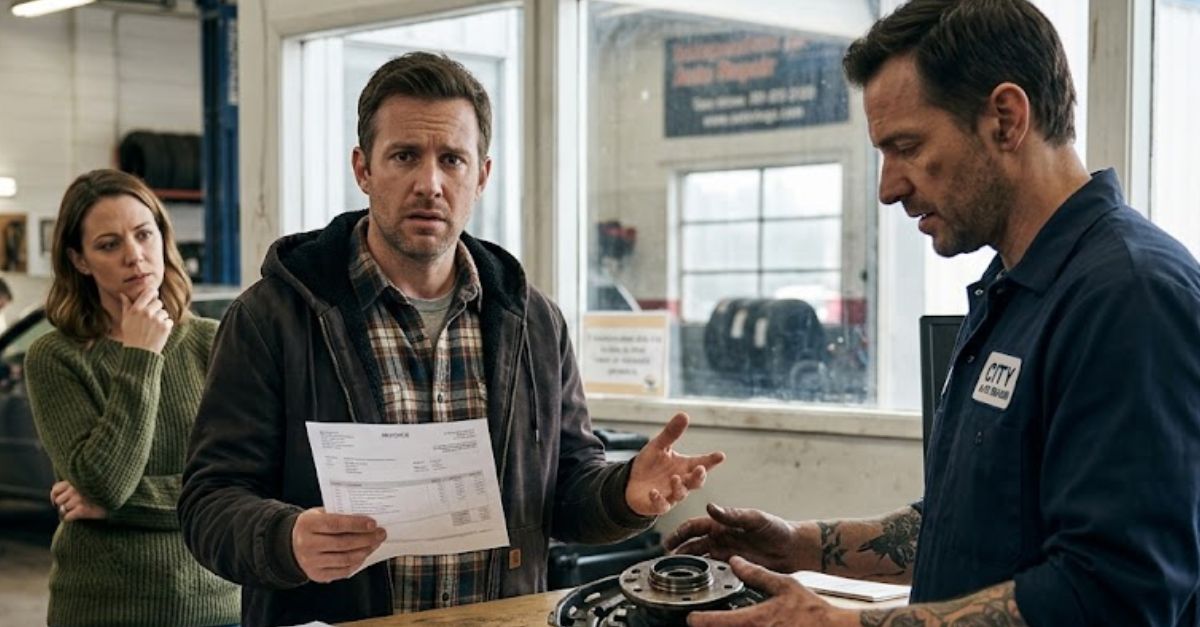
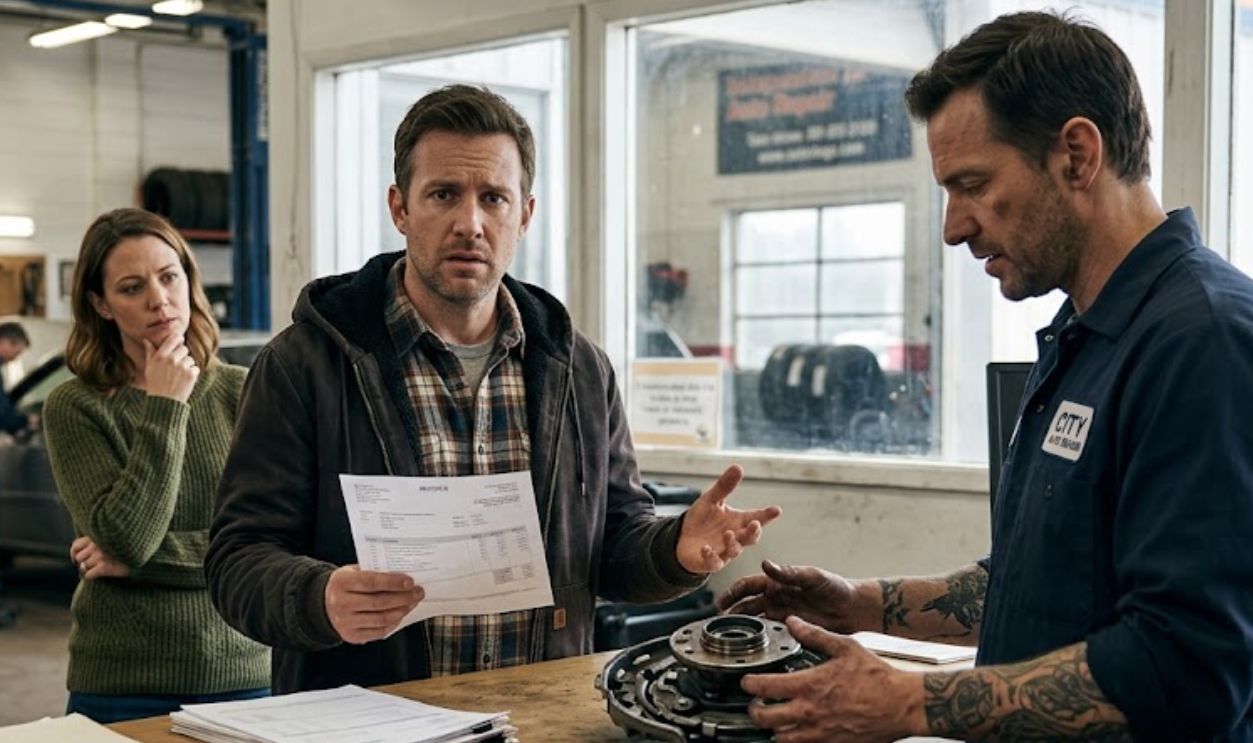
If you're like me, you've been burned, and now you worry about this every time you bring your car into the shop. You bring it in for one problem, then get a call saying that you've got extra work to pay for because it was "dangerous to leave unfixed." You never approved the work or got a second opinion. So if it happens to you: Do you really have to pay for work you never authorized?
The Short Answer Is Usually No
In many cases, a repair shop cannot legally charge you for work you did not authorize. That rule shows up in state consumer laws and repair rules. The catch is that the answer depends on your state, what you signed, and whether you gave any kind of advance permission.

Why This Turns Into A Fight So Fast
Car repairs do not always stay simple. While checking the original problem, a mechanic might find a cracked brake hose, a broken suspension part, or some other serious issue. That may be a real safety problem, but it still does not automatically give the shop permission to do the repair.

What Federal Law Does And Does Not Cover
There is no single nationwide rule that lets every shop make emergency repairs without calling you first. Repair approval rules are mostly handled by the states. Federal consumer law matters in some warranty and car-buying cases, but this issue is usually controlled by state laws and regulations.
 Quality Stock Arts, Shutterstock
California Has One Of The Clearest Rules
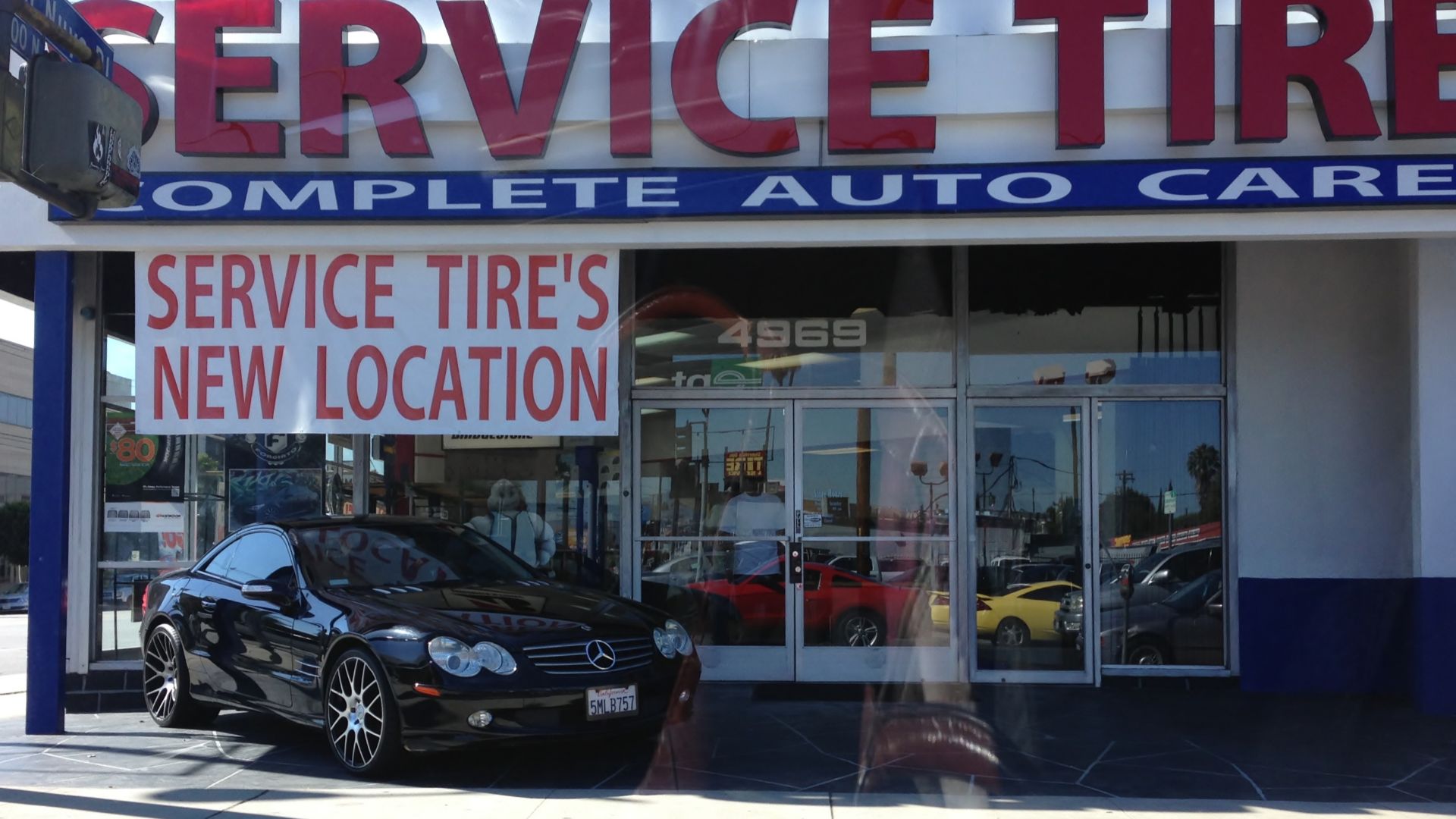
California's Bureau of Automotive Repair says a shop must get your approval before starting repairs, before doing work that goes over a previously approved amount, and before charging storage fees in many situations. The state also says the estimate must list the specific job and the estimated price. It is one of the clearest examples of this rule in plain terms.
 Clotee Pridgen Alloc…, Wikimedia Commons
Danger Does Not Automatically Mean Permission
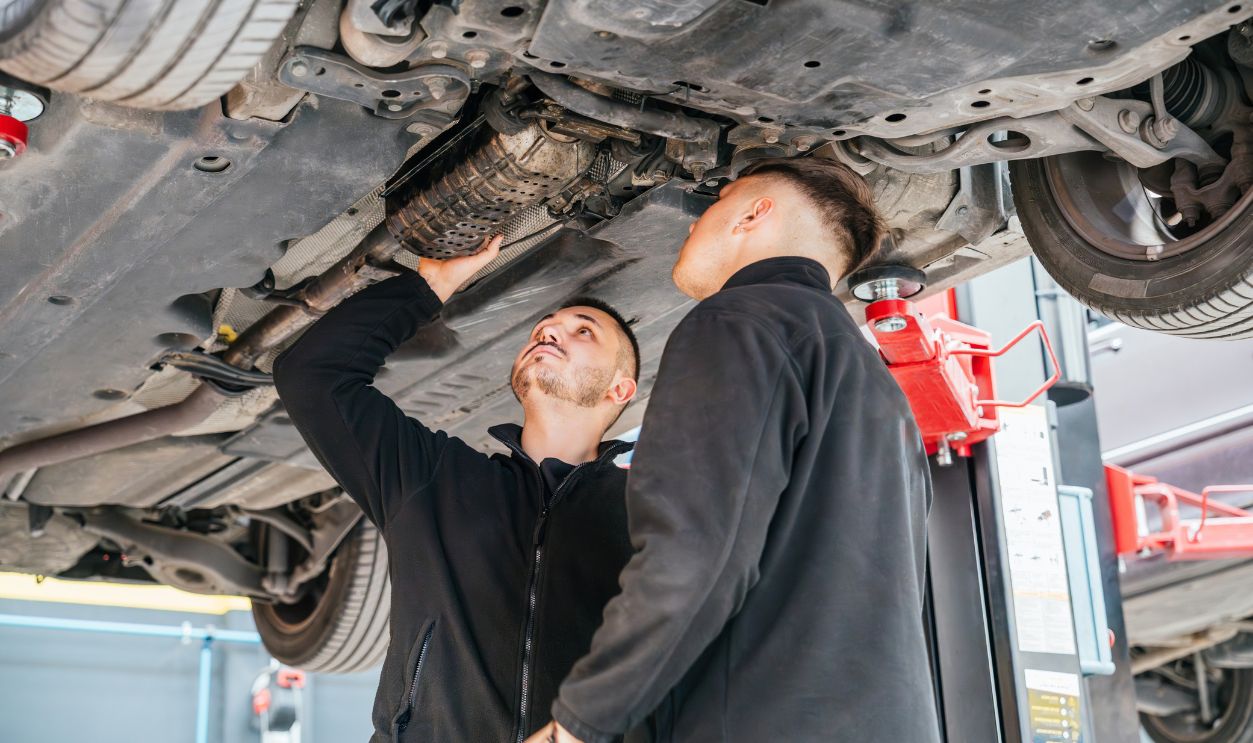
A shop may be right that your car was unsafe to drive. Even so, that does not always mean it had the legal right to replace the part first and explain it later. In many states, the safer legal move is to stop, document the problem, and ask for your approval.
New York Shows How Detailed These Rules Can Get
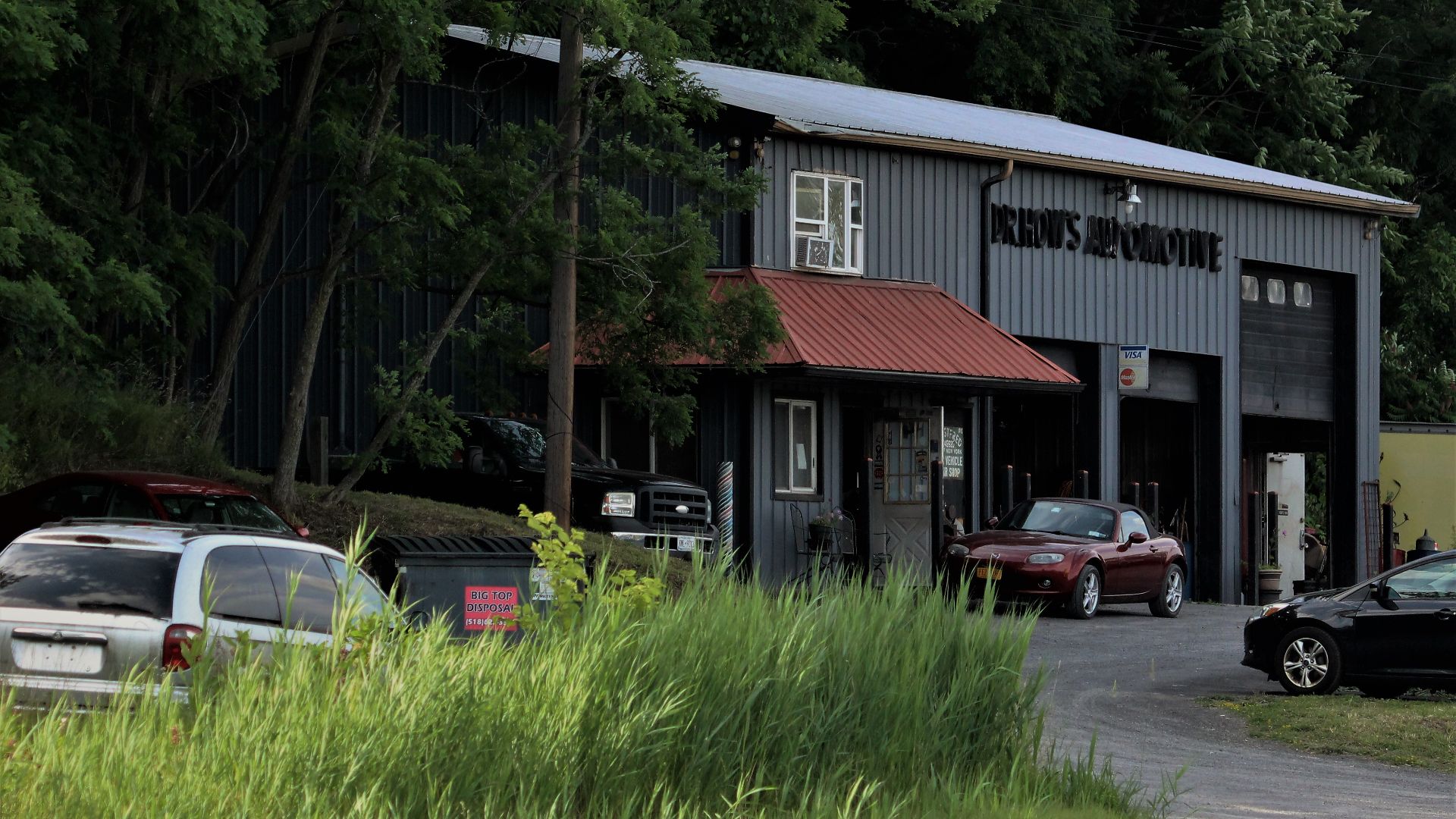
New York's Department of Motor Vehicles regulates repair shops and requires customer approval for repairs. Shops also have to record the estimate amount and get permission before going over it, except in limited cases set by regulation. In New York, the paperwork and phone records can decide the whole dispute.
 Tyler A. McNeil, Wikimedia Commons
Texas Takes A Similar View
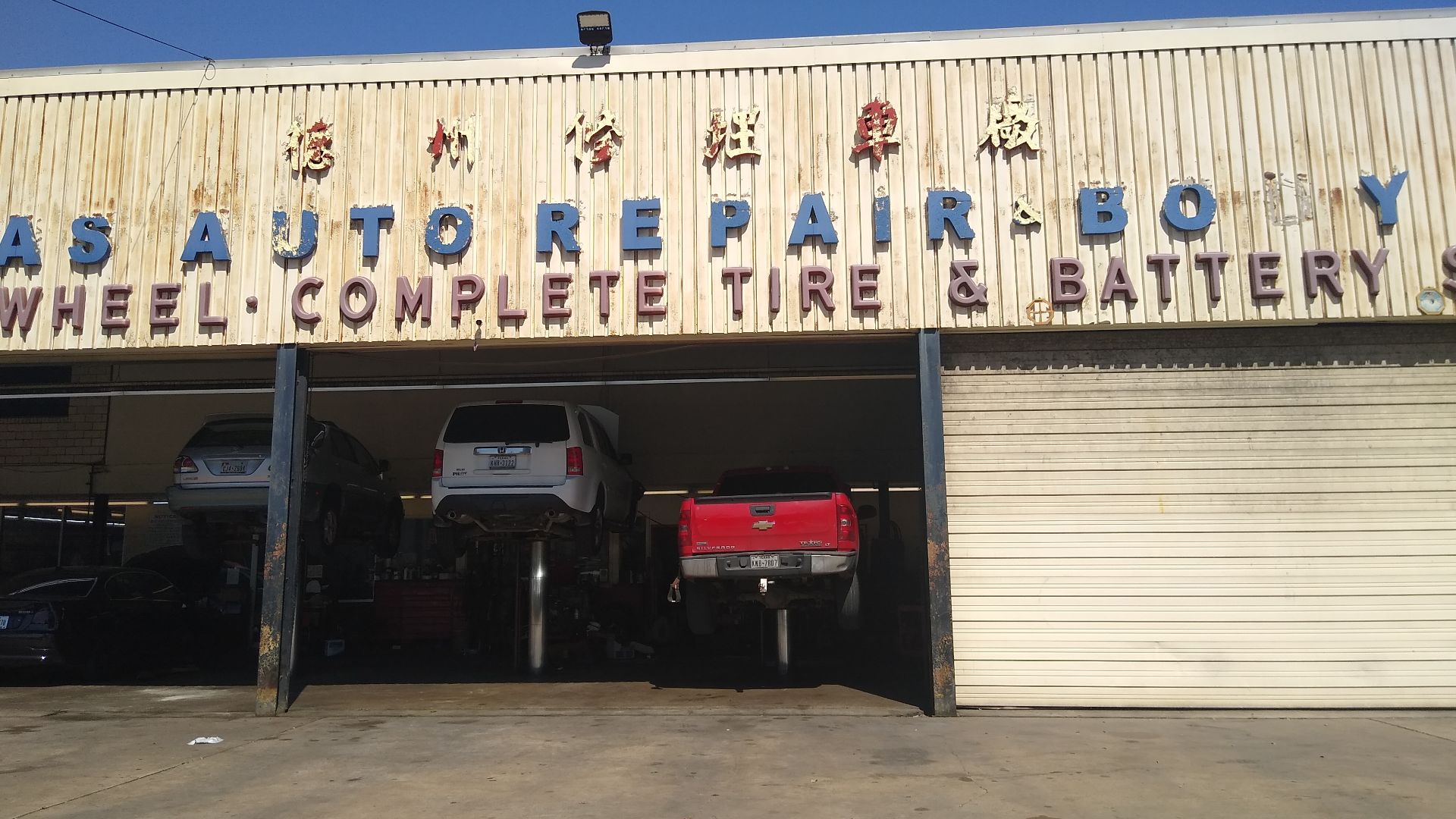
Texas consumer guidance also says you should approve repairs before the work is done. The state tells drivers to get a written estimate and make sure they know whether extra approval will be needed if costs go up. That leaves little room for a shop to decide on its own that an unapproved repair is now your bill.
 WhisperToMe, Wikimedia Commons
What You Signed Can Decide Everything
The repair order you signed when you dropped off the car may be the key document. Some forms allow diagnosis up to a certain amount or give the shop permission to do certain safety-related work if they cannot reach you. If you signed something like that, the shop may have a stronger claim that you already gave consent.
Blanket Approval Can Change The Result
A line that says "I authorize repairs up to $___" is not just routine paperwork. It can count as advance approval if the final work stays under that limit and follows state law. If you signed a $500 cap and the surprise repair cost $275, your case gets much harder.
 Sergei Gontsarov, Shutterstock
Verbal Approval Can Still Count
Not every valid approval has to be written down on paper. Many states allow verbal or electronic approval if the shop documents it properly. That is why call logs, voicemails, texts, and emailed estimates matter more than most drivers think.

Ask To See The Old Part Right Away
If a shop says a part was dangerously bad, ask to see the old one. In some states, you can ask for replaced parts back unless they have to be returned under warranty or exchange rules. Looking at the failed part can help you figure out whether the repair was really urgent or whether the shop is overstating the problem.
Photos Can Change The Whole Story
Good shops often take pictures of cracked bushings, leaking brake parts, or damaged steering parts before replacing them. Those photos can back up the claim that the problem was real and serious. If the shop has no photos, no saved part, and no record of calling you, its position gets much weaker.
An Unsafe Car Can Still Be Released
Many drivers think a shop can automatically hold a car if it is unsafe. In reality, the shop's options often focus on warning you, documenting the condition, and avoiding legal risk for the business. Rules vary by state, but a safety issue does not automatically give the shop the right to install parts without your approval.
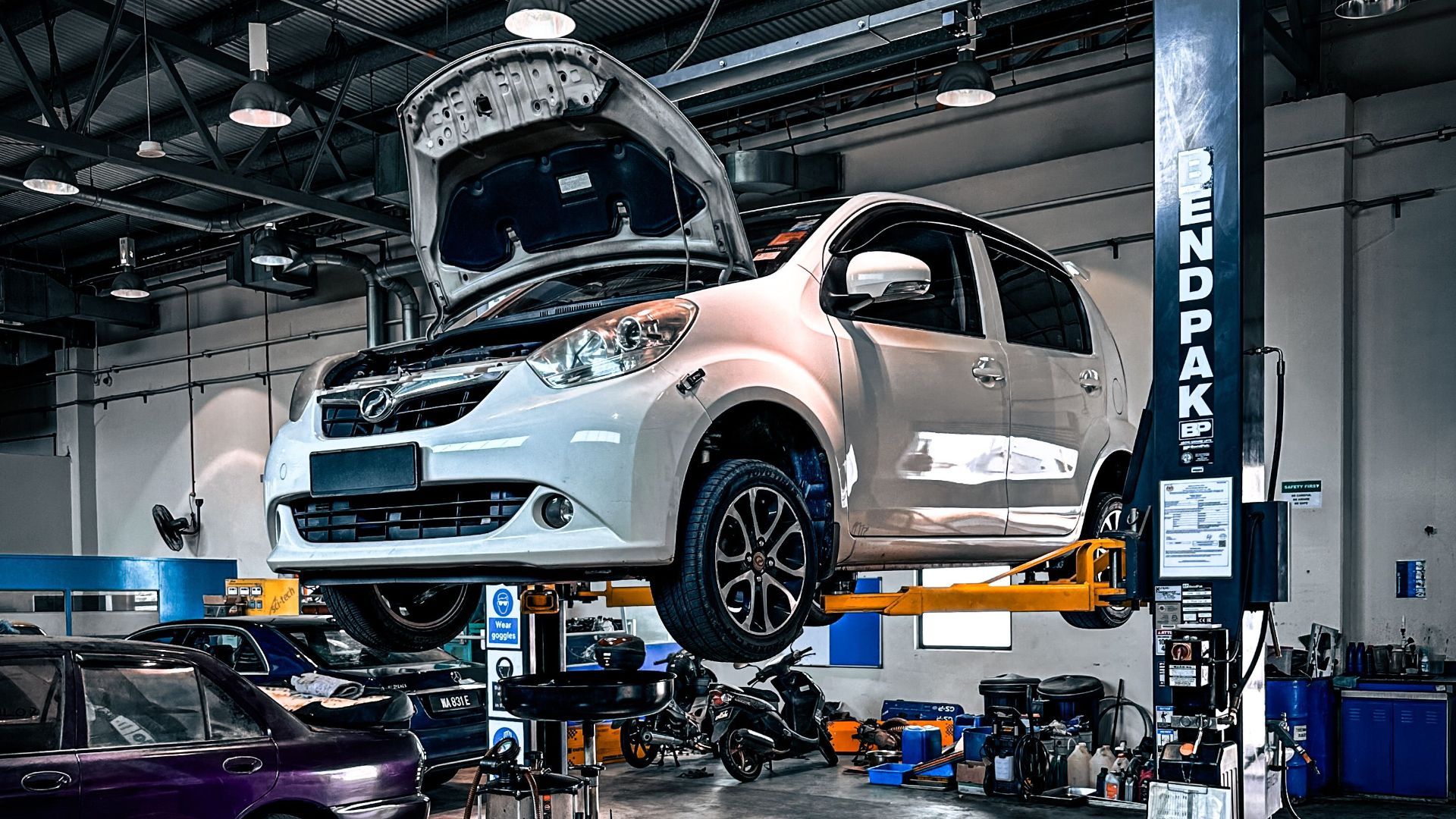
A Mechanic May Refuse To Let You Drive It Away
Even if the shop cannot force you to pay for an unapproved repair, it may refuse to release the car for road use if it believes the vehicle is dangerous and local law allows that step. In some cases, the shop may require the car to be towed instead of driven away. That is not the same as proving you owe for unauthorized work.
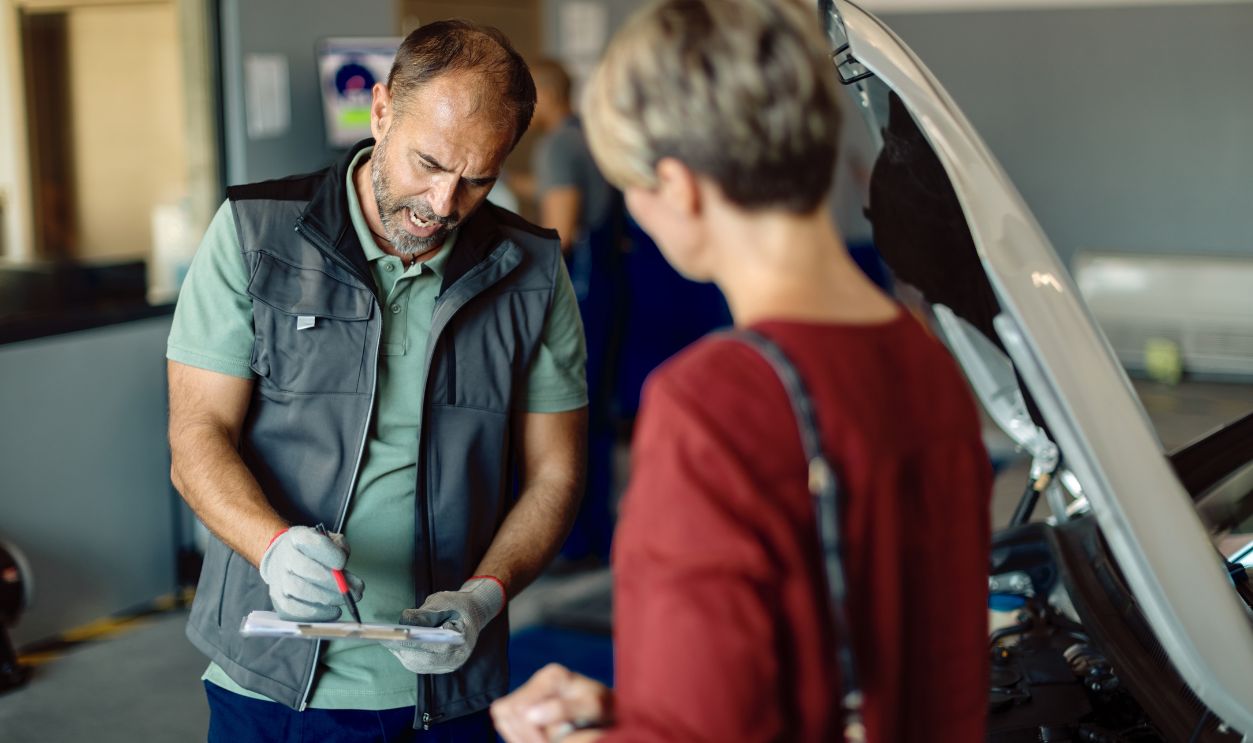
Consumer Agencies Keep Giving The Same Warning
State consumer offices keep telling drivers to get written estimates and make clear how added work will be approved. They repeat that advice because surprise repair fights happen all the time and can often be avoided. When there is a dispute, the paper trail usually decides it.
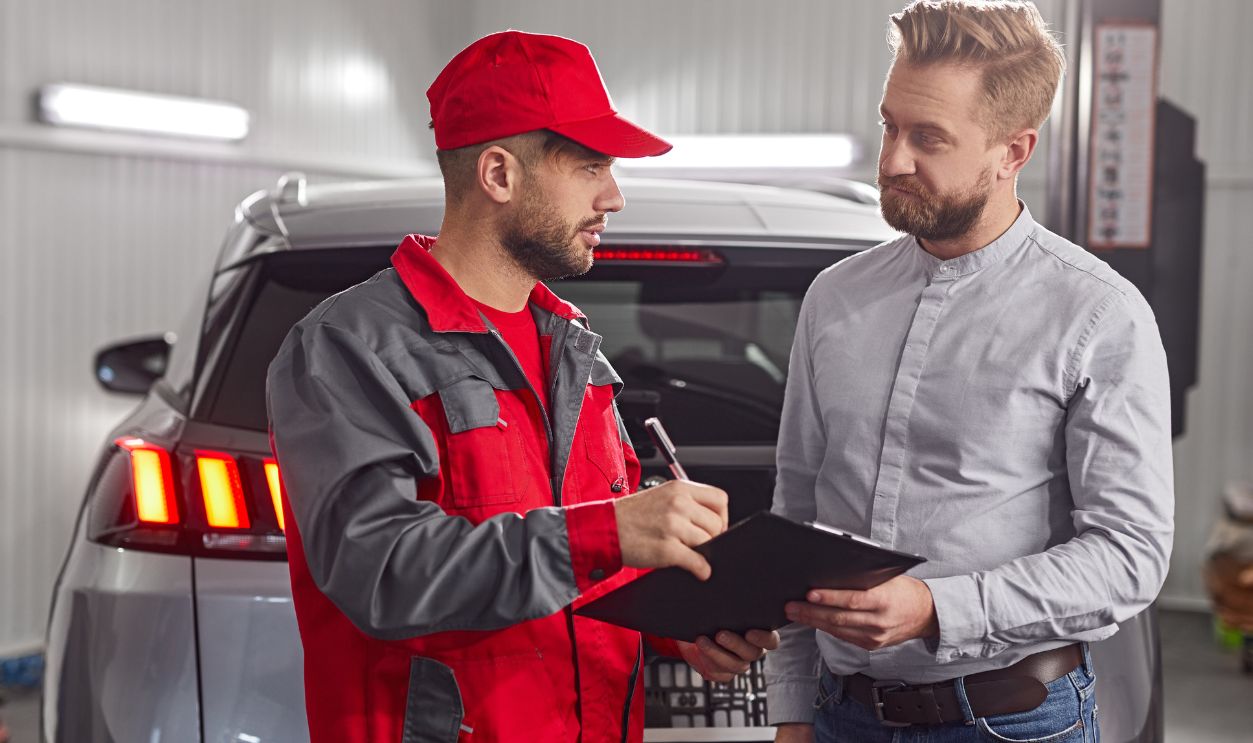
If The Work Is Already Done, Start With The Invoice
Go through the invoice and repair order line by line. Look for any note about prior approval, estimate limits, diagnostic authorization, or an attempt to contact you. If the paperwork is vague or missing important details, that can help your side.
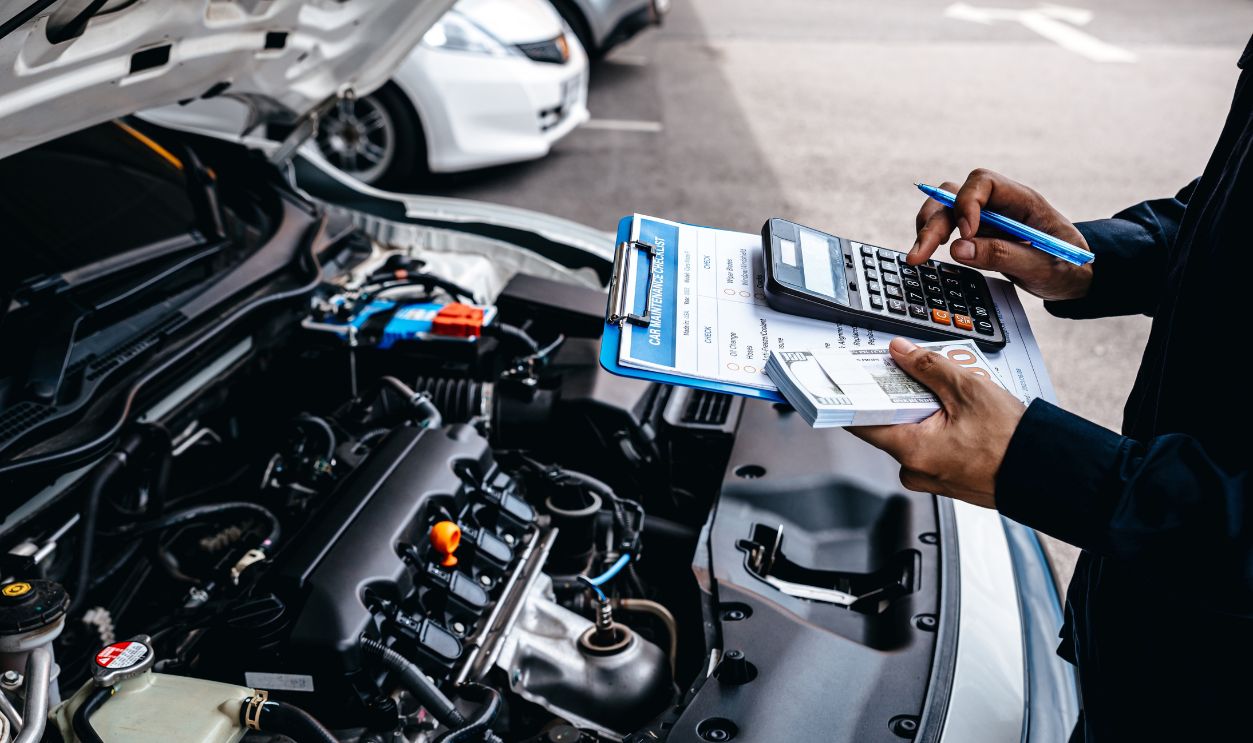
Ask The Shop One Straight Question
Ask exactly when and how they got your approval. Ask for the name of the person who approved it, the phone number they called, the time of the call, and any recording, text, or written note tied to that approval. A legitimate shop should be able to answer clearly.

The Repair May Have Been Necessary
Sometimes the shop really did catch a serious problem before something worse happened. A ruptured brake line, a separated ball joint, or a badly leaking fuel part can make a car truly unsafe. But the legal question is still whether the shop had your permission, not just whether the repair made sense.
If You Refuse To Pay, A Lien Could Follow
In some states, repair shops can claim a mechanic's lien or keep the vehicle over unpaid bills, depending on local rules. That means a fight at the counter can turn into a legal problem fast. Saying "I never approved this" does not always end the dispute on the spot.
Paying Under Protest May Be The Smartest Move
If you need the car back right away, you may decide to pay under protest and challenge the charge later. If you do, say in writing on the receipt or in an email that you dispute the unauthorized part of the bill. Then gather your records and file complaints with the right state agency or go to small claims court if needed.
Where You Complain Depends On Your State
In California, the Bureau of Automotive Repair handles complaints involving licensed repair dealers. In New York, repair shop disputes can go through the Department of Motor Vehicles. Other states send these complaints to attorney general offices, consumer affairs agencies, or motor vehicle repair boards.

Small Claims Court Is Often A Good Fit
If the amount is not very large, small claims court may be the most practical option. Judges usually want simple proof like the estimate, the approval language, phone records, and photos. A clean timeline matters more than a dramatic story.

Your Timeline Is Your Best Evidence
Write down when you dropped off the car, what problem you reported, what estimate you got, when the shop says it found the extra issue, and when it claims it tried to contact you. Dates and times can expose gaps in the shop's version of events. They can also show that you may have approved more than you remember.
Be Careful With Vague Safety Claims
"It was dangerous" sounds convincing, but by itself it does not tell you much. Ask which part failed, what risk it created, and whether the car could have been towed or parked instead of repaired on the spot. The more specific the answer, the easier it is to tell whether the shop is being straight with you.
How To Protect Yourself Next Time
Before you leave the car, put it in writing that no extra repairs are approved without your permission. Set a dollar limit on diagnostic work and ask the shop to text photos of any new problem it finds. That simple step can help you avoid the worst kind of repair dispute.
The Bottom Line For Drivers
If a mechanic replaced a part without calling you, you do not automatically have to pay just because the shop says the car was unsafe. In many states, repair work still needs your approval unless you already gave it through signed paperwork, a spending cap, or documented verbal consent. The biggest facts are the state law, the repair order, and the proof of permission.