One Damaged Tire And An Unexpected Bill
I brought my car to the mechanic expecting to pay for a single replacement tire. Instead, I was told that replacing all four might be necessary, even though the other three appeared perfectly fine. Naturally, I wondered whether this was a legitimate mechanical concern or an attempt to sell me something I didn't need. The answer depends on several factors, including the car's drivetrain, the condition of the remaining tires, and the nature of the damage.
A Damaged Tire Doesn't Always Mean A New Set
There is no universal rule requiring drivers to replace four tires whenever one becomes damaged. In certain circumstances, replacing a single tire is perfectly acceptable, while other situations call for a matching pair or an entire set. The key is ensuring that the replacement doesn't create an unsafe difference in traction or interfere with the vehicle's mechanical systems. Before approving an expensive purchase, it's worth understanding which situation applies.
The First Question Is Whether The Tire Can Be Repaired
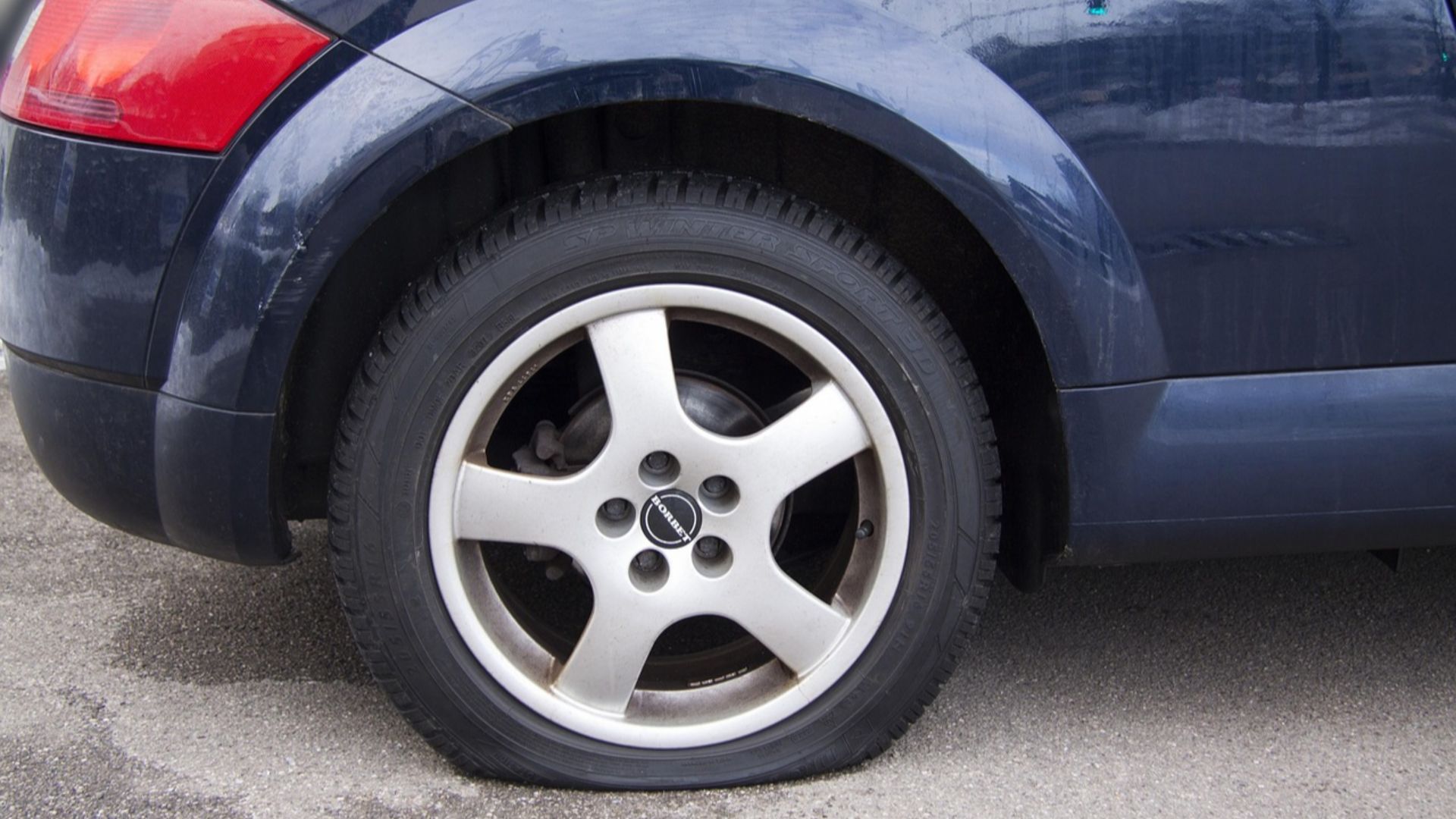
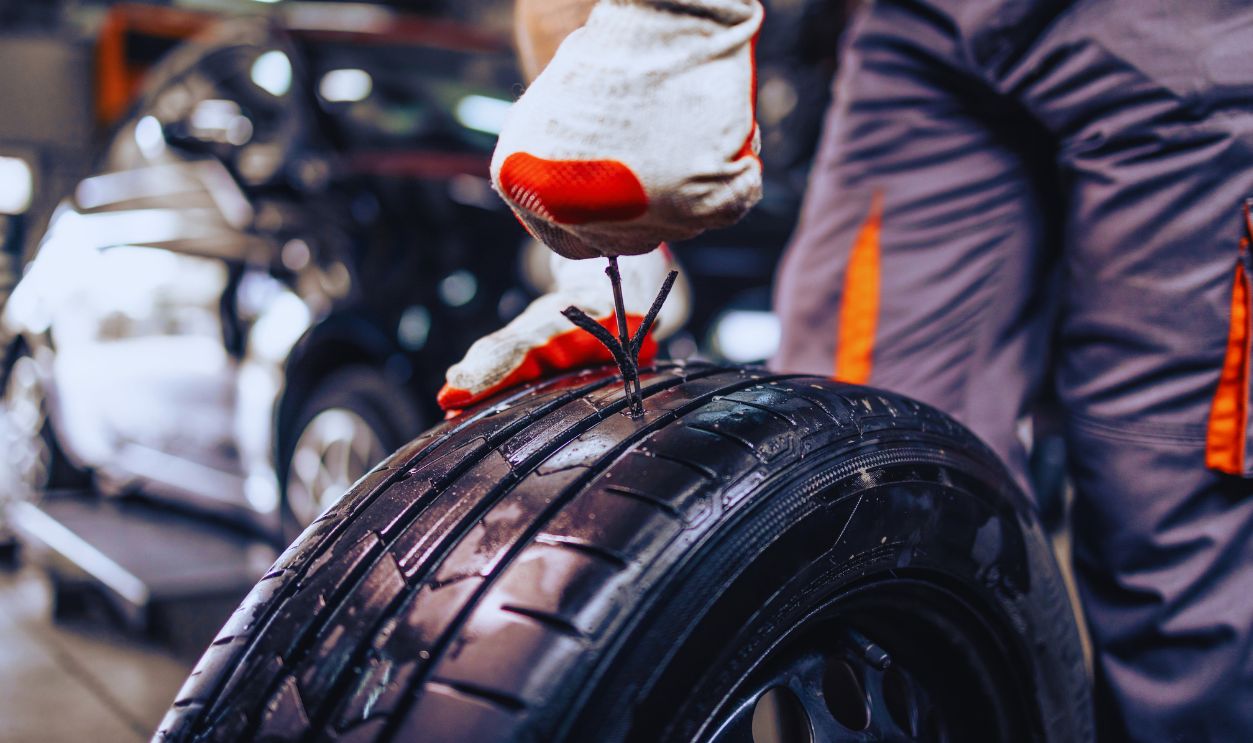
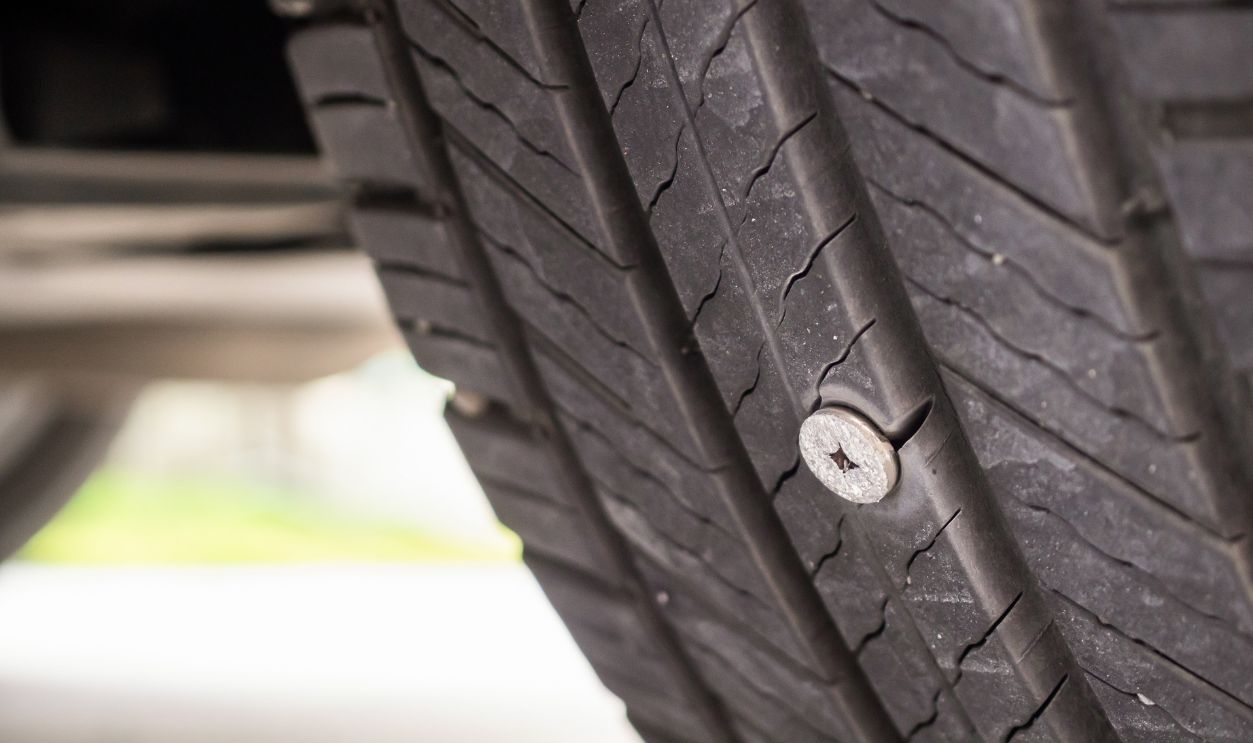
A punctured tire isn't necessarily a ruined tire. According to the U.S. Tire Manufacturers Association, certain punctures measuring no more than a quarter of an inch in diameter can be repaired safely if they occur within the designated tread area. A qualified technician must inspect the tire to determine whether it meets the repair requirements. If it can be repaired properly, purchasing replacement tires may be unnecessary.
 Aleksandar Malivuk, Shutterstock
Where The Damage Occurred Matters
A nail embedded in the central portion of the tread presents a different problem from a cut in the sidewall. Damage extending into the tire's shoulder or sidewall generally falls outside accepted puncture repair limits. A sidewall bulge is another serious warning because it can indicate damage to the tire's internal structure. In these circumstances, replacing the damaged tire is the appropriate course of action.
A Quick Plug Isn't Always A Proper Repair
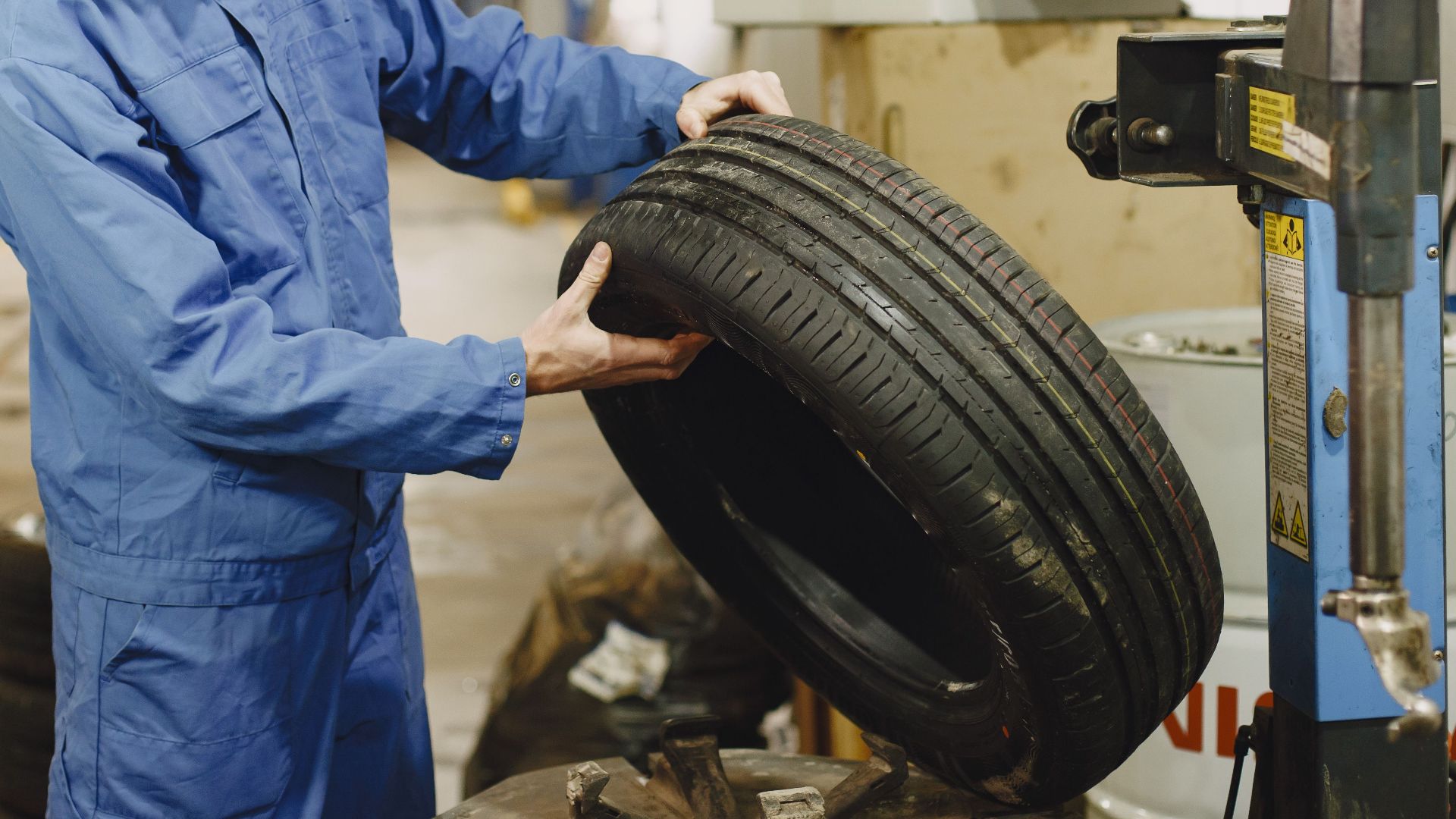
Industry repair procedures require technicians to remove the tire from the wheel and examine its interior. An acceptable puncture repair involves both sealing the inner lining and filling the puncture channel. Simply inserting an external plug without conducting an internal inspection doesn't meet those standards. Saving money on an inadequate repair isn't worth compromising tire safety.
Driving On A Flat Can Make Things Worse
Even a relatively small puncture can become a much bigger problem if the vehicle continues operating with insufficient tire pressure. Running a tire while flat can damage its structure in ways that aren't immediately apparent from the outside. Consequently, a mechanic may reject a repair despite the puncture itself appearing minor. The tire's internal condition is just as important as the visible damage.

The Remaining Three Tires Need An Inspection
Once a mechanic determines that the damaged tire cannot be repaired, attention should turn to the other three. Their remaining tread, age, and physical condition can influence whether they should stay on the vehicle. Tires that appear healthy from a distance may reveal uneven wear or deterioration upon closer inspection. Ask the mechanic to show you what makes each tire suitable or unsuitable for continued use.
Your Car's Drivetrain Could Change The Answer
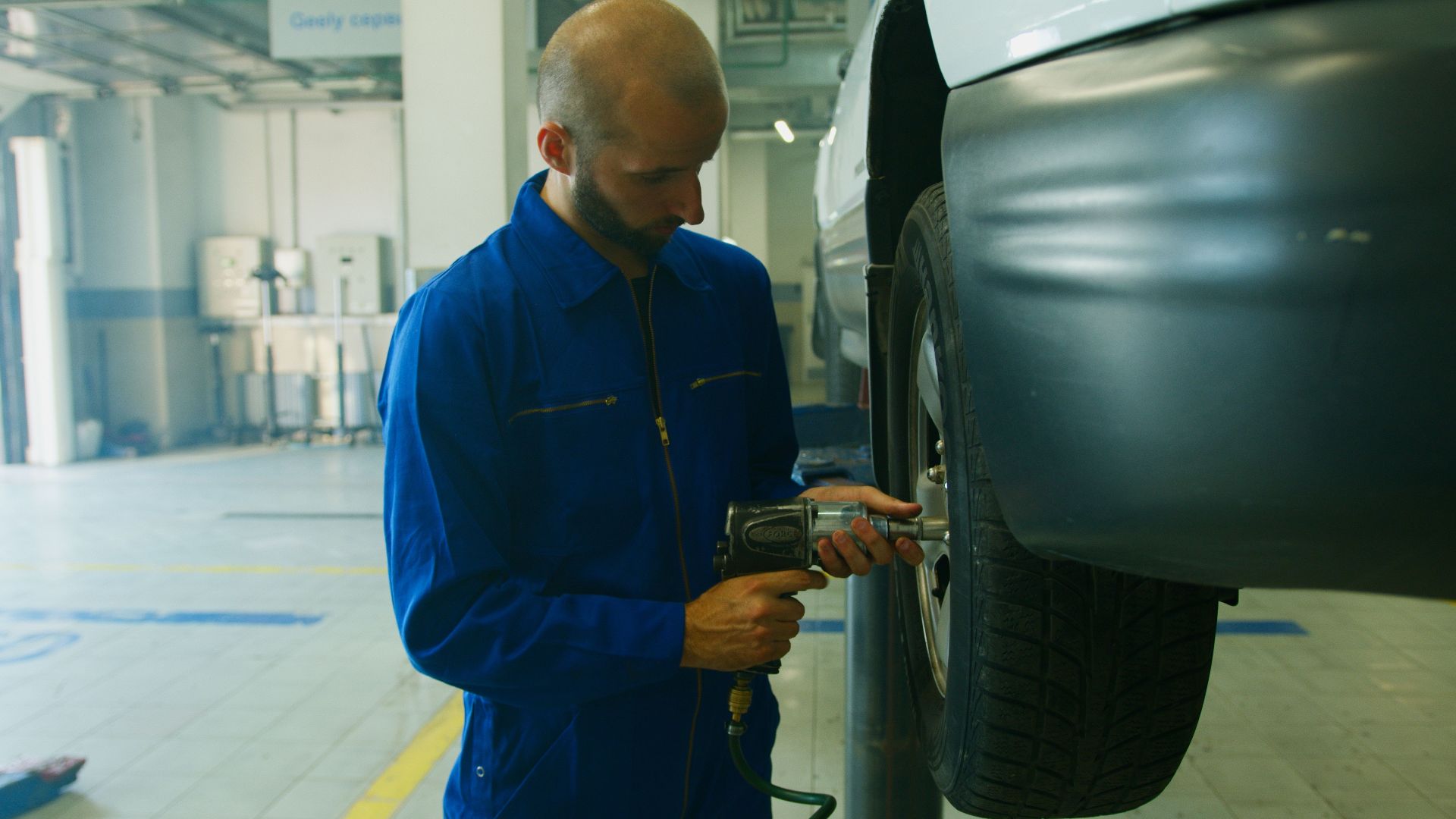
Whether your vehicle uses front-wheel drive, rear-wheel drive, or all-wheel drive is particularly important. Replacing fewer than four tires may be more straightforward on a conventional two-wheel-drive vehicle. All-wheel-drive and four-wheel-drive systems can have additional requirements regarding differences in tire circumference. These requirements help explain why two drivers with identical tire damage might receive very different recommendations.

Why All-Wheel Drive Is Particularly Sensitive
All-wheel-drive systems accommodate differences in wheel speed as a vehicle turns or encounters changing road conditions. Installing tires with substantially different rolling circumferences can create persistent differences in rotational speed. Depending on the drivetrain design, this can place unnecessary strain on mechanical components. What initially seems like a money-saving decision could eventually result in an expensive repair.

Identical Tire Sizes Don't Guarantee Identical Circumferences
Two tires can have the same size printed on their sidewalls without having identical rolling circumferences. A heavily worn tire has lost rubber from its outer surface, making it smaller than an equivalent new tire. Differences between tire models can also affect compatibility. This is why checking the size designation alone isn't sufficient when replacing an individual tire.
A Few Millimeters Can Make A Difference
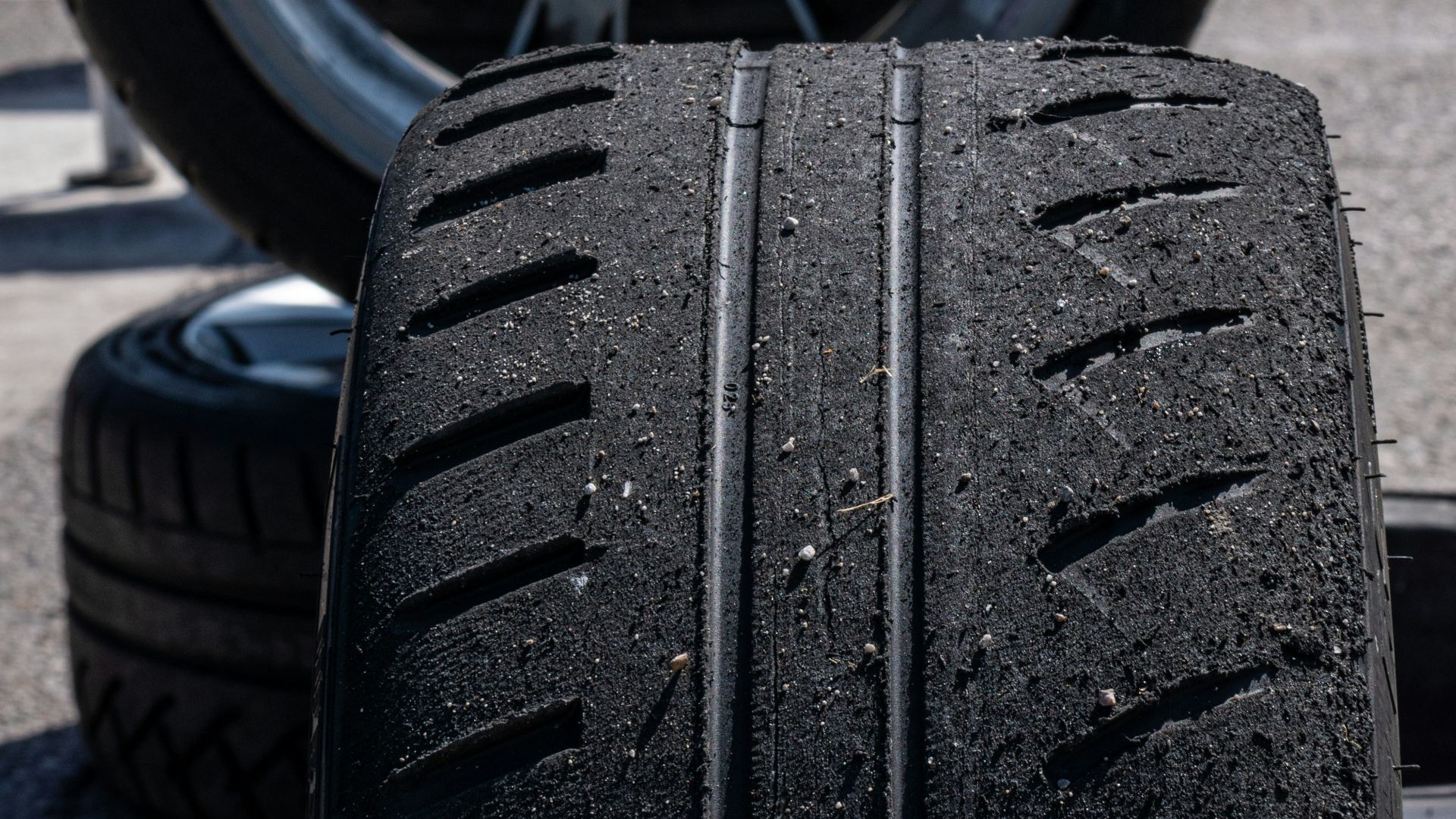
Tire Rack notes that automakers have different tolerances for tread-depth and circumference variations on all-wheel-drive vehicles. Some specify allowable tread-depth differences measured in thirty-seconds of an inch, while others focus on circumference. There isn't one measurement that applies to every vehicle on the road. The correct limit is the one specified for your particular car.
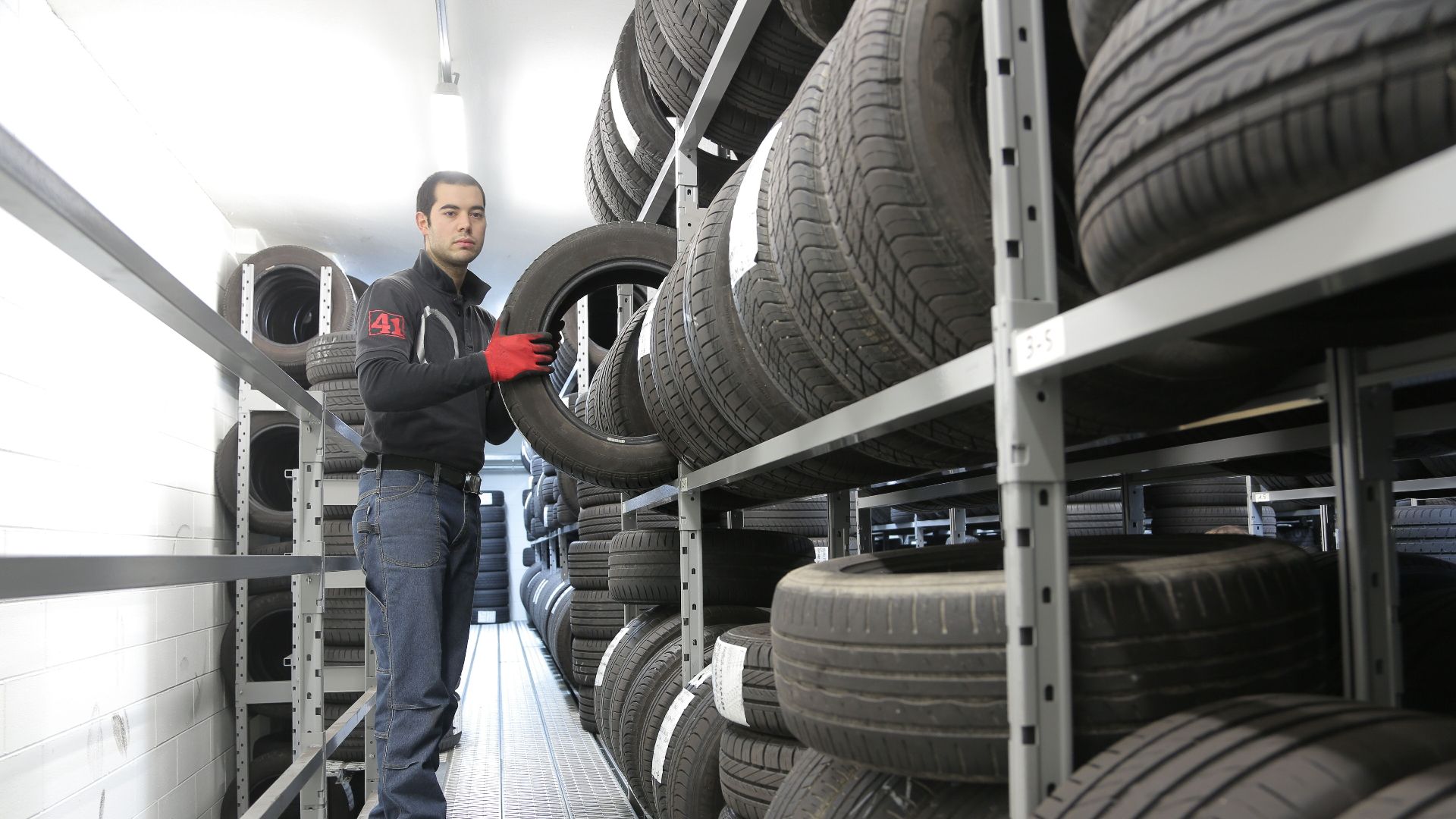
Ask For The Actual Tread Depth Measurements
Rather than accepting a vague explanation about mismatched tires, request the measurements for all four wheels. A technician can use a tread-depth gauge to establish how much usable tread remains. Measurements should also account for uneven wear across each tire. Having these figures makes it easier to evaluate whether the proposed replacement is justified.
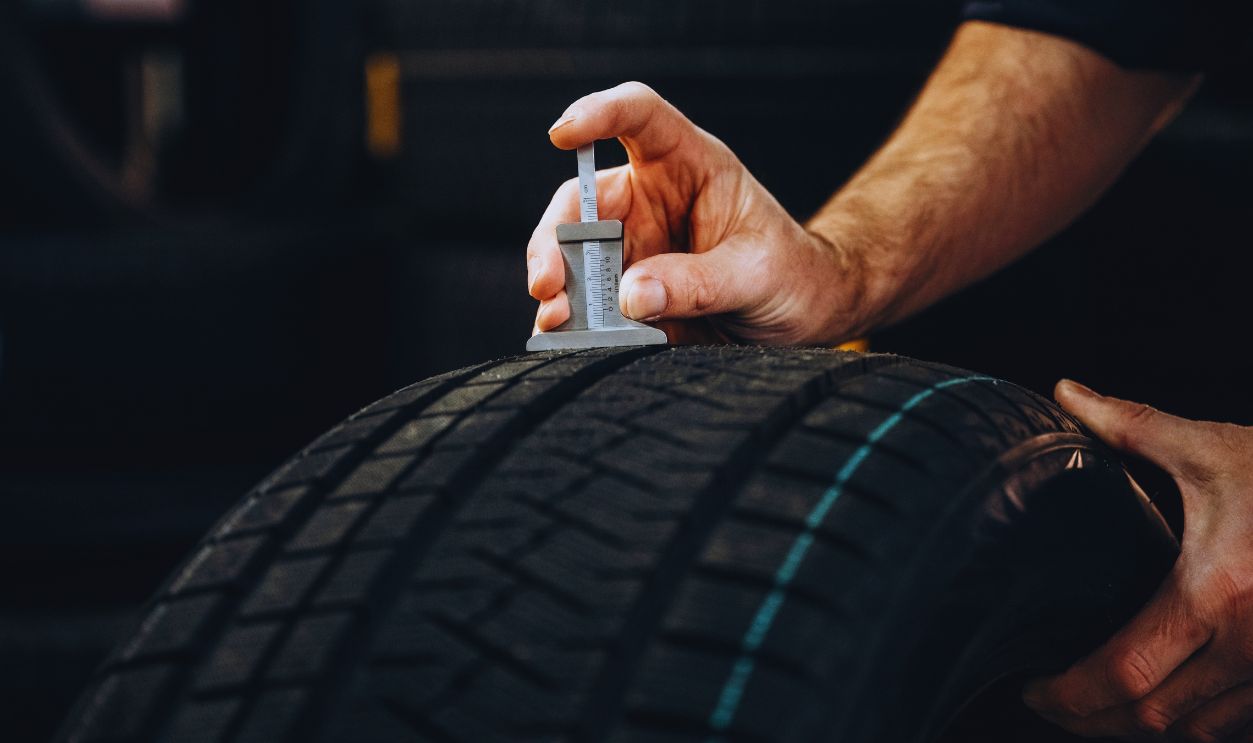
A Nearly New Set Could Save You Hundreds
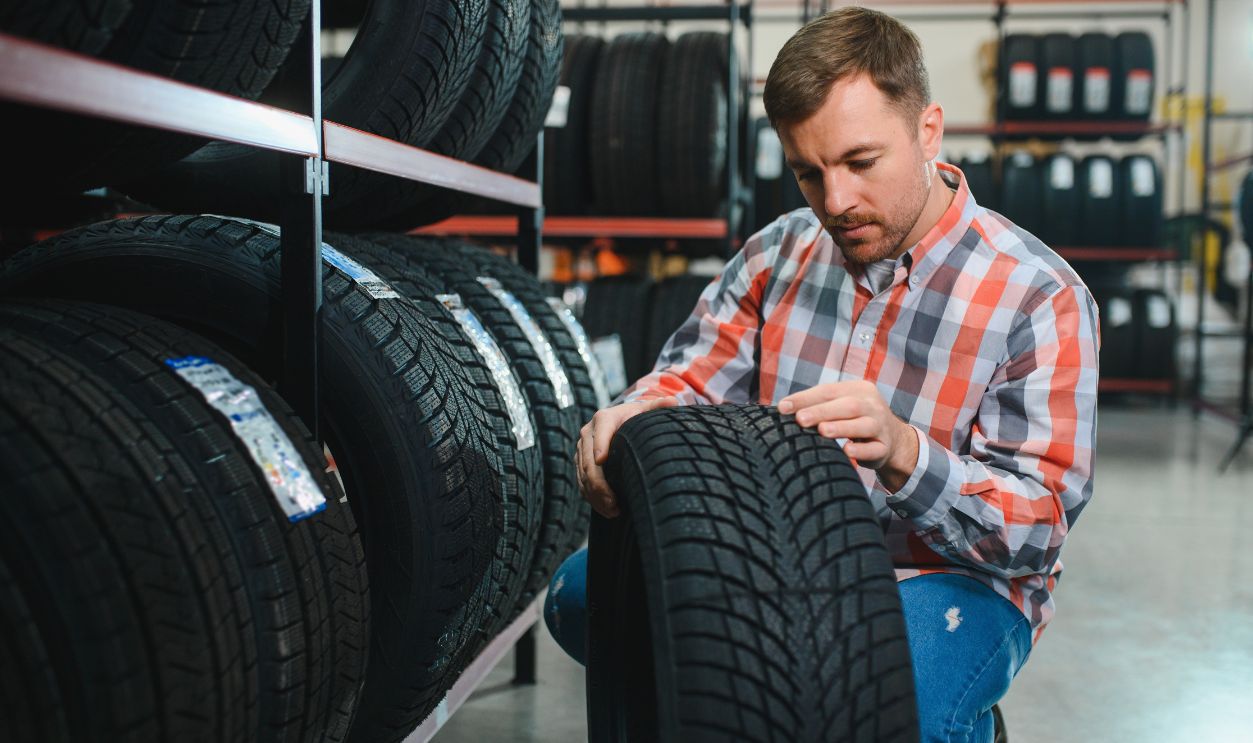
Imagine that all four tires were recently installed, but one suffered irreparable damage after encountering road debris. The other three might still have tread depths close to those of a new replacement. If an identical tire is available and the difference falls within the manufacturer's requirements, replacing just one could be acceptable. There is little reason to discard three nearly new tires without establishing why they cannot remain in service.
 Hryshchyshen Serhii, Shutterstock
Older Tires Make The Decision More Complicated
The situation changes when the remaining tires have already experienced substantial wear. Combining them with a brand-new tire can create differences in grip and rolling dimensions. On an all-wheel-drive vehicle, those differences may exceed the manufacturer's permitted limits. Purchasing additional tires becomes easier to justify when the existing set has already lost much of its usable tread.
Your Tires Might Be Closer To Retirement Than You Think
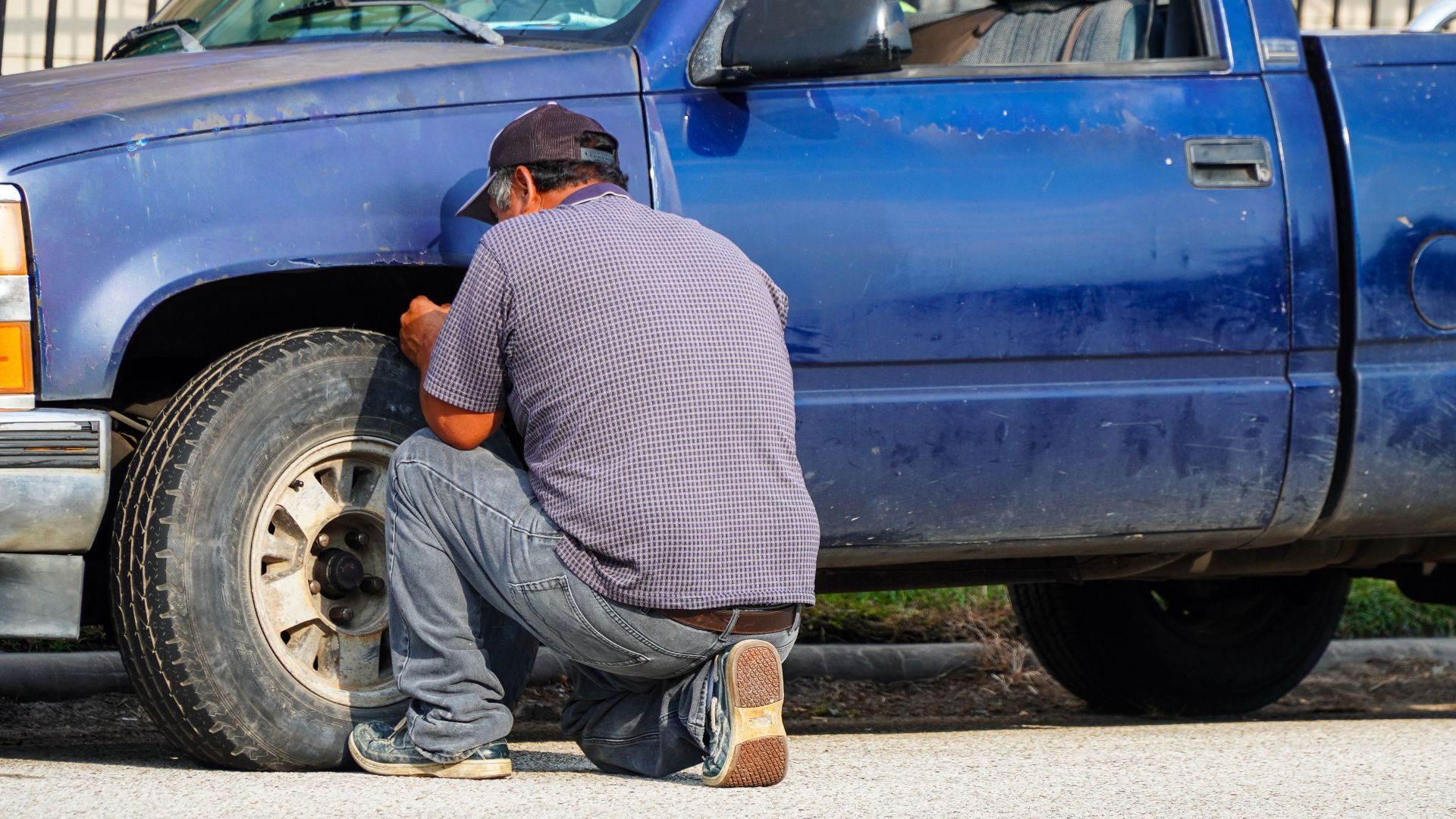
The National Highway Traffic Safety Administration identifies 2/32 of an inch of remaining tread as the point at which tires should be replaced. Built-in wear indicators help drivers recognize when that threshold has been reached. If the remaining tires are approaching this condition, keeping them may offer little long-term financial benefit. Replacing the entire set could be more practical than returning to the shop shortly afterward.
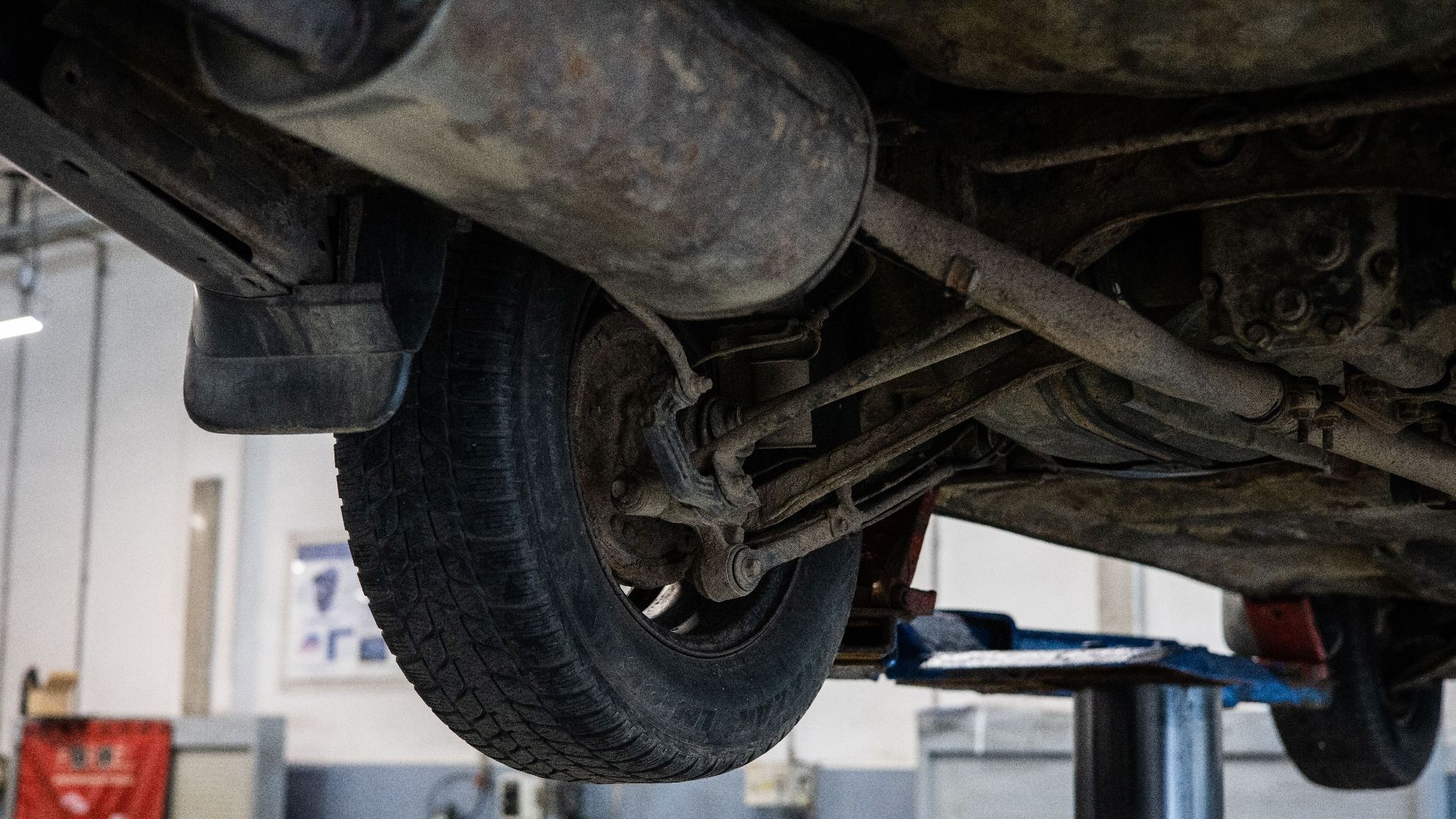
Legal Tread Depth Isn't The Whole Story
A tire doesn't necessarily perform like new simply because its tread remains above the minimum replacement threshold. Research published by AAA found substantial declines in wet-weather braking and cornering performance when tested all-season tires were worn to 4/32 of an inch. Drivers who frequently encounter heavy rain should consider this deterioration when evaluating their remaining tires. Waiting until the absolute minimum tread depth may not be the best approach.

Replacing Two Tires Could Be A Sensible Compromise
For vehicles that permit differences in tread depth between the front and rear axles, purchasing a matching pair may be an appropriate alternative. This avoids creating a substantial wear difference between tires sharing the same axle. It also allows two serviceable tires to remain on the vehicle. However, the arrangement must comply with the automaker's requirements.
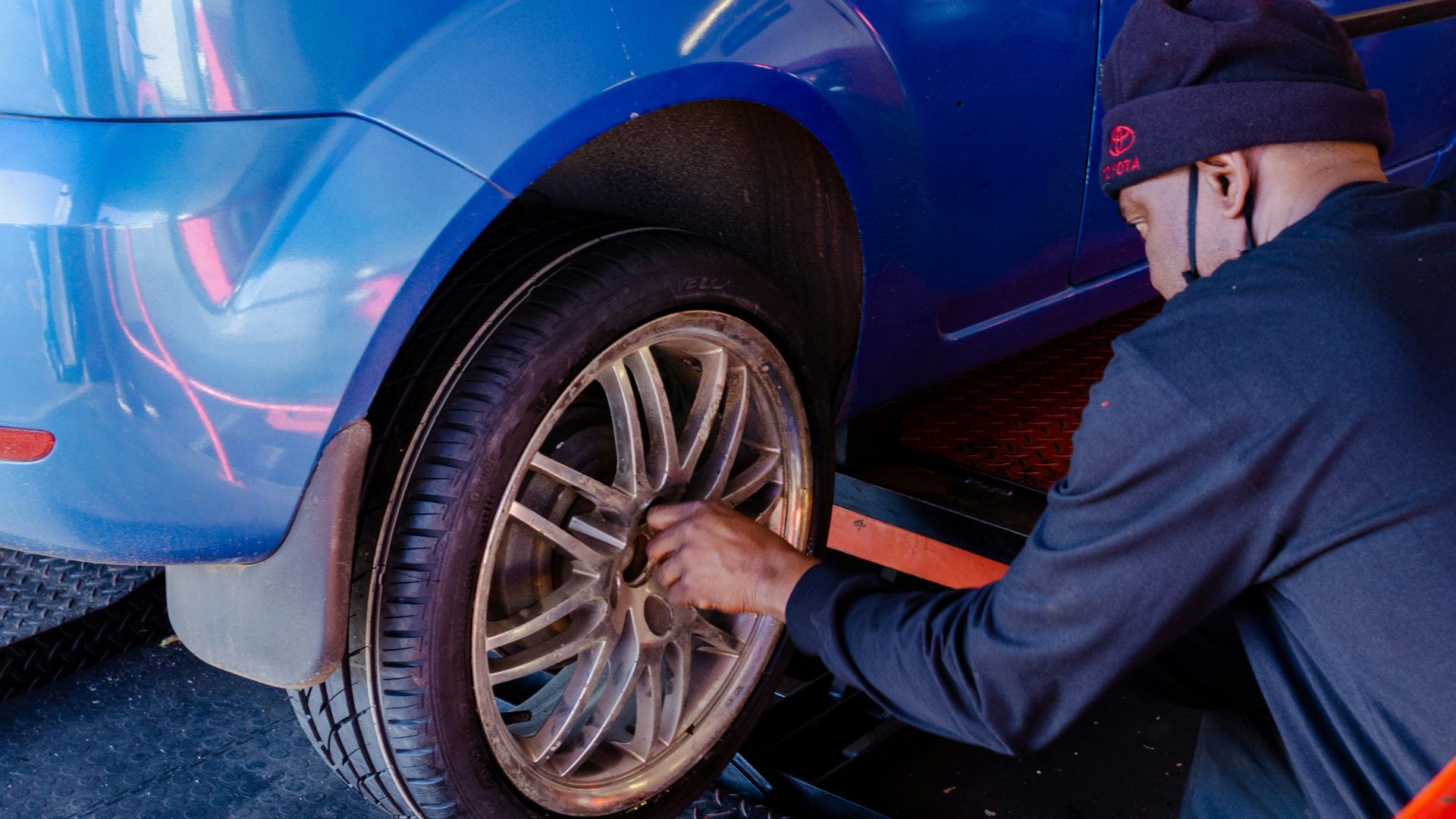
The New Tires Usually Belong On The Rear
Many drivers assume that the newest tires should always go on the wheels responsible for powering the vehicle. Major tire manufacturers generally recommend installing the deeper-tread pair on the rear axle instead. Continental explains that maintaining better rear grip helps reduce the risk of instability on slippery surfaces. Vehicle-specific recommendations and factory tire configurations can create exceptions to this guidance.
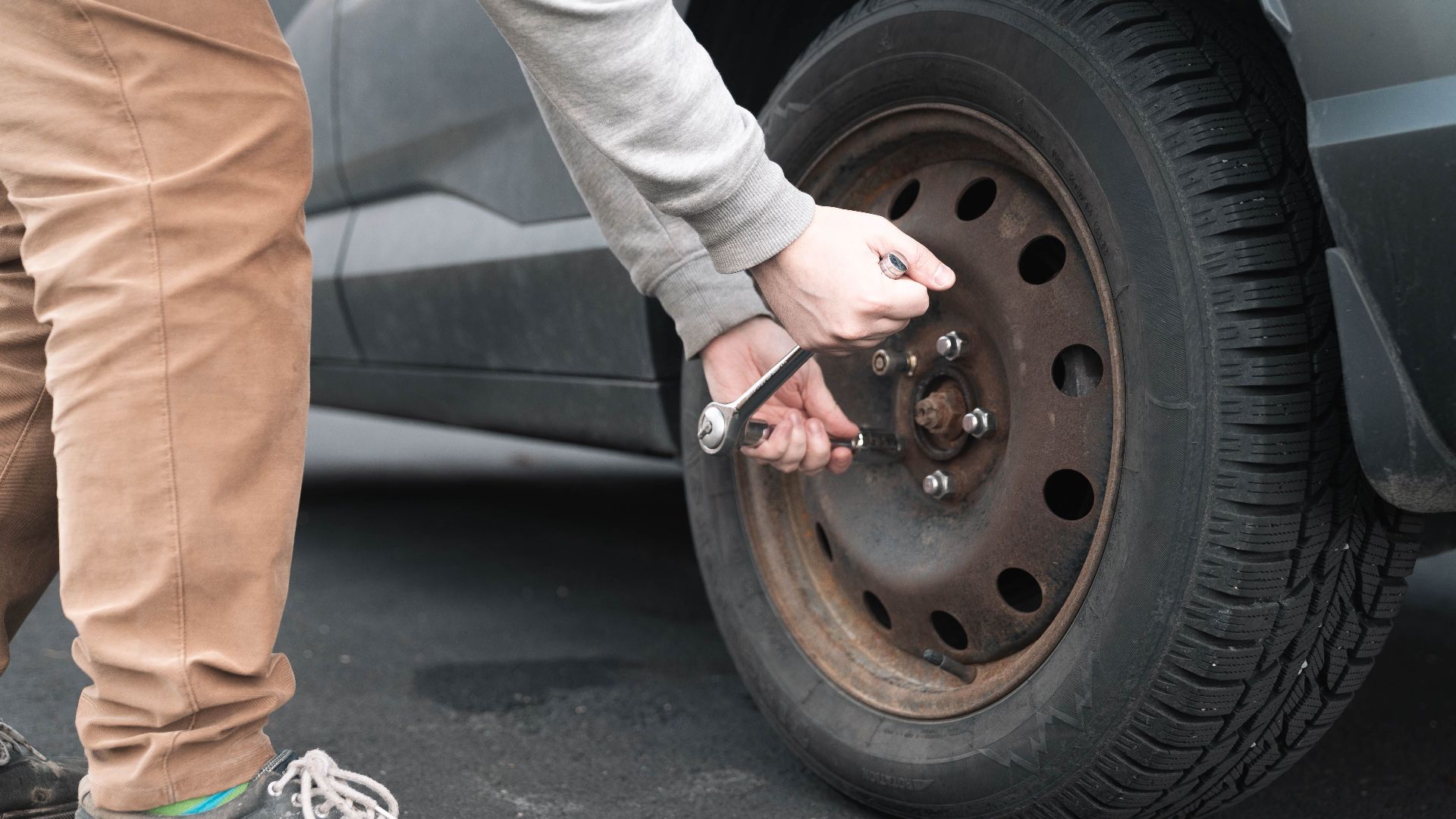
Why Rear Tire Grip Matters In The Rain
In wet conditions, tires with deeper tread are generally better equipped to move water away from their contact surfaces. If the rear tires lose traction before the front tires, the vehicle can become difficult to control as its rear end begins to slide. This is one reason manufacturers emphasize rear-axle stability when advising drivers about partial tire replacement. The recommendation is about maintaining control, not simply improving acceleration.

Buying The Same Brand Might Not Be Enough
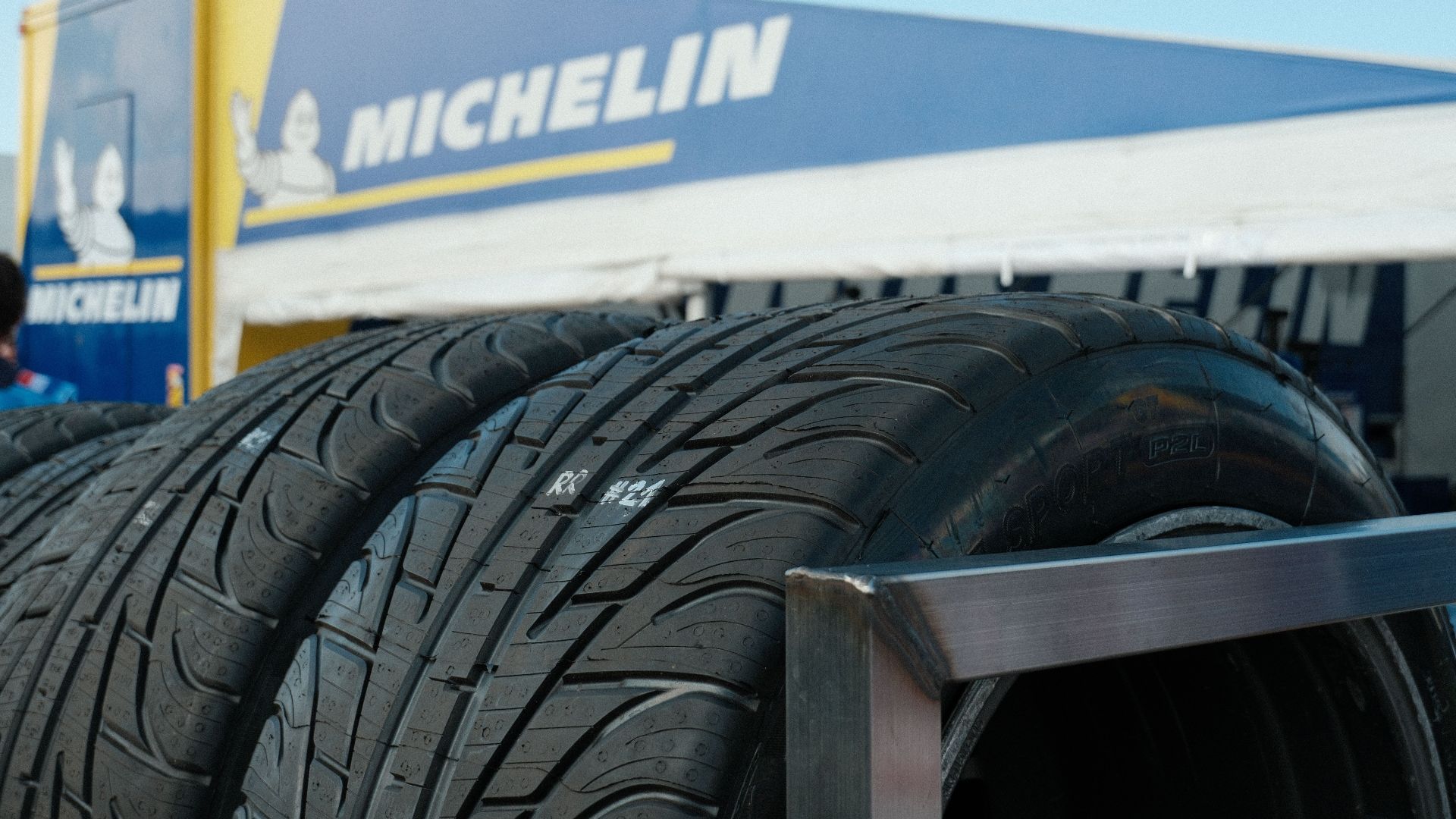
A tire manufacturer can produce several different models in exactly the same size. Those models may have different tread patterns and performance characteristics. Michelin advises matching the replacement as closely as possible to the existing tires, including their model and wear level. Whenever possible, finding the exact original tire is preferable to purchasing something that merely looks similar.
Don't Overlook Load Capacity And Speed Ratings
Replacement tires must also meet the vehicle's specified load capacity and speed-rating requirements. These specifications are particularly important when considering a different tire model because the original one is unavailable. Consult the vehicle's tire information placard, owner's manual, or manufacturer-approved specifications before making a purchase. A cheaper tire that's incompatible with the vehicle isn't a worthwhile bargain.
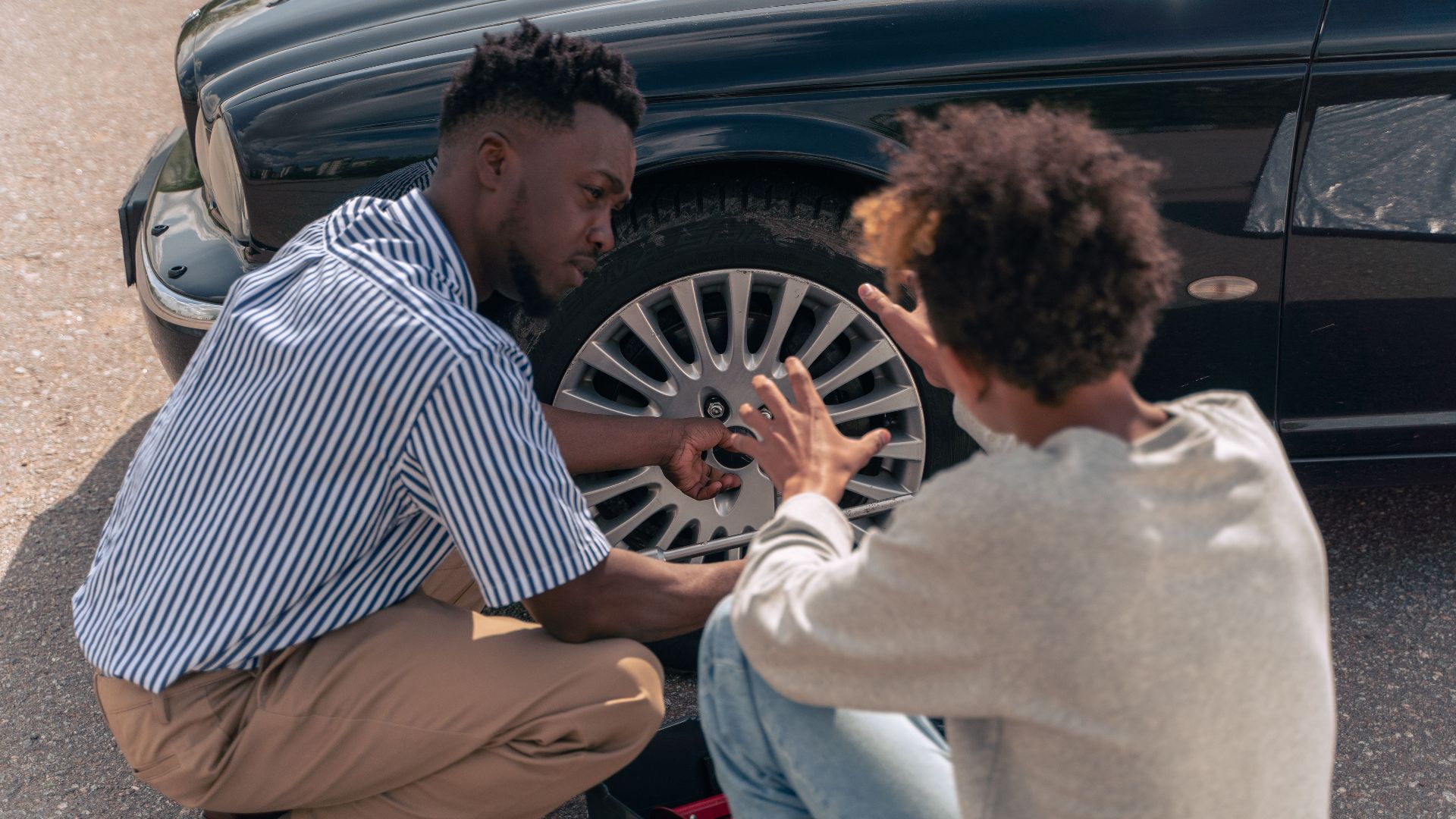
Some Cars Already Have Different Front And Rear Tires
Certain performance vehicles leave the factory with wider tires on the rear wheels than on the front. This arrangement, commonly described as a staggered setup, is intentionally designed for that particular vehicle. Generic advice about moving tires between axles may not apply to these cars. Owners should follow the manufacturer's approved tire sizes and replacement procedures.

Tire Shaving Could Be An Unexpected Solution
Buying a brand-new tire and deliberately removing some of its tread might sound ridiculous. However, specialty tire retailers offer tire shaving services for situations where a replacement needs to match partially worn tires. Specialized machinery removes enough rubber to bring the replacement closer to the required tread depth. When permitted by the vehicle manufacturer, this approach can be particularly useful for all-wheel-drive owners.
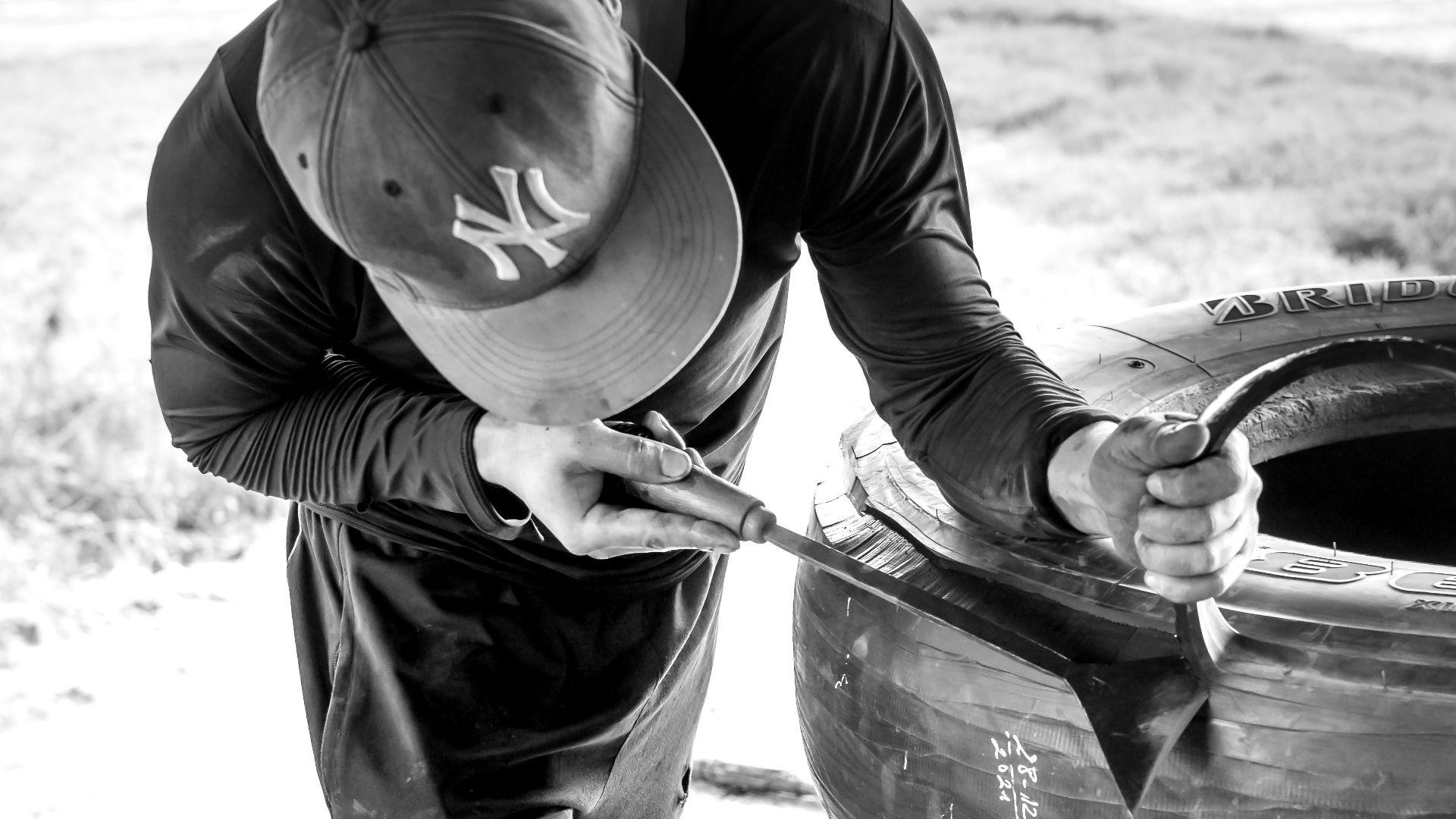
Giving Up Some New Tread Could Save Money
Tire shaving means sacrificing a portion of the replacement tire's potential service life. However, that loss may be financially preferable to discarding three otherwise serviceable tires. Tire Rack offers this service specifically to help drivers match replacement tires to existing sets. Ask about availability before committing to a complete replacement.
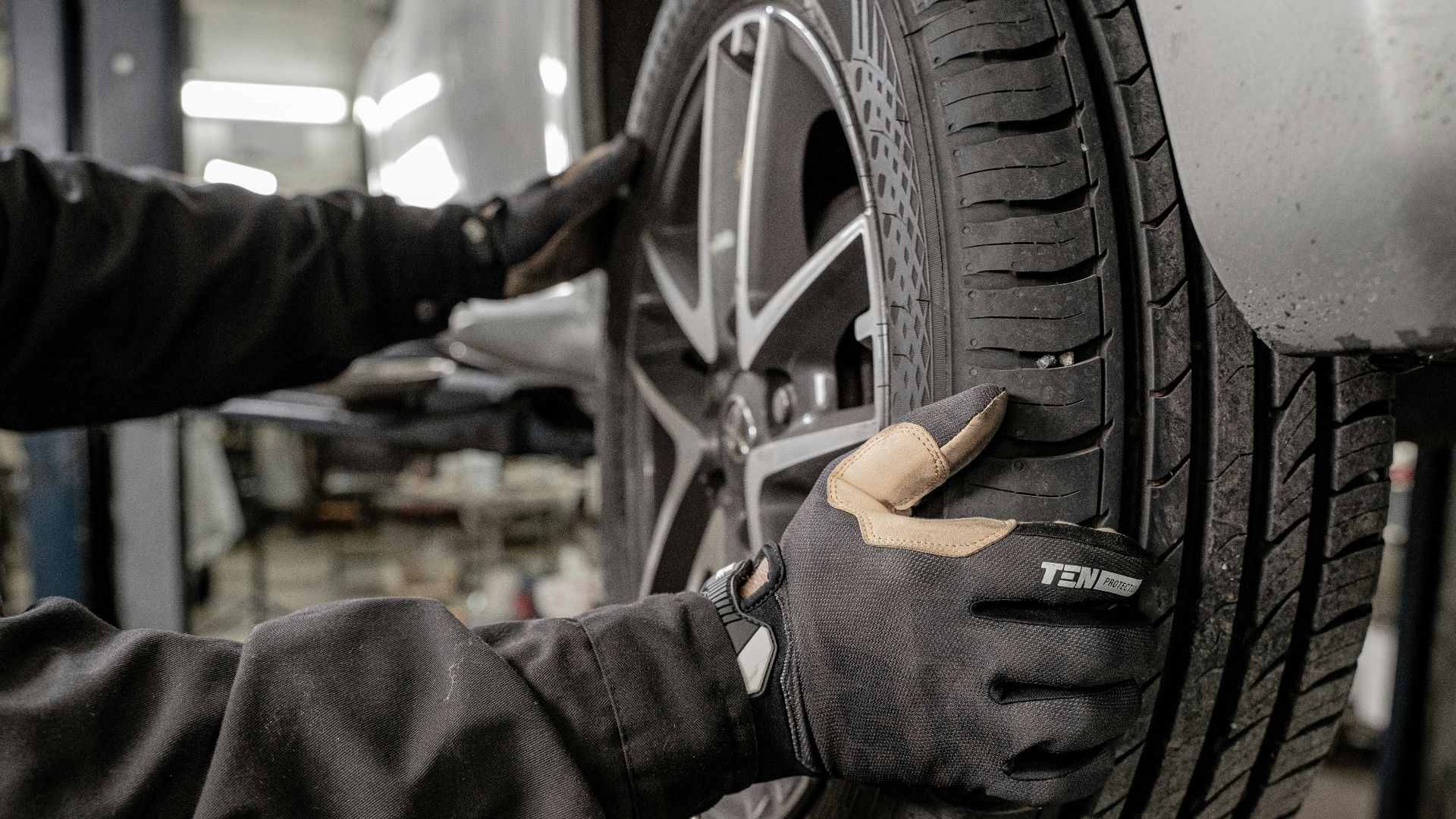
Tire Age Can Justify A Complete Replacement
Even tires with plenty of remaining tread can deteriorate over time. Michelin recommends annual professional inspections after five years of service and replacement by ten years from the manufacturing date. Other tire and vehicle manufacturers may recommend shorter intervals. If all four tires are already approaching their recommended retirement age, replacing the complete set may be reasonable.
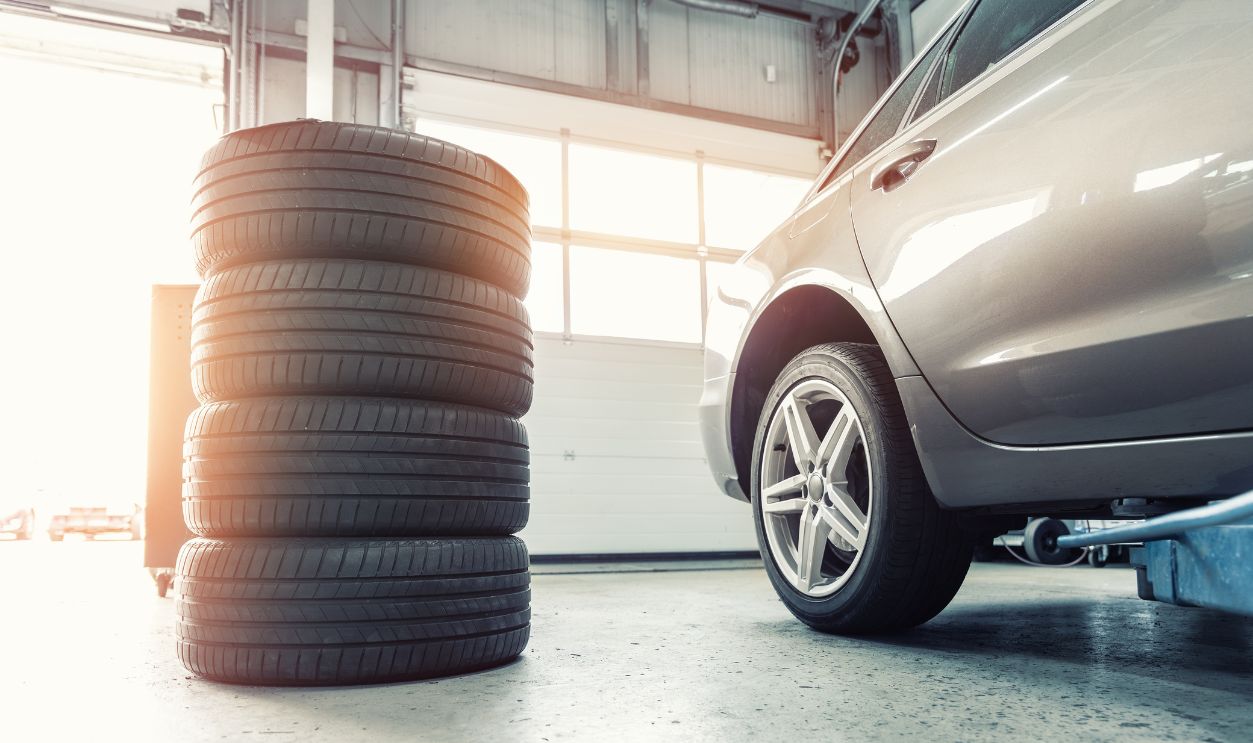
Check The Manufacturing Date Before Deciding
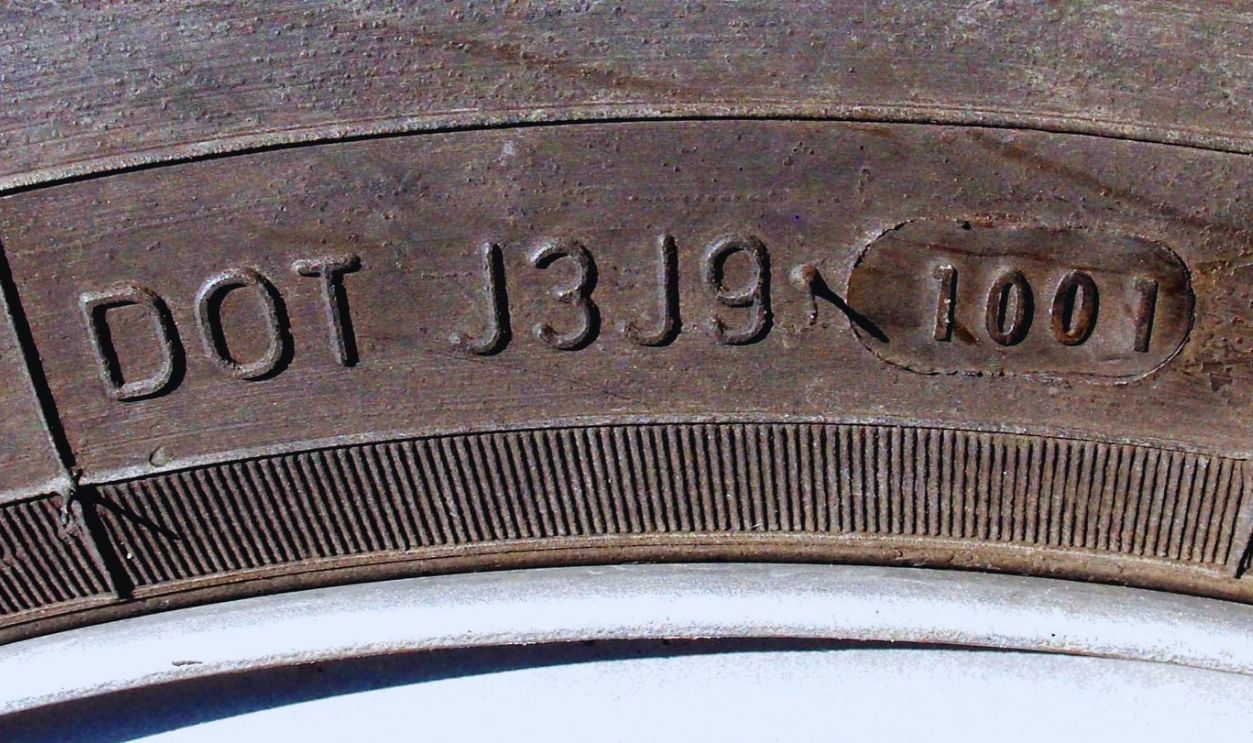
The manufacturing date can be identified through the DOT identification number located on the tire's sidewall. Its final four digits indicate the production week and year. For example, a code ending in 2422 identifies a tire manufactured during the 24th week of 2022. Checking these numbers can help establish whether the remaining tires are worth keeping.
Uneven Wear Could Reveal Another Problem
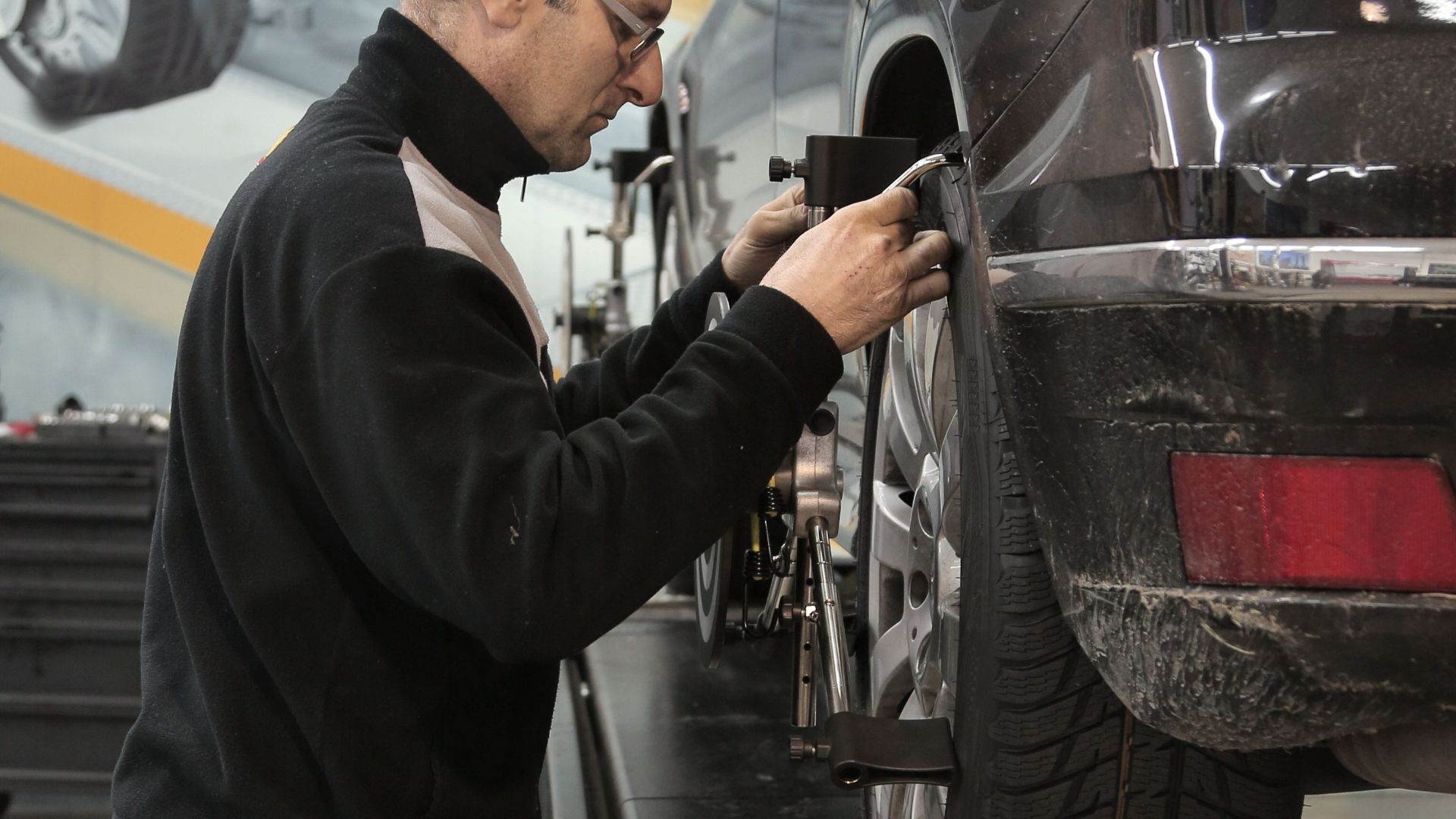
Replacing tires without investigating unusual wear patterns may leave an underlying mechanical issue unresolved. Improper wheel alignment or neglected tire rotation can contribute to uneven tread wear. Ask the technician whether the existing tires show signs of either problem. Addressing the cause could help prevent premature wear on the replacements.
Get A Second Opinion Before Spending Hundreds
If the mechanic cannot clearly explain why all four tires need replacing, consider consulting another qualified tire specialist. Provide the vehicle's make, model, year, and existing tire specifications so the recommendation reflects your particular situation. Ask whether a repair, individual replacement, matching pair, or shaved tire is appropriate. A second opinion should focus on measurable safety requirements rather than simply finding the lowest price.

When Replacing All Four Really Makes Sense
Purchasing a complete set is justified when the remaining tires are excessively worn, deteriorated, or otherwise unsafe. It may also be necessary when drivetrain compatibility requirements cannot be satisfied through partial replacement. Four properly matched tires provide consistent performance characteristics and eliminate concerns about excessive differences in tread depth. In these situations, the mechanic's recommendation may be entirely legitimate.
The Mechanic Might Be Right, But Ask For Proof
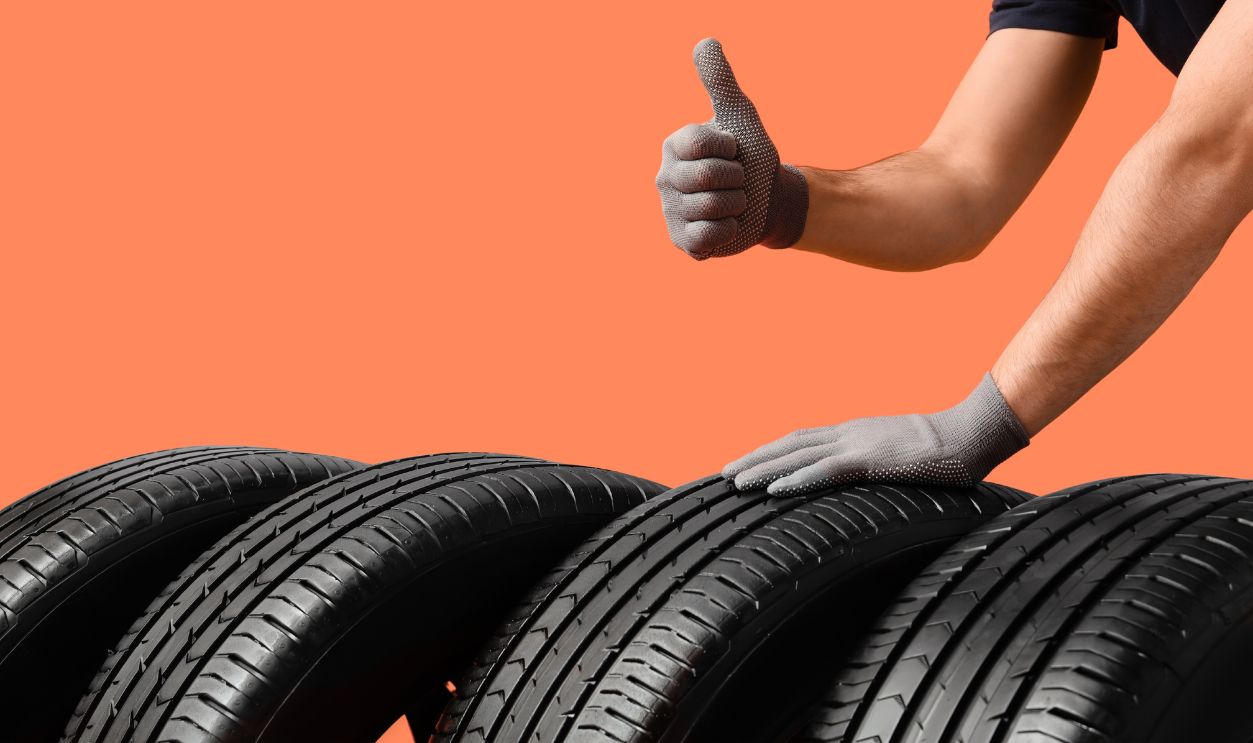
One damaged tire does not automatically mean that three perfectly functional tires belong in the recycling pile. The correct decision depends on the damage, remaining tread, tire age, and vehicle manufacturer's specifications. Before approving a complete replacement, ask for the measurements and technical explanation supporting that recommendation. A good decision protects both your safety and your wallet without compromising either.
You May Also Like:
Car Maintenance Jobs That Dealerships Charge Hundreds For — But Owners Can Do Themselves
Popular Vehicle Features That Mechanics Say Cause More Trouble Than They’re Worth
My Mechanic Keeps Finding New Problems Every Time I Visit. Am I Being Taken Advantage Of?