The Fantasy Is Real
A British import can seem like a dream commuter in a sea of crossovers, and for some drivers that alone is enough to seal the deal. But once the novelty wears off, everyday commuting in a right-hand drive car raises bigger questions about safety, legality, insurance, parts, toll booths, and even basic left turns.

Why This Idea Keeps Coming Up
Americans have been importing more Japanese-market cars as more 1990s models clear the federal 25-year rule. The National Highway Traffic Safety Administration says a motor vehicle that is at least 25 years old can generally be imported without having to meet all Federal Motor Vehicle Safety Standards. That rule is a big reason a right-hand-drive import is a real option now.

The Law That Opens The Door
The key rule is the federal 25-year exemption. NHTSA says vehicles that are 25 years old or older do not have to comply with FMVSS for importation. The Environmental Protection Agency has a similar age-based rule for emissions, saying motor vehicles at least 21 years old with an unmodified engine are generally exempt from federal emissions requirements.

Legal To Import Does Not Mean Easy To Register
Federal import approval is only step one. Registration happens at the state level, and states can add their own inspections and paperwork before they hand over plates. California matters most here because the California Air Resources Board says imported vehicles may still have to meet state requirements even if they are federally legal to import.

State Rules Can Make Or Break The Deal
If you live in a strict-emissions state, that dream commuter can turn into something that just sits in the garage. California’s BAR and CARB process is known for being tough and expensive for imported vehicles that were never certified there. In a more relaxed state, the same car may be much easier to register and drive every day.

Right-Hand Drive Is Legal In The United States
There is no blanket federal ban on driving a right-hand-drive vehicle on American roads. The U.S. Postal Service has used right-hand-drive vehicles for years for curbside delivery, which helps show the setup itself is not illegal. The real question is not whether you can do it, but whether it makes sense for your commute.

The First Big Reality Check Is At Intersections
Left turns and passing on two-lane roads are where right-hand drive feels most awkward in a country built for left-hand-drive traffic. Your sight line can be worse when you are sitting on the far side of the cabin. If a daily commute includes busy intersections or rural passing zones, that is more than a minor annoyance.

Toll Booths And Parking Garages Wear You Down
Some of the hassle is surprisingly basic. Ticket machines, parking garage dispensers, and some older toll setups are built for a driver on the left side of the car. Electronic tolling helps, but not every garage or gate has caught up.
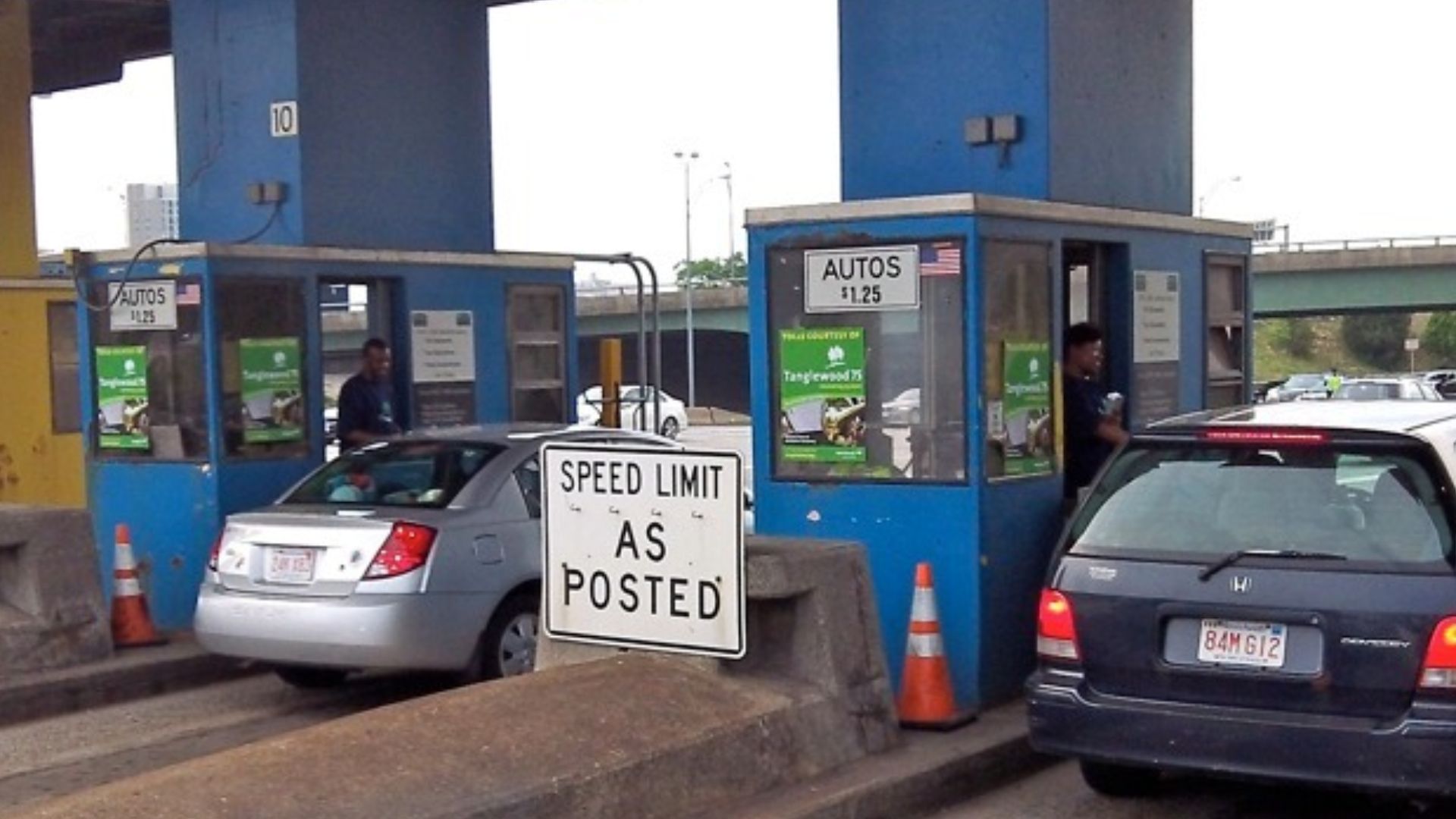
Drive-Throughs Have The Same Problem
Coffee runs and pharmacy windows may sound minor, but commuters notice them fast. A right-hand-drive car in a left-hand-drive world turns a simple errand into a stretch, a reach, or an awkward backup job. It is funny the first week and less fun by the hundredth time.
 Michael Rivera, Wikimedia Commons
Safety Is About More Than Wheel Position
Right-hand drive alone does not automatically make a car unsafe. The bigger issue is that many imported vehicles are older and were built to the safety standards of their home market and their time. A 1990s Japanese import may be missing modern crash structures, side airbags, electronic stability control, and other features many commuters now expect.
Older JDM Favorites Come With Older-Car Problems
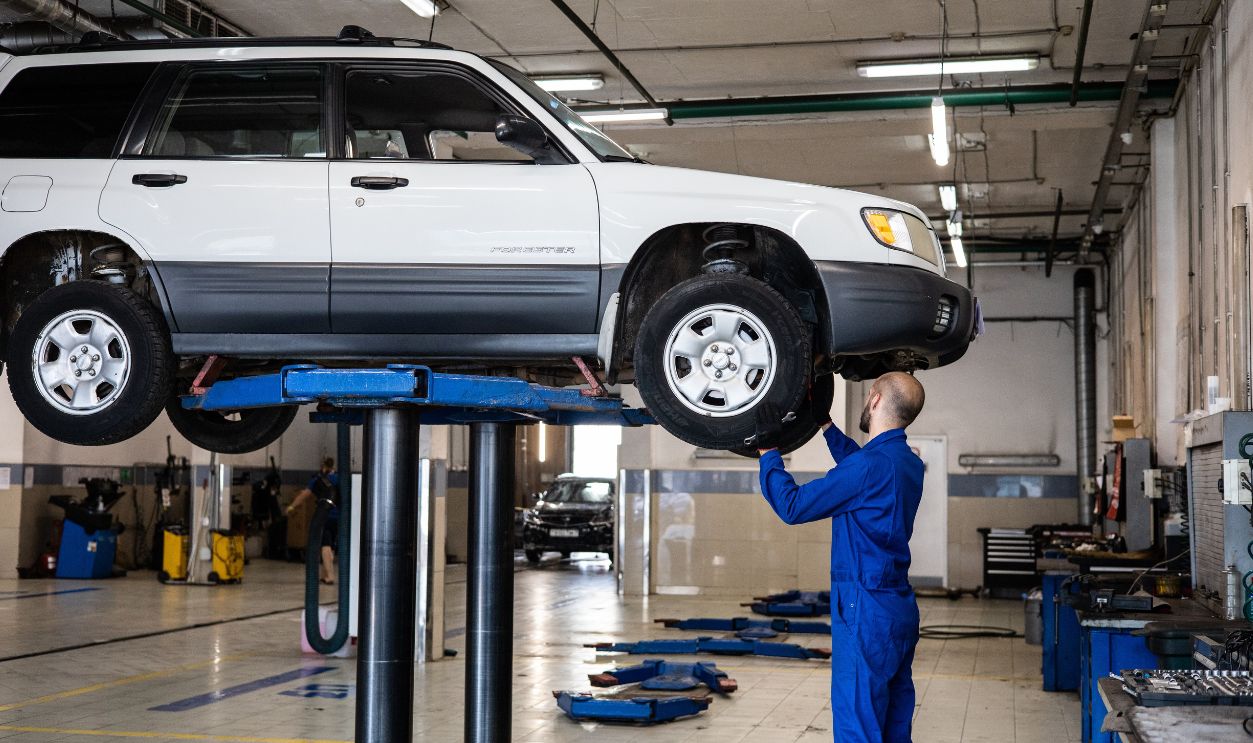
The cars people want most are often from the 1990s and early 2000s because those are the ones aging into legal import status. That also means they are old enough to have wear issues, brittle rubber, and unclear maintenance history. A fun commuter can quickly turn into an ongoing project if it was not checked carefully before purchase.
Insurance Can Be The Quiet Headache
Insuring an imported right-hand-drive car is often possible, but it is not always simple or cheap. Big insurance companies may hesitate because the VIN format is unusual, replacement values can be hard to nail down, and parts can be tough to source. Hagerty notes that imported vehicles may need specialty coverage and agreed-value policies depending on the car and how it will be used.

Parts Support Depends On The Car
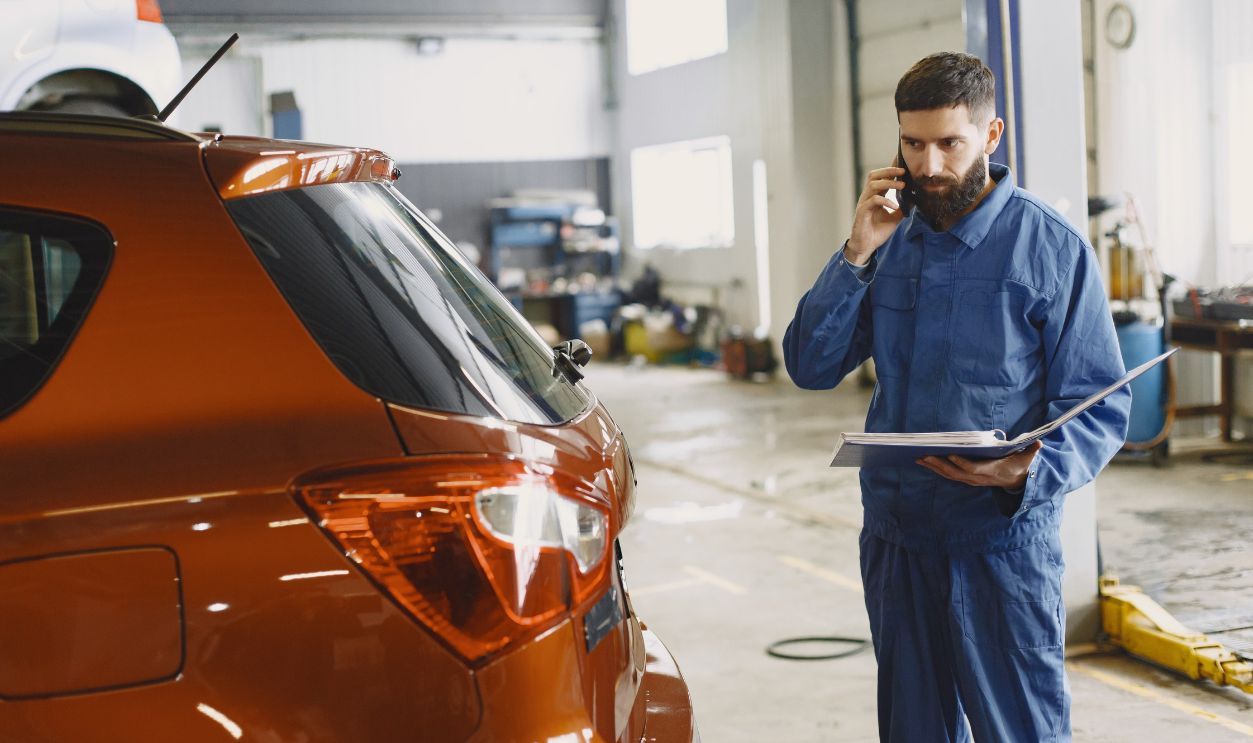
This is where the dream meets real life. If the vehicle shares major parts with a U.S.-market model, maintenance may be pretty manageable. If it is a Japan-only model, you may be ordering parts by chassis code, waiting on overseas shipping, or relying on a specialist import shop.
Some Imports Are Much Easier Than Others
A right-hand-drive Toyota Crown, Nissan Skyline, or kei van may all be legal to import at the right age, but they do not all make the same kind of commuter. A vehicle from a major brand with strong enthusiast support is usually easier to keep running than some obscure oddball. The weirdest car in the lot gets a lot less charming when you need a wheel bearing right away.
 Matti Blume, Wikimedia Commons
Commuting Exposes Every Weak Spot
A weekend toy gets a lot of forgiveness because you choose when to drive it. A commuter has to start on cold mornings, sit in traffic, deal with bad weather, and get you home on time. Any weakness in cooling, air conditioning, visibility, or parts supply matters much more when the car is your weekday lifeline.
Kei Cars Are Cool, But They Have Limits
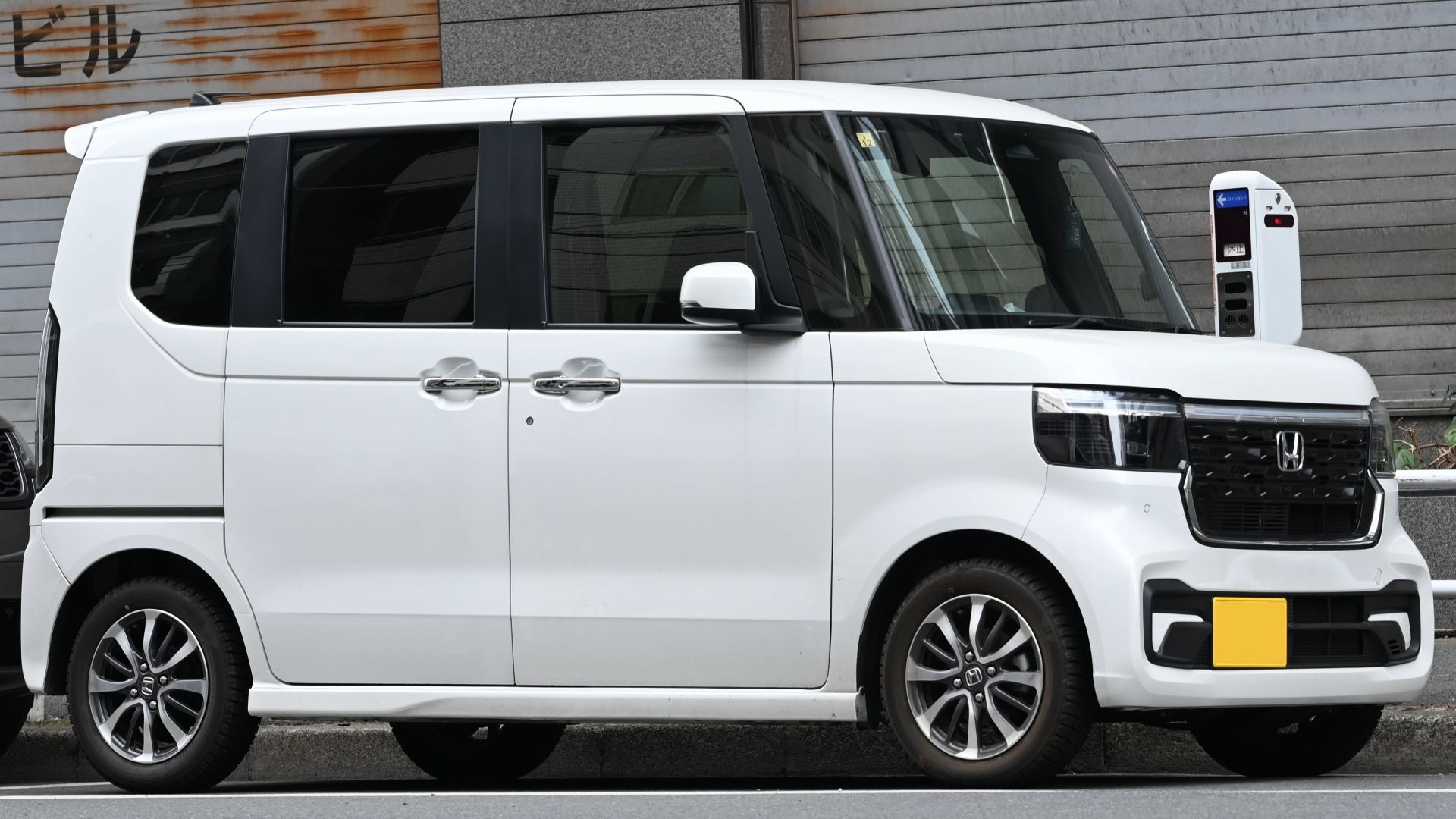
Small Japanese kei cars and vans are some of the most appealing imports out there. They are also tiny, often slow by modern U.S. traffic standards, and usually not ideal for long high-speed freeway commutes. Their city-car efficiency is real, but their comfort and crash protection are not on the same level as a newer mainstream commuter.
Japanese Auctions Are Not A Shortcut
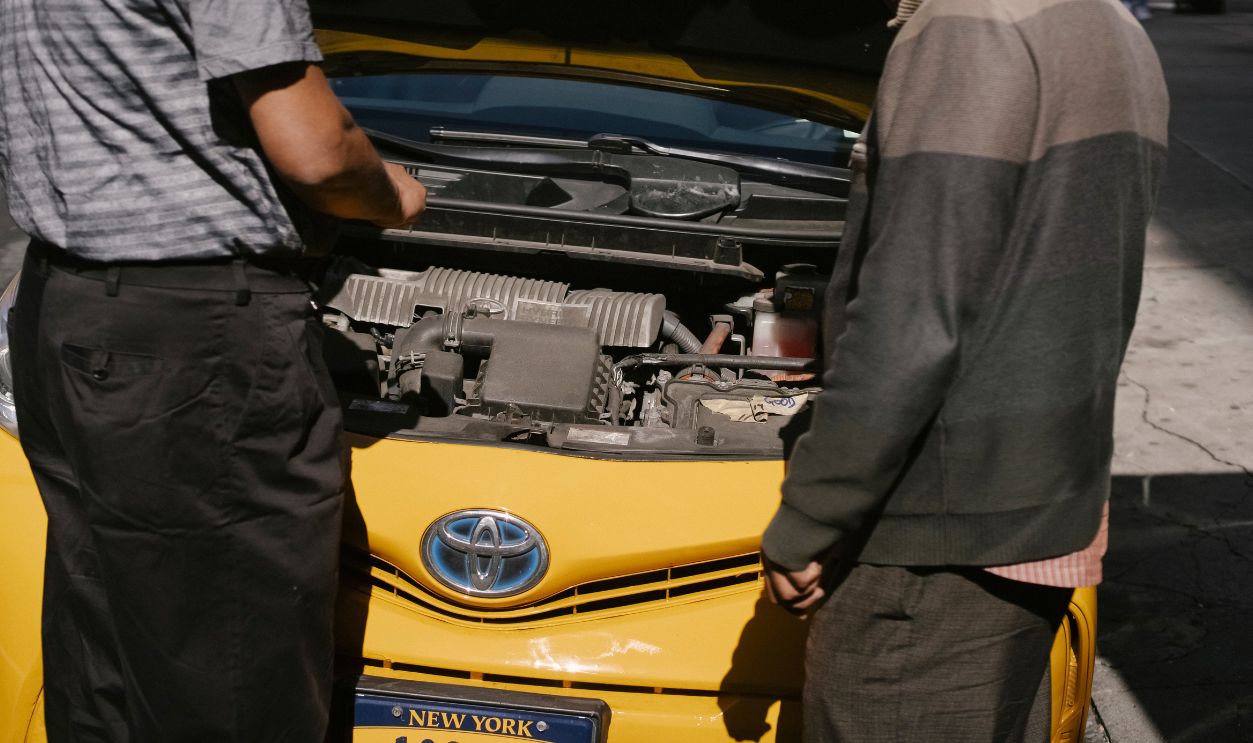
Many buyers shop through Japanese auctions because the selection is huge and the sticker prices can look tempting. But those numbers do not include shipping, customs, port fees, broker fees, inland transport, and possible repair work after the car arrives. A bargain on paper can look a lot more ordinary by the time it reaches your driveway.

Paperwork Matters More Than Paint
Before anyone gets attached to a specific car, check the title path and import paperwork. NHTSA, EPA, and Customs documents should all be in order, and state DMV requirements should be confirmed before money changes hands. A clean body means very little if registration stalls because a form is missing.

Rust Deserves A Hard Look
Japan does not automatically mean rust-free. Coastal use, snowy regions, and plain old age can leave serious corrosion underneath a car that still looks tidy on top. A pre-purchase inspection from a shop that knows imports is money well spent.
The Steering Wheel Is Not The Only Thing To Get Used To
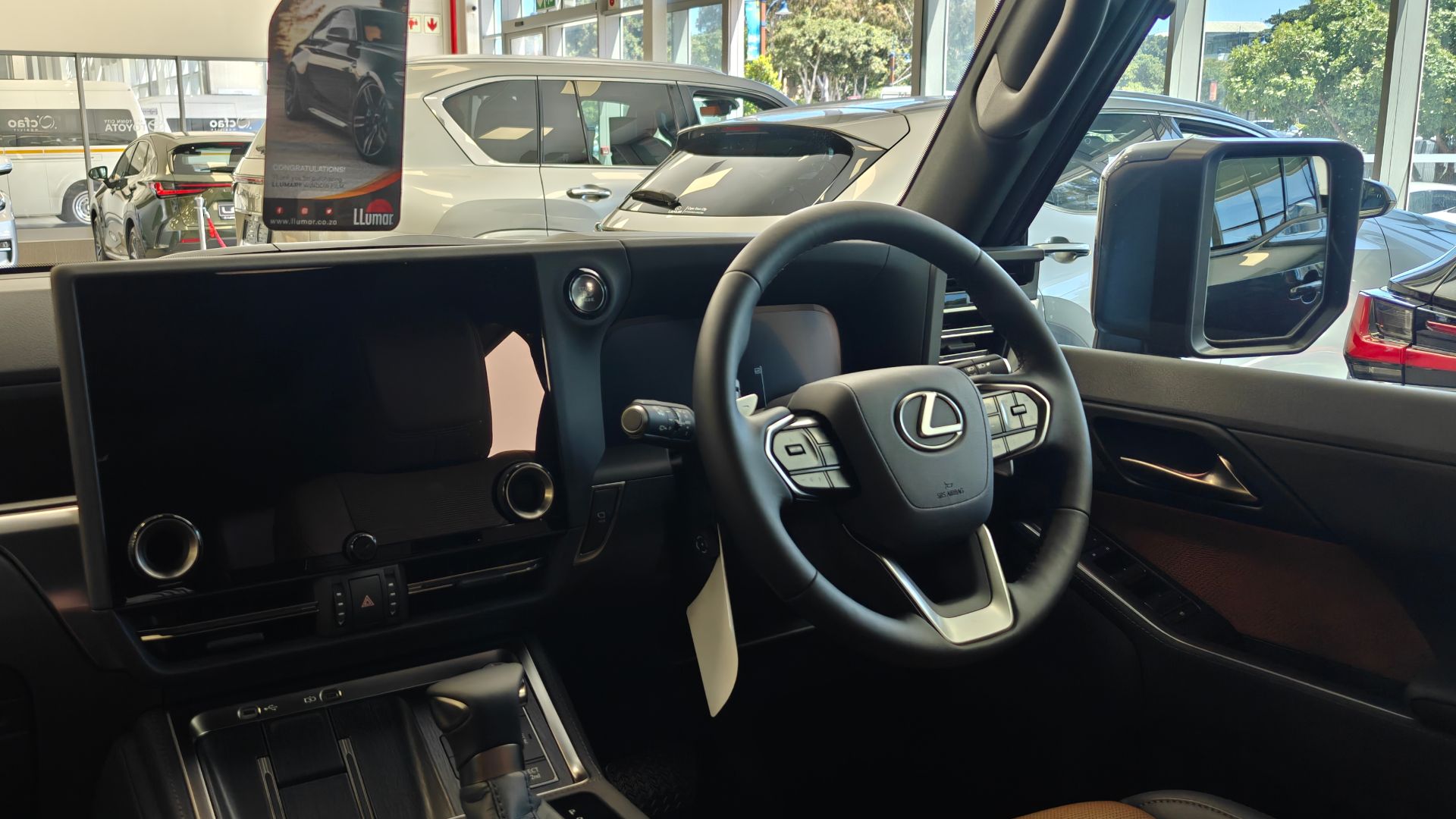
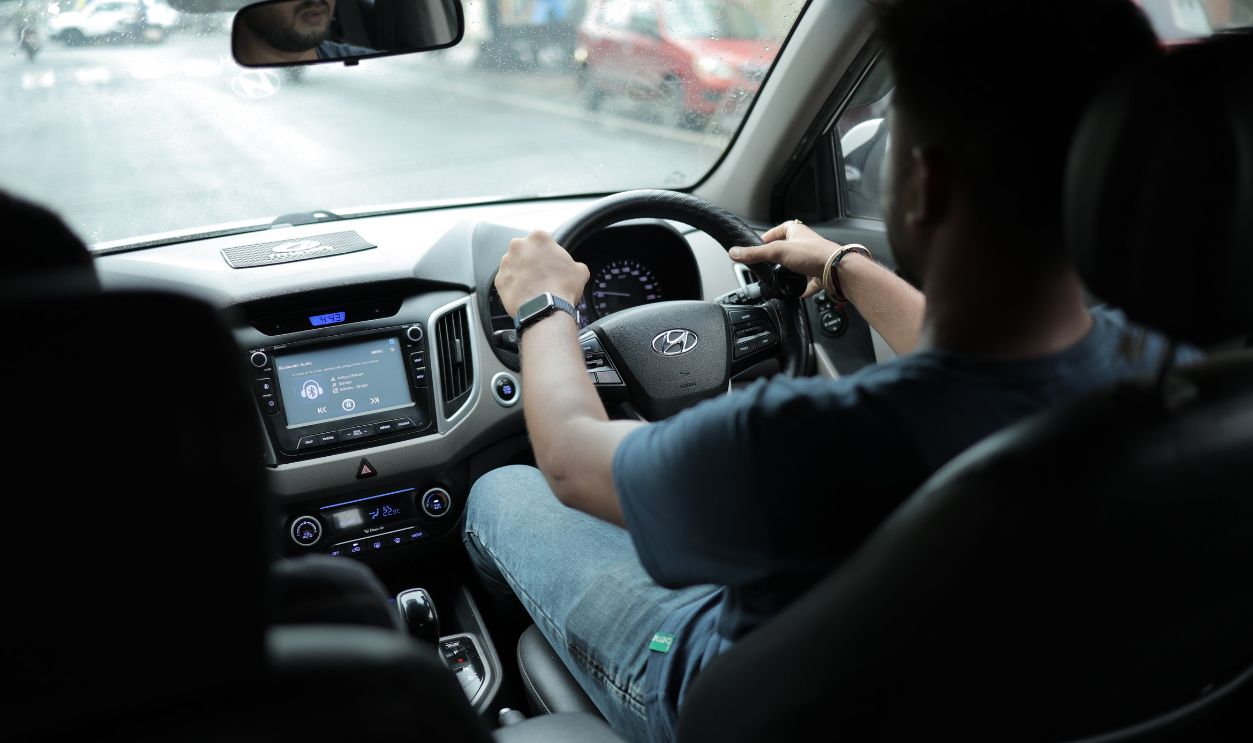
Many imported cars also come with unfamiliar radios, navigation systems, climate controls, and speedometers marked mainly in kilometers per hour. None of that makes the car unusable, but it adds another layer of adjustment. Small annoyances have a way of getting bigger when they happen twice a day, five days a week.

Then There Is The Attention
If your husband enjoys chatting with strangers at gas stations, a right-hand-drive import can be a lot of fun. People will ask questions, take photos, and sometimes assume the car is much rarer or faster than it really is. If he wants a totally invisible commuter, this is the wrong path.

Resale Can Go In Either Direction
Some imported vehicles have strong fan bases and hold their value surprisingly well. Others are niche enough that selling them takes patience. A practical commuter should be easy to replace or cash out of, and that is not always how the import market works.

Mechanic Support Is A Big Deciding Factor
If you already know a local shop that understands imported Japanese vehicles, the case for buying one gets a lot stronger. If every repair means teaching your mechanic or driving two counties over to find a specialist, the hassle adds up fast. These cars are easier to own when your support network is in place before you buy.

Weather And Road Conditions Matter Too
A right-hand-drive import can be great in fair weather and still be a poor fit for rough roads, winter salt, or long freeway slogs. Ground clearance, heater output, defroster performance, and tire availability all matter. A charming import that struggles in local conditions can lose its shine by February.

So Is The Novelty Worth It
For a real enthusiast with a short commute, backup transportation, flexible expectations, and a good local import shop, maybe. For someone who just wants reliable, low-drama transportation every weekday, probably not. The novelty is real, but commuting is where novelty gets tested hard.

The Smart Compromise
If your husband loves the idea, the safest move may be to make the import a second car first. That gives him time to learn its quirks, sort out maintenance, and decide whether the right-hand-drive layout feels charming or tiring. If it proves itself over a few months, then it can move from toy to commuter.

The Bottom Line For Daily Drivers
A right-hand-drive import is not a bad idea, but it is rarely the easy one. The 25-year federal rule and EPA exemptions opened the door, but state registration, insurance, safety expectations, and parts support still decide whether ownership feels rewarding or exhausting. If the goal is character and conversation, it can work with careful planning. If the goal is painless commuting, it is smarter to keep the novelty for weekends.