The Discount That Comes With a Back Seat Driver
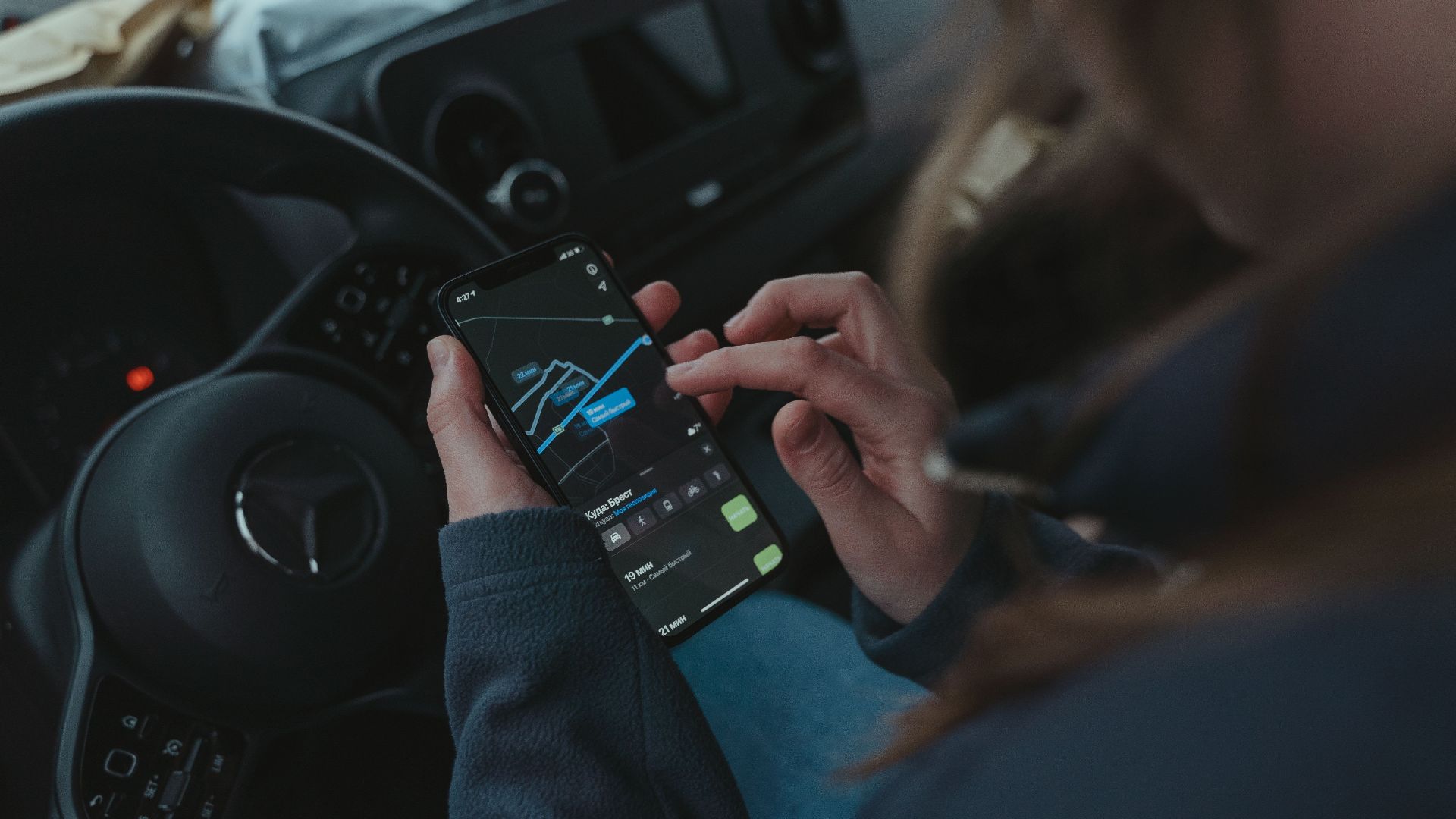
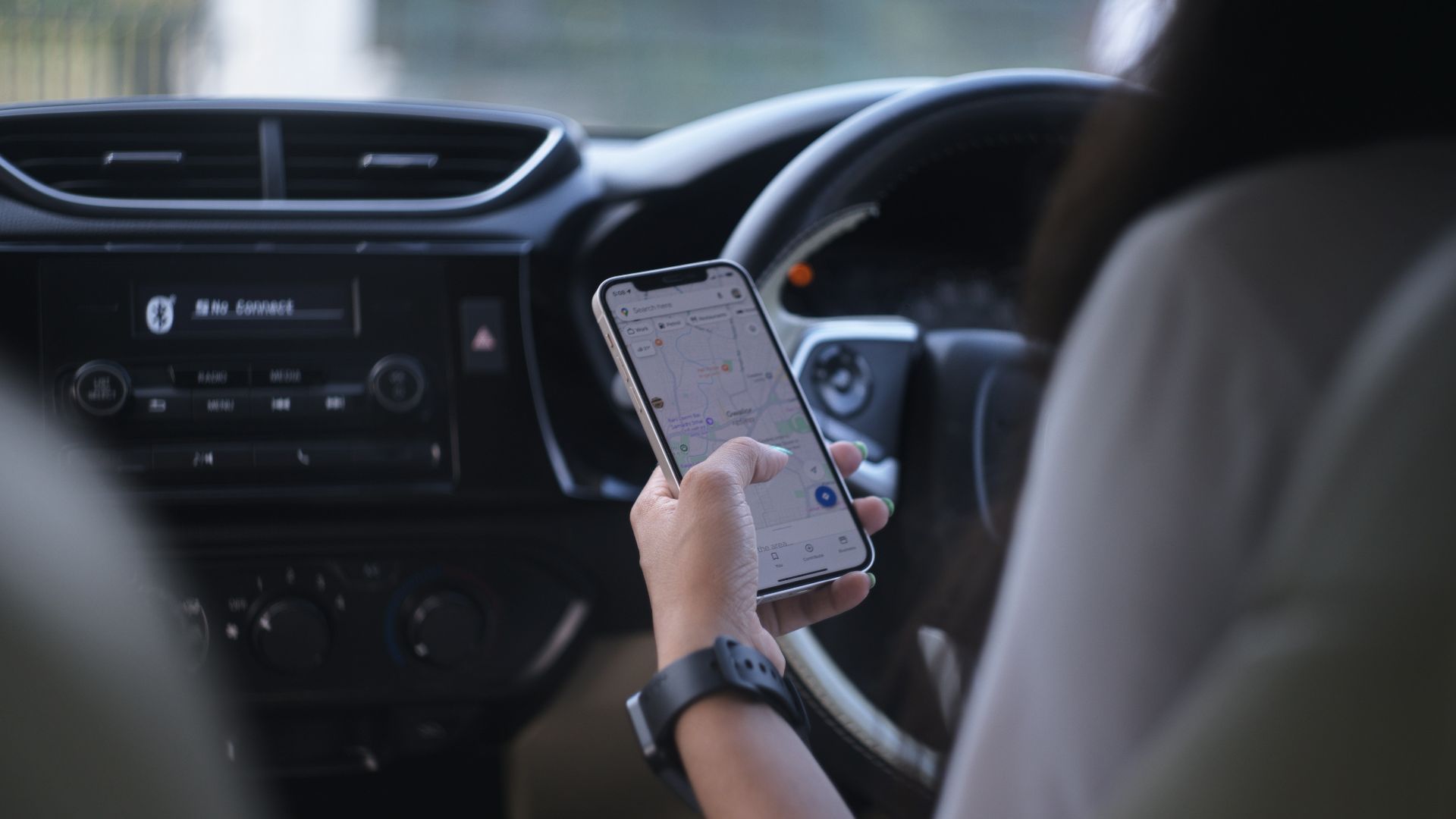
The pitch is simple. Download an insurance app, let it track how you drive, and you might get a discount. The catch is that the app may collect a lot more than a basic driving score, so the privacy trade-off is worth a close look before you tap “agree.”
 Fabian Albert, Unsplash, Modified
Why This Suddenly Feels More Urgent
Usage-based insurance has been around for years, but it got a lot more attention in 2024 after major reporting showed how driving data can move through a mostly hidden market. In March 2024, The New York Times reported that General Motors had been collecting data from connected cars and sharing it with data brokers that created driving-risk scores. That helped turn a niche discount program into a much bigger privacy debate.
What These Apps Usually Promise
Insurers sell these programs as a win-win. Safe drivers may get an enrollment discount, a renewal discount, or both, depending on the company and the state. The idea is simple: if you seem like a lower-risk driver, you may pay less.
What the App Is Really Tracking
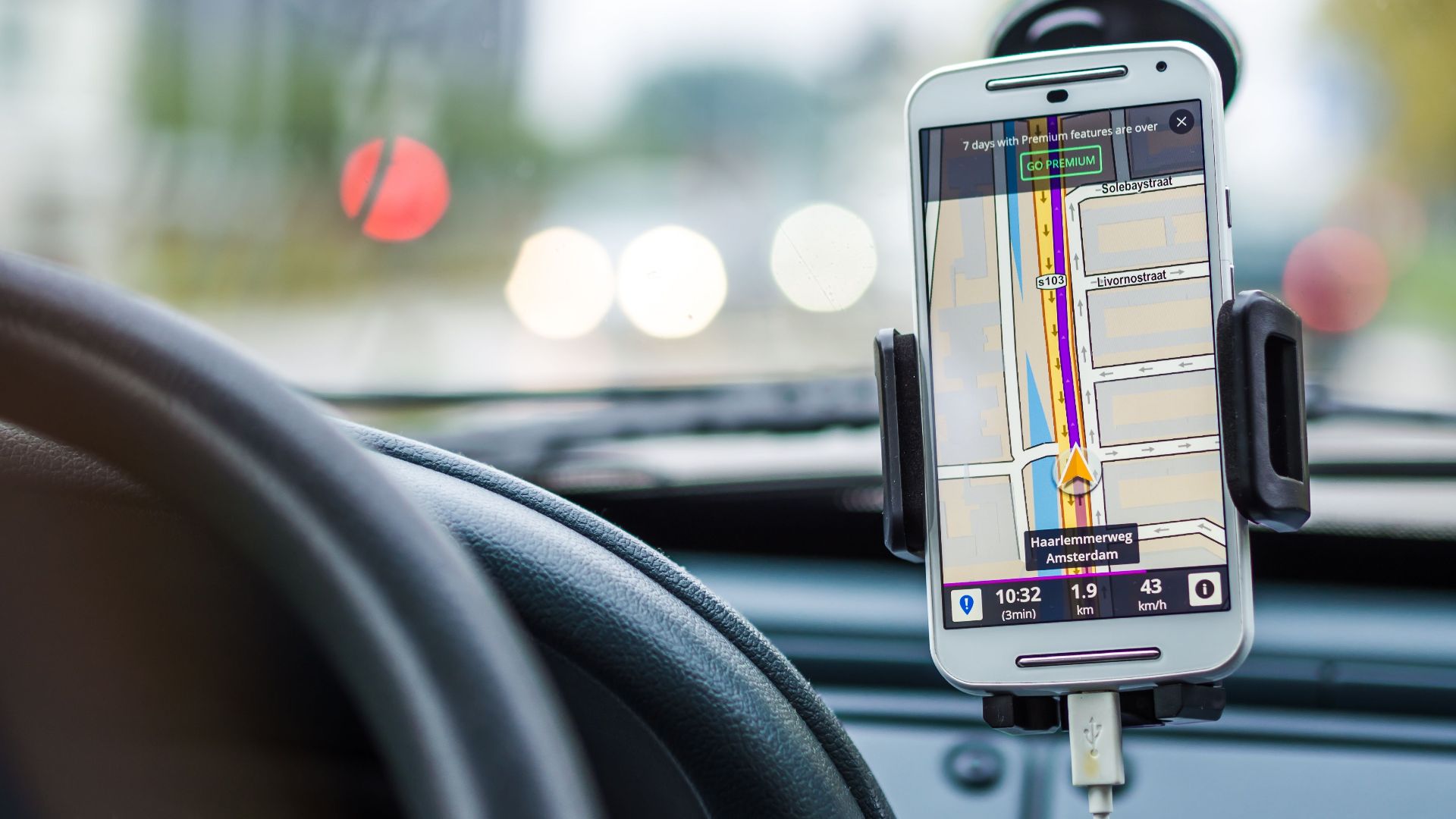
Most telematics apps watch for hard braking, fast acceleration, speed, time of day, phone handling, and miles driven. Some use only your phone’s sensors. Others use a plug-in device or data from a connected car. That matters because each setup can reveal a different amount about your habits and where you go.
Phone Use Can Become a Big Factor
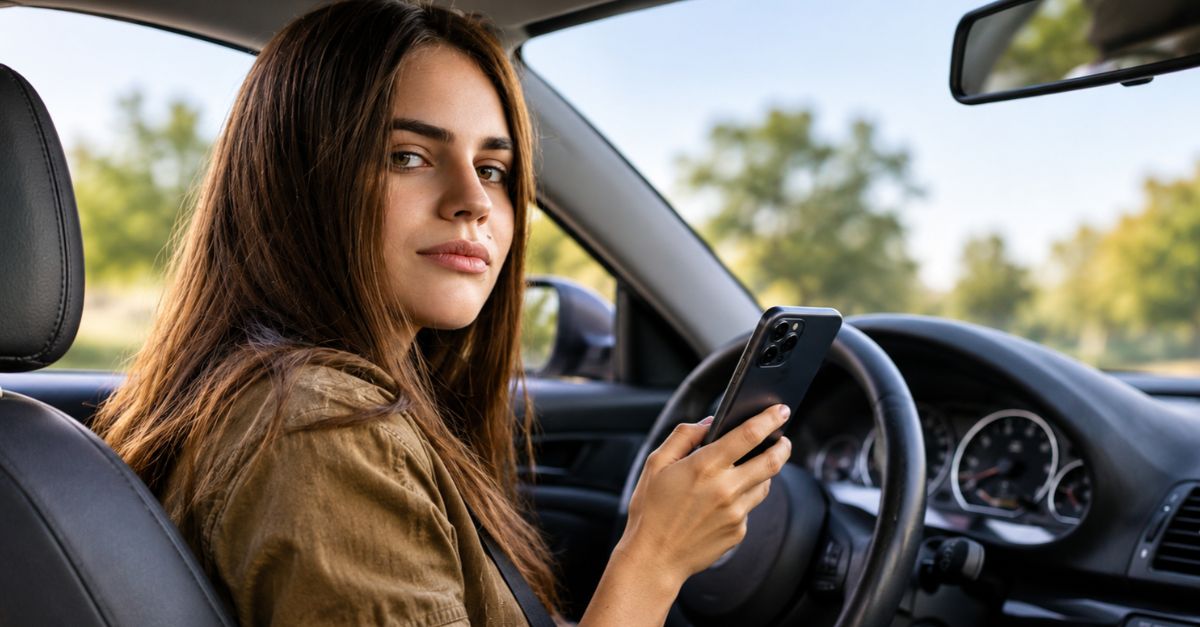
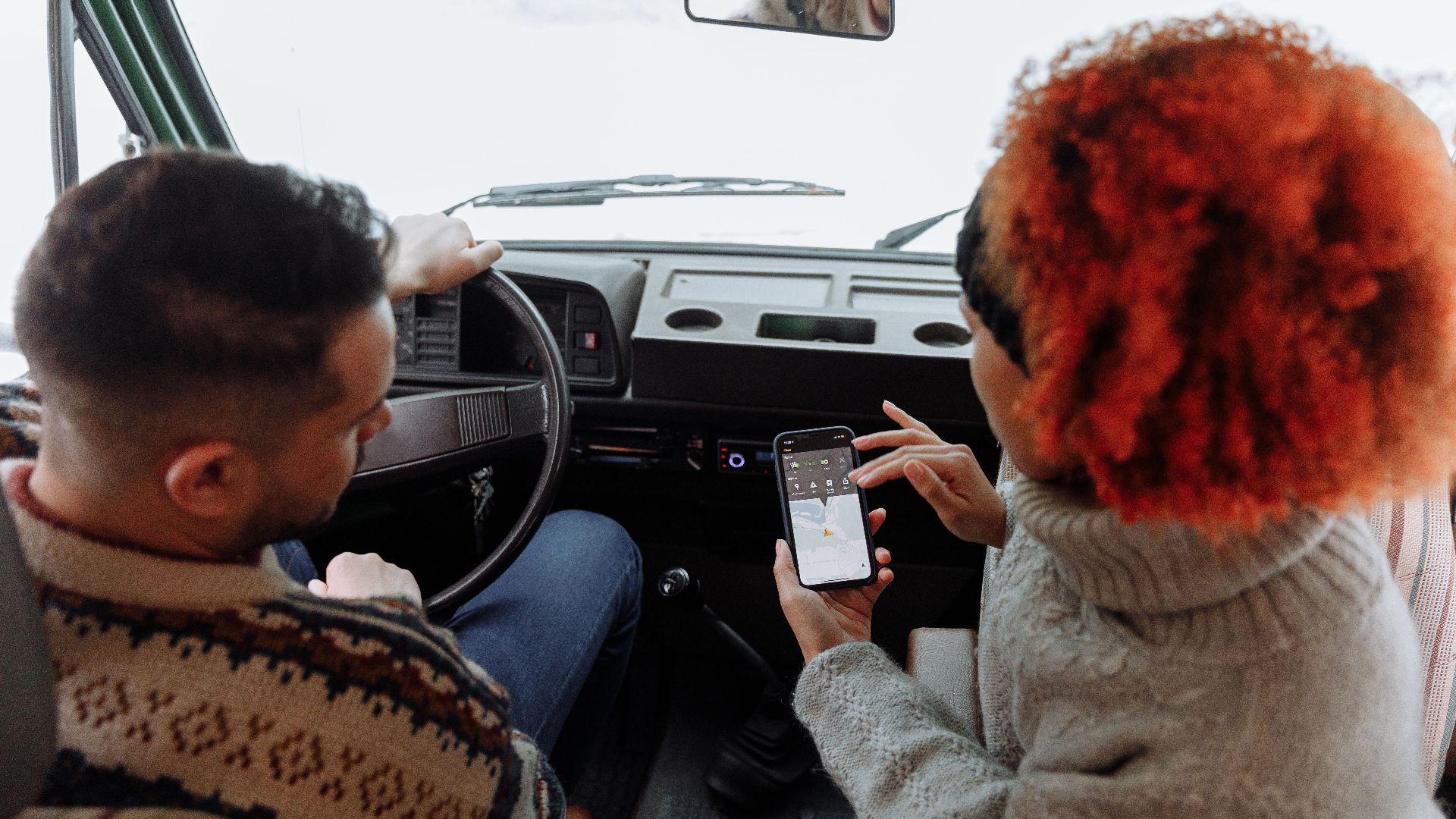
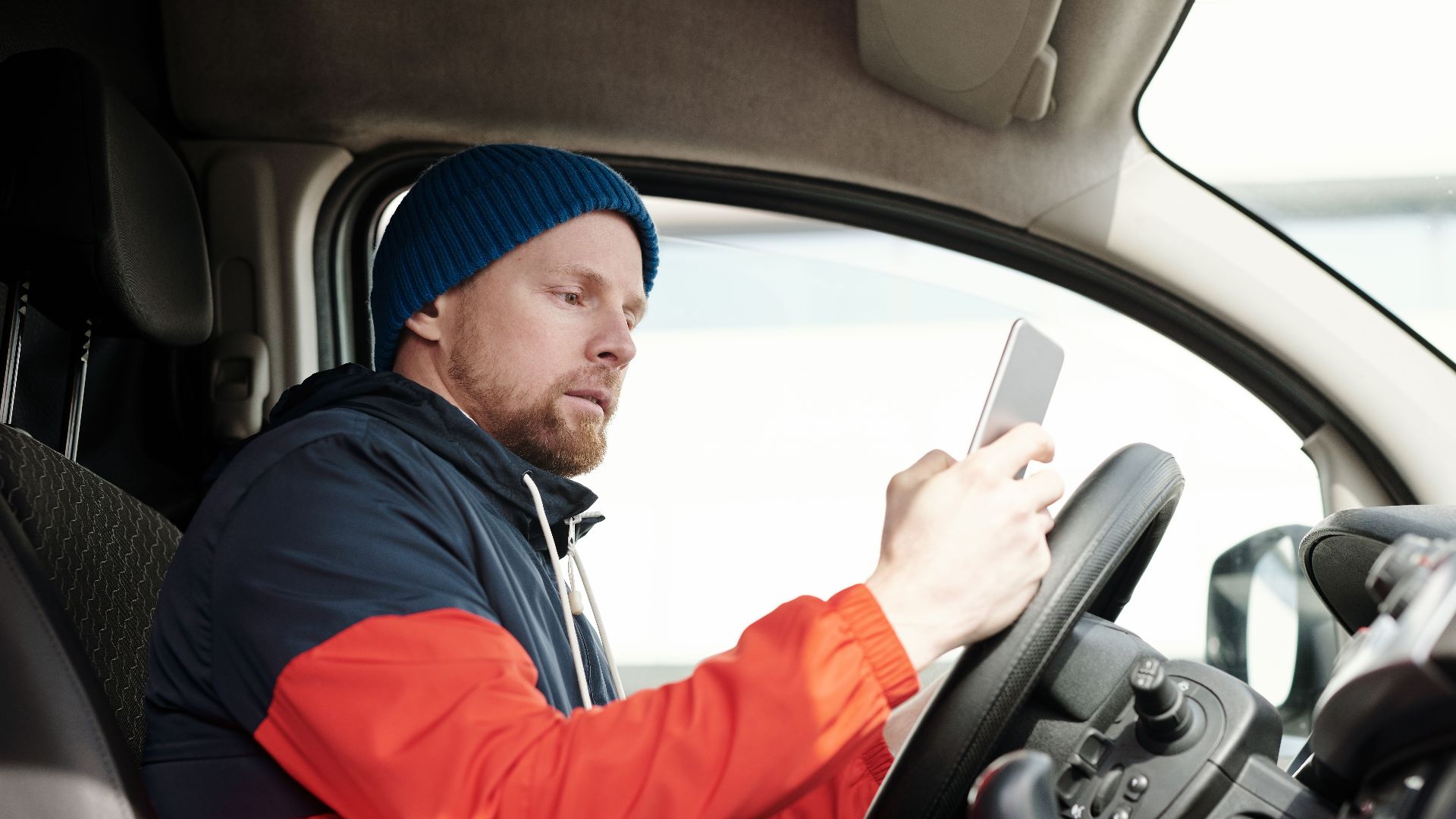
One of the most common metrics is distracted driving, especially whether you touch or unlock your phone while the car is moving. From the insurer’s point of view, that makes sense because distraction is tied to crash risk. From a privacy point of view, it means the app is not just watching the road. It is also watching how you use your phone.
Location Data Is the Real Trade-Off
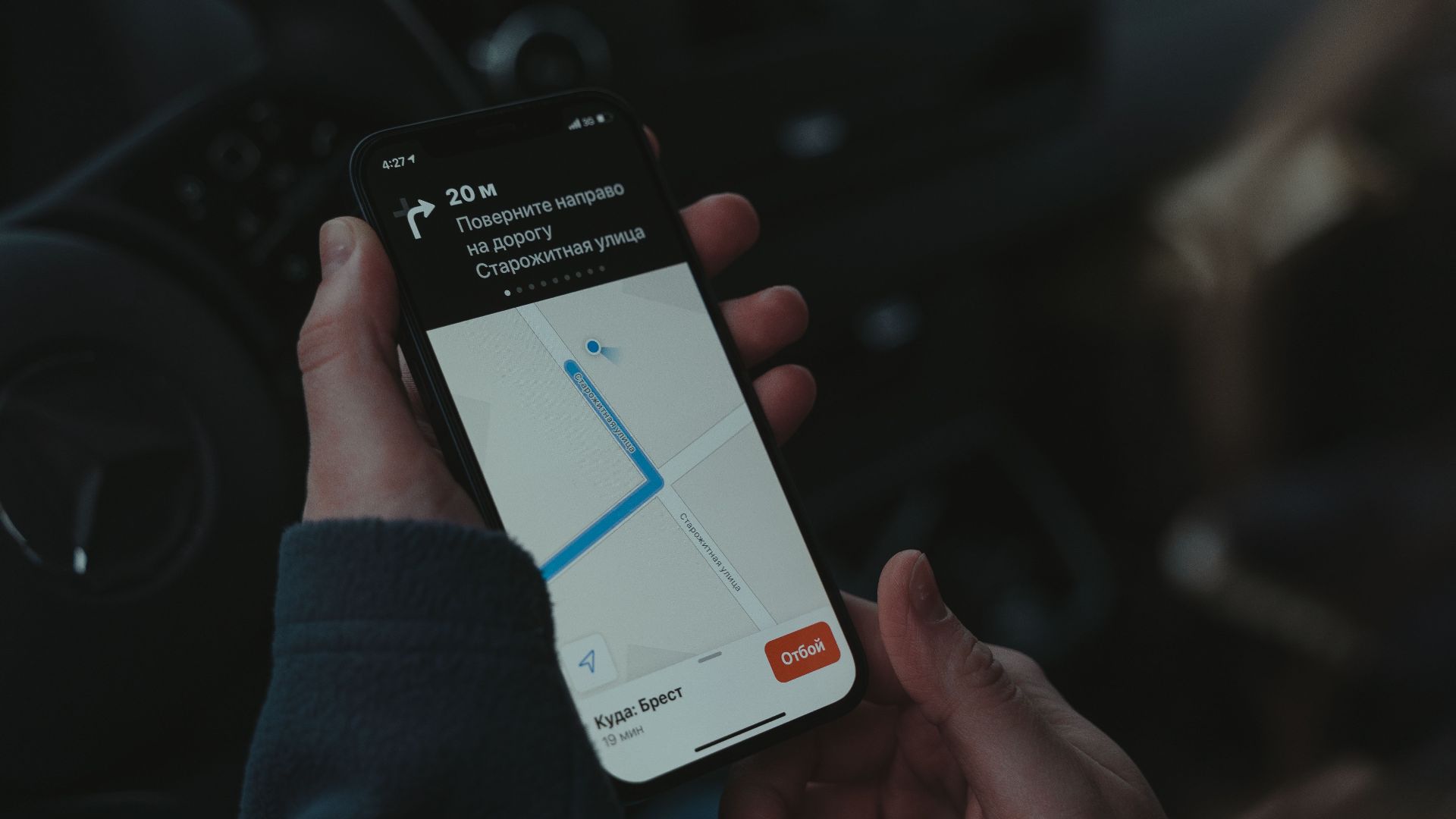
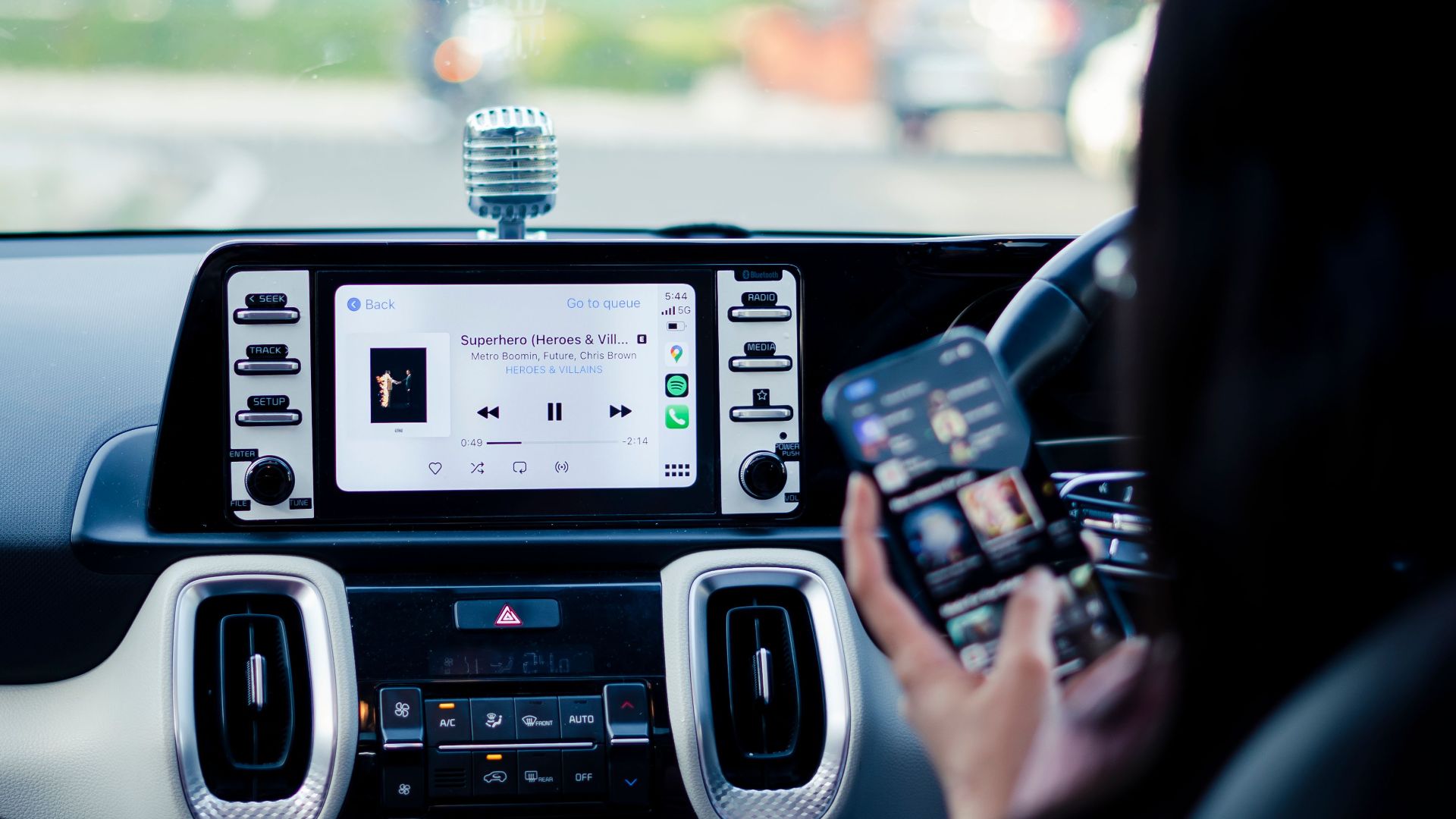
The most sensitive part is often location. To score braking, speed, and trip timing, many apps need to know where and when you traveled. That can reveal your home and work routine, school drop-offs, medical visits, nightlife, and other personal details, even if the insurer says it only cares about driving behavior.
What the FTC Says About Connected Car Data
In January 2025, the Federal Trade Commission announced action against General Motors and OnStar over connected vehicle data practices. The FTC said GM collected, used, and sold precise geolocation data and driver behavior data from millions of vehicles, then shared it with consumer reporting agencies without clearly telling consumers. Under the proposed order, GM would be barred for five years from disclosing sensitive geolocation and driver behavior data to consumer reporting agencies for eligibility decisions.

Why the GM Case Matters Even If You Use a Phone App
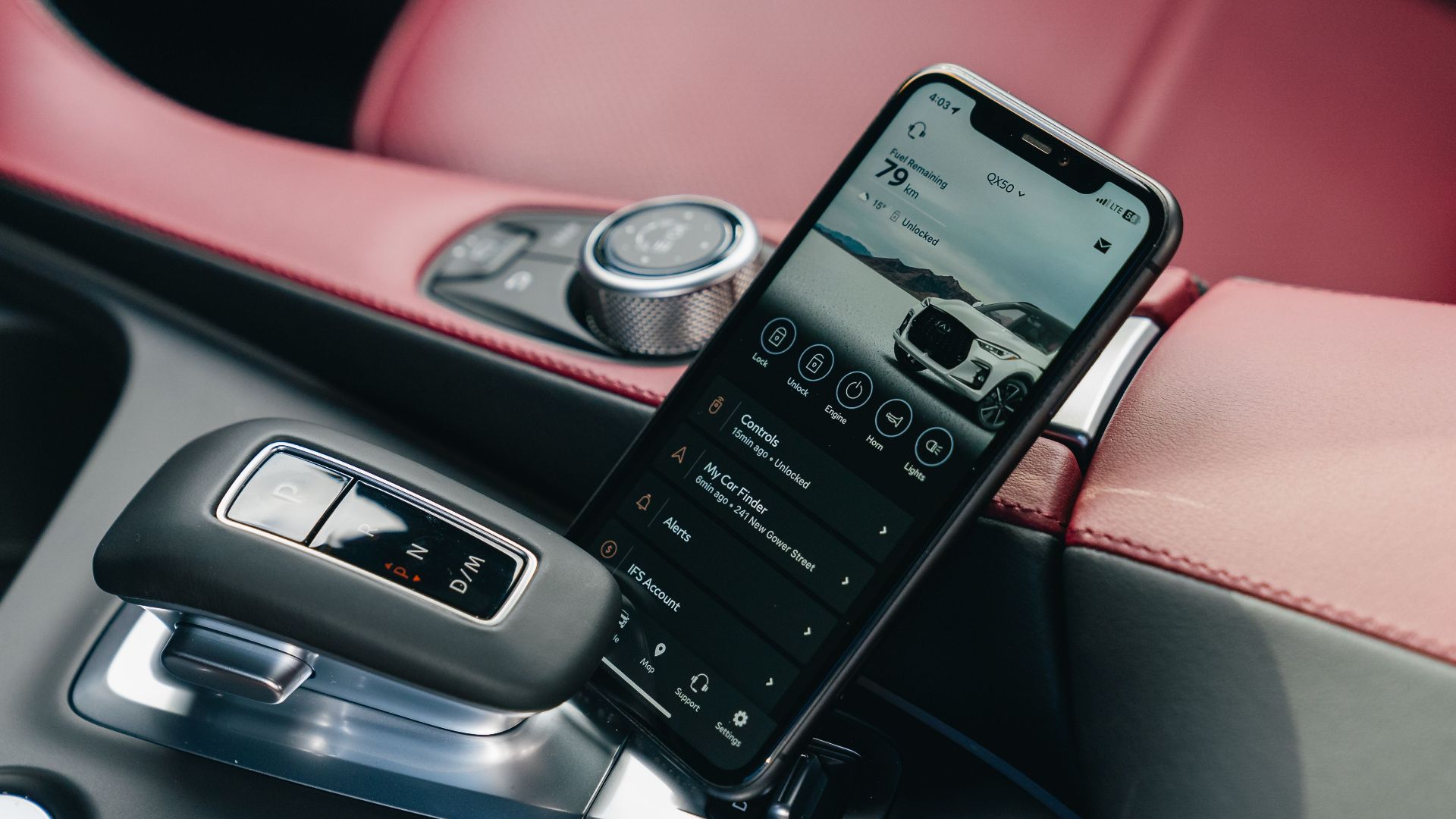
The GM case was about connected car data, not just phone-based insurance programs. But it exposed the same basic issue: do drivers really know who gets their data and what it might be used for? If data about hard braking and late-night trips can travel beyond your car or phone, the fine print matters a lot more than the discount ad.
The Data Broker Angle Changed the Conversation
The New York Times identified LexisNexis Risk Solutions and Verisk as major companies involved in turning raw vehicle or trip data into risk-related products. That reporting gave consumers a concrete answer to a question many had never asked. The concern was not just that data was being collected. It was that the data could shape insurance pricing across the market.
 Raysonho @ Open Grid Scheduler / Grid Engine, Wikimedia Commons
Drivers Started Requesting Their Own Reports
After that reporting, many people learned they could request certain reports about themselves from data brokers. LexisNexis Risk Solutions offers consumer disclosures, including reports tied to insurance risk assessment. Looking at your own file can be revealing because it shows how behavior data may be sorted and stored.

Insurers Say Telematics Can Help Careful Drivers
This is not a one-sided story. Insurance Information Institute materials say usage-based insurance can reward lower mileage and safer habits, which can help some drivers cut costs. If you do not drive much, avoid late-night trips, and keep a smooth driving style, the math may work in your favor.

The Savings Can Be Real, but They Vary a Lot
There is no standard discount. Some insurers offer a small participation discount just for signing up, while bigger savings depend on your score over time. Insurer websites and state insurance guides make clear that results vary by company, by state, and by how the program works.
The Flip Side Is Real Too
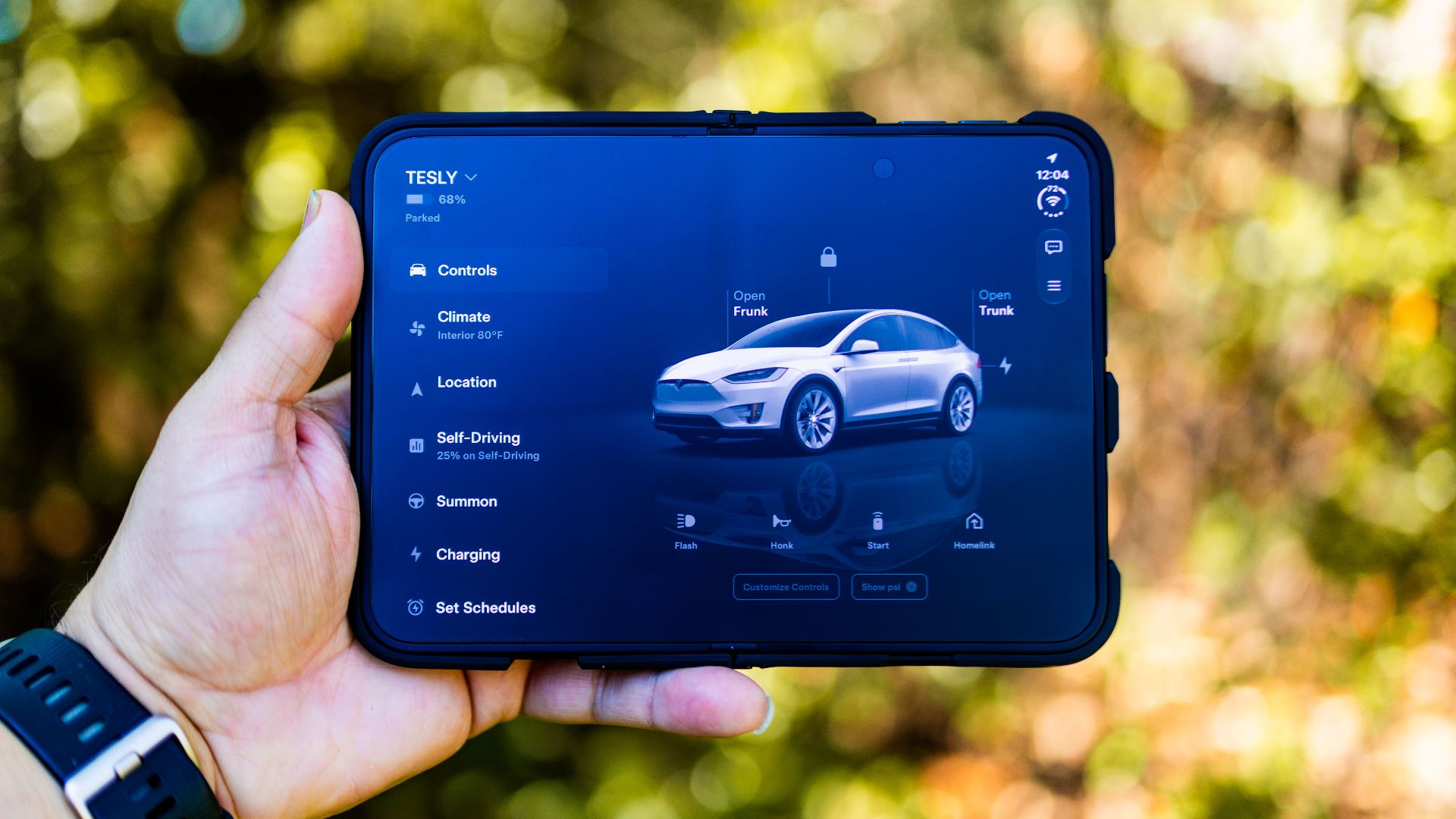
Not every telematics program is pure upside. Some insurers present them as discount programs, but others may use the results to affect your renewal price if your driving looks riskier. So what seems like a coupon can also work like a surveillance-based pricing tool, depending on the insurer and the rules in your state.
State Regulators Have Been Telling Drivers to Read Closely
State insurance departments regularly warn drivers to check what data is collected, how long it is stored, and whether poor driving can raise rates. Those are not minor details. They can mean the difference between a short-term experiment and a long-term data relationship that lasts well beyond the first discount.
Battery Drain and False Positives Are More Than Minor Hassles
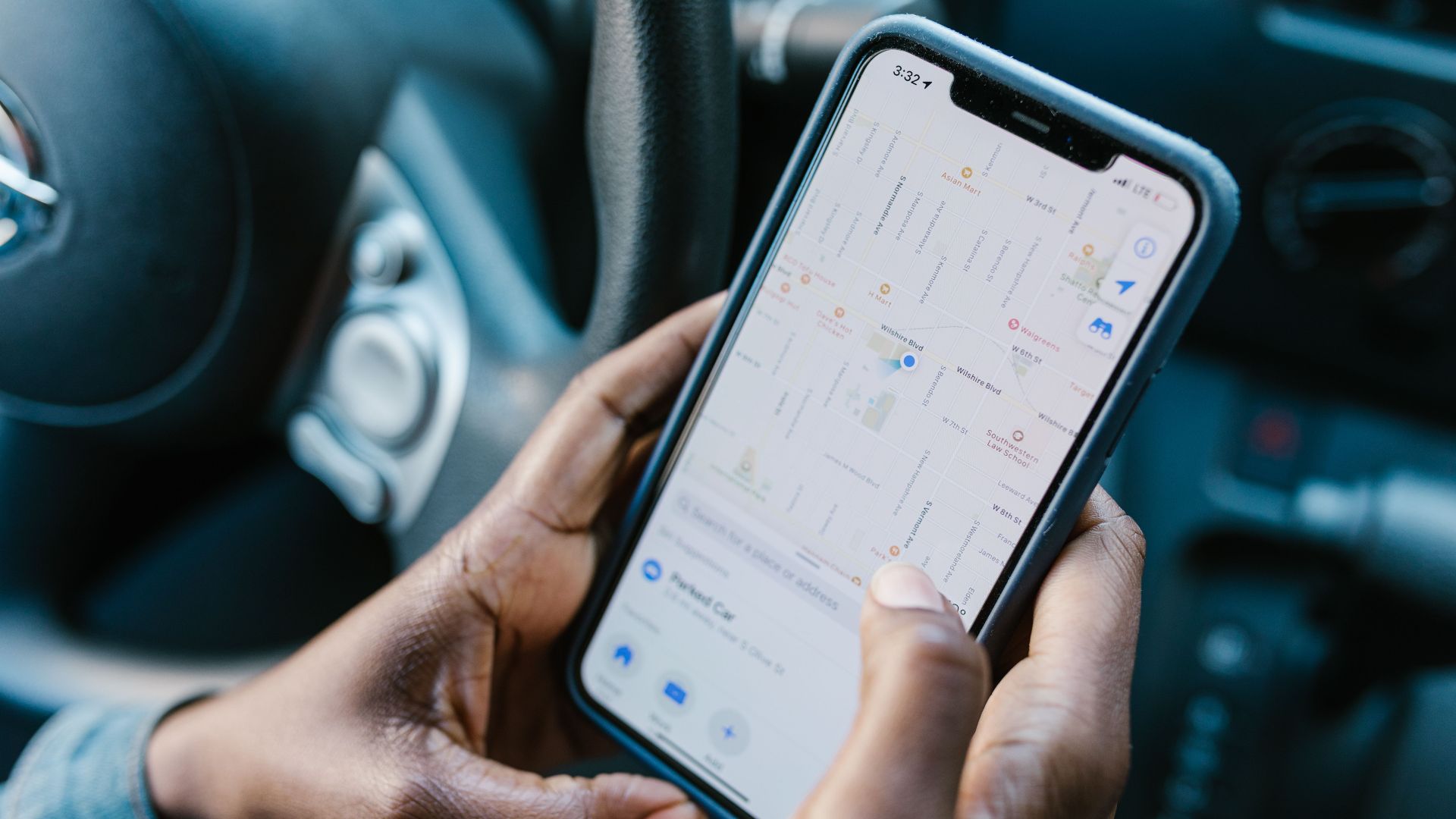
Phone-based programs can be messy. Apps may misread whether you were the driver or a passenger, and they can flag phone use that happened at a stoplight or while someone else was behind the wheel. That matters because a bad score is not just annoying. It can directly affect how much you save.
Shared Cars Make Scoring Even Messier
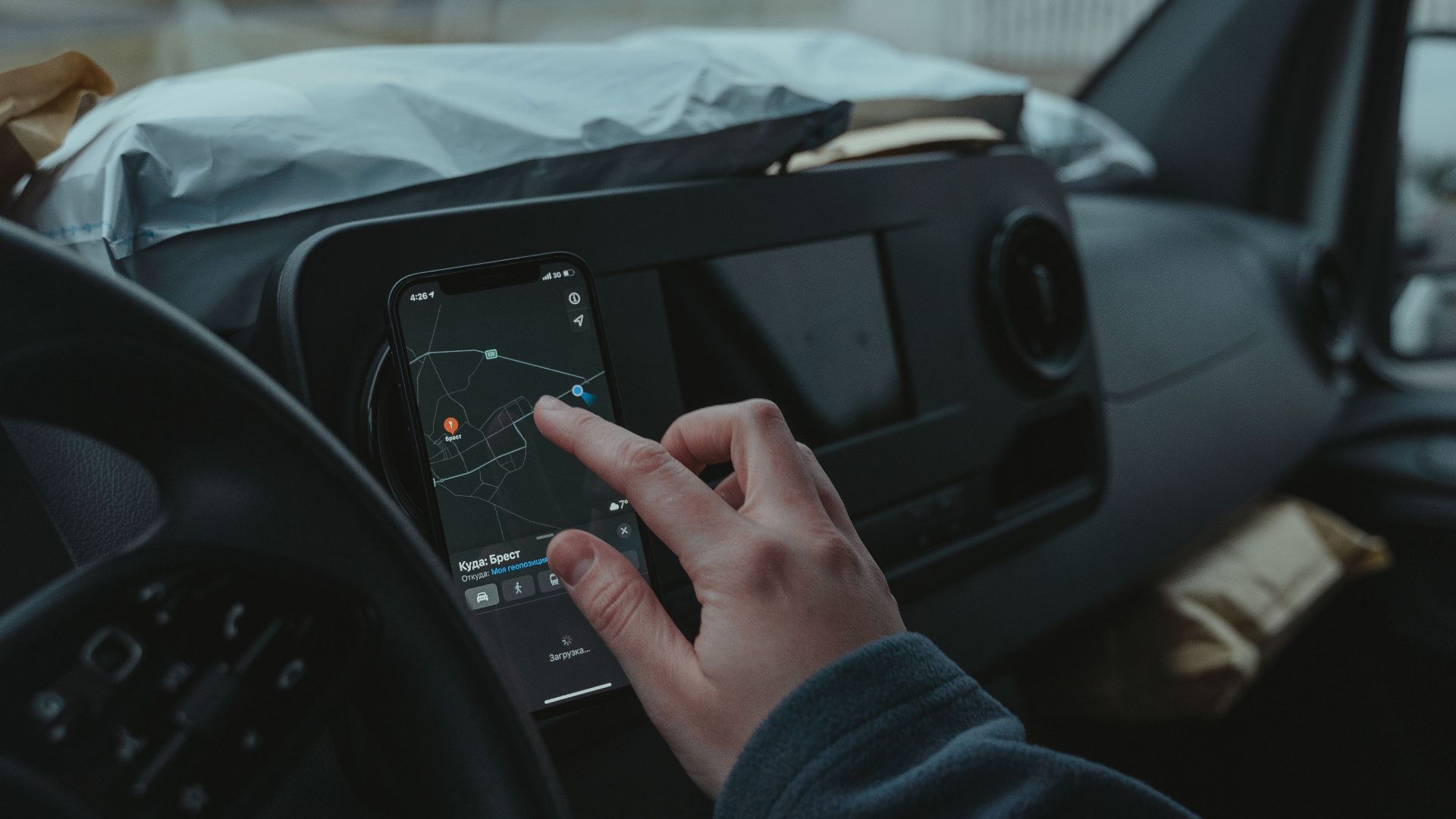
If more than one person uses the same vehicle, sorting out who did what gets tricky fast. A plug-in device tracks the car, not always the person. A phone app tracks the phone, not always the driver. Unless the program has a solid way to fix mistakes, your score can end up reflecting someone else’s habits.
Privacy Policies Deserve More Than a Quick Glance
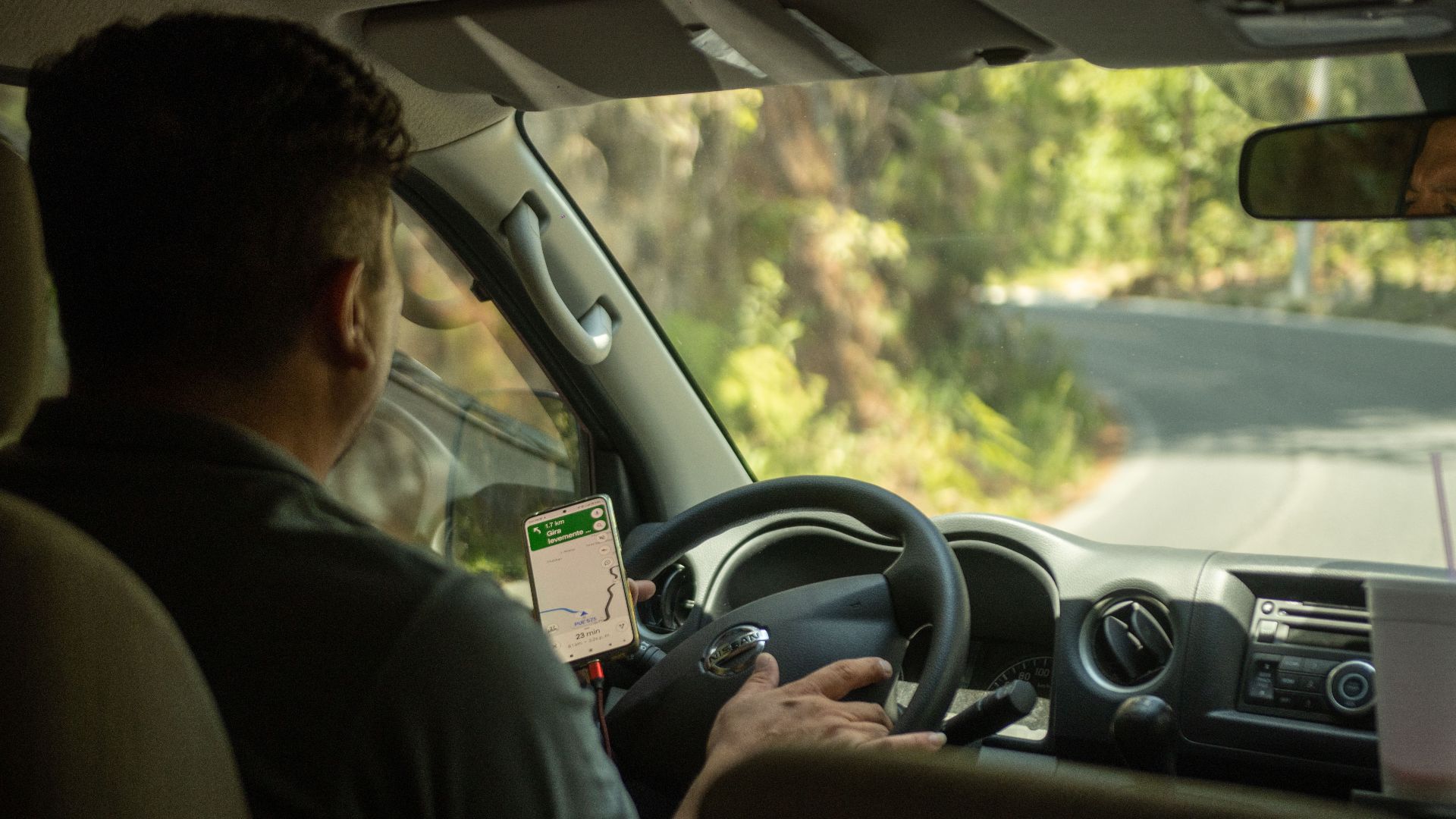
This is where the boring document becomes the important one. Look for language about sharing with affiliates, service providers, analytics companies, and third parties involved in insurance or risk services. Also check whether the company says it can keep de-identified or aggregated data after you leave the program.

Consent Is Often Broader Than Drivers Expect
Many people assume they are agreeing only to a discount calculation. In practice, the terms may allow collection of location, motion, device identifiers, and app usage details needed to run the program. The key question is whether that consent is limited to pricing your current policy or broad enough to feed a bigger data system.

Deletion Is Not Always Simple
Deleting the app does not automatically erase everything that came before. Some privacy notices say data may be kept for legal, operational, fraud-prevention, or analytics reasons. If deletion matters to you, check whether the insurer offers a way to request it and whether any exceptions apply.
Fairness and Accuracy Are Not the Same Thing
Even if an app measures exactly what it says it measures, that does not settle whether the result feels fair. Night driving may be risky on average, but a nurse working late shifts may just have a schedule the model does not like. Telematics can be useful in the aggregate and still feel blunt on an individual level.

Who Should Think Twice Before Signing Up
If you drive in heavy stop-and-go traffic, commute late at night, share your car often, or regularly need your phone for navigation and hands-free controls, it may be worth pausing before you enroll. Those patterns can complicate scoring or make you look riskier than you expected. Privacy-conscious drivers may also decide constant location tracking is too high a price.
Who May Benefit the Most
On the other hand, these programs may fit low-mileage drivers, people with predictable routes, and those who rarely drive after dark. If your habits already line up with what the app rewards, the discount may be meaningful. It can also help a driver who wants feedback and is comfortable using the app like a coach.

Questions to Ask Before You Agree
Ask what data is collected, whether location tracking is always on, how long the data is kept, and whether it is shared outside the insurer. Ask whether a bad score can raise your premium now or later. Also ask whether you can review trips, dispute mistakes, and leave the program without penalties beyond losing the discount.

How to Test the Waters Carefully
If you are curious but cautious, start by comparing the guaranteed sign-up discount with the maximum possible savings. A tiny guaranteed discount may not be worth broad data collection. You can also ask whether the insurer offers a non-app option, such as a plug-in device, though that can raise its own privacy issues.

The Best Case for Saying Yes
The strongest case for joining is simple. Insurance is expensive, and some people can save real money by showing that they drive gently and do not drive much. If the insurer clearly limits sharing, explains how long data is kept, and lets you review and challenge your data, the trade-off may feel reasonable.

The Best Case for Saying No
The strongest case for passing is just as simple. Driving data is deeply personal, and once it spreads through company systems, people often lose sight of where it goes and how it is used. The FTC’s 2025 action against GM and the 2024 reporting on data brokers showed that what looks like a simple discount can connect to a much bigger data economy.

So Is the Privacy Trade-Off Worth It?
For some drivers, yes. For others, no. If the savings are meaningful, the policy terms are narrow, and you are comfortable with the data collection involved, a telematics app can be a practical way to lower costs. If the discount is small and the data-sharing language is broad, keeping your driving to yourself may be the better deal.

The Bottom Line Before You Tap Download
Do not think of the app as a harmless coupon. Think of it as a financial product built on tracking, scoring, and data handling. If you read the terms, ask hard questions, and weigh the likely savings against the privacy cost, you will be in a much better position to decide whether this digital back seat driver belongs on your phone.