That Small Roof Rack Question Can Turn Into A Real Insurance Problem
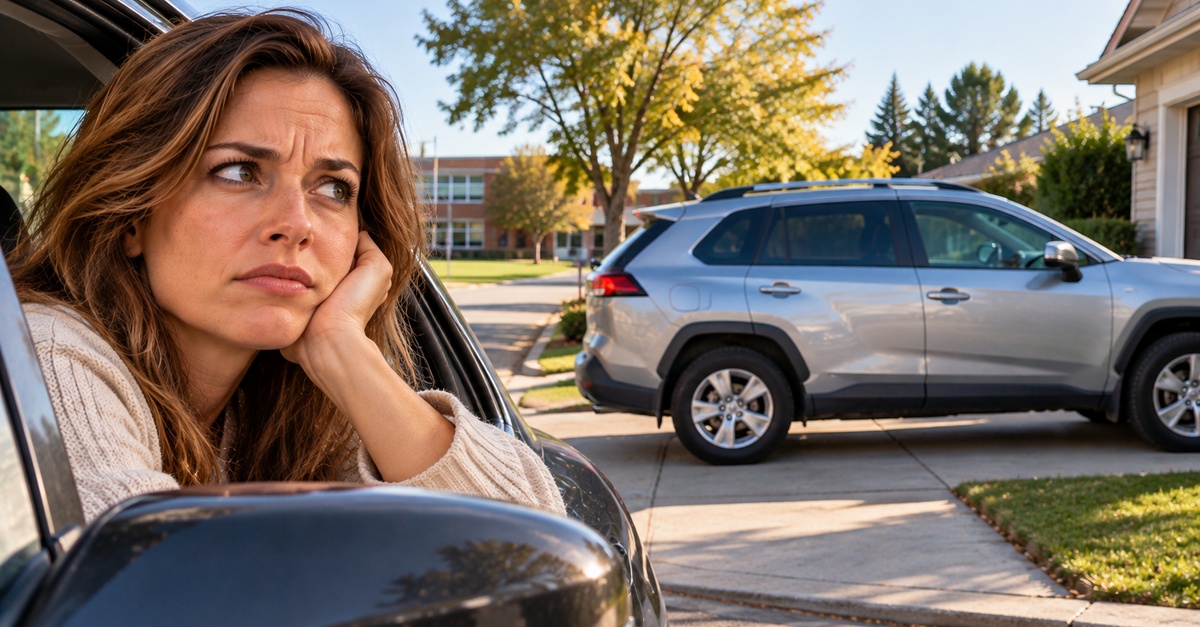
Getting told your roof rack counts as a modification that could change your coverage, the same as a muffler or a spoiler, feels backwards. A rack feels like a useful add-on, not a major upgrade. But insurers often care about anything fitted to the car after it left the factory, especially if it changes the car’s value, theft risk, or how it is used.

A Useful Modification Is Still A Modification
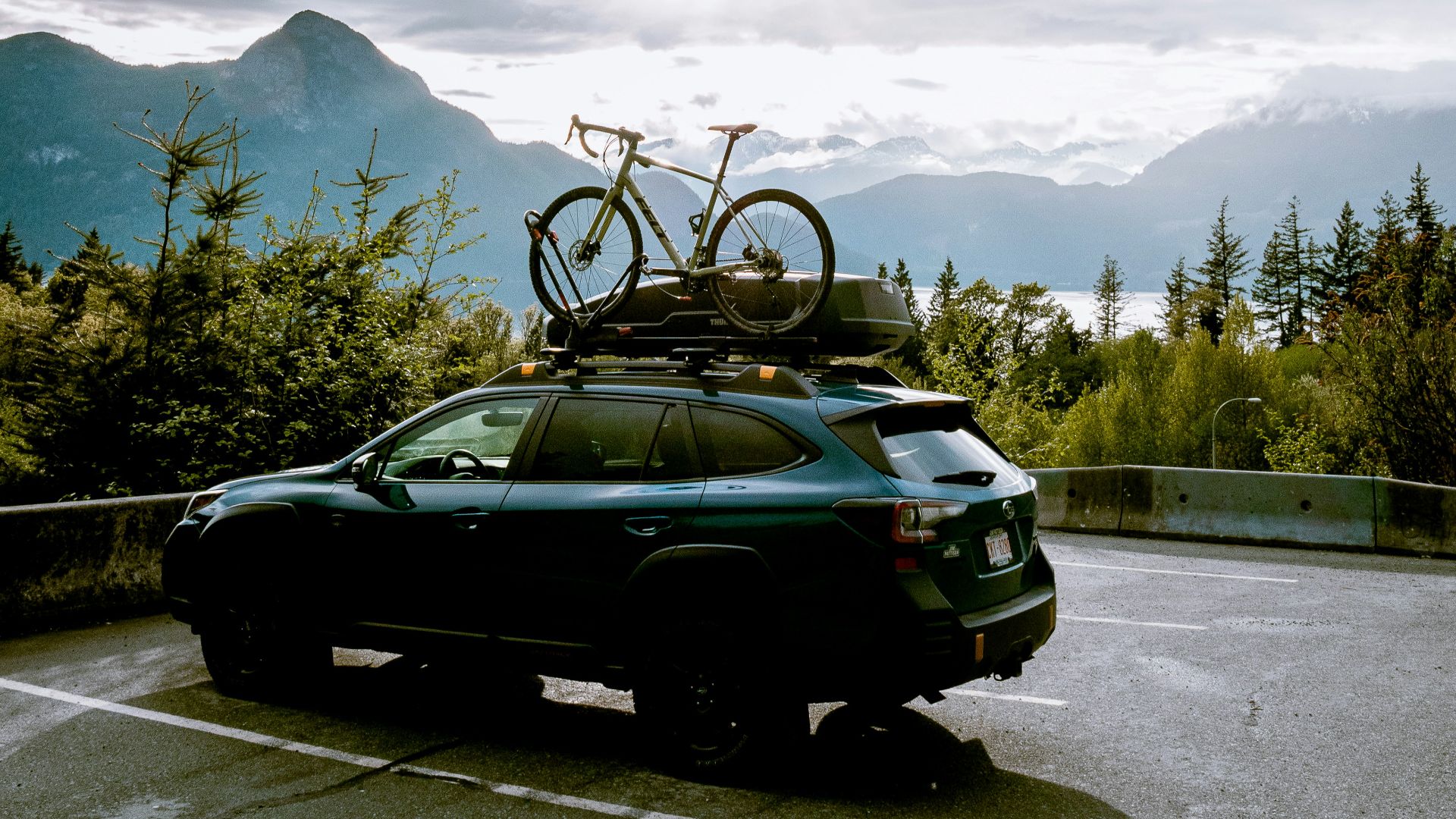
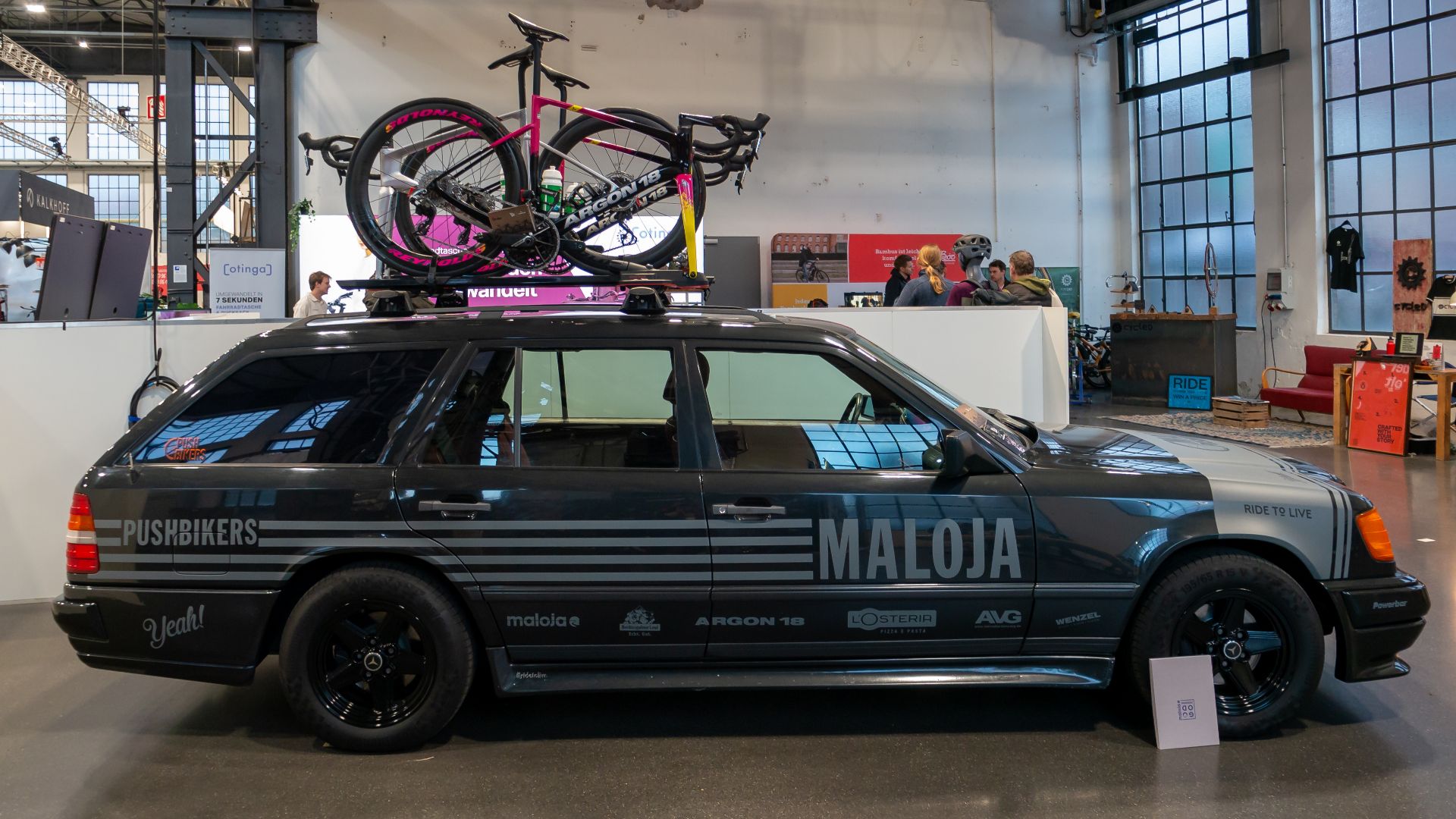
Many insurers use a broad definition of modification. That can include cosmetic, performance, and practical changes, along with accessories like roof bars, roof racks, bike carriers, and tow bars. What matters is not whether it seems minor to you, but whether the policy says it should be declared.
 Matti Blume, Wikimedia Commons
Why Insurers Care About Something So Simple
A roof rack can change several parts of the risk picture. It may raise the replacement value of the car, make it more tempting to thieves, or increase the chance of damage to the roof, tailgate, or nearby vehicles. If the rack is used to carry bikes, kayaks, or a roof box, that can also affect how and where the car is driven.

The UK Rules Put Disclosure Front And Center
In the UK, the Financial Conduct Authority requires insurers to give customers information that is clear, fair, and not misleading. The practical point is simple: if your insurer asks about modifications, answer carefully and fully, even if the change seems harmless.

The Insurance Act Changed Commercial Disclosure In 2015
The Insurance Act 2015 reshaped insurance law for commercial policyholders and brought in the duty of fair presentation. That law mainly applies to non-consumer insurance, so it is not the main rule most private drivers deal with. Still, it reflects the wider idea that insurers expect important risk details to be disclosed properly.

For Consumer Policies, The Consumer Insurance Act Matters More
For personal motor insurance, the Consumer Insurance Disclosure and Representations Act 2012 is the key law. It says consumers must take reasonable care not to misrepresent things to the insurer. If an insurer asks whether your car has been modified, leaving out a roof rack could become a problem if that insurer’s definition says it should have been declared.
 Amnaj Khetsamtip, Shutterstock
The Ombudsman Has Seen Plenty Of Modification Disputes
The Financial Ombudsman Service has published guidance on car insurance complaints involving non-disclosure and modifications. The pattern is familiar. A driver thinks a change is too minor to mention, a claim is made, and the insurer later says the policy was priced using incomplete information.

Why This Usually Becomes An Issue At Claim Time
You might drive for years with a roof rack and never hear a thing about it. The problem often appears only after a crash, theft, or vandalism claim. That is when the insurer looks closely at the vehicle and compares what was declared with what was actually fitted.
 SaiKrishna Saketh Yellapragada, Unsplash
Factory-Fit And Aftermarket Are Not The Same
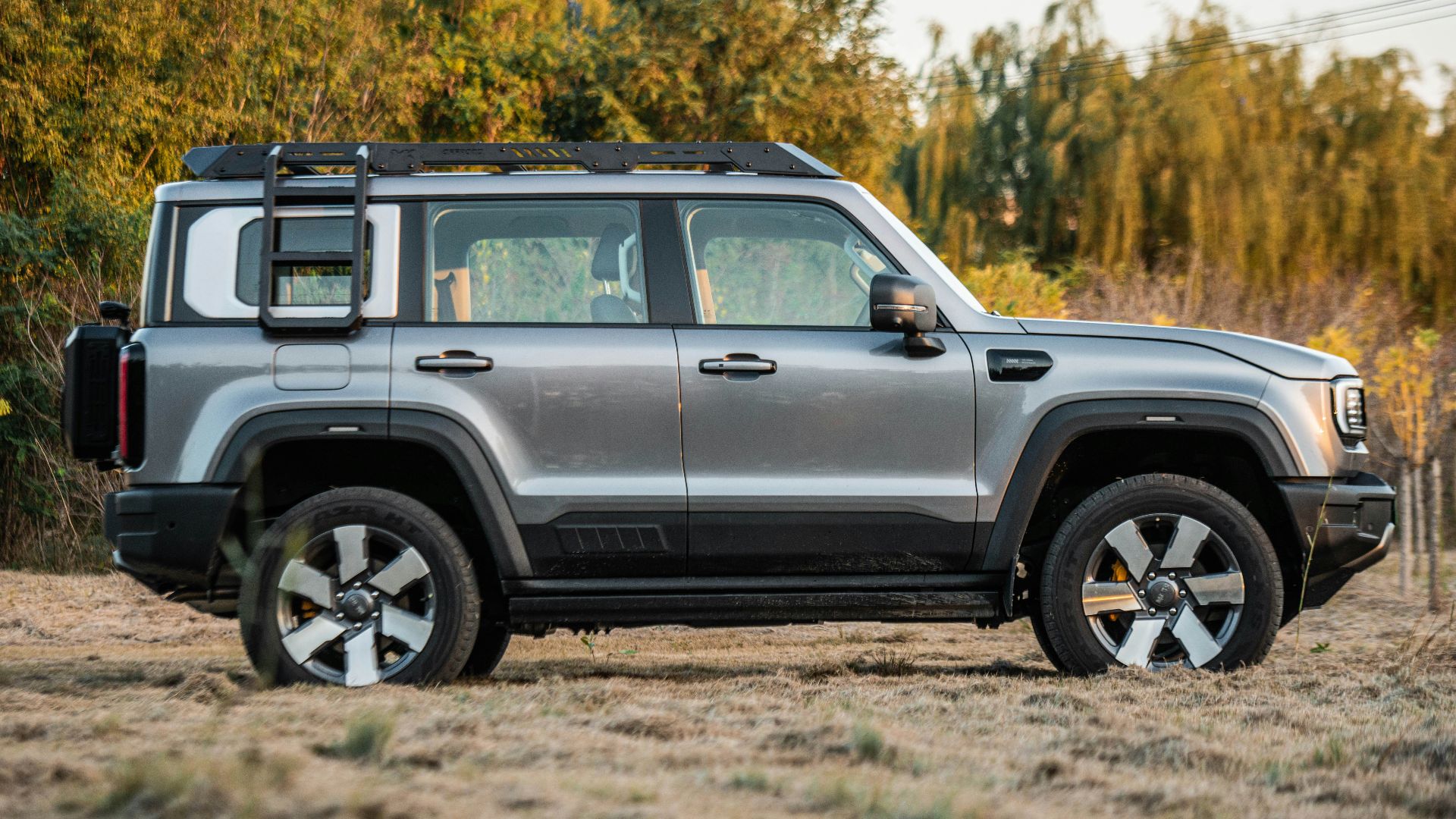
Insurers often care whether an item was fitted at the factory or added later. A factory-option rack may already be part of the vehicle specification and valuation. An aftermarket rack fitted later may be treated as a modification or as an accessory that still needs to be declared.
The Real Answer Is In The Policy Wording
This is the dull but important part. Some insurers clearly list roof racks and roof bars in their modification guidance, while others talk more broadly about accessories. If your insurer tells you to report it, that matters more than online advice or a friend saying their insurer did not care.

Admiral Specifically Mentions Roof Racks And Roof Bars
Admiral’s published guidance on car modifications includes roof racks and roof bars as examples drivers should declare. That is a clear sign that at least some mainstream insurers treat these accessories as relevant information. It also shows how wide the term modification can be in practice.
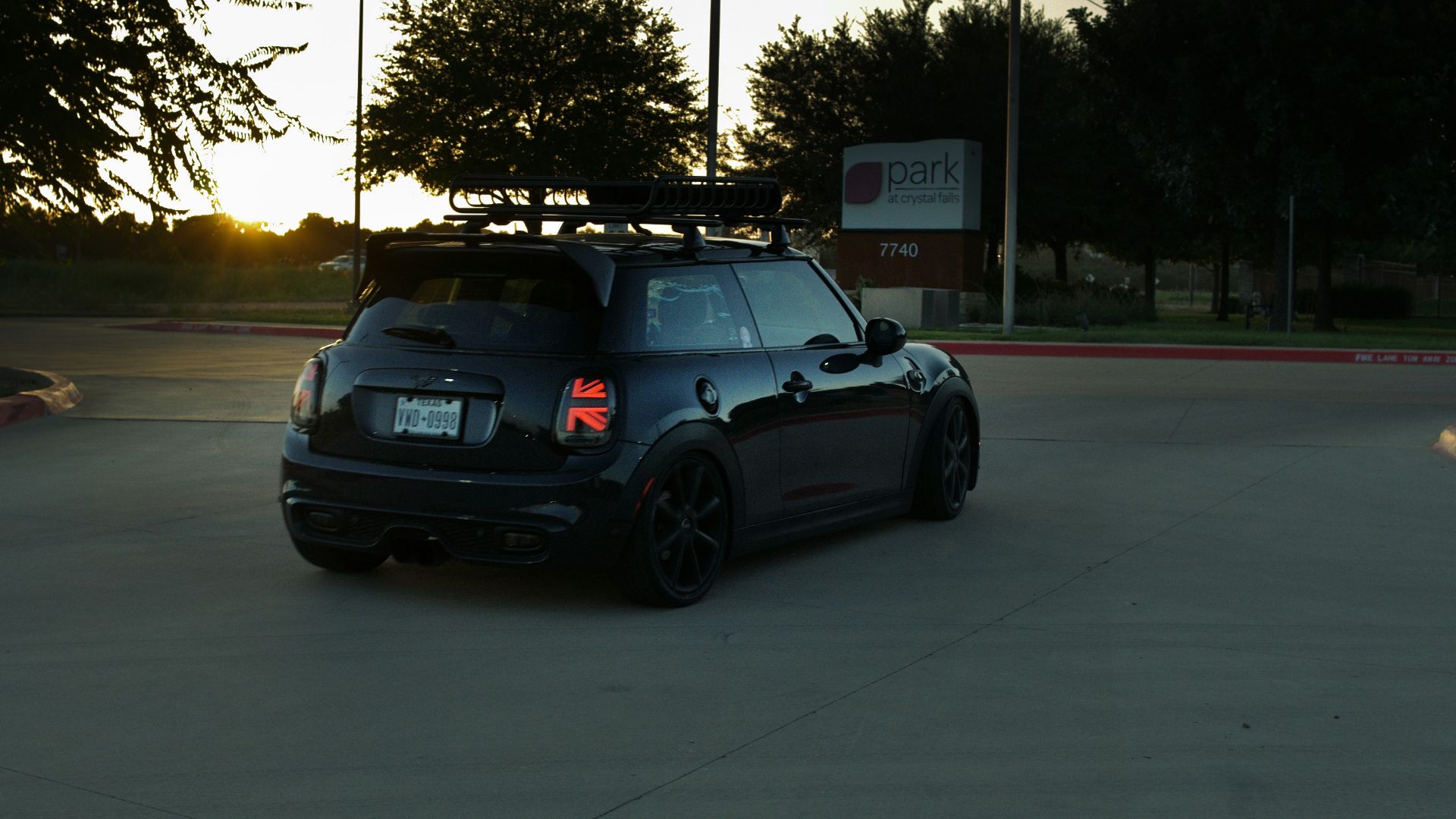
Aviva Says Modifications Are Not Just About Speed
Aviva’s consumer guidance explains that modifications can include changes made for appearance, security, convenience, or performance. That matters because many drivers assume only engine tuning or alloy wheels count. A practical add-on like a roof rack can still fall within that definition.
 Matti Blume, Wikimedia Commons
NFU Mutual Takes A Broad View Too
NFU Mutual’s online guidance says a modification is any change from the manufacturer’s standard specification. That kind of wording is common in insurance. Once it is put that way, it is easier to see why even a basic roof rack can trigger a duty to tell the insurer.

Accessories Can Change The Value Even If They Barely Change The Car
A good roof rack setup is not always cheap. Add crossbars, a roof box, or branded bike mounts, and the total can rise fast. If those accessories are stolen or damaged, you may expect cover, but that is much safer ground when the insurer knew about them in advance.
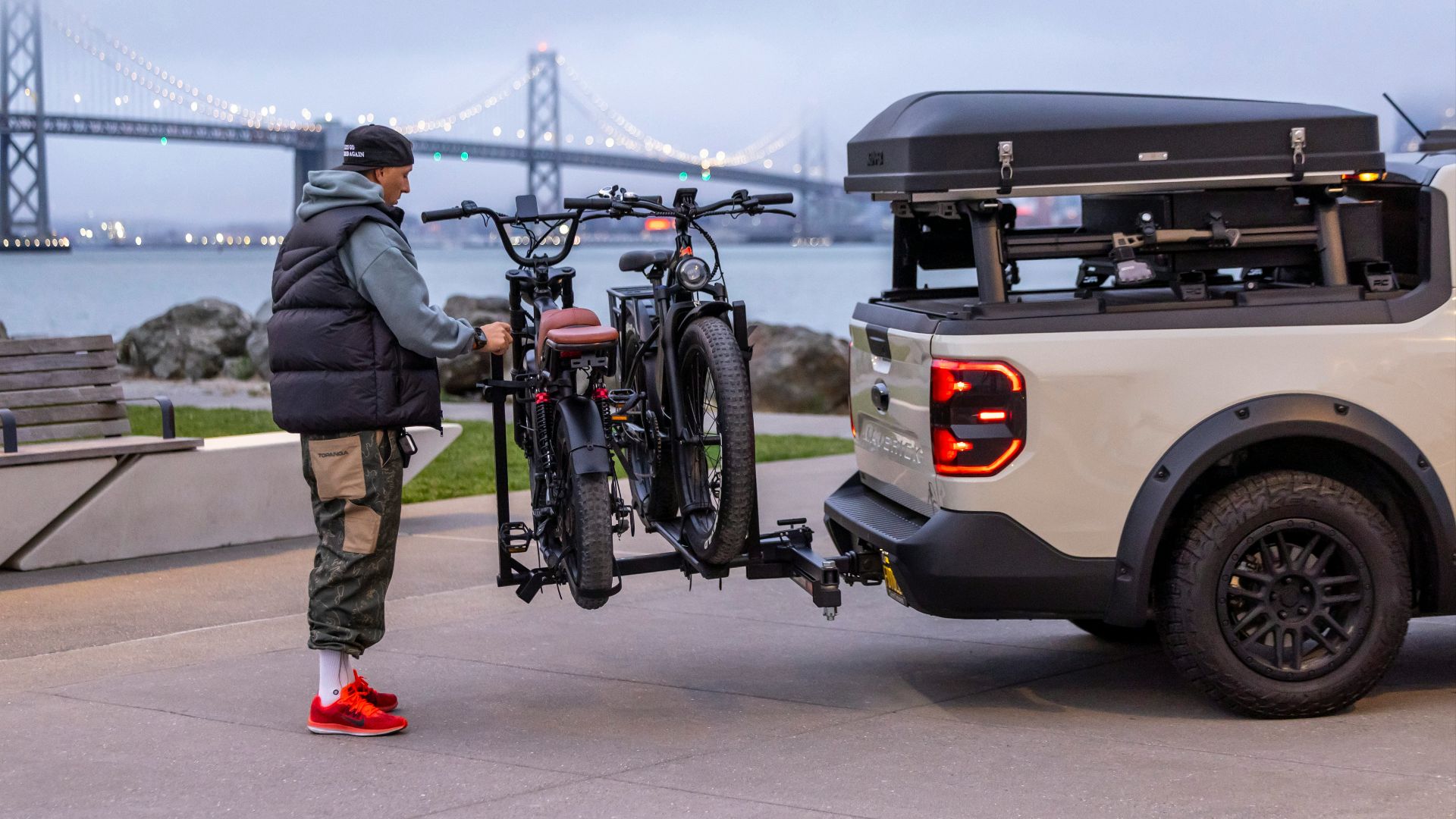
The Theft Risk Is Bigger Than Many Drivers Think
Roof-mounted gear can draw attention. Thieves may go after the rack itself, the box attached to it, or the expensive sports gear it hints might be in the car or at home. Insurers look at patterns of risk, and accessories that change theft exposure can affect underwriting decisions.

Carrying Loads On The Roof Adds Real-World Risks
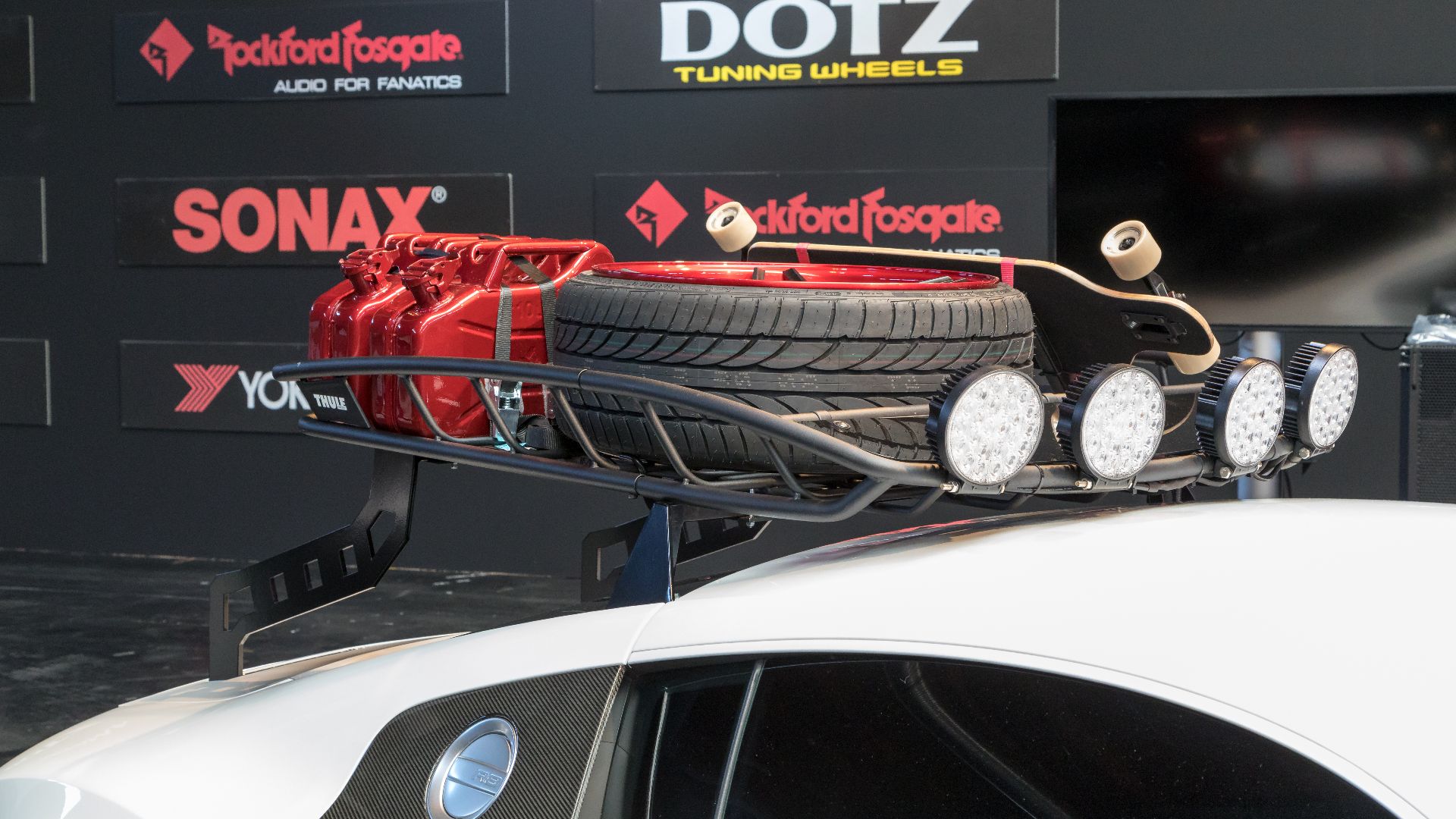
Even when fitted properly, a roof rack changes how a car is used. Loads on the roof can affect handling, height clearance, and the chance of hitting car park barriers or garage entrances. That does not mean a rack is unsafe by itself, but it helps explain why insurers do not ignore it.
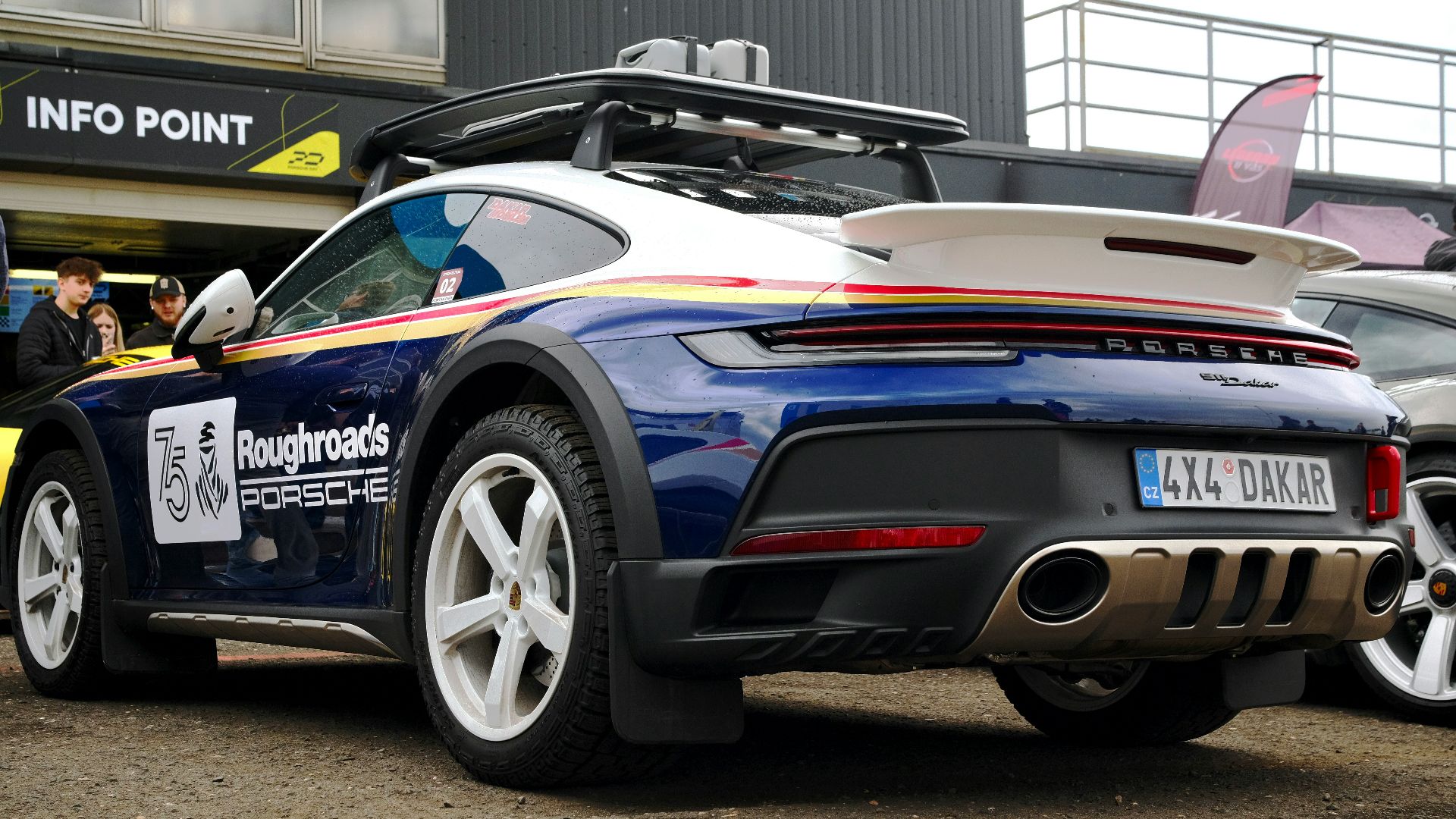
The Safety Side Is Not Just Insurance Fine Print
UK road safety advice has long stressed that loads must be secure and vehicles must not be overloaded. The Highway Code says loads should be safely secured. A rack that is badly fitted or overloaded can play a part in an incident, which gives insurers one more reason to ask about it beforehand.
 Matti Blume, Wikimedia Commons
Do Not Assume The Rack Is Covered Just Because The Car Is
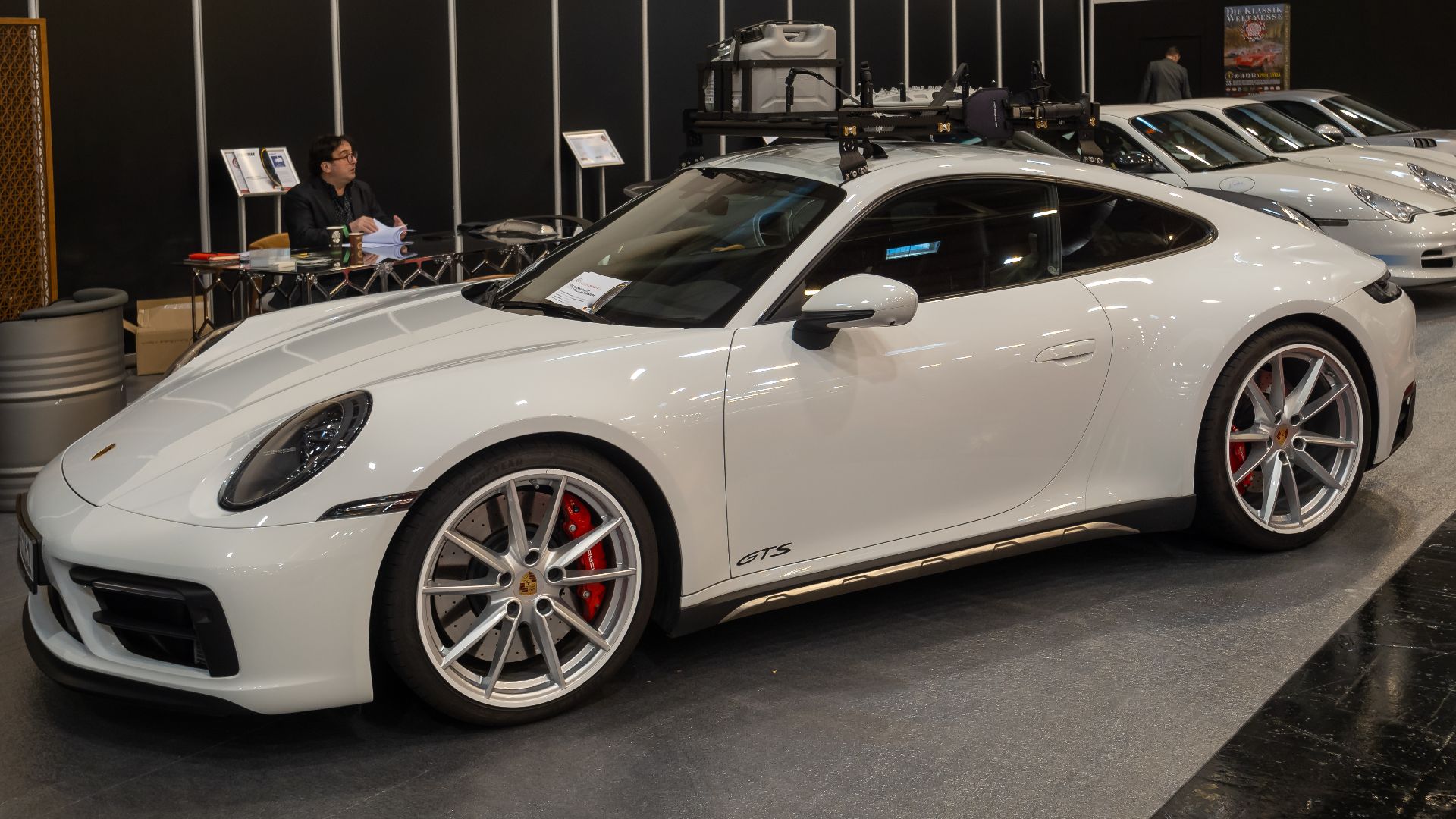
Some policies cover fitted accessories up to a limit, while others have specific conditions or exclusions. The difference between permanently attached equipment and removable accessories can matter. If your roof bars are one thing and your bike carrier or roof box is another, ask your insurer how each item is treated.
 Matti Blume, Wikimedia Commons
Reporting It Does Not Always Mean A Higher Premium
This is what many drivers worry about most, but the result varies. Some insurers may simply note the change and charge nothing, especially if the rack is common and seen as low risk. Others may raise the premium slightly, and some may refuse certain setups or uses.

Sometimes The Rack Is Not The Main Issue
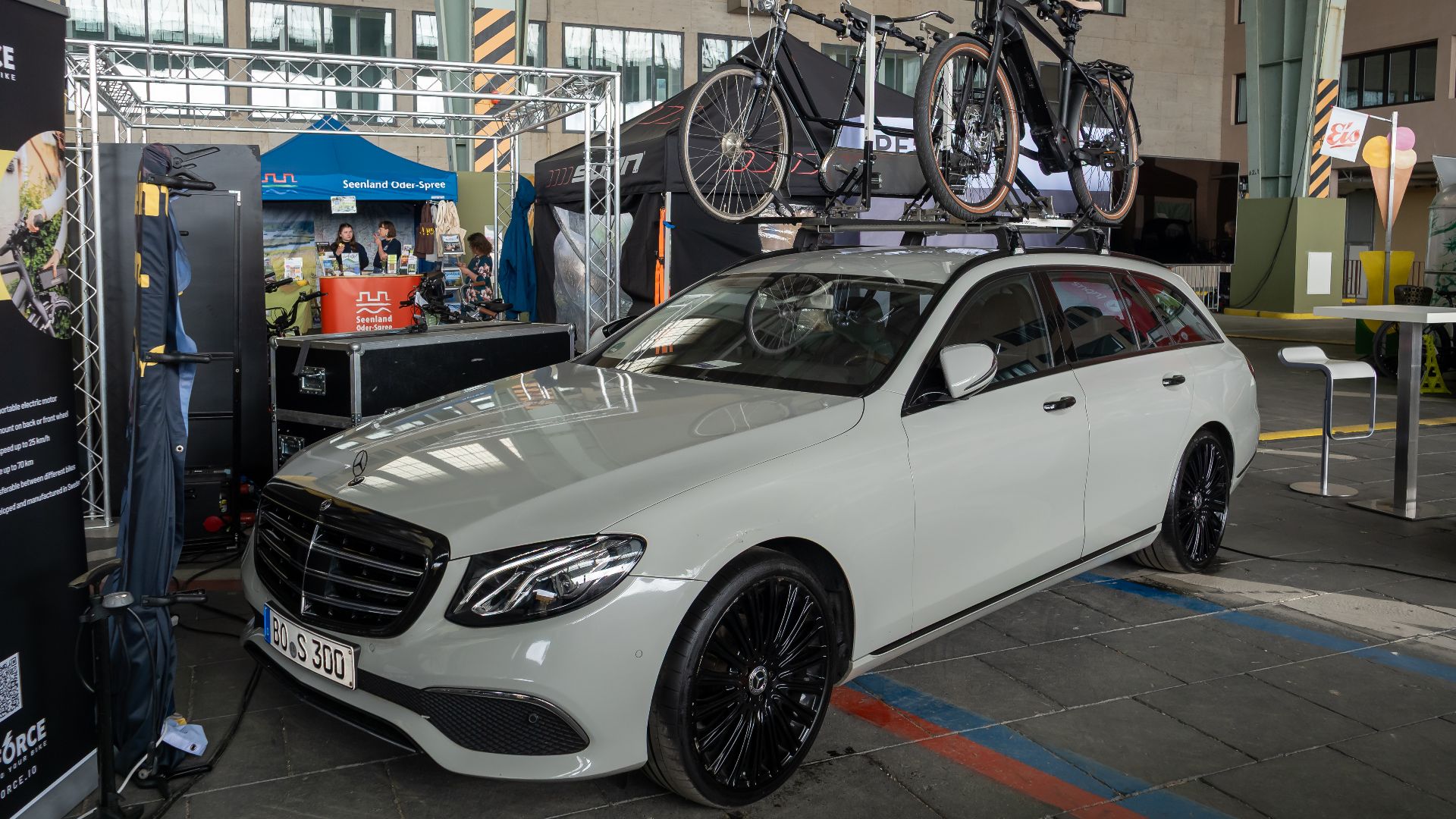
An insurer may care less about the metal bars and more about what they suggest. Regularly carrying bikes, surfboards, or work gear can point to different mileage, parking habits, or theft risks. In some cases, the bigger question is how the vehicle is really being used.
 Matti Blume, Wikimedia Commons
If You Ignore The Question, Cover Could Be Reduced Or Refused
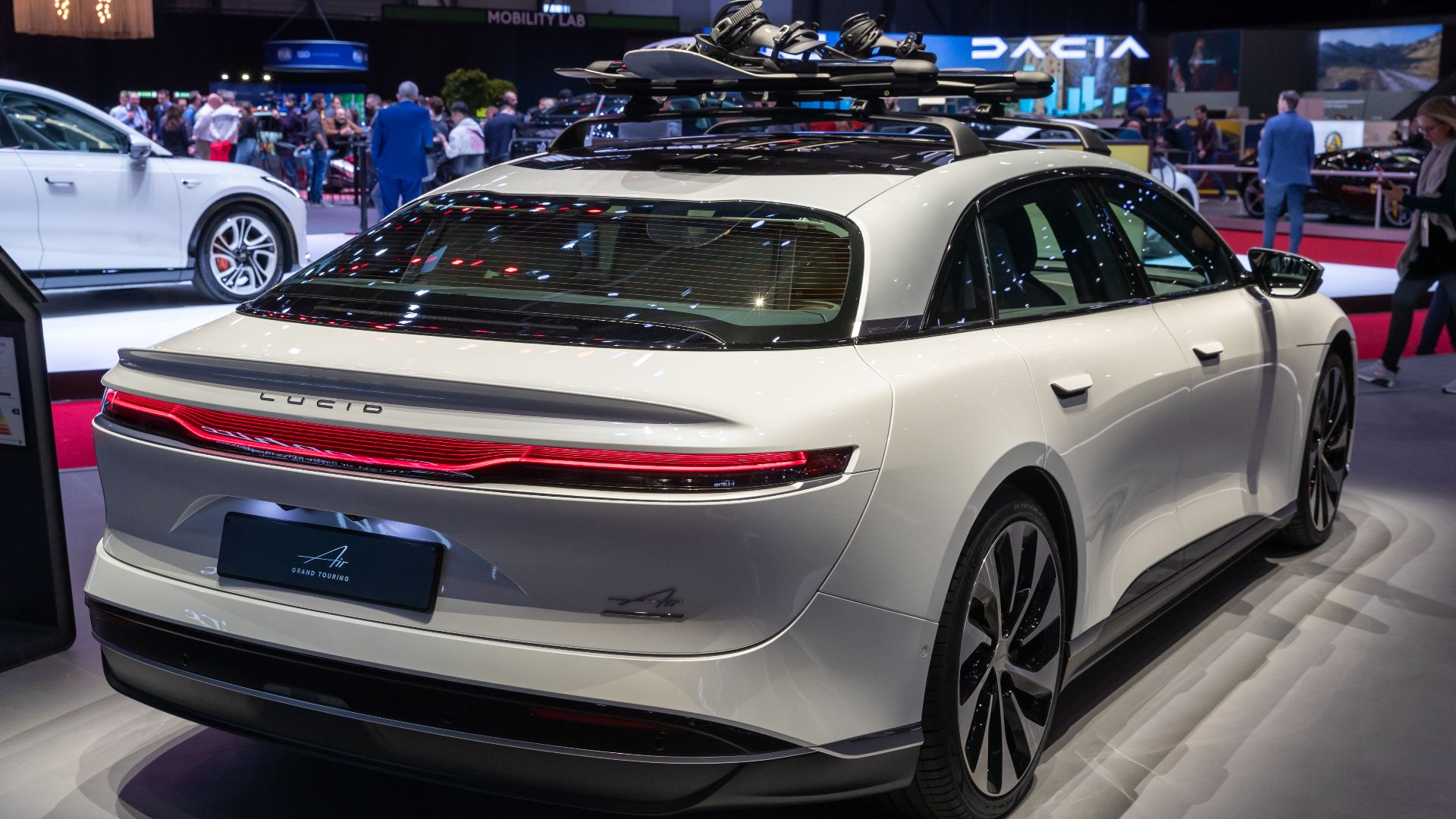
Under UK consumer insurance law, the insurer’s response depends on what would have happened if the right information had been given. The Financial Ombudsman Service explains that outcomes can range from paying the claim in full to reducing the payout, changing the policy terms, or in more serious cases treating the policy differently from the start. That is a strong reason not to brush the question aside.
 Matti Blume, Wikimedia Commons
Timing Matters More Than Many Drivers Realize
Tell the insurer before fitting the rack if you can, or as soon as it is added. Waiting until renewal can be risky if the policy says changes must be reported during the policy term. A quick call or message now is much easier than a dispute after an accident.

Photos, Receipts, And Part Numbers Can Save Trouble Later
Keep proof of what was fitted, when it was fitted, and who fitted it. Save the receipt, take a few clear photos, and note whether the rack is fixed or removable. If there is ever a dispute about value or about what was installed, that paperwork can make a big difference.
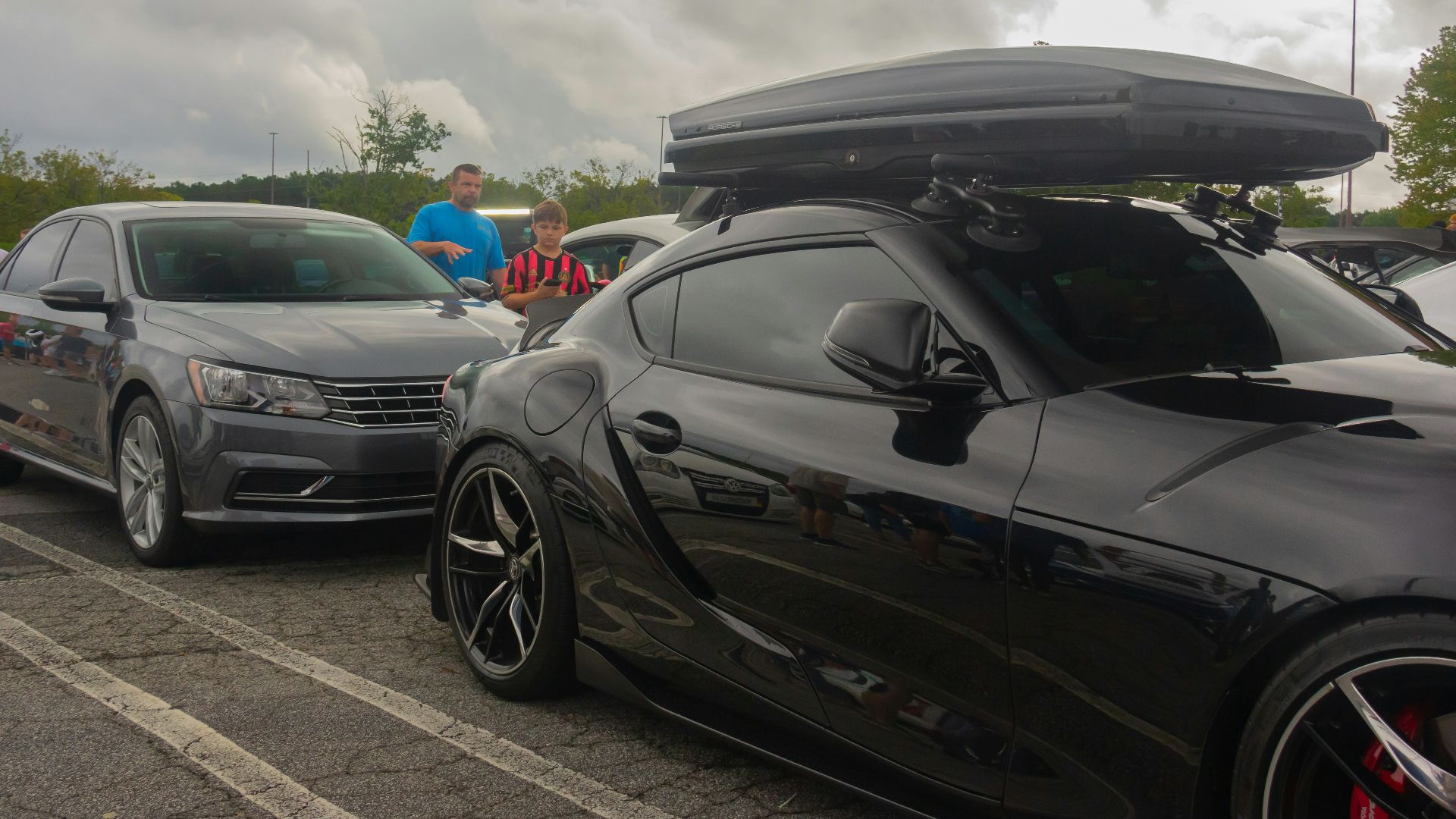
Ask Three Simple Questions And Get The Answers In Writing
First, ask whether the roof rack counts as a modification under your policy. Second, ask whether it is covered for theft or accidental damage, and up to what limit. Third, ask whether fitting it changes your premium or excess, then keep the reply by email or in your app records.

If It Came With The Car, Still Do Not Assume Anything
Even if you bought the car used with a rack already fitted, it is still worth mentioning if the insurer asks about modifications or accessories. The insurer only knows what you tell it and what the vehicle records show. A used car can easily have dealer-fit or aftermarket parts that do not appear in the standard specification.
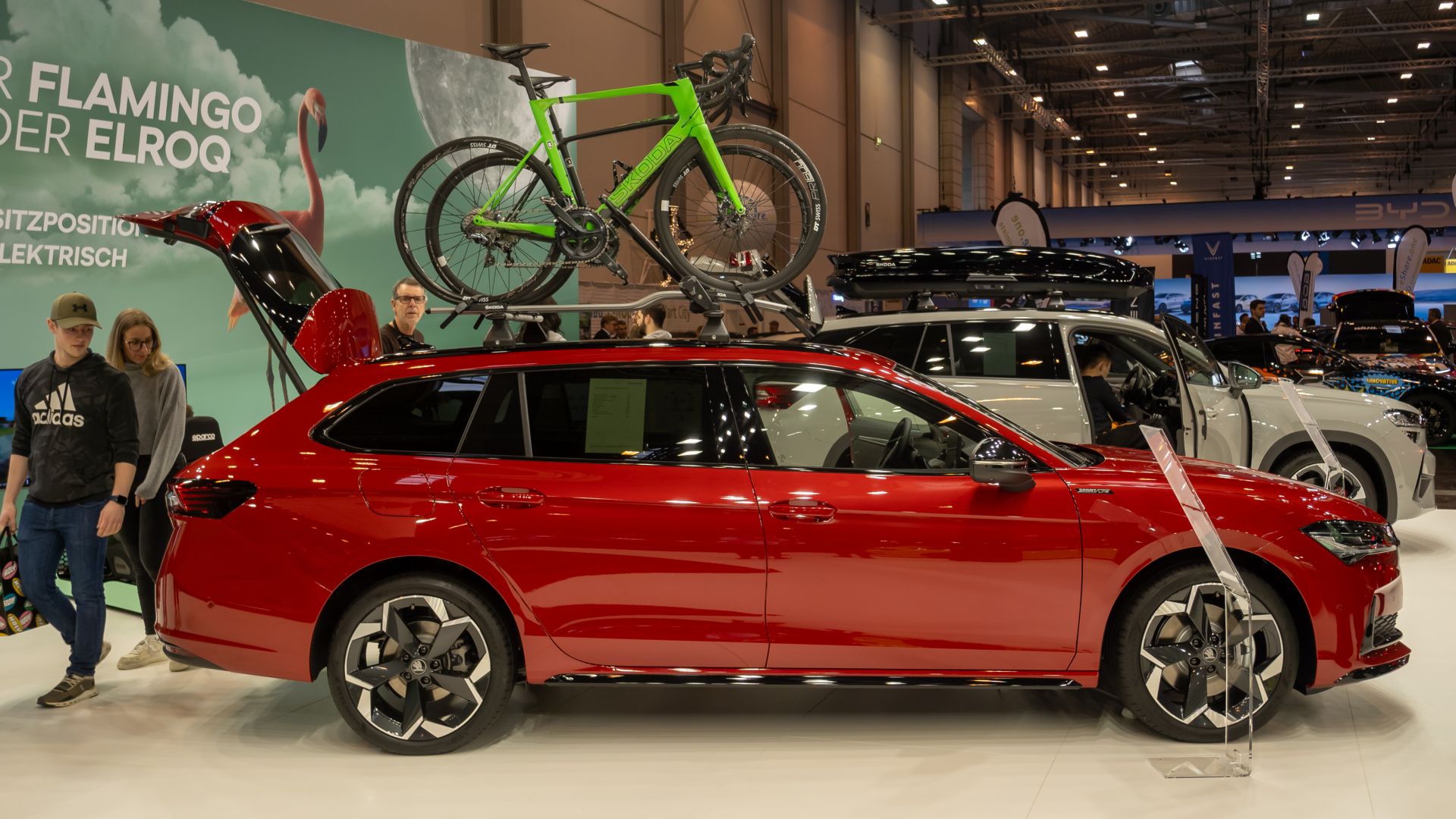 Matti Blume, Wikimedia Commons
One Boring Call Now Can Save A Mess Later
No one buys a roof rack because they are eager to talk about underwriting categories. But this is one of those small bits of admin that can stop an unpleasant surprise when you need to make a claim. If your insurer says report it, the sensible move is to report it and get confirmation that the policy reflects the change.
 WavebreakmediaMicro, Shutterstock
The Bottom Line Is Pretty Clear
Yes, even something as simple as a roof rack can affect your cover. Not because insurers think roof bars are unusual, but because many modern policies treat any change from the standard specification as relevant. If in doubt, disclose it, ask how it is covered, and keep the answer on file.