The Bargain That Can Bite Back
A 20-year-old luxury car can look like a steal when it costs less than a brand-new economy car. That is the appeal your husband is seeing, and at first glance, the numbers can look pretty convincing. But with old premium cars, the low price often hides expensive repairs, costly parts, and a level of complexity that does not age nearly as well as the leather interior.

Why Old Luxury Cars Get So Cheap
Luxury cars usually drop in value fast, especially in the first 10 years, and many keep falling by year 20. Kelley Blue Book has pointed out that luxury vehicles often lose value quickly because they are expensive to repair and expensive to own once the warranty is gone. In simple terms, later owners get a lot of car for the money, but they also inherit the pricey hardware that made it feel special when it was new.
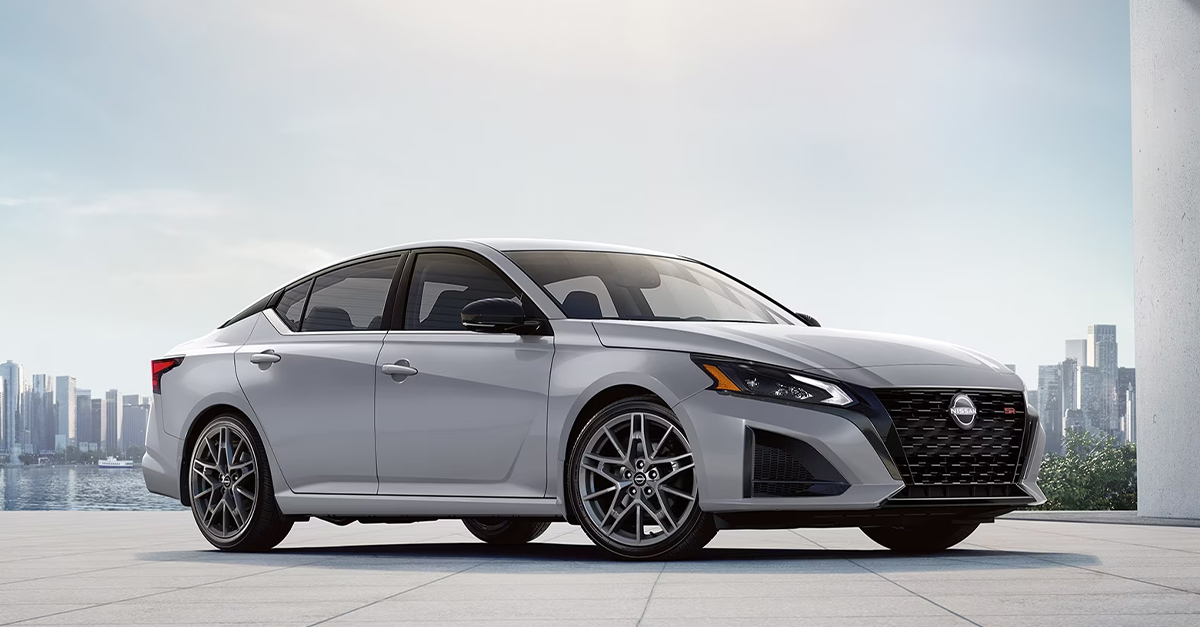
The New Economy Car Comparison
A new economy car usually comes with a factory warranty, newer safety features, and more predictable upkeep for the first several years. The monthly payment may be higher than buying an old luxury sedan outright, but the risk is completely different. Consumer Reports has often stressed that reliability and repair frequency matter just as much as the purchase price when comparing used and new cars.
Maintenance Does Not Depreciate Like The Car
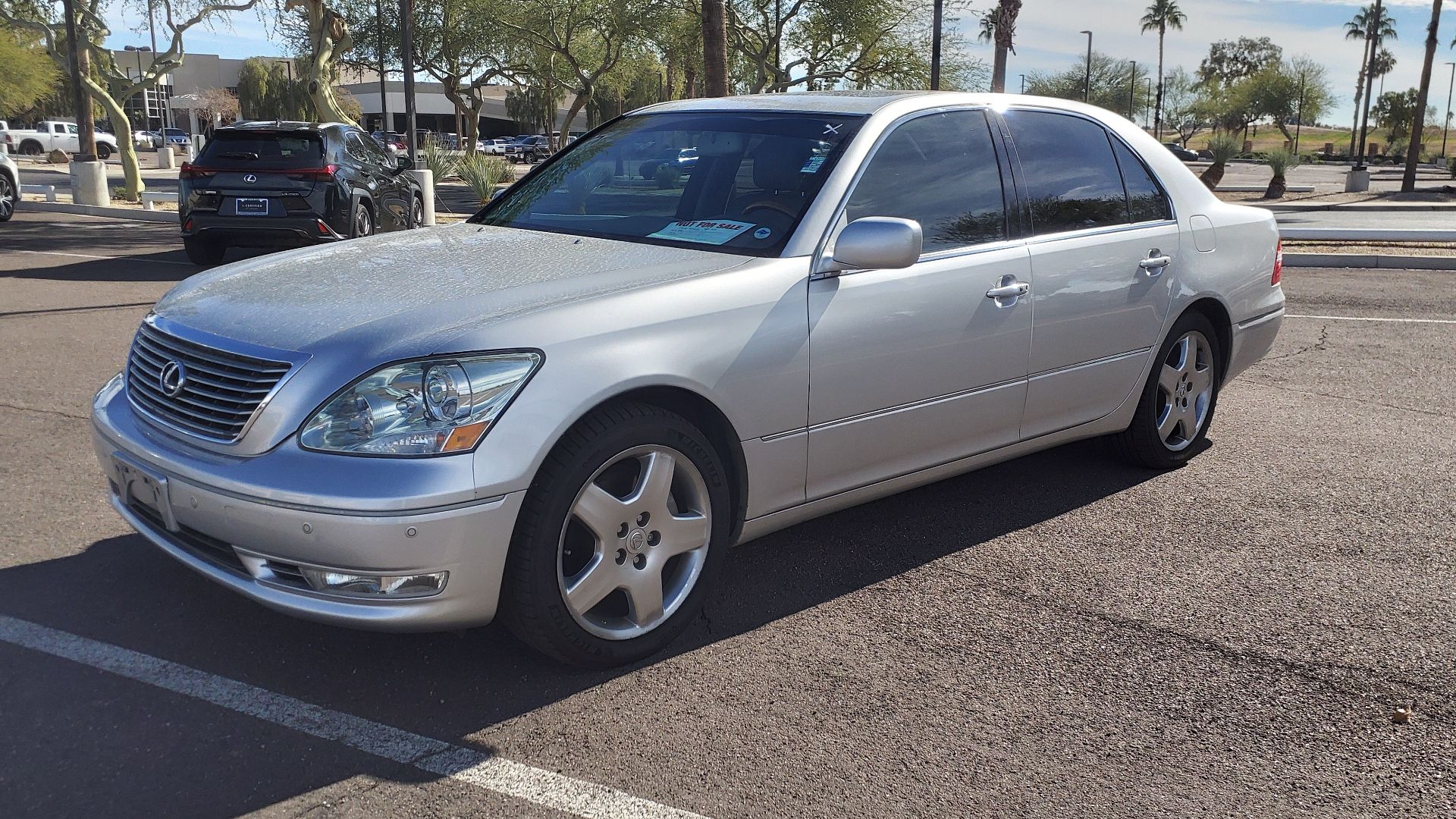
This is the big issue. A 2004 Mercedes-Benz, BMW, Audi, Lexus, or Jaguar may now cost about the same as a basic new subcompact, but labor time and parts prices still reflect what that car was when it launched. The badge may be old, but the repair bill can still feel brand-new.

Luxury Features Turn Into Luxury Repair Bills
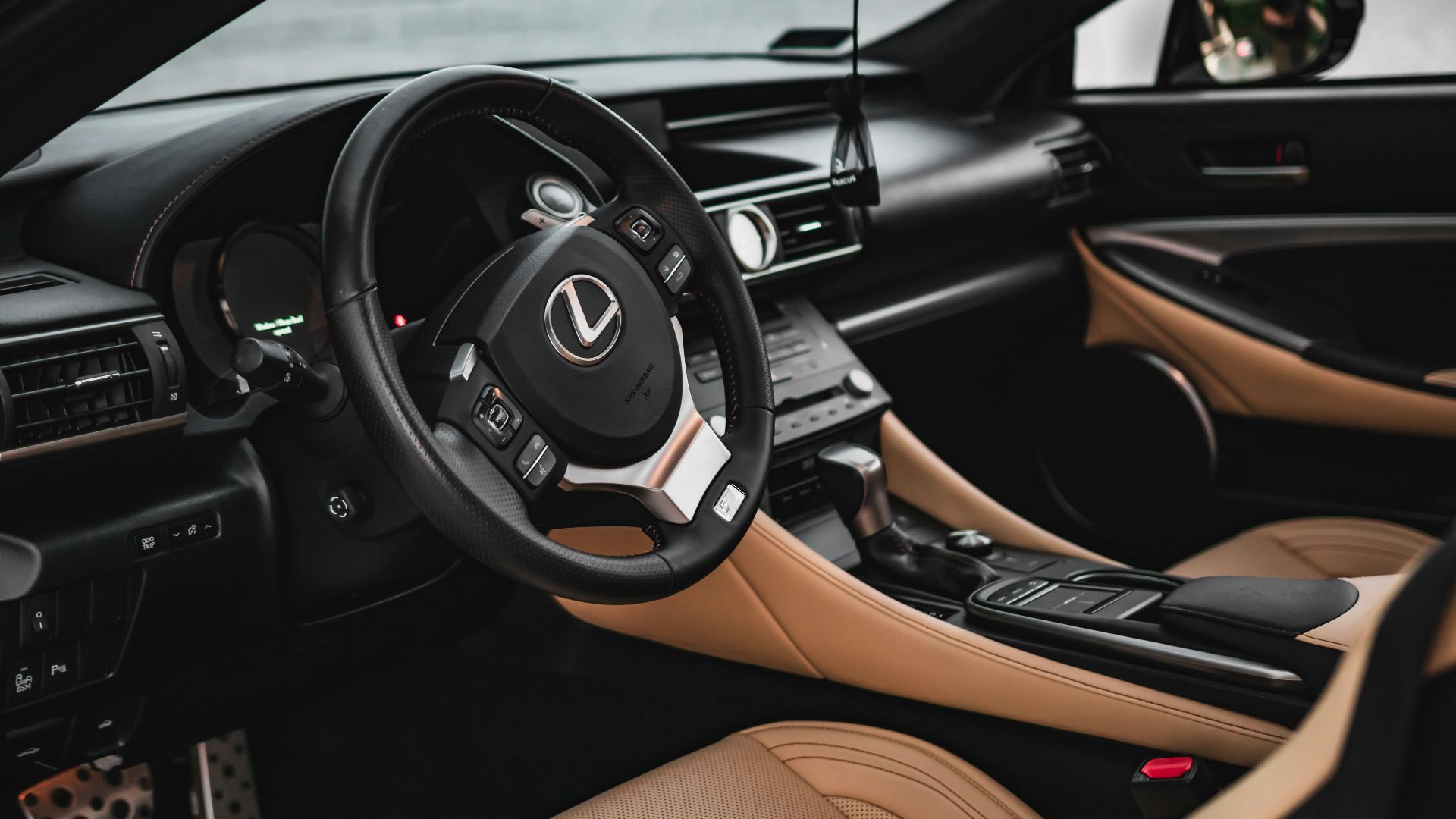
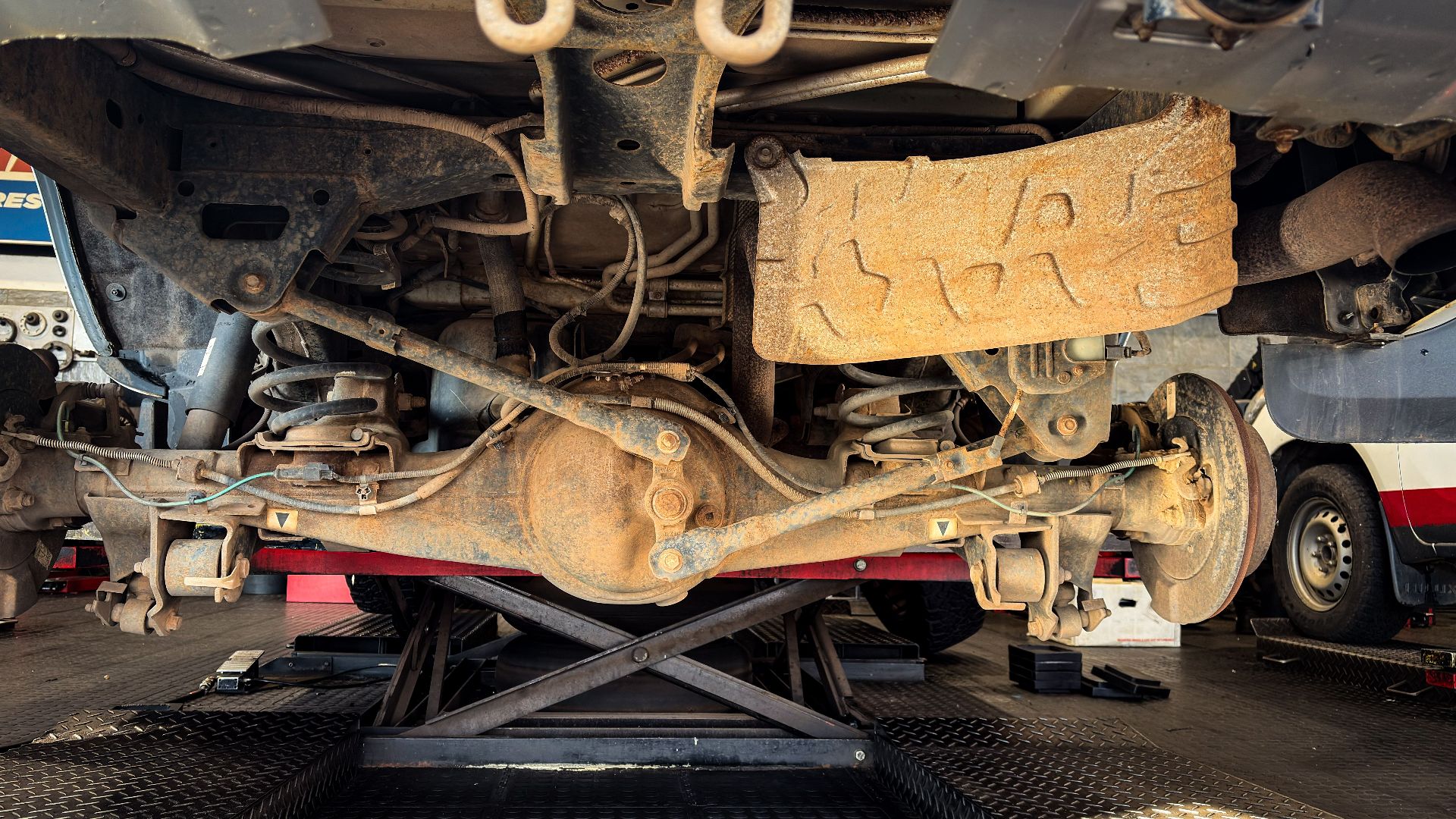
Air suspension, adaptive dampers, power sunshades, seat ventilation, navigation systems, and soft-close doors were impressive in the early 2000s. Two decades later, those same features can start failing one after another. CarEdge and Consumer Reports both warn that older vehicles loaded with technology often cost more to keep running than simpler models because there are just more things to break.
European Luxury Cars Raise The Stakes
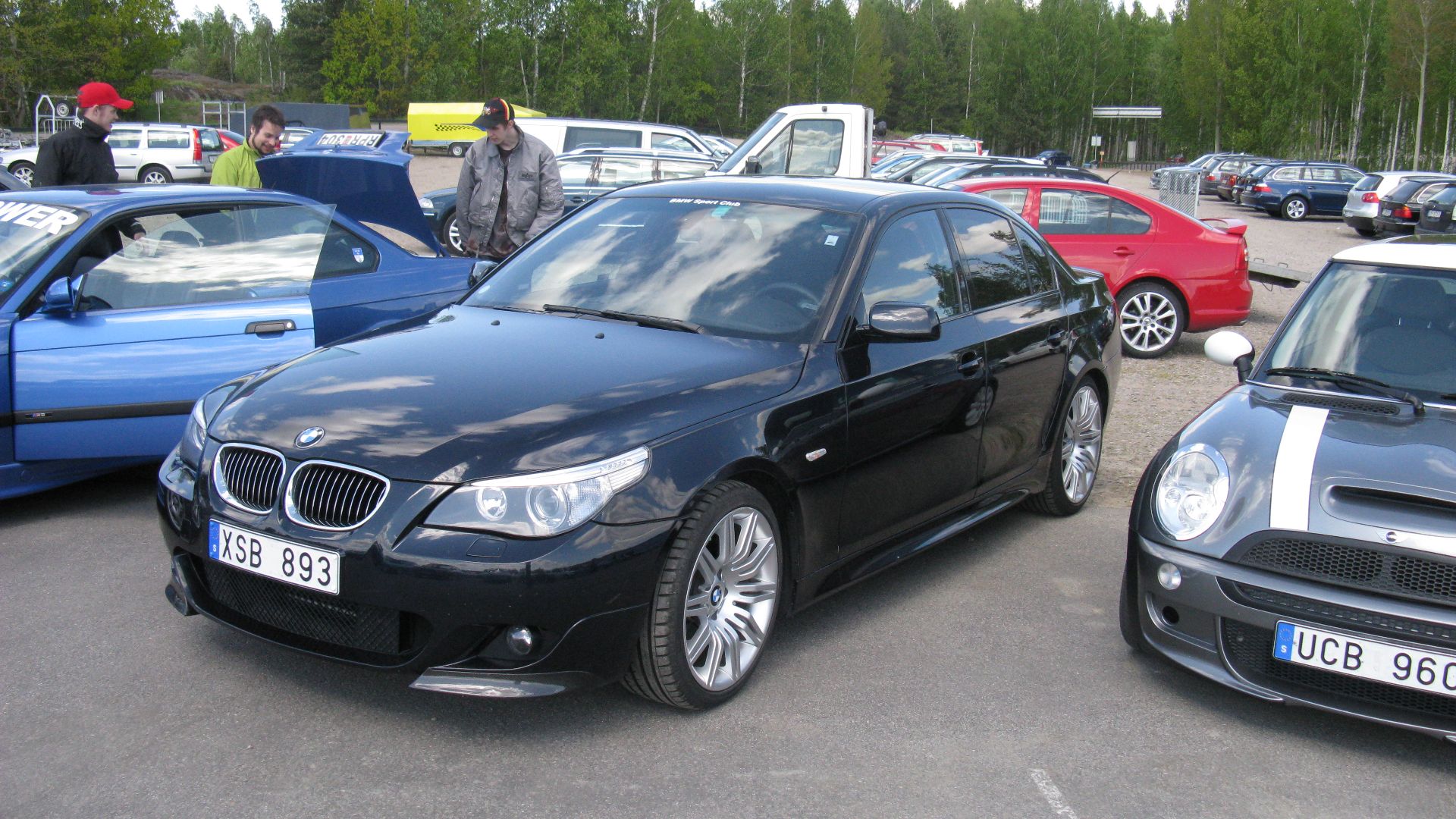
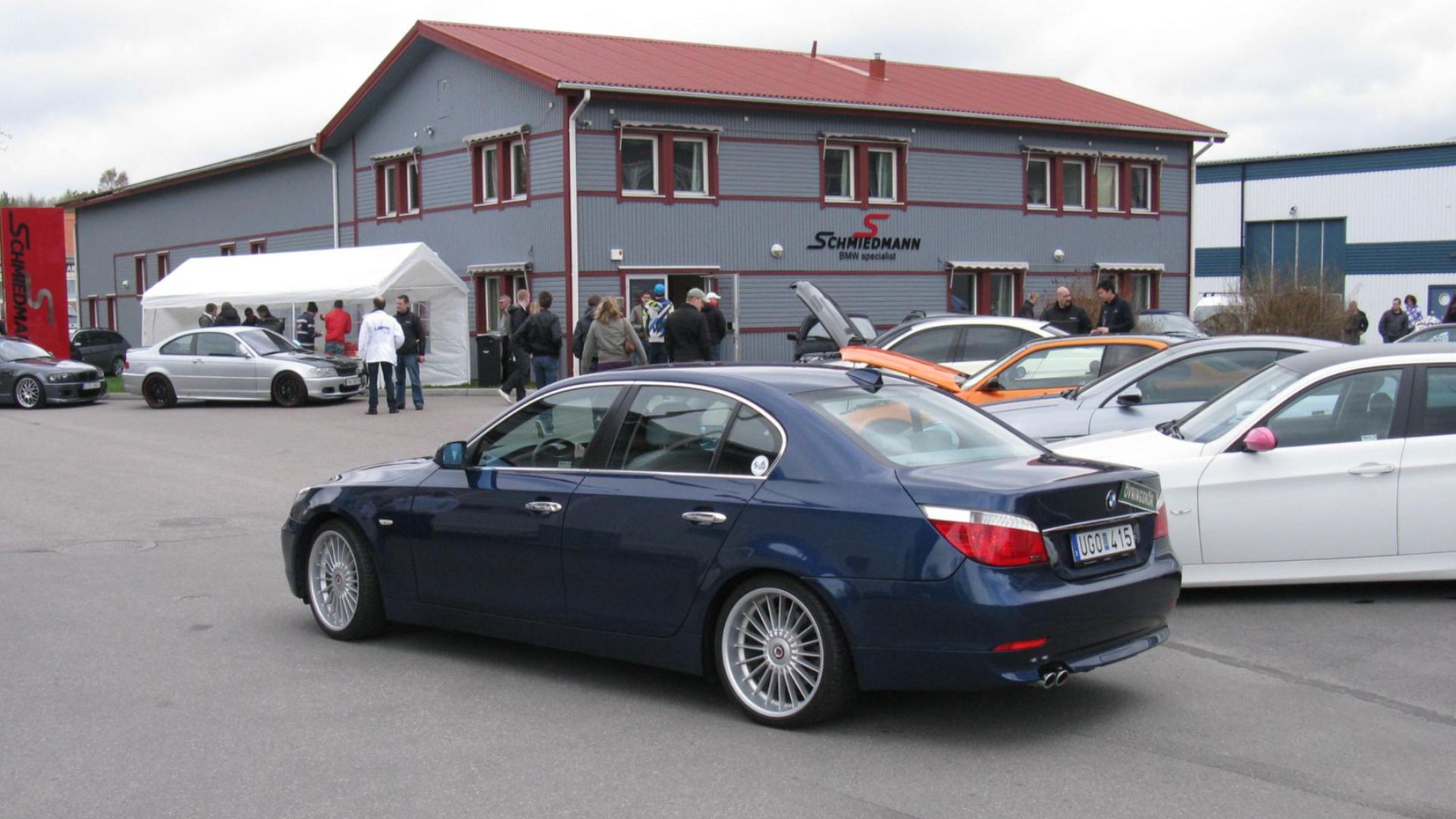
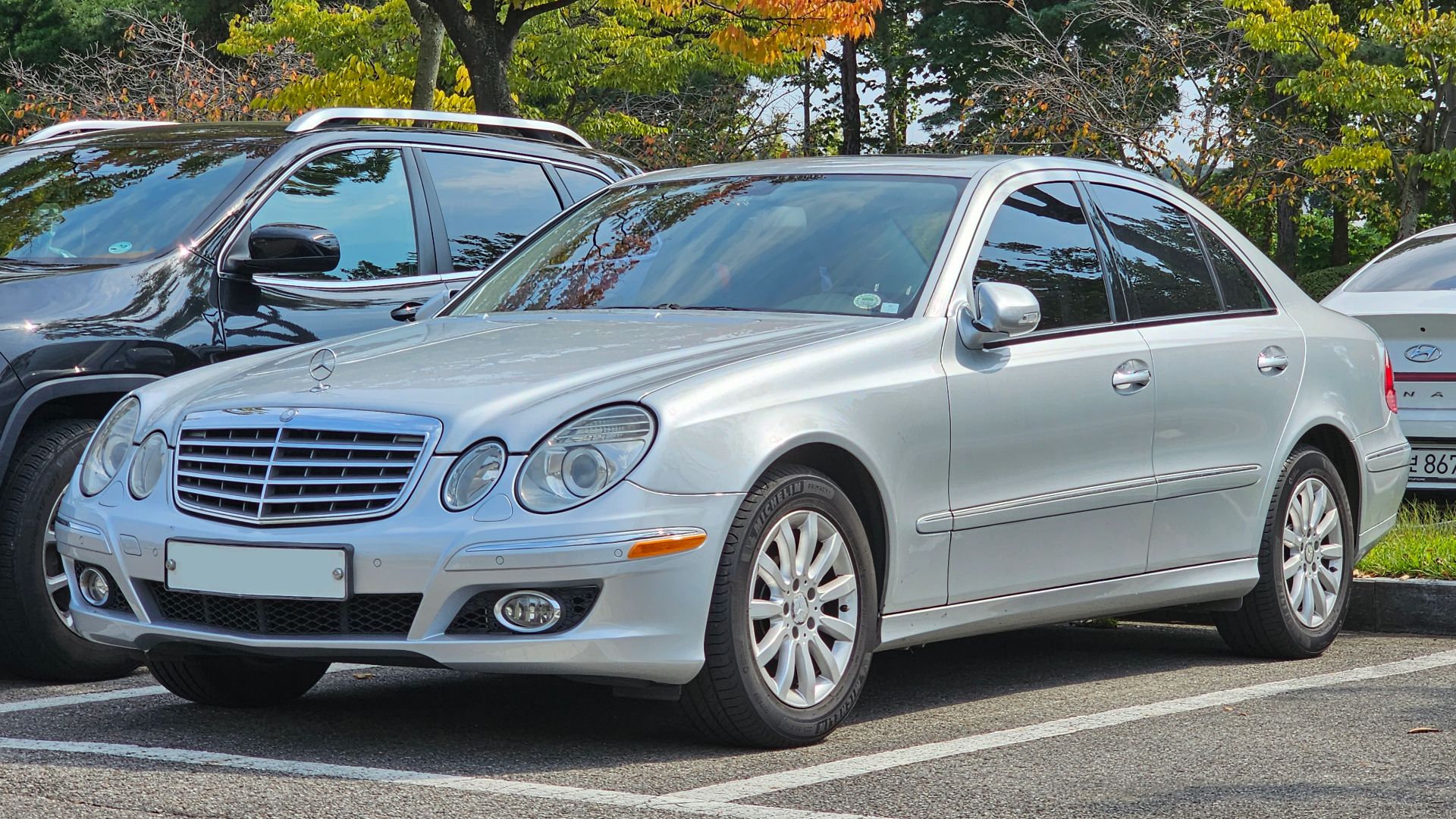
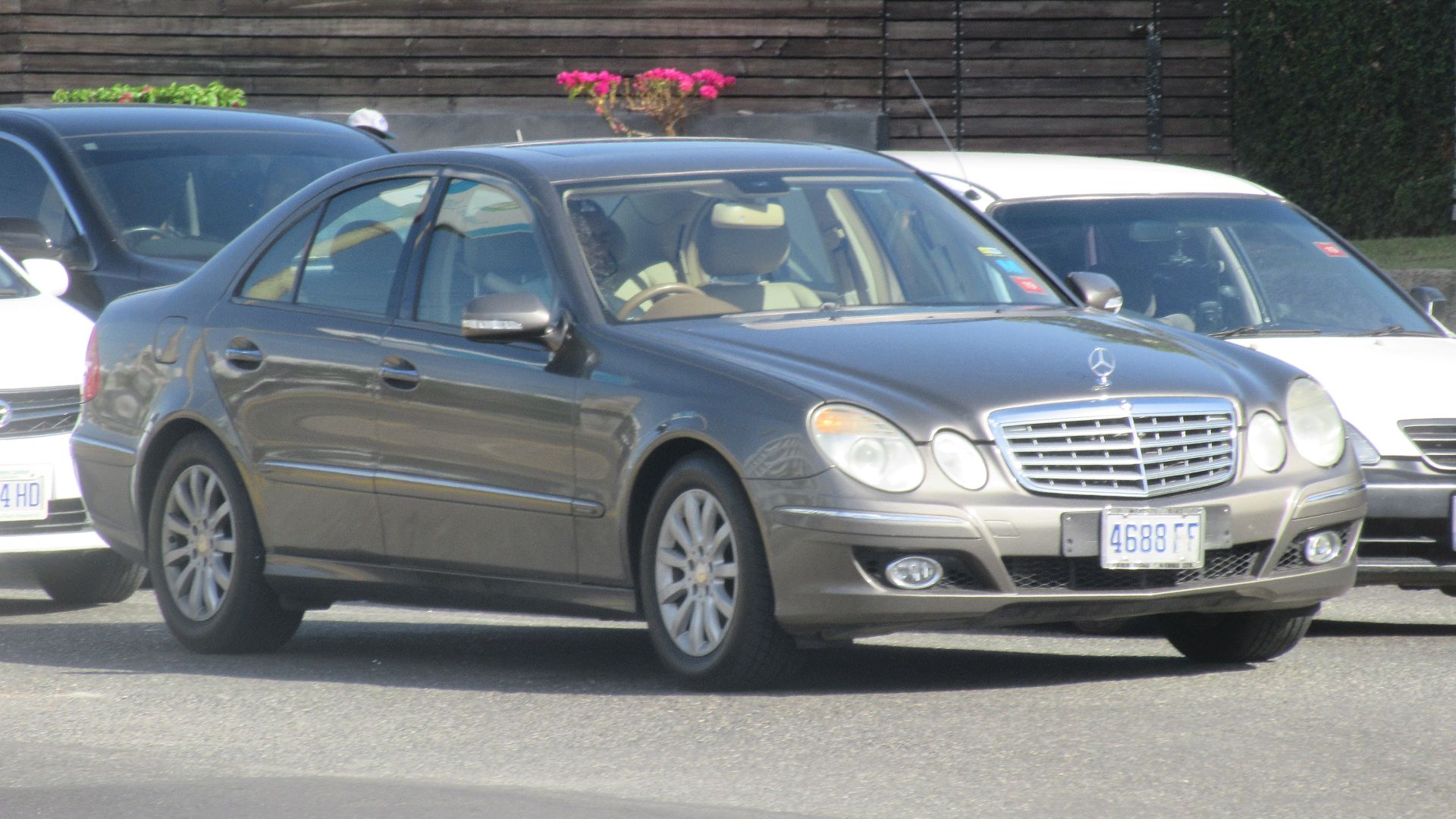
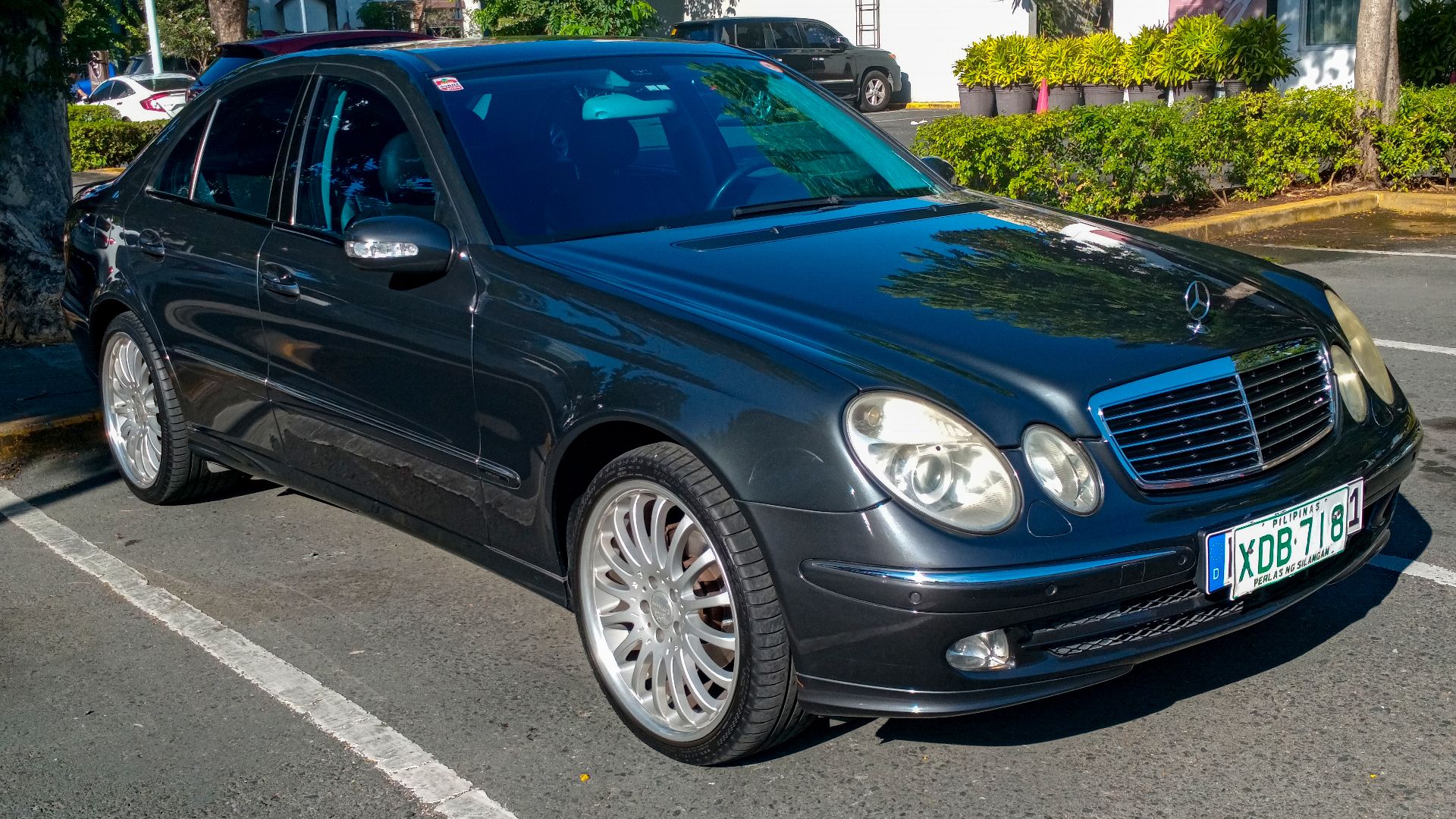
Older German luxury cars are often at the center of this debate because used prices can get shockingly low. BMW and Mercedes models from the early 2000s can offer real comfort and strong performance for compact-car money. The catch is that many independent mechanics and longtime owners say cooling systems, suspension parts, electronics, oil leaks, and transmission problems can wipe out that savings fast.
Lexus Is Usually The Exception
If one luxury brand gets more benefit of the doubt, it is usually Lexus. Reliability rankings from J.D. Power and Consumer Reports have regularly favored Lexus for years, and that reputation carries over to many older models. That does not make a 20-year-old Lexus cheap to maintain, but it can make it less likely to become a financial headache than some rivals.
 Rutger van der Maar, Wikimedia Commons
Age Alone Changes The Equation
Even a well-built car is a different kind of ownership experience at 20 years old. Rubber seals harden, wiring insulation ages, plastics get brittle, and delayed maintenance starts to catch up. AAA has also noted that older vehicles often need more repairs simply because age and mileage wear down parts across the board.
The Service History Matters More Than The Badge
A carefully maintained luxury car with full records can be a better buy than a neglected mainstream car. Receipts for timing belt work, cooling-system repairs, transmission service, suspension work, and regular fluid changes matter a lot. If the seller cannot show proof of major maintenance, it is smart to assume there is unfinished work waiting for the next owner.

Pre-Purchase Inspection Is Non-Negotiable
If your husband is serious, the smartest money he can spend is on a pre-purchase inspection from a mechanic who knows that brand. Consumer Reports and nearly every used-car guide make this point for a reason. A trained technician can spot oil leaks, worn control arms, hidden crash damage, engine fault codes, and signs of poor upkeep before they become your problem.

One Repair Can Change The Entire Deal
This is where old luxury cars can fool people. A car bought for $8,000 can seem like a win until it needs a $2,500 suspension repair, a $1,800 cooling-system overhaul, or a four-figure electronic module. Suddenly the cheap car is not cheap at all, and you are still left with no warranty and plenty of other 20-year-old parts waiting their turn.
 User Interiot on en.wikipedia, Wikimedia Commons
Parts Availability Can Be A Quiet Problem
Many parts for older luxury cars are still out there, but not always quickly and not always cheaply. Some trim pieces, electronics, and model-specific parts may be discontinued or available only used or remanufactured. That can mean longer downtime and more searching than most buyers expect when they get pulled in by the low sticker price.
 Zamrznuti tonovi, Shutterstock
Labor Rates Add Another Layer
Luxury cars are often packed tighter and built with more complexity than basic commuter cars. That can mean more labor hours for the same repair, and shop rates are not getting any cheaper. Even if you find affordable aftermarket parts, the install cost can still turn a small problem into a big bill.

Insurance And Fuel Deserve A Reality Check
The purchase price is only one part of the story. Depending on the model, an older luxury car may need premium fuel and may cost more to insure than a modest new economy car. EPA fuel economy data often shows that early-2000s luxury sedans lag well behind modern compact cars, and that gap can quietly add up to thousands over time.
 Natthawadee Jana, Shutterstock
Safety Has Moved On
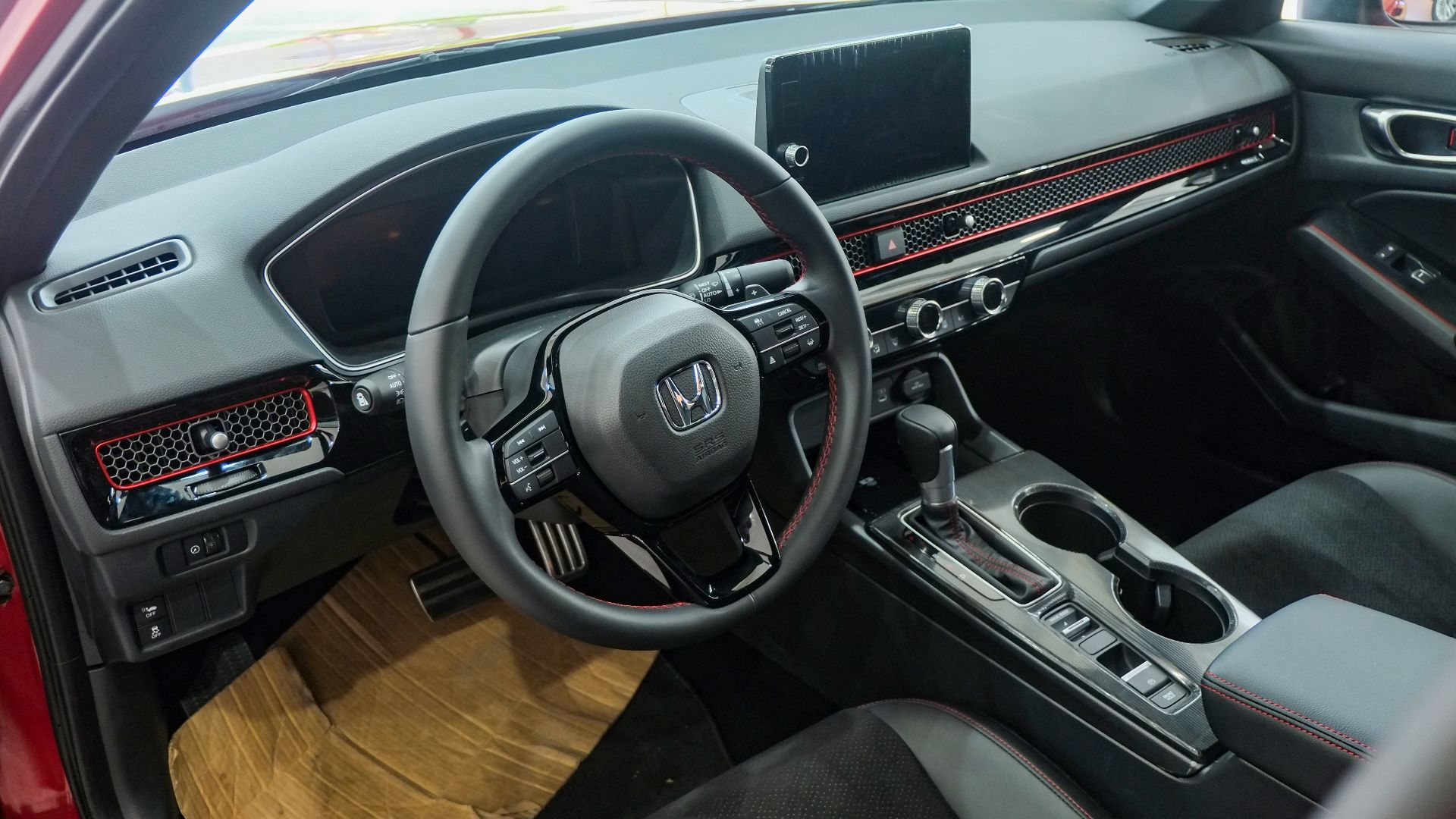
A 20-year-old premium car may feel heavy and solid, but that does not mean it matches the crash-avoidance tech of a new budget model. Features like automatic emergency braking, lane-keeping assist, and newer side-impact protection are common in many newer economy cars. IIHS and NHTSA have both shown how much vehicle safety has changed over the last 20 years.
 Ethan Llamas, Wikimedia Commons
Warranty Coverage Changes The Stress Level
One reason a new economy car can make financial sense is that it pushes early ownership risk back onto the manufacturer. If something major fails during the warranty period, you usually are not paying out of pocket. With a 20-year-old luxury car, every warning light can become your bill right away.
 Damian B Oh, Wikimedia Commons
Cheap To Buy Is Not The Same As Cheap To Own
This is the idea that should drive the whole conversation. Used-car experts at Edmunds and Consumer Reports regularly say to focus on total cost of ownership, not just sticker price. Purchase cost, repair risk, fuel, insurance, registration, and downtime all matter, and old luxury cars can look a lot worse once you add everything up.

There Is A Best-Case Scenario
If the car is a well-regarded model, has lower mileage, comes with full service records, and passes a specialist inspection, the gamble can work out. Buyers who can do some of their own repairs also have a big edge because labor is one of the biggest costs. In that best-case version, an older luxury car can offer comfort and personality that a basic new car just does not have.
 Inside Creative House, Shutterstock
There Is Also A Worst-Case Scenario
The ugly version is one mechanics and used-car shoppers know well. The car was cheap because it needed work, the previous owner put off maintenance, and the first year becomes a steady stream of warning lights and repair visits. That is how a bargain turns into a money pit while the new economy car owner just keeps driving.
 Hryshchyshen Serhii, Shutterstock
Which Brands Tend To Be Safer Bets
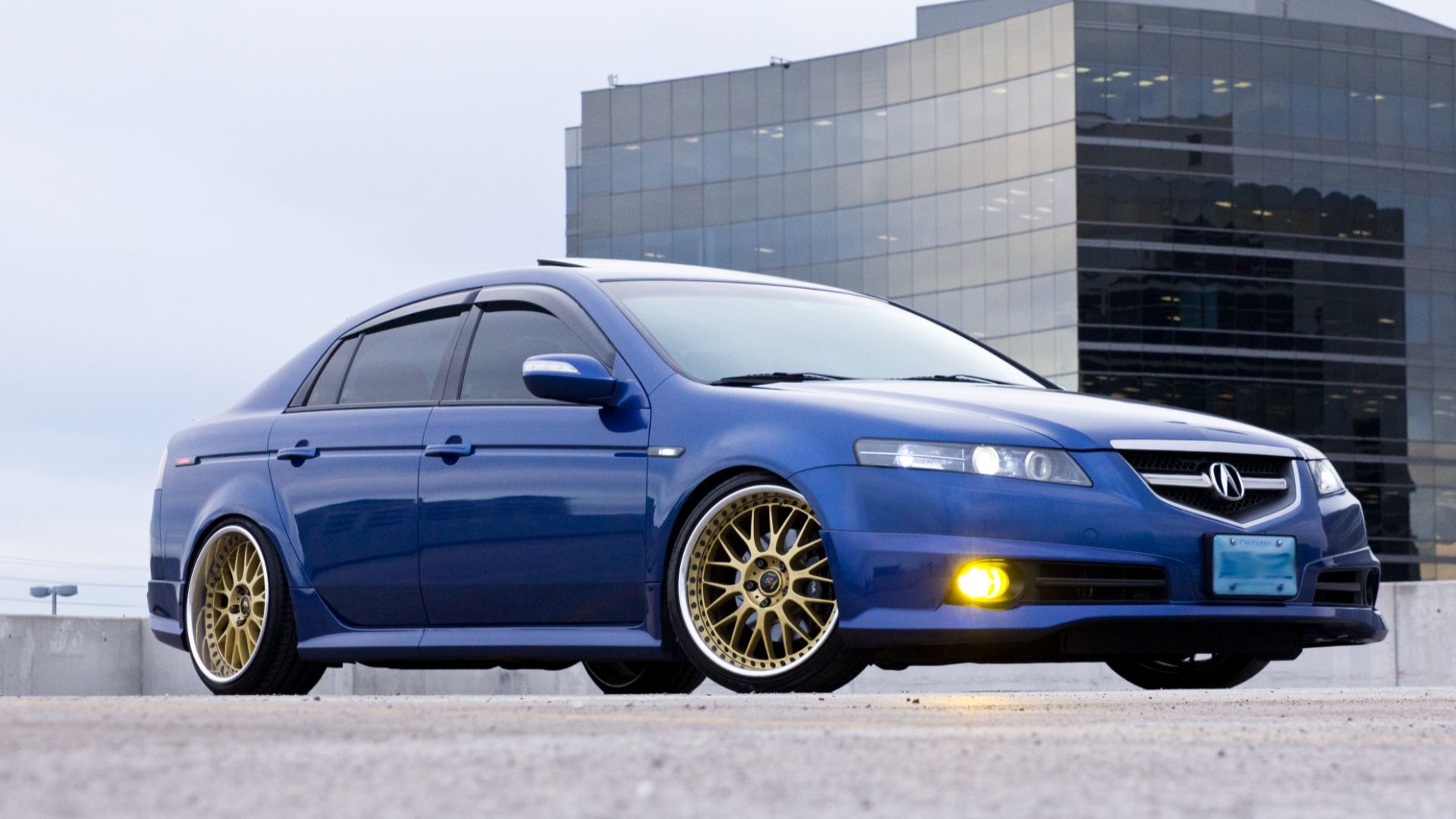
Among older luxury cars, Lexus and some Acura models usually come up first when reliability-minded shoppers compare notes. Consumer Reports reliability data and J.D. Power dependability studies have often put Japanese luxury brands ahead of European rivals for long-term peace of mind. That does not guarantee an easy ownership experience, but it can improve the odds.
 Kalvin Chan, Wikimedia Commons
Which Features Should Make You Nervous
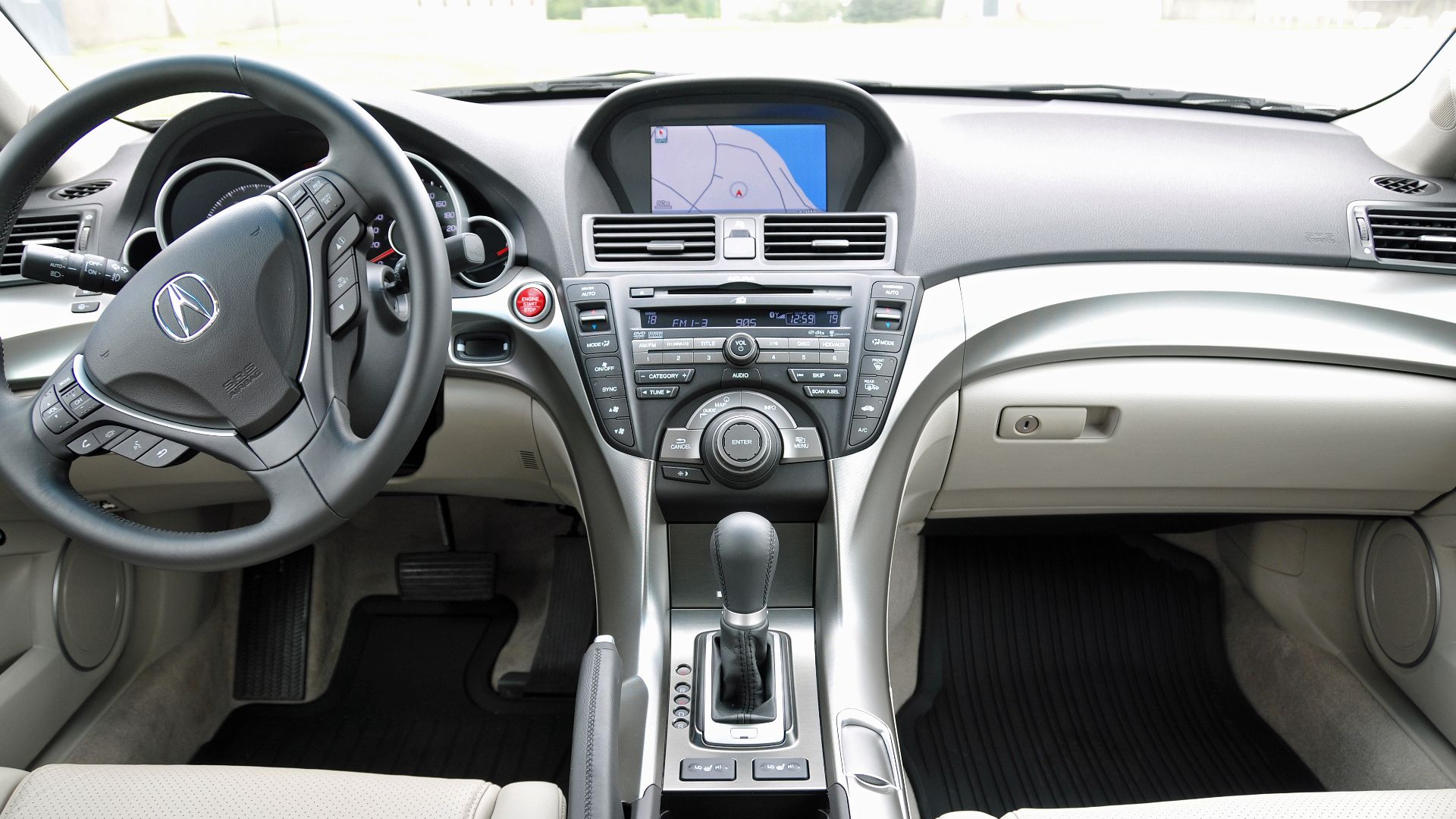
Be extra careful with air suspension, turbocharged engines with poor service records, aging infotainment systems, complex all-wheel-drive systems, and neglected automatic transmissions. Those are not automatic deal-breakers, but they can get expensive fast when something goes wrong. Simpler trims with fewer gadgets are often the smarter old-luxury buy.
 Dennis G. Jarvis, Wikimedia Commons
What A Smart Budget Looks Like
If you buy a 20-year-old luxury car, do not spend every dollar on the purchase price. Keep a repair fund ready from day one, and many experienced owners would say at least a few thousand dollars should be set aside. Without that buffer, one major repair can force a rushed sale or leave the car sitting.

A Test Drive Should Be More Than A Spin Around The Block
Drive the car long enough to get it fully warmed up and test it at both city and highway speeds. Listen for suspension clunks, feel for transmission hesitation, watch for overheating, and try every electronic feature you can. A luxury car that is starting to fall apart usually gives off clues if you spend enough time with it.
 Jason Lawrence from New York, Wikimedia Commons
Ownership Intent Matters A Lot
If your husband wants a fun second car and you can both absorb surprise repair bills, the risk may be acceptable. If this will be the household daily driver that needs to start every morning and stay affordable, the math changes quickly. Reliability matters a lot more when the car is a necessity instead of a hobby.

The Emotional Pull Is Real
There is a reason people get drawn to old luxury cars. Even after 20 years, they can feel quieter, richer, and more special than an entry-level new car. If the decision is partly emotional, that is completely normal, but it needs to be balanced with an honest plan for maintenance and repairs.
 Ethan Llamas, Wikimedia Commons
The Bottom-Line Answer
Yes, a low purchase price can absolutely hide a maintenance nightmare. That does not mean every 20-year-old luxury car is a bad buy, but it does mean the sticker price is often the least important number in the deal. The smart move is to shop for condition, records, simplicity, and reliability reputation, not just leather seats and a fancy badge.

The Practical Verdict For Couples Making This Call
If you want lower risk, more predictable costs, and modern safety, the new economy car is usually the smarter household choice. If you want comfort, character, and can handle repair bills with your eyes open, an older luxury car can still be worth it. The key is making sure your husband is shopping for a truly well-kept car, not just a cheap one.