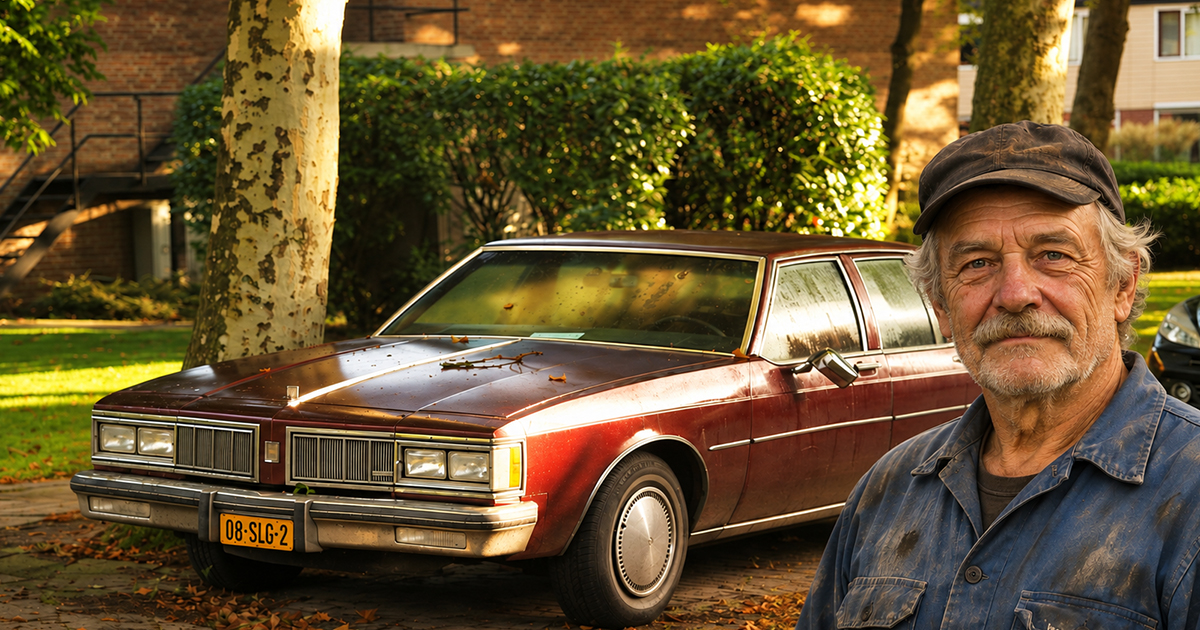
When Detroit Tried To Make Diesel The Next Big Thing
Remember when American automakers started putting diesel engines in ordinary family cars? During the late 1970s and early 1980s, Detroit promised better fuel economy, longer driving ranges, and an alternative to thirsty gasoline V8s. Unfortunately, some of those engines became famous for all the wrong reasons.
Have you ever driven or owned one of these early American diesel cars? Whether you loved yours or couldn't wait to get rid of it, there's a fascinating story behind Detroit's first big diesel experiment.
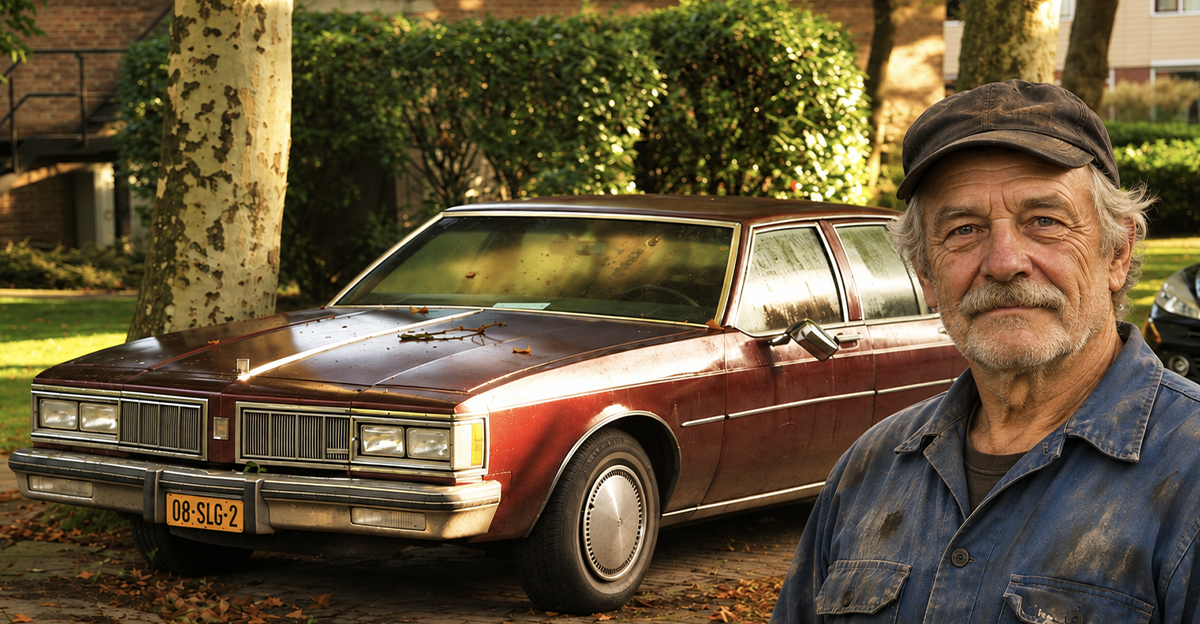 Niels de Wit, CC BY 2.0, Wikimedia Commons, modified
The Oil Crisis Changed Everything
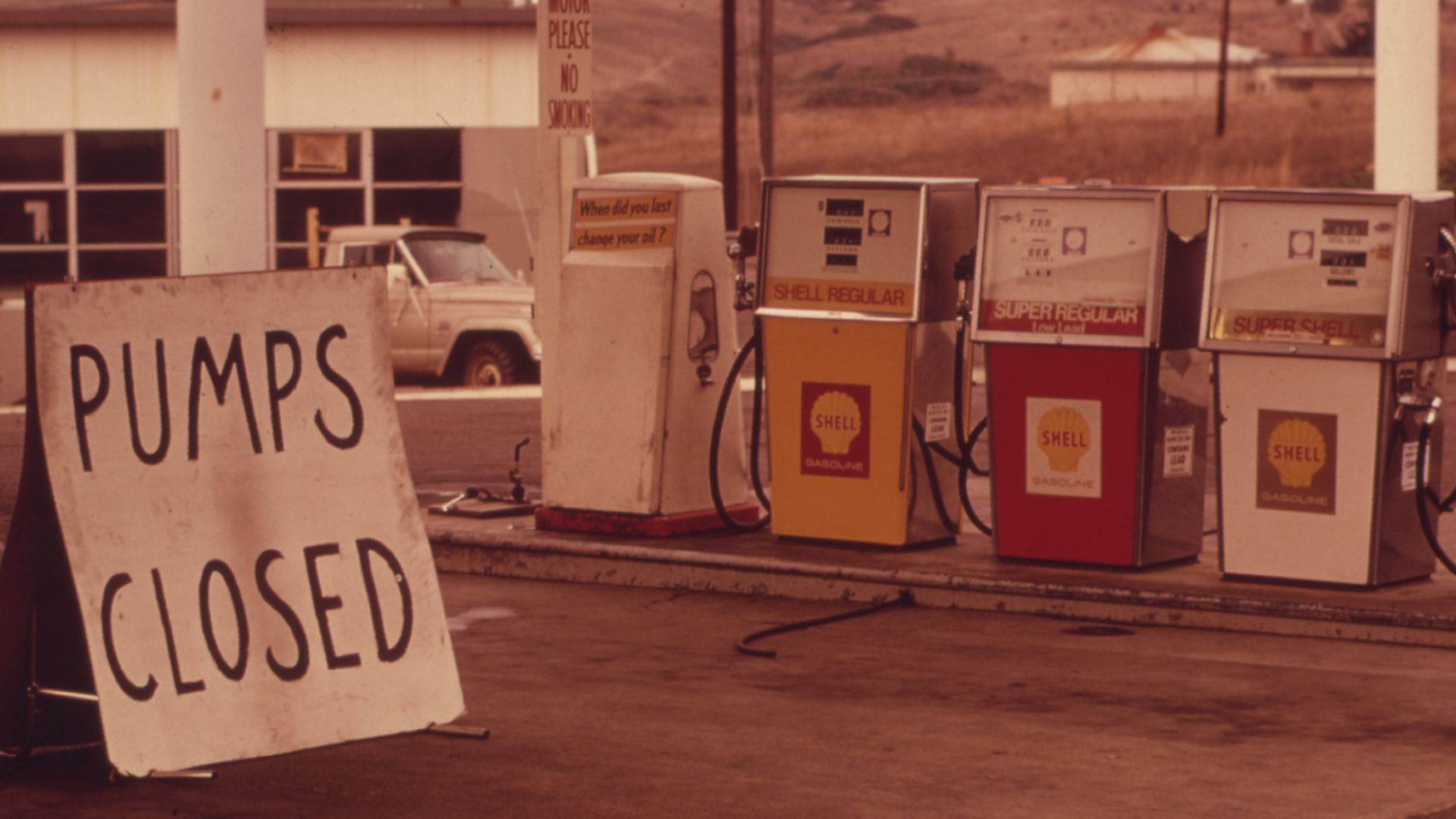
The story really begins with the 1973 oil crisis, when gasoline shortages and rising prices made Americans reconsider their enormous V8-powered cars. The second oil shock in 1979 reinforced those worries. Suddenly, fuel economy mattered more than ever, and automakers were scrambling to respond. Diesel engines looked promising because they could travel farther on a gallon of fuel than comparable gasoline engines.
 David Falconer, Wikimedia Commons
Europe Had Already Embraced Diesel
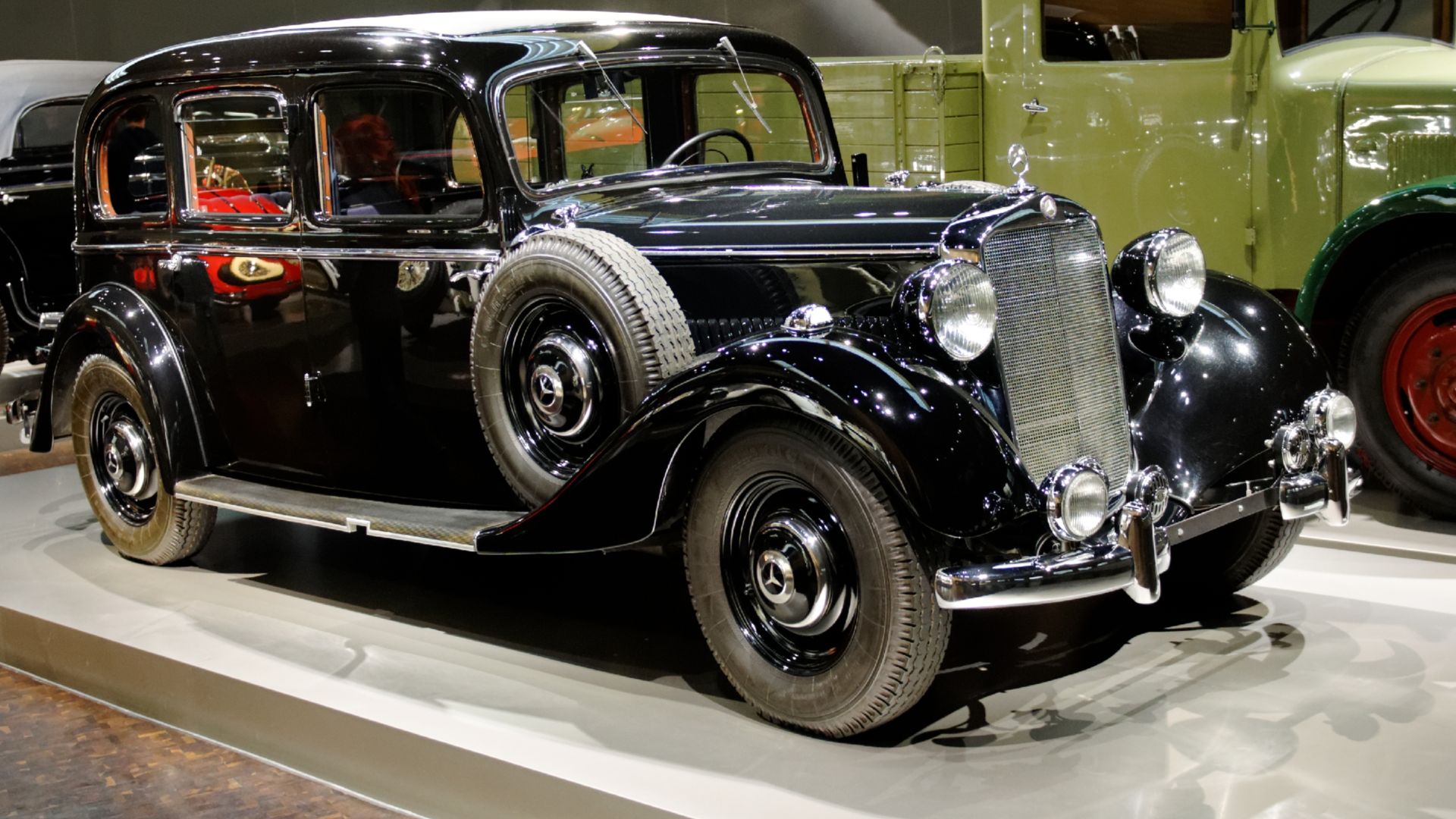
Diesel passenger cars weren't a new invention. Mercedes-Benz had been selling diesel-powered automobiles for decades, and European manufacturers had considerable experience building small diesel engines. American drivers, however, generally associated diesel power with trucks, buses, and heavy machinery. Detroit wasn't simply introducing another engine option. It was trying to persuade Americans that a diesel belonged in the family driveway.
 © Ra Boe / Wikipedia, Wikimedia Commons
Oldsmobile Became Detroit's Diesel Pioneer
General Motors made its big move for the 1978 model year, introducing a 5.7-liter diesel V8 through Oldsmobile. The engine initially appeared in the Oldsmobile Delta 88 and Ninety-Eight, with availability spreading to other GM divisions. It was a bold decision, especially considering how little experience American passenger-car buyers had with diesel ownership. Unfortunately, the rush to market would become part of the engine's troubled legacy.
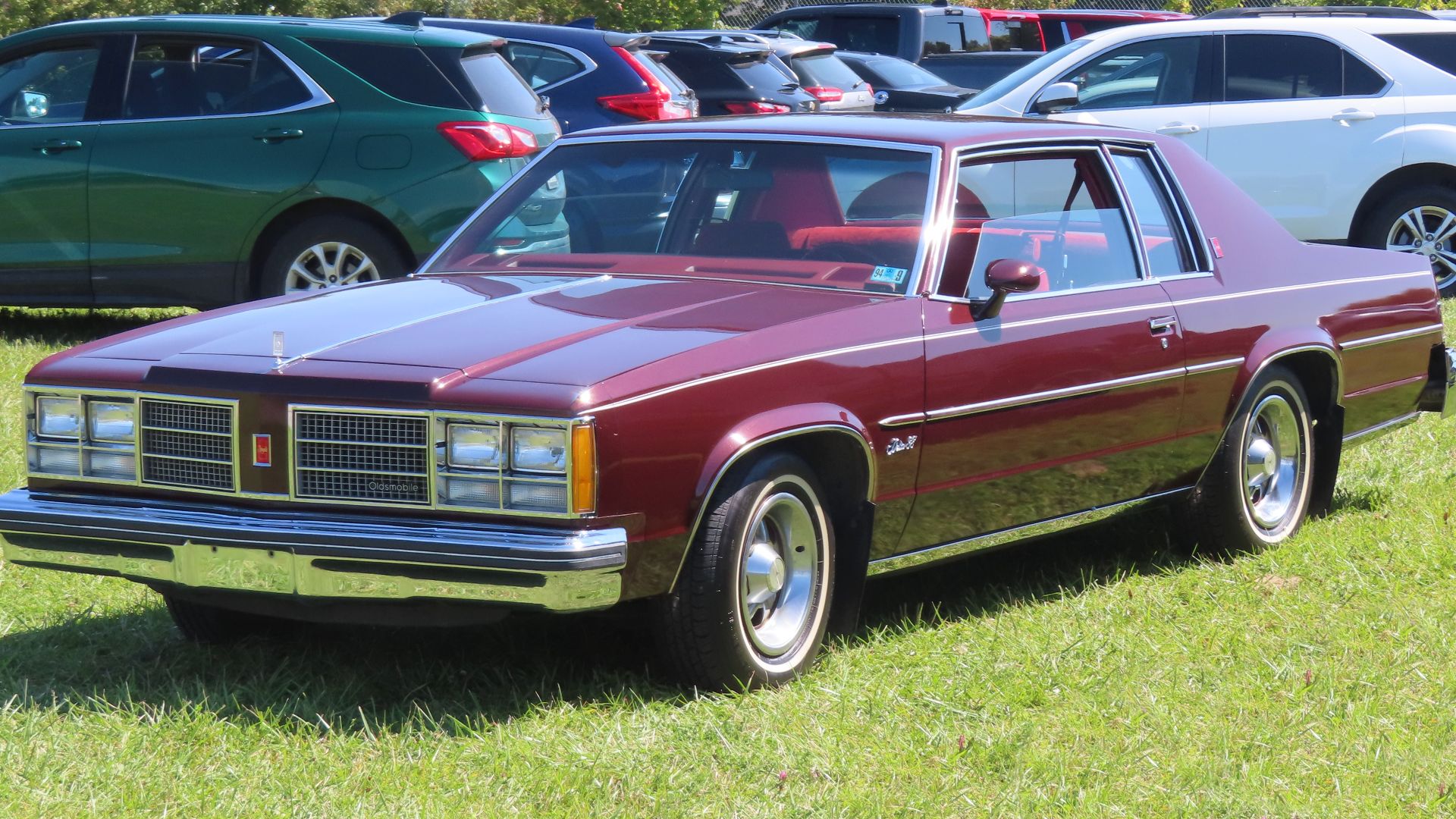 MercurySable99, Wikimedia Commons
The First 5.7-Liter Diesel Had Modest Power
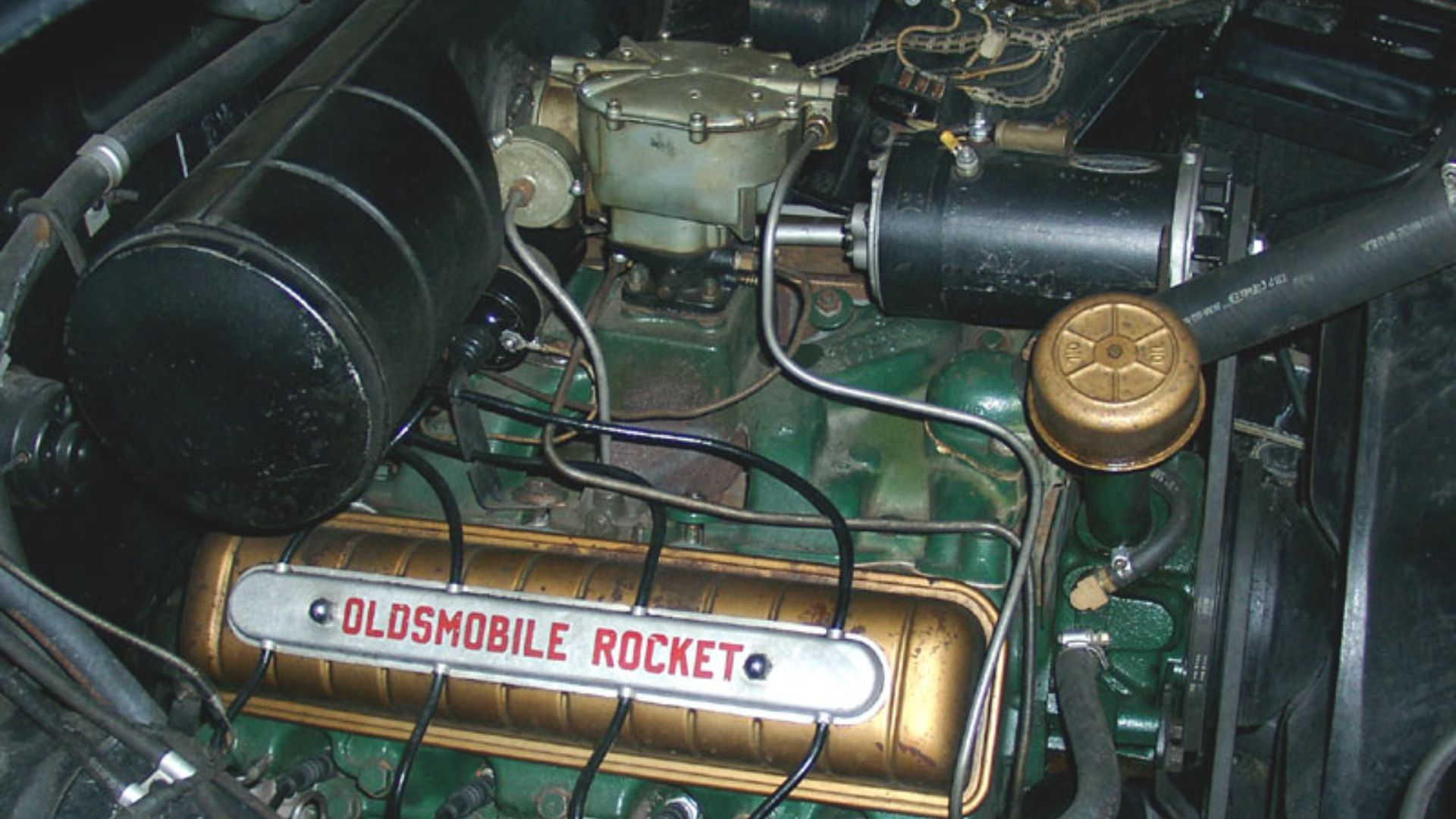
1978 Oldsmobile 5.7L diesel V8 · 350 cubic inches · 120 hp · Approximately 220 lb-ft of torque
On paper, the 5.7-liter diesel had respectable displacement. Unfortunately, its 120 horsepower was hardly exciting in a heavy American sedan. The engine produced useful low-speed torque, but acceleration was leisurely, particularly compared with the gasoline V8s buyers already knew. Anyone expecting traditional Oldsmobile performance was in for a surprise when they pressed the accelerator.
 Original uploader was Zandome at en.wikipedia, Wikimedia Commons
Fuel Economy Was The Big Selling Point
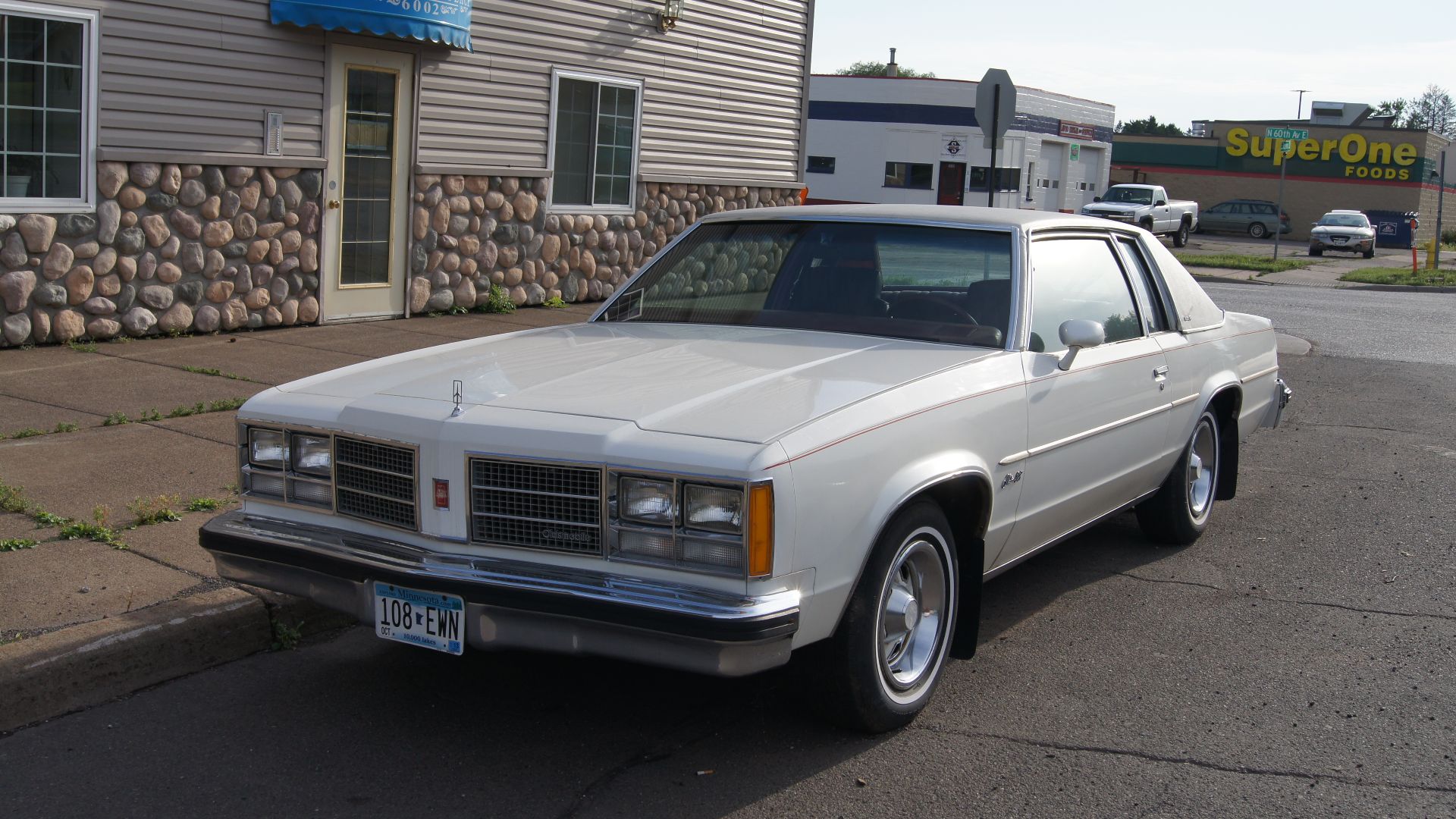
The early diesel's greatest attraction was its fuel economy. A large diesel-powered sedan could deliver substantially better mileage than a similar gasoline V8 model, particularly on the highway. During a period of unpredictable fuel prices, that was a powerful argument. Some drivers were happy to trade acceleration for fewer visits to the gas station. Others discovered that saving fuel wasn't quite enough to compensate for the drawbacks.
 Greg Gjerdingen from Willmar, USA, Wikimedia Commons
The Engine Wasn't Simply A Gasoline V8
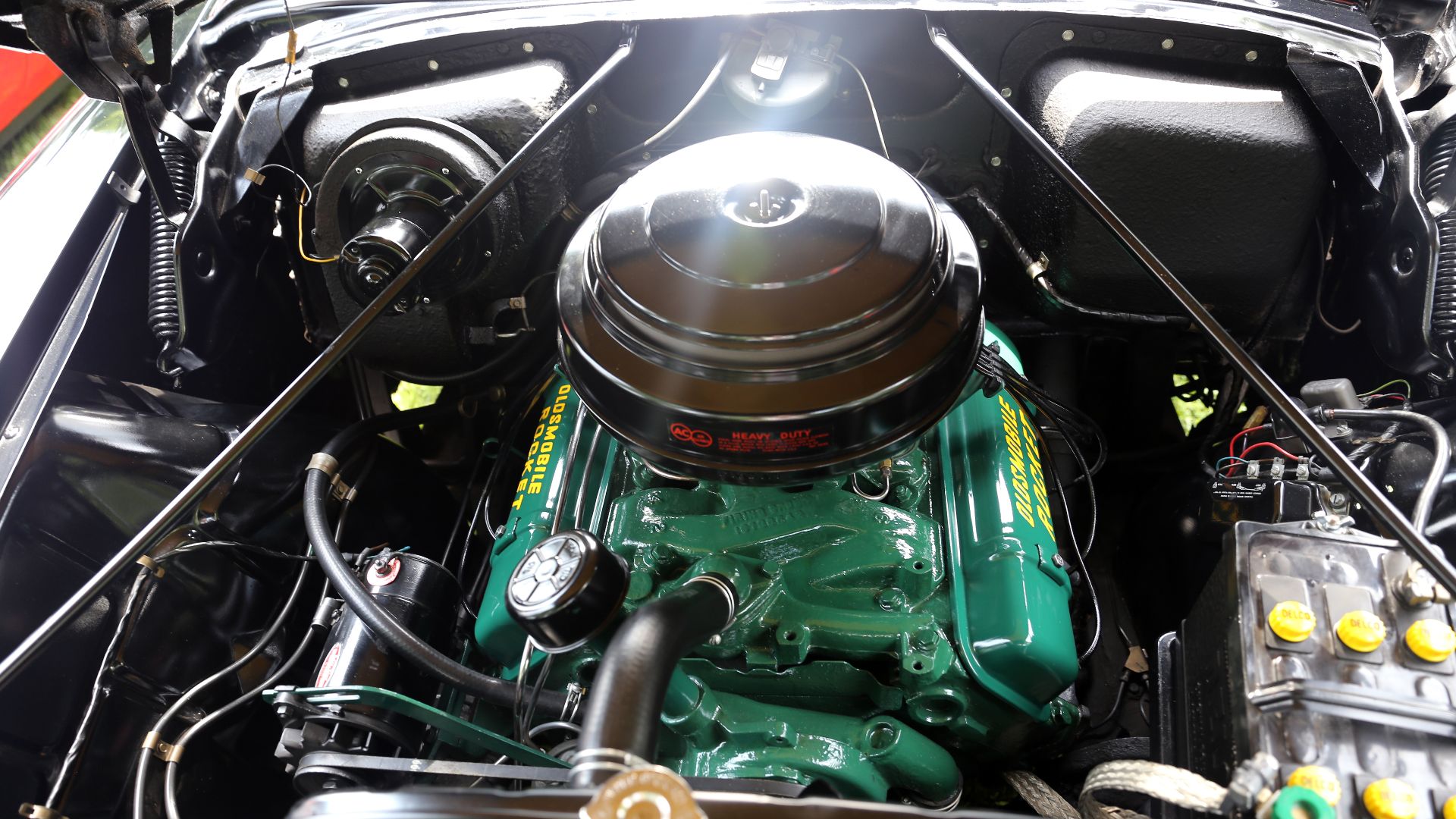
One of the most persistent stories about the Oldsmobile diesel is that GM simply converted a gasoline engine by changing a few parts. That's misleading. Although the diesel shared its basic architecture and some dimensions with Oldsmobile's gasoline V8 family, it used a specially designed block and numerous diesel-specific components. The real problem wasn't that engineers had literally installed diesel equipment on an unchanged gasoline engine. It was whether the finished design could reliably withstand diesel operating conditions.
 Mr.choppers, Wikimedia Commons
Diesel Engines Face Much Higher Compression
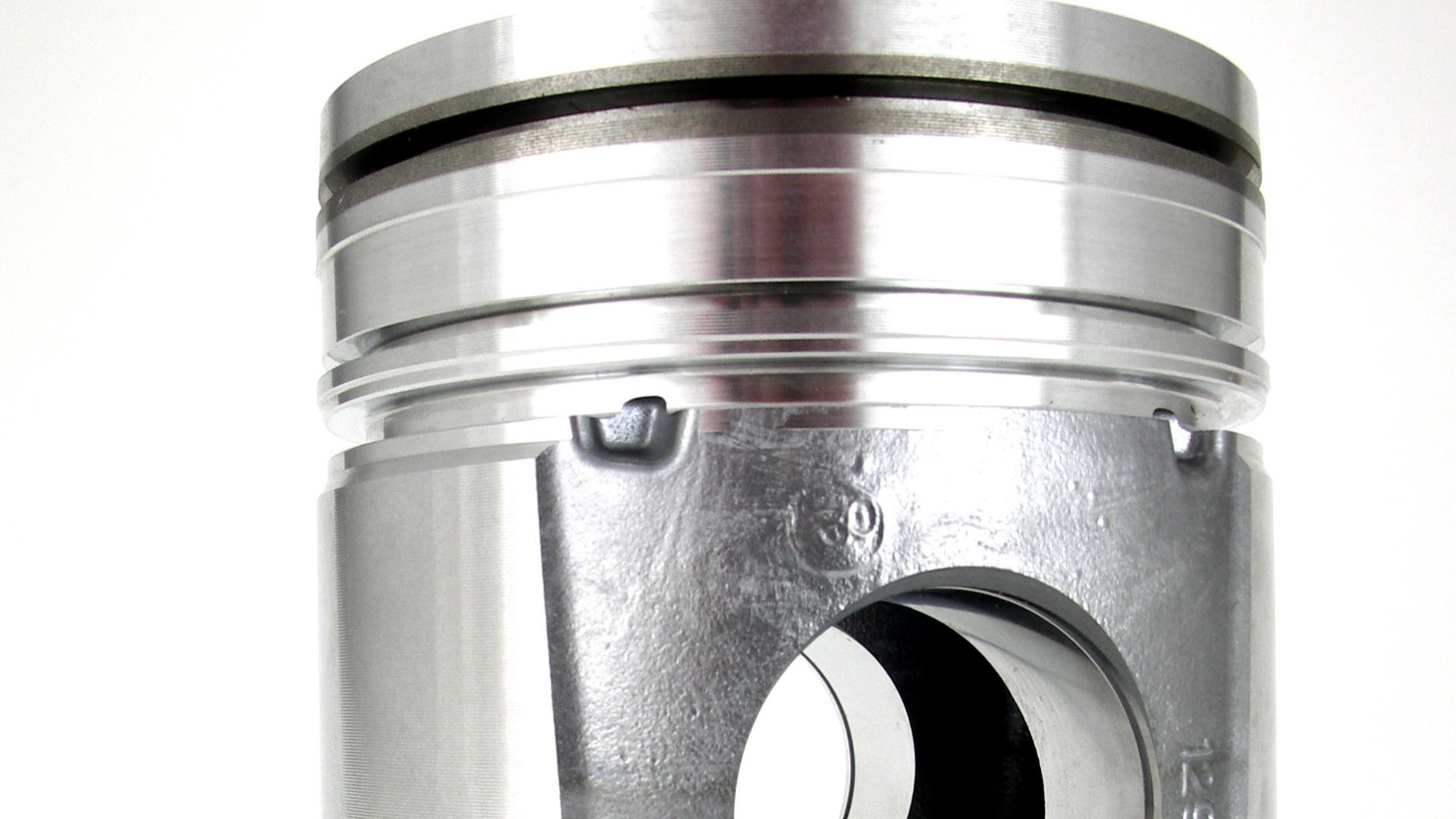
The difference between gasoline and diesel combustion is important. A gasoline engine uses spark plugs to ignite an air-fuel mixture. A diesel compresses air until it becomes hot enough to ignite fuel injected into the cylinder. The Oldsmobile 5.7-liter diesel used a compression ratio of approximately 22.5:1, far higher than a typical gasoline V8 of the period. That placed tremendous demands on its internal components and cylinder-head sealing.
Cylinder-Head Problems Became Notorious
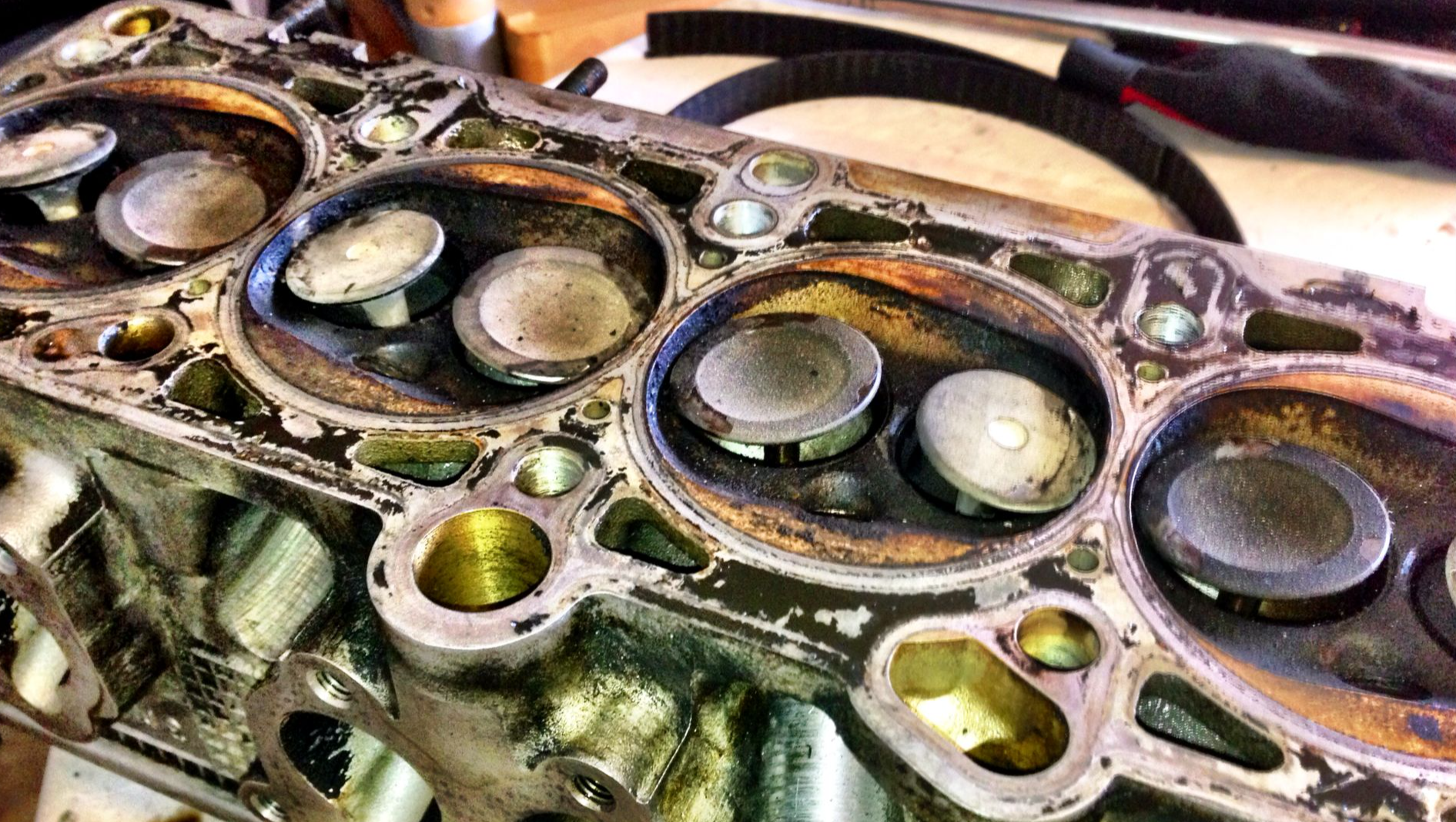
The Oldsmobile diesel's reputation suffered badly from cylinder-head gasket failures. Its high compression ratio placed substantial stress on the engine, and the original design used a head-bolt arrangement that proved troublesome in service. When the seal between the cylinder head and engine block failed, owners could face overheating, coolant contamination, and expensive repairs. GM eventually revised parts of the engine, but many early buyers had already experienced costly problems.
Water In The Fuel Created Another Major Problem
Diesel fuel systems are especially sensitive to water contamination. Unfortunately, the original Oldsmobile diesel lacked an effective dedicated fuel-water separator. Water entering the system could damage the precision components inside the injection pump and injectors. That was a particularly serious weakness when fuel handling and storage practices weren't always ideal. Owners sometimes faced expensive fuel-system repairs even when the rest of the engine seemed healthy.
 MrCarter188, Wikimedia Commons
Some Owners Made Things Worse Without Knowing It
Drivers accustomed to gasoline engines sometimes used alcohol-based fuel additives to deal with suspected water contamination. That could be disastrous in an early diesel. Certain additives damaged seals and internal components in the injection system. Owners were trying to protect their expensive new engines, but familiar gasoline-car maintenance habits didn't always translate to diesel technology. It was another example of how unfamiliar these engines were to American motorists.
 Santeri Viinamäki, Wikimedia Commons
Starting A Diesel Required A Different Routine
Most Americans were accustomed to turning the key and hearing their gasoline engine start almost immediately. Early diesels required a different approach. Drivers needed to wait for the glow plugs to warm the combustion chambers before cranking the engine. In warm weather, the delay might be brief. During cold mornings, however, that extra ritual could feel frustrating, especially when the car was already running late.

Cold Weather Wasn't Always Friendly
Winter created additional challenges for early diesel owners. Low temperatures made engines harder to start, while diesel fuel could develop wax crystals that restricted flow through filters. Weak batteries or faulty glow plugs made matters worse. These weren't problems exclusive to General Motors, but they were unfamiliar to many American drivers. Someone buying a diesel to save money could quickly become discouraged after a few difficult winter mornings.
 Francis pullen, Wikimedia Commons
The Noise Was Hard To Ignore
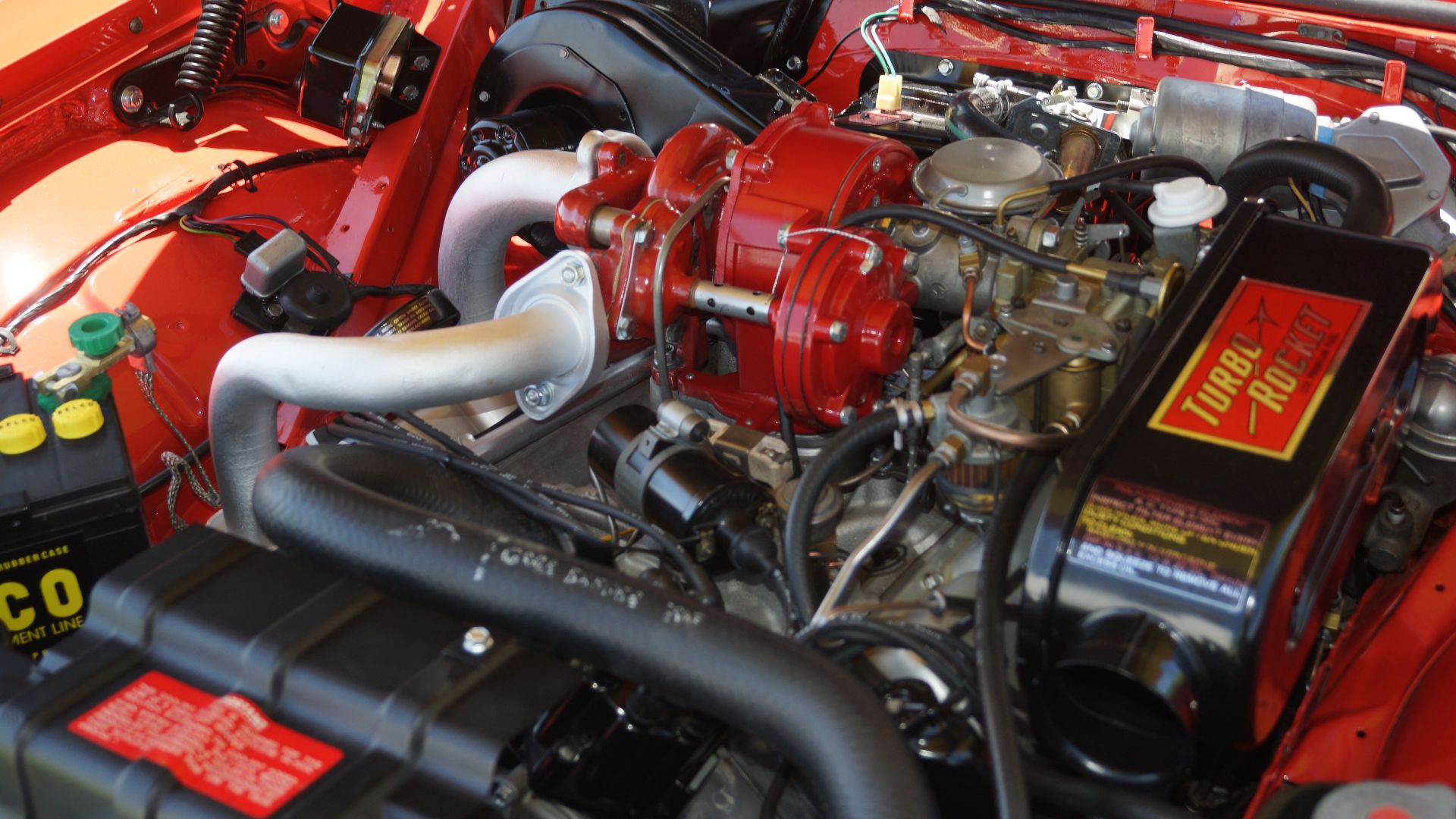
Remember that unmistakable diesel clatter? Early passenger diesels were noticeably noisier than the smooth gasoline engines Americans had grown accustomed to. At idle, the mechanical combustion noise could be especially obvious. Some drivers appreciated the industrial character, but others found it irritating. In a Cadillac or Buick, where buyers expected quiet luxury, the sound seemed particularly out of place. Better fuel economy suddenly came with a very audible trade-off.
 Greg Gjerdingen from Willmar, USA, Wikimedia Commons
The Exhaust Wasn't Exactly Appealing
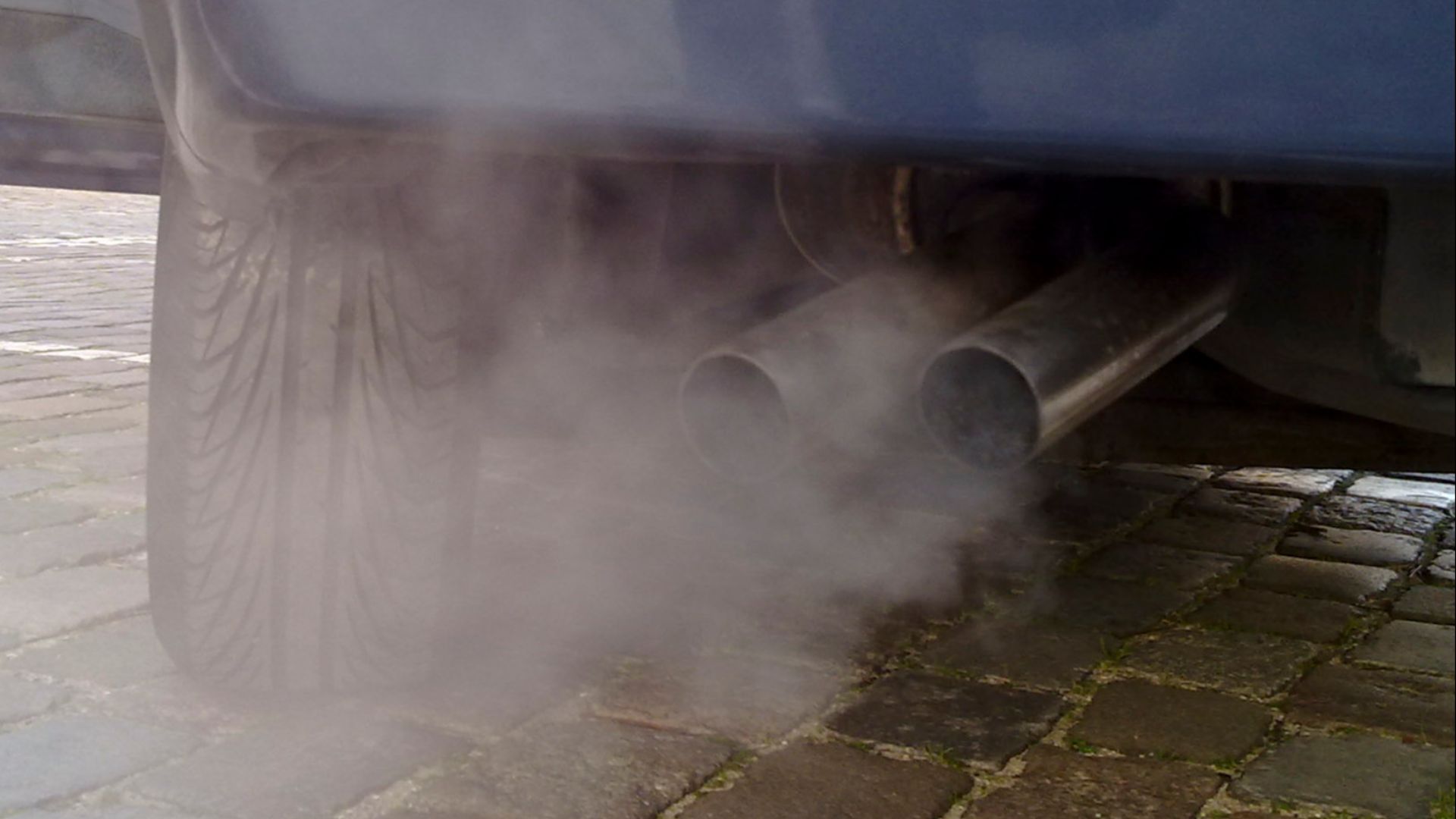
Older diesels could produce visible exhaust smoke, particularly under heavy acceleration or when poorly maintained. Combined with their distinctive exhaust odor, this reinforced the impression that diesel engines belonged in commercial vehicles. Not every diesel car smoked excessively, and proper maintenance made a difference. Still, Americans who associated luxury motoring with smooth, quiet gasoline engines weren't necessarily impressed by the experience.
 Ruben de Rijcke, Wikimedia Commons
Acceleration Could Test Your Patience
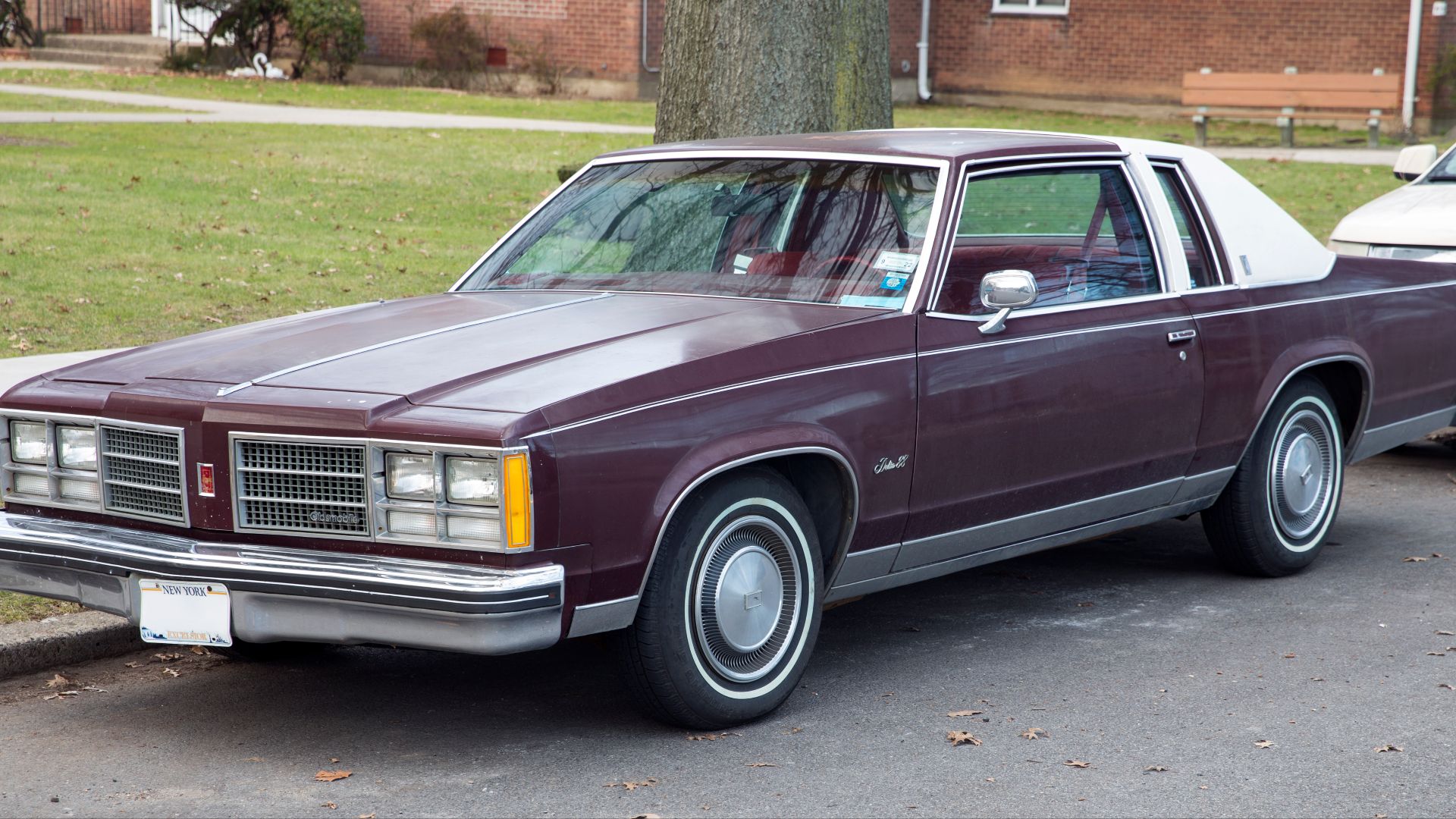
A diesel-powered Cadillac or Oldsmobile might deliver excellent highway mileage, but it wasn't going to win many stoplight races. The naturally aspirated engines produced relatively modest horsepower, and the heavy vehicles carrying them didn't help matters. Passing slower traffic required planning. Drivers who had grown up with powerful American V8s sometimes found the performance disappointing. Diesel efficiency was attractive, but it demanded a noticeable change in driving expectations.
 Mr.choppers, Wikimedia Commons
Cadillac Buyers Expected Something Different
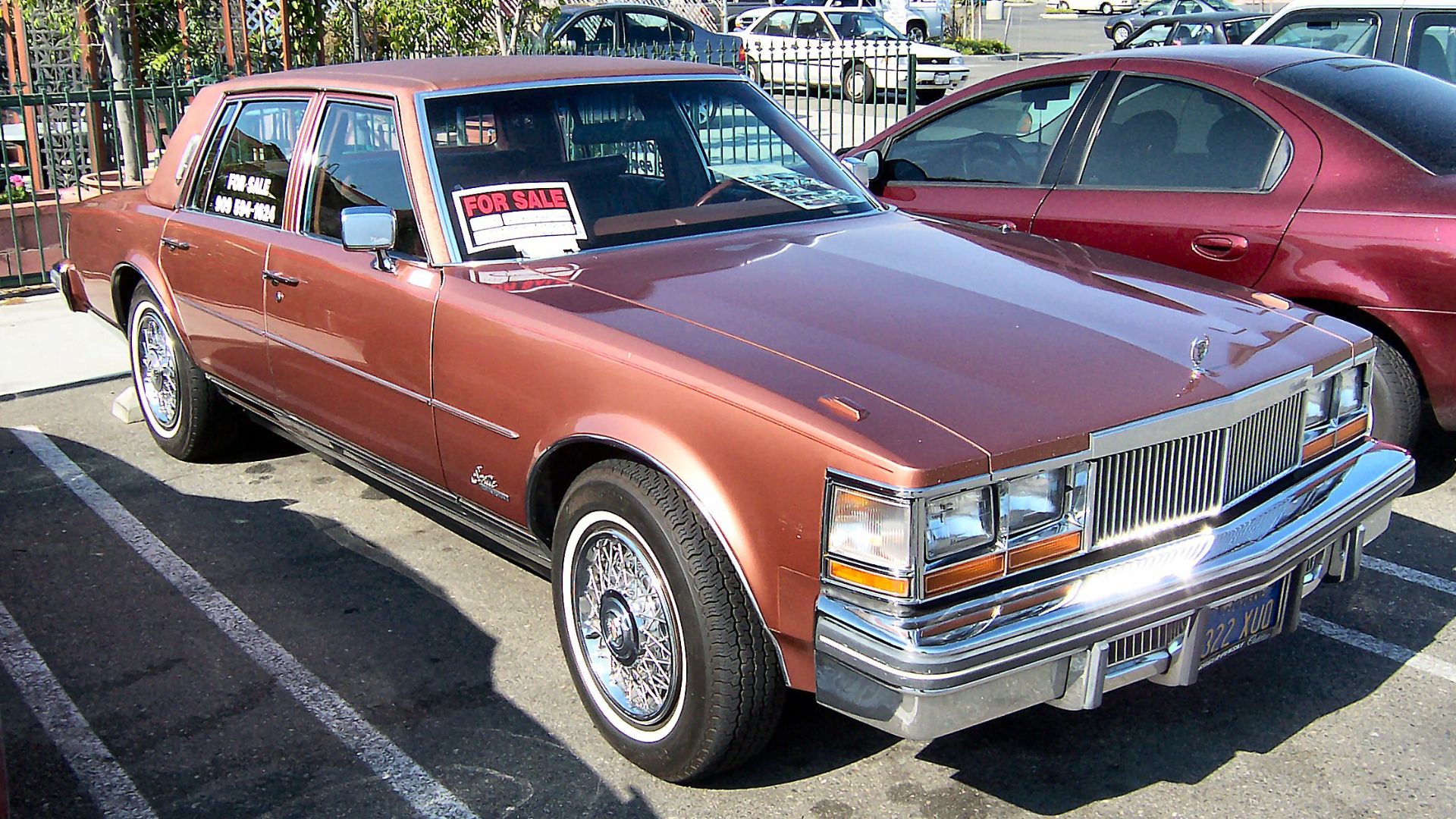
The Cadillac Seville received the Oldsmobile-built diesel V8 for the 1978 model year, and other Cadillac models followed. That was an unusual combination: one of America's most prestigious luxury brands paired with a relatively noisy, slow-revving engine. The fuel economy could be impressive for such a large vehicle, but Cadillac customers expected refinement and dependability. Mechanical problems were especially damaging when they appeared in cars carrying a premium badge.
Buick And Chevrolet Joined The Experiment
GM expanded diesel availability beyond Oldsmobile and Cadillac, including selected Buick and Chevrolet passenger cars. Models such as the Buick Electra and Chevrolet Caprice brought diesel power into familiar American driveways. The idea was straightforward: offer customers the cars they already liked, but with lower fuel consumption. Unfortunately, spreading the technology across several divisions also meant that engine problems could damage the reputation of multiple brands.
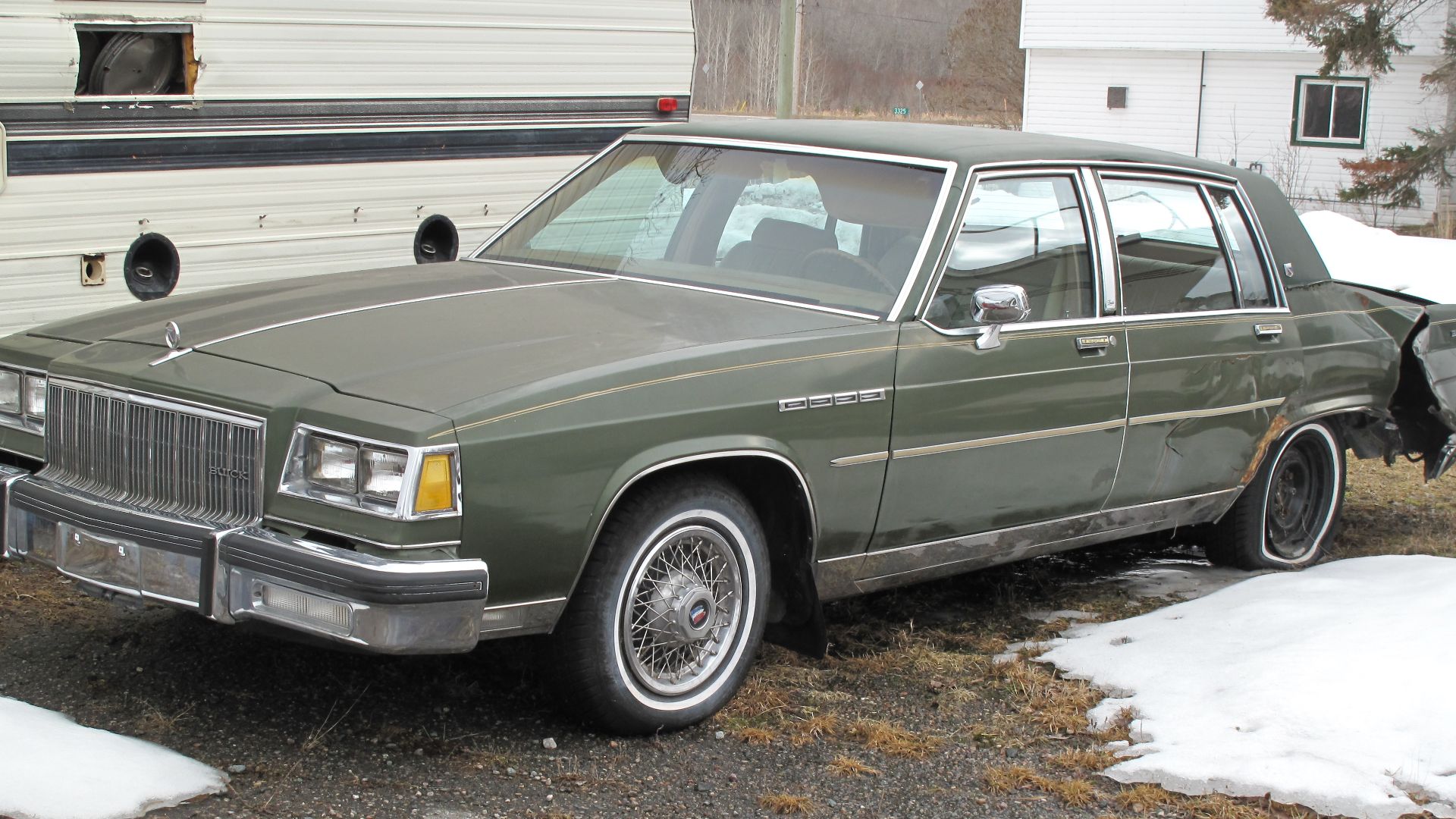
Pontiac Eventually Offered Diesels Too
Pontiac wasn't immune to the diesel experiment. Selected Pontiac models received Oldsmobile-built diesel engines during the early 1980s, even though the division was traditionally associated with sporty styling and performance. A diesel-powered Pontiac was an unusual sight, but the economic pressures of the era made fuel-saving options attractive. Unfortunately, the growing reputation of GM's diesel engines made the sales pitch increasingly difficult.
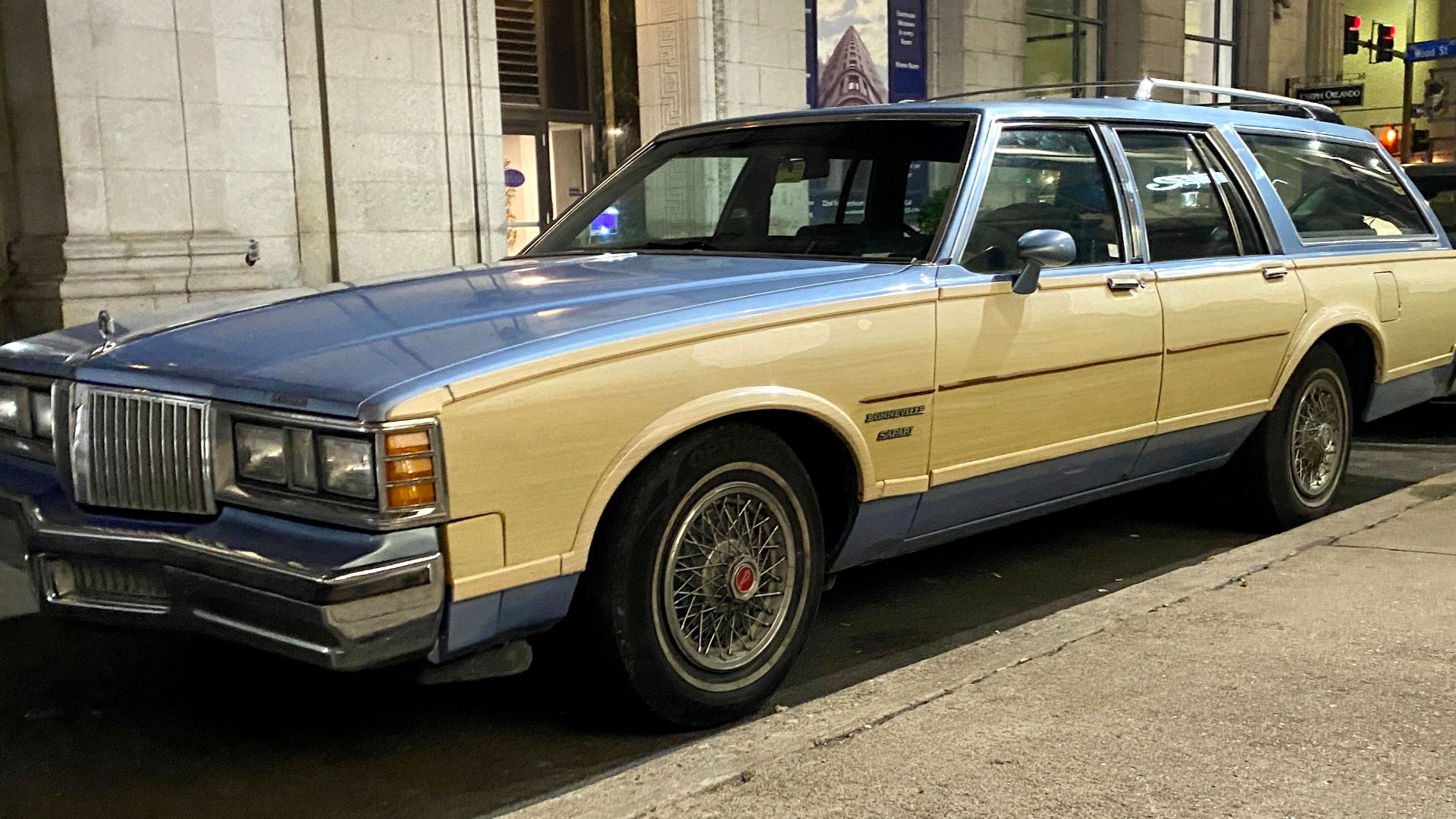
The Smaller Diesel V8 Wasn't The Answer
Oldsmobile also introduced a 4.3-liter, 260-cubic-inch diesel V8 for 1979. It was intended for smaller cars such as the Cutlass, where a large 5.7-liter engine wasn't necessarily appropriate. Unfortunately, the smaller V8 delivered only about 90 horsepower, making acceleration particularly leisurely. It also developed reliability concerns of its own. The smaller engine demonstrated that reducing displacement wasn't enough to solve the larger challenges facing Detroit's diesel program.
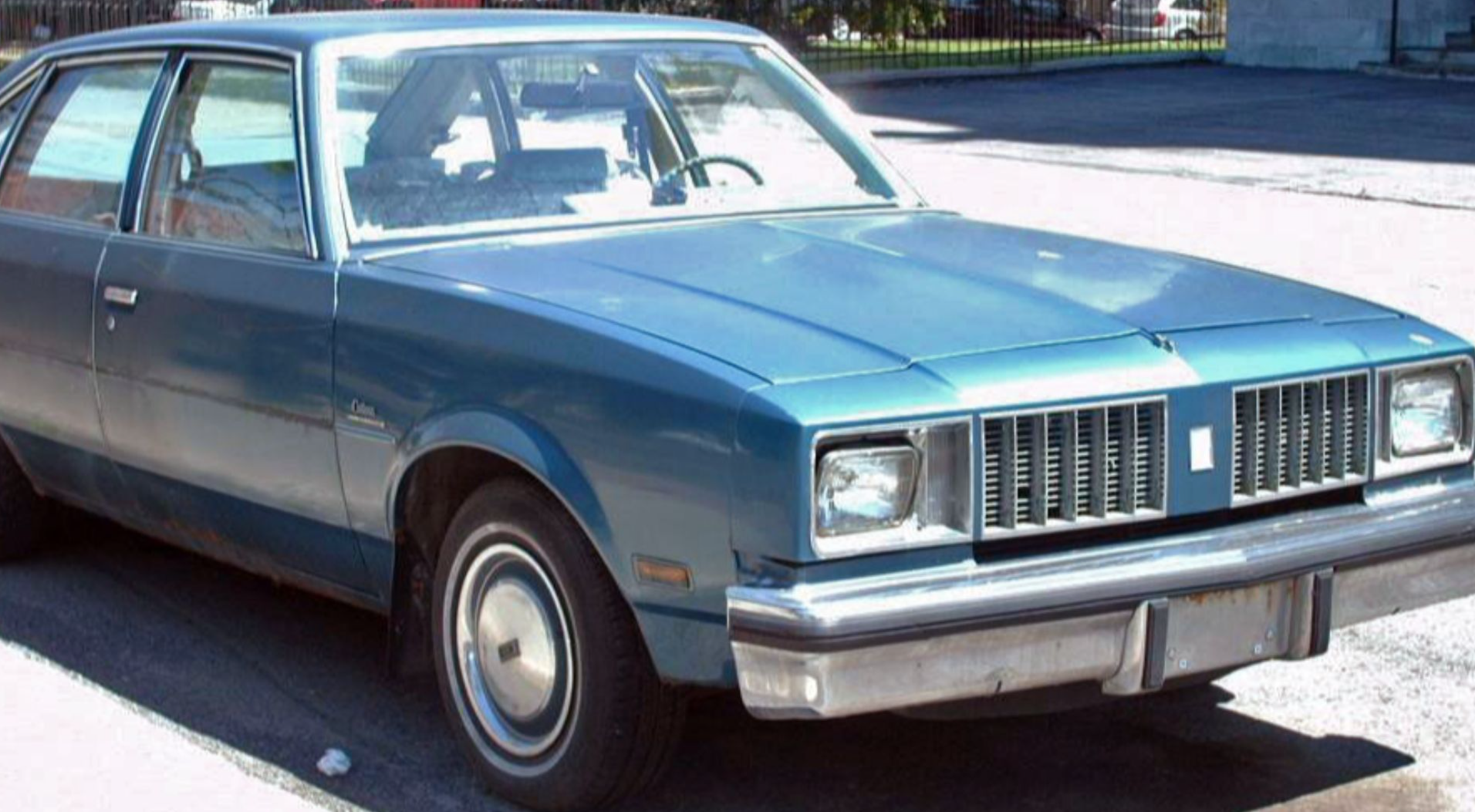
The 4.3-Liter Diesel V6 Was A Different Story
In 1982, Oldsmobile introduced a redesigned 4.3-liter diesel V6. Unlike the earlier 4.3-liter V8, this engine incorporated important engineering improvements, including a stronger cylinder-head fastening arrangement. It was generally considered a better design and addressed many of the weaknesses associated with the original V8. Unfortunately, its arrival came after several years of negative publicity. Convincing skeptical buyers to give another GM diesel a chance was becoming difficult.
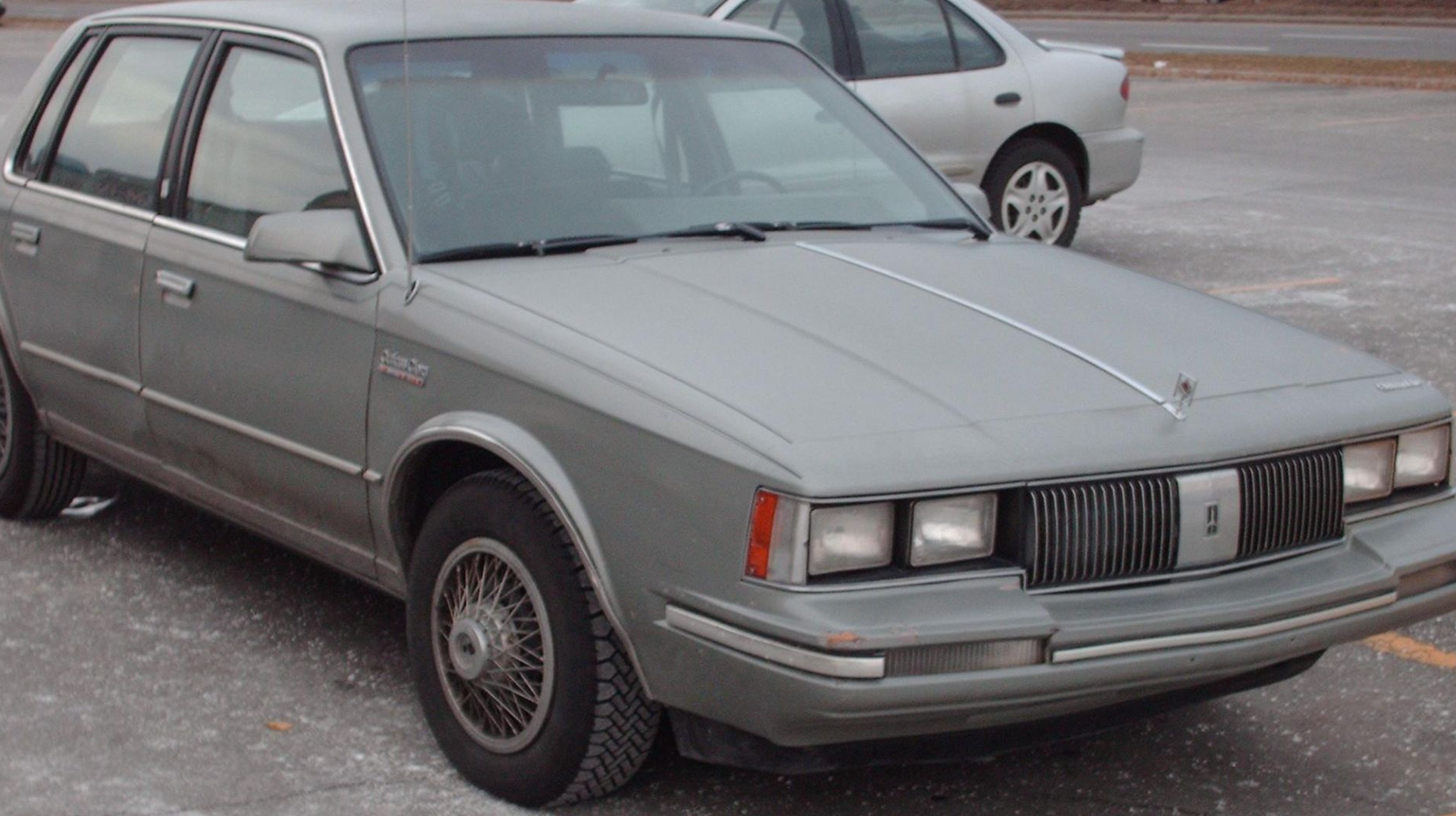
Dealership Mechanics Faced A Learning Curve
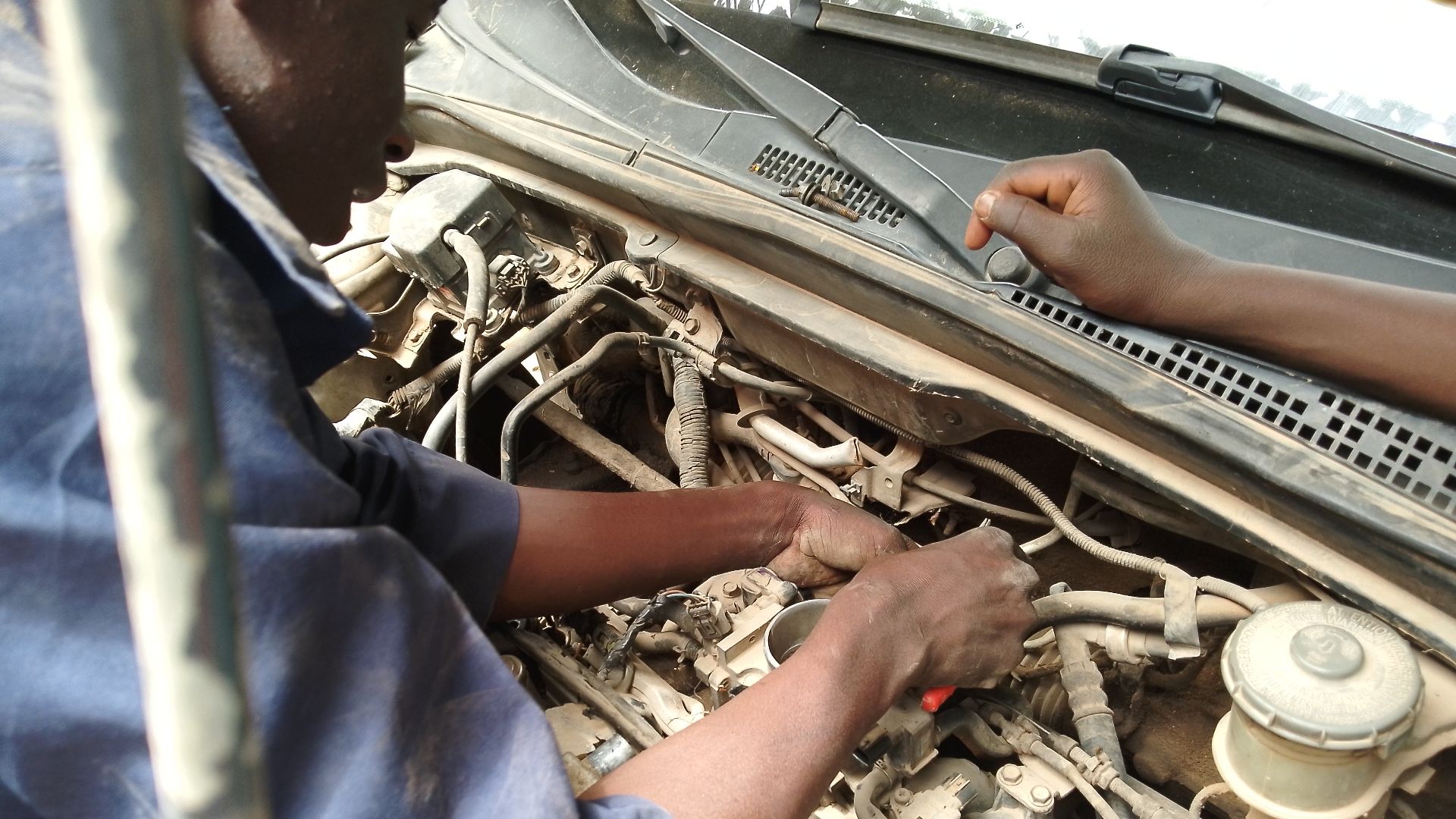
Diesel engines required different diagnostic procedures and maintenance practices from gasoline engines. Not every dealership technician had extensive diesel experience when GM introduced its passenger-car engines. Problems involving injection timing, fuel contamination, glow plugs, and cylinder-head sealing could be difficult to diagnose correctly. Inexperienced repairs sometimes made matters worse. For frustrated owners, repeated visits to the dealership could become as memorable as the original mechanical problem.
Repairs Could Erase The Fuel Savings
Imagine buying a diesel to save money at the pump, only to face a major engine repair. That was the experience some owners reported. Fuel injection equipment, cylinder-head work, and other diesel-specific repairs could be expensive. Even drivers who enjoyed excellent mileage had to consider whether the savings justified the additional maintenance risks. A single major repair could wipe out years of fuel-cost advantages.
 Martin Vorel, Wikimedia Commons
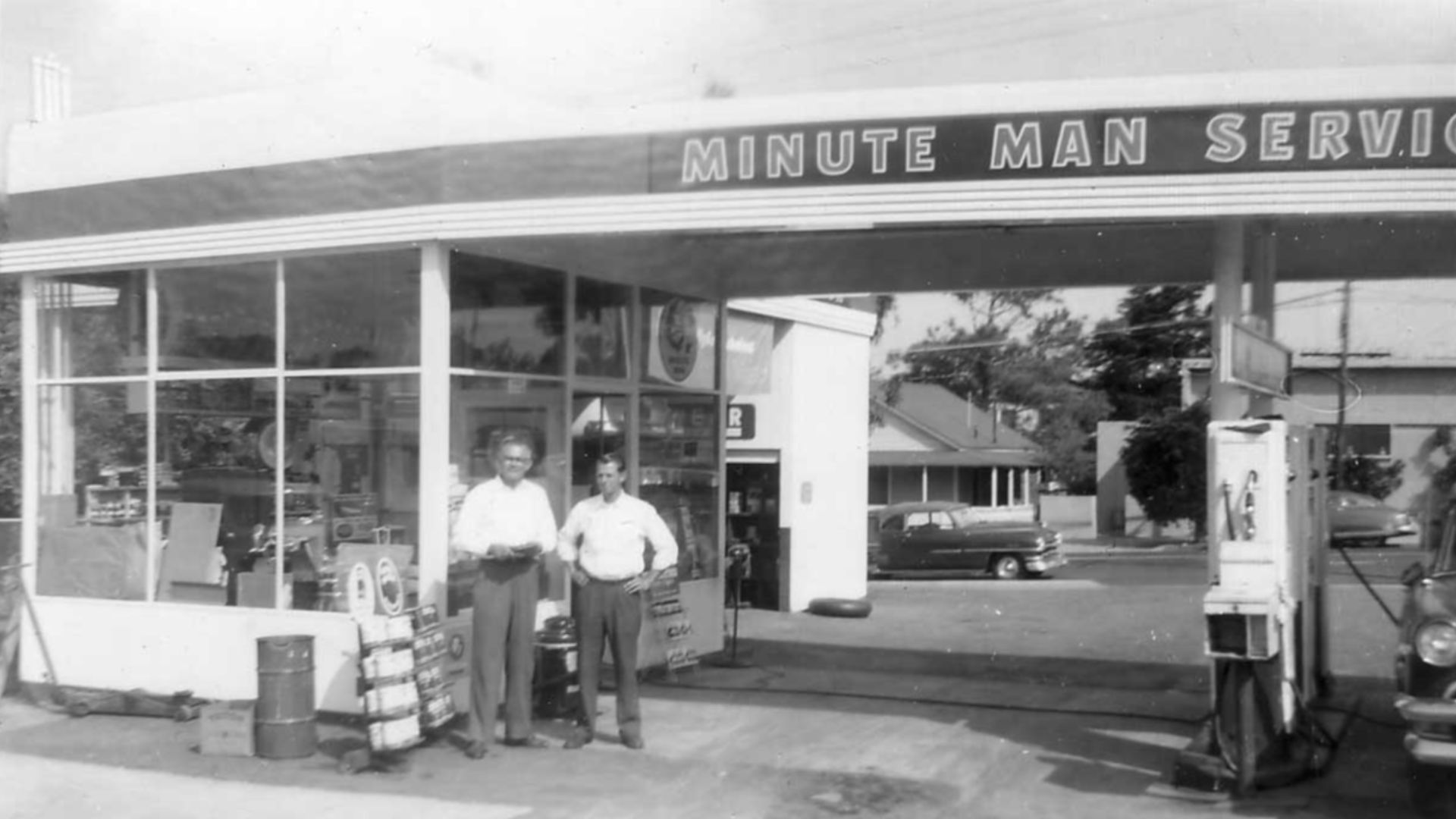
Diesel Fuel Wasn't Always Convenient To Find
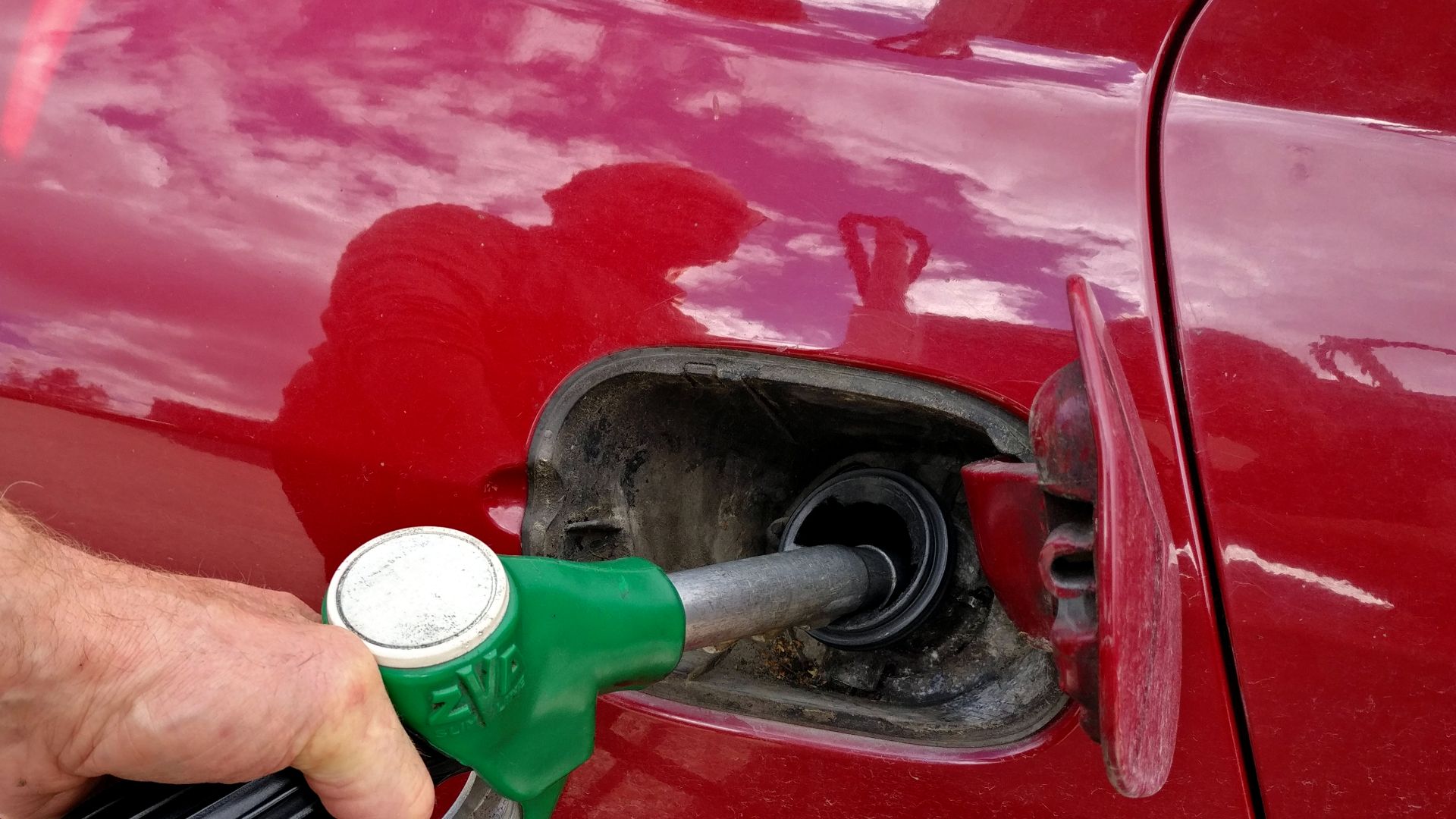
Today, diesel is familiar at many service stations, particularly along major highways. During the late 1970s, however, not every neighborhood gasoline station catered to diesel passenger cars. Drivers sometimes needed to search for a suitable pump or visit a truck-oriented station. That inconvenience was manageable for enthusiasts, but less appealing to someone who simply wanted an economical family car. Convenience mattered just as much as fuel economy.
 Bruce Robinson, Wikimedia Commons
GM Tried To Fix The Problems
General Motors didn't leave the original engine completely unchanged. The 5.7-liter diesel received substantial revisions, particularly for the 1981 model year, including improvements to cylinder-head sealing, fasteners, and internal components. Fuel-system protection also improved over time. Later engines were generally more robust than the earliest versions. Unfortunately, the changes arrived after many owners had already experienced failures, and rebuilding consumer confidence proved much harder than redesigning engine components.
The Lawsuits Made National Headlines
As complaints accumulated, GM faced lawsuits and government scrutiny over its diesel engines. In 1984, the company agreed to a settlement involving approximately 480,000 owners of earlier diesel vehicles, valued at about $22.5 million. Additional litigation followed. These disputes weren't just expensive for GM. They reinforced the public perception that its diesel cars were risky purchases, making potential customers even more hesitant.
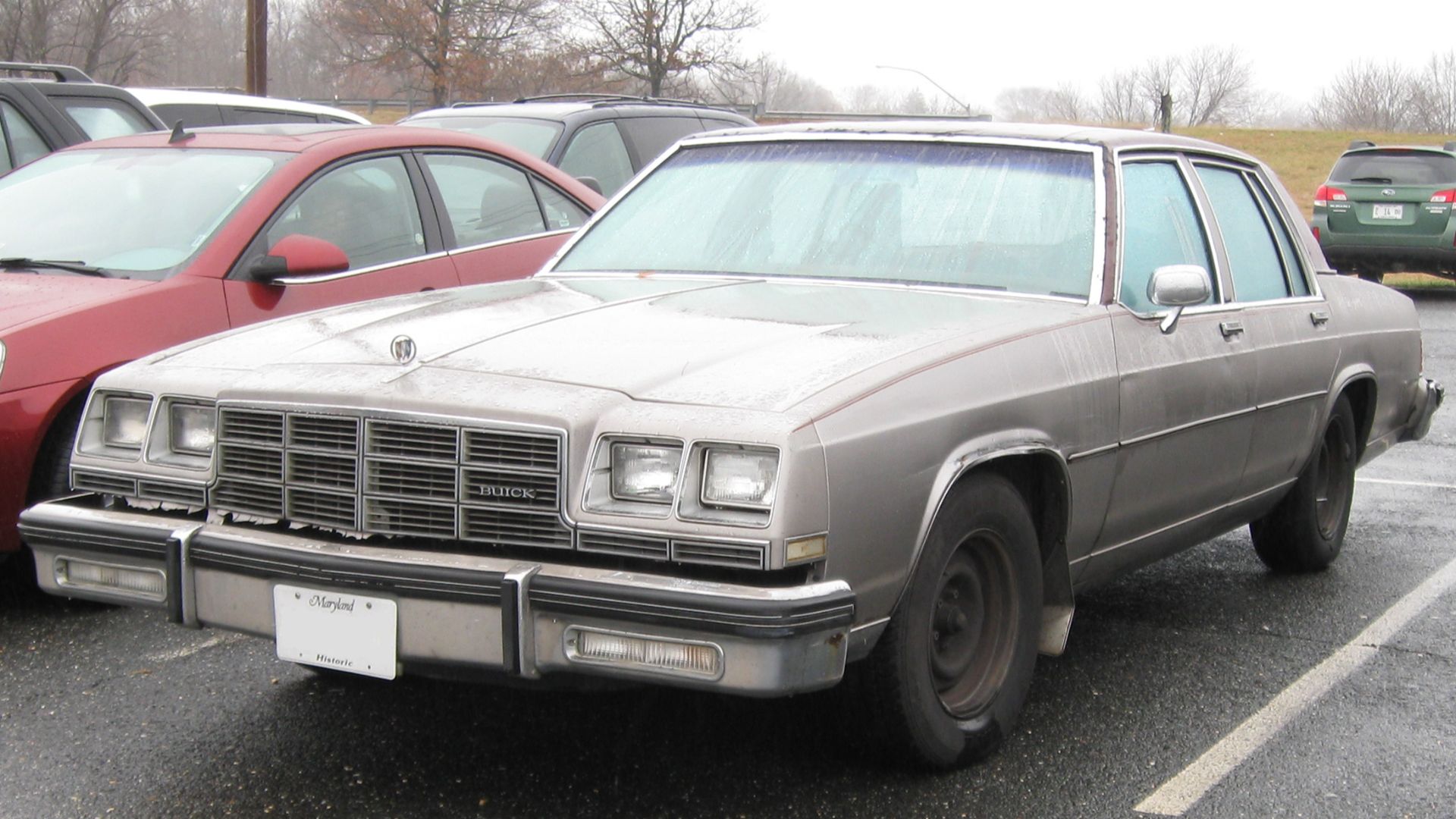
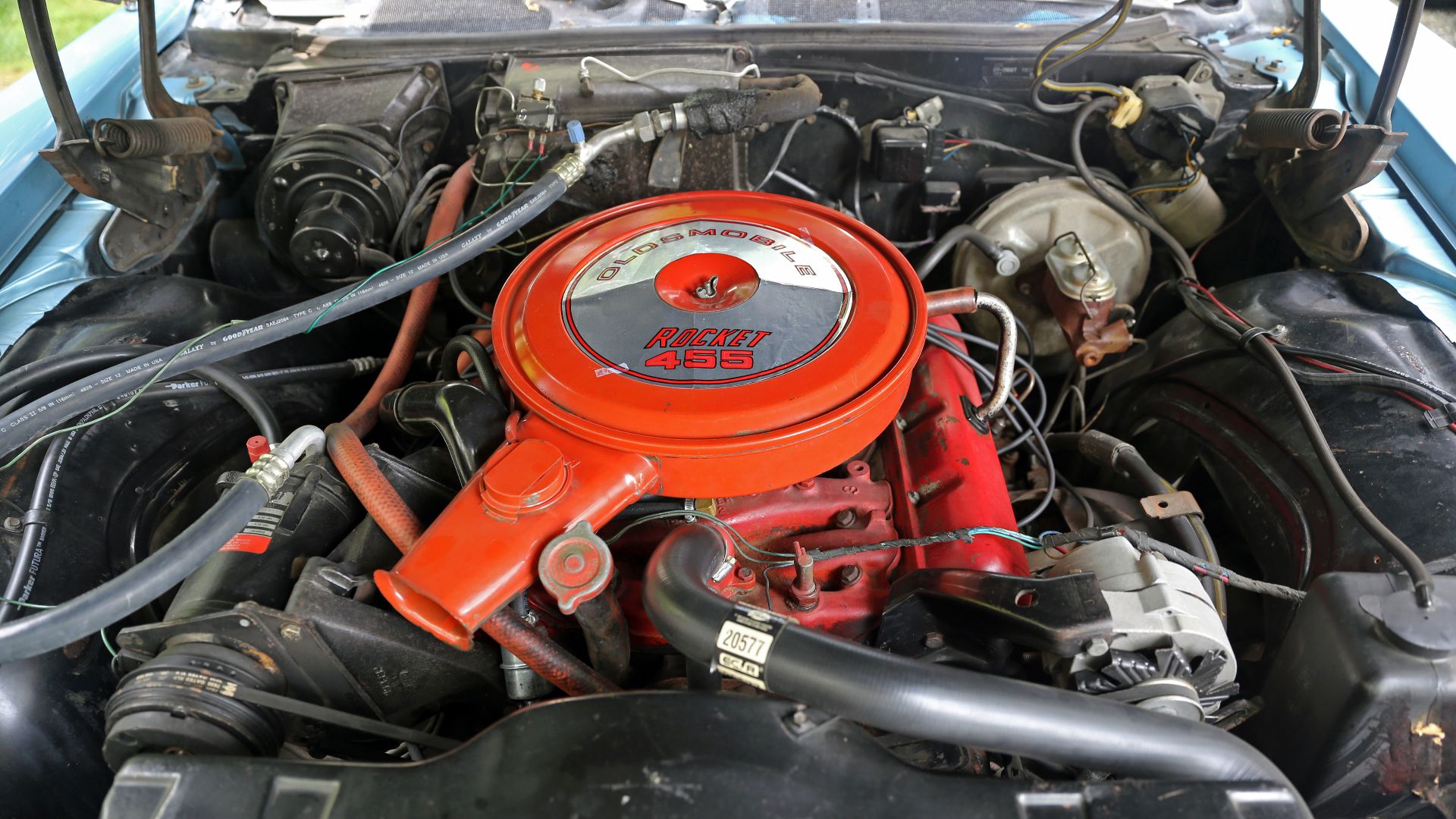
Some Owners Replaced Their Diesels With Gasoline Engines
One of the more unusual chapters in this story involved owners removing troublesome diesel engines and installing gasoline V8s. Engine swaps could make sense when a major diesel repair cost more than the car was worth. As a result, some surviving GM cars originally sold with diesel engines no longer have them. That makes finding a genuinely original diesel-powered Oldsmobile or Cadillac particularly interesting for collectors today.
 Mr.choppers, Wikimedia Commons
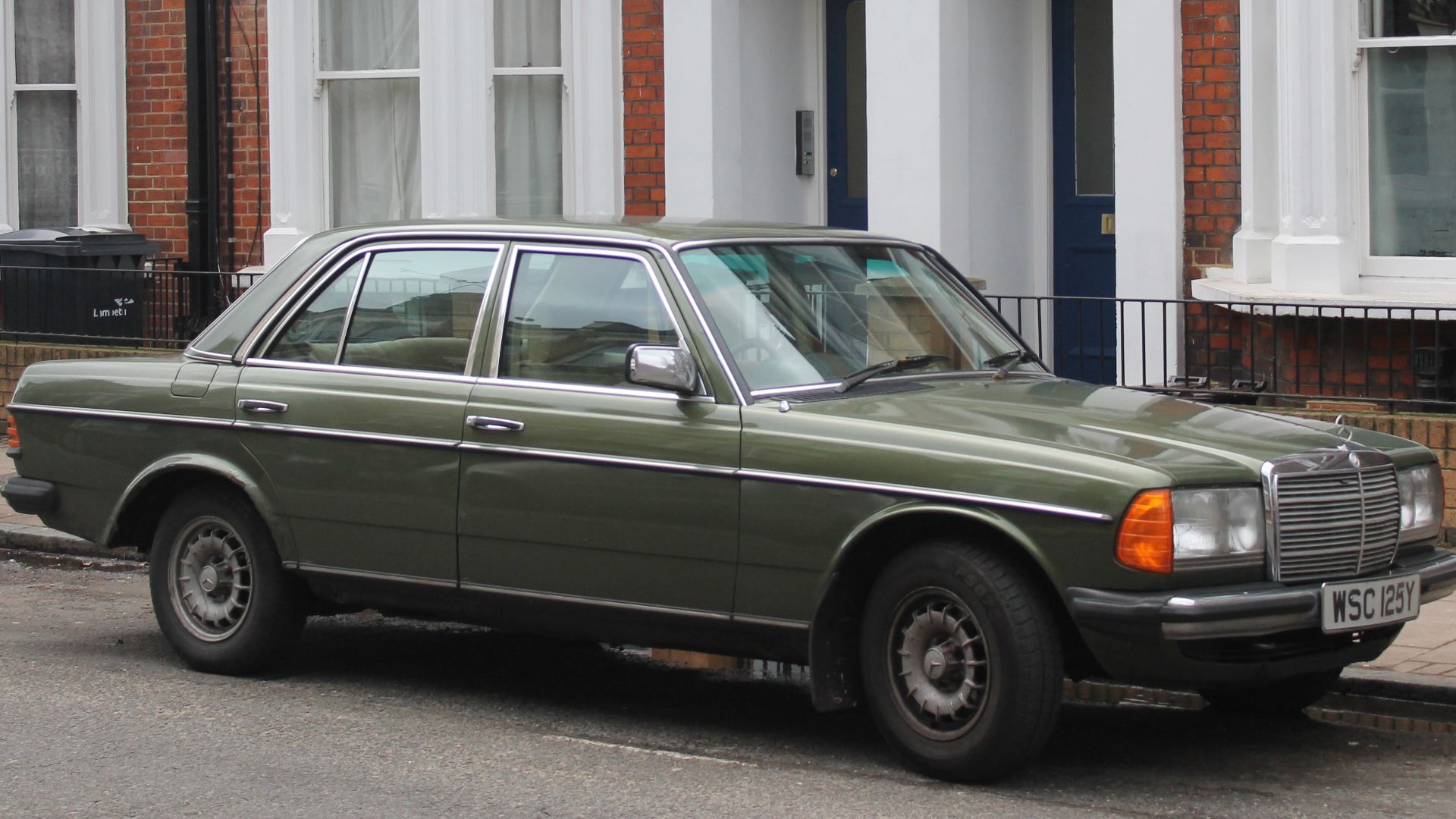
Mercedes-Benz Showed That Diesel Could Work
While Detroit struggled, Mercedes-Benz continued selling diesel-powered passenger cars in America. Models such as the 240D and 300D weren't particularly fast, but they developed loyal followings for their durability and fuel economy. Their success demonstrated that American buyers weren't automatically opposed to diesel technology. The problem was delivering an engine that met expectations for reliability. Detroit's early troubles were damaging precisely because diesel engines could work well when properly engineered.
 Charlie from United Kingdomcropped by Heierlon, Wikimedia Commons
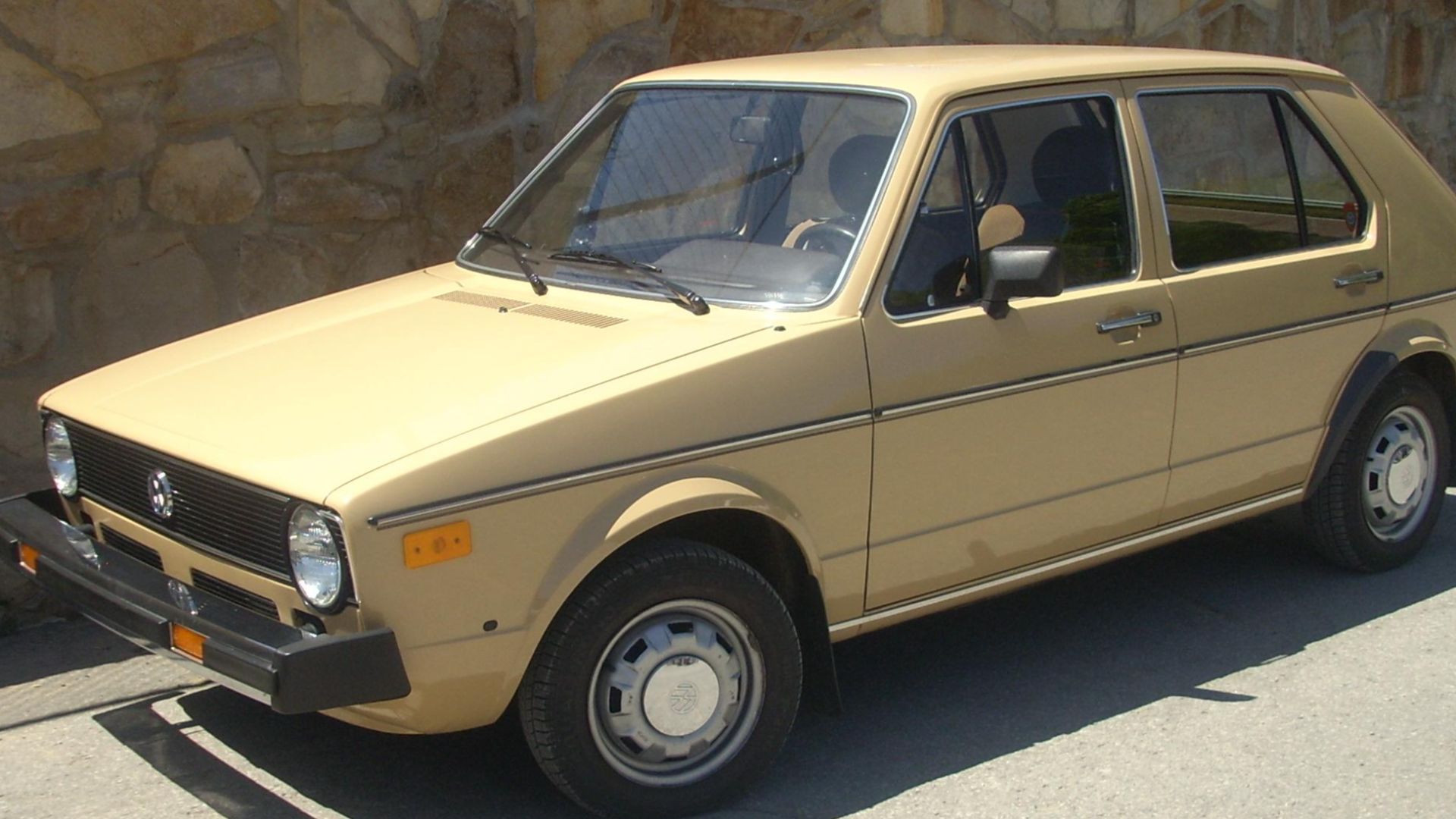
Volkswagen Offered A Very Different Diesel Experience
Volkswagen also helped introduce Americans to economical diesel motoring. The diesel Rabbit arrived in the United States for the 1977 model year, using a small four-cylinder engine rather than a large V8. Its performance was modest, but its fuel consumption was exceptionally low. Buyers interested primarily in economy had another option. The contrast showed that diesel technology wasn't limited to enormous luxury sedans or heavy commercial vehicles.
Gasoline Engines Were Getting More Efficient
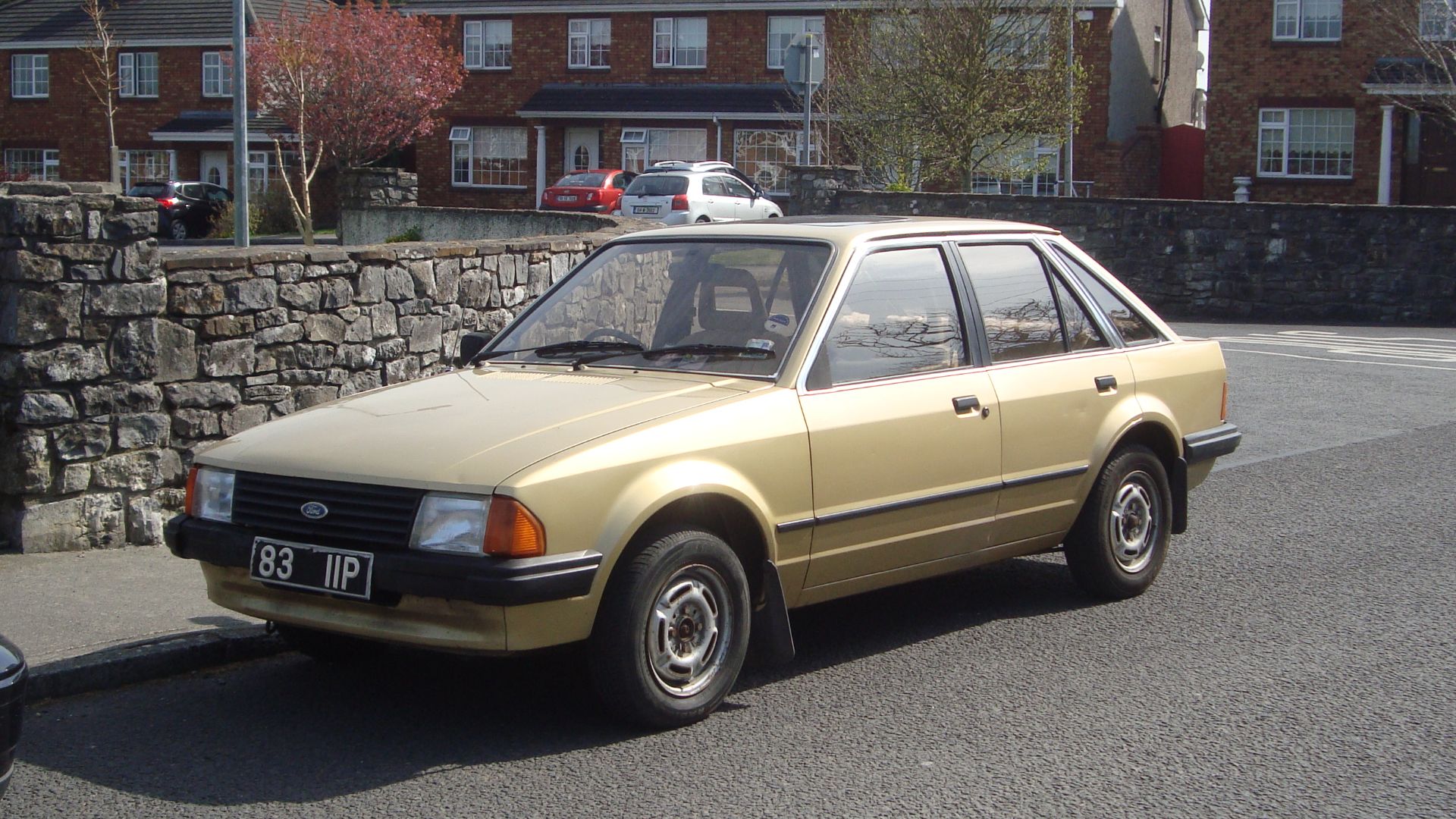
By the early 1980s, American automakers were improving gasoline-engine efficiency through downsizing, electronic controls, and better engine management. Smaller cars and more efficient gasoline engines reduced the financial advantage of choosing a diesel. Buyers no longer needed to accept unfamiliar starting procedures, additional noise, and potentially expensive diesel repairs just to improve fuel economy. The market was changing while GM was still trying to repair its reputation.
 Kieran White from Manchester, England, Wikimedia Commons
Falling Fuel Prices Changed The Calculation
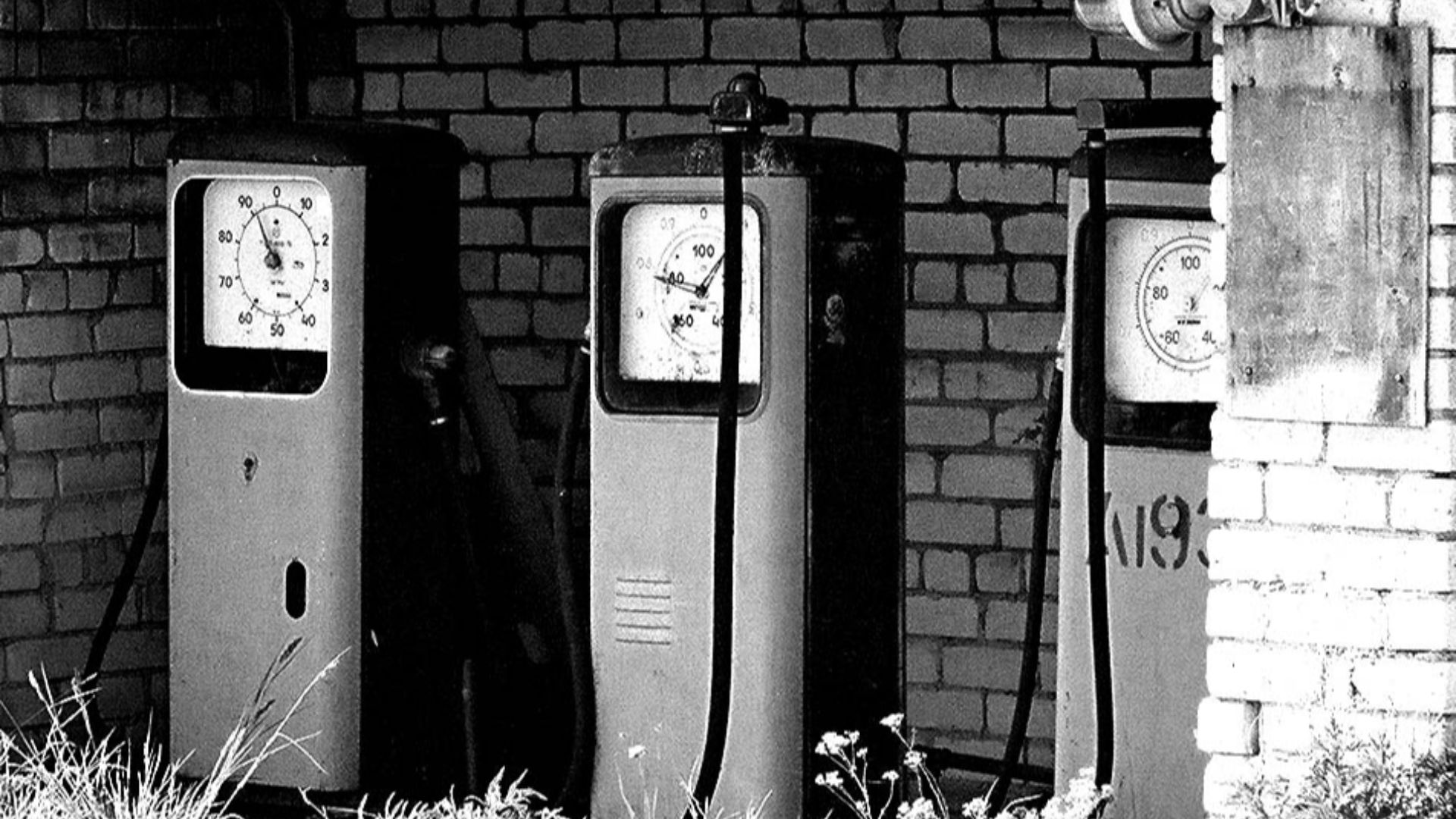
Fuel prices remained a major concern during the early 1980s, but the oil market eventually shifted. By 1986, crude oil prices had fallen dramatically, reducing the urgency that had helped make diesel passenger cars attractive. The original promise of substantial fuel savings became less compelling, particularly when diesel models often cost extra to purchase. Without a strong financial incentive, many Americans preferred familiar gasoline engines.
 Priit Kallas, Wikimedia Commons
GM Finally Walked Away From Its Passenger Diesels
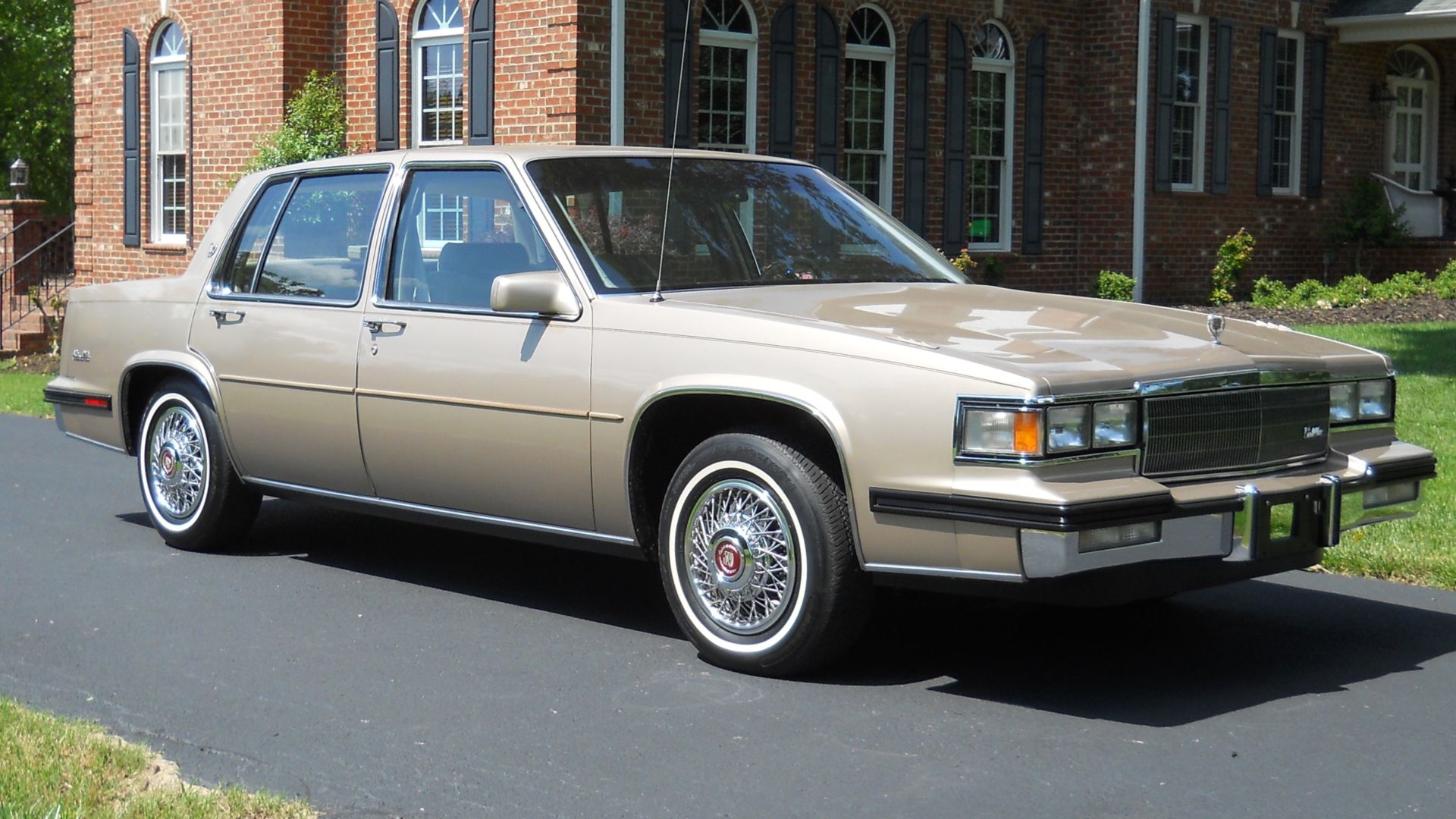
General Motors discontinued its Oldsmobile-developed passenger-car diesels after the 1985 model year. The company had invested years developing and improving the engines, but demand had weakened and the reputation of the earliest versions remained a major obstacle. GM didn't abandon diesel technology altogether, particularly in commercial vehicles and trucks. However, its first major attempt to make diesel power a mainstream American passenger-car option had ended.
 Matthias v.d. Elbe, Wikimedia Commons
The First Detroit Diesels Left A Complicated Legacy
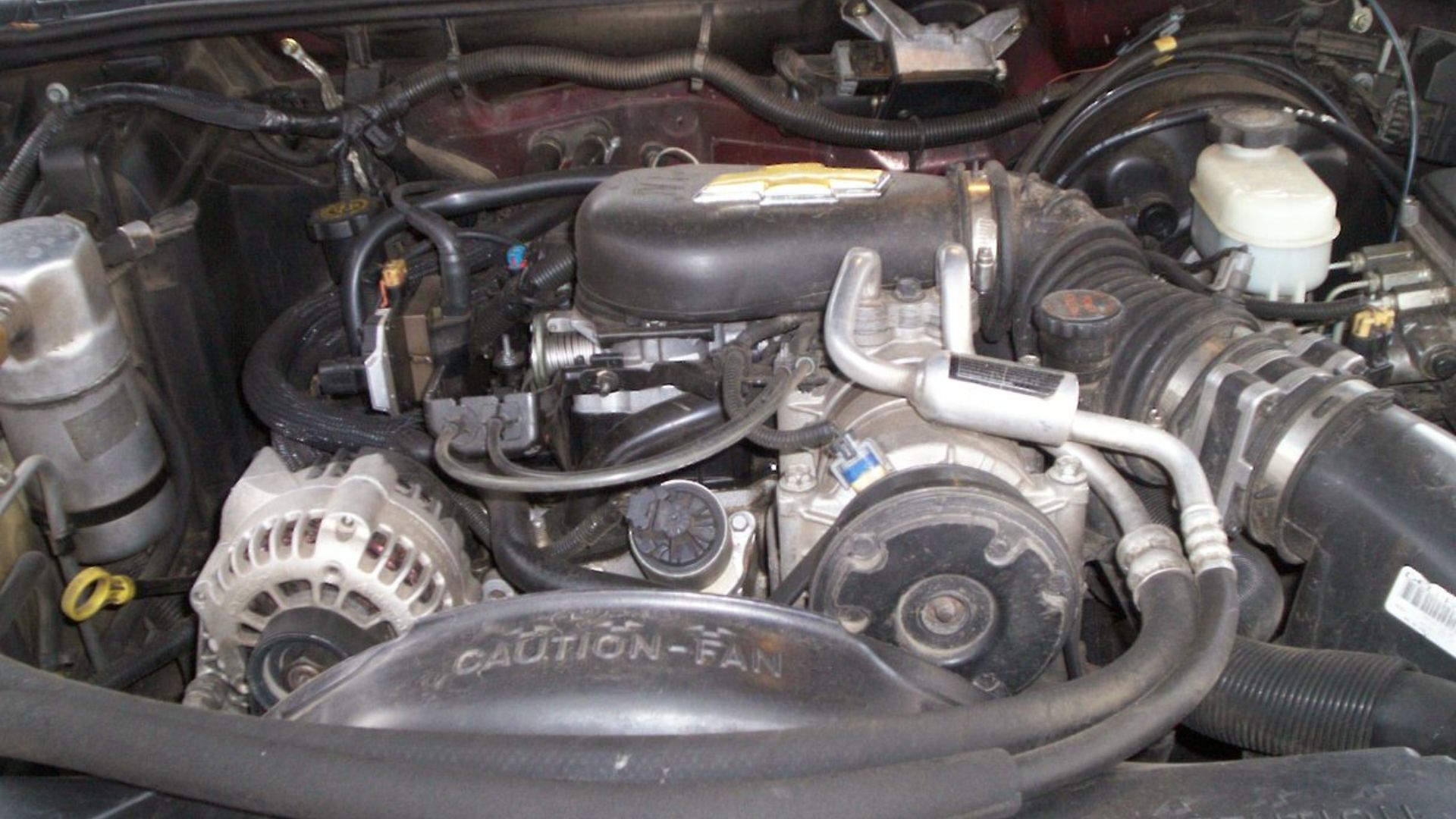
It's easy to dismiss Detroit's early passenger diesels as a complete disaster, but that misses part of the story. Some owners enjoyed excellent fuel economy, and later engines benefited from meaningful improvements. The 4.3-liter diesel V6, in particular, demonstrated that GM had learned important engineering lessons. Unfortunately, the original 5.7-liter V8's problems overshadowed those achievements. For many American drivers, the word diesel became associated with expensive repairs rather than impressive efficiency.
 Musashi hai, Wikimedia Commons
Today, These Cars Are Fascinating Survivors
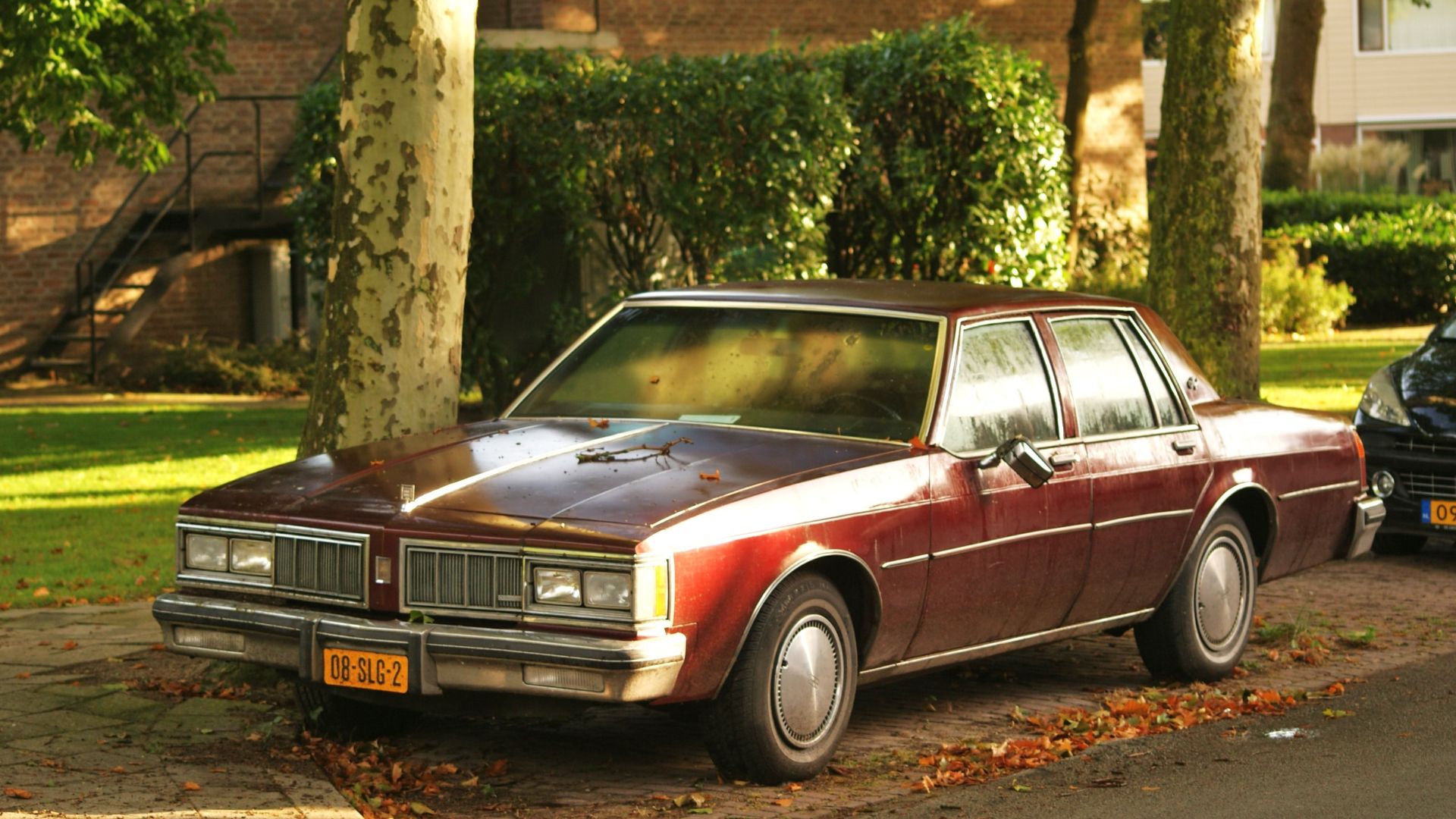
An original diesel-powered Oldsmobile Delta 88, Cadillac Seville, or Buick Electra is now an unusual sight at a classic-car show. These vehicles represent a period when American manufacturers were experimenting with solutions to enormous economic and engineering challenges. They might not be remembered as Detroit's greatest success, but they're an important part of automotive history. And for anyone who owned one, the memories are probably still pretty vivid.
 Niels de Wit from Lunteren, The Netherlands, Wikimedia Commons