The Look Has A Cost
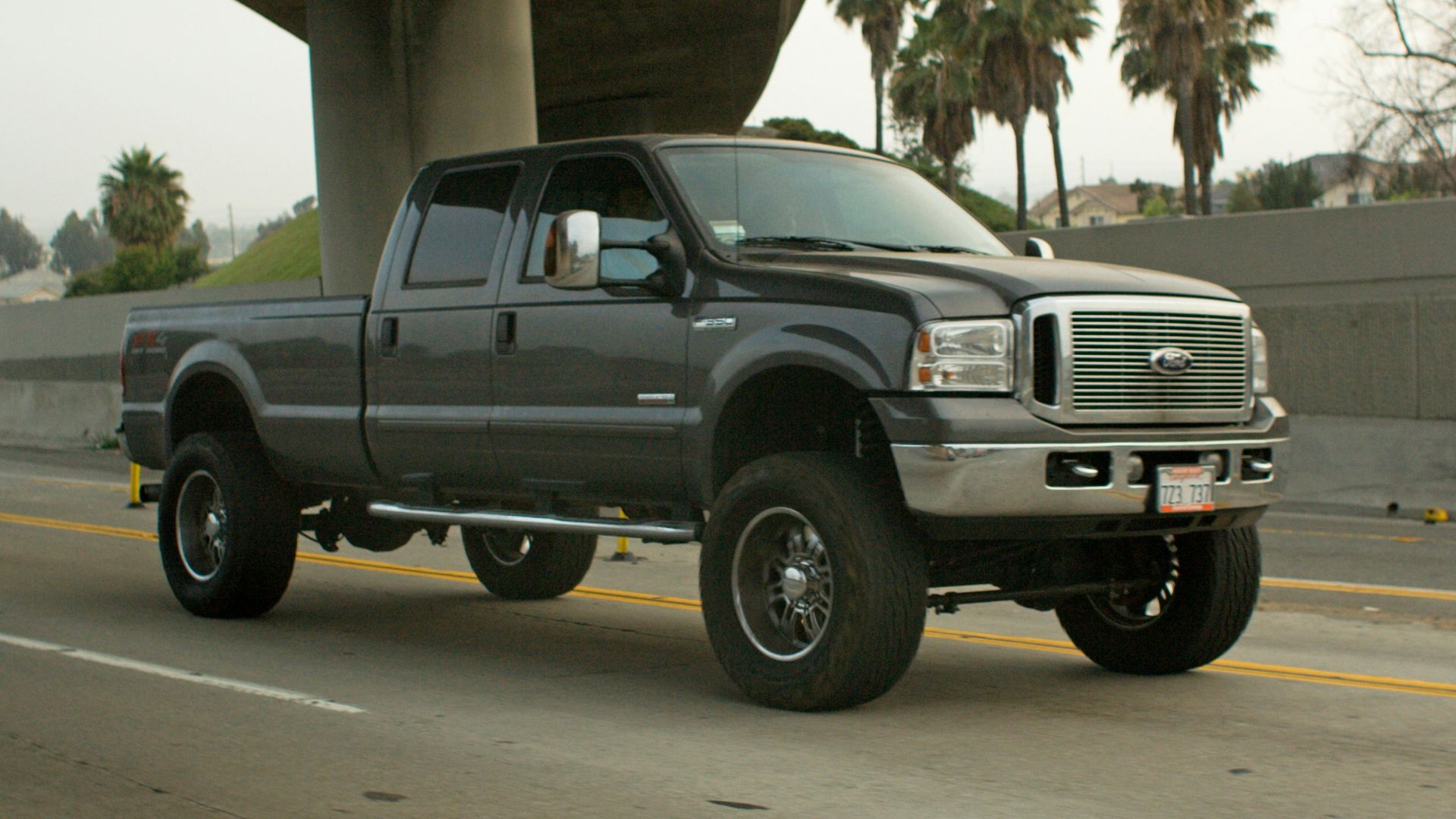
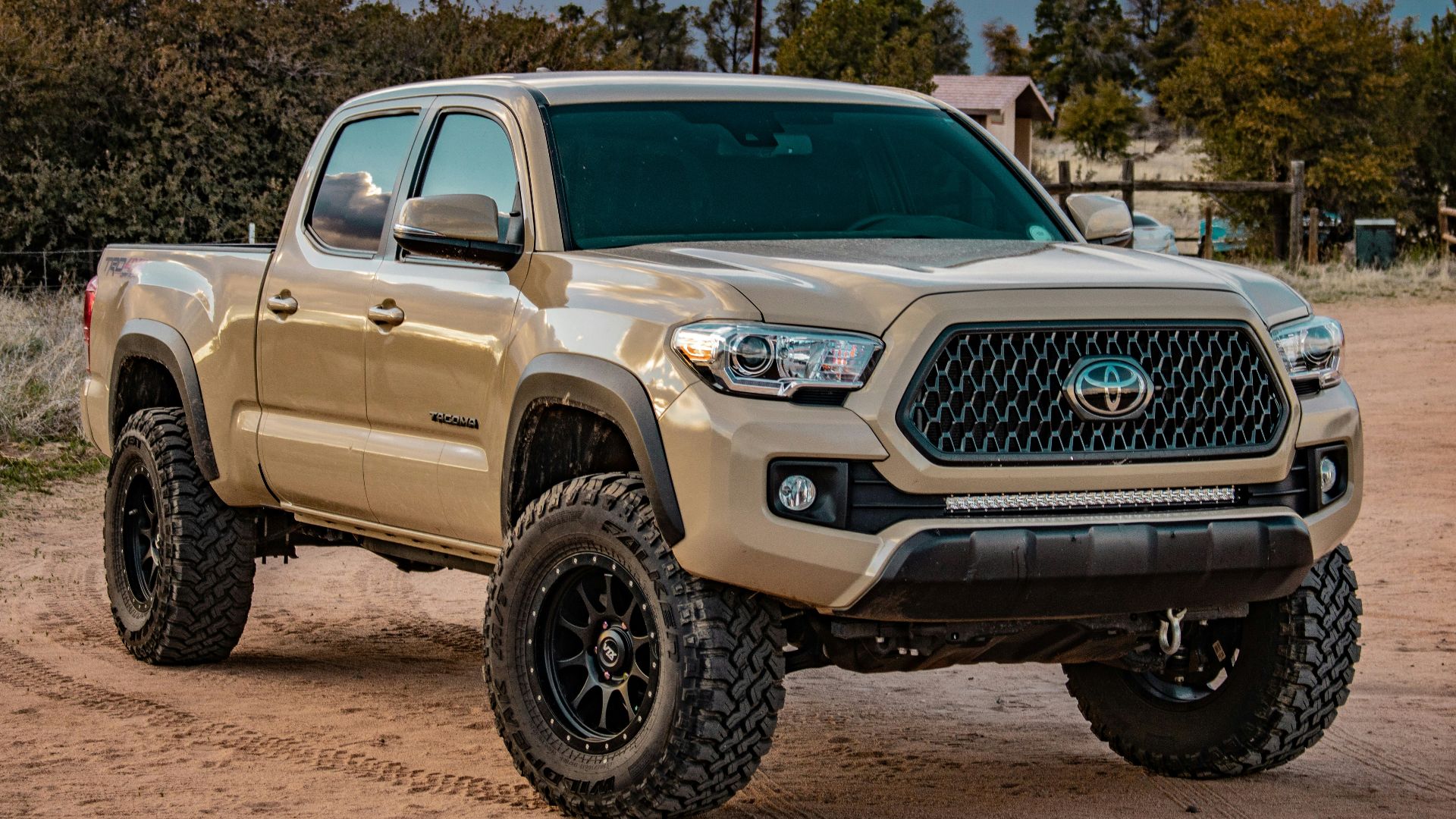
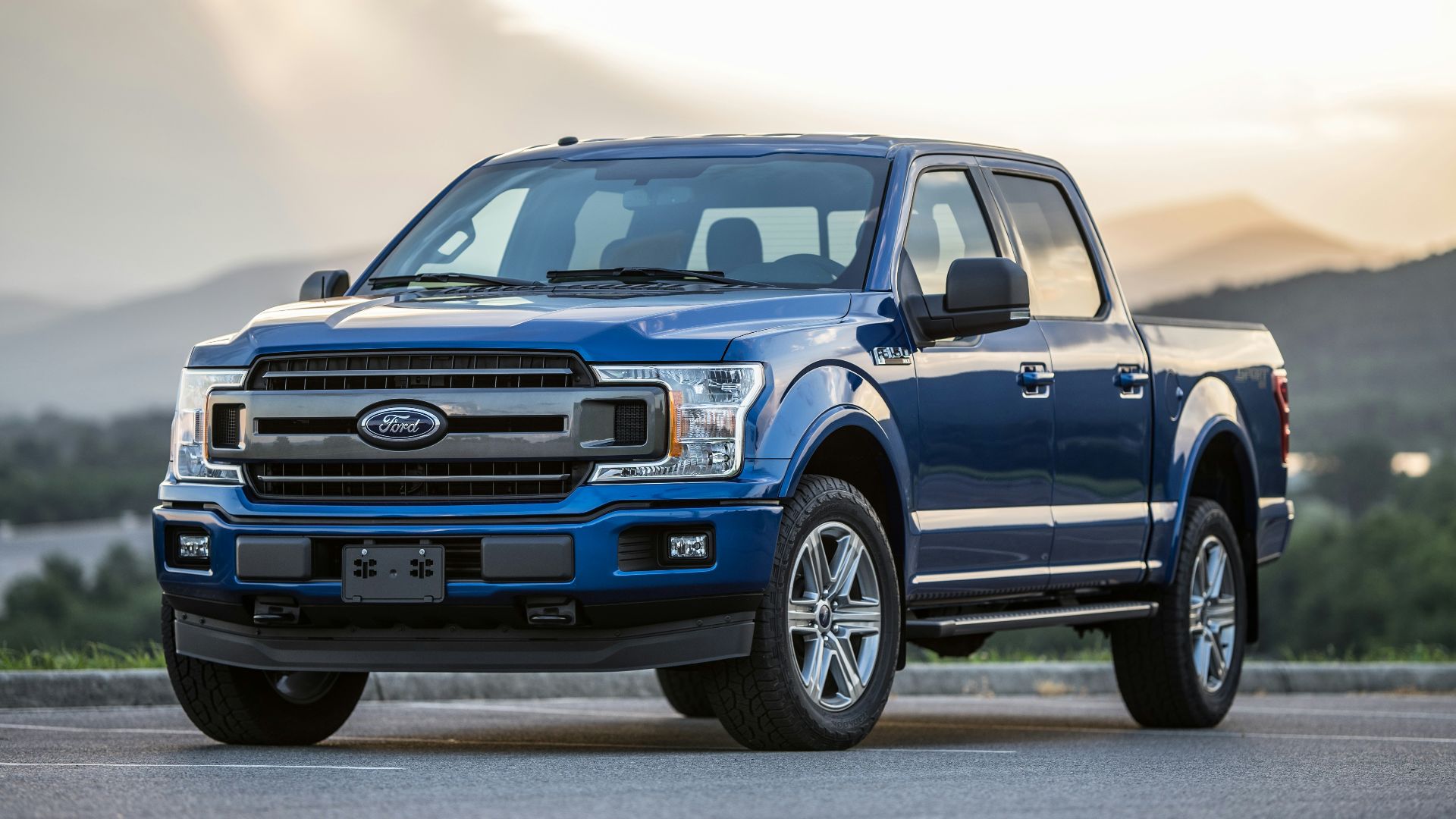
Big tires make a pickup look tougher fast. But that look often comes with real downsides every time the truck hits the road. Fuel economy can drop, braking can get worse, steering can feel less sharp, and the ride can change in ways you may not like.
 Gustavo Fring, Pexels, Modified
Why This Matters
Tires are not just for looks. They affect gearing, weight, rolling resistance, traction, and even how electronic safety systems read wheel speed. Change the tires, and you can change a lot about how the truck drives.
 Hrach Hovhannisyan, Shutterstock
What Counts As Oversized
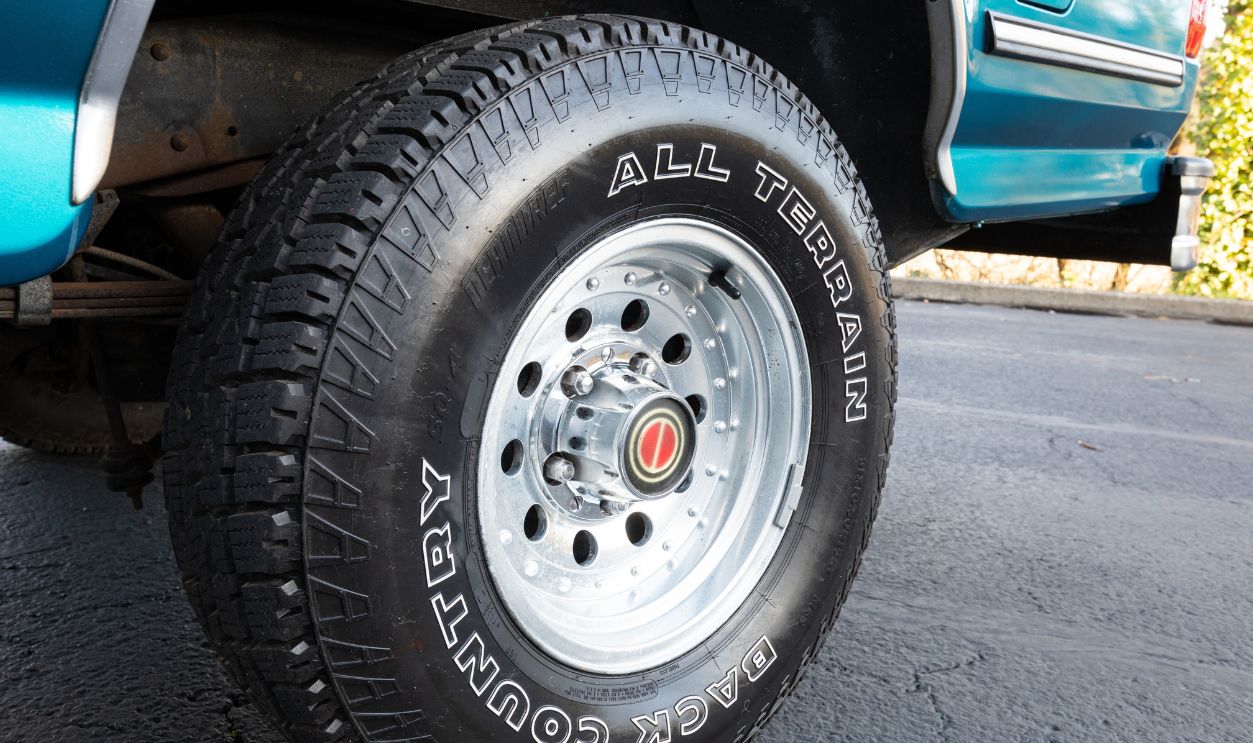
On a truck, oversized usually means a tire that is taller, wider, heavier, or some mix of all three compared with the factory size. Many owners also switch to a more aggressive all-terrain or mud-terrain tread. That matters because tread design alone can change noise, comfort, and fuel use, even before size becomes a factor.

The Fuel Economy Drop Is Usually Real
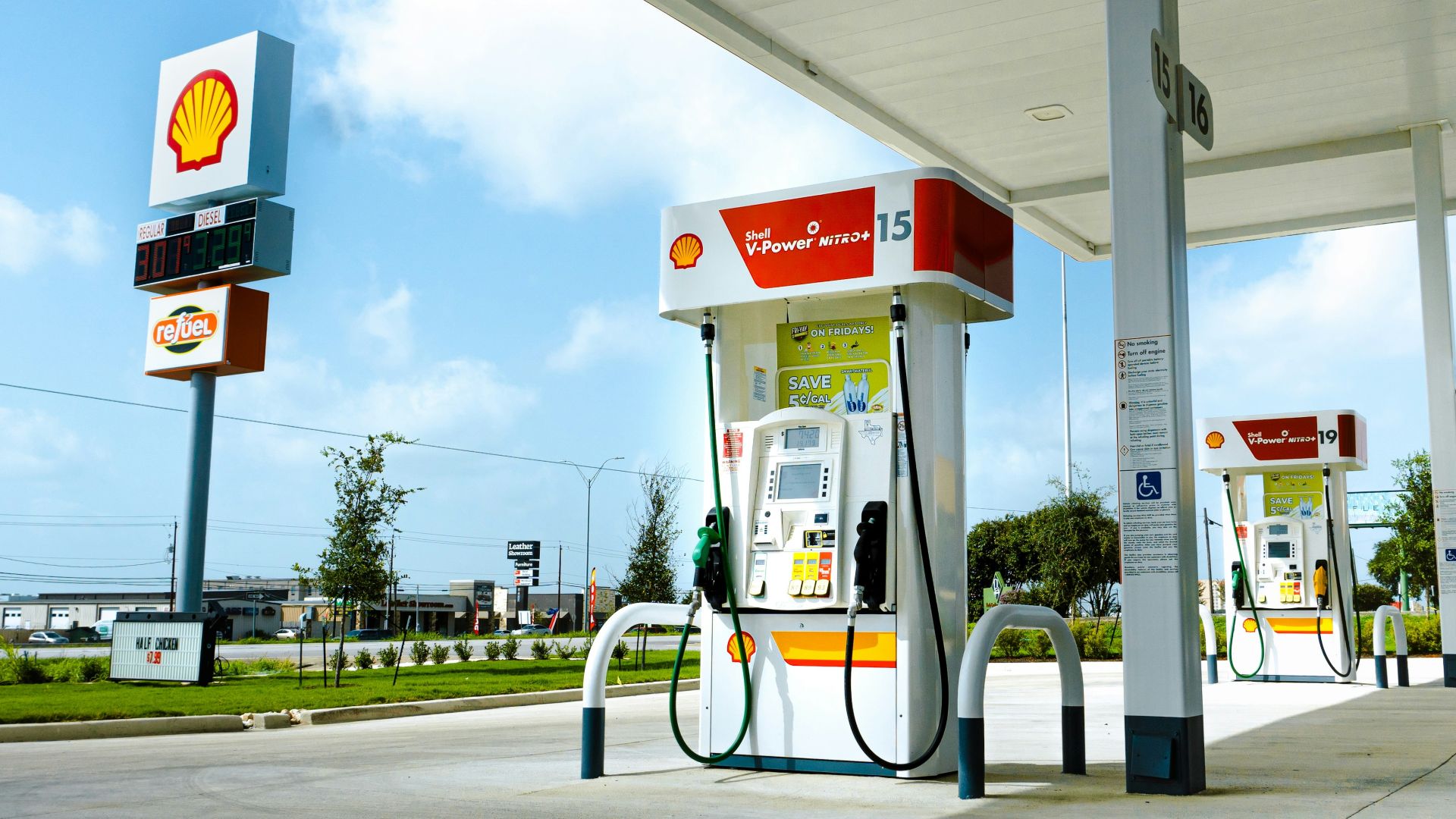
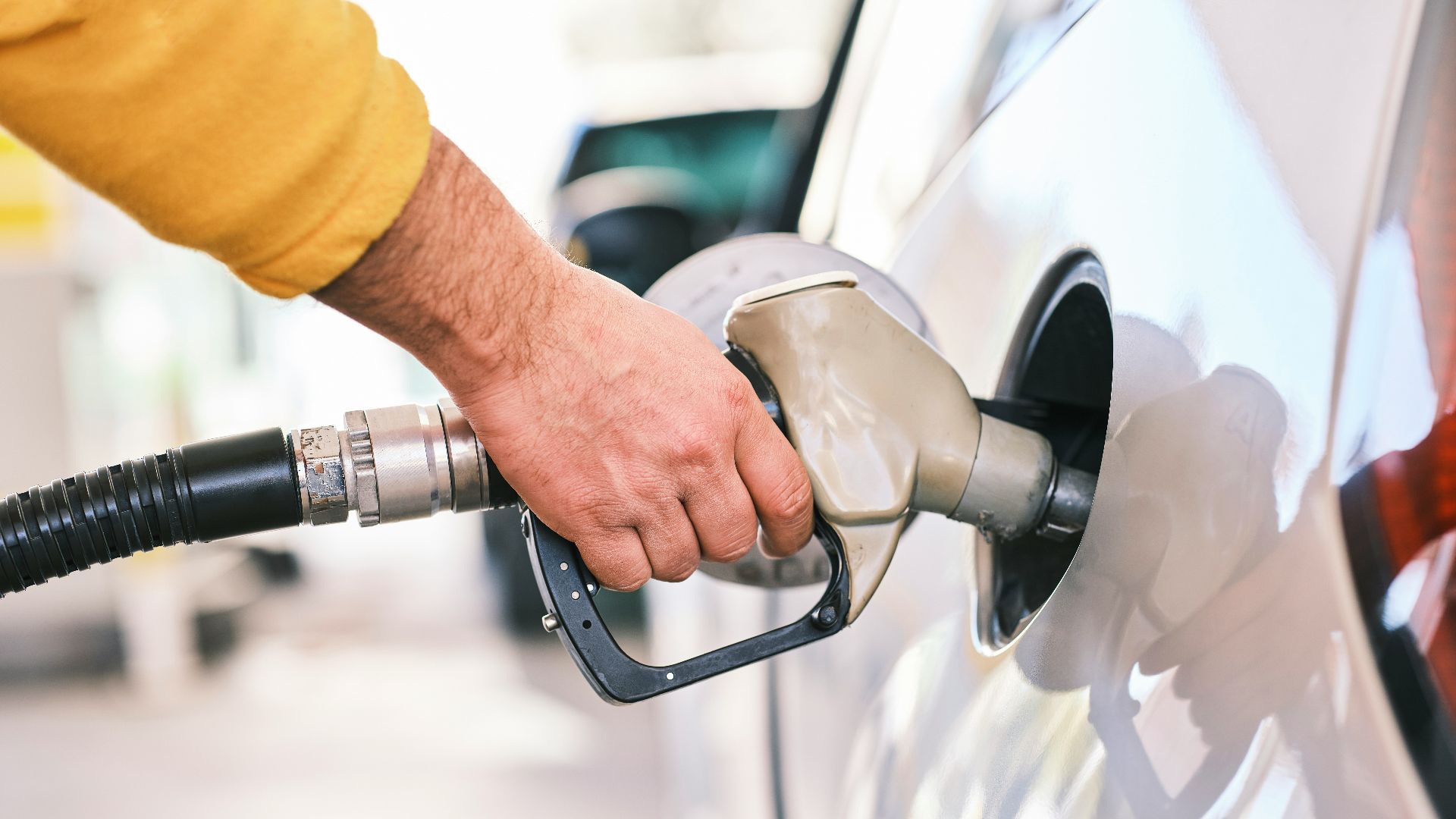
The U.S. Department of Energy has long warned that oversized tires can lower fuel economy. FuelEconomy.gov explains that larger, heavier tires can create more rolling resistance and aerodynamic drag. Put simply, the engine has to work harder, so it burns more fuel.
Rolling Resistance Is The Quiet Drain
One of the biggest losses comes from rolling resistance, which is the energy needed to keep a tire moving as it flexes against the road. The U.S. Environmental Protection Agency notes that tires account for a meaningful share of a vehicle's fuel use because lower rolling resistance means less energy lost. Bigger, more aggressive tires often go the other way.
Weight Matters More Than People Think
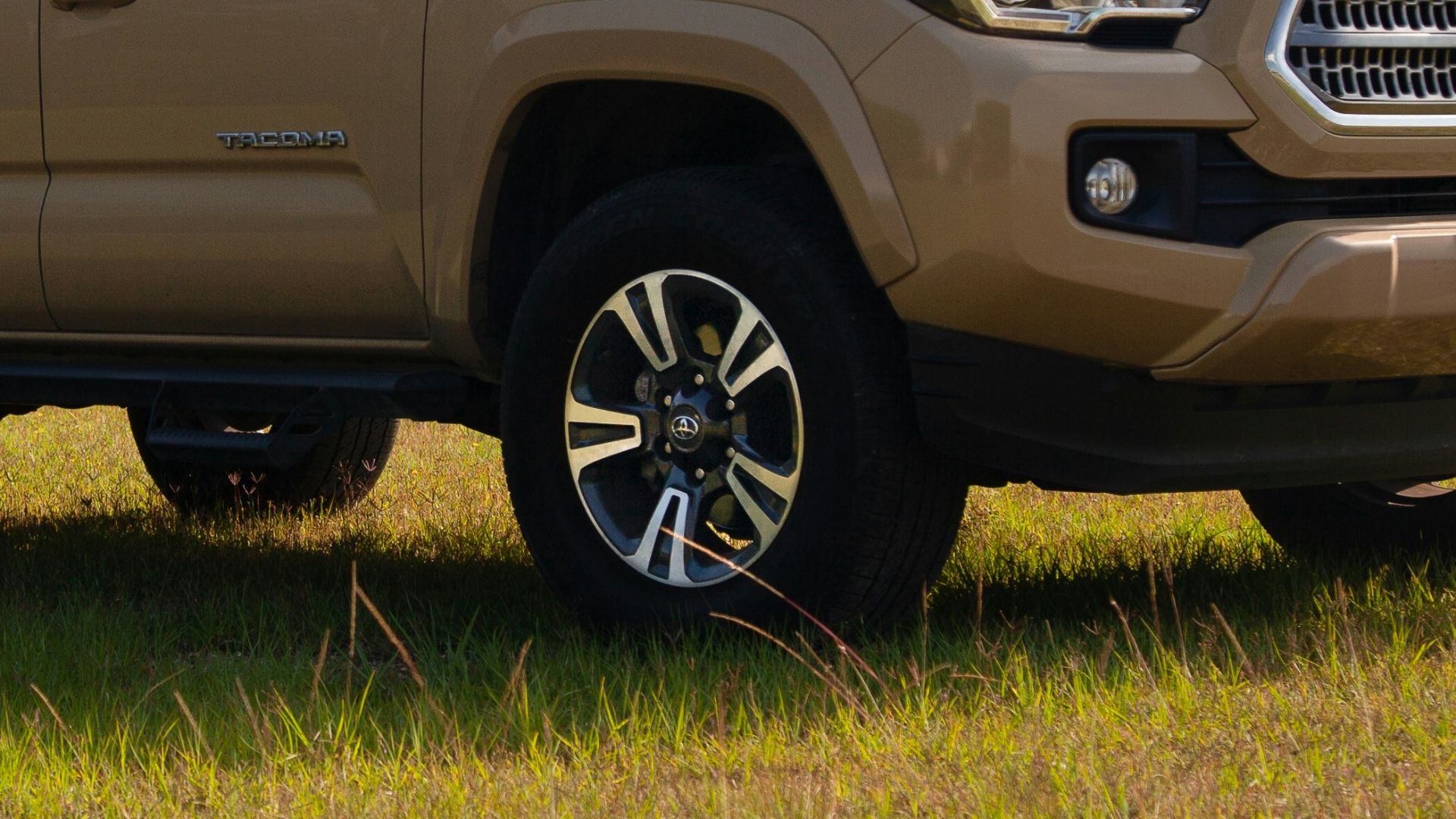
Oversized tires are often heavier than stock tires, and bigger wheels can add even more weight. That extra mass hurts efficiency when the truck accelerates because it has to move more weight and spin more rotating mass. It can also make the suspension work harder over bumps and make the truck feel less nimble.
Rotating Weight Changes The Way A Truck Feels
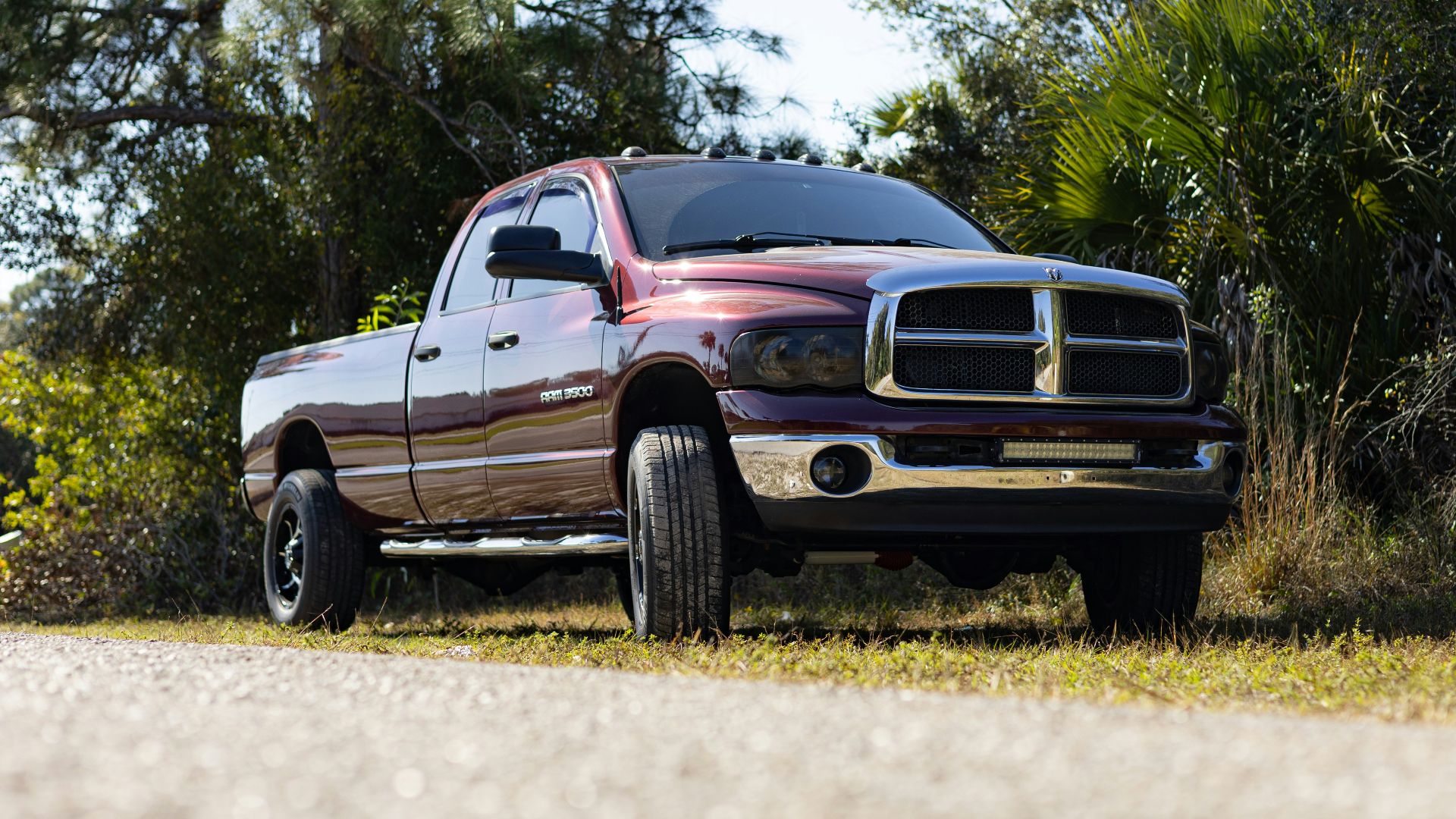
A pound added to a wheel and tire does more than a pound tossed into the bed because that weight is spinning. That can dull acceleration and stretch out stopping distances. Drivers often notice it first when the truck feels slower leaving a stoplight or more strained on hills.
Taller Tires Change Effective Gearing
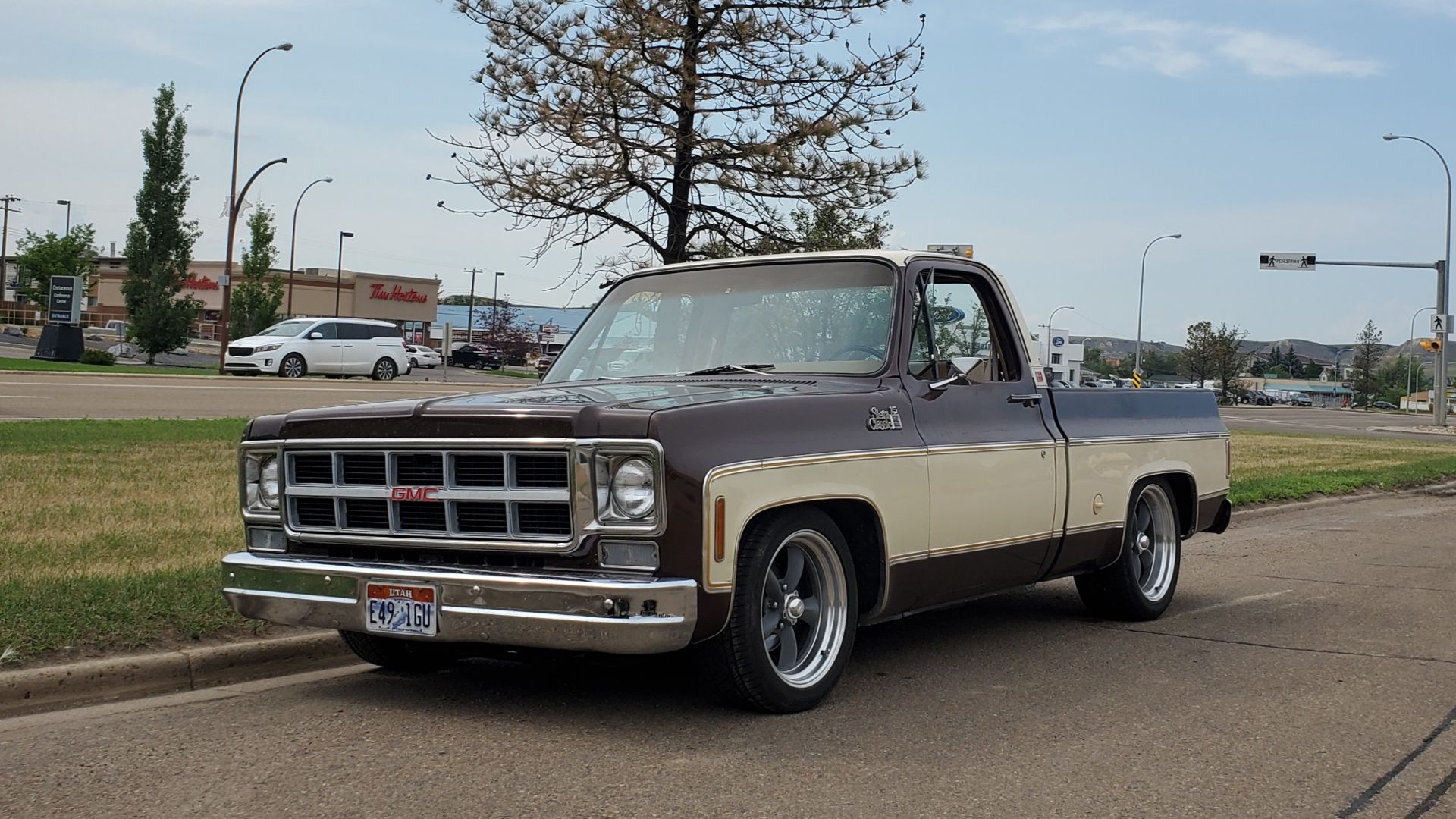
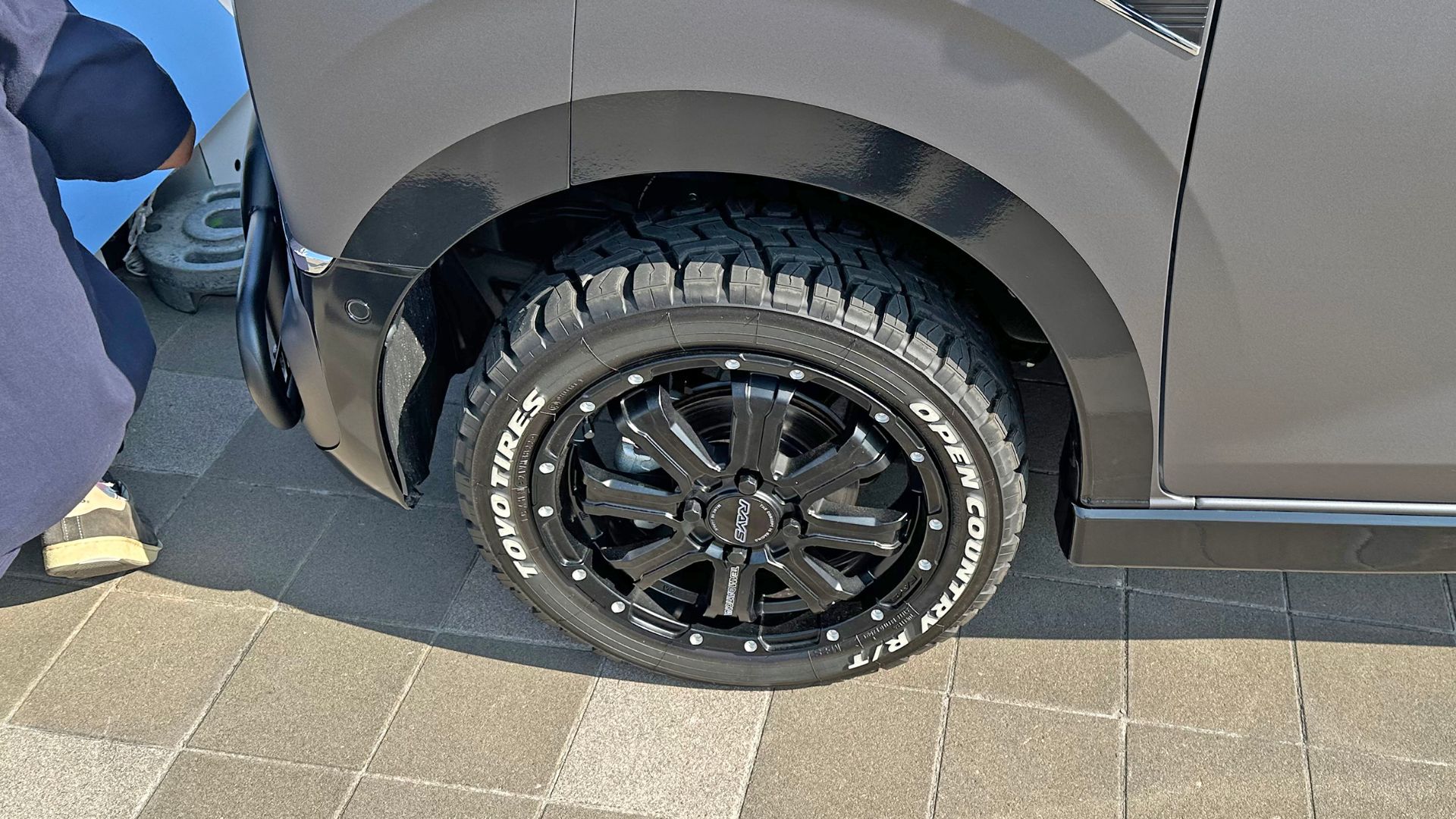
When tire diameter goes up, the truck travels farther with each axle rotation. That effectively makes the gearing taller. Engine revs may drop at a given speed, but the truck also has to work harder to get moving. If the truck already has modest power or tall axle ratios, bigger tires can make it feel noticeably slower.
 Tokumeigakarinoaoshima, Wikimedia Commons
Speedometer Error Is Part Of It
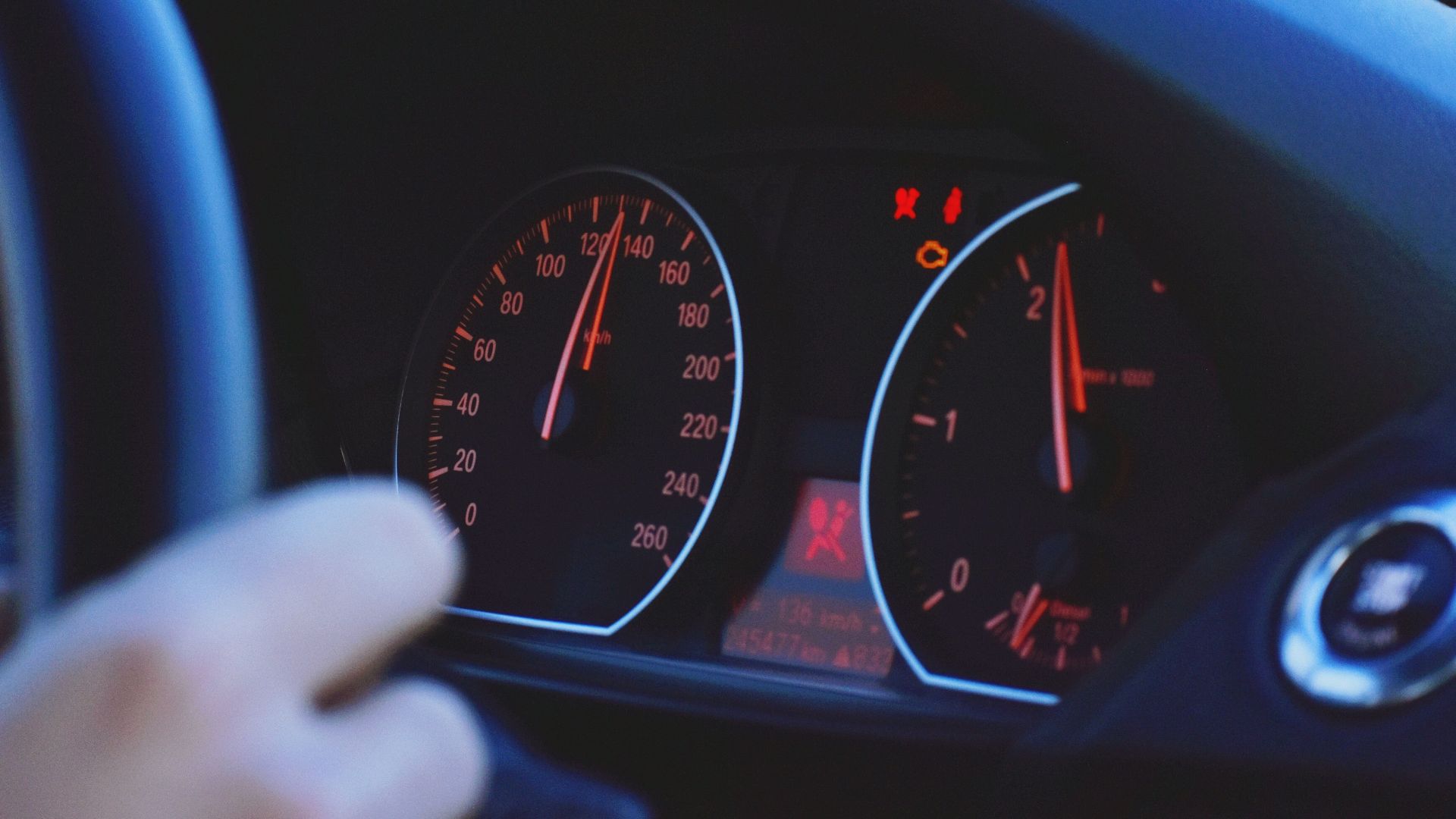
If the truck is not recalibrated for the new tire size, the speedometer and odometer can read wrong. That can make fuel economy seem better or worse than it really is, depending on how it is calculated. It also affects shift behavior and makes it harder to know your true speed.
How Much MPG Can You Lose
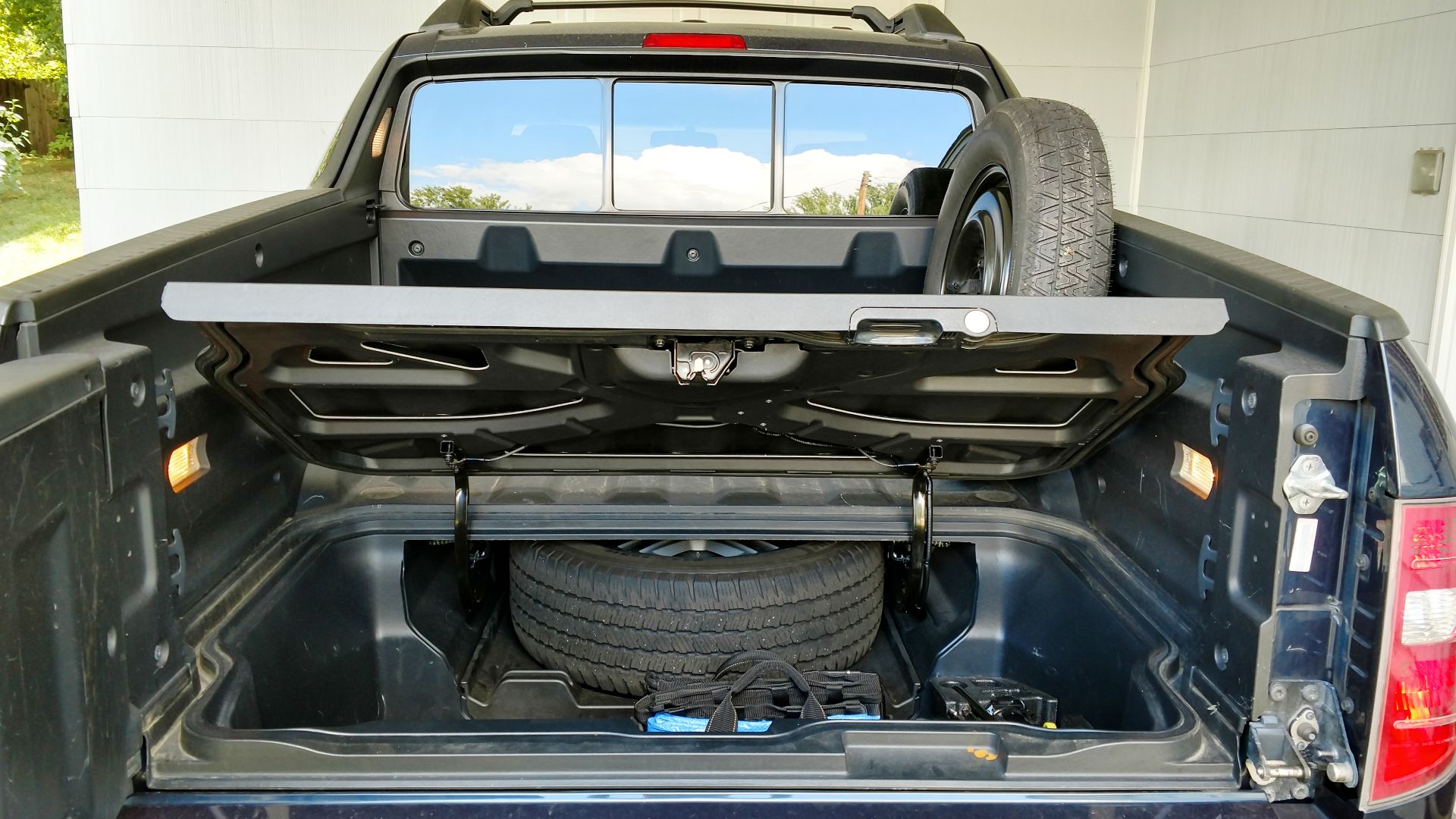
There is no single number for every truck. The loss depends on size, tread, weight, tire pressure, axle ratio, and driving style. FuelEconomy.gov says upsized tires can reduce fuel economy, and the hit usually gets more obvious when the size jump is big or the tread is especially aggressive. A small change may be tolerable. A big one can get expensive over a year of driving.
 User:McChizzle, Wikimedia Commons
Tread Pattern Can Be The Real Problem
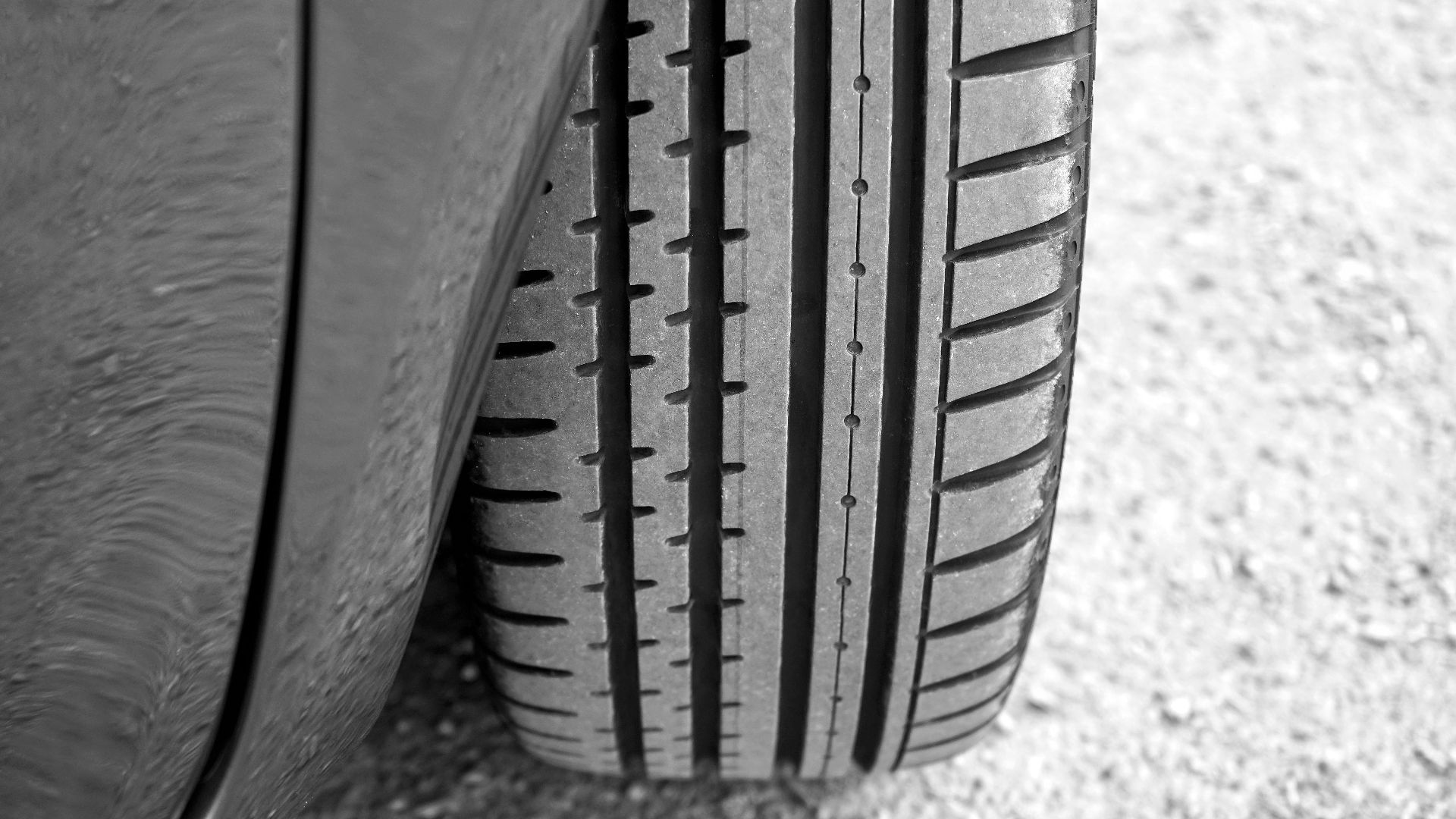
Many people who want the oversized look also choose mud-terrain tires to complete it. Those tires usually have deeper voids and chunkier tread blocks, which can raise rolling resistance and road noise. Even if the diameter increase is modest, the tread alone can hurt mpg and make highway driving less smooth.
Air Pressure Still Matters
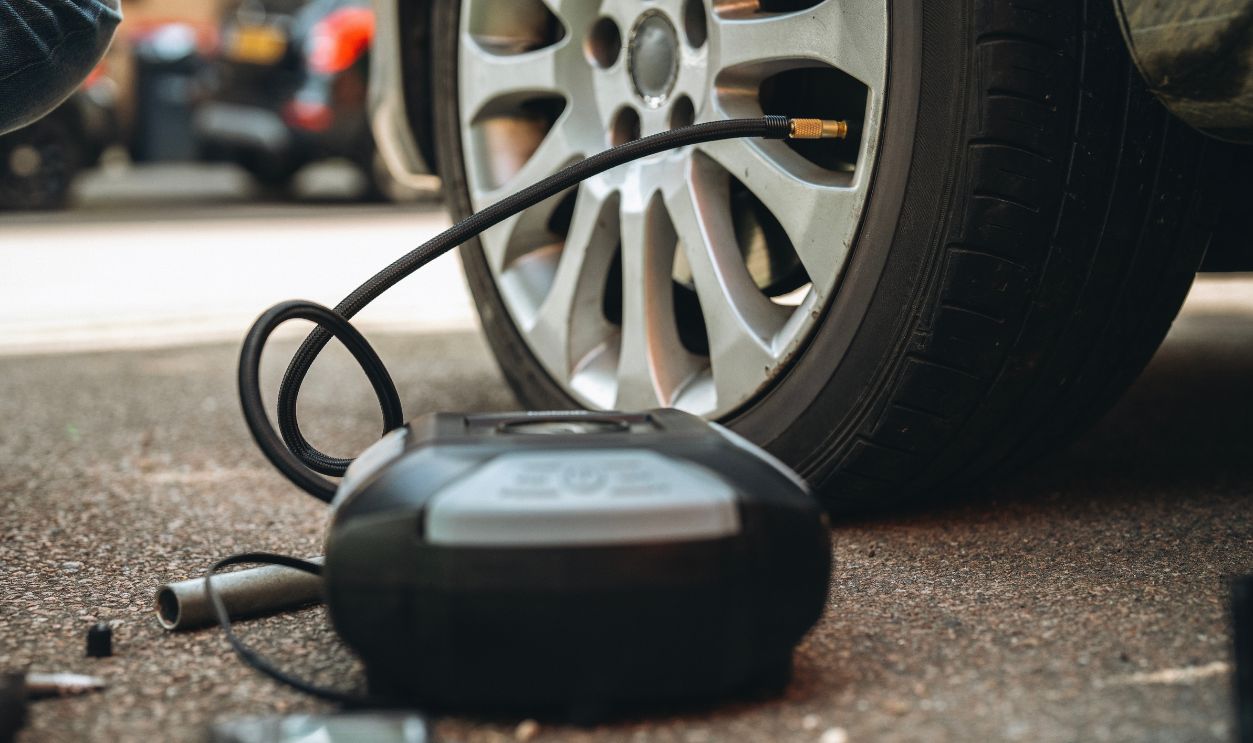
The National Highway Traffic Safety Administration has repeatedly stressed that proper inflation is critical for both safety and fuel economy. Underinflated tires raise rolling resistance and heat buildup, which can make an already less efficient setup even worse. If someone is set on oversized tires, keeping the pressure right for the load matters even more.
Handling Usually Gets Softer And Slower
Bigger sidewalls can look good, but they often flex more in corners. That can make turn-in feel slower and less precise, especially compared with the factory tire setup engineers tuned the truck around. On a pickup that already sits high, that softer response can be easy to feel.
Braking Can Take A Hit
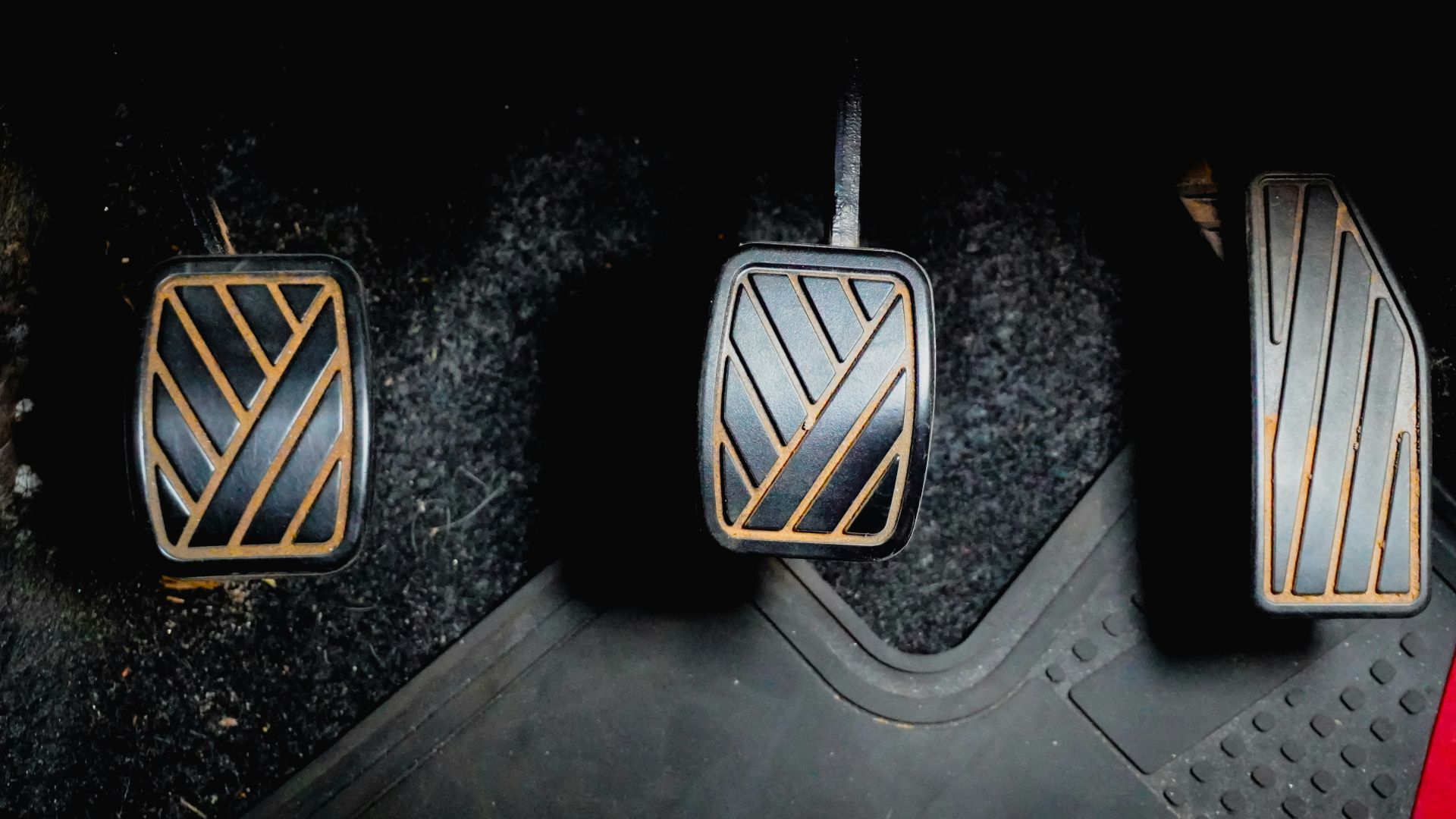
Heavier tires and wheels take more effort to slow down. If the tire is also taller, the brakes have more leverage working against them because the rolling radius is larger. Together, that can increase stopping distances, especially if the new setup is much heavier than stock.
Wet Weather Can Get Trickier
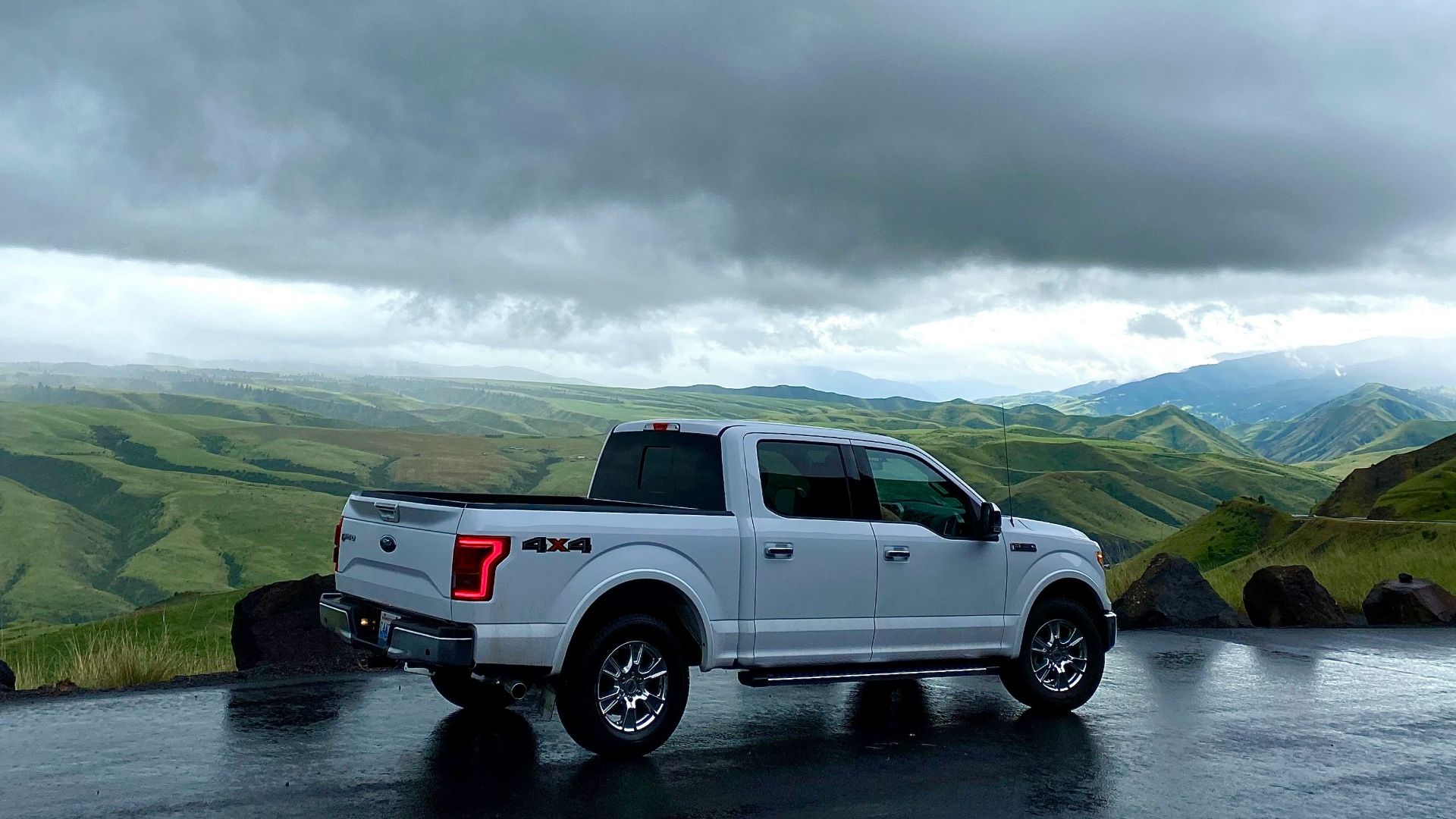
Not every oversized tire hurts wet grip, but many aggressive off-road tires make compromises on pavement. Tire Rack testing and consumer guidance have long shown that tread design can make a big difference in wet braking and hydroplaning resistance. A truck that looks trail-ready can feel less surefooted in a hard summer rain.
Noise Often Comes With The Package
One of the first things many drivers notice with oversized all-terrain or mud-terrain tires is the noise. The hum can turn into a steady drone at highway speeds, and it often gets louder as the tread wears. Some people like that rugged sound. For a daily commuter, it can wear thin.
Ride Quality Can Go Either Way
If the setup uses a taller sidewall without a big jump in stiffness, bumps can sometimes feel a little softer. But many oversized tires use tougher construction meant for heavy loads or off-road abuse, and that can make the ride harsher. Add more unsprung weight, and the truck may feel busier and less settled over rough pavement.
Steering Parts Can Wear Faster
Larger, heavier tires can put more stress on wheel bearings, ball joints, tie rods, and steering racks. That is especially true when bigger tires are paired with wheels that change offset and push the tire farther outward. It may not break anything right away, but it can speed up wear over time.
Electronic Systems Expect A Certain Tire Size
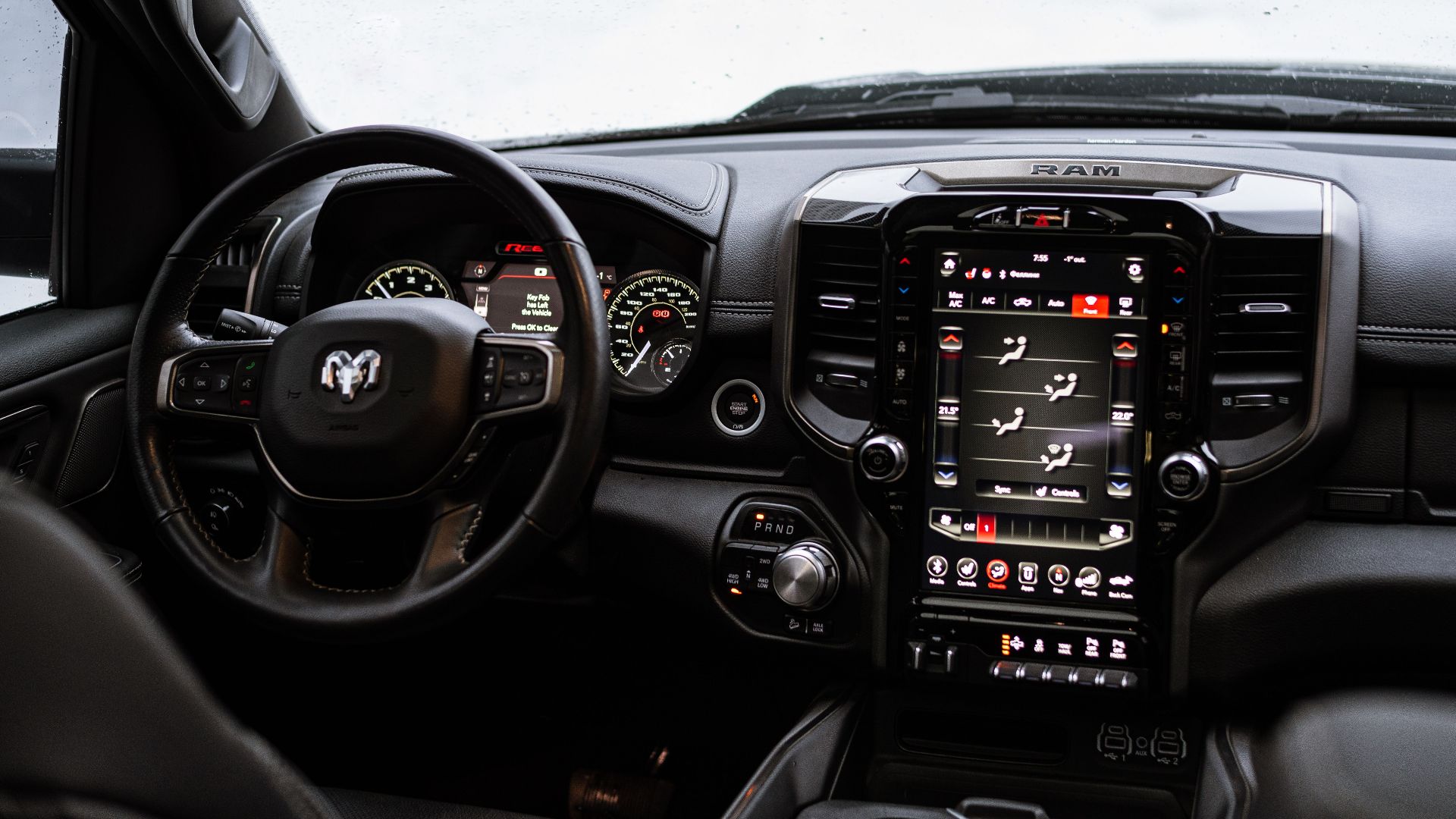
Modern pickups rely on wheel-speed data for antilock brakes, traction control, stability control, and sometimes driver-assist features. A meaningful change in tire size can affect how those systems read what the truck is doing unless the vehicle is recalibrated. That does not automatically make the truck unsafe, but it does mean the factory tuning assumptions have changed.
Towing And Payload Do Not Go Up
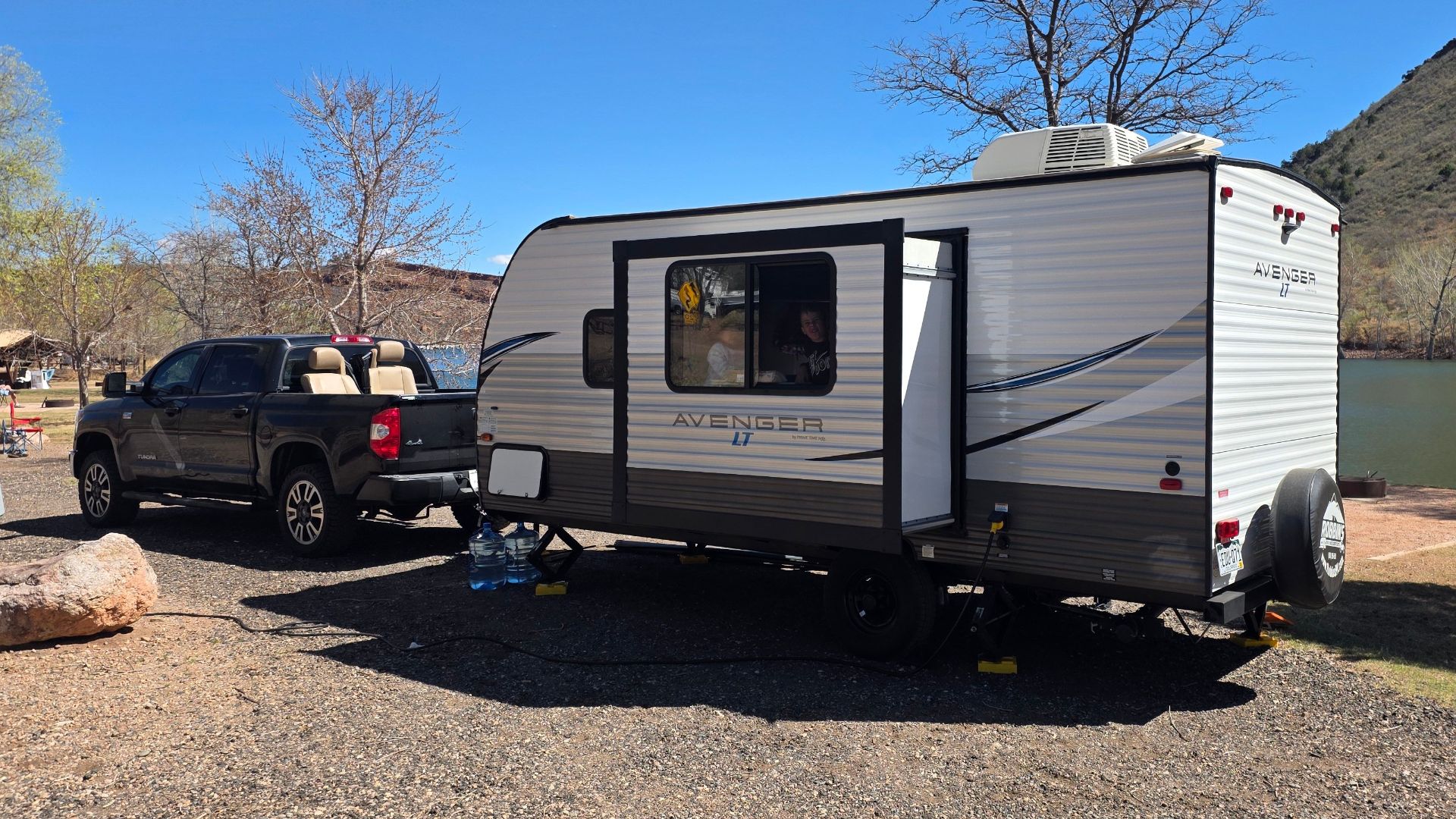
Oversized tires may make a truck look more capable, but they do not raise its factory tow rating or payload rating. In some cases, they can even make towing feel worse by hurting effective gearing and braking. A tougher stance is not the same thing as more certified capability.
There Can Be Real Off-Road Benefits
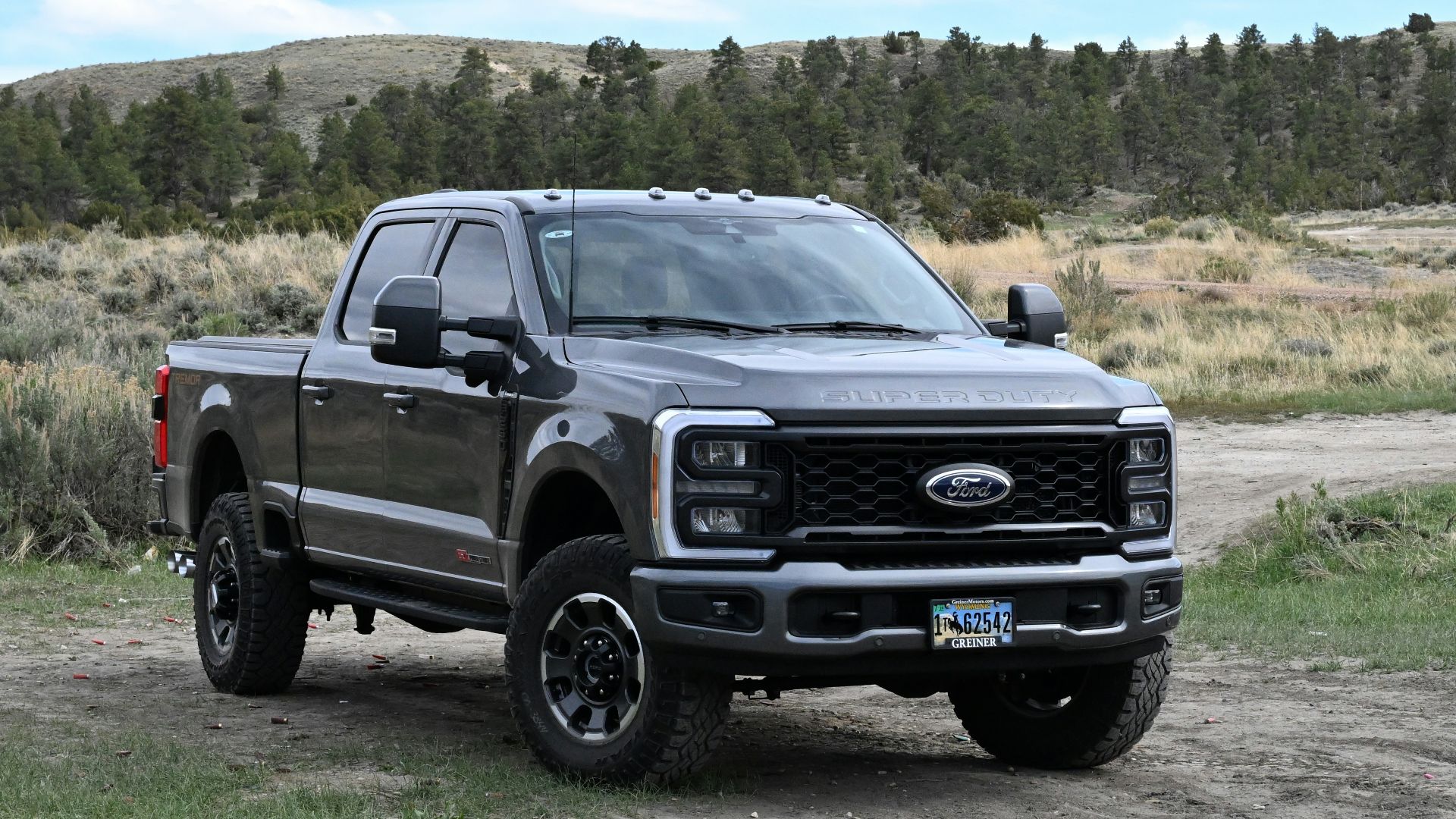
To be fair, there are reasons to go bigger that have nothing to do with looks. More sidewall and a larger diameter can improve ground clearance at the differential and help on rocks, ruts, and loose surfaces. If the truck spends a lot of time off-road, the tradeoff may make sense. That is a different case from buying oversized tires only for style.
The Factory Setup Was Already A Compromise
Automakers spend years balancing ride, noise, braking, fuel economy, steering, and durability around the stock tire size. Changing that setup means moving away from a carefully tested middle ground. Some owners may prefer the new setup, but it is still a tradeoff.

There Is A Smarter Middle Ground
If the goal is a beefier look without a huge penalty, a mild size increase is usually the better move. A good all-terrain tire in a near-stock diameter often keeps more of the truck's original road manners. You still get the visual upgrade without paying for it at every gas stop.

Wheel Choice Can Help Or Hurt
Some owners pair oversized tires with larger-diameter wheels that weigh more than stock. That can pile one drawback on top of another because the wheel adds rotating mass while the lower-profile tire can take away some ride comfort. If looks are the priority, a lighter wheel can limit some of the damage.
Regearing And Recalibration Can Help
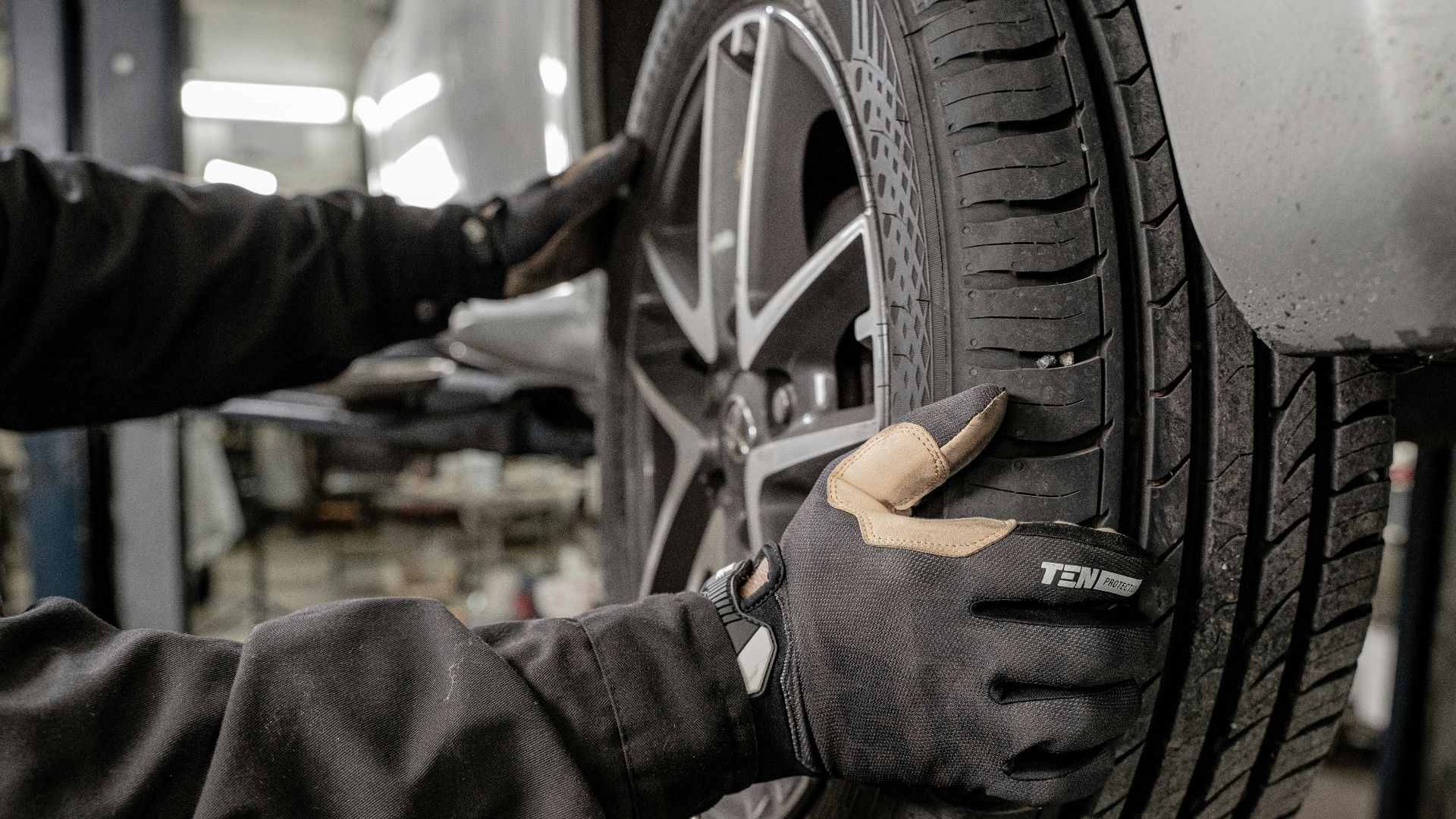
Drivers who run much taller tires often regear the axles to bring back some acceleration and drivability. They may also recalibrate the speedometer and transmission behavior for the new tire diameter. Those fixes help, but they cost money, and they do not erase the extra tire weight or rolling resistance.
The Cost Goes Beyond Fuel
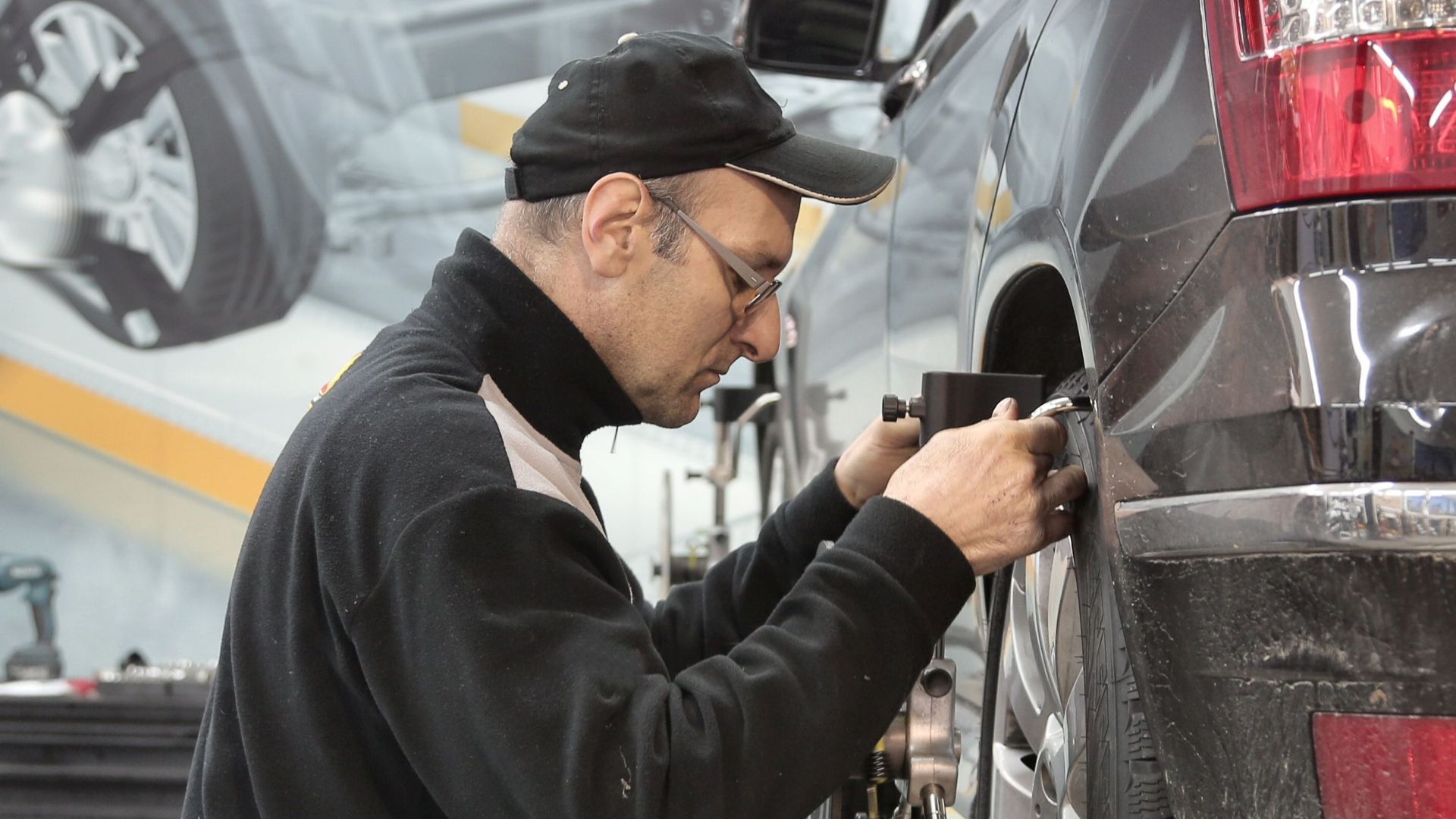
The downside is not just more gas. Oversized tires are often more expensive to buy, more expensive to replace, and sometimes wear out faster depending on the tread. Add the chance of earlier suspension or steering wear, and the long-term cost can rise more than many people expect.
So How Much Does It Hurt
If the change is small, the effects may be manageable and show up mostly at the pump, during braking, and in slightly slower steering response. If the change is dramatic, expect a clearer mpg hit, more highway noise, and handling that feels less crisp. The bigger the jump in size, weight, and tread aggression, the bigger the downside usually is.
The Best Answer For Most Drivers
If the truck is mostly a daily driver, staying close to the factory size is usually the smart play. A mild all-terrain tire often adds enough attitude without dragging down fuel economy and everyday road manners. Oversized tires can look great, but the look rarely comes free.