That One Misfire Can Start a Bigger Conversation
If your mechanic says all your spark plugs should be replaced because one misfired, it can sound like an upsell. Sometimes it is. But often there is a solid reason for it. The real question is what the misfire code actually tells you, what kind of plugs your engine uses, and how close the rest of the set is to wearing out.
 Darren Richardson, Unsplash, Modified
What a Misfire Really Means
An engine misfire happens when a cylinder does not burn its air-fuel mixture the way it should. The U.S. Environmental Protection Agency says a serious misfire can raise emissions enough to damage the catalytic converter, which is why modern cars watch for it so closely. If the check engine light is flashing, do not brush it off.
One Code Does Not Always Mean One Bad Plug
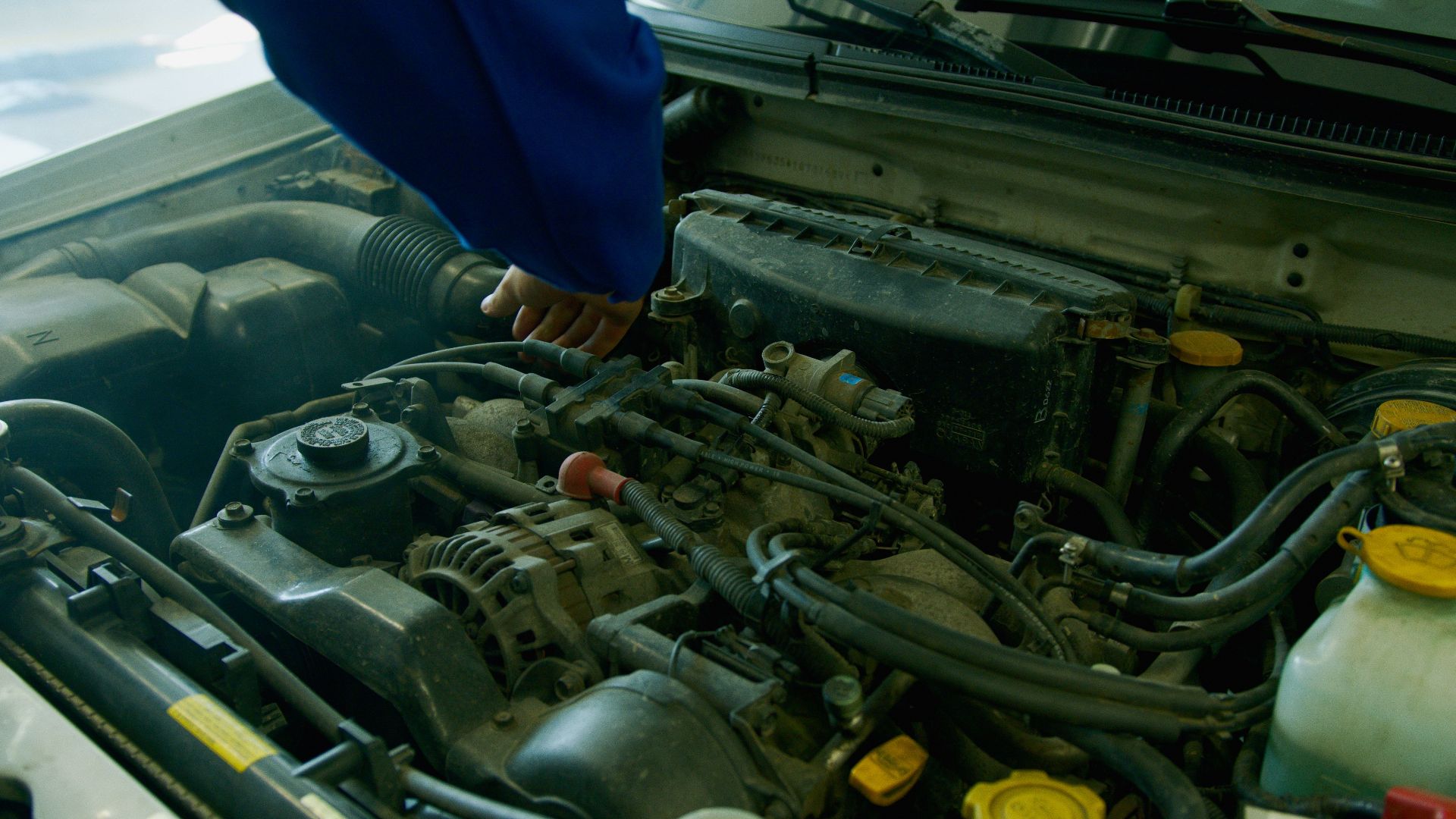
A code that points to one cylinder, like P0302 for cylinder two, does not automatically mean that spark plug is the only bad part. The National Highway Traffic Safety Administration explains that OBD-II systems can point to the affected cylinder or system, but the code is only the start of the diagnosis. A bad coil, injector trouble, a vacuum leak, low compression, or oil contamination can all cause the same symptom.

Why Mechanics Often Recommend the Whole Set
Spark plugs usually wear at about the same pace because they have all been working under the same conditions for the same number of miles. If one has worn enough to start misfiring, the others may not be far behind. Replacing the full set can cut down on repeat labor, prevent another shop visit soon after, and bring all the cylinders back to the same level of performance.
 Jose Ricardo Barraza Morachis, Pexels
Plug Type Matters More Than Most Drivers Think
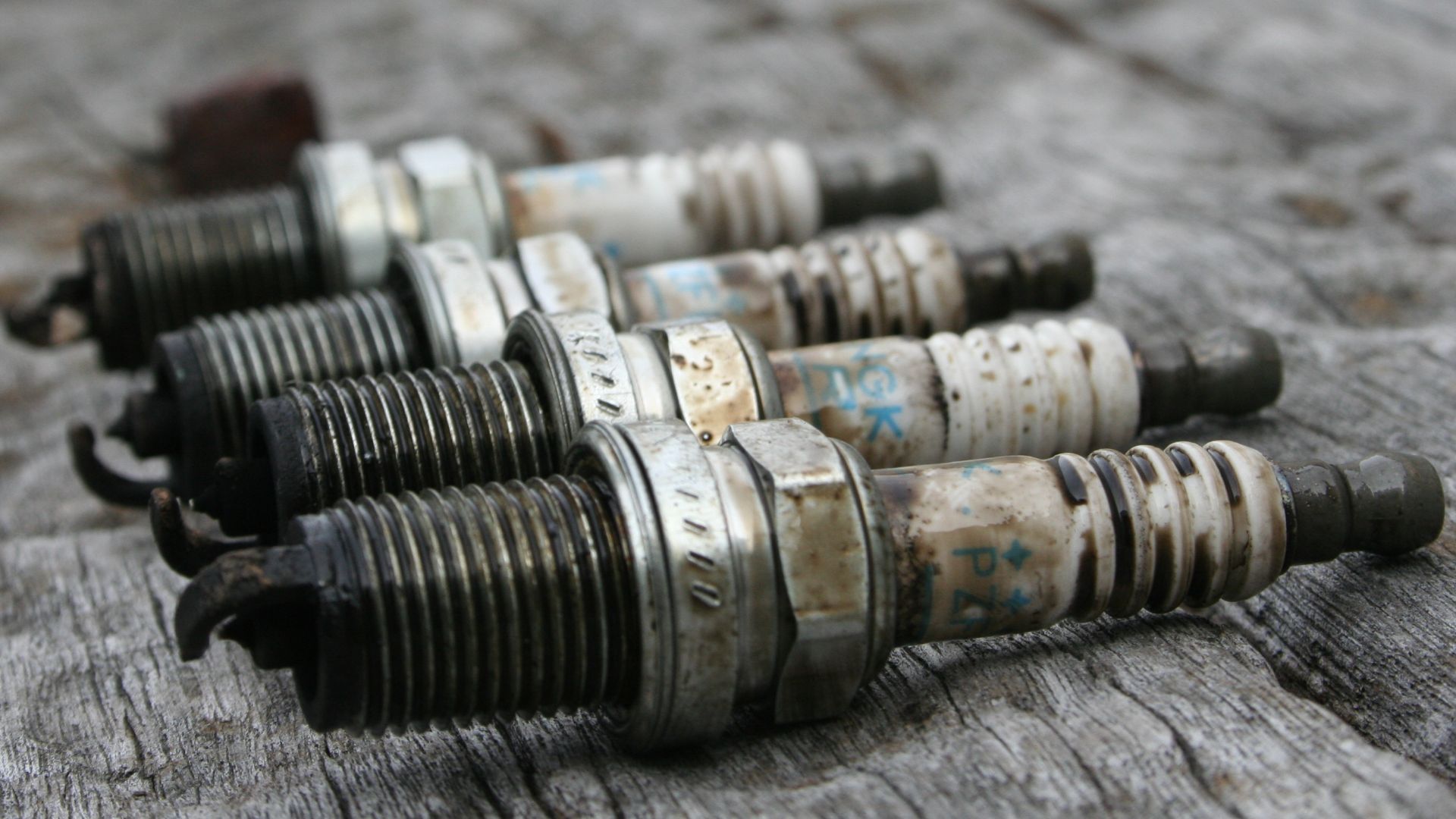
Not all spark plugs wear out the same way. Copper plugs usually have shorter service lives, while platinum and iridium plugs are built to last much longer. NGK notes that precious-metal plugs can often go far beyond conventional designs, so the right answer depends a lot on what is already installed in the engine.
 Aidan Wojtas, Wikimedia Commons
The Owner’s Manual Is Still a Good Place to Start
The most useful answer may also be the least exciting one. Your owner’s manual or factory maintenance schedule should list the replacement interval for spark plugs, and that is the best place to begin. If your car is close to that mileage, replacing all the plugs usually makes sense even if only one cylinder has started acting up.
 Anastasija Vujic, Shutterstock
If the Plugs Are Near Their Scheduled Mileage, Replace Them All
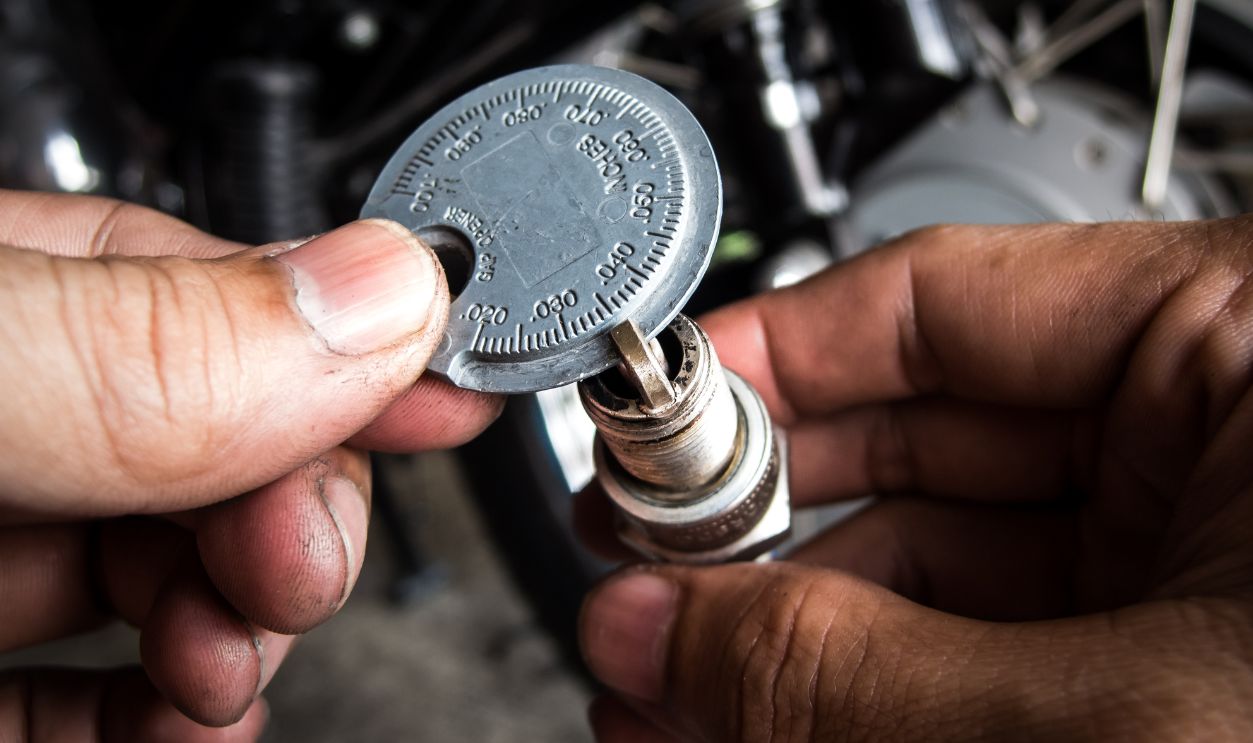
This is usually the easy call. If the plugs are due at 60,000 or 100,000 miles and your car is right around that mark, there is not much to gain by changing only one. You pay for part of the job now, then likely pay again before long when the rest catch up.
 Ekkarat Khongrot, Shutterstock
If the Plugs Are Fairly New, a Full Set May Not Be Needed
If the spark plugs were replaced recently and one cylinder starts misfiring, the shop should be looking closely at other possible causes. A bad coil, a cracked insulator, the wrong gap, oil fouling, or a coolant leak could be the real issue. In that case, replacing one plug or fixing another failed part may make more sense than swapping out a nearly new set.
 Mr.Anuwat Rumrod, Shutterstock
Modern Engines Can Turn a Simple Job Into a Bigger One
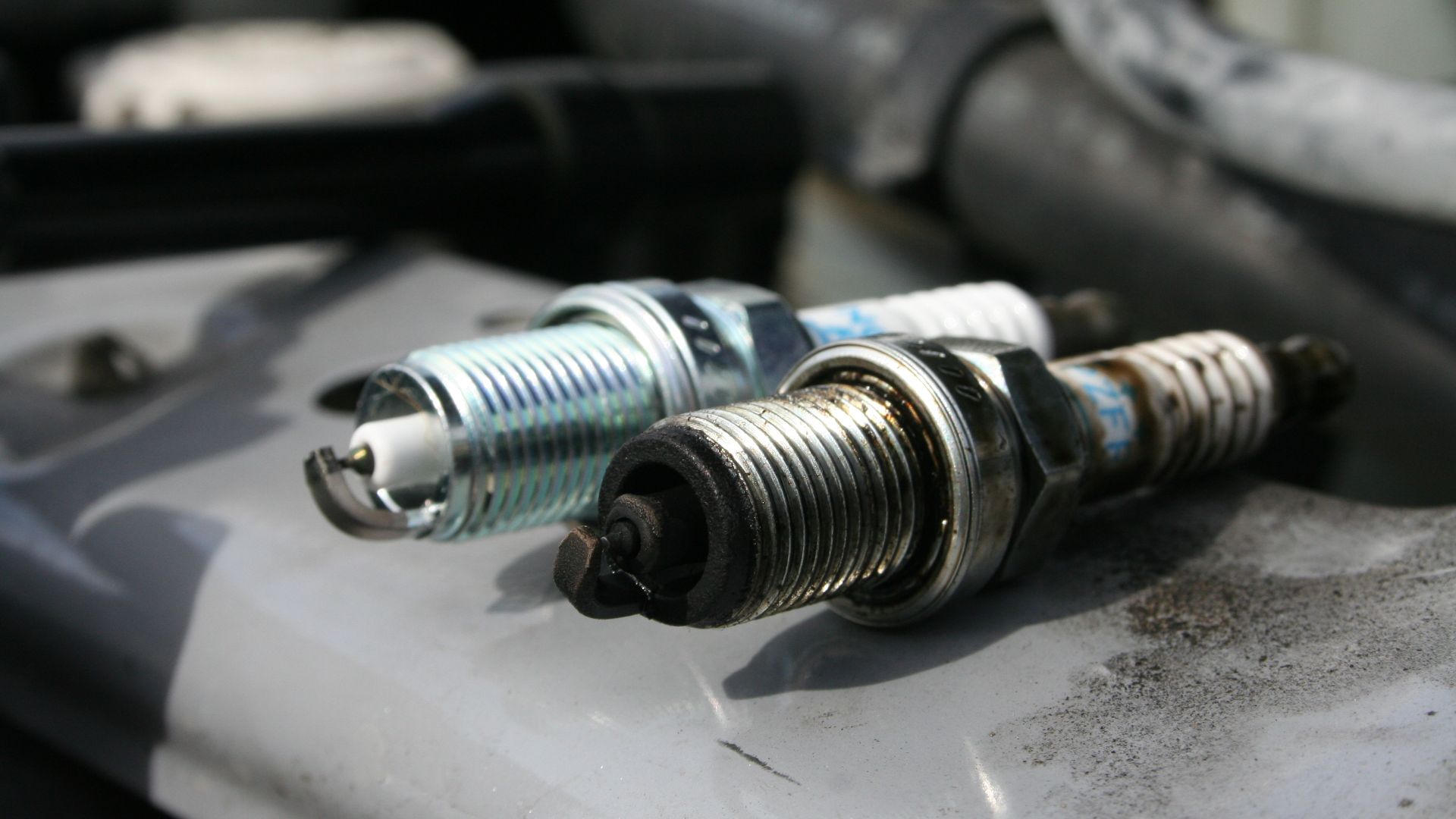
On some engines, spark plugs are easy to reach and cheap to replace. On others, especially tight V6 and V8 layouts, getting to them can mean removing intake parts or other components first. When labor is the big expense, many mechanics suggest replacing the whole set at once because most of the cost is in gaining access.
 Aidan Wojtas, Wikimedia Commons
Waiting Too Long Can Get Expensive Fast
A worn spark plug does more than make the engine run rough. The EPA warns that an ongoing misfire can overheat and damage the catalytic converter, and that repair costs far more than a set of plugs. That is a big reason mechanics often push to fix the problem early instead of gambling on one weak plug while the rest keep aging.

Why Even Spark Across the Engine Matters
Engines run best when every cylinder is getting similar spark quality. One fresh plug paired with several worn ones may still leave the engine rougher, less efficient, and harder to diagnose later. Replacing the whole set gives you a clean starting point and can make future troubleshooting much easier.
Misfires Are Not Just About Ignition
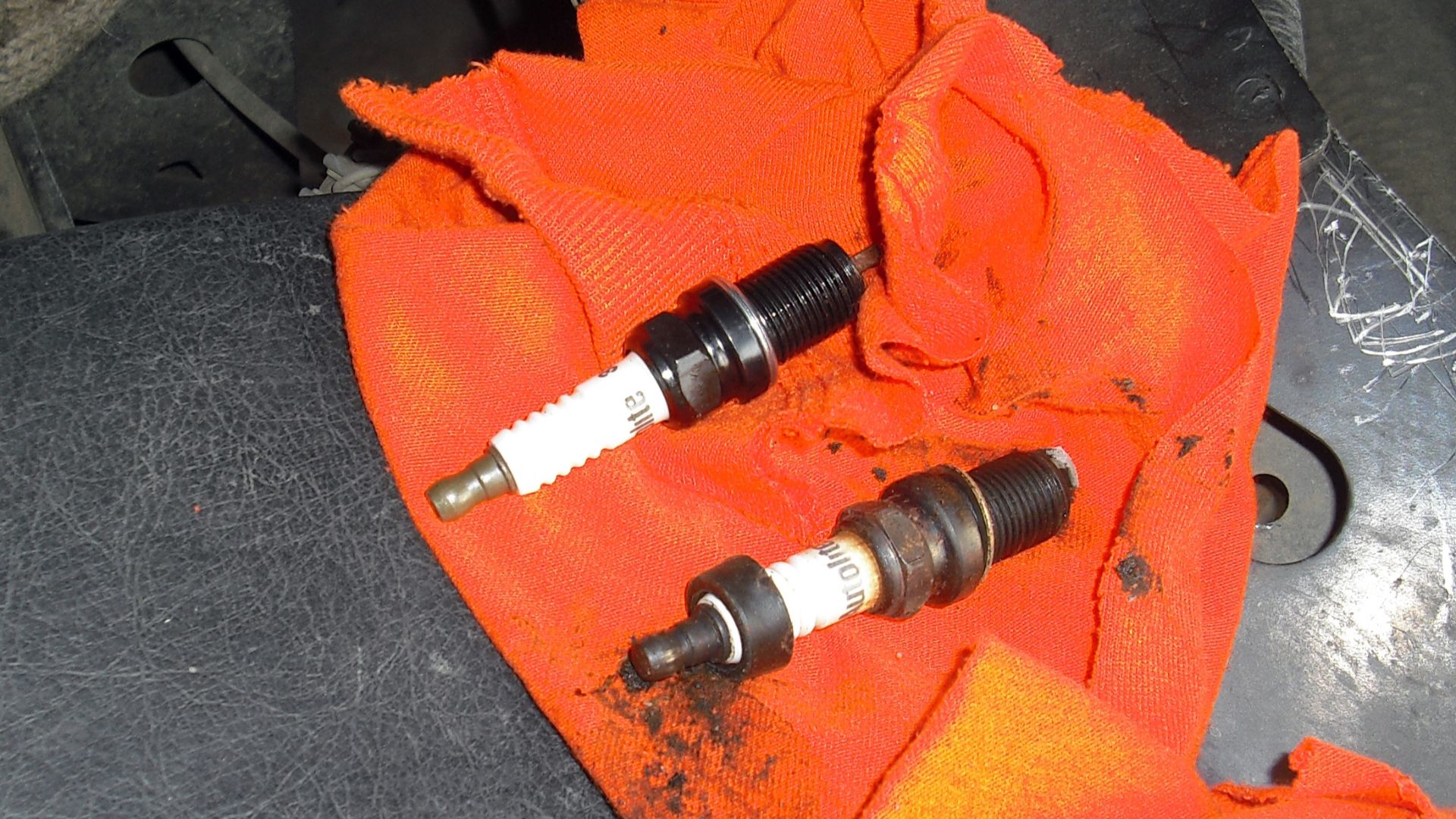
This is where a lot of people get tripped up. A misfire can come from weak spark, but it can also come from too much fuel, too little fuel, air leaks, low compression, or internal engine trouble. That is why a good mechanic should be able to explain how they confirmed the spark plug is really the problem.

Ask What They Actually Found
You do not need to be a technician to ask a few smart questions. Ask whether the shop removed the plug and found heavy wear, carbon buildup, oil deposits, fuel wetness, or a damaged electrode. If they swapped coils or plugs between cylinders and the misfire moved with the part, that is strong proof they found the cause.

A Used Plug Can Tell You a Lot
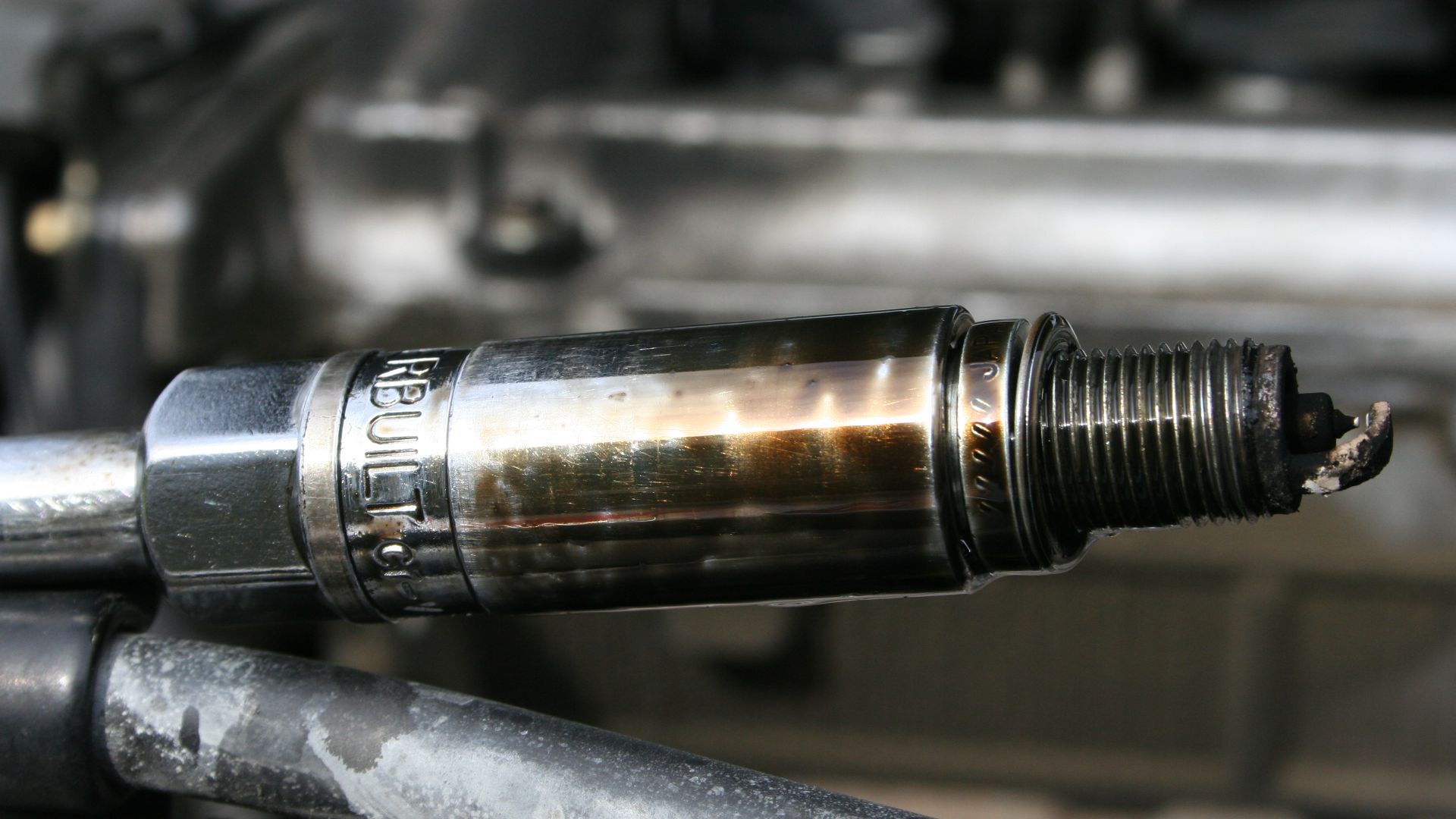
Champion and NGK both publish spark plug reading guides because deposits can reveal a lot about what is going on inside an engine. Dry black carbon can point to a rich mixture or weak ignition. Oily deposits can suggest oil control problems. A white, blistered insulator can mean overheating, the wrong heat range, or another problem that a new plug by itself will not fix.
 Aidan Wojtas, Wikimedia Commons
A Bad Coil Can Look Like a Bad Plug
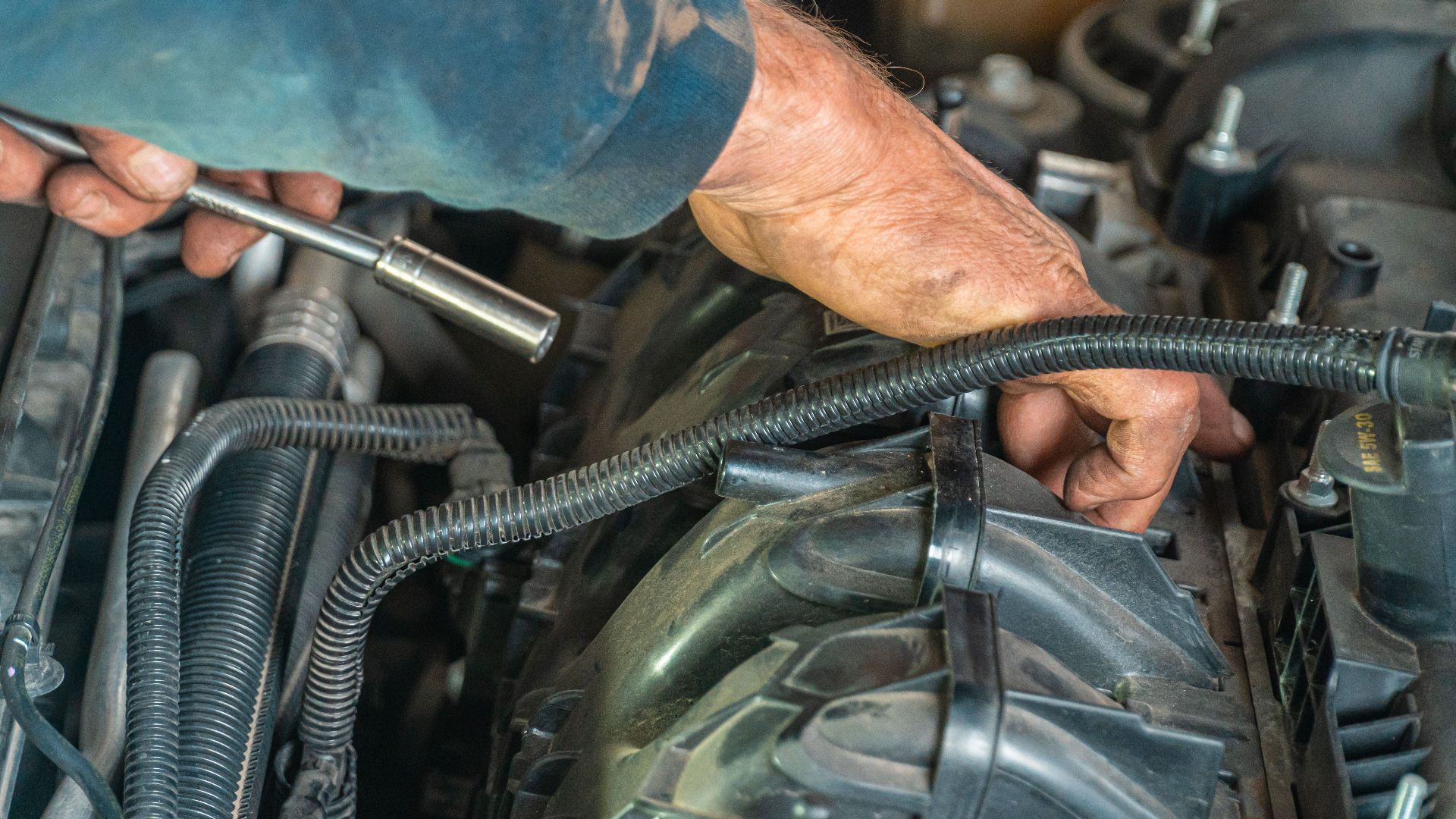
Coil-on-plug systems became common because they give better spark control, but they also mean each cylinder has its own coil that can fail on its own. If a coil is weak, replacing only the spark plug may not solve much for long. A proper diagnosis should look at both the plug and the coil before you agree to replace the full set.
 Jose Ricardo Barraza Morachis, Pexels
Carmakers Usually Treat Plugs as a Set
Factory maintenance schedules usually list spark plug replacement as a full service, not a one-plug repair. That is because plugs are normal wear parts that are expected to age together. When a car has reached the mileage where the manufacturer says plugs are due, mechanics are often just following that logic.
 Jose Ricardo Barraza Morachis, Pexels
Necessary and Sensible Are Not the Same Thing
This is the heart of it. Is it always necessary to replace every spark plug because one misfired. No. Is it often the most sensible and cost-effective move when the plugs are old or hard to reach. Yes.
When Replacing Just One Plug Makes Sense
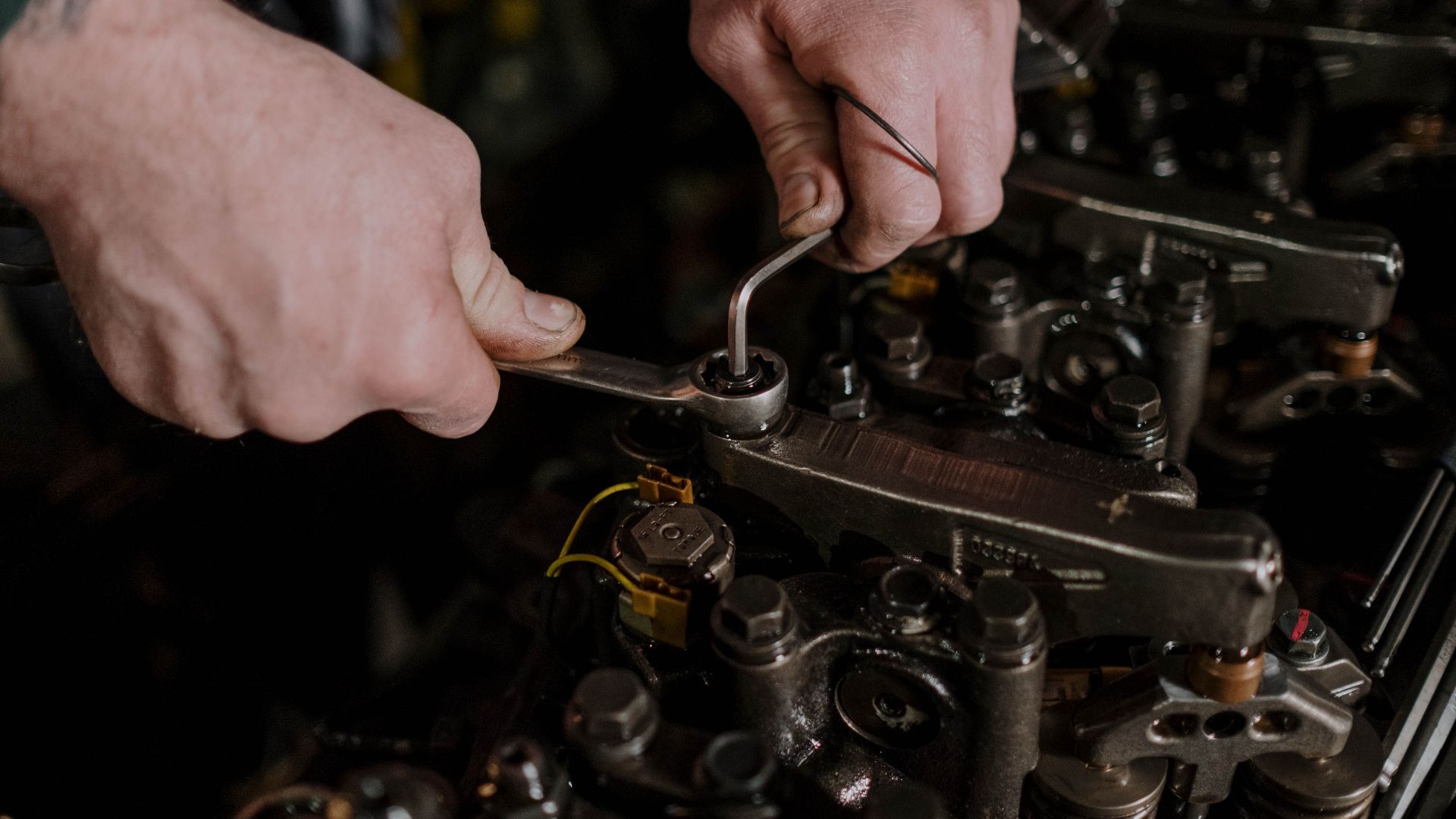
There are a few clear cases where replacing one plug is reasonable. If the rest of the set has low mileage, if the failed plug was physically damaged, or if the diagnosis points to a one-cylinder issue instead of normal wear, one new plug may be enough. Even then, the others should still be checked so a bigger problem does not get missed.

Why Mixing Old and New Plugs Is Not Ideal
Installing one new plug next to several worn ones is not a disaster, but it is not perfect either. The new plug may fire more consistently than the older ones, and that can hide the fact that the rest of the set is still worn out. If you want the smoothest idle and better long-term reliability, a matched set is usually the better move.
Check the Gap, but Do It Carefully
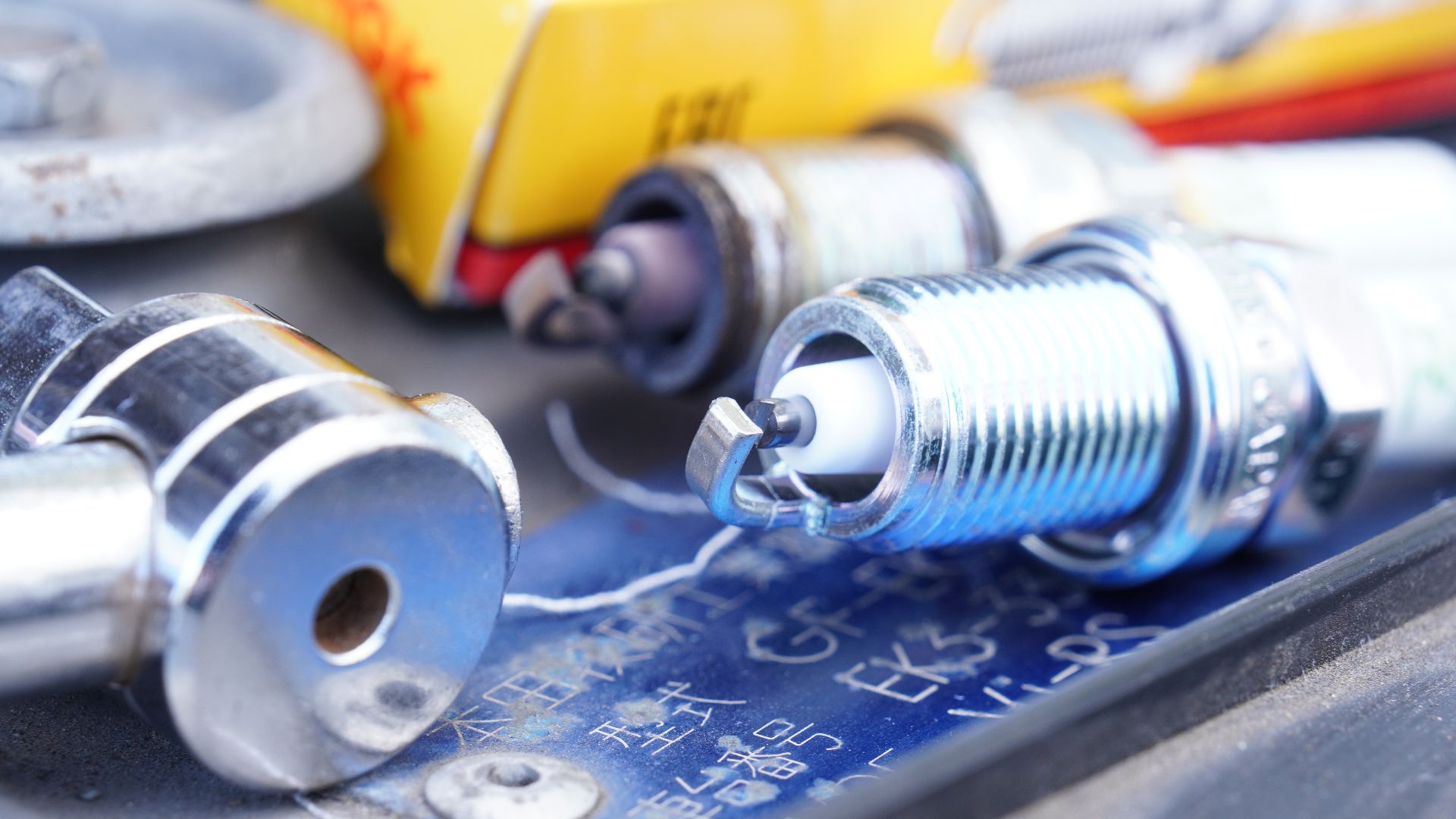
Spark plug gap matters because it changes how the spark forms under load. Some replacement plugs come pre-gapped for many applications, but manufacturers still recommend checking the spec for your engine. Fine-wire precious-metal plugs can be damaged if they are adjusted carelessly, so the right tools and technique matter.
 Jose Ricardo Barraza Morachis, Pexels
Installation Torque Matters Too
Installing spark plugs the wrong way can create a whole new problem. If they are too loose, heat transfer can suffer and the plug can loosen over time. If they are too tight, the threads in the cylinder head can be damaged. That is one reason many shops would rather do the full job correctly in one visit instead of patching things together one plug at a time.

Do Not Ignore a Flashing Check Engine Light
If the check engine light is flashing instead of staying on steadily, this should not wait for some future weekend. The EPA says a serious misfire can send unburned fuel into the exhaust and overheat the catalytic converter quickly. That can turn a spark plug problem into a much more expensive repair.

Ask About the Age and Brand of the Current Plugs
Not every past repair used the right parts. If the plugs in the engine are cheap replacements, the wrong heat range, or simply of unknown age, replacing the full set with the correct specification can remove a lot of guesswork. A good mechanic should be able to tell you what is in the engine now and what they want to install instead.

If Oil or Coolant Fouled the Plug, the Plug Is Not the Whole Problem
This is one of the biggest exceptions. A plug that is oil-fouled or coolant-fouled may be more of a victim than the cause. Replacing all the plugs without fixing a valve cover leak, worn engine internals, or a cooling system problem may only buy a short stretch of smoother running before the misfire comes back.

On High-Mileage Cars, Preventive Replacement Often Wins
On a high-mileage daily driver, preventive maintenance is often cheaper than repeated diagnosis and repeat repairs. If one old plug has started to stumble, there is a good chance the others are close behind. Replacing the full set can help restore fuel economy, improve cold starts, and lower the odds that another cylinder will trigger the next warning light.
On Low-Mileage Cars, Diagnosis Matters More
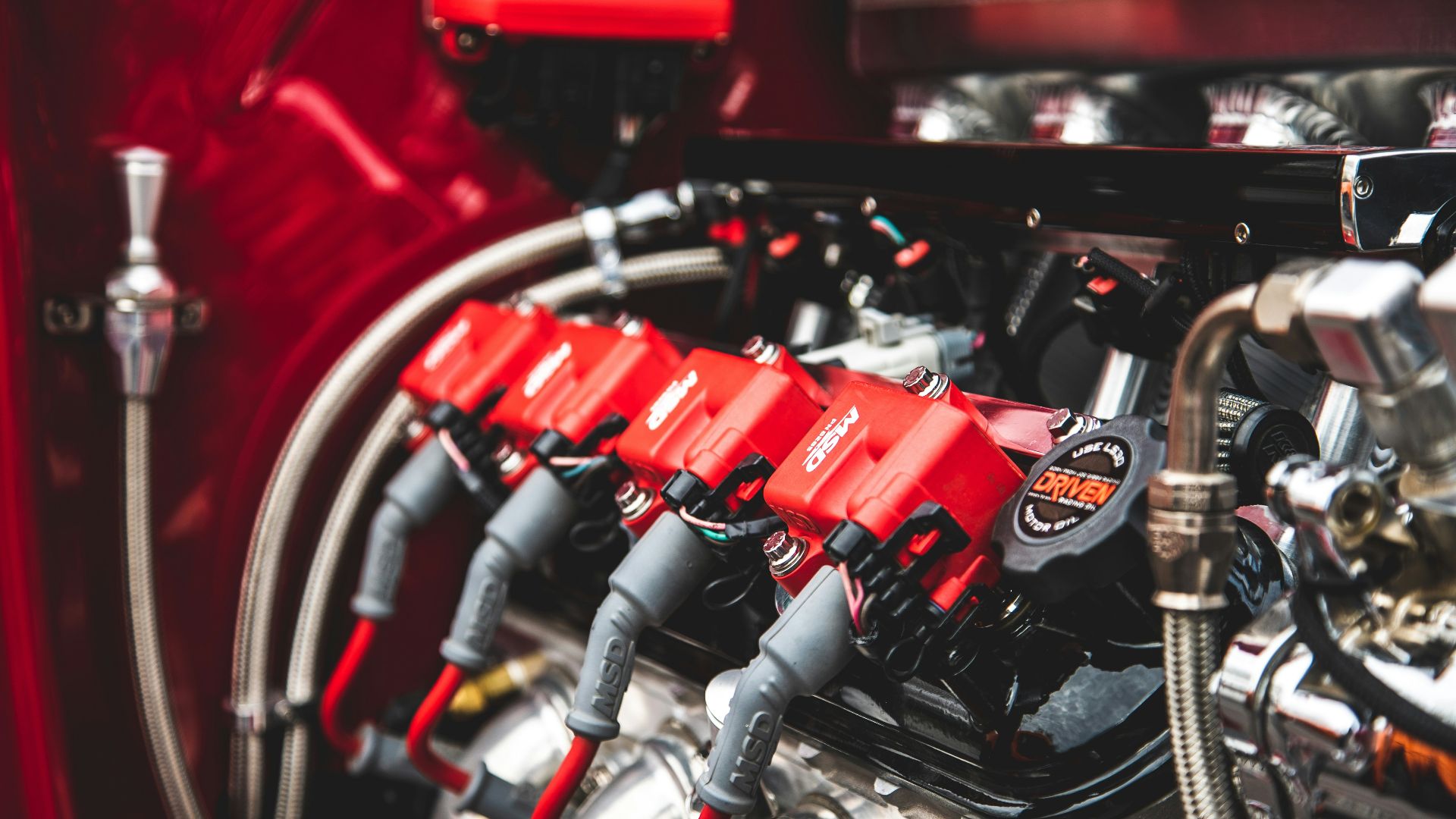
A newer car with fairly fresh long-life iridium plugs deserves a more careful approach. In that case, a blanket recommendation to replace every plug should come with real evidence. If it does not, ask whether the shop ruled out coils, fuel delivery problems, vacuum leaks, and other possible causes first.
 Jose Ricardo Barraza Morachis, Pexels
The Best Question to Ask Your Mechanic
Try this: “Are you recommending all the plugs because they are due by mileage, because they show similar wear, or because replacing one alone will probably bring me back soon?” A solid mechanic should have a direct answer. That answer will usually tell you whether this is smart maintenance advice or a quick upsell.

The Short Answer Most Drivers Need
If your spark plugs are old, due by schedule, or hard to access, replacing the full set is usually the right move. If the plugs are fairly new and the shop has not shown clear evidence that they are worn or damaged, replacing one plug or fixing another cause may be the better call. So no, replacing all the spark plugs is not always strictly necessary. But in plenty of real-world situations, it is still the smartest move.