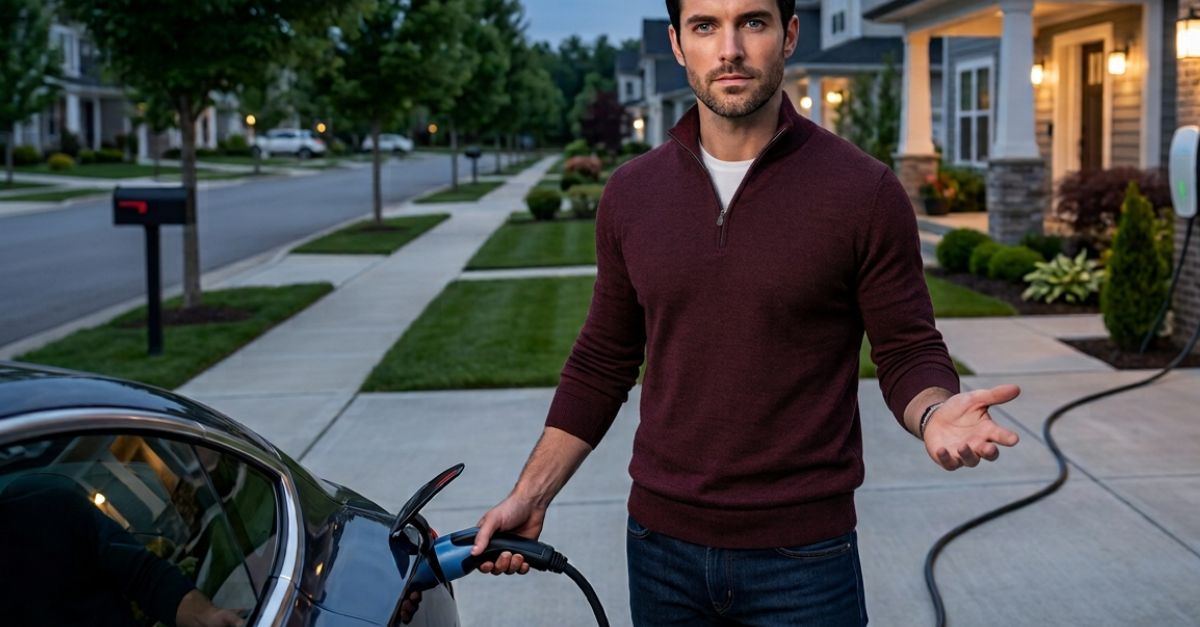
The Cable Fight Is More Common Than You Think
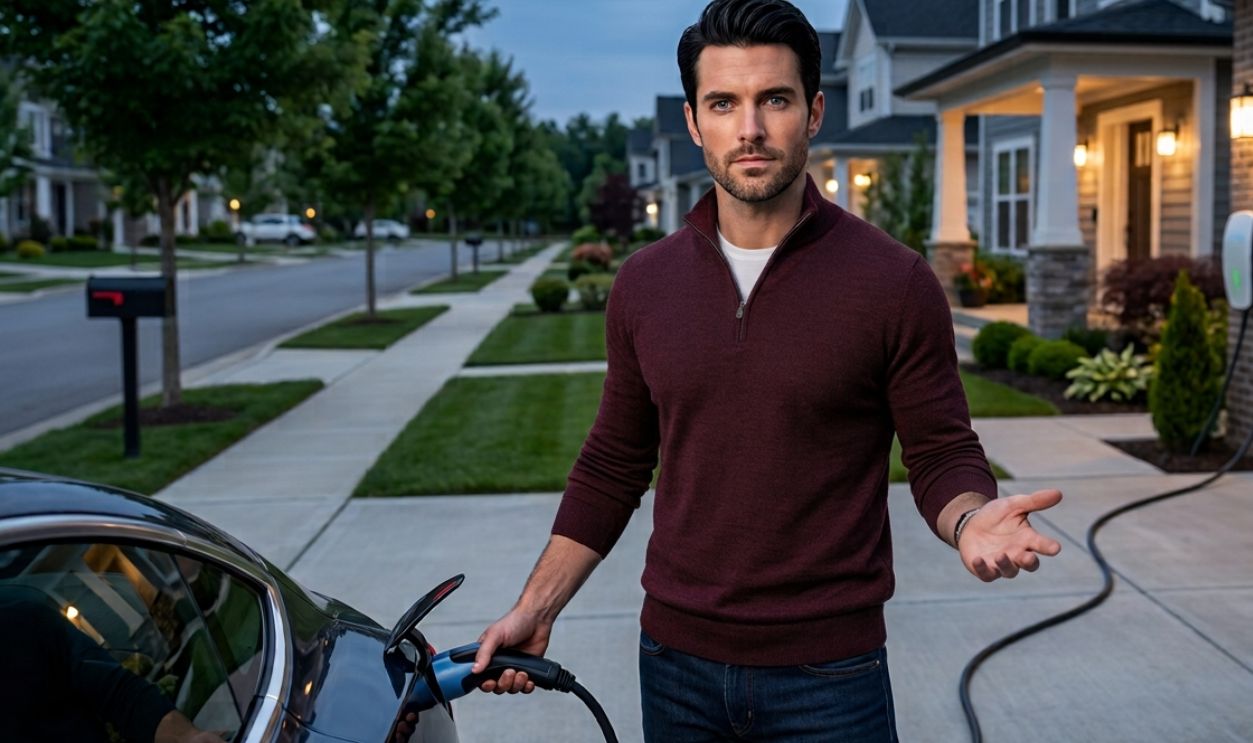
A lot of EV owners run into this problem. You're charging your vehicle at home—the whole point of owning an EV—but the HOA decides the cord looks messy and can't be left plugged in overnight. It may sound petty, but that doesn't mean it's fake. Whether your HOA can actually enforce that rule depends on where you live and what your state law says.
Start With The Basic Reality
In many communities, HOAs do have broad power over appearance rules in common-interest developments. That power usually comes from recorded covenants, conditions, and restrictions, often called CC&Rs, along with rules adopted by the board. But that power has limits, especially in states that have passed laws protecting EV charging access.
Why Overnight Charging Matters
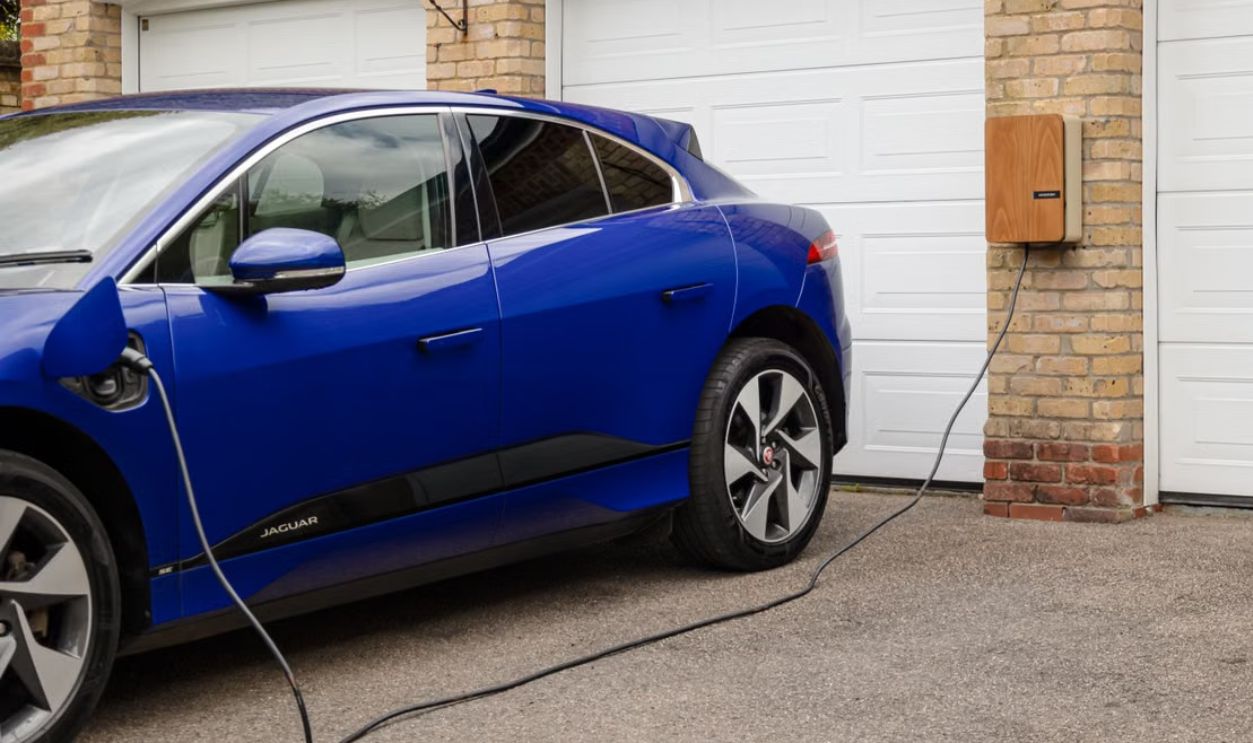
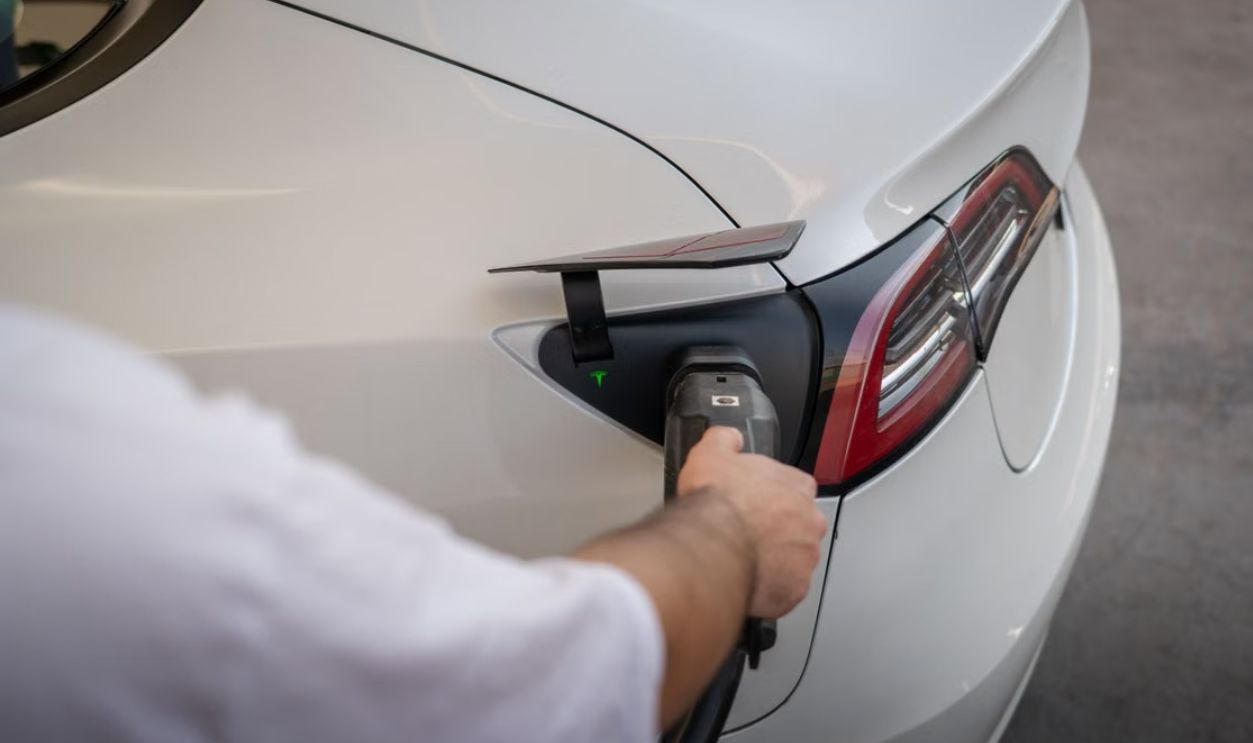
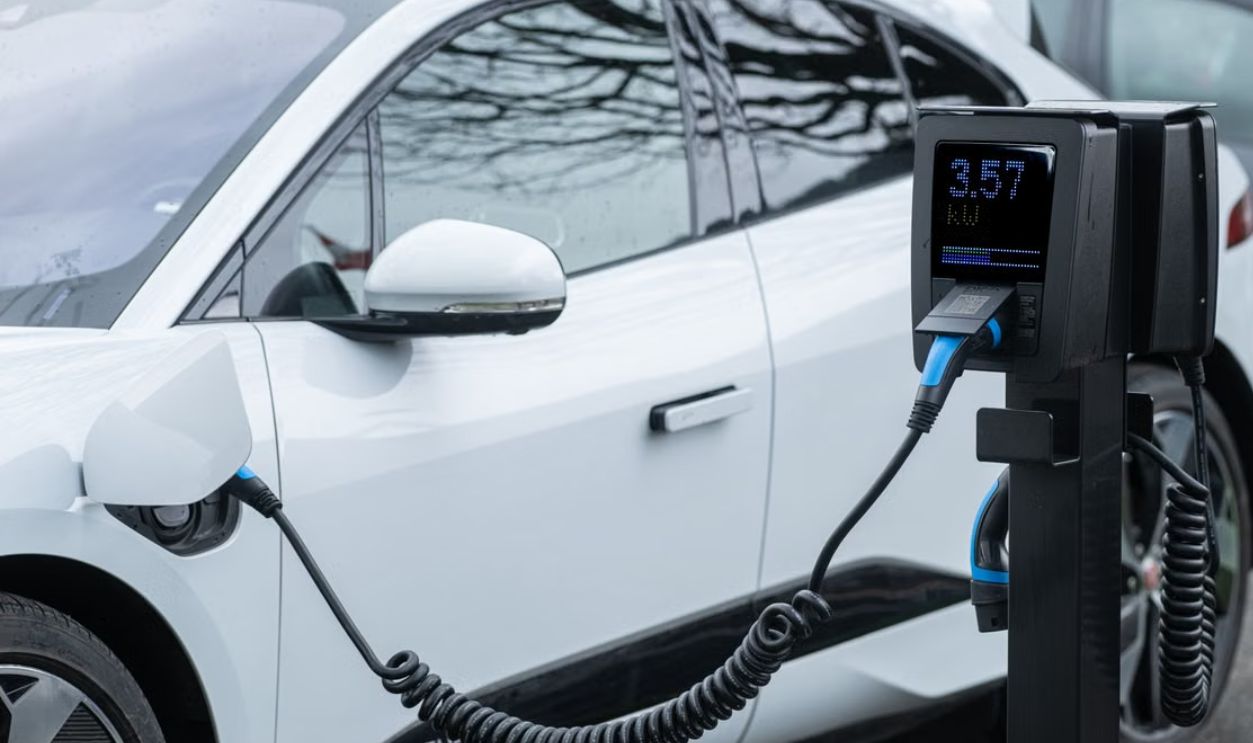
For many drivers, overnight charging is the whole point of having an EV. It lets you charge while electricity may be cheaper and makes sure the car is ready in the morning. A rule that blocks overnight charging can be more than a cosmetic issue if it makes home charging hard to use in real life.
California Changed The Conversation Early
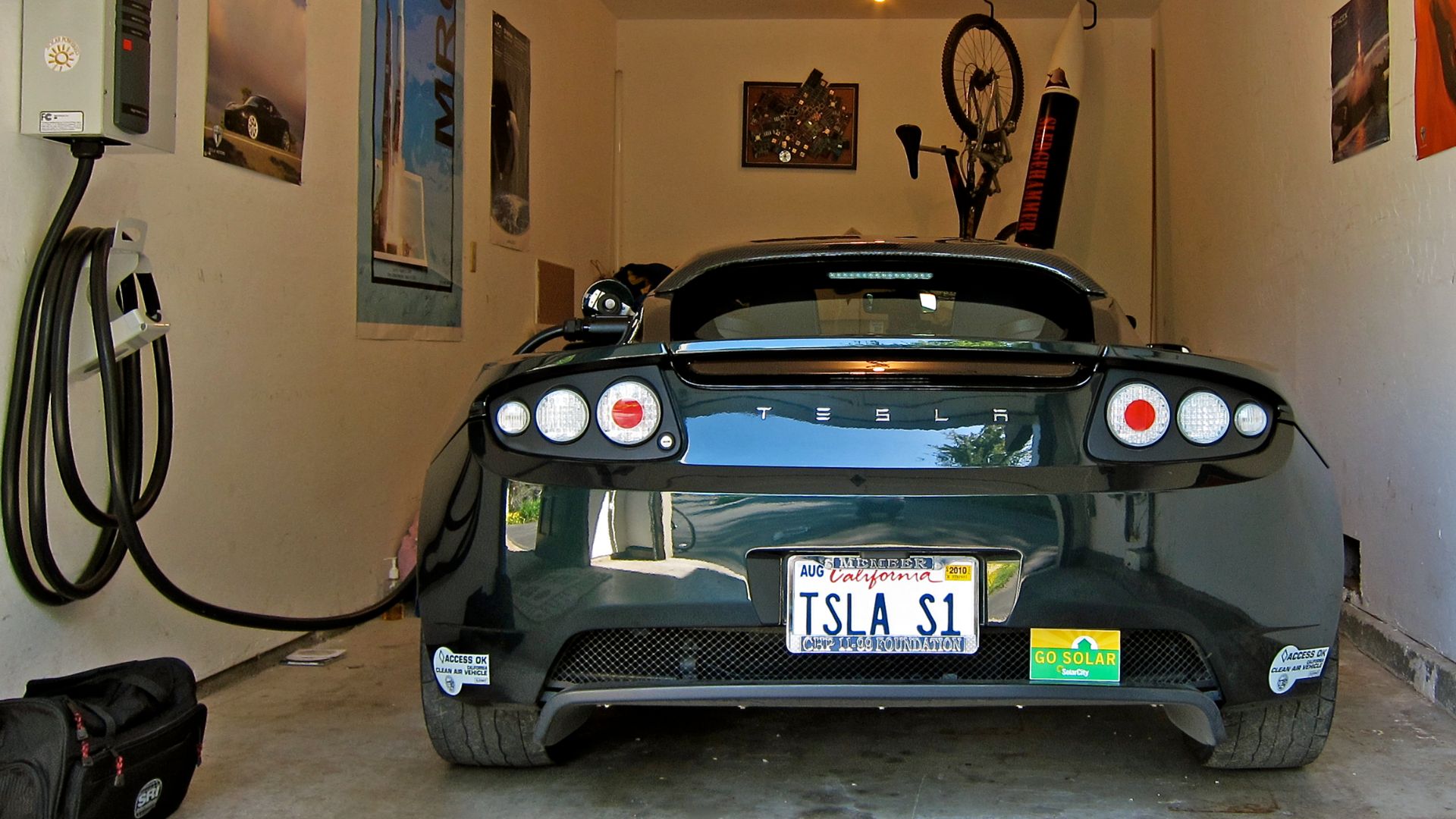
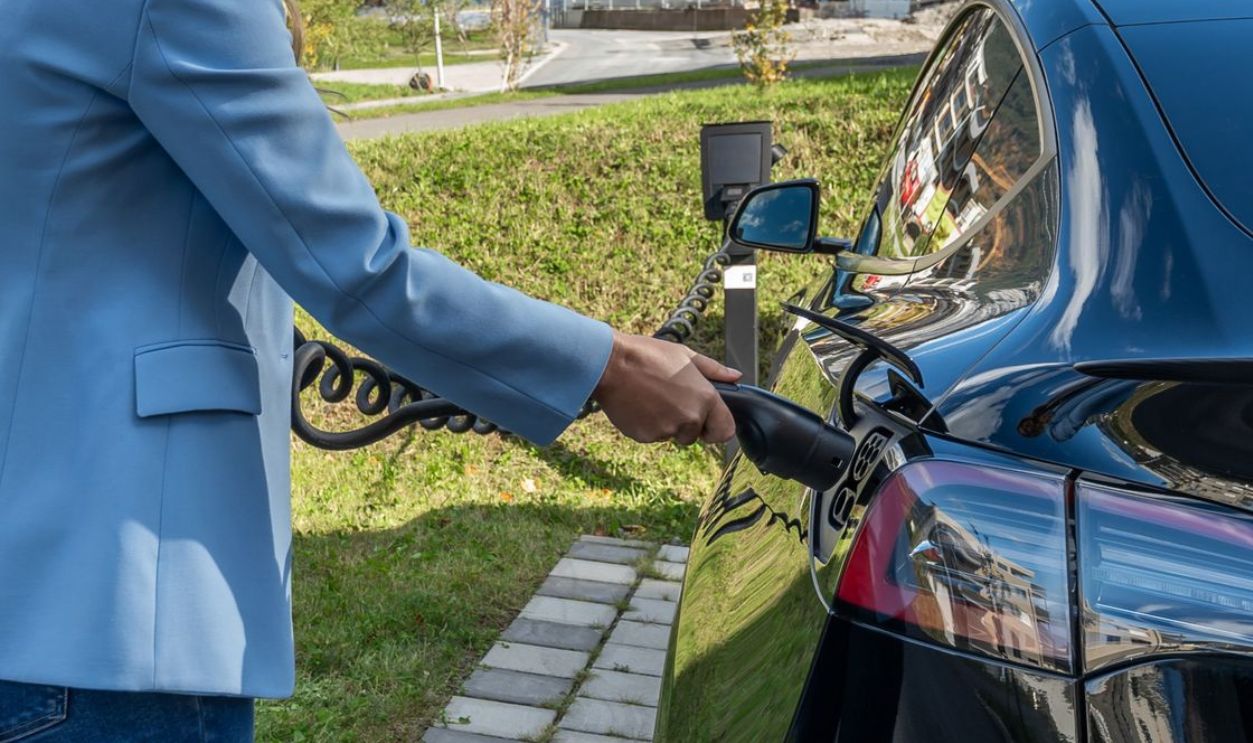
California was one of the first states to directly limit HOA interference with EV charging. Civil Code section 4745 says any covenant or HOA rule that effectively prohibits or unreasonably restricts the installation or use of an EV charging station in an owner’s designated parking space is void and unenforceable. That gives owners a strong place to start if an HOA tries to use appearance rules to block normal charging access.
 TSLA_S1.jpg: jurvetson (Steve Jurvetson) derivative work: Mariordo, Wikimedia Commons
What Counts As An Unreasonable Restriction
California law gets specific here. Under Civil Code section 4745, an unreasonable restriction includes one that significantly raises the cost of the station or significantly lowers its efficiency or stated performance. If unplugging every night makes the charger much less useful, that could matter.
The Law Does Not Wipe Out Every HOA Rule
Even in California, an HOA can still impose reasonable restrictions. The statute says those restrictions cannot significantly raise cost or reduce efficiency or performance. So a board may still regulate safety, placement, architectural standards, or installation details if the rules are actually reasonable.

Use Versus Installation Can Get Tricky
A lot of these disputes turn on the difference between installing charging equipment and using it day to day. An HOA might admit the charger is allowed but object to a visible cable left connected overnight. That is where things get more complicated, because a use restriction can still be unlawful if it undercuts the right the statute was meant to protect.
Florida Has Similar Protection
Florida also limits HOA and condominium restrictions on EV charging. Section 718.113 for condominiums and section 720.3075 for homeowners’ associations say a declaration or restrictive covenant may not prohibit or be enforced to prohibit an owner from installing an EV charging station within the boundaries of their limited common element or designated parking area. Those laws show this is not just a California issue.
Texas Also Took On Restrictive Property Rules
Texas Property Code section 202.020 addresses this too. It generally makes restrictive covenants unenforceable if they prohibit or restrict a property owner from installing an EV charging station in certain areas the owner owns or has exclusive use of. Texas still allows some limits, so the details matter.
Colorado Put It In State Law Too
Colorado updated its common-interest ownership law to address EV charging access. Section 38-33.3-106.8 limits associations from prohibiting the installation or use of Level 1 or Level 2 charging systems in unit owners’ designated parking spaces, subject to reasonable restrictions. That is another sign that lawmakers increasingly see charging as a practical housing issue, not just a design complaint.
Oregon Bars Unreasonable HOA Blocks
Oregon law also protects owners who want EV charging equipment. ORS 94.762 and related provisions limit how planned communities and condominium associations can restrict the installation and use of charging stations. As in other states, the protection is strong but not unlimited.
Nevada Joined The Trend
Nevada law limits common-interest communities from unreasonably restricting EV charging stations. NRS 116.345 gives owners in common-interest communities a way to push back when an association tries to block charging access outright. If you live in Nevada, that statute is worth reading before accepting an HOA warning at face value.
New Jersey Went Further In 2021
New Jersey enacted P.L. 2021, c.171 to address EV charging in common-interest communities. The law says associations generally may not unreasonably restrict the installation or use of EV charging stations and lays out timelines for reviewing applications. The date matters because it shows how recently many states have updated their rules for the EV era.
Messy Looking Usually Is Not Enough On Its Own
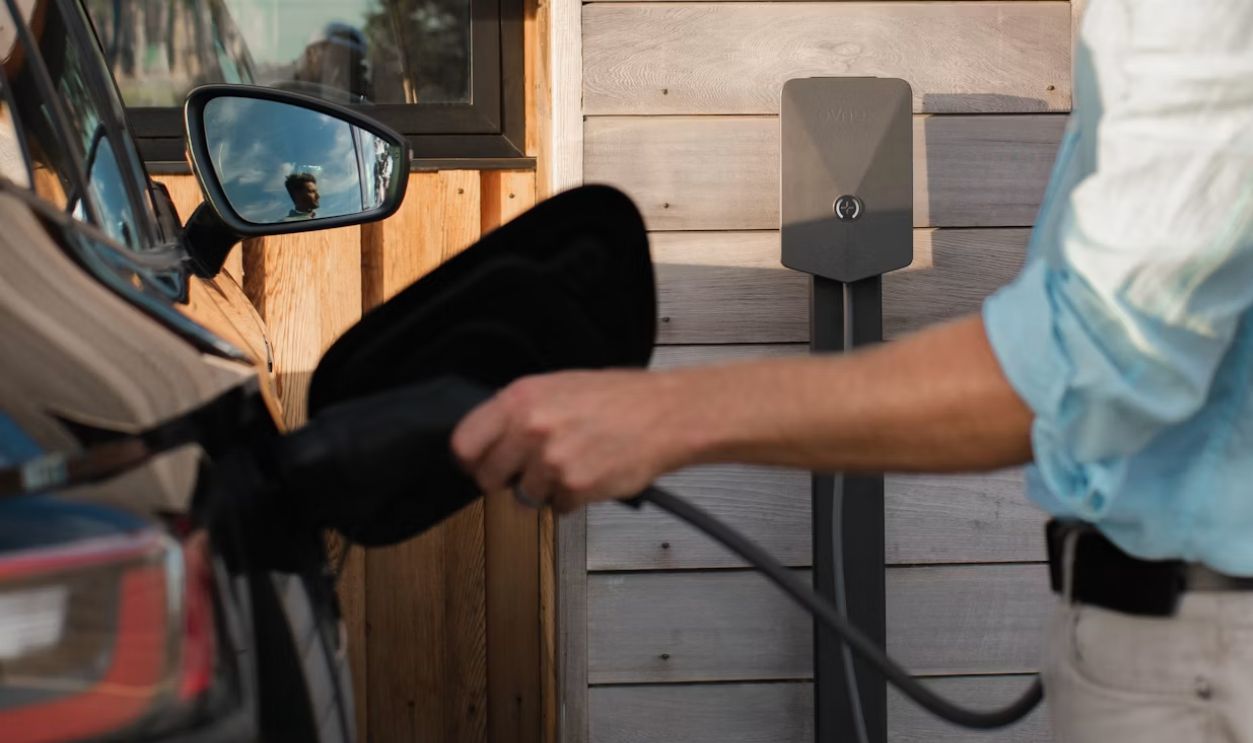
An HOA can often regulate aesthetics, but it usually needs real authority in the governing documents or validly adopted rules. Saying a cable looks messy may sound convincing in a board meeting, but courts and statutes often ask a tougher question: does the rule serve a legitimate purpose, and does it clash with state protections for EV charging?
Safety Is Where HOAs Usually Have A Stronger Case
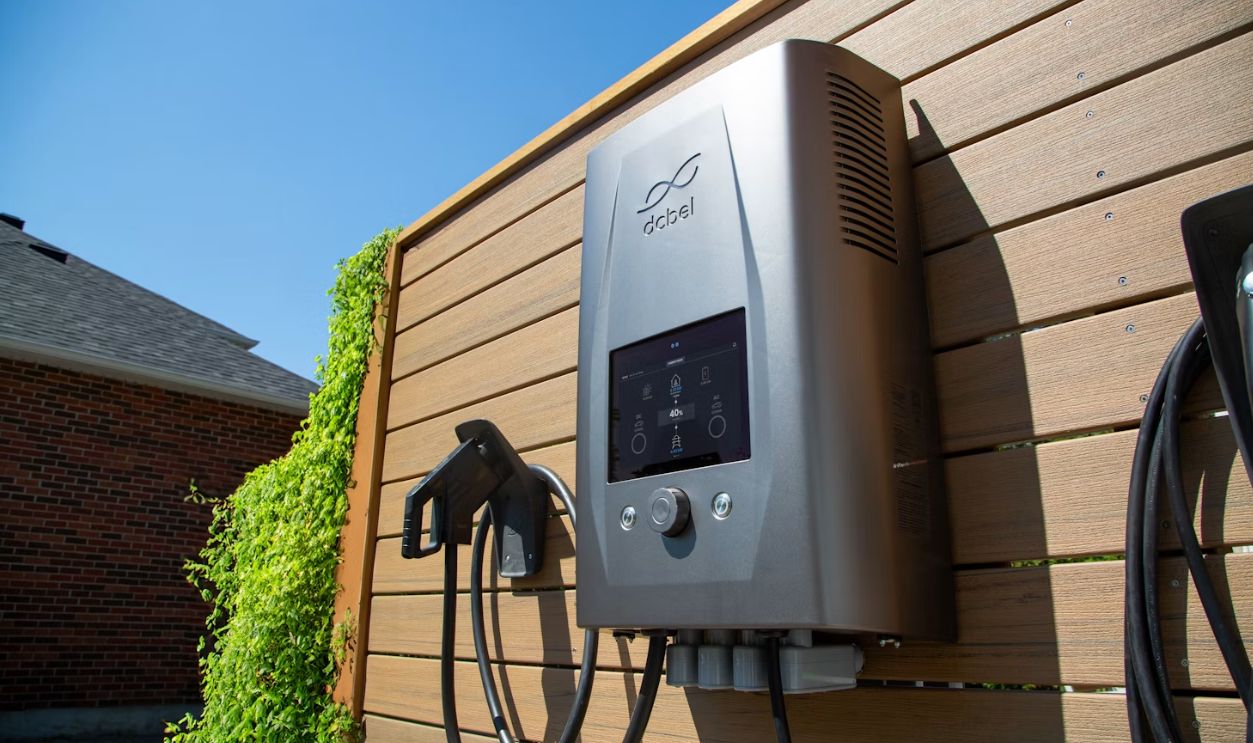
If a charging cable crosses a sidewalk, creates a tripping hazard, interferes with common areas, or violates electrical codes, the HOA may have a much better argument. Many state laws that protect EV charging still allow associations to impose safety-based conditions. A rule aimed at preventing hazards is usually easier to defend than one based only on appearance.
Your Parking Setup Matters A Lot
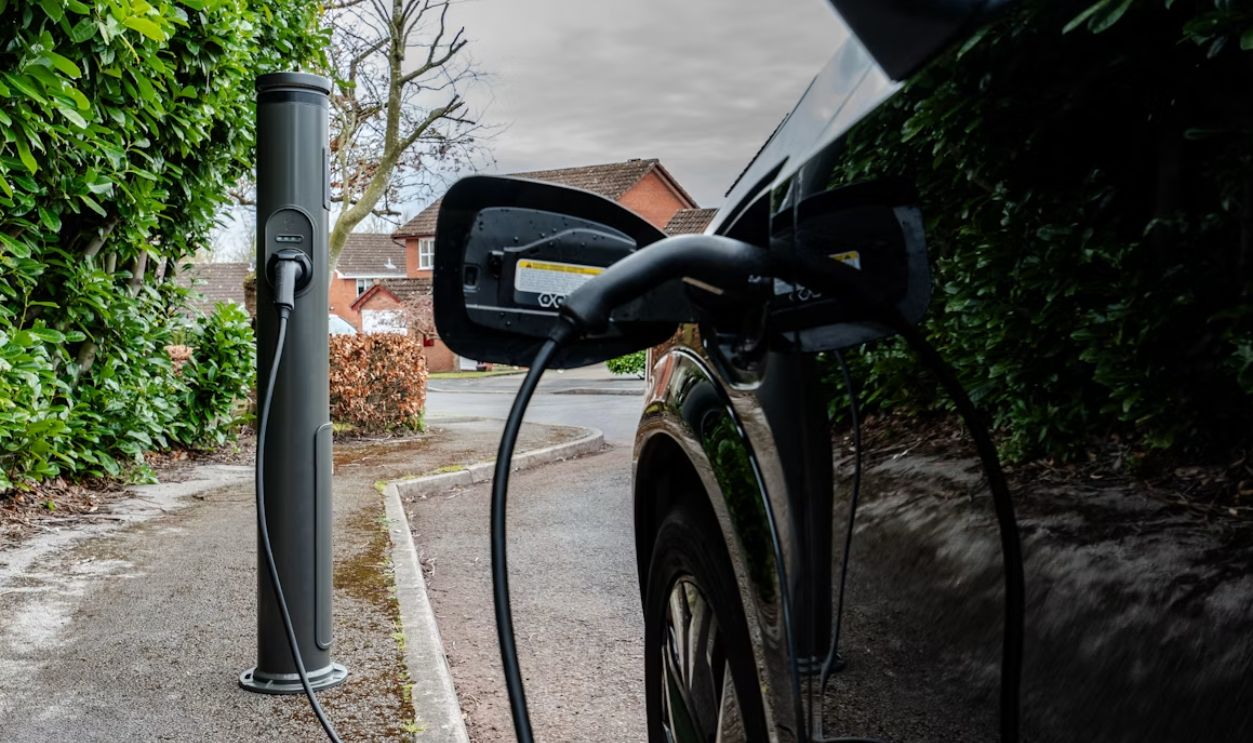
The answer can change depending on whether you park in a private garage, a deeded driveway, an assigned parking space, or a shared common area. State statutes often protect charging in spaces an owner has exclusive use of, but not always in shared common areas. That detail can decide how much room the HOA has to regulate the cable.
Check The Exact Language In Your CC&Rs
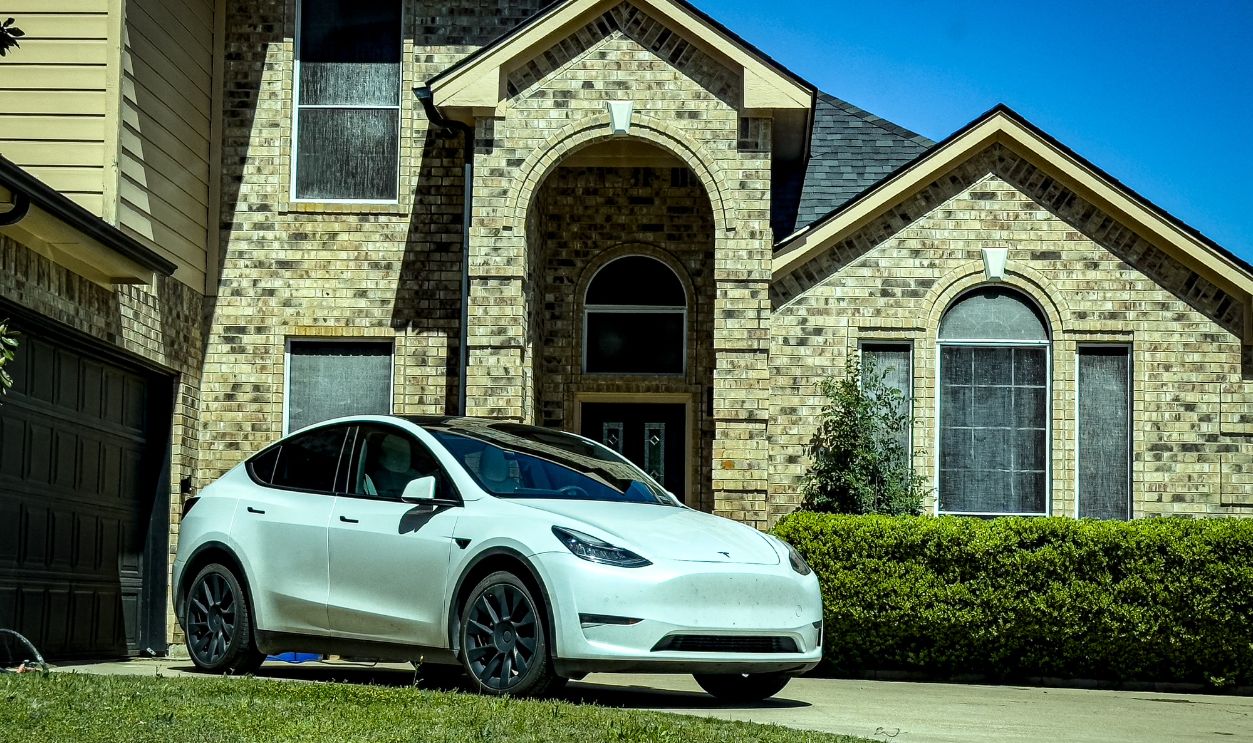
Before assuming the board is bluffing, read the governing documents carefully. Look for sections on exterior appearance, nuisances, common area use, parking, and electrical installations. Then compare those rules with your state’s EV charging law, because state law can override conflicting HOA restrictions.

Boards Cannot Just Make Up Rules On The Spot
An HOA usually has to follow its own procedures when adopting or enforcing rules. That can include notice requirements, hearings, and consistent enforcement. If the board president simply announced a new no-overnight-plugging policy without a valid rule behind it, that may weaken the HOA’s position.
 Henri Mathieu-Saint-Laurent, Pexels
Selective Enforcement Is A Warning Sign
If other residents leave out extension cords, holiday lights, or visible utility connections without penalties, selective enforcement may become an issue. HOAs are generally expected to enforce rules consistently. Uneven treatment can strengthen a homeowner’s challenge, especially if the EV owner is being singled out.

Federal Guidance Adds Context Even If It Does Not Control HOAs
The U.S. Department of Energy has repeatedly emphasized that home charging is central to EV ownership. Its Alternative Fuels Data Center explains the practical role of residential charging and the different charging levels. That does not automatically override an HOA rule, but it helps show why overnight home charging is a normal and expected use.
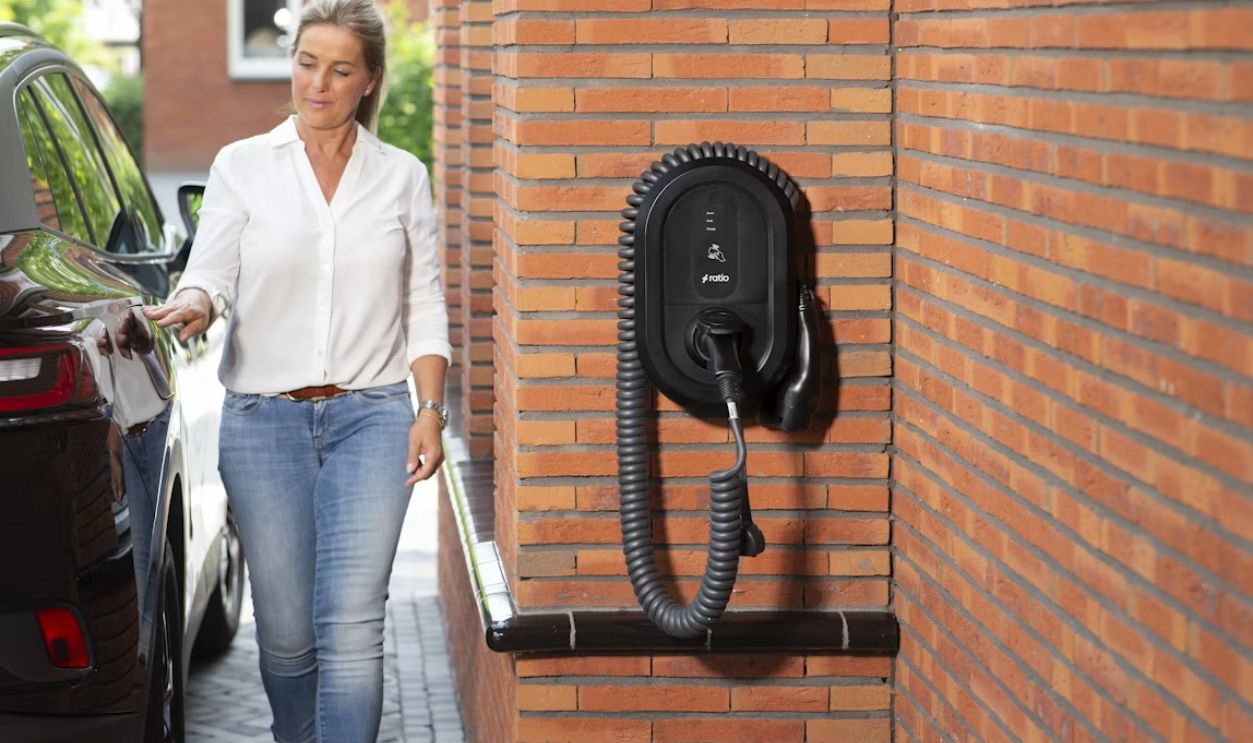
The Energy Department Also Highlights Multiunit Challenges
The Joint Office of Energy and Transportation and the Department of Energy have published guidance on EV charging for multifamily housing. That reflects a broader policy push to make charging workable where people live. In other words, this kind of dispute is part of a much larger national shift that lawmakers are already dealing with.
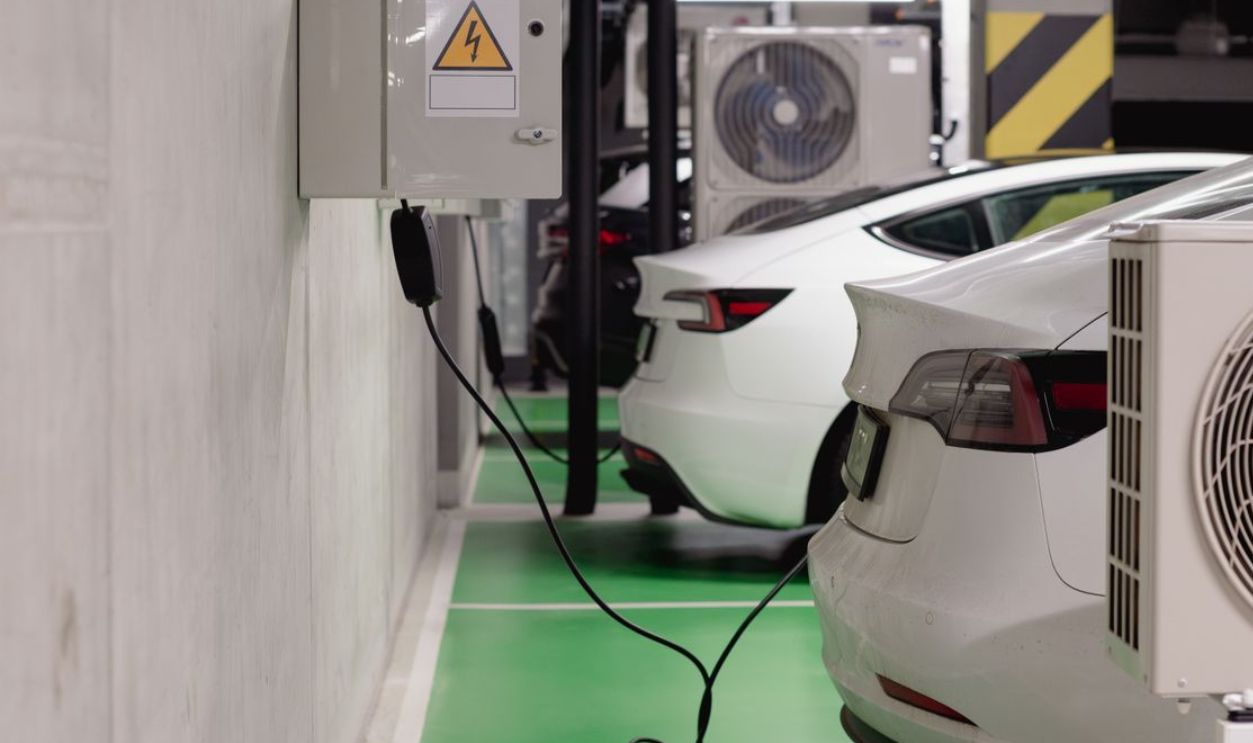
If The Cable Is In Your Garage The HOA Has Less To Work With
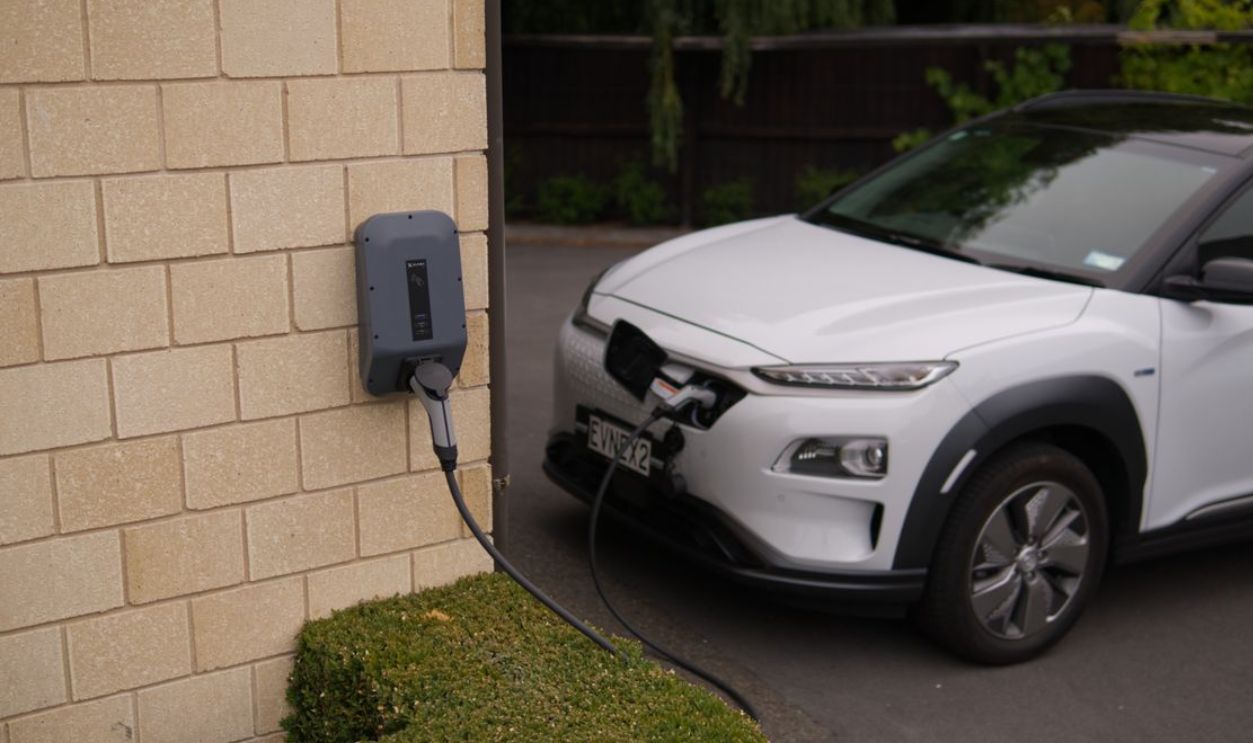
If your car is inside a private garage and the cable is not visible from common areas, an HOA aesthetic complaint is usually harder to justify. The board may still care about code compliance or structural changes, but visual clutter arguments get weaker fast. In many of these fights, visibility matters more than the electricity.
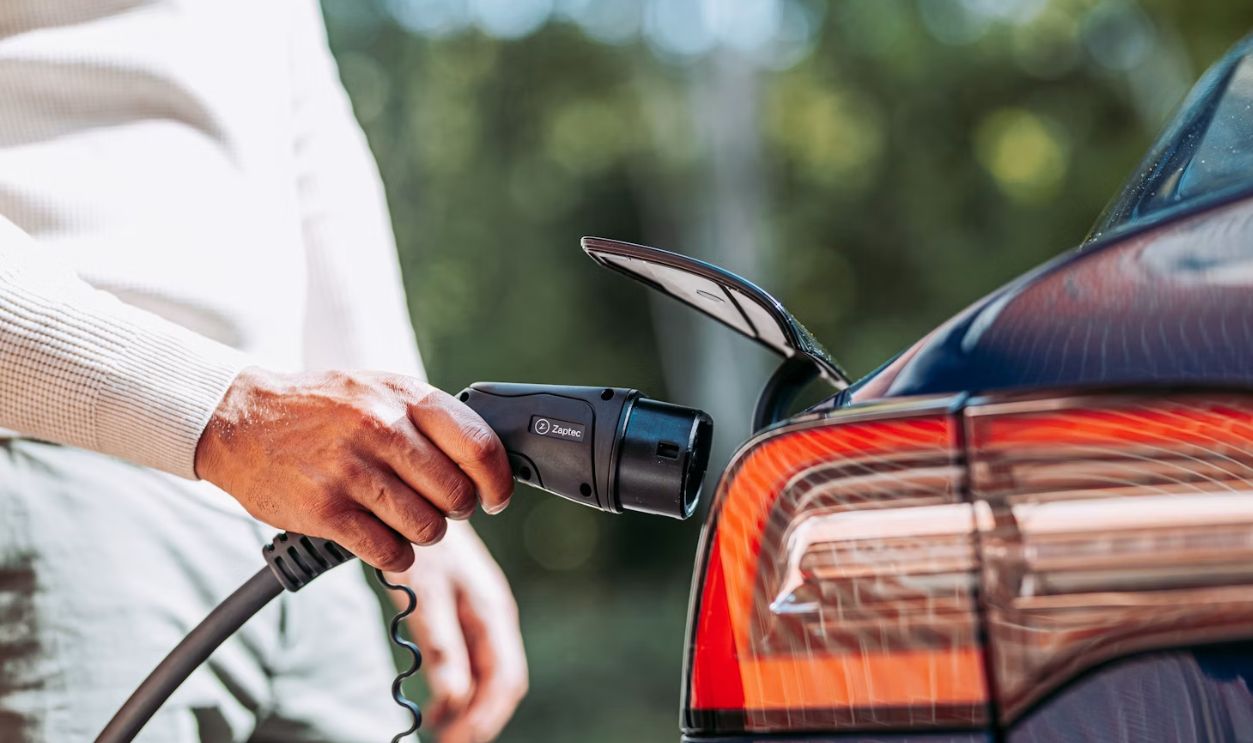
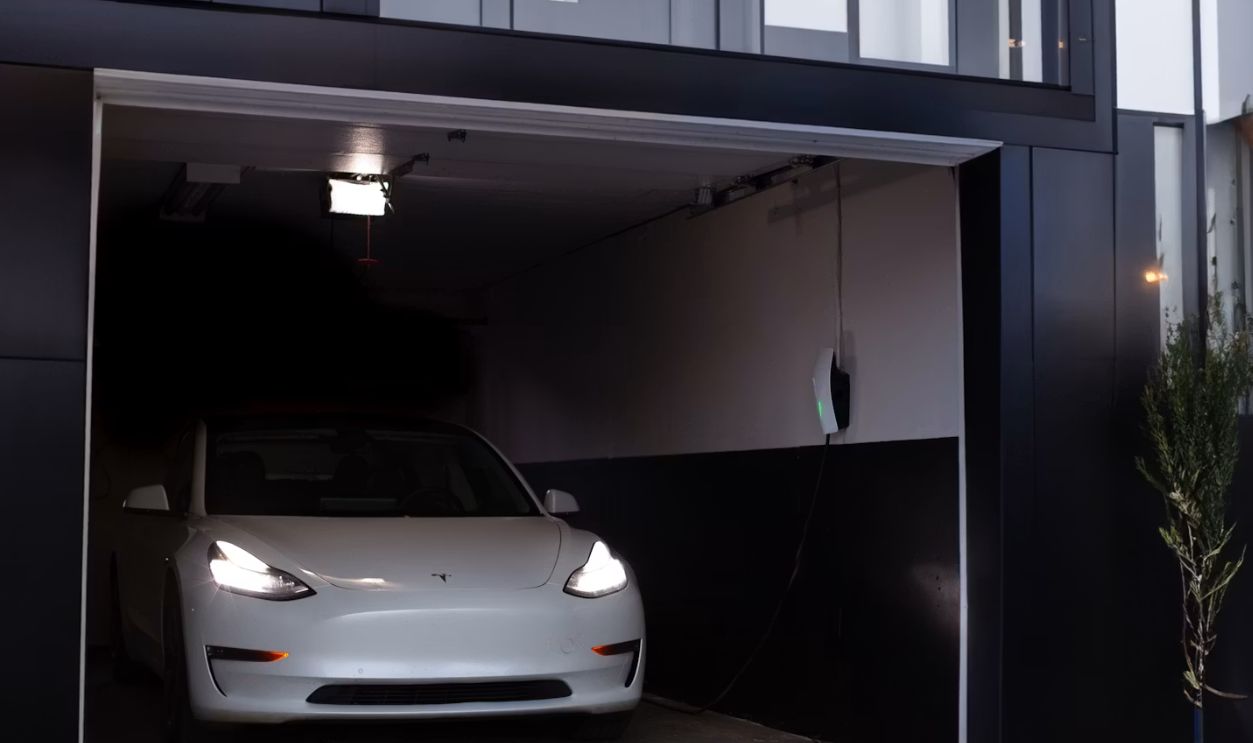 Priscilla Du Preez 🇨🇦, Unsplash
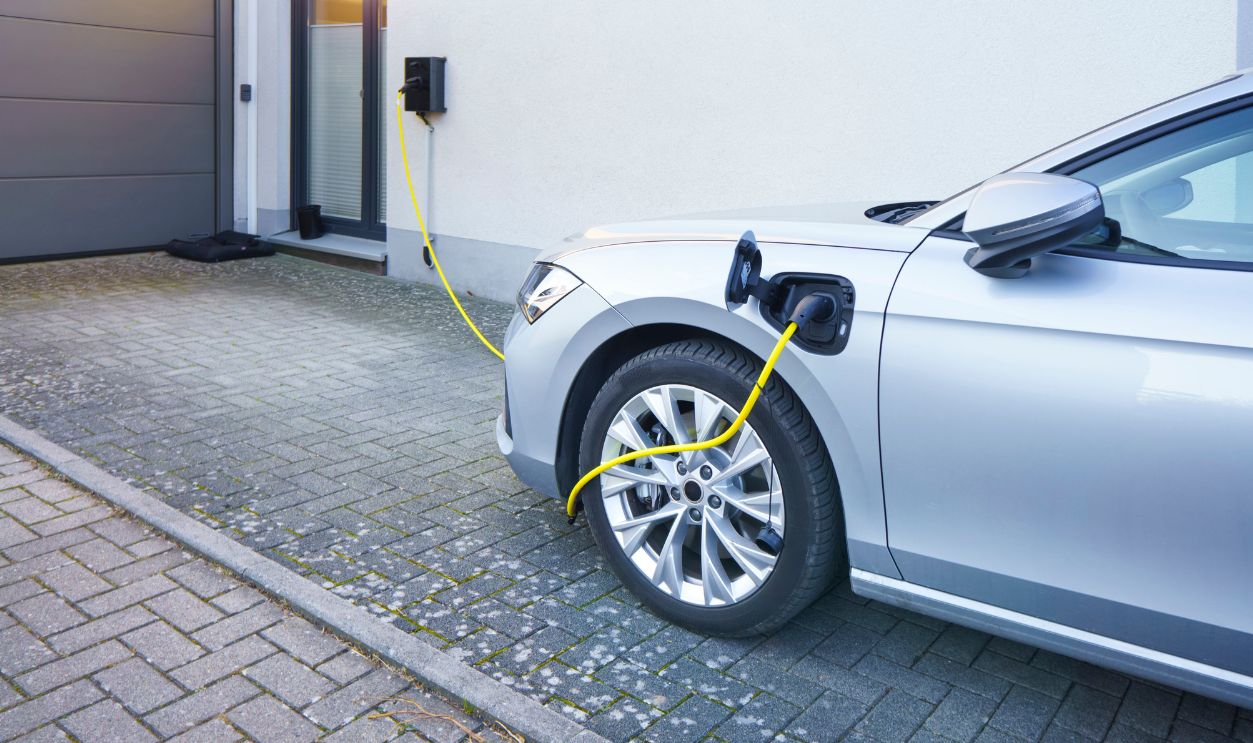
If The Cable Stays Outside The Debate Changes
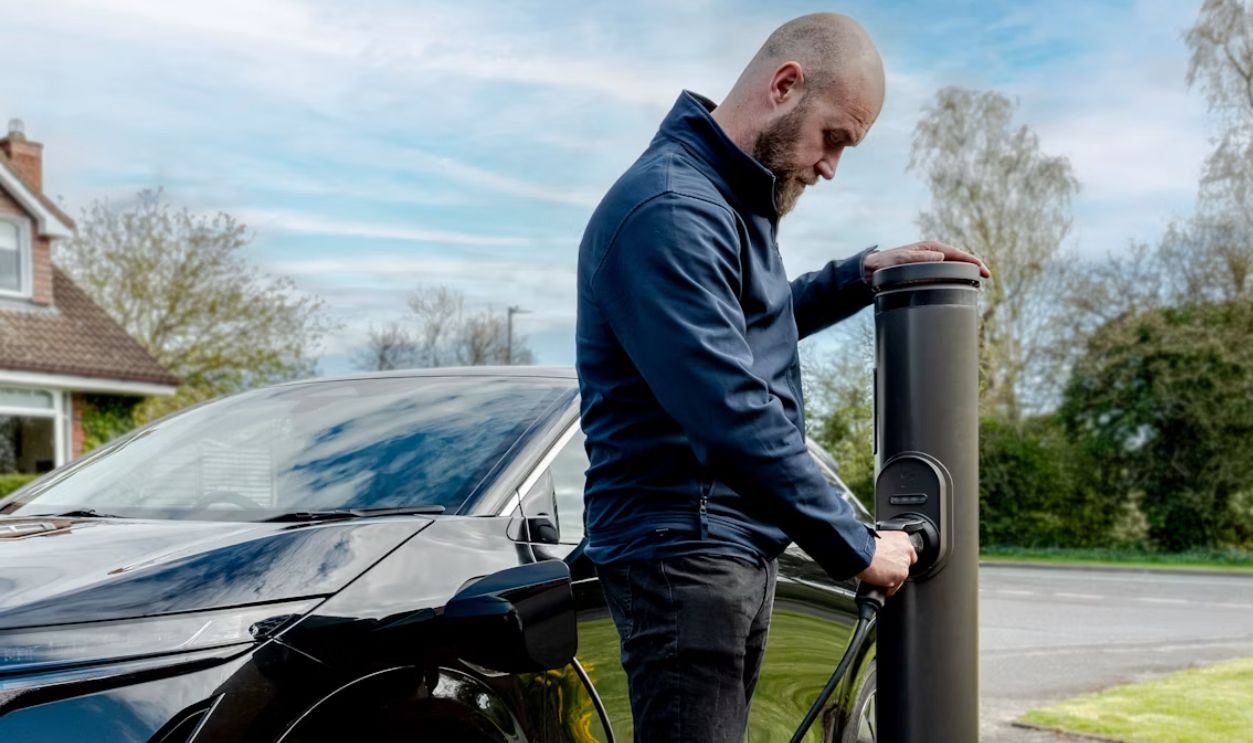
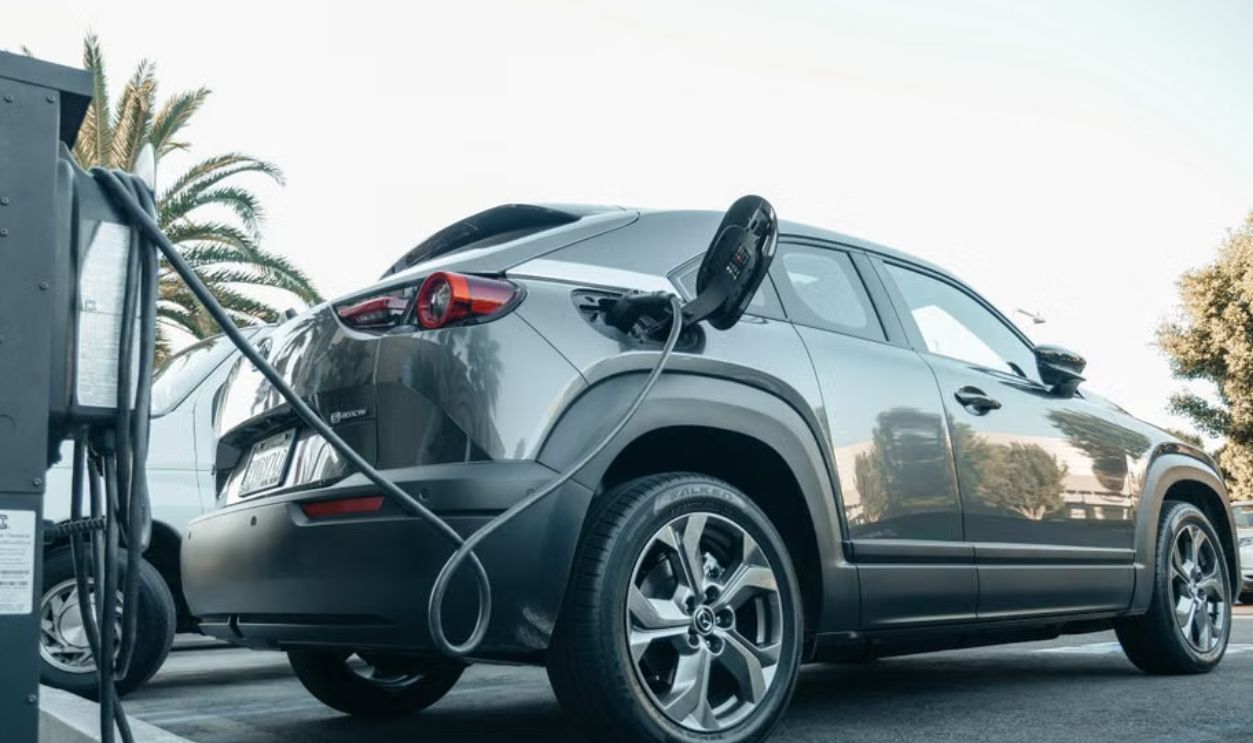
A visible cable running across a driveway or hanging outdoors overnight gives the HOA more room to argue that it affects the community’s appearance or safety. That does not mean the HOA automatically wins. It means the board’s case is likely stronger than if the setup is fully contained in a private enclosed space.
Document Everything Before You Respond
Save the violation notice, take photos of the charging setup, and keep copies of any governing documents and board emails. If the HOA said only that the cable looks messy, save that wording. Details matter if the argument later shifts from appearance to safety.

Ask The HOA To Cite The Specific Rule
A calm written response can help a lot. Ask the board or management company to identify the exact CC&R provision, rule, or architectural standard that bans leaving the EV plugged in overnight. Also ask whether the concern is appearance, safety, code compliance, or some mix of all three, because those are very different arguments.

Offer A Practical Fix If One Exists
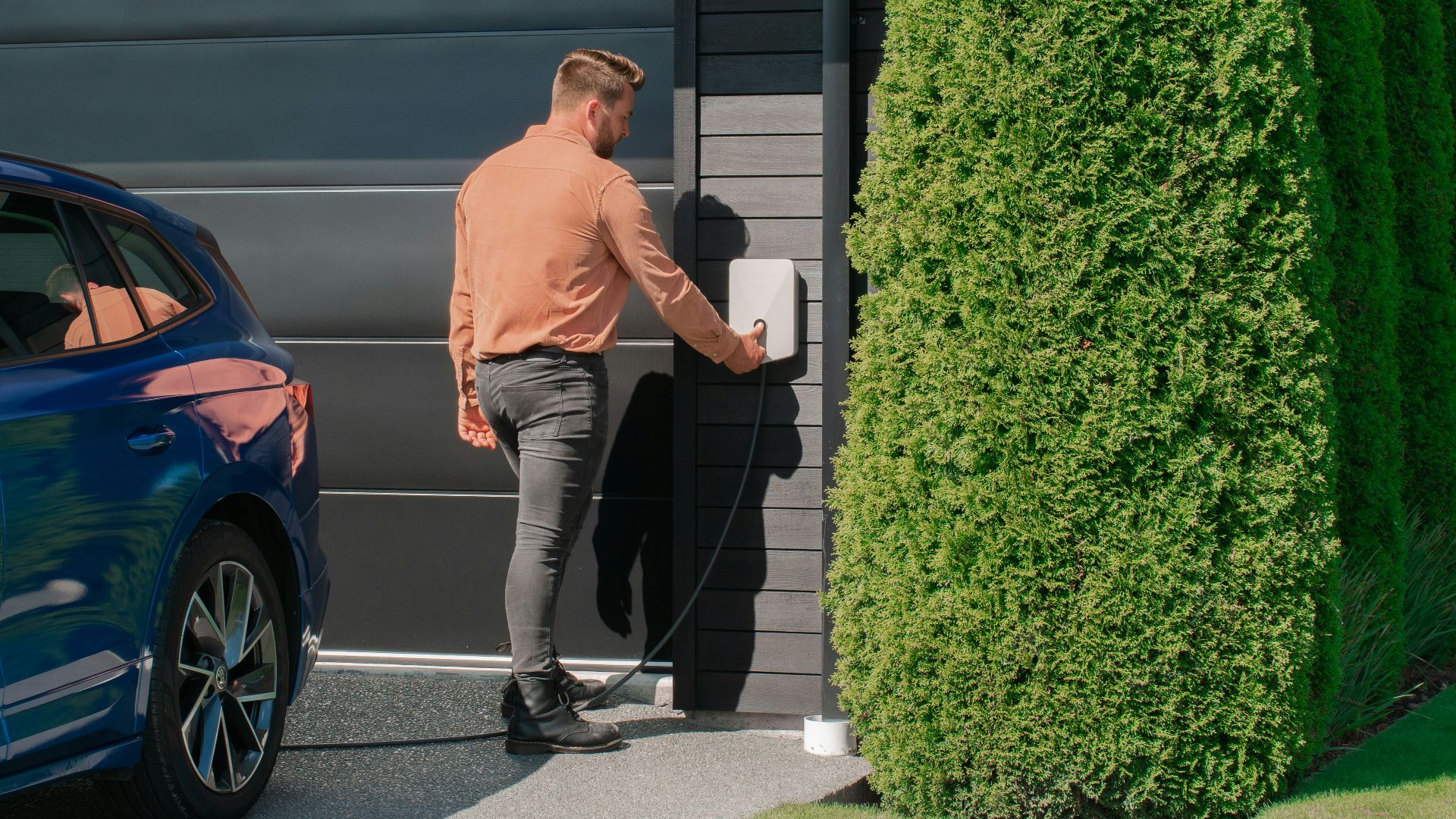
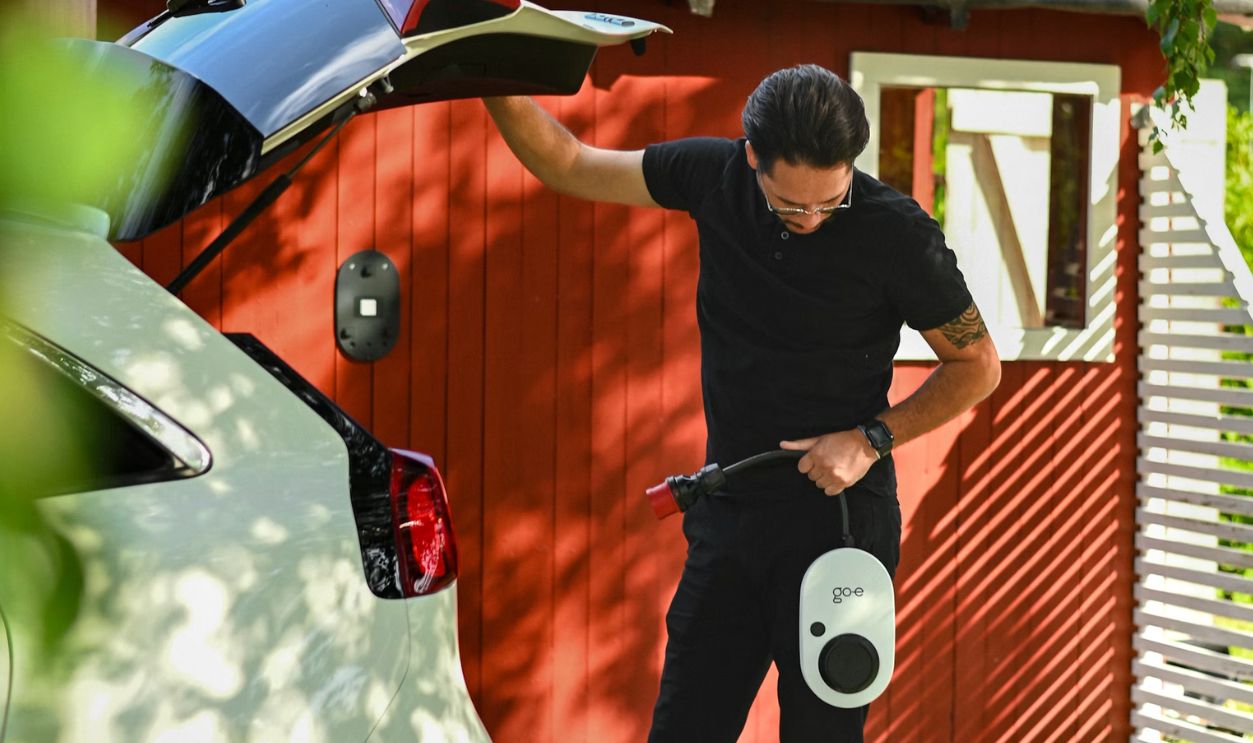
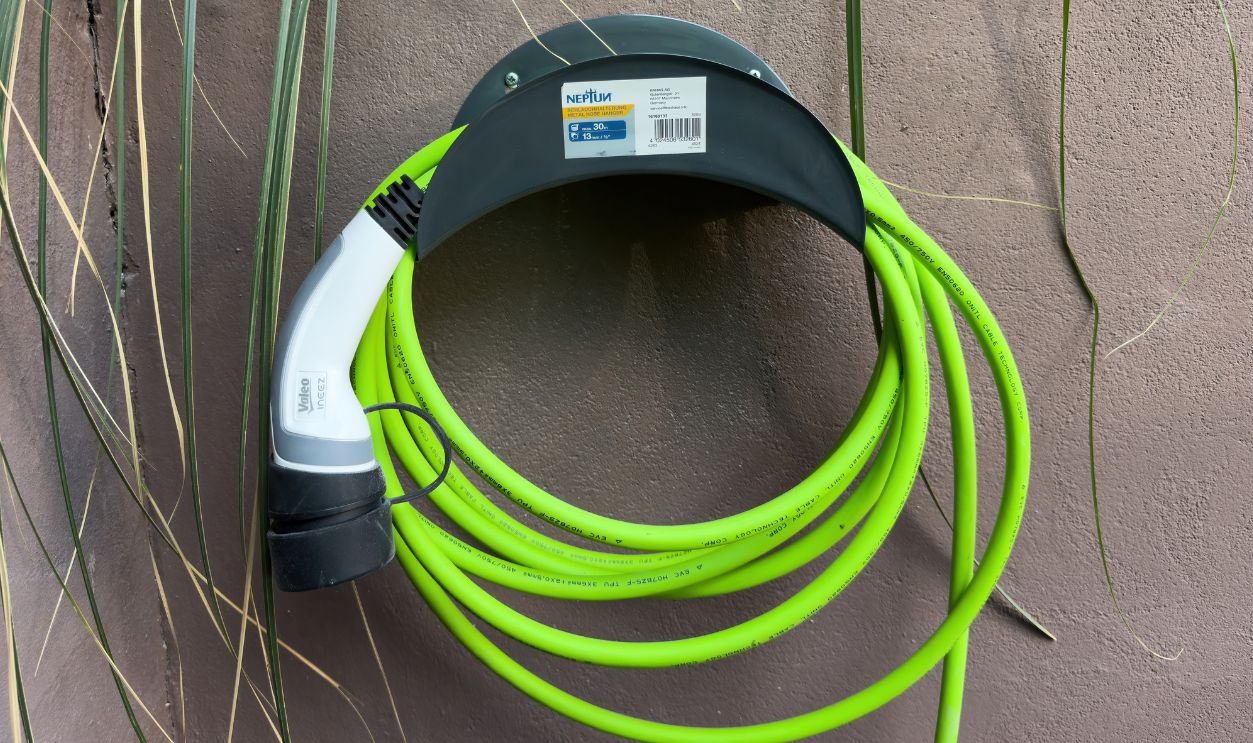
Sometimes the fastest solution is a cable hook, cord management sleeve, wall-mounted holster, or a different parking position that keeps the area neat. If a small change removes the visual concern without ruining overnight charging, it can defuse the fight. In practical terms, a cheap hardware fix may be better than months of lawyer letters.
Know When The HOA Has Gone Too Far
If your state protects EV charging and the board’s demand effectively blocks normal use, the HOA may be overreaching. That is especially true if the rule is vague, inconsistently enforced, or unsupported by any real safety concern. At that point, talking to a local attorney who knows HOA and real estate law may be worth it.
The Bottom Line For EV Owners
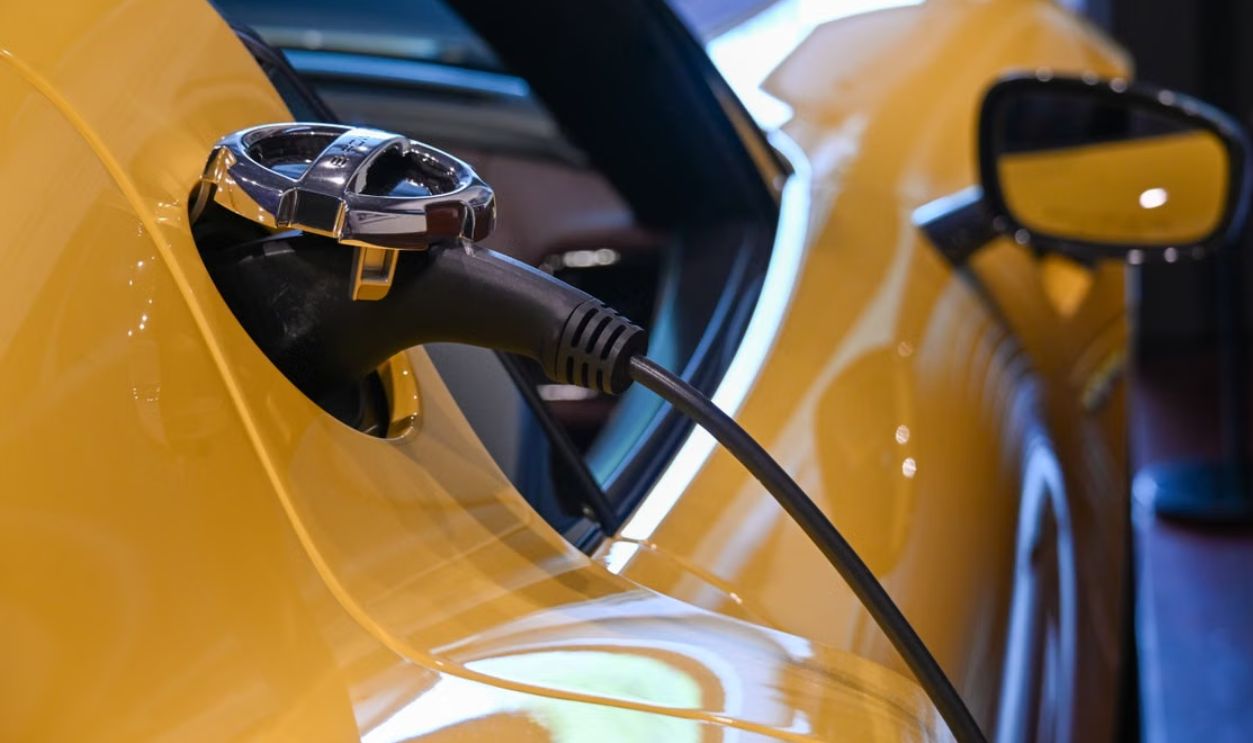
Yes, an HOA can often regulate how things look in the community. But in many states, it cannot use appearance rules to effectively block lawful EV charging in your exclusive-use parking space. If your cable is truly just “messy” and not dangerous, the HOA may have less power than it wants you to think.