The Fight Over a Simple Car Cover
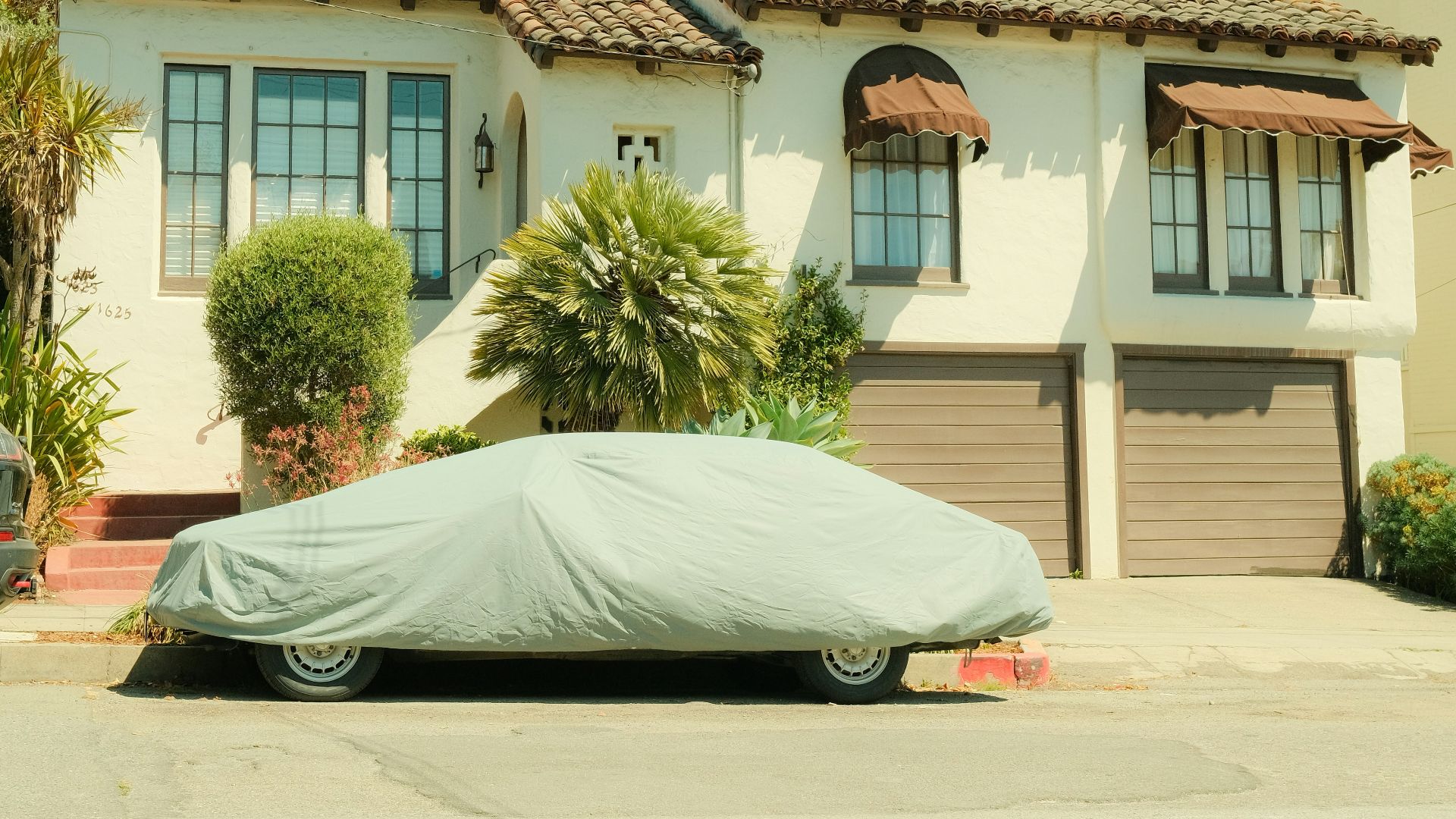
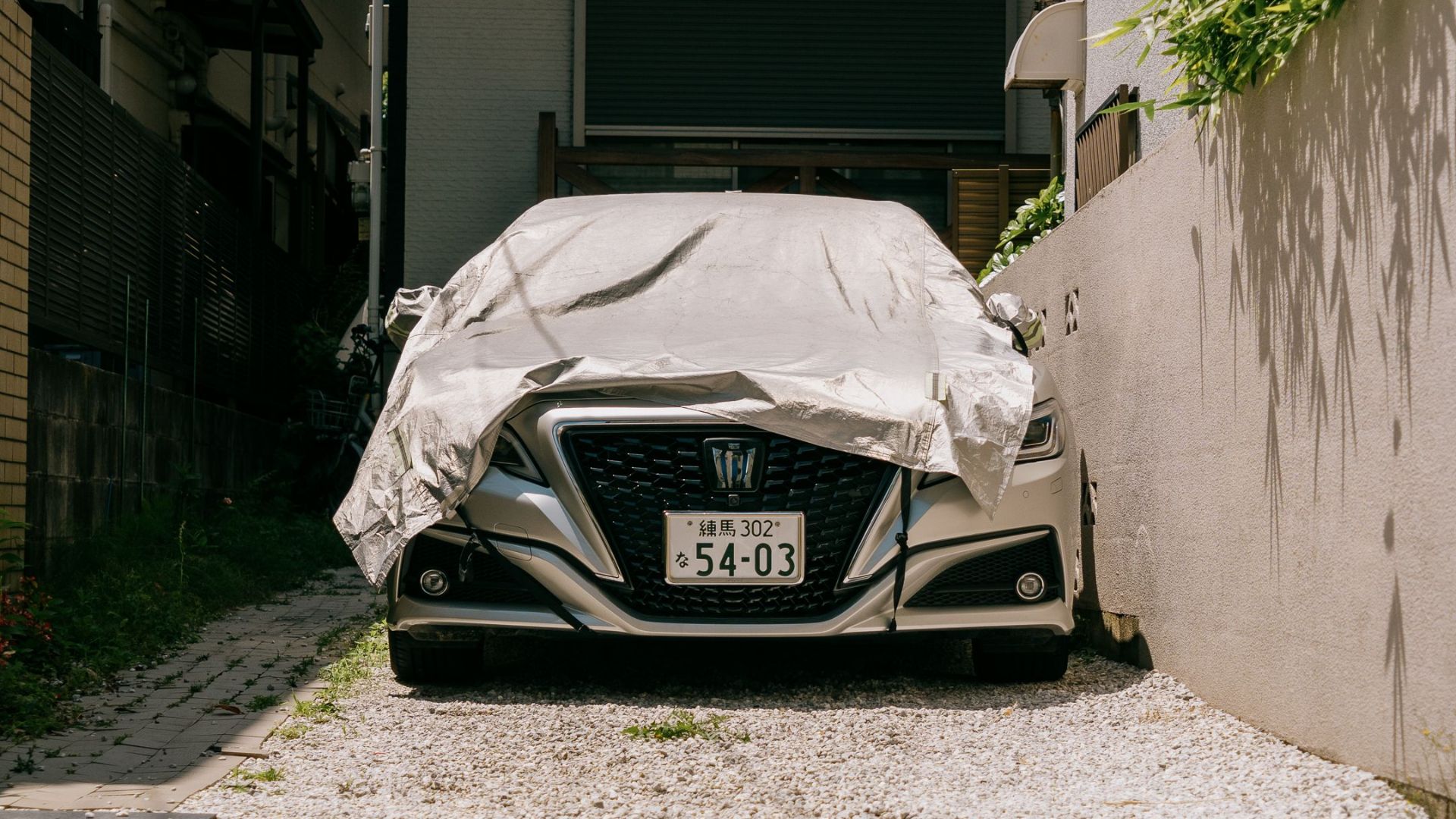
A car cover seems harmless enough. It keeps off sun, pollen, bird droppings, and tree sap, and for a lot of owners, it is just basic upkeep. But in an HOA neighborhood, that simple piece of fabric can turn into a real argument if the association thinks it makes the driveway look messy.

The Short Answer Is Usually Yes
In many cases, an HOA can ban or limit car covers if its recorded rules give it that power. The main question is not whether the cover helps your car. It is whether the association's declaration, covenants, conditions, and restrictions, or later rules, control what can be seen on lots or driveways. Courts usually start with those documents, because they are part of the deal owners accepted when they bought into the community.
Your Protection Depends on the Paperwork
The most important documents are usually the declaration of covenants, the bylaws, and the association's rules and regulations. If those papers clearly ban covered vehicles, outdoor storage, or anything the board considers unsightly, the HOA may have a strong case. If the rules are vague or were adopted the wrong way, the homeowner may have more room to fight back.

Why HOAs Focus on Appearance
HOAs are largely built around keeping a neighborhood looking a certain way. The Community Associations Institute, a major industry group, says associations enforce covenants and rules to protect property values and community standards. That does not mean every appearance rule makes sense, but it helps explain why a board might go after car covers even when they serve a practical purpose.

Aesthetics Carry Real Legal Weight
One important case on HOA appearance rules came out of California in 1994. In Nahrstedt v. Lakeside Village Condominium Assn., the California Supreme Court said recorded use restrictions are generally enforceable unless they are unreasonable, arbitrary, against public policy, or create burdens that greatly outweigh their benefits. The case was about pets, not car covers, but it gets cited often because it shows how much weight courts may give to recorded HOA restrictions.

Boards Still Have to Follow Their Own Rules
Even when an HOA has broad authority, it cannot just invent rules on the spot. State laws and governing documents often require notice, board votes, and sometimes owner input before new rules take effect. In California, for example, the Davis-Stirling Act lays out rulemaking procedures for common interest developments, and those procedures matter when owners challenge a new restriction.

What the Davis-Stirling Act Says
The Davis-Stirling Act is a major source of HOA law in California and is often used as a practical reference elsewhere too. It says associations can adopt operating rules, but those rules must stay within the board's authority and line up with the law and the recorded declaration. If a board banned car covers through a casual email or spotty enforcement, that would raise real questions.

Reasonable Means More Than Personal Taste
A board member may honestly think a covered car looks bad. That alone is not always enough if the rule gets challenged. Courts often look at whether the restriction serves a real community purpose, whether it is enforced evenly, and whether it clashes with stronger legal protections.
Selective Enforcement Can Be a Big Weak Spot
If half the neighborhood has patio clutter, tarped equipment, or covered vehicles and only one owner gets violation letters, the HOA may have a consistency problem. Uneven enforcement can weaken the board's case and, in some states, support defenses like waiver or arbitrary enforcement. Photos, dates, and copies of past notices can make a big difference.

There Is a Difference Between Recorded Covenants and House Rules
A ban written into the recorded declaration usually has more legal force than a later rule passed by the board. Courts often treat recorded covenants as part of the original purchase bargain, while newer rules can face more scrutiny if they stretch beyond what the declaration allows. So if your HOA is leaning on a broad nuisance clause to ban a fitted car cover, the details matter.

Florida Shows How Specific HOA Powers Can Be
Florida's Homeowners' Association Act gives associations the power to enforce governing documents and levy fines, but it also sets procedural limits. Under section 720.305, fines generally require notice and a hearing before an independent committee. So even if the HOA can restrict a driveway car cover, it still has to follow the right process.

Texas Also Requires a Process
Texas property law also does not let an HOA jump straight to punishment without warning. Section 209.006 of the Texas Property Code requires notice before enforcement action in many HOA disputes and gives owners a chance to fix the issue or ask for a hearing. A board that skips those steps may be vulnerable even if the underlying rule is valid.

Procedure Can Win or Lose These Cases
Homeowners often focus only on whether the rule feels fair. Fairness matters, but process matters too. If the HOA did not adopt the rule correctly, failed to give notice, or fined you without the hearing required by state law, that can matter just as much as the car cover itself.

Public Streets and Private Driveways Are Not the Same
Where the car is parked can change everything. An HOA usually has more control over what is visible on a private driveway inside the community than over a vehicle parked on a public street, though local law and the governing documents still matter. Some associations try to regulate both, but their authority is not always the same.

State Law Can Override HOA Preferences
Sometimes state lawmakers step in and tell HOAs they cannot ban certain things outright. Solar panels, flags, political signs, and drought-friendly landscaping are common examples in many states. Car covers usually do not get that kind of clear statutory protection, which is one reason owners can end up in a tougher fight.

Vehicle Laws Rarely Save a Car Cover Fight
You might think general vehicle law would protect an owner's choice to cover a parked car. Usually it does not. Most state motor vehicle laws deal with registration, roadworthiness, parking, and abandoned vehicles, not whether a clean, legally parked car can sit under a fitted cover in a private driveway.

Why Your HOA May Call It Storage Instead of Protection
Some associations treat covered cars as a sign that the vehicle is being stored long term. That matters because many declarations limit outdoor storage of inoperable vehicles, trailers, or items not in active use. If your car is registered, driven regularly, and in good shape, that distinction may help your case.

Documentation Is Your Best Friend
If you want to challenge the HOA, start building a file before the dispute gets heated. Save the violation letter, the relevant governing documents, meeting minutes, photos of your car and cover, and proof that the vehicle is operable and currently registered. The more hard evidence you have, the less the fight comes down to personal opinion.

Ask for the Exact Rule in Writing
One of the smartest first moves is also the easiest. Ask the HOA to point to the exact covenant, rule, or architectural guideline that bans the cover. If the answer is vague or keeps changing, that can show the board may not have a solid legal basis.

Check How and When the Rule Was Adopted
Look at when the rule first appeared and how it was created. Was it part of the original recorded declaration, or was it added later by a board vote. If it was added later, did the HOA follow your state's notice and comment rules and the voting requirements in the governing documents.

A Hearing Is Often Worth Requesting
If your state law or community documents allow a hearing, use it. A calm explanation that the cover protects the paint from UV damage, sap, and debris may persuade the board to grant a variance or rethink a blanket ban. Even if it does not work, a hearing creates a record that may help later.

Offer a Compromise Before Lawyering Up
Sometimes a practical compromise works faster than a legal showdown. You might offer to use a better-fitted neutral-colored cover, limit when it is on the car, or park the vehicle in a less visible spot if that is possible. Boards that mostly care about appearance may be more flexible than the first warning letter makes them seem.

When the HOA's Position Starts to Look Weak
The association may be on shakier ground if the documents never mention car covers, if enforcement is inconsistent, or if the board adopted the rule without following the required process. It also helps your side if the car is operable, insured, and clearly maintained rather than abandoned. None of that guarantees a win, but it can improve your leverage.

When the HOA's Position Looks Stronger
The HOA has a stronger case when the recorded declaration clearly bans covered vehicles, outdoor storage, or visible items considered unsightly, and when that rule has been enforced consistently. Its position gets even stronger if the board gave proper notice, held a hearing, and documented the violation process. At that point, fighting the issue may cost more than it is worth.

Small Claims or Lawyer
The right move depends on the stakes, your state, and what result you want. If the HOA is only threatening modest fines, some owners start with internal dispute resolution, mediation, or small claims if those options are available. If fines are piling up, liens are being threatened, or the rule could affect broader property rights, it is usually time to talk to a local HOA attorney.

Do Not Ignore Violation Notices
Ignoring the notice can turn a manageable problem into an expensive one. Some associations can keep fining you, suspend privileges, or move toward collections depending on state law and the governing documents. Respond on time, stay polite, and keep everything in writing.

The Bottom Line for Car Owners
It may feel backwards, but an HOA can often ban a driveway car cover if its governing documents allow it and the rule was adopted and enforced properly. The fact that the cover protects your car does not automatically beat the association's interest in neighborhood appearance. Your best move is to read the documents closely, check the procedure, document the facts, and push for a reasonable compromise before the dispute gets expensive.